Nutrients Archives - Page 2 of 2 - Food for the Brain

because prevention is better than cure.

Choline crisis in the UK?

This was the title of a report in the British Medical Journal (1), pointing out that choline is an essential nutrient, much like omega-3 fats, that is vital for health and especially the brain, but not sufficiently supplied in many people’s diets, and especially those who are largely vegan.

While the body can make a little, it does not make enough and thus choline is being reclassified as an essential nutrient with an adequate intake defined as between 400mg and 520mg a day, the latter for pregnant and breast-feeding women. But these levels don’t relate to brain function. They relate to the EFSA allowed claims of “choline is needed for lipids metabolism”, “maintaining healthy liver functioning” and “reduction in homocysteine levels”. You need choline to do the right thing with cholesterol in the liver. 

But even more important is choline’s role in building and maintaining a healthy brain. A pregnant woman’s intake defines the cognitive abilities of their child. Twenty years ago we knew that pregnant rats fed choline half way through their pregnancy have more connections between brain cells, plus improved learning ability and better memory recall. Now we know it’s true for babies. In fact, a lack of choline can lead to a shrinking of a woman’s brain as the foetus robs their brain to build its own – a case of ‘Mummy I shrank your brain’. Babies are born with blood choline levels three times higher than their mother, illustrating how vital this nutrient is for building neuronal connections, which newborn babies do at a rate of up to a million new connections a second! An optimal intake for brain function is likely to be a lot higher than the 400mg recommended for adults.

Brain cells are made of a membrane containing choline (and other phospholipids) attached to the omega-3 fat DHA. Without choline the omega-3 doesn’t work. The attaching of the two depends on methylation, a process that is dependent on B vitamins, especially B12, folate and B6. Choline helps methylation and healthy methylation, indicated by low homocysteine, helps synthesize choline.

The reason the BMJ says ‘crisis’ is that more people are eating a plant-based diet and shunning eggs, fish and meat, which are the best sources of, not only choline, but also B12. There’s a tiny bit of choline in broccoli and in nuts, but not enough. An egg provides around 120mg, a 50g beef or salmon steak around 50mg. The same amount of almonds or broccoli is about 25mg. Cow’s milk has a little, but a fraction of that found in human milk. Beef liver is the richest source.

Twenty years ago I found the evidence sufficiently compelling to recommend eating an egg a day, three servings of fish and one of meat (or another portion of fish) a week, a handful of nuts, plus daily supplementation of circa 100mg, which is what I do in my ‘brain food’ formula. If you also ate a serving of broccoli a day, you’d be achieving something like 2,100mg a week, or 300mg a day – still short of daily requirements.

If you don’t eat eggs, fish or meat and don’t supplement there’s no way of getting even close. That’s why it’s time to add choline, along with omega-3 DHA and B12, to the list of nutrients that must be supplemented by those eating a vegan diet. Lecithin granules and capsules are the richest vegan source of choline, derived from soya. It will not work in building the brain, without a source of DHA which can be derived, in supplements, from algae or seaweed. 

If you want more strategies on what to eat and do to support ad upgrade your brain make sure you complete the Cognitive Function Test below to get your plan of action for improving your brain over the next 6 months.
Test Your Cognitive Function Now green banner.

Reference:

Further info

Phospholipids –A Challenge on a Vegan Diet

Neurons, that is brain and nerve cells, are primarily made out of what’s called ‘phosphorylated DHA’. That means the omega-3 fat DHA that is bound to a kind of fat called a phospholipid, as shown in the figure below. 

Seafood contains phosphorylated DHA but DHA supplements, whether derived from fish oil or algae, is not phosphorylated. Hence, it needs to be attached to phospholipids to work. This attachment is done by a B vitamin dependent process called methylation

Macintosh HD:Users:patrickholford:Desktop:Screenshot 2019-12-08 at 06.39.53.png

There are several different kinds of phospholipids with strange names all starting with ‘phosphatidyl’ such as phosphatidyl choline, phosphatidyl serine, phosphatidyl inositol and phosphatidyl ethanolamine.  To a large extent these can be made from phosphatidyl choline. As a group of nutrients they are classified as ‘semi-essential’ because we can make some, but not enough for optimal health and especially optimal brain health. 

As a consequence there are moves afoot to classify choline (which can be easily attached to the ‘phosphatidyl’ part) as an essential nutrient with a recommended intake. This has come about due to the growing evidence that insufficient choline in pregnancy leads to cognitive impairment and developmental delay. This is particularly important for vegans because, like the omega-3 fatty acid DHA, there’s not much choline in plant-based foods, but there is some in foods such as quinoa, soya, beans, nuts and broccoli.

Currently an adequate intake of choline is defined as between 400mg and 520mg a day, the latter for pregnant and breast-feeding women. This is based on how much choline you need for healthy fat metabolism, liver function and reducing homocysteine levels. You also need choline to process cholesterol in the liver and brain. As you’ll see in the figure above, cholesterol is a vital brain component. But these levels don’t take into account what’s being learnt about choline’s role in brain development.. A good estimate of optimum daily choline intake would be at least 500mg and maybe double this in pregnancy. 

Most important is choline’s role in building, and maintaining, a healthy brain. A pregnant woman’s intake defines the cognitive abilities of their child. Twenty years ago we knew that pregnant rats fed choline half way through their pregnancy have more connections between brain cells, plus improved learning ability and better memory recall. Now we know it’s true for babies with several recent trials showing similar results indicating that more choline in pregnancy enhances cognitive development.

An example of this is a study which gave women in their third trimester of pregnancy either 480mg of choline or almost double this – 930mg. They then tested the babies’ information processing speed at 4,7,10 and 13 months. Not only were the babies of the mothers given the higher dose faster but also the longer the mother had been given even the lower dose the faster were the child’s reactions. The authors concluded that “even modest increases in maternal choline intake during pregnancy may produce cognitive benefits for offspring ”. Seven years later, there will still memory advantages in the children whose mother had extra choline during pregnancy.

Babies are born with blood choline levels three times higher than their mother, illustrating how vital this nutrient is for building neuronal connections, which newborn babies do at a rate of up to a million new connections a second! An optimal intake for brain function is likely to be a lot higher than the 400 to 500mg recommended for adults, and higher still in pregnancy.

Since brain cells are made of a membrane containing choline (and other phospholipids) attached to the omega-3 fat DHA, without choline the omega-3 doesn’t work. The attaching of the two depends on methylation, a process that is dependent on B vitamins, especially B12, folate and B6. Choline helps methylation and healthy methylation, indicated by a low blood level of homocysteine, helps synthesize choline. You need all three – DHA, choline and B vitamins especially B12. So, if you are lacking in DHA, or in vitamin B12, then you’ll be doubly dependent on getting enough choline.

Choline rich foods – are vegans at risk of deficiency? 

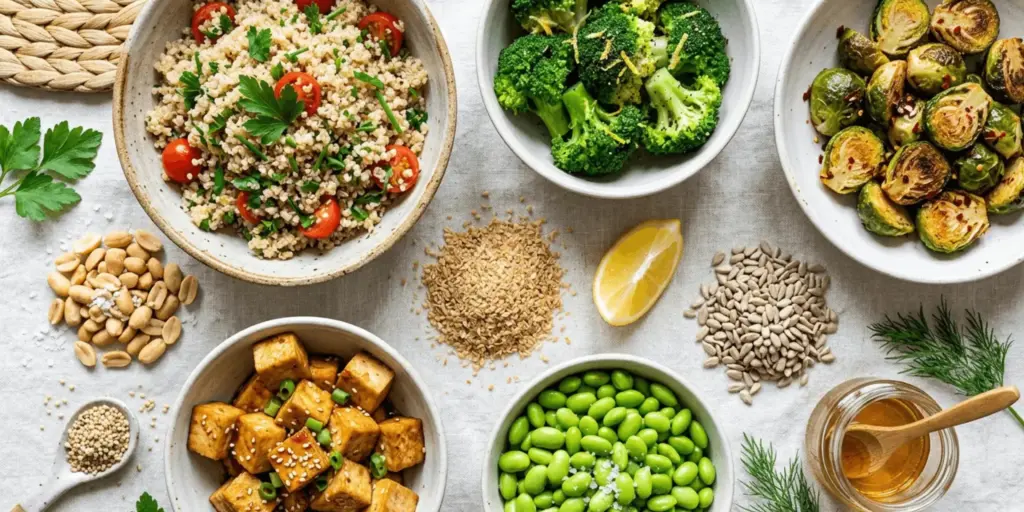
While the richest dietary sources are fish, eggs and organ meats there is significant amounts of choline in plant-based foods, notably soya as in tofu and soya milk, quinoa, nuts and seeds including flax seeds, almonds and peanuts, and cruciferous vegetables including broccoli, cauliflower and Brussels sprouts.

While, on the face of it, it does appear than vegans, especially those planning pregnancy, need to become choline focused in relation to choosing the right daily foods, and possibly supplementing, there is not yet conclusive evidence showing that vegan mothers are at risk, although it is likely that they are. One of the learnings that has come out of studies on omega-3 DHA is than vegan mothers may convert more vegan omega-3 ALA into DHA as an evolutionary imperative – not that a top up with supplementation isn’t still the recommendation. Could it be that vegan mothers make more choline if needed since it is so important for brain development? There are very few studies of vegans to know the answer to this question.

One recent study looked at choline levels in breast-milk of vegans, versus vegetarians and non-vegetarians. There was no significant difference with the author of the study concluding “This suggests that maternal plant-based diet by itself is not a risk factor for low breast-milk choline.” 

The vegan community is certainly divided on this issue. Of course, the safe or cautious position, while the science unravels, is to supplement choline during pregnancy.

What intake of choline can you achieve from a vegan diet alone? Here’s a list of the best plant-based food for choline, compared to egg and fish as a yardstick, listed in order of how much you could get in a reasonable serving*:

FOOD CHOLINE PER SERVING PER 100g

An egg (all in the yolk) 50g 113mg  226mg

Fish eg salmon (100g/3oz) 90mg 90mg

Soya milk (cup – 250g) 57mg 23mg

Shiitake mushrooms (1 cup/145g) 54mg 37mg

Soya flour 12.5g (a cake slice) 24mg 192mg

Peas (1 cup -160g) 47mg 30mg

Quinoa, raw (1/3 cup 60g) 42mg 70mg 

Beans, raw (1/3 cup – 60g) 40mg 67mg

black, white, pinto, kidney

Broccoli, cauliflower 

or sprouts (1 cup/91g) 36mg 40mg  

Tofu (half a cup-125g) 35mg  28mg

Hummus (1/2 cup) 34mg 28mg

Chickpeas (1/4 can) 33mg 33mg

Baked beans (1/4 can) 31mg 31mg

Flaxseeds (small handful) 22mg 78mg

Pistachio (small handful) 20mg 71mg

Pine nuts (small handful) 18mg 65mg

Cashews (small handful) 17mg 61mg

Wholegrain bread (2 slices – 50g) 17mg 34mg

Avocado (1/2) 14mg 28mg

Almonds 50g (small handful) 12mg 42mg

Peanuts (small handful) 12mg 42mg

Wheatgerm (tablespoon 7g) 12mg 178mg

Almonds or peanut butter (tbsp) 10mg 61mg

Source: USDA choline content database and https://nutritiondata.self.com

*Many foods have not been analysed for choline, and measurements do vary, so this is a guide rather than a definitive list.

What does this mean for your daily diet? Here’s a typical vegan daily menu aimed to maximise choline intake and how much it would give you (I’m not including all foods and recipes, just those ingredient that deliver significant amount of choline):

BREAKFAST

A cup of soya milk 57mg

Small handful of nuts or seeds 20mg

(Flax, chia, almonds etc)

LUNCH

A cup of cooked quinoa (1/3 cup raw) 43mg

A serving (100g) of either broccoli, 36mg

cauliflower or Brussels sprouts

Avocado (1/2) 14mg

SNACKS

A tablespoon of almond or peanut butter 10mg

Hummus (1/2 cup) 34mg

Two slices of wholegrain bread 17mg

DINNER

A serving of tofu (125g) or beans 35-40mg

Half a cup of shiitake mushrooms 27mg

A serving (100g) of either broccoli, 36mg

cauliflower or Brussels sprouts

TOTAL 332mg

In reality you are unlikely to achieve this every day, and it would be quite limiting on your food choices, so a realistic target would be to achieve 300mg of choline from food. If you are aiming to achieve 500mg, which is the low end of optimal – more than this may be optimal in pregnancy – that leaves a shortfall of around 200mg of choline, suggesting the need for supplementation.

The most direct source of choline is from soya-derived lecithin granules and capsules. A flat tablespoon of lecithin granules (7.5g), which has a neutral and pleasant taste and can be sprinkled on cereals, in shakes and soups or eaten as is, provides 1,500 mg of phosphatidylcholine and around 200mg (13 per cent) of choline. Some ‘high phosphatidyl choline’ lecithin, sometimes called ‘high PC lecithin’ is 18 per cent choline, thus you need less – approximately a flat dessertspoon.

One tablespoon of lecithin granules equals three 1,200mg lecithin capsules (if ‘high PC’ two capsules would suffice). We suggest that this is a sensible addition to a completely vegan diet. (If you aspire to be plant-based most, but not all of the time the addition of two eggs, or an egg and a fish serving, would achieve 500mg a day of choline.)

You can also find ‘brain food’ supplements providing a combination of different kinds of phospholipids, not just choline, but its hard to get enough choline from these if your only other food sources are plant-based foods. 

In summary, we need both omega-6 and omega-3 fats, as well as phospholipids.

  • Have one or two servings a day of dark green, leafy veg – especially those that grow in colder climates such a kale, broccoli, brussels sprouts, or a serving of seaweed as sources of both choline and omega-3.
  • Have a serving of quinoa, beans or tofu every day, if not two, for choline.
  • Have a dessertspoon of high PC lecithin, or two capsules of high PC lecithin granules every day. These guidelines are especially important if you are planning a pregnancy, pregnant or breast-feeding.

If you are not completely vegan the best food source for phospholipids and choline are eggs. Eat six eggs a week. The choline is in the yolk. The advice regarding omega-3 – eat three servings of fish a week, is good for choline too but it is present in all fish, not just oily fish high in omega-3 fats.


Have you taken the Cognitive Function Test to find out your Dementia Risk Index score? It’s completely FREE and you can choose to pay for the COGNITION programme afterwards if you need personalised recommendations to help you put diet and lifestyle tips into action.

Further info

Brain Fats – Seafood, Omega-3 PUFAs, Phospholipids and Vitamin D

Brain Fats – Seafood, Omega-3 PUFAs, Phospholipids and Vitamin D

The omega-3 fat, docosahexaenoic acid (DHA) is the most abundant PUFA in the brain, concentrated in the grey matter and, particularly at the synapses.1 DHA is incorporated into membrane phospholipids, where it affects the properties of the membrane, for example, maintaining membrane fluidity. DHA, along with other omega-3 fats EPA, DPAn-3 and their mediators are involved in a wide variety of processes in the brain, such as making new neurons, synaptic connections and the regulation of inflammation.2

Fish, especially cold-water oily fish, contain high levels of DHA and EPA,  and epidemiological studies consistently suggest that an elevated fish intake is associated with decreased risk of neurodegenerative diseases, such as Alzheimer’s disease.3 Recent estimates suggest that worldwide many populations are currently consuming DHA and EPA at levels well below the recommendations issued by many international authorities (GOED), with and blood levels of EPA and DHA have been estimated to be low to very low for most of the world, which may increase global risk for chronic disease.4

Interestingly, positive associations have also been found between walnut consumption and cognitive performance.5 Walnuts are a source of omega-3 fat, alpha-linolenic acid (ALA) and also a range of antioxidants.

Omega-3 Supplementation and cognitive decline

DHA supplementation appears to show the greatest promise in the early stage before the onset of memory loss symptoms,1 and at levels at or above 1000 mg per day (Ismail 2015).6

A study of healthy 50-75 year olds were given 2,200 mg a day of omega 3 fish oils for six months not only reported significant increase in executive function, one aspect of cognition that is a hallmark of Alzheimer’s, but also beneficial structural changes in white matter integrity and grey matter volume in the brain. The cognitive improvement correlated with blood levels of omega-3 PUFAs.7

A randomized, double-blind, placebo-controlled, clinical study, gave 900 mg of DHA a day for 24 weeks and reported an improvement in learning and memory function in those with age-related cognitive decline.8 In a further trial by the same research group, giving 2,000 mg a day of DHA or placebo to 402 people with mild to moderate Alzheimer’s disease, therefore further along the disease process, for a period of 18 months found no cognitive improvement.9

Phospholipids

Phospholipids, rich in eggs and seafood, are abundant in the brain. They make up the membranes of the different types of cells in the brain. These include Phosphatidylethanolamine (PE) and phosphatidylserine (PS) phosphatidylcholine (PC) and phosphatidylinositol (PI). They become attached to omega-3 DHA. (see film ‘Build Your Brain‘) Phosphatidylethanolamine (PE) and phosphatidylserine (PS) are enriched in DHA, whereas much lower levels are found in phosphatidylcholine (PC) and phosphatidylinositol (PI).3 Attaching DHA to phospholipids is a process that requires methylation, which is dependent on B vitamins.9 Interestingly, although DHA is typically found high in PS, levels have been found to be low in PS in post-mortem samples from Alzheimer’s disease patients.10 PS supplementation may benefit cognition in the elderly,11 but as PS is highly enriched with DHA, it is currently unclear whether the potential beneficial effects of PS on cognition are due to the intact PS or DHA.  Although PC is not highly enriched in DHA, higher plasma concentrations of PC-DHA are associated with reduced risk of dementia and AD,12 and post mortem samples from AD shows depletion of PC-DHA in grey matter.13

Supplementation

A number of trials have investigated the effects of providing multinutrient supplements containing a range of nutritional factors with the aim of supporting phospholipid biosynthesis. Our recent systematic review identified that omega-3 PUFAs and B vitamins as part of these multinutrient formulas confers benefits on cognition in older adults across a range of different types of measures of cognition in older adults.14 Furthermore, 12-week trial of citicoline has shown cognitive benefits in healthy older adults.15

Vitamin D

The primary source of vitamin D is exposure to sunlight. Seafood provides the most dietary vitamin D. Vitamin D deficiency increases risk of AD.161,17,18  Supplements of vitamin D can be derived from animal or fungal sources (mushrooms and yeast). Supplementing 800iu (20mg) a day for 12 months has been shown to improve cognitive function and lessen amyloid protein markers.19

In a study in France involving 912 elderly patients followed for twelve years, a total of 177 dementia cases (124 AD) occurred: 25(OH)D deficiency was associated with a nearly three-fold increased risk of AD.20

References

1.Dyall, S. C. (2015, 2015-April-21). Long-chain omega-3 fatty acids and the brain: A review of the independent and shared effects of EPA, DPA and DHA [Review]. Frontiers in Aging Neuroscience, 7(52). https://doi.org/10.3389/fnagi.2015.00052

2. Dyall, S. C., Balas, L., Bazan, N. G., Brenna, J. T., Chiang, N., da Costa Souza, F., Dalli, J., Durand, T., Galano, J. M., Lein, P. J., Serhan, C. N., & Taha, A. Y. (2022, Apr). Polyunsaturated fatty acids and fatty acid-derived lipid mediators: Recent advances in the understanding of their biosynthesis, structures, and functions. Prog Lipid Res, 86, 101165. https://doi.org/10.1016/j.plipres.2022.101165

3. Dyall SC, Michael-Titus AT. Neurological benefits of omega-3 fatty acids. Neuromolecular Med. 2008;10(4):219-35. doi: 10.1007/s12017-008-8036-z. Epub 2008 Jun 10. PMID: 18543124.

4. Stark, K. D., Van Elswyk, M. E., Higgins, M. R., Weatherford, C. A., & Salem, N., Jr. (2016, Jul). Global survey of the omega-3 fatty acids, docosahexaenoic acid and eicosapentaenoic acid in the blood stream of healthy adults. Prog Lipid Res, 63, 132-152. https://doi.org/S0163-7827(15)30033-3 [pii]10.1016/j.plipres.2016.05.001 Alzheimers Dement. 2017 Nov;13(11):1207-1216. doi: 10.1016/j.jalz.2017.03.003. Epub 2017 May 16

5. Theodore LE, Kellow NJ, McNeil EA, Close EO, Coad EG, Cardoso BR. Nut Consumption for Cognitive Performance: A Systematic Review. Adv Nutr. 2021 Jun 1;12(3):777-792. doi: 10.1093/advances/nmaa153. PMID: 33330927; PMCID: PMC8166568.

6. Ismail

7. A. Veronica Witte, Lucia Kerti, Henrike M. Hermannstädter, Jochen B. Fiebach, Stephan J. Schreiber, Jan Philipp Schuchardt, Andreas Hahn, Agnes Flöel, Long-Chain Omega-3 Fatty Acids Improve Brain Function and Structure in Older Adults, Cerebral Cortex, Volume 24, Issue 11, November 2014, Pages 3059–3068, https://doi.org/10.1093/cercor/bht163

8. Yurko-Mauro K, McCarthy D, Rom D, et al; Beneficial effects of docosahexaenoic acid on cognition in age-related cognitive decline. Alzheimers Dement. 2010; 6, 456-64

9. Quinn JF, Raman R, Thomas RG, et al; Docosahexaenoic acid supplementation and cognitive decline in Alzheimer disease: a randomized trial. JAMA, 2010; Nov 3;304(17):1903-11.

10. A David Smith, Fredrik Jernerén, Helga Refsum, ω-3 fatty acids and their interactions, The American Journal of Clinical Nutrition, Volume 113, Issue 4, April 2021, Pages 775–778, https://doi.org/10.1093/ajcn/nqab013

11. Cunnane, Stephen & Schneider, Julie & Tangney, Christine & Tremblay-Mercier, Jennifer & Fortier, Mélanie & Bennett, David & Morris, Martha. (2012). Plasma and Brain Fatty Acid Profiles in Mild Cognitive Impairment and Alzheimer’s Disease. Journal of Alzheimer’s disease : JAD. 29. 691-7. 10.3233/JAD-2012-110629.

12. Richter Y, Herzog Y, Lifshitz Y, Hayun R, Zchut S. The effect of soybean-derived phosphatidylserine on cognitive performance in elderly with subjective memory complaints: a pilot study. Clin Interv Aging. 2013;8:557-63. doi: 10.2147/CIA.S40348. Epub 2013 May 21. PMID: 23723695; PMCID: PMC3665496.

13. Schaefer EJ, Bongard V, Beiser AS, Lamon-Fava S, Robins SJ, Au R, Tucker KL, Kyle DJ, Wilson PW, Wolf PA. Plasma phosphatidylcholine docosahexaenoic acid content and risk of dementia and Alzheimer disease: the Framingham Heart Study. Arch Neurol. 2006 Nov;63(11):1545-50. doi: 10.1001/archneur.63.11.1545. PMID: 17101822.

14. Yuki D, Sugiura Y, Zaima N, Akatsu H, Takei S, Yao I, Maesako M, Kinoshita A, Yamamoto T, Kon R, Sugiyama K, Setou M. DHA-PC and PSD-95 decrease after loss of synaptophysin and before neuronal loss in patients with Alzheimer’s disease. Sci Rep. 2014 Nov 20;4:7130. doi: 10.1038/srep07130. PMID: 25410733; PMCID: PMC5382699.

15. Fairbairn, P., Dyall, S. C., & Tsofliou, F. (2022, Apr 27). The Effects of Multi-Nutrient Formulas containing a Combination of Omega-3 Polyunsaturated Fatty Acids and B vitamins on Cognition in the older adult: A Systematic Review and Meta-analysis. Br J Nutr, 1-42. https://doi.org/10.1017/S0007114522001283

16. Nakazaki E, Mah E, Sanoshy K, Citrolo D, Watanabe F. Citicoline and Memory Function in Healthy Older Adults: A Randomized, Double-Blind, Placebo-Controlled Clinical Trial. J Nutr. 2021 Aug 7;151(8):2153-2160. doi: 10.1093/jn/nxab119. PMID: 33978188; PMCID: PMC8349115.

17. Sommer I, Griebler U, Kien C, Auer S, Klerings I, Hammer R, Holzer P, Gartlehner G. Vitamin D deficiency as a risk factor for dementia: a systematic review and meta-analysis. BMC Geriatr. 2017 Jan 13;17(1):16. doi: 10.1186/s12877-016-0405-0. PMID: 28086755; PMCID: PMC5237198;

18. Jayedi A, Rashidy-Pour A, Shab-Bidar S. Vitamin D status and risk of dementia and Alzheimer’s disease: A meta-analysis of dose-response †. Nutr Neurosci. 2019 Nov;22(11):750-759. doi: 10.1080/1028415X.2018.1436639. Epub 2018 Feb 15. PMID: 29447107;

19. Chai B, Gao F, Wu R, Dong T, Gu C, Lin Q, Zhang Y. Vitamin D deficiency as a risk factor for dementia and Alzheimer’s disease: an updated meta-analysis. BMC Neurol. 2019 Nov 13;19(1):284. doi: 10.1186/s12883-019-1500-6. PMID: 31722673; PMCID: PMC6854782.

20. Jia J, Hu J, Huo X, Miao R, Zhang Y, Ma F. Effects of vitamin D supplementation on cognitive function and blood Aβ-related biomarkers in older adults with Alzheimer’s disease: a randomised, double-blind, placebo-controlled trial. J Neurol Neurosurg Psychiatry. 2019 Dec;90(12):1347-1352. doi: 10.1136/jnnp-2018-320199. Epub 2019 Jul 11. PMID: 31296588.

21. Feart C, Helmer C, Merle B, Herrmann FR, Annweiler C, Dartigues JF, Delcourt C, Samieri C. Associations of lower vitamin D concentrations with cognitive decline and long-term risk of dementia and Alzheimer’s disease in older adults. Alzheimers Dement. 2017 Nov;13(11):1207-1216. doi: 10.1016/j.jalz.2017.03.003. Epub 2017 May 16. PMID: 28522216.

Further info

Nutrients for Female Brain Health Across the Lifespan

Our latest blog explores specific nutrients and dietary patterns that are most supportive of female brain health across the lifespan.

Premenstruation

The age at which periods begin varies from female to female. Therefore it is highly beneficial to establish a varied diet from an early age, with a wide range of colourful vegetables and fruits, nuts, seeds, pulses and essential fats from nutritious sources such as oily fish and unprocessed olive and coconut oils. This will help to set the foundations for key nutrients, which will support female hormone health, as well as brain and overall health, across the lifespan.  

Menstruation

Periods normally begin between the ages of 10-16, although they can begin at a younger age, due to genetic and environmental factors. Periods onset may also be delayed to a later age in individuals who have a family history of late-onset periods, are doing large amounts of exercise, experience stress, are underweight, or have an eating disorder or health condition affecting the ovaries. 

Some key nutrients for menstruating women include:

Iron

The average blood loss experienced across a period is estimated to be between 3-5 tbsps of blood, and iron loss may occur at varying degrees depending on heaviness of the period blood flow. It is therefore imperative to ensure iron levels are maintained across a woman’s lifespan. Females with iron deficiency may manifest with symptoms such as pale skin, low energy, failure to thrive, reduced appetite and behavioural and emotional issues

Females with iron deficiency may also have higher risk of developing depression and anxiety, because deficiency of iron causes altered levels of serotonin and dopamine. Serotonin and dopamine are two neurotransmitters involved in mood regulation. Furthermore, iron deficiency results in alteration to balances of the neurotransmitters glutamate and GABA, which have an excitatory and calming effect on the nervous system, respectively. Iron status should be monitored and supported through nutrition and, if required, supplementation throughout a woman’s menstrual life. 

Fats 

Consuming fats is essential for female hormone health. Oestrogen and progesterone, hormones involved in the female reproductive system, are synthesised from cholesterol. There has been a focus in the last few decades on cholesterol levels that are too high. However, it is equally important, but perhaps less discussed, to ensure that cholesterol levels do not become too low, as this can impact on female hormone balance. Female adolescents following low fat diets, or diagnosed with an eating disorder, are particularly at risk of experiencing hormonal imbalance, for this reason.  

Women should ensure they are consuming monounsaturated fats, such as avocado and olive oil, and polyunsaturated fats, such as omega-3. Research has demonstrated that omega-3 is involved in modulating mood, memory and cognition. The role of omega-3 in supporting the gut-brain axis is also an important consideration. Omega-3 fats are essential for increasing and maintaining levels of beneficial bacteria in the gut microbiome. Some strains of beneficial gut bacteria are involved in the synthesis of neurotransmitters such as serotonin, dopamine and GABA, which are all involved in modulating mood. This provides one possible explanatory mechanism for why omega-3 may be supportive of mental well being during a woman’s cycle, as low serotonin and dopamine levels have been suggested to be associated with some symptoms of PMS and PMDD. Furthermore, in a recent study women with PMS who were administered omega-3 fatty acids were observed to experience fewer symptoms long term.

Omega-3 fats, in the forms of EPA and DHA, are found in oily fish such as salmon and mackerel, as well as in algae. They are also found in walnuts and flaxseeds, in the form of ALA. However, it should be noted that the body has to convert ALA into DHA and EPA, forms the brain can utilise more readily. This conversion process is not particularly efficient, but recent research has suggested that this conversion pathway can be enhanced by curcumin, which is found in turmeric. Although these findings hold promise for the potential role of curcumin, and possibly other polyphenols, in supporting ALA conversion, further research is required to explore these findings in humans.

Zinc

An emerging area of research is the role of zinc in supporting women’s hormone health. A recent randomised double blinded control trial indicated that women with PMS who were administered zinc sulphate were observed to experience significant improvement to PMS symptom severity and improvement to quality of life. These findings were further supported in a 2020 study on female university students. An additional study demonstrated that zinc supplementation had a significant impact on reducing physical and psychological symptoms of PMS, as well as increasing levels of BDNF (brain derived neurotrophic factor), a key molecule in the brain involved in learning and memory, and reducing oxidative stress, a major trigger for inflammatory processes.

Menopause

Menopause is a normal part of a woman’s natural ageing process. It normally occurs between the ages of 45-55. However, premature menopause affects 1 in 100 women, and may occur due to genetic and environmental factors, including early menarche and heavy alcohol consumption throughout life.

Role of Oestrogen and Homocysteine in Women’s Increased Risk of Cognitive Decline Postmenopausally

The nutrition research and strategies discussed above are of merit to continue throughout menopause due to their role in supporting female hormone health, as well as the gut-brain-axis. A key consideration for menopause and brain health is that women’s risk of developing Alzheimer’s disease increases. One hypothesis is that changes in levels of oestrogen and subsequent impact on the brain’s bioenergetic system may decrease metabolic activity and increase deposit of a key marker of Alzheimer’s disease, beta-amyloid.  Recent research has also indicated that levels of homocysteine, a marker involved in neurological diseases such as Alzheimer’s disease, rise in response to a fall in oestrogen levels during the menopause.

B Vitamins, Omega-3 and Zinc 

Research has indicated that increasing levels of folate and B12, as well as omega-3, may help to reduce levels of homocysteine. This can be done through increasing consumption of green leafy vegetables (folate), chicken and fish (B12) and oily fish (omega-3), as well as through supplementation of these nutrients (particularly B12 and omega-3 if vegetarian or vegan). Furthermore, recent research has highlighted the key role of zinc in significantly reducing concentrations of homocysteine. This may be due to its synergistic relationship with folate and B12. 

Mediterranean Diet

Following the Mediterranean diet, which involves consuming extra-virgin olive oil, vegetables, fruits, legumes, pulses, nuts and oily fish, may be particularly supportive during menopause. The European Menopause and Andropause Society has also recently proposed the Mediterranean diet as an appropriate dietary pattern post-menopause, as it may help to reduce cognitive decline, cardiovascular and metabolic diseases, which are both risk factors for Alzheimer’s disease. An additional food of note, which can be incorporated into a Mediterranean diet, is flaxseed, which has been specifically shown to support women during and post menopause. This is possibly due to flaxseed’s omega-3 content (ALA), as well as lignan content, which may help to modulate oestrogen levels

Manganese

An area of emerging research is manganese levels and menopause. A recent study  indicated that alterations in blood levels of manganese occur before and during menopause. Manganese is a micronutrient required for insulin secretion and blood glucose balance, as well as modulating the body’s endogenous antioxidant systems and thereby reducing oxidative stress, as well as the homeostasis of neurotransmitters such as dopamine, glutamate, and GABA. Further research is required to explore the full mechanisms through which manganese is involved in the menopause, and how altered levels may impact on female brain health.

Notably, many women opt during this stage of life to take hormone replacement therapies (HRT). A recent study published in the British Medical Journal has demonstrated that some types of HRT may increase risk of developing Alzheimer’s disease when used long term. Individuals should consult their doctor before beginning HRT, particularly raising any concerns if they have a family history of Alzheimer’s disease, or exhibiting symptoms of cognitive decline. 

Disclaimer: Always consult your doctor or a qualified healthcare practitioner if you are experiencing any symptoms that concern you, such as unexpected period cessation, heavy blood loss, mood swings or memory loss. Also always consult a qualified healthcare practitioner before beginning any new supplement regimen.

Further info

SAD in the Winter Months? How to Support Seasonal Affective Disorder with Nutrition

SAD (or seasonal affective disorder) is a sub-form of major depression or bipolar, according to the Diagnostic and Statistical Manual of Mental Disorders, which most commonly occurs during the darker and colder autumn and winter months. Key identified risk factors include: a family history of the disorder, and living at northern latitudes. Specifically women, people with darker skin tones and individuals between the ages of 18 to 30 years of age are most at risk of developing the disorder. In order to have a diagnosis of SAD, the condition must be observed to improve outside of the colder seasons. Depending on the latitude, SAD has a prevalence of 1.9 – 9%. Individuals with lower levels of the metabolism regulating hormone adiponectin have also been observed to be at higher risk of developing SAD.

Nutrition and SAD

Vitamin D has been hypothesised to play a key role in SAD development due to reduced sunlight in northern latitudes during colder months. Additionally, it has been observed that there is a correlation between blood levels of Vitamin D and symptoms of depression, due to reduced levels of the neurotransmitters serotonin and dopamine. Vitamin D has also been hypothesised as being involved in circadian rhythm, which is affected by seasonal changes. However, supplementation of Vitamin D in SAD has yielded mixed results, and further studies are needed in this area.

Practical Interventions for Supporting Individuals with SAD

Due to the prevalence of Vitamin D in depressive conditions, the lack of sunlight during the winter months and the hypothesised role of Vitamin D deficiency in the development of SAD, increasing Vitamin D exposure is potentially of merit. This may be done through the following:

  • Consuming foods which are natural sources of Vitamin D, such as oily fish including salmon and mackerel, egg yolks and organic milk and cheese
  • Increasing exposure to sunlight in the winter months by being outside, particularly engaging in physical activities and spending time in nature 
  • Supplementation of Vitamin D3. The RDA in the UK for Vitamin D is 10 micrograms (µg) or 400 IU. However, some individuals may benefit from supplementing higher levels of this vitamin, particularly if they have a higher BMI, a diagnosed mental health condition or darker skin pigmentation. Baseline levels of Vitamin D as established via blood test, calcium intake, genetics, oestrogen use, dietary fat content and composition, as well as co-existing diseases and medication use may also impact on Vitamin D requirements*.

*Note: before beginning any new supplement regimen, always consult your physician and a qualified nutrition practitioner.

Further info

Nutrition for Anxious Children

The COVID-19 pandemic has brought much disruption, fear and anxiety, and this is particularly true amongst children and teens who have been affected by school closures, physical distancing and new routines. It is no surprise, then, that many children have been feeling more anxious or exhibiting signs of anxiety, and that related conditions such as OCD, social anxiety and disordered eating appear to be on the rise. Witnessing this in a child can be very worrying and stressful for parents.

At Food for the Brain, we’re passionate about sharing the science and nutritional strategies that promote good brain health and mental wellbeing at every life stage. Nurturing healthy brains in children is particularly important given the growing body of evidence connecting diet and mental health. 

Diet and Mental Health

We all know that diet plays a huge part in our health, but recently we have started to understand more about its connection to mental health. Unhealthy dietary patterns have been associated with poorer mental health in children and adolescents. Furthermore, a 2017 paper published in Public Health Nutrition found the UK to have the most ‘ultra-processed’ diet in Europe, as measured by family food purchases. British children were found to be eating “exceptionally high” proportions of ultra-processed foods*, which is likely to be contributing to health problems.

Specific Nutrients for Mental Health

The brain is the most energy-hungry organ in the body, stealing roughly 25% of the body’s energy requirements. In addition, there are specific nutrients that play a role in mental wellbeing. Ensuring good levels of these nutrients can support your child’s brain and mental health. 

Zinc

Zinc is a mineral found in higher concentrations in seafood, organ meat, chickpeas, lentils and pumpkin seeds – not foods that tend to be loved by children. Zinc can also be found in other foods such as the dark meat of chicken, yogurt, almonds and peas, but it may be harder to obtain the amounts children need from these sources.

Zinc is believed to interact with an important anti-anxiety brain chemical called GABA. GABA is the body’s main inhibitory neurotransmitter, meaning that it prevents excitatory neurotransmitters like dopamine and noradrenaline from over-stimulating the brain. This relaxes us and promotes feelings of calm, as well as helping to slow down our heart rate and breathing. In those who are deficient in GABA, feelings of anxiety and stress can be common symptoms.

Although zinc has not been as well researched as other nutrients, it has been connected in research to both ‘mood disorders’ and depression. Zinc supplementation may even reduce anger and lessen depression.

If your child does not eat seafood, chickpeas or chicken, you could encourage them to eat extra almonds, cashews and pumpkin seeds, to make up for any potential shortfalls. You could try making things like energy balls with nuts and seeds, adding raisins or dried apricots, which are also high in iron. 

Vitamin B6

B6 is really important for our mental wellbeing because the body uses it to make brain chemicals like GABA and serotonin, which make us feel calm, focussed and happy.

This vitamin is found in a wide range of foods such as meat, fish, chickpeas, vegetables and wholegrains. However, if your child’s diet mostly comprises refined, white foods such as bread and pasta, they may be losing out on important sources of this vitamin. Wholegrains and wholefoods should be the focus, keeping refined white flour to a minimum to help achieve good B6 levels. 

Iron

According to the World Health Organization, iron deficiency is the most prevalent nutritional deficiency. Iron deficiency in children is known to affect behaviour and learning, and has also been associated with increased anxiety and social problems. 

The best sources of iron are red meat, seafood and the dark meat of chicken. Plant foods also contain a lot of iron, such as beans, lentils, kale, cabbage and broccoli. Eggs and dairy contain iron in smaller amounts and may be a good source if your child will not eat plant or meat sources. An emphasis on green vegetables, however, is always recommended for overall good health.

What if my child doesn’t like these foods?

The biggest challenge for parents tends to be picky eaters, and time restraints. A picky eater may exclude whole food groups, such as animal protein or plant foods such as beans or greens. This may cause children to struggle to get the nutrition they need for good mental health.

Top Tips: It’s not easy coaxing a fussy child to eat something they don’t like, but disguising the food within something they do like can be a good trick. For example, making a well seasoned vegan burger using chickpeas. Or a creamy soup, sneaking in mixed vegetables, then blending until smooth for children who don’t like lumps. Shredding onion and celery into tomato sauce also disguises them well. Follow us on social media for additional tips this month on preparing meals for picky eaters.

* This report by The Soil Association provides useful information on ultra-processed foods and how to spot them.

With thanks to our volunteer, Linda Albinsson at Thrive Kids Clinic, for this article.

Further info

Nutritional support for depression before, during and after pregnancy

According to Dr Vivette Glover, Director of the Foetal and Neonatal Stress and Research Centre: “at any one time during pregnancy, one in every ten women will suffer with depression and around one in every thirty will be depressed both during pregnancy and the postnatal period.”

It is not yet understood exactly what causes the symptoms associated with depression during and after pregnancy. However, several factors play a significant role in how the body deals with stress:

  • large changes that the body undergoes due to the demands of the growing foetus
  • breastfeeding
  • potential sleep deprivation

It is during this period of time that our bodies require more nourishment from food than ever and it can also be at exactly this time when we perhaps struggle to prioritise nutrition due to lack of energy, loss of appetite or sickness. 

Pre and Post-Natal Depression are both complex conditions that can have multifactorial underlying drivers, including genetic and environmental influences. These are currently poorly investigated and the gold standard of treatment is often medication to help stabilise mood. Whilst SSRIs and other types of antidepressants have proven to be helpful for many, they do not address potential causes or drivers of poor mental health and can often mask symptoms. Medication for depression (ie antidepressants) are also not regularly recommended during pregnancy, which is why being more mindful of nutrition and lifestyle habits can be a safer option for you and your baby. There are some natural, evidence-based steps you can take to help support optimal mental wellbeing:

Eat Foods to Support Energy Depletion:

Common issues such as poor sleep during pregnancy and sleep deprivation following the birth can often heighten cravings for stimulants and sugary foods, which may seem like a good option for quick sources of energy, however, these foods can often cause further issues with energy and lead to fatigue and low mood. Eating foods that are high in refined sugar and refined grains such as commercial white bread, pastries, cakes and biscuits, give us an unsustainable source of energy. 

The brain is a very metabolically active organ; despite it only being 7% of the body’s weight, it can take up to 20% of the body’s metabolic needs, meaning that it is very energy hungry. This is why it is important to nourish the brain with foods that are nutrient rich, providing the body the building blocks to produce neurotransmitters, as well as a sustainable source of energy. The best options are fresh, unprocessed foods such as wholegrains (brown bread, brown rice, quinoa, rye and oats), pulses, vegetables, good quality sources of protein (meat, poultry and fish) and healthy fats such as those found in olive oil, coconut oil, avocados and oily fish. 

Just like throughout pregnancy, nutritional needs after birth, especially if breastfeeding, are incredibly important. The healthier the diet, the easier it will be to sustain the energy needed to take care of a newborn. Research shows that a breastfeeding mother needs an extra 300-500 calories a day, from food that is rich in the right macro and micronutrients to nourish both mother and baby. For example, nutrients such as B vitamins have shown to be important in supporting the mother in ensuring she has enough energy to meet the demands of lactation. These nutrients can be found in green leafy vegetables, wholegrains and good sources of animal protein. 

Protect yourself from Oxidative Stress:

Oxidative stress refers to a biochemical process that occurs as a result of an accumulative everyday exposure to toxic burdens. These include such things as chemicals in cosmetics, furniture, paints, cars, and pollution.

Our body has its own way of armouring itself from the damage that exposure to toxins can create through its production of endogenous antioxidants. This is nature’s way of neutralising oxidative stress. Although we have our own production of these wonder molecules, when we are continuously overloaded with toxins in our environment and have problems detoxifying, the liver can become overwhelmed.

Research shows that over time oxidative stress can lead to an increase in inflammatory molecules such as cytokines, which have been shown to correlate with depression. This is why it is important to have a high intake of nutrients that support the liver in metabolising and removing toxins from the body, as well as regulating the inflammatory response.

There are a few things we can change in our diet to support this area, for example eating foods such as the cruciferous family of vegetables which includes kale, cauliflower, broccoli and cabbage. These are particularly effective at supporting the liver in ushering out toxins as they all share an antioxidant compound called indole-3 Carbinol, which plays an important role in liver health. In addition, bitter greens such as collard greens, rocket, chicory and swiss chard are also great for supporting the liver’s own antioxidant defence system.

Increase intake of Omega-3 Fatty Acids:

During pregnancy and after pregnancy there is often a concern for the potential depletion of the maternal nutrient reservoir due to the needs of the growing foetus.

A nutrient that is particularly important for mental wellbeing and is also essential for the growth of the foetus’s brain, is DHA. This is an omega 3 fatty acid that is found in oily fish and is the primary structural component of brain tissue. It also plays a crucial role in the maintenance of brain cells and neurotransmitter metabolism. Our body can also convert plant sources of omegas 3’s into DHA, such as those found in flaxseeds or chia seeds into DHA, but the conversion can often very poor.

Deficiency in this nutrient during pregnancy is common, mainly due to higher requirements during foetal growth, which can lead to depletion. Another contributor is a lack of seafood intake (the most bioavailable source of DHA) due to concerns of mercury levels in fish during pregnancy.

DHA plays an important role in neurotransmitter metabolism, so deficiency in this nutrient has been correlated to symptoms of depression during pregnancy.

In order to support your intake of omega 3, aim to have 3 portions of oily fish a week from sources that are low in mercury. These are mainly small fish that have a short life-span such as sardines, mackerel and herring.

If you are vegetarian or vegan, although omega 3 is less readily available, it is still possible to get this nutrient from your diet through flax seeds, chia seeds, walnuts and seaweed.

If you feel you may not be getting enough through your diet, you may want to consider using a good quality fish oil supplement (or algae based supplement if vegan) as an option. With fish oils, aim to choose a supplement that has been filtered for heavy metals and other pollutants to make sure you’re getting the full benefits of the omega 3 oils.

Exercise and Personalised Nutritional Therapy:

In addition to diet, there are many other things you can also do to alleviate depression in pregnancy related to lifestyle, such as stress management through mindfulness or gentle movement such as pre or post natal yoga, which have both shown to be incredibly helpful in encouraging mental wellbeing. If you feel you need extra support, personalised nutritional therapy can be very helpful as there can often be other drivers such as nutrient deficiencies and digestive complaints that can play a significant role in mental health and will need to be addressed in a way that is tailored to the individual. 

BANT (British Association for Applied Nutrition and Nutritional Therapy), have a large network of therapists you can use to find a therapist suitable for you.For wider help and information, you might want to contact the PANDAS Foundation, a charity who offer pre and post natal advice and support.

Further info

The role of nutritional therapy in supporting ADHD

What is ADHD?

Attention Deficit and Hyperactivity Disorder (ADHD) is a condition that relates to a collection of behavioural symptoms such as hyperactivity, impulsiveness and inattentiveness. It is most commonly diagnosed in childhood between the ages of 6 and 12 when disruptive behaviour begins to show, however, due to a growing awareness of the condition, it is also becoming common among adults. According to the thinktank Demos, the cost of undiagnosed ADHD in adults in the UK, who are unable to work or hold down a full-time job, are estimated to cost billions of pounds to the nation. They warn that too many may be going through life struggling, unable to access the support or diagnosis they need, which means there could be a huge amount of wasted talent.

The most common front-line of treatment for ADHD is medication and cognitive behavioural therapy (CBT). Prescriptions for ADHD drugs such as Ritalin, have doubled to 922,000 a year in the last decade, and whilst it offers symptom management for many, it has also been found to have significant negative side effects such as weight loss, liver toxicity, and suicidal thoughts, and in the short term may suppress pubertal growth. The aetiology of ADHD is multifactorial, meaning that there are varying influencing factors that drive the symptoms. This is perhaps why this condition has been hard to study and find effective treatment for. 

The Gut-Brain Link in ADHD

A key area that has been widely researched is the link between the microbiome (bacteria) in the gut and the brain. The hypothesis is that alterations in bacteria due to changes in our environment such as increased hygiene, increased exposure to antibiotics, refined and processed foods and stress, have led to disturbances in short-chain fatty acids (SFCAs), which are byproducts of fermentation in the gut when bacteria come into contact with indigestible fibre found in food. 

One SCFA in particular, called propionic acid, has been identified as a driver for abnormal behaviour that is related to both ADHD and the autism spectrum. This SCFA can alter metabolic and immune pathways, as well as gene expression, which can affect the functionality of the brain cells and their receptivity to neurotransmitters, as well as their ability to regenerate and regulate inflammatory responses. Certain strains of pathogenic bacteria, such as clostridia, have been implicated in producing large amounts of propionic acid. This strain of bacteria is naturally present in the gut, however, an overgrowth can occur when good bacteria levels are compromised and/or there is an acute infection. In addition, processed wheat and dairy products often contain propionic acid as a food preservative in the form of calcium propionate. 

How to Support the Gut-Brain Connection

Other SCFAs such as butyrate, are well known for having health-promoting properties, such as producing anti-inflammatory effects by being able to regulate T-cells (immune cells) in the colon, as well as helping to maintain a healthy gut barrier function. In order to increase the favourable, health-promoting SCFAs, such as butyrate, it’s important to increase the intake of vegetables, fruits and good fats such as grass-fed butter, coconut oil, nuts and seeds, olive oil and avocado. These provide food for gut bacteria to feed on, also known as prebiotic fibres. Foods such as those listed above, contain the right nourishment for gut bacteria to produce SCFAs that support health. Eating traditional foods such as fermented cabbage and other vegetables, as well as bone broth, are also rich in prebiotics and nutrients that support a healthy microbiome and digestive system. 

How Toxins and Heavy Metals Affect the Brain

Exposure to toxins and heavy metals has also been implicated in the aetiology of ADHD. Research shows that significant childhood exposure to heavy metals and chemical compounds promotes neurodevelopmental toxicity and may be one of the underlying drivers of behavioural disorders among children. 

Phthalates – How to Avoid them

For example, prenatal exposure to phthalates, which are chemical compounds that are commonly added to plastics to increase their durability and flexibility, have been linked to behavioural abnormalities, characterised by shortened attention span and impaired social interaction. Phthalates are an extensive group of chemicals, and whilst not all of them have been studied, several have shown to have negative health impacts. This class of chemicals is found abundantly and can find their way into food packaging, cosmetics and household cleaners – making them virtually impossible to avoid. However, a growing awareness about the potential negative impact on health has led to the production of phthalate-free cosmetic and personal care products, as well as cleaning products. It may, therefore, be a significant step to try to avoid these chemicals by choosing products wisely, as well as trying to buy vegetables, fruit etc that haven’t been wrapped in plastic. 

The Blood Brain Barrier and Heavy Metals

Mercury exposure is among several other heavy metals, such as lead, aluminium and cadmium, that have been implicated in the aetiology of ADHD. Childhood exposure to mercury is predominantly through the consumption of seafood, dental amalgams and vaccines containing thimerosal. The reason why mercury can be so problematic, as well as other metals, is that it is capable of breaching the blood brain barrier. This is the brain’s ‘high fortress’, an intelligent gateway system that filters through molecules that are needed in the brain such as cells, nutrients and signalling molecules, and filters out pathogens and toxins. 

Mercury, as well as other heavy metals such as lead, can accumulate in brain tissue, as well as in the spinal cord, as they are fat-soluble. This means that they can hide themselves in fat tissue, abundant in both the brain and the spine. Once there, they can induce an inflammatory process called oxidative stress, displace important nutrients for brain health, such as zinc and iron, which are essential for neurotransmitter production. 

Dietary Steps to Avoid Heavy Metal Toxicity

  • Choose the right fish

An important dietary step to avoid heavy metal toxicity is choosing seafood and fish that has reduced levels of exposure. The Seafood Watch web page is a fantastic resource that has an extensive list of fish, seafood and sushi products that are safe, as well as those that are best to stay away from. For example, choosing wild pacific caught salmon is safer than Atlantic caught salmon.

  • Enhance Glutathione Levels

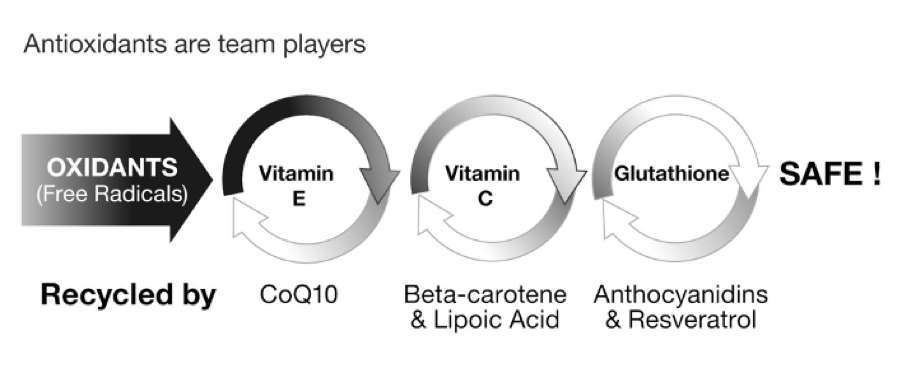
The body has its own inherent detoxification pathways that are responsible for packaging and removing heavy metals safely from the system. For example, glutathione is known as the body’s ‘master antioxidant’ and aside from playing an important role in preventing free radicals from causing damage to the body’s cells, it also helps to bind to heavy metals and remove them from the body. Research shows that glutathione levels are lower than normal in those on the autism spectrum, so enhancing levels through the diet may be an effective way to prevent the accumulation of heavy metals. Consuming sulfur-rich foods such as broccoli, cabbage, onions, garlic, kale and cauliflower can boost glutathione levels, as well as milk thistle, which has unique flavonoids that also support glutathione production.

  • Invest in a water filter

Most water filters on the market only filter out bacteria, parasites and organic compounds. There is a different method to filter out heavy metals, so make sure it explicitly says it does. The reverse osmosis method seems to be the most effective and can be integrated into the kitchen tap.

  • Increase intake of butyrate (SCFA) producing foods

As mentioned above, eating foods that are rich in indigestible fibre such as vegetables and fruits, as well as eating good fats that are found in grass-fed butter, nuts and seeds, olive oil, coconut oil and avocado, provide bacteria with prebiotics that help to produce the ‘friendly’ short-chain fatty acids, such as butyrate. Avoiding processed foods that contain calcium propionate, which lead to higher levels of propionic acid – the not so friendly short-chain fatty acid – is also another key strategy to support the gut-brain link. 

Other Strategies to Keep in Mind…

There are many more steps to help support the optimal functioning of the brain and therefore encourage improved learning and development. However, another key strategy to support brain health is to increase intake of omega 3, an essential fatty acid, that is most abundantly found in oily fish such as salmon, mackerel and sardines. Be sure to choose salmon that has had less exposure to polluted water – visit the Seafood Watch web page to find the best sources. Omega 3 is vital for the brain’s function, particularly one of its components called DHA. This is a key building block for the brain and is what keeps neurons (brain cells) working well and supports proper signalling via neurotransmitters. 

Lastly, this may seem like a no-brainer, however, avoiding refined sugar and processed foods at all costs is essential for managing ADHD symptoms. These foods have a negative impact on blood sugar levels, which consequently affect mood and concentration. 

Smart Kids

If you’d like more information and support on how to improve your child’s diet, please head to our ‘Smart Kids’ resources, where you’ll find free recipes, supplement guidelines and a questionnaire which tests your child’s diet and performance, as well as giving personalised advice on simple changes that will maximise their potential.

Access resources

Sign up to our mailing list

Receive educational articles and latest information on events, campaigns and research

Further info