⚙️ DOMAIN Archives - Page 4 of 5 - Food for the Brain

because prevention is better than cure.

because prevention is better than cure.

Mini Cart 0

Your cart is empty.

Mini Cart 0

Your cart is empty.

Choline crisis in the UK?

This was the title of a report in the British Medical Journal (1), pointing out that choline is an essential nutrient, much like omega-3 fats, that is vital for health and especially the brain, but not sufficiently supplied in many people’s diets, and especially those who are largely vegan.

While the body can make a little, it does not make enough and thus choline is being reclassified as an essential nutrient with an adequate intake defined as between 400mg and 520mg a day, the latter for pregnant and breast-feeding women. But these levels don’t relate to brain function. They relate to the EFSA allowed claims of “choline is needed for lipids metabolism”, “maintaining healthy liver functioning” and “reduction in homocysteine levels”. You need choline to do the right thing with cholesterol in the liver. 

But even more important is choline’s role in building and maintaining a healthy brain. A pregnant woman’s intake defines the cognitive abilities of their child. Twenty years ago we knew that pregnant rats fed choline half way through their pregnancy have more connections between brain cells, plus improved learning ability and better memory recall. Now we know it’s true for babies. In fact, a lack of choline can lead to a shrinking of a woman’s brain as the foetus robs their brain to build its own – a case of ‘Mummy I shrank your brain’. Babies are born with blood choline levels three times higher than their mother, illustrating how vital this nutrient is for building neuronal connections, which newborn babies do at a rate of up to a million new connections a second! An optimal intake for brain function is likely to be a lot higher than the 400mg recommended for adults.

Brain cells are made of a membrane containing choline (and other phospholipids) attached to the omega-3 fat DHA. Without choline the omega-3 doesn’t work. The attaching of the two depends on methylation, a process that is dependent on B vitamins, especially B12, folate and B6. Choline helps methylation and healthy methylation, indicated by low homocysteine, helps synthesize choline.

The reason the BMJ says ‘crisis’ is that more people are eating a plant-based diet and shunning eggs, fish and meat, which are the best sources of, not only choline, but also B12. There’s a tiny bit of choline in broccoli and in nuts, but not enough. An egg provides around 120mg, a 50g beef or salmon steak around 50mg. The same amount of almonds or broccoli is about 25mg. Cow’s milk has a little, but a fraction of that found in human milk. Beef liver is the richest source.

Twenty years ago I found the evidence sufficiently compelling to recommend eating an egg a day, three servings of fish and one of meat (or another portion of fish) a week, a handful of nuts, plus daily supplementation of circa 100mg, which is what I do in my ‘brain food’ formula. If you also ate a serving of broccoli a day, you’d be achieving something like 2,100mg a week, or 300mg a day – still short of daily requirements.

If you don’t eat eggs, fish or meat and don’t supplement there’s no way of getting even close. That’s why it’s time to add choline, along with omega-3 DHA and B12, to the list of nutrients that must be supplemented by those eating a vegan diet. Lecithin granules and capsules are the richest vegan source of choline, derived from soya. It will not work in building the brain, without a source of DHA which can be derived, in supplements, from algae or seaweed. 

If you want more strategies on what to eat and do to support ad upgrade your brain make sure you complete the Cognitive Function Test below to get your plan of action for improving your brain over the next 6 months.
Test Your Cognitive Function Now green banner.

Reference:

Further info

Ketones & Your Brain

Our brains have a dual fuel mechanism. The brains of large-brained animals like us can run on either glucose or ketones, derived from fat. If given the choice they prefer ketones. The rise in popularity in high fat ketogenic diets is partly to do with the ability of ketones to nourish and improve brain function when things go wrong, as well as weight loss benefits and the potential to reverse diabetes.

Epilepsy, for example, has been successfully treated in both children and adults with a high-fat ketogenic diet since the 1920’s often halving the frequency of fits. A recent study on people with Parkinson’s found that those placed on a high-fat diet had 41 per cent reduction in shaking, compared to 11 percent on a low-fat diet. There’s also a potential benefit in chronic fatigue syndrome.

The reason these high-fat keto diets work is that if a cell’s sugar metabolism is all messed up, a consequence of insulin resistance promoted by a high-sugar diet, then the cell struggles to get enough energy and you feel mentally and physically tired. But if, like a hybrid car, you can switch to a different fuel, ketones, then the cell comes back to life. This is especially true in struggling brain cells. When you fast, and switch to burning your body fat, the brain derives two-thirds of its energy from ketones.

Ketones are made from medium-chain triglycerides, known as MCTs. The rise in sales of MCT oil, which can be derived from palm or coconut oil. Also gaining in popularity are ketone salts and pure synthetic ketones, although these are yet to clear EU Novel Foods so are not yet available in Europe.

Fats are chains of carbon molecules and MCTs contain C6, C8, C10 and C12 oil. Of these C8 oil (called tricaprylin or caprylic acid triglyceride) makes ketones fastest. While coconut oil is 60 percent MCTs only 12 percent of MCTs is C8. That means that only 7 percent of coconut oil is C8.

The growth in bullet-proof coffee, adding a blob of coconut oil to your morning brew, is one way to up ketone levels but it’s much less effective than adding pure C8 oil. Patrick Holford’s Hybrid Latté – a coffee with carb-free almond milk, almond butter, C8 oil, cacao and cinnamon, is a step up. While coffee gives you energy like a bank loan gives you wealth it does speed up conversion to running on ketones.

Case studies with coconut oil have shown short-term beneficial effects in people with Alzheimer’s, with improved mental clarity. Two breakthrough studies in Canada, by Dr Melanie Fortier and Professor Stephen Cunnane from Sherbrooke University in Canada have established that C8 oil can be extremely helpful as an energy source for those with cognitive decline. Cunnane is an expert on fatty acid metabolism in the brain who has held the ‘Canada Research Chair on Dietary Fatty Acids and Cognitive Function during Ageing’.

Are there any downsides? A few people report abdominal or stomach discomfort. This can be minimized by building up slowly – starting with a teaspoon, then a dessert spoon, then a tablespoon, then two, then three tablespoons taken at different times of day, with food or in drinks or neat.

If glucose is petrol ketones are electricity. If your brain needs a service, switching from running on carbs to running on ketones by eating a low-carb, high-fat diet for a week, may be a good idea. It takes only 12 hours to start to run out of glucose fuel and start switching to ketones. Also good is an 18-hour carb fast – eg dinner at 6pm, lunch at 1pm. My brain stays sharp and I don’t feel hungry.

Want to know more about ketones and your brain? Then make sure you join us for our webinar: KETONES – A Key Brain Fuel During Ageing’ With Professor Stephen Cunnane

Find out more about the Ketones Webinar HERE >>>

References

  1.  M. Nei et al., Seizure. 2014;23(6):439-42.
  2.  M. Phillips et al., Movement Disorders 2018; 33(8):1306-1314 
  3.  Craig C. Med Hypotheses. 2015;85(5):690-3
  4.  C. Vandenberghe et al., Current Developments in Nutrition 2017; 1(4):e000257
  5.  Vanderberghe et al., Can J Physiol Pharmacol. 2017 Apr;95(4):455-458.

Further info

Staying Active & Failing Keeps you Sharp

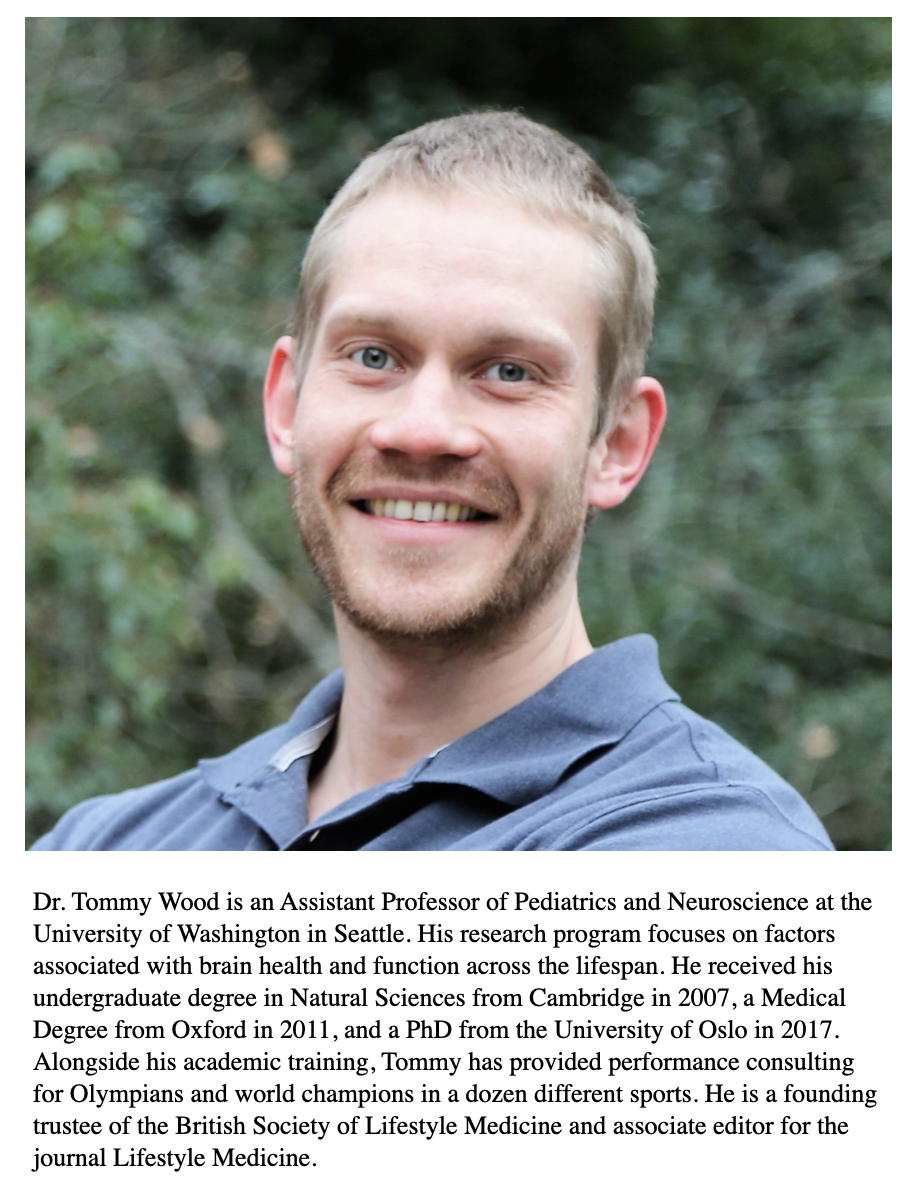
By Research Professor Tommy Wood from the University of Washington

Most of us have two types of elderly relatives.

One of them is old – they have trouble walking, they’re in and out of the doctor’s office, and they always seem to repeat the same stories. The other type seems younger than their years they play tennis twice a week, they’re social, and they’re sharp as a tack. How can we become part of the latter group?

When it comes to aging in general and cognitive function in particular, genes obviously play a role, but did you know that lifestyle choices matter even more?[1] So, what are the top lifestyle choices to keep our brains sharp into old age?

As a neuroscientist, this is a question I often get.

Besides the obvious ones – physical activity, strength, sleep, a healthy diet, not smoking – my top tip is this: If you want to stay mentally sharp into old age, keep your brain active. In short, “use it or lose it”.

But what does “using it” look like? In this post I’ll cover some of the evidence around cognitive decline, as well as some practical take-aways for anybody wanting to improve their brain health as they get older.

Use it or lose it

The brain is an amazing organ, and it’s more resilient and adaptable than we’ve been led to believe. I’m sure you’ve heard that adults have a fixed amount of brain cells. Then, as we get older (or every time we take a sip of wine) we “lose” some of those brain cells as part of an unstoppable decline towards dementia or Alzheimer’s disease.

But that’s not necessarily true. I like to think about the brain like I think about muscles. In order to grow our muscles, we need to provide a stimulus – like lifting weights in the gym – followed by a period of rest. The opposite also happens – if we stop going to the gym or if we stop using a limb after breaking a bone – our muscles get smaller. Most have experienced this personally, and there’s every indication that your cognitive “muscle” behaves in the same way.

How do we know this? One type of evidence is that longer education seems to reduce dementia in later life. [2]* You might think of education as early cognitive muscle building that you then benefit from throughout life. We see similar effects from other forms of early cognitive stimulus – like protection from neurodegenerative disease in people who grew up bilingual.[3]

But we’re not cognitively doomed after adolescence. One of my favourite studies looked at adults studying “The Knowledge” – memorising ~25,000 streets in central London to become a taxi driver. These participants were in their 30s or 40s, yet they saw a significant increase in the size of the hippocampus, the brain region associated with memory.[4]

We also see the opposite effect – less cognitive stimulus increases the risk of cognitive decline and dementia. This is most easily studied by looking at retirement. Multiple studies in populations across the US, China, and Europe, show that the risk of cognitive decline accelerates after retirement.[5-8] Those that retire later are protected against cognitive decline, even after considering factors that might force early retirement such as poor health. Overall, a recent meta-analysis looking at health and lifestyle factors associated with cognitive decline found that cognitive activity was the single most protective factor – halving the risk of Alzheimer’s disease.[2] This really emphasises the lesson: use it or lose it. What counts as ‘protective cognitive demand’? Doing something badly.

The evidence around retirement and cognitive decline suggests that work is where adults tend to get most of their cognitive activity. However, it’s important to unpick what constitutes cognitive activity that is protective. We may feel that our work demands a lot from our brain, but being “busy” does not necessarily benefit the brain. In fact, it’s often the opposite. Being “busy” tends to come with stress, and though stress is very personal, chronic stress is associated with an increased risk of Alzheimer’s disease.[9] What keeps us busy and stressed – sitting in meetings, reading emails, inputting data – may be time consuming, but rarely requires much brain power.

So, what constitutes protective cognitive demand? Failure.

Activities that provide the greatest cognitive stimulus involve learning and skill development. That means we’re initially bad at them and occasionally fail before we get better. This is the real sticking point for improving brain health – as adults we hate the feeling of being bad at something. Failing is, however, when the magic happens. A fascinating study looked at the brains of musicians.[10] While both professional and amateur musicians’ brains looked younger compared to non-musicians of the same age, the benefit was greatest in amateur musicians. The researchers suggested that playing music is more of a cognitive stimulus for amateurs – it’s harder, so they get more benefit. The cocktail of hormones released as we try, fail, repeat, and learn, provides the ideal environment for the brain to grow and adapt.


How to “use it”

So, how should we apply this knowledge? Below are some of the best and easiest ways to build in cognitive stimuli you can benefit from for years to come.


1 | Pick an activity that’s truly challenging
Cognitive demand requires failure, so pick something you’ll be bad at initially. What’s cognitively challenging is personal, but learning a new language is better than sudoku, building model airplanes is probably better than reading the news, and playing chess is definitely better than scrolling through Instagram. As you get better, add challenge to keep stimulating your brain.

2 | Start small and do something you enjoy
Skill development should be a lifelong process, which means it should be a routine. Start small – for instance 2 minutes a day of playing an instrument or learning a new language. Make sure your new skill is something you enjoy – that makes it easier to stick to and keep as a part of your life.

3 | Move – with a skill component
Movement has some of the best evidence on improving brain health. One of the first studies to show that the hippocampus can grow in adults of retirement age (or older) used a walking intervention – just 40 minutes of brisk walking 3x per week.[11] Other studies have showed increased brain connectivity and function in adults doing resistance training 1-2 times per week.[12] Best is movement that includes balance or motor skills: the added challenge of coordination seems to be particularly protective against cognitive decline.[13] Think yoga, dance, or even skateboarding

4 | Try a new skill that’s social
Social interaction is its own form of cognitive stimulus: social connection is protective of cognitive function, while social isolation has the opposite effect.[14] So what’s better than simply learning a new skill? Doing so with friends. Start a book club to discuss the books you read. Join a knitting circle, language group, or dance class. Volunteer for a local charity. All of these help you learn new skills, with the added benefit of social interaction.

5 | Repeat, repeat, repeat
There are no hard and fast rules about how much or how often to work on a new skill, but once a week is a good start. If it’s a class or a movement practice, maybe 1-3 times per week. If it’s something you can do on your own, you may prefer more frequent, smaller bouts of focused practice. Try using a Pomodoro timer to dig in for 20-30 minutes – a suitable time for most people to keep their undivided attention.
The key is to push right at the boundaries of what you’re capable of – with occasional failure showing that you’re at the right level of difficulty. Keep at it, and you’ll be more likely to be healthy and sharp for decades to come.

Footnote
*It’s worth noting that those who stay in education for longer also tend to be socioeconomically advantaged, but the benefit of longer education seems to hold even accounting for that.


References

  1. Lourida I, Hannon E, Littlejohns TJ, Langa KM, Hyppönen E, Kuźma E, Llewellyn DJ. Association of Lifestyle and Genetic Risk With Incidence of Dementia. Jama. 2019;322(5):430-7. doi: 10.1001/jama.2019.9879.
  2. Yu JT, Xu W, Tan CC, Andrieu S, Suckling J, Evangelou E, Pan A, Zhang C, Jia J, Feng L, Kua EH, Wang YJ, Wang HF, Tan MS, Li JQ, Hou XH, Wan Y, Tan L, Mok V, Tan L, Dong Q, Touchon J, Gauthier S, Aisen PS, Vellas B. Evidence-based prevention of Alzheimer’s disease: systematic review and meta-analysis of 243 observational prospective studies and 153 randomised controlled trials. J Neurol
    Neurosurg Psychiatry. 2020;91(11):1201-9. Epub 2020/07/22. doi: 10.1136/jnnp-2019-321913. PubMed PMID: 32690803; PMCID: PMC7569385.
  3. Sala A, Malpetti M, Farsad M, Lubian F, Magnani G, Frasca Polara G, Epiney JB, Abutalebi J, Assal F, Garibotto V, Perani D. Lifelong bilingualism and mechanisms of neuroprotection in Alzheimer dementia. Hum Brain Mapp. 2022;43(2):581-92. Epub 2021/11/04. doi: 10.1002/hbm.25605. PubMed PMID: 34729858; PMCID: PMC8720191.
  4. Woollett K, Maguire EA. Acquiring “the Knowledge” of London’s layout drives structural brain changes. Current biology : CB. 2011;21(24):2109-14. Epub 2011/12/08. doi: 0.1016/j.cub.2011.11.018. PubMed PMID: 22169537.
  5. Hale JM, Bijlsma MJ, Lorenti A. Does postponing retirement affect cognitive function? A counterfactual experiment to disentangle life course risk factors. SSM – Population Health. 2021;15:100855. doi: https://doi.org/10.1016/j.ssmph.2021.100855.
  6. Dufouil C, Pereira E, Chêne G, Glymour MM, Alpérovitch A, Saubusse E, Risse- Fleury M, Heuls B, Salord JC, Brieu MA, Forette F. Older age at retirement is associated with decreased risk of dementia. Eur J Epidemiol. 2014;29(5):353-61. Epub 2014/05/06. doi: 10.1007/s10654-014-9906-3. PubMed PMID: 24791704.
  7. Nikolov P, Adelman AM. Do Pension Benefits Accelerate Cognitive Decline? Evidence from Rural China. Labor: Public Policy & Regulation eJournal. 2019. Sundström A, Rönnlund M, Josefsson M. A nationwide Swedish study of age at retirement and dementia risk. Int J Geriatr Psychiatry. 2020;35(10):1243-9. Epub 2020/06/20. doi: 10.1002/gps.5363. PubMed PMID: 32557831.
  8. Ye Y, Li J, Yuan Z. Effect of antioxidant vitamin supplementation on cardiovascular outcomes: A meta-analysis of randomized controlled trials. PloS One. 2013;8:e56803. doi:10.1371/journal.pone.0056803.
  9. Rogenmoser L, Kernbach J, Schlaug G, Gaser C. Keeping brains young with making music. Brain Struct Funct. 2018;223(1):297-305. Epub 2017/08/18. doi: 10.1007/s00429-017-1491-2. PubMed PMID: 28815301.
  10. Erickson KI, Voss MW, Prakash RS, Basak C, Szabo A, Chaddock L, Kim JS, Heo S, Alves H, White SM, Wojcicki TR, Mailey E, Vieira VJ, Martin SA, Pence BD, Woods JA, McAuley E, Kramer AF. Exercise training increases size of hippocampus and improves memory. Proceedings of the National Academy of Sciences. 2011;108(7):3017. doi: 10.1073/pnas.1015950108.
  11. Herold F, Törpel A, Schega L, Müller NG. Functional and/or structural brain changes in response to resistance exercises and resistance training lead to cognitive improvements – a systematic review. Eur Rev Aging Phys Act. 2019;16:10. Epub 2019/07/25. doi: 10.1186/s11556-019-0217-2. PubMed PMID: 31333805; PMCID: PMC6617693.
  12. Ludyga S, Gerber M, Pühse U, Looser VN, Kamijo K. Systematic review and meta- analysis investigating moderators of long-term effects of exercise on cognition in healthy individuals. Nature Human Behaviour. 2020;4(6):603-12. doi: 10.1038/s41562-020-0851-8.
  13. Penninkilampi R, Casey AN, Singh MF, Brodaty H. The Association between Social Engagement, Loneliness, and Risk of Dementia: A Systematic Review and Meta-Analysis. J Alzheimers Dis. 2018;66(4):1619-33. Epub 2018/11/20. doi: 10.3233/jad- PubMed PMID: 30452410.
Further info

Phospholipids –A Challenge on a Vegan Diet

Neurons, that is brain and nerve cells, are primarily made out of what’s called ‘phosphorylated DHA’. That means the omega-3 fat DHA that is bound to a kind of fat called a phospholipid, as shown in the figure below. 

Seafood contains phosphorylated DHA but DHA supplements, whether derived from fish oil or algae, is not phosphorylated. Hence, it needs to be attached to phospholipids to work. This attachment is done by a B vitamin dependent process called methylation

Macintosh HD:Users:patrickholford:Desktop:Screenshot 2019-12-08 at 06.39.53.png

There are several different kinds of phospholipids with strange names all starting with ‘phosphatidyl’ such as phosphatidyl choline, phosphatidyl serine, phosphatidyl inositol and phosphatidyl ethanolamine.  To a large extent these can be made from phosphatidyl choline. As a group of nutrients they are classified as ‘semi-essential’ because we can make some, but not enough for optimal health and especially optimal brain health. 

As a consequence there are moves afoot to classify choline (which can be easily attached to the ‘phosphatidyl’ part) as an essential nutrient with a recommended intake. This has come about due to the growing evidence that insufficient choline in pregnancy leads to cognitive impairment and developmental delay. This is particularly important for vegans because, like the omega-3 fatty acid DHA, there’s not much choline in plant-based foods, but there is some in foods such as quinoa, soya, beans, nuts and broccoli.

Currently an adequate intake of choline is defined as between 400mg and 520mg a day, the latter for pregnant and breast-feeding women. This is based on how much choline you need for healthy fat metabolism, liver function and reducing homocysteine levels. You also need choline to process cholesterol in the liver and brain. As you’ll see in the figure above, cholesterol is a vital brain component. But these levels don’t take into account what’s being learnt about choline’s role in brain development.. A good estimate of optimum daily choline intake would be at least 500mg and maybe double this in pregnancy. 

Most important is choline’s role in building, and maintaining, a healthy brain. A pregnant woman’s intake defines the cognitive abilities of their child. Twenty years ago we knew that pregnant rats fed choline half way through their pregnancy have more connections between brain cells, plus improved learning ability and better memory recall. Now we know it’s true for babies with several recent trials showing similar results indicating that more choline in pregnancy enhances cognitive development.

An example of this is a study which gave women in their third trimester of pregnancy either 480mg of choline or almost double this – 930mg. They then tested the babies’ information processing speed at 4,7,10 and 13 months. Not only were the babies of the mothers given the higher dose faster but also the longer the mother had been given even the lower dose the faster were the child’s reactions. The authors concluded that “even modest increases in maternal choline intake during pregnancy may produce cognitive benefits for offspring ”. Seven years later, there will still memory advantages in the children whose mother had extra choline during pregnancy.

Babies are born with blood choline levels three times higher than their mother, illustrating how vital this nutrient is for building neuronal connections, which newborn babies do at a rate of up to a million new connections a second! An optimal intake for brain function is likely to be a lot higher than the 400 to 500mg recommended for adults, and higher still in pregnancy.

Since brain cells are made of a membrane containing choline (and other phospholipids) attached to the omega-3 fat DHA, without choline the omega-3 doesn’t work. The attaching of the two depends on methylation, a process that is dependent on B vitamins, especially B12, folate and B6. Choline helps methylation and healthy methylation, indicated by a low blood level of homocysteine, helps synthesize choline. You need all three – DHA, choline and B vitamins especially B12. So, if you are lacking in DHA, or in vitamin B12, then you’ll be doubly dependent on getting enough choline.

Choline rich foods – are vegans at risk of deficiency? 

While the richest dietary sources are fish, eggs and organ meats there is significant amounts of choline in plant-based foods, notably soya as in tofu and soya milk, quinoa, nuts and seeds including flax seeds, almonds and peanuts, and cruciferous vegetables including broccoli, cauliflower and Brussels sprouts.

While, on the face of it, it does appear than vegans, especially those planning pregnancy, need to become choline focused in relation to choosing the right daily foods, and possibly supplementing, there is not yet conclusive evidence showing that vegan mothers are at risk, although it is likely that they are. One of the learnings that has come out of studies on omega-3 DHA is than vegan mothers may convert more vegan omega-3 ALA into DHA as an evolutionary imperative – not that a top up with supplementation isn’t still the recommendation. Could it be that vegan mothers make more choline if needed since it is so important for brain development? There are very few studies of vegans to know the answer to this question.

One recent study looked at choline levels in breast-milk of vegans, versus vegetarians and non-vegetarians. There was no significant difference with the author of the study concluding “This suggests that maternal plant-based diet by itself is not a risk factor for low breast-milk choline.” 

The vegan community is certainly divided on this issue. Of course, the safe or cautious position, while the science unravels, is to supplement choline during pregnancy.

What intake of choline can you achieve from a vegan diet alone? Here’s a list of the best plant-based food for choline, compared to egg and fish as a yardstick, listed in order of how much you could get in a reasonable serving*:

FOOD CHOLINE PER SERVING PER 100g

An egg (all in the yolk) 50g 113mg  226mg

Fish eg salmon (100g/3oz) 90mg 90mg

Soya milk (cup – 250g) 57mg 23mg

Shiitake mushrooms (1 cup/145g) 54mg 37mg

Soya flour 12.5g (a cake slice) 24mg 192mg

Peas (1 cup -160g) 47mg 30mg

Quinoa, raw (1/3 cup 60g) 42mg 70mg 

Beans, raw (1/3 cup – 60g) 40mg 67mg

black, white, pinto, kidney

Broccoli, cauliflower 

or sprouts (1 cup/91g) 36mg 40mg  

Tofu (half a cup-125g) 35mg  28mg

Hummus (1/2 cup) 34mg 28mg

Chickpeas (1/4 can) 33mg 33mg

Baked beans (1/4 can) 31mg 31mg

Flaxseeds (small handful) 22mg 78mg

Pistachio (small handful) 20mg 71mg

Pine nuts (small handful) 18mg 65mg

Cashews (small handful) 17mg 61mg

Wholegrain bread (2 slices – 50g) 17mg 34mg

Avocado (1/2) 14mg 28mg

Almonds 50g (small handful) 12mg 42mg

Peanuts (small handful) 12mg 42mg

Wheatgerm (tablespoon 7g) 12mg 178mg

Almonds or peanut butter (tbsp) 10mg 61mg

Source: USDA choline content database and https://nutritiondata.self.com

*Many foods have not been analysed for choline, and measurements do vary, so this is a guide rather than a definitive list.

What does this mean for your daily diet? Here’s a typical vegan daily menu aimed to maximise choline intake and how much it would give you (I’m not including all foods and recipes, just those ingredient that deliver significant amount of choline):

BREAKFAST

A cup of soya milk 57mg

Small handful of nuts or seeds 20mg

(Flax, chia, almonds etc)

LUNCH

A cup of cooked quinoa (1/3 cup raw) 43mg

A serving (100g) of either broccoli, 36mg

cauliflower or Brussels sprouts

Avocado (1/2) 14mg

SNACKS

A tablespoon of almond or peanut butter 10mg

Hummus (1/2 cup) 34mg

Two slices of wholegrain bread 17mg

DINNER

A serving of tofu (125g) or beans 35-40mg

Half a cup of shiitake mushrooms 27mg

A serving (100g) of either broccoli, 36mg

cauliflower or Brussels sprouts

TOTAL 332mg

In reality you are unlikely to achieve this every day, and it would be quite limiting on your food choices, so a realistic target would be to achieve 300mg of choline from food. If you are aiming to achieve 500mg, which is the low end of optimal – more than this may be optimal in pregnancy – that leaves a shortfall of around 200mg of choline, suggesting the need for supplementation.

The most direct source of choline is from soya-derived lecithin granules and capsules. A flat tablespoon of lecithin granules (7.5g), which has a neutral and pleasant taste and can be sprinkled on cereals, in shakes and soups or eaten as is, provides 1,500 mg of phosphatidylcholine and around 200mg (13 per cent) of choline. Some ‘high phosphatidyl choline’ lecithin, sometimes called ‘high PC lecithin’ is 18 per cent choline, thus you need less – approximately a flat dessertspoon.

One tablespoon of lecithin granules equals three 1,200mg lecithin capsules (if ‘high PC’ two capsules would suffice). We suggest that this is a sensible addition to a completely vegan diet. (If you aspire to be plant-based most, but not all of the time the addition of two eggs, or an egg and a fish serving, would achieve 500mg a day of choline.)

You can also find ‘brain food’ supplements providing a combination of different kinds of phospholipids, not just choline, but its hard to get enough choline from these if your only other food sources are plant-based foods. 

In summary, we need both omega-6 and omega-3 fats, as well as phospholipids.

  • Have one or two servings a day of dark green, leafy veg – especially those that grow in colder climates such a kale, broccoli, brussels sprouts, or a serving of seaweed as sources of both choline and omega-3.
  • Have a serving of quinoa, beans or tofu every day, if not two, for choline.
  • Have a dessertspoon of high PC lecithin, or two capsules of high PC lecithin granules every day. These guidelines are especially important if you are planning a pregnancy, pregnant or breast-feeding.

If you are not completely vegan the best food source for phospholipids and choline are eggs. Eat six eggs a week. The choline is in the yolk. The advice regarding omega-3 – eat three servings of fish a week, is good for choline too but it is present in all fish, not just oily fish high in omega-3 fats.


Have you taken the Cognitive Function Test to find out your Dementia Risk Index score? It’s completely FREE and you can choose to pay for the COGNITION programme afterwards if you need personalised recommendations to help you put diet and lifestyle tips into action.

Further info

Brain Fats – Seafood, Omega-3 PUFAs, Phospholipids and Vitamin D

Brain Fats – Seafood, Omega-3 PUFAs, Phospholipids and Vitamin D

The omega-3 fat, docosahexaenoic acid (DHA) is the most abundant PUFA in the brain, concentrated in the grey matter and, particularly at the synapses.1 DHA is incorporated into membrane phospholipids, where it affects the properties of the membrane, for example, maintaining membrane fluidity. DHA, along with other omega-3 fats EPA, DPAn-3 and their mediators are involved in a wide variety of processes in the brain, such as making new neurons, synaptic connections and the regulation of inflammation.2

Fish, especially cold-water oily fish, contain high levels of DHA and EPA,  and epidemiological studies consistently suggest that an elevated fish intake is associated with decreased risk of neurodegenerative diseases, such as Alzheimer’s disease.3 Recent estimates suggest that worldwide many populations are currently consuming DHA and EPA at levels well below the recommendations issued by many international authorities (GOED), with and blood levels of EPA and DHA have been estimated to be low to very low for most of the world, which may increase global risk for chronic disease.4

Interestingly, positive associations have also been found between walnut consumption and cognitive performance.5 Walnuts are a source of omega-3 fat, alpha-linolenic acid (ALA) and also a range of antioxidants.

Omega-3 Supplementation and cognitive decline

DHA supplementation appears to show the greatest promise in the early stage before the onset of memory loss symptoms,1 and at levels at or above 1000 mg per day (Ismail 2015).6

A study of healthy 50-75 year olds were given 2,200 mg a day of omega 3 fish oils for six months not only reported significant increase in executive function, one aspect of cognition that is a hallmark of Alzheimer’s, but also beneficial structural changes in white matter integrity and grey matter volume in the brain. The cognitive improvement correlated with blood levels of omega-3 PUFAs.7

A randomized, double-blind, placebo-controlled, clinical study, gave 900 mg of DHA a day for 24 weeks and reported an improvement in learning and memory function in those with age-related cognitive decline.8 In a further trial by the same research group, giving 2,000 mg a day of DHA or placebo to 402 people with mild to moderate Alzheimer’s disease, therefore further along the disease process, for a period of 18 months found no cognitive improvement.9

Phospholipids

Phospholipids, rich in eggs and seafood, are abundant in the brain. They make up the membranes of the different types of cells in the brain. These include Phosphatidylethanolamine (PE) and phosphatidylserine (PS) phosphatidylcholine (PC) and phosphatidylinositol (PI). They become attached to omega-3 DHA. (see film ‘Build Your Brain‘) Phosphatidylethanolamine (PE) and phosphatidylserine (PS) are enriched in DHA, whereas much lower levels are found in phosphatidylcholine (PC) and phosphatidylinositol (PI).3 Attaching DHA to phospholipids is a process that requires methylation, which is dependent on B vitamins.9 Interestingly, although DHA is typically found high in PS, levels have been found to be low in PS in post-mortem samples from Alzheimer’s disease patients.10 PS supplementation may benefit cognition in the elderly,11 but as PS is highly enriched with DHA, it is currently unclear whether the potential beneficial effects of PS on cognition are due to the intact PS or DHA.  Although PC is not highly enriched in DHA, higher plasma concentrations of PC-DHA are associated with reduced risk of dementia and AD,12 and post mortem samples from AD shows depletion of PC-DHA in grey matter.13

Supplementation

A number of trials have investigated the effects of providing multinutrient supplements containing a range of nutritional factors with the aim of supporting phospholipid biosynthesis. Our recent systematic review identified that omega-3 PUFAs and B vitamins as part of these multinutrient formulas confers benefits on cognition in older adults across a range of different types of measures of cognition in older adults.14 Furthermore, 12-week trial of citicoline has shown cognitive benefits in healthy older adults.15

Vitamin D

The primary source of vitamin D is exposure to sunlight. Seafood provides the most dietary vitamin D. Vitamin D deficiency increases risk of AD.161,17,18  Supplements of vitamin D can be derived from animal or fungal sources (mushrooms and yeast). Supplementing 800iu (20mg) a day for 12 months has been shown to improve cognitive function and lessen amyloid protein markers.19

In a study in France involving 912 elderly patients followed for twelve years, a total of 177 dementia cases (124 AD) occurred: 25(OH)D deficiency was associated with a nearly three-fold increased risk of AD.20

References

1.Dyall, S. C. (2015, 2015-April-21). Long-chain omega-3 fatty acids and the brain: A review of the independent and shared effects of EPA, DPA and DHA [Review]. Frontiers in Aging Neuroscience, 7(52). https://doi.org/10.3389/fnagi.2015.00052

2. Dyall, S. C., Balas, L., Bazan, N. G., Brenna, J. T., Chiang, N., da Costa Souza, F., Dalli, J., Durand, T., Galano, J. M., Lein, P. J., Serhan, C. N., & Taha, A. Y. (2022, Apr). Polyunsaturated fatty acids and fatty acid-derived lipid mediators: Recent advances in the understanding of their biosynthesis, structures, and functions. Prog Lipid Res, 86, 101165. https://doi.org/10.1016/j.plipres.2022.101165

3. Dyall SC, Michael-Titus AT. Neurological benefits of omega-3 fatty acids. Neuromolecular Med. 2008;10(4):219-35. doi: 10.1007/s12017-008-8036-z. Epub 2008 Jun 10. PMID: 18543124.

4. Stark, K. D., Van Elswyk, M. E., Higgins, M. R., Weatherford, C. A., & Salem, N., Jr. (2016, Jul). Global survey of the omega-3 fatty acids, docosahexaenoic acid and eicosapentaenoic acid in the blood stream of healthy adults. Prog Lipid Res, 63, 132-152. https://doi.org/S0163-7827(15)30033-3 [pii]10.1016/j.plipres.2016.05.001 Alzheimers Dement. 2017 Nov;13(11):1207-1216. doi: 10.1016/j.jalz.2017.03.003. Epub 2017 May 16

5. Theodore LE, Kellow NJ, McNeil EA, Close EO, Coad EG, Cardoso BR. Nut Consumption for Cognitive Performance: A Systematic Review. Adv Nutr. 2021 Jun 1;12(3):777-792. doi: 10.1093/advances/nmaa153. PMID: 33330927; PMCID: PMC8166568.

6. Ismail

7. A. Veronica Witte, Lucia Kerti, Henrike M. Hermannstädter, Jochen B. Fiebach, Stephan J. Schreiber, Jan Philipp Schuchardt, Andreas Hahn, Agnes Flöel, Long-Chain Omega-3 Fatty Acids Improve Brain Function and Structure in Older Adults, Cerebral Cortex, Volume 24, Issue 11, November 2014, Pages 3059–3068, https://doi.org/10.1093/cercor/bht163

8. Yurko-Mauro K, McCarthy D, Rom D, et al; Beneficial effects of docosahexaenoic acid on cognition in age-related cognitive decline. Alzheimers Dement. 2010; 6, 456-64

9. Quinn JF, Raman R, Thomas RG, et al; Docosahexaenoic acid supplementation and cognitive decline in Alzheimer disease: a randomized trial. JAMA, 2010; Nov 3;304(17):1903-11.

10. A David Smith, Fredrik Jernerén, Helga Refsum, ω-3 fatty acids and their interactions, The American Journal of Clinical Nutrition, Volume 113, Issue 4, April 2021, Pages 775–778, https://doi.org/10.1093/ajcn/nqab013

11. Cunnane, Stephen & Schneider, Julie & Tangney, Christine & Tremblay-Mercier, Jennifer & Fortier, Mélanie & Bennett, David & Morris, Martha. (2012). Plasma and Brain Fatty Acid Profiles in Mild Cognitive Impairment and Alzheimer’s Disease. Journal of Alzheimer’s disease : JAD. 29. 691-7. 10.3233/JAD-2012-110629.

12. Richter Y, Herzog Y, Lifshitz Y, Hayun R, Zchut S. The effect of soybean-derived phosphatidylserine on cognitive performance in elderly with subjective memory complaints: a pilot study. Clin Interv Aging. 2013;8:557-63. doi: 10.2147/CIA.S40348. Epub 2013 May 21. PMID: 23723695; PMCID: PMC3665496.

13. Schaefer EJ, Bongard V, Beiser AS, Lamon-Fava S, Robins SJ, Au R, Tucker KL, Kyle DJ, Wilson PW, Wolf PA. Plasma phosphatidylcholine docosahexaenoic acid content and risk of dementia and Alzheimer disease: the Framingham Heart Study. Arch Neurol. 2006 Nov;63(11):1545-50. doi: 10.1001/archneur.63.11.1545. PMID: 17101822.

14. Yuki D, Sugiura Y, Zaima N, Akatsu H, Takei S, Yao I, Maesako M, Kinoshita A, Yamamoto T, Kon R, Sugiyama K, Setou M. DHA-PC and PSD-95 decrease after loss of synaptophysin and before neuronal loss in patients with Alzheimer’s disease. Sci Rep. 2014 Nov 20;4:7130. doi: 10.1038/srep07130. PMID: 25410733; PMCID: PMC5382699.

15. Fairbairn, P., Dyall, S. C., & Tsofliou, F. (2022, Apr 27). The Effects of Multi-Nutrient Formulas containing a Combination of Omega-3 Polyunsaturated Fatty Acids and B vitamins on Cognition in the older adult: A Systematic Review and Meta-analysis. Br J Nutr, 1-42. https://doi.org/10.1017/S0007114522001283

16. Nakazaki E, Mah E, Sanoshy K, Citrolo D, Watanabe F. Citicoline and Memory Function in Healthy Older Adults: A Randomized, Double-Blind, Placebo-Controlled Clinical Trial. J Nutr. 2021 Aug 7;151(8):2153-2160. doi: 10.1093/jn/nxab119. PMID: 33978188; PMCID: PMC8349115.

17. Sommer I, Griebler U, Kien C, Auer S, Klerings I, Hammer R, Holzer P, Gartlehner G. Vitamin D deficiency as a risk factor for dementia: a systematic review and meta-analysis. BMC Geriatr. 2017 Jan 13;17(1):16. doi: 10.1186/s12877-016-0405-0. PMID: 28086755; PMCID: PMC5237198;

18. Jayedi A, Rashidy-Pour A, Shab-Bidar S. Vitamin D status and risk of dementia and Alzheimer’s disease: A meta-analysis of dose-response †. Nutr Neurosci. 2019 Nov;22(11):750-759. doi: 10.1080/1028415X.2018.1436639. Epub 2018 Feb 15. PMID: 29447107;

19. Chai B, Gao F, Wu R, Dong T, Gu C, Lin Q, Zhang Y. Vitamin D deficiency as a risk factor for dementia and Alzheimer’s disease: an updated meta-analysis. BMC Neurol. 2019 Nov 13;19(1):284. doi: 10.1186/s12883-019-1500-6. PMID: 31722673; PMCID: PMC6854782.

20. Jia J, Hu J, Huo X, Miao R, Zhang Y, Ma F. Effects of vitamin D supplementation on cognitive function and blood Aβ-related biomarkers in older adults with Alzheimer’s disease: a randomised, double-blind, placebo-controlled trial. J Neurol Neurosurg Psychiatry. 2019 Dec;90(12):1347-1352. doi: 10.1136/jnnp-2018-320199. Epub 2019 Jul 11. PMID: 31296588.

21. Feart C, Helmer C, Merle B, Herrmann FR, Annweiler C, Dartigues JF, Delcourt C, Samieri C. Associations of lower vitamin D concentrations with cognitive decline and long-term risk of dementia and Alzheimer’s disease in older adults. Alzheimers Dement. 2017 Nov;13(11):1207-1216. doi: 10.1016/j.jalz.2017.03.003. Epub 2017 May 16. PMID: 28522216.

Further info

Is sugar killing your brain?

By Robert H. Lustig, MD, MSL

Robert Lustig is Professor Emeritus of Pediatrics in the Division of Endocrinology, and Member of the Institute for Health Policy Studies at the University of California, San Francisco. He is a pediatric neuroendocrinologist,and an international authority on obesity, diabetes,nutrition,and neuroscience. He is the author of three books that have changed our understanding of the danger of sugar on our metabolism – Fat Chance, The Hacking of the American Mind, and Metabolical.

Most people know that refined sugar is not good for you, but what is it about sugar that’s particularly bad for your brain? Why is it essential, not only for brain health and dementia prevention, to reduce your intake of not only sugar but refined carbohydrates in general? (By refined, I mean those whose fiber has been processed away – not ‘whole’ as in vegetables, whole fruit (not juice), beans, and whole grains.

Let’s start at the extreme. What happens if you lived at the North Pole, and ate virtually no carbohydrates, or at least so little as to force your body and brain to switch to a kind of fuel, ketones, produced from fat? This is often called a “very low carb high fat” (LCHF) or “ketogenic” diet. Would you get sick? This is what Vilhjamur Steffanson did, when his Arctic exploration shipwrecked in 1913, and he was forced to live amongst the Inuit for two years. He noted that there was no diabetes, no cancer — and no Alzheimer’s. In 1928, he and his colleague checked themselves into Bellvue hospital, and ate only meat for one year.[1]They were healthier than the researchers who studied them! 

Your brain likes ketones

Ketones are made in the liver from fat – either breaking down your own fat (for example, if you were fasting, eating very little or exercising a lot), or from ingestion of a type of fat containing ‘medium chain triglycerides’ (MCTs). Coconut oil is approximately 54% MCTs and contains all 4 MCTs (C6, C8, C10, C12), but it turns out that one particular kind of MCT, called C8 because it is 8 carbons long, is the best fat for the liver to convert into ketones.

You may be surprised to know that your brain can run well on glucose (the kind of sugar that is fuel for our cells), but even better on ketones. The reason is that ketones cross into the brain easily, rapidly, and without a biochemical transporter. This is why children with severe epilepsy improve on a ketogenic diet. Watch this short film ‘Fuel your Brain’.

Brain benefits of a low-carb ketogenic diet

In fact, brain cells prefer ketones. In two studies, one on people with Alzheimer’s and the other on those with pre-dementia or mild cognitive impairment, giving 2 tablespoons of C8 oil (called capricin or caprylic acid triglyceride), brain energy derived from ketones went up by 230% and memory and mental acuity improved in those with Minimal Cognitive Impairment (MCI).[2,3]

A ketogenic diet has been shown to reduce schizophrenia symptoms, help reduce shaking in Parkinson’s, and slow down cognitive decline in those with dementia or pre-dementia. In fact, the ketogenic diet has been used to effectively treat childhood epilepsy for over 100 years! There’s a good review on the current status of the ketogenic diet in psychiatry here.[4]

Ketogenic diets may help in many ways. Firstly, when a person eats too much carbohydrate, sugar, but especially fructose, damages the energy burning factories in cells, called mitochondria, so their ability to produce chemical energy for the neuron is greatly reduced. Switching to burning ketones instead can increase mitochondria number and function. A recent study also shows that a ketogenic diet has a positive effect on the gut microbiome,[5] and this might be one way the diet helps reduce fits in people with epilepsy.[6] Fructose, on the other hand, disrupts the gut microbiome in a negative way.

How sugar damages your brain

But what is it about a ketogenic diet that is good for your brain? Is it the ketones, the lowering of insulin, the type of fat, the elimination of carbohydrate, or specifically the elimination of sugar? We don’t yet know – I ask this question of every Alzheimer’s and metabolic researcher I know, and no one can tell me – just that it works.

There are a few possible mechanisms. First, the more carbs and sugar you eat, the more resistant you become to the hormone insulin. Insulin not only drives glucose into cells (including brain cells), but also sends excess sugar to the liver to turn into fat. When a person becomes insulin resistant, ironically, glucose transport is negatively impacted, reducing brain energy availability. Insulin resistance is a major driver of depression.[7] A ketogenic diet can reverse that. 

Fructose, which comprises half of sucrose (‘white’ or ‘table’ sugar), and half of ‘high-fructose corn syrup’ (added to numerous processed foods), damages our mitochondria, which leads to less brain energy availability. One study showed that fructose reduces liver mitochondrial function, while glucose stimulates it.[8]  “The most important takeaway of this study is that high fructose in the diet is bad,” said Dr. C. Ronald Kahn from the Joslin Diabetes Center.  “It’s not bad because it’s more calories, but because it has effects on liver metabolism to make it worse at burning fat. As a result, adding fructose to the diet makes the liver store more fat, and this is bad for the liver and bad for whole body metabolism.”

Fructose is the main sugar in most fruits. People then extrapolate, “oh fruit must be bad for you.” Not true. Whole fruit has fibre (both soluble and insoluble); together they slow down glucose and fructose absorption in the GI tract limiting both liver and brain exposure, and they also help feed the gut bacteria (microbiome), so actually you get less fructose entering the bloodstream. Juicing the fruit removes the protective fiber, and juice has been shown to be just as dangerous to metabolism as is soda. So, eat your fruit — don’t drink it!

Carbohydrates and fructose age your brain

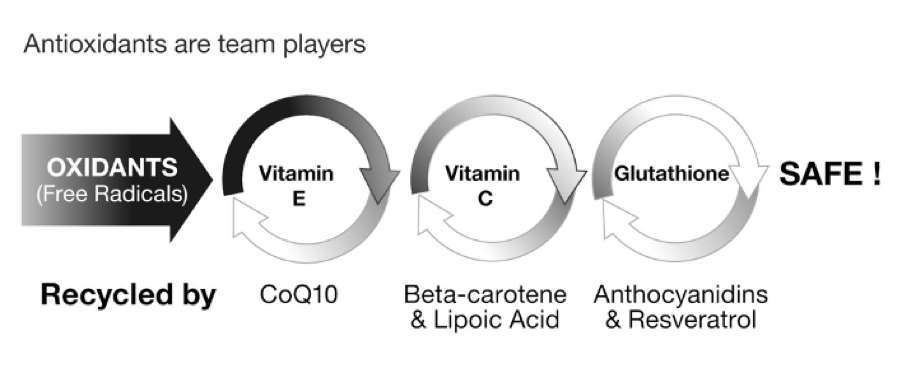
There’s another reason why sugar, and especially fructose, is bad for your brain and body. They produce Advanced Glycation Endpoints or AGEs, which damage the brain. These ‘oxidise’ proteins (so does cigarette smoke), rendering them useless , allowing them to aggregate into clumps, and use up valuable antioxidants in your diet such as vitamin C and E.

Fructose acts on your liver to switch your metabolism away from fat burning to fat making and storing, and inhibits an anti-ageing process called ‘autophagy’ which helps clean up and remove damaged mitochondria in order to regenerate new, healthier cells.

Why sweet foods are so addictive

So far we’ve only explored why sugar is bad for your “physical” brain. Knowing this is a good start. But why does your “emotional” brain keep telling you that you want it? Why do people find it so hard to resist, and so many become sugar addicts? The answer is that fructose activates the “reward system” in the brain. It causes dopamine release, the motivational neurotransmitter associated with ‘reward’. Any chemical that does so can be addictive – cocaine, heroin, alcohol, nicotine, or example. The trouble is the more you have, the more your brain ‘down-regulates’, i.e. becomes less responsive to your own natural feel-good dopamine, so you end up needing more sugar to get the hit and, in the end, you get no hit at all but feel thoroughly awful without it. That’s the Law of Diminishing Returns. That’s addiction.

Blood sugar control reduces dementia risk

Keeping blood glucose levels in the low-normal range is reflected by a low blood glycosylated haemoglobin (HbA1C) level, which means ‘sugar-coated red blood cells’. A low HbA1c is good and is a proxy for improved insulin sensitivity, associated with reduced risk for dementia in several studies.[9,10,11,12,13,14] 

A new study also shows that, in 40 year old adults with so-called normal glucose levels but at the higher end of the normal range, have increased their risk of Alzheimer’s by 15% [37]


Type 2 diabetes, the net result of losing blood sugar control, almost doubles the risk for dementia.[15,16] Diabetes is also associated with more rapid brain shrinkage.[17,18] Even people in the upper normal range of blood glucose have increased brain atrophy, impaired cognition, and increased risk of dementia.[19,20]

For instance, one trial measured HbA1c and glucose levels in several thousand elderly people over the course of almost seven years. In that time, slightly more than a quarter of the participants developed dementia, and the bottom line was that rising glucose levels were associated with increased risk of developing the condition, irrespective of whether the participants also had diabetes. Non-diabetics who experienced a modest increase in blood sugar levels had an 18% increased risk of dementia, as compared to those who already had diabetes at the start of the study or developed it within the trial period, who had a 40% increased risk.[21]

Insulin resistance is strongly related to cognitive decline

But even more important than loss of glucose control is the loss of insulin control. Back in 2004, researchers at Columbia University showed that people with high insulin levels – the principal hallmark of metabolic dysfunction – were twice as likely to develop dementia as those with healthy levels. Moreover, those with the highest insulin levels had the worst memory retrieval.[22] The same year, an Italian study established a link between heightened insulin levels and declining mental function.[23] Similarly, a Puerto Rican study found that people who consumed the large amounts of sugar doubled their risk of suffering poor cognitive function,[24] while another US study discovered a strong correlation between blood sugar level and memory loss.[25]

Two studies – one in Ireland,[26] and the other in the United States,[27] – established a link between high dietary glycemic load (GL; how high does your blood glucose rise when you eat carbohydrate) and cognitive decline. Indeed, both of these reports suggested that high GL is even more predictive of the pathological changes associated with Alzheimer’s than either high carb or high sugar intake. A high GL diet is also associated with more amyloid plaque[28] and more cognitive decline, especially in those who carry the ApoE4 gene, a regulator of fat metabolism.[29]

A long-term study found evidence that this sort of shrinkage is more common among people with high blood glucose levels, even when those levels are still within what are considered ‘normal’ (i.e. non-diabetic) limits.[30] This cognitive decline starts young. Cognitive decline in overweight children is associated with a high GL diet[31], and adolescents with metabolic dysfunction driven by a high GL diet have been shown to have shrinkage of the hippocampal area of the brain, as well as other structural changes and cognitive deficits. [32,33]

Prevention action – how to cut down your sugar load

In practical terms, preventing dementia today means avoiding sugar as much as possible.  If you’re going to eat carbohydrate, eat ‘whole’ carbohydrate foods such as whole vegetables, fruits (not juice), beans, only wholegrain bread (labelled as ‘100% wholegrain’, or pasta in small quantities. 

Starchy carbohydrates such as pasta, rice and potatoes benefit from being cooked and cooled, then eaten cold or re-heated, as some of the carbohydrate is converted into resistant starch – a type of fibre we can’t digest but which has the added benefit of fermenting and feeding our gut bacteria.

Make sure the carbohydrate comes with its inherent fibre. Oat cakes would be better than bread since the fibre in these foods helps ‘slow release’ the sugars. Eating white bread is associated with a poorer cognitive test performance, whereas high fibre bread is associated with better performance.[34] Eating carbohydrate foods with protein, for example brown rice with fish, or porridge oats with seeds, or fruit with nuts, further reduces the glycemic load (GL) of a meal. The best fruits in this respect are low-sugar high-fiber fruits like berries, cherries, and plums.

These kinds of foods are consistent with a Mediterranean diet which has also been shown to reduce risk.[35] Conversely, grapes, raisins, and bananas are high GL. A study in Finland and Sweden compared those with a healthy versus unhealthy diet, including the above criteria, in mid-life for future risk of developing Alzheimer’s disease and dementia 14 years later. Those who ate the healthiest diet had an 88% decreased risk of developing dementia and a 92% decreased risk of developing Alzheimer’s disease.[36] 

The take-home message is, if you are going to eat complex carbohydrates, eat them with fibre, fat and protein.

However, if you want to go one step further, you can switch to eating a ketogenic low-carb, high fat diet. The problem with the ketogenic diet is staying on it – there’s so much carbohydrate out there it’s hard to avoid it. But there are now breath monitors (e.g. Ketoscan, BioSense from ReadOut Health) that can help you stay in ketosis. A good book to help you explore and put into practice either a low carb ketogenic diet or a low GL diet is ‘The Hybrid Diet’ by Patrick Holford & Jerome Burne. And to understand how processed food is your enemy, take a look at my book ‘Metabolical’.

And if you want to know how sugar is impacting your body and brain then you can take one of our at-home, pin-prick, DRIfT blood test so you can know exactly how sugar is impacting your body and also become a part of our vital research into this area.


References:

1. Heinbecker P. STUDIES ON THE METABOLISM OF ESKIMOS. Journal of Biological Chemistry. 1928 Dec;80(2):461–75.

2. Fortier M, Castellano C-A, St-Pierre V, Myette-Côté É, Langlois F, Roy M, et al. A ketogenic drink improves cognition in mild cognitive impairment: Results of a 6-month RCT. Alzheimer’s & Dementia: The Journal of the Alzheimer’s Association [Internet]. 2020 Oct 26; Available from: https://pubmed.ncbi.nlm.nih.gov/33103819/

3. Croteau E, Castellano C-A, Richard MA, Fortier M, Nugent S, Lepage M, et al. Ketogenic Medium Chain Triglycerides Increase Brain Energy Metabolism in Alzheimer’s Disease. Journal of Alzheimer’s disease: JAD [Internet]. 2018;64(2):551–61. Available from: https://pubmed.ncbi.nlm.nih.gov/29914035/

4. Bostock ECS, Kirkby KC, Taylor BVM. The Current Status of the Ketogenic Diet in Psychiatry. Frontiers in psychiatry [Internet]. 2017;8:43. Available from: https://www.ncbi.nlm.nih.gov/pubmed/28373848

5. Paoli A, Mancin L, Bianco A, Thomas E, Mota JF, Piccini F. Ketogenic Diet and Microbiota: Friends or Enemies? Genes. 2019 Jul 15;10(7):534

6. Olson CA, Vuong HE, Yano JM, Liang QY, Nusbaum DJ, Hsiao EY. The Gut Microbiota Mediates the Anti-Seizure Effects of the Ketogenic Diet. Cell [Internet]. 2018 Jun [cited 2019 Apr 17];173(7):1728-1741.e13. Available from: https://www.cell.com/cell/pdf/S0092-8674(18)30520-8.pdf

7. Watson K, Nasca C, Aasly L, McEwen B, Rasgon N. Insulin resistance, an unmasked culprit in depressive disorders: Promises for interventions. Neuropharmacology [Internet]. 2018 Jul 1 [cited 2022 Aug 5];136(Pt B):327–34. Available from: https://pubmed.ncbi.nlm.nih.gov/29180223/

8. Softic S, Meyer JG, Wang G-X, Gupta MK, Batista TM, Lauritzen HPMM, et al. Dietary Sugars Alter Hepatic Fatty Acid Oxidation via Transcriptional and Post-translational Modifications of Mitochondrial Proteins. Cell Metabolism [Internet]. 2019 Oct;30(4):735-753.e4. Available from: https://www.cell.com/cell-metabolism/pdfExtended/S1550-4131(19)30504-2

9. Luchsinger JA, Tang M-X ., Shea S, Mayeux R. Hyperinsulinemia and risk of Alzheimer disease. Neurology. 2004 Oct 11;63(7):1187–92.

10. Abbatecola AM, Paolisso G, Lamponi M, Bandinelli S, Lauretani F, Launer L, et al. Insulin Resistance and Executive Dysfunction in Older Persons. Journal of the American Geriatrics Society. 2004 Oct;52(10):1713–8.

11. Xu WL, von Strauss E, Qiu CX, Winblad B, Fratiglioni L. Uncontrolled diabetes increases the risk of Alzheimer’s disease: a population-based cohort study. Diabetologia. 2009 Mar 12;52(6):1031–9.

12. Hassing Lb, Grant Md, Hofer Sm, Pedersen Nl, Nilsson Se, Berg S, et al. Type 2 diabetes mellitus contributes to cognitive decline in old age: A longitudinal population-based study. Journal of the International Neuropsychological Society. 2004 Jul;10(4):599–607.

13. Yaffe K, Blackwell T, Whitmer RA, Krueger K, Barrett Connor E. Glycosylated hemoglobin level and development of mild cognitive impairment or dementia in older women. The Journal of Nutrition, Health & Aging [Internet]. 2006 Jul 1 [cited 2022 Aug 5];10(4):293–5. Available from: https://pubmed.ncbi.nlm.nih.gov/16886099/

14. Roberts RO, Knopman DS, Cha RH, Mielke MM, Pankratz VS, Boeve BF, et al. Diabetes and Elevated Hemoglobin A1c Levels Are Associated with Brain Hypometabolism but Not Amyloid Accumulation. Journal of Nuclear Medicine. 2014 Mar 20;55(5):759–64.

15. Arvanitakis Z, Wilson RS, Bienias JL, Evans DA, Bennett DA. Diabetes mellitus and risk of Alzheimer disease and decline in cognitive function. Arch Neurol. 2004 May;61(5):661-6. doi: 10.1001/archneur.61.5.661. PMID: 15148141.

16. Yaffe K, Blackwell T, Kanaya AM, Davidowitz N, Barrett-Connor E, Krueger K. Diabetes, impaired fasting glucose, and development of cognitive impairment in older women. Neurology [Internet]. 2004 Aug 24 [cited 2022 Mar 16];63(4):658–63. Available from: https://n.neurology.org/content/63/4/658

17. Tiehuis AM, van der Graaf Y, Visseren FL, Vincken KL, Biessels GJ, Appelman APA, et al. Diabetes Increases Atrophy and Vascular Lesions on Brain MRI in Patients With Symptomatic Arterial Disease. Stroke. 2008 May;39(5):1600–3.

18. Samaras K, Lutgers HL, Kochan NA, Crawford JD, Campbell LV, Wen W, et al. The impact of glucose disorders on cognition and brain volumes in the elderly: the Sydney Memory and Ageing Study. AGE [Internet]. 2014 Jan 9 [cited 2022 Aug 5];36(2):977–93. Available from: https://www.ncbi.nlm.nih.gov/pmc/articles/PMC4039246/

19. Mortby ME, Janke AL, Anstey KJ, Sachdev PS, Cherbuin N. High “normal” blood glucose is associated with decreased brain volume and cognitive performance in the 60s: the PATH through life study. PLoS One. 2013 Sep 4;8(9):e73697. doi: 10.1371/journal.pone.0073697. PMID: 24023897; PMCID: PMC3762736.

20. Crane PK, Walker R, Hubbard RA, Li G, Nathan DM, Zheng H, Haneuse S, Craft S, Montine TJ, Kahn SE, McCormick W, McCurry SM, Bowen JD, Larson EB. Glucose levels and risk of dementia. N Engl J Med. 2013 Aug 8;369(6):540-8. doi: 10.1056/NEJMoa1215740. Erratum in: N Engl J Med. 2013 Oct 10;369(15):1476. PMID: 23924004; PMCID: PMC3955123.

21. Crane PK, Walker R, Hubbard RA, Li G, Nathan DM, Zheng H, Haneuse S, Craft S, Montine TJ, Kahn SE, McCormick W, McCurry SM, Bowen JD, Larson EB. Glucose levels and risk of dementia. N Engl J Med. 2013 Aug 8;369(6):540-8. doi: 10.1056/NEJMoa1215740. Erratum in: N Engl J Med. 2013 Oct 10;369(15):1476. PMID: 23924004; PMCID: PMC3955123.

22. Luchsinger JA, Tang MX, Shea S, Mayeux R. Hyperinsulinemia and risk of Alzheimer disease. Neurology. 2004 Oct 12;63(7):1187-92. doi: 10.1212/01.wnl.0000140292.04932.87. PMID: 15477536.

23. Abbatecola AM, Paolisso G, Lamponi M, Bandinelli S, Lauretani F, Launer L, Ferrucci L. Insulin resistance and executive dysfunction in older persons. J Am Geriatr Soc. 2004 Oct;52(10):1713-8. doi: 10.1111/j.1532-5415.2004.52466.x. PMID: 15450050.

24. Ye X, Gao X, Scott T, Tucker KL. Habitual sugar intake and cognitive function among middle-aged and older Puerto Ricans without diabetes. Br J Nutr. 2011 Nov;106(9):1423-32. doi: 10.1017/S0007114511001760. Epub 2011 Jun 1. PMID: 21736803; PMCID: PMC4876724.

25. Seetharaman S, Andel R, McEvoy C, Dahl Aslan AK, Finkel D, Pedersen NL. Blood glucose, diet-based glycemic load and cognitive aging among dementia-free older adults. J Gerontol A Biol Sci Med Sci. 2015 Apr;70(4):471-9. doi: 10.1093/gerona/glu135. Epub 2014 Aug 22. PMID: 25149688; PMCID: PMC4447796.

26. Power SE, O’Connor EM, Ross RP, Stanton C, O’Toole PW, Fitzgerald GF, Jeffery IB. Dietary glycaemic load associated with cognitive performance in elderly subjects. Eur J Nutr. 2015 Jun;54(4):557-68. doi: 10.1007/s00394-014-0737-5. Epub 2014 Jul 18. PMID: 25034880.

27. Taylor MK, Sullivan DK, Swerdlow RH, Vidoni ED, Morris JK, Mahnken JD, Burns JM. A high-glycemic diet is associated with cerebral amyloid burden in cognitively normal older adults. Am J Clin Nutr. 2017 Dec;106(6):1463-1470. doi: 10.3945/ajcn.117.162263. Epub 2017 Oct 25. PMID: 29070566; PMCID: PMC5698843.

28. Taylor MK, Sullivan DK, Swerdlow RH, Vidoni ED, Morris JK, Mahnken JD, Burns JM. A high-glycemic diet is associated with cerebral amyloid burden in cognitively normal older adults. Am J Clin Nutr. 2017 Dec;106(6):1463-1470. doi: 10.3945/ajcn.117.162263. Epub 2017 Oct 25. PMID: 29070566; PMCID: PMC5698843.

29. Gentreau M, Raymond M, Chuy V, Samieri C, Féart C, Berticat C, Artero S. High Glycemic Load Is Associated with Cognitive Decline in Apolipoprotein E ε4 Allele Carriers. Nutrients. 2020 Nov 25;12(12):3619. doi: 10.3390/nu12123619. PMID: 33255701; PMCID: PMC7761247.

30. M.E. Mortby et al., ‘High “normal” blood glucose is associated with decreased brain volume and cognitive performance in the 60s: the PATH through Life Study’, PLoS One (2013), vol 8:e73697.

31. Lakhan, S.E., Kirchgessner, A. The emerging role of dietary fructose in obesity and cognitive decline. Nutr J 12, 114 (2013). https://doi.org/10.1186/1475-2891-12-114

32. Yau PL, Castro MG, Tagani A, Tsui WH, Convit A. Obesity and metabolic syndrome and functional and structural brain impairments in adolescence. Pediatrics. 2012 Oct;130(4):e856-64. doi: 10.1542/peds.2012-0324. Epub 2012 Sep 3. PMID: 22945407; PMCID: PMC3457620.

33. Mangone A, Yates KF, Sweat V, Joseph A, Convit A. Cognitive functions among predominantly minority urban adolescents with metabolic syndrome. Appl Neuropsychol Child. 2018 Apr-Jun;7(2):157-163. doi: 10.1080/21622965.2017.1284662. Epub 2017 Feb 22. PMID: 28631969.

34. Loef M, Walach H. Fruit, vegetables and prevention of cognitive decline or dementia: a systematic review of cohort studies. J Nutr Health Aging. 2012 Jul;16(7):626-30. doi: 10.1007/s12603-012-0097-x. PMID: 22836704.

35. Martínez-Lapiscina EH, Clavero P, Toledo E, Estruch R, Salas-Salvadó J, San Julián B, Sanchez-Tainta A, Ros E, Valls-Pedret C, Martinez-Gonzalez MÁ. Mediterranean diet improves cognition: the PREDIMED-NAVARRA randomised trial. J Neurol Neurosurg Psychiatry. 2013 Dec;84(12):1318-25. doi: 10.1136/jnnp-2012-304792. Epub 2013 May 13. PMID: 23670794.

36. Eskelinen MH, Ngandu T, Tuomilehto J, Soininen H, Kivipelto M. Midlife healthy-diet index and late-life dementia and Alzheimer’s disease. Dement Geriatr Cogn Dis Extra. 2011 Jan;1(1):103-12. doi: 10.1159/000327518. Epub 2011 Apr 27. PMID: 22163237; PMCID: PMC3199886.

37. Zhang X, Tong T, Chang A, Ang TFA, Tao Q, Auerbach S, Devine S, Qiu WQ, Mez J, Massaro J, Lunetta KL, Au R, Farrer LA. Midlife lipid and glucose levels are associated with Alzheimer’s disease. Alzheimers Dement. 2023 Jan;19(1):181-193. doi: 10.1002/alz.12641. Epub 2022 Mar 23. PMID: 35319157; PMCID: PMC10078665.

Further info

Understanding the Oral-Gut-Brain Axis and Implications for Brain Health

The mouth is a hub of activity, housing around 50–100 billion bacteria from 200 different bacterial species. The role of these resident bacteria in the mouth, also known as the oral microbiome, is an emerging area of research. Alterations in the oral microbiome may occur as a result of factors including consuming high amounts of sugar, smoking tobacco and experiencing chronic stress. Drinking large amounts of alcohol can also negatively impact the oral microbiome. Disruptions to the oral microbiome can lead to gut dysbiosis, which has been associated with increased permeability of the Blood Brain Barrier (BBB). 

Findings to date suggest that the oral microbiome, via interactions with the gut and brain (a network called the oral-gut-brain axis), may be a key consideration for brain health, and multiple associated conditions. This post will focus on three key areas where there is present research: autism, Down’s syndrome, and Alzheimer’s disease. 

Autism

Individuals with autism have been indicated to have alterations in their oral microbiome, as well as gut dysbiosis and related disruptions to the gut-brain axis. A study investigating the oral microbiome indicated that children with autism have a higher incidence of gastrointestinal disturbance and food allergies. Moreover, children with autism were observed to have a disruption to the ratio of Firmicutes: Bacteroidetes bacteria, in favour of Firmicutes. Balance of the Firmicutes: Bacteroidetes ratio is key for integrity of the gut, and disruptions to this ratio are indicative of gut dysbiosis.  

Moreover, two specific groups of bacteria, Brucella and Enterococcus faecalis were observed to be elevated in autistic children, whilst Flavobacterium sp. levels were demonstrated to be decreased. Research has suggested that individuals with autism have a higher risk of developing Alzheimer’s disease earlier in life. One potential mechanism for this could be due to alterations to the Firmicutes: Bacterodetes ratio.

Down’s Syndrome

Individuals with Down’s syndrome have been demonstrated to be more susceptible to periodontitis, or gum disease. One potential explanation for these findings could be due to alterations in oral microbiome composition. One study observed that individuals with Down’s syndrome have higher levels of Streptococcus mutans in their saliva. A further study observed increased levels of the pathogenic bacterial strains Aggregatibacter actinomycetemcomitans and Porphyromonas gingivalis.  Individuals with Down’s syndrome have an increased risk of developing Alzheimer’s disease later in life, with 50% of individuals >60 years of age meeting diagnostic criteria for dementia. One hypothesised mechanism for this is because of altered expression of inflammation and immune system modulating genes in periodontitis.

Alzheimer’s Disease

Individuals with Alzheimer’s disease have been observed to have higher levels of the oral bacteria, Treponema, in the brain. Moreover, disruptions to the oral-gut-brain axis has been associated with increased accumulation of beta amyloid and Tau, two key markers of Alzheimer’s disease.

Supporting the Oral-Gut-Brain Axis 

Supporting the oral-gut-brain axis is an area of research that is undeveloped, however, it seems logical that many of the measures employed for supporting gut and brain health would also be salient. 

Increase Fibre & Polyphenols

Consuming a wide array of colourful vegetables, fruits, herbs and spices is a great way of increasing prebiotic fibres, which help to support gut health via increasing production of SCFAs (short chain fatty acids), and polyphenols, plant compounds that have antioxidant properties and have been demonstrated to support the oral-gut-brain axis

Increase Omega-3 Fats

Omega-3 fats exert anti-inflammatory effects in the body, whilst increasing microbiome diversity via balancing the Firmicutes: Bacteroidetes ratio, which is essential for gut health and gut barrier integrity. Additionally, increased levels of omega-3 have been associated with reduced incidence of periodontitis. Ways to increase omega-3 include increasing consumption of oily fish such as salmon, mackerel and sardines, and also flaxseeds, walnuts and algae. 

Increase Fermented, Probiotic Foods

Probiotics have been associated with improved oral health due to decreased presence of pathogenic bacteria in the mouth. Examples of probiotic foods include fermented foods such as kimchi, kombucha, kefir, sauerkraut and sourdough bread.

Further info

Exercise & Cognition

Exercise plays an important role in cognition. In this TED talk listen to expert Dr Wendy Suzuki explaining in more detail.

Dr Wendy Suzuki – The Brain Changing Benefits of Exercise (TED).

Further info

How our Gut Health and Mood are Connected

Mental health conditions are on the rise and the statistics speak for themselves: a record 70 million antidepressant prescriptions were handed out in 2018, and an estimated 10 million people will be in need of mental health support in the next five years. Mood can of course be dependent on external factors, but internal factors such as fluctuations in hormones, neurotransmitters and nutrient availability can also exert considerable influence. In light of this, treating the mind and body separately does not make sense. 

Our Second Brain

Far from being distant organs, the gut and brain communicate through a complex network of neural, hormonal and immune pathways and messengers, called the “gut-brain axis”. The integrity of our digestive system directly impacts the information our brain receives, and the quality of the building blocks of the brain tissue itself.  

Poor mental health may be a symptom of imbalances in the gut-brain axis. More  than 100 million nerve cells line our gastrointestinal tract, working independently of our brains. We know that the gut-brain axis is a strong communication mechanism because anxiety and mood changes are correlated with irritable bowel syndrome and functional bowel problems such as constipation, diarrhea, bloating, pain and stomach upset.

Our mood can also be impacted by poor vagal tone. The vagus nerve connects our digestive system to our brain and is the major nerve in our ‘rest and digest’ nervous system. With busy and stressful lifestyles regularly triggering our ‘fight or flight’ response, this vagus nerve may not be functioning well, which can contribute to depression and indigestion. 

Mood and Immunity

The nervous and immune systems work together, with the brain housing specialised immune cells called microglia to help fight infections and clear away damaged cells. When stress is excessive, or when the immune system sends persistent distress signals, the inflammatory response triggered by the immune system has been linked with depression.  

Much of the immune system is housed in our gut, making sense when much of our environmental risk exposure enters the body through our food. Our gut, therefore, needs to be in good shape for our immune system to be working well.  

Maintaining Balance

Our blood sugar levels also impact our mood. Our brain is an energy hungry organ, using 25% of our total energy stores and preferring glucose to carbohydrates to keep it going. If our blood glucose levels are unstable, say from a high carbohydrate diet, this can be stressful for the brain to cope with and can cause mood swings or feeling ‘hangry’.   

Blood sugar swings can also make us feel fatigued and have a detrimental impact on an important protein, BDNF (brain-derived neurotrophic factor) essential for the survival and growth of brain cells. BDNF helps our brain cells communicate and promotes the calming neurotransmitter GABA, levels of which may be low in anxiety sufferers. It also supports how our body makes energy,  and therefore if levels of BDNF are low, we are more likely to feel fatigued, listless and at risk of experiencing mental ill health. 

Top Tip

Keeping our gut healthy with a Mediterranean style diet, abundant in fibre-rich fruit and vegetables, oily Omega-3 rich fish, and wholegrains enriched with B-vitamins, translates into increased brain health, in turn improving our mood and mental health. 

With thanks to Julie Pichler at Vagus Wellbeing for this article. Julie is a registered Nutritional Therapist and delivers our Workplace Wellbeing programme, offering educational and empowering webinars. Julie’s specialism is the gut-brain connection and how food impacts our mood and brain health.

Find out more about our webinars here and how they can support your employees’ mental wellbeing.

Further info

Methylation: why is it important for mental health?

Methylation and mental health are intricately related. We take a deeper look into the association and why it is important.

What is methylation? 

Methylation has been a buzzword in the integrative health sphere for some time now. This is unsurprising considering its importance to our overall health and wellbeing. You may have heard of it before – or even googled it… Were you then promptly turned off by it after just one glance at its complexity?

We don’t blame you; understanding methylation is not for the faint-hearted. 

However, let us break it down for you into bite sized chunks. Hopefully you can finally make sense of it and apply this knowledge to your everyday life.

Think of it as a biological switch

Methylation is a critical biochemical process that happens billions of times in every single cell of the human body. It’s responsible for a vast range of biological functions such as: 

  • Detoxification
  • DNA expression
  • Neurotransmitter production
  • Hormone regulation

Whilst it can be complex in nature, the process of methylation simply entails the transfer of four atoms: one carbon atom and three hydrogen atoms. These are transferred from one substance to another.  

Let’s say that methylation is a type of biological switch that turns on and off to help keep our health in check. 

How does methylation impact mental health?

While we know that methylation plays an intrinsic role in many important body functions, for the purpose of this article, we will focus on its role in mental well-being and brain health. 

Put simply, methylation helps us make neurotransmitters, such as serotonin, dopamine, adrenaline, norepinephrine and melatonin. 

(For more in-depth information and references, please read the Upgrade Your Brain Book)

Methylation does this in a number of ways. It helps:

  • Convert tryptophan (building block for serotonin) to 5-HTP (precursor to serotonin) 
  • Transport dopamine, norepinephrine and adrenaline
  • Convert norepinephrine to adrenaline (important for focus and attention)
  • Lastly, convert serotonin to melatonin (sleep neurohormone) 

So as you can see, it’s pretty vital to a balanced mood and overall brain health. 

What impacts methylation? 

Unfortunately there are many things that can negatively impact methylation, such as our diet, exposure to environmental toxins, genetic factors and lifestyle habits. 

Let’s look at this in a little more detail. 

Anything that triggers oxidative stress can have a negative effect on methylation. Oxidative stress is a natural biological process that’s usually offset by our body’s own endogenous antioxidant production. But when there’s an imbalance between the two, and factors in our environment generating oxidative stress are tipping the scale in their favour, that’s when we can see prolonged inflammation and problems with methylation. 

What specific environmental factors can impact methylation?

Our modern environment is plagued with reactive oxygen species ROS that generate oxidative stress in the body. Key examples are environmental endocrine disruptors, like PCBs, herbicides, pesticides and plasticisers, as well as air pollution. 

Whilst we can’t necessarily fully control these aspects in our environment, we can control our defence against them, as well as making wise dietary choices that will have less of these substances in them. 

But first, let’s talk about what else can impact methylation.

Dietary factors and methylation

What you eat can impact how well you methylate, especially the intake of processed foods and sugars, which has been shown to play a negative role in methylation.

Perhaps unsurprisingly, research shows that eating a wholefood diet that includes wholemeal cereals, fish, legumes, fruits and vegetables can have a positive effect on methylation. 

Aside from dietary factors, there are a few nutrients that play a critical role in methylation.

Folate

Perhaps the most important nutrient is folate or B9. Methylation is almost entirely dependent on the availability of folate in the diet. It uses this nutrient to create the methyl donors – SAMe and methionine – to spark enzymatic reactions that are required for neurotransmitter production and transport. 

A large body of research (1) confirms that folate deficiency – something that is incredibly common – is frequently seen in those with depression, and is remediated with the supplementation of this nutrient.

When we consider the role that optimal methylation plays in producing serotonin and other neurotransmitters, it’s easy to see why folate is so important.

What about folic acid?

Many are drawn to supplementing folate in the form of folic acid, the synthetic version of this nutrient. You can often find folic acid in fortified foods such as breakfast cereals and breads. 

However, what people don’t realise is that this version of folate needs to be converted in the body to l-methylfolate and many people lack the ability to do this efficiently due to gene variations. 

This means the body is unable to utilise the folic acid properly.  We go into gene variants in a little more depth further down, so hold on for more information.

Where can we get folate in our diet? 

The best food sources of folate are dark leafy greens (like spinach and kale), legumes (such as lentils and chickpeas), liver, asparagus, Brussels sprouts, and fortified grains, so be sure to be getting these in your diet frequently. 

B12

Whereas folate is important to initiate the methylation cycle, B12 is required for the activation of folate from dietary folate to  5-methyltetrahydrofolate, so that it can go on to create the methyl groups – SAMe and methionine.  

If there isn’t enough B12 in the diet, folate can get stuck in the cycle, which halts methylation.

B12 is a nutrient that’s found in animal foods, such as meats, fish, eggs, poultry and dairy products. This means that if you’re vegan or vegetarian, you will likely need to supplement your B12 and consider eating fortified foods, such as plant milks.

Choline

Choline – plays an important role in various junctions in the methylation cycle. It is widely known that when folate is low, the body uses choline as its back up methyl donor to help keep methylation ticking along. 

It helps with activation of folate, as well as the recycling of homocysteine to methionine – a critical step in methylation.

The test that shows how well you are methylating…

Having high homocysteine is a key way of indicating whether your methylation is struggling and whether this recycling process isn’t functioning properly. 

We don’t want accumulating levels of homocysteine as it is a neurotoxin that has been linked to psychiatric disorders such as depression, schizophrenia, bipolar and Alzheimer’s disease (2). 

This is why if mental health is a concern, testing for homocysteine is a great way to find out whether you may have issues methylating. 
You can order and test your homocysteine level accurately from the comfort of your own home. Join our research and order your homocysteine test.

(Bear in mind that levels are not static and can change based on how well you’re methylating, as well as certain dietary factors, such as caffeine and alcohol consumption, which have been shown in some cases to tax methylation.)

Testing methylation

In addition to homocysteine, which is explained in further detail below, you can also take a DNA test to see whether you have any mutations on the MTHFR gene – the primary gene that is responsible for folate activation and homocysteine recycling – both of which are necessary for optimal methylation and therefore neurotransmitter production.

Testing for MTHFR

Variants or mutations on the MTHFR gene are inherited from your parents and can either be heterozygous (meaning you have one mutation) or homozygous (two mutations). 

It’s well known that having a homozygous mutation is more likely to cause health problems and having a heterozygous mutation is unlikely to cause issues. 

Common variants are:

  • C677T 
  • A1298C

Testing for these variants is done by a simple saliva test and is usually done privately. Here in the UK, there are various providers such as Lifecode GX, however, if you’re not based in the UK there are likely many more providers globally.

How do we optimise methylation?

As well as eating a wholefood diet that is devoid of sugar and processed foods, if you suspect methylation may be an issue for you, it’s important to take the environmental factors listed above into consideration. 

In order to avoid toxins and pollutants you can:

  • Eat organic produce as much as possible and wash any inorganic vegetables properly before consumption.
  • Drink filtered water
  • Buy toxin free cosmetics that don’t include typical endocrine disruptors such as parabens, benzophenones, bisphenols, and phthalates
  • Avoid plastics (bottled water, cling film, plastic tupperware etc)
  • If you smoke or vape – stop. 
  • Supplementation might also be considered, you can find out more about supplementation and brain health here.

Work with a nutritionist – find out more at our Brain Bio Centre Practitioners here.


Key takeaway: there is so much you can do to support your methylation pathways and support your mental health!

Eating a healthy, balanced diet, as well as engaging in healthy lifestyle practices as we outline in our COGNITION Programme, is key. We cannot change our genes but we can create the right environment for them.

When you become a FRIEND and gain access to your personalised 6-month COGNITION programme you will learn how to create the right environment to ‘upgrade your brain’.

Actions:

2 Silva, V. C. da S., et al. (2015). “Homocysteine and Psychiatric Disorders.” Journal of Integrative and Environmental Sciences

Further info