

Alzheimer’s Prevention: New Frontiers Conference Masterclass
The live conference has ended.
Instant access to all presentations is now available through the Alzheimer’s Prevention Masterclass.
THE EVENT
Thank you to all who joined us virtually for the major international conference on Alzheimer’s prevention in April 2026,
Almost all Alzheimer’s risk can be eliminated.
That was the conclusion of this international conference of leading dementia experts from the Alzheimer’s Prevention Expert Group, highlighting that much of the risk can be prevented through doable diet and lifestyle changes.
Presentations from internationally respected researchers and clinicians included:
- Dr David Perlmutter
- Associate Professor Tommy Wood
- Professor Karl Herrup
- Dr William Grant
- Professor Robert Lustig
- Professor Stephen Cunnane
- Professor William Harris
- Professor Joshua Miller
- Professor Jeremy Spencer
- Professor Peter Garrard
- Professor Jonathan Stone
- Dr Greg Potter
- Dr Deborah Gordon
- Associate Professor Simon Dyall
- Associate Professor David Vauzour
- Patrick Holford
- Dr Konrad Kowalski










KEY EVIDENCE-BASED PREVENTION TAKEAWAYS
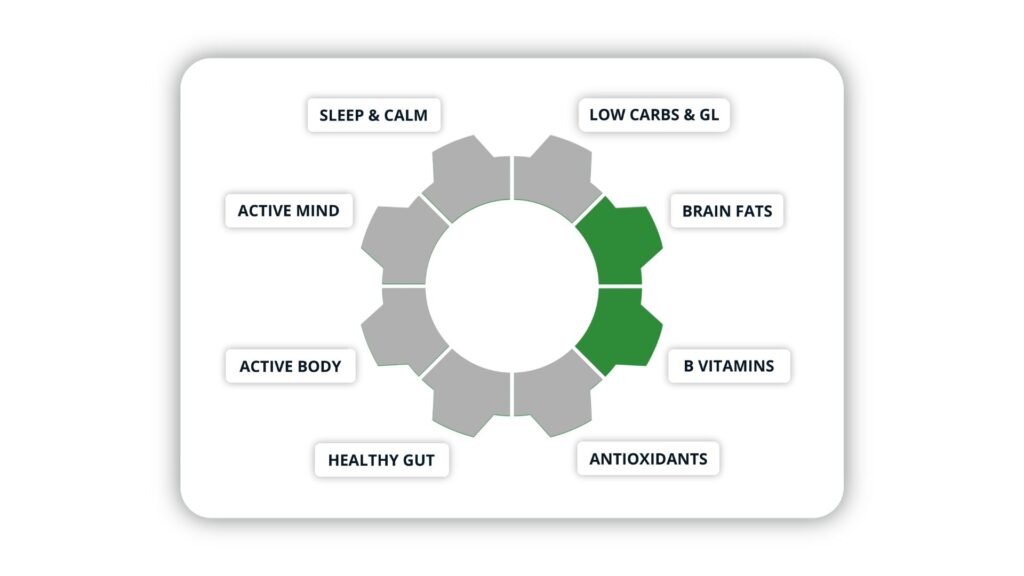
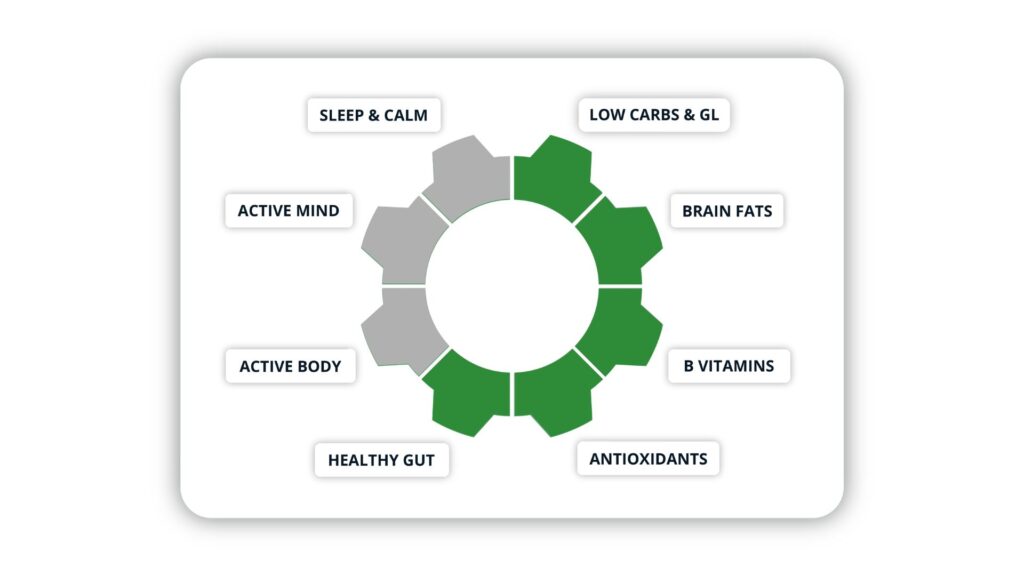
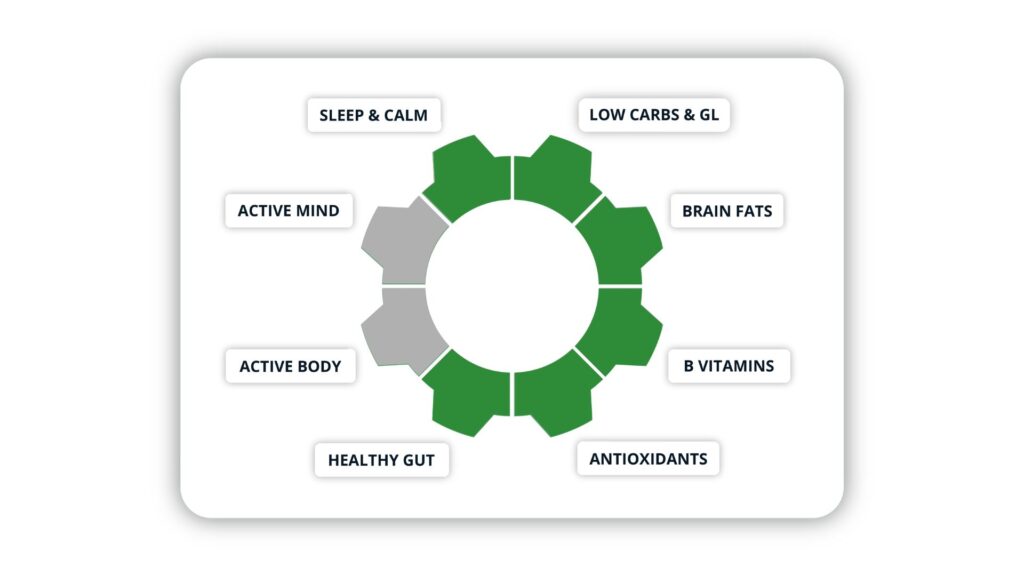
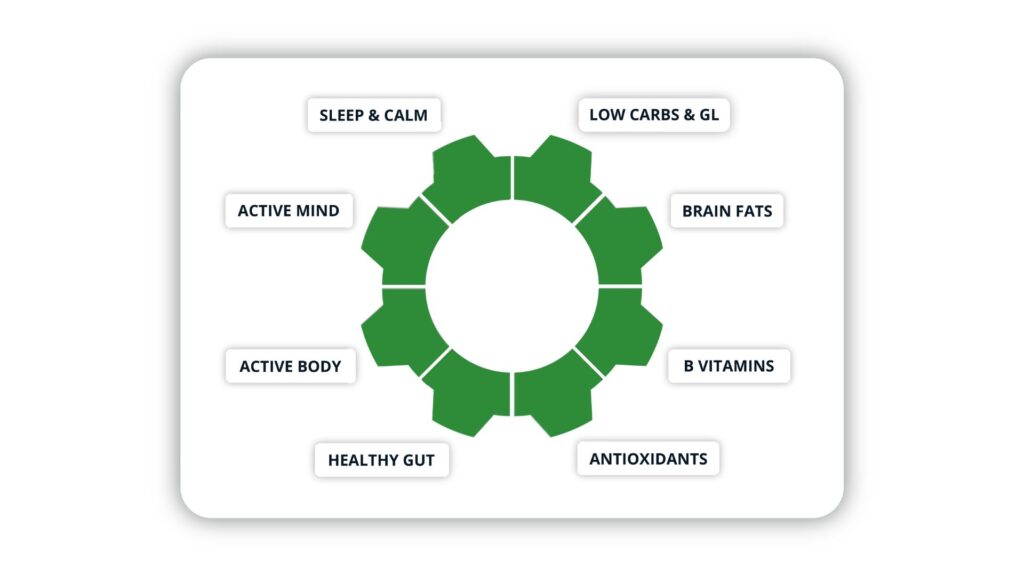
Increase omega-3 fatty acids, as well as phospholipids, found in seafood.
Phospholipids are also found in eggs. Studies either giving omega-3 fish oil supplements or eating fish show consistent dementia risk reduction. “Increased consumption of marine omega-3 fatty acids is a safe, simple, cheap, and effective tool in the fight to forestall the development of Alzheimer’s dementia,” said Professor William Harris, director of the Fatty Acid Research Institute. A study of over a quarter of a million people in the UK reported that “the total omega-3 status reduced dementia risk by 21 per cent.” But this is an underestimate, says Professor Harris, because the latest research shows that omega-3 is less effective in those short-changed on B vitamins. Omega-3 and B vitamins are codependent.
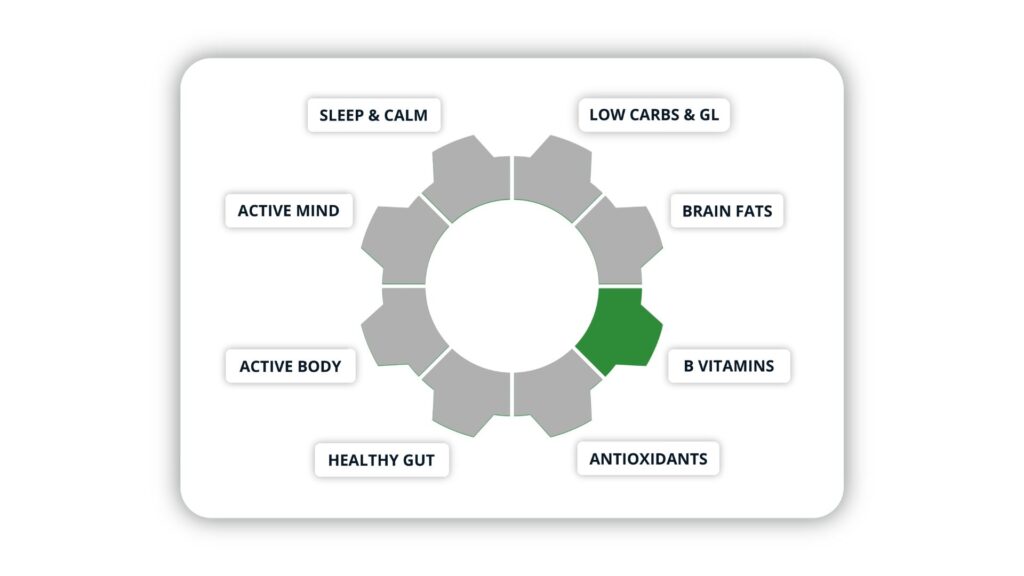
Increase B vitamins – vitamin B6, B12 and folate.
A simple blood test of homocysteine determines a person’s B vitamin status and risk of dementia. A homocysteine level above 11 mcmol/l indicates accelerated brain shrinkage and cognitive decline. The majority of people over 60 have a homocysteine level above 11 mcmol/l. Lowering homocysteine with B vitamins was considered the most promising treatment to date, based on a review of 396 studies, reducing the rate of age-related brain shrinkage in those with sufficient omega-3 by two thirds and virtually arresting cognitive decline. “Unfortunately, despite robust scientific evidence, determination of homocysteine levels in individuals presenting with memory impairment is not routinely undertaken. Homocysteine screening, followed by treatment with B vitamins, would be highly cost-effective in older adults presenting with cognitive impairment,” said professor of nutrition, Joshua Miller from Rutgers University in New Jersey, USA.
Foodforthebrain.org, who offer a simple home test for homocysteine together with a free Cognitive Function Test, reported that the lower a person’s homocysteine level, which tended to increase with age, the greater was their cognitive function. “The reality is that most older people need to supplement high dose vitamin B12, which is harder to absorb later in life, as well as B6 and folate to prevent cognitive decline,” said nutritionist and founder of the charity, Patrick Holford, author of the book Alzheimer’s: Prevention is the Cure.
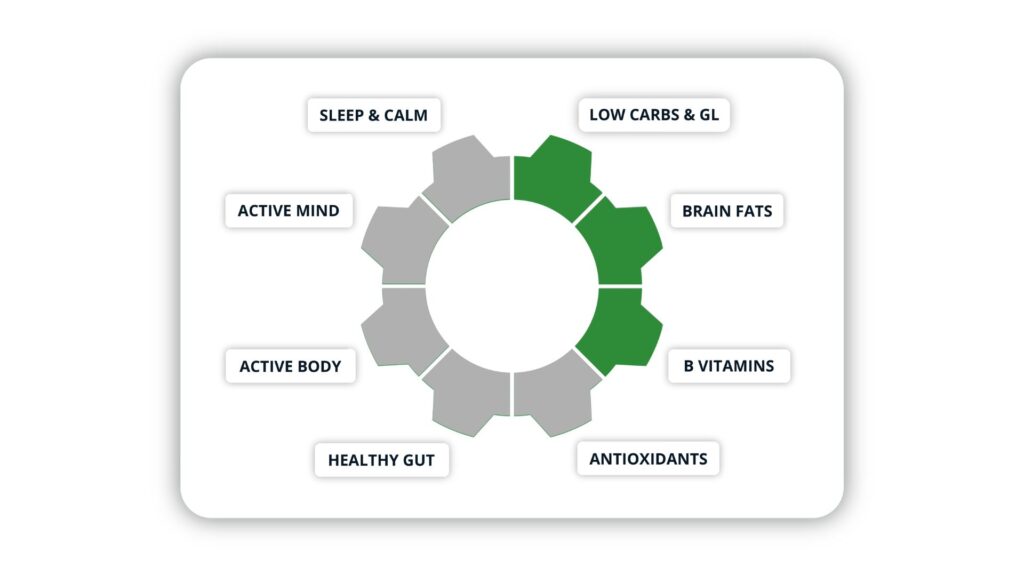
Reduce sugar and ultra-processed foods.
The evidence is now overwhelming that high intakes of sugar, sugary drinks, and ultra-processed foods crank up dementia risk substantially. “These foods, which are a major part of most people’s diets, increase oxidative stress, which damages the brain. Fructose, added into junk food and drinks, is particularly bad news,” reported Professor Robert Lustig from the University of California, San Francisco. This is why people with diabetes have double the risk of dementia. Those with pre-diabetes, called metabolic syndrome, have a 24% increased risk of young-onset dementia, according to a Chinese study of almost 2 million people followed over 7 years. The experts concluded that an essential strategy for preventing Alzheimer’s disease is to follow a healthy diet low in added sugars and refined carbohydrates, but noted the UK’s Lancet Commission of dementia prevention did not include anything at all about nutrition or diet in their recommendations.
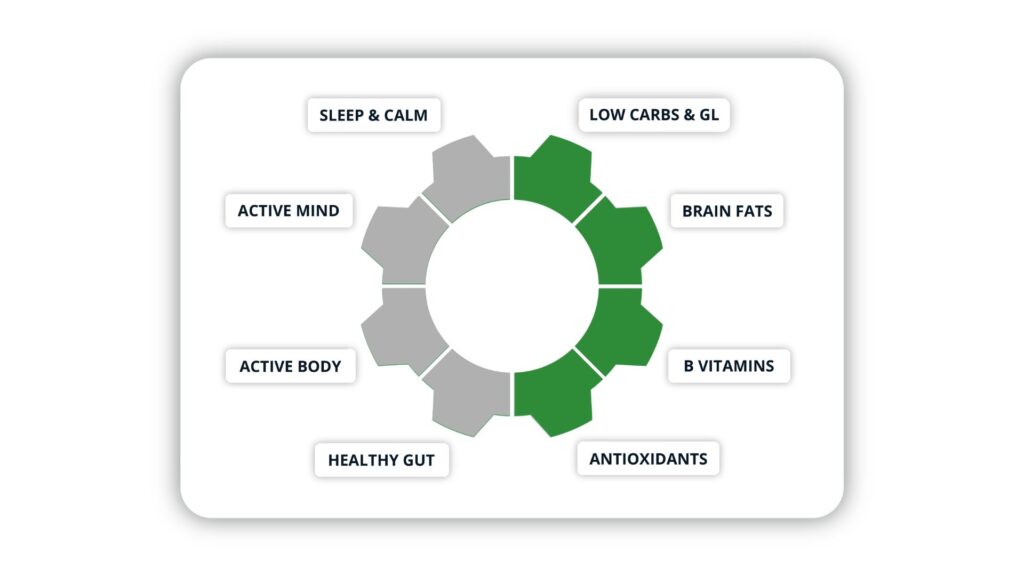
Increase antioxidant rich foods.
Fresh fruit and vegetables are rich in antioxidants and polyphenols. Professor Jeremy Spencer from the University of Reading has shown that both blueberries and cacao, the active ingredient in chocolate, have almost immediate effects in improving brain function, firstly by improving circulation, then providing additional benefits from the polyphenols. Diets high in green vegetables, fresh fruit, and especially berries, as well as fish, have consistently been shown to cut Alzheimer’s risk. Those with a high antioxidant intake have a third less risk.
Supplement vitamin D.
The majority of people in both the UK and US fail to achieve adequate vitamin D levels (above 75 nmol/l or 30 ng/l) to prevent dementia. This is especially true between November and March, when the sun’s angle is insufficient to make vitamin D in the skin in more northern countries, which is why it is essential to supplement in these months. Optimal vitamin D and UV exposure cut Alzheimer’s risk by a third. A large-scale study involving over 12,000 dementia-free 70+-year-olds in the USA found that those who supplemented vitamin D had a 40 per cent lower incidence of dementia.
Fuel the brain with ketones.
Brain cells can either run on glucose or ketones, made in the liver from fat. Professor Cunnane from Canada’s Sherbrooke University shows that Alzheimer’s patients start to suffer glucose deficiency in certain regions of the brain even before they start to experience any symptoms. ‘People with cognitive decline have an energy gap,’ says Cunnane. ‘Probably due to insulin resistance, they are not able to make use of glucose. Providing a food source, C8 oil, from which the body can readily make ketones, fills that energy gap, brain cells come back to life, and memory and brain function improve as a result. It reminds me of those announcements on the London Underground: “Mind the gap.”’ C8 oil is readily available in health food stores. He recommends two tablespoons a day.
Stay physically, socially and intellectual active.
Author of the new book The Stimulated Mind, neuroscientist Dr Tommy Wood, who is an associate professor of neuroscience at the University of Washington and brain-trains Formula 1 racing drivers, believes our brains are not destined to decline but do so because the culture is to ‘retire’ and stop learning new things. The more mindless activities and overuse of AI, the less ‘exercise’ the brain gets, and it literally builds connections through stimulation. Learning a new language, or musical instrument, or any activity that challenges the mind reduces dementia risk, as does exercise, which improves circulation to the brain. We need to stimulate the mind, supply the right nutrients and sleep to recover.
Sleep well.
Sleep expert Dr Greg Potter emphasised the importance of getting enough good-quality sleep. It is how the brain recovers. The brain needs seven hours of good-quality sleep to stay healthy.
Eat organic and avoid chemical exposures.
“Almost all cases of Alzheimer’s can be avoided.” That was the conclusion of leading neurologist Dr David Perlmutter, who presented evidence that the ‘brain defender’ cells, called microglial cells, that support and provide nutrients to the hard-working neurons, can switch and become enemies, attacking the brain as a result of bad nutrition and exposure to toxins in the environment, such as herbicides and pesticides. His book, Brain Defenders, is published in August, 2026.
For women – consider natural HRT
Women have double the risk of dementia. Why? Evidence is now overwhelming that lack of oestrogen and progesterone post-menopause inhibits the brain’s regeneration. Women who take natural oestrogen and progesterone, available in creams, have four times less risk, according to Dr Deborah Gordon, a women’s hormones expert.
MASTERCLASS CURRICULUM
Opening Address
Associate Professor Tommy Wood
A systems-based model of cognitive decline and demand coupling – 15min
[Author, The Stimulated Mind.]
Professor Jonathan Stone
Amyloid – the fireman not the fire created by vascular disease and infection.
Professor Karl Herrup
The amyloid anomaly
[Author of ‘How Not to study a disease: The story of Alzheimer’s]
Professor Peter Garrard
Update on amyloid and p-tau tests for dementia diagnosis
and targets for pathology
Professor Joshua Miller
Is homocysteine causative for Alzheimer’s, and how to lower risk
Professor William Harris
Omega-3 and B vitamin interactions
Associate Professor Simon Dyall
Why phospholipids are a brain essential
Dr William Grant
Vitamin D, how much for brain protection
Professor Robert Lustig
Ultraprocessed foods and their role in dementia
Professor Jeremy Spencer
The role of plants, antioxidants and polyphenols for cognitive protection
Associate Professor David Vauzour
The role of the gut and oral microbiome in brain health
Professor Stephen Cunnane
Ketones, an essential brain fuel to support cognitive function during ageing
Dr Deborah Gordon
The role of hormones: menopause and the brain
Dr Greg Potter
The Lancet Commission’s egregious omission: why poor sleep is a risk factor for dementia
Associate Professor Tommy Wood
Use it or lose it
Patrick Holford & Dr Konrad Kowalski
The Glutathione Index as a functional biomarker for oxidative stress & DRIfT study results
Closing Address
Dr David Perlmutter
The Five Key Brain Defenders
[author of Brain Defenders]
WHY THIS MATTERS NOW ?
The old story around Alzheimer’s disease is beginning to break down.
For years, the field focused heavily on amyloid plaques and pharmaceutical intervention. Yet despite billions invested into drug development, outcomes have remained limited.
At the same time, the evidence linking cognitive decline with:
- homocysteine
- insulin resistance
- inflammation
- vascular dysfunction
- nutritional insufficiency
- hormonal change
- mitochondrial decline
- ultra-processed diets
- sleep disruption
- and microbial burden
has continued to grow.
Science is moving rapidly toward a systems-based understanding of brain ageing.
One that asks:
- What is driving degeneration decades before diagnosis?
- Why do some brains remain resilient?
- Which factors are measurable?
- And what can clinicians do earlier?
This Masterclass brings together the researchers helping answer those questions.
Because prevention is no longer theoretical.
It is becoming the future of brain health practice.
KEY SHIFTS IN THE SCIENCE
This instant access Masterclass explores the major scientific shifts changing how clinicians think about Alzheimer’s prevention.
From a single-pathway model to systems biology
Cognitive decline is increasingly understood as the interaction between multiple biological systems, not one isolated mechanism.
From symptom management to earlier intervention
Research suggests measurable changes in metabolism, vascular health and brain energy may occur decades before diagnosis.
From genetic determinism to modifiable risk
The majority of Alzheimer’s risk appears to involve factors that can potentially be influenced through nutrition, lifestyle and metabolic health.
From theoretical prevention to measurable biomarkers
Nutritional and functional biomarkers are opening new possibilities for earlier identification and personalised intervention.
From brain disease to whole-body health
The evidence increasingly links cognitive resilience with:
- metabolic health
- cardiovascular function
- sleep
- hormones
- inflammation
- gut health
- and nutrition
WHAT THIS MEANS FOR YOUR PRACTICE ?
After completing the Masterclass, you will be better equipped to:
- recognise patterns associated with elevated cognitive risk earlier in life
- understand key nutritional and metabolic biomarkers
- integrate systems-based prevention strategies into practice
- make sense of emerging evidence around amyloid and p-tau
- prioritise interventions based on biological relevance, not trends
- translate complex science into clear patient pathways
- support neurological resilience using measurable lifestyle and nutritional strategies
- bring personalised prevention into everyday work or personal life with greater confidence
WHO THIS IS FOR ?
Ideal for practitioners working in:
- Primary care and general practice
- Functional and integrative medicine
- Nutrition
- Naturopathic and lifestyle medicine
- Neurology and metabolic health
- Coaching, nursing and allied health professions
- Research and academic settings
Also suitable for anyone with a serious interest in:
- brain health
- cognitive resilience
- healthy ageing
- nutrition
- prevention-led medicine
ACCESS INCLUDED
Your enrolment includes:
- Full on-demand access to all presentations
- More than 8 hours of expert teaching
- Watch anytime, at your own pace
- Replay access included
- Practical clinical insight and evidence-led education
- Access across desktop, tablet and mobile
Instant access. Lifetime learning.
What our attendees say
As a clinician new to this focus I am grateful for all of this great information. Excellent speakers. Thank you very much!
Filip K.
Informative, well run and covered a great deal. Food for the Brain is doing important and vital work…so much of this epidemic is preventable and most of the interventions are very cost effective.
Anonymous
Sound approach that is applicable to all and can be adopted by everyone with appropriate lifestyle tweaks and changes.
Anonymous
This Is Where Prevention Becomes Practice
Alzheimer’s disease is increasingly understood as a systems breakdown driven by measurable, modifiable factors.
This Masterclass gives you direct access to the researchers, evidence and clinical thinking reshaping how we understand cognitive decline and brain resilience.
If you want to understand the biology driving dementia risk and the interventions that may help influence its trajectory, this training is essential.
Step into the evidence reshaping the future of Alzheimer’s prevention.
CO-PRESENTED BY FOOD FOR THE BRAIN AND THE INTERNATIONAL SOCIETY FOR ORTHOMOLECULAR MEDICINE (ISOM)