Food Quality Archives - Food for the Brain

because prevention is better than cure.

because prevention is better than cure.

Mini Cart 0

Your cart is empty.

Mini Cart 0

Your cart is empty.

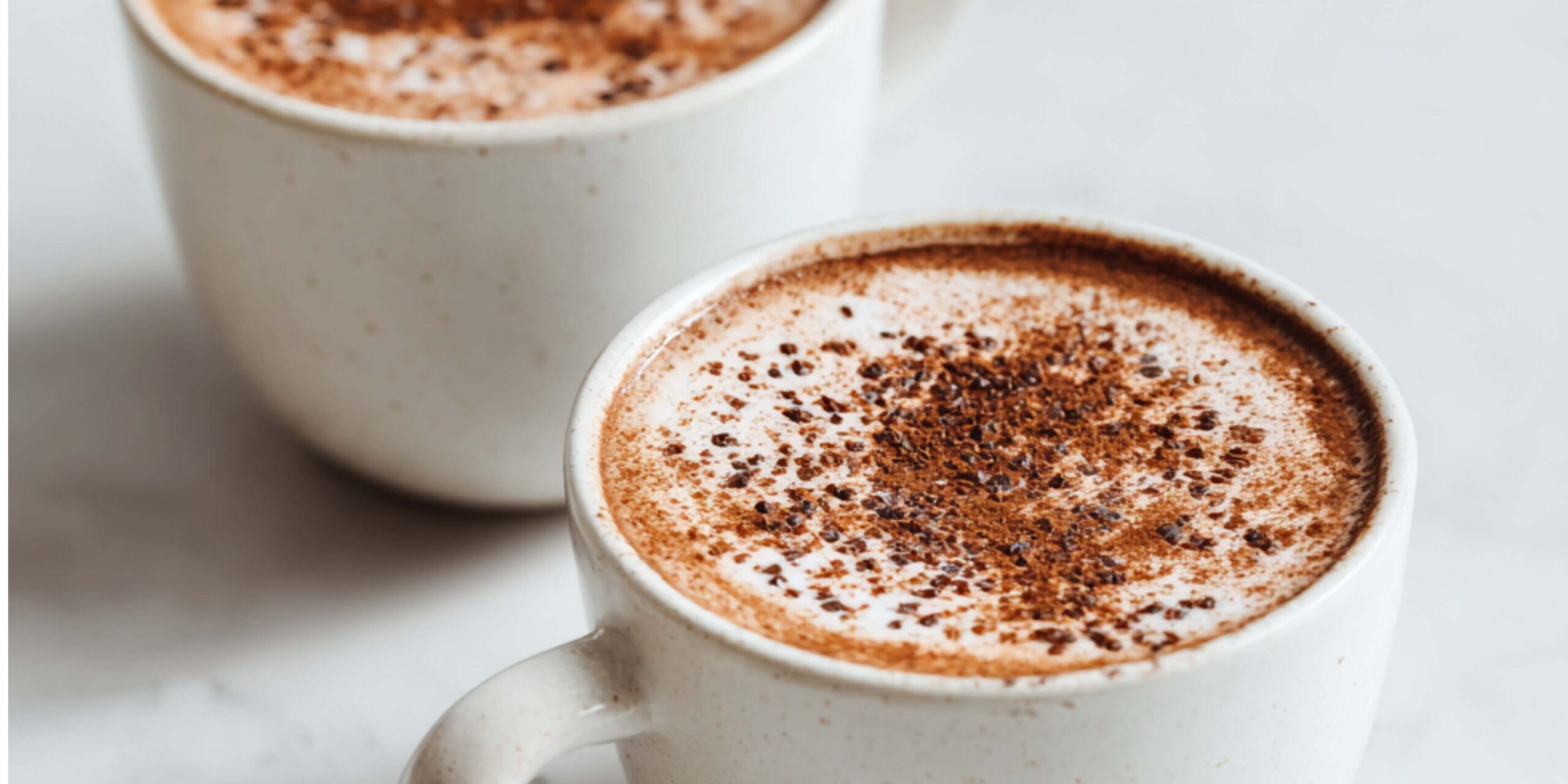
Brain-Boosting Cacao with Maca & Cinnamon

healthy cocoa drink recipe -

Everywhere you turn, coffee shops tempt us with seasonal lattes, pumpkin-spiced treats and sugary hot chocolates. They may taste comforting, but many of these drinks deliver more sugar (up to 40 g in a single serving) and stimulants than your brain can’t handle, fuelling blood sugar spikes, jitters and, over time, even memory decline. In fact, higher blood glucose levels, even within the normal range, is linked to an increased risk of dementia (1*), while poor glucose control shrinks the hippocampus, the brain’s memory centre (2*).

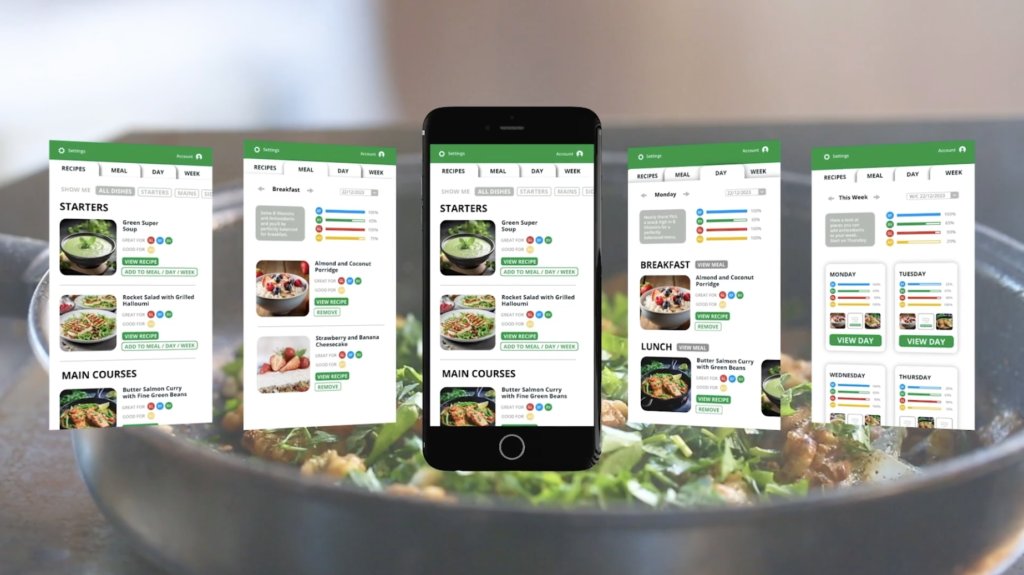
Here’s a different kind of comfort drink: a rich, velvety hot cacao that actually supports your brain. Taken from the Upgrade Your Brain Cook App,  and packed with flavonoids, adaptogens and blood-sugar-balancing spices, it’s a recipe you can enjoy at any time of year – whether you’re heading out on autumn walks in the northern hemisphere, or entering spring in the south.

Why is hot cacao brain-friendly?

Raw cacao – flavanols for circulation, memory and mood

Cacao is one of the richest natural sources of flavanols, powerful antioxidants that improve circulation, including blood flow to the brain. Better blood flow means better oxygen and nutrient delivery, supporting attention, memory and overall cognitive function.

In a landmark study at Columbia University, cocoa flavanol supplementation improved memory in older adults by enhancing dentate gyrus function in the hippocampus (3). Large-scale trials confirm this: in the COSMOS study of more than 21,000 people, cocoa extract improved cognition in those with lower diet quality (4).

Cacao also contains theobromine and serotonin-enhancing compounds, which may explain why a simple square of dark chocolate – or a steaming mug of raw cacao – can lift mood and reduce stress.

Maca – an adaptogen for stress resilience and mood

Maca, a root vegetable from the Andes, is classed as an adaptogen – plants that help the body adapt to stress. Adaptogens support the adrenal system, helping to buffer the effects of chronic stress and supporting hormone balance.

In human trials, maca supplementation improved mood and reduced anxiety and depression scores in postmenopausal women (5). While more research is needed on cognition in humans, maca is widely valued for its mood-enhancing and potential stress-buffering properties.

Cinnamon – balancing blood sugar to protect the brain

Cinnamon isn’t just for apple pies, it’s a powerful spice for blood sugar control, which is essential for maintaining brain health and longevity. Stable blood sugar means steadier energy and less “brain fog.” Excess sugar is one of the strongest dietary risk factors for dementia: raised HbA1c (a measure of long-term blood sugar that we test in our at-home blood test, DRIfT) increases the risk of both vascular dementia and Alzheimer’s (1,2).

Human trials show that cinnamon supplementation can improve HbA1c, blood pressure and lipid profiles in people with type 2 diabetes (6). Other studies report improved insulin sensitivity and glucose tolerance, even in healthy adults (7). By helping to stabilise the delivery of glucose to the brain, cinnamon protects against the highs and lows that drive fatigue, irritability and cognitive decline.


Hot Cacao with Maca & Cinnamon

Ingredients:

  • 500 ml (2 cups) milk or unsweetened milk alternative of your choice
  • 2 tbsp raw cacao powder
  • 1 tsp maca powder
  • ½ tsp ground cinnamon
  • 1 tsp xylitol, raw honey or chicory root syrup (use code FFB10 to save 10% on the syrup)

Method:

  1. Gently heat the milk in a saucepan until steaming but not boiling. You can also use a milk frother for this if you prefer.
  2. Whisk in the cacao, maca, cinnamon, and sweetener (if using).
  3. Pour into mugs and serve immediately.

Servings: Serves 2

Cook’s Tips: Always use raw cacao rather than processed cocoa to maximise flavonoids.

Add a pinch of cayenne for extra warmth and circulation.


At Food for the Brain, we’ve long championed the role of antioxidants, blood-sugar balance, and stress resilience in protecting against cognitive decline. A simple daily ritual like this hot cacao brings together three powerful, evidence-based strategies for your brain:

  • Flavanols from cacao improve circulation and memory.
  • Adaptogens from maca (optional) to enhance mood.
  • Spices like cinnamon to steady blood sugar and protect the hippocampus.

Take the next step for your brain

If you enjoyed this recipe, there’s so much more you can do to nourish your mind and memory.

Explore over 120 brain-friendly recipes – from Stewed Cinnamon Apples with Walnuts & Flaxseed, to Roasted Pumpkin & Red Lentil Soup with Turmeric, or even an indulgent Spiced Pear & Almond Crumble. All are available in our Recipe Cook App  – yours for just £30 a year.

 Join our “Forget Sugar” webinar with Patrick Holford  discover the surprising science of how sugar shrinks the brain along the practical steps to cut cravings, balance blood sugar, and protect memory.

(If you are a FRIEND of Food for the Brain log in to your account and access the webinar for free here)

Test your own brain health today – take our free online Cognitive Function Test. It’s a validated way to see how your lifestyle is shaping your future brain health. 

Feeling good now, and ageing well, is within your power.

References

  1. Crane PK, Walker R, Hubbard RA, et al. Glucose levels and risk of dementia. N Engl J Med. 2013;369:540–548. doi:10.1056/NEJMoa1215740
  2. Kerti L, Witte AV, Winkler A, Grittner U, Rujescu D, Flöel A. Higher glucose levels associated with lower memory and reduced hippocampal microstructure. Diabetes Care. 2013;36(10):3289–3296. doi:10.2337/dc13-0306
  3. Brickman AM, Khan UA, Provenzano FA, et al. Enhancing dentate gyrus function with dietary flavanols improves cognition in older adults. Nat Neurosci. 2014;17(12):1798–1803. doi:10.1038/nn.3850
  4. Sesso HD, Wang L, Reynoso J, et al. Effect of cocoa extract supplementation on cognitive function: COSMOS trial. Am J Clin Nutr. 2022;116(3):682–693. doi:10.1093/ajcn/nqac152
  5. Gonzales GF, Córdova A, Vega K, Chung A, Villena A, Góñez C. Effect of Lepidium meyenii (Maca) on mood in postmenopausal women. CNS Neurosci Ther. 2009;15(6):639–650. doi:10.1111/j.1755-5949.2009.00104.x
  6. Akilen R, Tsiami A, Devendra D, Robinson N. Glycated haemoglobin and blood pressure-lowering effect of cinnamon in type 2 diabetes. Diabet Med. 2010;27(10):1159–1167. doi:10.1111/j.1464-5491.2010.03079.x
  7. Solomon TPJ, Blannin AK. Effects of short-term cinnamon ingestion on insulin sensitivity. Eur J Appl Physiol. 2007;99(5):483–488. doi:10.1007/s00421-006-0362-z

★ = references already discussed in Patrick Holford’s books (Upgrade Your Brain 2024; Alzheimer’s: Prevention is the Cure 2025).

Further info

Coffee – Good or Bad for your Brain?

Coffee – Good or Bad for your Brain?

by Patrick Holford

coffee cup in woman hands

Coffee: Friend or Foe for Your Brain?

For many, the day doesn’t truly begin until that first cup of coffee hits the system. It sharpens the mind, lifts the fog, and gives an instant boost of focus – which explains why, in the UK alone, we drink an astonishing 100 million cups every single day, about two per person. But is this daily ritual really fuelling your brain, or quietly robbing it of long-term vitality?

Coffee is more than just a stimulant. Yes, it contains polyphenols – those antioxidant compounds that can protect the brain. But it also delivers caffeine, which fires up your adrenal hormones to give that short-term buzz. The problem is that this instant lift comes with a hidden cost: over time, it can deplete energy reserves and, more worryingly, raise homocysteine – one of the strongest predictors of dementia and Alzheimer’s.

The Hidden Brain Risk – Homocysteine

The homocysteine-raising effect is quite considerable. A group of doctors from University Hospital Nijmegen tested the effects of coffee by assigning volunteers to drink a litre of unfiltered coffee a day – that’s about four cups – for two weeks. At the start of the two weeks, their average homocysteine score was 12.8 µM, slightly above the national average of 10 to 11. At the end of the two weeks, their homocysteine score was 14. (1)

This homocysteine-raising effect was confirmed in another study by Dr Verhoef and colleagues at the Wageningen Centre for Food Sciences in the Netherlands, which showed that two cups of coffee increased homocysteine by 11% after four hours. Interestingly, caffeine tablets without coffee increased it by only 5%, suggesting that other compounds in coffee, such as theophylline and theobromine (also found in chocolate), may play a role. (2)

This means that if your homocysteine is already slightly raised, perhaps above 9 or 10, drinking coffee may be doing more harm than good, since the brain starts shrinking with homocysteine levels above 11. Also, if you do drink a lot of coffee, it’s a good reason to check your homocysteine level. 
(Order your homocysteine test here. An accurate and simple way to check your level via a quick pinprick test.)

How Much Coffee is Too Much?

So, does coffee protect against dementia – or put you at greater risk? The answer depends on quantity.  A UK Biobank study involving 400,000 participants compared those drinking 1-2 cups a day with those drinking six or more cups a day and found both a 53% increased risk of dementia and smaller brain volumes in those drinking 6 or more cups.(3)  The UK Biobank didn’t measure the homocysteine of the participants, but this is the most plausible mechanism.

A new 2025 analysis from the US NHANES database reached a similar conclusion: higher coffee consumption was associated with a greater risk of dementia (4).

Yet the story isn’t entirely one-sided. A review of all studies up to 2020 concluded: “Caffeine effects were more often positive when consumed in moderate quantities (100–400 mg/day), consumed in the form of coffee or green tea, and in women.” (5)  The most recent UK Biobank findings confirmed that moderate coffee or tea drinkers had a lower risk of cognitive decline than abstainers. (6)

A double espresso delivers 200–300 mg of caffeine, so moderation seems to mean no more than two to two and a half cups a day — and only if unsweetened.

Sweetened or Unsweetened – Does it Matter?

It matters a lot. The UK Biobank found a modest reduction in risk in those drinking up to 2.5 cups a day, compared with non-coffee consumers, but only in those drinking unsweetened coffee. Those drinking sweetened coffee had a higher risk. (7)

This is consistent with research at Canada’s University of Guelph. Participants were given a carbohydrate snack – such as a croissant, muffin, or toast – together with either a decaf or regular coffee. Those having the coffee-carb combo had triple the increase in blood sugar levels. In addition, insulin sensitivity, the hormone that controls blood sugar levels, was almost halved. (8)  The lesson? Enjoy your coffee on its own, without sugar or a carb-laden pastry.

Don’t Drink Coffee on Waking

Timing also matters. In the first hour after waking, your body naturally peaks in cortisol, the long-acting adrenal hormone that gets you going. (9)  That is why it is probably better not to have coffee, which further promotes adrenal hormones, for at least an hour after waking. Otherwise, you may stop producing enough of your own cortisol and become dependent on the caffeine hit.

In the evening, it’s the opposite story. Cortisol should be reducing and melatonin rising, but caffeine can affect this for up to 10 hours. The results? Over time, poorer sleep, which can contribute to a whole host of health problems, and greater difficulty waking in the morning, leading to a cycle of dependency on coffee.

One cup of coffee a day, in the morning, ideally not on waking but at least 30 to 60 minutes later, seems optimal. (10) However, the more tea you drink, the better, according to two studies, with green tea being the most beneficial.(11, 12)  This benefit, however, was not found in a UK Biobank study, which reported tea and coffee drinking to be associated with worsening cognition compared with abstainers.(13) 

The Japanese have a tradition of making a pot of green tea and, if they want a second, simply add hot water to the teapot. I do the same with coffee – if I have a second cup I run the coffee through the filter paper again. In this way it is progressively weaker.

But let’s be honest: coffee is an addictive stimulant and, while it may not be as harmful as alcohol, it is ultimately an energy robber. Having used coffee to help me through an intense month of early mornings and book writing, I quit and experienced a severe withdrawal headache that lasted 36 hours!

My Advice for the ‘Wired and Tired”

or those stuck in the vicious cycle – wired by coffee to stay awake, then relying on alcohol to switch off at night – my advice is simple: reset. Quit both for a time. Focus on consuming a low-sugar, low GL diet, along with supplements including B vitamins, plus extra vitamin C and omega-3 fish oil. All this advice and more is provided when you become a FRIEND of Food for the Brain and gain access to your six-month COGNITION™ brain upgrade programme. Click here to find out more.

Andrew was a case in point. Managing a chain of supermarkets had left him very stressed.

During the day, he drank coffee and in the evening, he relaxed with a beer or some wine as otherwise he would struggle to sleep. He was also gaining weight.

Andrew went on a low-GL diet, quit drinking coffee and alcohol, and took the recommended supplements. Three weeks later, he said: “My energy is through the roof, I don’t feel stressed, have no problem sleeping and I’m waking refreshed.” 

In Short …

  • One to two cups of unsweetened coffee a day, taken 30–60 minutes after waking, is probably optimal.
  • Avoid combining coffee with sugar or high-carbohydrate foods.  
  • Test your homocysteine levels, especially if you drink more than two cups a day.
    Buy a single homocysteine test here or get it along with other important brain biomarkers in the DRIfT 5-in-1 test kit here (for best value).
  • Consider switching to green tea or more weakly brewed coffee where possible for a gentler stimulant effect.
  • Avoid caffeinated drinks after noon, especially if you have difficulty getting to sleep or staying asleep.
  • If you rely on caffeine to function or alcohol to unwind, it may be time for a reset.

References:

(1) Grubben MJ, Boers GH, Blom HJ, Broekhuizen R, de Jong R, van Rijt L, de Ruijter E, Swinkels DW, Nagengast FM, Katan MB. Unfiltered coffee increases plasma homocysteine concentrations in healthy volunteers: a randomized trial. Am J Clin Nutr. 2000 Feb;71(2):480-4. doi: 10.1093/ajcn/71.2.480. PMID: 10648261. https://pubmed.ncbi.nlm.nih.gov/10648261/

(2) Verhoef P, Pasman WJ, Van Vliet T, Urgert R, Katan MB. Contribution of caffeine to the homocysteine-raising effect of coffee: a randomized controlled trial in humans. Am J Clin Nutr. 2002 Dec;76(6):1244-8. doi: 10.1093/ajcn/76.6.1244. PMID: 12450889. https://pubmed.ncbi.nlm.nih.gov/12450889/

(3) Pham K, Mulugeta A, Zhou A, O’Brien JT, Llewellyn DJ, Hyppönen E. High coffee consumption, brain volume and risk of dementia and stroke. Nutr Neurosci. 2022 Oct;25(10):2111-2122. doi: 10.1080/1028415X.2021.1945858. Epub 2021 Jun 24. PMID: 34165394. https://pubmed.ncbi.nlm.nih.gov/34165394/

(4) Li, J., Yu, K., Bu, F. et al. Exploring the impact of coffee consumption and caffeine intake on cognitive performance in older adults: a comprehensive analysis using NHANES data and gene correlation analysis. Nutr J 24, 102 (2025). https://doi.org/10.1186/s12937-025-01173-x

(5) Alida Chen J et al, Associations Between Caffeine Consumption, Cognitive Decline, and Dementia: A Systematic Review Journal of Alzheimer’s Disease 78 (2020) 1519–1546 DOI 10.3233/JAD-201069 https://pubmed.ncbi.nlm.nih.gov/33185612/

(6)Rainey-Smith SR, Sewell KR, Brown BM, Sohrabi HR, Martins RN, Gardener SL. Moderate coffee and tea consumption is associated with slower cognitive decline. J Alzheimers Dis. 2025 Jul 21:13872877251361058. doi: 10.1177/13872877251361058. Epub ahead of print. PMID: 40686251.

(7) Tingjing Zhang, Jiangen Song, Zhenfei Shen, Kewan Yin, Feifei Yang, Honghao Yang, Zheng Ma, Liangkai Chen, Yanhui Lu, Yang Xia,

Associations between different coffee types, neurodegenerative diseases, and related mortality: findings from a large prospective cohort study, The American Journal of Clinical Nutrition, Volume 120, Issue 4, 2024, Pages 918-926, ISSN 0002-9165, https://doi.org/10.1016/j.ajcnut.2024.08.012. https://ajcn.nutrition.org/article/S0002-9165(24)00671-3/abstract

(8) Moisey LL, Kacker S, Bickerton AC, Robinson LE, Graham TE. Caffeinated coffee consumption impairs blood glucose homeostasis in response to high and low glycemic index meals in healthy men. Am J Clin Nutr. 2008 May;87(5):1254-61. doi: 10.1093/ajcn/87.5.1254. PMID: 18469247. https://pubmed.ncbi.nlm.nih.gov/18469247/

  (9) Debono M, Ghobadi C, Rostami-Hodjegan A, Huatan H, Campbell MJ, Newell-Price J, Darzy K, Merke DP, Arlt W, Ross RJ. Modified-release hydrocortisone to provide circadian cortisol profiles. J Clin Endocrinol Metab. 2009 May;94(5):1548-54. doi: 10.1210/jc.2008-2380. Epub 2009 Feb 17. PMID: 19223520; PMCID: PMC2684472. https://pubmed.ncbi.nlm.nih.gov/19223520/   

(10) Xuan Wang, Hao Ma, Qi Sun, Jun Li, Yoriko Heianza, Rob M Van Dam, Frank B Hu, Eric Rimm, JoAnn E Manson, Lu Qi, Coffee drinking timing and mortality in US adults, European Heart Journal, 2025;, ehae871, https://doi.org/10.1093/eurheartj/ehae871 

(11)  Nurk E, Refsum H, Drevon CA, Tell GS, Nygaard HA, Engedal K, Smith AD. Intake of flavonoid-rich wine, tea, and chocolate by elderly men and women is associated with better cognitive test performance. J Nutr. 2009 Jan;139(1):120-7. doi: 10.3945/jn.108.095182. Epub 2008 Dec 3. PMID: 19056649 https://pubmed.ncbi.nlm.nih.gov/19056649/ 

(12) Feng L, Chong MS, Lim WS, Lee TS, Kua EH, Ng TP. Tea for Alzheimer Prevention. J Prev Alzheimers Dis. 2015;2(2):136-141. doi: 10.14283/jpad.2015.57. PMID: 29231231. https://pubmed.ncbi.nlm.nih.gov/29231231/ 

(13) Cornelis MC, Weintraub S, Morris MC. Caffeinated Coffee and Tea Consumption, Genetic Variation and Cognitive Function in the UK Biobank. J Nutr. 2020 Aug 1;150(8):2164-2174. doi: 10.1093/jn/nxaa147. PMID: 32495843; PMCID: PMC7398783.  https://pmc.ncbi.nlm.nih.gov/articles/PMC7398783/

Further info

Snacks: Brain Boost or Brain Drain?

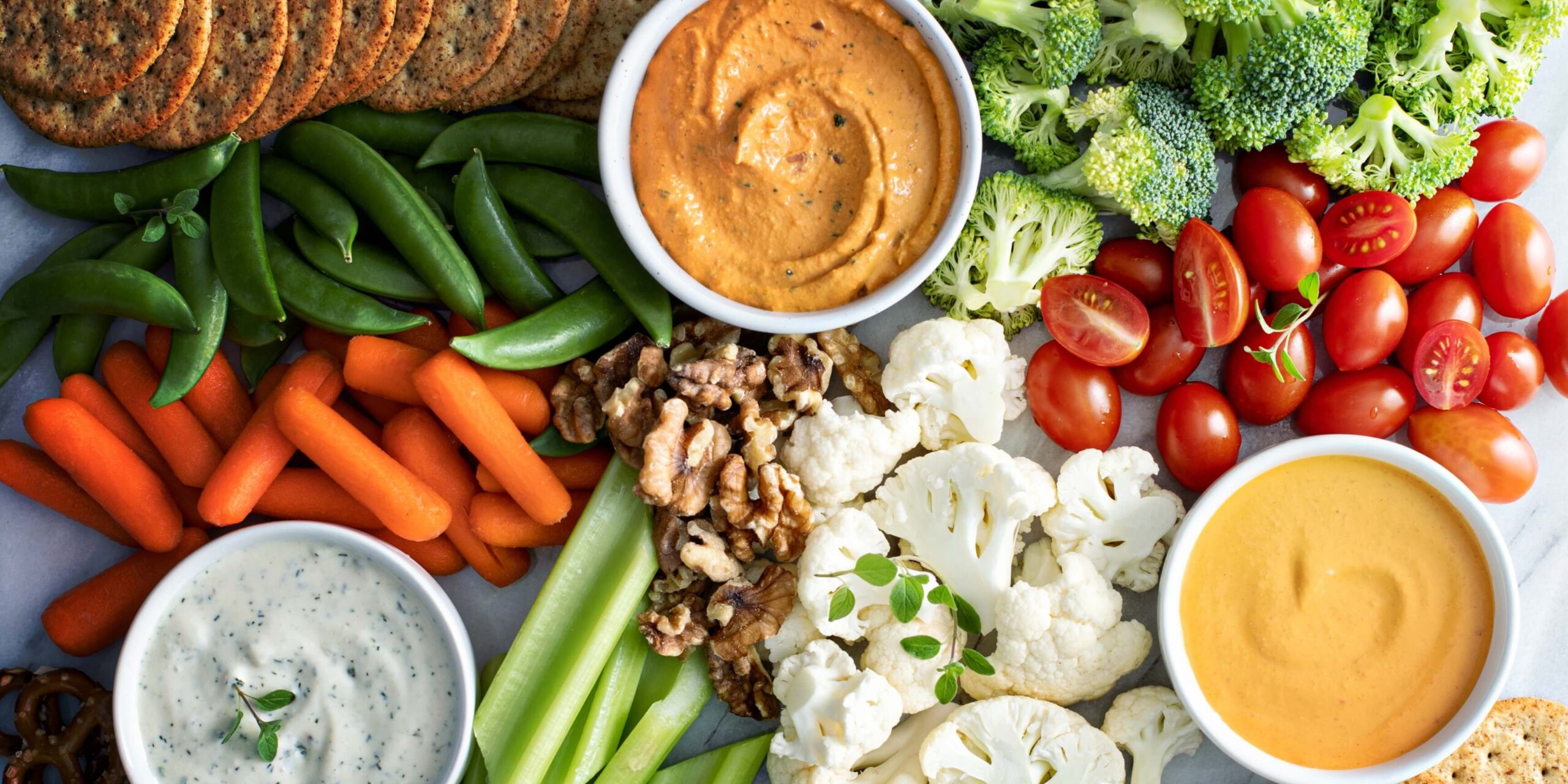
Colourful selection of snacks displayed on a flat surface

When that mid-morning dip or afternoon slump hits, it’s tempting to reach for a quick fix – something sweet, something carby, something to perk you up. But most conventional snacks don’t fuel your brain – they drain it.

In fact, snacking is one of the easiest ways to sabotage your long-term brain health and memory. Most people wouldn’t eat a plate of sugar at mealtimes (unless they start the day with shop-bought cereal or sweetened yoghurt), yet it’s common to reach for a bar, a biscuit, or something from a petrol station or coffee shop without a second thought.

These everyday choices are a silent driver of brain fog, low mood, memory problems – even dementia. It’s time to upgrade your brain by upgrading your snacks. Below, we share a free Brain Boost Bites recipe and some other smart snack ideas – perfect for long drives, picnics, or busy days on the go.

The Problem with Typical Snacks

The modern snack aisle is a minefield of ultra-processed foods: cereal bars, crisps, flavoured yoghurts, granola bites, and biscuits – many of them marketed as “healthy”. But beneath the surface, they’re often:

  • High in sugar or refined carbs – causing a rapid blood glucose spike followed by a crash. Many so-called healthy bars contain over 15g of sugar with little fibre, protein, or healthy fat to balance them.
  • Low in brain-essential nutrients – such as omega-3s, magnesium, or phospholipids.
  • Full of artificial additives – emulsifiers, preservatives, and even excitotoxins like MSG.
  • Designed for instant gratification – often with addictive properties rather than sustained energy.

As explained in our Four Horsemen of the Mental Health Apocalypse series (read Part 1 here and Part 2 here), poor glucose control is a key driver of accelerated brain ageing and cognitive decline. A high-sugar snack spikes blood sugar, then causes a crash that reduces brain energy and impairs mental performance. Over time, this rollercoaster leads to insulin resistance, which is strongly linked to cognitive decline and Alzheimer’s disease.

The Smart Snacking Solution

The answer isn’t to stop snacking altogether – it’s to snack smart.

Our in-house chef and lecturer in culinary nutrition and functional health, Kim Close, shares a free recipe below from the Upgrade Your Brain Cook App. It’s packed with brain-supportive nutrients and perfect for keeping your energy and focus steady.

And if you’re not sure what to eat for better brain health, the Cook App includes 120+ recipes (and growing) to guide you meal by meal.

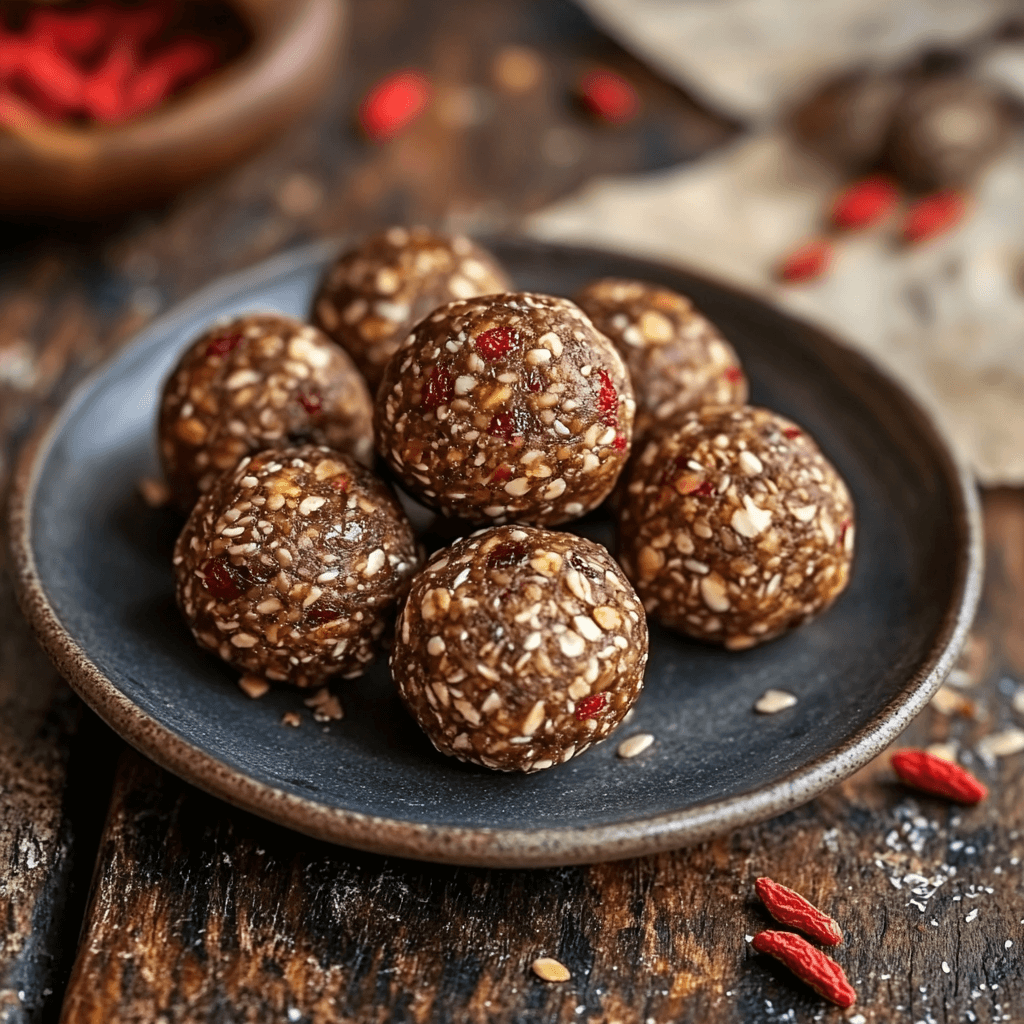
Brain Boost Bites

Refined sugar-free | Fibre-rich | Brain-fat fuelled | Brain Boosting

Brain Boosting snacks - bite balls in a plate

Ingredients:

  • 100g (3½ oz) almonds
  • 30g (1 oz) walnuts
  • 50g (1¾ oz) goji berries
  • 2 tbsp ground flaxseed
  • 2 tbsp almond butter
  • 1 tbsp raw cacao powder
  • 1 tbsp water (if needed for blending)

Method:

  1. Blend all ingredients in a food processor until the mixture becomes sticky and holds together.
  2. Roll into small balls.
  3. Chill in the fridge for at least 30 minutes.

Servings: Makes 10-12 balls

Cook’s Tips: Store in an airtight container in the fridge for up to a week. Add orange zest or vanilla extract for flavour variation.

Other Smart Snack Ideas:

  • Oatcakes with almond butter or smoked mackerel pâté
  • Olives 
  • Square of Dark Chocolate Bar (Recipe in Cook App)
  • Hummus or nut butter with raw veggie sticks
  • A boiled egg with cherry tomatoes
  • A handful of walnuts or pumpkin seeds
  • A small cup of full-fat Greek yoghurt with blueberries
  • Chia pudding made with coconut milk (recipe in the app)
  • 2 squares of 85%+ dark chocolate

Snacking wisely is one of the easiest daily upgrades you can make for your brain. And with the right ingredients, it can be delicious too.

Further info

Smart Eating for Sharper Thinking: Wild Salmon Salad + 24 New Brain-Boosting Recipes

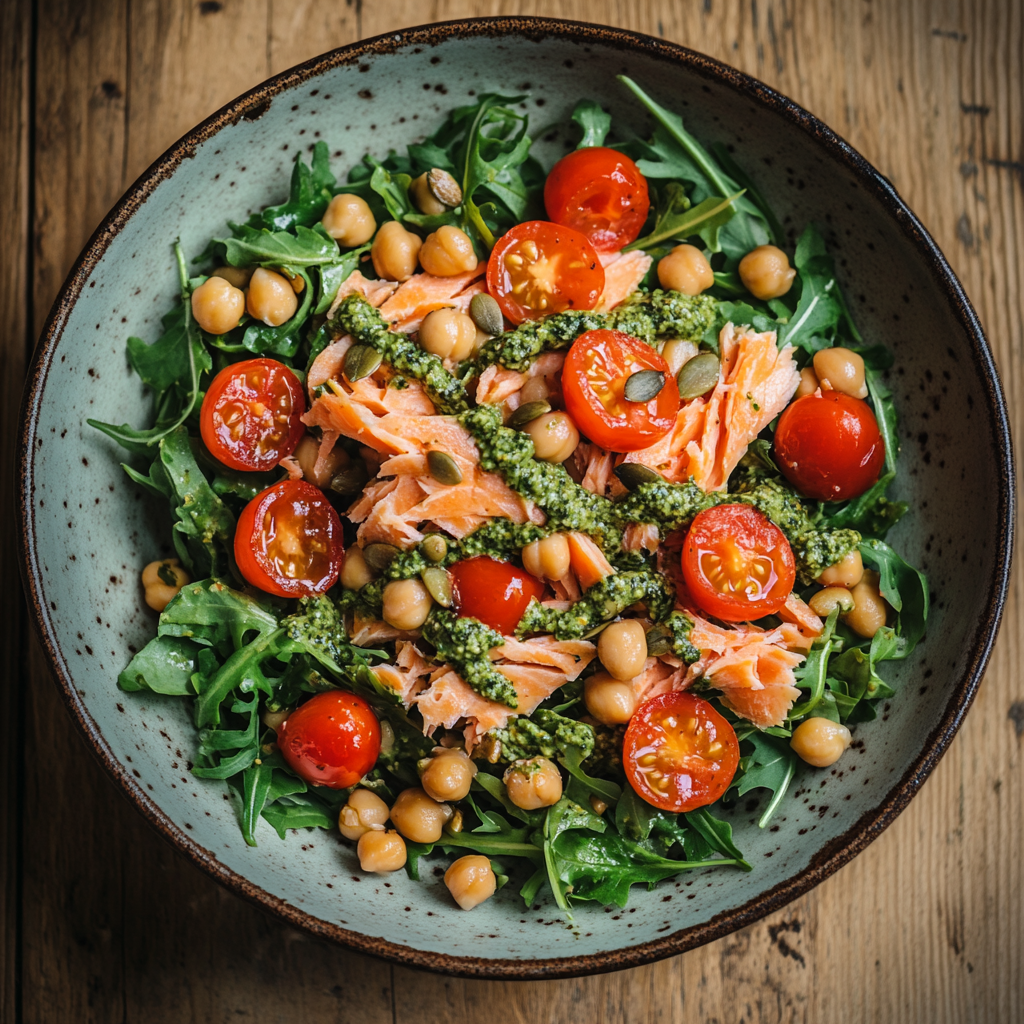
When it comes to eating for brain health, flavour and fun are often the first casualties. But what if you could have it all – taste, ease of preparation, and science-backed nutrition – in one delicious dish? That’s exactly the idea behind our Wild Salmon and Chickpea Salad with Rocket and Pesto, a featured free recipe from the Upgrade Your Brain Cook App.

This isn’t just lunch or dinner. It’s brain fuel – loaded with the nutrients your brain craves, without the blood sugar spikes that leave you foggy and fatigued.

Why This Recipe is Brain-Optimised

Your brain is made mostly of fat and thrives on nutrient-rich, anti-inflammatory foods. This recipe is a nutritional powerhouse tailored to support cognitive function, memory, and mood – all key pillars of the COGNITION® brain upgrade programme.

Here’s how it delivers:

  • Omega-3 fats from wild salmon support the structural integrity of your neurons. DHA, in particular, is vital for sharp thinking and memory retention.
  • B Vitamins, especially B12 (from salmon), B6 and folate (from chickpeas and rocket), are key players in methylation – the process that powers your brain’s biochemistry and detoxification pathways.
  • Protein + Fibre Combo (salmon and chickpeas) keeps your blood sugar stable, sustaining energy and focus throughout the day.
  • Antioxidants in rocket, lemon, garlic, and optional red pepper help neutralise brain-ageing free radicals.
    Low Glycaemic Load supports stable mood and mental clarity by avoiding sugar crashes.

Eating for brain health doesn’t mean boring. This salad is fresh, zingy, and ready in minutes – ideal for picnics, packed lunches, or a light dinner.

Prep tip: Double the pesto and keep it in the fridge – you’ll have a brain-friendly dressing ready to jazz up any salad or veggie dish. No boring meals required.

Wild Salmon and Chickpea Salad with Rocket and Pesto Recipe

Ingredients

  • 100g cooked wild salmon (3½ oz) 
  • 80g cooked chickpeas (2¾ oz) 
  • 1 handful rocket 
  • 1 tbsp olive oil 
  • 1 tbsp lemon juice 
  • 1 tbsp pumpkin seeds 
  • ½ garlic clove 
  • 1 tsp nutritional yeast optional 

Instructions:

1. Blend rocket olive oil lemon juice garlic and pumpkin seeds to make pesto 

2. Toss salmon and chickpeas with the pesto 

3. Serve on a bed of leafy greens

Cooks notes: 

  • Use frozen wild salmon for ease 
  • Add red pepper slices for extra brain-friendly antioxidants
  • Double up the pesto recipe and keep in a sealed jar in the fridge to dress a different salad.

Add red pepper slices for extra brain-friendly antioxidants

Why Now’s the Perfect Time to Join the Cook App

Right now, subscribing to the Upgrade Your Brain Cook App doesn’t just give you access to over 100 delicious, nutritionist-designed recipes – it also unlocks our Summer Recipe Bonus Bundle: 12 new recipes, each one optimised for brain health and bursting with flavour.

Here’s a taste of what you’ll get:

  • Brain Boost Balls – a perfect mid-afternoon focus snack
  • Stuffed Portobello Mushrooms with Walnut Lentil Pâté – hearty and satisfying
  • Blueberry Chia Pudding – low GL and ideal for a nourishing wind-down
  • Turmeric and Cauliflower Soup – warming, silky, and anti-inflammatory
  • Mackerel and Broccoli Stir-Fry with Ginger Tamari Glaze – a 10-minute omega-3 hero

And that’s just the beginning.

Join the Brain Food Revolution

Every dish in the app is scored for omega-3s, B vitamins, GLs, and antioxidants – making it easier than ever to eat smart. With new features like the “Goes Well With” section, meal planning becomes seamless. Whether you’re following low GL, keto, or simply want to feel sharper, calmer, and more energised – this is your toolkit.

Let your fork do the upgrading. Try the salmon and chickpea salad now, and discover how good brain food can really be.

Want the Ultimate Recipe for Brain Health?

Here’s your 3-step action plan:

  1. Take the FREE Cognitive Function Test. Get personalised insights into your brain health and identify any key risk areas.
  2. Subscribe to the Upgrade Your Brain Cook App. Discover exactly what to eat to improve your scores and support long-term cognitive health – all in one delicious, easy-to-use tool.
  3. Order the At-Home Pin-Prick Blood Test here
    Available internationally, this test gives you deeper insight into the critical biomarkers affecting your memory, mood, and mental energy – so you can take action with precision.

Further info

Brain Boosting Chocolate Mini  Eggs

With the arrival of spring come brighter days and flowers blooming all around. Sadly, it also marks what feels like yet another season full of sugar, with supermarket shelves overflowing with chocolate eggs, bunnies and other sugary temptations in every shape and size.

But knowing what we now do about how excess sugar impacts brain function (read more about how sugar impacts your brain here), whether you are 4 or 94 years old, the question is: what can you do instead?

We recommend heading into the kitchen to whip up some brain-friendly sweet treats – snacks that not only satisfy your sweet tooth, but also nourish your brain, support appetite control, and feed your gut microbiome.

With the launch of our Smart Kids Programme just weeks away, this recipe is perfect for creating fun and functional treats for the whole family – or even as a healthier option for your garden Easter egg hunt (just wrap them in foil if you’re hiding them for the kids!).

This recipe comes straight from the Upgrade Your Brain App, which includes over 100 delicious, brain-optimised recipes. If you haven’t already, subscribe today for just £30 for the whole year.

Brain-Boosting Highlights
Per mini egg (based on 14 per batch, without protein powder or coconut oil)
  • Low Glycemic Load (GL) & brain-friendly. Naturally sweetened with a little honey or maple syrup, these eggs contain just 2.5g of sugar each – helping to keep blood sugar levels balanced, which is key for maintaining stable mood, focus, and energy. (To reduce the GL you swap in chicory root syrup instead of honey or maple syrup. Use code FFB10 to get 10% off)
  • Supports the gut–brain axis. As we highlight in the COGNITION Programme and the upcoming Smart Kids initiative, a healthy gut = a healthier brain. Each mini egg delivers around 1.4g of fibre, thanks to oats, almonds, and cacao – feeding your good gut bacteria and reducing inflammation linked to cognitive decline.
  • Packed with healthy brain fats. With approximately 7g of fat per egg, these treats supply nourishing fats from almond butter (rich in vitamin E and monounsaturated fats) and dark chocolate (a source of flavonoids and magnesium) – both essential for supporting neurotransmitters and building stress resilience.
  • Optional protein boost. Even without added powder, each egg delivers around 2.5g of protein to help steady energy and mood throughout the day. Protein provides key amino acids – like tryptophan and tyrosine – that your brain uses to make serotonin and dopamine. For a little extra, simply add your favourite clean protein powder to increase the total to around 4g per egg. At any age, regular protein intake is vital for brain performance and emotional stability.
Recipe 

Ingredients (makes about 12-16 mini eggs)

  • 100g smooth almond butter (or peanut butter/cashew butter)
  • 2 tbsp honey or maple syrup (it is also worth buying some low GL chicory root syrup to further reduce sugar intake. Use code FFB10 to save 10% on your order)
  • 2 tbsp good quality cacao powder
  • 2 tbsp oat flour (or ground almonds)
  • Pinch of salt
  • Optional: 1 scoop vanilla or chocolate protein powder
  • Optional: 1 tbsp melted coconut oil (helps texture if mix is too thick)
  • 50g dark chocolate (70%+), melted, for coating
  • Optional: Crushed nuts, shredded coconut, or freeze-dried raspberries for decoration

Method

  1. In a bowl, mix almond butter, honey, cacao, oat flour, salt, and optional protein powder well until you get a thick but moldable dough.
  2. If it’s too dry, add a teaspoon of water or 1 tbsp melted coconut oil.
  3. Shape into small egg shapes using your hands (about 1 tablespoon – or slightly less per egg). try to work quickly so they don’t get too soft.
  4. Place on a lined tray and chill in the freezer for 15 minutes.
  5. Melt the dark chocolate gently in a bowl over hot water (or microwave in short bursts).
  6. Dip each mini egg in the melted chocolate to coat and place back on the tray.
  7. Optionally, sprinkle with nuts, coconut, or raspberry pieces before the chocolate sets.
  8. Chill until set (about 15 minutes in the fridge).
  9. Store in the fridge for up to a week.
Test Your Cognitive Function Now green banner.

Further info

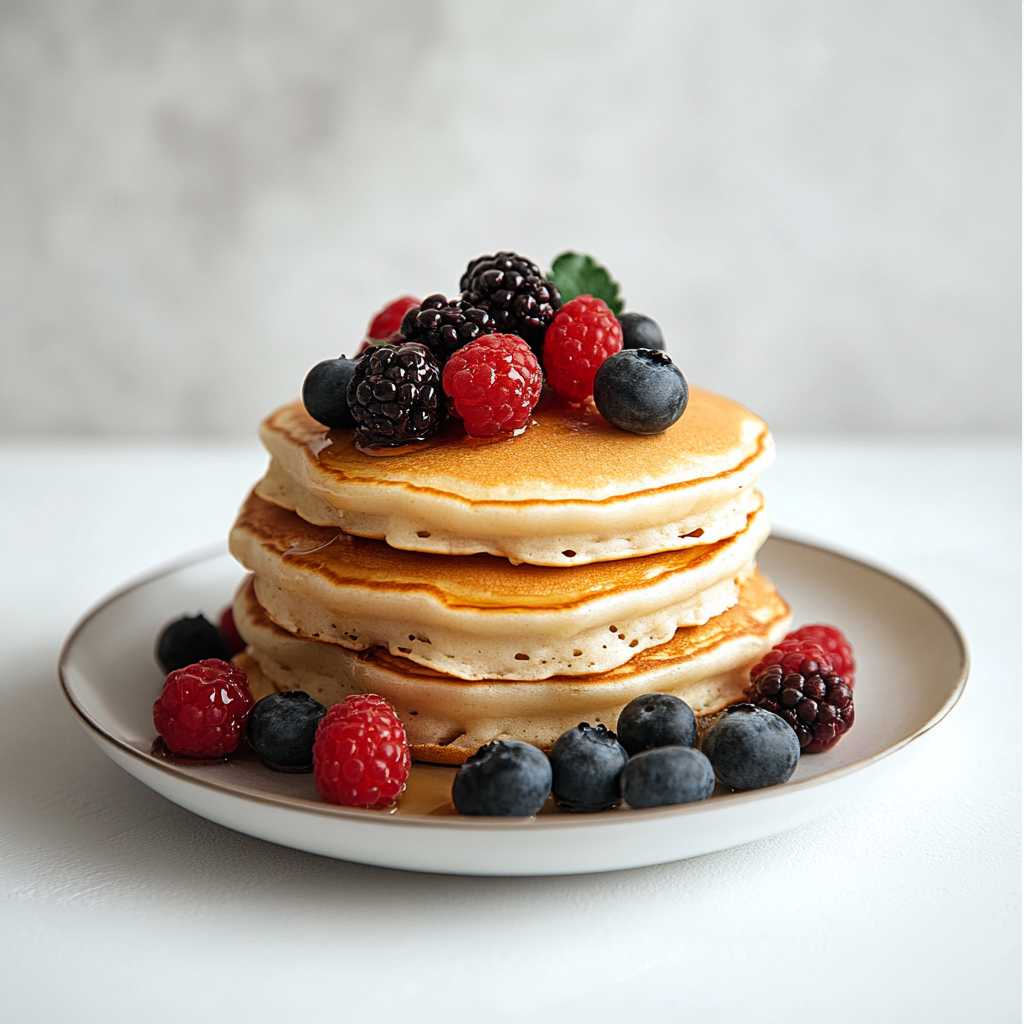
Pancakes to Upgrade Your Brain

Recipe from the Upgrade Your Brain Cook App

Last month we released the Upgrade Your Brain Cook App, to help you eat delicious food every day that supports your brain health.

Many of you have subscribed to the App and to celebrate we want to share a brain-friendly makeover of pancakes – so you can enjoy pancake day the right way.

These pancakes have low glycemic load (0.6 per portion) which means they will keep your insulin levels steady – a crucial part of supporting cognitive function as we outline in our COGNITION programme in more depth. 

They are high in healthy brain fats due to being nut-based, which also means they are high in fibre (a whopping 4.6g per portion!) something your gut microbiome will love. Plus, if you drizzle with Chicory Root Syrup rather than honey or maple syrup you can boost the fibre content by another 3g! (Save 10% off your chicory root here when you use the code FFB10.UK only)

If you pair it with some berries you will also get the benefits of vitamin C and lots of antioxidants, too, and for added protein simply serve with some natural or Greek yogurt.

So, if you are struggling to turn all this brain health knowledge and research into practical meals, then subscribe to the Cook App today to get access to 100+ recipes for just £30 a year! We’re constantly adding new recipes and features.

—-

Almond Pancake Stack with Berries + Yoghurt

Serves: 3
Prep Time: 5 minutes
Cooking Time: 10 minutes

Ingredients

  • 150 g ground almonds
  • 4 tablespoons (60 g) Greek yoghurt plus extra to serve
  • 1 large egg
  • 1 teaspoon ground cinnamon
  • 1 teaspoon bicarbonate of soda
  • 20 g raspberries (approx. 10 berries)
  • 20 g blueberries (approx. 10 berries)
  • 1 tablespoon chicory root syrup to drizzle (optional – use code FFB10 to save 10% off syrup and low GL bread from Dillons)

Method

  1. In a blender, blitz the ground almonds, Greek yoghurt, egg and cinnamon into a thick batter.
  2. Heat a non-stick frying pan over medium heat. Scoop a small ladle (approx. 3 tablespoons) of batter into the pan for each pancake.
  3. Cook for 2-3 minutes on one side until bubbles appear, then flip and cook for another 1-2 minutes until golden brown. Repeat with the remaining batter.
  4. Serve the pancakes warm, topped with raspberries, blueberries and a dollop of Greek yoghurt. 
  5. Drizzle with a little chicory root syrup (optional)

Further info

Snacks for the brain – easy ways to feed your brain on the go! 

The food you eat feeds your brain but how can you consistently eat healthy even on the go, or when life is busy?

We know here at Food for the Brain that a low Glycemic Load diet is one of the 8 ways you can reduce your risk of dementia and Alzheimer’s (and improve your Cognitive Function score – take the free validated online test here) – which is why we are creating our Recipe App so that you have access to lots of brain loving recipes.

But what can you eat when travelling, on the go or for an easy snack?

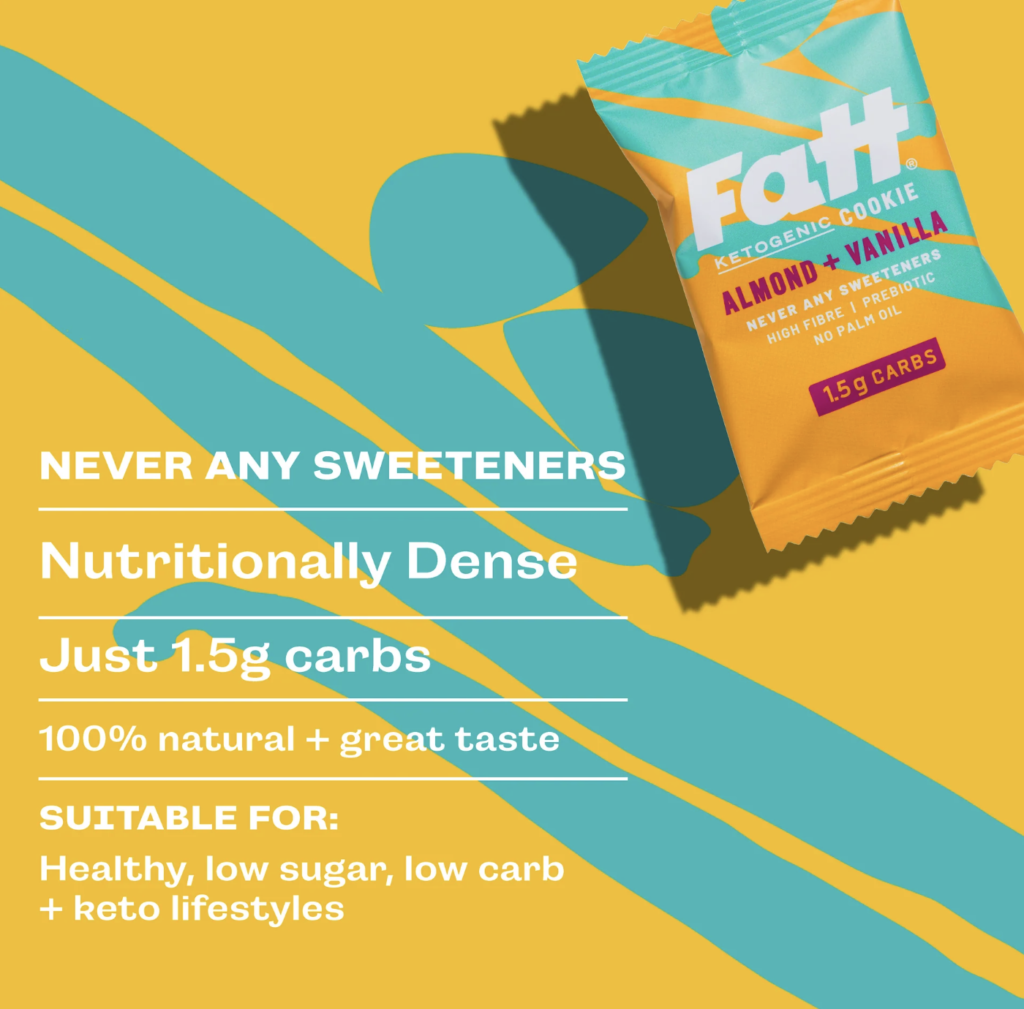
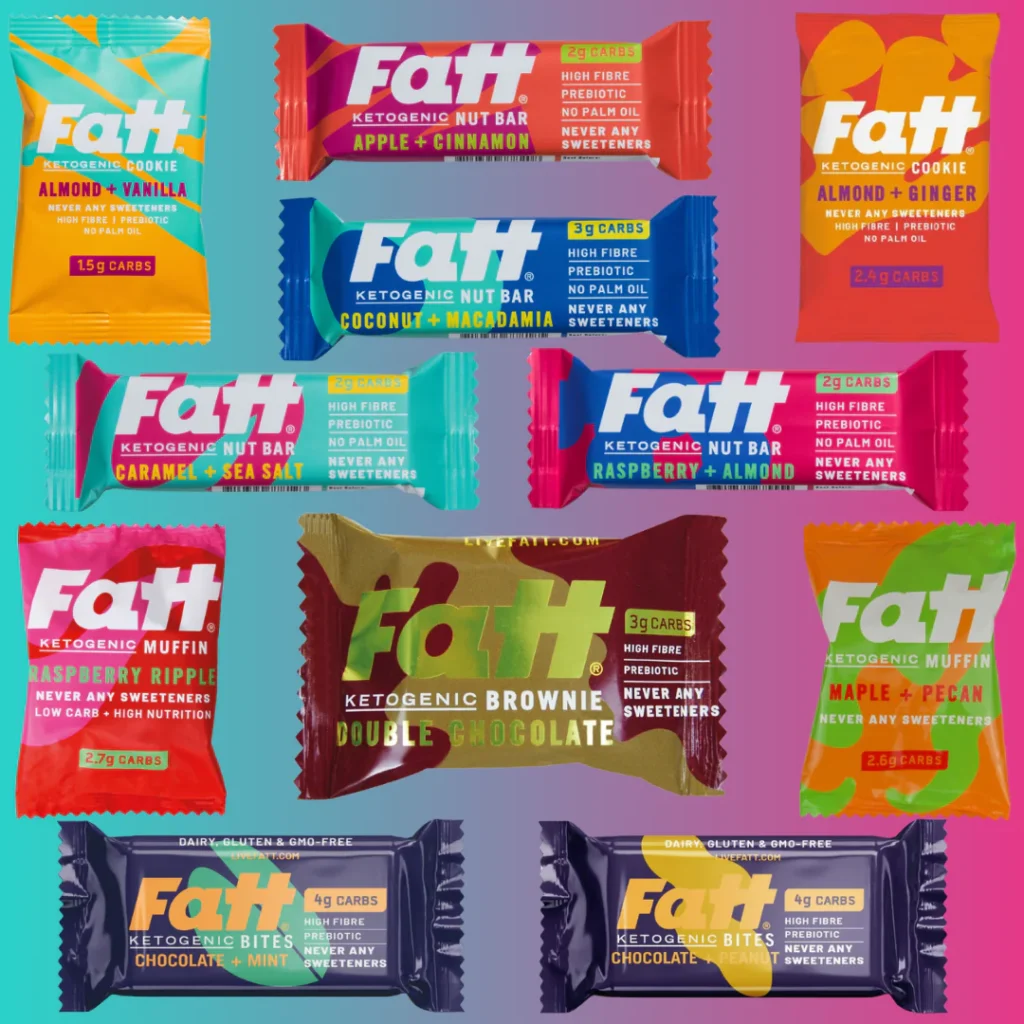
That is why we want to introduce you to FATT bars. As one of our supporting organisations, FATT provides a variety of good quality, sugar free, convenient and tasty snacks.

So if you are preparing for summer holidays, work trips or have a busy schedule then these might be the perfect way to nourish your brain!

Introducing FATT – Real Keto Snacks!

Feeding the brain is a no-brainer but picking the right foods can be hard.

At FATT we really love the brain and because we love the brain, we also love the gut.

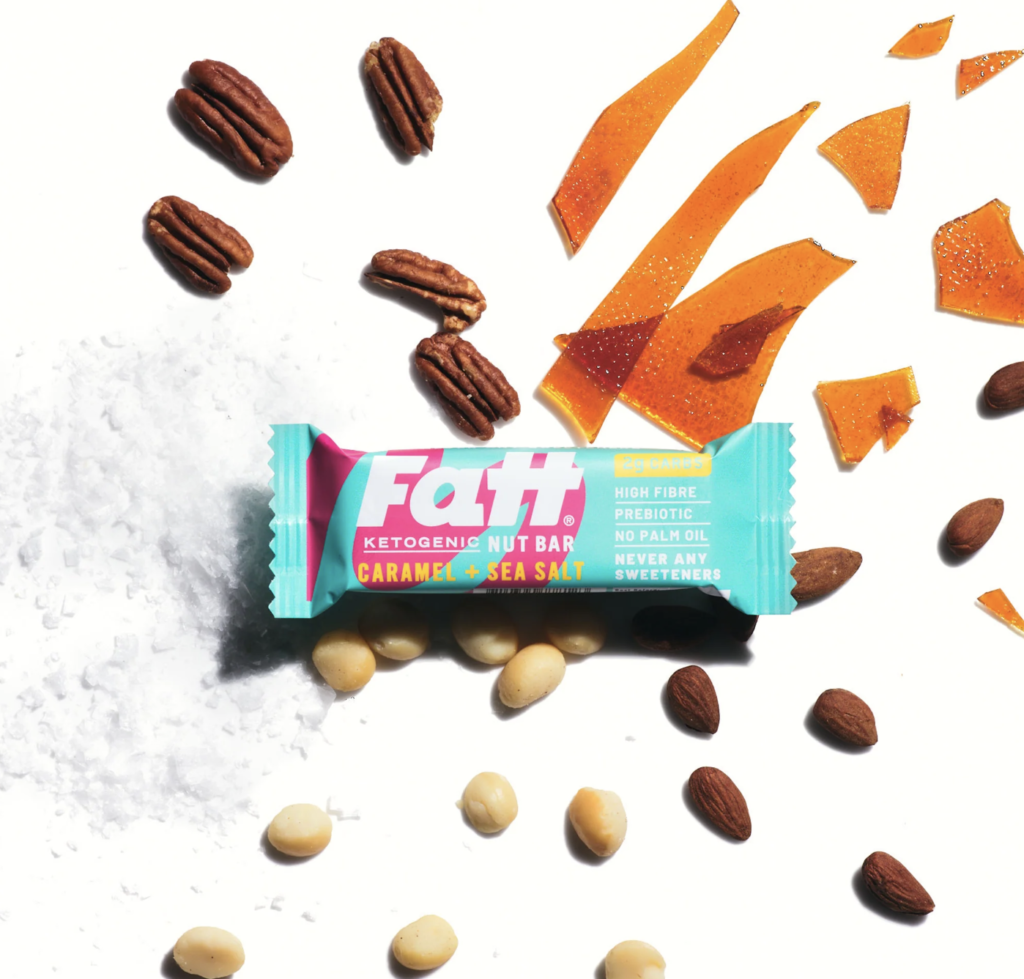
Everything we pick must be right for both brain and gut which is why we really do love nuts and in particular almonds and macadamias. Nuts are smart as they are rich in protein, B vitamins and vitamin E but are also a good source of potassium, selenium, magnesium, zinc and copper.

Macadamias are also rich in omega 3 to help balance any omega 6 in your diet.

We then add in the inulin and chicory fibre for a prebiotic kick to feed your healthy gut bio.

Whether you are eating a cookie or a brownie, a bar or a bite, you can be sure that you are getting food for the brain and gut without compromise. At FATT we do not use any sweeteners (artificial or otherwise) that might interfere with your gut and your brain or even fool your body into thinking it is digesting sugar.

We allow the natural sweetness of nuts or butter or chicory to give you a gentle sweet taste knowing that your body will not have any blood sugar spike or any insulin release.

Try our unique range of healthy low carb but indulgent snacks at a special discount and we will also make a further charitable contribution to Food for the Brain and its amazing work.

You can pick from Almond + Vanilla Keto Cookie, Double Chocolate Keto Brownie, Caramel + Sea Salt Keto Bar, Chocolate + Mint Bites and MORE!

Go and order your first box or single bars at www.livefatt.com and use the unique code FFTB10 to get a special Food for the Brain charity discount.
Further info

Two FREE Upgrade Your Brain Recipes

To celebrate the launch of the Upgrade Your Brain Cookery Recipe App we want to give you a taste of all the brain-friendly recipes that are to come.

At Food for the Brain, we know that the food you eat impacts your brain health so we want to help you eat the right things to reclaim and upgrade your brain. Also we want to make sure you are eating delicious things, too – our Nutritionist, head chef and recipe developer, Kim Close has been working hard to create delicious AND nutritious recipes!

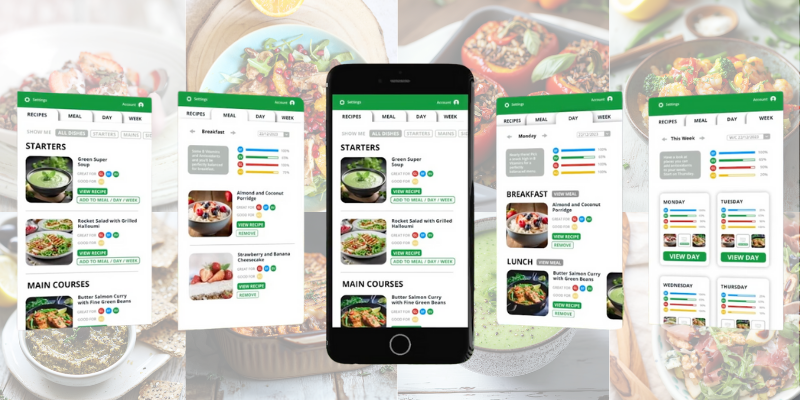
The Upgrade Your Brain CookApp lets you choose your dietary preferences (e.g dairy-free, gluten-free, plant-based etc), then shows you the best recipes that are both delicious and nutritious. You can then choose recipes that are GL counted for weight loss or maintenance and score for brain fats, B vitamins and antioxidants.

Think of it as a recipe book in your pocket and as an added benefit, you will get NEW recipes each week so that you never get bored or feel uninspired.

Here is just a sample of what recipes you can expect:

Here are some main meal examples:

  • Grilled Salmon with Quinoa and Spinach Salad
  • Walnut-Crusted Chicken with Steamed Broccoli
  • Baked Cod with Tomato and Olive Tapenade
  • Lentil and Mushroom Stuffed Bell Peppers
  • Cauliflower Rice Stir-Fry with Shrimp and Mixed Vegetables
  • Baked Trout with Walnut and Herb Crust
  • Zucchini/Courgetti Noodles with Pesto and Cherry Tomatoes
  • Stuffed Aubergines with Ground Turkey and Pine Nuts
  • Spicy Salmon Burgers with Coleslaw and Sweet Potato Fries
  • Lemon and Herb Roasted Chicken with Asparagus
  • Plus many more

You can become one of our ‘angels’ but by pre ordering the app for just £30 a year so that you are the first to get access to it when it launches soon and you will get a FREE additional 3-months of membership as a thank you.

Two FREE Upgrade Your Brain Recipes:

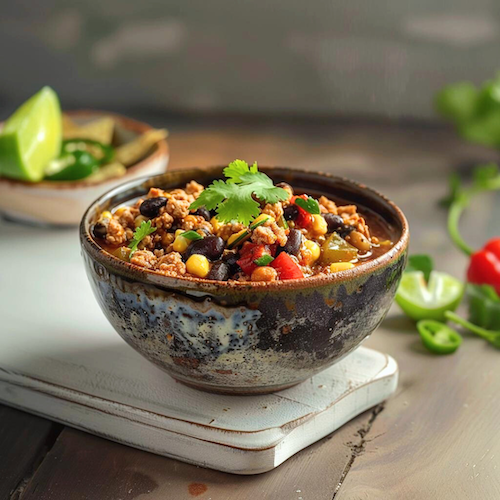
Turkey Chilli with Black Beans and Sweet Corn (serves 4)

Ingredients:

  • 500g minced turkey
  • 400g canned black beans, drained and rinsed
  • 200g canned sweet corn, drained
  • 1 large onion, diced
  • 2 large handfuls of baby spinach, roughly chopped
  • 2 cloves garlic, minced
  • 400g canned diced tomatoes
  • 2 TBSP milled flaxseeds
  • 1 tbsp chilli powder
  • 2 tsp ground cumin
  • 2 tbsp olive oil
  • Salt and pepper to taste
  • Fresh coriander, chopped, for garnish
  • 200ml stock – veggie or chicken

Instructions:

  1. Heat the olive oil in a large pot over medium heat. Add the onion and garlic, and cook until softened.
  2. Add the minced turkey to the pot and saute until browned, breaking it up with a wooden spoon as it cooks.
  3. Stir in the chili powder and cumin and cook for another minute until fragrant.
  4. Add the diced tomatoes, black beans, sweet corn, and water or chicken broth. Season with salt and pepper.
  5. Bring to a simmer for 20-30 minutes, stirring occasionally.
  6. Stir in the milled flaxseed
  7. Serve the chili garnished with fresh cilantro

—–

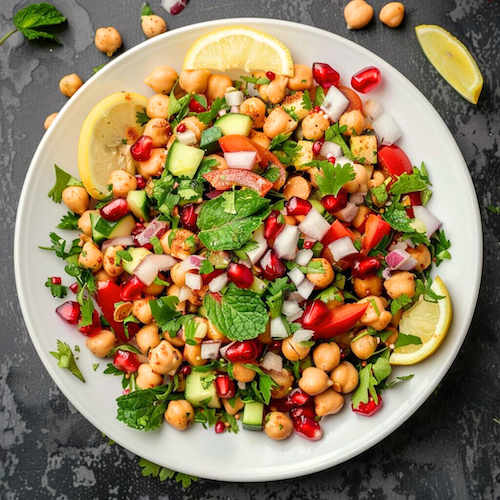
Zingy Chickpea Chaat Masala Salad (serves 6–8, feel free to halve)

Ingredients:

  • 2 tins chickpeas, drained and rinsed
  • 2 medium ripe avocado, diced
  • 1 medium cucumber, diced
  • 2 medium-sized tomatoes, deseeded and diced
  • 1 medium carrot, finely grated
  • 1 red onion, finely chopped
  • A handful of fresh coriander/cilantro, chopped
  • Small handful of fresh mint, chopped
  • 2 tablespoons flaxseed, ground
  • 2 tablespoons chia seeds
  • 60g walnuts, roughly chopped
  • Juice of 2 lemons
  • 1 teaspoon ground cumin
  • 1 teaspoon ground coriander
  • 1/2 teaspoon red chili powder (adjust to taste)
  • 1/2 teaspoon black salt (or regular salt, to taste)
  • 1 teaspoon chaat masala (you can also use garum masala)
  • 4 tbsp pomegranate seeds for garnish

Instructions:

  1. In a large bowl, combine the chickpeas, diced avocados, cucumber, tomatoes, carrot, red onion, cilantro, and mint.
  2. Add the ground flaxseed, chia seeds, and chopped walnuts to the bowl. These ingredients are rich in omega-3 fatty acids and will add a nice crunch to your salad.
  3. In a small bowl, whisk together the lemon juice, ground cumin, ground coriander, red chili powder, black salt, and chaat masala. Adjust the seasonings to your taste.
  4. Pour the dressing over the salad and toss gently until everything is well coated with the dressing. The lemon juice not only adds flavour but also helps in keeping the avocados green.
  5. Let the salad sit for about 10-15 minutes before serving, allowing the flavours to meld together.
  6. Serve the salad in bowls, garnished with pomegranate seeds for a burst of colour and additional antioxidants.
Further info

Coffee and Brain Health? We Investigate…

March is caffeine awareness month. Coffee is one of the commonest forms in which caffeine is consumed daily. In the UK alone, it is estimated that nearly 100 million cups of coffee are consumed per day. Despite coffee’s popularity, there remains much conflicting scientific evidence regarding the benefits and potential downsides of drinking coffee, and the impact of caffeine on brain health.

Coffee has been indicated to modulate dopamine-mediated responses related to cognition and movement, which may have some preventative and ameliorative effects in Parkinson’s disease.  In Alzheimer’s, coffee has been suggested to decrease the accumulation of beta-amyloid, a key marker of Alzheimer’s, when >2 cups per day were consumed. However, positive results with respect to coffee and Alzheimer’s risk reduction specifically have not been observed consistently across studies, and therefore further research is merited. Additionally, caffeine consumption may disrupt sleep, depending on the time of day that it is consumed. This could theoretically increase risk of Alzheimer’s disease development long term as sleep is essential for the functioning of the glymphatic system, which is involved in beta amyloid clearance

In conclusion, individuals should moderate their consumption of coffee, and caffeine. If sensitive to the effects of caffeine, trying to become pregnant, or pregnant, individuals should consider caffeine free alternatives to coffee. A further caveat specifically for pregnancy is that some caffeine free herbal teas should only be consumed in small amounts, and some must be avoided completely, in pregnancy, and the advice of a midwife or physician should be sought if needed. 

Further info

Brain-boosting Recipes to Cook with Kids this Summer

The summer holidays can be a great time to get kids into the kitchen and kick-start long-term healthy eating habits. We’ve picked three easy recipes that you can have fun recreating at home with the little ones. Our Head of Nutrition, Alice, also shares her thoughts on their brain-boosting properties. Post your best creations on Instagram and tag us @foodforthebrainfoundation.

Sweet Potato Quiche

Ingredients:

4 sweet potatoes, peeled and sliced into thin rounds (the rounds should be thin enough to bend easily)

5 eggs, beaten

2 cups fresh spinach

10 slices of sundried tomato, chopped

1 red onion, sliced

1 garlic clove, minced

2 tbsp fresh chives

Olive oil

Method:

Preheat your oven to 200°C. Arrange the potato slices in a pie dish in a circular pattern to form a “crust” for the quiche. Drizzle the sweet potatoes with olive oil and season to taste. Place in the oven and bake for 15 to 20 minutes.

Warm some olive oil in a skillet over a medium heat and add the garlic and onion. Cook until the onion and garlic are soft and fragrant, around 5 minutes.

Add in the spinach. Sauté until wilted, 2 to 3 minutes, and set aside to cool down. When the sweet potatoes are done, lower the oven heat to 375 F.

In a bowl, combine the beaten eggs with the spinach mixture, sundried tomato and chives.

Pour over the sweet potato crust, and place in the oven. Bake for 30 to 35 minutes, or until the eggs are set; serve warm.

Alice adds: Sweet potatoes, spinach and red onion are a rich source of antioxidants, which may help to support brain health by reducing the effects of oxidative stress on the brain. Eggs are great for increasing protein and are also a good source of vitamins B6 and B12, folate and choline, which are essential for keeping tiny brains energised throughout the day, as well as supporting a biochemical process called methylation, which is vital for mental and neurological wellbeing. 

Chocolate Crunchies

Ingredients:

100g good quality dark chocolate, broken into rough chunks

2 tbsp tahini or unsalted hazelnut butter (from health-food stores)

2 tsp ground cinnamon

50g oats

50g mixed unsalted nuts, roughly chopped

50g desiccated coconut

50g pumpkin seeds

A good tbsp of ground or cracked flaxseeds (linseeds)

Method:

Melt the chocolate then stir in the tahini. Place ten paper cake cases on a baking sheet. Mix in the dry ingredients until evenly coated then spoon into the cake cases and chill until set.

Alice adds: Kids love chocolate and the above recipe is a luxurious chocolate fix, which also packs a nutritional punch. Pumpkin seeds are a good source of zinc, which is important for increasing levels of GABA and modulating dopamine and adrenaline. Cacao is a rich source of magnesium, which similarly to zinc also works to reduce excitability of neurons, as well as reducing levels of oxidative stress in the brain. Flaxseeds are a source of dietary fibre and also contain ALA, a vegan source of omega 3 fatty acids, which are essential for brain health.

Big Baked Beans

Ingredients:

1 tbsp olive oil

2 red onions, peeled and finely chopped

2 x 400g cans butter beans, rinsed and drained

2 x 400g cans chopped tomatoes

A little salt, or 1 tsp Marigold Reduced Salt Vegetable Bouillon powder

Freshly ground black pepper

Method:

Heat the oil in a saucepan and sauté the onions for 2 minutes to soften. Stir in the remaining ingredients and simmer for 2 minutes, then taste to check the seasoning. Serve on wholemeal or rye toast. Tip: You can also purée the mixture before adding the beans to make a smooth sauce like the canned versions.

Alice adds: These baked beans contain no added sugar and are low in salt. Consuming high levels of sugar and refined foods has been indicated to increase hyperactivity and neurocognitive deficits in some studies. Swapping store cupboard staples such as baked beans for low sugar and low salt alternatives, or making your own using the recipe above, is a great way of reducing sugar and salt intake whilst keeping little tummies happy. 

Further info