🟢 NUTRITION Archives - Page 4 of 5 - Food for the Brain

because prevention is better than cure.

because prevention is better than cure.

Mini Cart 0

Your cart is empty.

Mini Cart 0

Your cart is empty.

Is sugar killing your brain?

By Robert H. Lustig, MD, MSL

Robert Lustig is Professor Emeritus of Pediatrics in the Division of Endocrinology, and Member of the Institute for Health Policy Studies at the University of California, San Francisco. He is a pediatric neuroendocrinologist,and an international authority on obesity, diabetes,nutrition,and neuroscience. He is the author of three books that have changed our understanding of the danger of sugar on our metabolism – Fat Chance, The Hacking of the American Mind, and Metabolical.

Most people know that refined sugar is not good for you, but what is it about sugar that’s particularly bad for your brain? Why is it essential, not only for brain health and dementia prevention, to reduce your intake of not only sugar but refined carbohydrates in general? (By refined, I mean those whose fiber has been processed away – not ‘whole’ as in vegetables, whole fruit (not juice), beans, and whole grains.

Let’s start at the extreme. What happens if you lived at the North Pole, and ate virtually no carbohydrates, or at least so little as to force your body and brain to switch to a kind of fuel, ketones, produced from fat? This is often called a “very low carb high fat” (LCHF) or “ketogenic” diet. Would you get sick? This is what Vilhjamur Steffanson did, when his Arctic exploration shipwrecked in 1913, and he was forced to live amongst the Inuit for two years. He noted that there was no diabetes, no cancer — and no Alzheimer’s. In 1928, he and his colleague checked themselves into Bellvue hospital, and ate only meat for one year.[1]They were healthier than the researchers who studied them! 

Your brain likes ketones

Ketones are made in the liver from fat – either breaking down your own fat (for example, if you were fasting, eating very little or exercising a lot), or from ingestion of a type of fat containing ‘medium chain triglycerides’ (MCTs). Coconut oil is approximately 54% MCTs and contains all 4 MCTs (C6, C8, C10, C12), but it turns out that one particular kind of MCT, called C8 because it is 8 carbons long, is the best fat for the liver to convert into ketones.

You may be surprised to know that your brain can run well on glucose (the kind of sugar that is fuel for our cells), but even better on ketones. The reason is that ketones cross into the brain easily, rapidly, and without a biochemical transporter. This is why children with severe epilepsy improve on a ketogenic diet. Watch this short film ‘Fuel your Brain’.

Brain benefits of a low-carb ketogenic diet

In fact, brain cells prefer ketones. In two studies, one on people with Alzheimer’s and the other on those with pre-dementia or mild cognitive impairment, giving 2 tablespoons of C8 oil (called capricin or caprylic acid triglyceride), brain energy derived from ketones went up by 230% and memory and mental acuity improved in those with Minimal Cognitive Impairment (MCI).[2,3]

A ketogenic diet has been shown to reduce schizophrenia symptoms, help reduce shaking in Parkinson’s, and slow down cognitive decline in those with dementia or pre-dementia. In fact, the ketogenic diet has been used to effectively treat childhood epilepsy for over 100 years! There’s a good review on the current status of the ketogenic diet in psychiatry here.[4]

Ketogenic diets may help in many ways. Firstly, when a person eats too much carbohydrate, sugar, but especially fructose, damages the energy burning factories in cells, called mitochondria, so their ability to produce chemical energy for the neuron is greatly reduced. Switching to burning ketones instead can increase mitochondria number and function. A recent study also shows that a ketogenic diet has a positive effect on the gut microbiome,[5] and this might be one way the diet helps reduce fits in people with epilepsy.[6] Fructose, on the other hand, disrupts the gut microbiome in a negative way.

How sugar damages your brain

But what is it about a ketogenic diet that is good for your brain? Is it the ketones, the lowering of insulin, the type of fat, the elimination of carbohydrate, or specifically the elimination of sugar? We don’t yet know – I ask this question of every Alzheimer’s and metabolic researcher I know, and no one can tell me – just that it works.

There are a few possible mechanisms. First, the more carbs and sugar you eat, the more resistant you become to the hormone insulin. Insulin not only drives glucose into cells (including brain cells), but also sends excess sugar to the liver to turn into fat. When a person becomes insulin resistant, ironically, glucose transport is negatively impacted, reducing brain energy availability. Insulin resistance is a major driver of depression.[7] A ketogenic diet can reverse that. 

Fructose, which comprises half of sucrose (‘white’ or ‘table’ sugar), and half of ‘high-fructose corn syrup’ (added to numerous processed foods), damages our mitochondria, which leads to less brain energy availability. One study showed that fructose reduces liver mitochondrial function, while glucose stimulates it.[8]  “The most important takeaway of this study is that high fructose in the diet is bad,” said Dr. C. Ronald Kahn from the Joslin Diabetes Center.  “It’s not bad because it’s more calories, but because it has effects on liver metabolism to make it worse at burning fat. As a result, adding fructose to the diet makes the liver store more fat, and this is bad for the liver and bad for whole body metabolism.”

Fructose is the main sugar in most fruits. People then extrapolate, “oh fruit must be bad for you.” Not true. Whole fruit has fibre (both soluble and insoluble); together they slow down glucose and fructose absorption in the GI tract limiting both liver and brain exposure, and they also help feed the gut bacteria (microbiome), so actually you get less fructose entering the bloodstream. Juicing the fruit removes the protective fiber, and juice has been shown to be just as dangerous to metabolism as is soda. So, eat your fruit — don’t drink it!

Carbohydrates and fructose age your brain

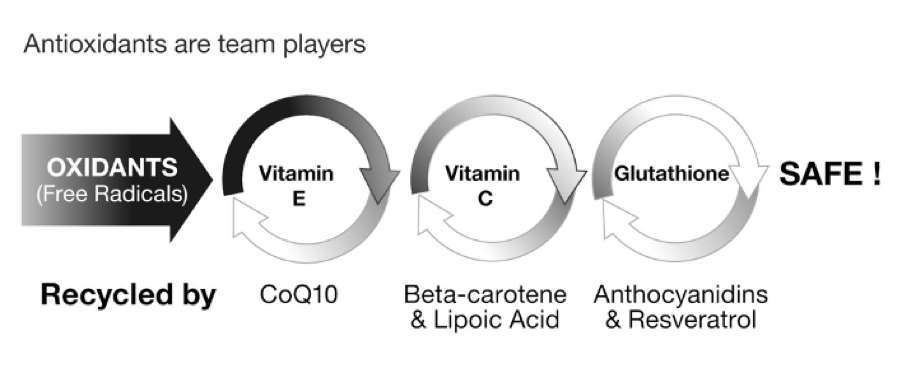
There’s another reason why sugar, and especially fructose, is bad for your brain and body. They produce Advanced Glycation Endpoints or AGEs, which damage the brain. These ‘oxidise’ proteins (so does cigarette smoke), rendering them useless , allowing them to aggregate into clumps, and use up valuable antioxidants in your diet such as vitamin C and E.

Fructose acts on your liver to switch your metabolism away from fat burning to fat making and storing, and inhibits an anti-ageing process called ‘autophagy’ which helps clean up and remove damaged mitochondria in order to regenerate new, healthier cells.

Why sweet foods are so addictive

So far we’ve only explored why sugar is bad for your “physical” brain. Knowing this is a good start. But why does your “emotional” brain keep telling you that you want it? Why do people find it so hard to resist, and so many become sugar addicts? The answer is that fructose activates the “reward system” in the brain. It causes dopamine release, the motivational neurotransmitter associated with ‘reward’. Any chemical that does so can be addictive – cocaine, heroin, alcohol, nicotine, or example. The trouble is the more you have, the more your brain ‘down-regulates’, i.e. becomes less responsive to your own natural feel-good dopamine, so you end up needing more sugar to get the hit and, in the end, you get no hit at all but feel thoroughly awful without it. That’s the Law of Diminishing Returns. That’s addiction.

Blood sugar control reduces dementia risk

Keeping blood glucose levels in the low-normal range is reflected by a low blood glycosylated haemoglobin (HbA1C) level, which means ‘sugar-coated red blood cells’. A low HbA1c is good and is a proxy for improved insulin sensitivity, associated with reduced risk for dementia in several studies.[9,10,11,12,13,14] 

A new study also shows that, in 40 year old adults with so-called normal glucose levels but at the higher end of the normal range, have increased their risk of Alzheimer’s by 15% [37]


Type 2 diabetes, the net result of losing blood sugar control, almost doubles the risk for dementia.[15,16] Diabetes is also associated with more rapid brain shrinkage.[17,18] Even people in the upper normal range of blood glucose have increased brain atrophy, impaired cognition, and increased risk of dementia.[19,20]

For instance, one trial measured HbA1c and glucose levels in several thousand elderly people over the course of almost seven years. In that time, slightly more than a quarter of the participants developed dementia, and the bottom line was that rising glucose levels were associated with increased risk of developing the condition, irrespective of whether the participants also had diabetes. Non-diabetics who experienced a modest increase in blood sugar levels had an 18% increased risk of dementia, as compared to those who already had diabetes at the start of the study or developed it within the trial period, who had a 40% increased risk.[21]

Insulin resistance is strongly related to cognitive decline

But even more important than loss of glucose control is the loss of insulin control. Back in 2004, researchers at Columbia University showed that people with high insulin levels – the principal hallmark of metabolic dysfunction – were twice as likely to develop dementia as those with healthy levels. Moreover, those with the highest insulin levels had the worst memory retrieval.[22] The same year, an Italian study established a link between heightened insulin levels and declining mental function.[23] Similarly, a Puerto Rican study found that people who consumed the large amounts of sugar doubled their risk of suffering poor cognitive function,[24] while another US study discovered a strong correlation between blood sugar level and memory loss.[25]

Two studies – one in Ireland,[26] and the other in the United States,[27] – established a link between high dietary glycemic load (GL; how high does your blood glucose rise when you eat carbohydrate) and cognitive decline. Indeed, both of these reports suggested that high GL is even more predictive of the pathological changes associated with Alzheimer’s than either high carb or high sugar intake. A high GL diet is also associated with more amyloid plaque[28] and more cognitive decline, especially in those who carry the ApoE4 gene, a regulator of fat metabolism.[29]

A long-term study found evidence that this sort of shrinkage is more common among people with high blood glucose levels, even when those levels are still within what are considered ‘normal’ (i.e. non-diabetic) limits.[30] This cognitive decline starts young. Cognitive decline in overweight children is associated with a high GL diet[31], and adolescents with metabolic dysfunction driven by a high GL diet have been shown to have shrinkage of the hippocampal area of the brain, as well as other structural changes and cognitive deficits. [32,33]

Prevention action – how to cut down your sugar load

In practical terms, preventing dementia today means avoiding sugar as much as possible.  If you’re going to eat carbohydrate, eat ‘whole’ carbohydrate foods such as whole vegetables, fruits (not juice), beans, only wholegrain bread (labelled as ‘100% wholegrain’, or pasta in small quantities. 

Starchy carbohydrates such as pasta, rice and potatoes benefit from being cooked and cooled, then eaten cold or re-heated, as some of the carbohydrate is converted into resistant starch – a type of fibre we can’t digest but which has the added benefit of fermenting and feeding our gut bacteria.

Make sure the carbohydrate comes with its inherent fibre. Oat cakes would be better than bread since the fibre in these foods helps ‘slow release’ the sugars. Eating white bread is associated with a poorer cognitive test performance, whereas high fibre bread is associated with better performance.[34] Eating carbohydrate foods with protein, for example brown rice with fish, or porridge oats with seeds, or fruit with nuts, further reduces the glycemic load (GL) of a meal. The best fruits in this respect are low-sugar high-fiber fruits like berries, cherries, and plums.

These kinds of foods are consistent with a Mediterranean diet which has also been shown to reduce risk.[35] Conversely, grapes, raisins, and bananas are high GL. A study in Finland and Sweden compared those with a healthy versus unhealthy diet, including the above criteria, in mid-life for future risk of developing Alzheimer’s disease and dementia 14 years later. Those who ate the healthiest diet had an 88% decreased risk of developing dementia and a 92% decreased risk of developing Alzheimer’s disease.[36] 

The take-home message is, if you are going to eat complex carbohydrates, eat them with fibre, fat and protein.

However, if you want to go one step further, you can switch to eating a ketogenic low-carb, high fat diet. The problem with the ketogenic diet is staying on it – there’s so much carbohydrate out there it’s hard to avoid it. But there are now breath monitors (e.g. Ketoscan, BioSense from ReadOut Health) that can help you stay in ketosis. A good book to help you explore and put into practice either a low carb ketogenic diet or a low GL diet is ‘The Hybrid Diet’ by Patrick Holford & Jerome Burne. And to understand how processed food is your enemy, take a look at my book ‘Metabolical’.

And if you want to know how sugar is impacting your body and brain then you can take one of our at-home, pin-prick, DRIfT blood test so you can know exactly how sugar is impacting your body and also become a part of our vital research into this area.


References:

1. Heinbecker P. STUDIES ON THE METABOLISM OF ESKIMOS. Journal of Biological Chemistry. 1928 Dec;80(2):461–75.

2. Fortier M, Castellano C-A, St-Pierre V, Myette-Côté É, Langlois F, Roy M, et al. A ketogenic drink improves cognition in mild cognitive impairment: Results of a 6-month RCT. Alzheimer’s & Dementia: The Journal of the Alzheimer’s Association [Internet]. 2020 Oct 26; Available from: https://pubmed.ncbi.nlm.nih.gov/33103819/

3. Croteau E, Castellano C-A, Richard MA, Fortier M, Nugent S, Lepage M, et al. Ketogenic Medium Chain Triglycerides Increase Brain Energy Metabolism in Alzheimer’s Disease. Journal of Alzheimer’s disease: JAD [Internet]. 2018;64(2):551–61. Available from: https://pubmed.ncbi.nlm.nih.gov/29914035/

4. Bostock ECS, Kirkby KC, Taylor BVM. The Current Status of the Ketogenic Diet in Psychiatry. Frontiers in psychiatry [Internet]. 2017;8:43. Available from: https://www.ncbi.nlm.nih.gov/pubmed/28373848

5. Paoli A, Mancin L, Bianco A, Thomas E, Mota JF, Piccini F. Ketogenic Diet and Microbiota: Friends or Enemies? Genes. 2019 Jul 15;10(7):534

6. Olson CA, Vuong HE, Yano JM, Liang QY, Nusbaum DJ, Hsiao EY. The Gut Microbiota Mediates the Anti-Seizure Effects of the Ketogenic Diet. Cell [Internet]. 2018 Jun [cited 2019 Apr 17];173(7):1728-1741.e13. Available from: https://www.cell.com/cell/pdf/S0092-8674(18)30520-8.pdf

7. Watson K, Nasca C, Aasly L, McEwen B, Rasgon N. Insulin resistance, an unmasked culprit in depressive disorders: Promises for interventions. Neuropharmacology [Internet]. 2018 Jul 1 [cited 2022 Aug 5];136(Pt B):327–34. Available from: https://pubmed.ncbi.nlm.nih.gov/29180223/

8. Softic S, Meyer JG, Wang G-X, Gupta MK, Batista TM, Lauritzen HPMM, et al. Dietary Sugars Alter Hepatic Fatty Acid Oxidation via Transcriptional and Post-translational Modifications of Mitochondrial Proteins. Cell Metabolism [Internet]. 2019 Oct;30(4):735-753.e4. Available from: https://www.cell.com/cell-metabolism/pdfExtended/S1550-4131(19)30504-2

9. Luchsinger JA, Tang M-X ., Shea S, Mayeux R. Hyperinsulinemia and risk of Alzheimer disease. Neurology. 2004 Oct 11;63(7):1187–92.

10. Abbatecola AM, Paolisso G, Lamponi M, Bandinelli S, Lauretani F, Launer L, et al. Insulin Resistance and Executive Dysfunction in Older Persons. Journal of the American Geriatrics Society. 2004 Oct;52(10):1713–8.

11. Xu WL, von Strauss E, Qiu CX, Winblad B, Fratiglioni L. Uncontrolled diabetes increases the risk of Alzheimer’s disease: a population-based cohort study. Diabetologia. 2009 Mar 12;52(6):1031–9.

12. Hassing Lb, Grant Md, Hofer Sm, Pedersen Nl, Nilsson Se, Berg S, et al. Type 2 diabetes mellitus contributes to cognitive decline in old age: A longitudinal population-based study. Journal of the International Neuropsychological Society. 2004 Jul;10(4):599–607.

13. Yaffe K, Blackwell T, Whitmer RA, Krueger K, Barrett Connor E. Glycosylated hemoglobin level and development of mild cognitive impairment or dementia in older women. The Journal of Nutrition, Health & Aging [Internet]. 2006 Jul 1 [cited 2022 Aug 5];10(4):293–5. Available from: https://pubmed.ncbi.nlm.nih.gov/16886099/

14. Roberts RO, Knopman DS, Cha RH, Mielke MM, Pankratz VS, Boeve BF, et al. Diabetes and Elevated Hemoglobin A1c Levels Are Associated with Brain Hypometabolism but Not Amyloid Accumulation. Journal of Nuclear Medicine. 2014 Mar 20;55(5):759–64.

15. Arvanitakis Z, Wilson RS, Bienias JL, Evans DA, Bennett DA. Diabetes mellitus and risk of Alzheimer disease and decline in cognitive function. Arch Neurol. 2004 May;61(5):661-6. doi: 10.1001/archneur.61.5.661. PMID: 15148141.

16. Yaffe K, Blackwell T, Kanaya AM, Davidowitz N, Barrett-Connor E, Krueger K. Diabetes, impaired fasting glucose, and development of cognitive impairment in older women. Neurology [Internet]. 2004 Aug 24 [cited 2022 Mar 16];63(4):658–63. Available from: https://n.neurology.org/content/63/4/658

17. Tiehuis AM, van der Graaf Y, Visseren FL, Vincken KL, Biessels GJ, Appelman APA, et al. Diabetes Increases Atrophy and Vascular Lesions on Brain MRI in Patients With Symptomatic Arterial Disease. Stroke. 2008 May;39(5):1600–3.

18. Samaras K, Lutgers HL, Kochan NA, Crawford JD, Campbell LV, Wen W, et al. The impact of glucose disorders on cognition and brain volumes in the elderly: the Sydney Memory and Ageing Study. AGE [Internet]. 2014 Jan 9 [cited 2022 Aug 5];36(2):977–93. Available from: https://www.ncbi.nlm.nih.gov/pmc/articles/PMC4039246/

19. Mortby ME, Janke AL, Anstey KJ, Sachdev PS, Cherbuin N. High “normal” blood glucose is associated with decreased brain volume and cognitive performance in the 60s: the PATH through life study. PLoS One. 2013 Sep 4;8(9):e73697. doi: 10.1371/journal.pone.0073697. PMID: 24023897; PMCID: PMC3762736.

20. Crane PK, Walker R, Hubbard RA, Li G, Nathan DM, Zheng H, Haneuse S, Craft S, Montine TJ, Kahn SE, McCormick W, McCurry SM, Bowen JD, Larson EB. Glucose levels and risk of dementia. N Engl J Med. 2013 Aug 8;369(6):540-8. doi: 10.1056/NEJMoa1215740. Erratum in: N Engl J Med. 2013 Oct 10;369(15):1476. PMID: 23924004; PMCID: PMC3955123.

21. Crane PK, Walker R, Hubbard RA, Li G, Nathan DM, Zheng H, Haneuse S, Craft S, Montine TJ, Kahn SE, McCormick W, McCurry SM, Bowen JD, Larson EB. Glucose levels and risk of dementia. N Engl J Med. 2013 Aug 8;369(6):540-8. doi: 10.1056/NEJMoa1215740. Erratum in: N Engl J Med. 2013 Oct 10;369(15):1476. PMID: 23924004; PMCID: PMC3955123.

22. Luchsinger JA, Tang MX, Shea S, Mayeux R. Hyperinsulinemia and risk of Alzheimer disease. Neurology. 2004 Oct 12;63(7):1187-92. doi: 10.1212/01.wnl.0000140292.04932.87. PMID: 15477536.

23. Abbatecola AM, Paolisso G, Lamponi M, Bandinelli S, Lauretani F, Launer L, Ferrucci L. Insulin resistance and executive dysfunction in older persons. J Am Geriatr Soc. 2004 Oct;52(10):1713-8. doi: 10.1111/j.1532-5415.2004.52466.x. PMID: 15450050.

24. Ye X, Gao X, Scott T, Tucker KL. Habitual sugar intake and cognitive function among middle-aged and older Puerto Ricans without diabetes. Br J Nutr. 2011 Nov;106(9):1423-32. doi: 10.1017/S0007114511001760. Epub 2011 Jun 1. PMID: 21736803; PMCID: PMC4876724.

25. Seetharaman S, Andel R, McEvoy C, Dahl Aslan AK, Finkel D, Pedersen NL. Blood glucose, diet-based glycemic load and cognitive aging among dementia-free older adults. J Gerontol A Biol Sci Med Sci. 2015 Apr;70(4):471-9. doi: 10.1093/gerona/glu135. Epub 2014 Aug 22. PMID: 25149688; PMCID: PMC4447796.

26. Power SE, O’Connor EM, Ross RP, Stanton C, O’Toole PW, Fitzgerald GF, Jeffery IB. Dietary glycaemic load associated with cognitive performance in elderly subjects. Eur J Nutr. 2015 Jun;54(4):557-68. doi: 10.1007/s00394-014-0737-5. Epub 2014 Jul 18. PMID: 25034880.

27. Taylor MK, Sullivan DK, Swerdlow RH, Vidoni ED, Morris JK, Mahnken JD, Burns JM. A high-glycemic diet is associated with cerebral amyloid burden in cognitively normal older adults. Am J Clin Nutr. 2017 Dec;106(6):1463-1470. doi: 10.3945/ajcn.117.162263. Epub 2017 Oct 25. PMID: 29070566; PMCID: PMC5698843.

28. Taylor MK, Sullivan DK, Swerdlow RH, Vidoni ED, Morris JK, Mahnken JD, Burns JM. A high-glycemic diet is associated with cerebral amyloid burden in cognitively normal older adults. Am J Clin Nutr. 2017 Dec;106(6):1463-1470. doi: 10.3945/ajcn.117.162263. Epub 2017 Oct 25. PMID: 29070566; PMCID: PMC5698843.

29. Gentreau M, Raymond M, Chuy V, Samieri C, Féart C, Berticat C, Artero S. High Glycemic Load Is Associated with Cognitive Decline in Apolipoprotein E ε4 Allele Carriers. Nutrients. 2020 Nov 25;12(12):3619. doi: 10.3390/nu12123619. PMID: 33255701; PMCID: PMC7761247.

30. M.E. Mortby et al., ‘High “normal” blood glucose is associated with decreased brain volume and cognitive performance in the 60s: the PATH through Life Study’, PLoS One (2013), vol 8:e73697.

31. Lakhan, S.E., Kirchgessner, A. The emerging role of dietary fructose in obesity and cognitive decline. Nutr J 12, 114 (2013). https://doi.org/10.1186/1475-2891-12-114

32. Yau PL, Castro MG, Tagani A, Tsui WH, Convit A. Obesity and metabolic syndrome and functional and structural brain impairments in adolescence. Pediatrics. 2012 Oct;130(4):e856-64. doi: 10.1542/peds.2012-0324. Epub 2012 Sep 3. PMID: 22945407; PMCID: PMC3457620.

33. Mangone A, Yates KF, Sweat V, Joseph A, Convit A. Cognitive functions among predominantly minority urban adolescents with metabolic syndrome. Appl Neuropsychol Child. 2018 Apr-Jun;7(2):157-163. doi: 10.1080/21622965.2017.1284662. Epub 2017 Feb 22. PMID: 28631969.

34. Loef M, Walach H. Fruit, vegetables and prevention of cognitive decline or dementia: a systematic review of cohort studies. J Nutr Health Aging. 2012 Jul;16(7):626-30. doi: 10.1007/s12603-012-0097-x. PMID: 22836704.

35. Martínez-Lapiscina EH, Clavero P, Toledo E, Estruch R, Salas-Salvadó J, San Julián B, Sanchez-Tainta A, Ros E, Valls-Pedret C, Martinez-Gonzalez MÁ. Mediterranean diet improves cognition: the PREDIMED-NAVARRA randomised trial. J Neurol Neurosurg Psychiatry. 2013 Dec;84(12):1318-25. doi: 10.1136/jnnp-2012-304792. Epub 2013 May 13. PMID: 23670794.

36. Eskelinen MH, Ngandu T, Tuomilehto J, Soininen H, Kivipelto M. Midlife healthy-diet index and late-life dementia and Alzheimer’s disease. Dement Geriatr Cogn Dis Extra. 2011 Jan;1(1):103-12. doi: 10.1159/000327518. Epub 2011 Apr 27. PMID: 22163237; PMCID: PMC3199886.

37. Zhang X, Tong T, Chang A, Ang TFA, Tao Q, Auerbach S, Devine S, Qiu WQ, Mez J, Massaro J, Lunetta KL, Au R, Farrer LA. Midlife lipid and glucose levels are associated with Alzheimer’s disease. Alzheimers Dement. 2023 Jan;19(1):181-193. doi: 10.1002/alz.12641. Epub 2022 Mar 23. PMID: 35319157; PMCID: PMC10078665.

Further info

Coffee and Brain Health? We Investigate…

March is caffeine awareness month. Coffee is one of the commonest forms in which caffeine is consumed daily. In the UK alone, it is estimated that nearly 100 million cups of coffee are consumed per day. Despite coffee’s popularity, there remains much conflicting scientific evidence regarding the benefits and potential downsides of drinking coffee, and the impact of caffeine on brain health.

Coffee has been indicated to modulate dopamine-mediated responses related to cognition and movement, which may have some preventative and ameliorative effects in Parkinson’s disease.  In Alzheimer’s, coffee has been suggested to decrease the accumulation of beta-amyloid, a key marker of Alzheimer’s, when >2 cups per day were consumed. However, positive results with respect to coffee and Alzheimer’s risk reduction specifically have not been observed consistently across studies, and therefore further research is merited. Additionally, caffeine consumption may disrupt sleep, depending on the time of day that it is consumed. This could theoretically increase risk of Alzheimer’s disease development long term as sleep is essential for the functioning of the glymphatic system, which is involved in beta amyloid clearance

In conclusion, individuals should moderate their consumption of coffee, and caffeine. If sensitive to the effects of caffeine, trying to become pregnant, or pregnant, individuals should consider caffeine free alternatives to coffee. A further caveat specifically for pregnancy is that some caffeine free herbal teas should only be consumed in small amounts, and some must be avoided completely, in pregnancy, and the advice of a midwife or physician should be sought if needed. 

Further info

Nutrients for Female Brain Health Across the Lifespan

Our latest blog explores specific nutrients and dietary patterns that are most supportive of female brain health across the lifespan.

Premenstruation

The age at which periods begin varies from female to female. Therefore it is highly beneficial to establish a varied diet from an early age, with a wide range of colourful vegetables and fruits, nuts, seeds, pulses and essential fats from nutritious sources such as oily fish and unprocessed olive and coconut oils. This will help to set the foundations for key nutrients, which will support female hormone health, as well as brain and overall health, across the lifespan.  

Menstruation

Periods normally begin between the ages of 10-16, although they can begin at a younger age, due to genetic and environmental factors. Periods onset may also be delayed to a later age in individuals who have a family history of late-onset periods, are doing large amounts of exercise, experience stress, are underweight, or have an eating disorder or health condition affecting the ovaries. 

Some key nutrients for menstruating women include:

Iron

The average blood loss experienced across a period is estimated to be between 3-5 tbsps of blood, and iron loss may occur at varying degrees depending on heaviness of the period blood flow. It is therefore imperative to ensure iron levels are maintained across a woman’s lifespan. Females with iron deficiency may manifest with symptoms such as pale skin, low energy, failure to thrive, reduced appetite and behavioural and emotional issues

Females with iron deficiency may also have higher risk of developing depression and anxiety, because deficiency of iron causes altered levels of serotonin and dopamine. Serotonin and dopamine are two neurotransmitters involved in mood regulation. Furthermore, iron deficiency results in alteration to balances of the neurotransmitters glutamate and GABA, which have an excitatory and calming effect on the nervous system, respectively. Iron status should be monitored and supported through nutrition and, if required, supplementation throughout a woman’s menstrual life. 

Fats 

Consuming fats is essential for female hormone health. Oestrogen and progesterone, hormones involved in the female reproductive system, are synthesised from cholesterol. There has been a focus in the last few decades on cholesterol levels that are too high. However, it is equally important, but perhaps less discussed, to ensure that cholesterol levels do not become too low, as this can impact on female hormone balance. Female adolescents following low fat diets, or diagnosed with an eating disorder, are particularly at risk of experiencing hormonal imbalance, for this reason.  

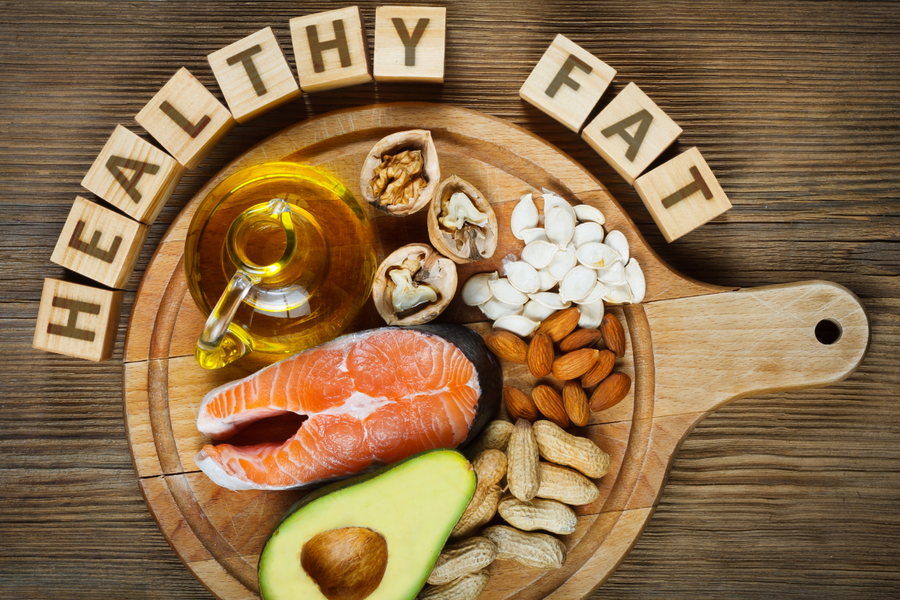
Women should ensure they are consuming monounsaturated fats, such as avocado and olive oil, and polyunsaturated fats, such as omega-3. Research has demonstrated that omega-3 is involved in modulating mood, memory and cognition. The role of omega-3 in supporting the gut-brain axis is also an important consideration. Omega-3 fats are essential for increasing and maintaining levels of beneficial bacteria in the gut microbiome. Some strains of beneficial gut bacteria are involved in the synthesis of neurotransmitters such as serotonin, dopamine and GABA, which are all involved in modulating mood. This provides one possible explanatory mechanism for why omega-3 may be supportive of mental well being during a woman’s cycle, as low serotonin and dopamine levels have been suggested to be associated with some symptoms of PMS and PMDD. Furthermore, in a recent study women with PMS who were administered omega-3 fatty acids were observed to experience fewer symptoms long term.

Omega-3 fats, in the forms of EPA and DHA, are found in oily fish such as salmon and mackerel, as well as in algae. They are also found in walnuts and flaxseeds, in the form of ALA. However, it should be noted that the body has to convert ALA into DHA and EPA, forms the brain can utilise more readily. This conversion process is not particularly efficient, but recent research has suggested that this conversion pathway can be enhanced by curcumin, which is found in turmeric. Although these findings hold promise for the potential role of curcumin, and possibly other polyphenols, in supporting ALA conversion, further research is required to explore these findings in humans.

Zinc

An emerging area of research is the role of zinc in supporting women’s hormone health. A recent randomised double blinded control trial indicated that women with PMS who were administered zinc sulphate were observed to experience significant improvement to PMS symptom severity and improvement to quality of life. These findings were further supported in a 2020 study on female university students. An additional study demonstrated that zinc supplementation had a significant impact on reducing physical and psychological symptoms of PMS, as well as increasing levels of BDNF (brain derived neurotrophic factor), a key molecule in the brain involved in learning and memory, and reducing oxidative stress, a major trigger for inflammatory processes.

Menopause

Menopause is a normal part of a woman’s natural ageing process. It normally occurs between the ages of 45-55. However, premature menopause affects 1 in 100 women, and may occur due to genetic and environmental factors, including early menarche and heavy alcohol consumption throughout life.

Role of Oestrogen and Homocysteine in Women’s Increased Risk of Cognitive Decline Postmenopausally

The nutrition research and strategies discussed above are of merit to continue throughout menopause due to their role in supporting female hormone health, as well as the gut-brain-axis. A key consideration for menopause and brain health is that women’s risk of developing Alzheimer’s disease increases. One hypothesis is that changes in levels of oestrogen and subsequent impact on the brain’s bioenergetic system may decrease metabolic activity and increase deposit of a key marker of Alzheimer’s disease, beta-amyloid.  Recent research has also indicated that levels of homocysteine, a marker involved in neurological diseases such as Alzheimer’s disease, rise in response to a fall in oestrogen levels during the menopause.

B Vitamins, Omega-3 and Zinc 

Research has indicated that increasing levels of folate and B12, as well as omega-3, may help to reduce levels of homocysteine. This can be done through increasing consumption of green leafy vegetables (folate), chicken and fish (B12) and oily fish (omega-3), as well as through supplementation of these nutrients (particularly B12 and omega-3 if vegetarian or vegan). Furthermore, recent research has highlighted the key role of zinc in significantly reducing concentrations of homocysteine. This may be due to its synergistic relationship with folate and B12. 

Mediterranean Diet

Following the Mediterranean diet, which involves consuming extra-virgin olive oil, vegetables, fruits, legumes, pulses, nuts and oily fish, may be particularly supportive during menopause. The European Menopause and Andropause Society has also recently proposed the Mediterranean diet as an appropriate dietary pattern post-menopause, as it may help to reduce cognitive decline, cardiovascular and metabolic diseases, which are both risk factors for Alzheimer’s disease. An additional food of note, which can be incorporated into a Mediterranean diet, is flaxseed, which has been specifically shown to support women during and post menopause. This is possibly due to flaxseed’s omega-3 content (ALA), as well as lignan content, which may help to modulate oestrogen levels

Manganese

An area of emerging research is manganese levels and menopause. A recent study  indicated that alterations in blood levels of manganese occur before and during menopause. Manganese is a micronutrient required for insulin secretion and blood glucose balance, as well as modulating the body’s endogenous antioxidant systems and thereby reducing oxidative stress, as well as the homeostasis of neurotransmitters such as dopamine, glutamate, and GABA. Further research is required to explore the full mechanisms through which manganese is involved in the menopause, and how altered levels may impact on female brain health.

Notably, many women opt during this stage of life to take hormone replacement therapies (HRT). A recent study published in the British Medical Journal has demonstrated that some types of HRT may increase risk of developing Alzheimer’s disease when used long term. Individuals should consult their doctor before beginning HRT, particularly raising any concerns if they have a family history of Alzheimer’s disease, or exhibiting symptoms of cognitive decline. 

Disclaimer: Always consult your doctor or a qualified healthcare practitioner if you are experiencing any symptoms that concern you, such as unexpected period cessation, heavy blood loss, mood swings or memory loss. Also always consult a qualified healthcare practitioner before beginning any new supplement regimen.

Further info

SAD in the Winter Months? How to Support Seasonal Affective Disorder with Nutrition

SAD (or seasonal affective disorder) is a sub-form of major depression or bipolar, according to the Diagnostic and Statistical Manual of Mental Disorders, which most commonly occurs during the darker and colder autumn and winter months. Key identified risk factors include: a family history of the disorder, and living at northern latitudes. Specifically women, people with darker skin tones and individuals between the ages of 18 to 30 years of age are most at risk of developing the disorder. In order to have a diagnosis of SAD, the condition must be observed to improve outside of the colder seasons. Depending on the latitude, SAD has a prevalence of 1.9 – 9%. Individuals with lower levels of the metabolism regulating hormone adiponectin have also been observed to be at higher risk of developing SAD.

Nutrition and SAD

Vitamin D has been hypothesised to play a key role in SAD development due to reduced sunlight in northern latitudes during colder months. Additionally, it has been observed that there is a correlation between blood levels of Vitamin D and symptoms of depression, due to reduced levels of the neurotransmitters serotonin and dopamine. Vitamin D has also been hypothesised as being involved in circadian rhythm, which is affected by seasonal changes. However, supplementation of Vitamin D in SAD has yielded mixed results, and further studies are needed in this area.

Practical Interventions for Supporting Individuals with SAD

Due to the prevalence of Vitamin D in depressive conditions, the lack of sunlight during the winter months and the hypothesised role of Vitamin D deficiency in the development of SAD, increasing Vitamin D exposure is potentially of merit. This may be done through the following:

  • Consuming foods which are natural sources of Vitamin D, such as oily fish including salmon and mackerel, egg yolks and organic milk and cheese
  • Increasing exposure to sunlight in the winter months by being outside, particularly engaging in physical activities and spending time in nature 
  • Supplementation of Vitamin D3. The RDA in the UK for Vitamin D is 10 micrograms (µg) or 400 IU. However, some individuals may benefit from supplementing higher levels of this vitamin, particularly if they have a higher BMI, a diagnosed mental health condition or darker skin pigmentation. Baseline levels of Vitamin D as established via blood test, calcium intake, genetics, oestrogen use, dietary fat content and composition, as well as co-existing diseases and medication use may also impact on Vitamin D requirements*.

*Note: before beginning any new supplement regimen, always consult your physician and a qualified nutrition practitioner.

Further info

The Relationship between Stress and Nutrition

When in balance, stress can be helpful. It keeps us motivated, helps us get out of the bed in the morning, and can serve as a warning sign that we need to make some lifestyle changes. Prolonged stress, on the other hand, can have serious consequences for our wellbeing, not least because of its impact on our eating habits and nutritional needs.

Chronic stress increases the body’s metabolic needs, which may result in increased uptake and excretion of nutrients. Chronic stress can therefore increase nutrient requirements, and also exacerbate deficiencies that already exist. 

Furthermore, during periods of prolonged stress, our food choices may alter, causing increased consumption of sugar and processed foods. One reason for this may be reduced time and energy to prepare meals, leading to increased reliance on processed foods and ready meals. 

Another possible reason is that during periods of stress we actually have an in-built preference for higher fat and sugar foods. Theoretically, this mechanism may have been beneficial to early humans during stressful periods such as food scarcity, since fat provides significant calories and sugar affords a quick release of glucose, and therefore energy. However, in modern times, stress can last for significant periods of time, due to work, relationships, financial pressures and other stressors and so can literally tip the scales in the wrong direction.

Moreover, food availability is more abundant: there is an ever growing array of processed foods, microwave meals, as well as high sugar and fat snacks cheaply and readily available. 

Caffeine, from coffee and energy drinks, is also readily available, and often employed as a coping mechanism for stress and stress-related exhaustion. High consumption of caffeine causes blood glucose levels to fluctuate, through increasing cortisol levels and dysregulating insulinotropic polypeptide and GLP-1, which are both involved in regulating appetite control and insulin levels. 

The impact of prolonged stress, therefore, may be weight gain and blood glucose dysregulation, heightening the risk of the development of chronic diseases related to obesity, such as type II diabetes. 

Using Nutrition to Build Resilience

Nutrition can be used as a means of supporting the body during times of stress, increasing resilience, building strength and re-equipping the body with nutrients that may become depleted during periods of chronic stress. 

Research has indicated that magnesium and vitamin B6 may support individuals experiencing stress. A study by Pouteau et al. (2018) indicated that combined supplementation helped to alleviate stress levels in subjects who were experiencing extreme stress. 

A further study by Jahangard et al. (2019) indicated that individuals who were administered omega-3 fatty acids demonstrated reduced markers of psychological and physiological burnout, including decreased cortisol levels, compared with controls. 

Here are some practical ideas for increasing your consumption of these nutrients: 

  • Consume green leafy vegetables, nuts and cacao, which are all rich in magnesium
  • Take a bath with Epsom salts to increase magnesium levels transdermally 
  • Up your vitamin B6 intake with turkey, chickpeas and salmon. Salmon – along with other oily fish – is also a great source of omega 3 fatty acids. Enjoying turkey and salmon with homemade hummus and a colourful salad would be an excellent way of increasing vitamin B6 and omega-3 fatty acids

We hope you find these tips useful. However, if you’re experiencing frequent panic attacks, chronic anxiety and depression, it may be worth seeking some personalised support with an integrative mental health practitioner that can also advise you on your diet. 

Please head to our ‘Seeking Help’ page for more information on organisations and networks you can reach out to. 

Further info

Brain-boosting Recipes to Cook with Kids this Summer

The summer holidays can be a great time to get kids into the kitchen and kick-start long-term healthy eating habits. We’ve picked three easy recipes that you can have fun recreating at home with the little ones. Our Head of Nutrition, Alice, also shares her thoughts on their brain-boosting properties. Post your best creations on Instagram and tag us @foodforthebrainfoundation.

Sweet Potato Quiche

Ingredients:

4 sweet potatoes, peeled and sliced into thin rounds (the rounds should be thin enough to bend easily)

5 eggs, beaten

2 cups fresh spinach

10 slices of sundried tomato, chopped

1 red onion, sliced

1 garlic clove, minced

2 tbsp fresh chives

Olive oil

Method:

Preheat your oven to 200°C. Arrange the potato slices in a pie dish in a circular pattern to form a “crust” for the quiche. Drizzle the sweet potatoes with olive oil and season to taste. Place in the oven and bake for 15 to 20 minutes.

Warm some olive oil in a skillet over a medium heat and add the garlic and onion. Cook until the onion and garlic are soft and fragrant, around 5 minutes.

Add in the spinach. Sauté until wilted, 2 to 3 minutes, and set aside to cool down. When the sweet potatoes are done, lower the oven heat to 375 F.

In a bowl, combine the beaten eggs with the spinach mixture, sundried tomato and chives.

Pour over the sweet potato crust, and place in the oven. Bake for 30 to 35 minutes, or until the eggs are set; serve warm.

Alice adds: Sweet potatoes, spinach and red onion are a rich source of antioxidants, which may help to support brain health by reducing the effects of oxidative stress on the brain. Eggs are great for increasing protein and are also a good source of vitamins B6 and B12, folate and choline, which are essential for keeping tiny brains energised throughout the day, as well as supporting a biochemical process called methylation, which is vital for mental and neurological wellbeing. 

Chocolate Crunchies

Ingredients:

100g good quality dark chocolate, broken into rough chunks

2 tbsp tahini or unsalted hazelnut butter (from health-food stores)

2 tsp ground cinnamon

50g oats

50g mixed unsalted nuts, roughly chopped

50g desiccated coconut

50g pumpkin seeds

A good tbsp of ground or cracked flaxseeds (linseeds)

Method:

Melt the chocolate then stir in the tahini. Place ten paper cake cases on a baking sheet. Mix in the dry ingredients until evenly coated then spoon into the cake cases and chill until set.

Alice adds: Kids love chocolate and the above recipe is a luxurious chocolate fix, which also packs a nutritional punch. Pumpkin seeds are a good source of zinc, which is important for increasing levels of GABA and modulating dopamine and adrenaline. Cacao is a rich source of magnesium, which similarly to zinc also works to reduce excitability of neurons, as well as reducing levels of oxidative stress in the brain. Flaxseeds are a source of dietary fibre and also contain ALA, a vegan source of omega 3 fatty acids, which are essential for brain health.

Big Baked Beans

Ingredients:

1 tbsp olive oil

2 red onions, peeled and finely chopped

2 x 400g cans butter beans, rinsed and drained

2 x 400g cans chopped tomatoes

A little salt, or 1 tsp Marigold Reduced Salt Vegetable Bouillon powder

Freshly ground black pepper

Method:

Heat the oil in a saucepan and sauté the onions for 2 minutes to soften. Stir in the remaining ingredients and simmer for 2 minutes, then taste to check the seasoning. Serve on wholemeal or rye toast. Tip: You can also purée the mixture before adding the beans to make a smooth sauce like the canned versions.

Alice adds: These baked beans contain no added sugar and are low in salt. Consuming high levels of sugar and refined foods has been indicated to increase hyperactivity and neurocognitive deficits in some studies. Swapping store cupboard staples such as baked beans for low sugar and low salt alternatives, or making your own using the recipe above, is a great way of reducing sugar and salt intake whilst keeping little tummies happy. 

Further info

Nutrition for Anxious Children

The COVID-19 pandemic has brought much disruption, fear and anxiety, and this is particularly true amongst children and teens who have been affected by school closures, physical distancing and new routines. It is no surprise, then, that many children have been feeling more anxious or exhibiting signs of anxiety, and that related conditions such as OCD, social anxiety and disordered eating appear to be on the rise. Witnessing this in a child can be very worrying and stressful for parents.

At Food for the Brain, we’re passionate about sharing the science and nutritional strategies that promote good brain health and mental wellbeing at every life stage. Nurturing healthy brains in children is particularly important given the growing body of evidence connecting diet and mental health. 

Diet and Mental Health

We all know that diet plays a huge part in our health, but recently we have started to understand more about its connection to mental health. Unhealthy dietary patterns have been associated with poorer mental health in children and adolescents. Furthermore, a 2017 paper published in Public Health Nutrition found the UK to have the most ‘ultra-processed’ diet in Europe, as measured by family food purchases. British children were found to be eating “exceptionally high” proportions of ultra-processed foods*, which is likely to be contributing to health problems.

Specific Nutrients for Mental Health

The brain is the most energy-hungry organ in the body, stealing roughly 25% of the body’s energy requirements. In addition, there are specific nutrients that play a role in mental wellbeing. Ensuring good levels of these nutrients can support your child’s brain and mental health. 

Zinc

Zinc is a mineral found in higher concentrations in seafood, organ meat, chickpeas, lentils and pumpkin seeds – not foods that tend to be loved by children. Zinc can also be found in other foods such as the dark meat of chicken, yogurt, almonds and peas, but it may be harder to obtain the amounts children need from these sources.

Zinc is believed to interact with an important anti-anxiety brain chemical called GABA. GABA is the body’s main inhibitory neurotransmitter, meaning that it prevents excitatory neurotransmitters like dopamine and noradrenaline from over-stimulating the brain. This relaxes us and promotes feelings of calm, as well as helping to slow down our heart rate and breathing. In those who are deficient in GABA, feelings of anxiety and stress can be common symptoms.

Although zinc has not been as well researched as other nutrients, it has been connected in research to both ‘mood disorders’ and depression. Zinc supplementation may even reduce anger and lessen depression.

If your child does not eat seafood, chickpeas or chicken, you could encourage them to eat extra almonds, cashews and pumpkin seeds, to make up for any potential shortfalls. You could try making things like energy balls with nuts and seeds, adding raisins or dried apricots, which are also high in iron. 

Vitamin B6

B6 is really important for our mental wellbeing because the body uses it to make brain chemicals like GABA and serotonin, which make us feel calm, focussed and happy.

This vitamin is found in a wide range of foods such as meat, fish, chickpeas, vegetables and wholegrains. However, if your child’s diet mostly comprises refined, white foods such as bread and pasta, they may be losing out on important sources of this vitamin. Wholegrains and wholefoods should be the focus, keeping refined white flour to a minimum to help achieve good B6 levels. 

Iron

According to the World Health Organization, iron deficiency is the most prevalent nutritional deficiency. Iron deficiency in children is known to affect behaviour and learning, and has also been associated with increased anxiety and social problems. 

The best sources of iron are red meat, seafood and the dark meat of chicken. Plant foods also contain a lot of iron, such as beans, lentils, kale, cabbage and broccoli. Eggs and dairy contain iron in smaller amounts and may be a good source if your child will not eat plant or meat sources. An emphasis on green vegetables, however, is always recommended for overall good health.

What if my child doesn’t like these foods?

The biggest challenge for parents tends to be picky eaters, and time restraints. A picky eater may exclude whole food groups, such as animal protein or plant foods such as beans or greens. This may cause children to struggle to get the nutrition they need for good mental health.

Top Tips: It’s not easy coaxing a fussy child to eat something they don’t like, but disguising the food within something they do like can be a good trick. For example, making a well seasoned vegan burger using chickpeas. Or a creamy soup, sneaking in mixed vegetables, then blending until smooth for children who don’t like lumps. Shredding onion and celery into tomato sauce also disguises them well. Follow us on social media for additional tips this month on preparing meals for picky eaters.

* This report by The Soil Association provides useful information on ultra-processed foods and how to spot them.

With thanks to our volunteer, Linda Albinsson at Thrive Kids Clinic, for this article.

Further info

15 ‘Brain Foods’ To Incorporate Into Your Diet

The brain is the most energy-hungry organ in the body. Despite weighing just 1.5kg, it steals roughly 25% of the body’s energy requirements. Much like a performance car, the brain functions best when it runs on premium fuel, provided by the food we eat.

Nutrients such as omega-3 fatty acids, B vitamins, phospholipids and plant antioxidants have all been demonstrated to support brain cell integrity and cognitive function.

In honour of our 15th birthday this month, we’ve selected 15 foods that may help support optimal brain health.

  1. Oily fish, particularly salmon, mackerel, anchovies, sardines and herring

Provides DHA and EPA, types of omega-3 fatty acids essential for brain function

  1. Monounsaturated fats like avocado and extra virgin olive oil

Increases the production and release of the neurotransmitter acetylcholine, which plays an important role in learning and memory

  1. Wholegrains including oats, quinoa and buckwheat  

Feed your gut microbes, creating short-chain fatty acids and important neurotransmitters 

  1. Good quality meat and fish

Provides B12 needed for methylation, a process involved in neurotransmitter production, and iron, needed for oxygen transport to the brain

  1. Chia seeds, flaxseeds and walnuts

Good vegan sources of omega-3 

  1. Green vegetables including spinach, swiss chard, broccoli and kale

Excellent source of magnesium, a vital mineral that protects the brain against stress and aids relaxation in preparation for sleep

  1. Fermented food like sauerkraut, kimchi, kefir and kombucha 

Support your microbiome, strengthening your gut/brain connection 

  1. Dark chocolate (with a cacao percentage of >85%)

Contains flavonols, which increase brain derived neurotrophic factor 

  1. Beans and Lentils

High in folate, an important B vitamin needed for methylation, and fibre 

  1. Eggs

Great source of phospholipids, a vital component of brain cell membranes, and choline, which the body uses to make acetylcholine

  1. Almonds and sunflower seeds

Rich sources of the antioxidant vitamin E 

  1. Bell peppers and other rich sources of vitamin C

Helps combat free radicals that can damage brain cells

  1. Turmeric

Curcumin, the active ingredient in turmeric, has antioxidant and anti-inflammatory properties, and can cross the blood brain barrier 

  1. Pumpkin and sesame seeds

High in zinc, which helps regulate communication between brain cells

  1. Berries including blueberries, raspberries, strawberries and blackberries

Rich source of antioxidants that help protect brain cells from damage

Further info

Nutritional support for depression before, during and after pregnancy

According to Dr Vivette Glover, Director of the Foetal and Neonatal Stress and Research Centre: “at any one time during pregnancy, one in every ten women will suffer with depression and around one in every thirty will be depressed both during pregnancy and the postnatal period.”

It is not yet understood exactly what causes the symptoms associated with depression during and after pregnancy. However, several factors play a significant role in how the body deals with stress:

  • large changes that the body undergoes due to the demands of the growing foetus
  • breastfeeding
  • potential sleep deprivation

It is during this period of time that our bodies require more nourishment from food than ever and it can also be at exactly this time when we perhaps struggle to prioritise nutrition due to lack of energy, loss of appetite or sickness. 

Pre and Post-Natal Depression are both complex conditions that can have multifactorial underlying drivers, including genetic and environmental influences. These are currently poorly investigated and the gold standard of treatment is often medication to help stabilise mood. Whilst SSRIs and other types of antidepressants have proven to be helpful for many, they do not address potential causes or drivers of poor mental health and can often mask symptoms. Medication for depression (ie antidepressants) are also not regularly recommended during pregnancy, which is why being more mindful of nutrition and lifestyle habits can be a safer option for you and your baby. There are some natural, evidence-based steps you can take to help support optimal mental wellbeing:

Eat Foods to Support Energy Depletion:

Common issues such as poor sleep during pregnancy and sleep deprivation following the birth can often heighten cravings for stimulants and sugary foods, which may seem like a good option for quick sources of energy, however, these foods can often cause further issues with energy and lead to fatigue and low mood. Eating foods that are high in refined sugar and refined grains such as commercial white bread, pastries, cakes and biscuits, give us an unsustainable source of energy. 

The brain is a very metabolically active organ; despite it only being 7% of the body’s weight, it can take up to 20% of the body’s metabolic needs, meaning that it is very energy hungry. This is why it is important to nourish the brain with foods that are nutrient rich, providing the body the building blocks to produce neurotransmitters, as well as a sustainable source of energy. The best options are fresh, unprocessed foods such as wholegrains (brown bread, brown rice, quinoa, rye and oats), pulses, vegetables, good quality sources of protein (meat, poultry and fish) and healthy fats such as those found in olive oil, coconut oil, avocados and oily fish. 

Just like throughout pregnancy, nutritional needs after birth, especially if breastfeeding, are incredibly important. The healthier the diet, the easier it will be to sustain the energy needed to take care of a newborn. Research shows that a breastfeeding mother needs an extra 300-500 calories a day, from food that is rich in the right macro and micronutrients to nourish both mother and baby. For example, nutrients such as B vitamins have shown to be important in supporting the mother in ensuring she has enough energy to meet the demands of lactation. These nutrients can be found in green leafy vegetables, wholegrains and good sources of animal protein. 

Protect yourself from Oxidative Stress:

Oxidative stress refers to a biochemical process that occurs as a result of an accumulative everyday exposure to toxic burdens. These include such things as chemicals in cosmetics, furniture, paints, cars, and pollution.

Our body has its own way of armouring itself from the damage that exposure to toxins can create through its production of endogenous antioxidants. This is nature’s way of neutralising oxidative stress. Although we have our own production of these wonder molecules, when we are continuously overloaded with toxins in our environment and have problems detoxifying, the liver can become overwhelmed.

Research shows that over time oxidative stress can lead to an increase in inflammatory molecules such as cytokines, which have been shown to correlate with depression. This is why it is important to have a high intake of nutrients that support the liver in metabolising and removing toxins from the body, as well as regulating the inflammatory response.

There are a few things we can change in our diet to support this area, for example eating foods such as the cruciferous family of vegetables which includes kale, cauliflower, broccoli and cabbage. These are particularly effective at supporting the liver in ushering out toxins as they all share an antioxidant compound called indole-3 Carbinol, which plays an important role in liver health. In addition, bitter greens such as collard greens, rocket, chicory and swiss chard are also great for supporting the liver’s own antioxidant defence system.

Increase intake of Omega-3 Fatty Acids:

During pregnancy and after pregnancy there is often a concern for the potential depletion of the maternal nutrient reservoir due to the needs of the growing foetus.

A nutrient that is particularly important for mental wellbeing and is also essential for the growth of the foetus’s brain, is DHA. This is an omega 3 fatty acid that is found in oily fish and is the primary structural component of brain tissue. It also plays a crucial role in the maintenance of brain cells and neurotransmitter metabolism. Our body can also convert plant sources of omegas 3’s into DHA, such as those found in flaxseeds or chia seeds into DHA, but the conversion can often very poor.

Deficiency in this nutrient during pregnancy is common, mainly due to higher requirements during foetal growth, which can lead to depletion. Another contributor is a lack of seafood intake (the most bioavailable source of DHA) due to concerns of mercury levels in fish during pregnancy.

DHA plays an important role in neurotransmitter metabolism, so deficiency in this nutrient has been correlated to symptoms of depression during pregnancy.

In order to support your intake of omega 3, aim to have 3 portions of oily fish a week from sources that are low in mercury. These are mainly small fish that have a short life-span such as sardines, mackerel and herring.

If you are vegetarian or vegan, although omega 3 is less readily available, it is still possible to get this nutrient from your diet through flax seeds, chia seeds, walnuts and seaweed.

If you feel you may not be getting enough through your diet, you may want to consider using a good quality fish oil supplement (or algae based supplement if vegan) as an option. With fish oils, aim to choose a supplement that has been filtered for heavy metals and other pollutants to make sure you’re getting the full benefits of the omega 3 oils.

Exercise and Personalised Nutritional Therapy:

In addition to diet, there are many other things you can also do to alleviate depression in pregnancy related to lifestyle, such as stress management through mindfulness or gentle movement such as pre or post natal yoga, which have both shown to be incredibly helpful in encouraging mental wellbeing. If you feel you need extra support, personalised nutritional therapy can be very helpful as there can often be other drivers such as nutrient deficiencies and digestive complaints that can play a significant role in mental health and will need to be addressed in a way that is tailored to the individual. 

BANT (British Association for Applied Nutrition and Nutritional Therapy), have a large network of therapists you can use to find a therapist suitable for you.For wider help and information, you might want to contact the PANDAS Foundation, a charity who offer pre and post natal advice and support.

Further info

Improve your resilience to stress through diet

Stress is part and parcel of life and in balance can actually be healthy. It keeps us motivated, helps us get out of bed in the morning and can be a good warning sign that things aren’t working for us in our current everyday lives, and encourages us to make positive changes. 

However, what happens when we simply can’t turn that switch off and stress turns into something chronic? 

Our body has a very efficient way of dealing with stress. We release hormones like cortisol and adrenaline, which raise our blood pressure and heart rate and shift glucose from the liver into our bloodstream, ready for our muscles to use. This is also known as the “flight or fight” response in our nervous system, which gears us up for exactly that: fight or flight. It’s the opposite to the “rest and digest”, which is associated with metabolising and assimilating the nutrients in the food we eat, as well as regenerating and repairing cells. 

Our prehistoric bodies aren’t made for chronic stress

Despite this intelligent stress response, our prehistoric bodies are not used to being in a constant state of stress, which depletes our body of vital nutrients, such as B vitamins and magnesium, that are necessary for optimal health. The constant elevation of cortisol and adrenaline, our body’s stress hormones, can lead to prolonged levels of inflammation, as well as weakening of the immune system’s defences. 

Poor dietary habits are also sources of stress

In addition, our nutrition and diet also contributes to increased stress levels and illness. While simple carbohydrates, sugar and caffeine give us energy in the short term, in the longer term they lead to constant adrenal overload, i.e stress. As a consequence of chronic stress and poor dietary choices, a growing number of people are suffering from anxiety disorders, panic attacks, low mood, insomnia, chronic fatigue and stress-related weight gain.  

How stressed are you?

There are some key dietary strategies we recommend anyone undergoing chronic stress tries. But first, we have a simple test you can take for you to get an idea of your stress levels:

  • Is your energy less now than it used to be?
  • Do you feel guilty when relaxing?
  • Do you have a persistent need for achievement?
  • Are you unclear about your goals in life?
  • Are you especially competitive?
  • Do you work harder than most people?
  • Do you become angry easily?
  • Do challenging situations trigger anxiety or panic?
  • Do you find it hard to think straight under pressure?
  • Do you often try to do two or three tasks simultaneously?
  • Do you find it hard to relax or switch off?
  • Do you avoid exercise because you feel too tired?
  • Do you get impatient if people or situations hold you up?
  • Do you have difficulty getting to sleep, or staying asleep?
  • Do you wake up feeling tired?

If you answer yes to five or more, that’s a fair indication you’re highly stressed. The higher your score, the greater the negative impact of stress on your life. 

We know that chronic stress has dire long-term health consequences, increasing risk for heart disease by five times and doubling the risk for obesity, dementia and diabetes. 

So it’s not something we can ignore or let take over our lives. 

Dietary recommendations to improve stress management

There are also some simple dietary changes you can follow to support stress levels; of upmost importance is to eat correctly in order to keep blood sugar levels balanced, as dips can trigger production of stress hormones and lead to an energy deficit in the brain.

The brain requires steady blood sugar levels

The human brain weighs just 2% of an average body’s weight, however it is the organ that demands the most energy in the human body. The brain’s preferred source of energy is glucose, a simple sugar that most of our food gets broken down into to create a sort of energy currency in our body. 

A whole 20% of the glucose traveling round our body gets directed to the brain and its functions. 

So now you can imagine why our brain is so sensitive to fluctuations in our blood sugar levels, and this gets even worse when chronic stress is in the picture. 

Chronically elevated cortisol levels due to poorly managed stress, triggers an increase in blood sugar levels as our body prepares itself for “fight or flight”. This is why it’s even more important to stabilise our blood sugar levels when we are chronically stressed to avoid further anxiety and mood swings. 

Below are a few top tips to eat for less stress and to balance blood sugar:

  • Eat three meals a day and never skip breakfast – This helps you keep your blood sugar even. Blood sugar dips either from not eating or as a rebound after eating something too sweet or starchy, which triggers adrenaline release, and hence stress.
  • Eat protein with every meal – For example, eggs, plain natural yoghurt, smoked salmon or kippers with your breakfast; and meat, fish, eggs, dairy foods, or pulses combined with wholegrains for your lunch and supper. This will help to sustain your energy levels.
  • Choose slow-releasing carbohydrates rather than refined foods Opt for brown rice, whole grain bread, quinoa and oatcakes (avoid processed and white equivalents)
  • Reduce your dependence on stimulants – ie. coffee, tea, energy drinks and cigarettes. Rather than giving you energy, these deplete energy over time, and contribute to blood sugar imbalances.
  • Snack preemptively – if you know you have an energy dip before lunch and around 4pm, have a snack mid-morning and again mid-afternoon. Avoid sugar-loaded treats and instead opt for energy-sustaining fresh fruit and nuts, an oatcake with some cheese, nut butter, paté or hummus.

We hope you find these tips useful. However, if you’re experiencing frequent panic attacks, chronic anxiety and depression, it may be worth seeking some personalised support with an integrative mental health practitioner that can also advise you on your diet. 

Please head to our ‘Seeking Help’ page for more information on organisations and networks you can reach out to. 

Further info