Tools & Interventions Archives - Food for the Brain

because prevention is better than cure.

because prevention is better than cure.

Mini Cart 0

Your cart is empty.

Mini Cart 0

Your cart is empty.

‘Don’t Waste Your Money on Supplements’

Don’t Waste Your Money on Supplements

By Patrick Holford

How often have you read this phrase from supposed experts, apparently described as “based on science”? It usually comes from “foodies” who believe that you can get all the nutrients you need from a well-balanced diet. I found an example of this in a recent book by Professor Tim Spector, who dismisses the need for vitamin C or vitamin D supplementation.

I will deal with what the science and relevant studies actually show, especially regarding supplements that are claimed to help prevent cognitive decline. But first, let’s look more deeply at the mindset behind such claims.

The idea that we can get all the nutrients we need from food makes intuitive sense. Underneath this lies the belief that we evolved to grow and survive using the nutrients available in food. Darwin reached a similar conclusion when he argued that “the conditions of existence” were the main driving force in evolution.

Our Ancestors Ate Differently, Ate More, And Had Larger Brains

Extending this logic, consider the period of prehistory when hominid brain size grew steadily, culminating in Homo sapiens brain size (calculated from skull size) of almost 1,700 grams, circa 20,000 to 30,000 years ago. It has since shrunk by about 20% to today’s average brain size of less than 1,350 grams. So it is equally logical to ask: what has changed in our “conditions of existence” to result in our shrinking brains? If what we were eating over 20,000 years ago was closer to optimal, and what we eat now is often pathological, what are the main differences?

The first difference is the quantity of food. Today the average person expends roughly 200 to 400 calories a day on physical activity, compared to 600 to 1,200 calories per day for our ancestors; at least three times more than the average modern adult. They had to eat around three times as much as us, just to maintain weight. So even if we ate the same foods with the same nutrient density, we would still be more likely to fall short. But of course today’s food is often less nutrient-dense as well.

A simple, far less “prehistoric” illustration is a comparison of the diet of mid-Victorian workers. A study in the Journal of the Royal Society of Medicine found that the nutrient intake of a mid-Victorian worker, while not necessarily constituting an “optimal” diet, had a far higher intake of vitamins, minerals and essential fatty acids than we do today. They concluded that this “constitutes a persuasive argument for a more widespread use of food fortification and/or food supplements” to make up the difference. (1)

Marine Food And Brain Development

So which nutrients that were abundant in our ancestors’ diets are widely missing now? The starting point has to be marine food. Early humans had to migrate and live along the water’s edge for basic survival. Rivers, estuaries, swamplands and coasts would have provided a plentiful supply of marine foods, rich in both omega-3 and phospholipids such as choline, plus vitamin D, vitamin B12, selenium, zinc and iodine: all completely essential for brain development. Nutrient-dense foods such as molluscs, crustaceans and small fish caught in rock pools were also highly accessible. For gatherers, most likely women, these “fruits de mer” were rich pickings, and since brain development happens largely during pregnancy, maternal nutrition was especially crucial.

There is also the “aquatic” or “waterside ape” hypothesis promoted by brain researcher Professor Michael Crawford, and discussed widely in popular science. Support for this hypothesis includes an analysis of the diet of a 40,000-year-old Homo sapiens discovered in a cave on the coast of South Wales. Based on bone analysis, it has been estimated that at least 20% of this individual’s diet was marine food. Considering their much higher level of physical activity, roughly half of a modern diet would need to consist of marine food in order to achieve an intake of nutrients equivalent to that consumed during the period when the brain of Homo sapiens reached its largest size.

In short, it is hard to explain human brain evolution without abundant omega-3, choline and vitamin B12, alongside a high intake of folate from plants (previously all organic).

Omega-3 & Choline

Omega-3 DHA, which is primarily found in marine foods, is a keystone nutrient for brain structure and function. Typical modern intake is often very low. The optimal intake for brain health and dementia prevention may be as much as 1,000 mg a day. The lowest risk of several diseases occurs with around 2,000 mg of omega-3 (both EPA and DHA). This kind of intake is entirely consistent with an ancestral diet rich in marine food, but it is not so easy in the average diet today without eating marine foods almost every day, which would also help provide enough choline.

The average intake of choline for women is just 278 mg, and it is even lower in vegans or those who don’t eat fish, which is expensive for those on lower incomes. To achieve an optimal intake from food alone, one would need to eat several eggs or frequent servings of fish or other marine foods most days of the week. This is unrealistic for many people.

Let’s test this from a different angle, using studies examining intakes of these nutrients and their effects on brain health, including risk of cognitive decline.

Take choline, which is richest in marine food, eggs and organ meats. A study of 125,000 people followed over 12 years, using UK Biobank data and published in the American Journal of Clinical Nutrition, found a relationship between higher dietary intake of choline and reduced dementia risk, with greatest benefits around 400 mg a day. Risk for Alzheimer’s was also lowest around this level of intake. (2)

Vitamin B12 And The “Brain Shrinking Zone

Why current B12 reference ranges miss dementia risk

Then there is vitamin B12, found only in foods of animal origin, and especially in marine foods and eggs. When you correctly define sufficiency (and its counterpart, deficiency) as optimal health and minimal disease risk, including dementia risk, it becomes clear that many older people need up to 500 mcg of B12 to normalise serum B12 above 500 pg/ml and to keep homocysteine below 10 µmol/L. Roughly half of those above 60 fail to meet these thresholds.

Accelerated brain shrinkage occurs below 500 pg/ml, as established by Professor David Smith’s research at Oxford University more than a decade ago. This is why several countries, such as Japan, set the “normal” range for serum B12 as above 500 pg/ml. Despite clear evidence over the past decade, both UK and US health authorities have failed to correct the reference range for vitamin B12, which is set at less than half this, namely around 180 pg/ml. (3)

Absorption, ageing, and how to know if you need more

A recent study of 3,000 EU children reported that the median B12 level was 347 pg/ml and one third were below 200 pg/ml. (4) This means that many children are already in the risk zone, and deficiency is more prevalent in vegan children. In older adults the problem is compounded by poor absorption, made worse by antacids, since stomach secretions are required to absorb vitamin B12. Hence, those taking PPI antacids such as omeprazole for more than 4.4 years have a 30% increased risk of dementia. (5) There is no realistic way for many older adults to achieve these required intakes of B12 from diet alone.

How do you know what you need? I recommend testing homocysteine, which tells you whether you are in the brain shrinkage risk zone above 10 µmol/L, or testing serum B12 and ensuring it is above 500 pg/ml, then supplementing accordingly with vitamin B12 or, better still, a homocysteine-lowering formula if levels fall outside the ideal range.

Vitamin D: Supplementation Is Essential In Winter Months

Vitamin D, also found in marine foods, is insufficient for a third of the year due to lack of synthesis from sunlight acting on the skin, if you rely solely on diet. A recent scientific report states: “Vitamin D3 plays a pivotal role not only in bone health but also in the functioning of the nervous system, particularly in the context of age-related neurodegenerative diseases such as Alzheimer’s disease, multiple sclerosis, and Parkinson’s disease.” (6)

Vitamin D Levels, Brain Health and Dementia Risk

Cognitive decline is far more likely if vitamin D is low, and Alzheimer’s risk is lower when levels are higher. In one large study, those who supplement vitamin D had a lower incidence of dementia. (7) Anyone who implies you can still get enough from food in winter is less enlightened than the UK Government, who recommend everyone supplements vitamin D from October to March.

Why Testing and Target Levels Matter in Winter

Vitamin D’s protective effect depends on your blood level. I supplement 800 IU in the summer months and 3,000 IU daily in the winter months. However, the true indicator is whatever keeps my blood vitamin D level above 75 nmol/L (30 ng/ml). Bear in mind that I also eat oily fish and make a point of getting at least 20 minutes of sun exposure a day in summer months, plus a winter holiday in the sun. Factors such as darker skin, excess weight, low fish intake or low sun exposure increase your needs. That is why we recommend testing vitamin D, ideally as winter approaches and again towards the end of winter, so you know you are on track with supplementation.

A recent Chinese study published earlier this year on women over 100 found those in the highest quarter for vitamin D had an 87% reduced risk of dementia compared to those in the lowest quarter. (8) Risk was lowest in those with a blood level above 73.5 nmol/L (29.3 ng/ml). This is remarkably consistent with levels associated with benefits for bone health, immunity and many other outcomes. It is also the level our scientists set to achieve “green” on the DRIfT test. The vast majority of people in the western world do not reach this level.

Vitamin C: An Essential Brain And Body Nutrient

This essential vitamin is produced by almost all animals but not humans. Guinea pigs also do not make it, which is why they became an experimental animal of choice: they share our vulnerability. We are dependent on vitamin C for many functions in the body, and thousands of studies support its roles, including as a key antioxidant, as a maker of collagen, and as a vital nutrient for immunity.

Why vitamin C is repeatedly underestimated

Yet I still read so-called experts who claim vitamin C “does nothing” for colds, cancer or anything else. Are they simply not reading the science? In very high intravenous doses, it has been used in some hospital settings, including trials in critical illness. Additionally, there are examples of trials in cancer therapy, such as a randomised trial of pharmacological ascorbate alongside chemotherapy which reported improved outcomes in metastatic pancreatic cancer. (9)

If you look at recent reviews, you’ll see statements like these:

Mounting evidence indicates that vitamin C has the potential to be a potent anti-cancer agent when administered intravenously and in high doses.” (10)

Supplementation with vitamin C appears to be able to both prevent and treat respiratory and systemic infections… treatment of established infections requires significantly higher (gram) doses.” (11)

Yet we still see claims that vitamin C does nothing for colds. One survey asked people if they took vitamin C and found no difference in incidence of COVID between those who did and did not supplement. But why would it? Vitamin C does not necessarily prevent infection. What it does, especially in higher doses upon infection, is support immune function and may reduce symptom severity and duration.

Even the critical comments in the media often refer to the meta-analysis of cold studies by Professor of Public Health Dr Harri Hemilä in Finland. What he actually concludes is that vitamin C shortens cold duration, with dose-response effects reported in some controlled trials, and evidence of reduced pneumonia risk in certain contexts. (12)

Vitamin C, dose, and long-term brain health

I take 2 grams a day. This is consistent with what many primates achieve in the wild. We struggle to get 100 mg from food alone, a fraction of what our biology seems designed to handle.

Vitamin C also appears relevant to dementia risk. In observational research, vitamin C (especially alongside vitamin E) has been associated with lower risk of cognitive decline and Alzheimer’s, and evidence reviews have included vitamin C and E among “grade 1” prevention factors in large-scale evidence mapping. (13,14)

Supplements Are Necessary For Good Health

Why deficiency-based nutrition targets are no longer fit for purpose

In conclusion, Professor David Smith, former Deputy Head of the Faculty of Medical Science at Oxford University, and I drafted this statement on supplements for Food for the Brain:

‘The conventional view regarding nutritional supplements is that they are largely unnecessary if a person eats a “well-balanced diet”. This is based on recommended intakes (RDAs, RNIs) designed to prevent classical symptoms of deficiency, such as scurvy in the case of vitamin C. Blood levels of nutrients that prevent classical deficiencies are then extended to imply that a person has sufficient nutrient status if they are above these levels.

But there is abundant evidence that levels above those used to define “deficiency” may be associated with better outcomes, and these levels define a zone of “nutritional insufficiency”. There is also a growing body of evidence from well-designed studies on specific diseases showing that supplements providing nutrients beyond basic RDAs can delay, reduce or ameliorate symptoms, and that risk often reduces steadily as nutrient status rises beyond arbitrary cut-offs.

Redefining sufficiency through disease risk and biological individuality

This illustrates that the definition of “deficiency” is outdated. Deficiency means a lack of efficiency. If deficiency, and its counterpart sufficiency, were to be defined as the level of a nutrient that reduces symptoms or lowers disease risk, that definition is scientifically supportable and takes into account biochemical individuality, including genetics, environment, the microbiome and an individual’s ability to absorb nutrients.

At Food for the Brain, our overarching principle is scientific integrity: consistency with the prevailing science. We share that growing body of knowledge in a way that enables people to restore, maintain, and improve mental health.

What To Do Next?

1. Get guidance, not guesswork

If you want ongoing support, the simplest place to start is by becoming a FRIEND of Food for the Brain. For £50 a year, you get access to our full programme of free education webinars and monthly group coaching. You also get access to the COGNITION programme. This programme is designed to help you turn evidence into practical, lasting habits. It is guidance you can trust, rooted in science. It is delivered with the support of a community working towards the same goal: better brain health for all.

2. Test your brain health with a validated tool

One of the most powerful free resources we offer is the Cognitive Function Test. The test is a validated, research-backed way to check how your brain is functioning right now, across key cognitive domains.

It provides a meaningful baseline. It also helps track change over time, and can highlight where nutrition and lifestyle support may be most needed. If you want to understand your brain health before symptoms appear, this is the place to begin.

3. Take supplements, but test first

Many people take supplements with good intentions but no real clarity about whether they are helping. This is where DRIfT comes in.

DRIfT allows you to measure key brain-related biomarkers. You can see whether what you are taking is actually working, and where your priorities should lie. Instead of guessing, you can focus on what your brain genuinely needs, based on objective data.

References:

  1. P. Clayton, J Rowbotham, ‘An unsuitable and degraded diet? Part one: Public health lessons from the mid-Victorian working class diet’. Journal of the Royal Society of Medicine 2008: 101: 282–289. DOI 10.1258/jrsm.2008.080112; also see P. Clayton, J Rowbotham, ‘An unsuitable and degraded diet?. Part two: Realities of the mid-Victorian diet’ Journal of the Royal Society of Medicine 2008: 101: 350– 357. DOI 10.1258/jrsm.2008.080113
  2. Ying-ying Niu, Hao-yu Yan, Jian-feng Zhong, Zhi-quan Diao, Jing Li, Cheng-ping Li, Lian-hong Chen, Wen-qi Huang, Miao Xu, Zhi-tong Xu, Xiao-feng Liang, Zhi-hao Li, Dan Liu. Association of dietary choline intake with incidence of dementia, Alzheimer disease, and mild cognitive impairment: a large population-based prospective cohort study. The American Journal of Clinical Nutrition, Volume 121, Issue 1, 2025, Pages 5-13, ISSN 0002-9165, https://doi.org/10.1016/j.ajcnut.2024.11.001
  3. Smith AD, Refsum H. Do we need to reconsider the desirable blood level of vitamin B12? J Intern Med. 2012 Feb;271(2):179-82. doi: 10.1111/j.1365-2796.2011.02485.x. Epub 2011 Dec 11. PMID: 22092891.
  4. Kara İS, Peker NA, Dolğun İ, Mertoğlu C. Vitamin B12 Level in Children. J Curr Pediatr. 2023 Aug;21(2):127-134. doi:10.4274/jcp . 2023.75688.
  5. Cumulative Use of Proton Pump Inhibitors and Risk of Dementia: The Atherosclerosis Risk in Communities Study. Carin Northuis, Elizabeth Bell, Pamela Lutsey, Kristen M George, Rebecca F. Gottesman, Tom H. Mosley, Eric A Whitsel, Kamakshi Lakshminarayan, Neurology Aug 2023, 10.1212/WNL.0000000000207747; DOI: 10.1212/WNL.0000000000207747
  6. Pietruszkiewicz J, Mrozek K, Zwierz M, Wińska A, Suprunowicz M, Oracz AJ, Waszkiewicz N. The Neuroprotective Potential of Vitamin D3. Nutrients. 2025 Oct 12;17(20):3202. doi: 10.3390/nu17203202. PMID: 41156455; PMCID: PMC12566728.
  7. Ghahremani M, Smith EE, Chen HY, Creese B, Goodarzi Z, Ismail Z. Vitamin D supplementation and incident dementia: Effects of sex, APOE, and baseline cognitive status. Alzheimers Dement (Amst). 2023 Mar 1;15(1):e12404. doi: 10.1002/dad2.12404. PMID: 36874594; PMCID: PMC9976297.
  8. Li Y, Wang X, Yu M, Wang F, Song D, Liu M,Liang X, Liu H, Liu J, Fu S and Liu X (2025). The relationship between vitamin D levels and Alzheimer’s disease risk: insights from a centenarian study of Chinese women. Front. Nutr. 12:1628732.doi: 10.3389/fnut.2025.1628732
  9. Bodeker KL, Smith BJ, Berg DJ, Chandrasekharan C, Sharif S, Fei N, Vollstedt S, Brown H, Chandler M, Lorack A, McMichael S, Wulfekuhle J, Wagner BA, Buettner GR, Allen BG, Caster JM, Dion B, Kamgar M, Buatti JM, Cullen JJ. A randomized trial of pharmacological ascorbate, gemcitabine, and nab-paclitaxel for metastatic pancreatic cancer. Redox Biol. 2024 Nov;77:103375. doi: 10.1016/j.redox.2024.103375. Epub 2024 Oct 2. PMID: 39369582; PMCID: PMC11491967.


Further info

 A National Step Forward for Brain Health

A National Step Forward for Brain Health

Copy-of-Innovate-UK-backs-Food-for-the-Brain-to-advance-early-dementia-detection

Food for the Brain awarded an Innovate UK grant to advance early dementia detection and prevention

We are delighted to announce that Food for the Brain Foundation has been awarded a prestigious grant from Innovate UK, part of UK Research and Innovation (UKRI) – national recognition of our pioneering work in dementia prevention and early detection.

Importantly, this funding marks a milestone for us as a UK-based research charity. It also represents a significant step forward for our global community of citizen scientists, clinicians, and individuals dedicated to preventing Alzheimer’s, dementia, and cognitive decline.

For us, this is not just a charity and research achievement – it’s a sign that the world is waking up to prevention.

Why this matters?

Right now, someone in the UK develops dementia every three minutes. Across the globe, it’s every three seconds. And despite this, dementia cost the world over US$1.3 trillion in 2019, yet countless cases remain undiagnosed.

For nearly two decades, we have led the charge in prevention. So far, over 400,000 people worldwide have taken our Cognitive Function Test (CFT) – a free, validated online tool that helps you understand your brain health, assess your risks, and take action to improve.

This grant from Innovate UK, part of the UK’s national innovation agency, provides crucial funding to further validate and expand our tools for early dementia detection and – ultimately – prevention.

It forms part of the Blood Biomarker Challenge, a UK-wide research initiative, which aims to integrate blood-based biomarker testing into NHS diagnostic pathways.

Our Cognitive Function Test (CFT) has been selected to assess cognitive performance in the READ-OUT trial – part of this Innovate UK-funded programme, supported by the Department of Health and Social Care, the NIHR, and Alzheimer’s Research UK.

It will allow us to:

  • Integrate our Cognitive Function Test into NHS-linked research, workflows, and clinical studies, thereby bridging science and healthcare delivery.
  • Further expand access to our evidence-based prevention tools – making them mobile-friendly, multilingual, and culturally inclusive for global use.

About Innovate UK

Innovate UK is the UK government’s innovation agency, supporting organisations that deliver real-world impact across science, technology, and health. Each year, it invests over £1 billion in ideas that can transform industries, economies, and lives – from sustainable energy and biotech to healthcare innovation.

Receiving an Innovate UK grant means your project has been rigorously evaluated for its scientific quality, innovation, feasibility, and potential global impact.

Emma George CEO of Food for the Brain

“This project marks a step-change in how we approach dementia,” said Emma George, CEO of the Food for the Brain Foundation. “With Innovate UK’s support, we can validate the Cognitive Function Test within the NHS and move closer to a future where true prevention, by protecting brain health, is routine and accessible to all.”
Emma George, CEO, Food for the Brain Foundation

What this means for global brain health and dementia detection?

Our Cognitive Function Test (CFT) is the only freely available online tool that measures cognitive performance. It also provides a personalised Dementia Risk Index, based on eight key lifestyle and biological factors.

With this grant, we can now take the next step – integrating this digital test with blood test data from our DRIfT (Dementia Risk Index Functional Test).

The DRIfT test measures five critical nutritional biomarkers proven to influence cognitive ageing:

  • Omega-3 Index – vital brain fats that support memory and neuronal health
  • Vitamin D – essential for mood, immunity, and brain protection
  • Homocysteine – a marker of B-vitamin status; high levels increase the risk of brain shrinkage
  • HbA1c – a measure of long-term blood sugar control linked to brain energy supply
  • Glutathione Index – the body’s master antioxidant defence

Combining these markers with our multilingual, free Cognitive Function Test means that more and more people can detect early warning signs of cognitive decline. This can happen decades before diagnosis. This empowers them to take action early – and prevent it. Together, these innovations represent the future of dementia detection and prevention.

Why prevention and early dementia detection must come first?

Despite billions spent on drug development, no Alzheimer’s medication to date has shown meaningful improvement in cognitive outcomes. In fact, many come with serious side effects, including brain swelling and bleeding. (Read more Alzheimer’s drugs here and here.)

That’s why our focus, and now Innovate UK’s, is on early dementia detection.

Identifying risk early, addressing nutritional and metabolic imbalances, and protecting the brain before damage occurs.

Patrick Holford founder of Food for the Brain

“For nearly two decades we’ve been proving that Alzheimer’s is preventable. This grant allows us to bring that proof into mainstream healthcare and make prevention available to all.”   
Patrick Holford, Founder, Food for the Brain Foundation

Take part – protect your brain, advance the science, stay sharp for life

Ultimately, this work only matters if people like you take part.

By joining our global citizen-science movement, you’ll help us refine and accelerate the world’s first large-scale dementia prevention database.

Step 1: Take the free Cognitive Function Test

A quick, 20-minute online test that shows you how well your brain is performing and what to do next.

Step 2: Complete the DRIFT biomarker test

A simple at-home finger-prick blood test that measures your omega-3, vitamin D, B-vitamin, blood sugar, and antioxidant status.

Step 3: Become a FRIEND of Food for the Brain

For just £50 a year or £5 a month, you can support our research and charitable work. You’ll also gain access to cognition logo– your personalised brain upgrade programme. Additionally, enjoy monthly group coaching sessions and live webinars.

Looking ahead: the future of dementia detection and prevention

With the support of Innovate UK, the NHS, and thousands of citizen scientists and Friends, we’re building a future where Alzheimer’s is preventable, not inevitable.

Ultimately, this grant strengthens our ability to deliver credible, evidence-based tools that empower everyone to take charge of their cognitive health – starting today.

Take the test. Join the study. Be part of prevention.
👉 foodforthebrain.org/tests | foodforthebrain.org/driftstudy

Reference:

Further info

Eight Ways to Lower Your Homocysteine

Homocysteine may not be a household word, but at Food for the Brain, we want it to become one!

It is arguably one of the most important blood biomarkers for your brain and overall health, predicting the risk of over 100 diseases, from cardiovascular issues to cognitive decline, depression, and developmental disorders in children (1,2,3). For many years it was difficult to obtain accurate testing privately or at home – which is why we developed a new, accurate at-home pin-prick test that is one of our most popular options.

The reason we think this is such a good biomarker to track and research is that whilst high homocysteine is linked to increased risk of over 100 diseases – it can be quick and easy to lower!

Learn more about homocysteine and why it matters in the video below:

What level should you be aiming for?

Based on Patrick Holford’s research in his book Upgrade Your Brain, the recommended homocysteine levels are:

  • Ideal/Optimal Level: Below 7.5 µmol/L –  This is especially important for women preparing for pregnancy, as higher levels are linked to increased risk of chromosomal damage and developmental problems in children.
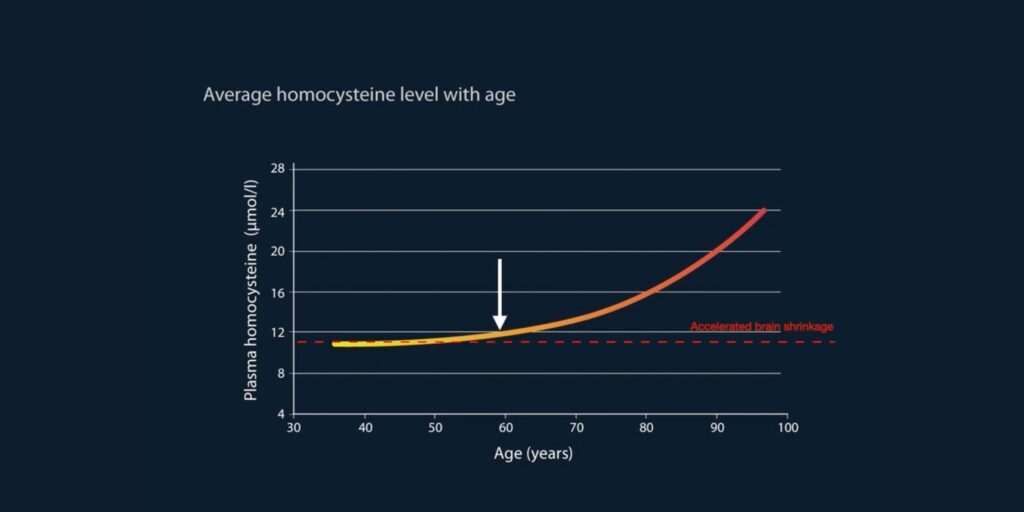
  • Treatment Threshold: Above 10 µmol/L  – Anyone with a homocysteine level above this should be treated with B vitamins to reduce brain shrinkage and risk of dementia.
  • Warning Level: Above 11 µmol/L – Associated with increased brain shrinkage and elevated risk for Alzheimer’s and cardiovascular disease.

Ideally, with regular testing, you should maintain homocysteine levels well below 10 µmol/L to support optimal brain health and reduce the risk of neurodegenerative conditions.

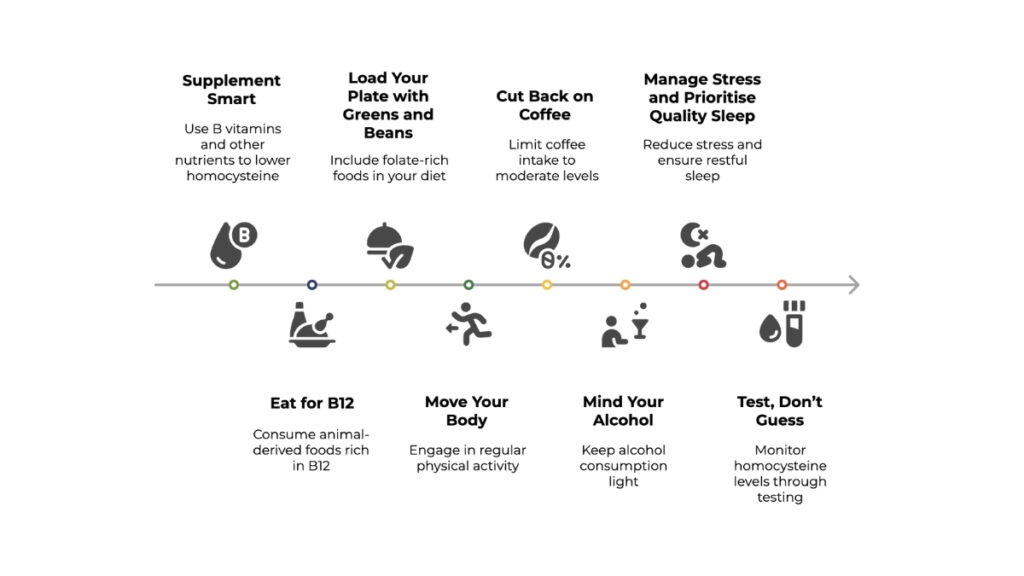
Here are eight proven ways to bring your homocysteine levels into the optimal range and keep your brain firing on all cylinders:

1. Supplement Smart: The B Vitamin Trio (and Friends)

The fastest way to reduce homocysteine is through targeted supplementation. The ‘magic trio’ is vitamin B6 (20mg), B12 (500µg as methylcobalamin), and methylfolate (400µg). A major paper has shown that supplementing these B vitamins not only lowers homocysteine, but also slows brain shrinkage and cognitive decline in people with mild cognitive impairment. Add trimethylglycine (TMG), zinc, and N-acetyl cysteine (NAC) for additional support, particularly in older adults with memory concerns. These nutrients work synergistically to support methylation and brain function. (1) Get our supplement guidelines here.

2. Eat for B12: Fish, Eggs, Dairy and Meat

Vitamin B12 is primarily found in animal-derived foods. Aim to eat oily fish three times a week, eggs most days, and small amounts of organic meat or dairy (if tolerated). Pescatarians thrive here. For vegans, the focus should be on fortified foods and sources such as shiitake mushrooms. However, supplementation and regular testing are strongly recommended to ensure optimal levels. Poor B12 absorption – particularly in older adults or those taking proton pump inhibitors – is a common risk factor for elevated homocysteine and brain shrinkage (1,2).

3. Load Your Plate with Greens and Beans

Folate is critical for methylation. Aim for seven servings of fruit and vegetables ​​a day. Prioritise leafy greens, broccoli, lentils, chickpeas, and asparagus. These naturally support homocysteine metabolism and keep your methylation processes running smoothly (1).

4. Move Your Body

Regular physical activity helps lower homocysteine. Studies show that consistent aerobic or resistance exercise can reduce levels, improve circulation, and support metabolic health. Aim for at least 30 minutes of brisk walking, cycling, or swimming five times a week to complement your nutritional strategy (3).

5. Cut Back on Coffee – Especially Excessive Intake

Drinking more than two cups of coffee a day can raise homocysteine levels. While low to moderate coffee intake may  offer  some antioxidant benefits, high intake (six or more cups a day) has been linked to elevated homocysteine levels and an increased risk of dementia (4).

6. Mind Your Alcohol

Keep it light. Up to seven small glasses (125ml) of red wine or two pints of beer per week is the maximum. Excess alcohol increases homocysteine levels and impairs nutrient absorption – particularly of B vitamins (1).

7. Manage Stress and Prioritise Quality Sleep

Chronic stress may indirectly raise homocysteine by increasing inflammation and depleting vitamin B6 – both linked to higher mortality and accelerated cellular ageing (5).Make stress reduction a priority. Meditation, yoga, deep breathing, regular exercise, and talking therapies are all effective. Equally important is prioritising restorative sleep. The brain clears toxins and resets during deep sleep – both are vital for healthy methylation. Learn more about sleep and your brain here.

8. Test, Don’t Guess – Know Your Level

You can’t manage what you don’t measure. Have your homocysteine levels tested.. We now offer at-home pinprick tests, which also contribute to our ongoing research. Don’t be surprised if your levels are higher than expected. Forty per cent of people over 60 have homocysteine levels above 11 µmol/L. As we age, our ability to absorb vitamin B12 declines (3).

Homocysteine is a key indicator for cognitive and overall health. As we can see, with a few dietary tweaks, lifestyle upgrades, and targeted nutrients, you can lower your homocysteine, support methylation, and quite literally upgrade your brain!

Start today:

  1. Join our research and test your homocysteine level today. Purchase a single homocysteine test here or get it as part of the DRIfT 5 in 1 test, which also measures your antioxidant status (another world first in accurate home testing), omega-3, vitamin D and HbA1c.
  2. Read more in the Upgrade Your Brain book – This fully referenced guide offers practical strategies to improve your brain health – including how to lower homocysteine through diet, lifestyle, and supplementation.
  3. Support our charitable work by becoming a FRIEND. From just £5 a month, you can help fund vital research and public education. Become a FRIEND today

References:
1 Smith AD, Refsum H. Homocysteine – from disease biomarker to disease prevention. J Intern Med. 2021 Oct;290(4):826-854.

2 Vogiatzoglou A, Refsum H, Johnston C, et al. Vitamin B12 status and rate of brain volume loss. Neurology. 2008 Sep 9;71(11):826-32.

3 Vincze G, et al. Physical activity and plasma homocysteine in the elderly: the Rotterdam Study. Am J Clin Nutr. 2011;93(5):1025–31.

4 Grubben MJAL, et al. Unfiltered coffee increases plasma homocysteine concentrations in healthy volunteers: a randomized trial. Am J Clin Nutr. 2000;71(2):480–4.

5 Pusceddu I, et al. Subclinical inflammation, telomere shortening, homocysteine, vitamin B6, and mortality: the Ludwigshafen Risk and Cardiovascular Health Study. Eur J Nutr. 2020;59:1399–411.


Further info

Four Quick Wins to Reduce Your Risk of Alzheimer’s

Four Quick Wins to Reduce Your Risk of Alzheimer’s

What can you do, practically and quickly, to reduce your risk of developing Alzheimer’s?

The International Alzheimer’s Prevention Expert Group, including our founder Patrick Holford, has identified four key areas that could cut your future risk by over 80% – down to less than a quarter – if addressed early.

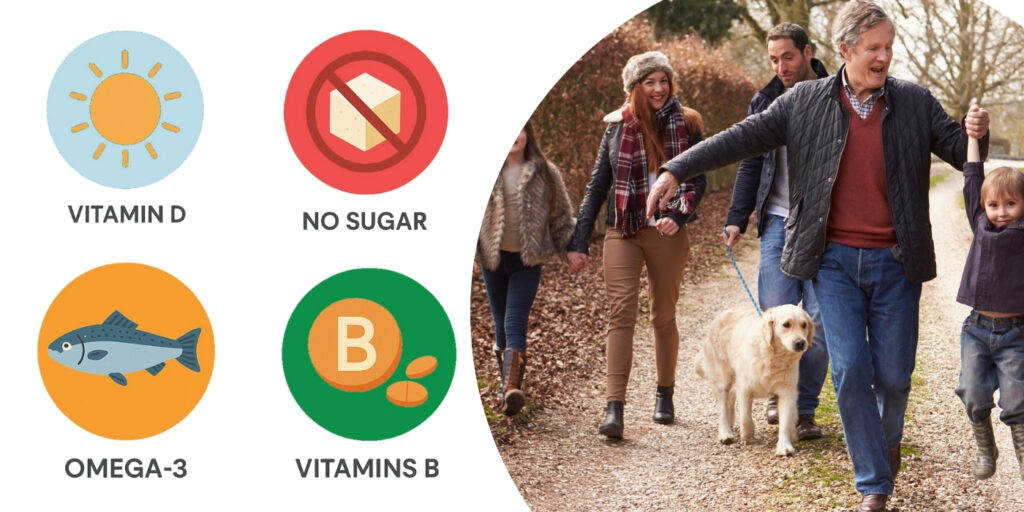
The four “quick wins”? Increase your vitamin D, omega-3, and B vitamins, and reduce your intake of sugar and refined carbs.

1. Vitamin D: The Sunshine Factor

Vitamin D is primarily made in your skin through sun exposure, particularly at midday in the summer. However, in the winter – especially in the UK and other northern countries – you cannot make enough, so supplementation is essential. A Dutch study found that people with low levels of vitamin D, omega-3s, and B vitamins were over four times more likely to develop dementia¹. Those who supplement with vitamin D have around a third less risk².

Even levels below 62.5 nmol/L (25 ng/mL) increase risk. A French study found that low vitamin D levels tripled Alzheimer’s risk³. The darker your skin, the more sun exposure you need – which makes supplementation all the more vital for many.

2. Omega-3: Feed Your Brain with Fish

Fish is a true brain food – rich in omega-3s, vitamin D, and B12. Eating fish at least once a week reduces Alzheimer’s risk by a third⁴. A recent review confirmed that a daily serving cuts the risk of cognitive decline by 30%⁵.

Omega-3 fats (especially DHA) quite literally build brain cells. The UK Biobank study of over 250,000 people found that those with higher omega-3 levels had a 20% lower risk of dementia⁶. A US study also found that a higher omega-3 index correlated with more white matter in the brain and better cognitive function⁷.

Professor William Harris of the Fatty Acid Research Institute calls it “a safe, simple, cheap and effective tool to forestall Alzheimer’s.”

3. B Vitamins: The Brain Fixers

B6, B12, and folate don’t just support brain function – they’re essential for fixing omega-3s into your brain’s cell membranes. Without them, homocysteine – a toxic amino acid – builds up in your blood. High levels (above 11 μmol/L) are strongly linked to brain shrinkage and Alzheimer’s.

Half of people over 60 in the US have homocysteine levels above 11. The Dutch study found that risk rises even above 8 – a level many people exceed.

As Professor Joshua Miller from Rutgers University says, raised homocysteine is an early warning sign: “a canary in the coal mine.” The good news? It’s easily lowered with a B vitamin supplement – ideally one containing 500 mcg of B12, methylfolate, and B6.

More greens, beans, nuts, and lentils also help. A recent study showed that replacing just one serving of processed meat with nuts or beans (rich in folate) cut dementia risk by 19%⁸.

4. Sugar and Refined Carbs: Silent Brain Saboteurs

The more sugar a person eats – including refined white carbohydrate foods such as bread, pastries, pasta, and rice – the higher their risk of both diabetes and dementia. Fizzy drinks and ultra-processed foods, sweetened with high-fructose corn syrup, are particularly bad for the brain.
The brain needs the most energy of any organ, so it has the most mitochondria to make it. Sugar damages mitochondria,” says Dr Robert Lustig from the University of California, San Francisco.

A study just published this month in Neurology involving 2 million people shows that those with sugar problems (metabolic syndrome) are 24% more likely to develop dementia early¹⁰.
Keeping blood glucose levels in the low–normal range is reflected by a low glycosylated haemoglobin (HbA1c), which is the blood test doctors use to diagnose diabetes. Having a lower HbA1c is associated with reduced risk for dementia in several studies⁹. A recent study of 374,021 older men with diabetes found that keeping HbA1c stable over three years cut the risk of dementia by a third¹¹.


Want to know what’s driving your brain risk?


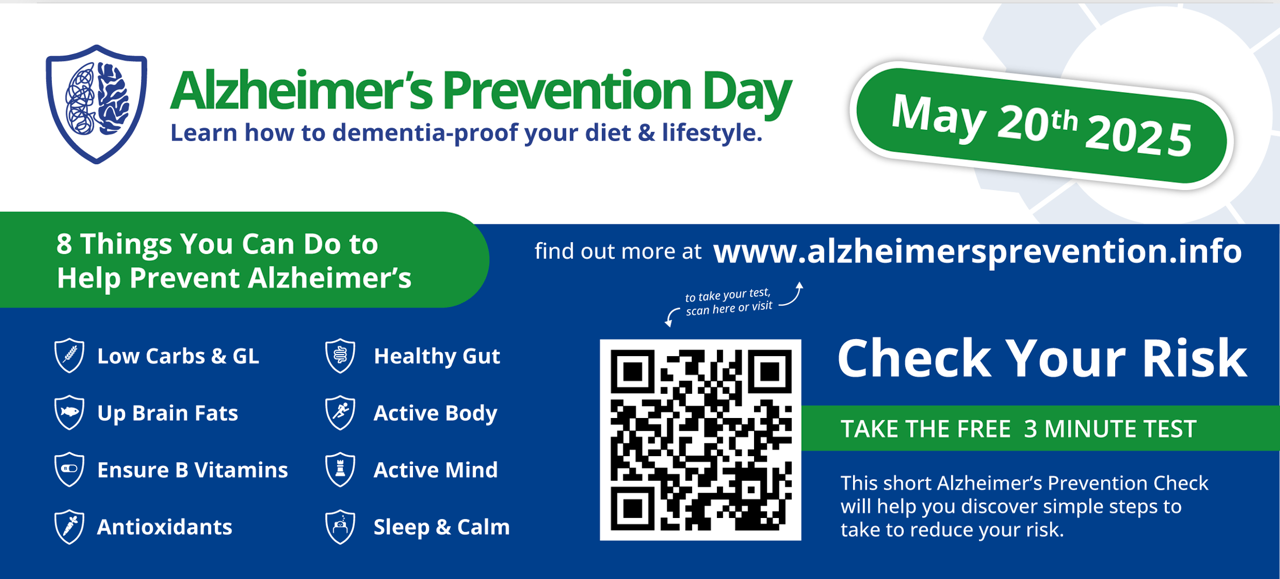
Take our free 3-minute Alzheimer’s Prevention Check at alzheimersprevention.info – or, for the full picture, order the four-in-one home blood test to measure your omega-3 index, vitamin D, homocysteine and HbA1c: foodforthebrain.org/tests


Test Your Cognitive Function Now green banner.

References:

2 Ghahremani M, et al. Vitamin D supplementation and incident dementia: Effects of sex, APOE, and baseline cognitive status. Alzheimers Dement (Amst). 2023 Mar;15(1):e12404. doi: https://doi.org/10.1002/dad2.12404

 3 Feart C, et al. Associations of lower vitamin D concentrations with cognitive decline and long-term risk of dementia and Alzheimer’s disease in older adults. Alzheimers Dement. 2017 Nov;13(11):1207-1216. doi: https://doi.org/10.1016/j.jalz.2017.03.003

4 Beydoun MA, et al. Epidemiologic studies of modifiable factors associated with cognition and dementia: systematic review and meta-analysis. BMC Public Health. 2014;14:643. doi: https://doi.org/10.1186/1471-2458-14-643

5 Godos J, et al. Fish consumption, cognitive impairment and dementia: an updated dose-response meta-analysis of observational studies. Aging Clin Exp Res. 2024;61:3731–3739. doi: https://doi.org/10.1007/s40520-024-02823-6

6 Sala-Vila A, et al. Plasma Omega-3 Fatty Acids and Risk for Incident Dementia in the UK Biobank Study: A Closer Look. Nutrients. 2023 Nov;15(23):4896.

7 Loong S, et al. Omega-3 Fatty Acids, Cognition, and Brain Volume in Older Adults. Brain Sci. 2023;13:1278. doi: https://doi.org/10.3390/brainsci13091278

8 Li Y, et al. Long-term intake of red meat in relation to dementia risk and cognitive function in US adults. Neurology.2025;104(3):e210286. doi: https://doi.org/10.1212/WNL.0000000000210286

9 Luchsinger JA, et al. Hyperinsulinemia and risk of Alzheimer disease. Neurology. 2004;63(7):1187–92. doi:https://doi.org/10.1212/01.WNL.0000140292.04932.04932.87;  see also Abbatecola AM, et al. Insulin resistance and executive dysfunction in older persons. J Am Geriatr Soc.2004;52(10):1713–

8. https://doi.org/10.1111/j.1532-5415.2004.52466.x ;see also Xu WL, et al. Uncontrolled diabetes increases the risk of Alzheimer’s disease: a population-based cohort study. Diabetologia. 2009;52(6):1031–

9. doi: 10.1007/s00125-009-1323-x ;see also Hassing LB, et al. Type 2 diabetes mellitus contributes to cognitive decline in old age: a longitudinal population-based study. J Int Neuropsychol Soc. 2004;10(4):599–607. https://doi.org/10.1017/S1355617704104165
; see also Yaffe K, et al. Glycosylated hemoglobin level and development of mild cognitive impairment or dementia in older women. J Nutr Health Aging. 2006;10(4):293–5. https://pubmed.ncbi.nlm.nih.gov/16886099/ ; see also Roberts RO, et al. Diabetes and elevated hemoglobin A1c levels are associated with brain hypometabolism but not amyloid accumulation. J Nucl Med. 2014;55(5):759–64. https://jnm.snmjournals.org/content/55/5/759 

10  Lee JY, Han K, Kim J, Lim JS, Cheon DY, Lee M. Association Between Metabolic Syndrome and Young-Onset Dementia: A Nationwide Population-Based Study. Neurology. 2025 May 27;104(10):e213599. doi: 10.1212/WNL.0000000000213599. Epub 2025 Apr 23. PMID: 40267374.11 Underwood PC, et al. HbA1c time in range and dementia. JAMA Netw Open. 2024;7(8):e2425354. doi: https://doi.org/10.1001/jamanetworkopen.2024.25354

Further info

Unlock Your Child’s Brain Potential: Introducing the Smart Kids Cognitive Function Test

As parents or caregivers, nothing matters more than our children’s future. We want them to thrive – mentally, emotionally and physically – and to feel confident and capable in a complex, ever-changing world. Yet when it comes to their brain development, many of us are left wondering: are we doing enough? Are they getting what they need to build healthy, resilient minds?

This is why we’re proud to introduce our groundbreaking Smart Kids Cognitive Function Test. Developed by the team behind the widely respected Adult Cognitive Function Test, this tool is designed to empower parents with the knowledge, insight and practical strategies to support their child’s cognitive and emotional development, right from the start.

Why Early Brain Health Matters

From the moment they’re born, a child’s brain is growing at an extraordinary pace – forming up to a million new neural connections every second. These formative years are a critical window of opportunity, where the right nutrition, environment, and emotional support can set the foundation for a lifetime of strong cognitive function, balanced mood and behavioural wellbeing.

This test doesn’t just measure ‘smarts’ – it helps you understand how your child’s brain is functioning, what might be holding them back, and most importantly, what you can do about it.

What’s Involved?

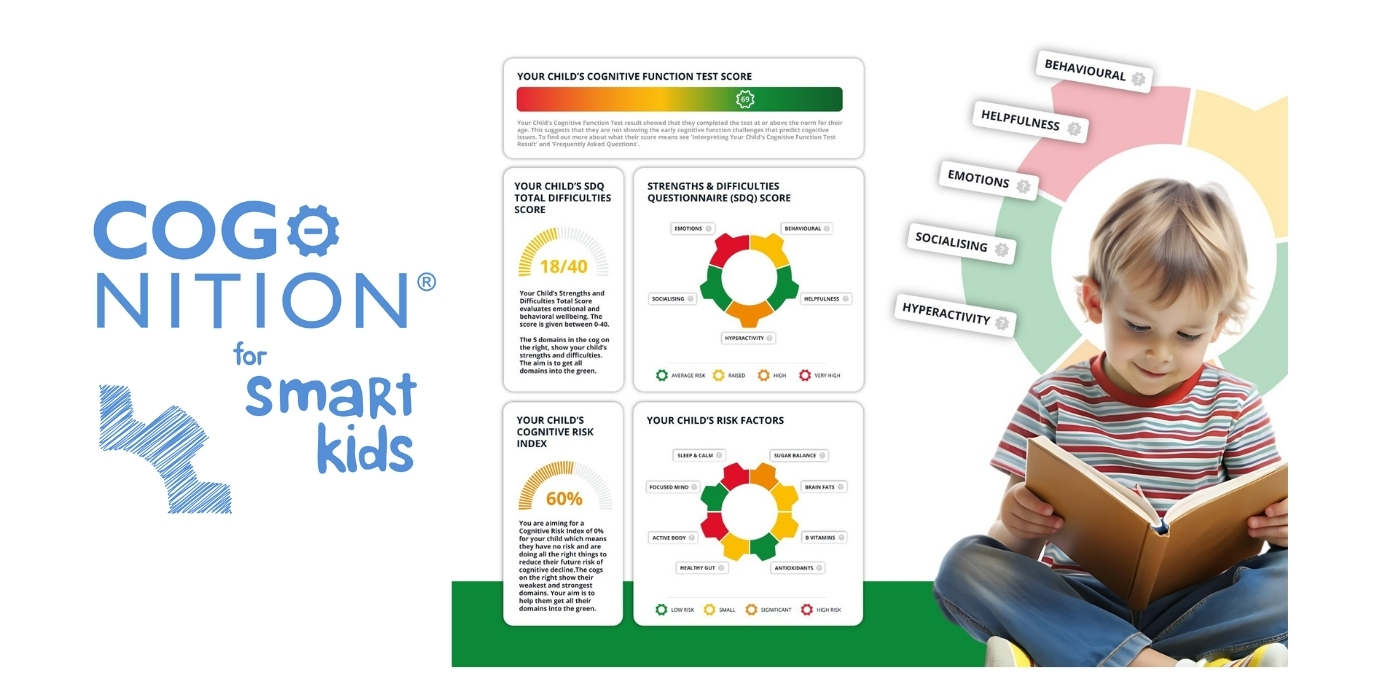
Tailored for children aged 4 to 17, the test includes three essential elements:

  1. Cognitive Function Assessment. An engaging 15-minute digital test that challenges attention, memory and problem-solving in a fun, interactive way.
  2. Nutrition & Lifestyle Questionnaire. This helps highlight which of the eight key lifestyle areas may be influencing brain health, from sleep and gut health to sugar balance and essential fats.
  3. Strengths & Difficulties Questionnaire. A validated tool assessing emotional and behavioural wellbeing, giving you a fuller picture of how your child is feeling and functioning.

With this holistic insight, you’ll receive tailored guidance and practical steps to help your child move forward – cognitively, emotionally and behaviorally.

 What Parents Are Saying

“COGNITION helped me understand why my son was struggling with focus—and what I could do to help. The emails made it so easy to build new habits. We saw a real change.”
– Parent of a 9-year-old

“It was like someone had finally put the pieces together. We started with sugar balance and sleep—and within weeks, our daughter’s mood and energy improved.”
– Mum of a 13-year-old

A Mission for Change: Your Role as a Pioneer

By joining the first 1,000 families to complete the free Smart Kids Test, you’re helping us shape a healthier, smarter future for the next generation. Together, we can build a new model of prevention and wellbeing that begins not at midlife, but in childhood where it can make the biggest difference.

Have You Taken the Adult Test?

Many parents in our community have already taken the free Adult Cognitive Function Test – designed to help dementia-proof your diet and lifestyle. If you haven’t yet done so, we urge you to take this important step. Your brain matters too, and change is possible at any age.

Also, did you know that you can complete our at home pin prick DRIfT blood test on children over 2 years of age and they are available internationally. So that you can gather more data on what your child needs to thrive.

To Our Dementia Prevention Community

We know that many of you found us through our mission to prevent Alzheimer’s and cognitive decline. This children’s test is a natural extension of that work, because optimising brain health starts young. Helping your child now doesn’t just support their academic success, it lays the foundation for lifelong mental wellbeing.

Take the Smart Kids Cognitive Function Test today – and invest in your child’s brain, their wellbeing, and their future. 

Because every child deserves the chance to shine.

Actions:

Do the adult Cognitive Function Test here if you haven’t done so yet, so you can model what supporting your brain health looks like to your child and family.

Test Your Cognitive Function Now green banner.

Further info