🟢 TOOLS & INTERVENTIONS Archives - Page 3 of 3 - Food for the Brain

because prevention is better than cure.

because prevention is better than cure.

Mini Cart 1

You have 1 item in cart

Subtotal: £25.00
Mini Cart 1

You have 1 item in cart

Subtotal: £25.00

The Forgotten Factor of Mental Health & How to Test For It

What is the forgotten factor of mental health – despite the research being positive?

Homocysteine.

This is why we launched our highly accurate and groundbreaking at-home homocysteine test just before Christmas (and quickly sold out) because knowing this marker – your H factor – can help predict over 100 diseases. Specifically, homocysteine is an indicator of a person’s B vitamin status, and knowing this, can help reduce the risk of mental illness.

Yet it hasn’t been easily available or affordable to test this at home and is often not a marker checked by Dr’s.

But not any more!

Homocysteine & the Central Nervous System

“Homocysteine is a biomarker for over 100 diseases, but especially those of the central nervous system.” says pharmacology professor David Smith FMedSci, formerly Deputy Head of the Faculty of Medical Sciences at the University of Oxford. “It is a biomarker of impaired cognitive abilities in children, and in adults is a risk marker for stroke, dementia and Alzheimer’s, but also possibly for depression, anxiety, bipolar, schizophrenia, obsessive-compulsive disorder, Parkinson’s and multiple sclerosis. It is very much the forgotten factor, despite the research evidence being strongly positive (1). And the good news is, it is so easily corrected.” 

Patrick Holford, psychologist and our CEO and founder says “A raised homocysteine level means something is going wrong with a vital process that controls how we think, feel and perceive. It’s called methylation and is dependent on B vitamins. Some people absorb B12 less well. Some just need more of the B vitamin than others and that biochemical individuality, especially if their diet is already deficient, can tip them into a mental or neurological illness.”

Depression & Homocysteine

Those suffering from depression are also more likely to have higher homocysteine levels (2, 3).  Amanda-Jane is a case in point. She was suffering with chronic fatigue and low mood, so she decided to check her homocysteine level. She was shocked when she found her score was 26 mcmol/l (7 or less is considered optimal). After changing her diet and supplementing the B vitamins her sleep improved almost immediately and within four weeks, she had much more energy. Two months later she re-tested her homocysteine level and found it had dropped to 9. “I feel much better. My mood is very positive– no panic or depression. I feel buoyant, energetic and enthusiastic. I’m sleeping much better and my PMS has disappeared.” she said.

Also, every 5-point increase in homocysteine increases risk of being diagnosed with schizophrenia by a staggering 70%! (4) Yet very few sufferers are ever checked for raised homocysteine.

Homocysteine & B Vitamins

Professor Joseph Levine from the Stanley Research Centre and Beersheva Mental Health Centre in the Ben Gurion University in Israel devised a study to see what effect lowering homocysteine with B vitamins would have (5). He gave half of a group of 42 schizophrenic patients B vitamins (B6, B12 and folic acid) and the other half a placebo. Those taking the B vitamin supplements had both a dramatic reduction in their homocysteine levels and a significant improvement in their symptoms, except for one patient, who didn’t comply with the B vitamin treatment, didn’t improve and didn’t have a reduction in their homocysteine level. They were the exception that proves the rule.

Professor David Smith, writing in the Journal of Internal Medicine, together with world leading expert on homocysteine, Professor Helga Refsum from the University of Oslo, Norway, say “There are five diseases that can, at least in part, be prevented by lowering total homocysteine: neural tube defects, impaired childhood cognition, macular degeneration, primary stroke, and cognitive impairment in the elderly. We conclude from our review that total homocysteine values in adults of 10 mcmol/L or below are probably safe, but that values of 11 above may justify intervention. Homocysteine is more than a disease biomarker: it is a guide for the prevention of disease.” Not only does it predict an increased risk for a stroke, but having a lower homocysteine level, achieved by eating B12 rich foods such as fish and eggs, and folate and B6 rich foods such as whole foods, vegetables, nuts, seeds and beans, and supplementing B vitamins, helps those who’ve had a stroke recover faster (6).

We recommend anyone with a homocysteine level over 10 mcmol/L to supplement extra B vitamins, especially B6 (20mg), folate (400mcg) and B12 (500mcg). Homocysteine is a toxic amino acid that accumulates when there is a lack of B vitamins and damages your brain as well as your arteries.

Professor Smith’s research group at Oxford University has shown that giving people with pre-dementia these vitamins reduced the rate of brain shrinkage to less than half of that in those given placebos.

 “Further cognitive decline virtually stopped in those taking the B vitamins.” says Smith. 

Homocysteine, Pregnancy & Children’s School Grades

As many as two in five people over 60 have a raised homocysteine level. The reason why the B vitamin folic acid is recommended in pregnancy is because it lowers homocysteine. In ‘normal’ pregnancies with no complications in either mother or child, homocysteine remains below 7mcmol/L. In five out of seven studies women who have spontaneous abortions or miscarriages have a level above 15. The risk for having a pre-term baby is four times higher in women with a homocysteine level above 12 (7).  A study of 81 healthy women who then became pregnant found that the children of the women whose homocysteine before conceiving was above 9 were significantly more withdrawn, anxious and depressed and had more social problems including increased aggressive behaviour (8).  

“It is vital that a woman intending to become pregnant first checks her homocysteine level. Raised homocysteine, plus a lack of omega-3 fats found in fish is a major promoter of developmental problems and mental illness in children later in life.” says Holford. 

A child’s homocysteine level even predicts their school grades. A study compared the sum of school grades for ten core subjects, with homocysteine levels in a group of 692 Swedish school children aged 9 to 15. Increasing homocysteine levels were strongly associated with reducing grades as was inadequate folate intake (9).

Join us in our Citizen Science Project by testing your homocysteine! The home pin prick blood test is now back in stock.

References

1 Smith AD, Refsum H. Homocysteine – from disease biomarker to disease prevention. J Intern Med. 2021 Oct;290(4):826-854. doi: 10.1111/joim.13279. Epub 2021 Apr 6. PMID: 33660358.

2 Moradi F, Lotfi K, Armin M, Clark CCT, Askari G, Rouhani MH. The association between serum homocysteine and depression: a systematic review and meta- analysis of observational studies. Eur J Clin Invest 2021: e13486. 

3 Nabi H, Bochud M, Glaus J, Lasserre AM, Waeber G, Vollenweider P, Preisig M. Association of serum homocysteine with major depressive disorder: results from a large population-based study. Psychoneuroendocrinology 2013; 38: 2309-18. 

4 JW Muntjewerff,Molecular Psychiatry (2006) 11, 143–149. doi:10.1038/sj.mp.4001746 

5 Levine J, Stahl Z, Sela BA, Ruderman V, Shumaico O, Babushkin I, Osher Y, Bersudsky Y, Belmaker RH. Homocysteine-reducing strategies improve symptoms in chronic schizophrenic patients with hyperhomocysteinemia. Biol Psychiatry. 2006 Aug 1;60(3):265-9. doi: 10.1016/j.biopsych.2005.10.009. Epub 2006 Jan 17. PMID: 16412989.

6 Yahn GB, Leoncio J, Jadavji NM. The role of dietary supplements that modulate one-carbon metabolism on stroke outcome. Curr Opin Clin Nutr Metab Care. 2021 Jul 1;24(4):303-307. doi: 10.1097/MCO.0000000000000743. PMID: 33631772; see also 

7 Dai C, Fei Y, Li J, Shi Y, Yang X. A Novel Review of Homocysteine and Pregnancy Complications. Biomed Res Int. 2021 May 6;2021:6652231. doi: 10.1155/2021/6652231. PMID: 34036101; PMCID: PMC8121575.

8 Roigé-Castellví J, Murphy M, Fernández-Ballart J, Canals J. Moderately elevated preconception fasting plasma total homocysteine is a risk factor for psychological problems in childhood. Public Health Nutr. 2019 Jun;22(9):1615-1623. doi: 10.1017/S1368980018003610. Epub 2019 Jan 14. PMID: 30636652; PMCID: PMC10261079.

9 Torbjörn K. Nilsson, Agneta Yngve, Anna K. Böttiger, Anita Hurtig-Wennlöf, Michael Sjöström; High Folate Intake Is Related to Better Academic Achievement in Swedish Adolescents. Pediatrics August 2011; 128 (2): e358–e365. 10.1542/peds.2010-1481

Further info

Boosting GABA: Natural Support for Anxiety and Low Mood This Winter

Boosting GABA: Natural Support for Anxiety and Low Mood This Winter

By Patrick Holford

boost gaba

Boost gaba naturally this winter. For many people, the darker months are when anxiety creeps up and mood dips. Shorter days, colder weather and more indoor time often leave the nervous system running on empty. Yet winter does not have to feel this way. Once you understand what is happening in your brain, you can support it with simple, effective tools that help you stay calm, steady and more resilient.

Why alcohol and cannabis feel calming: the GABA effect

How these substances create short term calm

When anxiety builds, many people instinctively reach for something to take the edge off. In one ordinary week in the UK, around 10 million tranquilliser pills are taken, 10 million cannabis joints are smoked and 120 million alcoholic drinks are consumed.

These substances all act on the same calming messenger in the brain: GABA, short for gamma aminobutyric acid. GABA is your neurological dimmer switch. It helps turn down adrenaline, settles the nervous system and makes you feel relaxed and more sociable. A drink or a joint can temporarily boost GABA and give you that familiar sense of relief.

Why the calming effect backfires

The problem comes shortly afterwards. GABA rises, then dips. Once levels fall, irritability, low mood and cravings follow, pushing people towards another drink or smoke. Alcohol also disrupts dreaming sleep which is essential for mental rejuvenation. The result is that you wake tired, flat and anxious with GABA still suppressed and the body working hard to detoxify last night’s alcohol.

Over time, alcohol raises anxiety rather than reducing it. Cannabis, used habitually, tends to lower drive and motivation while offering the same short-lived GABA response.

The good news is that you can support your GABA system in ways that build resilience rather than deplete it.

Natural ways to boost GABA and restore calm

GABA and taurine supplements

GABA is both a neurotransmitter and an amino acid. Supplementing it can help support healthy GABA activity in the brain, offering a gentle, natural way to unwind. In the UK it is regulated as a medicine so you cannot purchase it, though it remains easily available online in other countries. Several natural calming formulas include taurine and glutamine which help the body boost GABA production.

If using GABA directly, most people benefit from 250 to 500 mg once or twice a day. It is not addictive. Higher doses can cause nausea, vomiting or a rise in blood pressure, especially above 3 g a day. Taken in the evening it can also support sleep.

Taurine is structurally and functionally similar to GABA and helps settle the stress response. Despite its inclusion in energy drinks, taurine is not a stimulant. Research shows taurine supplementation slows key markers of ageing (2). It is richest in animal foods, so vegetarians may be more prone to low levels. A typical supportive dose is 500 to 1,000 mg twice daily.

B vitamins and vitamin C for steadier mood

Several B vitamins, especially vitamin B6, are tightly linked to how efficiently your body produces GABA. A recent trial found that 100 mg of B6 reduced self-reported anxiety (3). A large-scale study found women with higher vitamin B6 intake had lower depression and anxiety risk (4). Combined B vitamins also correlate with lower levels of both stress and mood disorders (5). 

B6 is part of the same biochemical pathway that keeps homocysteine in check. When homocysteine rises, methylation slows and the brain becomes more vulnerable to low mood and anxiety. Keeping this pathway supported can make a meaningful difference. If you are curious about your levels, homocysteine is included in the DRIfT test.

Another review concluded that B6, magnesium and essential fatty acids can reduce anxiety and blood pressure responses to stress, particularly in women (6).

Vitamin C also plays an important role in stress resilience. It sits alongside cortisol in the adrenal cortex and rises in the bloodstream during stress. Since humans, unlike most animals, do not produce vitamin C internally, low intake can heighten vulnerability to stress. Several trials show vitamin C supplementation reduces anxiety and boosts mental vitality (7, 8). Earlier work from the 1970s showed that intakes above 400 mg reduced fatigue (9).

Calming herbs: valerian, hops and passionflower

Valerian (Valeriana officinalis) is a well-established natural relaxant used for restlessness, nervousness and insomnia. It enhances GABA receptor activity and can help boost GABA in a gentle way that supports deeper relaxation. Typical amounts are 50 to 100 mg twice daily, with double that amount before bed if sleeplessness is an issue. Valerian should not be combined with sedative medication or alcohol and not taken without medical guidance.

Hops (Humulus lupulus) has been used historically for sleep and nervous tension. It acts directly on the central nervous system and is most effective when combined with valerian or passionflower.

Passionflower (Passiflora incarnata) offers gentle calming support, promotes sleep and has no known side effects at normal doses. Around 100 to 200 mg a day is typical. It is also thought to be useful for children who struggle to settle. For those who want to avoid excessive drowsiness, hops and passionflower used without valerian may be preferable.

Magnesium to relax body and mind and to help boost GABA pathways

Magnesium supports muscle relaxation, nerve function and mood. Diets high in sugar, refined foods, calcium rich dairy, caffeine and alcohol may lead to depleted magnesium status. Too much calcium relative to magnesium can contribute to muscle tension, nervousness, insomnia and irregular heartbeat.

Magnesium also helps stabilise blood sugar and works alongside B6 and zinc in stress regulation. Several trials show that magnesium, especially combined with B6, reduces anxiety and depression within weeks (10, 11).

Most people would benefit from around 300 mg from supplements, alongside a diet rich in vegetables, nuts, seeds and whole foods. Seeds, nuts, beans and leafy greens provide very good levels.

Theanine: why tea feels calming

Tea delivers caffeine but never feels as jittery as coffee. That is because tea naturally contains L-theanine, an amino acid that increases alpha wave activity associated with relaxed alertness (13). Around 50 mg can noticeably shift the nervous system into a calmer state. Supplements that combine theanine with GABA can can boost gaba effects even further (14).

Balance blood sugar to reduce anxiety physiology

Alongside supporting neurotransmitters like GABA, keeping blood sugar steady is one of the simplest ways to reduce anxiety. When glucose drops, the body releases adrenaline and cortisol to raise it again, which can create sudden waves of anxiety, shakiness and irritability. Research shows that unstable glucose control increases stress reactivity and mood volatility, while balanced meals with protein, fibre and lower GL carbohydrates help stabilise both blood sugar and mood (15). This is particularly relevant in winter, when comfort eating, irregular routines and higher sugar intake are more common.

Support omega 3 levels for calmer mood and boost GABA function

Another key factor underpinning calmness is omega-3 status. EPA and DHA play an essential role in how flexible and responsive brain cell membranes are, which directly affects how well GABA and serotonin receptors function. Keeping omega three levels optimal helps the brain boost GABA signalling more effectively.

Several clinical studies show omega-3 supplementation can lower symptoms of anxiety and improve overall mood stability, especially in those with low baseline levels (16). Since omega-3 cannot be produced in meaningful amounts by the body, keeping levels optimal makes a measurable difference to stress resilience.

If you are unsure of your status,  then order your DRIfT blood test to find out  – available globally.

Top up vitamin D for winter mood resilience

Winter is also the time when vitamin D levels typically fall, and low vitamin D has repeatedly been linked with lower mood, poorer stress tolerance and greater anxiety. A large meta analysis found that adults with low vitamin D were significantly more likely to experience depression, and supplementation helped improve mood in those who were deficient (17). Vitamin D also influences serotonin production and inflammation, two pathways that strongly affect how the brain responds to stress. Checking levels during winter and supplementing if needed is a simple step with meaningful impact.

A notes on panic attacks, lactic acid and the breath

Panic attacks can be terrifying, with palpitations, rapid breathing and a sense of impending doom. While psychological factors play a role, there can be a biochemical layer too. High levels of lactic acid can drive symptoms. When breathing becomes fast and shallow, carbon dioxide drops and lactic acid rises, which can quickly trigger an anxiety surge.

Breathing slowly into a paper bag or through cupped hands can help restore balance by raising carbon dioxide and reducing lactic acid. Keeping blood sugar stable by eating regularly also helps prevent abrupt dips that can trigger hyperventilation.

A systems based approach to boost GABA and reduce anxiety

Anxiety rarely comes from one place. Biology, psychology, sleep, nutrients, hormones, blood sugar and daily habits all interact, which is why a systems based approach often works best. Supporting several of these pathways at once helps the nervous system become steadier and more resilient, especially in winter when stress loads tend to rise. When you strengthen blood sugar balance, reduce stimulants, restore nutrient status, improve sleep and use targeted herbs, you naturally boost GABA and shift the whole stress response.

Next steps:

  • Read more about sugar and brain health here.
  • Take the free Cognitive Function Test to understand your personal profile.
  • Explore the DRIfT test to join our research and check key nutritional and metabolic markers linked to mood and cognitive health.
References

3 Field DT, Cracknell RO, Eastwood JR, Scarfe P, Williams CM, Zheng Y, Tavassoli T. High-dose Vitamin B6 supplementation reduces anxiety and strengthens visual surround suppression. Hum Psychopharmacol. 2022 Nov;37(6):e2852. doi: 10.1002/hup.2852. Epub 2022 Jul 19. PMID: 35851507; PMCID: PMC9787829.

4 Kafeshani M, Feizi A, Esmaillzadeh A, Keshteli AH, Afshar H, Roohafza H, Adibi P. Higher vitamin B6 intake is associated with lower depression and anxiety risk in women but not in men: A large cross-sectional study. Int J Vitam Nutr Res. 2020 Oct;90(5-6):484-492. doi: 10.1024/0300-9831/a000589. Epub 2019 Jun 11. PMID: 31188081.

5 Mahdavifar B, Hosseinzadeh M, Salehi-Abargouei A, Mirzaei M, Vafa M. Dietary intake of B vitamins and their association with depression, anxiety, and stress symptoms: A cross-sectional, population-based survey. J Affect Disord. 2021 Jun 1;288:92-98. doi: 10.1016/j.jad.2021.03.055. Epub 2021 Mar 26. PMID: 33848753.

6 McCabe D, Lisy K, Lockwood C, Colbeck M. The impact of essential fatty acid, B vitamins, vitamin C, magnesium and zinc supplementation on stress levels in women: a systematic review. JBI Database System Rev Implement Rep. 2017 Feb;15(2):402-453. doi: 10.11124/JBISRIR-2016-002965. PMID: 28178022.

7 de Oliveira IJ, de Souza VV, Motta V, Da-Silva SL. Effects of Oral Vitamin C Supplementation on Anxiety in Students: A Double-Blind, Randomized, Placebo-Controlled Trial. Pak J Biol Sci. 2015 Jan;18(1):11-8. doi: 10.3923/pjbs.2015.11.18. PMID: 26353411.

8 Sim M, Hong S, Jung S, Kim JS, Goo YT, Chun WY, Shin DM. Vitamin C supplementation promotes mental vitality in healthy young adults: results from a cross-sectional analysis and a randomized, double-blind, placebo-controlled trial. Eur J Nutr. 2022 Feb;61(1):447-459. doi: 10.1007/s00394-021-02656-3. Epub 2021 Sep 2. PMID: 34476568; PMCID: PMC8783887.

9 E. Cheraskin et al., ‘Daily vitamin consumption and fatigability’, Journal of the American Geriatrics Society (1976), vol 24(3), pp. 136–137. 

10 Noah L, Dye L, Bois De Fer B, Mazur A, Pickering G, Pouteau E. Effect of magnesium and vitamin B6 supplementation on mental health and quality of life in stressed healthy adults: Post-hoc analysis of a randomised controlled trial. Stress Health. 2021 Dec;37(5):1000-1009. doi: 10.1002/smi.3051. Epub 2021 May 6. PMID: 33864354; PMCID: PMC9292249.

11 Tarleton EK, Littenberg B, MacLean CD, Kennedy AG, Daley C. Role of magnesium supplementation in the treatment of depression: A randomized clinical trial. PLoS One. 2017 Jun 27;12(6):e0180067. doi: 10.1371/journal.pone.0180067. PMID: 28654669; PMCID: PMC5487054.

12 Hindmarch I et al, Psychopharmacology, 1998; see also Hindmarch I et al, Psychopharmacology, 2000

13 Nobre AC et al., a report to Unilever by the Department of Experimental Psychology, University of Oxford, 2003; see also Unno K et al, Pharmacol Biochem Behav, 2013

14 Lyon et al, Altern Med Rev, 2011

15 Benton D, Donohoe RT. The effects of nutrients on mood. Public Health Nutr. 1999 Dec;2(3A):403–9.

16 Su KP, Matsuoka Y, Pae CU. Omega 3 fatty acids in mood disorders. J Clin Psychiatry. 2003;64 Suppl 2:32–7.

17 Anglin RE, Samaan Z, Walter SD, McDonald SD. Vitamin D deficiency and depression in adults: systematic review and meta analysis. Br J Psychiatry. 2013 Feb;202:100–7.

Further info

Raised Homocysteine Predicts over 100 Diseases 

Is the H Factor still the biggest health breakthrough of the century?
By Patrick Holford

You may have never heard of it, let alone know your ‘H’ score, but in your bloodstream there exists a toxic amino acid, largely a consequence of sub-optimal B vitamin status, which if raised (above 11µmol/L), is associated with an increased risk of over one hundred diseases and accelerates brain shrinkage.

It’s called homocysteine and I consider it more important to know than your weight, your glucose, cholesterol, iron or any other marker, especially if you intend to become pregnant, are over 40, or have any memory, mental health, neurological or cardiovascular concerns.

I first wrote about it in 2003 in my book ‘The H Factor’ describing it as ‘the biggest health breakthrough of the century’. Reviewing the book ITV’s This Morning Doctor, Chris Steele, said ‘Homocysteine is the new cholesterol. It’s potentially your most important health statistic.’ In Ireland’s Late Late Show, I tested the host, Pat Kenny, and revealed his level to be way too high (above 15µmol/L). It was his wake up call as he was, according to his wife, heading for a heart attack with a poor diet and lots of stress, coffee and alcohol, all of which raise homocysteine.

Now, twenty years on, we know that homocysteine is associated with an increased risk of over 100 diseases or adverse outcomes which are listed at the end of this article, including almost all brain and mental health disorders, from childhood to old age, including dementia and Alzheimer’s. 

Technically we can call homocysteine a ‘biomarker’ which is the title of a very important paper ‘Homocysteine – from disease biomarker to disease prevention’ by Professors David Smith and Helga Refsum (1). If you are a health professional or nutritional therapist, I strongly recommend you read this seminal paper. 

David Smith is the Emeritus Professor of pharmacology at the University of Oxford, where he was the Deputy Head of the Faculty of Medical Science. Helga Refsum is a Professor of Nutrition at the University of Oslo in Norway and formerly a professor of pharmacology. Helga could rightly be called the Queen of Homocysteine because her research (Hordland study that started back in 1992, measuring homocysteine in 18,000 men and women in Norway and tracking their health and the diseases), more than any other, has put this vital biomarker on the map. 

Homocysteine first came to my attention when Dr Kilmer McCully in the US discovered that children who were dying young from heart attacks had high levels. This was due to a genetic disorder that leads to homocysteine accumulation in the blood, which then damages the arteries. I wrote about this in my first book, The Whole Health Manual, in 1981. 

So, here we are 40 years later and still, few people know about it, far less know their H score and, worse than that, there has been a concerted effort, largely orchestrated by misleading and wrongful science, to keep the lid on it.

Why?

I believe because there is no patentable drug that lowers homocysteine – only inexpensive vitamins. 

What is more, having a level above 11µmol/L is not at all uncommon. If you are over 60 the odds are high: 40% in the US over 60 have an H score of over 11 (2). It’s probably not much different in the UK but all we know is that two in five adults over 61 in the UK have insufficient B12 to prevent accelerated brain shrinkage (3). In China it’s much worse – those under 30 or over 60 average a score above 15 (4). It is realistic to assume that over a third of older people have an H score over 11.

What is homocysteine and why is it so important? 

Many nutrients in the body do not work in the form you ingest them – that is until they get ‘methylated’. This is true, for example, for folate or folic acid. It has to turn into methylfolate to become biologically active. Many vital biochemicals, from adrenalin to insulin, need to be made and broken down – by methylation. Histamine and hormones such as oestrogen are examples. Also toxins, from mercury to arsenic need to be detoxified – by methylation. The genes you’re born with can be ‘activated or expressed’ or ‘downregulated’ or turned off. Methylation does that too. Two-thirds of all cancers are associated with faulty methylation which messes up gene messaging. 

Homocysteine rises if you’re not doing methylation properly. This is because there’s a log jam on the way to making the body’s most important ‘methylator’ called s-adenosyl methionine or SAMe for short. Think of it as the conductor of the methylation orchestra. It’s made from an amino acid you eat – methionine. It’s another example of a food nutrient that doesn’t work until it is methylated. This happens thanks to enzymes dependent on vitamins B6, B12 and folate turning it into SAMe. This film shows you how: Methylation & Homocysteine explained

How does your body and brain juggle and keep all these thousands of biochemicals you need every second in the right balance? 

It is a veritable biochemical symphony going on 24/7. That’s what SAMe does, adding on and taking away methyl groups with literally billions of methylation reactions every minute. If your homocysteine level is above 11 you are not doing it right.

At a very simplistic level, you could say that a raised homocysteine indicates that you don’t have enough vitamin B6, B12 or folate. These, together with zinc, trimethylglycine (TMG) and N-acetylcysteine (NAC) are given to lower a high homocysteine level (which is abbreviated to Hcy here on in).

Get homocysteine down before getting pregnant

We call Hcy a biomarker, as opposed to a risk factor, as we don’t always know if it is actually causing the problem or just associated with it. That’s also where the chicken and egg story starts. Given that these B vitamins lower Hcy it’s not so surprising to find that many of the diseases that are associated with high Hcy are also associated with low folate or B12. Pregnancy problems are a classic example. Above 9 µmol/L risk of miscarriage and pregnancy complications are higher. Even a Hcy level of above 9 in the mother during pregnancy predicts more problems, specifically withdrawn behaviour, anxiety/depression, social problems and aggressive behaviour in their child at age 6 (5). 

Raised Hcy is a well-known predictor of miscarriage (6)  and pregnancy problems (7). But is it homocysteine or a lack of folate or B12? Similarly, neural tube defects, for example, spina bifida, is strongly associated with both lack of folate and raised Hcy. Giving folic acid supplements reduces risk and lowers Hcy. Is Hcy a marker for folate deficiency (yes)? Or is folate deficiency a cause for raised Hcy (yes) and is it actually the Hcy that does the damage (probably)? That’s harder to answer but there are a number of ‘toxic’ consequences of raised Hcy such as damaging the arteries and the brain. Also, many things are generally bad for your health – drinking too much alcohol or coffee, smoking, not exercising, being stressed, having diabetes, not sleeping, all of which are associated with higher Hcy. Suffice it to say that there are plenty of advantages in having an H score below 9, and possibly even lower, and no disadvantages – including less risk of dying. 

In those with cardiovascular disease having a H score above 20 increases risk of death by almost five times. Every 5 point increase increases risk by a third (8). A recent report of almost three thousand cardiovascular patients found that risk of death was almost three times higher for those in the top quartile of Hcy (>15.6) compared with those in the lowest quartile below <9.8 (9). 

Protect your brain by lowering homocysteine

Hcy damages the arteries including blood vessels in the brain. That’s what Dr Kilmer McCully discovered back in 1969 in children with a genetic disorder. A recent study showed that being in the top quarter for Hcy meant 17 times more risk of cerebrovascular damage (10). But it also cranks up things like p’tau which is a toxic substance known to cause ‘neurofibrillary tangles’ which are one of the hallmarks of Alzheimer’s that big pharma is trying to develop a drug for. They needn’t bother because lowering Hcy with inexpensive B vitamins lowers p’tau (11).  It’s just not profitable.

Not surprisingly, if high, Hcy increases the risk of stroke, and giving folate or B12 lowers risk. In this case we can say Hcy is ‘causal’ –  as in high levels cause things to happen that lead to stroke or dementia and lowering homocysteine stops or very much slows down those things happening, slowing down brain shrinkage and virtually stopping further memory loss. But, as with many diseases, if you’ve already had a stroke or got Alzheimer’s there is little room for improvement.

Homocysteine for heart disease and stroke

While no one disagrees that high homocysteine predicts risk for heart disease or stroke, some dodgy science more than a decade ago, when the full dynamics of homocysteine and B vitamins weren’t known, cast doubt. One such study in Sweden, called NORVIT, apparently showed no effect from giving B vitamins to people who had had a stroke. ‘The homocysteine hypothesis is dead. Homocysteine is not a causal risk factor. It is an innocent bystander’ declared the author, Dr Bonaa. 

We now know he was wrong, and why he was wrong. Smith and Refsum’s paper goes into all the detail but what has since been learned is this: 

>> B vitamins don’t lower risk if you don’t already have a high homocysteine level. 

  • Anti-platelet drugs (think aspirin) and statins interfere with the beneficial action of B vitamins. 
  • B12 is poorly absorbed and certain older patients with poor absorption or kidney disease are less likely to respond to oral B12 (but might get benefit from B12 injections). 
  • Also, lowering homocysteine with B vitamins BEFORE a person has had a stroke or a heart attack, does much more effectively reduce the likelihood of them having one. 

This has led to serious cardiology scientists, such as Professor David Spence, who realised the problems with a major study he had conducted, called VISP, and reanalysed the results to find a clear benefit. ‘Call off the funeral’, he declared.

But, for some, sadly, including the so-called National Institute of Clinical Excellence (NICE), now called the National Institute of Health and Care Excellence there will be no exhumation for homocysteine. 

That’s unfortunate because two-thirds of cardiovascular deaths in the elderly happen to people with high Hcy. Not paying any attention to the actual scientific evidence due to a former misguided bias is not health, care or excellence.

Is there a mental or neurological illness that isn’t cranked up by high homocysteine?

Have a look at the list of diseases below, all strongly associated with homocysteine. Take Parkinson’s for example. A recent meta-analysis shows that both homocysteine, vitamin B12, and folate status predict the onset and development of Parkinson’s (12).

The point is that if you’re over 60 or have any concerns about any of these conditions, and especially if you already have a serious degenerative disease such as Parkinson’s, multiple sclerosis, dementia or cardio or cerebrovascular disease it is vital to check your homocysteine level and then act accordingly. If your specialist hasn’t done this they are not doing their job properly. The science is in plain sight.

Plasma total homocysteine as a disease biomarker
Disease/Syndrome
Insufficient B vitamin status
Folate, B12, B6, B2
Inborn errors of homocysteine and vitamin metabolism and transport
Cardiovascular diseases

Myocardial infarction
Severity of coronary artery disease
Hypertension
Restenosis of coronary arteries and adverse outcomes after angioplasty
Stroke
Stroke mortality
Silent brain infarct
Carotid plaque area, stenosis, intima-media thickness
Intracerebral arterial stenosis
Peripheral vascular disease
Venous thrombosis
Arterial aneurysm
Arterial stiffness
Atrial fibrillation
Cerebral small vessel disease
Cerebral microbleeds
Disruption of blood-brain-barrier
Endothelial mediated dilatation – impairedVascular complications of diabetes
Raynaud’s syndrome
Takayasu arteritis
Thromboangiitis obliterans (Buerger’s disease)
Moyamoya disease
Behçet disease
Erectile dysfunction
Other syndromes
Mortality
Frailty
Cancer
Metabolic syndrome
Obesity
Bone disease, osteoporosis
Inflammatory bowel disease, Crohns
Non-alcoholic fatty liver disease
Renal insufficiency, chronic kidney disease
Chronic obstructive pulmonary disease
Alcohol abuse
Psoriasis
Vitiligo
Sclerosis
Sickle-cell disease
Burning mouth syndrome
Atrophic glossitis
Quality of life in centenarians
Obstructive sleep apnea
Hypothyroidism
Telomere shortening
Systemic lupus erythematosus (SLE)
Dermatomyositis
Inflammatory response
Periodontal disease
Hearing loss
Gout
Blood lead concentration
Maternal tHcy 
Pregnancy complications
Outcomes in child
– small for gestational age, fetal growth
– neural tube defects
– congenital heart disease
– orofacial clefts
– renal function
– child cognition
– child behaviour
– schizophrenia
– autism spectrum disorder
Central nervous system diseases
Incident Alzheimer’s disease/dementia
Vascular dementia, vascular cognitive impairment
Post-stroke cognitive impairment
Cognitive decline after concussion
Cognition in children
Cognition in elderlyInitiation of cognitive decline in ageing
Conversion from cognitive impairment to dementia
Cognitive decline in dementia 
Atrophy of brain tissue/gray matter
Atrophy of brain white matter
White matter damage
Alzheimer brain pathology (P-tau)
Multiple sclerosis
Cognitive decline in Parkinson’s disease
Depression
Bipolar disorder
Schizophrenia
Amyotrophic lateral sclerosis/ Motor Neuron Disease
Multiple System Atrophy
Impaired motor development in infant
Early neurological deterioration after stroke
Glasgow coma scale
Migraine
Autism spectrum disorder

The table lists diseases and syndromes for which there are reports of association with raised total homocysteine. Reproduced with the permission of the authors Professors David Smith and Helga Refsum from the paper Smith AD, Refsum H. Homocysteine – from disease biomarker to disease prevention. J Intern Med. 2021 Oct;290(4):826-854. doi: 10.1111/joim.13279. Epub 2021 Apr 6. PMID: 33660358.  © 2021 The Association for the Publication of the Journal of Internal Medicine 3 Journal of Internal Medicine

Testing and Lowering Homocysteine (it’s now easier than ever!)

Despite almost 29,000 studies on homocysteine, getting your doctor to test your homocysteine is close to impossible. It shouldn’t be because every hospital laboratory can do this simple laboratory test. It need not be expensive.

All these studies refer to total plasma homocysteine, that is the level found not in red blood cells but in the clear serum part of blood. The issue there regarding testing has been the need to separate or spin the blood shortly after taking the sample or pass the blood through a plasma separator as some home test kits have attempted. I’ve tested home test kits and have not been impressed with the correlation with serum/plasma homocysteine, which is the gold standard.

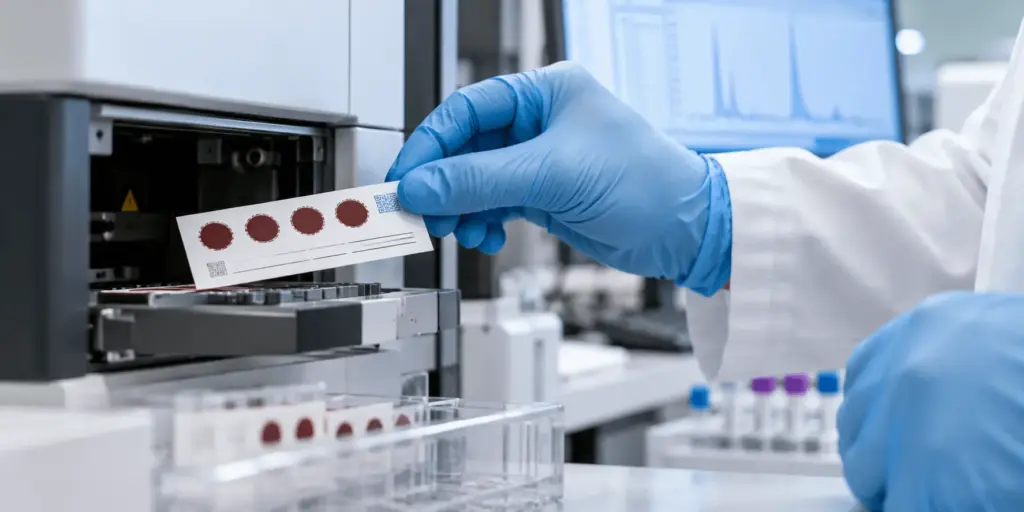
However, a breakthrough with both the fixing of blood taken using a dry blood spot, and the testing process, has occurred which now means that we have an accurate and inexpensive way to test homocysteine from a dry blood spot supplied from a home test kit. This is now.

The validation of this test is extremely good (with a R2 of 0.93 for those who know statistics). This also means that there will be no false positives or negatives.

Homocysteine, however, is only truly accurate if measured after fasting for 12 hours with water only being drunk. Both coffee and alcohol affect homocysteine levels, as does eating a protein-rich meal. I also advise not taking B vitamin supplements during this time or possibly for 24 hours before you test.

Fortunately, Hcy is easily lowered. 

The simplest and most effective way to do this is with B vitamin supplements at the right dosage. Click here to see not only how much to supplement but which supplements there are that provide these doses. 

Most critical is the amount of vitamin B12 they provide.

The basic Dietary Reference Value that you see on supplements is 2.5mcg. Few provide more than 10mcg, which is sufficient if you don’t have raised Hcy. This will do nothing to lower a high H score. Professor’s Smith and Refsum recommend 500mcg a day – that’s two hundred times higher. This is both safe and effective especially if taken alongside B6 (20mg) and methylfolate (400mcg). Also, it doesn’t take so long you bring your level down. I’ve had clients with H levels from 30 up to over 100 µmol/L bring theirs down to below 9 in under three months.

Other wise choices are to eat greens, beans, nuts and seeds which are high in folate; eat seafood and eggs, high in B12 and phospholipids, as well as omega-3, which methylation helps bind together to make healthy cell membranes; don’t smoke or drink in excess (one 125ml of red wine doesn’t affect homocysteine levels); don’t drink more than one coffee a day; reduce stress and insomnia and keep fit.

Click the link above to preorder your test today, then please also do the charity’s free online Cognitive Function Test, followed by the diet and lifestyle questionnaire. In that way, you become a Citizen Scientist. 

References

1 Smith AD, Refsum H. Homocysteine – from disease biomarker to disease prevention. J Intern Med. 2021 Oct;290(4):826-854. doi: 10.1111/joim.13279. Epub 2021 Apr 6. PMID: 33660358.

2 Pfeiffer CM, Osterloh JD, Kennedy-Stephenson J, Picciano MF, Yetley EA, Rader JI, Johnson CL. Trends in circulating concentrations of total homocysteine among US adolescents and adults: findings from the 1991-1994 and 1999-2004 National Health and Nutrition Examination Surveys. Clin Chem. 2008 May;54(5):801-13. doi: 10.1373/clinchem.2007.100214. Epub 2008 Mar 28. PMID: 18375482.

3 Vogiatzoglou A, Refsum H, Johnston C, Smith SM, Bradley KM, de Jager C, Budge MM, Smith AD. Vitamin B12 status and rate of brain volume loss in community-dwelling elderly. Neurology. 2008 Sep 9;71(11):826-32. doi: 10.1212/01.wnl.0000325581.26991.f2. PMID: 18779510.

4 Xu R, Huang F, Wang Y, Liu Q, Lv Y, Zhang Q. Gender- and age-related differences in homocysteine concentration: a cross-sectional study of the general population of China. Sci Rep. 2020 Oct 15;10(1):17401. doi: 10.1038/s41598-020-74596-7. PMID: 33060744; PMCID: PMC7566483.

5 Roigé-Castellví J, Murphy M, Fernández-Ballart J, Canals J. Moderately elevated preconception fasting plasma total homocysteine is a risk factor for psychological problems in childhood. Public Health Nutr. 2019 Jun;22(9):1615-1623. doi: 10.1017/S1368980018003610. Epub 2019 Jan 14. PMID: 30636652; PMCID: PMC10261079.

6 Li J, Feng D, He S, Wu Q, Su Z, Ye H. Meta-analysis: association of homocysteine with recurrent spontaneous abortion. Women Health. 2021 Aug;61(7):713-720. doi: 10.1080/03630242.2021.1957747. Epub 2021 Aug 1. PMID: 34334120.

7 Dai C, Fei Y, Li J, Shi Y, Yang X. A Novel Review of Homocysteine and Pregnancy Complications. Biomed Res Int. 2021 May 6;2021:6652231. doi: 10.1155/2021/6652231. PMID: 34036101; PMCID: PMC8121575.

8 Fan R, Zhang A, Zhong F. Association between homocysteine levels and all-cause mortality: A dose-response meta-anal- ysis of prospective Studies. Sci Rep. 2017;7:4769. 

9 Pusceddu I, Herrmann W, Kleber ME, Scharnagl H, Hoff- mann MM, Winklhofer-Roob BM, et al. Subclinical inflam- mation, telomere shortening, homocysteine, vitamin B6, and mortality: the Ludwigshafen Risk and Cardiovascular Health Study. Eur J Nutr. 2020;59:1399–411. 

10 Teng Z, Feng J, Liu R, Ji Y, Xu J, Jiang X, Chen H, Dong Y, Meng N, Xiao Y, Xie X and Lv P (2022) Cerebral small vessel disease mediates the association between homocysteine and cognitive function. Front. Aging Neurosci. 14:868777. doi: 10.3389/fnagi.2022.868777 

11 Read both Xia, Y., Prokop, S. & Giasson, B.I. “Don’t Phos Over Tau”: recent developments in clinical biomarkers and therapies targeting tau phosphorylation in Alzheimer’s disease and other tauopathies. Mol Neurodegeneration 16, 37 (2021). https://doi.org/10.1186/s13024-021-00460-5; also LiJ-G,ChuJ,BarreroC,MeraliS,Pratico`D.2014.Homocysteine exacerbatesβ-amyloid, tau pathology, and cognitive deficit in a mouse model of Alzheimer’s disease with plaques and tangles. Ann. Neurol. 75:851–63; also  Shirafuji N et al Homocysteine Increases Tau Phosphorylation, Truncation and Oligomerization. Int J Mol Sci. 2018 Mar 17;19(3):891. doi: 10.3390/ijms19030891. PMID: 29562600; PMCID: PMC5877752; also Bossenmeyer-Pourié C et al. N-homocysteinylation of tau and MAP1 is increased in autopsy specimens of Alzheimer’s disease and vascular dementia. J Pathol. 2019 Jul;248(3):291-303. doi: 10.1002/path.5254. Epub 2019 Mar 19. PMID: 307349

12 Quan Y, Xu J, Xu Q, Guo Z, Ou R, Shang H and Wei Q (2023) Association between the risk and severity of Parkinson’s disease and plasma homocysteine, vitamin B12 and folate levels: a systematic review and meta-analysis. Front. Aging Neurosci. 15:1254824. doi: 10.3389/fnagi.2023.1254824 

Further info

Recovering Your Memory & Rebuilding the Brain

Whether your goal is to protect your memory from getting worse, or enhance and optimise your mental acuity, you need three things.

The first is having the best ‘structure’ – that is building brain cells and their connections; then it’s about the best ‘function’ as in fuel supply; and ‘utilisation’ and the importance of having an active physical, social and intellectual lifestyle.

The thing about memory is that it is very subjective.

One person’s perception of how good their memory is will be very different from someone else. Many people, later in life, think their memory is getting worse, while for others, they choose the path of denial that anything is wrong, even when it’s becoming obvious to those around them. Yet the specific aspects of cognition that decline on the road to dementia can, in fact, be objectively mapped and measured decades before any diagnosis might occur and, most importantly, can enable us to ‘course correct’ if we are ready to take the right actions soon enough. 

That is why we created a roadmap – our objective and validated Cognitive Function Test. 

Many people who worry their memory is worse find that they score well into the healthy green zone. Only by having enough people of different ages completing the Cognitive Function Test, can we explore what is optimum and possible, to further improve, and what people with higher scores are doing differently to those with lower scores to stay in the green zone.

For example, if a person is aged 50 to 70, a score of 54 is the average expected score and we expect most respondents to score between 43 and 65. Scores below 43 and above 38 we classify as ‘amber’ or ‘at risk’ – that is not ideal. Below 38 is in the red zone and is consistent with mild cognitive impairment (MCI) sometimes called pre-dementia. 

So, the first step to improving your memory is to take the Cognitive Function Test, and complete the questionnaire that follows, to find out which bits of your brain could benefit from an MOT and some proverbial ‘bodywork’. It will give you the very best road map to improve those areas that are not serving you well, while keeping up the bits that do work. This is what the COGNITION programme is all about.

We spend time and care looking after our cars – why not our minds and brains too?

The good news is, that there are some great shortcuts to improving your memory that you can start taking now. 

Diana first took the Cognitive Function Test when she was 60.

I‘ve been doing the Cognitive Function Test for about 10 years. I’m no longer worried that I’m losing my mental abilities.” Now, age 70, her cognitive function has improved. “In fact, my memory is better, my vocabulary has improved and I’m no longer searching for that “right” word – it’s springing to mind much more readily. People are even complimenting me on my great memory whereas in the past, I used to joke that I had the memory retention of a goldfish. Doing the test annually has given me confidence that ageing and Alzheimer’s are not to be feared and has played a significant role in reinforcing the lifestyle changes I’ve made.”

Test Your Cognitive Function Now green banner.
The B vitamin – Omega-3 Dynamic Duo

The first, relating to how we build neurons and their connections, is the dynamic duo of homocysteine-lowering B vitamins and omega-3 fats, especially DHA. 

Homocysteine is an amino acid and B vitamins play a crucial role in breaking down homocysteine into other chemicals your body needs. 

In trials, participants with memory problems were given homocysteine-lowering B vitamins and had a massive 73% reduction in the annual rate of brain shrinkage compared to those on a dummy placebo pill. Another trial, giving just 2.3 grams of omega-3 fish oils to participants (who already had adequate B vitamin status) produced a halving of the participant’s clinical dementia rating (CDRsob), and an improvement in their memory on the mini-mental state exam (MMSE). Omega 3 is vital to keep our brain membranes fluid and supports the action of neurotransmitters (our brain’s chemical couriers) so the combination is a clear freeway to better brain health.

So what levels are optimal? Getting your omega-3 index above 8%, whether by eating fish or supplementing with capsules, is a good starting point. Psychiatrist Joe Hibbeln gives 4 grams a day – that’s four large fish oil capsules. Also, higher homocysteine levels (above 7 to 7%) indicate that your body needs more B vitamins to break down the amino acids. A broad spectrum supplement that includes B12, folate, B6, TMG, zinc and NAC is a great option. 

The Food for the Brain DRIfT 4 in 1 home blood test kit allows you to measure homocysteine, omega-3, vitamin D and Hba1c and your need for B vitamins, as well as your Omega-3 Index based on the amount of EPA and DHA in red blood cells (RBC).

Buy Blood test here button.
Up Antioxidants

The next stop on the brain upgrade road trip is to fill up on those antioxidants. Two of the key antioxidants in your body are glutathione and melatonin. They help detox the brain and play an important role in protecting the brain from ‘free radicals’, a byproduct of energy production. Think of antioxidants as the ‘fuel filter’ for your brain.

Glutathione is made from NAC (N-acetylcysteine), an amino acid that should be included in your homocysteine-lowering formula. It is also ‘recycled’ by anthocyanins – that’s all those blue/red foods, such as blueberries, green leafy vegetables like spinach, and dark chocolate, while onions, asparagus and eggs are rich in glutathione. You could aim to have a serving of berries every day, but also supplement glutathione or NAC. 

Having sufficient melatonin is a product of both your serotonin status, made from tryptophan or 5-HTP, and getting good quality sleep. If you have a neurodegenerative disease, cognitive impairment, high stress or poor sleep, and especially if you have more than one of these, supplementing 1 to 5mg of melatonin every night, the higher level being for those with sleeping problems, may have anti-ageing benefits for the brain (1).

Don’t Forget Niacin

One B vitamin that has a benefit for your memory is Vitamin B3, in the form of niacin. In animal studies, the combination of melatonin and NMN (nicotinamide mononucleotide, also in the family of vitamin B3) has been shown to protect the central hippocampus area of the brain, slowing down ageing, improving mitochondrial energy production and cognition (2). They are the hot new nutrients in brain research, with the potential to protect against amyloid and p-tau formation, two key markers of brain degeneration.

In a long-term study looking at nutrient levels in people aged 18 to 30, then measuring their memory 25 years later, niacin intake most predicted better memory, followed by folate, B6 and B12 (3). Another study found niacin intake protects against Alzheimer’s. Those with higher niacin intakes had a third of the risk (4) than those with lower intakes.

A small study giving supplements of niacin at a dose of 141 mg (which is almost ten times the basic ‘nutrient reference value’ of 16mg), produced measurable improvement in memory in eight weeks in healthy people without cognitive decline (5).

I hedge my bets and supplement 50mg daily in my multivitamin.

Fill the Energy Gap with C8 oil

In previous articles, we have explained how the brain loves ketones as fuel, primarily derived from a specific type of medium-chain triglyceride (MCT) called C8 oil. The main sources of C8 oil are coconut, palm oil, butter and milk, though coconut is the most common, containing about 7% C8 oil.

People with blood sugar problems such as diabetes, as well as many older people, become less able to get sufficient glucose (the other critical brain fuel), into the brain’s mitochondrial energy factories within neurons and end up with a brain energy deficit. Filling this energy gap with one or two tablespoons (15-30 g) of C8 oil is a quick win for increased brain energy. 

This has proven to work in those with cognitive decline, thanks to the excellent research of Professor Stephen Cunnane. Four out of six studies have shown improvements in memory from MCT oil supplementation in those without dementia (6). And the benefits are there if you’re younger and healthier too. One study at Liverpool Hope University giving healthy young adults between 12-18 g of C8/C10 in combination found cognitive improvements in just three weeks.

To support memory, start with a tablespoon of C8 oil a day for younger, healthier people, or twice this if you’re older, are already experiencing some cognitive decline, or have blood sugar problems, such as a raised HBA1c level above 6% or 53 nmol/mol.

The other way to boost your brain with ketones is to eat a low-carb high-fat diet or do intermittent fasting. I recommend two or three days a week doing ‘18:6’ (18 hours fasting, six hours eating). After your last evening meal, fast until lunch the next day, but start your day with a Hybrid Latté containing a tablespoon of C8 oil. Your brain is more likely to convert the C8 to ketones if you are ‘starved’ of carbohydrates in this way.

Test Your Cognitive Function Now green banner.
Vitamin D protects your brain and memory

Vitamin D is considered a true all rounder as far as your brain and mental health is concerned and it’s worth ensuring your level is optimal for both brain and body. It helps neurotransmission and exerts anti-inflammatory and neuroprotective activities within the brain by reducing inflammation and oxidative stress (8), both of which are drivers of cognitive decline.

Vitamin D deficiency increases the risk of Alzheimer’s (9). In a study in France involving 912 elderly patients followed for twelve years, a total of 177 dementia cases occurred. Those with low vitamin D levels had a nearly three-fold increased risk of Alzheimer’s (10). 

Supplements may also help ward off dementia, according to a recent, large-scale study involving over twelve thousand dementia-free 70+ year olds in the US (12). More than a third (37%) took supplements of vitamin D. Those who did had a 40% lower incidence of dementia. Professor Zahinoor Ismail, of the University of Calgary and University of Exeter, who led the research, said: “We know that vitamin D has some effects in the brain that could have implications for reducing dementia, however so far, research has yielded conflicting results. Overall, we found evidence to suggest that earlier supplementation might be particularly beneficial, before the onset of cognitive decline.”

So what is considered a ‘good’ level? Ideally, a blood level above 75 nmol/l (30 ng/ml) is recommended, which usually means supplementing 3,000 iu during the winter months (October to March for those in the Northern hemisphere) and up to 1,000iu in the summer months depending on your sun exposure. But even supplementing just 800 iu (20 mcg) a day for 12 months has been shown to improve cognitive function (11). And we also have an at-home Vitamin D research project you can join here by simply testing your vitamin D with us.

Mushrooms and Your Mind

Various plants and fungi have positive effects on memory that are worth knowing about.

Those that stand out are the oldest living tree Ginkgo biloba and the fungus Lion’s Mane. A trial in healthy adults given Gingko for 30 days showed memory improvements. Ginkgo is a potent antioxidant, anti-inflammatory and neuroprotective compound (13). The usual doses given are 120–300 mg of standardized Ginkgo biloba. It slightly thins the blood so should be used with caution for those on blood thinners. It’s an optional extra.

Lion’s Mane has been shown to improve aspects of memory and cognitive function in three trials, on healthy volunteers (14), those with mild cognitive impairment (15) and dementia (16). 

The best-researched mushroom, used for thousands of years in Japan as an anti-ageing compound, is Reishi. It is a potent antioxidant, thus protecting the brain from damage (17). Many people in Japan take it on a daily basis.

There are other brain-friendly plant remedies that fall more into the ‘stimulant’ category. 

Maca root from Peru (18), Ginseng, Siberian Ginseng (Eleutherococcus)and Rhodiola are other potentially brain-friendly plants, perhaps best used by those with low brain energy, mental fatigue or high stress as they have effects on stress hormones and may support stress resilience. Some stimulating supplements (see Resources) use combinations of these.

There are others, such as guarana, whose main active ingredient is caffeine. I’m not so keen on these as caffeine ultimately causes downregulation, making you less responsive to your own adrenal hormones. In this way, the more you have the more you need.


Keeping our brains healthy is a lifelong journey that changes with the different stages of life. And just like a road trip, we can sometimes get lost. The good news is, we can get back on track. Knowing where we are is key, and Food for the Brain is there to support you on your way. Here are some simple things you can do today to begin to rebuild your brain and protect your precious memories along the ride. 

Test Your Cognitive Function Now green banner.

References

1 Martín Giménez VM, de Las Heras N, Lahera V, Tresguerres JAF, Reiter RJ, Manucha W. Melatonin as an Anti-Aging Therapy for Age-Related Cardiovascular and Neurodegenerative Diseases. Front Aging Neurosci. 2022 Jun 3;14:888292. doi: 10.3389/fnagi.2022.888292. PMID: 35721030; PMCID: PMC9204094.

2 Read https://www.lifespan.io/topic/melatonin-benefits-side-effects/; also seeHosseini L, Farokhi-Sisakht F, Badalzadeh R, Khabbaz A, Mahmoudi J, Sadigh-Eteghad S. Nicotinamide Mononucleotide and Melatonin Alleviate Aging-induced Cognitive Impairment via Modulation of Mitochondrial Function and Apoptosis in the Prefrontal Cortex and Hippocampus. Neuroscience. 2019 Dec 15;423:29-37. Doi: 10.1016/j.neuroscience.2019.09.037. Epub 2019 Oct 31. PMID: 31678348.

3 Qin B, Xun P, Jacobs DR Jr, Zhu N, Daviglus ML, Reis JP, Steffen LM, Van Horn L, Sidney S, He K. Intake of niacin, folate, vitamin B-6, and vitamin B-12 through young adulthood and cognitive function in midlife: the Coronary Artery Risk Development in Young Adults (CARDIA) study. Am J Clin Nutr. 2017 Oct;106(4):1032-1040. doi: 10.3945/ajcn.117.157834. Epub 2017 Aug 2. PMID: 28768650; PMCID: PMC5611785.

4 Morris MC, Evans DA, Bienias JL, Scherr PA, Tangney CC, Hebert LE, Bennett DA, Wilson RS, Aggarwal N. Dietary niacin and the risk of incident Alzheimer’s disease and of cognitive decline. J Neurol Neurosurg Psychiatry. 2004 Aug;75(8):1093-9. doi: 10.1136/jnnp.2003.025858. PMID: 15258207; PMCID: PMC1739176.

5 Loriaux SM, Deijen JB, Orlebeke JF, De Swart JH. The effects of nicotinic acid and xanthinol nicotinate on human memory in different categories of age. A double blind study. Psychopharmacology (Berl). 1985;87(4):390-5. doi: 10.1007/BF00432500. PMID: 3936095.

6 Giannos, P., Prokopidis, K., Lidoriki, I. et al. Medium-chain triglycerides may improve memory in non-demented older adults: a systematic review of randomized controlled trials. BMC Geriatr 22, 817 (2022). https://doi.org/10.1186/s12877-022-03521-6

7 Jake S. Ashton, James W. Roberts, Caroline J. Wakefield, Richard M. Page, Don P.M. MacLaren, Simon Marwood, James J. Malone, The effects of medium chain triglyceride (MCT) supplementation using a C8:C10 ratio of 30:70 on cognitive performance in healthy young adults, Physiology & Behavior, Volume 229, 2021, 113252, ISSN 0031-9384, https://doi.org/10.1016/j.physbeh.2020.113252.

8 Jayedi A, Rashidy-Pour A, Shab-Bidar S. Vitamin D status and risk of dementia and Alzheimer’s disease: A meta-analysis of dose-response †. Nutr Neurosci. 2019 Nov;22(11):750-759. doi: 10.1080/1028415X.2018.1436639. Epub 2018 Feb 15. PMID: 29447107

9 Chai B, Gao F, Wu R, Dong T, Gu C, Lin Q, Zhang Y. Vitamin D deficiency as a risk factor for dementia and Alzheimer’s disease: an updated meta-analysis. BMC Neurol. 2019 Nov 13;19(1):284. doi: 10.1186/s12883-019-1500-6. PMID: 31722673; PMCID: PMC6854782.

100 Jia J, Hu J, Huo X, Miao R, Zhang Y, Ma F. Effects of vitamin D supplementation on cognitive function and blood Aβ-related biomarkers in older adults with Alzheimer’s disease: a randomised, double-blind, placebo-controlled trial. J Neurol Neurosurg Psychiatry. 2019 Dec;90(12):1347-1352. doi: 10.1136/jnnp-2018-320199. Epub 2019 Jul 11. PMID: 31296588.

111 Feart C, Helmer C, Merle B, Herrmann FR, Annweiler C, Dartigues JF, Delcourt C, Samieri C. Associations of lower vitamin D concentrations with cognitive decline and long-term risk of dementia and Alzheimer’s disease in older adults. Alzheimers Dement. 2017 Nov;13(11):1207-1216. doi: 10.1016/j.jalz.2017.03.003. Epub 2017 May 16. PMID: 28522216.

12Ghahremani M, Smith EE, Chen HY, Creese B, Goodarzi Z, Ismail Z. Vitamin D supplementation and incident dementia: Effects of sex, APOE, and baseline cognitive status. Alzheimers Dement (Amst). 2023 Mar 1;15(1):e12404. doi: 10.1002/dad2.12404. PMID: 36874594; PMCID: PMC9976297.

13 Stough C, Clarke J, Lloyd J, Nathan PJ. Neuropsychological changes after 30-day Ginkgo biloba administration in healthy participants. Int J Neuropsychopharmacol. 2001 Jun;4(2):131-4. doi: 10.1017/S1461145701002292. PMID: 11466162. ; see also Mix JA, Crews WD Jr. A double-blind, placebo-controlled, randomized trial of Ginkgo biloba extract EGb 761 in a sample of cognitively intact older adults: neuropsychological findings. Hum Psychopharmacol. 2002 Aug;17(6):267-77. doi: 10.1002/hup.412. PMID: 12404671.

14 New proper study ref, study details ot confirm Neurofood – https://hifasdaterra.com/en/blog/new-product-memory-neurofood/

15 Mori K, Inatomi S, Ouchi K, Azumi Y, Tuchida T (2009) Improving effects of the mushroom 

Yamabushitake (Hericium erinaceus) on mild cognitive impairment: a double-blind placebo- 

controlled clinical trial. Phytotherapy Research 23, 367-372. 

16 Li IC, Chang HH, Lin CH, et al. Prevention of Early Alzheimer’s Disease by Erinacine A-Enriched Hericium erinaceus Mycelia Pilot Double-Blind Placebo-Controlled Study. Front Aging Neurosci. 2020;12:155. Published 2020 Jun 3. doi:10.3389/fnagi.2020.00155. 

17 Huang, S., Mao, J., Ding, K., Zhou, Y., Zeng, X., Yang, W., Wang, P., Zhao, C., Yao, J., Xia, P., & Pei, G. (2017). Polysaccharides from Ganoderma lucidum Promote Cognitive Function and Neural Progenitor Proliferation in Mouse Model of Alzheimer’s Disease. Stem cell reports, 8(1), 84–94. https://doi.org/10.1016/j.stemcr.2016.12.007

19 Yahn GB, Leoncio J, Jadavji NM. The role of dietary supplements that modulate one-carbon metabolism on stroke outcome. Curr Opin Clin Nutr Metab Care. 2021 Jul 1;24(4):303-307. doi: 10.1097/MCO.0000000000000743. PMID: 33631772; see also  

20 Marek K, Cichoń N, Saluk-Bijak J, Bijak M, Miller E. The Role of Vitamin D in Stroke Prevention and the Effects of Its Supplementation for Post-Stroke Rehabilitation: A Narrative Review. Nutrients. 2022 Jul 4;14(13):2761. doi: 10.3390/nu14132761. PMID: 35807941; PMCID: PMC9268813.

21 Jadavji NM, Emmerson JT, MacFarlane AJ, Willmore WG, Smith PD. B-vitamin and choline supplementation increases neuroplasticity and recovery after stroke. Neurobiol Dis. 2017 Jul;103:89-100. doi: 10.1016/j.nbd.2017.04.001. Epub 2017 Apr 7. PMID: 28396257.

22 Dimpfel W., Wedekind W., Keplinger I. Efficacy of dimethylaminoethanol (DMAE) containing vitamin-mineral drug combination on EEG patterns in the presence of different emotional states. Eur. J. Med. Res. 2003;8:183–191. [PubMed] [Google Scholar]

23 Sergio W. Use of DMAE (2-dimethylaminoethanol) in the induction of lucid dreams. Med. Hypotheses. 1988;26:255–257. doi: 10.1016/0306-9877(88)90129-6. [PubMed] [CrossRef] [Google Scholar]

24 Baumgaertel A. Alternative and Controversial Treatments for Attention-Deficit/Hyperactivity Disorder. Pediatr. Clin. N. Am. 1999;46:977–992. doi: 10.1016/S0031-3955(05)70167-X. [PubMed] [Google Scholar]

25 Lewis J.A., Young R. Deanol and methylphenidate in minimal brain dysfunction. Clin. Pharm. Therap. 1975;17:534–540. doi: 10.1002/cpt1975175534. [PubMed] [Google Scholar]

26 Moldavan M, Grygansky AP, Kolotushkina OV, Kirchhoff B, Skibo GG, Pedarzani P (2007) Neurotropic and trophic action of Lion’s Mane mushroom Hericium erinaceus (Bull.: Fr.) Pers. (Aphyllophoromycetideae) extracts on nerve cells in vitro. International Journal of Medicinal Mushrooms 9, 15-28; see also Yadav SK, Ir R, Jeewon R, Doble M, Hyde KD, Kaliappan I, Jeyaraman R, Reddi RN, Krishnan J, Li M, Durairajan SSK. A Mechanistic Review on Medicinal Mushrooms-Derived Bioactive Compounds: Potential Mycotherapy Candidates for Alleviating Neurological Disorders. Planta Med. 2020 Nov;86(16):1161-1175. doi: 10.1055/a-1177-4834. Epub 2020 Jul 14. PMID: 32663897.

Further info

The Omega Test that Protects Your Brain

—-

How does our ‘do it at home’ pinprick blood test for omega-3 predict your cognitive ability, dementia risk, brain size and intelligence? 

We are a charity dedicated to researching cognitive function and helping people look after their brain and reduce their risk of dementia and other brain-related health challenges, and TODAY we have launched a new ‘do it at home’ pinprick blood test for omega-3.

Multiple studies, including a new study, by psychologists at the Linda Loma University in California and published in the journal Brain Sciences (1), have found that the higher a person’s omega-3 index was in their blood, the more white matter there was in their brain, and the better they performed on cognitive tests that predict less risk for dementia.

With omega-3 such an important brain-health indicator, we have launched an easy, do it yourself, home pin prick test, so your omega-3 levels can be accurately determined. 

Research also shows that the test can predict brain size and cognitive function. 

The study in California not only found omega-3 was a clear predictor of cognitive function and dementia risk (the higher the omega-3, the lower the risk), it also found that in older people in good health, levels of omega-3 predicted both their brain volume and their cognitive abilities on tests of memory and speed of thinking (the higher the level the bigger their brain volume and the faster their thinking).

“This confirms previous growing evidence that a person’s omega-3 index, which is a composite score of the two main brain-friendly omega-3 fats found in seafood, called EPA and DHA, predicts both the risk for depression (2) and dementia (3), and poorer reading ability, lower IQ, worse memory, difficulty sleeping, aggression and emotional instability in children – hallmarks of ADHD (4) .” says Patrick Holford, our founder and CEO.

The Omega-3 index, which should be above 8%, also predicts risk for heart disease (5) and developmental problems in babies from measures taken in women both before and during pregnancy. “Pregnant women with a higher omega-3 index have a much lower risk of having a baby with developmental problems, according to research at Imperial College London from the Institute of Brain Chemistry at the Chelsea & Westminster Hospital campus.” adds Holford. “It is wise for a woman considering pregnancy to check their omega-3 index and ensure it is above 8%.”

The home test kit, now available HERE also includes our free Cognitive Function Test and a questionnaire to complete about your diet and lifestyle that then identifies the key changes that lower risk of dementia. 

We have tested over 400,000 people and our goal is now to track people’s blood levels of omega-3 with cognitive function to work out exactly what the optimal intake of omega-3 for brain health actually is – so we need your help!

What about Omega-3 from plants?

While there is a type of omega-3 fat (called linolenic acid) in green leafy vegetables, as well as walnuts, chia and flax seeds, its conversion into EPA and DHA is poor. The ability to convert plant-based omega-3 into EPA, which is associated with better mood, and DHA which is the main brain-building omega-3 fat linked to lower risk of age-related memory decline and dementia, varies from person to person. So we hope to find out whether other factors such as age, sex, alcohol consumption and dietary habits, other than seafood intake, make a difference to the ability to make the brain-friendly types of omega-3 measured in this test.

The intake of marine foods has continued to decline over the past hundred years and countries with the lowest intake have the most risk for depression (6), dementia (7) and suicide (8). Even the rate of homicide is linked to a country’s omega-3 intake according to World Health Organisation data (9). 

Less than 5 per cent of children achieve the basic government guidelines for eating fish and omega-3 (10) however we really don’t know if even these guidelines are optimal for mental health. So the more people who are willing to take this inexpensive test and complete a short questionnaire about their dietary habits, plus take a 10-minute online Cognitive Function Test, the more effectively we can discover what an optimal intake of omega-3 for brain health and the prevention of dementia later in life is.

So will you join us and become citizen scientists in this way and help us advance this much-needed area of research – while also helping improve your own brain health?

The test, which costs £49.95, helps to support this research, so to check your omega-3 status click here.

Thank you for reading!
Food for the Brain is a non-for-profit educational and research charity that offers a free Cognitive Function Test and assesses your Dementia Risk Index to be able to advise you on how to dementia-proof your diet and lifestyle.

By completing the Cognitive Function Test you are joining our grassroots research initiative to find out what really works for preventing cognitive decline. We share our ongoing research results with you to help you make brain-friendly choices.

Please support our research by becoming a Friend of Food for the Brain.

References

1 Loong, S.; Barnes, S.; Gatto, N.M.; Chowdhury, S.; Lee, G.J. Omega-3 Fatty Acids, Cognition, and Brain Volume in Older Adults. Brain Sci.2023,13,1278. https://doi.org/ 10.3390/brainsci13091278 

2 Yonezawa K, Kusumoto Y, Kanchi N, Kinoshita H, Kanegae S, Yamaguchi N, Ozawa H. Recent trends in mental illness and omega-3 fatty acids. J Neural Transm (Vienna). 2020 Nov;127(11):1491-1499. doi: 10.1007/s00702-020-02212-z. Epub 2020 May 25. PMID: 32451632.

3 Wei BZ, Li L, Dong CW, Tan CC; Alzheimer’s Disease Neuroimaging Initiative; Xu W. The Relationship of Omega-3 Fatty Acids with Dementia and Cognitive Decline: Evidence from Prospective Cohort Studies of Supplementation, Dietary Intake, and Blood Markers. Am J Clin Nutr. 2023 Jun;117(6):1096-1109. doi: 10.1016/j.ajcnut.2023.04.001. Epub 2023 Apr 5. PMID: 37028557; PMCID: PMC10447496.

4 Montgomery P, Burton JR, Sewell RP, Spreckelsen TF, Richardson AJ. Low blood long chain omega-3 fatty acids in UK children are associated with poor cognitive performance and behavior: a cross-sectional analysis from the DOLAB study. PLoS One. 2013 Jun 24;8(6):e66697. doi: 10.1371/journal.pone.0066697. Erratum in: PLoS One. 2013;8(9).doi:10.1371/annotation/26c6b13f-b83a-4a3f-978a-c09d8ccf1ae2. PMID: 23826114; PMCID: PMC3691187; see also Raine A, Ang RP, Choy O, Hibbeln JR, Ho RM, Lim CG, Lim-Ashworth NSJ, Ling S, Liu JCJ, Ooi YP, Tan YR, Fung DSS. Omega-3 (ω-3) and social skills interventions for reactive aggression and childhood externalizing behavior problems: a randomized, stratified, double-blind, placebo-controlled, factorial trial. Psychol Med. 2019 Jan;49(2):335-344. Doi 10.1007/s11920-018-0894-y. PMID: 29623453. ; see also Liu, J., Cui, Y., Li, L. et al. The mediating role of sleep in the fish consumption – cognitive functioning relationship: a cohort study. Sci Rep 7, 17961 (2017). https://doi.org/10.1038/s41598-017-17520-w

5 1 Elagizi A, Lavie CJ, O’Keefe E, Marshall K, O’Keefe JH, Milani RV. An Update on Omega-3 Polyunsaturated Fatty Acids and Cardiovascular Health. Nutrients. 2021 Jan 12;13(1):204. doi: 10.3390/nu13010204. PMID: 33445534; PMCID: PMC7827286.

7 Yonezawa K, Kusumoto Y, Kanchi N, Kinoshita H, Kanegae S, Yamaguchi N, Ozawa H. Recent trends in mental illness and omega-3 fatty acids. J Neural Transm (Vienna). 2020 Nov;127(11):1491-1499. doi: 10.1007/s00702-020-02212-z. Epub 2020 May 25. PMID: 32451632.

8 Hibbeln JR. Depression, suicide and deficiencies of omega-3 essential fatty acids in modern diets. World Rev Nutr Diet. 2009;99:17-30. doi: 10.1159/000192992. Epub 2009 Jan 9. PMID: 19136836.

9 Hibbeln JR. From homicide to happiness–a commentary on omega-3 fatty acids in human society. Cleave Award Lecture. Nutr Health. 2007;19(1-2):9-19. doi: 10.1177/026010600701900204. PMID: 18309762.

10 Kranz, S.; Jones, N.R.V.; Monsivais, P. Intake Levels of Fish in the UK Paediatric Population. Nutrients 2017, 9, 392. https://doi.org/10.3390/nu9040392

Further info

How to stop your brain cells dying

—-

Last week a discovery, published in the journal Science, showed that a high level of an abnormal ‘phosphorylated-tau’ protein triggers brain cells to self-destruct. It also gives a vital clue as to how to stop your brain cells dying with specific vitamins.

When cells become largely dysfunctional, they self-destruct. This process in neurons (brain cells) is called ‘necroptosis’. The recent discovery, made by researchers at the UK’s Dementia Research Institute at University College London (1), showed that an abnormal accumulation of a protein called tau that then becomes phosphorylated, making it tangled and dysfunctional, triggers a specific molecule called MEG3 that triggers brain cell death.

“For the first time we get a clue to how and why neurons die in Alzheimer’s disease. There’s been a lot of speculation for 30-40 years, but nobody has been able to pinpoint the mechanisms. It really provides strong evidence it’s this specific suicide pathway.” researcher Prof Bart De Strooper, from the UK’s Dementia Research Institute. told the BBC.

Even before this, too much phosphorylated-tau (abbreviated to p-tau) interferes with the cell’s energy factories (called mitochondria), potentially leading to brain fatigue. The more p-tau accumulates, the greater a person’s risk for cognitive problems and Alzheimer’s dementia. Also, those with memory decline have been shown to have relatively more p-tau to tau protein.

The critical prevention question is, then, what stops too much of the tau protein from turning into the potentially harmful p-tau and what helps restore p-tau to normal tau protein. 

—-

—-

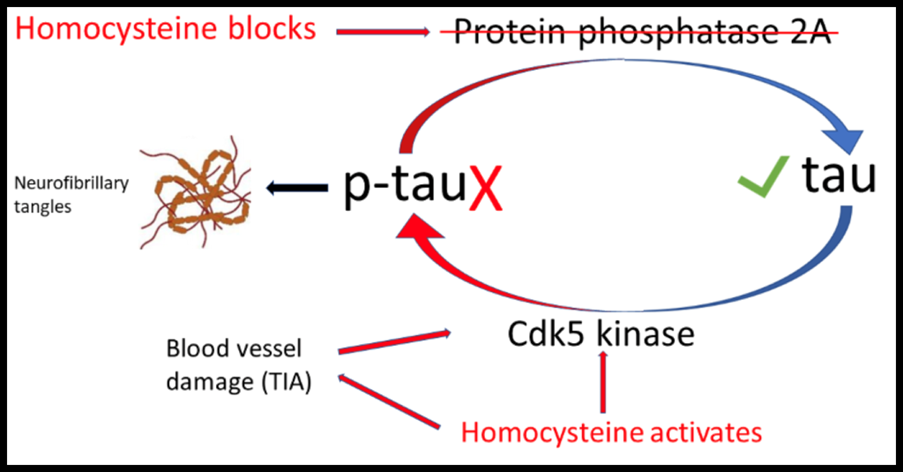
The answer is remarkably simple – a lack of B vitamins and raised blood levels of homocysteine which is an established risk factor for memory decline, measurable in the blood. When levels of B vitamins (B6, B12 and folate) are low, blood levels of homocysteine go up. This activates one enzyme (Cdk5 kinase) that adds the bad ‘p’ to tau and blocks another enzyme (protein phosphatase A2) which removes the dangerous ‘p’ restoring normal tau protein (2)(3).  High homocysteine also damages the tiny blood vessels in the brain, leading to ‘mini strokes’ or transient ischemic attacks (TIAs), which further raise levels of p-tau (4). Homocysteine both raises levels of the dangerous p-tau and can also bind to tau (5), further generating the neurofibrillary tangles that then trigger brain cell death.

So, the simplest way to stop the formation of p-tau, and neurofibrillary tangles, and keep your brain healthy, is to keep your plasma homocysteine level below 10 mcmol/L. Half of those above 65 have a level of homocysteine higher than this. The easiest way to lower your homocysteine below 10 mcmol/L is to supplement B6, B12 and folate. 

But it’s also good to eat greens and beans that are high in folate. While B12 is only in animal foods – meat, seafood, eggs and milk. While an optimal supplemental intake for a middle-aged person might be 20mg of B6, 10 mcg of B12, and 400 mcg of folate, many older people start to dramatically lose their ability to absorb B12, the absorption of which requires stomach secretions. Antacid ‘PPI’ medication such as omeprazole accelerates this decline, promoting B12 deficiency. And, over four years of use, increases dementia risk by a third (6). Then, as studies show, you might need a lot more B12, such as 500 mcg, to get a little more into your bloodstream, and possibly more supplemental folate, in the region of 500 to 800 mcg.

This is the cheapest, safest and most logical solution to lower p-tau and prevent brain cells from committing suicide. The problem is that these nutrients, invented by nature, cannot be patented. Therefore it is not in the interest of the pharmaceutical industry to research them.

Consequently, drugs are being developed and tested that block the kinase enzyme and activate the phosphatase enzyme (7), which is exactly what the homocysteine-lowering B vitamins do. But, so far, there are no human clinical trials reporting significant benefit. 

On the other hand, trials giving these kinds of doses of B6, B12 and folic acid have shown up to a two-thirds slower rate of brain shrinkage (8) and virtually no further memory loss in those with pre-dementia (9).

—-

Thank you for reading!
Food for the Brain is a non-for-profit educational and research charity that offers a free Cognitive Function Test and assesses your Dementia Risk Index to be able to advise you on how to dementia-proof your diet and lifestyle.

By completing the Cognitive Function Test you are joining our grassroots research initiative to find out what really works for preventing cognitive decline. We share our ongoing research results with you to help you make brain-friendly choices.

Please support our research by becoming a Friend of Food for the Brain.

———

Test Your Cognitive Function Now green banner.

References

1 https://www.science.org/doi/10.1126/science.abp9556 Balasu S et al. Science
14 Sep 2023 Vol 381, Issue 6663 pp. 1176-1182 DOI: 10.1126/science.abp9556

2 Smith AD, Refsum H. Homocysteine, B Vitamins, and Cognitive Impairment. Annu Rev Nutr. 2016 Jul 17;36:211-39. doi: 10.1146/annurev-nutr-071715-050947. PMID: 27431367.

3 LiJ-G,ChuJ,BarreroC,MeraliS,Pratico`D.2014.Homocysteine exacerbatesβ-amyloid, tau pathology, and cognitive deficit in a mouse model of Alzheimer’s disease with plaques and tangles. Ann. Neurol. 75:851–63 

4 Shirafuji N et al Homocysteine Increases Tau Phosphorylation, Truncation and Oligomerization. Int J Mol Sci. 2018 Mar 17;19(3):891. doi: 10.3390/ijms19030891. PMID: 29562600; PMCID: PMC5877752.

5 Bossenmeyer-Pourié C et al. N-homocysteinylation of tau and MAP1 is increased in autopsy specimens of Alzheimer’s disease and vascular dementia. J Pathol. 2019 Jul;248(3):291-303. doi: 10.1002/path.5254. Epub 2019 Mar 19. PMID: 307349

6 Northuis C, Bell E, Lutsey P, George KM, Gottesman RF, Mosley TH, Whitsel EA, Lakshminarayan K. Cumulative Use of Proton Pump Inhibitors and Risk of Dementia: The Atherosclerosis Risk in Communities Study. Neurology. 2023 Aug 9:10.1212/WNL.0000000000207747. doi: 10.1212/WNL.0000000000207747. Epub ahead of print. PMID: 37558503.

7 Xia, Y., Prokop, S. & Giasson, B.I. “Don’t Phos Over Tau”: recent developments in clinical biomarkers and therapies targeting tau phosphorylation in Alzheimer’s disease and other tauopathies. Mol Neurodegeneration 16, 37 (2021). https://doi.org/10.1186/s13024-021-00460-5

8 Smith AD, Refsum H. Homocysteine, B Vitamins, and Cognitive Impairment. Annu Rev Nutr. 2016 Jul 17;36:211-39. doi: 10.1146/annurev-nutr-071715-050947. PMID: 27431367; see also Jernerén F., et al. Am J Clin Nutr. 2015 Jul;102(1):215-21.

Further info

Is food triggering brain fog, low mood & lethargy? And our collaboration with YorkTest

Have you ever wondered if what you eat has anything to do with your mood, energy levels and ability to concentrate? Do you ever experience ‘brain fog’ and tiredness and wonder why you feel anxious and low when others seem to cope?

 New research is showing that what happens in your gut after eating food has a direct effect on your brain and how you feel. Simple diet changes can have profound effects. Stephanie, a 28-year-old lawyer, is a case in point. “After a week the brain fog and tiredness were significantly better and then after a few weeks, all of my symptoms had gone!” Wanita , age 41, who was signed off work, had complete relief from her anxiety and fatigue and she was then able to return back. Her doctor had recommended anti-depressants. Nicola, age 51, had constantly felt tired and lethargic, with brain fog and the inability to concentrate. “If I didn’t eat regularly, I felt worse, so I was constantly grazing on food. I know now I was eating the wrong foods which didn’t help”. Now she says “I feel so much better in myself and have a lot more energy. The best thing is to not have brain fog.

“The best thing is to not have brain fog.”

What they all had in common were specific food intolerances whereby their gut and immune system reacted, creating a kind of inflammation and reactivity that can both cause gut issues such as IBS, pain and bloating, but also psychological issues such as brain fog, anxiety and depression. The ability of foods to trigger mental health issues has been known for a remarkably long time. Back in 1980 Dr Joseph Egger, writing in the Lancet medical journal (1) reported: “The results showed that allergies alone, not placebos, were able to produce the following symptoms: severe depression, nervousness, feeling of anger without a particular object, loss of motivation and severe mental blankness.” But why certain foods in certain people could produce mood changes and brain fog wasn’t known.

Researchers in the US (2) China (3), Poland (4) and the UK (5) have found out why and it’s all to do with ‘food intolerance’ that is unique to the individual. While classic allergies cause the body to product IgE antibodies that attack the offending allergen, depression, brain fog and even schizophrenia, according to research at Johns Hopkins University School of Medicine in the US, can occur when a person’s immune system produces a different kind of ‘IgG’ antibody that attacks their offending foods. 

What Stephanie, Wanita and Nicola had in common is they are part of research that has involved thousands of people, all having an IgG food intolerance test administered via a home test kit provided by YorkTest, and then avoided their ‘reactive’ foods. 

Scientific Director at YorkTest, Dr Gill Hart, says “YorkTest pioneered food IgG testing developing our first food intolerance test back in 1998 in collaboration with scientists from the University of York. Since then, YorkTest has provided over half a million tests. The tests are accurate, have been shown to be effective and have demonstrated >98% reproducibility. For those with high food IgG reactivity, the pattern of IgG trigger foods is unique to each individual. The tests provide valuable information, and with nutritional advice provided as part of the Food Intolerance Test, people feel fully supported in making the required dietary changes. The good news is that food intolerances aren’t necessarily for life, and those taking the test and changing their diet have reported improvements over a relatively short period of time”. 

Unlike conventional IgE allergies, which can last for life, IgG antibodies “die off” so, theoretically, if you avoid the offending food for at least three months, you may be able to reintroduce the food without reacting. However, it is worth doing this systematically because some people do continue to react.

Nine in ten people having the test, and avoiding their offending foods report improvement in mood, brain fog and lethargy (5). See the table below for reported results from YorkTest’s research.

YorkTest are a supporter of Food for the Brain and offer our Friends £10 off the price of a test in the UK. If you live in the UK go to yorktest.com and enter the discount code FFB10 in the basket.

If you live in the US go to yorktest.com/us and enter FFB10US in the basket for your $10 discount. YorkTest will match your discount with a donation to Food for the Brain to help us help more people regain mental health through optimum nutrition.


Symptoms (3026 Subjects)Moderate benefit %High benefit %Total %Low or no benefit %
PSYCHOLOGICAL


Anxiety (40)
25.052.577.522.5
Behavioural problems (3)
66.733.3100.00.0
Autism (1)
100.00.0100.00.0
Depression (79)
32.959.592.47.6
Fatigue (436)
29.657.386.913.1
Hyperactivity (3)
33.366.7100.00.0
Lethargy (212)
28.859.988.711.3
Mental fog (24)
41.745.887.512.5
Nausea (61)
32.857.490.29.8
Panic attacks (15)
20.080.0100.00.0
Tension (9)
22.244.566.733.3
Insomnia (12)
8.375.083.316.7
Bad moods (15)
20.073.393.36.7

Unpublished data reproduced with permission from the study published as Hardman G and Hart G, 2007: Dietary advice based on food-specific IgG results. Nutrition and Food Science 37, 16-23


REFERENCES

1. Egger J et al, The Lancet 865-869, October 15, 1980

2.. Severance E et al (2015) IgG dynamics of dietary antigens point to cerebrospinal fluid barrier or flow dysfunction in first-episode schizophrenia. Brain Behav Immun. 44:148–58  

3. Tao R et al (2019) Chronic Food Antigen-specific IgG-mediated Hypersensitivity Reaction as A Risk Factor for Adolescent Depressive Disorder. Genomics Proteomics Bioinformatics 17(2):183-189.

4. Karakuła-Juchnowicz H et al (2017) The role of IgG hypersensitivity in the pathogenesis and therapy of depressive disorders. Nutr Neurosci 20:110-8; see also Karakula-Juchnowicz H et al (2018) The Food-Specific Serum IgG Reactivity in Major Depressive Disorder Patients, Irritable Bowel Syndrome Patients and Healthy Controls. Nutrients 10:548

5. Hart G (2017) Food-specific IgG guided elimination diet; a role in mental health? BAOJ Nutrition 3:3:033  

6.  Hardman G and Hart G, 2007: Dietary advice based on food-specific IgG results. Nutrition and Food Science 37, 16-23 https://www.emerald.com/insight/content/doi/10.1108/00346650710726913/full/html

Further info

Two nutrients proven to stop your brain shrinking

By Jerome Burne &  Patrick Holford

New research shows that the combination of B vitamins and omega-3 are a dynamic duo against dementia, stopping the brain shrinkage that is the hallmark of Alzheimer’s. 

The discovery, hailed as the “a major step towards Alzheimer’s prevention” was first made at the University of Oxford, but has now been confirmed by research groups in Holland, Sweden and China.

Headed by Professor David Smith, former Chair of Pharmacology and Deputy Head of the Division of Medical Sciences at Oxford University and director of the Oxford Project to Investigate Memory and Ageing (OPTIMA), the research has found that giving older people with the first signs of cognitive impairment supplemental B vitamins (B6, B12 and folic acid) at higher levels than can be achieved through diet to those with sufficient omega-3 fats produced 73% less brain shrinkage in a year, compared to placebo. This reduction brought brain shrinkage down to the level found in those elderly with no cognitive decline. The trial was part-funded by Alzheimer’s Research UK (ARUK). “The effect is greater than that of any drug treatment to date – with no adverse effects.” says Professor Smith. In contrast the recent trials of anti-amyloid drugs have reduced brain shrinkage by 2%.

“Brain shrinkage is the hallmark of Alzheimer’s so this was a vital discovery for its prevention” says Patrick Holford, director of the Alzheimer’s Prevention Project at foodforthebrain.org, the UK’s leading dementia prevention charity “However we needed confirmation from other research groups. Now we have it.”.

Three other research groups have confirmed the combined effect of omega-3 and B vitamins is greater than either nutrient on its own.

“You literally cannot build brain cells without both omega-3 fats and sufficient B vitamins” says Holford. “If you give a builder a hammer or a bag of nails you don’t get a house. But if you give them both they can build a house. The B vitamins drive a process called methylation which assembles the critical brain-building fats that make up the membrane of neurons, through which all brain communication happens. Both are vital for building brain cells. Neither can work without the other.”

Watch this one minute film, on how to build new brain cells at any age.

Realising that the combination of B vitamins and omega-3 fats is key, researchers in Holland, who had previously run a major trial called B-proof that had tested the effects of B vitamins on memory but had only found very modest benefits decided to take reanalyse the results of their B vitamin trial according to the participants blood levels of omega-3 at the start of the trial. Sure enough, they found no benefit at all from the B vitamins in those with low omega-3 status, but a massive improvement in cognition in those in the top third of omega-3 levels.[i]

Could this need for both explain why some trials testing omega-3 were also not successful?

The Oxford University researchers, led by Dr Frederik Jerneren, were given access to the blood samples from another trial in Sweden called OmegAD. This trial  had given older people a hefty dose of 2.3grams (two large capsules) of omega-3 fish oils. The trial had apparently failed, showing no significant cognitive benefit. Could faulty methylation, a result of lack of B vitamins, be the reason for the omega-3 fish oils not working?

The Oxford researchers therefore measured homocysteine, a consequence of a lack of B vitamins, in the samples from the OmegAD trial. Dr Jerneren split the participants into thirds – from the lowest to highest level of homocysteine. Those given omega-3 who had  the lowest homocysteine, in other words sufficient in B vitamins, had a highly significant improvement in their clinical dementia rating while those with high homocysteine (poor B vitamin status) had no benefit at all.[ii] The group with sufficient vitamin B showed a reduction in their clinical dementia score that was more than three times that reported from the recent Lecanemab drug trial.[iii]

Meanwhile another trial, this time in China, gave those with pre-dementia either the B vitamin folic acid, or omega-3, or both, compared to placebo. Although B vitamin treatment and omega-3 treatment did slightly improve cognitive cores, the improvement was much greater in those given both thee nutrients.[iv]

With 170 million people over 65, Chinese authorities are taking prevention of dementia extremely seriously to avoid a cerebral tsunami. So, one of their top researchers, Professor Jin-Tai Yu at Shanghai’s Institute of Neurology at Fudan University did one of the most thorough reviews of all risk factors for Alzheimer’s to date.[v]

“Lowering blood homocysteine levels, an established indicator of Alzheimer’s risk, with B vitamins is a most promising treatment.” he concluded. He was also given access to the UK’s Bio Bank data of almost half a million people “Our current research, using data from the UK Bio Bank, shows that having higher blood levels of polyunsaturated fats, including omega-3, and supplementing fish oils, is associated with less risk of dementia. [vi] Moreover, recent studies suggest these two factors – homocysteine lowering B vitamins, and omega-3 – may, in combination, be potentially more beneficial. They are easy to implement. This is worthy of further research”

The UK’s Bio Bank data showed that something as simple as taking fish oils had reduced dementia risk by 9%. This is equivalent to the risk reduction found from quitting smoking.[vii]

US researchers at the National Institutes of Health research have confirmed this, attributing almost a quarter (22%) of Alzheimer’s cases to lack of B vitamins and raised homocysteine levels and the same (22%) to a lack of omega-3 and seafood intake.[viii] This means that about one in three cases of Alzheimer’s could be avoided simply by taking a daily high dose B vitamin supplement and an omega-3 fish oil capsule. This could save 95,000 people a year in the UK from developing dementia. Currently, 790 people – seven double decker buses worth – are diagnosed every single day. However, the benefit is not just in preventing people from dementia in the future. A study of healthy 65-year-olds given omega-3 fish oils showed both improvement in memory and healthier brain tissue within six months.[ix]

The Alzheimer’s prevention charity, foodforthebrain.org, targets eight prevention steps in their on-line Cognitive Function test and Dementia Risk Index questionnaire, including B vitamins and omega-3. “These are the two easiest to change and most evidence based prevention steps anyone can take.” Say Patrick Holford who directs their ‘Alzheimer’s is Preventable’campaign.


[i] van Soest, A.P.M., van de Rest, O., Witkamp, R.F. et al. DHA status influences effects of B-vitamin supplementation on cognitive ageing: a post-hoc analysis of the B-proof trial. Eur J Nutr (2022). https://doi.org/10.1007/s00394-022-02924-w

[ii] Jernerén F, Cederholm T, Refsum H, Smith AD, Turner C, Palmblad J, Eriksdotter M, Hjorth E, Faxen-Irving G, Wahlund LO, Schultzberg M, Basun H, Freund-Levi Y. Homocysteine Status Modifies the Treatment Effect of Omega-3 Fatty Acids on Cognition in a Randomized Clinical Trial in Mild to Moderate Alzheimer’s Disease: The OmegAD Study. J Alzheimers Dis. 2019;69(1):189-197. doi: 10.3233/JAD-181148. PMID: 30958356.

[iii] Walsh S, Merrick R, Richard E, Nurock S, Brayne C. Lecanemab for Alzheimer’s disease. BMJ. 2022 Dec 19;379:o3010. doi: 10.1136/bmj.o3010. PMID: 36535691.

[iv] Li M, Li W, Gao Y, Chen Y, Bai D, Weng J, Du Y, Ma F, Wang X, Liu H, Huang G. Effect of folic acid combined with docosahexaenoic acid intervention on mild cognitive impairment in elderly: a randomized double-blind, placebo-controlled trial. Eur J Nutr. 2021 Jun;60(4):1795-1808. doi: 10.1007/s00394-020-02373-3. Epub 2020 Aug 28. PMID: 32856190.

[v] Yu JT, Xu W, Tan CC, Andrieu S, Suckling J, Evangelou E, Pan A, Zhang C, Jia J, Feng L, Kua EH, Wang YJ, Wang HF, Tan MS, Li JQ, Hou XH, Wan Y, Tan L, Mok V, Tan L, Dong Q, Touchon J, Gauthier S, Aisen PS, Vellas B. Evidence-based prevention of Alzheimer’s disease: systematic review and meta-analysis of 243 observational prospective studies and 153 randomised controlled trials. J Neurol Neurosurg Psychiatry. 2020 Nov;91(11):1201-1209. doi: 10.1136/jnnp-2019-321913. Epub 2020 Jul 20. PMID: 32690803; PMCID: PMC7569385.

[vi] Huang Y, Deng Y, Zhang P, Lin J, Guo D, Yang L, Liu D, Xu B, Huang C, Zhang H. Associations of fish oil supplementation with incident dementia: Evidence from the UK Biobank cohort study. Front Neurosci. 2022 Sep 7;16:910977. doi: 10.3389/fnins.2022.910977. PMID: 36161159; PMCID: PMC9489907.

[vii] Jeong SM, Park J, Han K, Yoo J, Yoo JE, Lee CM, Jung W, Lee J, Kim SY, Shin DW. Association of Changes in Smoking Intensity With Risk of Dementia in Korea. JAMA Netw Open. 2023 Jan 3;6(1):e2251506. doi: 10.1001/jamanetworkopen.2022.51506. PMID: 36656579; PMCID: PMC9857334.

[viii] Beydoun MA, Beydoun HA, Gamaldo AA, Teel A, Zonderman AB, Wang Y. Epidemiologic studies of modifiable factors associated with cognition and dementia: systematic review and meta-analysis. BMC Public Health. 2014 Jun 24;14:643. doi: 10.1186/1471-2458-14-643. PMID: 24962204; PMCID: PMC4099157.

[ix] Witte AV, Kerti L, Hermannstädter HM, Fiebach JB, Schreiber SJ, Schuchardt JP, Hahn A, Flöel A. Long-chain omega-3 fatty acids improve brain function and structure in older adults. Cereb Cortex. 2014 Nov;24(11):3059-68. doi: 10.1093/cercor/bht163. Epub 2013 Jun 24. PMID: 23796946.

Further info