

Brain Health And Vegan Eating: What It Means For Long Term Cognitive Health
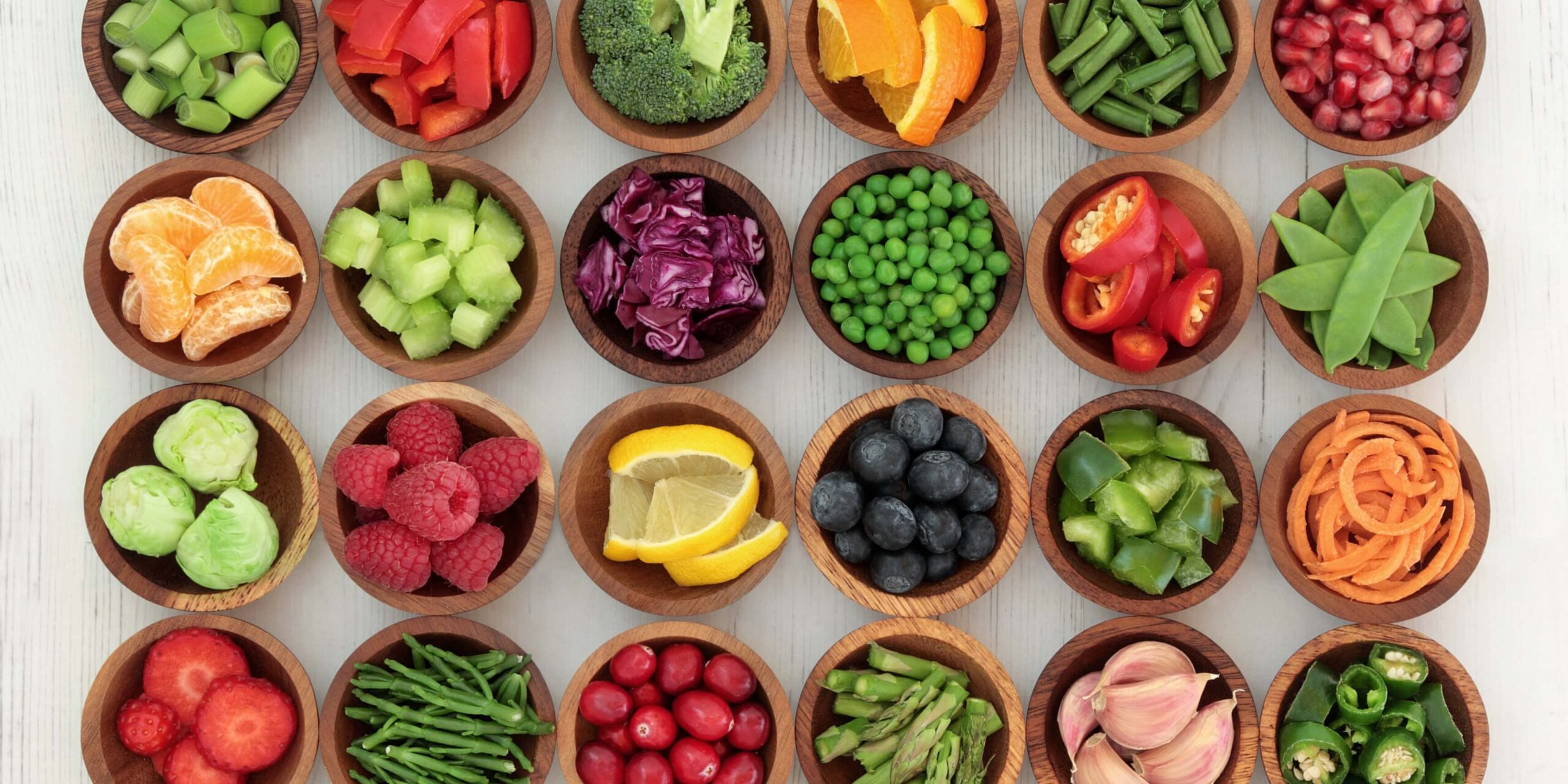
Veganuary, a movement encouraging people to adopt a vegan diet for the month of January, has become a cultural ritual ethical environmental marketed as healthy, yet when it comes to brain health and vegan eating the story is more complex.
But nutrition does not respond to ideology.
For many people, Veganuary is a short-term experiment. For others, it becomes a long-term way of eating. The question most rarely asked is also the most uncomfortable:
What happens to the brain when all animal foods are removed from the diet?
And more importantly, is that compatible with long-term cognitive health?
To answer this question, we need to evaluate Veganuary in light of what we know about optimum nutrition for the brain – particularly the vital role of omega-3 fatty acids, B vitamins, choline and other essential nutrients.
Modern neuroscience is unequivocal. Nutrients such as omega-3 DHA, vitamin B12, choline, iron, zinc, and vitamin D are not optional for brain function. They are structural, metabolic, and protective. Remove their primary dietary sources without replacing them precisely, and the brain pays the price.
Omega-3 DHA: The Brain’s Cornerstone Fat
The brain is 60% fat, and omega-3 fatty acids, particularly DHA (docosahexaenoic acid), are critical for its structure and function. DHA makes up the bulk of neuronal membranes, enabling communication between brain cells, memory retention, and overall cognitive performance [1]. Research consistently shows that DHA deficiency correlates with reduced cognitive ability, mood disorders, and increased risk of neurodegeneration [2].
Animal foods, particularly oily fish, are the richest sources of preformed DHA. On a vegan diet, the main plant-based source of omega-3 comes in the form of ALA (alpha-linolenic acid), found in flaxseeds, walnuts, and chia seeds. However, the conversion of ALA to DHA in the human body is remarkably inefficient – typically less than 5% [3]. Without preformed DHA from marine sources or supplementation with algae-derived DHA, vegans are likely to fall short of their brain’s DHA needs.
Studies reveal that populations consuming more fish, such as the Japanese, have far lower incidences of dementia and mental decline compared to Western nations, where fish intake is minimal. A meta-analysis confirmed that higher omega-3 levels correlate with a lower risk of cognitive decline [4]. For individuals adopting a vegan diet without supplementing DHA, there’s a real risk of impairing brain function over time.
(Want to know if you’re getting enough omega-3 fatty acids in your diet? The only way to truly know is to test your serum omega-3 level – order your at home test kit today).
Vitamin B12: The Brain’s Energy Catalyst
Vitamin B12 is not a “nice to have” micronutrient. It is a neurological necessity. Found almost exclusively in animal products such as meat, fish, and dairy, it plays a crucial role in maintaining brain function, energy metabolism, and protecting against neurological damage. It is essential for methylation, a process that keeps homocysteine levels in check. Elevated homocysteine has been shown to shrink brain volume and accelerate cognitive decline [5].
A lack of B12 results in pernicious anemia, brain fog, memory loss, depression, and even irreversible nerve damage. Worryingly, B12 deficiency is common among vegans who do not supplement or consume fortified foods. Even those who attempt to rely on plant-based sources of B12, such as spirulina or fermented foods, often don’t realise that these contain inactive analogues of B12 that are not bioavailable to humans [6].
For long term vegans, the failure to address B12 through supplementation could lead to symptoms of mental fatigue, reduced concentration, and mood imbalances in the short term, while increasing the risk of dementia in the long run.
(This is why we offer our DRIfT 5-in-1 at-home blood test, so you can easily check your omega-3, homocysteine, vitamin D, HbA1C, and glutathione levels from the comfort of your own home while contributing to our research and charitable work).
Vitamin B12: The Brain’s Energy Catalyst
Choline rarely features in plant-based nutrition conversations. It should.
An often-overlooked nutrient, it is another brain-essential compound predominantly found in animal foods like eggs, liver, and fish. It is the precursor to acetylcholine – a neurotransmitter essential for memory, learning, and mental clarity. Without adequate choline, cognitive performance can take a significant hit, especially in the aging brain [7].
Eggs, for example, are one of the richest sources of dietary choline. However, for individuals participating in Veganuary, eggs are off the table. While small amounts of choline can be found in soybeans, quinoa, and cruciferous vegetables, meeting the brain’s daily requirements is nearly impossible without animal foods or supplementation. Emerging research suggests that a low choline intake may even contribute to neuroinflammation and a higher risk of Alzheimer’s [8].
Vitamin D: The Sunshine Hormone
Vitamin D, a hormone as much as a vitamin, is vital for mental health, cognition, and neuroprotection. Deficiency in vitamin D has been linked to depression, brain aging, and increased dementia risk. During winter, when Veganuary occurs, obtaining sufficient vitamin D is already challenging for most individuals living in northern latitudes.
While vitamin D can be found in small amounts in mushrooms exposed to UV light, it is primarily found in oily fish, egg yolks and fortified dairy – all of which are absent in a vegan diet. If Veganuary participants fail to supplement with vitamin D3, they risk worsening mood, memory, and overall mental resilience during the winter months [9].
Iron and Protein: The Overlooked Trio
Beyond omega-3, B12, and choline, a vegan diet also increases the risk of deficiencies in iron, zinc, and high-quality protein – all critical for brain health. Heme iron, found in meat, is far more bioavailable than non-heme iron from plants. Iron deficiency is associated with brain fatigue, poor concentration, and low mood [10].
Protein is equally important for maintaining neurotransmitter balance and brain structure. While it is possible to obtain sufficient protein on a vegan diet through lentil, legumes, tofu etc, doing so requires intention and planning. Without adequate protein, mood and energy levels can decline rapidly.
Is There a Brain-Friendly Vegan Path?
While the standard Veganuary approach – removing animal products without careful planning – could pose clear problems to brain health long term, a well-supplemented vegan diet can be brain-friendly. It encourages more fruit and vegetables, legumes, lentils, nuts and seeds, and (hopefully) a more whole-food approach.
(Our founder, Patrick Holford, personally eats a ‘Pegan’ diet – a hybrid of vegan and pescatarian – eating only fish and eggs in terms of animal products.)
To summarise, a brain-friendly diet can be vegan, pescatarian, or omnivorous. The common denominator is not ideology. It is nutritional sufficiency.
The best way to know that your dietary choices are supporting your brain health is by testing and tracking. We offer our FREE Cognitive Function Test here and our at home pin prick blood test kits that you can purchase here
Actions
- Read more about supplementation here
- Order your DRIfT 5 in 1 test here so you can join our research and find out what your unique body needs.
- Take the Cognitive Function Test: Assess your brain health today and gain personalised insights.
- Become a Friend & join the COGNITION Program: Support our mission with a small monthly donation and receive tailored steps to improve your brain resilience and track your progress.
Food for the Brain is a not-for-profit educational and research charity that offers a free Cognitive Function Test and assesses your Dementia Risk Index to be able to advise you on how to dementia-proof your diet and lifestyle.
By completing the Cognitive Function Test you are joining our grassroots research initiative to find out what really works for preventing cognitive decline. We share our ongoing research results with you to help you make brain-friendly choices.
Please support our research by becoming a Friend of Food for the Brain.