High homocysteine levels have been linked to increased risk of cardiovascular disease, cognitive decline, and other chronic health conditions. A homocysteine supplements provide key nutrients such as vitamin B6, vitamin B12, and folate that support the body’s methylation process and help regulate homocysteine levels in the blood. By supporting healthy methylation and nutrient balance, a homocysteine supplement may help maintain optimal brain function, protect cardiovascular health, and promote long term wellness, especially as homocysteine levels naturally rise with age.
Homocysteine is a naturally occurring amino acid produced as part of the body’s methylation process. The level of homocysteine rises when methylation is sub-standard. Researchers increasingly recognise homocysteine in blood plasma as a risk factor for disease. Clinicians most widely use it as a predictor of potential health problems such as cardiovascular disease and Alzheimer’s disease, but evidence shows that it also serves as a biomarker for more than 100 diseases, including many mental and neurological conditions.
This is not surprising since methylation is an essential process happening in the brain. It is vital for neurotransmitter signalling, protecting DNA, controlling gene expression and preventing build up of p-tau neurofibrillary tangles. A raised homocysteine level indicates faulty methylation. Healthy methylation requires specific nutrients, particularly vitamin B6, folate, and vitamin B12. Many homocysteine supplements include these nutrients to help support healthy methylation.
Research by Professors David Smith, Helga Refsum, and others clearly shows that homocysteine levels above 10 µmol/L are associated with an increased rate of brain shrinkage and cognitive decline. These findings indicate the need for homocysteine lowering treatment with B vitamins. (reviewed in Smith & Refsum 2021)
Their recommendation is to supplement 400mcg of folic acid (or ideally methylfolate), plus 500mcg of B12 and 20 mg B6 daily, levels typically provided in a targeted homocysteine supplement.
Other nutrients also play important roles in methylation. Zinc and TMG (trimethylglycine) help convert homocysteine in the liver into SAMe. Vitamin B2 (riboflavin) and vitamin B3 (niacin) act as cofactors for enzymes involved in the methylation process.
Homocysteine can also convert into the antioxidants cysteine and glutathione. Providing N-acetyl cysteine (NAC), a precursor to glutathione, helps support this pathway. By supporting glutathione production, the body may reduce homocysteine levels by directing more of it toward the formation of S-adenosyl methionine (SAMe), the body’s primary methyl donor.
Some homocysteine-lowering supplements may include these additional nutrients.
There is insufficient evidence at this time to confirm whether and to what extent these additional nutrients further help to lower homocysteine and reduce associated risks.
The good news is that clinicians can test homocysteine levels, and in many cases people can normalise elevated levels through diet and vitamin supplementation. The most important nutrients that help lower homocysteine levels are the B vitamins B6, folate and B12.
Researchers believe that the memory decline and brain shrinkage associated with Alzheimer’s disease develop gradually over a 30 to 40 year period, which is why experts recommend screening from around age 50. Both high homocysteine levels, and low folic and B12 levels in blood correlate with increasing risk for AD.
Your homocysteine level is a very good indicator of the amount of certain B vitamins, and other nutrients, you need. Homocysteine can be measured by either your GP or through a home test kit. The chart below shows the approximate daily supplementation levels recommended depending on whether your homocysteine is below or above 10 µmol/L, particularly later in life.
| Nutrient | Very low risk | Low risk | At risk | High risk* |
|---|---|---|---|---|
| Below 7.5 | 7.5–9 | 10-15 | Above 15 | |
| Folic Acid or methylfolate | 200mcg | 400mcg | 400mcg | 800mcg |
| B12 of methylB12 | 10mcg | 250mcg | 500mcg | 750mcg |
| B6 | 10mg | 20mg | 20mg | 40mg |
| B2 | 5mg | 10mg | 15mg | 20mg |
| Zinc | 5mg | 10mg | 15mg | 20mg |
| TMG | 500mg | 750mg | 1500mg | 1500mg |
| NAC or Glutathione* | 250mg | 500mg | 750mg | 750mg |
| *N-Acetyl Cysteine or glutathione has been shown in studies to help lower homocysteine and improve memory in people with cognitive impairment, given in addition to B12, folic acid and B6. |
It is still advisable to take a high potency multivitamin and mineral supplement, especially later in life, providing the levels of nutrients shown in the table above for the purposes of maintaining a healthy low level.
If you are pregnant or planning to become pregnant, it is advisable to take a supplement containing higher amounts of these nutrients, together with a high-potency multivitamin and mineral. Research suggests that homocysteine levels above 8 µmol/L may increase the risk of miscarriage, affect pregnancy outcomes, and influence infant development. Genetic damage has been shown to occur above 7.3µmol/L. For this reason we would certainly recommend that children, who tend to have a lower homocysteine level, are best maintained below 7µmol/L. Since most of these are water-soluble you are best to divide the dose and take a supplement two or three times a day.
It is important to supplement, at least, 20mg B6, 400mcg of folate and 500mcg of B12. The research is clear that a level above 11µmol/L is associated with increased rate of brain shrinkage however, to be on the safe side it is wise to supplement if your level is above 10 and monitor with a repeat test 3 months later. Whether or not larger amounts , if for example, your level is above 15, will more rapidly restore your homocysteine level to below 10, is not yet established. The same applies to other co-factor nutrients although each, on its own, has been shown to lower homocysteine, thus combinations would be expected to be more effective in rapidly lowering homocysteine below 10µmol/l.
| Brand | Product Name | Daily Dose (capsules) | B2 (mg) | B6 20mg min. | Folate 400mcg min. | Cobalamin B12 500mcg min. | Zinc (mg) | Betaine/ TMG (mg) | NAC (mg) |
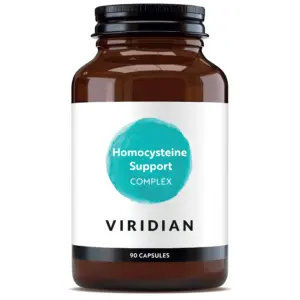
| Viridian | Homocysteine Support Complex | 3 | 80 | 25 | 400* | 1000* | 5 | 1500 | 0 |
| Cytoplan | Methyl Factors* | 1 | 3 | 20 | 800* | 1000* | 5 | 400 | |
| Metagenics | Methylated Complex | 2 | 60 | 900* | 1000* | 1000 | |||
| Lamberts | Methyl B Complex* | 1 | 28 | 12 | 200* | 300* | |||
| NHP | Advanced Brain & Memory Support* | 2 | 20 | 800* | 500* | 5 | |||
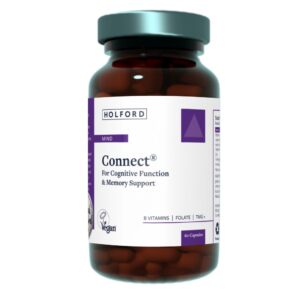
| HOLFORD Nutrition | Connect* | 2 | 20 | 20 | 400* | 500* | 10 | 750 | 400 |
| Higher Nature | Homocysteine Nutrients* | 2 | 15 | 50 | 400 | 500* | 10 | 750 | |
| NutriLink | Homocysteine Plus | 1 | 10 | 30 | 400 | 400 | 5 | 500 | – |
| *Methyl folate | *Methyl cobalamin |
Some links on this page may be affiliate links. This means we may earn a small commission if you purchase through them, at no extra cost to you.
There are concerns about supplementing high amount of folic acid is those with pre-cancerous conditions (such as colorectal polyps). Folic acid, which is a stable form of the B vitamin folate, found in food, may encourage pre-cancerous cell growth, especially in those also with a genetic polymorphism that makes them less able to convert folic acid into the active methylfolate form used by the body.
Therefore, homocysteine supplements that provide methylfolate instead of folic acid are preferable. For this reason, we generally advise supplementing 400 mcg rather than 800 mcg, unless the supplement contains methylfolate. However, many effective studies have used 800 mcg. Supplements that contain methylfolate* are marked with an asterisk.
There is a small amount of evidence of a potential advantage of using methylB12 as opposed to other forms of B12. Those supplements providing methylB12* are marked with an asterisk.
Re-test your homocysteine level after three months. If your homocysteine level has dropped then use the table above to identify the revised supplementation required based on that level. If your level drops below 7 stay on a high potency multivitamin that provides these basic levels. Do not keep taking higher levels of B vitamins, especially folic acid, unless required to keep your homocysteine level in check.
Thank you for helping us research what an optimal homocysteine level is for cognitive function.