because prevention is better than cure.

because prevention is better than cure.

Mini Cart 0

Your cart is empty.

Mini Cart 0

Your cart is empty.

Warning: Your Diet is Bad for Your Brain 

World expert think tank declares a mental health meltdown as rates of mental illness soar.

We are facing a new pandemic.

Not the result of a return of Covid or bird flu but caused by something much closer to home that affects us every day. The food we eat. It is damaging our brain.

A report just published in the Lancet, found that neurological diseases, from autism to Alzheimer’s, are affecting 43% of the world’s population. The Federation of European Neuroscientists have declared a ‘brain health emergency’. The Times reports that two thirds of benefit claims are for mental health. Diagnoses of autism and ADHD are steadily increasing.

What are we doing about it?

The good news is that a fightback is beginning. Yesterday, a virtual “Upgrade Your Brain” conference,organised by the charitable foodforthebrain.org, brought together leading neuroscientists –  psychiatrists, nutritionists and neurologists from around the world –  to brainstorm the cause and a solution. They identified the four ‘horsemen of the mental health apocalypse’ lurking in our diet. 

Standard healthy eating advice rarely warns about them at all. They are: 

  • A lack of brain fats, notably omega-3 from seafood but also vitamin D; 
  • Increased intake of sugar and ultra-processed foods; 
  • A lack of the many antioxidants and polyphenols (micronutrients) found in spices, vegetables and fruits, especially berries;
  • Lack of B vitamins, notably B12, producing homocysteine, a brain toxic amino acid.

The toll exacted by the horsemen is vast. Mental illness is now costing considerably more than all cancer and heart disease combined. “The Children’s Society recently reported a tripling in NHS referrals for mental ill-health in the last three years.” says Professor Michael Crawford, at the Chelsea and Westminster Hospital Campus of Imperial College.

According to Professor Crawford, the damage begins in pregnancy. Lack of B12 and folate in the mother increases later behavioural problems in their children. Fewer than 5 percent of children get the basic recommendation of seafood rich in omega-3 and many eat none at all. “Special schools are bursting at the seams,” says Dr Rona Tutt, former president of the National Association of Head Teachers.

“High sugar and ultra-processed foods are having a devastating impact on mental health and play a major part in the increase in both ADHD, depression and dementia.” says Professor Robert Lustig from the University of California. Dr Georgia Ede, a psychiatrist from Harvard, reports low carb diets are reversing mental illness.

According to the NHS one in five adults in England are on anti-depressants and last year one million teenagers were prescribed them. This year prescriptions are expected to exceed 100 million. Independent researchers have been warning about their lack of effectiveness and damaging side-effects.

It’s not just about food and nutrients…

But it is not just nutritional deficiencies that are threatening our brains. The way we live can contribute to the damage. “The combination of poor diet, lack of exercise, less intellectual and social stimulation, stress and insomnia creates a ‘perfect storm’ for the brain,” says neuroscientist Dr Tommy Wood at the University of Washington. 

Dr Wood is leading research for us as we keep developing a defensive strategy to protect the brain with nutritional and lifestyle changes. It starts by finding out just how well your brain is doing via a FREE online Cognitive Function Test followed up by personalised advice on how to reduce your dementia risk.

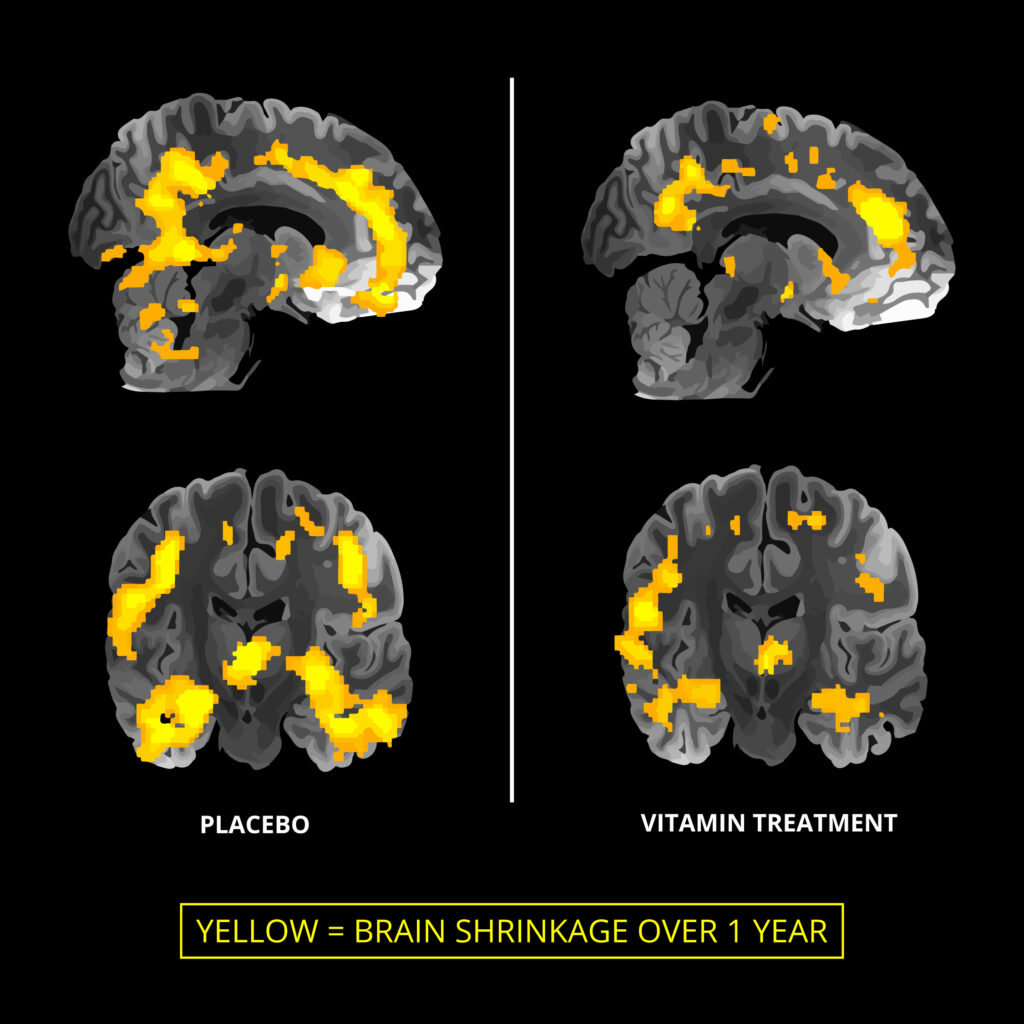
The fourth horseman, high homocysteine (a consequence of a lack of B vitamins) is linked to all of the mental problems that are on the rise because it damages nerves and brain cells as well as arteries, the supply chain for the brain. If your homocysteine is high, which it is in half of those over 65, your memory is declining. Lowering it reduces brain shrinkage in those with pre-dementia by two thirds according to Oxford University research. GPs rarely test it. 

Testing and lowering homocysteine is a key part of our prevention plan.

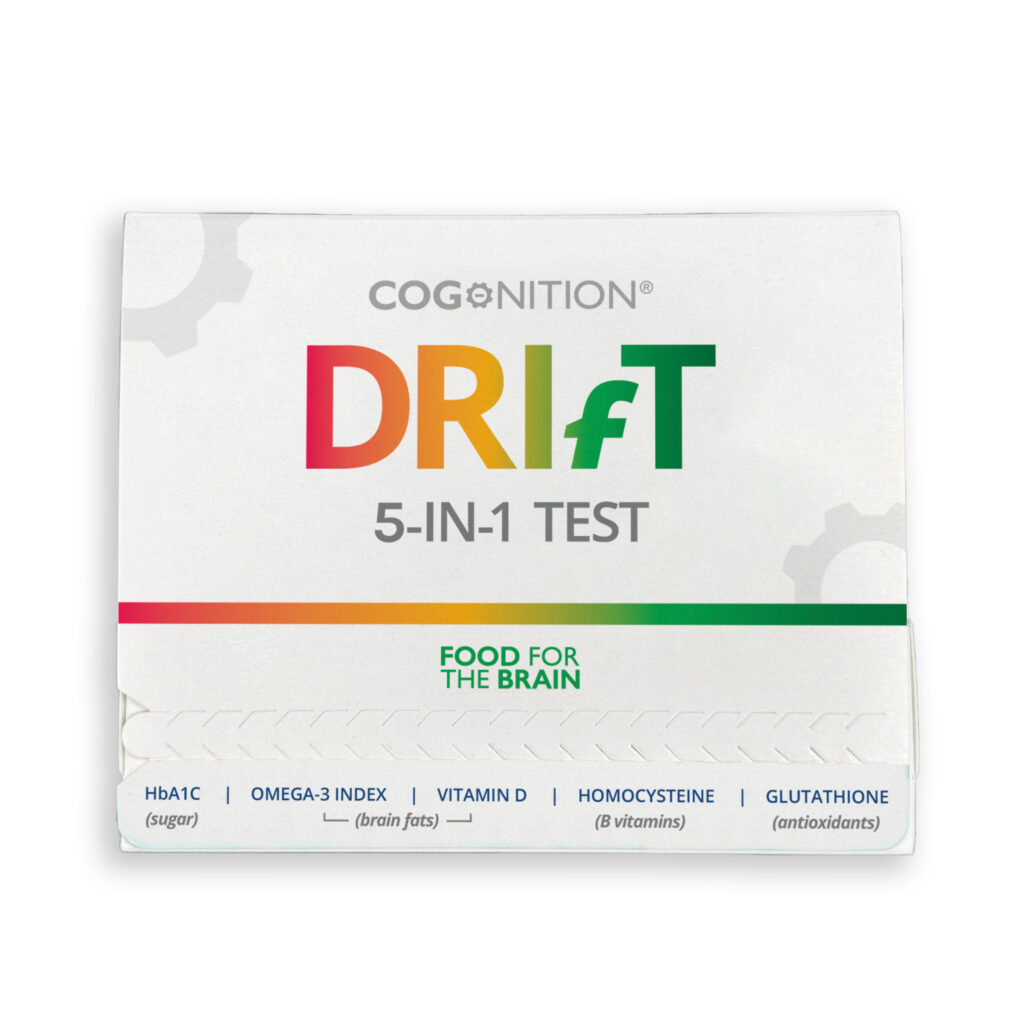
You can join our research and order a home test kit to measure blood levels of omega-3, homocysteine, HBA1c for sugar balance and vitamin D, lack of which is another contributor to dementia and depression. The charity aims to reach a million people in the largest ever ‘citizen science’ project and have tested 420,000 so far.

The idea that Alzheimer’s can be prevented is gaining support. The US National Institutes of Health have attributed 22% of the risk of Alzheimer’s to raised blood homocysteine and 22% to a lack of seafood and omega-3 fats.

A recent study using UK Biobank data concluded that up to 72% of dementia cases could be prevented if all risk factors were targeted. “Even this is probably under-estimating the power of prevention.” says Professor David Smith from the University of Oxford, one of the study authors. “The number of preventable cases could be higher if a person’s omega-3 and B vitamin status, measured by a blood test for homocysteine (not measured by the UK Biobank) were taken into account.” China’s leading prevention expert, Professor Jin-Tai Yu from Shanghai’s Fudan University, a co-author of this study, agrees. “Homocysteine-lowering treatment with vitamins, especially B12, is one of the most promising interventions for dementia prevention.”

“The same diet changes that reduce the risk for dementia also help everything from ADHD to depression,” says our founder Patrick Holford, author of Upgrade Your Brain, out today. He is visiting 30 cities in the UK and Ireland over the next month to kick start a nationwide ‘Upgrade Your Brain’ campaign. “We need to engage with millions of people, get nutrition education happening in school, and most of all get health authorities and governments around the world to take the mental health meltdown seriously and put brain health at the top of the health agenda.” 
Professor Crawford says “Today’s diet bears no resemblance to the wild foods we ate during our species’ evolution to which our genome is adapted. As a consequence our brain size is shrinking. If we don’t prioritise brain health and nutrition, the continued escalation of mental ill health, starting in the 1950s, can only end in disaster.”

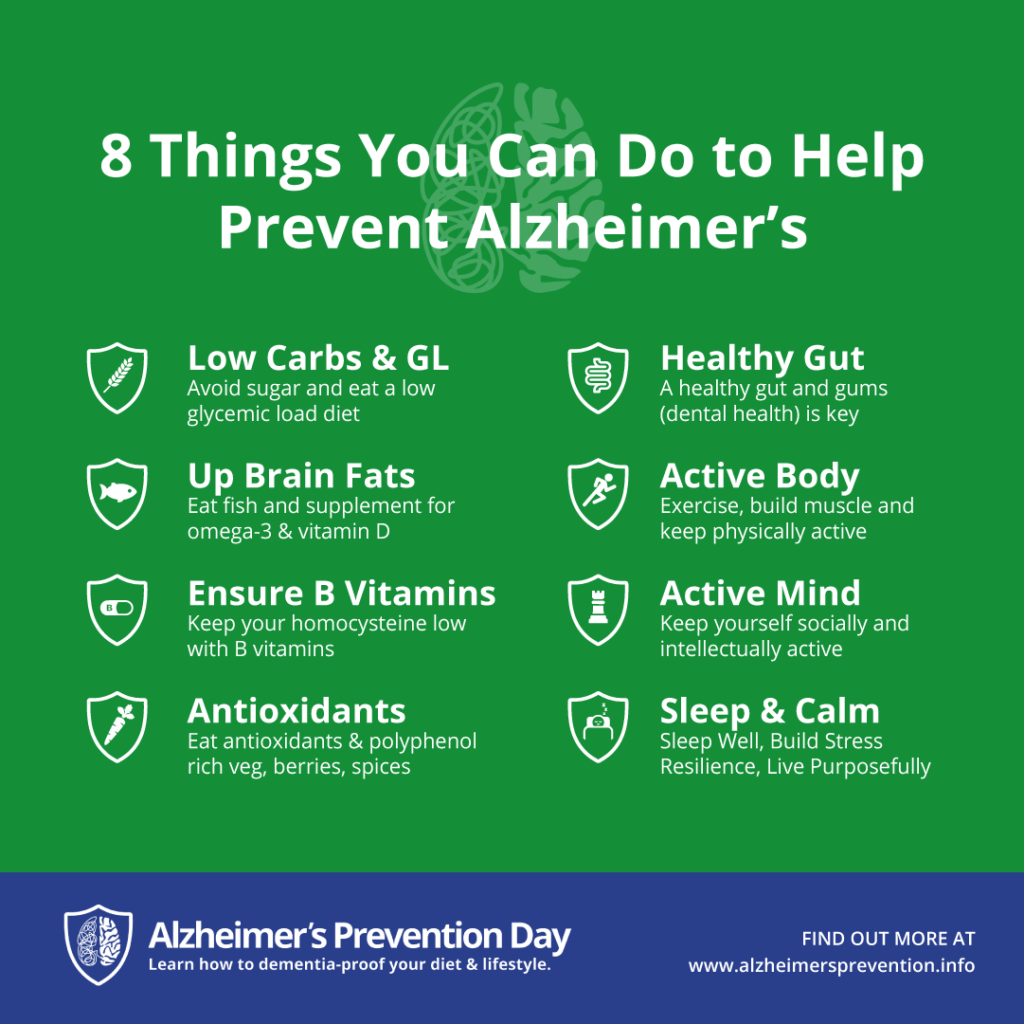
The group is launching Alzheimer’s Prevention Day on May 15th with a free 3-minute online Alzheimer’s Prevention Check to motivate people to make the eight brain-friendly diet and lifestyle changes (see below). “You are the architect of your own brain’s future health.” says neurologist Dr David Perlmutter, another member of the group.
Join us in our brain health revolution:

Further info

Two FREE Upgrade Your Brain Recipes

To celebrate the launch of the Upgrade Your Brain Cookery Recipe App we want to give you a taste of all the brain-friendly recipes that are to come.

At Food for the Brain, we know that the food you eat impacts your brain health so we want to help you eat the right things to reclaim and upgrade your brain. Also we want to make sure you are eating delicious things, too – our Nutritionist, head chef and recipe developer, Kim Close has been working hard to create delicious AND nutritious recipes!

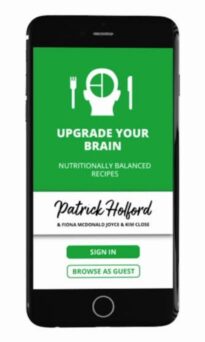
The Upgrade Your Brain CookApp lets you choose your dietary preferences (e.g dairy-free, gluten-free, plant-based etc), then shows you the best recipes that are both delicious and nutritious. You can then choose recipes that are GL counted for weight loss or maintenance and score for brain fats, B vitamins and antioxidants.

Think of it as a recipe book in your pocket and as an added benefit, you will get NEW recipes each week so that you never get bored or feel uninspired.

Here is just a sample of what recipes you can expect:

Here are some main meal examples:

  • Grilled Salmon with Quinoa and Spinach Salad
  • Walnut-Crusted Chicken with Steamed Broccoli
  • Baked Cod with Tomato and Olive Tapenade
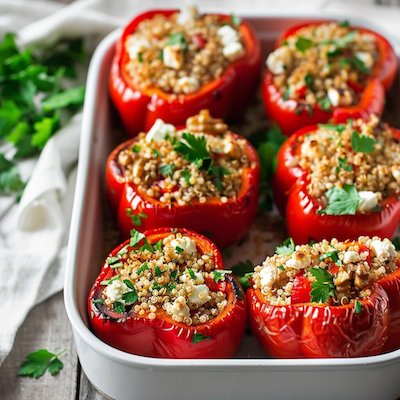
  • Lentil and Mushroom Stuffed Bell Peppers
  • Cauliflower Rice Stir-Fry with Shrimp and Mixed Vegetables
  • Baked Trout with Walnut and Herb Crust
  • Zucchini/Courgetti Noodles with Pesto and Cherry Tomatoes
  • Stuffed Aubergines with Ground Turkey and Pine Nuts
  • Spicy Salmon Burgers with Coleslaw and Sweet Potato Fries
  • Lemon and Herb Roasted Chicken with Asparagus
  • Plus many more

You can become one of our ‘angels’ but by pre ordering the app for just £30 a year so that you are the first to get access to it when it launches soon and you will get a FREE additional 3-months of membership as a thank you.

Two FREE Upgrade Your Brain Recipes:

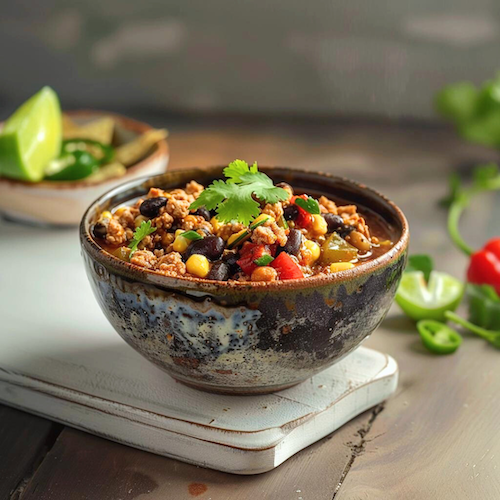
Turkey Chilli with Black Beans and Sweet Corn (serves 4)

Ingredients:

  • 500g minced turkey
  • 400g canned black beans, drained and rinsed
  • 200g canned sweet corn, drained
  • 1 large onion, diced
  • 2 large handfuls of baby spinach, roughly chopped
  • 2 cloves garlic, minced
  • 400g canned diced tomatoes
  • 2 TBSP milled flaxseeds
  • 1 tbsp chilli powder
  • 2 tsp ground cumin
  • 2 tbsp olive oil
  • Salt and pepper to taste
  • Fresh coriander, chopped, for garnish
  • 200ml stock – veggie or chicken

Instructions:

  1. Heat the olive oil in a large pot over medium heat. Add the onion and garlic, and cook until softened.
  2. Add the minced turkey to the pot and saute until browned, breaking it up with a wooden spoon as it cooks.
  3. Stir in the chili powder and cumin and cook for another minute until fragrant.
  4. Add the diced tomatoes, black beans, sweet corn, and water or chicken broth. Season with salt and pepper.
  5. Bring to a simmer for 20-30 minutes, stirring occasionally.
  6. Stir in the milled flaxseed
  7. Serve the chili garnished with fresh cilantro

—–

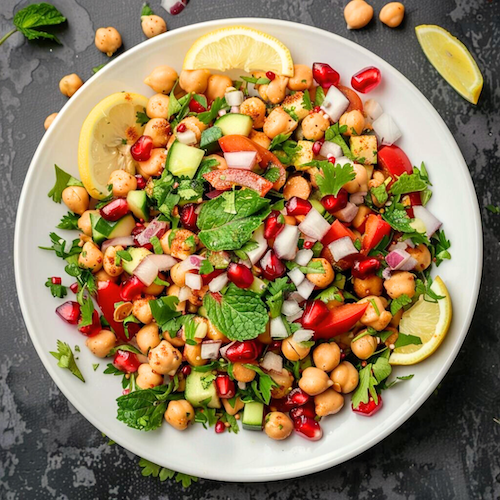
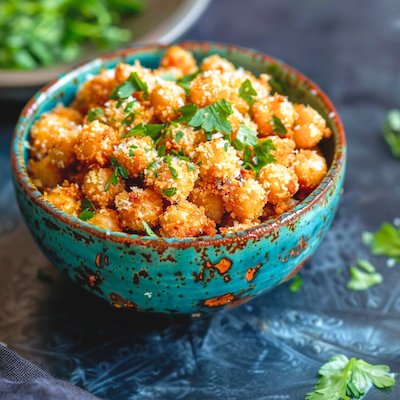
Zingy Chickpea Chaat Masala Salad (serves 6–8, feel free to halve)

Ingredients:

  • 2 tins chickpeas, drained and rinsed
  • 2 medium ripe avocado, diced
  • 1 medium cucumber, diced
  • 2 medium-sized tomatoes, deseeded and diced
  • 1 medium carrot, finely grated
  • 1 red onion, finely chopped
  • A handful of fresh coriander/cilantro, chopped
  • Small handful of fresh mint, chopped
  • 2 tablespoons flaxseed, ground
  • 2 tablespoons chia seeds
  • 60g walnuts, roughly chopped
  • Juice of 2 lemons
  • 1 teaspoon ground cumin
  • 1 teaspoon ground coriander
  • 1/2 teaspoon red chili powder (adjust to taste)
  • 1/2 teaspoon black salt (or regular salt, to taste)
  • 1 teaspoon chaat masala (you can also use garum masala)
  • 4 tbsp pomegranate seeds for garnish

Instructions:

  1. In a large bowl, combine the chickpeas, diced avocados, cucumber, tomatoes, carrot, red onion, cilantro, and mint.
  2. Add the ground flaxseed, chia seeds, and chopped walnuts to the bowl. These ingredients are rich in omega-3 fatty acids and will add a nice crunch to your salad.
  3. In a small bowl, whisk together the lemon juice, ground cumin, ground coriander, red chili powder, black salt, and chaat masala. Adjust the seasonings to your taste.
  4. Pour the dressing over the salad and toss gently until everything is well coated with the dressing. The lemon juice not only adds flavour but also helps in keeping the avocados green.
  5. Let the salad sit for about 10-15 minutes before serving, allowing the flavours to meld together.
  6. Serve the salad in bowls, garnished with pomegranate seeds for a burst of colour and additional antioxidants.
Further info

What is the Best Food for Your Brain?

At Food for the Brain, we take food seriously – from the soil to your Sunday lunch.

Quality matters, that is why we have two new developments to ensure your brain gets the right food on its plate. First, start with the soil…

—

It begins with the soil…

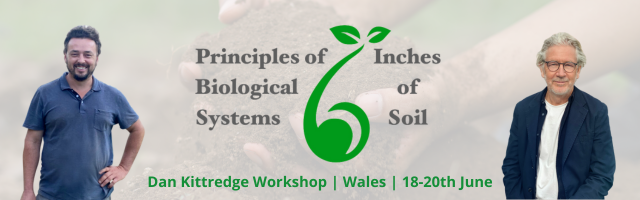
This June we are delighted to invite Dan Kittredge, founder of the BioNutrient Institute, to teach you how to grow the most nutritious food for mind, body & spirit, in a hands-on two day workshop at Fforest Barn Retreat in the beautiful Black Mountains of Wales  – 2.5 hours from London or Manchester.

Arrive on Tuesday 18th June for this two day workshop on 19th & 20th June. Whether you are an enthusiast, amateur or commercial gardener, grower or farmer, nobody knows more about what really makes plants optimise their nutrition than Dan Kittredge because he measures it.

This hands-on practical workshop provides an overview of six principles and practices of biological farming that increase the health of your soil and crops for greater yields, healthier produce and better marketability.

It all happens in that first six inches of soil, which we will learn how to turn into a hotbed of life. Thousands of growers have attended his courses since 2010.

—

It ends with your plate

The Upgrade Your Brain Cookery Recipe App is coming soon!

Nutritionist, chef and recipe developer, Kim Close and Fiona McDonald Joyce (nutritionist, cook and author) have been working away to create a delicious way to select the right recipes for your brain and body. Kim and Fiona firmly believe that food can, and should, always be delicious AND nutritious!

The Upgrade Your Brain CookApp lets you choose your dietary preferences (e.g dairy-free, gluten-free, plant-based etc), then shows you the best recipes that are both delicious and nutritious. You can then choose recipes that are GL counted for weight loss or maintenance and scored for brain fats, B vitamins and antioxidants.

There will be a wide selection of breakfasts, main meals, soups, salads, snacks and desserts.

New recipes will be added to the app weekly so you can continue to expand your repertoire. The recipes will include preparation and cooking tips, tricks and hacks.

Be the first to access this brand new app!

If you’d like to be one of the first to try our CookApp and the recipes, sign up now for just £30 a year.

Your year will run from the date it launches (June) – and we’ll give you 3 months free at the end of this date for helping us fund this vital CookApp to put Food for the Brain’s principles into action.

Please help us build this amazing, interactive, recipe library by signing up now. We need 200 ‘angels’ to do this, to fund and complete the development. 

Further info

Vitamin D: Your Brain’s Ally against Alzheimer’s and Dementia

Vitamin D: Your Brain’s Ally against Alzheimer’s and Dementia

Vitamin d capsule is held between fingers against the sun

Few people realise that vitamin D acts more like a brain fat than a vitamin – and your risk of cognitive decline can soar by up to 19 times if your levels are low. Often known as the sunshine vitamin, it is in fact a vital brain nutrient: helping neurons communicate, calming inflammation and defending against oxidative stress – all crucial for protecting memory, mood and long-term cognitive health. This highlights the important connection between vitamin D and dementia.

When vitamin D levels drop, the effects on the brain are striking.

Studies show that people with low vitamin D are far more likely to experience cognitive decline and dementia, while those with optimal levels have up to four times lower risk of developing Alzheimer’s disease. In older adults, falling vitamin D often mirrors worsening memory – yet the simple act of supplementing can reduce risk by a third. (That is why we offer our DRIfT at-home blood tests so you can know your levels are optimal and protect your brain.)

Read on to discover why optimising your vitamin D intake – and measuring it alongside other key brain biomarkers – could be one of the most powerful steps you can take to future-proof your brain.

Vitamin D and Dementia

Vitamin D and Dementia

Low vitamin D levels are significantly linked to a higher risk of dementia and cognitive decline. [1,2,3] One notable study carried out in France highlights an astonishing finding: older women with vitamin D deficiency were approximately 19 times more likely to develop dementia within seven years compared to those without vitamin D deficiency. [4] This research backs up several previous studies, including one that tracked 1,658 elderly adults for over five and a half years [5], concluding:

“Vitamin D deficiency is associated with a substantially increased risk of all-cause dementia and Alzheimer’s disease.”

Vitamin D Study: Our New Research

With more than 50 million people around the world affected by dementia, a figure forecast to triple by 2050, [6]) research into prevention is something that Food for the Brain takes seriously. Our Research Team is currently undertaking an independent study, commissioned by Dr William Grant, led by Tommy Wood, Assistant Professor at the University of Washington, Seattle, and supported by Simona Brucoli, data statistician. This research aims to contribute to the growing knowledge of the importance of Vitamin D in preserving brain health and staving off cognitive decline. More on this later in the year!

Understanding the Impact of Vitamin D on Overall Health

The impact of Vitamin D deficiency is a significant one, with links to not only dementia but also conditions such as osteoporosis, cardiovascular disease, cancer, stroke, diabetes, schizophrenia, psychosis, and autism [7], as well as behavioural problems in adolescents [8] and children with ADHD (9). Read more on how deficiency in Vitamin D impacts our overall health in our article here.  

How to Sustain Optimal Vitamin D Levels

Of course, we can get vitamin D from our diet: oily fish, including salmon, mackerel, sardines, egg yolks, red meat, and liver, are all excellent sources. However, our bodies struggle to produce and maintain optimal vitamin D levels as we age, even with a good diet. 

Our reliance on the sun, our natural provider of Vitamin D, is also compromised, especially in the Northern Hemisphere, as we begin to emerge from the long winter months and not, as yet, fully into the bright embrace of summer. It’s no wonder that our bodies are left vulnerable to notable decreases in vitamin D.  

What Exactly is Vitamin D Deficiency?

Deficiency is defined as serum 25(OH)D concentrations of less than 50 nmol/L. Our vitamin D expert, Dr William Grant, says:

“All the evidence regarding cardio-metabolic diseases, cancer, diabetes, infectious diseases, and pregnancy outcomes shows that you need a blood level of vitamin D above 75 nmol/L to be healthy, and the same is proving true for the brain.” 

This optimal level is impossible to achieve without supplementation in the winter. I recommend every adult and teenager supplements themselves with at least 1000 to 3000iu per day from October to March in line with a recent review by 35 vitamin D researchers. [10] The degree of obesity [11], darker skin colour [12] and living further North [13] increases need.

Supplementation: a Shield Against Risk?

According to recent research, turning to vitamin D supplements could reduce the risk of dementia.   Researchers at the University of Calgary’s Hotchkiss Brain Institute in Canada and the University of Exeter in the UK explored the relationship between vitamin D supplementation and dementia in 12,388 participants with a mean age of 71.  They were dementia-free when they signed up. Of the group, 37 percent (4,637) took vitamin D supplements. In the study, the team found that taking vitamin D was associated with living dementia-free for longer, and they also found 40 percent fewer dementia diagnoses in the group who took supplements. [10] 

But How Do You Know if You’re Getting Enough Vitamin D?

The answer lies in taking a proactive step: testing your vitamin D levels. 

Here at Food for the Brain, we don’t believe in guesswork. We champion the idea that we are all the architects of our own brain health and well-being. In the spirit of Citizen Scientists, we offer our accurate at-home blood tests so you can feel confident that you are protecting your mood, memory and future. Order your blood test here – available globally.

Awareness is the first step toward meaningful change. Discovering your vitamin D level is more than just informative; it’s a critical step toward optimising your cognitive and physical health. 

Take Action: Protect and Future-Proof Your Brain

Share the knowledge.

Encourage your family and friends to check their brain health and vitamin D levels too – prevention starts with awareness.

Check your brain health for free.

Take our quick, scientifically validated Cognitive Function Test to see how your brain is performing right now. It’s free, is validated and gives you a personalised Dementia Risk Index and tailored advice.

Know your vitamin D and brain biomarker status.

Order our DRIfT 5-in-1 at-home blood test to measure the five key markers that matter most — Vitamin D, Homocysteine, HbA1c, Glutathione and Omega-3. Your results come with clear guidance on how to optimise each one.

Boost your vitamin D naturally.

  • Spend 15–20 minutes outdoors daily if you are in summer or live near the equator (without sunscreen on arms or legs, when the sun is high). Avoid peak sun times.
  • Eat oily fish twice a week – salmon, mackerel, sardines or trout.
  • Add egg yolks, mushrooms, and fortified dairy alternatives to your meals.
  • Supplement between 1,000–3,000 iu daily from October to March (and year-round if you have darker skin or live in northern latitudes). Find out more about supplements here

References

  1. Jayedi A, Rashidy-Pour A, Shab-Bidar S. Vitamin D status and risk of dementia and Alzheimer’s disease: A dose-response meta-analysis. Nutr Neurosci. 2019 Nov;22(11):750-9. doi: 10.1080/1028415X.2018.1436639.
  2. Chai B, Gao F, Wu R, Dong T, Gu C, Lin Q, et al. Vitamin D deficiency as a risk factor for dementia and Alzheimer’s disease: an updated meta-analysis. BMC Neurol. 2019 Nov 13;19(1):284. doi: 10.1186/s12883-019-1500-6.
  3. Melo van Lent D, Egert S, Wolfsgruber S, Kleineidam L, Weinhold L, Wagner-Thelen H, et al. Low Serum Vitamin D Status Is Associated with Incident Alzheimer’s Dementia in the Oldest Old. Nutrients. 2023;15(1):61. https://doi.org/10.3390/nu15010061
  4. Annweiler C, Rolland Y, Schott AM, Blain H, Vellas B, Beauchet O. Serum vitamin D deficiency as a predictor of incident non-Alzheimer dementias: a 7-year longitudinal study. Dement Geriatr Cogn Disord. 2011;32(4):273-8. doi: 10.1159/000334944.
  5. Littlejohns TJ, Henley WE, Lang IA, Annweiler C, Beauchet O, Chaves PH, et al. Vitamin D and the risk of dementia and Alzheimer’s disease. Neurology. 2014 Sep 2;83(10):920-8. doi: 10.1212/WNL.0000000000000755.
  6. Gauthier S, Rosa-Neto P, Morais JA, Webster C. World Alzheimer Report 2021: Journey Through the Diagnosis of Dementia. Alzheimer’s Disease International; 2021.
  7. Anjum I, Jaffery SS, Fayyaz M, Samoo Z, Anjum S. The Role of Vitamin D in Brain Health: A Mini Literature Review. Cureus. 2018 Jul 10;10(7):e2960. doi: 10.7759/cureus.2960.
  8. Robinson SL, Marín C, Oliveros H, Mora-Plazas M, Lozoff B, Villamor E. Vitamin D Deficiency in Middle Childhood Is Related to Behavior Problems in Adolescence. J Nutr. 2020;150(1):140-8. https://doi.org/10.1093/jn/nxz185.
  9. Hemamy M, Pahlavani N, Amanollahi A, Islam SMS, McVicar J, Askari G, et al. The effect of vitamin D and magnesium supplementation on the mental health status of attention-deficit hyperactive children: a randomized controlled trial. BMC Pediatr. 2021 Apr 17;21(1):178. doi: 10.1186/s12887-021-02631-1.
  10. Ghahremani M, Smith EE, Chen HY, Creese B, Goodarzi Z, Ismail Z. Vitamin D supplementation and incident dementia: Effects of sex, APOE, and baseline cognitive status. Alzheimers Dement (Amst). 2023 Mar 1;15(1):e12404. doi: 10.1002/dad2.12404. PMID: 36874594; PMCID: PMC9976297.
  11. Ekwaru JP et al The importance of body weight for the dose response relationship of oral vitamin D supplementation and serum 25-hydroxyvitamin D in healthy volunteers. PLoS One. 2014 Nov 5;9(11):e111265. doi: 10.1371/journal.pone.0111265. PMID: 25372709; PMCID: PMC4220998.
  12. Ames BN, Grant WB, Willett WC. Does the High Prevalence of Vitamin D Deficiency in African Americans Contribute to Health Disparities? Nutrients. 2021 Feb 3;13(2):499. doi: 10.3390/nu13020499. PMID: 33546262; PMCID: PMC7913332.
  13. Engelsen O. The relationship between ultraviolet radiation exposure and vitamin D status. Nutrients. 2010 May;2(5):482-95. doi: 10.3390/nu2050482. Epub 2010 May 4. PMID: 22254036; PMCID: PMC3257661.
Further info

The P-Tau Delusion

Tau is a structural protein that helps build the skeleton, much like pipes, through which nutrients and nerve signals are delivered to different parts of the brain. Our brains contain a balance of tau protein and phosphorylated-tau, abbreviated to p-tau. An abnormal accumulation of p-tau makes these tubular channels tangled and dysfunctional and triggers brain-cell death.1

Too much p-tau also messes up the mitochondria, the cells’ energy factories, potentially leading to brain fatigue. The more p-tau accumulates, the greater the risk of cognitive problems and Alzheimer’s dementia. Also, those with memory decline have been shown to have relatively more p-tau to tau protein.

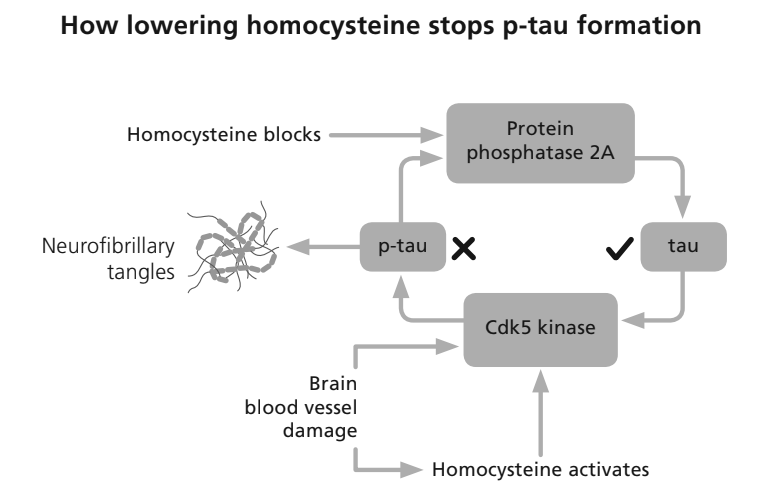
The next target for dementia drugs is reducing p-tau. Consequently, drugs are being developed and tested that block the kinase enzyme and activate the phosphatase enzyme,2 which is exactly what the homocysteine-lowering B vitamins do. But so far, there are no human clinical trials reporting significant benefit.

The critical prevention question is what stops too much of the tau protein from turning into the potentially harmful p-tau in the first place and what helps restore p-tau to normal tau protein.

The answer is remarkably simple – a lack of B vitamins raises the blood levels of homocysteine, which activates an enzyme, Cdk5 kinase, which adds the bad ‘p’ to tau and blocks another enzyme, protein phosphatase A2, which removes the dangerous ‘p’.3,4 High homocysteine levels also damage the tiny blood vessels in the brain, leading to ‘mini strokes’ or transient ischemic attacks (TIAs), which further raise the levels of p-tau. Homocysteine not only raises the levels of the dangerous p-tau,5 but can also bind to tau,6 further generating the neurofibrillary tangles that then trigger brain-cell death.

So, the simplest way to stop the formation of p-tau, and neurofibrillary tangles, and keep your brain healthy, is to keep your plasma homocysteine level below 10mcmol/l. Half of those above 65 have a homocysteine level higher than this.

By now you’re surely wondering why, if these natural approaches are at least as good, if not better, than drug treatments, and without adverse effects, why this isn’t common knowledge and common practice, especially if the cost is a fraction of the drug treatments. For example, supplementing B vitamins and omega-3 fish oils might cost you £100 a year while anti-amyloid drugs are pitched at around £20,000 a year.

I’m convinced that it is exactly this last point that explains the anomaly. Naturally occurring nutrients cannot be patented; only a man-made invention, such as a drug, can be. Holding a patent means only the company making that product can sell it, and they can determine the price. The price of a drug will include a hefty margin for marketing the drug and creating all the hype to get you, the media and the medical profession to buy into it. Once the patent expires, the price plummets. The price of a leading branded statin dropped by 93 per cent, from close to £30 down to just over £2 a month,7 That’s a lot of margin for marketing. By then, the manufacturers are on to the next ‘new’ patented drug. Up to 2022 $45 billion8 has been spent so far developing the latest ineffective dementia drugs, but the real cost, including the most recent trials and marketing, could be double this. That’s a lot of money to recoup. The first stage is to develop a test that convinces you and your doctor that you ‘need’ the drug. That’s what these tests in the £10 million trial are all about. If you test high, instead of taking an ineffective drug why not do prevention? That’s what the free Cognitive Function Test at foodforthebrain.org is all about.

Extract, used with permission, from Patrick Holford’s Upgrade Your Brain (Thorsons 2024)

REFERENCES

1. Balasu S et al. Science14 Sep 2023 Vol 381, Issue 6663 pp. 1176-1182 DOI: 10.1126/science.abp9556

2. Xia, Y., Prokop, S. & Giasson, B.I. “Don’t Phos Over Tau”: recent developments in clinical biomarkers and therapies targeting tau phosphorylation in Alzheimer’s disease and other tauopathies. Mol Neurodegeneration 16, 37 (2021). https://doi.org/10.1186/s13024-021-00460-5.

3. Smith AD, Refsum H. Homocysteine, B Vitamins, and Cognitive Impairment. Annu Rev Nutr. 2016 Jul 17;36:211-39. doi: 10.1146/annurev-nutr-071715-050947. PMID: 27431367.

4. LiJ-G,ChuJ,BarreroC,MeraliS,Pratico`D.2014.Homocysteine exacerbatesβ-amyloid, tau pathology, and cognitive deficit in a mouse model of Alzheimer’s disease with plaques and tangles. Ann. Neurol. 75:851–63.

5. Shirafuji N et al Homocysteine Increases Tau Phosphorylation, Truncation and Oligomerization. Int J Mol Sci. 2018 Mar 17;19(3):891. doi: 10.3390/ijms19030891. PMID: 29562600; PMCID: PMC5877752.

6. Bossenmeyer-Pourié C et al. N-homocysteinylation of tau and MAP1 is increased in autopsy specimens of Alzheimer’s disease and vascular dementia. J Pathol. 2019 Jul;248(3):291-303. doi: 10.1002/path.5254. Epub 2019 Mar 19. PMID: 307349

8. Cummings JL, Goldman DP, Simmons-Stern NR, Ponton E. The costs of developing treatments for Alzheimer’s disease: A retrospective exploration. Alzheimers Dement. 2022 Mar;18(3):469-477. doi: 10.1002/alz.12450. Epub 2021 Sep 28. PMID: 34581499; PMCID: PMC8940715.

Further info

Are Supplements a Waste of Money For Your Brain?

We often get asked if supplements are necessary, usually in relation to some expert or opinion leader saying they are a waste of money or have no evidence of effect.

Anyone actively discouraging supplementation of vitamin B, C, D or omega-3, or claiming there is no scientific evidence to support their use, are both scientifically inaccurate and, perhaps inadvertently, driving more people towards dementia and Alzheimer’s by increasing their risk of cognitive decline. 

Here is why

B vitamin supplements – Two in five people over 60 in the UK and more than half in the US have raised homocysteine levels and accelerated brain shrinkage as a result and need to supplement high dose B12 (500mcg) to reduce the rate of brain shrinkage. This may be due to poor absorption and is not achievable by diet alone. Find out more about this here.

Omega-3 fish oil supplements – Those with higher omega-3 intake, both from food and supplements, have substantially reduced risk from UK BioBank data. Those with higher omega-3 index levels, which we test at Food for the Brain, have more brain mass, and even healthy, young people supplementing omega-3 have cognitive improvements. You can see the published scientific evidence for this here.

Vitamin D supplements – Those who have higher vitamin D levels or supplement vitamin D also have substantially reduced risk of cognitive decline. Find out more here but also we’ll be publishing a full report on vitamin D and dementia in the next two weeks.

Vitamin C and E supplements – according to the most comprehensive review of studies relating to Alzheimer’s prevention ‘‘either a high vitamin E or C intake showed a trend of attenuating risk by about 26 per cent’, making these nutrients ‘grade 1’ top level prevention’. Inadequate vitamin C status in otherwise healthy young adults is related to a low level of mental vitality. In a randomised controlled trial vitamin C supplementation effectively increased work motivation and attentional focus and contributed to better performance on cognitive tasks requiring sustained attention. These brain-friendly effects of vitamin C relate to the supplementation of 1 gram or more a day. See the scientific aevidence for antioxidants here.

In addition to exploring the links to the evidence above, these articles further explain the role of B vitamins, Omega-3, Vitamin D, Vitamin C, E and other antioxidants.

Other resources: 

So are supplements a waste of money?

At Food for the Brain, where prevention is better than cure, we report the science, based on the research, which tells us the opposite.

Further info