July 2024 - Food for the Brain

because prevention is better than cure.

because prevention is better than cure.

Mini Cart 0

Your cart is empty.

Mini Cart 0

Your cart is empty.

Folic Acid and Methylation Myths: Facts, Fallacies and What the Evidence Suggests

Folic Acid and Methylation Myths: Facts, Fallacies and What the Evidence Suggests

If you have spent any time reading about folic acid, methylfolate, MTHFR or methylation, you have probably come away with more questions than answers. One article claims folic acid is essential. Another insists it is harmful. Some suggest everyone should switch to methylfolate, while others argue the difference barely matters. It is no surprise that so many people end up confused.

The reality is more interesting than either extreme. Much of the debate comes from taking a small piece of biology and stretching it into sweeping conclusions that the evidence does not support. Genes, nutrients and metabolism do interact in fascinating ways, but they rarely fit into simple “good versus bad” stories.

Much of the discussion around folic acid, methylfolate, MTHFR and homocysteine has become increasingly polarised. This article examines several common misconceptions and reviews what the current evidence actually shows.

If you are new to the topic, start with our guide to methylation and homocysteine first. This article is designed as a deeper companion that challenges common misconceptions and adds context to the finer details.

Why Homocysteine Matters in the Folic Acid Debate?

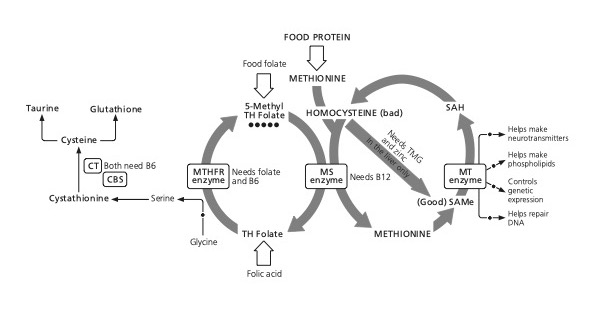
Homocysteine is an intermediary sulphur-containing amino acid generated during methionine metabolism. Under physiological conditions, it is either remethylated to methionine or irreversibly metabolised through the transsulphuration pathway. These reactions depend on an adequate supply of folate, vitamin B12, vitamin B6 and other methylation cofactors.

Because homocysteine reflects the functional efficiency of one-carbon metabolism, it is widely used as a functional biomarker of methylation capacity and folate status. Much of the debate surrounding folic acid, methylfolate and MTHFR variants centres on their effects on these metabolic pathways and, consequently, on homocysteine concentrations. Homocysteine should therefore be interpreted within the broader context of one-carbon metabolism, nutritional status and individual genetic variation, rather than as an isolated biomarker.

Methionine and methylation cycle diagram
Methionine and methylation cycle

Fallacy 1: Folic Acid Doesn’t Work

One of the most persistent misconceptions in nutritional medicine is that folic acid is ineffective and that only methylfolate should be used. This is not supported by the evidence. Folic acid has consistently been shown to lower homocysteine, both on its own and in combination with vitamins B6 and B12. In studies I have reviewed, the beneficial effect on homocysteine is seen regardless of whether an individual carries the common MTHFR C677T polymorphism.

This does not mean that folic acid is always the optimal choice. Folic acid must first be converted into its biologically active form through a series of enzymatic steps. Variations in genes encoding these enzymes, particularly DHFR and, to a lesser extent, MTHFR, can reduce the efficiency of this process in some individuals. However, reduced enzyme activity should not be confused with an inability to utilise folic acid. For most people, particularly those of European ancestry, folic acid remains an effective way to support methylation and lower elevated homocysteine.

There is good evidence that methylfolate raises red blood cell folate more efficiently and lowers homocysteine more effectively than folic acid. In some studies, methylfolate has reduced homocysteine by around 40 to 50% more than an equivalent dose of folic acid. This makes methylfolate a sensible choice where available, particularly for individuals with reduced DHFR activity or those who respond poorly to folic acid.

The important distinction is that saying methylfolate may be superior is not the same as saying folic acid does not work. The scientific evidence does not support that conclusion. For the majority of people, folic acid effectively supports one-carbon metabolism and lowers homocysteine, while methylfolate may provide additional benefit in specific clinical or genetic circumstances.

Fallacy 2: Everyone Needs Methylfolate

Methylfolate is the biologically active form of folate and bypasses the enzymatic steps required to convert folic acid into its active form. As a result, it has been shown to raise red blood cell folate more effectively and lower homocysteine more than equivalent doses of folic acid. This has led some practitioners to recommend methylfolate in preference to folic acid for everyone.

However, the evidence does not support such a universal approach. For most people, folic acid is effectively converted into methylfolate and successfully supports methylation. Numerous intervention studies have shown that folic acid, particularly when combined with vitamins B6 and B12, lowers homocysteine regardless of MTHFR C677T genotype.

There are, however, circumstances in which methylfolate may offer advantages. Individuals with reduced activity of the DHFR enzyme, which is responsible for the first step in folic acid metabolism, may be less able to convert folic acid efficiently. This genetic variation is relatively uncommon in European populations but considerably more prevalent in some Asian populations. In these individuals, methylfolate or folinic acid may represent a more appropriate choice.

The decision should therefore be based on an individual’s nutritional status, genetic background and clinical response rather than the assumption that everyone requires methylfolate. While methylfolate is generally the preferred supplemental form because it bypasses the activation pathway, it is incorrect to conclude that folic acid has no place in clinical practice.

Fallacy 3: MTHFR Means You Can’t Process Folic Acid

One of the most widespread misconceptions is that carrying an MTHFR C677T or TT polymorphism means you cannot process folic acid. This is an oversimplification of how one-carbon metabolism works. The MTHFR enzyme is responsible for converting tetrahydrofolate into 5-methyltetrahydrofolate (5-MTHF), and reduced enzyme activity may influence methylation efficiency, particularly if riboflavin (vitamin B2) status is suboptimal.

The MTHFR C677T polymorphism is common, affecting around 24% of the population overall, although prevalence varies considerably between ethnic groups. Individuals with this variant may have higher homocysteine levels and an increased risk of certain conditions, particularly when B vitamin status is inadequate. However, this does not mean they are unable to utilise folic acid.

Intervention studies consistently show that supplementation with folic acid, particularly alongside vitamins B6 and B12, lowers homocysteine regardless of MTHFR genotype. In other words, people with the C677T or TT polymorphism still respond to folic acid. Ensuring adequate riboflavin status may further support MTHFR enzyme activity in those with these variants.

The presence of an MTHFR polymorphism should therefore be viewed as one factor influencing methylation efficiency rather than evidence that folic acid is ineffective. It may influence the choice of folate supplement in some individuals, but it does not justify the conclusion that everyone with an MTHFR variant is unable to process folic acid.

Fallacy 4: Unmetabolised Folic Acid Is Always Harmful

Another common claim is that the presence of unmetabolised folic acid (UMFA) in the bloodstream is inherently harmful. The reality is more nuanced. UMFA can accumulate when folic acid intake exceeds the body’s capacity to convert it into biologically active folate, particularly in individuals with reduced activity of the dihydrofolate reductase (DHFR) enzyme, which catalyses the first step in folic acid metabolism.

The concern is that unmetabolised folic acid may compete with naturally occurring folate for enzyme binding sites, potentially impairing normal folate-dependent metabolism. This has led to suggestions that excessive folic acid supplementation could, under certain circumstances, induce a functional folate deficiency. However, the likelihood of this depends on both the amount of folic acid consumed and an individual’s genetic capacity to metabolise it.

Reduced DHFR activity is relatively uncommon in European populations but considerably more prevalent in some Asian populations. Individuals with reduced DHFR activity are more likely to accumulate UMFA and may therefore benefit from using methylfolate or folinic acid instead of folic acid. By contrast, there is little evidence that modest intakes of folic acid, such as those typically found in multivitamin supplements, represent a significant concern for most people.

Another area of ongoing research is the relationship between folate and cancer. Folates are essential for DNA synthesis and cell division, meaning they support the growth of healthy cells but may also accelerate the growth of existing pre-cancerous or cancerous cells. While adequate folate intake appears protective before malignant change occurs, excessive folic acid exposure, particularly in susceptible individuals with reduced DHFR activity, may not always be desirable. This remains an area of active investigation rather than settled science.

The practical conclusion is not that folic acid is harmful, but that the form and dose of folate should be matched to the individual. Methylfolate provides the biologically active form without requiring DHFR conversion and may therefore be preferable where reduced enzyme activity is suspected. Nevertheless, the current evidence does not support the conclusion that the presence of unmetabolised folic acid is inherently harmful in everyone.

Fallacy 5: Homocysteine Should Always Be as Low as Possible

Raised homocysteine is associated with an increased risk of numerous chronic diseases and, in most circumstances, lowering an elevated level is beneficial. However, it does not necessarily follow that the lowest possible homocysteine concentration is always the optimal goal.

Homocysteine is not simply a waste product. It is an intermediate metabolite within one-carbon metabolism and also serves as the precursor for glutathione synthesis through the transsulphuration pathway. This pathway depends on the enzyme cystathionine β-synthase (CBS), together with adequate vitamin B6 status. Theoretically, if homocysteine concentrations become extremely low, substrate availability for glutathione synthesis could also be reduced.

In practice, homocysteine concentrations below 4 µmol/L are uncommon, and evidence that very low levels are harmful is limited. Where both homocysteine and glutathione are unusually low, it may indicate impaired folate metabolism or reduced activity of enzymes involved in one-carbon metabolism, such as DHFR or MTHFR, rather than representing an ideal metabolic state.

The key point is that homocysteine should not be interpreted in isolation. It is a functional biomarker that reflects the efficiency of interconnected metabolic pathways and should be considered alongside glutathione status, B vitamin sufficiency and the wider clinical picture. The objective is not to achieve the lowest possible homocysteine concentration, but to support efficient methylation and healthy one-carbon metabolism.

Fallacy 6: More Folate Is Always Better

While maintaining adequate folate status is essential for healthy one-carbon metabolism, more folate is not necessarily better. As with many nutrients, both the form and the dose matter, and the optimal approach depends on an individual’s nutritional status, genetic background and clinical circumstances.

Adequate folate intake supports DNA synthesis, methylation and normal cell division, and sufficient folate status before the development of pre-cancerous changes appears to reduce disease risk. However, once pre-cancerous lesions are established, high circulating folate concentrations, particularly from excessive folic acid supplementation, may accelerate the growth of rapidly dividing cells. This distinction is important and helps explain why the relationship between folate and cancer is more complex than simple claims of benefit or harm.

Individuals with reduced DHFR activity are also more likely to accumulate unmetabolised folic acid when consuming high supplemental doses. In these circumstances, using methylfolate or folinic acid may be a more appropriate strategy than simply increasing folic acid intake. Conversely, for most people, modest amounts of folic acid remain an effective and safe way to support methylation and maintain healthy homocysteine metabolism.

The evidence therefore supports an individualised approach rather than a universal recommendation. The aim should be to achieve adequate folate status using the most appropriate form and dose for the individual, guided wherever possible by biomarkers such as homocysteine and the wider clinical picture, rather than assuming that increasing folate intake indefinitely will produce greater health benefits.

What This Means in Practice

The evidence does not support absolute positions on folic acid or methylfolate. Folic acid remains an effective way to support one-carbon metabolism and lower homocysteine in most people, while methylfolate may offer advantages for some individuals, particularly those with reduced DHFR activity or a poor response to folic acid.

Similarly, the presence of an MTHFR polymorphism should not be interpreted as meaning that folic acid is ineffective or that methylfolate is essential for everyone. Nutritional status, enzyme activity and clinical context are all important considerations when selecting the most appropriate form of folate.

Rather than relying on assumptions or genetic results alone, a more evidence-based approach is to assess functional biomarkers such as homocysteine and interpret these alongside the wider clinical picture. This enables nutritional interventions to be tailored to the individual rather than based on generalisations.

If you’d like to understand the science behind one-carbon metabolism in more detail, explore our Methylation and Homocysteine guide, which explains how methylation works, why homocysteine is such an important biomarker, and how nutrients support these interconnected pathways.

If you don’t know your homocysteine level, consider taking a homocysteine blood test. Homocysteine is one of the most informative functional biomarkers of methylation and brain health, and measuring it provides a practical starting point for understanding your individual nutritional status.

If your homocysteine level is elevated, our evidence-based guide to Lowering Homocysteine explains the role of diet, B vitamins, methylfolate and lifestyle interventions, helping you translate these scientific principles into practical action. ou can also explore our Homocysteine Lowering B Vitamins supplement guide for practical support in putting these strategies into action.

Where appropriate, further investigation, such as testing glutathione status or DHFR genetic variants, may help explain why some individuals respond differently to folic acid and identify when alternative forms of folate may be beneficial.

For those who would like to dig even deeper, these papers are most relevant:

Further info

Four Shocking Facts & Brain-enhancing Opportunities

A message from Patrick Holford, our CEO

Thanks to you, Food for the Brain has grown ten-fold in the last year, reaching another half a million people, with over 20,000 taking the Cognitive Function Test bringing the total to 420,000. In the last three months alone we’ve reached 2 million people and tested the cognitive function of a further 20,000.

Yet, every 3 seconds someone in the world is diagnosed with dementia – in the UK that’s 7 double decker buses worth of people every day. 

At the other end of the spectrum, special needs schools are bursting at the seams as autistic spectrum disorder diagnoses go through the roof. 

Thanks to generous donations from the Fieldrose Trust, Viridian and Heights, we’ve finally built our research database and are beginning to find some interesting things. 

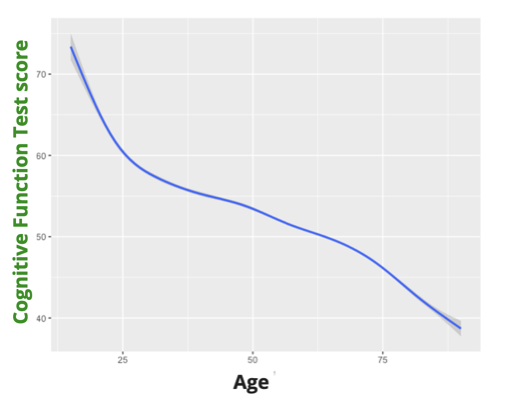
Firstly, cognitive function declines, almost in a straight line, from age 18 to 90+. That’s a completely new discovery! Even 25 year olds have less cognitive function than 20 year olds. That’s why the earlier a person starts to make changes the greater are their chances of never developing dementia. You’ll be pleased to hear that the lower your Dementia Risk Index, calcuated from the COGNITION Questionnsaire you complete as part of the free online test, the better your cognitive function is and people making the changes recommended in the COGNITION programme can REVERSE cognitive decline.

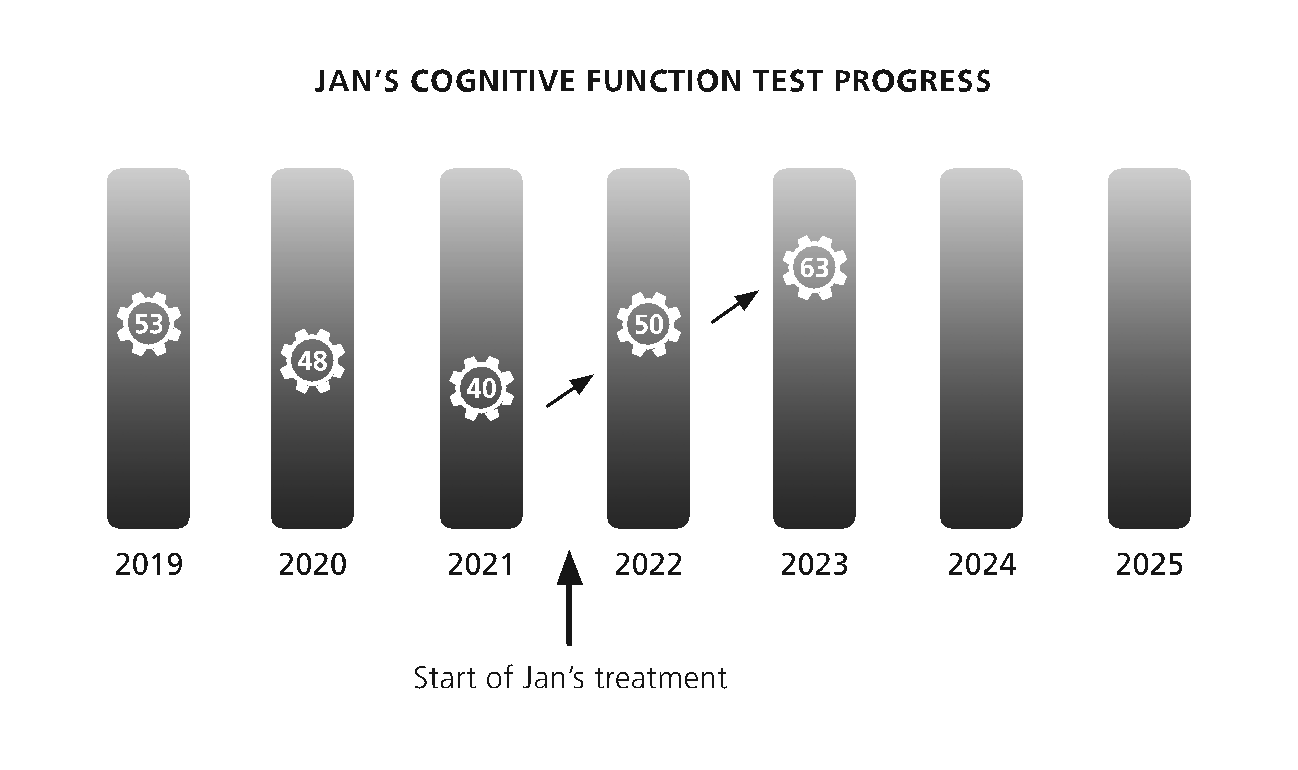
Jan is a case in point. Like the ‘average’ person his cognitive function was declining year on year – until he joined COGNITION. 

Here’s what he says: ‘Food for the Brain’s COGNITION programme has really helped to focus my mind on key changes, a step at a time. Since following their advice, I’m delighted to report that my cognitive function, which was close to the red after 17 months of decline, has returned into the green, better than the average for my age. I had lost my job and my ability to have a productive life, even my ability to speak without long pauses, and any hope of recovery. Food for the Brain’s educational support through COGNITION has demonstrated the potential for recovery such that I now have confidence and increasing hope for the future. Food for the Brain has been my lifeline’. 

Smart Kids – the children are our future

Natalie Coghlan, now appointed as Head of COGNITION for Smart Kids & Teens, is applying everything we’ve learnt from adults to children and teens and is running a small pilot study on 5 to 17 year olds to find out what happens in early years, how we can measure it and – ultimately how we can help children and teens become more mentally and cognitively robust. Please watch this short film from Natalie.

We’ve raised about £5,000 to kick-start this project but need to raise a further £35,000 to see it through to completion. If we can do this, we hope to launch COGNITION for Smart Kids and teens early in 2025. 

That is where SPONSA DONNA comes in.

Donna Von Tunk is sailing around the world and partnering with us so she can raise awareness and funds for this important project. If, collectively, we raise £1 a mile we’ve done it. That means 100 people giving 1p a mile (£400).

Can you help?

>>> Please make a donation and SPONSA DONNA here,
or
>>> Become a FRIEND.

If you’d like to make a more significant donation please contact me at patrick@foodforthebrain.org.

The shocking fact

Now here’s a shocking fact – the Alzheimer’s Society have told us they don’t fund or focus on prevention. 

Nor do Dementia UK. They focus on supporting carers.

Alzheimer’s Research UK allocates less than 4% to non-drug prevention research, despite 80% of Alzheimer’s and dementia being preventable – and none of their current projects are interventions – to find out if a prevention action works for example.

I’m afraid to say it’s drugs all the way, with £5 million going into a study involving testing blood levels of p-tau in 5000 people as a predictor of cognitive decline. That’s £1,000 per person. 

Since testing cognitive function, which we do FOR FREE, is how you diagnose dementia, why not just do this? The most direct way to best predict who is heading for cognitive decline is to test cognitive function itself since it reduces many years before a diagnosis. £5 million would puts 100,000 people through our COGNITION programme helping them to actually dementia-proof their diet and lifestyle. The only logic for this p-tau test is to then say ‘you need the drug’ just as your cholesterol level became the proof that you need statins – which have not worked in any independent study that’s not funded and controlled by the drug makers.

Having failed to find a single UK charity who are taking prevention seriously it really is down to us to drive the prevention action forwards. 

Announcing the COGNITION Biobank project

You’ve probably heard of the UK Biobank. People like me, aged 40 to 69 back in 2006, gave blood, filled in questionnaires and did tests. We are all being tracked to see if we’ll develop dementia or other diseases. No-one is being retested.

Here, at Food for the Brain, we have the COGNITION Biobank. 

If you’ve taken the Cognitive Function Tests you’re part of it. To date we’ve tested 420,000 people AND we encourage you to retest cognitive function every six months or year. Also, we are now encouraging you to test blood levels of key biomarkers such as homocysteine. In this way you become a Citizen Scientist. The UK Biobank didn’t do this, so they never mention homocysteine-lowering B vitamins, which is ‘the most promising treatment’ according to the largest reviews of 396 trials on Alzheimer’s prevention. Also, we ask the right questions in our COGNITION questionnaire because, back in 2006, they didn’t really understand what was driving cognitive decline. 

We hope to have the largest Biobank, specific to cognition, tracking hundreds of thousands of people over time AND encouraging them to make changes by sharing back what works from this research. 

This is science for the people, by the people, funded by the people. 

On that note, we need to raise £1 million, £50,000 at a time to take this project global and big-scale. We are looking for impact investors, with at least £10,000 to invest, with a guaranteed return, much like an ISA. Wouldn’t you rather your invested money was saving people’s brains? Also, unlike other charities where, for every £10 given, £3 goes into fund-raising costs, at Food for the Brain 100% of what you donate goes directly into prevention research and education. We are lean and focused, all working virtually.

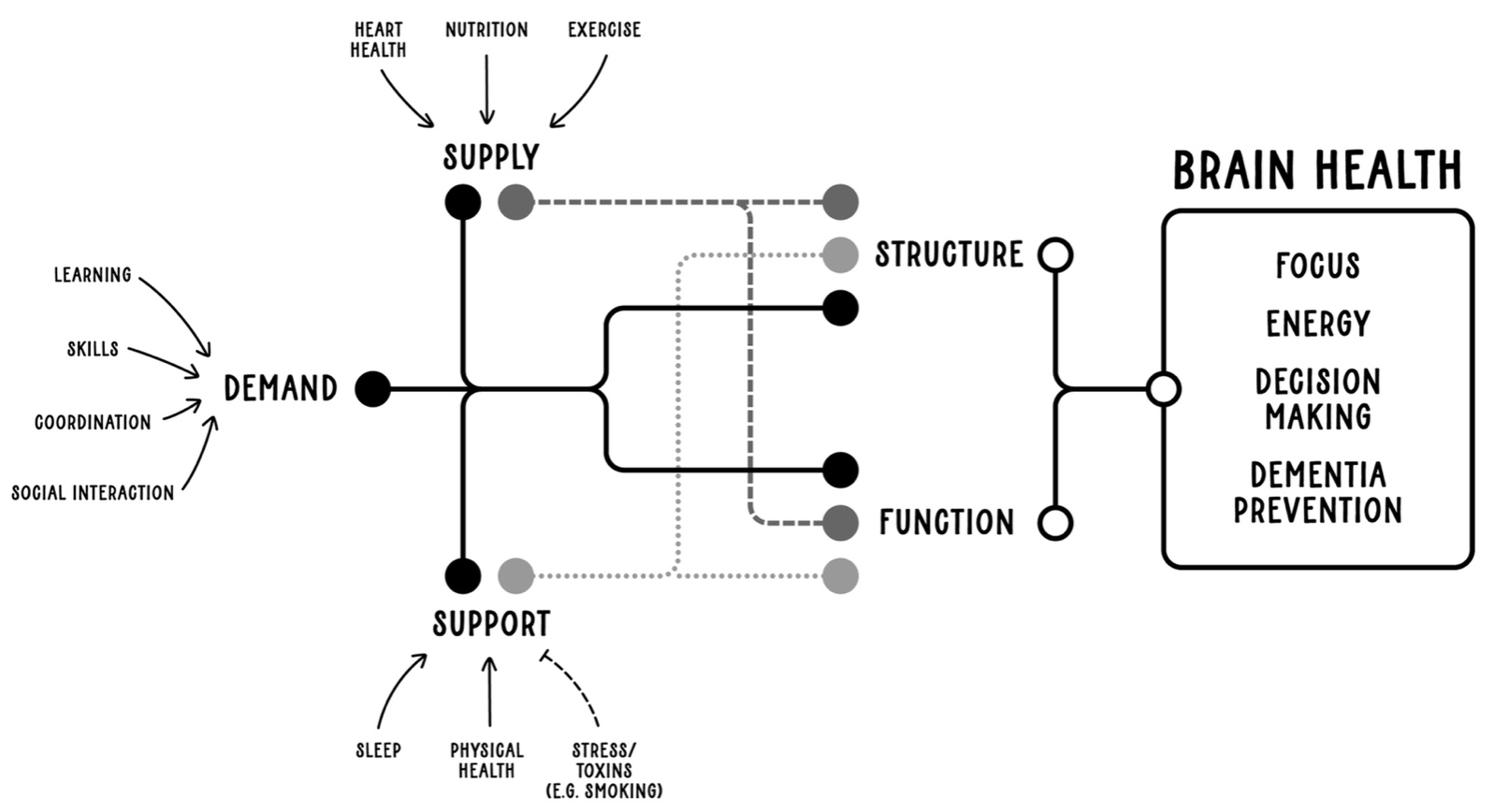
Our Head of Research and Principal Investigator is neuroscientist Dr Tommy Wood, Assistant Professor at the University of Washington. He’s a systems-based thinker and gave an amazing talk at our recent Upgrade Your Brain conference.

You can watch him in action here giving a stunning presentation on a systems-based approach to cognitive function. The diagram below is from his talk. We’ll be publishing a paper on this soon.

A diagram of a structure

Description automatically generated
Prevention is more effective & available right now 

Not only are literally no other charities taking prevention seriously, or keeping up to date with the evidence that is streaming in almost weekly, none have any comprehensive model as to how cognitive decline occurs and how to keep your brain healthy. 

Quoting Alzheimer’s Research UK, whose strapline is ‘we exist for a cure’ they say: “don’t smoke, keep cholesterol and blood pressure under control, be active daily and exercise regularly, maintain a healthy weight, eat a healthy balanced diet, drink fewer than 14 units of alcohol per week.” That’s it. Let’s face it – who didn’t know that? That’s not exactly going to reverse the dementia epidemic. 

Despite part funding the original Oxford trial on B vitamins, which showed up to 73% reduced rate of brain shrinkage, compared to approx. 20% increased brain shrinkage from the latest anti-amyloid drug treatment, their Chief Medical Officer Dr Peter Schott says: “Dietary supplements are big business, and plenty of websites sell vitamins on the promise of boosting brain health. But supplements are only recommended for people with a diagnosed deficiency, and should be taken with a doctor’s support.” 

What on earth does he mean by ‘diagnosed deficiency’? He ignores the fact that about half those over 65 are deficient, indicated by a homocysteine level above 11 mcmol/l. How many doctors even know that, let alone are testing for it? Some test serum B12 but, in the UK, the reference range for this is wrong. In the EU, Japan and Canada if your level is below 500pg/ml you’re deficient. This is correct. In the UK the cut-off level is 180pg/ml. This is wrong. Brain shrinkage is happening below 500 pg/ml. Homocysteine is the most important and predictive test which is why we test it as part of our research. It’s included in the DRIfT test and can be tested on its own – see foodforthebrain.org/tests. Lowering high homocysteine with a 10p a day B vitamin is the single most effective, and cost-effective, prevention action anyone can take. We had it costed by Oxford University’s health economist and found that just this would save £50 million a year in the UK. The next best evidence-based prevention action is to up your omega-3 level (test your omega-3 index here)] to find out how you are doing) and eat a lower carb and low GL diet (glycaemic load goes further than the glycaemic index as it takes into account the portion size of the food). 

Now that would make a difference.

SEEKING A CEO/OPERATIONS DIRECTOR

Having helped shape Food for the Brain’s strategy, and helped it grow exponentially, I need to focus on getting the word out there – teaching as many people, public and practitioners, as possible, getting media coverage, helping spread the word. That’s what I’m good at. In September we launch in Canada, Australia and New Zealand. In November we launch in Japan and China, thanks to generous donations, and I’m going out there to launch the Cognitive Function Test, teach and spread the word. Next we seek donations to translate all this into Spanish and Portugese.

So now we really need a good leader and team player who knows how to get things done, working with our brilliant, highly functional small-but-mighty team. This is a part-time, paid position, with the potential to grow full-time as the charity expands. If you think you might have what it takes and have the combined skills of marketing and operations, digital development and are also able to lead and represent the charity with my full support, plus a background and passion for nutrition and mental health, get in touch by sending your CV to me at patrick@foodforthebrain.org.

Wishing you the best of health and happiness,

A black and white logo

Description automatically generated


Further info

WHO says Vitamins B, PUFA (Omega-3) & Multivitamins Should Not Be Recommended

Do supplements really help when it comes to cognitive decline or are they money wasted down the toilet?!

We believe that the science supports the use of correct supplementation in order to reduce risk of dementia and Alzheimer’s – so what is going on and what does the research really say?

The WHO report saying supplements are ‘not recommended’

A 2018 report by the WHO states: ‘Vitamins B and E, PUFA and multi-complex supplementation should not be recommended to reduce the risk of cognitive decline and/or dementia.’ 

This 2018 WHO review makes no reference at all to the effect of B vitamins in slowing brain atrophy (1) and in improving cognition (2) in the rather large sub-group, estimated to be up to half of those over 65, with raised homocysteine. After all, why would B vitamins be expected to have an effect in those not deficient?

On closer inspection, three of the four cited studies in the WHO document are actually one meta-analysis (which is a statistical process of analysing and combining results from several similar studies). It cites only one paper which considered B vitamins (the one part-funded by Alzheimer’s Research UK) which showed a clear effect of B vitamins improving cognition in those with raised homocysteine, and one study on omega-3 DHA, which also shows clear benefit as stated in the studies summaries. Thus, it misrepresented the study that ARUK part funded on B vitamins as negative, when they had a clearly positive effect. 

The only cited B vitamin study (2) states, “The mean plasma total homocysteine was 30% lower in those treated with B vitamins relative to placebo. B vitamins stabilised executive function (CLOX) relative to placebo. There was significant benefit of B-vitamin treatment among participants with baseline homocysteine above the median in global cognition, episodic memory and semantic memory. Clinical benefit occurred in the B-vitamin group for those in the upper quartile of homocysteine at baseline in global clinical dementia rating score… In this small intervention trial, B vitamins appear to slow cognitive and clinical decline in people with mild cognitive impairment (MCI), in particular in those with elevated homocysteine.”

The only cited study on omega-3 fish oils (3) states, “The fish oil group showed significant improvement in short-term and working memory.” The 12-month change in memory was significantly better in the fish oil group. This study suggested the potential role of fish oil to improve memory function in MCI subjects.

So, even based on its own cited evidence, the benefit of both B vitamins and omega-3 fish oils is supported.

How the WHO statement then recommends the opposite, ‘Vitamins B and E, PUFA and multi-complex supplementation should not be recommended to reduce the risk of cognitive decline and/or dementia.’ beggars belief. But the real problem is not the shoddy research, from 2015, used to produce this report but that it is out of date. The WHO ‘rules’ for this report was to ignore any study that was more than 5 years old, yet the WHO authors republished this same report, with the same conclusions, in 2022, by then redundant according to its own rules!

What we’ve learned since 2018

Also, much has been learnt, and published, since 2018. There is now evidence that homocysteine lowering B vitamins are most effective in those with sufficient omega-3 status and omega-3 fish oils are most effective in those with low homocysteine. This is clinical confirmation of the known mechanism of co-dependence and illustrates why the WHO document is now out of date. We prefer published, peer-reviewed reviews such as the editorial in the American Journal of Clinical Nutrition in 2021 (4) and a meta-analysis in 2023 (5).

Additionally, since 2018, there have been at least 17 studies (6-22), including both randomised controlled trials and cohort studies which show benefit of either omega-3 fish oil supplementation, or higher intake from seafood with resultant higher omega-3 blood levels, in reducing risk for and incidence of dementia or cognitive decline.

This is another example showing why the WHO document is no longer current and relevant. Yet leading Alzheimer’s charities such as the Alzheimer’s Society and Alzheimer’s Research UK (ARUK – who part funded the highly effective B vitamin trial) still refer to this redundant report.

With regard to multivitamins, the latest meta-analysis states (7), “The meta-analysis of COSMOS substudies showed clear evidence of multivitamin-mineral benefits on global cognition and episodic memory; the magnitude of effect on global cognition was equivalent to reducing cognitive ageing by 2 years”. B vitamins, given to those with raised homocysteine, are much more effective than multivitamins given to all – and more effecctive in those with sufficient omega-3 status.

Summary

In conclusion, the 2018 WHO report is so sloppy, and out of date – by its own rules. It would be wise for WHO to withdraw this misleading report and certainly for both ARUK and the Alzheimer’s Society and any other Alzheimer’s or dementia organisations to stop referring to it in the context of omega-3, B vitamins or multivitamins, if they are to maintain credibility in being science-based.

Note: Many people are not aware that the WHO is no longer only funded by donations from the countries that it is supposed to serve but is now also privately funded, with the second largest funder being the Bill Gates Foundation, which accounts for 10% of its budget, leading to questions over influences on its agenda. 


References

1. Smith AD, Smith SM, de Jager CA, Whitbread P, Johnston C, Agacinski G, et al. Homocysteine-lowering by B vitamins slows the rate of accelerated brain atrophy in mild cognitive impairment: a randomized controlled trial. PloS one 2010;5(9):e12244.

2. de Jager CA, Oulhaj A, Jacoby R, Refsum H, Smith AD. Cognitive and clinical outcomes of homocysteine-lowering B-vitamin treatment in mild cognitive impairment: a randomized controlled trial. International journal of geriatric psychiatry 2012;27(6):592-600.

3. Lee et al 2013 – https://pubmed.ncbi.nlm.nih.gov/22932777/

4. Smith AD, Jernerén F, Refsum H. ω-3 fatty acids and their interactions. Am J Clin Nutr 2021;113(4):775-8.

5. Fairbairn P, Dyall SC, Tsofliou F. The effects of multi-nutrient formulas containing a combination of n-3 PUFA and B vitamins on cognition in the older adult: a systematic review and meta-analysis. The British journal of nutrition 2023;129(3):428-41.

6. Liu X, Zhuang P, Li Y, Wu F, Wan X, Zhang Y, et al. Association of fish oil supplementation with risk of incident dementia: A prospective study of 215,083 older adults. Clinical nutrition (Edinburgh, Scotland) 2022;41(3):589-98.

7. Vyas CM, Manson JE, Sesso HD, Cook NR, Rist PM, Weinberg A, et al. Effect of multivitamin-mineral supplementation versus placebo on cognitive function: results from the clinic subcohort of the Cocoa Supplement and Multivitamin Outcomes Study (COSMOS) randomized clinical trial and meta-analysis of 3 cognitive studies within COSMOS. Am J Clin Nutr 2024;119(3):692-701.

8. Jerneren F, Cederholm T, Refsum H, Smith AD, Turner C, Palmblad J, et al. Homocysteine Status Modifies the Treatment Effect of Omega-3 Fatty Acids on Cognition in a Randomized Clinical Trial in Mild to Moderate Alzheimer’s Disease: The OmegAD Study. Journal of Alzheimer’s disease : JAD 2019.

9. Rouch L, Virecoulon Giudici K, Cantet C, Guyonnet S, Delrieu J, Legrand P, et al. Associations of erythrocyte omega-3 fatty acids with cognition, brain imaging and biomarkers in the Alzheimer’s disease neuroimaging initiative: cross-sectional and longitudinal retrospective analyses. Am J Clin Nutr 2022;116(6):1492-506.

10. He X, Yu H, Fang J, Qi Z, Pei S, Yan B, et al. The effect of n-3 polyunsaturated fatty acid supplementation on cognitive function outcomes in the elderly depends on the baseline omega-3 index. Food & function 2023;14(21):9506-17.

11. Doughty KN, Blazek J, Leonard D, Barlow CE, DeFina LF, Omree S, et al. Omega-3 index, cardiorespiratory fitness, and cognitive function in mid-age and older adults. Prev Med Rep 2023;35:102364.

12. Loong S, Barnes S, Gatto NM, Chowdhury S, Lee GJ. Omega-3 Fatty Acids, Cognition, and Brain Volume in Older Adults. Brain Sci 2023;13(9).

13. Maltais M, Lorrain D, Léveillé P, Viens I, Vachon A, Houeto A, et al. Long-chain Omega-3 fatty acids supplementation and cognitive performance throughout adulthood: A 6-month randomized controlled trial. Prostaglandins, leukotrienes, and essential fatty acids 2022;178:102415.

14. Andriambelo B, Stiffel M, Roke K, Plourde M. New perspectives on randomized controlled trials with omega-3 fatty acid supplements and cognition: A scoping review. Ageing Res Rev 2023;85:101835.

15. Wei BZ, Li L, Dong CW, Tan CC, Xu W. The Relationship of Omega-3 Fatty Acids with Dementia and Cognitive Decline: Evidence from Prospective Cohort Studies of Supplementation, Dietary Intake, and Blood Markers. Am J Clin Nutr 2023;117(6):1096-109.

16. Grande de França NA, Díaz G, Lengelé L, Soriano G, Caspar-Bauguil S, Saint-Aubert L, et al. Associations Between Blood Nutritional Biomarkers and Cerebral Amyloid-β: Insights From the COGFRAIL Cohort Study. The journals of gerontology Series A, Biological sciences and medical sciences 2024;79(1).

17. Sasaki N, Jones LE, Carpenter DO. Fish consumption and omega-3 polyunsaturated fatty acids from diet are positively associated with cognitive function in older adults even in the presence of exposure to lead, cadmium, selenium, and methylmercury: a cross-sectional study using NHANES 2011-2014 data. Am J Clin Nutr 2024;119(2):283-93.

18. van Soest APM, van de Rest O, Witkamp RF, Cederholm T, de Groot L. DHA status influences effects of B-vitamin supplementation on cognitive ageing: a post-hoc analysis of the B-proof trial. European journal of nutrition 2022;61(7):3731-9.

19. Gao J, Fan H, Wang X, Cheng Y, Hao J, Han S, et al. Association between serum omega-3 PUFAs levels and cognitive impairment in never medically treated first-episode patients with geriatric depression: A cross-sectional study. J Affect Disord 2024;346:1-6.

20. He Y, Huang SY, Wang HF, Zhang W, Deng YT, Zhang YR, et al. Circulating polyunsaturated fatty acids, fish oil supplementation, and risk of incident dementia: a prospective cohort study of 440,750 participants. GeroScience 2023.

21. Chedid G, Malik A, Amangurbanova M, Khraishah H, Welty FK. Docosahexaenoic Acid Levels and Omega-3 Index, but Not Eicosapentaenoic Acid Levels, Are Associated With Improved Cognition in Cognitively Healthy Subjects With Coronary Artery Disease. Arteriosclerosis, thrombosis, and vascular biology 2022.

22. Duchaine CS, Fiocco AJ, Carmichael P-H, Cunnane SC, Plourde M, Lampuré A, et al. Serum ω-3 Fatty Acids and Cognitive Domains in Community-Dwelling Older Adults from the NuAge Study: Exploring the Associations with Other Fatty Acids and Sex. The Journal of nutrition 2022;152(9):2117-24.

Further info

‘My Relative Has Memory Problems, Possibly Dementia. What Do You Recommend?’

This is the question we get asked all the time from our community.

Normally if they go to the doctor they may get referred to a memory clinic for a Cognitive Function Test. Some get invited to take part in drug trials and there are basically two kinds of drugs under investigation – anti-amyloid and anti-p-tau.  If you’re tempted to participate in any test, we would suggest finding out which type is being tested. So far the anti-amyloid treatments have not delivered any significant clinical benefit and lots of adverse effects including deaths. Anti p-tau drugs have not yet been proven to work. However, p-tau accumulation, making neurofibrillary tangles, is a function of high homocysteine which is lowered with B vitamins (see below).  We know this already. So why not test and lower homocysteine with B vitamins?

Some people get prescribed cholinesterase inhibitor drugs, designed to stop the breakdown of acetylcholine. These include rivastigmine, donepezil (Aricept) and galantamine. They are marginally effective, but the effect runs out after 2 years (see why below and other approaches).

The first steps:

The first step, with help, is to do the Cognitive Function Test here (which they may struggle with), followed by a questionnaire.

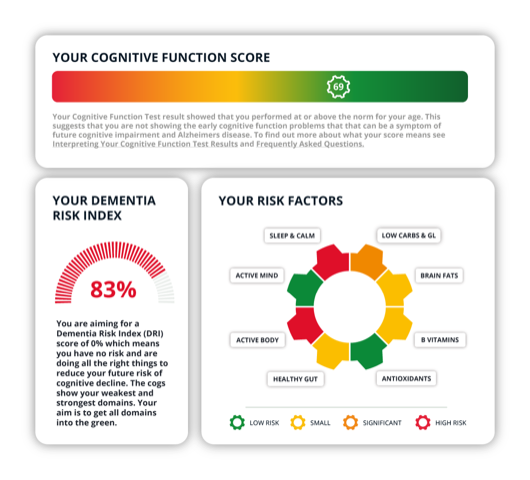
Even if they can’t complete the Cognitive Function Test, do encourage them to continue and complete the questionnaire because this will show where the weak areas that need attention are. An example test result is below.

Ideally, they should then sign up as a FRIEND to get access to COGNITION and a focused brain upgrade but if they are too far progressed to receive and respond to emails, then here are some quick wins.

At home tests to run & what to do with the results

First, have them do the DRIfT home test to measure HBA1c, homocysteine, omega-3 index and vitamin D. If you know their HbA1c and vitamin D already then you can test these individually (see all test options here).

From a raised HbA1c we’d know if sugar balance is a problem, in which case 2 tablespoons (60g) of C8 oil is likely to help, as well as eating low carbs and avoiding sugar as much as possible (and limit alcohol). The C8 oil helps the brain make ketones which is an alternative fuel source for brain cells and fills the ‘energy gap’ created by poor glucose delivery, a function of insulin resistance.

If Homocysteine is above 10mcmol/l. we’d know they need homocysteine lowering B vitamins (including supplementing vitamin B12 500mcg – see here)

If Omega-3 is below 8%, they need to eat more oily fish and supplement omega-3 fish oils with 500mg of DHA – see here for more info on supplementation. 

If Vitamin D is below 75nmol/l they need to supplement – probably 1,000 to 3,000ius a day or 10,000-20,000ius a week. Click here to read more about what’s needed depending on their level.

How to support neuronal membranes

Neuronal membranes, which is what breaks down in dementia, are made from phospholipids binding to omega-3, which require B vitamins to drive a process called methylation.

If this process is not working efficiently, homocysteine goes up.

A critical phospholipid is Phosphatidyl Choline (PC), bound to omega-3 DHA (known as PC-DHA, which predicts dementia if low). The cholinesterase inhibitor drugs try to protect this but why not supplement phosphatidyl choline, which is very rich in lecithin capsules or granules? Two high PC lecithin capsules, plus at least 500 mg of omega-3 DHA, plus homocysteine-lowering B vitamin complexes cover all bases. See here for more information on supplements.

Other things that can help

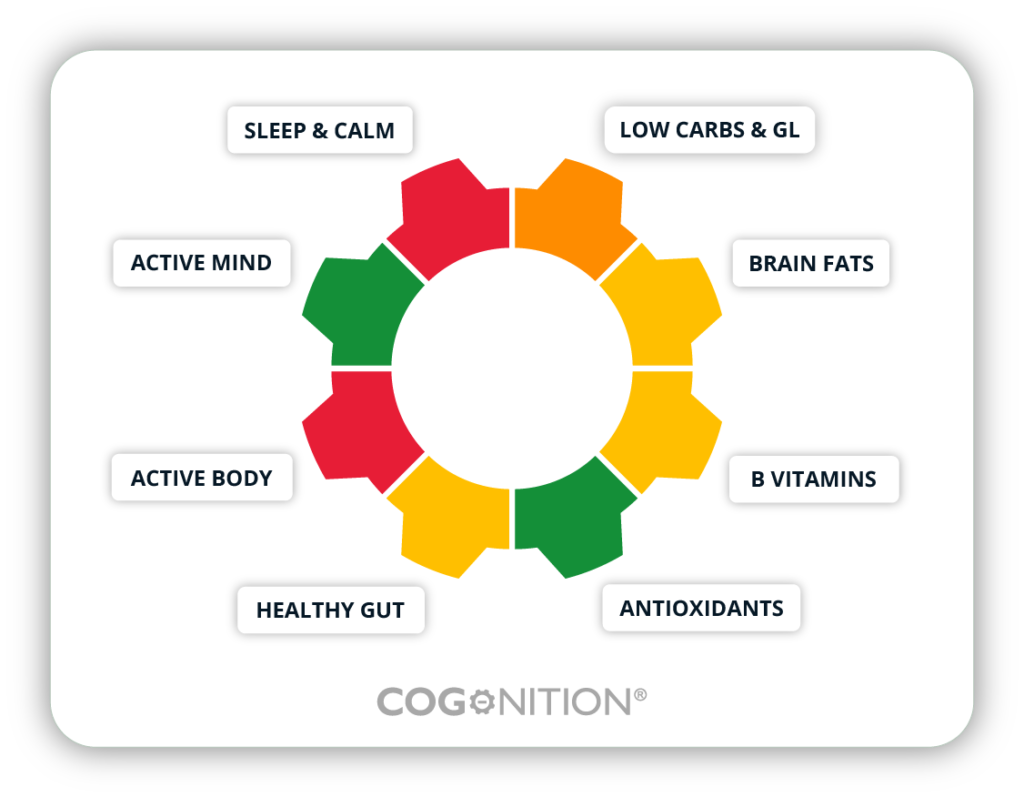
We can guide you through all 8 lifestyle domains that can help improve cognitive function in our COGNITION program (read how Dorothy got her husband back after implementing these with her husband here). 

A diet low in sugar and carbs, with lots of oily fish, regular exercise and as much social and intellectual stimulation as possible along with good sleep, all make a big difference and we guide you through that in COGNITION for £5 a month or £50 a year. Access COGNITION by joining as a FRIEND here.

Once the Cognitive Function Test is complete, you will get a personalised result showing the areas that are ‘in the green’ and the areas you need to focus on (bear in mind that if dementia is already diagnosed, there will probably be a lot of red and amber colours). 

Actions:

All tests ordered and completed contribute to our charitable work and independent research and are a part of our Citizen Science mission! 

Further info