Brain Fog: How to Clear the Mist of Your Mind
In this article, we will explore how to get rid of brain fog and discuss practical strategies to help you regain mental clarity.
by Patrick Holford and edited by Nuala Mcdermott

Have you ever experienced ‘brain fog’?
Difficulty concentrating, feeling mentally sluggish, forgetful, and unable to focus or think clearly?
Increasingly, the term “brain fog” is used to describe a range of cognitive symptoms that affect mental clarity and sharpness. Although brain fog isn’t a medical diagnosis, it is often a sign that your brain isn’t functioning at its best. The encouraging news is that many of the underlying causes are modifiable, meaning there are practical steps you can take to improve your mental clarity and support long-term brain health.
Is your brain running out of energy?
Our brains require a constant supply of energy to function optimally, just as our bodies do. Typically, this energy comes from glucose. However, as we age, or in those experiencing cognitive decline, the brain can become less efficient at using glucose. This reduced ability to access energy is often linked with insulin resistance, leaving brain cells effectively “hungry“. When brain cells don’t receive enough fuel, they struggle to perform efficiently, which may contribute to symptoms such as poor concentration, mental fatigue, forgetfulness, and what many people describe as brain fog. It can also leave you craving sugary foods as your brain searches for a quick source of energy.
One way to address this is by improving the brain’s ability to use alternative fuels. A lower glycaemic load diet, and for some people, a lower carbohydrate or Hybrid Diet approach, may help encourage the production of ketones, an alternative fuel that the brain can use efficiently. One practical way to increase ketone production, without following a strict ketogenic diet, is through C8 MCT oil.
Mind the gap with C8 oil
This energy deficit can be filled by an alternative fuel: ketones, which are made from C8 oil, a type of medium-chain triglyceride (MCT). Coconut, palm, and, to a lesser extent, olive oil all contain MCTs. However, recent research has shown that almost all ketones are made from a specific fraction of these fats called C8. Unlike other fats, C8 is rapidly converted by the liver into ketones, providing an alternative energy source that the brain can readily use.
Research by Dr Melanie Fortier and Professor Stephen Cunnane from Sherbrooke University (1,2) has shown that C8 oil can dramatically boost brain energy levels, particularly in those with cognitive decline. In studies involving people with Alzheimer’s disease or mild cognitive impairment, those who consumed C8 oil experienced an impressive 230% increase in brain energy derived from ketones, leading to significant improvements in memory, language skills, and overall cognitive function.
“People with cognitive decline have an energy gap,” says Professor Cunnane. “Probably due to insulin resistance, they are not able to make use of glucose. Providing a food source, C8 oil, from which the body can readily make ketones, fills that energy gap. Brain cells come back to life, and memory and brain function improve as a result. It reminds me of those announcements on the London Underground, ‘Mind the gap.’“
By filling this energy gap with ketones, C8 oil may not only help improve mental clarity and cognitive function but also reduce sugar cravings. When the brain has a steady, reliable source of energy, it no longer sends out urgent signals for quick fixes like sugar, helping to restore balance and mental clarity.
In Professor Cunnane’s study, participants were given 30 g, approximately two tablespoons, of predominantly C8 oil each day. It is virtually tasteless and is often best taken with food, although many people simply add it to their morning coffee. If you’re new to C8 oil, it’s sensible to start with a small amount and gradually build up over several days to allow your digestive system to adapt.
Omega-3 and B vitamins – the dynamic duo
Supporting your brain’s energy supply is only part of the picture. For brain cells to communicate efficiently, repair themselves, and continue producing energy, they also need the right nutrients. Two of these important nutrients are omega-3 DHA and B vitamins, which work together to support healthy brain function.
In recent years, researchers have discovered that omega-3 and B vitamins are co-dependent, meaning they work most effectively together. This led to a study (3) in which people with mild cognitive impairment were given either folic acid (800 mcg), omega-3 DHA (800 mg), or both nutrients together for one year and compared with those receiving placebos.
The individual nutrients each showed some cognitive benefits, but the greatest improvements were seen in those taking both omega-3 DHA and folic acid together. The combination produced significant improvements in all three measures of IQ, including full, verbal, and performance IQ, demonstrating a clear advantage for people experiencing cognitive decline.
Researchers from Tianjin Medical University and Hebei Medical University in China also investigated the effects of these nutrients on mitochondria, the tiny energy factories inside every cell. They found that participants taking the nutrients had less oxidative damage to mitochondrial DNA. (3)
“The cognitive benefits might act via DNA oxidative damage and mitochondrial function,” they reported.
Healthy mitochondria are essential for keeping brain cells functioning efficiently. When mitochondrial energy production declines and oxidative stress increases, brain cells can struggle to meet their energy demands, potentially contributing to brain fog, poor concentration, and mental fatigue.
The researchers concluded that: “Interventions of folic acid (800 mcg) combined with DHA (800 mg) daily orally for 12 months can improve cognitive function in older adults with Mild Cognitive Impairment, and the combined intervention is superior to either intervention alone.“
Folate is found naturally in green leafy vegetables, while DHA is found primarily in oily fish and other marine foods. However, the amounts used in this study would be difficult to obtain through diet alone, highlighting why targeted supplementation may sometimes be appropriate. Learn about supplements that support brain function
Could your diet be contributing to brain fog?
It’s not only a lack of energy or nutrients that may contribute to brain fog. Researchers worldwide (4,5,6,7) have identified that, in some individuals, food intolerances may also contribute to symptoms including brain fog, anxiety, and depression.
The reasons are complex, but researchers are increasingly linking digestive health with brain health through what is known as the gut-brain axis.
Our gut contains more immune cells than the rest of the body combined. Inside our 10-metre digestive tract live around 100 trillion bacteria, weighing approximately 2 kg and made up of around 130 different species, collectively known as the gut microbiome.
Excessive consumption of inflammatory foods, including refined sugars, ultra-processed foods, alcohol, trans fats, and, for some individuals, gluten, may disrupt this delicate ecosystem. This can reduce populations of beneficial bacteria such as Lactobacillus and Bifidobacterium, while encouraging the excessive growth of less beneficial bacteria that promote inflammation.
Inflammatory foods may also increase the production of zonulin, a protein that affects the tight junctions between cells lining the gut wall. This can increase intestinal permeability, often referred to as “leaky gut“, allowing undigested food particles, toxins, and microbes to pass into the bloodstream, where they may trigger ongoing immune activation and inflammation.
Because the brain and gut communicate continuously through the gut-brain axis, inflammation originating in the gut may influence neurotransmitter production, immune signalling, and brain function. For some people, this may contribute to symptoms such as brain fog, poor concentration, low mood, and anxiety.
Food intolerances are only one possible contributor to brain fog, and they are unlikely to be the cause for everyone. However, if symptoms consistently worsen after eating particular foods or digestive symptoms accompany brain fog, it may be worth exploring this further with a qualified healthcare practitioner or experimenting with eliminating certain foods for short periods of time to see if there is an improvement.
Other considerations if brain fog persists
Brain fog is rarely caused by a single factor. If improving your diet and supporting your brain’s energy don’t fully resolve your symptoms, there are several other areas worth investigating.
Vitamin D
Vitamin D is an all-rounder when it comes to brain and mental health. It supports neurotransmission, helps regulate inflammation, and has important neuroprotective effects by reducing both inflammation and oxidative stress within the brain. Low vitamin D levels have also been linked with poorer cognitive performance and mood in many studies. If brain fog is an ongoing issue, checking your vitamin D status is well worth considering. Find out more about vitamin D’s role in brain health.
Homocysteine, omega-3 and B vitamins
We also know that people with depression often have much higher homocysteine levels, indicating poorer methylation, together with significantly lower levels of vitamin B12 and vitamin D. The levels of these nutrients have been shown to predict the severity of their symptoms (9).
Homocysteine is one of the most important, yet overlooked, biomarkers for long-term brain health. Elevated levels may indicate that your body isn’t recycling homocysteine efficiently, often because of suboptimal levels of folate, vitamin B12, or vitamin B6.
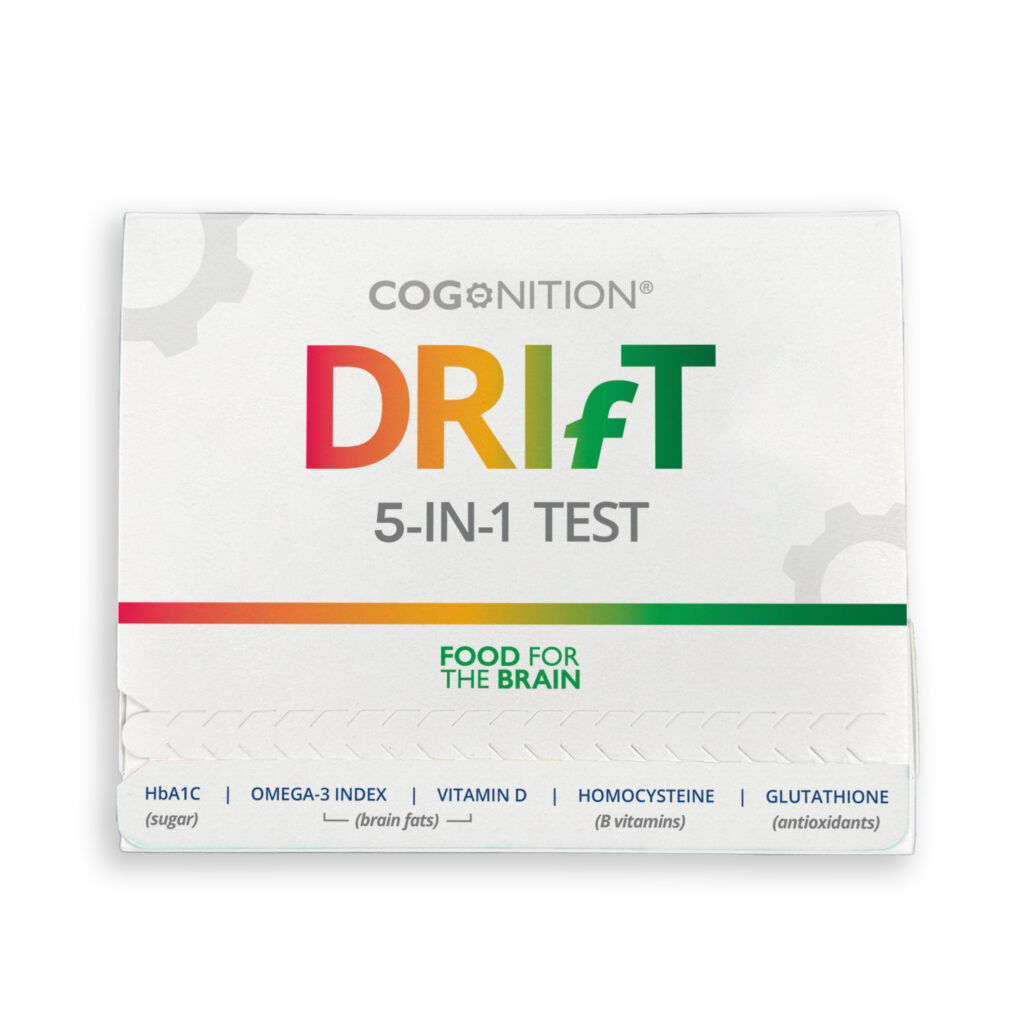
If brain fog or other symptoms of cognitive decline persist, testing homocysteine, together with omega-3 and vitamin D, can provide valuable insight into your nutritional status. These are all included in our DRIfT blood test.
Order your DRIfT blood test.
Prioritise sleep
Sleep is another essential consideration because it is during sleep that many of the brain’s repair and maintenance processes take place.
During deep sleep, the circulation of blood and cerebrospinal fluid improves, helping to remove waste products generated through normal brain metabolism. These include damaging oxidants and amyloid proteins associated with Alzheimer’s disease, both of which can begin to accumulate after even one night of sleep deprivation.
If you regularly wake feeling unrefreshed or rely on caffeine simply to function, improving sleep quality may be one of the most effective ways to reduce brain fog and restore mental clarity.
Read more about improving your sleep.
Steps to reduce brain fog
- Support your brain with C8 oil
If you decide to try C8 oil, begin with a small amount, such as one teaspoon once or twice daily, and gradually increase as tolerated. Many people eventually build up to around one tablespoon twice daily.
One delicious way to enjoy C8 is Patrick’s Hybrid Latte, combining unsweetened almond milk, almond butter, two tablespoons of C8 oil, one teaspoon of unsweetened cacao, and half a teaspoon of cinnamon.
You can also stir C8 into smoothies, add it to meals, or simply mix it into your morning coffee - Consider a lower glycaemic load
Supporting stable blood sugar levels throughout the day may help improve both energy and mental clarity. We recommend a lower glycaemic load approach for most people because it helps provide the brain with a steadier supply of energy.
If you’d like practical guidance on putting this into practice, then make sure you get access to our brain upgrade programme – COGNITION. It takes you step by step through the principles and details of low glycaemic load eating, so you learn how to build brain-friendly meals. It takes the guesswork away, and you get access to this when you become a FRIEND of Food for the Brain. - Test, don’t guess
Rather than guessing which nutrients you might need, consider measuring them.
Testing your vitamin D, omega-3, and homocysteine levels can help identify nutritional imbalances that may be contributing to brain fog, allowing you to take a more targeted approach. You can learn more about these assessments and find recommended testing options on the Food for the Brain Tests page. - Take the Cognitive Function Test
Use our FREE validated Cognitive Function Test to assess your current brain health and discover practical, personalised steps you can take to support your cognition and reduce your future dementia risk.
- Learn more
If you’d like to understand the science behind brain health in greater depth, Patrick Holford’s book Upgrade Your Brain brings together over four decades of research into nutrition, lifestyle, and cognitive function, with practical strategies to help optimise your brain throughout life.
Final thoughts
Brain fog shouldn’t simply be accepted as an inevitable part of getting older or living a busy life. It is often your brain’s way of telling you that something needs attention. Whether the underlying cause is poor brain energy, unstable blood sugar, nutrient deficiencies, chronic inflammation, or poor sleep, identifying and addressing those factors can make a meaningful difference to how you think, feel, and function every day.
As more research continues to emerge, these practical steps can help set you on the path towards a sharper mind, better focus, and long-term brain health.
References
- Croteau E, Castellano CA, Richard MA, Fortier M, Nugent S, Lepage M, Duchesne S, Whittingstall K, Turcotte ÉE, Bocti C, Fülöp T, Cunnane SC. Ketogenic Medium Chain Triglycerides Increase Brain Energy Metabolism in Alzheimer’s Disease. J Alzheimers Dis. 2018;64(2):551-561. doi: 10.3233/JAD-180202. PMID: 29914035.
- Danan A, Westman EC, Saslow LR, Ede G. The Ketogenic Diet for Refractory Mental Illness: A Retrospective Analysis of 31 Inpatients. Front Psychiatry. 2022 Jul 6;13:951376. doi: 10.3389/fpsyt.2022.951376. PMID: 35873236; PMCID: PMC9299263.
- Li M et al., Cognitive Benefits of Folic Acid, Docosahexaenoic Acid, and a Combination of Both Nutrients in Mild Cognitive Impairment: Possible Alterations through Mitochondrial Function and DNA Damage. Gerontology. 2024;70(9):940-949. doi: 10.1159/000540021. Epub 2024 Jul 17. PMID: 38952108.
- Severance E et al (2015) IgG dynamics of dietary antigens point to cerebrospinal fluid barrier or flow dysfunction in first-episode schizophrenia. Brain Behav Immun. 44:148–58
- Tao R et al (2019) Chronic Food Antigen-specific IgG-mediated Hypersensitivity Reaction as A Risk Factor for Adolescent Depressive Disorder. Genomics Proteomics Bioinformatics 17(2):183-189.
- Karakuła-Juchnowicz H et al (2017) The role of IgG hypersensitivity in the pathogenesis and therapy of depressive disorders. Nutr Neurosci 20:110-8; see also Karakula-Juchnowicz H et al (2018) The Food-Specific Serum IgG Reactivity in Major Depressive Disorder Patients, Irritable Bowel Syndrome Patients and Healthy Controls. Nutrients 10:548;
- Hart G (2017) Food-specific IgG guided elimination diet; a role in mental health? BAOJ Nutrition 3:3:033
- Hardman G and Hart G, 2007: Dietary advice based on food-specific IgG results. Nutrition and Food Science 37, 16-23;
- J. Durga J, et al., ‘Effect of 3-year folic acid supplementation on cognitive function in older adults in the FACIT trial: A randomised, double blind, controlled trial’, Lancet, 2007 Jan 20;369(9557):208–16.
Thank you for reading!
Food for the Brain is a non-for-profit educational and research charity that offers a free Cognitive Function Test and assesses your Dementia Risk Index to be able to advise you on how to dementia-proof your diet and lifestyle.
By completing the Cognitive Function Test you are joining our grassroots research initiative to find out what really works for preventing cognitive decline. We share our ongoing research results with you to help you make brain-friendly choices.
Please support our research by becoming a Friend of Food for the Brain.