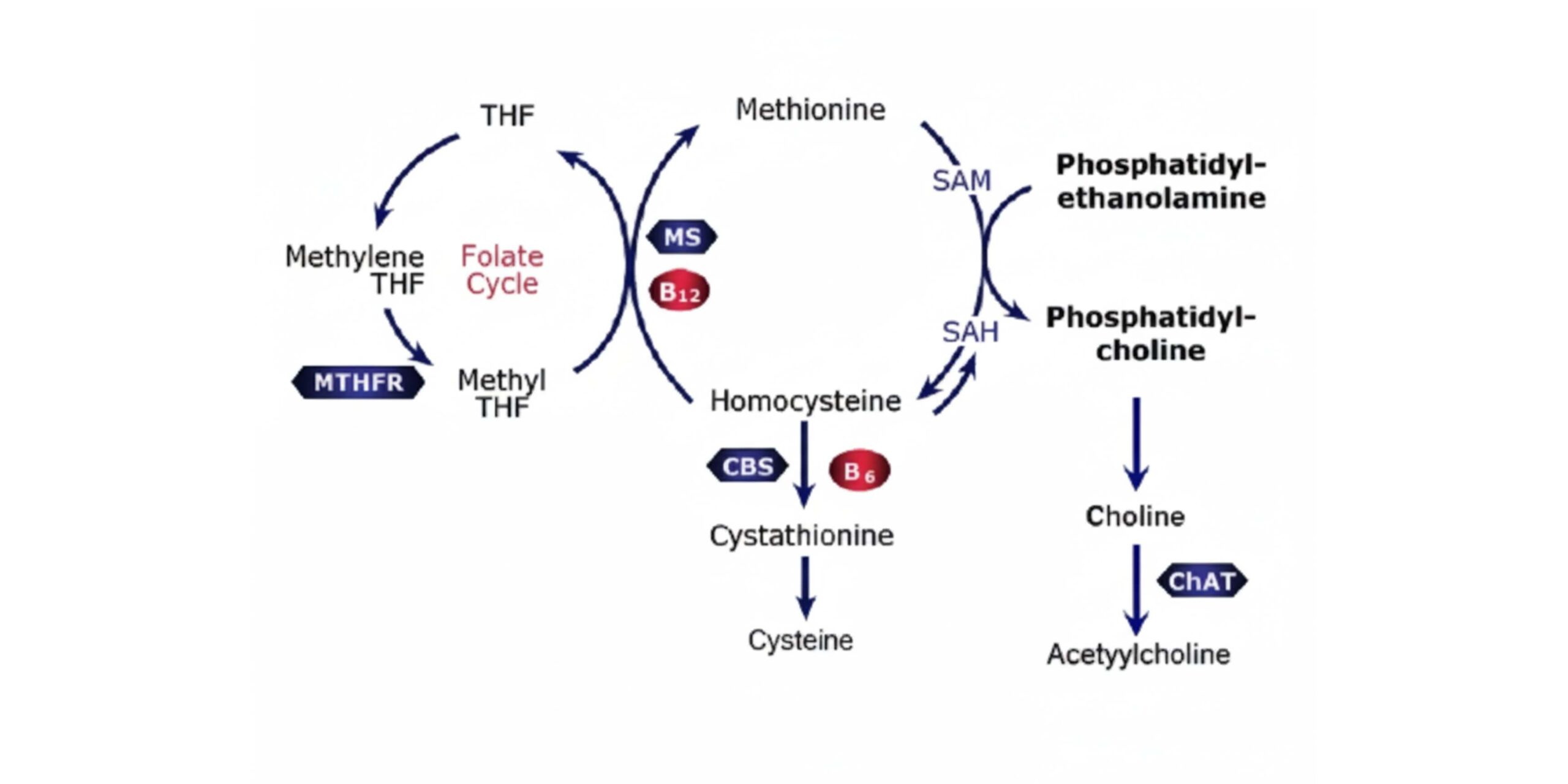
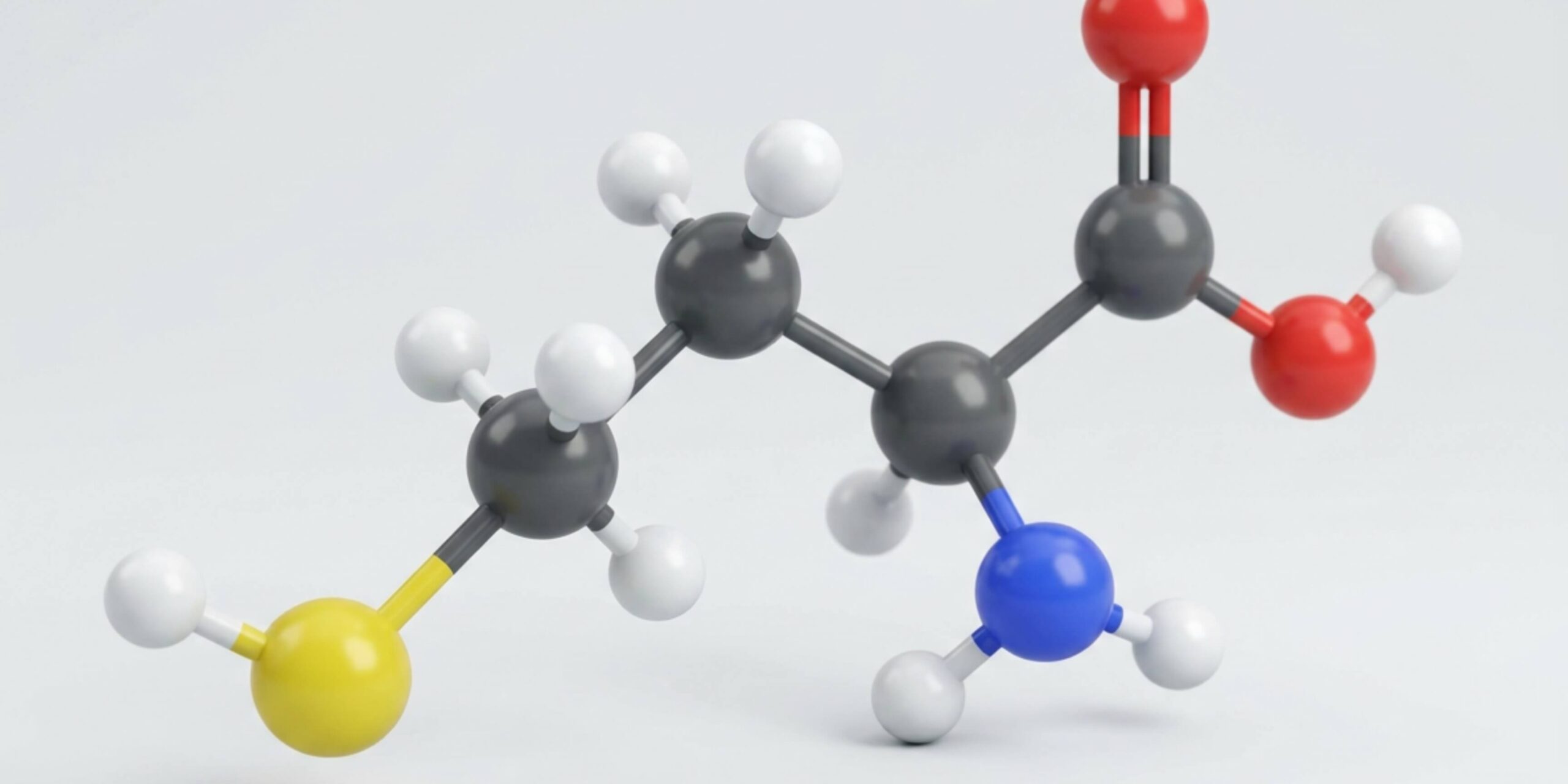
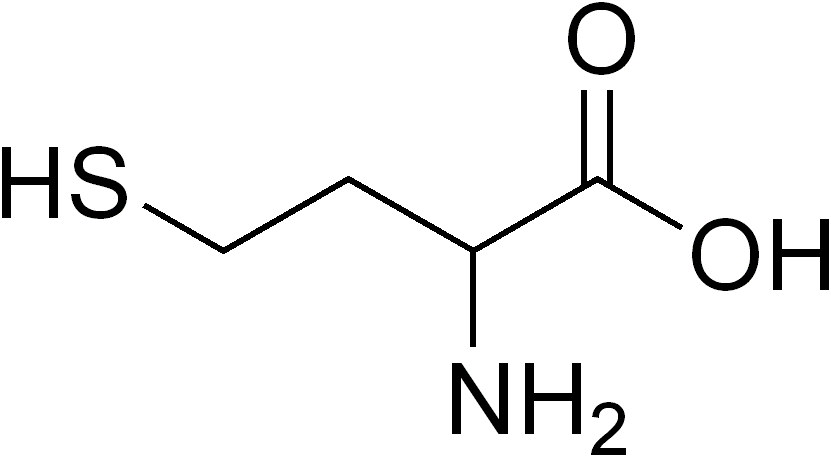
Homocysteine is a naturally occurring amino acid produced during the body’s methylation process. It sits at the centre of key biochemical pathways, including the methionine cycle and transsulfuration pathway, which influence nutrient metabolism, detoxification, and gene expression. To explore these mechanisms in more detail, including how homocysteine affects health and disease risk, read our homocysteine comprehensive overview.
Because homocysteine levels cannot be reliably identified through symptoms alone, many people choose to test their level to understand their risk and take action early.
Homocysteine is a natural part of the methylation cycle, a process your body uses to repair cells, regulate genes, produce neurotransmitters and support healthy brain and cardiovascular function. Normally, homocysteine is recycled into methionine or converted into other beneficial compounds with the help of nutrients including vitamin B12, folate and vitamin B6. When this process is disrupted, homocysteine levels can rise.
Learn more about the science behind this process in our guide to Methylation and Homocysteine, or explore Facts and Fallacies About Folic Acid, Homocysteine and Methylation to understand common misconceptions about methylation and folate.
High homocysteine is usually a sign that something is affecting your body’s ability to process this amino acid efficiently. Common causes include vitamin B12 deficiency, low folate, vitamin B6 deficiency, kidney disease, smoking, excessive alcohol consumption, certain medications, ageing and genetic variants such as MTHFR. Identifying the underlying cause is important because treatment depends on why your homocysteine level is elevated.
This is why targeted nutrition matters, and why it’s worth understanding when nutritional supplements may actually be worthwhile.
If you’ve received a high test result, our guide to Homocysteine Levels Explained can help you understand what it means, while Lowering Homocysteine explains the practical steps you can take to reduce your levels naturally.
If you would like to explore this in more depth, you can read our homocysteine and brain health article or if you’d prefer a visual explanation of how methylation work, watch the short video below.
Elevated homocysteine levels can negatively affect long-term health by promoting inflammation, impairing blood vessel function, and altering gene expression [3,4].
One of its most significant effects is on the lining of blood vessels. Elevated levels can damage this delicate inner layer, reducing flexibility and impairing blood flow throughout the body, including to the brain[3]. Over time, this creates the conditions in which both cardiovascular and neurological diseases can develop.
Raised homocysteine has been associated with a wide range of health conditions and adverse outcomes, particularly those affecting cardiovascular and brain health. These include:
Importantly, an association with raised homocysteine does not necessarily mean that homocysteine directly causes a particular disease. Depending on the condition and the available evidence, homocysteine may act as a risk marker, contribute to disease-related processes, or both.
Homocysteine is involved in biological pathways related to methylation, vascular function and cellular health, which may help explain why elevated levels have been associated with such a broad range of health outcomes.
For a detailed review of the evidence, including cardiovascular, neurological, pregnancy-related and other conditions, see diseases and health conditions associated with high homocysteine. [10]
Homocysteine is therefore not a diagnostic marker for one specific disease. Instead, an elevated result can be a useful signal to investigate factors that may be contributing to the raised level.
High homocysteine levels usually do not cause clear or immediate symptoms, so clinicians often overlook them and rarely test for them. It is not a marker of a specific disease. It works more like a warning light, signalling that something in the body is not functioning as it should.
In most cases, clinicians identify it only through testing, often after other health concerns have already begun to develop.
In many individuals, elevated homocysteine is linked to low or poorly utilised levels of key nutrients, particularly vitamin B12, folate, and vitamin B6. When this occurs, some people may experience:
These symptoms are not specific to homocysteine, and they can develop gradually over time. As a result, clinicians often dismiss them or attribute them to stress, ageing, or busy lifestyles; however, they may reflect deeper imbalances in methylation and nutrient status.
You should consider testing your homocysteine levels if you have risk factors for cardiovascular disease or cognitive decline, or if you want a proactive assessment of your long-term health.
Homocysteine levels often rise gradually with age and lifestyle factors, rather than appearing alongside a specific diagnosis. As a result, early testing can help identify elevated levels before symptoms or health issues develop, particularly in individuals at higher risk [5].
Testing may be particularly relevant if you:
Homocysteine testing can be part of a proactive approach to assessing brain and long term health.
Once you’ve received your result, see our guide to interpreting homocysteine levels to understand whether your result falls within the optimal, healthy or elevated range.
Homocysteine levels are measured in micromoles per litre (µmol/L). While many laboratories classify levels below 15 µmol/L as normal, a growing body of research suggests that lower levels may be associated with better long term brain and cardiovascular health. Many experts consider a level between 7 and 10 µmol/L to be a healthy target, although the ideal range varies depending on your age, overall health and individual risk factors.
If you’ve already had a homocysteine test, understanding what your result means is just as important as knowing the number itself. Read our guide to Homocysteine Levels Explained to learn how to interpret your result, what may be causing an elevated level, and the steps you can take next.
Key takeaway: For optimal long-term brain and cardiovascular health, aim for a homocysteine level closer to 7 µmol/L rather than simply staying below the upper limit of “normal”.
Because homocysteine can increase gradually without obvious symptoms, even moderately elevated levels are worth addressing early through diet, lifestyle changes, and targeted nutrients.
Most people with high homocysteine have no obvious symptoms, which means levels can remain elevated for years without being detected. Because of this, testing is the only reliable way to know whether your level is optimal.
Even moderately elevated levels can be worth addressing early, before they contribute to long-term health risks.
Check your homocysteine level with a homocysteine blood test.
Elevated homocysteine levels are strongly associated with cognitive decline, memory impairment, and an increased risk of Alzheimer’s disease, and are now recognised as a modifiable risk factor for dementia [5].
Homocysteine has become a key focus of research into brain ageing. Higher levels have been consistently linked with cognitive decline, memory changes, and increased risk of neurodegenerative conditions such as Alzheimer’s disease [5]. One of the most influential studies in this area is the VITACOG trial, conducted at the University of Oxford.
This study showed that targeted B vitamin supplementation slowed brain atrophy in older adults with mild cognitive impairment, particularly in those with higher levels at baseline [8]. In some individuals, the rate of brain shrinkage was reduced by as much as 30 to 50%.
These findings suggest that homocysteine does not merely associate with brain decline but may actively contribute to the processes that drive it.
International consensus statements now recognise elevated homocysteine as a modifiable risk factor for dementia, highlighting the importance of identifying and addressing it early [5].
More detail on this link between homocysteine and dementia is explored in greater depth.
Yes. In many people, elevated homocysteine responds well to dietary changes, correcting vitamin deficiencies and improving overall lifestyle. Eat more foods that lower homocysteine, including leafy greens, legumes, fish and eggs.
Learn the most effective evidence-based strategies in our guide to Lowering Homocysteine Naturally.
Homocysteine is measured with a simple blood test that reports the amount of homocysteine in your blood in micromoles per litre (µmol/L). Testing can help identify vitamin B12, folate or vitamin B6 deficiencies, assess methylation function, and provide additional insight into cardiovascular and brain health. Home finger-prick tests and laboratory blood tests are both available, depending on your circumstances. If you’re considering testing, our Homocysteine Testing Guide explains who should be tested, the different testing options, how to prepare for the test, and what to expect from your results.
Homocysteine is one of the most important markers for long-term brain and cardiovascular health, yet many people don’t know their level.
Because it often has no clear symptoms, testing is the only way to understand your risk and take action early.
By combining testing with targeted nutrition, lifestyle changes, and the right nutrients, it is often possible to bring levels back into the optimal range.
Homocysteine is a naturally occurring amino acid that your body produces during the normal breakdown of protein. It is usually recycled into other useful substances with the help of vitamins B12, B6, and folate. If this process is impaired, homocysteine can build up in the blood, and elevated levels are associated with an increased risk of cardiovascular disease, cognitive decline, and other long term health problems.
High homocysteine is most commonly caused by low levels of vitamin B12, folate (B9), or vitamin B6, which are needed to break it down. It can also result from genetics (such as MTHFR variants), poor diet, smoking, excess alcohol, chronic stress, lack of exercise, poor sleep, and ageing.
High homocysteine often causes no obvious symptoms, which is why it is usually detected through a blood test rather than by how someone feels. When symptoms do occur, they are often related to underlying deficiencies in vitamin B12, folate, or vitamin B6 and may include:
Fatigue
Brain fog or difficulty concentrating
Low mood, anxiety, or irritability
Memory problems
Numbness or tingling in the hands and feet
Testing is particularly relevant for anyone taking a preventive approach to long-term health, and our tests are suitable from age 2 onwards.
It may be especially useful for those with risk factors for cardiovascular disease or cognitive decline, low B vitamin status, or symptoms such as fatigue, brain fog or low mood.
Because levels can rise silently over time, many people with elevated levels would not otherwise know without testing.
If you would like to check your levels, you can order a simple at-home blood test.
A biomarker is a measurable substance in the body that provides insight into how well specific biological processes are functioning. Homocysteine serves as a biomarker because it reflects how efficiently key systems operate, particularly methylation, nutrient status and vascular health.
Unlike many markers that relate to a single condition, homocysteine offers a broader view of the underlying processes that influence both brain and cardiovascular health.
For long-term health, “normal” is not the same as optimal.
Levels below 10 µmol/L are generally associated with lower risk. For a more preventive approach, aiming for 7 µmol/L or below is often recommended as a more protective target for brain and cardiovascular health.
Levels above this range may indicate that the body is not processing homocysteine efficiently and could benefit from targeted nutritional and lifestyle support.
Elevated homocysteine increases the risk of several chronic conditions, particularly cardiovascular disease and cognitive decline. Research also suggests it may contribute to underlying processes such as inflammation, oxidative stress and damage to blood vessels.
It is not a diagnosis in itself, but a useful signal that something in the body may require attention.