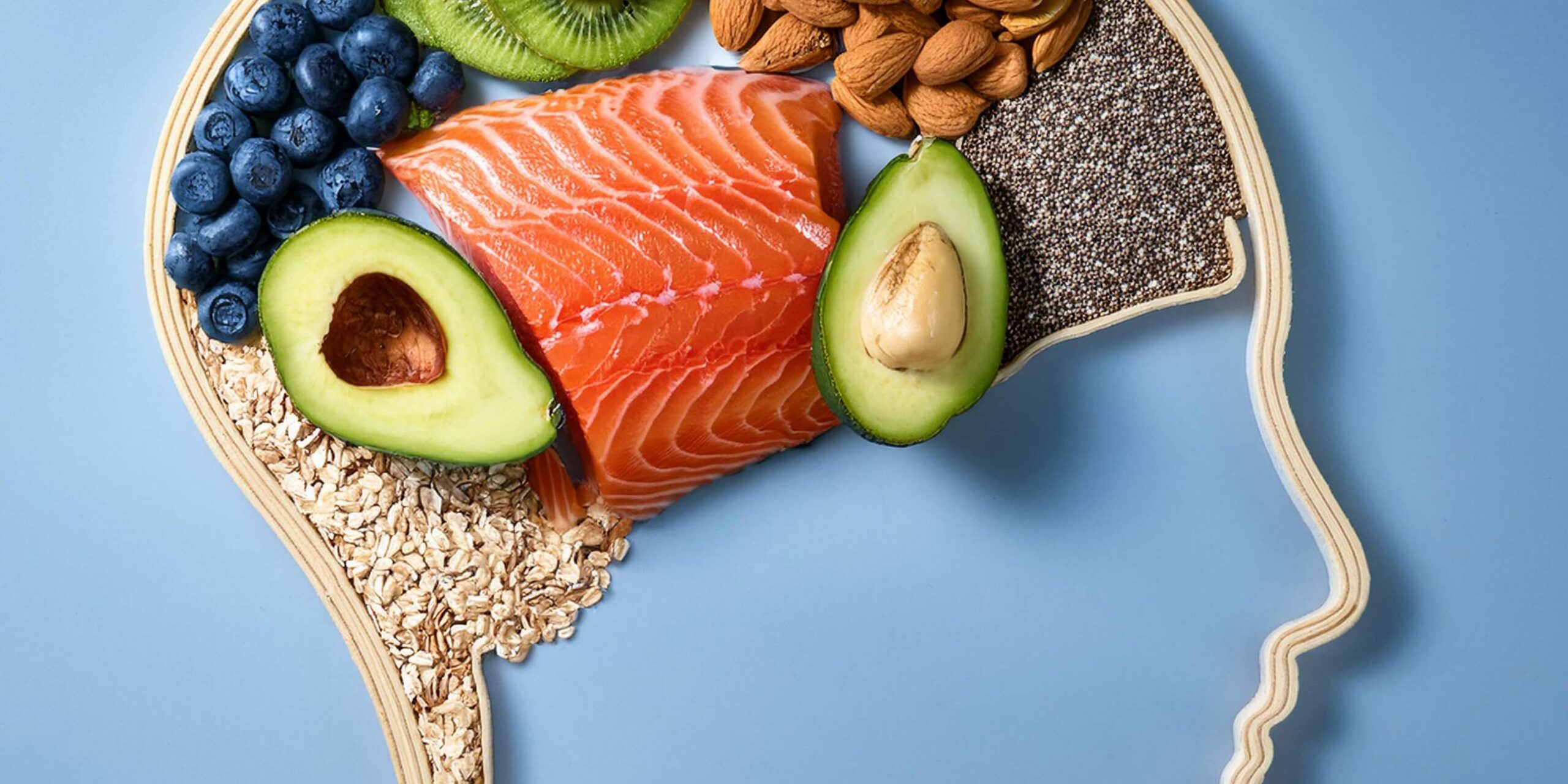
December 2025 - Food for the Brain

because prevention is better than cure.

because prevention is better than cure.

Mini Cart 0

Your cart is empty.

Mini Cart 0

Your cart is empty.

Welcome to 2026 – The Year of the Alpacalypse

Welcome to 2026 – The Year of the Alpacalypse

by Patrick Holford

alpacalypse image

The Global Brain Health Crisis and Why 2026 Matters

Down here at Fforest Barn Mountain Retreat we are awaiting the arrival of Buddy, our new alpaca, joining Tommy Gun, Food for the Brain’s lucky mascot, along with Vincent, Oran and Winston “the Wolf” Moondance, born on a full moon. This year we are expanding and consolidating our beyond organic food growing, applying all the principles I have learned about health to plants. If you would like to understand these principles, watch the lecture I gave for the BioNutrient Food Association, entitled “As Below So Above”, which explains the five fundamental principles of health of and the basis of my new book The Five Health Essentials.

It was great having the whole Food for the Brain team here on the farm to brainstorm how to make the world a better place. Check out this film for a glimpse.

The apocalypse allusion is deliberate. The cost of dementia, most of which is Alzheimer’s, is untenable. China expects soon to face a trillion dollar annual bill if nothing radical changes to prevent this cerebral tsunami. Brain disorders already cost more than cancer and heart disease combined. Brain health and nutrition must be top of the healthcare agenda if we are to avoid costs that will destabilise economies and families worldwide.

The Design Problem in Modern Healthcare

As I see it, two fundamental problems need solving: corruption and design. 

By design I mean having a workable model for healthcare, economics and ecology that functions effectively at scale. In other words, a way of living that supports human health, not undermines it.

I am excited about what we are doing at Food for the Brain because it provides a realistic model for prevention at scale. It is a new paradigm based on systems-based science, not reductionism, and it goes straight to people, to Citizen Scientists, without relying on the corrupted middle layer of healthcare bureaucracy. Watch my six-minute systems-based film for a deeper explanation.

Alpacalypse and the Coming Crisis in Preventive Healthcare

What we are doing for Alzheimer’s prevention can be applied to all major 21st-century disease epidemics, from cancer to diabetes. This spring I will be in Algeria, where the Health Minister is considering integrating this approach into national healthcare. I then head to China to present at a major Alzheimer’s prevention conference. Next week I am speaking to influential CEOs in the US who have the power to scale this globally.

Knowing what works is one thing. Doing it is another. Corruption for profit, in other words greed, is the major drag factor blocking this inevitable paradigm shift. It sickens me that prevention of such a devastating condition, one that robs people of their memories until they die not knowing their own children, is actively blocked to preserve profit from hypothetical, clinically ineffective medication.

The layers of corruption within medical science, academic journals, PR systems and the networks that keep authority figures aligned run deep. The only solution is to keep telling the truth and exposing the lies. Shortly before Linus Pauling died, I filmed him discussing his brilliant lipoprotein(a) hypothesis in heart disease. He advised me to “follow the logic” to find the truth and not to worry about randomised controlled trials; they come later.

The selective use of meta-analyses, which combine chosen RCTs, has become a mechanism to generate pharma gold, not clearer science. A classic example is The Lancet Commission on Dementia Prevention report in 2023, which purposely ignored homocysteine-lowering B vitamins and omega-3 (Read more about that here). In combination, these are the single most evidenced, substantial and easily implemented means to cut Alzheimer’s risk by at least a third. That omission is corruption: following the money, not the logic.

Citizen Science as a Scalable Solution to Dementia Prevention

This is why supporting Food for the Brain matters. Becoming a Friend and encouraging those you know to take the Cognitive Function Test strengthens the COGNITION Biobank, which enables true prevention research at scale. I predict that by the end of 2026, this will be the largest dementia prevention research database in the world. My colleagues in China want to test 18 million people over the age of 60.

If you are looking for a New Year’s resolution, I suggest becoming a Citizen Scientist in heart, mind and action. How? 

  • Take the Cognitive Function Test here and tell everyone you know to do it!
  • Become a Friend – Join over 2,000 members to access monthly coaching and webinars and support this important movement.

(For those with children, see foodforthebrain.org/smartkids)

Despite everything mentioned, there is so much possibility and hope. And it doesn’t need to be overwhelming, avoid sugar as much as possible. Invest in high-quality food, because it becomes you. Take your supplements every day. Walk at least 5,000 steps a day, ideally 7,000. The most important aspect is to take regular positive actions in your own health journey.

A New Year Call to Action for Citizen Scientists

2026 offers a turning point. Prevention is entirely achievable if people are given truthful education, accessible tools, and a model of change rooted in systems thinking rather than narrow, profit-driven science. 

You can make powerful choices that protect your future and the generations to come.

Wishing you a Happy Christmas and a Healthy New Year.

Patrick Holford.

Founder of the Food for the Brain Foundation and the Institute for Optimum Nutrition,  Chair of the Scientific Advisory Board

Further info

From Awareness to Action: A Year of Progress in Dementia Prevention (A Letter From Emma – our CEO)

From Awareness to Action: A Year of Progress in Dementia Prevention

A Letter from Emma – Our CEO

This has been a landmark year for Food for the Brain, a year in which our work moved from ambition to acceleration. I am reminded of this shift every time I hear from individuals and families whose lives are quietly changed by prevention. Earlier this year, Nisha told us she had been struggling with her memory and felt genuinely worried about what it might mean for her future. She took the DRIfT blood test and discovered her omega-3 levels were extremely low, even though her vitamin D and HbA1c were in good shape.

She began targeted nutritional changes and, within a few months, noticed her memory improving. The results gave her confidence and direction. Instead of fearing where things were heading, she felt she had a practical route to protect her brain health. For Nisha and her children, that shift was life-changing. As she put it: “What you’ve done with Food for the Brain is on another level.”

Stories like Nisha’s remind us that prevention is powerful. With the right knowledge at the right time, people can change their cognitive trajectory long before disease ever takes hold.

Impact You Can See and Measure

This has been our most expansive year yet.
We reached new ground and new communities at a scale we have never seen before.

  • 470,000 people have now taken the Cognitive Function Test, turning a simple twenty-minute assessment into a global source of agency and early action.
  • 134 new countries took part this year, extending our reach into communities we could never have reached on our own.
  • We translated the Cognitive Function Test into 7 more languages, ensuring prevention becomes accessible, not just aspirational.

Most importantly, 200,000 individuals have now taken direct action to protect their brain health.

Education powers this progress. Over the last twelve months, we delivered more than 5.7 million moments of evidence-based brain health education, helping people understand how to protect and improve their cognitive future. These small moments accumulate into meaningful change.

Strengthening the Organisation for Scale

When I stepped into the CEO role a year ago, my priority was to build the operational backbone needed for the scale we knew was coming. This work is less visible from the outside, but it is the reason we were able to secure Innovate UK support, progress major scientific partnerships and prepare for international expansion. Step by step, we are becoming the sustainable, resilient and science-driven organisation this field needs.

Advancing Our Scientific Position

The appointment of Dr Tommy Wood, Associate Professor of Neuroscience at the University of Washington, as our Head of Research has been pivotal. Under his leadership, our scientific direction has sharpened into a clear and ambitious programme. Over the past year, we have advanced from holding one of the richest prevention datasets in the world to building a strategic roadmap that strengthens and validates it. Our research team is now refining the Dementia Risk Index with greater precision and clarifying the role of nutritional biomarkers in tracking and modifying future dementia risk.

This work reinforces what sets us apart. We are the organisation connecting cognition, lifestyle patterns, biomarkers and long-term outcomes at population scale, with prevention at the centre. That distinction is now recognised across academic and clinical communities.

Growing Recognition and Influence

This year brought a marked shift in how others see Food for the Brain. Universities, healthcare providers, digital health innovators and international research groups actively sought partnerships. We were invited to contribute, teach and shape the public conversation on dementia prevention in ways that would have been unthinkable only a few years ago. The Innovate UK award marked an important milestone, reflecting the relevance of our work to UK innovation and health system priorities

Looking Ahead – My Vision

We are moving out of the era of small charity innovation and into the era of national leadership. And we are only just getting started.

The year ahead will see us drive toward one million Cognitive Function Tests, expand DRIfT testing, host a global Alzheimer’s Prevention Conference with top researchers, reach more families and children through Smart Kids, increase accessibility for vulnerable communities and progress the work needed for healthcare integration. This is how we bring prevention from the margins of the healthcare system into the mainstream.

My vision is clear.

Food for the Brain will lead a global movement that proves dementia is not inevitable and will empower millions to protect their brains for life.

Philanthropic support plays a vital role in accelerating our impact. If you are in a position to support this next phase of growth through partnership, advocacy or donation, I would be delighted to connect.

With Heartfelt Thanks

To our trustees, scientific advisors, academic partners, FRIENDS, generous donors, volunteers, phenomenally brilliant team members, and the growing community of Citizen Scientists who trust us with their cognitive future – thank you! Your belief fuels our progress, and your partnership directly shapes what we can achieve.

And finally, a personal thank you to Patrick Holford, our founder, whose vision created the foundation on which we now stand and who is now involved in taking our message globally. It is a privilege to lead Food for the Brain into this next chapter, building on the legacy Patrick has created and expanding it into this new era of scientific and global impact.

Together, we are proving what is possible. And it is together that we are protecting brain health and transforming the future for families and society.

Best wishes,

Emma George
CEO, Food for the Brain Foundation

Want to join us?

We couldn’t do without our FRIENDS or without those who contribute to our Citizen Science. Here are three ways you can be part of the movement:

  • Check your brain health: Take the free Cognitive Function Test and spot risk early, while change is still possible.
  • Turn insight into action: The DRIfT 5-in-1 test shows which nutritional and metabolic factors matter most for your brain. No guesswork. No wasted effort.
  • Help scale prevention: Become a FRIEND and support independent research, education and global action on dementia prevention.
Further info

The Midlife Biomarker Proven to Drive Alzheimer’s – And How to Bring It Down

The Midlife Biomarker Proven to Drive Alzheimer’s – And How to Bring It Down

Homocysteine is one of the few Alzheimer’s risk factors that is causal and modifiable, and it often begins rising in midlife, making it a valuable Alzheimer’s biomarker to monitor.

It is the only measurable Alzheimer’s risk factor where lowering it has been shown to slow the disease process itself. When homocysteine rises, the brain shrinks faster. When it is lowered with the right nutritional support, shrinkage slows and thinking skills stabilise [1][3][4].

Yet despite decades of evidence, most people have never been told to test it. Most health systems never mention it at all.

This matters because homocysteine begins to rise years before symptoms develop. It gives us a glimpse into the future health of the brain long before memory changes appear. And midlife is the moment where this shift becomes easiest to detect and easiest to change. Far from being the start of inevitable decline, it is a powerful opportunity for prevention.

What Is Homocysteine and Why Does the Brain Care?

Homocysteine is a natural amino acid produced during methylation, the process the body uses to build and repair cells, process toxins, create neurotransmitters and maintain healthy brain tissue. When methylation runs smoothly, homocysteine stays low. When the system struggles, homocysteine rises.

Elevated homocysteine affects the brain in several ways:
• It accelerates shrinkage of the hippocampus, the brain’s memory centre [3].
• It increases oxidative stress and inflammation [1].
• It injures small blood vessels, increasing microvascular damage seventeen-fold [2].
• It disrupts the formation of neuronal membranes [1].

These are not abstract processes. They are part of the biology that leads to cognitive decline.

Homocysteine is therefore both a predictor and a causal contributor to these mechanisms. Scientists use the word causal when lowering a factor has been shown to change the underlying disease process. Homocysteine meets this definition because reducing it slows brain shrinkage and slows cognitive decline, which no amyloid-targeting drug has yet achieved [1][3][4].

Why Homocysteine Is a Causal Alzheimer’s Risk Factor

A causal relationship in medicine is established when different kinds of evidence all point in the same direction. Homocysteine fulfils these criteria in a way no other Alzheimer’s biomarker has been shown to do in human intervention trials

Large population studies show that higher homocysteine levels predict faster cognitive decline and a greater risk of dementia [6][10]. These relationships are consistent, and they follow a clear pattern: the higher the level, the faster the decline.

Researchers also understand why this happens. Homocysteine places strain on the brain in multiple ways. It injures the lining of small blood vessels, increases oxidative stress, disrupts methylation and accelerates the atrophy characteristic of Alzheimer’s disease [1][2].

But the strongest evidence comes from intervention. In the Oxford trials, people with raised homocysteine who were given vitamin B6, B12 and folate experienced a remarkable slowing of brain shrinkage. In those with sufficient omega 3, the reduction in atrophy reached up to 73 per cent [3]. Cognitive decline slowed or even stopped for many participants [4]. When changing a factor changes the outcome, that factor can be considered causal.

This makes homocysteine fundamentally different from more widely discussed markers such as amyloid or p-tau.

Why Homocysteine Rises in Midlife

Homocysteine does not increase because the brain is failing. It rises slowly and quietly in midlife for many reasons that are understandable and often reversible.

During these decades, the body begins to handle nutrients slightly differently, and small shifts in lifestyle or physiology can place more demand on the pathways that keep homocysteine under control.

One of the earliest changes is a gradual reduction in stomach acid that happens in many, which makes it harder for the body to absorb vitamin B12. Many people also take acid-suppressing medication long term, which compounds the issue. At the same time, daily stress tends to increase during these years. Stress uses up B vitamins more quickly, increasing the strain on methylation.

Blood sugar regulation also plays a role. Diets higher in sugar and refined carbohydrates push the body towards insulin resistance, and this metabolic pressure can lift homocysteine levels [8]. Women often face an additional shift: the natural decline in oestrogen during perimenopause. Oestrogen normally supports methylation and antioxidant capacity, so its fall makes the brain more sensitive to nutritional gaps.

There is also the modern reality that many midlife adults eat less oily fish or plant-based omega 3 sources. Without enough DHA, the brain cannot use B vitamins as effectively for repair [5][11]. And for some, medications such as metformin or certain anticonvulsants further deplete essential vitamins.

By themselves, these changes are small. But together (plus others not mentioned), they create a gentle upward drift in homocysteine that can continue for years without noticeable symptoms. The hopeful part is that every single one of these factors is modifiable. Midlife is not a point of no return. It is the moment where small corrections create the greatest long-term benefit.

How Rising Homocysteine Changes the Brain

As homocysteine increases, a series of changes begins to shape how the brain functions long before any formal diagnosis is made. 

MRI studies show that higher homocysteine is linked with faster atrophy in regions most affected in Alzheimer’s disease, particularly the hippocampus [3]. This shrinkage is not sudden. It reflects long-term strain on neurons and on the methylation pathways the brain relies on to repair itself.

Homocysteine also affects the brain’s vascular system. It damages the delicate lining of small blood vessels, increasing the likelihood of microvascular injury and transient ischaemic events [2]. These events are often too small to be noticed clinically, yet they can gradually reduce mental clarity, processing speed and resilience.

Another important effect is its influence on neurotransmitters. Methylation is essential for producing dopamine, serotonin and acetylcholine, which underpin mood, motivation and memory. When methylation slows, people often describe feeling foggy, flat or less emotionally steady. Although this article focuses on Alzheimer’s processes, the effects of raised homocysteine reach far beyond memory alone.

All of this is amplified by increased oxidative stress, which makes the brain more vulnerable to inflammation and everyday wear and tear. This combination of structural, vascular and chemical changes explains why midlife is often the first time people notice subtle shifts such as word-finding pauses, irritability, lower stress tolerance or difficulty multitasking. They are small clues that the brain’s repair systems are under pressure, long before disease takes hold.

Learn more about oxidative stress in the video below:

The Omega 3 Link: Why B Vitamins Work Better Together

One of the most striking discoveries in homocysteine research is how closely it interacts with omega 3 fatty acids. The brain is structurally rich in DHA, the omega 3 found in oily fish, and it depends on DHA to build and maintain healthy neuronal membranes. B vitamins play a crucial role here because they enable DHA to be incorporated into the phospholipids that make up these membranes.

When DHA levels are low, the brain cannot carry out this repair process efficiently, which means B vitamins have far less impact on slowing cognitive decline. But when DHA is sufficient, the picture changes. In clinical studies, the combination of high DHA and adequate B vitamins produced the greatest reduction in brain shrinkage, particularly in areas vulnerable to Alzheimer’s pathology [5][11]. This synergy is one of the clearest examples of how nutrients work together, rather than in isolation, to support long-term brain health. This is why the Food for the Brain DRIfT test measures both homocysteine and the omega 3 index. These markers do more than signal different aspects of nutritional need. They interact in a way that shapes the brain’s ability to repair itself, making them essential parts of an effective prevention strategy.

What You Can Do: How to Lower Homocysteine Safely

The hopeful part of this story is that homocysteine is one of the simplest biomarkers to measure and improve.

1. Measure it

Optimal levels are generally between 6 and 8 micromoles per litre. Order your at home test here – available internationally.

2. Increase key nutrients

Homocysteine is lowered by vitamin B6, folate, vitamin B12 and choline [1][9]. These nutrients can be supplemented and are found in foods such as leafy greens, eggs, lentils, beef, salmon, chickpeas and nutritional yeast. Many people benefit from targeted supplementation: read more here.

3. Support omega-3 intake

DHA from oily fish or algae helps the brain use B vitamins effectively [11].

4. Reduce sugar and ultra-processed foods

This lowers metabolic stress and improves methylation [8].

5. Address underlying factors

Gut health, stomach acid, hormonal changes and medication use all play a role.

Together these simple changes create powerful momentum. Midlife becomes a decade of opportunity rather than ‘inevitable’ decline.

Homocysteine gives us one of the clearest signals of how the brain is ageing long before symptoms appear. It rises for understandable, reversible reasons and responds quickly to targeted support. More importantly, lowering it has been shown to slow the disease process itself.

This means midlife is not a waiting room for cognitive decline. 

It is the moment when we can influence our long-term brain health most powerfully.

Checking homocysteine is one of the simplest and most effective ways to do that.

References:

  1. Smith AD, Refsum H. Homocysteine, B vitamins and cognitive impairment. Annu Rev Nutr. 2016;36:211-239.
  2. Smith AD, Refsum H, Bottiglieri T, et al. Homocysteine and dementia: an international consensus statement. J Alzheimers Dis. 2018;62(2):561–570.
  3. Douaud G, Refsum H, de Jager CA, et al. Preventing Alzheimer’s disease-related gray matter atrophy by B-vitamin treatment. Proc Natl Acad Sci USA. 2013;110(23):9523–9528.
  4. de Jager CA, Oulhaj A, Jacoby R, et al. Cognitive and clinical outcomes of homocysteine-lowering B-vitamin treatment in mild cognitive impairment. Int J Geriatr Psychiatry. 2012;27(6):592–600.
  5. Jernerén F, Elshorbagy AK, Oulhaj A, et al. Brain atrophy in cognitively impaired elders: the role of homocysteine and long-chain omega 3 fatty acids. Clin Chem Lab Med. 2015;53(3):435–443.
  6. Zhang X, Huang Y, Wang Y, et al. Elevated plasma homocysteine levels contribute to increased risk of dementia: a meta-analysis. J Alzheimers Dis. 2016;52(4):1227–1237.
  7. McCaddon A. Homocysteine and cognitive decline: a vitamin B story. Br J Nutr. 2014;111(2):279–280.
  8. Smith AD, Refsum H. Can nutrition prevent Alzheimer’s disease? Nutrients. 2021;13(1):1–33.
  9. Smith AD. B vitamins and the prevention of cognitive decline and dementia. Adv Nutr. 2021;12(5):1836–1844.
  10. Nurk E, Refsum H, Tell GS, et al. Plasma homocysteine and memory in the elderly. Am J Clin Nutr. 2005;82(3):493–498.
  11. Oulhaj A, Jernerén F, Refsum H, et al. Omega 3 fatty acids interact with B vitamins in slowing cognitive decline in mild cognitive impairment. Am J Clin Nutr. 2016;103(6):1041–1048.
  12. Ford AH, Almeida OP. Effect of homocysteine lowering treatment on cognitive outcomes. J Alzheimers Dis. 2019;69(2):443–456.

Further info