What if the key to protecting women’s brains from Alzheimer’s isn’t a drug, but a nutrient most of us are not getting enough of?
That’s the conclusion of new research linking low omega-3 status with a higher risk of dementia, particularly in women. It adds to a growing body of evidence that what you eat today directly shapes your brain health tomorrow.
You may have seen headlines this year reporting that women with Alzheimer’s disease tend to have unusually low levels of omega-3 fatty acids in their blood. This new evidence adds weight to what our research has been highlighting for years: your brain needs these essential fats to stay healthy, sharp, and resilient.
What The New Study Shows?
A study led by Wretland and colleagues, published in Alzheimer’s & Dementia, analysed blood lipid profiles and found that those at greater risk of Alzheimer’s disease had lower levels of lipids containing the long-chain omega-3 fats EPA and DHA. Importantly, this association was stronger in women than in men [1].
Professor William Harris, a member of Food for the Brain’s Scientific Advisory Board and one of the world’s leading omega-3 researchers, commented on the study, saying:
“Measurement of blood omega-3 levels may be especially useful in identifying women at increased risk for Alzheimer’s. Why women? Possibly because of the widespread abandonment of hormone replacement therapy after the Women’s Health Initiative study, which may have inadvertently left many women more vulnerable. Oestrogen supports cognitive health and also helps maintain omega-3 status. Without it, low omega-3 levels may pose an even greater risk.”
Learn more about maintaining healthy omega-3 levels from OmegaQuant, founded by Professor William Harris.)
Why Omega-3 Is So Vital For The Brain?
The brain is about 60% fat by dry weight, with DHA the dominant structural fat in brain cells [2].
Higher omega-3 status is consistently linked to slower brain shrinkage and lower dementia risk [3,4].
Just one serving of oily fish a week has been associated with a 60% lower risk of Alzheimer’s disease [5].
But omega-3 rarely works in isolation. Research from the University of Oxford shows that the combination of good omega-3 levels and homocysteine-lowering B vitamins can reduce brain shrinkage by 73% in those at risk of dementia [6,7].
Why Women’s Brains Need Special Attention After Menopause?
After menopause, falling oestrogen increases the risk of memory decline. Following the 2002 Women’s Health Initiative report, HRT prescribing plummeted worldwide due to perceived risks. Although use is now rising again, this shift has raised important questions about how hormones interact with brain health.
While decisions about HRT are individual and should be made with the guidance of a medical professional, supporting brain health through nutrition is relevant for all women. Because oestrogen helps maintain levels of the omega-3 fats EPA and DHA, women with a low intake of these nutrients may be at particular risk of deficiency. Ensuring adequate omega-3 – through oily fish or supplements – remains a practical, evidence-based step for long-term brain protection.
How Do You Know If You’re Protected?
The easy answer is to test, not guess. That is why we offer our at-home pinprick blood tests as part of our research and prevention support.
Our DRIfT 5-in-1 test includes the omega-3 index, homocysteine, vitamin D, blood sugar control (HbA1c), and glutathione – together providing a powerful snapshot of your brain’s future resilience. This allows you to see whether you are eating enough oily fish, supplementing properly, or at greater risk of future disease.
The Bigger Picture Of Brain Health
This new study is another reminder that Alzheimer’s is not an inevitable part of ageing. It is largely preventable when we address the eight modifiable risk domains – from brain fats and B vitamins to diet, lifestyle, and gut health – which we cover in our COGNITION brain upgrade programme.
Women’s brain health has been historically under-researched, particularly in relation to hormones and cognitive ageing. Studies like this are a vital step towards closing that gap and ensuring prevention strategies work for everyone.
Learn more
Are you supplementing correctly? Eating enough fish? The only way to know is to test – order your DRIfT 5-in-1 test today to discover what you need to do to protect your brain.
Complete the free, validated Cognitive Function Test today to receive personalised information on how you can protect your brain and your future.
Food for the Brain is a not-for-profit educational and research charity that offers a free Cognitive Function Test and assesses your Dementia Risk Index to be able to advise you on how to dementia-proof your diet and lifestyle.
By completing the Cognitive Function Test you are joining our grassroots research initiative to find out what really works for preventing cognitive decline. We share our ongoing research results with you to help you make brain-friendly choices. Please support our research by becoming a Friend of Food for the Brain.
References
Wretland A, et al. Lipid profiling shows reduced long-chain omega-3 lipids in individuals at risk for Alzheimer’s, especially women. Alzheimer’s Dement. 2024. PMID: 40832908.
Crawford MA, et al. The role of essential fatty acids and phospholipids in brain development and health. Prostaglandins Leukot Essent Fatty Acids. 2001;64(2):95-111.
Tan ZS, et al. Red blood cell omega-3 fatty acid levels and markers of accelerated brain aging. Neurology. 2012;78(9):658-664.
Yassine HN, et al. Long-chain omega-3 fatty acids and brain health. Alzheimers Dement. 2016;12(7):759-768.
Morris MC, et al. Fish consumption and the risk of Alzheimer disease. Arch Neurol. 2003;60(7):940-946.
Smith AD, et al. Homocysteine-lowering by B vitamins slows the rate of accelerated brain atrophy in mild cognitive impairment. Proc Natl Acad Sci U S A.
Jernerén F, et al. Homocysteine-lowering B-vitamin treatment modifies the effect of omega-3 fatty acids on brain atrophy in mild cognitive impairment. Am J Clin Nutr. 2015;102(1):215-221.
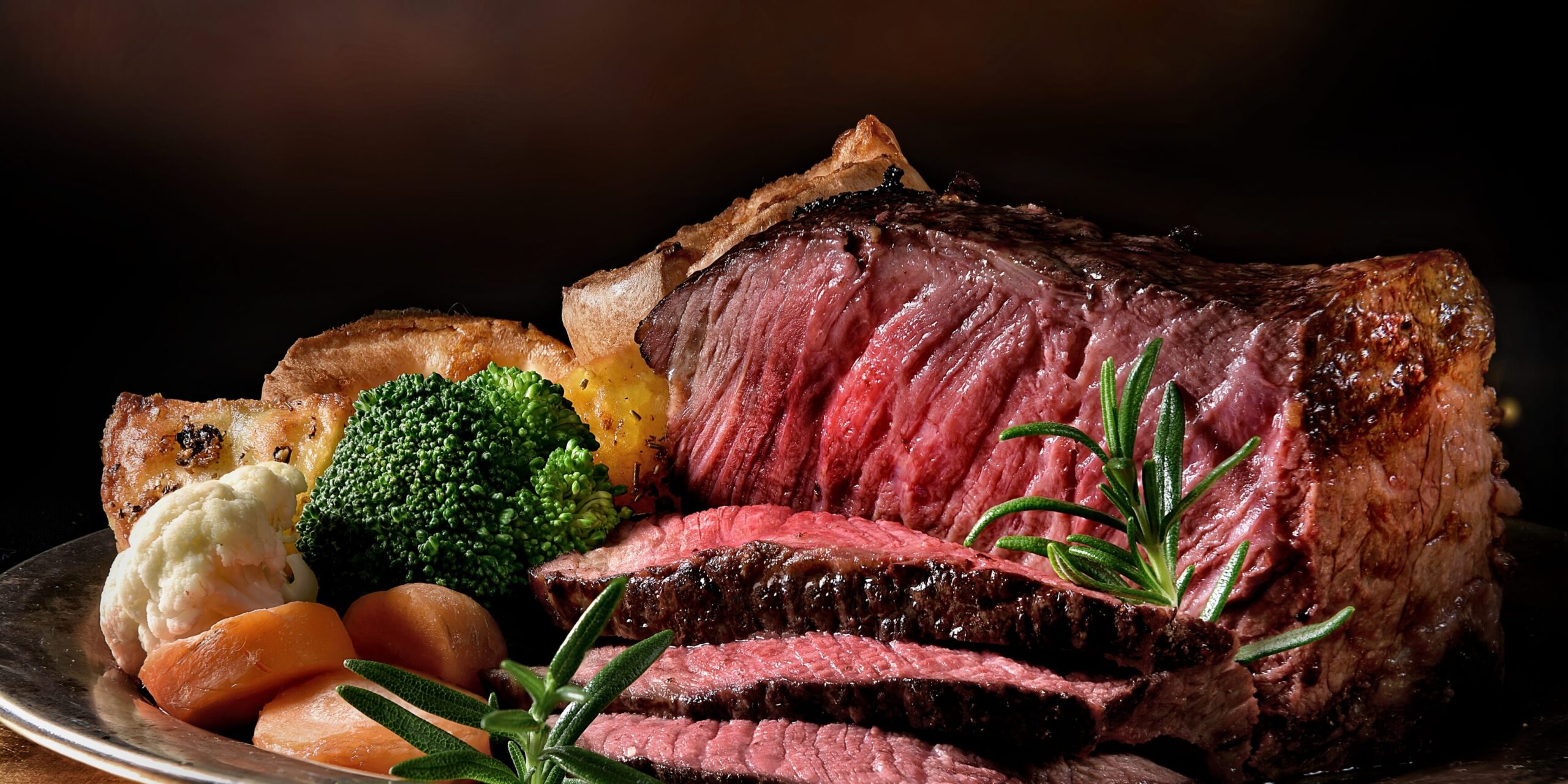
In a culture where the average plate still leans heavily towards meat – often processed, often excessive – it’s time to reassess the impact of our protein choices not just on our waistlines, but on our brains. A recent study in Neurology (2025) has added fresh weight to decades of evidence linking red and processed meat consumption to an increased risk of dementia and cognitive decline (1). Meanwhile, fish – particularly oily fish – continues to top the charts as the most protective food for your brain (2,3).
So, what does this mean practically for those of us trying to upgrade our brains and reduce our risk of cognitive decline? The answer may be as simple as this: eat more fish and fewer sausages.
Red Meat, Processed Meat and the Rising Risk to Brain Health
A new US cohort study, which followed over 77,000 adults across 30 years, found that:
Processed red meats (bacon, hot dogs, sausages, salami, bologna and other processed meat products) were clearly problematic. Consuming just 0.25 servings per day or more was associated with a 13% higher risk of developing dementia compared with those eating less than 0.1 serving (1).
Unprocessed red meat (e.g. beef or lamb) was linked to a 16% increased risk of subjective cognitive decline – that is people reporting that their memory or mental sharpness was worsening – when consuming more than one serving daily compared to less than half a serving per day. However, the researchers noted that this link did not reach statistical significance for diagnosed dementia overall (1).
More encouragingly, replacing one daily serving of processed red meat with a serving of nuts, lentils, or beans was associated with a 19% lower risk of dementia (1).
These findings are consistent with a large UK Biobank analysis of almost half a million adults, which found that each additional 25 g/day of processed meat (bacon, ham, sausages, meat pies, kebabs, burgers, chicken nuggets) was associated with a 44% higher risk of all-cause dementia and a 52% higher risk of Alzheimer’s disease. In contrast, each 50 g/day of unprocessed red meat was linked to a 19% lower risk of all-cause dementia and a 30% lower risk of Alzheimer’s disease (4). This reinforces the idea that it is the processing – not necessarily the meat itself – that may be most harmful.
These associations were observed regardless of whether participants carried the APOE ε4 gene variant – further evidence that dietary choices have a significant impact and that Alzheimer’s is ‘not in the genes’. (4).
The Global Pattern
The irrelevance of genetics in these findings is further supported by global evidence. An ecological analysis across 204 countries found that higher national per-capita total meat supply – including both red and white meats – was significantly associated with higher dementia incidence, even after adjusting for ageing, economic development and genetic risk, including APOE ε4 prevalence where available (5). In other words, the meat-dementia link is not confined to particular genetic subgroups but is observable across populations worldwide, suggesting that the way we produce and consume meat may be influencing brain health trends on a global scale.
What we put on our plate is powerful when it comes to reducing dementia risk – more so than any genetic variations that attract attention in the media.
Why Fish is Brain Food
The answer is not to go hungry, but to swap for something else – and when it comes to brain health, marine foods are your answer.
Unlike red meat, fish – especially oily varieties like salmon, sardines or mackerel – continue to show a strong protective effect.
A comprehensive 2024 meta-analysis found that:
Eating one to two servings of fish per day (roughly 150 g) is associated with a 20% reduced risk of Alzheimer’s disease and up to 30% slower cognitive decline (2).
Another study found that people who ate fish at least once a week had a one-third lower risk of Alzheimer’s compared with those eating fish less than weekly (3).
Why? Omega-3 fats, especially DHA, are critical for brain function and structure. They reduce inflammation, support synaptic plasticity and help clear beta-amyloid – a protein associated with Alzheimer’s disease.
As explained in the COGNITION™ 6-month programme, omega-3 fats from fish oil play a pivotal role in building and repairing the brain, particularly in mid-life, when early signs of cognitive decline can start to emerge.
That’s why we offer omega-3 at-home blood tests – so you can check whether you’re getting enough through your diet or if it’s time to add a supplement. You can test omega-3 on its own here, or as part of our5-in-1 DRIfT testwhere you can also check your homocysteine and glutathione status at the same time.
A Simple Swap with Profound Impact
From a cognitive health perspective, the data is now hard to ignore: if you’re regularly eating red or processed meat – especially more than once a day – your brain may be paying the price. But shifting even one of those servings towards fish, eggs or plant-based proteins could make a meaningful difference.
This emphasis on natural whole foods is also reflected in brain-friendly dietary patterns such as the Mediterranean and MIND diets.
Interestingly, the main culprit in the latest studies was processed meat. This supports a key principle in brain-friendly eating: most natural whole foods – whether meat, fish, fruit, nuts, legumes, wholegrains or dairy – are not the problem. It’s when we distort them into ultra-processed, factory-made food that health is undermined.
This isn’t about becoming vegan or pescatarian. It’s simply more evidence to reduce processed foods and ensure optimalomega-3 intake. Diet is one of several modifiable factors that can influence long-term brain health. Explore the 8 domains of dementia prevention.
So next time you’re at the supermarket make a cow happy and buy a fish.
Resources:
Need help knowing what to eat? Get inspired with over 125 brain-friendly recipes in the Upgrade Your Brain Cook App.
Order your omega-3 test today to find out if you are eating enough of these essential fatty acids. You can test omega-3 on its own here, or as part of our5-in-1 DRIfT test. Available globally.
Food for the Brain is a not-for-profit educational and research charity that offers a free Cognitive Function Test and assesses your Dementia Risk Index to be able to advise you on how to dementia-proof your diet and lifestyle.
By completing the Cognitive Function Test you are joining our grassroots research initiative to find out what really works for preventing cognitive decline. We share our ongoing research results with you to help you make brain-friendly choices. Please support our research by becoming a Friend of Food for the Brain.
References:
You J, Zhang L, Zhou Y, et al. Total meat supply and incidence of dementia: an ecological study of 204 countries. Front Public Health. 2025;13:1589936. doi:10.3389/fpubh.2025.1589936.
Li Y, Li Y, Gu X, Liu Y, Dong D, Kang JH, Wang M, Eliassen H, Willett WC, Stampfer MJ, Wang D. Long-Term Intake of Red Meat in Relation to Dementia Risk and Cognitive Function in US Adults. Neurology. 2025;104(3):e210286. doi:10.1212/WNL.0000000000210286.
Godos J, Micek A, Currenti W, Franchi C, Poli A, Battino M, Dolci A, Ricci C, Ungvari Z, Grosso G. Fish consumption, cognitive impairment and dementia: an updated dose-response meta-analysis of observational studies. Aging Clin Exp Res. 2024;36(1):171-182. doi:10.1007/s40520-024-02823-6.
Beydoun MA, Beydoun HA, Gamaldo AA, Teel A, Zonderman AB, Wang Y. Epidemiologic studies of modifiable factors associated with cognition and dementia: systematic review and meta-analysis. BMC Public Health. 2014;14:643. doi:10.1186/1471-2458-14-643.
Zhang Z, He P, Liu M, et al. Meat consumption and risk of incident dementia: cohort study of UK Biobank participants. Am J Clin Nutr. 2021;113(5):1228-1236. doi:10.1093/ajcn/nqaa343.
Depression, now the leading cause of disability globally, affects millions. According to the World Health Organization, it represents a significant disease burden, particularly in high-income countries (1). With a staggering 100 million antidepressant prescriptions issued annually—a 70% increase in five years—it’s clear that something is going wrong in our modern western world (1).
Thankfully, nutrition and lifestyle changes provide science-backed ways to boost our mood naturally.
—
Understanding Depression
Depression manifests through persistent feelings of hopelessness, low energy, disrupted sleep, and even physical changes such as weight loss or gain (2). The root causes can be multifactorial—psychological stress, biochemical imbalances, or nutritional deficiencies.
But here’s the good news: you can take simple, practical steps to nourish your brain, boost serotonin, and improve your mood naturally.
—
7 Ways to Boost Mood and Brain Function
—
1. Increase Your Omega-3 Fats
Your brain is 60% fat, and omega-3 DHA and EPA are critical for its structure and function. Countries with high fish consumption have lower depression rates. A study from Harvard Medical School found that EPA, specifically, has potent antidepressant effects.
A meta-analysis published in Psychopharmacology Bulletin found that higher omega-3 intake reduces depressive symptoms by 53%. Omega-3 helps build brain cell membranes and boosts serotonin receptor function, which improves mood and cognition.
What to do: Eat oily fish like salmon, sardines, and mackerel at least twice a week or supplement with high-dose omega-3 fish oil. Aim for 1,000–2,000 mg of EPA and DHA combined daily (4, 5, 6).
—
2. Optimise Your B Vitamins and Lower Homocysteine
The little-known amino acid, homocysteine, may double your risk for depression if levels are elevated. This toxic by-product accumulates when you’re deficient in B6, B12, and folic acid, impairing brain chemistry.
Studies by Professor David Smith from Oxford show that lowering homocysteine can dramatically slow brain shrinkage and improve mood. Which is why we now offer at home homocysteine test kits so you can monitor your own level and prevent disease (7,8,9).
What to do: Eat leafy greens, whole grains, and fortified foods. Test your homocysteine and aim for levels below 7 μmol/L. Supplement with a methylated B complex (20 mg B6, 500 μg B12, and 400 μg methylfolate).
—
“B vitamins are brain-makers; without them, key neurotransmitters like serotonin can’t be synthesised” – Patrick Holford, Upgrade Your Brain.
—
3. Fuel Your Brain with Serotonin Precursors
Serotonin, your “happy hormone”, is made from tryptophan, an amino acid found in protein-rich foods like fish, poultry, beans, and eggs. For some, tryptophan conversion to serotonin is impaired due to poor digestion or low stomach acid, common with age and stress.
Supplementing with 5-HTP can bypass these barriers. Clinical studies show 5-HTP compares favourably with SSRIs in treating depression (10, 11, 12, 13).
What to do: Include tryptophan-rich foods daily and consider a 5-HTP supplement (100–200 mg twice daily). Always consult your doctor if combining with antidepressants.
Maintaining stable blood sugar levels is essential for mood regulation, as uneven glucose supply to the brain can lead to irritability, fatigue, and depressive symptoms. Diets high in refined carbohydrates and sugar contribute to these fluctuations and are linked to poor mood and an increased risk of depression. A study of 3,456 adults found that individuals consuming diets rich in processed foods had a 58% greater risk of depression, whereas those eating whole foods experienced a 26% reduced risk (14, 14, 16).
Refined sugars also deplete mood-enhancing nutrients like B vitamins, essential for energy production, and divert chromium, which is vital for glucose regulation. Adopting a low glycaemic load (GL) diet, avoiding caffeine and alcohol, and focusing on whole foods, fruits, and vegetables can help stabilise blood sugar levels and improve mood.
What to do: Follow a Low-GL diet with whole foods, low-GL carbs, and protein at every meal. Avoid sugar, caffeine, and alcohol .
5. Boost Your Vitamin D Levels
The “sunshine vitamin,” vitamin D, is essential for mood regulation. Research shows a 40% lower incidence of depression in those with adequate vitamin D. Alarmingly, over 60% of the UK population is deficient during winter (17, 18, 19, 20).
What to do: Get tested and aim for levels above 75 nmol/L. Supplement with 2,000–3,000 IU daily in winter months.
—
6. Include Chromium to Combat Atypical Depression
If you suffer from atypical depression—characterised by weight gain, fatigue, and carbohydrate cravings—you might benefit from chromium. Studies show chromium supplementation can improve mood scores by up to 83% (21, 22, 23).
What to do: Include whole grains and vegetables or supplement with 600 mcg of chromium picolinate daily.
—
7. Bring on the Sunshine and Movement
Exercise and sunlight have a direct effect on serotonin levels and mood. Regular exercise boosts brain-derived neurotrophic factor (BDNF), which helps build new brain cells and connections】.
What to do: Aim for 30 minutes of exercise daily and sun exposure for 15 minutes, when safe.
—
Key Action Plan
Eat oily fish twice weekly or supplement omega-3s with at least 1,000 mg EPA and DHA.
Test and lower homocysteine with B6, B12, and folic acid supplements.
Try 5-HTP to boost serotonin naturally.
Follow a Low-GL diet to stabilise blood sugar.
Supplement vitamin D during winter. Find out more about dose here.
Add chromium for atypical depression.
Exercise regularly and get sensible sun exposure.
—
—
Food for the Brain is a not-for-profit educational and research charity that offers a free Cognitive Function Test and assesses your Dementia Risk Index to be able to advise you on how to dementia-proof your diet and lifestyle.
By completing the Cognitive Function Test you are joining our grassroots research initiative to find out what really works for preventing cognitive decline. We share our ongoing research results with you to help you make brain-friendly choices. Please support our research by becoming a Friend of Food for the Brain.
References
World Health Organization. Depression and Other Common Mental Disorders: Global Health Estimates. WHO; 2017.
Brown G, et al. Social support, self-esteem and depression. Psychol Med. 1986;16(4):813-31.
Hibbeln JR. ‘Fish consumption and major depression’. Lancet, vol 351(9110), pp. 1213 (1998)
M. Peet and R, Stokes, Omega 3 Fatty Acids in the Treatment of Psychiatric Disorders Drugs, vol 65(8), pp. 1051-9 (2005)
S Kraguljac NV, Montori VM, Pavuluri M, Chai HS, Wilson BS, Unal SS (2009) Efficacy of omega-3 Fatty acids in mood disorders – a systematic review and metaanalysis. Psychopharmacology Bulletin 42(3):39-54
Hibbeln JR. Fish consumption and major depression. Lancet. 1998;351(9110):1213.
Coppen A, Bailey J. Folic acid and affective disorders. J Affect Disord. 2000;60(2):121-30.
Taylor MJ, Carney SM, Goodwin GM, Geddes JR. Folate for depressive disorders. Cochrane Database Syst Rev. 2003;(2):CD003390.
Smith AD, Refsum H. Homocysteine, B vitamins, and cognitive impairment. Annu Rev Nutr. 2016;36:211-39.
Poldinger W et al. A comparison of 5-hydroxytryptophan and fluvoxamine. Psychopathology. 1991;24(2):53-81.
E. Turner, Serotoninalacarte: Supplementation with the serotonin precursor 5-hydroxytryptophan.’ Pharmacology&Therapeutics (2005) [article in press].
W. Poldinger et al. A functional-dimensional approach to depression: serotonin deficiency and target syndrome in a comparison of 5-hydroxytryptophan and fluvoxamine, Psychopathology vol 24(2), pp. 53-81 (1991)
Associate editor: K.A. Neve ‘Serotonin a la carte: Supplementation with the serotonin precursor 5-hydroxytryptophan’ ErickH. Turner a,c,d,*, Jennifer M. Loftis a,b,c, AaronD. Blackwell a,b,e Pharmacology & Therapeutics(2005) www.elsevier.com/locate/pharmthera
Akbaraly TN, Brunner EJ, Ferrie JE, et al. Dietary pattern and depressive symptoms in middle age. Br J Psychiatry. 2009;195:408–13.
Benton D, Owens DS, Parker PY. Blood glucose influences memory and mood in an everyday setting. Biol Psychol. 1982;14(1-2):129–35.
Christensen L. Psychological distress and diet – effects of sucrose and caffeine. J Appl Nutr. 1988;40(1):44–50.
Lansdowne AT, Provost SC (1998): Demonstrates that vitamin D3 supplementation enhances mood in healthy subjects during winter.
C. Wilkins et al. (2006): Links vitamin D deficiency to low mood and poorer cognitive performance in older adults.
A. Nanri et al. (2009): Discusses the association between vitamin D levels and depressive symptoms across seasonal changes.
R. Jorde et al. (2008): Shows that vitamin D supplementation alleviates depressive symptoms in overweight and obese individuals
Lifting Depression – The Chromium Connection by Dr Malcolm McLeod (Basic Health Publications):
J. R. Davidson et al, Effectiveness of chromium in atypical depression: a placebo-controlled trial, Biol Psychiatry, vol 53(3), pp. 261-4 (2003)
Docherty, J et al, ‘A Double-Blind, Placebo-Controlled, Exploratory Trial of Chromium Picolinate in Atypical Depression’. Journal of Psychiatric Practice. Vol 11(5), pp. 302-314, (2005)
Holford P. Upgrade Your Brain. HarperCollins; 2024.
Few people realise the catastrophic decline in mental health that has occurred over the past 50 years.
—
‘Brain health conditions have become a global health emergency,’ according to the Federation of European Neuroscience Societies last year (1).
Globally, 15 per cent of all disability is due to brain and mental health disorders. The lifetime cost of Alzheimer’s in 2022 was estimated to be €1.2 trillion across the EU which is half the UK’s total GDP! This burden and costs exceeds that of all diseases, including cancer and heart disease. But most worrying are the trends of falling IQ at a rate of about 7 per cent a generation and the steady increase in young people with four in ten now reporting persistent feelings of sadness or hopelessness and almost a quarter (22 per cent) contemplating suicide (2).
On this flight path, by 2080, suicide may well become the leading cause of death in those under 24. Also, more than a third of children will have severe neurodevelopmental impairment, defined as significantly below the norm for IQ. That’s the conclusion of Professor Michael Crawford who discovered the essentiality of omega-3 DHA for the brain. Alarmingly, brain size, deduced from cranial capacity of skulls, has shrunk by a staggering 20 per cent over a mere 30,000 years. It took over six million years for brain size to increase from that of a chimpanzee (350cc) to a peak of 1,600 to 1,700 cc with Cro Magnon man thirty thousand years ago. Today, brain size averages 1,350cc (3). There is no question that we are devolving mentally with an endless escalation of rates of ADHD, autism, depression, anxiety, insomnia, schizophrenia, dementia and Alzheimer’s, as well as strokes, Parkinson’s and multiple sclerosis.
The big question is: why?
—
Introducing the four horsemen…
I’m proposing that there are four main biological drivers of our demise which I’m calling the four horsemen of the mental health apocalypse: a lack of brain fats, messed up methylation, loss of glucose control and excessive oxidation.
The first two – brain fats and methylation – are vital for the integral structure of neuronal membranes. The second two are vital for the function of brain cells, supplying fuel and coping with the oxidant ‘exhaust fumes’ of energy metabolism.
—
Brain fats in short supply
The dry weight of the brain is 60 per cent fat, and omega-3 DHA makes up the majority of the structural fat of neurons, followed closely by Arachidonic Acid (AA), an omega-6 fat. ALL BRAINS OF ALL ANIMALS contain predominantly these two essential brain fats. It is the available supply of these that determine whether an animal ends up with a big or small brain. The link between omega-3 DHA and brain function is beyond doubt, with study after study confirming the scientific evidence. Only last month, a study from the UK BioBank reported a 30 per cent lower risk of dementia in those with a higher omega-3 status in their blood (4). This confirmed the results of a US study (5) that found a 49 per cent reduced risk for dementia in those with the highest DHA level (top fifth) in their red blood cells versus the lowest (bottom fifth). A meta-analysis of 48 studies in the American Journal of Clinical Nutrition in 2023 (6) concludes that ‘a moderate-to-high level of evidence suggested that dietary intake of omega-3 fatty acids could lower risk of all-cause dementia or cognitive decline by about 20 per cent, especially for docosahexaenoic acid (DHA) intake’. Each 100mg increment of DHA was associated with an 8–10 per cent lower risk of dementia. And a 2023 study, by psychologists at the Linda Loma University in California and published in the journal Brain Sciences (7), reported that the higher a person’s omega-3 blood index was, the more white matter there was in their brain, and the better they performed on cognitive tests that predict less risk for dementia.
It’s compelling science. That is why my first recommendation is to always test your omega-3 index.
This is the percentage of omega-3 DHA and EPA in the membrane of red blood cells, and it is a direct reflector of the membrane levels in your brain. Red cells last for three months so this is a long-term measure of your omega-3 status. In countries such as Japan, known for a high fish diet, the omega-3 index is around 10 per cent on average. Ideally, a level of above 8 per cent is optimal. I thought I was doing well, supplementing daily 575mg of EPA and DHA combined, plus eating oily fish three times a week but I scored just under – 7.7 per cent. I’ve since upped my intake of DHA by 500 mg, to 750 mg total daily intake.
In its pure form, DHA isn’t enough, it has to become ‘phosphorylated’ to work. It’s a bit like using those glues where you have two tubes and have to mix a squeeze of one with the other for the glue to work. The ‘mixer’ in this case is the B vitamins in your body attaching the DHA to the phospholipids such as phosphatidylcholine (PC). If you have no phospholipids, or no DHA or B vitamins, the mix is not going to work. While the body can synthesise DHA, to reach the levels we need requires good quality food sources such as seafood, by far the richest source of (already) phosphorylated DHA. If fish isn’t your thing, supplementing with lecithin (granules or capsules) is a must – aim for two 1200mg capsules or 250mg of PC per day.
—
Vitamin D is a mental health essential
The other essential brain fat, which is actually a hormone, is vitamin D.
A large-scale study earlier this year, involving over twelve thousand dementia-free 70+ year olds (8), found that more than a third (37 per cent) took supplements of vitamin D and those that did had a 40 per cent lower incidence of dementia. Many nutrition professionals recommend supplementing around 3,000 iu in the winter to achieve an adequate blood level of 75 nmol/L or more, advice that is backed up by a consortium of some 35 vitamin D researchers.(9) The UK Government also recommends supplementing vitamin D, although the recommended 400iu falls far short of the amount needed for brain health. In a study in France, those with low vitamin D levels, below 50 nmol/L, had a nearly three-fold increased risk of Alzheimer’s (10) and worryingly, over sixty per cent of people in the UK have lower levels than this (11), while half are unaware of the need to supplement in the winter and only one in ten actually do (12). (Back in 2010, I was reported to the Advertising Standards Agency for suggesting that people had to supplement vitamin D in the winter because diet alone was not sufficient – how times change!)
Research continues to investigate whether having a higher blood level of vitamin D, perhaps 100 nmol/L, is even better for brain health. If you know your vitamin D level, you can help with this research by completing the Cognitive Function Test, and providing your vitamin D level. Or you can join our MIND project which includes a home test kit to measure your vitamin D level. We’ve tested 410,000 people’s cognitive function so far but need more people who know, or are willing to test their vitamin D.
Methylation and homocysteine-lowering B vitamins
Omega-3 DHA can only become active by the process of methylation, which attaches the DHA to a phospholipid and thereby enables it to be incorporated into the neuronal membrane. The process of methylation is totally dependent on vitamins B6, B12 and folate. Our methylation-ability is beautifully defined by our homocysteine level. Homocysteine rises if the biochemical pathway between the amino acid methionine converting to the methyl-donor SAMe is blocked. Without adequate vitamin B6, B12, folate or, in the liver, zinc and tri-methyl glycine (TMG), homocysteine will rise.
Lowering homocysteine with B vitamins is the greatest evidenced disease-modifying treatment, as shown in the best meta-analysis of 396 trials (13) by China’s leading Alzheimer’s prevention expert, Professor Jin-Tai Yu, whom we are honoured to have in our Scientific Advisory Board. It was also rated so by the US National Institutes of Health researchers (14).
The four horsemen of the mental health apocalypse
Homocysteine is also a biomarker for over 100 diseases including almost all mental and neurological diseases. The seminal paper by Professors David Smith and Helga Refsum on the subject is vital for all to read. For example, just one recent meta-analysis showed that both homocysteine, vitamin B12, and folic acid predict the onset and development of Parkinson’s. Homocysteine levels above 11µmol/L are a clear indicator that the brain is shrinking. Professor David Smith, another member of our Scientific Advisory Board, recommends treatment with B vitamins for anyone with a homocysteine above 10µmol/L , giving 20 mg of B6, 400 mcg of methylfolate and 500µg of B12.
Increasingly, raised homocysteine is extremely common. In America, 40 per cent of those over 60 have a homocysteine of over 11 (15). In China ‘the mean (average) homocysteine levels in adult males less than 30 years of age and greater than 60 years were higher than the upper limit of normal (15 µmol/L).’ And in the UK, two in five adults over 61 have insufficient B12 to prevent accelerated brain shrinkage (16).
Homocysteine not only predicts Alzheimer’s dementias but also vascular dementia which, combined, make up almost 90 per cent of all dementias. Raised homocysteine is a major driver of cardiovascular and cerebrovascular disease. Raised homocysteine increases the risk of cerebrovascular disease by seventeen times (17)! Joe Rogan dedicated his recent show to exactly this (18) and stressed why testing homocysteine is vital for anyone with any form of cardiovascular, neurological or mental health disease.
The trouble with homocysteine is you just don’t know if your level is raised without testing it, which is why we have create our own at-home, highly accurate test kit. While up to 20 per cent of people have a methylation gene mutation (MTHFR677TT) making them more likely to have a raised level, it’s likely that most people with raised homocysteine are just not good at absorbing vitamin B12, a condition that becomes more common with age. This is why antacid proton pump inhibitor (PPI) drugs are such bad news. They drive down B12 and four years use cranks up Alzheimer’s risk by over 33 per cent (19).
Breakthrough in homocysteine testing
It is essential to test homocysteine level for anyone over 50 and anyone with any brain or mental health or cardiovascular disorder including hypertension. Treatment with B vitamins is also essential if the level is above 10µmol/L. While a homocysteine level above 11 means increased brain shrinkage, research shows that even a homocysteine level of above 9 during pregnancy predicts more problems, specifically withdrawn behaviour, anxiety/depression, social problems and aggressive behaviour in the child by the age of six (20). Raised homocysteine is a well known predictor of miscarriage and pregnancy problems, which is why I recommend that women can best prepare for a healthy pregnancy by ensuring their homocysteine level is below 7.5 mcmol/l. Above this, the evidence points to chromosomal damage (21).
All these studies refer to plasma homocysteine, that is the level found in the clear serum part of blood (rather than the red blood cells). The difficulty with many test kits is the need to separate or spin the blood shortly after taking the sample or pass the blood through a plasma separator. Many fall short of the correlation with serum/plasma homocysteine, the gold standard of testing. Excitingly, a breakthrough with both the fixing of blood (taken using a dry blood spot) and the testing process now means that we now have an accurate and inexpensive way to test homocysteine with our home test kit. This is going to be made available all over the world, starting with the UK and EU in January 2024. The validation of this test is extremely good, with no false positives or negatives. Accuracy can be further improved if the test is taken after fasting for 12 hours with water only. Both coffee and alcohol affect homocysteine levels, as does eating a protein-rich meal.
Please, join our Citizen Science research by both testing homocysteine and completing the Cognitive Function Test here
A consensus of world experts (22) has concluded that lowering homocysteine with B vitamins is the easiest and most cost-effective prevention action, which Oxford University’s health economists estimate would save the UK £66 million per year (23).
However, it’s vital to test both homocysteine and Omega-3 levels, as they are co-dependent. Homocysteine-lowering B vitamins only work in those with sufficient omega-3, and omega-3 only works if homocysteine is low. This short film shows how this works here.
It explains why studies giving omega-3 or giving B vitamins have not consistently been effective. However, in re-analyses of three studies, B vitamins are highly effective, both in reducing the rate of brain shrinkage and improving cognition, in those with sufficient omega-3, and conversely, omega-3 is highly effective, but only in those with homocysteine below 11 mcmol/L (24).
Food for the Brain is a non-for-profit educational and research charity that offers a free Cognitive Function Test and assesses your Dementia Risk Index to be able to advise you on how to dementia-proof your diet and lifestyle.
By completing the Cognitive Function Test you are joining our grassroots research initiative to find out what really works for preventing cognitive decline. We share our ongoing research results with you to help you make brain-friendly choices.
Please support our research by becoming a Friend of Food for the Brain.
2 van Os J, Guloksuz S. Population Salutogenesis—The Future of Psychiatry? JAMA Psychiatry. Published online December 20, 2023. doi:10.1001/jamapsychiatry.2023.4582
3 Crawford M, Marsh, D ‘The Shrinking Brain’ 2023
4 Sala-Vila, A.; Tintle, N.; Westra, J.; Harris, W.S. Plasma Omega-3 Fatty Acids and Risk for Incident Dementia in the UK Biobank Study: A Closer Look. Nutrients 2023, 15,4896. https://doi.org/10.3390/ nu15234896
5 Sala-Vila, A.; Satizabal, C.L.; Tintle, N.; Melo van Lent, D.; Vasan, R.S.; Beiser, A.S.; Seshadri, S.; Harris, W.S. Red Blood Cell DHA Is Inversely Associated with Risk of Incident Alzheimer’s Disease and All-Cause Dementia: Framingham Offspring Study. Nutrients 2022, 14, 2408. https://doi.org/10.3390/ nu14122408
6 Wei BZ, Li L, Dong CW, Tan CC; Alzheimer’s Disease Neuroimaging Initiative; Xu W. The Relationship of Omega-3 Fatty Acids with Dementia and Cognitive Decline: Evidence from Prospective Cohort Studies of Supplementation, Dietary Intake, and Blood Markers. Am J Clin Nutr. 2023
8 Ghahremani M et al. Vitamin D supplementation and incident dementia: Effects of sex, APOE, and baseline cognitive status. Alzheimers Dement (Amst). 2023 Mar 1;15(1):e12404. doi: 10.1002/dad2.12404. PMID: 36874594; PMCID: PMC9976297.
9 Płudowski P et al Guidelines for Preventing and Treating Vitamin D Deficiency: A 2023 Update in Poland. Nutrients. 2023 Jan 30;15(3):695. doi: 10.3390/nu15030695. PMID: 36771403; PMCID: PMC9920487.
10 Jia J et al. Effects of vitamin D supplementation on cognitive function and blood Aβ-related biomarkers in older adults with Alzheimer’s disease: a randomised, double-blind, placebo-controlled trial. J Neurol Neurosurg Psychiatry. 2019 Dec;90(12):1347-1352. doi: 10.1136/jnnp-2018-320199. Epub 2019 Jul 11. PMID: 31296588.
13 Yu JT, Xu W, Tan CC, Andrieu S, Suckling J, Evangelou E, Pan A, Zhang C, Jia J, Feng L, Kua EH, Wang YJ, Wang HF, Tan MS, Li JQ, Hou XH, Wan Y, Tan L, Mok V, Tan L, Dong Q, Touchon J, Gauthier S, Aisen PS, Vellas B. Evidence-based prevention of Alzheimer’s disease: systematic review and meta-analysis of 243 observational prospective studies and 153 randomised controlled trials. J Neurol Neurosurg Psychiatry. 2020 Nov;91(11):1201-1209. doi: 10.1136/jnnp-2019-321913. Epub 2020 Jul 20. PMID: 32690803; PMCID: PMC7569385.
14 Beydoun MA, Beydoun HA, Gamaldo AA, Teel A, Zonderman AB, Wang Y. Epidemiologic studies of modifiable factors associated with cognition and dementia: systematic review and meta-analysis. BMC Public Health. 2014 Jun 24;14:643. doi: 10.1186/1471-2458-14-643. PMID: 24962204; PMCID: PMC4099157.
15 Pfeiffer C, Clin Chem. 2008; R. Xu, Nature Scientific Reports 2022; Vogiatzlou A, Neurology, 2008
16 Vogiatzoglou A, Refsum H, Johnston C, Smith SM, Bradley KM, de Jager C, Budge MM, Smith AD. Vitamin B12 status and rate of brain volume loss in community-dwelling elderly. Neurology. 2008 Sep 9;71(11):826-32. doi: 10.1212/01.wnl.0000325581.26991.f2. PMID: 18779510.
17 Teng Z, Feng J, Liu R, Ji Y, Xu J, Jiang X, Chen H, Dong Y, Meng N, Xiao Y, Xie X, Lv P. Cerebral small vessel disease mediates the association between homocysteine and cognitive function. Front Aging Neurosci. 2022 Jul 15;14:868777. doi: 10.3389/fnagi.2022.868777. PMID: 35912072; PMCID: PMC9335204.
18 See the Joe Rogan show https://www.youtube.com/watch?v=-oqYoNwnOs0.
19 Northuis CA, Bell EJ, Lutsey PL, George KM, Gottesman RF, Mosley TH, Whitsel EA, Lakshminarayan K. Cumulative Use of Proton Pump Inhibitors and Risk of Dementia: The Atherosclerosis Risk in Communities Study. Neurology. 2023 Oct 31;101(18):e1771-e1778. doi: 10.1212/WNL.0000000000207747. Epub 2023 Aug 9. PMID: 37558503; PMCID: PMC10634644.
20 Roigé-Castellví J, Murphy M, Fernández-Ballart J, Canals J. Moderately elevated preconception fasting plasma total homocysteine is a risk factor for psychological problems in childhood. Public Health Nutr. 2019 Jun;22(9):1615-1623. doi: 10.1017/S1368980018003610. Epub 2019 Jan 14. PMID: 30636652; PMCID: PMC10261079.
21 Fenech M, Aitken C, Rinaldi J. Folate, vitamin B12, homocysteine status and DNA damage in young Australian adults. Carcinogenesis. 1998 Jul;19(7):1163-71. doi: 10.1093/carcin/19.7.1163. PMID: 9683174.
22 Smith AD, Refsum H, Bottiglieri T, Fenech M, Hooshmand B, McCaddon A, Miller JW, Rosenberg IH, Obeid R. Homocysteine and Dementia: An International Consensus Statement. J Alzheimers Dis. 2018;62(2):561-570. doi: 10.3233/JAD-171042. PMID: 29480200; PMCID: PMC5836397.
23 Tsiachristas A, Smith AD. B-vitamins are potentially a cost-effective population health strategy to tackle dementia: Too good to be true? Alzheimers Dement (N Y). 2016 Aug 11;2(3):156-161. doi: 10.1016/j.trci.2016.07.002. PMID: 29067302; PMCID: PMC5651357.
24 Jernerén F, Elshorbagy AK, Oulhaj A, Smith SM, Refsum H, Smith AD (2015). Brain atrophy in cognitively impaired elderly: the importance of long-chain ω-3 fatty acids and B vitamin status in a randomized controlled trial. Am J Clin Nutr. 2015 Jul;102(1):215-21; see also van Soest, A.P.M., van de Rest, O., Witkamp, R.F. et al. DHA status influences effects of B-vitamin supplementation on cognitive ageing: a post-hoc analysis of the B-proof trial. Eur J Nutr 61, 3731–3739 (2022). https://doi.org/10.1007/s00394-022-02924-w; see also Jernerén F, Cederholm T, Refsum H, Smith AD, Turner C, Palmblad J, Eriksdotter M, Hjorth E, Faxen-Irving G, Wahlund LO, Schultzberg M, Basun H, Freund-Levi Y. Homocysteine Status Modifies the Treatment Effect of Omega-3 Fatty Acids on Cognition in a Randomized Clinical Trial in Mild to Moderate Alzheimer’s Disease: The OmegAD Study. J Alzheimers Dis. 2019;69(1):189-197. doi: 10.3233/JAD-181148. PMID: 30958356.
25 Lakhan, S.E., Kirchgessner, A. The emerging role of dietary fructose in obesity and cognitive decline. Nutr J 12, 114 (2013).
Phospholipids and Choline: Vegan Sources and How Much You Need
Did you know your brain is largely built from fat? Phospholipids and choline are an important part of that story. Brain-cell membranes are rich in phospholipids, which combine with DHA, the long-chain omega-3 fat particularly important for the brain. Fish and eggs provide both these nutrients, but on a vegan diet you need to think about them separately: where your DHA is coming from, and whether you are getting enough choline to support phospholipid production. The good news is that both can be covered without eating fish or eggs. Here’s how, including the vegan choline sources that genuinely add up.
The DHA problem: plant foods don’t really solve it
Flaxseed, walnuts and chia give you ALA, a plant omega-3, but converting it into the DHA your brain actually needs is remarkably inefficient. The classic human tracer study found women convert around 9% of ALA into EPA at best, men considerably less, and conversion all the way to DHA is lower still, often under 1%.[1] In practice, that means a vegan diet without a direct DHA source usually falls short, whatever the flaxseed packet implies.
The fix is algae oil: it’s the same DHA fish get from eating algae in the first place, just without the fish, and a 2025 study found algae-derived EPA and DHA absorb just as well as fish oil at equivalent doses.[2] For brain health, research suggests that higher intakes may be needed than standard minimum omega-3 recommendations, with studies reporting cognitive benefits at DHA intakes above approximately 580mg a day. A practical target is around 750mg DHA a day, alongside EPA, giving a combined EPA and DHA intake of over 1,000mg a day. If you want to know where you actually stand rather than guess, an Omega-3 Index test measures it directly.
Why does choline matter just as much?
For DHA to become part of a brain-cell membrane, it needs to be incorporated into phospholipids. B vitamins, particularly B12, folate and B6, are involved in the methylation pathways that help make and regulate these phospholipids. Homocysteine gives us a useful window into how well these B-vitamin-dependent pathways are working: when levels are raised, it can be a sign that something in this system needs attention.
Think of DHA as the building material and phospholipids as the structure that puts it in the right place. Having plenty of DHA arriving at the building site is important, but you also need the machinery and materials to build it into the membranes your brain cells depend on.
Several phospholipid types exist (phosphatidyl choline, serine, inositol, ethanolamine), and your body makes some of each, but not enough on its own for optimal brain health. Egg yolk and liver are the richest phospholipid food sources, which is exactly why this needs a separate approach on a vegan diet. That’s why choline is best thought of as semi-essential, and why it’s increasingly treated as a nutrient worth tracking deliberately rather than assuming you’re getting enough.
Current EU guidance (EFSA) sets adequate intake at 400mg a day for adults generally, rising to 480mg in pregnancy and 520mg during breastfeeding.[4] There’s no separate UK (SACN) reference value, so this EU figure is what most UK sources, including in our founder Patrick Holford’s own books,
Vegan sources of choline: are you at risk of falling short?
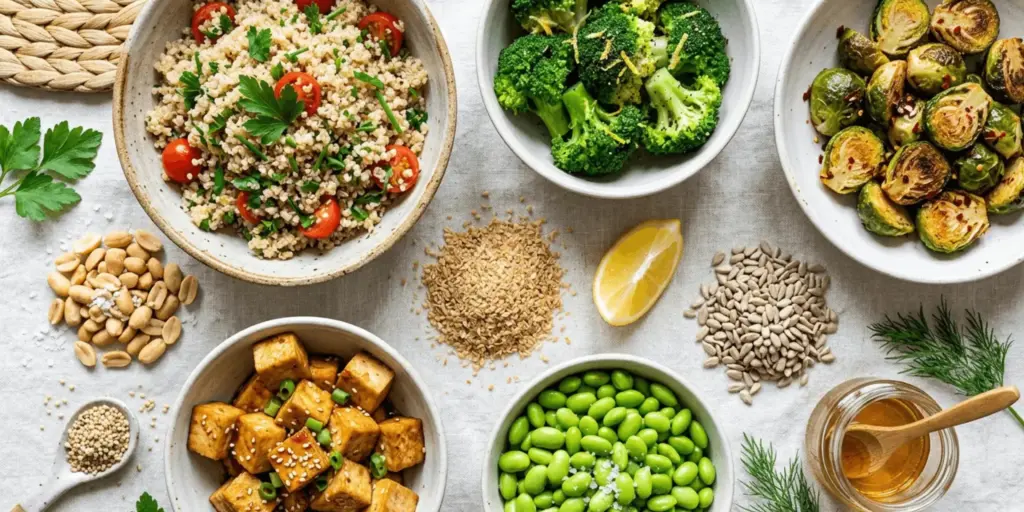
Fish, eggs and organ meats remain the richest sources overall, but the best vegan choline sources are soya (tofu, soya milk), quinoa, nuts and seeds (flaxseed, almonds, peanuts), and cruciferous vegetables: broccoli, cauliflower, Brussels sprouts. Worth noting: serving size matters as much as the food itself. Soya flour looks unimpressive per serving but is one of the most concentrated sources by weight, so it’s worth using where you can (a smoothie or baking flour, for instance) rather than judging foods by the 100g figure alone.
Food
Typical serving
Choline per serving
Choline per 100g
Egg, whole, hard-boiled
1 large
147mg
Varies by preparation*
Salmon, Atlantic, farmed, cooked
100g
91mg
91mg
Roasted soya beans
½ cup
107mg
Varies by product
Soya milk
250ml (~250g)
60mg
24mg
Shiitake mushrooms, cooked
½ cup
27mg
Varies by preparation
Soya flour, defatted
12.5g
24mg
190mg
Green peas, cooked
½ cup (~80g)
24mg
28mg
Quinoa, uncooked
60g
42mg
70mg
Quinoa, cooked
1 cup
43mg
~23mg
Pinto beans, dry
60g
40mg
66mg
Kidney beans, canned
½ cup
45mg
~33–35mg
Broccoli, cooked
½ cup
31mg
40mg
Brussels sprouts, cooked
½ cup
32mg
41mg
Cauliflower, cooked
½ cup
24mg
39mg
Tofu, firm
125g
35mg
28mg
Chickpeas, cooked
½ cup
~35mg
~43mg
Baked beans, canned, plain or vegetarian
100g
32mg
32mg
Flaxseeds
28g
22mg
79mg
Pistachios, dry roasted
28g
20mg
71mg
Pine nuts
28g
16mg
56mg
Cashews, oil roasted
28g
17mg
61mg
Wholewheat bread
2 slices (~60g)
~16mg
27mg
Almonds
28g
15mg
52mg
Peanuts, dry roasted
¼ cup
24mg
~69mg
Peanut butter
1 tbsp (~16g)
~10mg
61–66mg
Wheat germ, toasted
1 tbsp (~7g)
~13mg
180mg
Avocado
½ medium (~75g)
~11mg
14mg
Sources:
USDA Database for the Choline Content of Common Foods, Release 2;
USDA FoodData Central; and NIH Office of Dietary Supplements.
Values are approximate and may vary according to variety, brand,
processing and cooking method.
*Egg values are best expressed per egg because choline concentration
varies according to preparation and the specific database entry.
NIH gives 147mg of choline for one large hard-boiled egg.
For context, there is currently no UK Dietary Reference Value
specifically for choline. EFSA sets an Adequate Intake of 400mg/day
for adults. US Adequate Intakes are 425mg/day for adult women and
550mg/day for adult men.
Put together, a full day of vegan eating looks like this:
Meal
Foods
Choline
Meal total
Breakfast
Soya milk
Small handful of nuts or seeds
57mg
20mg
77mg
Lunch
Cooked quinoa (⅓ cup raw)
Broccoli, cauliflower or Brussels sprouts (100g)
Half an avocado
Tofu or beans (125g)
Shiitake mushrooms (½ cup)
Broccoli, cauliflower or Brussels sprouts (100g)
35–40mg
27mg
36mg
98–103mg
Daily total
329–334mg
That adds up to roughly 330mg across the day: a solid base, and still short of the 400mg+ target.
Closing the gap with lecithin
To get from around 330mg through food to 500mg or more, you may want to supplement rather than trying to eat your way there. Lecithin granules and capsules are the most concentrated phosphatidylcholine sources available, and soya is the source almost all vegan phosphatidylcholine supplements are made from (egg-derived lecithin isn’t vegan, so check the label). One tablespoon (7.5g) of standard soya lecithin granules provides roughly 200mg of choline. If you use a high-phosphatidylcholine lecithin (around 18% choline), you need less: around 5g provides a similar amount of choline.
In practice:
Eat one or two daily servings of dark green and cruciferous vegetables, such as kale, broccoli and Brussels sprouts or obtain EPA and DHA from a suitable algae-derived omega-3 source.
Have a daily serving of quinoa, beans or tofu.
Add one dessertspoon of high-PC lecithin, or two high-PC lecithin capsules, daily.
If you’re vegetarian rather than strictly vegan, meeting your choline needs is much easier. Eggs are one of the richest vegetarian sources, providing around 147 mg per large hard-boiled egg, so six eggs a week can make a significant contribution. Non-vegans can also get choline from fish, including varieties that aren’t particularly rich in omega-3.
The bigger picture is not about chasing one nutrient in isolation. Your brain-cell membranes depend on phospholipids, DHA and the B vitamins involved in bringing these systems together. On a vegan diet, all of these can be covered, but DHA and choline deserve particular attention rather than being left to chance.
The principle is simple: give your brain the raw materials it needs to build and maintain healthy cell membranes throughout life.
References
Burdge GC, Wootton SA. Conversion of alpha-linolenic acid to eicosapentaenoic, docosapentaenoic and docosahexaenoic acids in young women. British Journal of Nutrition. 2002;88(4):411–421. The seminal human tracer study behind this figure; found ALA-to-EPA conversion of roughly 9% in women (negligible in men, per the companion Burdge & Calder study), with ALA-to-DHA conversion far lower still. Note: this replaces the citation I originally used, which was FFB’s own Brain Health and Vegan Eating article; that page cites the same figure to its own reference [3], which isn’t linked or traceable on the live page. Worth fixing on that page too, same issue as reference 2 below.
Bailey E, Wojcik J, Rahn M, Roos F, Spooren A, Koshibu K. Comparative Bioavailability of DHA and EPA from Microalgal and Fish Oil in Adults. International Journal of Molecular Sciences. 2025;26(19):9343. Note: FFB’s own Algae Oil vs Fish Oil article cites this as “Bailey RL et al., Nutrients“, which appears to be a mis-citation on FFB’s own page; the real paper is by Bailey E et al. in Int J Mol Sci. Worth a correction on that page too, not just here.
EFSA NDA Panel. Dietary Reference Values for choline. EFSA Journal. 2016;14(8):4484. Confirmed directly against EFSA’s own 2016 summary: adequate intake 400mg/day (adults), 480mg/day (pregnancy), 520mg/day (lactation).
This information is for educational purposes only and isn’t a substitute for personalised medical advice. If you’re pregnant, breastfeeding, or planning pregnancy, speak to your GP, midwife or a qualified nutrition professional before starting any new supplement.
Brain Fats – Seafood, Omega-3 PUFAs, Phospholipids and Vitamin D
The omega-3 fat, docosahexaenoic acid (DHA) is the most abundant PUFA in the brain, concentrated in the grey matter and, particularly at the synapses.1 DHA is incorporated into membrane phospholipids, where it affects the properties of the membrane, for example, maintaining membrane fluidity. DHA, along with other omega-3 fats EPA, DPAn-3 and their mediators are involved in a wide variety of processes in the brain, such as making new neurons, synaptic connections and the regulation of inflammation.2
Fish, especially cold-water oily fish, contain high levels of DHA and EPA, and epidemiological studies consistently suggest that an elevated fish intake is associated with decreased risk of neurodegenerative diseases, such as Alzheimer’s disease.3 Recent estimates suggest that worldwide many populations are currently consuming DHA and EPA at levels well below the recommendations issued by many international authorities (GOED), with and blood levels of EPA and DHA have been estimated to be low to very low for most of the world, which may increase global risk for chronic disease.4
This may be especially relevant when fish replaces red meat in the diet. Recent research into red meat and dementia risk found important differences according to both the type and amount of meat consumed.
Interestingly, positive associations have also been found between walnut consumption and cognitive performance.5 Walnuts are a source of omega-3 fat, alpha-linolenic acid (ALA) and also a range of antioxidants.
Omega-3 Supplementation and cognitive decline
DHA supplementation appears to show the greatest promise in the early stage before the onset of memory loss symptoms,1 and at levels at or above 1000 mg per day (Ismail 2015).6
A study of healthy 50-75 year olds were given 2,200 mg a day of omega 3 fish oils for six months not only reported significant increase in executive function, one aspect of cognition that is a hallmark of Alzheimer’s, but also beneficial structural changes in white matter integrity and grey matter volume in the brain. The cognitive improvement correlated with blood levels of omega-3 PUFAs.7
A randomized, double-blind, placebo-controlled, clinical study, gave 900 mg of DHA a day for 24 weeks and reported an improvement in learning and memory function in those with age-related cognitive decline.8 In a further trial by the same research group, giving 2,000 mg a day of DHA or placebo to 402 people with mild to moderate Alzheimer’s disease, therefore further along the disease process, for a period of 18 months found no cognitive improvement.9
Phospholipids
Phospholipids, rich in eggs and seafood, are abundant in the brain. They make up the membranes of the different types of cells in the brain. These include Phosphatidylethanolamine (PE) and phosphatidylserine (PS) phosphatidylcholine (PC) and phosphatidylinositol (PI). They become attached to omega-3 DHA. (see film ‘Build Your Brain‘) Phosphatidylethanolamine (PE) and phosphatidylserine (PS) are enriched in DHA, whereas much lower levels are found in phosphatidylcholine (PC) and phosphatidylinositol (PI).3 Attaching DHA to phospholipids is a process that requires methylation, which is dependent on B vitamins.9 Interestingly, although DHA is typically found high in PS, levels have been found to be low in PS in post-mortem samples from Alzheimer’s disease patients.10 PS supplementation may benefit cognition in the elderly,11 but as PS is highly enriched with DHA, it is currently unclear whether the potential beneficial effects of PS on cognition are due to the intact PS or DHA. Although PC is not highly enriched in DHA, higher plasma concentrations of PC-DHA are associated with reduced risk of dementia and AD,12 and post mortem samples from AD shows depletion of PC-DHA in grey matter.13
Supplementation
A number of trials have investigated the effects of providing multinutrient supplements containing a range of nutritional factors with the aim of supporting phospholipid biosynthesis. Our recent systematic review identified that omega-3 PUFAs and B vitamins as part of these multinutrient formulas confers benefits on cognition in older adults across a range of different types of measures of cognition in older adults.14 Furthermore, 12-week trial of citicoline has shown cognitive benefits in healthy older adults.15
Vitamin D
The primary source of vitamin D is exposure to sunlight. Seafood provides the most dietary vitamin D. Vitamin D deficiency increases risk of AD.161,17,18 Supplements of vitamin D can be derived from animal or fungal sources (mushrooms and yeast). Supplementing 800iu (20mg) a day for 12 months has been shown to improve cognitive function and lessen amyloid protein markers.19
In a study in France involving 912 elderly patients followed for twelve years, a total of 177 dementia cases (124 AD) occurred: 25(OH)D deficiency was associated with a nearly three-fold increased risk of AD.20
References
1.Dyall, S. C. (2015, 2015-April-21). Long-chain omega-3 fatty acids and the brain: A review of the independent and shared effects of EPA, DPA and DHA [Review]. Frontiers in Aging Neuroscience, 7(52). https://doi.org/10.3389/fnagi.2015.00052
2. Dyall, S. C., Balas, L., Bazan, N. G., Brenna, J. T., Chiang, N., da Costa Souza, F., Dalli, J., Durand, T., Galano, J. M., Lein, P. J., Serhan, C. N., & Taha, A. Y. (2022, Apr). Polyunsaturated fatty acids and fatty acid-derived lipid mediators: Recent advances in the understanding of their biosynthesis, structures, and functions. Prog Lipid Res, 86, 101165. https://doi.org/10.1016/j.plipres.2022.101165
4. Stark, K. D., Van Elswyk, M. E., Higgins, M. R., Weatherford, C. A., & Salem, N., Jr. (2016, Jul). Global survey of the omega-3 fatty acids, docosahexaenoic acid and eicosapentaenoic acid in the blood stream of healthy adults. Prog Lipid Res, 63, 132-152. https://doi.org/S0163-7827(15)30033-3 [pii]10.1016/j.plipres.2016.05.001 Alzheimers Dement. 2017 Nov;13(11):1207-1216. doi: 10.1016/j.jalz.2017.03.003. Epub 2017 May 16
5. Theodore LE, Kellow NJ, McNeil EA, Close EO, Coad EG, Cardoso BR. Nut Consumption for Cognitive Performance: A Systematic Review. Adv Nutr. 2021 Jun 1;12(3):777-792. doi: 10.1093/advances/nmaa153. PMID: 33330927; PMCID: PMC8166568.
6. Ismail
7. A. Veronica Witte, Lucia Kerti, Henrike M. Hermannstädter, Jochen B. Fiebach, Stephan J. Schreiber, Jan Philipp Schuchardt, Andreas Hahn, Agnes Flöel, Long-Chain Omega-3 Fatty Acids Improve Brain Function and Structure in Older Adults, Cerebral Cortex, Volume 24, Issue 11, November 2014, Pages 3059–3068, https://doi.org/10.1093/cercor/bht163
8. Yurko-Mauro K, McCarthy D, Rom D, et al; Beneficial effects of docosahexaenoic acid on cognition in age-related cognitive decline. Alzheimers Dement. 2010; 6, 456-64
9. Quinn JF, Raman R, Thomas RG, et al; Docosahexaenoic acid supplementation and cognitive decline in Alzheimer disease: a randomized trial. JAMA, 2010; Nov 3;304(17):1903-11.
10. A David Smith, Fredrik Jernerén, Helga Refsum, ω-3 fatty acids and their interactions, The American Journal of Clinical Nutrition, Volume 113, Issue 4, April 2021, Pages 775–778, https://doi.org/10.1093/ajcn/nqab013
11. Cunnane, Stephen & Schneider, Julie & Tangney, Christine & Tremblay-Mercier, Jennifer & Fortier, Mélanie & Bennett, David & Morris, Martha. (2012). Plasma and Brain Fatty Acid Profiles in Mild Cognitive Impairment and Alzheimer’s Disease. Journal of Alzheimer’s disease : JAD. 29. 691-7. 10.3233/JAD-2012-110629.
12. Richter Y, Herzog Y, Lifshitz Y, Hayun R, Zchut S. The effect of soybean-derived phosphatidylserine on cognitive performance in elderly with subjective memory complaints: a pilot study. Clin Interv Aging. 2013;8:557-63. doi: 10.2147/CIA.S40348. Epub 2013 May 21. PMID: 23723695; PMCID: PMC3665496.
13. Schaefer EJ, Bongard V, Beiser AS, Lamon-Fava S, Robins SJ, Au R, Tucker KL, Kyle DJ, Wilson PW, Wolf PA. Plasma phosphatidylcholine docosahexaenoic acid content and risk of dementia and Alzheimer disease: the Framingham Heart Study. Arch Neurol. 2006 Nov;63(11):1545-50. doi: 10.1001/archneur.63.11.1545. PMID: 17101822.
14. Yuki D, Sugiura Y, Zaima N, Akatsu H, Takei S, Yao I, Maesako M, Kinoshita A, Yamamoto T, Kon R, Sugiyama K, Setou M. DHA-PC and PSD-95 decrease after loss of synaptophysin and before neuronal loss in patients with Alzheimer’s disease. Sci Rep. 2014 Nov 20;4:7130. doi: 10.1038/srep07130. PMID: 25410733; PMCID: PMC5382699.
15. Fairbairn, P., Dyall, S. C., & Tsofliou, F. (2022, Apr 27). The Effects of Multi-Nutrient Formulas containing a Combination of Omega-3 Polyunsaturated Fatty Acids and B vitamins on Cognition in the older adult: A Systematic Review and Meta-analysis. Br J Nutr, 1-42. https://doi.org/10.1017/S0007114522001283
16. Nakazaki E, Mah E, Sanoshy K, Citrolo D, Watanabe F. Citicoline and Memory Function in Healthy Older Adults: A Randomized, Double-Blind, Placebo-Controlled Clinical Trial. J Nutr. 2021 Aug 7;151(8):2153-2160. doi: 10.1093/jn/nxab119. PMID: 33978188; PMCID: PMC8349115.
17. Sommer I, Griebler U, Kien C, Auer S, Klerings I, Hammer R, Holzer P, Gartlehner G. Vitamin D deficiency as a risk factor for dementia: a systematic review and meta-analysis. BMC Geriatr. 2017 Jan 13;17(1):16. doi: 10.1186/s12877-016-0405-0. PMID: 28086755; PMCID: PMC5237198;
18. Jayedi A, Rashidy-Pour A, Shab-Bidar S. Vitamin D status and risk of dementia and Alzheimer’s disease: A meta-analysis of dose-response †. Nutr Neurosci. 2019 Nov;22(11):750-759. doi: 10.1080/1028415X.2018.1436639. Epub 2018 Feb 15. PMID: 29447107;
19. Chai B, Gao F, Wu R, Dong T, Gu C, Lin Q, Zhang Y. Vitamin D deficiency as a risk factor for dementia and Alzheimer’s disease: an updated meta-analysis. BMC Neurol. 2019 Nov 13;19(1):284. doi: 10.1186/s12883-019-1500-6. PMID: 31722673; PMCID: PMC6854782.
20. Jia J, Hu J, Huo X, Miao R, Zhang Y, Ma F. Effects of vitamin D supplementation on cognitive function and blood Aβ-related biomarkers in older adults with Alzheimer’s disease: a randomised, double-blind, placebo-controlled trial. J Neurol Neurosurg Psychiatry. 2019 Dec;90(12):1347-1352. doi: 10.1136/jnnp-2018-320199. Epub 2019 Jul 11. PMID: 31296588.
21. Feart C, Helmer C, Merle B, Herrmann FR, Annweiler C, Dartigues JF, Delcourt C, Samieri C. Associations of lower vitamin D concentrations with cognitive decline and long-term risk of dementia and Alzheimer’s disease in older adults. Alzheimers Dement. 2017 Nov;13(11):1207-1216. doi: 10.1016/j.jalz.2017.03.003. Epub 2017 May 16. PMID: 28522216.