Sleep & Calm domain Archives - Food for the Brain

because prevention is better than cure.

because prevention is better than cure.

Mini Cart 0

Your cart is empty.

Mini Cart 0

Your cart is empty.

Dry January for Your Brain: A Lighter, Clearer Start to the Year

Dry January for Your Brain: A Lighter, Clearer Start to the Year

Dry January

Dry January arrives with its usual mix of good intentions and side-eye, but beneath the trend is a surprising truth: your brain loves this month more than you think.

That’s because January quietly offers something modern brains rarely get the rest of the year: a drop in oxidative stress and a chance for your natural repair systems to catch up.  It’s a pause that lowers the background “noise” created by alcohol and allows your natural calming chemistry to rise back to the surface.

Many people start Dry January thinking about their liver or their waistline. But the strongest benefits often happen behind the scenes, in the place that governs mood, memory, sleep, and stress resilience.

That’s where the real benefits begin to show.

Dry January for Your Brain: Why the Benefits Show Up So Fast

Alcohol works on the same calming pathway your brain uses to wind down naturally. It boosts GABA, the neurotransmitter that quietens the nervous system. That lovely “first sip exhale” comes from this temporary GABA boost. You can learn more about GABA here

But your brain is clever. To compensate, it gradually nudges up adrenaline and turns the GABA dial down. This is why the glass that once relaxed you, can start to make you feel restless or wakeful later in the night.

And there’s more happening beneath the surface:

  • Alcohol increases oxidative stress inside neurons, largely because its metabolism produces acetaldehyde. This compound generates reactive oxygen species and increases neuronal damage (1).
  • It also places extra pressure on glutathione, the molecule the brain relies on for detoxification and repair. Chronic alcohol exposure is associated with reduced glutathione levels and impaired antioxidant capacity in the brain (2).
  • The hippocampus is particularly affected. This memory and mood hub is vulnerable to long term strain, and higher alcohol intake is linked to reduced hippocampal volume even at moderate levels (3).
  • Alcohol also disrupts sleep quality, especially REM cycles, which are crucial for cognitive repair. While alcohol initially sedates, it later fragments sleep architecture through a rebound in adrenaline and cortisol.

Read more about how alcohol impacts your brain here.

These are some of the core drivers of long term cognitive ageing. When they ease up, even for a short period, the brain begins to function more cleanly and calmly.

For this reason, so many people report that a couple of no or low alcohol weeks in January give them clearer thinking, steadier mood, and deeper sleep.

Two Brain Friendly Drinks for Your January Wind Down

With that in mind, here are two great recipe options to help you reduce your alcohol intake while still enjoying a wind down ritual. If you want more brain friendly recipes this year, make sure you subscribe to the Upgrade Your Brain Cook App.

The Classic Gin Rickey

Zero alcohol, zero sugar, 100 percent January friendly

Pomegranate–Basil Spritz

Bright, Uplifting and Polyphenol-Rich

Serves: 1
Prep time: 2 minutes
GL per portion: 0 to 1 (negligible, no added sugar)

Ingredients
• 1 measure of alcohol free gin
• Soda water
• Ice
• 6 frozen cranberries
• Mint and or a sprig of rosemary
• Juice of half a lime, plus a slice for garnish
• Optional: a few drops of orange bitters

Instructions
1. Fill a tall glass with ice and scatter in the frozen cranberries.
2. Add the alcohol free gin.
3. Top with soda water.
4. Add the lime juice, a lime slice, and fresh herbs.
5. Swirl gently and enjoy.

It takes 60 seconds to make and tastes like a fresh start.

Serves: 2
Prep time: 5 minutes
GL per portion: 6

Ingredients
• 125 ml pomegranate juice (100 percent, unsweetened)
• 250 ml sparkling water
• Juice of half a lime
• 4 fresh basil leaves
• 2 cucumber ribbons
• Ice

Instructions
1. Add the basil and lime juice to a jug and gently muddle to release the oils.
2. Pour in the pomegranate juice and sparkling water.
3. Stir, add the cucumber ribbons, and serve over ice.

Nutritional highlights
• A natural source of vitamin C, polyphenols, and plant nitrates to support circulation.
• Offers a gentle lift through dopamine supporting compounds found in pomegranate and fresh herbs.

Cook’s notes
Diluting the juice keeps sugars moderate without losing impact. Mint works beautifully in place of basil if you prefer a cooler, sharper flavour.

Want to go deeper?

If you want deeper support for your brain this year, there are three simple steps you can take.

  • First, measure the things that matter. The DRIfT 5 in 1 at home blood test gives you a clear picture of the nutritional and metabolic factors that influence long term brain health. It is one of the most effective ways to understand your personal risk and what to do next.
  • Third, take the free Cognitive Function Test. It provides an objective snapshot of how your brain is performing right now and helps you track your progress over time.

References:

  1. Zakhari S. Overview: how is alcohol metabolized by the body? Alcohol Res Health. 2006;29(4):245-54. PMID: 17718403.
  2. Das SK, Vasudevan DM. Alcohol-induced oxidative stress. Life Sci. 2007;81(3):177-87. PMID: 17570440.
Further info

Why Sleep is Your Metabolic Superpower

Why Sleep is Your Metabolic Superpower

We tend to think of sleep as rest – the way we replenish energy.  In truth, your sleeping hours are a highly productive repair shift, especially for your metabolism

Each night, your body resets blood sugar, clears metabolic waste, restores energy and even rewires memory. Consistently missing out on quality or quantity of sleep means less of that vital repair work gets done.

Most people notice tiredness after a bad night, but few realise the impact it has on their blood sugar, metabolism and even body composition.

So in our last article we explored melatonin’s role in brain repair, in this part 2 we look at how poor sleep throws off your body’s entire metabolic rhythm – from blood sugar to fat storage.

(When we talk about poor sleep, we mean getting less than seven hours a night, sleeping at irregular times, or waking often through the night – all of which disturb the deep, restorative phases your brain depends on.)

Sleep and insulin: two sides of the same coin

Deep, unbroken sleep keeps your cells sensitive to insulin, the hormone that allows glucose into cells to make energy. Cut the night short and this system falters. Just one poor night can reduce insulin sensitivity by about 25 per cent (1).

That means glucose lingers in the bloodstream (creating inflammation over time) while your brain cells are left hungry for fuel.

The result? Brain fog, irritability, and a body craving quick fixes – sugar, caffeine and refined carbohydrates. You’ll have felt this yourself: after a poor night’s sleep, you wake up wanting pastries or toast, not eggs and greens.

The “tired brain” that acts diabetic

When the brain can’t get enough glucose, it flips into survival mode.

Stress hormones like cortisol and adrenaline surge to keep you going, but they also spike blood sugar and wreck the next night’s sleep (hello, 4 a.m. wake-ups).

Brain scans show that after even a single sleepless night, glucose metabolism in the prefrontal cortex, the region responsible for focus and decision-making, drops sharply (2).

It’s a vicious cycle: sleep loss drives insulin resistance, which drives stress and sugar intake, which drives more sleep loss.

Poor Sleep Changes Your Metabolism

It’s easy to see how poor sleep doesn’t just fog your mind – it rewires your metabolism. Short sleep duration is now recognised as one of the strongest lifestyle predictors of weight gain, insulin resistance and type-2 diabetes – even when calorie intake stays the same,

Even a few nights of shortened sleep raise ghrelin, the hunger hormone, and suppress leptin, which signals fullness (7). The result is stronger cravings for quick-release carbs and sugary snacks, precisely the foods that destabilise blood sugar and accelerate insulin resistance. At the same time, sleep loss changes how your body stores fat: studies show it increases visceral fat, the deep belly fat that drives inflammation (8).

Over time, this mix – more hunger, higher insulin, greater inflammation – pushes many people toward weight gain, pre-diabetes and, eventually, cognitive decline.

So if you’re trying to lose weight or steady your energy, don’t forget about sleep.

High blood sugar, low cognition

Poor sleep raises blood sugar, and when glucose stays high, the brain pays the price.

Overtime poor sleep raises blood sugar, and when glucose stays high, the brain eventually pays the price. Chronically elevated HbA1c, measured in our DRIfT test, predicts faster cognitive decline and higher dementia risk. The same metabolic stress that drives weight gain and diabetes also drives neurodegeneration. That’s why people with insomnia or sleep apnoea are far more likely to develop both type-2 diabetes and Alzheimer’s (3, 4).That is why we cover both sleep and insulin management as a key part of our COGNITION 6-month brain upgrade programme (available to all FRIEND’s of Food for the Brain) – because protecting your brain is possible when you know what to focus on.

The night-shift hormones that matter

  • Melatonin isn’t just for sleep – it fine-tunes your body’s glucose rhythm and acts as a powereful antioxidant. When evening light suppresses it, next-morning blood sugar shoots higher (5).
  • Cortisol should fall overnight so insulin can do its work; if stress, late eating or light keeps it high, blood sugar stays stuck.
  • Growth hormone, released in deep sleep, repairs tissue and builds lean muscle, your natural blood-sugar buffer.

Together these hormones keep the night restorative and the brain calm. Disrupt them and the same chemistry that fuels diabetes starts fuelling Alzheimer’s (6).

Simple Ways to Turn Sleep into a Metabolic Superpower

  1. Guard your 7–8 hours. Deep sleep is where metabolic reset happens.
  2. Skip caffeine or alcohol late. Both fragment sleep and blunt insulin response.
  3. Finish eating at least three hours before bed. Giving your body time to fast allows insulin to fall and encourages fat use for fuel overnight.
  4. Start your day with light, not sugar. Early daylight synchronises your circadian rhythm, boosting morning cortisol naturally so you rely less on coffee and quick carbs.
  5. Pair protein-rich, low-GL meals with consistent sleep. Balanced blood sugar by day supports stable melatonin and growth hormone at night, a feedback loop that keeps your metabolism working for you, not against you. Find 100+ delicious recipes here.https://foodforthebrain.org/uybcookapp/

Sleep as metabolic medicine

Sleep isn’t a luxury or a waste of time –  it’s your brain’s way of resetting and restoring the entire body. It shapes body composition, curbs cravings, steadies energy and supports the metabolism that powers your mind.

Takeaway: good sleep, like good nutrition, is prevention in action.
Want to dive deeper? Join us for the Sleep Solution Webinar with sleep scientist Greg Potter. Find out more here

Reference:

  1. Spiegel K et al. Impact of sleep debt on metabolic and endocrine function. Lancet. 1999;354(9188):1435–9.
  2. Benedict C et al. Acute sleep deprivation reduces energy expenditure and brain glucose metabolism. Sleep. 2012;35(7):981–8.
  3. Yaffe K et al. Sleep duration and risk of type 2 diabetes: a meta-analysis. Diabetes Care. 2015;38(9):1633–40.
  4. Sabia S et al. Association of sleep duration in middle and old age with dementia incidence. Nat Commun. 2021;12:2289.
  5. Gooley JJ et al. Exposure to room light before bedtime suppresses melatonin onset and shortens its duration. J Clin Endocrinol Metab. 2011;96(3):E463–72.
  6. Musiek ES, Holtzman DM. Mechanisms linking circadian clocks, sleep, and neurodegeneration. Science. 2016;354(6315):1004–8.
  7. Spiegel K et al. Brief sleep curtailment decreases leptin, increases ghrelin, and causes increased hunger and appetite. Ann Intern Med. 2004;141(11):846–50.
  8. Nedeltcheva AV et al. Insufficient sleep undermines dietary efforts to reduce adiposity. Ann Intern Med. 2010;153(7):435–41.
Further info

Melatonin: The Brain’s Night-Time Antioxidant

Melatonin: The Brain’s Night-Time Antioxidant

This night-time molecule is also one of the brain’s most powerful protectors – your night-time antioxidant – working while you rest, to defend neurons, restore energy and preserve clear thinking. Melatonin helps your brain clean up daily oxidative damage, regulate mood, and protect memory networks from ageing.

When levels drop – through stress, light exposure, age or caffeine – you don’t just lose sleep; you lose part of your brain’s natural repair system.

The Brain’s Nightly Repair Shift

Every night, while you rest, your brain goes to work. Waste is cleared away, cells are repaired, and antioxidants are replenished.

At the heart of this clean-up crew is melatonin, made in the pineal gland and the master conductor of your brain’s nocturnal activity.

It doesn’t just promote sleep; it powers the production of glutathione, the body and brain’s chief antioxidant and cellular shield. When melatonin levels fall, oxidative stress rises – accelerating neuronal ageing and the build-up of damaging amyloid and tau proteins (1, 2). Why? Melatonin normally switches on the brain’s own antioxidant defences, recycling glutathione and neutralising free radicals inside mitochondria. Without enough melatonin, these reactive molecules (like amyloid and tau proteins) accumulate, inflaming brain tissue and allowing toxic proteins to clump together.

In studies (2), restoring melatonin reduced oxidative damage and slowed amyloid formation – a reminder that good sleep truly is brain repair in action.

Want to know what your current glutathione status is? Order your test here to find out

Light At Night Steals Your Brain’s Protection

Here’s the catch: melatonin only comes out when it’s dark.

Even modest evening light – the glow of your phone, TV, bedside lamp or standby light – can switch off its release (7).

That’s because the light-sensitive cells in your eyes, send a “daytime” signal to the brain’s master clock in the suprachiasmatic nucleus (a tiny region in the hypothalamus that controls your body’s sleep-wake rhythm) instantly halting melatonin production.

In clinical studies, exposure to ordinary indoor light before bedtime suppressed melatonin by up to 85 per cent and shortened its duration by several hours (7).

That’s why your late-night scroll or TV binge can leave you foggy and flat the next morning. 

To support melatonin, you want to create a dark place to sleep. No lights on, heavy curtains, no street lamps. Using eye masks and utilising blue-light blocking glasses, software or filters can also be helpful if you know you are going to be on screens in the evening. You can even get special bulbs for bedside lamps or special lighting solutions for the bathroom for nighttime toilet trips.

Light is a powerful data input into the brain – so be mindful and protect yourself where practical and possible. 

Age, Stress And Hormones Flatten The Rhythm

As time goes by, your natural melatonin rhythm starts to fade – by mid-life, your night-time levels can fall by half (3).

It’s one of many reasons why people can start waking up at night, struggle to drift off, or feel less refreshed after sleep.

For women, the hormonal rollercoaster of perimenopause makes things even trickier: falling oestrogen and progesterone throw the body clock off balance, making deep sleep harder just when the brain needs it most (5). (Learn more about how to support women’s hormones and brain health here.)

Melatonin levels don’t just impact sleep; studies show that lower melatonin is linked with poorer memory, mood dips and faster cognitive ageing (4). While melatonin is impacted by ageing, the good news is that it can be supported and restored.

Coffee vs. Melatonin – When Caffeine Steals Your Sleep Hormone

Caffeine doesn’t just keep you awake – it directly interferes with melatonin’s nightly rise.
Even a single espresso six hours before bed can delay melatonin release by up to 40 minutes and reduce total melatonin production by as much as 20% (9). (And don’t forget black and green tea and most energy drinks contain caffeine too.)

That’s because caffeine blocks adenosine receptors – the same system that tells the pineal gland it’s time for darkness and rest. When that signal is muted, the body’s internal clock (the suprachiasmatic nucleus) misreads the time and keeps you in ‘day-mode’ far longer than intended.

  • Avoid coffee (and other caffeine sources) after 12 p.m., especially if you have sleep or mood issues.
  • Choose herbal or decaf alternatives after lunch. If you’re sensitive, even morning caffeine can blunt night-time melatonin, so experiment with caffeine-free days and observe your sleep quality.

Melatonin and Mitochondria: Your Inner Night-Time Antioxidant Factory

Here’s where melatonin gets even more fascinating. It isn’t just released from the pineal gland at night, your brain cells actually produce it inside their mitochondria, the tiny engines that create energy (ATP) and power every thought and memory (8).

This is clever biology: the very place where energy is made – and where most oxidative stress occurs – also makes its own night-time antioxidant. Melatonin acts locally in the cell, mopping up the free radicals created as mitochondria burn fuel through the day, keeping these fragile energy factories running smoothly (1).

It doesn’t function only as a sleep hormone, made only in the pineal gland – it’s also made throughout your brain (and body’s) energy-producing mitochondria, where it acts as a built-in night-time antioxidant to protect them from damage.

This local production is what keeps your neurons energised and resilient – and why good, deep sleep is essential for restoring brain power and mental clarity. (And why disrupted or shallow sleep can leave you foggy the next morning!)Want more insight into how to support your brain through quality sleep? Join our next live webinar with our expert Sleep Scientist here.

How To Restore Your Natural Rhythm

While short-term melatonin supplements (0.5–3 mg) can improve sleep onset and quality in older adults (6) and can be bought in North America or prescribed in the UK, the goal is to rebuild the body’s own rhythm:

  • Dark evenings, bright mornings – dim lights, avoid screens, use blue-light blocking technology, glasses and filters an hour before bed; get natural light soon after waking.
  • Avoid caffeine after 12 pm or if sleep is a real struggle – remove altogether, and see how it impacts your sleep.
  • Tryptophan-rich foods – turkey, oats, eggs and sunflower seeds support serotonin-to-melatonin conversion (with B6 and magnesium).
  • Keep bedrooms cool and quiet – a small temperature drop signals melatonin release.
  • Check in with your antioxidant status with the DRIfT test here.

Melatonin: Protecting Your Brain’s Night-time Antioxidant Rhythm

Melatonin is the nightly molecule that lets the brain rest, reset and renew itself.

Protecting your melatonin rhythm may be one of the simplest, most powerful preventative steps you can take to protect your memory.

To learn more and take action:

Reference:

  1. Reiter RJ et al. Melatonin as an antioxidant: under promises but over delivers. J Pineal Res. 2016;61(3):253–78.
  2. Cardinali DP et al. Melatonin reduces oxidative damage and amyloid pathology in Alzheimer transgenic mice. J Pineal Res. 2013;55(4):427–37.
  3. Waldhauser F et al. Age-related changes in melatonin levels. J Clin Endocrinol Metab. 1988;66(3):648–52.
  4. Wu YH et al. Sleep, melatonin and the aging brain. J Pineal Res. 2005;38(3):145–52.
  5. Baker FC, Driver HS. Circadian rhythms, sleep and the menstrual cycle in women. Sleep Med. 2007;8(6):613–22.
  6. Ferracioli-Oda E et al. Meta-analysis: efficacy of melatonin for primary sleep disorders. PLoS One. 2013;8(5):e63773.
  7. Gooley JJ et al. Exposure to room light before bedtime suppresses melatonin onset and shortens its duration. J Clin Endocrinol Metab. 2011;96(3):E463–72.
  8. Suofu Y et al. Mitochondrial synthesis of melatonin enhances neuroprotection. Proc Natl Acad Sci USA. 2017;114(32):E7997–8006.
  9. Burke TM et al. Caffeine effects on the circadian melatonin rhythm: a controlled trial. J Clin Sleep Med. 2015;11(8):893–900.
Further info

Sleep, Stress and the Brain: Why Quality Rest Matters

By Patrick Holford

What does any animal, perhaps your dog, do after exercising or going for a walk?

Sleep.

Sleep is how the brain recovers. There is now overwhelming evidence that sleep is a ‘brain essential’ and just like Goldilocks, it seems we need just the right amount. Getting too much, or too little, increases our risk for cognitive decline.

The optimal amount of sleep for brain health appears to be a total of seven hours. This does not necessarily need to be in one uninterrupted stretch – a study found that napping after physical activity can reduce the risk of cognitive impairment (1).

However, those consistently getting less than seven hours of sleep may be doubling their risk of age-related cognitive decline (2). A UK study of Whitehall civil servants, which began in the 1980s, found that persistent short sleep at ages 50, 60, and 70 was associated with a 30% increased risk of dementia (3). Sleep loss does not just increase long-term dementia risk – it also reduces empathy, increases negative emotions, and impairs next-day functioning (4).

Why Sleep Is Essential to Brain Health?

Think of sleep as the brain’s housekeeper. During sleep, circulation of blood and cerebrospinal fluid improves, helping to clear out waste products from brain metabolism (5). These include harmful oxidants and amyloid protein, the latter linked to Alzheimer’s and brain inflammation – which can begin accumulating after just one night of poor sleep (6).

One key agent in this nightly brain cleanse is melatonin. As night falls, our brains convert serotonin into melatonin, primarily in the pineal gland – referred to by Descartes as the seat of the soul, and known in yoga as the ‘third eye’ chakra.

Sensitive to light via receptors behind the eyes, the pineal gland is the only endocrine organ in direct contact with the external world. Darkness triggers melatonin production, while exposure to light – including screen use before bed – suppresses it.


Melatonin helps keep us in sync with the circadian cycle. Some frequent flyers even use melatonin supplements to overcome jet lag and adjust their sleep rhythms more easily (7).

More than just a sleep aid, melatonin acts as a powerful antioxidant – disarming damaging oxidants, restoring mitochondrial energy production, and acting as an anti-inflammatory. It has been used to support recovery in cancer, COVID-19, and cardiovascular conditions (8,9). Reduced brain melatonin levels and circadian disruption are also observed in individuals with cognitive decline.

Why Dreaming Matters?

Sleep isn’t just for rest – it’s a deeply active process. About 30 minutes after falling asleep, we enter deep sleep, marked by slower breathing, a reduced heart rate, and lower blood pressure. This phase restores and repairs bodily tissues. About 90 minutes in, we shift into REM (rapid eye movement) sleep – where most dreaming occurs.

REM sleep is critical for brain health. Each night, we cycle between deep, light, and REM sleep three to five times, with REM ideally making up about 25% of total sleep.

REM and deep sleep phases also see increased production of growth hormone, which supports tissue repair. Meanwhile, melatonin helps clear metabolic waste. However, under stress, cortisol levels rise and suppress REM sleep and growth hormone production, reducing the brain’s ability to recover. Sleep-deprived individuals tend to experience more REM when they finally do sleep, suggesting REM plays a key role in emotional processing.

One theory suggests that dreams help us metabolise suppressed emotions – fear, anger, sadness – stored during our busy days. If you have a vivid, emotional dream, it may be worth tracing it back to unresolved feelings from the previous day.

How Chronic Stress Disrupts Sleep and Brain Function?

Chronic or intense stress – such as bereavement, illness, or financial strain – has been shown to increase the risk of cognitive decline and dementia (10). However, good sleep can help process a stressful day.

The perception of control matters, too. Studies show that high job demands combined with low control are strongly linked to an increased risk of depression and cognitive impairment (11). Examples might include caregiving for a loved one with dementia while navigating health services, or working in a high-stress job without the resources to make meaningful changes.

Your Brain on Cortisol: The Hippocampus Feedback Loop

Two hormones mediate stress: adrenaline (short-acting) and cortisol (longer-acting). Adrenaline prepares you to act quickly – it’s the fight-or-flight hormone. Cortisol helps regulate energy and alertness throughout the day.

In the morning, cortisol naturally rises to get us going. It should fall in the evening to support sleep. But chronic stress disrupts this rhythm. If cortisol stays high at night, sleep is disturbed. If it’s too low in the morning, you may feel foggy and reach for caffeine.

Excess cortisol impairs memory, slows thinking, lowers social functioning, and raises the risk of dementia (12). What’s happening in the brain is that cortisol overstimulates the hippocampus, which is responsible for memory and emotional regulation. With prolonged stress, this feedback loop fails – the hippocampus shrinks, and cortisol levels remain elevated, accelerating brain ageing.

Short-Term Relief, Long-Term Harm: Sugar and Alcohol as Stress Crutches

Oscar Ichazo described how we reach for compensations under stress. Unfortunately, many – like alcohol and sugar – backfire.

Alcohol temporarily boosts GABA, calming the nervous system and reducing adrenaline. But the effect is short-lived. Drinking too much reduces GABA receptor sensitivity the next day, leaving us more anxious. In the long term, alcohol is neurotoxic and increases dementia risk (12). It also disrupts sleep architecture, impairing the brain’s ability to repair itself.

Sugar triggers dopamine and activates the brain’s reward circuits, making us crave more. It also spikes the adrenal system, amplifying stress and cortisol levels (13). Fats and proteins do not have this effect – this is unique to sugar.

So, when we use sugar or alcohol to manage stress, we often wake up feeling more anxious and foggy. This leads us to reach for caffeine and more sugar, which spikes cortisol again, leaving us even more depleted by evening – creating a cycle of stress, poor sleep, and accelerated brain ageing.

Simple Ways to Break the Cycle

The good news? You can reverse this pattern. Start here:

  • Become a FRIEND and get access to your personalised COGNITION® programme which which includes:
    – A whole module dedicated to sleep and calm
    – Another focused on helping you reduce sugar
    – Plus monthly live group coaching to help you stay focused and on track
  • Prioritise seven hours of quality sleep each night.
  • Identify and reduce common stress triggers.
  • Be mindful of alcohol and sugar intake.
  • Find positive outlets: yoga, walking, journaling, a good book – like Upgrade Your Brain.

Thank you for reading!
Food for the Brain is a non-for-profit educational and research charity that offers a free Cognitive Function Test and assesses your Dementia Risk Index to be able to advise you on how to dementia-proof your diet and lifestyle.

By completing the Cognitive Function Test you are joining our grassroots research initiative to find out what really works for preventing cognitive decline. We share our ongoing research results with you to help you make brain-friendly choices.

Please support our research by becoming a Friend of Food for the Brain.

———

References:

1 Qian YX, Ma QH, Sun HP, Xu Y, Pan CW. Combined effect of three common lifestyle factors on cognitive impairment among older Chinese adults: a community-based, cross-sectional survey. Psychogeriatrics. 2020 Nov;20(6):844-849. doi: 10.1111/psyg.12604. Epub 2020 Aug 31. PMID: 32869429.

2 Bubu OM, Brannick M, Mortimer J, Umasabor-Bubu O, Sebastião YV, Wen Y, Schwartz S, Borenstein AR, Wu Y, Morgan D, Anderson WM. Sleep, Cognitive impairment, and Alzheimer’s disease: A Systematic Review and Meta-Analysis. Sleep. 2017 Jan 1;40(1). doi: 10.1093/sleep/zsw032. PMID: 28364458.

3 Sabia S, Fayosse A, Dumurgier J, van Hees VT, Paquet C, Sommerlad A, Kivimäki M, Dugravot A, Singh-Manoux A. Association of sleep duration in middle and old age with incidence of dementia. Nat Commun. 2021 Apr 20;12(1):2289. doi: 10.1038/s41467-021-22354-2. PMID: 33879784; PMCID: PMC8058039.

4 Krause AJ, Simon EB, Mander BA, Greer SM, Saletin JM, Goldstein-Piekarski AN, Walker MP. The sleep-deprived human brain. Nat Rev Neurosci. 2017 Jul;18(7):404-418. doi: 10.1038/nrn.2017.55. Epub 2017 May 18. PMID: 28515433; PMCID: PMC6143346.

56 Xie L, Kang H, Xu Q, Chen MJ, Liao Y, Thiyagarajan M, O’Donnell J, Christensen DJ, Nicholson C, Iliff JJ, Takano T, Deane R, Nedergaard M. Sleep drives metabolite clearance from the adult brain. Science. 2013 Oct 18;342(6156):373-7. doi: 10.1126/science.1241224. PMID: 24136970; PMCID: PMC3880190.

6 Shokri-Kojori E, Wang GJ, Wiers CE, Demiral SB, Guo M, Kim SW, Lindgren E, Ramirez V, Zehra A, Freeman C, Miller G, Manza P, Srivastava T, De Santi S, Tomasi D, Benveniste H, Volkow ND. β-Amyloid accumulation in the human brain after one night of sleep deprivation. Proc Natl Acad Sci U S A. 2018 Apr 24;115(17):4483-4488. doi: 10.1073/pnas.1721694115. Epub 2018 Apr 9. PMID: 29632177; PMCID: PMC5924922.

7 Herxheimer A, Petrie KJ. Melatonin for the prevention and treatment of jet lag. Cochrane Database Syst Rev. 2002;(2):CD001520. doi: 10.1002/14651858.CD001520. PMID: 12076414.

8 Keithahn C, Lerchl A. 5-hydroxytryptophan is a more potent in vitro hydroxyl radical scavenger than melatonin or vitamin C. J Pineal Res. 2005 Jan;38(1):62-6. doi: 10.1111/j.1600-079X.2004.00177.x. PMID: 15617538.

9 Chitimus DM, Popescu MR, Voiculescu SE, Panaitescu AM, Pavel B, Zagrean L, Zagrean AM. Melatonin’s Impact on Antioxidative and Anti-Inflammatory Reprogramming in Homeostasis and Disease. Biomolecules. 2020 Aug 20;10(9):1211. doi: 10.3390/biom10091211. PMID: 32825327; PMCID: PMC7563541; regarding covid see also Tan DX, Reiter RJ. Mechanisms and clinical evidence to support melatonin’s use in severe COVID-19 patients to lower mortality. Life Sci. 2022 Apr 1;294:120368. doi: 10.1016/j.lfs.2022.120368. Epub 2022 Jan 30. PMID: 35108568; PMCID: PMC8800937.; see also Begum R, Mamun-Or-Rashid ANM, Lucy TT, Pramanik MK, Sil BK, Mukerjee N, Tagde P, Yagi M, Yonei Y. Potential Therapeutic Approach of Melatonin against Omicron and Some Other Variants of SARS-CoV-2. Molecules. 2022 Oct 16;27(20):6934. doi: 10.3390/molecules27206934. PMID: 36296527; PMCID: PMC9609612.; regarding cancer see Reiter RJ, Rosales-Corral SA, Tan DX, Acuna-Castroviejo D, Qin L, Yang SF, Xu K. Melatonin, a Full Service Anti-Cancer Agent: Inhibition of Initiation, Progression and Metastasis. Int J Mol Sci. 2017 Apr 17;18(4):843. doi: 10.3390/ijms18040843. PMID: 28420185; PMCID: PMC5412427.

10 Franks KH, Bransby L, Saling MM, Pase MP. Association of Stress with Risk of Dementia and Mild Cognitive Impairment: A Systematic Review and Meta-Analysis. J Alzheimers Dis. 2021;82(4):1573-1590. doi: 10.3233/JAD-210094. PMID: 34366334.

11 Wang HX, Wahlberg M, Karp A, Winblad B, Fratiglioni L. Psychosocial stress at work is associated with increased dementia risk in late life. Alzheimers Dement. 2012;8(2):114-20. doi: 10.1016/j.jalz.2011.03.001. PMID: 22404853; see also Gonzalez-Mulé, E., & Cockburn, B. S. (2021). This job is (literally) killing me: A moderated-mediated model linking work characteristics to mortality. Journal of Applied Psychology, 106(1), 140–151. https://doi.org/10.1037/apl0000501; see also Gonzalez-Mulé E, Kim MM, Ryu JW. A meta-analytic test of multiplicative and additive models of job demands, resources, and stress. J Appl Psychol. 2021 Sep;106(9):1391-1411. doi: 10.1037/apl0000840. Epub 2020 Sep 21. PMID: 32955269.

12 Ouanes S, Popp J. High Cortisol and the Risk of Dementia and Alzheimer’s Disease: A Review of the Literature. Front Aging Neurosci. 2019 Mar 1;11:43. doi: 10.3389/fnagi.2019.00043. PMID: 30881301; PMCID: PMC6405479.13 Gonzalez-Bono E, Rohleder N, Hellhammer DH, Salvador A, Kirschbaum C. Glucose but not protein or fat load amplifies the cortisol response to psychosocial stress. Horm Behav. 2002 May;41(3):328-33. doi: 10.1006/hbeh.2002.1766. PMID: 11971667.

Further info

Supporting Vagus Nerve Function; is this the missing link to improving mental health?

What is the vagus nerve? 

The vagus nerve is a fundamental part of the autonomic nervous system, which is composed of two key branches; the parasympathetic – the branch that allows us to rest, relax, digest and recharge, and the sympathetic – the branch that is responsible for our stress response and survival by controlling functions such as the heart rate, blood sugar and cortisol, which help us get away from a threat quickly and efficiently. The vagus nerve is the parasympathetic nervous system’s primary nerve, which travels from our brain stem down into a large number of organs and tissues such as the gut, the lungs and the heart. This is why this nerve was coined ‘vagus’, which is latin for ‘wandering’, due to its far-reaching effects on so many parts of the body. 

A healthy parasympathetic nerve response, which is governed by the vagus nerve, is essential for our mental wellbeing and physical health. This is because when we are functioning from a parasympathetic ‘point of view’, we are able to repair, digest and assimilate nutrients in our food properly and regenerate. We have evolved to be in this state the majority of the time, however, due to the pressures of modern life and chronic stress, many of us are continuously in a sympathetic state, where we are constantly in a physiological ‘fight or flight’ mode. Stress is a major risk factor for all health conditions and emerging research is showing that it is also a fundamental driver of many of today’s chronic diseases, such as heart disease, diabetes and irritable bowel disease.

Why is the vagus nerve so important for mental health?

Poor mental health such as depression, anxiety, panic attacks and insomnia, are symptoms of a dysregulated nervous system, where our response to environmental stressors have, in essence, become either excessive, causing panic, anxiety, hypervigilance and aggression, or downregulated to the point where we experience symptoms of apathy, depression and sometimes even catatonia. These are all symptoms of poor vagus nerve function, which are often a result of environmental factors such as stressful situations and trauma. 

The Gut-Brain Connection

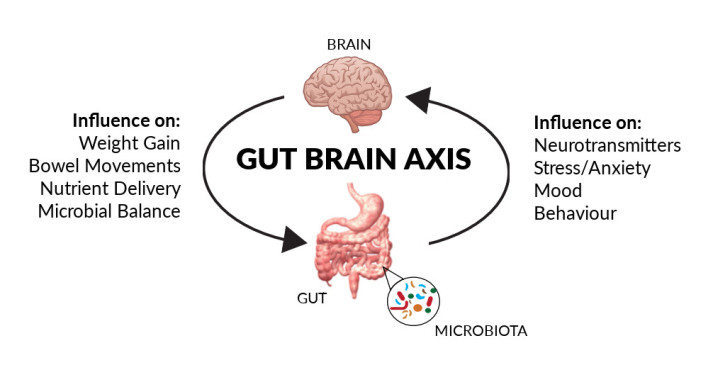
We know that the vagus nerve is connected to the gut and plays a crucial role in modulating the enteric nervous system, which is a complex network of nerves that are located in the wall of the upper intestinal tract. This is a nervous system that is able to function entirely on its own, away from the central nervous system, which is composed of the spinal cord and the brain. Scientists have labelled it the ‘second brain’ due to its independent nature and its ability to communicate with the brain, which is where the vagus nerve comes into play. The vagus nerve is essentially the ‘bridge’ between the brain and the gut, facilitating a bi-directional communication between the two organs. 

ref: https://lifeverchanging.com/2018/01/25/is-ibs-a-gut-brain-microbiome-axis-disorder/

As you can see in the diagram above, this two-way communication has a variety of functions, which not only influences the emotional wellbeing of a person, but also key physical processes such as digestion and metabolism. A crucial part of facilitating this communication and maintaining a healthy vagus nerve is the microbiome – the bacteria that live in the digestive system. In the past decade, research has exploded in this area, where scientists have begun to unearth how microorganisms such as bacteria, yeast and fungi impact the production and functioning of neurotransmitters and inflammatory processes, which modulate brain activity. 

Research shows that eighty percent of the information transmitted by the vagus nerve flows from the body to the brain (afferent nerve fibres). Whereas twenty percent of the vagus nerve is efferent, which means the signals are transmitted from the brain to the body. A clear example of this two-way communication is seen in animal studies, where researchers have found how stress inhibits the signals sent through the vagus nerve and causes gastrointestinal problems. Symptoms such as the suppression of stomach acid and digestive enzyme production, as well as increased gut permeability (leaky gut), slower bowel transit time and nutrient malabsorption are often experienced when under chronic stress. On the other hand, we also see how ‘gut instincts’ or visceral sensations, influenced by external factors such as stressful environments, alert the brain by triggering an emotional response such as fear and anxiety. 

How to support vagus nerve function

In order to support healthy vagus nerve function to optimise mental wellbeing, it is essential to not only practice lifestyle habits that stimulate vagus nerve tone, but also to take care of digestive function. 

Here are a number of ways that have been shown to help stimulate the vagus nerve and parasympathetic nerve activity:

  1. Probiotics and prebiotics 

Healthy gut bacteria help to create signalling molecules, which are communicated via the vagus nerve to the brain and keep inflammation at bay. Bacteria are also capable of creating neurotransmitters such as serotonin and dopamine. Eating fermented foods such as sauerkraut and kimchi (both fermented vegetable mixes) that are rich in beneficial bacteria, help to maintain equilibrium in the gut. In addition, eating a wide variety of vegetables and fruits can help to provide prebiotic fibres for bacteria to break down, which provides them the essential fuel they need to maintain themselves and create the metabolites that positively influence brain function. 

  1. Deep breathing

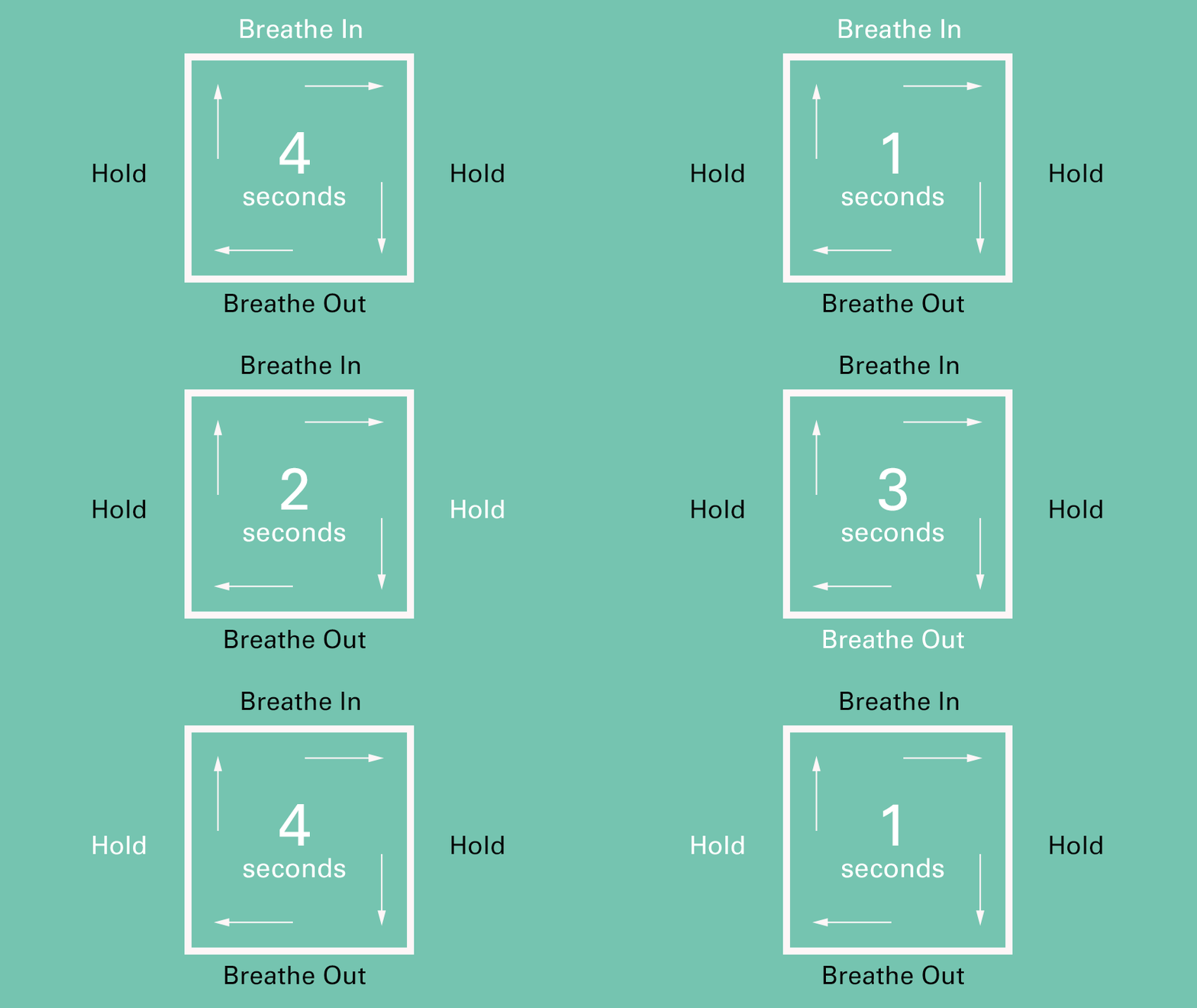
Whilst breathing is part of our autonomic nervous system (meaning that it is a process that happens automatically, without the need for us to think about it) it is also a process that we can control. Deep belly breathing, and in particular, the lengthening of the exhale, can have an immediate impact on the nervous system, stimulating the vagus nerve and therefore the parasympathetic response. One of the easiest and most accessible breathing techniques is the box breathing exercise, which can be followed below:

  1. Gargling or singing/chanting

Both gargling and singing mechanically stimulate the vagus nerve by vibrating the muscle fibres at the back of the mouth in the throat area. Due to part of the vagus nerve being located in this area, activities such as gargling can directly stimulate and fire the nerve fibres in the vagus. Practicing these activities on a daily basis can help to improve vagus nerve tone, which may have been lost due to chronic stress and trauma. 

  1. Craniosacral therapy

Craniosacral therapy directly addresses the cranial nerves (the vagus nerve is the 10th cranial nerve) and helps to shift the body out of a fight or flight state. Over time this can help to ‘rewire’ the nervous system by increasing vagal tone and allowing the balance between sympathetic and parasympathetic to reach a healthy equilibrium. 

  1. Loving kindness meditation

We know that meditation and mindfulness can be great health tools, especially due to the positive effect they can have on the nervous system. However, loving kindness meditation goes a step further by encouraging visualisation that generates ‘warm and fuzzy’ feelings of compassion and gratitude. This type of meditation is rooted in Buddhist tradition and seeks to promote four key experiences of friendliness, compassion, gratitude and equanimity. Studies have shown that practicing this type of meditation not only improves vagus nerve tone, but also significantly reduces symptoms of depression in those with PTSD and helps to increase social connection.

Here is a great guided loving kindness meditation, which you can try out:

Sign up to our mailing list

Receive educational articles and latest information on events, campaigns and research

Further info

Sleep Hacks to Improve Mental Wellbeing

Just one night of little sleep can have a significant impact on our mental wellbeing and cognitive function.  Although it may appear that our brain completely switches off whilst we’re sleeping, it is actually performing highly sophisticated tasks and is very far from being inactive. During sleep the brain replays memories from the day, sifting out what is no longer necessary, then consolidating what needs to be kept. It also regulates emotional memory in the amygdala (the emotion centre of the brain). Studies investigating sleep deprived people and those who sleep optimal amounts, demonstrate stark differences in MRI brain scanning between the two groups. Interestingly, what is most apparent is that a lack of sleep can cause a disconnect between the amygdala and the prefrontal cortex, which is the area of the brain that is associated with rational, higher-level cognitive processes that involve controlling short-sighted, reflexive behaviours, favouring problem-solving and self control. So it’s no surprise that with less than optimal sleep, we suddenly become a lot less tolerant to things that may not usually bother us and our cognitive abilities such as concentration and memory also suffer. 

Sleep disturbances are more than often concurrent with mental health conditions and can commonly precede symptoms of mood imbalances, such as depression and anxiety. In the UK, as many as two thirds (67%) of UK adults suffer from disrupted sleep and nearly a quarter (23%) manage no more than five hours a night, which could be one of the many contributing factors of increasing levels of poor mental health. Approximately 1 in 4 in the UK will experience a mental health problem every year and depression has been labelled as the second leading cause of disability globally. Considering the research showing the importance of sleep for mental health and the parallel rise of insomnia and conditions such as depression and anxiety, targeting optimal sleep with simple strategies may prove to have a significant positive impact on mental wellbeing. 

Improving sleep is in fact the biggest health ambition for a quarter (26%) of UK adults, but half (51%) admit that they don’t take any measures to help them sleep. The following 4 steps are simple and practical dietary and lifestyle strategies to help you optimise your sleep and get you started:

1. Complex Carbohydrates for Dinner

With the ever-rising trend of keto diets it’s no wonder we’re terrified of eating foods that are high in carbohydrates. However, there isn’t a one-size-fits-all when it comes to nutrition. For some who may be undergoing a significant amount of stress and insomnia, having the right type of carbohydrate can actually be beneficial and even therapeutic. Have you ever wondered why you crave carbohydrates or sugar when you’re stressed? This is because stress reduces the amount of available serotonin in the brain and carbohydrates help stimulate serotonin production, helping bring on feelings of calm and helping the body and mind relax. Serotonin is also a precursor to melatonin, the body’s hormone and neurotransmitter that induces sleep. So without enough serotonin, we simply cannot make melatonin, which will ultimately lead to problems getting to sleep. However, it’s important to note that we can’t just eat any type of carbohydrate – choosing complex, fibre-rich sources of carbohydrate foods, which provide a sustainable source of energy for the body and prevent blood sugar crashes, can help prepare the body for a better night’s sleep. 

Foods such as sweet potatoes, parsnips, beets, pumpkin, butternut squash, as well as wholegrains like brown rice and oats and pulses like chickpeas and butter beans, are all fantastic sources of slow-releasing carbohydrates. Think about including these in your evening meal along with a protein-rich food to give the brain a little serotonin boost, which will help to relax the body and optimise melatonin levels for a more restful night’s sleep. 


2. Avoid the Night-Cap 

It’s called a night-cap, but it really does little else than fool the body into slumber that is in fact very short-lived. In sleep scientist Matthew Walker’s book ‘Why we sleep’, he says how drinking is more like anesthesia than real sleep, essentially sedating the body. Whilst alcohol may get you off to sleep quicker, it actually prevents the body from entering REM sleep, a phase of deep sleep where we typically dream. This is because when the body is metabolising alcohol, the chemical by-product of this process called aldehyde is created, which is essentially what blocks REM sleep. REM sleep is important for helping to solidify memories in the brain, as well as helping the brain to make connections and identify patterns, thus helping us learn.  

So try to avoid the temptation of a night-cap or the glass of wine to help ease off the stress of the day. Instead, think about what you could have as a replacement. Perhaps a favourite warm drink or even a hot bath with some essential oils to help you relax. 


3. Try a Guided Meditation 

Even just 10-15 mins of bringing awareness to the body and the breath can help to switch on the parasympathetic nervous system, which is what helps to inhibit the stress response. When we are stressed and anxious, our body responds by creating hormones and stimulating neurotransmitters that help mobilise the body for managing life-threatening situations. Overtime, this can weaken our ability to switch off and recalibrate, which can have a negative impact on sleep. In a study where 32 patients with severe chronic insomnia engaged in meditation every evening over the course of 8 weeks, their Insomnia Severity Index (ISI) scores greatly improved (from 20.9 to 10.4). In addition, 21 out of 32 had either stopped the usage of sedative or hypnotic agents to induce sleep or greatly reduced the intake of them. This is just one study of many that have demonstrated positive effects of using different meditation tools to help support sleep. 

There are many apps and online videos to help get you started. For example, Calm and Headspace are just two fantastic apps with guided meditations specifically suited to help encourage restful sleep. Try setting aside just 10 mins before bed to help get into a regular routine. 

4. Avoid Spicy and Acidic Foods at Night

Spicy and acidic foods can, for many, lead to acid-reflux or heartburn. This may be because they have compounds like capsaicin that relax the sphincter (which separates the stomach and the oesophagus), leading to stomach acid trickling into the throat when lying down. If you find you’re susceptible to heartburn, you may want to consider avoiding these foods at night. You might also want to rule out other causes of acid reflux such as food intolerances, which can be tested via various private companies such as York Test and Biolab, if you’re based in the UK.

Sign up to our mailing list

Receive educational articles and latest information on events, campaigns and research

Further info

The link between alcohol dependency and GABA deficiency

After the festive period, many will be feeling the negative impact of alcohol and food indulgence. In an effort to allow the body to recalibrate and shake-off the resulting low energy, brain fog and low mood, taking up Dry January is often a key strategy to start the year off on a good foot. 

However, those susceptible to alcohol cravings may find that a month off the booze is harder than expected. Symptoms such as poor sleep, sugar cravings and a long-winded hangover, are just some of the experiences that people have reported. One of the most common symptoms is an increase in anxiety, perhaps due to the reduction of a very important neurotransmitter called GABA, which is stimulated by alcohol. 

What is GABA?

GABA is the body’s main inhibitory neurotransmitter, meaning that it helps the body and brain to relax and promotes feelings/sensations of calm and tiredness. It does this by preventing excitatory neurotransmitters like dopamine and noradrenaline from over-stimulating the brain and helps to slow down the heart rate and breathing, as well as relaxing muscles. 

In those who are deficient in GABA, feelings of anxiety, stress and worry can be common symptoms, leading to alcohol cravings. Alcohol targets GABA receptors and mimics the effect of this neurotransmitter, helping to relax the mind and body. 

Have you ever craved alcohol after a stressful day and used a glass of wine to help calm the nerves and decompress the mind? This is your body’s way of telling you that GABA needs to be switched on! Whilst alcohol facilitates this, unfortunately the negative side effects of chronic alcohol use far outweigh the temporary feelings of calm and relax. 

The Relationship Between GABA and Alcohol 

Alcohol can cross  the blood brain barrier incredibly quickly – the brain’s very own protective mechanism that prevents things like toxins, bacteria and unwanted hormones from entering the brain and causing damage. This is why after drinking alcohol, its effects can be felt almost instantly. 

The brain has a very intelligent way of preventing overstimulation of neurotransmitters, so that balance is maintained. For example, when alcohol intake is high, in an effort to avoid an excessive accumulation of GABA (as well as other neurotransmitters), receptor response is dampened. Meaning  that over time, you’ll need more of the substance to provide the same effect, which may lead to potential addiction and alcohol dependency . This can make Dry January almost impossible to achieve, if other ways of increasing GABA aren’t employed. 

Below is a list of safe and natural ways you can help activate GABA, which will also enhance overall health and mental wellbeing. 

4 Ways to Increase GABA Naturally… 

  1. Magnesium – nature’s relaxant

Magnesium has been shown to modulate GABA activity in the brain. It does this by acting on GABA receptors to help facilitate GABA neurotransmission and its consequent effects of relaxation. 

Magnesium also helps to relax the central nervous system, as well as the body’s muscles. It does this by helping to activate the parasympathetic nervous system – the branch of our autonomic nervous system that is responsible for helping us to relax, down-regulating cortisol output and for regenerating cells and tissues. 

We can find magnesium in foods such as avocado, nuts and seeds, legumes and some wholegrains. However, some studies have shown that supplementing with magnesium (around 300mg a day), can be very effective in reducing symptoms of anxiety. 

  1. Consider a B6 Supplement 

GABA is produced via the activity of an enzyme called glutamic acid decarboxylase (GAD) and GABA transaminase, which require vitamin B6 as a cofactor. Studies show that the B6 status of an individual has significant effects on the central production of both GABA and serotonin, neurotransmitters that control pain perception, and for preventing symptoms of depression and anxiety. Whilst B6 is found abundantly in the diet, studies show that common deficiencies of B12 and B9 (Folate), can also indicate B6 deficiency, so it’s important to take into consideration if you have a history of anemia. In addition, those who have chronic alcohol intake are also at risk of B6 deficiency. 

B6 can be found in all animal products, as well as grains, pulses, eggs and dairy. However, you may want to consider a supplement that contains all the B vitamins to help boost B6 levels temporarily.

  1. Increase Exercise

Researchers have found that vigorous bouts of exercise can increase GABA. In addition, exercise helps to switch on a regenerative substance in the brain called Brain-Derived Neurotrophic Factor (BDNF) – helping create new and healthy brain cells and increases neuroplasticity, which prevents anxiety and depression. Engaging in just a small amount of exercise on a daily basis, as well as remembering to take ‘walking’ breaks away from the desk or the sofa is enough to switch on this ‘brain-protective’ mechanism.

  1. Engage in a Mind-Body Movement 

There is a significant body of evidence that demonstrates how practices such as yoga, can help increase levels of GABA in the brain. For example, in a study comparing the effects of walking and yoga in two separate groups, MRIs that were taken following these activities demonstrated significant differences. Participants in the two control groups did these activities for one hour, three times a week, over a period of 12 weeks. The MRIs revealed a larger increase in GABA levels in a part of the brain called the thalamus amongst yoga practitioners. The yoga practitioners also reported improved mood and anxiety compared to the waking control group.  

A final word… 

These findings give us clues as to what our bodies need in order to maintain health and mental wellbeing. These simple, practical steps are easy to implement and can help reduce alcohol cravings and increase GABA in the brain. In addition, eating a balanced diet that helps to stabilise blood sugar levels, is also essential for preventing cravings. 

To help provide a sustainable source of energy, eating three meals a day which contain protein-rich foods such as poultry, fish, eggs and pulses, as well as complex carbohydrates, such as sweet potatoes, butternut squash, other root vegetables and brown rice, and a wide variety of vegetables, is essential. This helps to prevent anxiety caused by blood sugar lows and highs, which can also leave you vulnerable to craving alcohol and other substances. 

Sign up to our mailing list

Receive educational articles and latest information on events, campaigns and research

Further info