🟢 LIFESTYLE Archives - Page 2 of 2 - Food for the Brain

because prevention is better than cure.

because prevention is better than cure.

Mini Cart 0

Your cart is empty.

Mini Cart 0

Your cart is empty.

Staying Active & Failing Keeps you Sharp

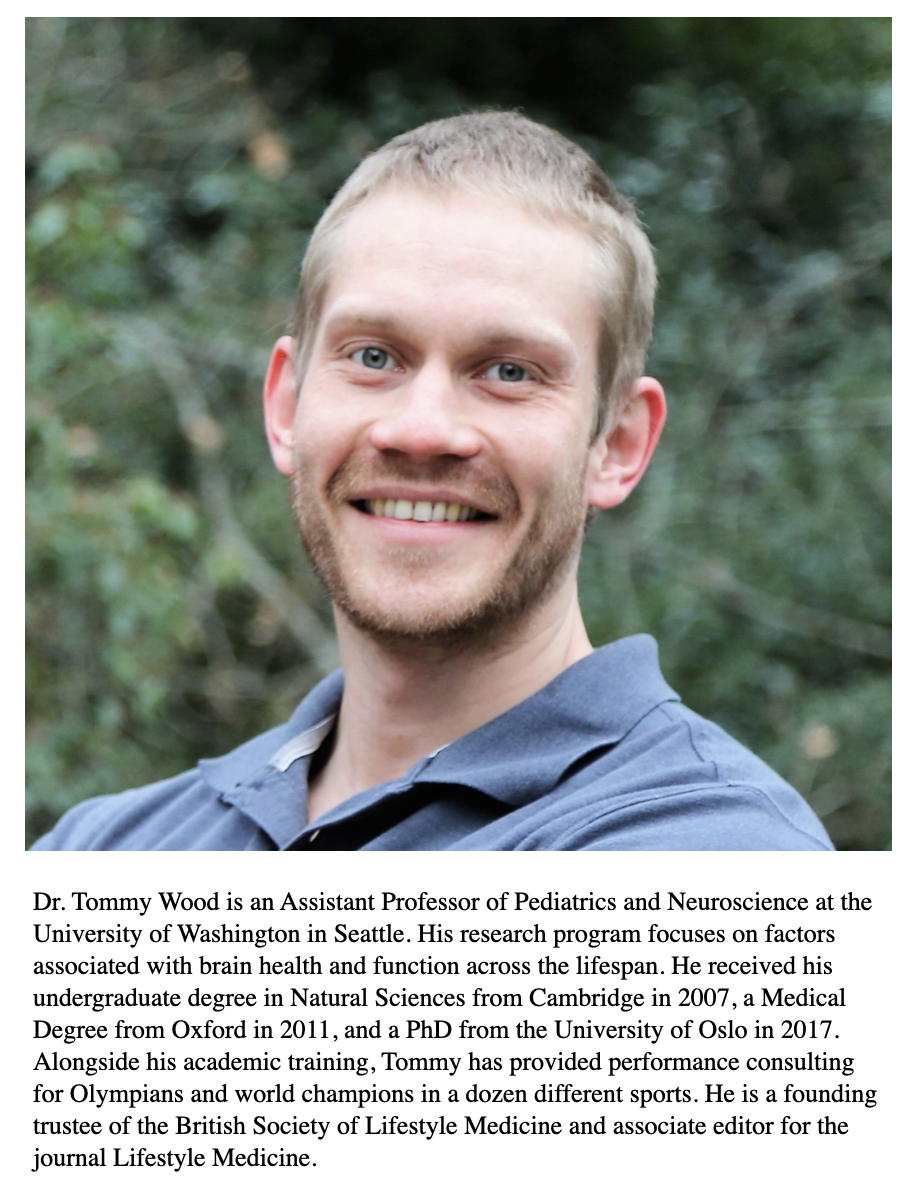
By Research Professor Tommy Wood from the University of Washington

Most of us have two types of elderly relatives.

One of them is old – they have trouble walking, they’re in and out of the doctor’s office, and they always seem to repeat the same stories. The other type seems younger than their years they play tennis twice a week, they’re social, and they’re sharp as a tack. How can we become part of the latter group?

When it comes to aging in general and cognitive function in particular, genes obviously play a role, but did you know that lifestyle choices matter even more?[1] So, what are the top lifestyle choices to keep our brains sharp into old age?

As a neuroscientist, this is a question I often get.
Besides the obvious ones – physical activity, strength, sleep, a healthy diet, not smoking – my top tip is this: If you want to stay mentally sharp into old age, keep your brain active. In short, “use it or lose it”.

But what does “using it” look like? In this post I’ll cover some of the evidence around cognitive decline, as well as some practical take-aways for anybody wanting to improve their brain health as they get older.

Use it or lose it

The brain is an amazing organ, and it’s more resilient and adaptable than we’ve been led to believe. I’m sure you’ve heard that adults have a fixed amount of brain cells. Then, as we get older (or every time we take a sip of wine) we “lose” some of those brain cells as part of an unstoppable decline towards dementia or Alzheimer’s disease.

But that’s not necessarily true. I like to think about the brain like I think about muscles. In order to grow our muscles, we need to provide a stimulus – like lifting weights in the gym – followed by a period of rest. The opposite also happens – if we stop going to the gym or if we stop using a limb after breaking a bone – our muscles get smaller. Most have experienced this personally, and there’s every indication that your cognitive “muscle” behaves in the same way.

How do we know this? One type of evidence is that longer education seems to reduce dementia in later life. [2]* You might think of education as early cognitive muscle building that you then benefit from throughout life. We see similar effects from other forms of early cognitive stimulus – like protection from neurodegenerative disease in people who grew up bilingual.[3]

But we’re not cognitively doomed after adolescence. One of my favourite studies looked at adults studying “The Knowledge” – memorising ~25,000 streets in central London to become a taxi driver. These participants were in their 30s or 40s, yet they saw a significant increase in the size of the hippocampus, the brain region associated with memory.[4]

We also see the opposite effect – less cognitive stimulus increases the risk of cognitive decline and dementia. This is most easily studied by looking at retirement. Multiple studies in populations across the US, China, and Europe, show that the risk of cognitive decline accelerates after retirement.[5-8] Those that retire later are protected against cognitive decline, even after considering factors that might force early retirement such as poor health. Overall, a recent meta-analysis looking at health and lifestyle factors associated with cognitive decline found that cognitive activity was the single most protective factor – halving the risk of Alzheimer’s disease.[2] This really emphasises the lesson: use it or lose it. What counts as ‘protective cognitive demand’? Doing something badly.

The evidence around retirement and cognitive decline suggests that work is where adults tend to get most of their cognitive activity. However, it’s important to unpick what constitutes cognitive activity that is protective. We may feel that our work demands a lot from our brain, but being “busy” does not necessarily benefit the brain. In fact, it’s often the opposite. Being “busy” tends to come with stress, and though stress is very personal, chronic stress is associated with an increased risk of Alzheimer’s disease.[9] What keeps us busy and stressed – sitting in meetings, reading emails, inputting data – may be time consuming, but rarely requires much brain power.

So, what constitutes protective cognitive demand? Failure.

Activities that provide the greatest cognitive stimulus involve learning and skill development. That means we’re initially bad at them and occasionally fail before we get better. This is the real sticking point for improving brain health – as adults we hate the feeling of being bad at something. Failing is, however, when the magic happens. A fascinating study looked at the brains of musicians.[10] While both professional and amateur musicians’ brains looked younger compared to non-musicians of the same age, the benefit was greatest in amateur musicians. The researchers suggested that playing music is more of a cognitive stimulus for amateurs – it’s harder, so they get more benefit. The cocktail of hormones released as we try, fail, repeat, and learn, provides the ideal environment for the brain to grow and adapt.


How to “use it”

So, how should we apply this knowledge? Below are some of the best and easiest ways to build in cognitive stimuli you can benefit from for years to come.


1 | Pick an activity that’s truly challenging
Cognitive demand requires failure, so pick something you’ll be bad at initially. What’s cognitively challenging is personal, but learning a new language is better than sudoku, building model airplanes is probably better than reading the news, and playing chess is definitely better than scrolling through Instagram. As you get better, add challenge to keep stimulating your brain.

2 | Start small and do something you enjoy
Skill development should be a lifelong process, which means it should be a routine. Start small – for instance 2 minutes a day of playing an instrument or learning a new language. Make sure your new skill is something you enjoy – that makes it easier to stick to and keep as a part of your life.

3 | Move – with a skill component
Movement has some of the best evidence on improving brain health. One of the first studies to show that the hippocampus can grow in adults of retirement age (or older) used a walking intervention – just 40 minutes of brisk walking 3x per week.[11] Other studies have showed increased brain connectivity and function in adults doing resistance training 1-2 times per week.[12] Best is movement that includes balance or motor skills: the added challenge of coordination seems to be particularly protective against cognitive decline.[13] Think yoga, dance, or even skateboarding

4 | Try a new skill that’s social
Social interaction is its own form of cognitive stimulus: social connection is protective of cognitive function, while social isolation has the opposite effect.[14] So what’s better than simply learning a new skill? Doing so with friends. Start a book club to discuss the books you read. Join a knitting circle, language group, or dance class. Volunteer for a local charity. All of these help you learn new skills, with the added benefit of social interaction.

5 | Repeat, repeat, repeat
There are no hard and fast rules about how much or how often to work on a new skill, but once a week is a good start. If it’s a class or a movement practice, maybe 1-3 times per week. If it’s something you can do on your own, you may prefer more frequent, smaller bouts of focused practice. Try using a Pomodoro timer to dig in for 20-30 minutes – a suitable time for most people to keep their undivided attention.
The key is to push right at the boundaries of what you’re capable of – with occasional failure showing that you’re at the right level of difficulty. Keep at it, and you’ll be more likely to be healthy and sharp for decades to come.

Footnote
*It’s worth noting that those who stay in education for longer also tend to be socioeconomically advantaged, but the benefit of longer education seems to hold even accounting for that.


References

  1. Lourida I, Hannon E, Littlejohns TJ, Langa KM, Hyppönen E, Kuźma E, Llewellyn DJ. Association of Lifestyle and Genetic Risk With Incidence of Dementia. Jama. 2019;322(5):430-7. doi: 10.1001/jama.2019.9879.
  2. Yu JT, Xu W, Tan CC, Andrieu S, Suckling J, Evangelou E, Pan A, Zhang C, Jia J, Feng L, Kua EH, Wang YJ, Wang HF, Tan MS, Li JQ, Hou XH, Wan Y, Tan L, Mok V, Tan L, Dong Q, Touchon J, Gauthier S, Aisen PS, Vellas B. Evidence-based prevention of Alzheimer’s disease: systematic review and meta-analysis of 243 observational prospective studies and 153 randomised controlled trials. J Neurol
    Neurosurg Psychiatry. 2020;91(11):1201-9. Epub 2020/07/22. doi: 10.1136/jnnp-2019-321913. PubMed PMID: 32690803; PMCID: PMC7569385.
  3. Sala A, Malpetti M, Farsad M, Lubian F, Magnani G, Frasca Polara G, Epiney JB, Abutalebi J, Assal F, Garibotto V, Perani D. Lifelong bilingualism and mechanisms of neuroprotection in Alzheimer dementia. Hum Brain Mapp. 2022;43(2):581-92. Epub 2021/11/04. doi: 10.1002/hbm.25605. PubMed PMID: 34729858; PMCID: PMC8720191.
  4. Woollett K, Maguire EA. Acquiring “the Knowledge” of London’s layout drives structural brain changes. Current biology : CB. 2011;21(24):2109-14. Epub 2011/12/08. doi: 0.1016/j.cub.2011.11.018. PubMed PMID: 22169537.
  5. Hale JM, Bijlsma MJ, Lorenti A. Does postponing retirement affect cognitive function? A counterfactual experiment to disentangle life course risk factors. SSM – Population Health. 2021;15:100855. doi: https://doi.org/10.1016/j.ssmph.2021.100855.
  6. Dufouil C, Pereira E, Chêne G, Glymour MM, Alpérovitch A, Saubusse E, Risse- Fleury M, Heuls B, Salord JC, Brieu MA, Forette F. Older age at retirement is associated with decreased risk of dementia. Eur J Epidemiol. 2014;29(5):353-61. Epub 2014/05/06. doi: 10.1007/s10654-014-9906-3. PubMed PMID: 24791704.
  7. Nikolov P, Adelman AM. Do Pension Benefits Accelerate Cognitive Decline? Evidence from Rural China. Labor: Public Policy & Regulation eJournal. 2019. Sundström A, Rönnlund M, Josefsson M. A nationwide Swedish study of age at retirement and dementia risk. Int J Geriatr Psychiatry. 2020;35(10):1243-9. Epub 2020/06/20. doi: 10.1002/gps.5363. PubMed PMID: 32557831.
  8. Ye Y, Li J, Yuan Z. Effect of antioxidant vitamin supplementation on cardiovascular outcomes: A meta-analysis of randomized controlled trials. PloS One. 2013;8:e56803. doi:10.1371/journal.pone.0056803.
  9. Rogenmoser L, Kernbach J, Schlaug G, Gaser C. Keeping brains young with making music. Brain Struct Funct. 2018;223(1):297-305. Epub 2017/08/18. doi: 10.1007/s00429-017-1491-2. PubMed PMID: 28815301.
  10. Erickson KI, Voss MW, Prakash RS, Basak C, Szabo A, Chaddock L, Kim JS, Heo S, Alves H, White SM, Wojcicki TR, Mailey E, Vieira VJ, Martin SA, Pence BD, Woods JA, McAuley E, Kramer AF. Exercise training increases size of hippocampus and improves memory. Proceedings of the National Academy of Sciences. 2011;108(7):3017. doi: 10.1073/pnas.1015950108.
  11. Herold F, Törpel A, Schega L, Müller NG. Functional and/or structural brain changes in response to resistance exercises and resistance training lead to cognitive improvements – a systematic review. Eur Rev Aging Phys Act. 2019;16:10. Epub 2019/07/25. doi: 10.1186/s11556-019-0217-2. PubMed PMID: 31333805; PMCID: PMC6617693.
  12. Ludyga S, Gerber M, Pühse U, Looser VN, Kamijo K. Systematic review and meta- analysis investigating moderators of long-term effects of exercise on cognition in healthy individuals. Nature Human Behaviour. 2020;4(6):603-12. doi: 10.1038/s41562-020-0851-8.
  13. Penninkilampi R, Casey AN, Singh MF, Brodaty H. The Association between Social Engagement, Loneliness, and Risk of Dementia: A Systematic Review and Meta-Analysis. J Alzheimers Dis. 2018;66(4):1619-33. Epub 2018/11/20. doi: 10.3233/jad- PubMed PMID: 30452410.
Further info

The stress mind-body loop: Nutrition and lifestyle strategies to break it

Stress is a human adaptive response involving complex, yet fascinating physiological and psychological mechanisms

Stress has been designed for our daily survival as species, however, when stress becomes the only response we can lean on to live our lives we may find ourselves trapped in a loop with detrimental effects to our overall health and wellbeing.

Exposure to intense, repetitive and prolonged stress (chronic stress) tells our bodies and minds to continue to respond with stress, even when the stressful event is no longer present. Our bodies will not only adapt to cope with higher levels of stress, but will also continue to release hormones (cortisol and adrenaline) that keep this adaptive physical response or continuous loop going. 

This stress mind-body loop can feed an endless list of physical and mental health issues such as Alzheimer’s disease, Type 2 diabetes, insomnia, IBS, depression and anxiety, but it can also impact our nutritional status, i.e. the essential vitamins and minerals that our bodies need to survive and thrive.

Stress can lead to prolonged release of the stress hormone cortisol, impacting the ability of our brains and adrenal glands to regulate it. In turn, excessive cortisol creates inflammation and weakens our immune system.

Nonetheless, stress responses are a key part of our body’s ability to self-regulate and bring itself to a state of homeostasis. Think about stress as a continuum, varying from positive stress-resilient responses to negative ill-health stress responses. As we navigate through this continuum day by day, nutrition and lifestyle can become one of our best allies in helping to minimise the negative effects of this loop, if not stop it completely.

A diet rich in omega-3 fats, vitamin E, magnesium, folic acid and vitamin B6 has been associated with positive benefits with regards to stress resilience. Omega-3 fats can be found in oily fish, flaxseeds and walnuts; vitamin E in olive oil, olives, avocados, nuts and seeds; magnesium in almonds, bananas and dark green leafy vegetables such as kale and broccoli; folic acid in organ meats, spinach and beans; and B6 in chicken, salmon, chickpeas and sunflower seeds. These nutrients can help by regulating our stress response, balancing our hormones, strengthening our immune system and protecting our brain function and mental wellbeing.

Eating processed and refined foods with a higher number of calories and lower nutrient content (e.g. sugar, alcohol, saturated and trans-fats), can make us feel increasingly tired, irritable, anxious and lacking attention and focus. These foods can cause our blood sugar levels to rise quickly then drop suddenly like a rollercoaster ride. A simple change to more nutrient-dense meals and foods, i.e. foods with a high level of essential vitamins and minerals and other nutrients, such as protein, fibre and complex carbohydrates can be very supportive for the body during times of stress.

A lifestyle that includes regular exercise, restorative sleep and rest, emotional support, positive social interactions and relationships, and plenty of laughter, fun and creativity can also help boost our resilience to stress and adversities and support a shift whereby stress is no longer perceived as a permanent threat but as an adaptive bio-psychological response.

With thanks to our volunteer, Catia Soares, for this article. Catia is a Psychologist and Nutritional Therapist with more than 11 years experience in the field.

Further info

Happy New Year…and welcome to Dry January?

Like many people, I enjoy a glass of wine or two a few times a week (perhaps more at times of celebration and holidays). Alcohol makes me feel happy, relaxed and sociable, and a little bit of red wine is good for you, isn’t it? “Dry January” hadn’t appealed before, but this year the scientist in me was intrigued to find out if short-term abstinence can really make a difference to brain health.

What I found was genuinely surprising! For healthy people with a moderate or heavy alcohol consumption, a month’s abstinence from alcohol can lead to significant improvements in blood sugar control, blood pressure, weight loss and a reduction in cancer related factors; all of which can affect brain health and mental wellbeing. In addition, moderate drinkers who avoid alcohol for a month will reduce the risk of liver cell damage because oxidative cellular stress is reduced. I couldn’t find any studies that prove this has a knock-on effect on brain health (for obvious reasons), but what is good for the liver is most usually beneficial for the brain too.

I also discovered that good dietary sources of folate and riboflavin (vitamin B2) may be protective of cognitive function following a period of regular alcohol intake. It does this by helping to reduce homocysteine levels, which is an important biomarker for brain health.

This next bit of information will be disappointing for many people (myself included). The perceived connection between a little bit of red wine and good health is being eroded by science. Yes, red grapes and red wine contain a polyphenol called resveratrol that has been found to be beneficial for rat brains, but research doesn’t support the view that drinking wine is as beneficial for human cognition as eating the grapes. 

With all this in mind, how to approach lifestyle change, even if short-term? For me, I prefer to slowly reduce consumption in order to give my liver and brain a chance to wind down naturally. For others, it’s easier to get started knowing that others are doing it too. Whichever route you choose, research does show that as soon as we reduce our alcohol consumption and initiate some longer-term changes like eating well and taking more exercise, the sooner we can feel more energised and develop healthier drinking patterns!

I’ve changed my mind about Dry January. It’s not about depriving ourselves of enjoyment, it’s about getting ourselves and our brain back in harmony so we can make 2022 an awesome year. This January I will be raising a glass of elderflower cordial and saying “Cheers” to that!

With thanks to Tracey Hipkiss, Food for the Brain Volunteer, for this article.

Further info

Exercise & Cognition

Exercise plays an important role in cognition. In this TED talk listen to expert Dr Wendy Suzuki explaining in more detail.

Dr Wendy Suzuki – The Brain Changing Benefits of Exercise (TED).

Further info

How to Create Healthy Habits that Stick – Top Tips from a Psychologist

Four years ago I was diagnosed with multiple sclerosis. Diet, vitamin supplementation, exercise, stress reduction and cognitive activity (also known as a brain-healthy lifestyle) have all been shown to significantly improve outcomes in MS – great news, right?! So why is it so hard to keep doing what is right?  As a clinical psychologist I’ve spent years working with people who are finding it difficult to make changes in their lives, despite knowing that ultimately there will be benefits. Below are some of things I have learned along the way and that have helped me navigate a new path towards a brain healthy lifestyle.

Have compassion for where you are at

Our health behaviours depend upon many factors, including what attitudes and ideas about health were laid down in our early life experience. I grew up in a low socioeconomic status inner-city household in the 1990s – I never owned a bike, never saw or heard of anyone “going for a run” and diet was only discussed as a thing you “went on” if you wanted to be thinner (usually before Christmas, so you could eat and drink with abandon during the festive season). Crucially, my family was time-poor, working long hours to make ends meet; active relaxation and ‘self-care’ was not on the agenda.

Unsurprisingly then, I have spent the majority of my adult life replicating what my early-life taught me – working hard, eating for convenience (rather than health) and neglecting balance. It’s easy to be judgemental and regretful about not having made smarter health choices in the past and label ourselves as lazy, reckless or not capable. However, research shows us that self-criticism reduces motivation and leaves us feeling worse, whereas showing ourselves compassion and understanding is much more likely to free us to make changes.  Whatever health and lifestyle choices you made so far, you were doing your best with the information and resources you had at the time.  If your inner voice is harsh and critical, remind them that you have done your best and will continue to do so – that’s all any of us can.

Expect changes to be challenging

Long term behaviour change is difficult to achieve and involves a series of small steps and crucially, ‘failures’. What sets apart people who successfully implement long term change is not an innate ability to stick perfectly to a plan, but the ability to pick oneself up and get back on track when the plan has not…gone to plan! Failing to stick to a healthy lifestyle plan does not mean you are “not capable”, “can’t do it” or “just not into a healthy lifestyle”- it simply means you are a human, not a robot. Try to see all setbacks as an opportunity to learn by asking yourself why it didn’t go to plan and what you can do differently to achieve your goal. 

Set good goals

Good goal setting is the bedrock of many psychological interventions and research shows that it works. My top tips for good goals are

1) Set positive goals about what you want more of (I want to learn one new health recipe) rather than what you want less of (I want to stop eating junk food)

2) Set achievable short term goals that will bring quick benefits, such as sticking to a good sleep routine and regular bedtime for a week – this will set you on the right path and increase your confidence that those longer term and less visible benefits are also achievable

3) Link your goals to your values – list all the reasons why your goals are important to you – including those beyond your own health. When I stopped eating dairy for health reasons I found it really helpful to learn about the ethical and environmental benefits of doing so – whilst these were not my primary motivations, they have become increasingly important to me and serve as further important reasons to stick to my plan. 

Find your support team

It is hard to make change and it can be hard for those around us – my family still object to vegan, oil free meals 4 years down the road. Finding positive reinforcement for the healthy lifestyle you want to adopt can help you stay committed in the face of doubt and objection (whether that be from people around you or inside your own head!). Instagram is a wonderful way to connect with inspiring people who just really LOVE living a healthy lifestyle, sharing tips/recipes/exercises/mindfulness practices/motivation, as are Facebook groups and internet forums. You may also find local groups, like beginners running clubs and yoga classes.

Set yourself up for success

Compassion, goals and encouragement aside – good old practical planning and problem solving will go a long way in facilitating behavioural change. Strategies that I have found useful include –

●  Planning ahead for the week what I will eat and when I will exercise

●  Batch cooking and freezing meals

●  Cooking simple meals on busy days

●  Using a slow cooker and an air fryer for ease and speed

●  Planning exercise for the time of the day when I have most energy

●  Setting reminders in my phone to take supplements

●  Setting a bedtime reminder in my phone for 30 minutes before I want to be in bed

●  Leaving my phone out of the bedroom and my book next to my bed (I read a chapter a night for cognitive stimulation and relaxation)

I hope these tips can help you incorporate changes you want to make!

With thanks to Dr Nicky Hartigan for this article. Dr Nicky is a Clinical Psychologist and Director at HelloSelf, and has recently joined Food for the Brain’s Board of Trustees.

Further info

Supporting Vagus Nerve Function; is this the missing link to improving mental health?

What is the vagus nerve? 

The vagus nerve is a fundamental part of the autonomic nervous system, which is composed of two key branches; the parasympathetic – the branch that allows us to rest, relax, digest and recharge, and the sympathetic – the branch that is responsible for our stress response and survival by controlling functions such as the heart rate, blood sugar and cortisol, which help us get away from a threat quickly and efficiently. The vagus nerve is the parasympathetic nervous system’s primary nerve, which travels from our brain stem down into a large number of organs and tissues such as the gut, the lungs and the heart. This is why this nerve was coined ‘vagus’, which is latin for ‘wandering’, due to its far-reaching effects on so many parts of the body. 

A healthy parasympathetic nerve response, which is governed by the vagus nerve, is essential for our mental wellbeing and physical health. This is because when we are functioning from a parasympathetic ‘point of view’, we are able to repair, digest and assimilate nutrients in our food properly and regenerate. We have evolved to be in this state the majority of the time, however, due to the pressures of modern life and chronic stress, many of us are continuously in a sympathetic state, where we are constantly in a physiological ‘fight or flight’ mode. Stress is a major risk factor for all health conditions and emerging research is showing that it is also a fundamental driver of many of today’s chronic diseases, such as heart disease, diabetes and irritable bowel disease.

Why is the vagus nerve so important for mental health?

Poor mental health such as depression, anxiety, panic attacks and insomnia, are symptoms of a dysregulated nervous system, where our response to environmental stressors have, in essence, become either excessive, causing panic, anxiety, hypervigilance and aggression, or downregulated to the point where we experience symptoms of apathy, depression and sometimes even catatonia. These are all symptoms of poor vagus nerve function, which are often a result of environmental factors such as stressful situations and trauma. 

The Gut-Brain Connection

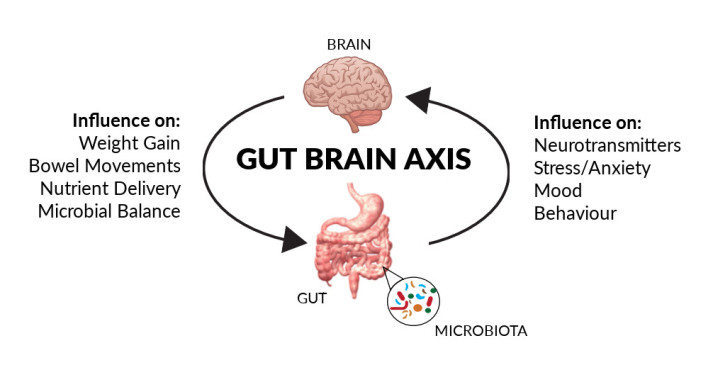
We know that the vagus nerve is connected to the gut and plays a crucial role in modulating the enteric nervous system, which is a complex network of nerves that are located in the wall of the upper intestinal tract. This is a nervous system that is able to function entirely on its own, away from the central nervous system, which is composed of the spinal cord and the brain. Scientists have labelled it the ‘second brain’ due to its independent nature and its ability to communicate with the brain, which is where the vagus nerve comes into play. The vagus nerve is essentially the ‘bridge’ between the brain and the gut, facilitating a bi-directional communication between the two organs. 

ref: https://lifeverchanging.com/2018/01/25/is-ibs-a-gut-brain-microbiome-axis-disorder/

As you can see in the diagram above, this two-way communication has a variety of functions, which not only influences the emotional wellbeing of a person, but also key physical processes such as digestion and metabolism. A crucial part of facilitating this communication and maintaining a healthy vagus nerve is the microbiome – the bacteria that live in the digestive system. In the past decade, research has exploded in this area, where scientists have begun to unearth how microorganisms such as bacteria, yeast and fungi impact the production and functioning of neurotransmitters and inflammatory processes, which modulate brain activity. 

Research shows that eighty percent of the information transmitted by the vagus nerve flows from the body to the brain (afferent nerve fibres). Whereas twenty percent of the vagus nerve is efferent, which means the signals are transmitted from the brain to the body. A clear example of this two-way communication is seen in animal studies, where researchers have found how stress inhibits the signals sent through the vagus nerve and causes gastrointestinal problems. Symptoms such as the suppression of stomach acid and digestive enzyme production, as well as increased gut permeability (leaky gut), slower bowel transit time and nutrient malabsorption are often experienced when under chronic stress. On the other hand, we also see how ‘gut instincts’ or visceral sensations, influenced by external factors such as stressful environments, alert the brain by triggering an emotional response such as fear and anxiety. 

How to support vagus nerve function

In order to support healthy vagus nerve function to optimise mental wellbeing, it is essential to not only practice lifestyle habits that stimulate vagus nerve tone, but also to take care of digestive function. 

Here are a number of ways that have been shown to help stimulate the vagus nerve and parasympathetic nerve activity:

  1. Probiotics and prebiotics 

Healthy gut bacteria help to create signalling molecules, which are communicated via the vagus nerve to the brain and keep inflammation at bay. Bacteria are also capable of creating neurotransmitters such as serotonin and dopamine. Eating fermented foods such as sauerkraut and kimchi (both fermented vegetable mixes) that are rich in beneficial bacteria, help to maintain equilibrium in the gut. In addition, eating a wide variety of vegetables and fruits can help to provide prebiotic fibres for bacteria to break down, which provides them the essential fuel they need to maintain themselves and create the metabolites that positively influence brain function. 

  1. Deep breathing

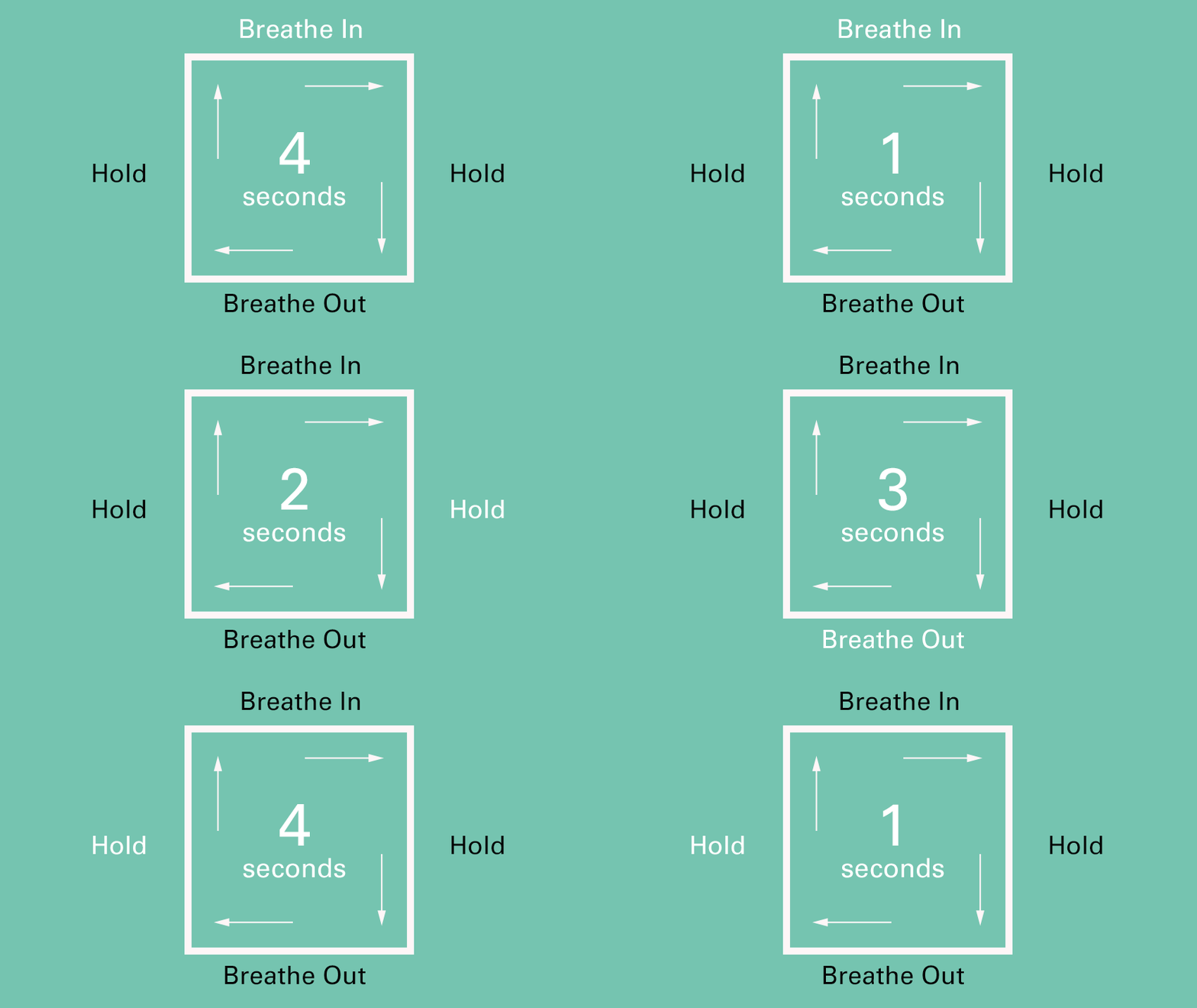
Whilst breathing is part of our autonomic nervous system (meaning that it is a process that happens automatically, without the need for us to think about it) it is also a process that we can control. Deep belly breathing, and in particular, the lengthening of the exhale, can have an immediate impact on the nervous system, stimulating the vagus nerve and therefore the parasympathetic response. One of the easiest and most accessible breathing techniques is the box breathing exercise, which can be followed below:

  1. Gargling or singing/chanting

Both gargling and singing mechanically stimulate the vagus nerve by vibrating the muscle fibres at the back of the mouth in the throat area. Due to part of the vagus nerve being located in this area, activities such as gargling can directly stimulate and fire the nerve fibres in the vagus. Practicing these activities on a daily basis can help to improve vagus nerve tone, which may have been lost due to chronic stress and trauma. 

  1. Craniosacral therapy

Craniosacral therapy directly addresses the cranial nerves (the vagus nerve is the 10th cranial nerve) and helps to shift the body out of a fight or flight state. Over time this can help to ‘rewire’ the nervous system by increasing vagal tone and allowing the balance between sympathetic and parasympathetic to reach a healthy equilibrium. 

  1. Loving kindness meditation

We know that meditation and mindfulness can be great health tools, especially due to the positive effect they can have on the nervous system. However, loving kindness meditation goes a step further by encouraging visualisation that generates ‘warm and fuzzy’ feelings of compassion and gratitude. This type of meditation is rooted in Buddhist tradition and seeks to promote four key experiences of friendliness, compassion, gratitude and equanimity. Studies have shown that practicing this type of meditation not only improves vagus nerve tone, but also significantly reduces symptoms of depression in those with PTSD and helps to increase social connection.

Here is a great guided loving kindness meditation, which you can try out:

Sign up to our mailing list

Receive educational articles and latest information on events, campaigns and research

Further info

Sleep Hacks to Improve Mental Wellbeing

Just one night of little sleep can have a significant impact on our mental wellbeing and cognitive function.  Although it may appear that our brain completely switches off whilst we’re sleeping, it is actually performing highly sophisticated tasks and is very far from being inactive. During sleep the brain replays memories from the day, sifting out what is no longer necessary, then consolidating what needs to be kept. It also regulates emotional memory in the amygdala (the emotion centre of the brain). Studies investigating sleep deprived people and those who sleep optimal amounts, demonstrate stark differences in MRI brain scanning between the two groups. Interestingly, what is most apparent is that a lack of sleep can cause a disconnect between the amygdala and the prefrontal cortex, which is the area of the brain that is associated with rational, higher-level cognitive processes that involve controlling short-sighted, reflexive behaviours, favouring problem-solving and self control. So it’s no surprise that with less than optimal sleep, we suddenly become a lot less tolerant to things that may not usually bother us and our cognitive abilities such as concentration and memory also suffer. 

Sleep disturbances are more than often concurrent with mental health conditions and can commonly precede symptoms of mood imbalances, such as depression and anxiety. In the UK, as many as two thirds (67%) of UK adults suffer from disrupted sleep and nearly a quarter (23%) manage no more than five hours a night, which could be one of the many contributing factors of increasing levels of poor mental health. Approximately 1 in 4 in the UK will experience a mental health problem every year and depression has been labelled as the second leading cause of disability globally. Considering the research showing the importance of sleep for mental health and the parallel rise of insomnia and conditions such as depression and anxiety, targeting optimal sleep with simple strategies may prove to have a significant positive impact on mental wellbeing. 

Improving sleep is in fact the biggest health ambition for a quarter (26%) of UK adults, but half (51%) admit that they don’t take any measures to help them sleep. The following 4 steps are simple and practical dietary and lifestyle strategies to help you optimise your sleep and get you started:

1. Complex Carbohydrates for Dinner

With the ever-rising trend of keto diets it’s no wonder we’re terrified of eating foods that are high in carbohydrates. However, there isn’t a one-size-fits-all when it comes to nutrition. For some who may be undergoing a significant amount of stress and insomnia, having the right type of carbohydrate can actually be beneficial and even therapeutic. Have you ever wondered why you crave carbohydrates or sugar when you’re stressed? This is because stress reduces the amount of available serotonin in the brain and carbohydrates help stimulate serotonin production, helping bring on feelings of calm and helping the body and mind relax. Serotonin is also a precursor to melatonin, the body’s hormone and neurotransmitter that induces sleep. So without enough serotonin, we simply cannot make melatonin, which will ultimately lead to problems getting to sleep. However, it’s important to note that we can’t just eat any type of carbohydrate – choosing complex, fibre-rich sources of carbohydrate foods, which provide a sustainable source of energy for the body and prevent blood sugar crashes, can help prepare the body for a better night’s sleep. 

Foods such as sweet potatoes, parsnips, beets, pumpkin, butternut squash, as well as wholegrains like brown rice and oats and pulses like chickpeas and butter beans, are all fantastic sources of slow-releasing carbohydrates. Think about including these in your evening meal along with a protein-rich food to give the brain a little serotonin boost, which will help to relax the body and optimise melatonin levels for a more restful night’s sleep. 


2. Avoid the Night-Cap 

It’s called a night-cap, but it really does little else than fool the body into slumber that is in fact very short-lived. In sleep scientist Matthew Walker’s book ‘Why we sleep’, he says how drinking is more like anesthesia than real sleep, essentially sedating the body. Whilst alcohol may get you off to sleep quicker, it actually prevents the body from entering REM sleep, a phase of deep sleep where we typically dream. This is because when the body is metabolising alcohol, the chemical by-product of this process called aldehyde is created, which is essentially what blocks REM sleep. REM sleep is important for helping to solidify memories in the brain, as well as helping the brain to make connections and identify patterns, thus helping us learn.  

So try to avoid the temptation of a night-cap or the glass of wine to help ease off the stress of the day. Instead, think about what you could have as a replacement. Perhaps a favourite warm drink or even a hot bath with some essential oils to help you relax. 


3. Try a Guided Meditation 

Even just 10-15 mins of bringing awareness to the body and the breath can help to switch on the parasympathetic nervous system, which is what helps to inhibit the stress response. When we are stressed and anxious, our body responds by creating hormones and stimulating neurotransmitters that help mobilise the body for managing life-threatening situations. Overtime, this can weaken our ability to switch off and recalibrate, which can have a negative impact on sleep. In a study where 32 patients with severe chronic insomnia engaged in meditation every evening over the course of 8 weeks, their Insomnia Severity Index (ISI) scores greatly improved (from 20.9 to 10.4). In addition, 21 out of 32 had either stopped the usage of sedative or hypnotic agents to induce sleep or greatly reduced the intake of them. This is just one study of many that have demonstrated positive effects of using different meditation tools to help support sleep. 

There are many apps and online videos to help get you started. For example, Calm and Headspace are just two fantastic apps with guided meditations specifically suited to help encourage restful sleep. Try setting aside just 10 mins before bed to help get into a regular routine. 

4. Avoid Spicy and Acidic Foods at Night

Spicy and acidic foods can, for many, lead to acid-reflux or heartburn. This may be because they have compounds like capsaicin that relax the sphincter (which separates the stomach and the oesophagus), leading to stomach acid trickling into the throat when lying down. If you find you’re susceptible to heartburn, you may want to consider avoiding these foods at night. You might also want to rule out other causes of acid reflux such as food intolerances, which can be tested via various private companies such as York Test and Biolab, if you’re based in the UK.

Sign up to our mailing list

Receive educational articles and latest information on events, campaigns and research

Further info