because prevention is better than cure.

because prevention is better than cure.

Mini Cart 0

Your cart is empty.

Mini Cart 0

Your cart is empty.

Magnesium for Brain Function

Magnesium for brain function icon featuring an orange periodic table style element tile with the symbol

Magnesium for Brain Function

When people think about nutrients that support the brain, omega-3 fats, B vitamins, and vitamin D usually get most of the attention. However, magnesium for brain function, including focus and memory, is just as important and often overlooked.

Yet there is another nutrient that may deserve a place on that list.

Magnesium is involved in more than 300 biochemical reactions throughout the body. It helps regulate nerve signalling, supports energy production, influences sleep quality, helps control blood sugar, and plays a critical role in the brain’s ability to learn, adapt, and form memories.

Despite this, many people consume less magnesium than they need.

As rates of cognitive decline, anxiety, sleep problems, and metabolic disease continue to rise, researchers are increasingly investigating whether magnesium status could play a role in protecting brain health throughout life.

Why does magnesium matter for the brain?

Your brain is an energy-hungry organ.

Although it accounts for only around 2% of body weight, it uses approximately 20% of the body’s energy supply. To function well, brain cells require a constant supply of nutrients that support energy production, communication between neurons, and protection from oxidative stress.

Magnesium contributes to all three.

It helps regulate neurotransmitters, supports healthy nerve-cell communication, and is required for the production of ATP, the molecule that powers every cell in the body. Magnesium also influences NMDA receptors, which are involved in learning, memory formation, and neuroplasticity, the brain’s ability to adapt and create new connections.¹

Low magnesium levels have been linked to increased inflammation, greater oxidative stress, and impaired glucose regulation, all of which are recognised contributors to cognitive decline and dementia risk.²

Magnesium and cognitive decline

One of the most interesting areas of research concerns magnesium and long-term cognitive health.

Several large population studies have found that people with higher magnesium intake or higher blood magnesium levels tend to have a lower risk of cognitive impairment and dementia.³⁻⁵ In a study published in Neurology, individuals with optimal blood magnesium levels had a significantly lower risk of developing dementia compared with those with lower levels.⁴

A recent systematic review concluded that magnesium appears to play an important role in maintaining cognitive health throughout ageing, although researchers emphasise that more intervention studies are needed to establish cause and effect.²

This does not mean magnesium is a magic bullet for preventing dementia, but it does suggest that ensuring adequate magnesium intake may be one of several important factors that help support a healthy brain as we age.

Could magnesium help with brain fog?

Many people first become interested in magnesium because they feel mentally tired, forgetful, or unable to concentrate.

While brain fog is not a medical diagnosis, it is often associated with poor sleep, chronic stress, blood sugar instability, and low energy production, all areas in which magnesium plays an important role. It also helps regulate the body’s response to stress. Chronic stress can deplete magnesium stores, while low magnesium levels may make us more vulnerable to the effects of stress, creating a vicious cycle.⁶

For some people, improving magnesium status may help support mental clarity simply by improving sleep quality, reducing stress reactivity, and supporting stable energy production.

Magnesium, mood and sleep

The relationship between magnesium and mental wellbeing has been studied for decades.

Research suggests that magnesium may help support healthy mood regulation and stress resilience, particularly in individuals with inadequate magnesium intake.⁶

Magnesium is also commonly used to support sleep. It helps regulate the nervous system and appears to influence melatonin production and GABA activity, both of which are involved in sleep regulation.

While magnesium is not a sleeping tablet, some people report improvements in sleep quality, reduced nighttime waking, and a calmer mind when magnesium intake is optimised.

Since poor sleep is increasingly recognised as a risk factor for cognitive decline and Alzheimer’s disease, supporting healthy sleep may be one of the ways magnesium contributes to long-term brain health.

Before reaching for a supplement, it’s worth looking at your diet. The richest sources of magnesium include:

  • Pumpkin seeds

  • Chia seeds

  • Almonds and cashews

  • Beans and lentils

  • Spinach and leafy greens

  • Whole grains

  • Dark chocolate

Many people can substantially improve their magnesium intake simply by eating more magnesium-rich foods, including leafy greens, beans, nuts and seeds. Although modern farming and soil quality may have reduced the magnesium content of some foods compared with the past, food should still be your first source wherever possible. Supplements are best considered a complement to diet, not a replacement for it.

Which type of magnesium is best?

One of the most confusing aspects of supplementation is the number of different forms available.

The truth is that there is no single “best” magnesium. Different forms may be more suitable, depending on your goals.

Magnesium glycinate combines magnesium with the amino acid glycine. It is well absorbed and gentle on the stomach. Although it is widely recommended to support sleep and relaxation, there is currently little direct evidence that it is more effective than other well absorbed forms of magnesium. Its popularity is based largely on its favourable absorption, the calming properties of glycine, and positive clinical experience.

Magnesium L-threonate has attracted attention because it appears to increase magnesium levels within the brain more effectively than some other forms.

Animal studies have shown improvements in learning and memory, while early human studies suggest potential benefits for cognitive function.¹ ⁷

The evidence remains preliminary, but this is currently the form generating the most interest for memory and cognitive health.

Magnesium citrate is widely available and generally well absorbed. It is often used when constipation is also an issue because it can have a mild laxative effect.

Magnesium malate combines magnesium with malic acid, a compound involved in cellular energy production.

Some practitioners favour this form for people experiencing fatigue, although the evidence supporting its superiority for energy is limited.

Magnesium oxide contains a high amount of elemental magnesium but is relatively poorly absorbed.

For brain health purposes, there are usually better options available.

The bottom line: what this means for you

Magnesium is not a miracle nutrient, nor is there one form that’s right for everyone. The best choice depends on your individual needs, goals, and overall health. For some people, simply eating more magnesium-rich foods may be enough, while others may benefit from supplementation.

What the evidence does tell us is that magnesium is fundamental to healthy brain function. It supports energy production in every cell, helps nerve cells communicate, contributes to healthy sleep and stress regulation, and plays an important role in learning and memory. Maintaining healthy magnesium levels may therefore be one of the many ways we can support our brains as we age. (2-8)

Brain health is rarely transformed by a single nutrient, supplement, or food. It’s the result of consistently supporting the systems your brain depends on through good nutrition, regular movement, restorative sleep, stable blood sugar, social connection, and other healthy lifestyle habits.

Magnesium isn’t the whole picture, but it is an important piece of it. Making sure you’re getting enough, whether through your diet or, where appropriate, a well-chosen supplement, is one simple step towards supporting your brain for years to come.

References
  1. Ozawa M, Ohara T, Ninomiya T, et al. Dietary patterns and risk of dementia in an elderly Japanese population: the Hisayama Study. Am J Clin Nutr. 2013;97(5):1076-82.
  2. Kieboom BCT, Niemeijer MN, Leening MJG, et al. Serum magnesium and the risk of dementia. Neurology. 2017;89(16):1716-22.
  3. Slutsky I, Abumaria N, Wu LJ, et al. Enhancement of learning and memory by elevating brain magnesium. Neuron. 2010;65(2):165-77.
  4. Zhang C, Hu Q, Li S, Dai F, Qian W, Hewlings S, et al. A Magtein® magnesium L-threonate-based formula improves brain cognitive functions in healthy Chinese adults. Nutrients. 2022;14(24):5235. doi:10.3390/nu14245235.
  5. Vink R. Magnesium in the CNS: recent advances and developments. Magnes Res. 2016;29(3):95–101. doi:10.1684/mrh.2016.0408.
  6. Slutsky et al. (2010), Neuron — rat study, magnesium-L-threonate improved learning and memory. DOI: 10.1016/j.neuron.2009.12.026
  7. Liu et al. (2016), Journal of Alzheimer’s Disease — randomised, double-blind, placebo-controlled human trial in older adults with cognitive impairment, using MMFS-01 (a magnesium-L-threonate compound). DOI: 10.3233/JAD-15053

Further info

The Best Foods to Help Lower Homocysteine Naturally

The Best Foods to Help Lower Homocysteine Naturally

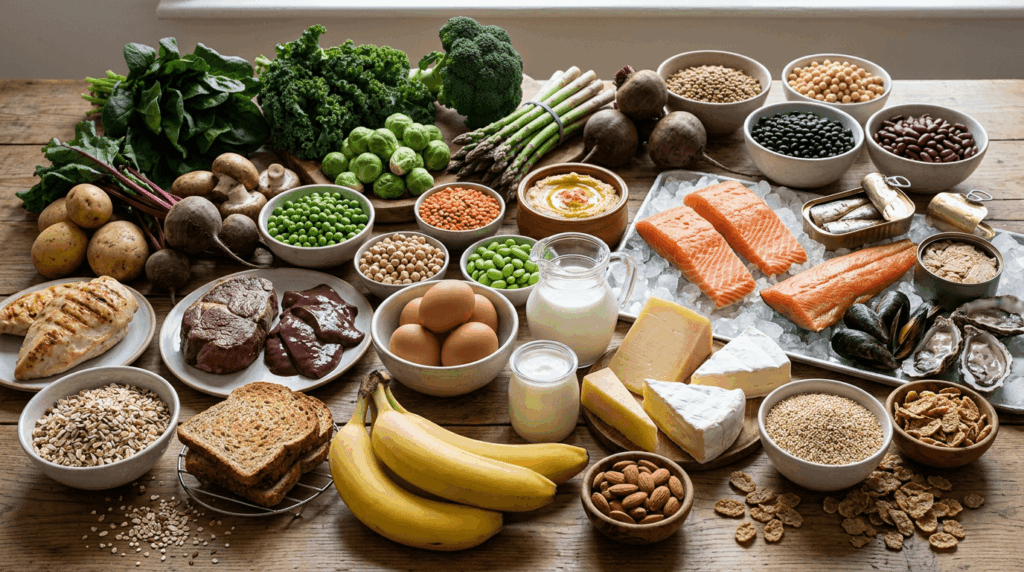
Foods that lower homocysteine including leafy greens, salmon, eggs, beans, whole grains, broccoli, asparagus, dairy, and nuts

Of all the blood markers linked to dementia risk, homocysteine may be one of the most important and one of the easiest to improve. There are certain foods that lower homocysteine, making it possible to have a positive impact through your diet.

If you have searched online for foods that lower homocysteine, you have probably found plenty of articles recommending spinach, broccoli, eggs and salmon. They are all excellent foods, but they are only part of the story.

The truth is that no food lowers homocysteine directly. Your body is the one that does that. Every second of every day, it is recycling homocysteine through a series of biochemical reactions that depend on a steady supply of essential nutrients. The foods you eat simply provide the vitamins and nutrients those reactions need to work efficiently.

Understanding that difference changes the conversation completely. Instead of searching for a miracle food, the goal becomes giving your body the nutrients it needs to keep homocysteine in a healthy range.

For a full explanation of what homocysteine is and why elevated levels matter, read our guide to homocysteine.

Combined with appropriate testing and, where needed, targeted supplementation, improving your diet is one of the most practical ways to support long-term brain health.

Can food lower homocysteine?

No food lowers homocysteine directly. Instead, foods provide the folate, vitamin B12, vitamin B6, riboflavin, choline and betaine your body needs to recycle homocysteine efficiently.

Improving your intake of these nutrients may help support healthier homocysteine levels, particularly if your diet has previously been low in leafy green vegetables, legumes, fish, eggs or other nutrient-rich whole foods.

However, the effect of diet depends on why homocysteine is elevated. Poor vitamin B12 absorption, medications, kidney disease, thyroid problems and genetic factors may mean that dietary changes alone are not enough.

The key nutrients involved in homocysteine metabolism

NutrientRole in homocysteine metabolismFood sources
FolateSupports conversion of homocysteine back into methionineSpinach, kale, broccoli, asparagus, lentils and chickpeas
Vitamin B12Works with folate in homocysteine recyclingSalmon, sardines, shellfish, eggs, dairy products and liver
Vitamin B6Helps convert homocysteine into cysteinePoultry, salmon, chickpeas, potatoes and bananas
RiboflavinSupports folate metabolism and MTHFR activityEggs, milk, yoghurt, mushrooms and almonds
CholineSupports an alternative methylation pathwayEggs, liver, fish and soybeans
BetaineActs as a methyl donor in homocysteine recyclingBeetroot, spinach, quinoa and wholegrains

Why homocysteine matters?

Homocysteine is a naturally occurring amino acid produced whenever your body breaks down methionine, an amino acid found in protein-rich foods.

Under healthy conditions, homocysteine does not remain in the bloodstream for long. It is quickly recycled into other useful compounds that support normal cellular function.

Problems arise when that recycling process slows down. Homocysteine begins to accumulate, increasing oxidative stress, inflammation and damage to blood vessels.

Over the last three decades, elevated homocysteine has consistently been associated with a higher risk of cognitive decline, dementia, stroke and cardiovascular disease.¹

Unlike high blood pressure or raised cholesterol, however, homocysteine rarely causes obvious symptoms. People often discover it is elevated only after having a blood test, by which time it may have been quietly increasing for years.

That is why homocysteine can be such a valuable biomarker. It gives you an opportunity to identify a potential problem early and take appropriate action.

You can learn more about the evidence linking homocysteine and dementia risk.

Why these foods work?

Your body has evolved an elegant system for dealing with homocysteine. Rather than allowing it to build up, it continually recycles it through two interconnected pathways.

One pathway converts homocysteine back into methionine so it can be reused. The other converts it into cysteine, an amino acid used to produce glutathione, often described as the body’s master antioxidant because of its role in protecting cells from oxidative damage.

Neither pathway works without the right nutrients. Folate, vitamin B12, vitamin B6, riboflavin, choline and betaine each have specific jobs within this recycling process.

If one or more of these nutrients becomes limiting, the whole system becomes less efficient and homocysteine starts to rise.

For a more detailed explanation of these biological pathways, read our guide to methylation and homocysteine.

This explains why two people eating apparently similar diets can have very different homocysteine levels. One may absorb vitamin B12 less efficiently as they get older. Another may carry a common genetic variant that increases their riboflavin requirement. Someone else may consume large amounts of caffeine or alcohol, increasing their need for certain B vitamins.

It is rarely one factor in isolation. More often, several small influences combine over many years.

The good news is that these pathways can be responsive. Give your body the nutrients it needs, remove some of the obstacles that interfere with the process, and homocysteine may begin to fall.

Foods that lower homocysteine: folate-rich foods

When researchers study nutrition and homocysteine, one nutrient consistently stands out: folate.

Folate plays a central role in recycling homocysteine back into methionine. Without enough folate, this pathway slows, making it much harder for your body to keep homocysteine within a healthy range.

Numerous intervention studies have demonstrated that improving folate status lowers homocysteine, particularly in people whose intake has previously been low.¹

Fortunately, folate is abundant in many whole plant foods.

Leafy green vegetables

The richest dietary sources include:

  • Spinach
  • Kale
  • Broccoli
  • Brussels sprouts
  • Asparagus

These foods offer far more than folate alone. They also provide fibre, antioxidants and hundreds of naturally occurring plant compounds that support healthy blood vessels, reduce inflammation and contribute to overall brain health.

Folate-rich foods that lower homocysteine including spinach, kale, broccoli, Brussels sprouts, and asparagus

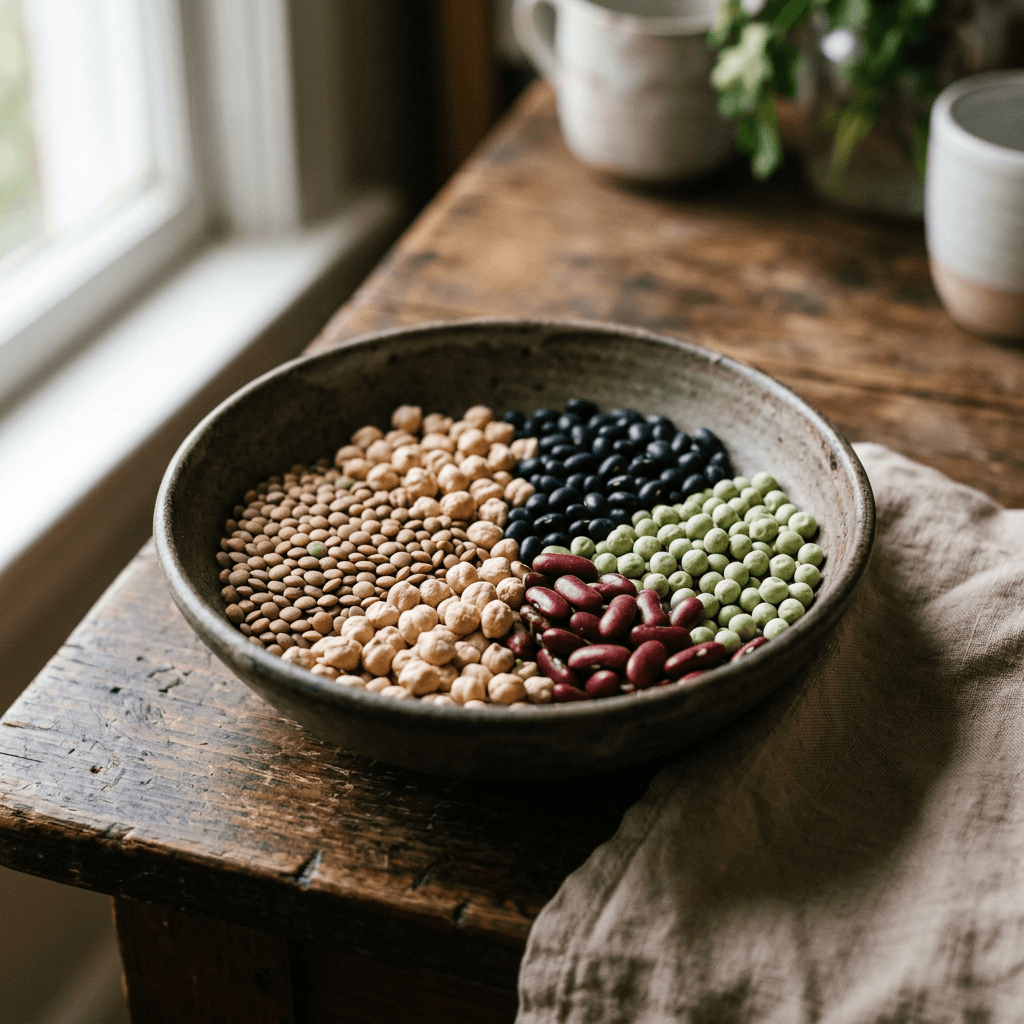
Beans and lentils

Legumes are another valuable source of folate. Good choices include:

  • Lentils
  • Chickpeas
  • Black beans
  • Kidney beans
  • Peas

Beans and lentils also provide fibre, plant protein and vitamin B6.

Rather than relying on one particular vegetable or legume, aim to include a wide variety throughout the week. Consistency is far more important than perfection.

Folate-rich legumes including lentils, chickpeas, black beans, kidney beans, and peas

Foods that lower homocysteine with vitamin B12

Folate rarely works alone. Vitamin B12 is equally important because it enables homocysteine to be converted back into methionine.

When vitamin B12 is lacking, this recycling process slows, regardless of how much folate is available.

One reason this matters is that vitamin B12 deficiency becomes increasingly common with age. Stomach acid, which helps release vitamin B12 from food, naturally declines over time. Some medications can further reduce absorption, while vegetarians and vegans may consume too little through their diet.

As a result, homocysteine may begin to rise years before the more familiar symptoms of vitamin B12 deficiency appear.

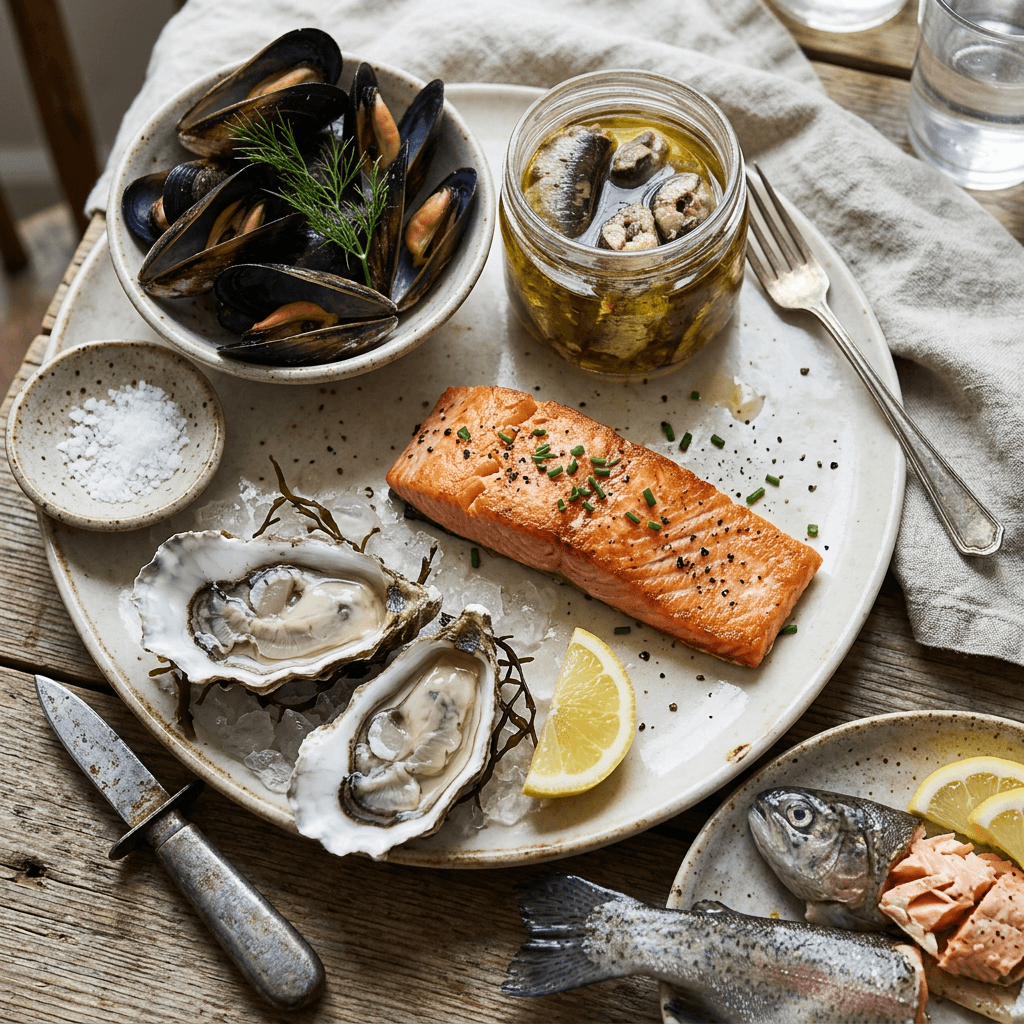
Fish and seafood

Among the richest natural sources of vitamin B12 are fish and seafood, particularly:

  • Salmon
  • Sardines
  • Trout
  • Mussels
  • Oysters

Fish also provides omega-3 fatty acids, which may work alongside B vitamins in supporting brain health.

Homocysteine lowering foods including salmon, oysters, mussels, and sardines rich in vitamin B12

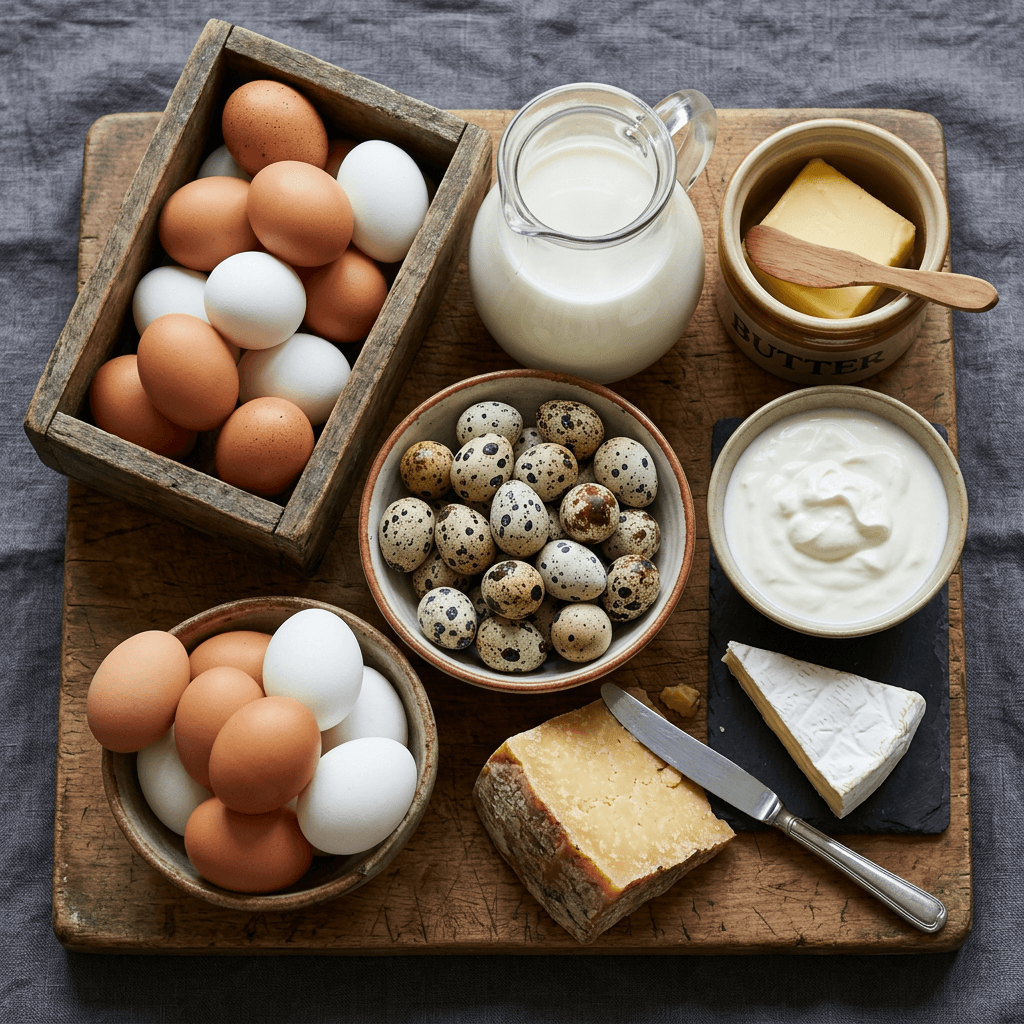
Eggs and dairy

Useful amounts of vitamin B12 are provided by eggs, milk, yoghurt, and cheese.

Eggs are particularly valuable because they also provide choline, another nutrient involved in homocysteine metabolism and healthy methylation.

Foods with vitamin B12 including eggs, milk, yogurt, butter, and cheese

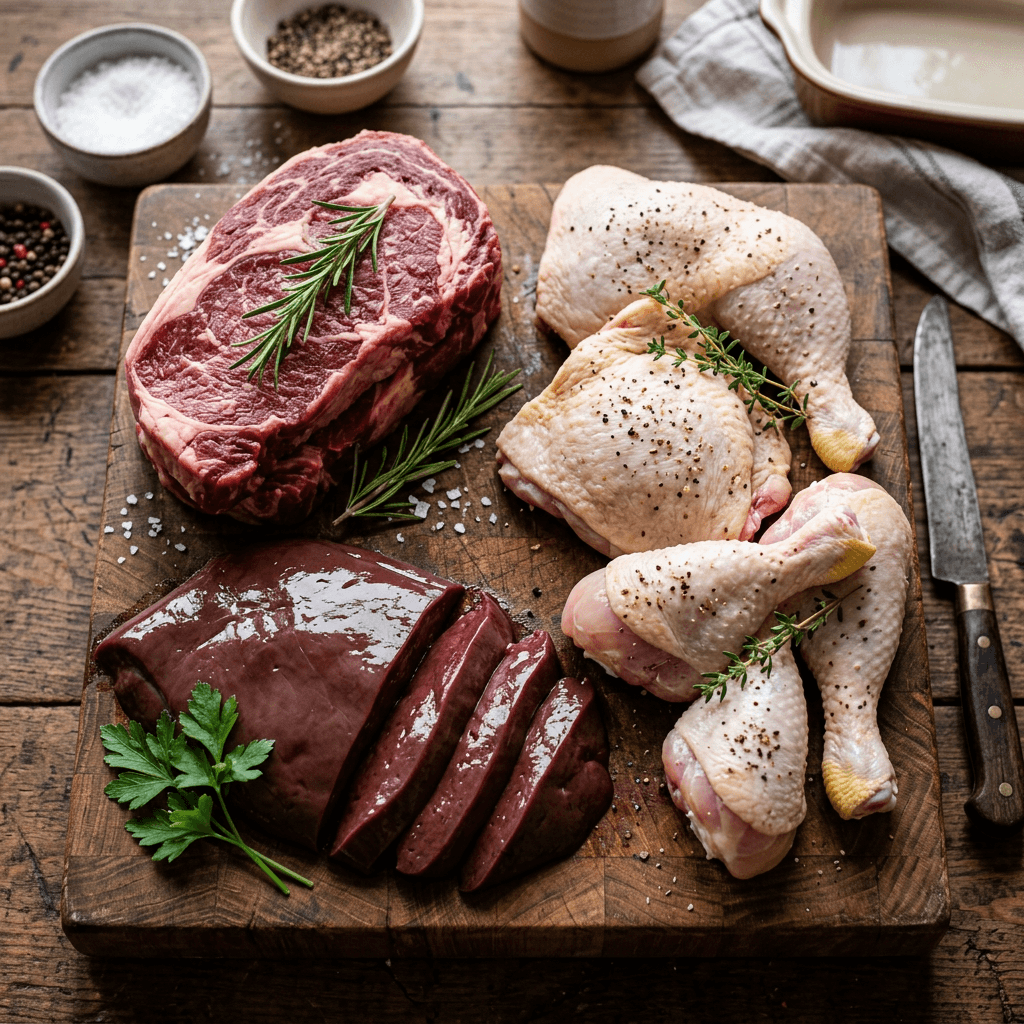
Meat and liver

Beef, poultry and liver also provide vitamin B12.

For many people, improving dietary intake is an excellent place to start. For others, particularly if absorption has declined, supplementation may become necessary to restore adequate levels.

Foods that lower homocysteine with vitamin B12 including beef, chicken, and beef liver

Foods that lower homocysteine with vitamin B6

Although folate and vitamin B12 receive most of the attention, they are only part of the story.

Vitamin B6 helps direct homocysteine down a different pathway, converting it into cysteine, which is then used to produce glutathione.

Good dietary sources include:

  • Poultry
  • Salmon
  • Tuna
  • Potatoes
  • Bananas
  • Chickpeas
  • Fortified cereals

Vitamin B6 is found in a wide range of foods, so a varied whole-food diet will usually provide more than relying heavily on one source.

Vitamin B2 foods that lower homocysteine

Riboflavin, better known as vitamin B2, is another nutrient that deserves greater recognition.

It is particularly important for people carrying the common MTHFR C677T genetic variant, where an adequate riboflavin intake may help the recycling process work more efficiently.

Foods containing riboflavin include:

  • Eggs
  • Yoghurt
  • Milk
  • Mushrooms
  • Almonds
  • Beef
  • Fortified cereals

Looking at nutrients individually is helpful for understanding the biology, but this is not how we eat. Meals contain dozens of vitamins, minerals and plant compounds working together, which is one reason whole-food dietary patterns consistently outperform approaches focused on isolated foods alone.

Choline and betaine foods that lower homocysteine naturally

Your body has a second way of recycling homocysteine that receives far less attention.

This alternative pathway depends on choline and betaine.

Choline supports normal methylation, helps build healthy brain cell membranes and is used to produce acetylcholine, a neurotransmitter involved in learning and memory.

Betaine acts as a methyl donor, allowing homocysteine to be converted back into methionine through a different biochemical route.

Eggs are one of the richest dietary sources of choline, while liver, fish and soybeans also provide significant amounts.

Beetroot, spinach, quinoa and wholegrains contribute valuable sources of betaine.

Thinking about these nutrients together helps explain why no single food can claim to lower homocysteine. Instead, the most effective dietary approach is built around a wide variety of nutrient-dense whole foods, each contributing different pieces of the puzzle.

Foods and habits that may make high homocysteine harder to manage

Supporting healthy homocysteine is not only about what you add to your plate. Certain everyday habits can also make it harder for your body to keep levels under control.

A diet low in vegetables naturally reduces your intake of folate and other B vitamins.

Diets dominated by ultra-processed foods often provide fewer of the vitamins needed for efficient methylation.

Excess alcohol can interfere with the absorption and metabolism of several nutrients involved in homocysteine recycling.

Smoking increases oxidative stress and is associated with higher homocysteine levels.

Coffee deserves a brief mention because the evidence is more nuanced. Moderate coffee consumption has been associated with several health benefits, yet some studies have also shown that high coffee consumption can increase homocysteine.

This does not mean everyone needs to give up coffee, but it strengthens the case for maintaining a good nutritional status if you drink several cups each day.

The aim is not dietary perfection. It is creating the best possible environment for your body’s own recycling system to work efficiently.

Diet is only one part of the picture. Regular exercise, stopping smoking, managing alcohol intake and correcting nutritional deficiencies can all help support healthy homocysteine levels. Learn about these and other evidence-based strategies in our guide to Eight Ways to Lower Your Homocysteine.

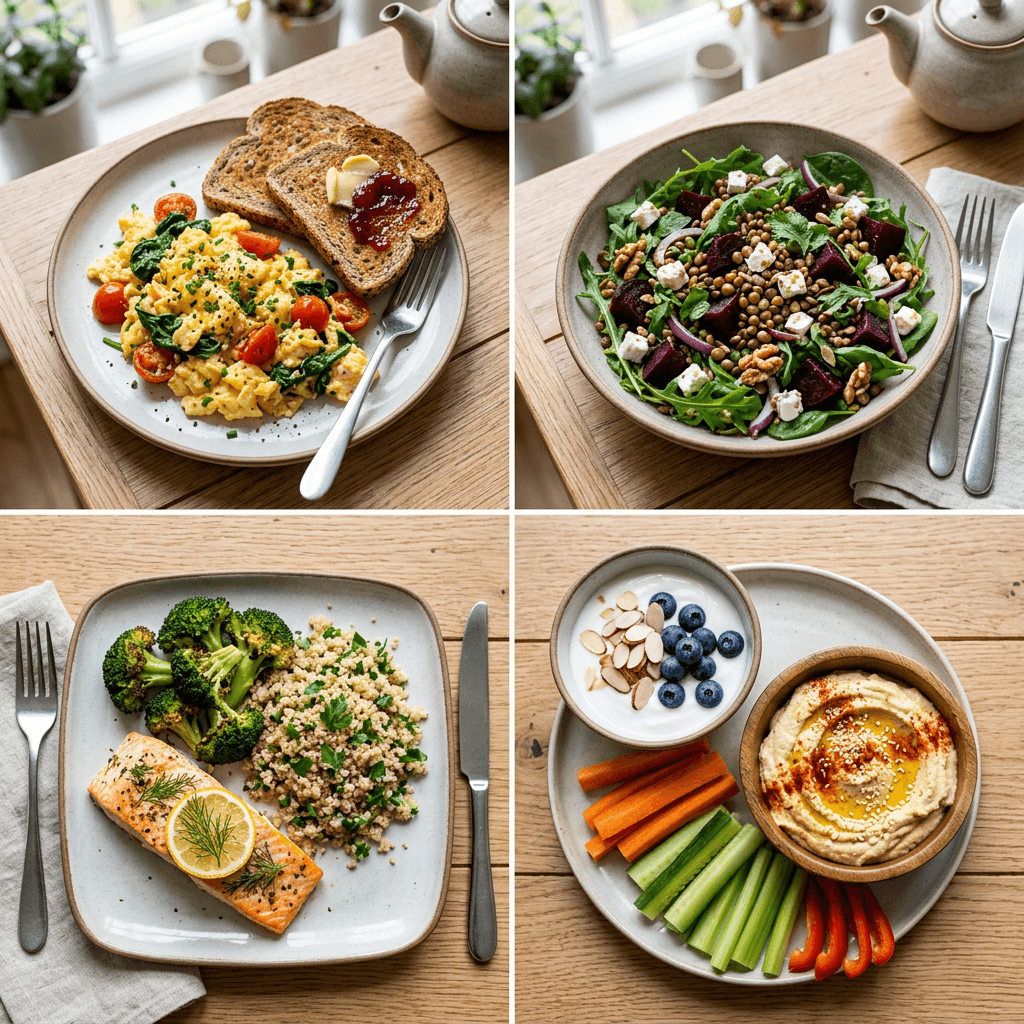
A Sample Day of Eating with Foods That Lower Homocysteine

A meal pattern that supports homocysteine metabolism might include:

  • Breakfast:Eggs with spinach and wholegrain toast.
  • Lunch:A lentil, beetroot and leafy green salad.
  • Dinner:Salmon with broccoli and quinoa.
  • Snack:Yoghurt with almonds or hummus with vegetables.

This is only an example. The goal is not to follow a rigid meal plan, but to combine foods that provide folate, vitamin B12, vitamin B6, riboflavin, choline and betaine throughout the day.

Sample homocysteine diet featuring eggs, salmon, leafy greens, whole grains, and fresh vegetables

The best foods to support healthy homocysteine

There is not a single food that lowers homocysteine. Eating a variety of whole foods provides the nutrients your body needs to recycle it efficiently.

Leafy green vegetables such as spinach, kale and broccoli are among the richest sources of folate, while fish, seafood and eggs provide vitamin B12.

Eggs also supply choline, an important nutrient for healthy methylation, and beans and lentils contribute folate and vitamin B6.

Beetroot, spinach and wholegrains provide betaine, which supports an alternative pathway for recycling homocysteine.

Rather than searching for a superfood, build meals around these foods consistently. Together they provide the nutrients your brain and body need to maintain healthy homocysteine metabolism.

Is diet enough to lower high homocysteine?

Improving your diet should always be the foundation. Every meal and snack is an opportunity to provide your body with the nutrients it needs to recycle homocysteine efficiently.

Many people may see meaningful improvements simply by eating more leafy greens, legumes, seafood, eggs and other nutrient-dense whole foods.

However, diet has its limits.

If a blood test shows your homocysteine is above the optimal range, food alone may not be enough to bring it back down.

Poor vitamin B12 absorption becomes increasingly common with age, certain medications interfere with B-vitamin metabolism, and some people have genetic variations that increase their need for specific nutrients.

Even someone eating what appears to be an excellent diet may still require additional nutritional support.

Rather than viewing food and supplements as competing approaches, think of them as working together. A nutrient-rich diet provides the foundation for lifelong health, while targeted supplementation may help correct a nutritional imbalance when diet alone does not achieve the desired result.

Read our complete guide to lowering homocysteine for a broader explanation of diet, lifestyle, testing and targeted nutritional support.

You can also learn more about B vitamins for lowering homocysteine.

How long does it take to lower homocysteine?

One of the encouraging things about homocysteine is that it can respond relatively quickly to the right intervention.

Improvements may begin within a few weeks of increasing key nutrients, although this depends on the underlying cause and how elevated homocysteine was to begin with.

Dietary changes may begin affecting homocysteine within weeks, but retesting after an appropriate interval can show whether the changes have been sufficient.

Food for the Brain recommends a simple approach.

First, test your homocysteine to establish your starting point. If you’re unsure which test to choose or how testing works, read our guide to homocysteine testing.

Next, improve your diet by increasing foods naturally rich in folate and other B vitamins while introducing targeted supplementation where appropriate.

Finally, repeat the test after around three to six months to confirm whether your homocysteine has moved towards a healthier range.

Without measuring it, you do not know whether your strategy is working.

Already have a result? Learn how to understand your homocysteine result.

Frequently asked questions

What foods lower homocysteine fastest?

No individual food lowers homocysteine directly or works instantly.
Foods rich in folate, vitamin B12, vitamin B6, riboflavin, choline and betaine provide the nutrients your body uses to recycle homocysteine.
How quickly your level changes depends on your starting level, nutrient status, absorption, genetics, medications and any underlying medical conditions.

Which vitamin is most important for homocysteine?

Folate, vitamin B12 and vitamin B6 all play important but different roles in homocysteine metabolism.
Folate and vitamin B12 help recycle homocysteine back into methionine, while vitamin B6 helps convert it into cysteine.
Riboflavin, choline and betaine also support related pathways. For this reason, there is no single vitamin that is universally most important for everyone.

Are eggs good for homocysteine?

Eggs provide vitamin B12, vitamin B6, riboflavin and choline, all of which are involved in homocysteine metabolism.
They can form part of a balanced diet that supports healthy homocysteine levels, but eggs alone should not be expected to correct elevated homocysteine.

Is coffee bad for homocysteine?

The evidence is mixed.
Moderate coffee consumption has been associated with several health benefits, but some studies suggest that high consumption may increase homocysteine.
You may not need to stop drinking coffee, but maintaining a nutrient-rich diet is particularly important if you regularly consume several cups each day.

Can a vegetarian or vegan diet raise homocysteine?

A well-planned vegetarian or vegan diet can provide abundant folate and vitamin B6.
However, vitamin B12 is found mainly in animal-derived foods, so people following a vegan diet need a reliable source through fortified foods or supplements.
Low vitamin B12 status can contribute to raised homocysteine, even when folate intake is high.

The bigger picture

Homocysteine is more than another blood test. It can indicate whether your body has the nutrients needed to support healthy methylation and long-term brain health.

Unlike many risk factors for cognitive decline, it is measurable, modifiable and measurable again after you have taken action.¹

A nutrient-rich diet should always be the starting point, but if testing shows your homocysteine is above the optimal range, targeted supplementation may be needed alongside dietary changes.

The goal is not simply to eat more spinach, although eating more vegetables is rarely a bad idea.

The goal is to understand what your body needs, measure your progress and know whether the steps you are taking are actually working.

Next steps

If you have not measured your homocysteine, that is the best place to start.

Knowing your level takes the guesswork out of deciding whether dietary changes alone are enough or whether targeted supplementation may be needed.

You can order our accurate at-home Homocysteine Test or choose the DRIfT 5-in-1 Test, which measures homocysteine alongside vitamin D, omega-3 index, HbA1c and glutathione, giving you a broader picture of your brain health.

You can also read our complete guide to lowering homocysteine for the next practical steps.

References
  1. Smith AD, Refsum H. Homocysteine: from disease biomarker to disease prevention. J Intern Med. 2021.
  2. Smith AD, Smith SM, de Jager CA, Whitbread P, Johnston C, Agacinski G, et al. Homocysteine-lowering by B vitamins slows the rate of accelerated brain atrophy in mild cognitive impairment: a randomized controlled trial. PLoS One. 2010;5(9):e12244.

Further info