🟢 BRAIN HEALTH Archives - Food for the Brain

because prevention is better than cure.

How to Keep your Brain Young with Antioxidants

How To Keep Your Brain Young with Antioxidants?

How To Keep Your Brain Young with Antioxidants?

Being alive is a balancing act between making energy by combusting glucose with oxygen and generating ‘oxidant’ exhaust fumes that must then be neutralised. This process, known as oxidative stress, is a key contributor to ageing. Over time, if oxidants outpace your body’s ability to disarm them, damage accumulates in cells and tissues, including the brain.[8]

The brain is particularly vulnerable. It consumes a high proportion of the body’s oxygen, is rich in fats that are susceptible to oxidation, and has relatively limited antioxidant defences compared with other tissues. This makes maintaining an effective antioxidant defence system essential for long-term cognitive health.

However, this process is not fixed. You can influence it. Improving your intake of antioxidants and polyphenols, and supporting your body’s internal defence systems, can help shift the balance and support brain resilience over time.

To explore this idea further, watch the film Keeping Your Brain Young with Antioxidants’ below.

The Science Behind Eating the Rainbow

You’ve heard it before, but the science behind it matters.

Different colours in plant foods reflect different polyphenols and antioxidant compounds, each with distinct biological effects. These compounds do more than just neutralise oxidants. Many also act as signalling molecules, influencing inflammation, blood flow, and cellular pathways linked to brain function and ageing.[9]

Mustard and turmeric, for example, are strong yellows. Dijon mustard is great, with no added sugar, and traditional English mustard is also beneficial. Turmeric, rich in curcumin, can be added to steam-fries, curries, or soups, grated into a tea, and even used in a turmeric latté.

Bright oranges such as butternut squash, sweet potato, and carrots provide carotenoids that support cellular protection. Tomatoes are particularly rich in lycopene, associated with reduced oxidative damage. Strawberries are a lower glycaemic fruit option, and peppers of all colours are rich in vitamin C, which plays a central role in antioxidant recycling.

Anything purple, magenta, or blue is especially valuable. From beetroot to blueberries, blackberries, and raspberries, these foods are rich in anthocyanidins, a class of polyphenols associated with improved vascular and cognitive function.

Strong greens remain foundational. Spinach, kale, Brussels sprouts, broccoli, watercress, rocket, asparagus, and green beans all contribute a wide spectrum of antioxidants, minerals, and phytonutrients that support detoxification and cellular defence.

Eating the rainbow is not a nice idea. It’s an essential part of upgrading and protecting your brain at any age.

The Best Fruits and Vegetables for Brain Health

But are there any particular vegetables or fruits that pack the biggest punch as far as polyphenols and antioxidants are concerned? Or, if you know you can’t or don’t like to eat a huge variety of fruit and veg, are there particular ones to focus on eating to get the most benefit?

Foods that are high in ‘polyphenols’, which refers to the structure of plant-based compounds, seem especially beneficial for protecting your brain. You might have heard of flavonoids in berries, quercetin in red onions, anthocyanidins in blue and red foods, and isoflavones in beans. These are all examples of polyphenols. Herbs and spices such as peppermint, basil, oregano, cumin, and curcumin in turmeric contain high levels of polyphenols and potent antioxidants.

But there are other criteria by which to judge a plant, including its ability to influence pathways linked to cellular ageing. Certain polyphenols, such as resveratrol, interact with sirtuin pathways involved in cellular repair and longevity.[10] For example, olives, blueberries, and kale support these processes.

Then there’s a group of compounds called ‘salvestrols’, generally only found in organic fruit, vegetables, herbs, and spices, which turn out to be anti-cancer.[1] They’re produced in plants as part of their self-defence system against invaders such as fungi. If the plant is sprayed with fungicides, it won’t produce them.

Taking all these factors into account, including the GL, antioxidants, polyphenols, salvestrols, and sirtuin-related activity, these are the dozen best-rated fruits and vegetables. (This list is not definitive. More and more research continues to reveal the healing power of nature’s fruits and vegetables.)

So, if eating the ‘rainbow’ feels like too much pressure or is difficult to achieve, think about incorporating some of the above into your meals each day.

Our Top 13 to Help Keep Your Brain Young

 Lowest GLAntioxidantPolyphenolSalvestrolSirtuin Act.
Olives***************
Blueberries**************
Kale**************
Blackcurrants*************
Broccoli*********** 
Artichokes*********** 
Cabbage (red)*********** 
Asparagus********** 
Onions (red)****** ***
Avocado********** 
Apples**********
Beetroot*****  
Cherries******  

Top Up Brain-Friendly Antioxidant Nutrients: Consider Supplementation

Antioxidants Work as a Network

Much like dementia prevention is a combination of the 8 domains, which all influence each other, antioxidants are part of a network keeping you healthy.

A number of key vitamins, as measured in food and in the blood, do correlate with decreased dementia risk. This is hardly surprising, since the brain is made of complex fats that can easily be damaged by oxidants. It makes sense that having a high intake of antioxidants would protect the brain from damage. Antioxidants disarm oxidants by teamwork. You need a combination of nutrients, not just vitamin C or vitamin E.

Evidence for Antioxidant Protection

A recent meta-analysis of all studies on factors that could prevent Alzheimer’s, by one of our Scientific Advisory Board members, Professor Jin Tai Yu of Fudan University in Shanghai, China, shows that ‘either a high vitamin E or C intake showed a trend of attenuating risk by about 26%’, making these nutrients ‘grade 1’ top level prevention risk factors.[2]

A study of 4,740 Cache County, Utah, older residents found that those supplementing both vitamin E and C cut their risk of developing Alzheimer’s by two thirds. A trend toward lower Alzheimer’s risk was also evident in those who took vitamin E supplements together with multivitamins containing vitamin C, but there was no evidence of a protective effect in those taking only vitamin E or vitamin C supplements alone, with multivitamins alone, or with vitamin B-complex supplements. Lowest risk was reported in those supplementing at least 1000 mg a day of vitamin C together with at least 1000 IU a day of vitamin E.[3]

However, vitamin E on its own doesn’t seem to work. In a double-blind study, people with mild cognitive impairment were randomly assigned to receive 2000 IU a day of vitamin E or placebo for three years. There were no significant differences in the rate of progression to AD between the vitamin E and placebo groups at any point.[4]

Building Your Antioxidant Defences

Your best bet is probably to both eat a broad spectrum of antioxidants and also supplement them. The older you are, the more you are likely to need. Key antioxidants are:

Vitamin A, C and E – associated with reducing Alzheimer’s risk

Lipoic acid – protects the memory-friendly neurotransmitter acetylcholine and dampens brain oxidation and inflammation.[5]

Glutathione[6] or N-acetyl cysteine[7] (NAC) – protects the brain and improves methylation, thus having potential in dementia prevention.

It doesn’t really make a lot of sense to give one without the others. All those listed above, vitamin C, E, glutathione, N-acetyl cysteine, Coenzyme Q10 and resveratrol, work together. There are many other team player ‘cousins’, from B vitamins to minerals such as magnesium, zinc and selenium.

The first step is to eat ‘whole’ foods, especially fresh plant foods that are more likely to contain these kinds of nutrients. However, there are some nutrients, such as vitamin C, for which just eating whole foods doesn’t guarantee you are achieving optimum nutrition.

Most nutritional therapists supplement extra vitamin C, and some supplement an all-round antioxidant supplement providing the nutrients listed above. There is very good logic, and supporting evidence, to do this, especially if you’re over 50 years old, even if there isn’t yet that definitive ‘randomised placebo controlled trial’.

Other key antioxidant nutrients include:

Vitamin A, C and E – associated with reduced Alzheimer’s risk

Lipoic acid – supports mitochondrial function and reduces oxidative stress and inflammation.[5]

Glutathione or N-acetyl cysteine (NAC) – supports detoxification, antioxidant recycling and methylation, with potential relevance for cognitive ageing.[6][7]

Coenzyme Q10 and resveratrol – support cellular energy and protection

There are also important supporting nutrients, including B vitamins, which contribute to methylation and help regulate homocysteine, a compound associated with oxidative stress and cognitive decline when elevated.[12]

Why Food Comes First but Supplements May Still Be Needed

We are Food for the Brain, so the first step is always to eat whole foods, focusing especially on fresh plant foods that are naturally rich in antioxidants and polyphenols.

However, achieving optimal levels of certain nutrients through diet alone is not always guaranteed. Factors such as soil depletion, food storage, genetics, individual absorption, age, and increased physiological demand all play a role.

For this reason, targeted supplementation, particularly for nutrients such as vitamin C and those involved in the antioxidant network, may be beneficial. There is strong rationale, and supporting evidence, for this approach, especially in individuals over 50 or those with increased oxidative load. Read more about supplementation here.

From General Brain Health Advice to Personalised Insight

Why Antioxidant Needs Differ and Why Testing Matters

Eating a diet rich in colourful plant foods is a powerful place to start. But the real question is whether your unique body has the antioxidant capacity to meet your current level of demand.

Or, said another way, how do you know if you are eating enough to protect your brain and your future?

Oxidative stress is influenced by far more than diet alone. Age, stress, environmental toxins, blood sugar balance, genetic variations, nutrient status, and individual biochemistry all play a role. Two people can eat similarly and have very different levels of oxidative damage and antioxidant protection.

This is where testing becomes valuable.

One of the most informative markers is glutathione, often referred to as the body’s master antioxidant. It sits at the centre of your antioxidant defence system, helping to neutralise oxidative damage and recycle other antioxidants. If levels are low, it can indicate that your overall antioxidant capacity is under strain.

Rather than guessing whether you are getting enough antioxidant support, testing allows you to see what is actually happening inside your body. (Historically, glutathione has been hard to test, but we developed new technology with our lab partners to now be able to do this accurately with an at home finger prick blood test.)

Understanding Your Brain Health More Clearly

The DRIfT 5-in-1 test shows you what is actually happening inside your body, across the key drivers of cognitive decline, including oxidative stress, inflammation, blood sugar balance, nutrient status, and essential fats. It moves you beyond general advice and highlights exactly where your biggest risks and opportunities lie.

If your focus is antioxidant capacity, testing glutathione offers direct insight into whether your body is under oxidative strain and how well your defence system is functioning. Find out more here.

Alongside this, our free Cognitive Function Test provides a practical way to track how your brain is performing today, while contributing to ongoing research into what truly works in preventing cognitive decline.

Understanding your results allows you to move from general advice to a more targeted, personalised approach, so you can support your brain with greater precision and confidence.

When you join COGNITION and become a FRIEND, you get access to our new Digital education platform and our new COGNITION programme. You can also register FREE for both our monthly guest speaker webinars and our monthly live COGNITION Coaching – this is an hour live with our Food for the Brain health coaches and there is a Q&A at the end (you also get access to the past coaching workshop recordings).

On April 22nd April, our COGNITION Coaching Workshop is all about antioxidants and attendees will get a mini-ebook on antioxidants and 2 delicious, anti-oxidant rich recipes. You can become a FRIEND by clicking the link below:

References:

[1] Potter, G.A. & Burke, M.D. (2006) Salvestrols – Natural Products with Tumour Selective Activity. Journal of Orthomolecular Medicine. 21(1): 34-36.

[2] Yu JT, Xu W, Tan CC, et al. Evidence-based prevention of Alzheimer’s disease: systematic review and meta-analysis. J Neurol Neurosurg Psychiatry. 2020;91(11):1201–1209.

[3] Zandi PP, et al. Reduced risk of Alzheimer disease in users of antioxidant vitamin supplements. Arch Neurol. 2004;61:82–98.

[4] Petersen RC, et al. Vitamin E and donepezil for the treatment of mild cognitive impairment. N Engl J Med. 2005;352:2379–2388.

[5] Maczurek A, et al. Lipoic acid as an anti-inflammatory and neuroprotective treatment. Adv Drug Deliv Rev. 2008;60(13-14):1463–1470.

[6] Pocernich CB, Butterfield DA. Elevation of glutathione as a therapeutic strategy. Biochim Biophys Acta. 2012;1822(5):625–630.

[7] Hara Y, et al. Evaluation of N-acetylcysteine for cognitive ageing. J Prev Alzheimers Dis. 2017;4(3):201–206.

[8] Halliwell B. Oxidative stress and neurodegeneration. J Neurochem. 2006;97(6):1634–1658.

[9] Spencer JPE. The impact of flavonoids on memory. Chem Soc Rev. 2009;38(4):1152–1161.

[10] Baur JA, Sinclair DA. Therapeutic potential of resveratrol. Nat Rev Drug Discov. 2006;5(6):493–506.

[11] Sekhar RV, et al. Glutathione synthesis is diminished in older adults. Am J Clin Nutr. 2011;94(3):847–853.

[12] Smith AD, Refsum H. Homocysteine, B vitamins, and cognitive impairment. Annu Rev Nutr. 2016;36:211–239.

Further info

Dr Tommy Wood: Why Brain Health Needs a Systems-Based Approach

Dr Tommy Wood: Why Brain Health Needs a Systems-Based Approach

Dr Tommy Wood: Why Brain Health Needs a Systems-Based Approach blog post image

Dr Tommy Wood brain health research shows that we now know more than ever about protecting the brain, yet many people still feel overwhelmed by disconnected advice.

A headline about blood sugar here. A podcast on omega-3 there. A post about sleep, a study on exercise, a warning about stress.

Useful, yes. But also fragmented.

What Dr Tommy Wood brain health research offers is something more valuable than another isolated tip. He brings a framework.

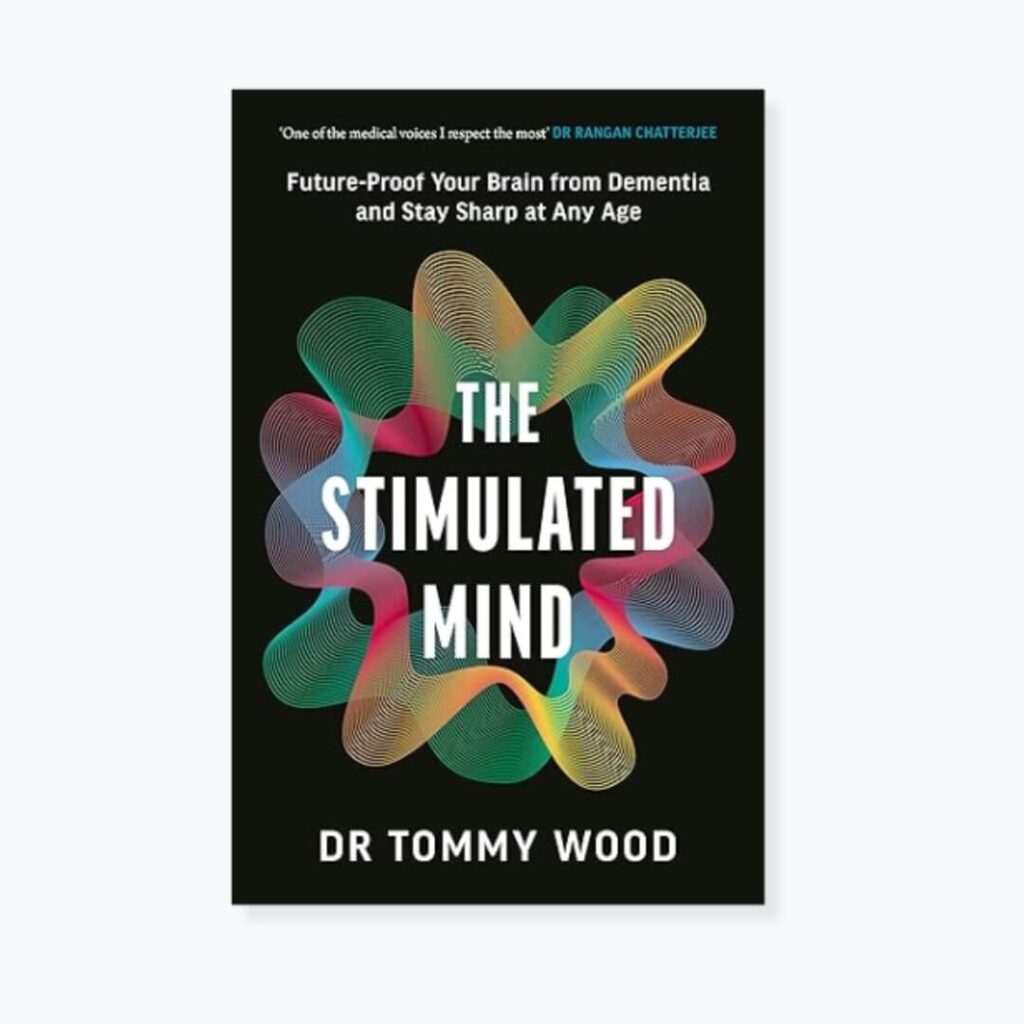
As Head of Research at Food for the Brain, Associate Professor of Pediatrics and Neuroscience at the University of Washington, and author of the forthcoming book The Stimulated Mind, Tommy brings something rare to this field. He helps connect the dots. His work focuses on how brain health is shaped across the lifespan and why protecting cognitive function means thinking in systems, not silos.

Dr Tommy Wood Brain Health Framework

One of the reasons brain health can feel confusing is that it is often presented as a list:
A long list of risk factors. Nutrients to take, habits to adopt, or a long list of things to avoid.

But the brain does not work like a checklist: it works as a living, dynamic system. It responds to what it is supplied with, how it is used, and whether it has the conditions it needs to recover and adapt.

That is the core idea behind a systems-based approach to brain health.

Instead of asking “What is the one thing that protects the brain?”, it asks three bigger questions:

  • Does the brain receive enough oxygen, nutrients and stable energy to function well?
  • How well is it being stimulated to stay active, adaptable and resilient?
  • Are the foundations for repair and recovery in place, such as good sleep, stress regulation and metabolic health?

When you look at brain health this way, something important changes.

Many people understandably hope for a “magic bullet”. One supplement. One diet. One breakthrough drug that protects the brain.

But science tells a different (more hopeful) story. Cognitive resilience is shaped by the interaction between many systems in the body. Blood flow, nutrient status, sleep, movement, learning, stress and social connection all influence how the brain functions and adapts.

The encouraging part is that this gives us many entry points for change. You do not have to get everything perfect, and small improvements across several areas can work together to create meaningful protection for the brain over time.

That is why a systems-based approach is not more complicated. In practice, it is far more empowering.

Why this matters for prevention?

One of the most important insights in Tommy’s work is that cognitive decline does not happen in isolation.

The brain changes in response to how we live. Blood flow, nutrient status, movement, learning, sleep, stress and social connection all shape how the brain ages and how resilient it remains.

This is also why Tommy’s forthcoming book, The Stimulated Mind, focuses on the interaction between stimulation, sleep and nutrient supply as key drivers of lifelong brain health.

This perspective is closely aligned with the mission of Food for the Brain. For years we have been communicating that dementia risk is not fixed. By understanding and addressing modifiable factors across the lifespan, it is possible to protect your mind and keep the brain healthier for longer.

Tommy’s leadership as Head of Research helps bring greater scientific clarity to this systems-based approach to prevention.

Watch: A systems-based approach to cognitive function

If you want to hear Tommy explain this approach in more depth, his lecture from the Upgrade Your Brain Conference is one of the clearest introductions we have shared.

Watch the lecture below.

What Tommy offers is not another list of things to do. It is a framework. A way to understand why so many different factors matter and how they fit together.

Learn More About Dr Tommy Wood Brain Health Research

If this approach resonates with you, Tommy will be going deeper in our upcoming webinar, How to Keep Your Brain Young.

In this session he will explore the science of cognitive resilience and share practical ways to stimulate the brain, support long-term brain health and reduce lifetime dementia risk.

Food for the Brain will host the webinar on 19th March 2026 at 6 pm GMT.

Tommy’s new book is available to pre-order

The Stimulated Mind: Future-Proof Your Brain from Dementia and Stay Sharp at Any Age

Tommy’s new book, The Stimulated Mind, is also available to pre-order now.
In it, he explores how the brain develops, adapts, and stays resilient across the lifespan, and why everyday factors such as movement, learning, sleep, nutrition, and social connection play such an important role in shaping long-term brain health.

Pre-order your copy today before the book releases on 26th March 2026.

Final thought

For many people, the challenge with brain health is not a lack of information. It is knowing where to start.

When advice comes as scattered tips, nutrients, tests, and lifestyle changes, it can feel difficult to turn good science into clear action.

What Tommy’s work offers is a framework: a way of understanding how the different pieces of brain health fit together and why small changes across several areas can have a powerful cumulative effect.

At Food for the Brain, this systems-based approach sits at the heart of COGNITION, our brain upgrade programme.

COGNITION helps you understand your personal risk factors, learn the most important steps to protect your brain, and put them into practice with guidance and support.

The programme has recently been upgraded and is now available globally for just £5 per month or £50 a year, making it accessible to anyone who wants to take their brain health seriously.

If Tommy’s lecture resonates with you, COGNITION is the natural next step.

Because protecting your brain is not about doing everything perfectly.

It is about understanding the system and taking the next right step.

Further info

The Biggest Myths About Alzheimer’s – And What the Science Actually Shows

The Biggest Myths About Alzheimer’s – And What the Science Actually Shows

The Biggest Myths About Alzheimer’s blog post image

Alzheimer’s disease is one of the most feared diagnosis of modern life. And where there is fear, myths flourish. Many of the biggest myths about Alzheimer’s have become widely accepted beliefs. We are told it is purely genetic, that it is an inevitable part of ageing, and that the main hope lies in new drugs targeting amyloid in the brain.

The science tells a far more complex and, importantly, far more hopeful story.

Myth #1 in the biggest myths about Alzheimer’s: ‘It’s all in your genes’

When Alzheimer’s runs in families, it is natural to assume destiny is fixed. Both your grandmothers had it, so you assume you will too.

Yet fewer than 1% of cases are caused by rare deterministic mutations in APP, PSEN1 or PSEN2 genes that lead to early-onset familial Alzheimer’s disease [1].

The vast majority of Alzheimer’s cases are late-onset and multifactorial. That means risk is shaped by multiple influences across a lifetime.

What about APOE4?

Celebrities like Chris Hemsworth have put the APOE4 gene on the map and into the public sphere and it is the strongest common genetic risk factor for late-onset Alzheimer’s. Having one copy increases risk; two copies increase it further [2]. But it does not determine outcome, as many APOE4 carriers never develop dementia. Many people with Alzheimer’s do not carry APOE4.

Genes influence vulnerability but they do not dictate your future.

APOE4 affects lipid transport, inflammatory signalling and neuronal repair. These processes are influenced by metabolic health, vascular function, nutrient status, sleep, stress physiology and lifestyle.

One of the most important things to remember is that gene expression is not static, as genes respond to the environment they are in.

The most important question is not necessarily ‘How do I check my genes?’ The question is ‘What environment are your genes operating in?’ Because you cannot change your genes but you can influence how they function and are expressed.

Myth #2 in the biggest myths about Alzheimer’s: ‘Nothing can be done’

This is the most damaging myth of all.

The 2020 Lancet Commission concluded that around 40% of dementia cases worldwide are attributable to modifiable risk factors [3]. The 2024 update increased that estimate to approximately 45% [4].

Nearly half of all cases.

And this is mainstream consensus. (Read more about the Alzheimer’s Prevention Expert Group’s APEG response to this recent Lancet report here).

The identified risk factors include hypertension, diabetes, obesity, physical inactivity, smoking, depression, hearing loss and social isolation. Importantly, Alzheimer’s risk is not fixed, it develops gradually over decades.

However, many researchers (ourselves included) believe even 45% may underestimate the true preventable proportion.

A large UK Biobank analysis published in the journal Nature Human Behaviour modelled a broader range of modifiable factors and estimated that up to around 73% of dementia cases could be attributable to modifiable influences [8]. Professor David Smith of Oxford University, co-author of that study, member of our Scientific Advisory Board, and lead investigator of the VITACOG trial, has suggested this may still be conservative, as certain blood biomarkers were not included in the modelling.

Whether the true figure is closer to 45% or 73%, the direction of evidence is consistent.

A large proportion of dementia and Alzheimer’s is preventable and you can modify your risk with simple changes.

Why biology supports prevention

Alzheimer’s develops through interacting processes such as impaired glucose metabolism, vascular dysfunction, inflammation and elevated homocysteine.

Raised homocysteine, reflecting impaired methylation and B vitamin status, is associated with increased dementia risk and accelerated brain atrophy [5].

In the VITACOG trial, homocysteine-lowering B vitamins significantly slowed whole-brain atrophy in people with mild cognitive impairment [6]. The benefit was strongest in those with adequate omega-3 status [7].

That is structural brain change.

(When compared to anti-amyloid drug trials, which show modest slowing of decline in already symptomatic patients, VITACOG demonstrated slowing of brain shrinkage itself in an at-risk group.)

Once significant neuronal loss has occurred, reversal is unlikely, but years before diagnosis, measurable risk is accumulating and that is where prevention has its power.

alzheimer's modifiable risks

Myth #3 in the biggest myths about Alzheimer’s: ‘It has a single cause

The reductionist model searches for one target and one solution.

Alzheimer’s reflects the interaction of multiple biological systems:

  • Glucose regulation
  • Vascular health
  • Lipid transport
  • Inflammation
  • Oxidative stress
  • Methylation
  • Sleep and stress regulation
  • Hormonal balance

People arrive at cognitive decline through different combinations of biological drivers. For some, insulin resistance may be central. For others, vascular stiffness and hypertension. In others, chronic inflammation and elevated homocysteine may play a key role. The destination may look similar, but the route is not.

This systems view explains why targeting one downstream marker, such as amyloid, yields modest slowing. Correcting multiple upstream drivers is biologically more plausible for meaningful long-term risk reduction.

Watch the video below to learn how Food for the Brain uses a systems-based approach.

Myth #4 in the biggest myths about Alzheimer’s: ‘It’s inevitable with ageing’

Age increases risk. However, that is only part of the story.

There are many individuals in their 80s and 90s with preserved cognition. The difference often lies in lifelong vascular, metabolic and lifestyle patterns, also known as patterns for prevention.

It is clear from what you have read so far that this is not an inevitable part of getting older. With the right knowledge and habits, it is something most people can avoid.

And that is why Food for the Brain exists, because not enough people know this and not enough people know what action they need to take to protect their brain.

A More Accurate Framework

Ageing is not the enemy. It is a privilege denied to many.

The goal is not to avoid growing older. It is to protect the brain as we do.

Alzheimer’s is not a single event. It reflects decades of interacting biological stress: metabolic strain, vascular change, inflammation and nutrient imbalance. These processes build slowly and often silently.

By the time symptoms appear, significant damage has already occurred.

The science is clear that a substantial proportion of dementia risk is modifiable [6,10]. That does not mean guarantees. It means opportunity.

You cannot change your genes and you cannot stop the passage of time.

Yet, you can influence how your brain responds to both.

And you can start today!

Gain personalised insight into your current cognitive performance and identify potential areas of vulnerability early.

Order our at-home blood test to assess homocysteine, omega-3 status, and other key markers linked to long-term brain resilience.

Our six-month brain upgrade programme provides structured guidance, accountability and expert support to help you translate knowledge into meaningful and lasting change.

Prevention is possible. It begins with measurement, and it progresses with action.

.

References
  1. Bekris LM, Yu CE, Bird TD, Tsuang DW. Genetics of Alzheimer disease. J Geriatr Psychiatry Neurol. 2010;23(4):213–27.
  2. Corder EH, Saunders AM, Strittmatter WJ, et al. Gene dose of apolipoprotein E type 4 allele and the risk of Alzheimer’s disease in late onset families. Science. 1993;261(5123):921–3.
  3. Livingston G, Huntley J, Sommerlad A, et al. Dementia prevention, intervention, and care: 2020 report of the Lancet Commission. Lancet. 2020;396(10248):413–46.
  4. Hooshmand B, Polvikoski T, Kivipelto M, et al. Plasma homocysteine, Alzheimer and cerebrovascular pathology: a population-based autopsy study. Brain. 2013;136(9):2707–16.
  5. Jernerén F, Elshorbagy AK, Oulhaj A, et al. Brain atrophy in cognitively impaired elderly: the importance of long-chain omega-3 fatty acids and B vitamin status. Am J Clin Nutr. 2015;102(1):215–21.

Further info

How Female Hormones Shape Brain Health

How Female Hormones Shape Brain Health

Why do women make up nearly two thirds of those diagnosed with Alzheimer’s?

The answer may start long before symptoms appear, in the decade when hormones begin to change. The years before and after menopause mark one of the most significant neurological transitions of a woman’s life – a pivotal period for female brain health.

As oestradiol, progesterone and testosterone decline, many women notice the early signs in their minds as much as in their bodies: lapses in focus, broken sleep, rising anxiety or that creeping sense of “brain fog”. Research now shows this is not coincidence. The same hormones that shape reproduction also shape the brain.

The Brain’s Own Hormones

Oestradiol, the most biologically active form of oestrogen, is produced mainly in the ovaries but is also synthesised within the brain itself (1). Progesterone and testosterone are made in smaller amounts in the adrenal glands and neural tissue. Together they act as neurosteroids, influencing how neurons use energy, communicate and defend themselves against stress (2).

Oestradiol enhances mitochondrial energy production and antioxidant defence (1). Progesterone promotes the formation of new synapses and supports calm, restorative sleep through its interaction with GABA receptors (3). Testosterone, though present at lower levels in women, contributes to motivation, memory and cognitive flexibility (4).

When ovarian production falls at menopause, the brain’s own capacity to make these neurosteroids form a foundational part of female brain health, shaping how the brain ages long before symptoms appear.

When Hormones Fall: The Brain’s Energy Shift

Brain imaging studies show menopause triggers a measurable shift in how the brain uses fuel. Mosconi and colleagues found that women in the menopause transition had lower glucose metabolism and reduced grey matter volume in key memory regions, changes similar to those seen in early Alzheimer’s disease (5).

Ovarian hormones regulate how the brain processes glucose, generates mitochondrial energy and clears amyloid beta, all of which are vital for long-term cognitive resilience (1, 2, 6).

Early Hormone Loss and Its Impact on Female Brain Health

Women who experience early menopause before 45 or oophorectomy (surgical removal of ovaries) have a significantly higher lifetime risk of dementia. In a large cohort study, women who had both ovaries removed before menopause had nearly double the risk of later cognitive impairment or dementia (7).

This appears linked to the duration of hormone deprivation. The longer the brain is without oestradiol and progesterone, the greater the risk of reduced metabolic activity, inflammation and synaptic loss (1, 7). Early initiation of body identical hormone therapy after surgery can potentially mitigate much of this risk (8).

Hormone Therapy and the Critical Window

Evidence now supports a critical window. Hormone therapy offers the greatest benefit when started near menopause onset. In the KEEPS-Cog randomised trial, women who began transdermal oestradiol with micronised progesterone within three years of menopause showed improved verbal memory and mood compared with placebo (9).

Starting therapy a decade or more after menopause appears to offer little benefit and may even increase risk in some cases (10).

Neuroimaging data from the UK Biobank support this pattern. Women using hormone therapy showed fewer white matter hyperintensities, a marker of small vessel brain injury, compared with non-users. The effect was strongest among early starters and long-term users. Late initiation offered minimal or no protection (11).

Nutrition and Biomarkers That Interact With Hormones

Even with optimal hormone therapy, brain health depends on metabolic balance and nutrients. Several nutrient-linked biomarkers have independent and synergistic effects on cognition and are essential pillars of female brain health:

  • Homocysteine. Elevated levels double dementia risk. Supplementing B vitamins lowers homocysteine and slows brain atrophy (12, 13).
  • Omega-3 Index. Higher omega-3 levels are associated with slower cognitive decline and better memory (14).
  • Vitamin D. Low vitamin D is associated with tripled dementia risk and poorer sleep quality (15).
  • HbA1c. Elevated long-term glucose increases the risk of both vascular and Alzheimer’s dementia (16).

Want to know what your levels are? Join our citizen science movement and order your DRIfT at home blood test kit here.

These markers not only predict cognitive ageing but also shape the environment in which hormones protect the brain, influencing how well oestradiol and progesterone can do their job.

Sleep and Its Role in Female Brain Health

Sleep is the brain’s repair cycle. During deep sleep the glymphatic system clears metabolic waste, including amyloid beta. Adults sleeping fewer than six hours a night have a 30 to 40 percent higher risk of cognitive decline or Alzheimer’s disease (17).

Adequate sleep supports progesterone balance, lowers cortisol and strengthens emotional regulation. It is a natural complement to both hormonal and nutritional support. (Read our recent sleep series here and here for more info.)

Key Takeaways

  • Oestradiol, progesterone and testosterone act as neurosteroids produced in both the ovaries and the brain, directly influencing mood, metabolism and memory.
  • Early menopause or oophorectomy raises dementia risk due to prolonged hormone deprivation. Early, body-identical hormone replacement may mitigate this.
  • Hormone therapy timing matters. Benefits are strongest when started soon after menopause.
  • Stress, sleep loss and nutrient deficiencies accelerate brain ageing by disrupting methylation, fuelling inflammation and weakening the metabolic pathways that allow hormones to protect the brain.
  • Supporting metabolic and nutritional health enhances the brain’s capacity to thrive through hormonal change.

What to do next?

References:

  1. Brinton RD. Estrogen regulation of glucose metabolism and mitochondrial function. Prog Brain Res. 2010;182:121-43.
  2. Arevalo MA, Azcoitia I, Garcia-Segura LM. The neuroprotective actions of oestradiol and estrogen receptors. Nat Rev Neurosci. 2015;16(1):17-29.
  3. Andreano JM, Cahill L. Menstrual cycle modulation of medial temporal activity. NeuroImage. 2010;53(4):1286-93.
  4. Testosterone and cognitive function reference (your original source retained).
  5. Mosconi L, et al. Sex differences in Alzheimer risk. Neurology. 2017;89(13):1382-90.
  6. Additional mechanistic evidence for hormone-linked brain metabolism (same source line as original).
  7. Rocca WA, et al. Increased risk of cognitive impairment after oophorectomy. Neurology. 2007;69(11):1074-83.
  8. Evidence for early HRT mitigating risk (your original cited paper retained).
  9. Kantarci K, et al. Early hormone therapy and cognition: KEEPS-Cog. PLoS Med. 2015;12(6):e1001833.
  10. Whitmer RA, et al. Timing of hormone therapy and dementia. Ann Neurol. 2011;69(1):163-9.
  11. Shaaban CE, et al. Menopausal hormone therapy and white matter hyperintensities. Alzheimers Res Ther. 2022;14(1):91.
  12. Smith AD, et al. Homocysteine-lowering B vitamins slow brain atrophy. PLoS One. 2010;5(9):e12244.
  13. Douaud G, et al. Preventing Alzheimer-related atrophy by B vitamin treatment. Proc Natl Acad Sci USA. 2013;110(23):9523-8.
  14. Tan ZS, et al. Omega-3 fatty acids and brain aging. Neurology. 2012;78(9):658-64.
  15. Littlejohns TJ, et al. Vitamin D and dementia risk. Neurology. 2014;83(10):920-8.
  16. Crane PK, et al. Glucose levels and dementia. N Engl J Med. 2013;369(6):540-8.
  17. Scullin MK, Bliwise DL. Sleep, cognition, and normal aging. Perspect Psychol Sci. 2015;10(1):97-137.
Further info

Melatonin: The Brain’s Night-Time Antioxidant

Melatonin: The Brain’s Night-Time Antioxidant

This night-time molecule is also one of the brain’s most powerful protectors – your night-time antioxidant – working while you rest, to defend neurons, restore energy and preserve clear thinking. Melatonin helps your brain clean up daily oxidative damage, regulate mood, and protect memory networks from ageing.

When levels drop – through stress, light exposure, age or caffeine – you don’t just lose sleep; you lose part of your brain’s natural repair system.

The Brain’s Nightly Repair Shift

Every night, while you rest, your brain goes to work. Waste is cleared away, cells are repaired, and antioxidants are replenished.

At the heart of this clean-up crew is melatonin, made in the pineal gland and the master conductor of your brain’s nocturnal activity.

It doesn’t just promote sleep; it powers the production of glutathione, the body and brain’s chief antioxidant and cellular shield. When melatonin levels fall, oxidative stress rises – accelerating neuronal ageing and the build-up of damaging amyloid and tau proteins (1, 2). Why? Melatonin normally switches on the brain’s own antioxidant defences, recycling glutathione and neutralising free radicals inside mitochondria. Without enough melatonin, these reactive molecules (like amyloid and tau proteins) accumulate, inflaming brain tissue and allowing toxic proteins to clump together.

In studies (2), restoring melatonin reduced oxidative damage and slowed amyloid formation – a reminder that good sleep truly is brain repair in action.

Want to know what your current glutathione status is? Order your test here to find out

Light At Night Steals Your Brain’s Protection

Here’s the catch: melatonin only comes out when it’s dark.

Even modest evening light – the glow of your phone, TV, bedside lamp or standby light – can switch off its release (7).

That’s because the light-sensitive cells in your eyes, send a “daytime” signal to the brain’s master clock in the suprachiasmatic nucleus (a tiny region in the hypothalamus that controls your body’s sleep-wake rhythm) instantly halting melatonin production.

In clinical studies, exposure to ordinary indoor light before bedtime suppressed melatonin by up to 85 per cent and shortened its duration by several hours (7).

That’s why your late-night scroll or TV binge can leave you foggy and flat the next morning. 

To support melatonin, you want to create a dark place to sleep. No lights on, heavy curtains, no street lamps. Using eye masks and utilising blue-light blocking glasses, software or filters can also be helpful if you know you are going to be on screens in the evening. You can even get special bulbs for bedside lamps or special lighting solutions for the bathroom for nighttime toilet trips.

Light is a powerful data input into the brain – so be mindful and protect yourself where practical and possible. 

Age, Stress And Hormones Flatten The Rhythm

As time goes by, your natural melatonin rhythm starts to fade – by mid-life, your night-time levels can fall by half (3).

It’s one of many reasons why people can start waking up at night, struggle to drift off, or feel less refreshed after sleep.

For women, the hormonal rollercoaster of perimenopause makes things even trickier: falling oestrogen and progesterone throw the body clock off balance, making deep sleep harder just when the brain needs it most (5). (Learn more about how to support women’s hormones and brain health here.)

Melatonin levels don’t just impact sleep; studies show that lower melatonin is linked with poorer memory, mood dips and faster cognitive ageing (4). While melatonin is impacted by ageing, the good news is that it can be supported and restored.

Coffee vs. Melatonin – When Caffeine Steals Your Sleep Hormone

Caffeine doesn’t just keep you awake – it directly interferes with melatonin’s nightly rise.
Even a single espresso six hours before bed can delay melatonin release by up to 40 minutes and reduce total melatonin production by as much as 20% (9). (And don’t forget black and green tea and most energy drinks contain caffeine too.)

That’s because caffeine blocks adenosine receptors – the same system that tells the pineal gland it’s time for darkness and rest. When that signal is muted, the body’s internal clock (the suprachiasmatic nucleus) misreads the time and keeps you in ‘day-mode’ far longer than intended.

  • Avoid coffee (and other caffeine sources) after 12 p.m., especially if you have sleep or mood issues.
  • Choose herbal or decaf alternatives after lunch. If you’re sensitive, even morning caffeine can blunt night-time melatonin, so experiment with caffeine-free days and observe your sleep quality.

Melatonin and Mitochondria: Your Inner Night-Time Antioxidant Factory

Here’s where melatonin gets even more fascinating. It isn’t just released from the pineal gland at night, your brain cells actually produce it inside their mitochondria, the tiny engines that create energy (ATP) and power every thought and memory (8).

This is clever biology: the very place where energy is made – and where most oxidative stress occurs – also makes its own night-time antioxidant. Melatonin acts locally in the cell, mopping up the free radicals created as mitochondria burn fuel through the day, keeping these fragile energy factories running smoothly (1).

It doesn’t function only as a sleep hormone, made only in the pineal gland – it’s also made throughout your brain (and body’s) energy-producing mitochondria, where it acts as a built-in night-time antioxidant to protect them from damage.

This local production is what keeps your neurons energised and resilient – and why good, deep sleep is essential for restoring brain power and mental clarity. (And why disrupted or shallow sleep can leave you foggy the next morning!)Want more insight into how to support your brain through quality sleep? Join our next live webinar with our expert Sleep Scientist here.

How To Restore Your Natural Rhythm

While short-term melatonin supplements (0.5–3 mg) can improve sleep onset and quality in older adults (6) and can be bought in North America or prescribed in the UK, the goal is to rebuild the body’s own rhythm:

  • Dark evenings, bright mornings – dim lights, avoid screens, use blue-light blocking technology, glasses and filters an hour before bed; get natural light soon after waking.
  • Avoid caffeine after 12 pm or if sleep is a real struggle – remove altogether, and see how it impacts your sleep.
  • Tryptophan-rich foods – turkey, oats, eggs and sunflower seeds support serotonin-to-melatonin conversion (with B6 and magnesium).
  • Keep bedrooms cool and quiet – a small temperature drop signals melatonin release.
  • Check in with your antioxidant status with the DRIfT test here.

Melatonin: Protecting Your Brain’s Night-time Antioxidant Rhythm

Melatonin is the nightly molecule that lets the brain rest, reset and renew itself.

Protecting your melatonin rhythm may be one of the simplest, most powerful preventative steps you can take to protect your memory.

To learn more and take action:

Reference:

  1. Reiter RJ et al. Melatonin as an antioxidant: under promises but over delivers. J Pineal Res. 2016;61(3):253–78.
  2. Cardinali DP et al. Melatonin reduces oxidative damage and amyloid pathology in Alzheimer transgenic mice. J Pineal Res. 2013;55(4):427–37.
  3. Waldhauser F et al. Age-related changes in melatonin levels. J Clin Endocrinol Metab. 1988;66(3):648–52.
  4. Wu YH et al. Sleep, melatonin and the aging brain. J Pineal Res. 2005;38(3):145–52.
  5. Baker FC, Driver HS. Circadian rhythms, sleep and the menstrual cycle in women. Sleep Med. 2007;8(6):613–22.
  6. Ferracioli-Oda E et al. Meta-analysis: efficacy of melatonin for primary sleep disorders. PLoS One. 2013;8(5):e63773.
  7. Gooley JJ et al. Exposure to room light before bedtime suppresses melatonin onset and shortens its duration. J Clin Endocrinol Metab. 2011;96(3):E463–72.
  8. Suofu Y et al. Mitochondrial synthesis of melatonin enhances neuroprotection. Proc Natl Acad Sci USA. 2017;114(32):E7997–8006.
  9. Burke TM et al. Caffeine effects on the circadian melatonin rhythm: a controlled trial. J Clin Sleep Med. 2015;11(8):893–900.
Further info

Sugar, Metabolic Syndrome and Early-Onset Dementia: Is This Type 3 Diabetes?

Sugar, Metabolic Syndrome and Early-Onset Dementia: Is This Type 3 Diabetes?

Insulin molecule. Computer model showing the structure of a molecule of the hormone insulin. Insulin plays a key role in blood sugar regulation, released from the pancreas when blood sugar levels rise, for example after a meal. Impaired insulin signalling is not only central to diabetes but is also linked to “Type 3 diabetes,” a term used to describe insulin resistance in the brain that contributes to Alzheimer’s disease and dementia.

Why are more people in their 40s and 50s developing dementia? Most assume the answer lies in the genes. But here’s the reality: fewer than 1% of Alzheimer’s cases are caused by rare genetic mutations. The other 99%? They are driven largely by preventable, lifestyle-related factors – and at the centre of the storm is how we process sugar, , leading many scientists to describe Alzheimer’s as “Type 3 diabetes.”

A major new study of nearly two million people confirms that metabolic syndrome – the cluster of blood sugar imbalance, abdominal obesity, high blood pressure, and poor lipid levels  – significantly increases the risk of early-onset dementia.

This should be front-page news. Dementia is now affecting people in their 40s and 50s, not just the elderly. And at the heart of this early decline? Poor blood sugar control, excess abdominal fat, and the metabolic mayhem caused by high-sugar diets.

The Evidence: 24% Higher Risk of Dementia Before Age 65

The landmark 2024 study published in JAMA Neurology followed more than 1.9 million adults and found that those with metabolic syndrome had a 24% higher risk of developing dementia before the age of 65 compared with those without (1).

The strongest associations were observed with:

  • Hyperglycaemia (high blood sugar)
  • Abdominal obesity (visceral fat around the waist)

These two factors, when present together, were particularly predictive of vascular dementia, although risks were also elevated for Alzheimer’s disease and other forms of dementia.

The authors adjusted for other lifestyle and demographic factors, confirming that metabolic health itself was an independent driver. Men and those in their 40s showed the highest vulnerability.This aligns with decades of research linking insulin resistance and poor glucose control with brain shrinkage, memory loss, and neurodegeneration – all of which are discussed in detail in [here] and [here]. 

The Type 3 Diabetes Hypothesis

Scientists have increasingly referred to Alzheimer’s disease as “Type 3 diabetes” – a term that reflects how brain cells become resistant to insulin and fail to metabolise glucose properly.

Chronically high blood sugar damages blood vessels in the brain, increases inflammation, and accelerates the formation of amyloid plaques, all hallmark features of Alzheimer’s pathology. This new study provides the strongest population-level evidence to date that the same dysfunction is also driving younger-onset dementia.

The Role of Fructose and Processed Sugar

Endocrinologist and paediatric neuroendocrinologist Dr Robert Lustig has long warned of the unique effects of fructose (a sugar found in high-fructose corn syrup and added sugars) on the brain. Unlike glucose, fructose is processed in the liver, promoting visceral fat, insulin resistance, and inflammation – all central to metabolic syndrome (2).

When the brain is chronically exposed to excess sugar and insulin, its ability to generate energy and form new synapses becomes impaired. Over time, it is as if the brain is being starved, even in the midst of plenty.

 This isn’t just a long-term risk – we’re now seeing it play out in middle-aged adults.

Thankfully we know that there is much you can do to prevent this from happening – your future is in your hands – here is what to focus on.

What Can You Do? Five Simple Shifts

  1. Check your blood sugar regulation. The HbA1c test is a key marker of long-term blood glucose control. (Available via our home test kits and in our DRIfT 5 in 1 test kit.)
  2. Prioritise low-GL, whole foods. Swap out refined carbohydrates and processed sugars for whole grains, legumes, nuts, and non-starchy vegetables.
  3. Limit fructose. Reduce or remove sweetened drinks (including fruit juice), syrups, and processed snacks high in high-fructose corn syrup. Read more on high/low fructose foods here.
  4. Assess your waist size. Abdominal fat is a strong dementia risk factor. A healthy waistline helps protect your brain.
  5. Exercise regularly. Just 30 minutes a day improves insulin sensitivity and helps the brain use glucose more efficiently.

Need help taking action on the above? Struggle to know how to ditch your sweet tooth?

Join us in the Forget Sugar Webinar in October with Patrick Holford.

A Wake-Up Call, Not a Life Sentence

This study shows a sobering trend – but Food for the Brain exists to empower you in your prevention path. Early-onset dementia is not inevitable. It is largely preventable if you act now. Sugar, insulin resistance, and metabolic syndrome are right at the centre of the problem.

We need public health messaging that reflects this. Dementia is not just an age-related disease. It’s a lifestyle-driven brain disorder that begins years, even decades, before diagnosis.

Your brain doesn’t have to retire early – start your brain upgrade programme and journey today.Want to assess your brain health? Complete this free validated online Cognitive Function test to receive personalised insights into your brain health, along with guidance on what you can do to reduce your risk and protect your future!


References

  1.  Jang H et al. Association Between Metabolic Syndrome and Early-Onset Dementia in a Nationwide Cohort. JAMA Neurol. 2024. doi:10.1001/jamaneurol.2024.xxxxxx
  2. Lustig RH. Fat Chance: The Hidden Truth About Sugar, Obesity and Disease. Penguin; 2013.https://pubmed.ncbi.nlm.nih.gov/12450889/

Further info

Telomeres and the Ageing Brain: How to Protect Your Mind at a Cellular Level

Your body is continually renewing itself by producing new cells. When it comes to protecting and enhancing your brain health, especially as you age, the quality of these new cells becomes increasingly important. A key factor in this cellular renewal process is the health of your telomeres – the protective caps at the ends of your chromosomes. A recent report has reinforced the strong link between telomere length and brain health, with shorter telomeres now recognised as early indicators of cognitive decline and increased dementia risk.

The process of making a new cell in your body starts by copying the map of how to build that cell, which is contained in a package of DNA strands, called a chromosome. The chromosome divides in two, giving a new set of instructions to the new cell. At the end of the chromosome is something called a telomere, which is a bit like the hard tip at the end of a shoelace. This becomes shorter with each cell division, until it is too short and the DNA is no longer protected. This triggers rapid ageing because cells stop dividing and, therefore, stop being replaced. Meanwhile, there is an enzyme, called telomerase, which can lengthen the telomere. The more telomerase activity, the slower the ageing process. For example, there is one bacterium called Tetrahymena thermophila, that has superactive telomerase so its telomeres never shorten – and it can live indefinitely.

Telomeres and Brain Ageing: The New Frontier

A recent report highlighted that shortened telomeres are not just markers of biological ageing, but also significant predictors of neurodegenerative diseases such as Alzheimer’s and other forms of dementia. According to the report, individuals with the shortest telomeres were at greater risk of developing age-related brain diseases, underscoring the urgency of protecting telomere integrity as part of a comprehensive dementia prevention strategy.

This aligns perfectly with our 6-month COGNITION brain upgrade programme, which targets eight nutrition and lifestyle domains known to support brain health, including sleep, stress, diet, and nutrient status – each of which has been shown to influence telomere length. In fact, many of the nutrients and behaviours proven to protect telomeres, such as vitamin D, omega-3 fatty acids, anti-inflammatory diets, and methylation support through B vitamins, are key focus areas within our COGNITION framework.

So, what does the research say about how we can lengthen our telomeres and protect our future?

Reduce your stress

Chronic stress, such as caring for someone with dementia, has been shown to reduce telomerase activity and shorten telomeres. Childhood trauma, depression, and even cynicism (1) also have a negative impact. On the other hand, practices like meditation have been shown to support longer telomeres (2).

Prioritise sleep

Quality sleep is linked to longer telomeres (3). For healthy ageing and longevity around seven hours per night appears optimal.

Get moving

Physical activity is another powerful protector of telomeres. Even individuals with PTSD who engaged in regular exercise were found to avoid the usual telomere shortening. (4)

Avoid smoking and maintain a healthy weight

Both smoking and obesity are linked to shortened telomeres.

Increase omega-3 and vitamin D

Studies show that higher intakes of omega-3 fish oils are associated with longer telomeres. A 2013 study found that DHA and EPA reduced telomere shortening (5). Other research links higher vitamin D levels with longer telomeres ( 6, 7). Both nutrients are abundant in oily fish.

Lower homocysteine levels

Homocysteine is a neurotoxic amino acid. Higher levels of B12 and folate, and lower homocysteine levels, are associated with longer telomeres (8, 9). A Singaporean study confirmed that elevated homocysteine levels predicts shorter telomeres (10).

This would seem to indicate that testing your homocysteine level is one of the smartest things you can do for your long-term brain health. That’s why we include it in our DRIFT 5-in-1 blood test here. This accurate at-home test measures five crucial biomarkers for assessing dementia risk and cognitive resilience.

Eat anti-inflammatory foods

A 2015 study found that individuals who consumed more anti-inflammatory foods had longer telomeres (11). Another study showed that greater vegetable intake is associated with longer telomeres (12). Even multivitamin use, which typically includes B12 and folate, has been linked to longer telomeres (13). (Find out advice on supplementation here).

If you want more personalised guidance on how to protect your brain – and your future health – Become a FRIEND today and get access to your personalised 6-month brain upgrade programme COGNITION®.

Join us in building a future where cognitive decline is not inevitable but preventable.

4 https://pubmed.ncbi.nlm.nih.gov/20520771/

7 http://www.ncbi.nlm.nih.gov/pubmed/22417715

12 http://www.ncbi.nlm.nih.gov/pubmed/2656006413


Further info

Cognitive Decline Starts at 18 – and So Should Alzheimer’s Prevention

By Patrick Holford

Most people think forgetfulness and failing memory only begin in later life. But what if you found out that cognitive decline actually begins much earlier – around the age of 18 – and that what you do when you’re young can dementia-proof yourself for when you’re older?

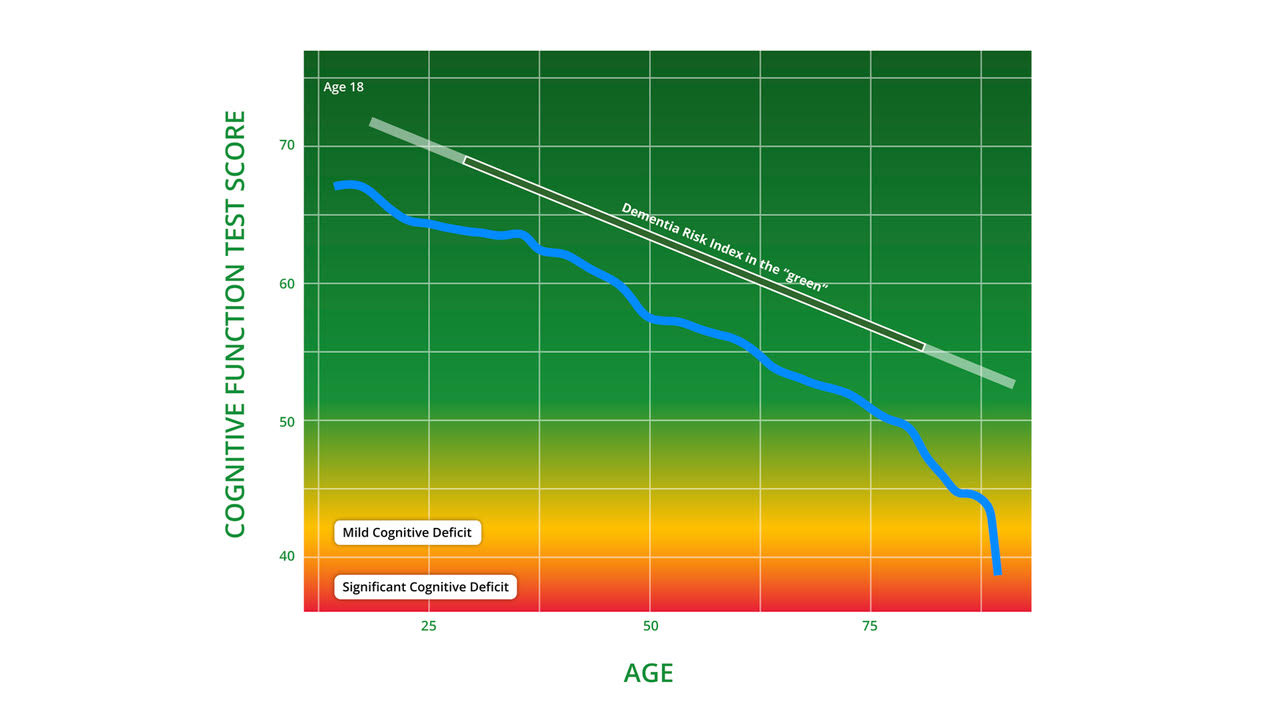
This is the latest discovery from Food for the Brain’s research! Now that hundreds of thousands of participants have completed the Cognitive Function Test, we are starting to extract these world first findings.  Although the test was designed to identify those at risk for dementia later in life, the extraordinary finding is that cognitive function declines, on average, year by year from the age of 18.

The results involving 172,098 people who took the free test between 2011 and 2024 show that there is a steady decline, on average, with a sharp drop-off after the age of 80. 

In one alarming case that underscores the need to promote prevention as early as possible, researchers in South China recently diagnosed probable Alzheimer’s disease in a 19-year-old male – the youngest ever recorded – highlighting the fact that dementia, while rare in youth, is not exclusively a condition of old age (1).  This makes early prevention not only relevant but essential.

This isn’t a message of fear.  It’s one of hope and empowerment, emphasising that it’s never too early to start supporting your brain health. (This is why we created the Smart Kids & Teens COGNITION Programme.) Cognitive slippage doesn’t happen to everyone – it’s possible to maintain or even improve brain function with optimal nutrition and lifestyle habits. Food for the Brain’s research also found that those whose Dementia Risk Index is in the top quarter, in ‘the green’- are not expected to come close to the zone of cognitive decline before age 100. A person’s Dementia Risk Index is calculated from completing the COGNITION diet and lifestyle questionnaire that follows the free Cognitive Function Test.

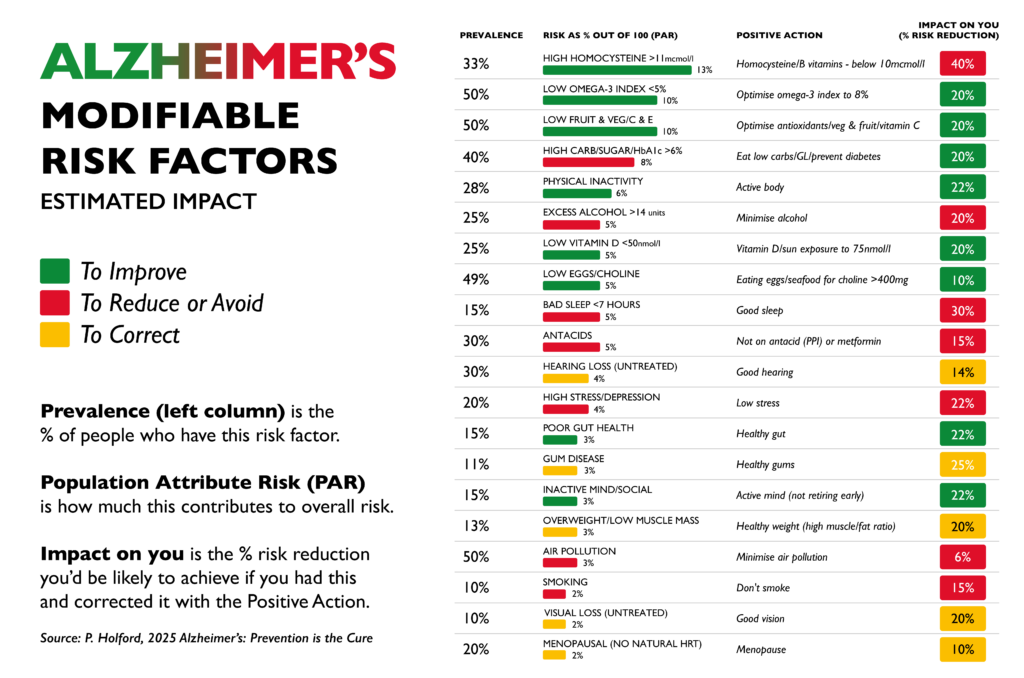
The five most impactful prevention steps are: 

  1. Sufficient intake of B vitamins
  2. Omega-3 from seafood and supplements
  3. More vegetables and fruit, and less sugar and refined carbohydrates
  4. More exercise
  5. Less alcohol 

See the Alzheimer’s Modifiable Risk Factor chart below:

Understanding that decline can start early in life means you can take steps now – whether you’re 18 or 80 – to protect your brain. This is also where our Citizen Scientist FRIEND community plays a vital role! Whether you’re a parent, grandparent, teacher, coach, youth worker, mentor, or simply someone who cares about young people, you can help the next generation build lifelong resilience – by becoming a FRIEND of Food for the Brain, accessing your personalised six-month Brain Upgrade Programme and encouraging as many as possible to take the free Cognitive Function Test to become ‘dementia-proof’.

How to ‘Dementia-Proof’ Yourself

We describe someone as ‘dementia-proof’ when the projection of their Cognitive Function Test results suggest they will remain in the healthy ‘green zone’ (optimal cognitive health) beyond the age of 100, as shown in the graph above.

Food for the Brain is helping thousands  of people achieve this dementia-proof status through our COGNITION programme, which identifies a person’s ‘quick wins’ and supports behaviour change with personalised, interactive emails and live group health coaching. For some, this means going to bed earlier for more sleep. For others, it might mean avoiding foods with added sugar, cutting back on alcohol or getting outdoors to exercise. For many it means optimising intake of B vitamins, omega-3, vitamin D, and antioxidants.
(Do you know what your levels of these important brain-protecting nutrients are? If not, make sure you order our accurate  at-home pinprick DRIfT test, another way to support our research and upgrade your brain.)

Start Young to Prevent Cognitive Decline

Brain fog, poor concentration, low mood, or forgetfulness aren’t just part of “being busy” or “getting older.” These can be early signs that your brain isn’t getting what it needs.  Better sleep, nutrition, regular activity, and lower stress levels all help preserve cognitive function as you age.  

Investing in your brain health early means:

  • Sharper focus and concentration for study, work, and everyday life
  • Greater emotional resilience, reducing anxiety and improving your mood
  • Improved memory and creativity, helping you perform optimally in all areas of life
  • More energy and better sleep, to improve the way you feel and function every day

When you support your brain health, you support every other aspect of your health too!h. Be it that outer glow on the skin, more balanced hormones, or improved gut health, all of it starts with brain health. It’s never too late, and it’s never too early – it is only important to make a start!

Whether you’re a teenager, a student in your 20s, raising a family in your 40s, or retired in your 70s, your brain is changing every day – and the good news is that it can respond positively to lifestyle changes at any age.

Remember: there is so much you can do to help to prevent Alzheimer’s and optimise your brain health – whatever your age.

Ready to take control of your brain’s future?

Order your at-home DRIfT pinprick blood test to contribute to our research and discover your unique levels of essential brain-supporting nutrients.


We are one of the few charities focused on independent research and education around prevention – join our mission today and become a FRIEND.  

As a FRIEND, you’ll receive:

  • Access to your 6-month personalised Brain Upgrade Journey
  • Entry to our Education Hub
  • Monthly live group health coaching

Further reading: This idea is echoed in the work of Associate Professor Tommy Wood, Head of Research at Food for the Brain, in his article Use it or Lose it: Why an Active Lifestyle is a Brain Essential.

Reference:
1. Jia J, Zhang Y, Shi Y, Yin X, Wang S, Li Y, Zhao T, Liu W, Zhou A, Jia L.  A 19-Year-Old Adolescent with Probable Alzheimer’s Disease.  J Alzheimers Dis.  2023;91(3):915-922.  doi: 10.3233/JAD-221065.  Erratum in: J Alzheimers Dis.  2023;92(4):1501-1502.  doi: 10.3233/JAD-239001.  PMID: 36565128.


Further info

The Overlooked Link Between Methylation, Brain Development, and Neurodivergence

By Patrick Holford

The Overlooked Link Between Methylation, Brain Development, and Neurodivergence

In 1965, UK paediatrician Dr Richard Smithells discovered that children with low folate were at significantly higher risk of neural tube defects, then commonly referred to as spina bifida.

It took more than 25 years for his research to be taken seriously. 

It wasn’t until the late 1980s that the Medical Research Council agreed to fund a study, the results of which were published in 1990. In 1991 the UK government told all women who were pregnant or planning pregnancy, to supplement 400 mcg of folic acid.

Folic acid reduces risk by supporting the process of methylation, which can be assessed through homocysteine levels. The process of methylation is vital for neuronal development and it depends not only on folate, but also on vitamins B6 and B12. Nine in ten obese women in the EU fail to achieve basic guidelines for folic acid supplementation in early and pre-pregnancy which would help to prevent such tragic neurodevelopmental problems (1).

Accelerated Brain Shrinkage & Methylation

More than half of all children, and probably their parents, are deficient in B12. Accelerated brain shrinkage occurs below 500 pg/ml, as established by Professor David Smith’s research at Oxford University more than a decade ago. This is why several countries, such as Japan, set the ‘normal’ range for serum B12 as being above 500 pg/ml. Despite clear evidence to the contrary over the past decade, both UK and US health authorities have failed to correct the wrongful reference range for vitamin B12, set at less than half this, namely 180pg/ml (2).

A recent study of 3,000 EU children reported that the median level was 347 pg/ml and one third were below 200 pg/ml (3). This means that at least half of the children had levels associated with accelerated brain atrophy. This deficiency is especially prevalent in vegan children.

Poor methylation, identified by raised homocysteine, isn’t just an established risk factor or biomarker for neural tube defects. It is also a biomarker for autism, poor cognition in children, epilepsy, congenital heart defects, reduced birth weight and size, pregnancy complications, miscarriages, bipolar disorder, depression and schizophrenia (4). Methylation is required to ‘marry’ omega-3 DHA to phospholipids such as phosphatidylcholine, to form neuronal membranes essential for brain communication. Without healthy, fully functional neuronal membranes, cognition becomes ‘disconnected’.

The Bristol Avon study of 11,875 pregnant women showed a clear relationship between the amount of seafood consumed by a pregnant woman and their child’s development. The less seafood consumed, the worse the child’s social behaviour, fine motor skills, communication, social development, and verbal IQ (5).

At the Chelsea and Westminster campus of Imperial College London, Professor Michael Crawford’s team at the Institute of Brain Chemistry and Human Nutrition, has identified which mothers are likely to have neurodevelopmentally impaired infants based on their blood level of a type of oleic acid, which is produced as a substitute when insufficient omega-3 DHA is available to build the foetal brain (6). DHA is not only critical for brain development, but also essential for optimal visual function.

Insufficient choline, a primary constituent of phospholipids, during pregnancy is strongly linked to poor cognition. Women given choline in the last trimester have infants with faster speed of processing information and memory between four and thirteen months of age (7). The protective intake, 400mg per day, has also been shown to cut the risk of cognitive decline, dementia and Alzheimer’s by about 20% (8). So, lack of folate, B12, omega-3 fats and possibly choline are all extremely common and all strongly linked to many aspects of neurodivergence, including autism.

How Much is ‘in the Genes’?

The culturally ‘acceptable’ view is that neurodivergence can’t be ‘treated’ – that the challenging symptoms experienced by those classified as neurodivergent or autistic (for example, cognitive and communication problems, anxiety and depression) can never be improved, despite clear evidence to the contrary. It is believed by some that autism, since it sometimes occurs within families, might be largely ‘in the genes’, as it was for Alzheimer’s. But families share environments, including habits from diet, smoking and drinking. We now know that genes cause less than one in a hundred cases of Alzheimer’s (9). Also, the gene hypothesis cannot adequately explain the dramatic rise in autism diagnoses in recent decades nor does it accept the simple fact that genes can only exert their effects across our biology – which is directly affected by nutrition.

That is not to say that genes don’t play a part in neurodivergence. There are several known genetic polymorphisms that do increase risk of neurodivergence such as a key methylation gene polymorphism, MTHFR677TT, which means that a person is less good at methylation, and needs more B vitamins. If present in the mother or child it almost doubles the risk of autism. A recent meta-analysis concludes, “For those mothers and children who are generally susceptible to autism, prenatal folate and vitamin B12 may reduce the risk that children suffer from autism.” (10) This is the same gene polymorphism that increases risk of Alzheimer’s disease.

Associate Professor Murphy’s research in Spain found that those women who had a homocysteine level above 9 mcmol/l, which is not uncommon (ideal is below 7), strongly predicted neurodivergent problems in their children at 4 months and again at 6 years of age, including an increased risk of autism, with children more likely to suffer from anxiety, depression, social problems and aggressive behaviour (11). 

Personalised Assessment Is Needed

Neurodivergence, including conditions such as autism, is a broad and evolving concept, which currently encompasses so many children. There are many potential contributors including gut-brain problems, neuro-inflammation, nutritional deficiencies, toxic excesses, microbe infections including mould, food and other allergies, smartphone overuse, psychological and social issues, as well as genes. Every child needs a full assessment of these potential contributory factors. Individual assessment is required, with nutrition being one of the key factors to address. 

As Dr Rona Tutt, OBE, past President of the National Association of Head Teachers, an expert in special needs and on the board of Trustees says:

People come in assorted shapes and sizes with brains that are unique.  A significant minority who are neurodivergent, need to be recognised, valued and supported, so they can maximise their strengths and overcome their challenges. We need to understand what is driving this increase in neurodivergence and how to best support and optimise a child’s potential.

We Cannot Repeat Our Past Mistakes

Our goal in launching COGNITION for Smart Kids & Teens is to empower children and their parents to be the best they can be. Children are our future, yet the current system is already struggling, with one in six children identified as having special educational needs. We can no longer ignore the clear and growing body of evidence linking neurodivergence to widespread deficiencies in B vitamins and omega-3 fats – key drivers of impaired methylation. Addressing these foundational nutritional gaps must be the starting point for effective intervention.  Ignoring or opposing this imperative is no different from what happened to Dr Smithell’s research on folic acid and neural tube defects. Initially, they said it wasn’t true and wasn’t important. Twenty five years later, to the cost of many thousands of children, it was finally recognised as both true and very important. 

I hope we do not have to wait as long for the role of nutrition in neurodivergence to be taken seriously. 

What we are campaigning for is widespread social awareness, along with governmental acceptance. The purpose of COGNITION for Smart Kids & Teens is to give parents a direct way to assess their children and identify simple and doable ways to help them reach their full potential for health and happiness.

Visit foodforthebrain.org/smartkids to find out more about the campaign, which launches on April 24th with both a conference for health professionals and a public webinar for parents. This coincides with the launch of the free on-line COGNITION for Smart Kids and Teens – an assessment with personalised advice on how to help children reach their full potential.

References:

1 https://www.cdc.gov/mmwr/volumes/72/ss/ss7202a1.htm?s_cid=ss7202a1_w

2 https://researchbriefings.files.parliament.uk/documents/POST-PN-0612/POST-PN-0612.pdf; see also Russell G, Stapley S, Newlove-Delgado T, Salmon A, White R, Warren F, Pearson A, Ford T. Time trends in autism diagnosis over 20 years: a UK population-based cohort study. J Child Psychol Psychiatry. 2022 Jun;63(6):674-682. doi: 10.1111/jcpp.13505

3 https://www.gov.scot/publications/pupil-census-supplementary-statistics/

4 https://www.health-ni.gov.uk/news/publication-prevalence-autism-including-aspergers-syndrome-school-age-children-northern-ireland-a nnual-report-2023

5 D’Adamo C et al., Reversal of Autism Symptoms among Dizygotic Twins through a Personalized Lifestyle and Environmental Modification Approach: A Case Report and Review of the Literature. J Pers Med. 2024 Jun 15;14(6):641. doi: 10.3390/jpm14060641

6 Survey conducted in collaboration with the charity Thinking Autism. The full survey results will be shown at the Smart Kids conference, April 24th 20025.

7 https://www.nhs.uk/conditions/autism/autism-and-everyday-life/treatments-that-are-not-recommended-for-autism/

8  https://www.nice.org.uk/guidance/cg142/chapter/Recommendations#interventions-for-autism-2

9 Roigé-Castellví J, Murphy M, Fernández-Ballart J, Canals J. Moderately elevated preconception fasting plasma total homocysteine is a risk factor for psychological problems in childhood. Public Health Nutr. 2019 Jun;22(9):1615-1623. doi: 10.1017/S1368980018003610; see also Murphy MM, Fernandez-Ballart JD, Molloy AM, Canals J. Moderately elevated maternal homocysteine at preconception is inversely associated with cognitive performance in children 4 months and 6 years after birth. Matern Child Nutr 2017;13,e12289 . doi: 10.1111/mcn.12289

10 Hasler M, Fideli ÜS, Susi A, Hisle-Gorman E. Examining the relationship between autism spectrum disorder and neural tube defects. Congenit Anom (Kyoto). 2023 Jul;63(4):100-108. doi: 10.1111/cga.12516. Epub 2023 Apr 18. PMID: 37073427.11 Smith AD, Refsum H. Homocysteine – from disease biomarker to disease prevention. J Intern Med. 2021 Oct;290(4):826-854. doi: 10.1111/joim.13279

Further info

Understanding Neurodivergence: The Role of Environment and Nutrition

by Patrick Holford

Neurodivergence refers to differences in mental or neurological function from what is considered typical. This concept encompasses conditions such as autism spectrum disorder (ASD), ADHD, Tourette’s syndrome, dyspraxia, synaesthesia, dyscalculia, Down syndrome, epilepsy, and chronic mental health conditions like bipolar disorder, OCD, borderline personality disorder, anxiety, and depression. The overlap of traits in ASD and ADHD has led to the term AuDHD, recognising their frequent co-occurrence [1].

The term ‘neurodiversity’ refers to the natural variations in how human brains function, emphasising that every individual is unique [2]. While some neurodivergent individuals face challenges in communication, information processing, and social integration, others exhibit remarkable creativity and intelligence. The former president of the National Association of Head Teachers, Dr Rona Tutt, highlights that neurodevelopmental disorders often co-occur, challenging outdated beliefs that conditions exist in isolation [3].

The Environmental Influence on Neurodivergence

While genetics may contribute to neurodivergence, environmental factors play a significant role. The rise in neurodevelopmental diagnoses cannot be solely attributed to better awareness and diagnosis . Factors such as air pollution, processed food consumption, chemical exposure, and modern technology use are increasingly considered potential contributors [3]. Many characteristics of neurodivergence appear within families, often assumed to be genetic. However, shared environmental influences—nutritional deficiencies, exposure to toxins, and psychosocial stressors—may drive this heritability rather than genes alone [3].

The increase in neurodevelopmental diagnoses is particularly striking in children. In the US, one in six children is classified as neurodivergent, and autism diagnoses have risen fourfold in two decades [1]. A practical measure of this shift is the number of children classified as having special educational needs (SEN). These classifications are often made reluctantly by parents and educators, underscoring the genuine increase in neurodivergence rather than mere overdiagnosis.

The Role of Nutrition in Brain Development

Nutrition plays a crucial role in cognitive development and mental health. Dr Carl Pfeiffer, a pioneering physician, identified zinc deficiency and pyroluria as biological imbalances linked to sensory overload and neurodevelopmental difficulties [4].

Nutrient deficiencies can contribute to key symptoms of ASD and ADHD. The following table is adapted from data provided by the US Centers for Disease Control and Prevention (CDC) on common ASD characteristics and their potential nutritional correlations. Research has linked the following deficiencies to common neurodivergent traits:

Common Neurodivergent TraitsAssociated Nutrient Deficiencies
Avoids eye contactVitamin A, Omega-3 DHA
Delayed language skillsOmega-3 DHA, Hcy/B vitamins, vitamin A
Delayed movement skillsOmega-3 DHA, Hcy/B vitamins, vitamin A
Delayed cognitive or learning skillsOmega-3 DHA, Hcy/B vitamins, vitamin A
Hyperactive, impulsive, and/or inattentive behaviourOmega-3 DHA, Hcy/B vitamins, dysglycemia (sugar), additives eg MSG)
Epilepsy or seizure disorderOmega-3 DHA, Hcy/B vitamins, dysglycemia (sugar), magnesium
Unusual eating and sleeping habitsFood intolerance, sugar, magnesium, zinc, tryptophan
Gastrointestinal issues (for example, constipation)Food intolerance (e.g., coeliacs), gut dysbiosis, zinc
Unusual mood or emotional reactionsOmega-3 DHA, Hcy/B vitamins, dysglycemia (sugar), additives eg MSG), food intolerance, iron
Anxiety, stress, or excessive worryOmega-3 DHA, Hcy/B vitamins, dysglycemia (sugar), vitamin C
Lack of fear or more fear than expectedOmega-3 DHA, Hcy/B vitamins, dysglycemia (sugar), vitamin C
The Critical Window of Pregnancy and Early Childhood

The foundation of brain health is laid during pregnancy. By birth, 70% of brain cells are already formed, making prenatal and early childhood nutrition crucial [5]. Deficiencies during this period can have long-term consequences.

For example, studies have shown:

  • Low seafood consumption during pregnancy is linked to poorer social behaviour, fine motor skills, and verbal IQ in children [6].
  • Vitamin A deficiency affects brain development, leading to cognitive impairment [7].
  • Low maternal folate intake is associated with poorer cognitive outcomes in children [8].
  • Higher B-vitamin levels in infancy predict better cognitive function in adulthood [5].
  • Supplementing with folic acid (400mcg/day) during pregnancy improves cognitive outcomes at ages three and seven [5].
  • Elevated homocysteine levels during pregnancy are linked to higher risks of anxiety, depression, and social difficulties in children [9].
Optimising Brain Health Through Diet

Given the strong link between nutrition and brain function, proactive dietary changes can support neurodevelopment and alleviate symptoms of neurodivergence. Key recommendations include:

  • Avoid alcohol and smoking, especially during pregnancy and breastfeeding.
  • Limit or avoid foods with added sugar and follow a low-GL diet.
  • Avoid artificial colourings and flavour additives, such as MSG.
  • Optimise omega-3 intake from seafood and eggs, and supplement with omega-3 DHA and EPA.
  • Ensure adequate vitamin A and D intake, with sufficient sun exposure to support vitamin D levels.
  • Support healthy methylation with B vitamins, especially vitamin B12 for vegans and those on a predominantly plant-based diet.
  • Check for food intolerances, including gluten, if digestive symptoms are present.

It is also important to note that the DRIfT test can be administered to any child over the age of two. Also note you can do the DRIfT test on any child over 2 years old. Find out more about the DRIfT test here

The Future of Neurodivergence: Prevention and Support

While some neurodevelopmental conditions may not be entirely preventable, improving prenatal and childhood nutrition can help reduce risks and alleviate symptoms. The rising prevalence of neurodivergence suggests an urgent need to address environmental and dietary factors [10]. Rather than normalising suboptimal brain development, prioritising nutrition and early intervention can improve outcomes for neurodivergent individuals.

By fostering a deeper understanding of how environmental and nutritional factors influence neurodivergence, we can better support individuals in reaching their full potential while reducing unnecessary suffering.


Join us in our Smart Kids Campaign!

How to get involved:

  • Attend the Optimising Neurodivergence Webinar – happening on 24th April at 6:30 PM – sign up here
  • Register for the Smart Kids Conference – an all-day event for health professionals and practitioners on 24th April, 2025. – sign up here
  • Donate to the Smart Kids Programme – help support neurodivergent children – find out more here

References

1.Centers for Disease Control and Prevention (CDC). Autism Data. Available at: https://www.cdc.gov/autism/data-research/?CDC_AAref_Val=https://www.cdc.gov/ncbddd/autism/data.html

2. Psychology Today. “What Is Neurodiversity?”. Available at: https://www.psychologytoday.com/gb/basics/neurodiversity

3. Tutt, R. Neurodiversity insights. Trustee and Scientific Advisor, Food for the Brain.

4. Pfeiffer, C. Nutritional insights. Pfeiffer Treatment Center.

5. McNulty, H., et al. (2019). Effect of continued folic acid supplementation beyond the first trimester of pregnancy on cognitive performance in the child: a follow-up study from a randomized controlled trial (FASSTT Offspring Trial). BMC Medicine, 17(1), 196. doi:10.1186/s12916-019-1432-4.

6. Hibbeln, J.R., et al. (2007). Maternal seafood consumption in pregnancy and neurodevelopmental outcomes in childhood (ALSPAC study). Lancet, 369(9561), 578–585. doi:10.1016/S0140-6736(07)60277-3.

7. Liu, Z. (2021). The Impact of Vitamin A on Cognitive Functions. Behavioral Neurology, 2021:5417497. doi:10.1155/2021/5417497.

8. Veena, S.R., et al. (2010). Higher maternal plasma folate but not vitamin B-12 concentrations during pregnancy are associated with better cognitive function scores in 9- to 10-year-old children in South India. Journal of Nutrition, 140(5), 1014–1022. doi:10.3945/jn.109.118075.

9. Roigé-Castellví, J., Murphy, M., Fernández-Ballart, J., & Canals, J. (2019). Moderately elevated preconception fasting plasma total homocysteine is a risk factor for psychological problems in childhood. Public Health Nutrition, 22(9), 1615–1623. doi:10.1017/S1368980018003610.

10. Kranz, S., Jones, N.R.V., & Monsivais, P. (2017). Intake Levels of Fish in the UK Paediatric Population. Nutrients, 9(4), 392. doi:10.3390/nu9040392.

Further info