Neurobiology Archives - Page 2 of 3 - Food for the Brain

because prevention is better than cure.

because prevention is better than cure.

Mini Cart 0

Your cart is empty.

Mini Cart 0

Your cart is empty.

Why Our Brains Are Shrinking & What To Do About It.

By Professor Michael Crawford

The brain of H. sapiens evolved from a chimpanzee cranial capacity of 340cc to the peak of 1,500 to 1,700cc about 28,000 – 32,000 years ago. That encephalization was powered by the epigenetic force of wild foods, in which marine foods would have been essential to provide omega 3 DHA, and trace elements including iodine, essential for brain growth, function and maintenance. (Encephalization is an evolutionary increase in the complexity or relative size of the brain, involving a shift of function from non-cortical parts of the brain to the cortex.) The brain evolved in the sea some 500 million years ago using such nutrients and science shows they are still required today.

In recent times, the brain has been shrinking, likely due to the increasing reliance on intensively produced land foods and the decline in fish and seafoods.  

Since 1950 there has been a 40% per capita decrease in fish landings in the UK and a decline in the fishing communities and ports.  At the same time, there has been a decline in average IQs and an escalation of mental ill-health. Just recently the Children’s Society declared that there had been a 3-fold increase in hospital referrals for mental ill-health in children in the last 3 years. In March 2023, the Federation of European Neuroscientists declared that brain health was now a global emergency. 

The continued shrinking of the brain and escalation of mental ill health can only end in disaster. 

How do you know if you are eating enough seafood? Check your omega-3 levels! Buy youR 4 in 1 DRIft at home test kit here OR buy the single omega-3 test kit here.

The solution lies in the restoration of destroyed sea beds with marine pastures, planting of kelp forests, farming of shellfish and the planting of artificial reefs to provide surfaces for marine flora to flourish and as with the seagrass, enhance the natural productivity. 

At the same time this solution of marine enhancement fixes CO2. This has been done in Japan, starting in 1991. It is also being started in many other places including Scotland, Korea, Oman, Saudi, Australia, and in the US.  It now needs to be escalated with energy which could create a new industrial revolution and a sea change in nutrition and brain health. It is all in our book, The Shrinking Brain by Crawford and Marsh, just published.

Totally essential for everyone to see

Other resources:

Further info

Neurodivergent or Neurodeficient? Is some Neurodivergence Preventable?

By Patrick Holford

If you look up the Oxford Dictionary definition of the word neurodivergent it is this: ‘divergence in mental or neurological function from what is considered typical or normal (frequently used with reference to autistic spectrum disorders).’ 

Other types of neurodivergence include Tourette’s, dyspraxia, synaesthesia, dyscalculia, Down syndrome, epilepsy, and chronic mental health illnesses such as bipolar disorder, obsessive-compulsive disorder, borderline personality disorder, anxiety, depression and ADHD.  More recently the overlapping of symptoms within diagnoses of ADHD and ASD has led to the term AuDHD.  

So the word refers to the idea that a person’s brain is processing things differently.

Before getting into the nutrition and potential driving forces that lead to some neurodivergent traits, it is important to understand the difference between ‘neurodiversity’ and ‘neurodivergence’.  Neurodiversity includes us all and works on the assumption that every human is unique. I’ve long argued how biologically and biochemically unique we are. “Neurodiversity as a biological fact applies to everyone” says Psychology Today.

However, differences do not have to be seen as a disorder, but as natural variations of the human brain. Although some neurodivergent people really struggle to fit in, as they think, process information and communicate in ways that are different from the norm, some of the brightest and most creative people have been diagnosed as neurodiverse.

Dr Rona Tutt, former president of the National Association of Head teachers and a scientific advisor and Trustee of the charity says “sometimes people are divided into a majority who are described as ‘neurotypical’ – although it’s debatable whether there’s such a thing as ‘typical’ – and a minority who are described as ‘neurodivergent’ or ‘neurodiverse’. (These 2 adjectives are used interchangeably, which sometimes causes confusion).” Rona was one of the first to highlight ‘overlapping dis-orders’.  She says “At one time, it was thought that if you had one diagnosis, you couldn’t have another. Then it became obvious that neurodevelopmental disorders in particular, such as autism, ADHD, Developmental Language Disorder (DLD) – formerly known as Specific Language Impairment (SLI) and the Specific Leaning Difficulties of dyslexia, dysgraphia, dyscalculia and dyspraxia, have a tendency to co-occur with each other – hence AuDHD – and with other disorders such as OCD, Tourette’s etc.”

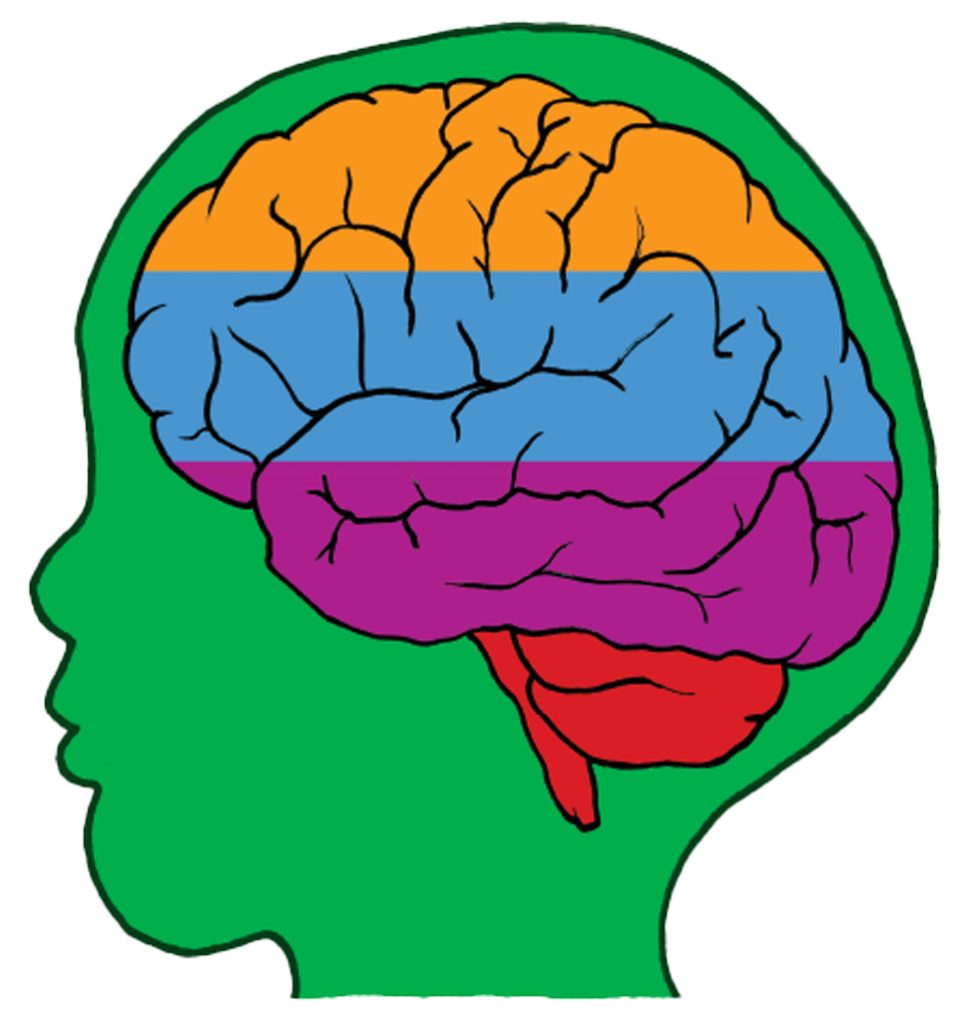
Vector image of the cross section of a multi coloured human brain against a green head.

“It is the case that these neurodevelopmental disorders run in families – there’s plenty of evidence of this in some special school populations, including where I’ve worked.” She goes on to say, “But this is only part of the story and most agree that the environment is another part of the equation. At least part of the rise in these conditions might be attributed, as you’ve said, to the unnatural environment in which we live, with the polluted air we breathe, the chemically-laden food we eat, and perhaps the way technology dominates our lives, having an adverse effect both before and after we are born.”

I’d also like to point out a common error when issues or traits run in families these are often described in as inherited, implying that it is genetic, when it may be the shared environment – be it nutritional, environmental or psycho-social that drives the heritability, not ‘genes.’ The fact that so many of these conditions have escalated beyond what could reasonably be fobbed off as ‘more awareness hence more diagnoses’ suggests a large part of the problem is not ‘genetic’. 

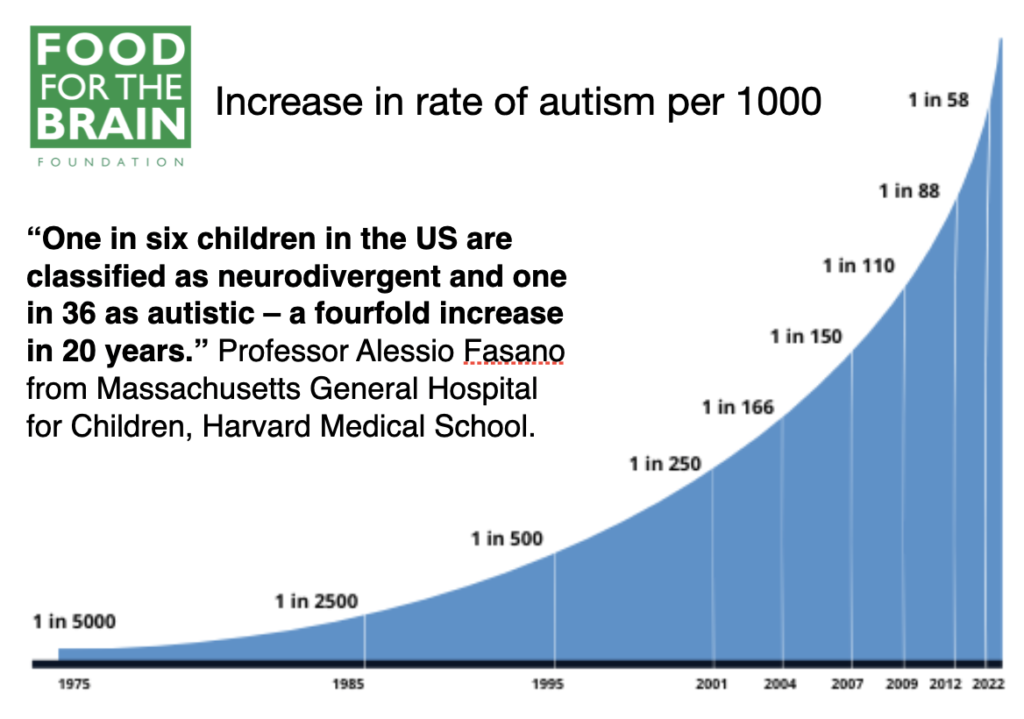
An example of this is that the number of children diagnosed with ADHD and autism and other developmental problems classifying them as ‘neurodivergent’ has rocketed in both the UK and US. “Now, one in six children in the US are classified as neurodivergent and one in 36 as autistic – a fourfold increase in 20 years.” says professor of paediatrics, Alessio Fasano from Harvard Medical School. (1) 

A practical measure of neurodivergence is whether a child is classified as SEN – in need of Special Education. One in six children now are. While it is possible to argue that some of this might be to do with ‘better diagnosis’, classifying a child as in need of special education is one that both parents and schools are keen to avoid unless absolutely necessary. 

Some children cannot cope with the noise, the number of children and the intensity of interactions hence prefer not to be in mainstream school. My first teacher, Dr Carl Pfeiffer, taught me back in the 1970’s that zinc deficiency and pyroluria are biological imbalances that lead to difficulties with such sensory overload.  

Is autism, ADHD and other such conditions preventable?

In a wider sense, the question ‘is neurodivergence preventable?’ also means, are autism, ADHD, Tourette’s, dyspraxia, synesthesia, dyscalculia, Down syndrome, epilepsy, and chronic mental health illnesses such as bipolar disorder, obsessive-compulsive disorder, borderline personality disorder, anxiety, and depression all preventable? 

Preventable in this context doesn’t have to mean ‘completely preventable’ but rather ‘can prevent to an extent’. Thus, anything that lessens the chance of someone becoming neurodivergent or alleviates any of the unpleasant or undesirable symptoms of neurodivergence is helping achieve a degree of prevention.

Since it is not reasonable to argue that the increase in neurodivergence over the past two decades is simply down to better diagnosis, it must follow that part of what is driving the increase is not ‘in the genes’ but in the environment. This could be the nutritional environment, the psychosocial environment and exposure to potential neurotoxins; possibly from industrial, building, agricultural, cosmetic or food chemicals and medicines. Vaccines and ingredients of vaccines would potentially fit in this category.

As a psychologist and nutritionist, my primary interest is in relieving suffering. Many, but certainly not all those either classified as ‘neurodivergent’ or autistic are ‘suffering’. The definition of suffering in this instance could include for example, emotional problems from anxiety and aggression to depression or cognitive problems including a hyperactive and inattentive mind, sleeping problems and feeling stressed, to name a few. Psychologically, Oscar Ichazo proposes that some of us use panic, anxiety, fears, phobias, obsessions, compulsions, hypochondria and even psychosis as a ‘door of compensation’ – a way to let off psychological steam when unable to cope with reality. Building resilience, both physically, biochemically and psychologically, is a key part of my integral medicine model.

Since there has been an escalation in the number of children classified as neurodivergent, autistic, or with attention-deficit-hyperactive disorder (ADHD), with special educational needs to the point where one in six children are so classified, we do need to ask why? Also, can a child so classified, be helped to feel, think or behave better in a way that helps them fulfil their potential enough to be happy and able to socialise with peers?

Neurodivergent or Neurodeficient?

In the chart below I’ve listed the most common characteristics in those with autistic spectrum disorder by the US Center for Disease Control and Prevention 

I’ve added a column for the nutrients, when deficient, that have been shown to induce these symptoms.

COMMON ASD CHARACTERISTICSASSOCIATED DEFICIENCY
Avoids eye contactVitamin A, Omega-3 DHA
Delayed language skillsOmega-3 DHA, Hcy/B vitamins, vitamin A
Delayed movement skillsOmega-3 DHA, Hcy/B vitamins, vitamin A
Delayed cognitive or learning skillsOmega-3 DHA, Hcy/B vitamins, vitamin A
Hyperactive, impulsive, and/or inattentive behaviourOmega-3 DHA, Hcy/B vitamins, dysglycemia (sugar), additives eg MSG)
Epilepsy or seizure disorderOmega-3 DHA, Hcy/B vitamins, dysglycemia (sugar), magnesium
Unusual eating and sleeping habitsFood intolerance, sugar, magnesium, zinc, tryptophan, 
Gastrointestinal issues (for example, constipation)Food intolerance (eg coeliacs), gut dysbiosis, zinc
Unusual mood or emotional reactionsOmega-3 DHA, Hcy/B vitamins, dysglycemia (sugar), additives eg MSG), food intolerance, iron 
Anxiety, stress, or excessive worryOmega-3 DHA, Hcy/B vitamins, dysglycemia (sugar), vitamin C
Lack of fear or more fear than expectedOmega-3 DHA, Hcy/B vitamins, dysglycemia (sugar), vitamin C
Hcy stands for homocysteine which is the best indicator of lack of methylating B vitamins
The hard truth…

Most importantly, the hard truth is that many of the brain cells, neurons in the brain are formed by birth; literally 70% of all neurons are already there. What happens at every stage of pregnancy, and especially early on, has a major impact on the child’s development. Consequently, some neurodevelopmental issues that result in these symptoms are largely irreversible. Foetal alcohol syndrome is such an example. Knowing this makes it imperative to encourage as much as we can, women who are likely to become pregnant to first optimise their diet and nutrients intake and avoid anti-nutrients – alcohol and smoking are two such anti-nutrients.

As well as avoiding alcohol and smoking during pregnancy we know from a study of 11,875 pregnant women, there is a clear relationship between the amount of seafood consumed by a pregnant woman and their child’s development. The less seafood consumed, the worse the child’s social behaviour, fine motor skills, communication and social development, and verbal IQ.(2) 

Also, a lack of vitamin A during pregnancy, which is another nutrient rich in seafood, can affect brain development and lead to long-term or even permanent impairment in the learning process, memory formation, and cognitive function. (3) 

You can do the DRIfT test on children over 2 years old.

We also know that a mother’s folate intake predicts the child’s performance in cognitive tests at the age of nine to ten (4) and the higher a baby’s B-vitamin status, the higher their cognitive function at the age of 25. (5) Supplementing mothers-to-be with folic acid (400mcg/day) during the second and third trimesters of pregnancy is associated with better cognition in their children at the age of three and better word reasoning and IQ (verbal and performance) at seven. (6) 

Folate is required for healthy methylation and nothing can be built properly in the brain without healthy methylation, which is reflected by a low homocysteine level. Raised homocysteine is a well-known predictor of miscarriage and pregnancy problems, which is why I recommend no woman attempts pregnancy until her homocysteine level is below 7mcmol/l. While we have learned that a homocysteine level above 11 means increased brain shrinkage, even a homocysteine level of above 9 during pregnancy predicts more problems, specifically withdrawn behaviour, anxiety, depression, social problems and aggressive behaviour in the child at the age of six. (7) 

We hope that some of the deficit in brain function can be recovered. The starting point is to provide all brain-dependent nutrients at an optimal level and see what happens. In the UK, fewer than 5 per cent of children achieve the basic dietary recommendations for omega-3 and fish. (8) Lower DHA concentrations are associated with poorer reading ability, poorer memory, oppositional behaviour and emotional instability. (9) Several studies have shown increased aggression in those with low omega-3 DHA and EPA, and giving more omega-3 reduces aggression. (10)

Fish and omega-3 are associated with better cognition in children. A study of 541 Chinese schoolchildren found that fish consumption predicted sleep quality and that those who ate the most fish had the highest IQ; 4.8 points higher than those who ate none. Improved sleep quality, linked to fish intake, was correlated with IQ level. (11) 

A study in Northern Ireland found that half of schoolchildren were deficient in vitamin D, with a level below 50nmol/l (I recommend above 75 nmol/l). Another found that low vitamin D levels in childhood were related to behaviour problems in adolescence. (12) 

There is, for many children, plenty of room for improvement and relief from suffering. Additionally, for parents-to-be, it is of vital importance to optimise nutrition throughout pregnancy.  It is critical that we don’t ‘normalise’ the consequences of sub-optimum nutrition either during pregnancy or childhood development.

Summary

In summary, to build healthy young brains and minimize the risk of developing undesirable symptoms associated with neurodivergence, including ADHD and autism, it is important for mothers-to-be, pregnant women and breastfeeding mothers and their children to: 

  • Avoid alcohol and smoking, especially during pregnancy but also while breast-feeding.
  • Limit or avoid foods with added sugar and follow a low-GL diet 
  • Avoid chemical colouring and flavour additives such as MSG 
  • Optimise omega-3 intake, as phospholipids, from seafood and eggs, and supplement omega-3 DHA and EPA 
  • Optimise vitamins A and D, with sufficient sun exposure to encourage good body stores of vitamin D 
  • Ensure healthy methylation with B vitamins, especially vitamin B12 in vegans and those on a largely plant-based diet 
  • Check for food intolerances, including gluten, if digestive symptoms are present. 
  • Also note you can do the DRIfT test on any child over 2 years old. Find out more about the DRIfT test here
Vector image of the cross section of a multi coloured human brain against a green head.

References

2. Hibbeln JR, Davis JM,] Steer C, Emmett P, Rogers I, Williams C, Golding J. Maternal seafood consumption in pregnancy and neurodevelopmental outcomes in childhood (ALSPAC study): an observational cohort study. Lancet. 2007 Feb 17;369(9561):578-85. doi: 10.1016/S0140-6736(07)60277-3. PMID: 17307104.

3.  Z.Liu Behav Neurol. 2021 Dec 7;2021:5417497

4. Veena SR, Krishnaveni GV, Srinivasan K, Wills AK, Muthayya S, Kurpad AV, Yajnik CS, Fall CH. Higher maternal plasma folate but not vitamin B-12 concentrations during pregnancy are associated with better cognitive function scores in 9- to 10- year-old children in South India. J Nutr. 2010 May;140(5):1014-22. doi: 10.3945/jn.109.118075. Epub 2010 Mar 24. PMID: 20335637; PMCID: PMC3672847.

5. Qin B, Xun P, Jacobs DR Jr, Zhu N, Daviglus ML, Reis JP, Steffen LM, Van Horn L, Sidney S, He K. Intake of niacin, folate, vitamin B-6, and vitamin B-12 through young adulthood and cognitive function in midlife: the Coronary Artery Risk Development in Young Adults (CARDIA) study. Am J Clin Nutr. 2017 Oct;106(4):1032-1040. doi: 10.3945/ajcn.117.157834. Epub 2017 Aug 2. PMID: 28768650; PMCID: PMC56117

6. McNulty H, Rollins M, Cassidy T, Caffrey A, Marshall B, Dornan J, McLaughlin M, McNulty BA, Ward M, Strain JJ, Molloy AM, Lees-Murdock DJ, Walsh CP, Pentieva K. Effect of continued folic acid supplementation beyond the first trimester of pregnancy on cognitive performance in the child: a follow-up study from a randomized controlled trial (FASSTT Offspring Trial). BMC Med. 2019 Oct 31;17(1):196. doi: 10.1186/s12916-019-1432-4. PMID: 31672132; PMCID: PMC6823954.

7. Roigé-Castellví J, Murphy M, Fernández-Ballart J, Canals J. Moderately elevated preconception fasting plasma total homocysteine is a risk factor for psychological problems in childhood. Public Health Nutr. 2019 Jun;22(9):1615-1623. doi: 10.1017/S1368980018003610. Epub 2019 Jan 14. PMID: 30636652; PMCID: PMC10261079.

8. Kranz, S., Jones, N.R.V., Monsivais, P., Intake Levels of Fish in the UK Paediatric Population. Nutrients 2017, 9, 392. https://doi.org/10.3390/nu9040392

9. Montgomery P, Burton JR, Sewell RP, Spreckelsen TF, Richardson AJ. Low blood long chain omega-3 fatty acids in UK children are associated with poor cognitive performance and behavior: a cross-sectional analysis from the DOLAB study. PLoS One. 2013 Jun 24;8(6):e66697. doi: 10.1371/journal.pone.0066697. Erratum in: PLoS One. 2013;8(9). doi:10.1371/annotation/26c6b13f-b83a-4a3f-978a-c09d8ccf1ae2. PMID: 23826114; PMCID: PMC3691187.

10. Raine A, Ang RP, Choy O, Hibbeln JR, Ho RM, Lim CG, Lim-Ashworth NSJ, Ling S, Liu JCJ, Ooi YP, Tan YR, Fung DSS. Omega-3 (ω-3) and social skills interventions for reactive aggression and childhood externalizing behavior problems: a randomized, stratified, double-blind, placebo-controlled, factorial trial. Psychol Med. 2019 Jan;49(2):335-344. doi: 10.1017/S0033291718000983. Epub 2018 May 10. PMID: 29743128; see also Choy O, Raine A. Omega-3 Supplementation as a Dietary Intervention to Reduce Aggressive and Antisocial Behavior. Curr Psychiatry Rep. 2018 Apr 5;20(5):32. doi: 10.1007/s11920-018-0894-y. PMID: 29623453; see also Gow RV, Hibbeln JR. Omega-3 fatty acid and nutrient deficits in adverse neurodevelopment and childhood behaviors. Child Adolesc Psychiatr Clin N Am. 2014 Jul;23(3):555-90. doi: 10.1016/j.chc.2014.02.002. Epub 2014 May 27. PMID: 24975625; PMCID: PMC4175558.

11. Liu, J., Cui, Y., Li, L. et al. The mediating role of sleep in the fish consumption – cognitive functioning relationship: a cohort study. Sci Rep 7, 17961 (2017). https://doi.org/10.1038/s41598-017-17520-w12. Sonia L Robinson, Constanza Marín, Henry Oliveros, Mercedes Mora-Plazas, Betsy Lozoff, Eduardo Villamor, Vitamin D Deficiency in Middle Childhood Is Related to Behavior Problems in Adolescence, The Journal of Nutrition, Volume 150, Issue 1, 2020, pp.140–148, ISSN 0022-3166, https://doi.org/10.1093/jn/nxz185.

Further info

The ApoE4 Exaggeration 

Author of the article is Patrick Holford and the Alzheimer’s Prevention Expert Group.

The single greatest genetic predictor of Alzheimer’s disease is the presence of the ApoE4 variant of the ApoE gene, carried by about one in five people. Having this contributes 4% to 6% of the absolute risk for Alzheimer’s disease. (1)


This is often exaggerated as a risk factor because, if a person is an Apoe4 carrier, and changes nothing, they have about a 20% greater chance of developing Alzheimer’s later in life than someone who doesn’t. This is called ‘relative risk’. It doesn’t mean, however, that someone with the ApoE4 gene has a 20% chance of developing Alzheimer’s. This is because, as an example, a person without the ApoE4 gene at a certain age might have a 4% chance of developing Alzheimer’s, while someone with the ApoE4 gene might have a 5% chance, so their risk has gone up by, in this example, 20%. In absolute terms, the risk would be only 1% higher.

This new study 2 shows two things: the first is that most ApoE4 carriers show some of the biomarkers for developing Alzheimer’s later on, namely higher levels of toxic amyloid and – p-tau proteins. This is not surprising. However, and this is key, quoting the paper “In the dementia stage, there were no differences in amyloid or tau despite earlier clinical and biomarker changes.” In other words, even these indicators of risk had vanished, or were no longer more prevalent in those with vs without this gene variant. This means that, even if you could lower levels of amyloid earlier in the disease process, this is highly unlikely to have any effect.

This so-called ‘Alzheimer’s gene’ can only exert effects via non-genetic mechanisms, and these mechanisms are often susceptible to modification with a person’s nutrition having the most direct influence. In other words, genes only tell us about susceptibilities, tendencies – they are not (at least in this case) determinative of whether one does or does not develop Alzheimer’s in their lifetime because other factors can modify the effects of carrying the ApoE4 gene variant. In other words, a gene variant such as ApoE4 it is more like a dimmer switch and can be ‘over-expressed’ or ‘down-regulated’, turned up or dimmed down by a variety of lifestyle factors.

The ApoE4 gene is downregulated by eating a low-glycemic load (GL) or low sugar diet or more ketogenic diet with specific Mediterranean-style food choices including fatty fish, cruciferous vegetables, olive oil, low alcohol consumption. Four supplemental nutrients have reasonably good evidence of blunting the effects of the ApoE4 variant. These are omega-3 DHA, B vitamins (B2, B6, B12 and folate) and vitamin D. (3)

But what happens to risk if a person is well-nourished with these dietary factors already? A good example of this is a recent study in China, involving 29,072 people of which 20% had the ApoE4 gene. 4 Each participant had their diet and lifestyle assessed over the 10 year period of the study to see who would or wouldn’t develop cognitive decline or dementia.

What the study showed was that whether or not a person had the ApoE4 ‘Alzheimer’s gene’ made no difference to the positive reduction in risk achievable by simple diet and lifestyle changes. “These results provide an optimistic outlook, as they suggest that although genetic risk is not modifiable, a combination of more healthy lifestyle factors is associated with a slower rate of memory decline, regardless of the genetic risk,” wrote the study authors. Eating a healthy diet was also the most important prevention step, followed by an active lifestyle, with one’s intellectual life, then physical activity, then social interactions being the next most important steps. Eating a healthy diet was about twice as important as exercise in
predicting cognitive decline. Those with a healthy diet were about seven times less likely to have age-related cognitive decline or dementia than those with an ‘average’ diet and about nine times less likely to develop dementia than those with an unfavourable diet.

All major studies on people at risk of, or already with, dementia or Alzheimer’s have measured whether the study participants do or don’t have the ApoE4 variant. We’ve looked at the major studies that have measured the impact of a change in diet or nutrition or lifestyle and they almost all show no difference in outcome if you do or don’t have the gene.

A good analogy is that having the ApoE4 gene variant is like a weak beam of light which, in the darkness, increases one’s risk a bit, but once you shine the strong light of actually doing something such as changing your diet or supplementing omega-3 fish oils, B vitamins or vitamin D, the effect of being an ApoE4 carrier seems to be invisible in that there is no significant difference in outcome between those who had or didn’t have this gene variant.

Please note: the pharmaceutical industry is keen to promote a drug that lowers amyloid or p-tau. 14 trials have shown that anti-amyloid drugs do lower amyloid but none has had clinically significant effect on actual dementia or cognitive decline. 5 In other words the amyloid theory is bust. Amyloid is not a cause of Alzheimer’s – it’s a result. Raised toxic P-tau is a direct consequence of raised homocysteine, driven by a lack of B vitamins. See the p-tau delusion article here. Lowering homocysteine with B vitamins, which is an established cause, lowers p-tau.

Order Patrick’s NEW book Upgrade Your Brain (Harper Collins)

Where to start in reducing your risk:
References

1 Heininger, K. (2000), A unifying hypothesis of Alzheimer’s disease. III. Risk factors. Hum.
Psychopharmacol. Clin. Exp., 15: 1-70. https://doi.org/10.1002/(SICI)1099-
1077(200001)15:1<1::AID-HUP153>3.0.CO;2-1; see also Ridge PG, Mukherjee S, Crane PK,Kauwe JSK, (2013) Alzheimer’s Disease: Analyzing the Missing Heritability. PLoS ONE 8(11): e79771. doi: 10.1371/journal.pone.0079771

2 https://www.nature.com/articles/s41591-024-02931-w.pdf

3 Norwitz,N.G.;Saif,N.; Ariza, I.E.; Isaacson, R.S. Precision Nutrition for Alzheimer’s
Prevention in ApoE4 Carriers. Nutrients 2021, 13, 1362. https://doi.org/10.3390/
nu13041362

4 Jia J, Zhao T, Liu Z et al., Association between healthy lifestyle and memory decline in olderadults: 10 year, population based, prospective cohort study BMJ 2023;380:e072691
http://dx.doi.org/10.1136/ bmj-2022-072691

5 https://www.bmj.com/content/372/bmj.n156/rr

Further info

Building Young Brains: Shaping Your Child’s Future

By Patrick Holford

In recent years the number of children diagnosed with learning, behavioural and mental health problems has escalated. Attention-deficit hyperactivity disorder (ADHD), autistic spectrum disorder (ASD) and other neurodevelopmental disorders, all classifying children as ‘neurodivergent’, as opposed to ‘neurotypical’, have rocketed in both the UK and USA.

Over the past decade there has also been a steady increase in young people with now four in ten reporting persistent feelings of sadness or hopelessness and almost a quarter (22%) reporting contemplating suicide. (1) 

‘Now, one in six children in the USA are classified as neurodivergent and one in 36 as autistic – a fourfold increase in 20 years,’(2) says paediatric Professor Alessio Fasano from Massachusetts General Hospital for Children, Harvard Medical School.

Rising numbers are being reported in the UK. According to Dr Rona Tutt, OBE, past president of the National Association of Headteachers, ‘There has been a dramatic increase in the number of people being diagnosed with ASD. Although some of this is due to a broader definition of autism, as well as better diagnosis, it raises the question of whether it may also be the result of environmental changes, which have also been dramatic.’ Some UK schools are reporting as many as one in four children having problems.

For clarification, the University of Washington defines a ‘neurodivergent’ person as ‘a person on the autism spectrum or, more generally, someone whose brain processes information in a way that is not typical of most individuals. These people may have learning disabilities, attention deficit and anxiety disorders, obsessive-compulsive disorder, and Tourette’s syndrome. Through a neurodiversity lens, such conditions reflect different ways of being that are all normal human experiences. Although “neurodiversity” is usually used to describe a group of neurodivergent individuals, it also refers to all of humankind, because everyone has a unique way of processing information.’

For those with neurodivergent traits that cause individuals immense difficulty, the question is, why do they occur in some and not others, and can they be prevented?

Making healthy babies

Autistic spectrum disorder has often been positioned as being genetically linked. However, since the genes cannot have changed this rapidly, this suggests the influence of environmental factors, of which diet and maternal nutrition are big contributors.

Brain development starts from conception

Brain development is influenced from the moment of conception. That is why a mother’s nutrition before conception is so critical.

Nothing can be built without healthy methylation, which means a low homocysteine level. Raised homocysteine is a well-known predictor of miscarriage and pregnancy problems, which is why I recommend no woman attempts pregnancy until her homocysteine level is below 7mcmol/l. While we have learned that a homocysteine level above 11 means increased brain shrinkage, even a homocysteine level of above 9 during pregnancy predicts more problems, specifically withdrawn behaviour, anxiety, depression, social problems and aggressive behaviour in the child at the age of six. (3)

That’s why building a healthy child’s brain starts with ensuring mothers-to-be are optimally healthy.

(Find out your Homocysteine levels with our accurate, at home blood test here)

We already know that pioneering researcher Professor Michael Crawford can predict which babies are going to be born preterm with a greater risk of having developmental problems from the fats in the pregnant woman’s blood. But the most convincing evidence comes from a study of 11,875 pregnant women which showed a clear relationship between the amount of seafood consumed by a pregnant woman and their child’s development. The less seafood consumed, the worse the child’s social behaviour, fine motor skills, communication and social development, and verbal IQ. (4)

Also, a lack of vitamin A during pregnancy can affect brain development and lead to long-term or even permanent impairment in the learning process, memory formation, and cognitive function. (5)

Supplementing mothers-to-be with folic acid (400 µg/day) during the second and third trimesters of pregnancy is associated with better cognition in their children at the age of three and better word reasoning and IQ (verbal and performance) at seven. (6)

Nourishing infants with optimum nutrition

Once a baby is born, 75 percent of all the energy derived from breastmilk goes to build the brain, as brain development continues at the mind-boggling rate of something like 1 million connections a minute. Babies use ketones to power their early brain development, but they also need the raw materials – essential fats, phospholipids and vitamins. Without sufficient omega-3, vitamin A, D and B vitamins, especially folate and B12, as well as minerals such as iodine, magnesium, iron and zinc, the brain cannot develop optimally.

This means that a breastfeeding mother must, at least, supplement omega-3 fish oils, but many other nutrients are also necessary. Without sufficient nutrients, not only do brain cells not make the connections, but the production and flow of neurotransmitters doesn’t happen optimally.

Low vitamin D status in both the mother and newborn baby increases the likelihood of the child developing ASD by 54 per cent. (7)

Bruce Ames, Emeritus Professor of Biochemistry and Molecular Biology at the University of California, thinks that ‘serotonin synthesis, release, and function in the brain are modulated by vitamin D and the two marine omega-3 fatty acids, eicosapentaenoic acid, EPA, and docosahexaenoic acid, DHA’. He says, ‘Insufficient levels of vitamin D, EPA, or DHA, in combination with genetic factors and at key periods during development, would lead to dysfunctional serotonin activation and function and may be one underlying mechanism that contributes to neuropsychiatric disorders and depression in children.’(8)

We know that a mother’s folate intake predicts the child’s performance in cognitive tests at the age of nine to ten (9) and the higher a baby’s B-vitamin status, the higher their cognitive function at the age of 25. (10)

Nourishing the growing child

In the UK, fewer than 5 percent of children achieve the basic dietary recommendations for omega-3 and fish. (11) Lower DHA concentrations are associated with poorer reading ability, poorer memory, oppositional behaviour and emotional instability. (12) Several studies have shown increased aggression in those with low omega-3 DHA and EPA, and giving more omega-3 reduces aggression. (13)

Fish and omega-3 are associated with better cognition in children. 

A study of 541 Chinese schoolchildren found that fish consumption predicted sleep quality and that those who ate the most fish had the highest IQ, 4.8 points higher than those who ate none. Improved sleep quality, linked to fish intake, was correlated with IQ. (14)

A study in Northern Ireland found that half of schoolchildren were deficient in vitamin D, with a level below 50 nmol/l (I recommend above 75 nmol/l). Another found that low vitamin D levels in childhood were related to behaviour problems in adolescence. (15)

Is it any wonder so many children are neurodivergent?

Another nutrient that is rich in marine food is vitamin A. Cod liver oil is a rich source of vitamin A, vitamin D and omega-3 fats. Vitamin A is vital for proper black and white vision and the proper functioning of the retina in the eye, hence its name, retinol, and the idea of eating carrots to see in the dark. Dr Mary Megson, a paediatrician in the USA, identified a particular genetic weakness in several children on the spectrum which would affect their ability to use vitamin A. She associates this with children who won’t look you in the eye because they see better on the periphery of their visual field. (16) Giving a source of retinol such as cod liver oil improves eye coordination and vision, helping those with autism who don’t make eye contact.

Think zinc and magnesium

My teacher, Dr Carl Pfeiffer, was the first to put zinc on the map for mental health, in the 1970s, thanks to a girl called Lisa.

Lisa was mentally unwell, but her parents had learned how to keep her sane: oysters. If she had a couple of oysters a day, her mind calmed down.

Dr Pfeiffer worked out it was zinc. Zinc is essential for cellular growth and repair, and thus found in all seeds, nuts, beans and lentils, as well as eggs, meat and fish, but nothing beats oysters. Zinc is one of the most essential minerals in pregnancy, along with iron, and babies and children, due to their rapid growth, need more.

Bear in mind that vegetarian sources of zinc, such as nuts and seeds, also contain phytates, which inhibit zinc’s absorption, so those on an exclusively plant-based diet might need more.

The basic calculation for our zinc needs to support growth is 7.5mg a day. (An oyster gives 5.5mg.) But is that really the minimum? What’s the optimum? The Nutrient Reference Value is 10mg. Many children fail to achieve this.

Few have explored what zinc intake is needed for optimal mental health. Researchers in North Dakota gave 200 schoolchildren in the 7th grade zinc supplements and found that those taking 20mg of zinc a day, as opposed to those taking 10mg (the RDA) or a placebo, had faster and more accurate memories and better attention spans within three months.(17) The girls, also, behaved better.

Children with ADHD tend to have lower levels of zinc, chromium and magnesium. 

Some have low levels of copper, according to research in New Zealand. (18)

One study of ADHD children found higher levels of copper. (19) Copper, the main source of which is copper water pipes, and zinc compete, so if zinc is low the body’s copper levels tend to rise. It was the copper-to-zinc ratio that was especially high in neurodivergent versus neurotypical children and predicted the degree of ADHD.(20)

The same applies to schizophrenia, with some of those diagnosed having low zinc levels (21) and higher copper levels (22) Copper is likely to be higher in softer water areas and in newer houses with copper pipes. Blue staining in baths or sinks is an indication of a high copper level in the water. Both zinc and magnesium levels tend to be lower in those with depression.

Magnesium, a commonly deficient mineral, is calming. Zinc deficiency is linked to disperceptions both in eating disorders and schizophrenia, as well as depression and anxiety. Both zinc and magnesium are critical co-factor nutrients, activating enzymes that make the all-important brain fats such as DHA and EPA, as well as neurotransmitters, from the food we eat.

Checking a child’s zinc, chromium and magnesium status, which can be done with a hair or blood sample, is a standard practice in nutritional therapy, but not routine in mainstream medicine. Red cell magnesium levels and serum zinc are perhaps more reliable, but hair is less invasive in children. A small study found lower hair levels of chromium in those with ADHD.(23) 

Nuts and seeds are high in all three nutrients, and correcting deficiencies with diet and/or supplementation is a must for neurodivergent children. Greens and other vegetables are rich in magnesium. A placebo-controlled trial giving ADHD children magnesium together with vitamin D for eight weeks showed a major reduction in emotional, conduct and peer problems and improved socialisation compared with children given a placebo.(24)

A Polish study from 1997 which examined the magnesium status of 116 children with ADHD found that magnesium deficiency occurred far more frequently in them than in healthy children (95 per cent of the children with ADHD were deficient), and also noted a correlation between the levels of magnesium in the body and severity of symptoms. The children were divided into two groups, one supplemented with 200mg of magnesium a day for six months and the other receiving no supplements. The magnesium status of the group receiving supplements improved and their hyperactivity was significantly reduced, while hyperactive behaviour worsened in the control group.(25)

Andrew’s story is a classic example of how effective magnesium can be in helping restless, hyperactive children:

When he was three years old, Andrew’s sleep-deprived parents brought him to our Brain Bio Centre. He was hyperactive and seemed never to sleep. Not surprisingly, he was grumpy most of the time.

We recommended that his parents give him 65mg of magnesium daily in a pleasant-tasting powder added to a drink before bed. Two weeks later, his mum phoned to say that he was sleeping right through every night and had been transformed into a delightful child during the day too.

The four drivers of ADHD

Optimum nutrition has a big role to play in helping neurodivergent children. 

Multi-nutrient trials have shown improvements in irritability, hyperactivity and self-harm.(26) Raised homocysteine and low B12 or folate are associated with greater risk of developing ASD and worse symptoms,(27) creating methylation abnormalities that could explain many of the symptoms (28). Supplementing homocysteine-lowering B vitamins makes symptoms better. (29)

Conditions like ADHD may be the result of either:

  • a high-GL diet, with too much sugar
  • a lack of essential omega-3 fats
  • a lack of critical nutrients such as B vitamins, zinc and magnesium
  • unidentified food intolerances.

Adolescents with blood sugar problems and diagnosed with metabolic syndrome, already show the same kind of cognitive deficiencies and hippocampal brain shrinkage found in adults with pre-dementia. (164)

That’s how important it is to stop children developing a sweet tooth.

Studies by Dr Alex Richardson from the University of Oxford, giving children with ADHD these vital brain fats, have shown an improvement in learning and the behavioural problems that define ADHD. (30) Her book They Are What You Feed Them, based on a lifetime of research, explains how diet affects children’s behaviour and learning.

Over in New Zealand, Professor Julia Rucklidge tested the effects of giving children aged 7 to 12 who had been diagnosed with ADHD a high-strength comprehensive multivitamin and mineral supplement, including plenty of B vitamins (B6 23mg, folate 267mcg, B12 300mcg, magnesium 200mg, zinc 16mg). A total of 47 children were given the supplement and 46 a placebo. At the end of the 10-week trial, almost four times more children (32 per cent versus 9 per cent) had shown a clinically meaningful improvement in their attention. Also, based on a clinician’s assessment and parent and teacher reports, those on micro-nutrients showed greater improvements in emotional regulation, aggression and general functioning compared to those on the placebo. (31)

Autism and the gut

Many children on the spectrum complain of gut problems. Some, though certainly not all, respond well to gluten and casein-free diets (32) My strong advice is to test a child for IgG-based food intolerance before embarking on a restrictive diet.

But it’s not just milk and wheat that can be a problem, nor do food intolerances only affect those with ASD.

Michael, a five-year-old we saw at the Brain Bio Centre, used to be so hyperactive that he could only go to school on a part-time basis.

He was unable to concentrate on anything, was disruptive in class and also found it difficult to socialize with other children. After taking a YorkTest 113 food intolerance test, Michael discovered he was intolerant to a range of foods, mainly dairy, wheat, oranges, carrots, soya, chicken and pork.

Staff at Michael’s school were amazed by the changes in his behaviour just one week after making the dietary changes. He could sit still and calmly draw pictures and went back to school on a full-time basis.

Putting all these pieces together, US researchers ran a 12-month study of a comprehensive nutritional and dietary intervention, enrolling 67 children and adults with autism spectrum disorder (ASD) aged 3–58 years and using 50 non-sibling neurotypical controls of similar age and gender. Treatment began with a comprehensive vitamin/mineral supplement, and additional treatments were added sequentially, including essential fatty acids, Epsom salts baths, carnitine, digestive enzymes and a healthy, gluten-free, casein-free, soy-free (HGCSF) diet. There was a major improvement in both autistic symptoms and non-verbal intellectual ability (non-verbal IQ) in the treatment group compared to the non-treatment group, with a gain of 7 IQ points. This is equivalent to what we found in the first vitamin IQ study back in 1987, when adolescents put on a B-vitamin-rich multivitamin had a 7-point increase in IQ compared to those on a placebo over seven months. (33)

Parents in the ASD study reported that the vitamin/mineral supplements, essential fatty acids and HGCSF diet were the most beneficial. (34)

I did a similar thing in a south London school for the BBC. They had challenged me to change the behaviour of disruptive kids in a week.

Of the 30 children, aged six to seven, the teacher said 10, roughly a third, were disruptive or had learning or behaviour problems. The worst was Reece. He couldn’t sit still or pay attention and was constantly getting into trouble.

I enrolled Reece’s mother and the other parents in a one-week experiment in which they’d give their children no sweets or food with added sugar, additives or colourings, a drink containing vitamins and minerals, and try to eat more fish, fruit, vegetables, nuts and seeds. To measure change, the teacher asked the children to write a story on the day before we started and then again one week later. You can see the change in one week in Reece’s stories below.

In the following month, his reading and writing age went up by a year. Now able to sit still and concentrate, he went from close to the bottom of the class to close to the top. His parents noticed he was worse after eating Monster Munch, which contains monosodium glutamate. Some children are particularly sensitive to this flavour enhancer.

Reece’s handwriting before and after ‘optimum nutrition’

Dr Alessio Fasano, who is also both Professor of Paediatrics at Harvard Medical School and Professor of Nutrition at Harvard’s Chan School of Public Health, thinks something is going wrong in the gut, with many ASD children reporting gut problems, including diarrhoea, constipation, belching and excessive flatulence and dysbiosis indicated by an abnormal pattern of gut bacteria. (35)

His findings support a connection between metabolism, gastrointestinal physiology and complex behavioural traits. This has been confirmed by a small trial ‘cleansing’ the gut with an antibiotic, then giving ‘healthy’ faecal transplants to 18 children with ASD. (36) This resulted in significant improvements in constipation, diarrhoea, indigestion and abdominal pain, as well as behavioural ASD symptoms. The improvements persisted eight weeks after treatment.

In some children, wheat and milk may contribute to these symptoms. Professor Fasano’s research finds that neurodivergent children show high levels of zonulin, which can lead to leaky gut. (37) The gluten in wheat makes the zonulin levels go up.

ASD children have also been found to have opioid-like wheat and milk proteins in their urine, making these foods especially ‘addictive’. This was the discovery of researchers at the Autism Research Unit at the University of Sunderland, headed by Paul Shattock, now known as ESPA Research. They developed successful strategies for helping children with autism known as the Sunderland Protocol. (38)

Summary

In summary, to build healthy young brains and help prevent neurodivergence, including ADHD and autism, it is important for mothers-to-be, pregnant women and breastfeeding mothers and their children to:

  • limit or avoid foods with added sugar and follow a low-GL diet
  • avoid chemical colouring and flavour additives such as MSG
  • optimize omega-3 intake, as phospholipids, from seafood and eggs, and supplement omega-3 DHA and EPA
  • optimize vitamins A and D, with sufficient sun exposure to encourage good body stores of vitamin D
  • ensure healthy methylation with B vitamins, especially vitamin B12 in vegans and those on a largely plant-based diet
  • check for food intolerances, including gluten, if digestive symptoms are present.
Shape Your Child’s Future: Join COGNITION® For Smart Kids & Teens.

We don’t just want to share the research about how to upgrade your child’s brain, we want to help you do it! We are developing our COGNITION for Smart Kids & Teens and we need your help.

References

1 van Os J, Guloksuz S. Population Salutogenesis—The Future of Psychiatry? JAMA Psychiatry. Published online December 20, 2023. doi:10.1001/jamapsychiatry.2023.4582

3 Roigé-Castellví J, Murphy M, Fernández-Ballart J, Canals J. Moderately elevated preconception fasting plasma total homocysteine is a risk factor for psychological problems in childhood. Public Health Nutr. 2019 Jun;22(9):1615-1623. doi: 10.1017/S1368980018003610. Epub 2019 Jan 14. PMID: 30636652; PMCID: PMC10261079. 

4. Hibbeln JR, Davis JM,] Steer C, Emmett P, Rogers I, Williams C, Golding J. Maternal seafood consumption in pregnancy and neurodevelopmental outcomes in childhood (ALSPAC study): an observational cohort study. Lancet. 2007 Feb 17;369(9561):578-85. doi: 10.1016/S0140-6736(07)60277-3. PMID: 17307104.

5. Z.Liu Behav Neurol. 2021 Dec 7;2021:5417497

6. McNulty H, Rollins M, Cassidy T, Caffrey A, Marshall B, Dornan J, McLaughlin M, McNulty BA, Ward M, Strain JJ, Molloy AM, Lees-Murdock DJ, Walsh CP, Pentieva K. Effect of continued folic acid supplementation beyond the first trimester of pregnancy on cognitive performance in the child: a follow-up study from a randomized controlled trial (FASSTT Offspring Trial). BMC Med. 2019 Oct 31;17(1):196. doi: 10.1186/s12916-019-1432-4. PMID: 31672132; PMCID: PMC6823954.

7. Wang Z, Ding R, Wang J. The Association between Vitamin D Status and Autism Spectrum Disorder (ASD): A Systematic Review and Meta-Analysis. Nutrients. 2020 Dec 29;13(1):86. doi: 10.3390/nu13010086. PMID: 33383952; PMCID: PMC7824115.

8. Patrick RP, Ames BN. Vitamin D and the omega-3 fatty acids control serotonin synthesis and action, part 2: relevance for ADHD, bipolar disorder, schizophrenia, and impulsive behavior. FASEB J. 2015 Jun;29(6):2207-22. doi: 10.1096/fj.14-268342. Epub 2015 Feb 24. PMID: 25713056.

9. Veena SR, Krishnaveni GV, Srinivasan K, Wills AK, Muthayya S, Kurpad AV, Yajnik CS, Fall CH. Higher maternal plasma folate but not vitamin B-12 concentrations during pregnancy are associated with better cognitive function scores in 9- to 10- year-old children in South India. J Nutr. 2010 May;140(5):1014-22. doi: 10.3945/jn.109.118075. Epub 2010 Mar 24. PMID: 20335637; PMCID: PMC3672847.

10. Qin B, Xun P, Jacobs DR Jr, Zhu N, Daviglus ML, Reis JP, Steffen LM, Van Horn L, Sidney S, He K. Intake of niacin, folate, vitamin B-6, and vitamin B-12 through young adulthood and cognitive function in midlife: the Coronary Artery Risk Development in Young Adults (CARDIA) study. Am J Clin Nutr. 2017 Oct;106(4):1032-1040. doi: 10.3945/ajcn.117.157834. Epub 2017 Aug 2. PMID: 28768650; PMCID: PMC5611785.

11. Kranz, S., Jones, N.R.V., Monsivais, P., Intake Levels of Fish in the UK Paediatric Population. Nutrients 2017, 9, 392. https://doi.org/10.3390/nu9040392

12. Montgomery P, Burton JR, Sewell RP, Spreckelsen TF, Richardson AJ. Low blood long chain omega-3 fatty acids in UK children are associated with poor cognitive performance and behavior: a cross-sectional analysis from the DOLAB study. PLoS One. 2013 Jun 24;8(6):e66697. doi: 10.1371/journal.pone.0066697. Erratum in: PLoS One. 2013;8(9). doi:10.1371/annotation/26c6b13f-b83a-4a3f-978a-c09d8ccf1ae2. PMID: 23826114; PMCID: PMC3691187.

13. Raine A, Ang RP, Choy O, Hibbeln JR, Ho RM, Lim CG, Lim-Ashworth NSJ, Ling S, Liu JCJ, Ooi YP, Tan YR, Fung DSS. Omega-3 (ω-3) and social skills interventions for reactive aggression and childhood externalizing behavior problems: a randomized, stratified, double-blind, placebo-controlled, factorial trial. Psychol Med. 2019 Jan;49(2):335-344. doi: 10.1017/S0033291718000983. Epub 2018 May 10. PMID: 29743128; see also Choy O, Raine A. Omega-3 Supplementation as a Dietary Intervention to Reduce Aggressive and Antisocial Behavior. Curr Psychiatry Rep. 2018 Apr 5;20(5):32. doi: 10.1007/s11920-018-0894-y. PMID: 29623453; see also Gow RV, Hibbeln JR. Omega-3 fatty acid and nutrient deficits in adverse neurodevelopment and childhood behaviors. Child Adolesc Psychiatr Clin N Am. 2014 Jul;23(3):555-90. doi: 10.1016/j.chc.2014.02.002. Epub 2014 May 27. PMID: 24975625; PMCID: PMC4175558.

14. Liu, J., Cui, Y., Li, L. et al. The mediating role of sleep in the fish consumption – cognitive functioning relationship: a cohort study. Sci Rep 7, 17961 (2017). https://doi.org/10.1038/s41598-017-17520-w

15. Sonia L Robinson, Constanza Marín, Henry Oliveros, Mercedes Mora-Plazas, Betsy Lozoff, Eduardo Villamor, Vitamin D Deficiency in Middle Childhood Is Related to Behavior Problems in Adolescence, The Journal of Nutrition, Volume 150, Issue 1, 2020, pp.140–148, ISSN 0022-3166, https://doi.org/10.1093/jn/nxz185.

16. Megson MN. Is autism a G-alpha protein defect reversible with natural vitamin A? Med Hypotheses. 2000 Jun;54(6):979-83. doi: 10.1054/mehy.1999.0999. PMID: 10867750.

17. Zinc Affects Cognition and Psychosocial Function of Middle-School Children, April 2005, The FASEB Journal Conference: Experimental Biology

18. Rucklidge JJ, Eggleston MJF, Darling KA, Stevens AJ, Kennedy MA, Frampton CM. Can we predict treatment response in children with ADHD to a vitamin-mineral supplement? An investigation into pre-treatment nutrient serum levels, MTHFR status, clinical correlates and demographic variables. Prog Neuropsychopharmacol Biol Psychiatry. 2019 Mar 8;89:181–192. doi: 10.1016/j.pnpbp.2018.09.007. Epub 2018 Sep 12. PMID: 30217770.

19. This has not been observed in New Zealand; see: https://pubmed.ncbi.nlm.nih.gov/30217770/.

20. Skalny AV, Mazaletskaya AL, Ajsuvakova OP, Bjørklund G, Skalnaya MG, Chao JC, Chernova LN, Shakieva RA, Kopylov PY, Skalny AA, Tinkov AA. Serum zinc, copper, zinc-to-copper ratio, and other essential elements and minerals in children with attention deficit/hyperactivity disorder (ADHD). J Trace Elem Med Biol. 2020 Mar;58:126445. doi: 10.1016/j.jtemb.2019.126445. Epub 2019 Dec 6. PMID: 31869738.

21. Joe P, Petrilli M, Malaspina D, Weissman J. Zinc in schizophrenia: A meta-analysis. Gen Hosp Psychiatry. 2018 Jul-Aug;53:19-24. doi: 10.1016/j.genhosppsych.2018.04.004. Epub 2018 Apr 27. PMID: 29727763.

22. Vidović B, Dorđević B, Milovanović S, Škrivanj S, Pavlović Z, Stefanović A, Kotur-Stevuljević J. Selenium, zinc, and copper plasma levels in patients with schizophrenia: relationship with metabolic risk factors. Biol Trace Elem Res. 2013 Dec;156(1-3):22-8. doi: 10.1007/s12011-013-9842-1. Epub 2013 Oct 24. PMID: 24150923.

23. Perham JC, Shaikh NI, Lee A, Darling KA, Rucklidge JJ. Toward ‘element balance’ in ADHD: an exploratory case control study employing hair analysis. Nutr Neurosci. 2022 Jan;25(1):11-21. doi: 10.1080/1028415X.2019.1707395. Epub 2020 Jan 3. PMID: 31900097.

24. Hemamy M, Pahlavani N, Amanollahi A, Islam SMS, McVicar J, Askari G, Malekahmadi M. The effect of vitamin D and magnesium supplementation on the mental health status of attention-deficit hyperactive children: a randomized controlled trial. BMC Pediatr. 2021 Apr 17;21(1):178. doi: 10.1186/s12887-021-02631-1. Erratum in: BMC Pediatr. 2021 May 12;21(1):230. PMID: 33865361; PMCID: PMC8052751.

25. B. Starobrat-Hermelin and T. Kozielec, ‘The effects of magnesium physiological supplementation on hyperactivity in children with attention deficit hyperactivity disorder (ADHD): Positive response to magnesium oral loading test’, Magnes Res, Vol 10(2), 1997, pp. 149-56

26. Mehl-Madrona L. Journal of Alternative and Complementary Medicine 2017 , 23(7), 526–533.

27. Li B, Xu Y, Pang D, Zhao Q, Zhang L, Li M, Li W, Duan G, Zhu C. Interrelation between homocysteine metabolism and the development of autism spectrum disorder in children. Front Mol Neurosci. 2022 Aug 15;15:947513. doi: 10.3389/fnmol.2022.947513. PMID: 36046711; PMCID: PMC9421079.

28. Antonio Belardo, Federica Gevi, Lello Zolla, The concomitant lower concentrations of vitamins B6, B9 and B12 may cause methylation deficiency in autistic children, The Journal of Nutritional Biochemistry, Volume 70, 2019, Pages 38-46, ISSN 0955-2863, https://doi.org/10.1016/j.jnutbio.2019.04.004; see also James SJ, Melnyk S, Fuchs G, Reid T, Jernigan S, Pavliv O, Hubanks A, Gaylor DW. Efficacy of methylcobalamin and folinic acid treatment on glutathione redox status in children with autism. Am J Clin Nutr. 2009 Jan;89(1):425-30. doi: 10.3945/ajcn.2008.26615. Epub 2008 Dec 3. PMID: 19056591; PMCID: PMC2647708.

29. Rossignol DA, Frye RE. The Effectiveness of Cobalamin (B12) Treatment for Autism Spectrum Disorder: A Systematic Review and Meta-Analysis. J Pers Med. 2021 Aug 11;11(8):784. doi: 10.3390/jpm11080784. PMID: 34442428; PMCID: PMC8400809; see also ref xx below; Adams JB, Audhya T, Geis E, Gehn E, Fimbres V, Pollard EL, Mitchell J, Ingram J, Hellmers R, Laake D, Matthews JS, Li K, Naviaux JC, Naviaux RK, Adams RL, Coleman DM, Quig DW. Comprehensive Nutritional and Dietary Intervention for Autism Spectrum Disorder-A Randomized, Controlled 12-Month Trial. Nutrients. 2018 Mar 17;10(3):369. doi: 10.3390/nu10030369. PMID: 29562612; PMCID: PMC5872787; see also James SJ, Melnyk S, Fuchs G, Reid T, Jernigan S, Pavliv O, Hubanks A, Gaylor DW. Efficacy of methylcobalamin and folinic acid treatment on glutathione redox status in children with autism. Am J Clin Nutr. 2009 Jan;89(1):425-30. doi: 10.3945/ajcn.2008.26615. Epub 2008 Dec 3. PMID: 19056591; PMCID: PMC2647708.

30. Yau PL, Castro MG, Tagani A, Tsui WH, Convit A. Obesity and metabolic syndrome and functional and structural brain impairments in adolescence. Pediatrics. 2012 Oct;130(4): e856–64. doi: 10.1542/peds.2012-0324. Epub 2012 Sep 3. PMID: 22945407; PMCID: PMC3457620; see also Mangone A, Yates KF, Sweat V, Joseph A, Convit A. Cognitive functions among predominantly minority urban adolescents with metabolic syndrome. Appl Neuropsychol Child. 2018 Apr-Jun;7(2):157-163. doi: 10.1080/21622965.2017.1284662. Epub 2017 Feb 22. PMID: 28631969

31. Richardson AJ. Review: ω-3 fatty acids produce a small improvement in ADHD symptoms in children compared with placebo. Evid Based Ment Health. 2012 May;15(2):46. doi: 10.1136/ebmental-2011-100523. Epub 2012 Feb 18. PMID: 22345102.

32. Rucklidge JJ, Eggleston MJF, Johnstone JM, Darling K, Frampton CM. Vitamin-mineral treatment improves aggression and emotional regulation in children with ADHD: a fully blinded, randomized, placebo-controlled trial. J Child Psychol Psychiatry. 2018 Mar;59(3):232-246. doi: 10.1111/jcpp.12817. Epub 2017 Oct 2. PMID: 28967099; PMCID: PMC7779340.

33. Piwowarczyk A, Horvath A, Łukasik J, Pisula E, Szajewska H. Gluten- and casein-free diet and autism spectrum disorders in children: a systematic review. Eur J Nutr. 2018 Mar;57(2):433-440. doi: 10.1007/s00394-017-1483-2. Epub 2017 Jun 13. PMID: 28612113.

34. Benton D, Roberts G. Effect of vitamin and mineral supplementation on intelligence of a sample of schoolchildren. Lancet. 1988 Jan 23;1(8578):140-3. doi: 10.1016/s0140-6736(88)92720-1. PMID: 2892988.

35. Adams JB, Audhya T, Geis E, Gehn E, Fimbres V, Pollard EL, Mitchell J, Ingram J, Hellmers R, Laake D, Matthews JS, Li K, Naviaux JC, Naviaux RK, Adams RL, Coleman DM, Quig DW. Comprehensive Nutritional and Dietary Intervention for Autism Spectrum Disorder-A Randomized, Controlled 12-Month Trial. Nutrients. 2018 Mar 17;10(3):369. doi: 10.3390/nu10030369. PMID: 29562612; PMCID: PMC5872787.

36. Needham BD, Adame MD, Serena G, Rose DR, Preston GM, Conrad MC, Campbell AS, Donabedian DH, Fasano A, Ashwood P, Mazmanian SK. Plasma and Fecal Metabolite Profiles in Autism Spectrum Disorder. Biol Psychiatry. 2021 Mar 1;89(5):451-462. doi: 10.1016/j.biopsych.2020.09.025. Epub 2020 Oct 10. PMID: 33342544; PMCID: PMC7867605.

37. Kang DW, Adams JB, Gregory AC, Borody T, Chittick L, Fasano A, Khoruts A, Geis E, Maldonado J, McDonough-Means S, Pollard EL, Roux S, Sadowsky MJ, Lipson KS, Sullivan MB, Caporaso JG, Krajmalnik-Brown R. Microbiota Transfer Therapy alters gut ecosystem and improves gastrointestinal and autism symptoms: an open-label study. Microbiome. 2017 Jan 23;5(1):10. doi: 10.1186/s40168-016-0225-7. PMID: 28122648; PMCID: PMC5264285.

38. Asbjornsdottir, Birna, et al. “Zonulin-dependent intestinal permeability in children diagnosed with mental disorders: a systematic review and meta-analysis.” Nutrients 12.7 (2020): 1982.

Further info

Understanding the Oral-Gut-Brain Axis and Implications for Brain Health

The mouth is a hub of activity, housing around 50–100 billion bacteria from 200 different bacterial species. The role of these resident bacteria in the mouth, also known as the oral microbiome, is an emerging area of research. Alterations in the oral microbiome may occur as a result of factors including consuming high amounts of sugar, smoking tobacco and experiencing chronic stress. Drinking large amounts of alcohol can also negatively impact the oral microbiome. Disruptions to the oral microbiome can lead to gut dysbiosis, which has been associated with increased permeability of the Blood Brain Barrier (BBB). 

Findings to date suggest that the oral microbiome, via interactions with the gut and brain (a network called the oral-gut-brain axis), may be a key consideration for brain health, and multiple associated conditions. This post will focus on three key areas where there is present research: autism, Down’s syndrome, and Alzheimer’s disease. 

Autism

Individuals with autism have been indicated to have alterations in their oral microbiome, as well as gut dysbiosis and related disruptions to the gut-brain axis. A study investigating the oral microbiome indicated that children with autism have a higher incidence of gastrointestinal disturbance and food allergies. Moreover, children with autism were observed to have a disruption to the ratio of Firmicutes: Bacteroidetes bacteria, in favour of Firmicutes. Balance of the Firmicutes: Bacteroidetes ratio is key for integrity of the gut, and disruptions to this ratio are indicative of gut dysbiosis.  

Moreover, two specific groups of bacteria, Brucella and Enterococcus faecalis were observed to be elevated in autistic children, whilst Flavobacterium sp. levels were demonstrated to be decreased. Research has suggested that individuals with autism have a higher risk of developing Alzheimer’s disease earlier in life. One potential mechanism for this could be due to alterations to the Firmicutes: Bacterodetes ratio.

Down’s Syndrome

Individuals with Down’s syndrome have been demonstrated to be more susceptible to periodontitis, or gum disease. One potential explanation for these findings could be due to alterations in oral microbiome composition. One study observed that individuals with Down’s syndrome have higher levels of Streptococcus mutans in their saliva. A further study observed increased levels of the pathogenic bacterial strains Aggregatibacter actinomycetemcomitans and Porphyromonas gingivalis.  Individuals with Down’s syndrome have an increased risk of developing Alzheimer’s disease later in life, with 50% of individuals >60 years of age meeting diagnostic criteria for dementia. One hypothesised mechanism for this is because of altered expression of inflammation and immune system modulating genes in periodontitis.

Alzheimer’s Disease

Individuals with Alzheimer’s disease have been observed to have higher levels of the oral bacteria, Treponema, in the brain. Moreover, disruptions to the oral-gut-brain axis has been associated with increased accumulation of beta amyloid and Tau, two key markers of Alzheimer’s disease.

Supporting the Oral-Gut-Brain Axis 

Supporting the oral-gut-brain axis is an area of research that is undeveloped, however, it seems logical that many of the measures employed for supporting gut and brain health would also be salient. 

Increase Fibre & Polyphenols

Consuming a wide array of colourful vegetables, fruits, herbs and spices is a great way of increasing prebiotic fibres, which help to support gut health via increasing production of SCFAs (short chain fatty acids), and polyphenols, plant compounds that have antioxidant properties and have been demonstrated to support the oral-gut-brain axis

Increase Omega-3 Fats

Omega-3 fats exert anti-inflammatory effects in the body, whilst increasing microbiome diversity via balancing the Firmicutes: Bacteroidetes ratio, which is essential for gut health and gut barrier integrity. Additionally, increased levels of omega-3 have been associated with reduced incidence of periodontitis. Ways to increase omega-3 include increasing consumption of oily fish such as salmon, mackerel and sardines, and also flaxseeds, walnuts and algae. 

Increase Fermented, Probiotic Foods

Probiotics have been associated with improved oral health due to decreased presence of pathogenic bacteria in the mouth. Examples of probiotic foods include fermented foods such as kimchi, kombucha, kefir, sauerkraut and sourdough bread.

Further info

This #HeartMonth we ask: What’s the relationship between heart and brain health?

You may not be surprised to know that what is good for the heart is good for the brain, and vice versa. This is because, like many other body systems, there is a bidirectional relationship between the cardiovascular and nervous systems, referred to as the “heart-brain axis” or HBA.

This is still a fairly new and emerging area, but so far research has suggested that the HBA  involves a complex network of neurological, biochemical, biophysical and energetic crossover between the nervous and cardiovascular systems.

The heart possesses its own intrinsic cardiac nervous system, populated by 40,000 neurons, sometimes referred to as the “heart brain”. This heart brain has the capacity to send signals to regions of the brain, such as the medulla, hypothalamus, thalamus, and amygdala and the cerebral cortex.

Furthermore, the vagus nerve acts as a go between, carrying information from the heart to the brain, and vagal stimulation by the heart has been indicated to be involved in neurological processes such as pain perception (nociception). 

This intrinsic link between the heart and brain is further evidenced by how cardiac dysfunction has been identified as a predictor for cerebrovascular events. Cardiovascular disease has also  been demonstrated to increase the risk of Alzheimer’s disease, due to shared vascular pathologies.  

3 Key Nutrients for Supporting the Heart-Brain Axis

Prebiotics and Probiotics

The health of the gut is essential for both the health of the brain and the heart. Imbalances in the composition of gut bacteria have been associated with increased risk of cardiovascular disease and Alzheimer’s disease.

Beneficial bacteria can be increased in the gut through consuming probiotic foods, such as fermented rye sourdough, kimchi, kefir, sauerkraut and kombucha. Prebiotics are a type of dietary fibre, which help to feed and maintain beneficial bacteria in the gut. Vegetables such as broccoli, onions and leeks are great ways to increase prebiotic fibre in the diet, as are Jerusalem artichokes, chicory and garlic.   

Polyphenols

Polyphenols are naturally occurring compounds in plants, which have been shown to have antioxidant and anti-inflammatory properties. Polyphenols can be enjoyed by increasing consumption of a wide array of colourful fruits and vegetables. Government guidelines suggest 5 portions per day. However, recent research has indicated that individuals with the lowest risk of cardiovascular disease development consumed 10 x 80g portions per day.

Try to include plenty of colourful fruit and vegetables such as blueberries, aubergine, raspberries, red grapes, peppers, red onions, spinach and carrots to ensure you are consuming a wide range of polyphenols. Raw cacao, dark chocolate (85% and above) and green tea, and spices such as turmeric and ginger are also excellent ways of increasing polyphenols.

Omega 3 Fatty Acids

Omega 3 fatty acids are important for both heart and brain health due to their anti-inflammatory properties. The Bacteroidetes:Firmicutes ratio, which is a marker for gut health and integrity, is an important consideration too. Bacteria from the Bacteroidetes family are able to synthesise vitamins that are vital for brain and heart health, including: B1, B2, B3, folate, B5, B6, B12 and Biotin, many of which are important for reducing homocysteine – a risk factor for both cardiovascular and neurodegenerative diseases.

When the Firmicutes:Bacteroidetes ratio is higher in favour of bacteria from the Firmicutes family, there is lower synthesis of these vitamins. Further, imbalances in the Bacteroidetes:Firmicutes ratio may also increase deposition of Aβ plaques, which is involved in Alzheimer’s development. Additionally, individuals with imbalances in the Firmicutes:Bacteroidetes ratio have also been demonstrated to have increased risk of heart failure.

However, this ratio can be addressed through increasing omega 3 fatty acid consumption. This can be done through increasing consumption of oily fish, and taking either a fish oil or vegan omega 3 (EPA/DHA) supplement.

Further info

How our Gut Health and Mood are Connected

Mental health conditions are on the rise and the statistics speak for themselves: a record 70 million antidepressant prescriptions were handed out in 2018, and an estimated 10 million people will be in need of mental health support in the next five years. Mood can of course be dependent on external factors, but internal factors such as fluctuations in hormones, neurotransmitters and nutrient availability can also exert considerable influence. In light of this, treating the mind and body separately does not make sense. 

Our Second Brain

Far from being distant organs, the gut and brain communicate through a complex network of neural, hormonal and immune pathways and messengers, called the “gut-brain axis”. The integrity of our digestive system directly impacts the information our brain receives, and the quality of the building blocks of the brain tissue itself.  

Poor mental health may be a symptom of imbalances in the gut-brain axis. More  than 100 million nerve cells line our gastrointestinal tract, working independently of our brains. We know that the gut-brain axis is a strong communication mechanism because anxiety and mood changes are correlated with irritable bowel syndrome and functional bowel problems such as constipation, diarrhea, bloating, pain and stomach upset.

Our mood can also be impacted by poor vagal tone. The vagus nerve connects our digestive system to our brain and is the major nerve in our ‘rest and digest’ nervous system. With busy and stressful lifestyles regularly triggering our ‘fight or flight’ response, this vagus nerve may not be functioning well, which can contribute to depression and indigestion. 

Mood and Immunity

The nervous and immune systems work together, with the brain housing specialised immune cells called microglia to help fight infections and clear away damaged cells. When stress is excessive, or when the immune system sends persistent distress signals, the inflammatory response triggered by the immune system has been linked with depression.  

Much of the immune system is housed in our gut, making sense when much of our environmental risk exposure enters the body through our food. Our gut, therefore, needs to be in good shape for our immune system to be working well.  

Maintaining Balance

Our blood sugar levels also impact our mood. Our brain is an energy hungry organ, using 25% of our total energy stores and preferring glucose to carbohydrates to keep it going. If our blood glucose levels are unstable, say from a high carbohydrate diet, this can be stressful for the brain to cope with and can cause mood swings or feeling ‘hangry’.   

Blood sugar swings can also make us feel fatigued and have a detrimental impact on an important protein, BDNF (brain-derived neurotrophic factor) essential for the survival and growth of brain cells. BDNF helps our brain cells communicate and promotes the calming neurotransmitter GABA, levels of which may be low in anxiety sufferers. It also supports how our body makes energy,  and therefore if levels of BDNF are low, we are more likely to feel fatigued, listless and at risk of experiencing mental ill health. 

Top Tip

Keeping our gut healthy with a Mediterranean style diet, abundant in fibre-rich fruit and vegetables, oily Omega-3 rich fish, and wholegrains enriched with B-vitamins, translates into increased brain health, in turn improving our mood and mental health. 

With thanks to Julie Pichler at Vagus Wellbeing for this article. Julie is a registered Nutritional Therapist and delivers our Workplace Wellbeing programme, offering educational and empowering webinars. Julie’s specialism is the gut-brain connection and how food impacts our mood and brain health.

Find out more about our webinars here and how they can support your employees’ mental wellbeing.

Further info

Methylation: why is it important for mental health?

Methylation and mental health are intricately related. We take a deeper look into the association and why it is important.

What is methylation? 

Methylation has been a buzzword in the integrative health sphere for some time now. This is unsurprising considering its importance to our overall health and wellbeing. You may have heard of it before – or even googled it… Were you then promptly turned off by it after just one glance at its complexity?

We don’t blame you; understanding methylation is not for the faint-hearted. 

However, let us break it down for you into bite sized chunks. Hopefully you can finally make sense of it and apply this knowledge to your everyday life.

Think of it as a biological switch

Methylation is a critical biochemical process that happens billions of times in every single cell of the human body. It’s responsible for a vast range of biological functions such as: 

  • Detoxification
  • DNA expression
  • Neurotransmitter production
  • Hormone regulation

Whilst it can be complex in nature, the process of methylation simply entails the transfer of four atoms: one carbon atom and three hydrogen atoms. These are transferred from one substance to another.  

Let’s say that methylation is a type of biological switch that turns on and off to help keep our health in check. 

How does methylation impact mental health?

While we know that methylation plays an intrinsic role in many important body functions, for the purpose of this article, we will focus on its role in mental well-being and brain health. 

Put simply, methylation helps us make neurotransmitters, such as serotonin, dopamine, adrenaline, norepinephrine and melatonin. 

(For more in-depth information and references, please read the Upgrade Your Brain Book)

Methylation does this in a number of ways. It helps:

  • Convert tryptophan (building block for serotonin) to 5-HTP (precursor to serotonin) 
  • Transport dopamine, norepinephrine and adrenaline
  • Convert norepinephrine to adrenaline (important for focus and attention)
  • Lastly, convert serotonin to melatonin (sleep neurohormone) 

So as you can see, it’s pretty vital to a balanced mood and overall brain health. 

What impacts methylation? 

Unfortunately there are many things that can negatively impact methylation, such as our diet, exposure to environmental toxins, genetic factors and lifestyle habits. 

Let’s look at this in a little more detail. 

Anything that triggers oxidative stress can have a negative effect on methylation. Oxidative stress is a natural biological process that’s usually offset by our body’s own endogenous antioxidant production. But when there’s an imbalance between the two, and factors in our environment generating oxidative stress are tipping the scale in their favour, that’s when we can see prolonged inflammation and problems with methylation. 

What specific environmental factors can impact methylation?

Our modern environment is plagued with reactive oxygen species ROS that generate oxidative stress in the body. Key examples are environmental endocrine disruptors, like PCBs, herbicides, pesticides and plasticisers, as well as air pollution. 

Whilst we can’t necessarily fully control these aspects in our environment, we can control our defence against them, as well as making wise dietary choices that will have less of these substances in them. 

But first, let’s talk about what else can impact methylation.

Dietary factors and methylation

What you eat can impact how well you methylate, especially the intake of processed foods and sugars, which has been shown to play a negative role in methylation.

Perhaps unsurprisingly, research shows that eating a wholefood diet that includes wholemeal cereals, fish, legumes, fruits and vegetables can have a positive effect on methylation. 

Aside from dietary factors, there are a few nutrients that play a critical role in methylation.

Folate

Perhaps the most important nutrient is folate or B9. Methylation is almost entirely dependent on the availability of folate in the diet. It uses this nutrient to create the methyl donors – SAMe and methionine – to spark enzymatic reactions that are required for neurotransmitter production and transport. 

A large body of research (1) confirms that folate deficiency – something that is incredibly common – is frequently seen in those with depression, and is remediated with the supplementation of this nutrient.

When we consider the role that optimal methylation plays in producing serotonin and other neurotransmitters, it’s easy to see why folate is so important.

What about folic acid?

Many are drawn to supplementing folate in the form of folic acid, the synthetic version of this nutrient. You can often find folic acid in fortified foods such as breakfast cereals and breads. 

However, what people don’t realise is that this version of folate needs to be converted in the body to l-methylfolate and many people lack the ability to do this efficiently due to gene variations. 

This means the body is unable to utilise the folic acid properly.  We go into gene variants in a little more depth further down, so hold on for more information.

Where can we get folate in our diet? 

The best food sources of folate are dark leafy greens (like spinach and kale), legumes (such as lentils and chickpeas), liver, asparagus, Brussels sprouts, and fortified grains, so be sure to be getting these in your diet frequently. 

B12

Whereas folate is important to initiate the methylation cycle, B12 is required for the activation of folate from dietary folate to  5-methyltetrahydrofolate, so that it can go on to create the methyl groups – SAMe and methionine.  

If there isn’t enough B12 in the diet, folate can get stuck in the cycle, which halts methylation.

B12 is a nutrient that’s found in animal foods, such as meats, fish, eggs, poultry and dairy products. This means that if you’re vegan or vegetarian, you will likely need to supplement your B12 and consider eating fortified foods, such as plant milks.

Choline

Choline – plays an important role in various junctions in the methylation cycle. It is widely known that when folate is low, the body uses choline as its back up methyl donor to help keep methylation ticking along. 

It helps with activation of folate, as well as the recycling of homocysteine to methionine – a critical step in methylation.

The test that shows how well you are methylating…

Having high homocysteine is a key way of indicating whether your methylation is struggling and whether this recycling process isn’t functioning properly. 

We don’t want accumulating levels of homocysteine as it is a neurotoxin that has been linked to psychiatric disorders such as depression, schizophrenia, bipolar and Alzheimer’s disease (2). 

This is why if mental health is a concern, testing for homocysteine is a great way to find out whether you may have issues methylating. 
You can order and test your homocysteine level accurately from the comfort of your own home. Join our research and order your homocysteine test.

(Bear in mind that levels are not static and can change based on how well you’re methylating, as well as certain dietary factors, such as caffeine and alcohol consumption, which have been shown in some cases to tax methylation.)

Testing methylation

In addition to homocysteine, which is explained in further detail below, you can also take a DNA test to see whether you have any mutations on the MTHFR gene – the primary gene that is responsible for folate activation and homocysteine recycling – both of which are necessary for optimal methylation and therefore neurotransmitter production.

Testing for MTHFR

Variants or mutations on the MTHFR gene are inherited from your parents and can either be heterozygous (meaning you have one mutation) or homozygous (two mutations). 

It’s well known that having a homozygous mutation is more likely to cause health problems and having a heterozygous mutation is unlikely to cause issues. 

Common variants are:

  • C677T 
  • A1298C

Testing for these variants is done by a simple saliva test and is usually done privately. Here in the UK, there are various providers such as Lifecode GX, however, if you’re not based in the UK there are likely many more providers globally.

How do we optimise methylation?

As well as eating a wholefood diet that is devoid of sugar and processed foods, if you suspect methylation may be an issue for you, it’s important to take the environmental factors listed above into consideration. 

In order to avoid toxins and pollutants you can:

  • Eat organic produce as much as possible and wash any inorganic vegetables properly before consumption.
  • Drink filtered water
  • Buy toxin free cosmetics that don’t include typical endocrine disruptors such as parabens, benzophenones, bisphenols, and phthalates
  • Avoid plastics (bottled water, cling film, plastic tupperware etc)
  • If you smoke or vape – stop. 
  • Supplementation might also be considered, you can find out more about supplementation and brain health here.

Work with a nutritionist – find out more at our Brain Bio Centre Practitioners here.


Key takeaway: there is so much you can do to support your methylation pathways and support your mental health!

Eating a healthy, balanced diet, as well as engaging in healthy lifestyle practices as we outline in our COGNITION Programme, is key. We cannot change our genes but we can create the right environment for them.

When you become a FRIEND and gain access to your personalised 6-month COGNITION programme you will learn how to create the right environment to ‘upgrade your brain’.

Actions:

2 Silva, V. C. da S., et al. (2015). “Homocysteine and Psychiatric Disorders.” Journal of Integrative and Environmental Sciences

Further info

Connection and the neuroscience of loneliness

Estimated reading time: 4mins

Despite the festivities and joy that Christmas celebrations can bring for some, for many, it can be a particularly painful time with heightened feelings of loneliness and despair. This may be especially true for those who are isolated or disconnected from their loved ones. With the extra pressures that this year brings, it’s important to have some strategies in place to help us find a sense of connection. 

An interesting recent study, offers some key information on how the brain is wired to seek social connection as if our survival depended on it, which helps us to understand why many of us feel such despair when we’re lonely. Neuroscientists at the University of Cambridge observed 40 participants in complete isolation for 10 hours, after which they were shown images of people socialising or playing sport. In response to these images, neurons in the midbrain – which is the part of the brain that is responsible for producing dopamine, our reward neurotransmitter – were stimulated. Interestingly, the same thing happened when these same participants – on a different day – were made to fast for 10 hours and then shown images of appetising food, like pizza and cake. This demonstrates how when we are lonely, we crave social connection in the same way that we crave food when we’re hungry. 

Connection to others is just as much of a necessity to survive as it is to eat, and it’s not the first time that science is showing this. For example, we know that loneliness is a significant risk factor for poorer cognitive health, as well as depression and mortality. So, in light of this, and with the added pressures of the pandemic, how can we nurture our connection with

others to help us thrive throughout the festive season? Here are a few tips that can help to boost our sense of connectedness:

  1. Review which kinds of social interactions energise you the most 

This may be a time to reflect on which relationships/social circles you value the most and which ones may be leaving you a little drained. It is possible to feel lonely or disconnected, even when you’re with friends or family. Once you’ve determined those that you value the most, find time to nurture those connections away from distractions, such as phones or TV. Getting out in nature by finding a new park or green space you’ve never been to before and arranging a walk with a friend, or cooking a new recipe with your loved one and having a romantic dinner. The list is endless, but the most important thing is that it works for you. 

  1. Find a volunteering opportunity

Science shows that altruistic behaviour, kindness and compassion, increase levels of endorphins and oxytocin, as well as creating new neural connections. Find a local food bank distribution venue or another cause that you resonate with where you can meet new people and help support others. 

  1. Get creative

Getting involved in creative expression of any kind, from drawing and cooking, to gardening or dancing, can help to increase a sense of connection to ourselves and others. For example, making something creative with a friend or giving something creative as a gift, can be very therapeutic and rewarding, and has the added bonus of not requiring technology.

Final words…

It’s worth reiterating that loneliness can be a subjective experience, meaning that we can still be lonely despite having many loved ones around us. This highlights the need to take time to reflect and identify what makes each of us as individuals feel connected. 

Further info

Autism and the Gut Microbiome

Estimated reading time: 5 mins

The Gut Brain Axis

The gut microbiome, defined as the bacteria that colonises our digestive tract, seems to be a buzz word at the moment within the health industry, as a growing body of research is showing just how important quantity and quality of protective gut bacteria are for our health. But the most interesting recent discoveries concerning gut bacteria are how they interact with our brain, in a system that has been labelled the gut-brain axis. This axis represents a two-way relationship between the gut and the brain, whereby our bacteria help communicate messages to our brain and neurochemicals communicate from our brain to our gut. Not only have researchers found that gut bacteria are important for gut motility and nutrient absorption, but they are also finding that these 100 trillion microorganisms, that represent around 1000 different species, can actually modulate brain development and activity, as well as playing a role in conditions such as autism.

Autism and IBS

In the UK, there are over 700,000 people who are on the autism spectrum, which is a lifelong condition that can greatly impact the lives of those living with autism and their relatives. Research has continuously shown that those on the spectrum commonly have comorbidities related to digestive function, such as IBS. In a study of 255 (184 males/71 females) children with autism between two and 3.5 years of age and 129 (75 males/54 females) typically developing children in the same age group, it was found that preschool-aged children with autism were 2.7 times more likely to experience GI symptoms than their typically developing peers. Almost 50% of children with autism reported frequent GI symptoms — compared to 18% of children with typical development. It is not yet understood why this is the case, however the research on how our gut microbiome can influence brain activity is providing the grounds for new therapeutic measures for conditions like autism. 

The role of short chain fatty acids

The composition of our gut bacteria and its diversity is often dependent on the food that we eat. Insoluble fibre such as cellulose, xylans and inulin found in foods such as vegetables and whole grains, provide fuel for our gut bacteria to flourish and ferment to create short-chain fatty acids (SCFAs). These fatty acids, produced by protective bacteria, can reduce the production of proinflammatory molecules called cytokines and can enhance anti-inflammatory processes. SCFAs produced by certain strains of bacteria have also been found to be capable of producing neurotransmitters such as GABA, which is an inhibitory neurotransmitter that helps to regulate anxiety. Bacteria can also produce a set of neurotransmitters called monoamines such as dopamine, which helps control the brain’s reward and pleasure centres, serotonin, our mood stabilizer, and noradrenaline, a neurotransmitter that’s involved in our fight or flight stress response. The vagus nerve, which travels from the intestine to the brain, enables neurochemicals produced by the gut bacteria to be signalled to the brain.

SCFAs produced by pathogenic bacteria, such as the Clostridial species, have on the other hand, been shown to be elevated in those with autism. Disrupted gut bacteria has been frequently associated to autism in studies showing unfavourable amounts of pathogenic bacteria in stool samples and in biopsies of children on the autism spectrum. A variety of drivers such as early weaning from breast milk to infant formula, which was related to increased fecal concentrations of SCFAs produced by pathogenic bacteria, and genetic alterations that can negatively impact how food is digested, have been shown to play a role in symptoms associated to autism. 

Stress and the gut

Research has also shown how psychosocial stress can negatively impact our gut, by altering the composition of gut bacteria and thereby increasing inflammation. This is further evidence for the two-way relationship that exists between the brain and the gut, whereby externally-perceived stress can have a direct influence on the health of our digestive tract. A study measuring lactic acid bacteria (protective bacteria) in college students undergoing the stress of final examinations, found a significant decrease in this type of bacteria after the examination. In addition, studies observing the behaviour of bacteria-free mice, showed a wide range of deficits in brain and gut biochemistry, social behaviour and stress responses compared to mice inoculated with gut bacteria, again giving strong evidence for the role of gut bacteria in modulating brain activity. 

In children with autism, the presence of dysfunction in the gastrointestinal tract is commonly associated with aggressive behaviour, tantrums, anxiety, irritability and sleep disturbances. Research on probiotics (supplements containing protective bacteria) and their beneficial effect on gastrointestinal conditions such as irritable bowel syndrome and diarrhea, is well-established. Considering this, it is not surprising that the use of probiotics as an integrative therapeutic approach to autism, is now being extensively investigated. Although the exact mechanism of how probiotics can modulate behaviour and mood in those with autism is not yet fully understood, researchers have posited that this may be due to how protective bacteria target circulating neurotransmitters and neuroimmune responses within the gut-brain axis. Probiotics have been found to reduce certain metabolites that have been associated to autism and gastrointestinal symptoms that are strongly correlated with the disorder. 

Moving towards a personalised approach

Achieving optimal nutrient intake is additionally more difficult for those with autism. This is due to a higher rate of food allergies and/or intolerances to certain foods such as dairy, nuts and wheat, as well as a tendency to towards picky eating and food selectivity. There is no one-size-fits-all diet that is right for everyone, each person is biochemically unique, with a variety of genetic, environmental and lifestyle factors that can influence health, which is why it is important to work with a trained professional. However, there are certain key dietary factors that have shown to be beneficial for those on the autism spectrum, which you can begin integrating into your child’s or your everyday life now. If you’d like to see these steps, click here to go through to our Nutrition Solutions page on Autism. 

The British Association of Applied Nutritional Therapists (BANT) has a register for qualified Nutritional Therapists in Britain. The Brain Bio Centre, our not for profit clinic, offers face to face in London and Skype appointments to enable consultations from across the UK and overseas.

Sign up to our mailing list

Receive educational articles and latest information on events, campaigns and research

Further info