Healthy Gut domain Archives - Food for the Brain

because prevention is better than cure.

because prevention is better than cure.

Mini Cart 0

Your cart is empty.

Mini Cart 0

Your cart is empty.

Why Gut Health Matters for Brain Health More Than You Think

Why Gut Health Matters for Brain Health More Than You Think

Gut Health Matters for Brain Health More Than You Think

Why Some Brains Improve and Others Don’t

Many people are doing more than ever to protect their brain. They eat well. Take supplements. Exercise. Stay mentally active.

Yet outcomes vary dramatically.

Some improve. Others stall. A few decline despite doing everything “right”.

The missing question is not what else to add, but what environment those interventions are landing in.

Cognitive decline rarely stems from one isolated failure. It emerges when the body’s internal environment no longer supports protection, repair, and resilience. This systems-based understanding underpins the work of Food for the Brain, and explains why gut health plays a central role in our COGNITION brain upgrade programme.

The terrain model of brain health

In medicine, there is a long-established principle that disease does not arise from a trigger alone, but from the biological environment in which that trigger operates. This is often described as the terrain.

From a brain health perspective, terrain includes inflammatory load, metabolic health, immune balance, nutrient availability, and cellular repair capacity. These systems interact constantly. When they stay in balance, the brain shows remarkable resilience. When they become disrupted, vulnerability increases.

Neurodegenerative conditions, including Alzheimer’s disease, are now understood to arise from multiple interacting biological pressures rather than a single pathological process. Many of these systems are shaped upstream by gut related processes.

The gut as a regulator, not a root cause

The gut is often discussed as if it were a standalone digestive organ. In reality, it plays a regulatory role in shaping systemic inflammation, metabolic function, and immune signalling.

When gut barrier integrity is compromised, bacterial components such as lipopolysaccharides can enter circulation. This process increases immune activation and drives chronic low-grade inflammation, a state strongly associated with insulin resistance and cognitive decline [1,2].

In this context, gut dysfunction is not “causing” brain disease. It is influencing the conditions in which brain protection and repair either succeed or struggle.

Why prevention struggles in an inflamed system

Brain health interventions that we talk about here at Food for the Brain do not operate in isolation. Their effectiveness depends on the biological environment in which they are applied.

This is particularly clear in nutritional research.

B vitamin supplementation has been shown to slow brain atrophy, but only in individuals with raised homocysteine levels and a metabolic environment that allows normal methylation processes to function [3]. Similarly, omega 3 fatty acids support neuronal membrane structure and signalling, yet their cognitive benefits are reduced in the presence of inflammation and insulin resistance [4].

Inflammation interferes with digestion, absorption, transport, and cellular uptake of nutrients. Pro inflammatory cytokines also impair intracellular metabolic pathways, shifting the body toward defence rather than repair. In this terrain, even well evidenced interventions may have limited effect.

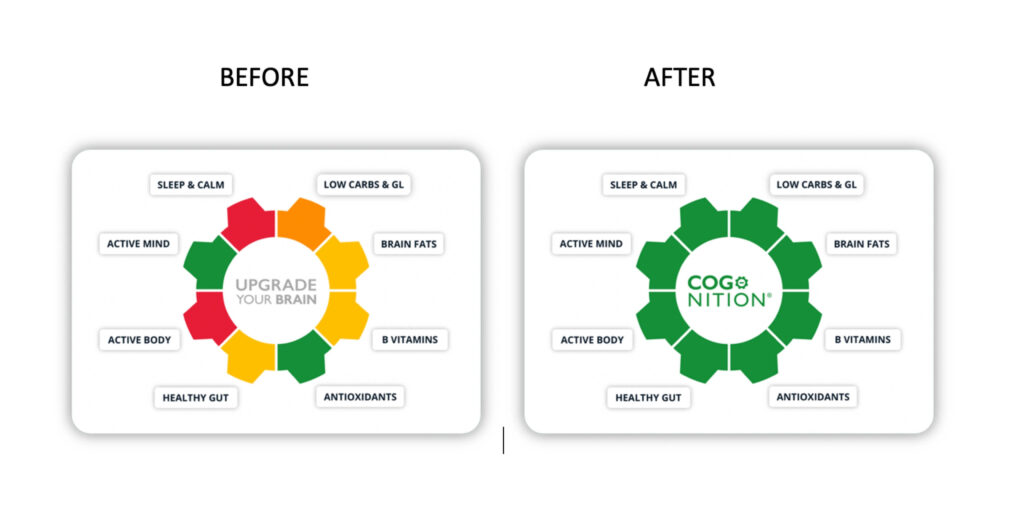
The same principle applies to lifestyle strategies. Physical activity, cognitive stimulation, and stress reduction are all protective, but their impact is blunted when inflammatory and metabolic pressures remain unaddressed. That is why in COGNITION we target all 8 modifiable nutrition and lifestyle factors, so that you are not just targeting a specific nutrient but you are changing the environment.
cognition 8 domain cogs before and after

Microbes, inflammation, and brain vulnerability

Human studies consistently show that individuals with cognitive impairment or Alzheimer’s disease have altered gut microbiome profiles alongside higher levels of systemic inflammatory markers [5].

This does not demonstrate that microbes cause dementia. What it does show is that microbial imbalance contributes to inflammatory load, which in turn increases brain vulnerability.

Over time, this vulnerability can translate into accelerated cognitive decline.

For this reason, the COGNITION brain upgrade programme actively addresses gut health as one of eight modifiable factors that influence dementia risk. Gut microbes actively shape the internal environment in ways that can either accelerate neurodegeneration or help slow it.

The metabolic bridge between gut and brain

The gut also plays a critical role in metabolic regulation.

Chronic gut driven inflammation worsens insulin resistance, reducing glucose uptake by brain cells. Impaired brain glucose metabolism is a recognised feature of cognitive decline and has led some researchers to describe Alzheimer’s disease as a form of brain specific metabolic failure [6,7].

In this model, the gut is not peripheral. It contributes upstream to the metabolic conditions that determine whether the brain can access adequate fuel to function and repair.

Again, the implication is not that gut health alone determines brain fate. It is that brain health strategies are less effective when the metabolic and inflammatory terrain is unfavourable.

Why Brain Health Advice Works for Some People and Not Others

A terrain based perspective offers something often missing from prevention conversations.

Understanding.

When people follow advice carefully and still do not improve, clinicians too often frame the explanation as lack of compliance or genetics. Systems thinking offers a different interpretation.

The tools may be appropriate but the environment may not yet support repair.

This reframes prevention as a personalised process rather than a universal checklist. Understanding an individual’s internal terrain helps identify where effort should go.

This is why Food for the Brain offers two complementary forms of assessment: the free, validated Cognitive Function Test and optional at home blood testing to assess key modifiable risk markers such as homocysteine, omega 3 status and glutathione.

The answer is not found in one nutrient

Viewing brain health through a terrain lens shifts prevention away from adding isolated solutions and toward restoring balance across systems.

The future of brain health does not lie in targeting one nutrient, one habit, or one molecule.

It lies in creating an internal environment where protection, repair, and resilience are possible.

Brains do not fail because one thing goes wrong. They decline when the terrain no longer supports them.

And that terrain forms quietly and cumulatively long before symptoms appear.

Next Steps

References:

  1. Cani PD, Amar J, Iglesias MA, Poggi M, Knauf C, Bastelica D, et al. Metabolic endotoxemia initiates obesity and insulin resistance. Diabetes. 2007;56(7):1761–72.
  2. Hotamisligil GS. Inflammation and metabolic disorders. Nature. 2006;444(7121):860–7.
  3. Smith AD, Smith SM, de Jager CA, Whitbread P, Johnston C, Agacinski G, et al. Homocysteine-lowering by B vitamins slows the rate of accelerated brain atrophy in mild cognitive impairment. Proc Natl Acad Sci U S A. 2010;107(31):14187–92.
  4. Jernerén F, Elshorbagy AK, Oulhaj A, Smith SM, Refsum H, Smith AD. Brain atrophy in cognitively impaired elderly: the importance of long-chain omega-3 fatty acids and B vitamin status in a randomized controlled trial. Am J Clin Nutr. 2015;102(1):215–21.
  5. Vogt NM, Kerby RL, Dill-McFarland KA, Harding SJ, Merluzzi AP, Johnson SC, et al. Gut microbiome alterations in Alzheimer’s disease. Sci Rep. 2017;7(1):13537.
  6. de la Monte SM, Wands JR. Alzheimer’s disease is type 3 diabetes–evidence reviewed. J Diabetes Sci Technol. 2008;2(6):1101–13.
Further info

Understanding the Oral-Gut-Brain Axis and Implications for Brain Health

The mouth is a hub of activity, housing around 50–100 billion bacteria from 200 different bacterial species. The role of these resident bacteria in the mouth, also known as the oral microbiome, is an emerging area of research. Alterations in the oral microbiome may occur as a result of factors including consuming high amounts of sugar, smoking tobacco and experiencing chronic stress. Drinking large amounts of alcohol can also negatively impact the oral microbiome. Disruptions to the oral microbiome can lead to gut dysbiosis, which has been associated with increased permeability of the Blood Brain Barrier (BBB). 

Findings to date suggest that the oral microbiome, via interactions with the gut and brain (a network called the oral-gut-brain axis), may be a key consideration for brain health, and multiple associated conditions. This post will focus on three key areas where there is present research: autism, Down’s syndrome, and Alzheimer’s disease. 

Autism

Individuals with autism have been indicated to have alterations in their oral microbiome, as well as gut dysbiosis and related disruptions to the gut-brain axis. A study investigating the oral microbiome indicated that children with autism have a higher incidence of gastrointestinal disturbance and food allergies. Moreover, children with autism were observed to have a disruption to the ratio of Firmicutes: Bacteroidetes bacteria, in favour of Firmicutes. Balance of the Firmicutes: Bacteroidetes ratio is key for integrity of the gut, and disruptions to this ratio are indicative of gut dysbiosis.  

Moreover, two specific groups of bacteria, Brucella and Enterococcus faecalis were observed to be elevated in autistic children, whilst Flavobacterium sp. levels were demonstrated to be decreased. Research has suggested that individuals with autism have a higher risk of developing Alzheimer’s disease earlier in life. One potential mechanism for this could be due to alterations to the Firmicutes: Bacterodetes ratio.

Down’s Syndrome

Individuals with Down’s syndrome have been demonstrated to be more susceptible to periodontitis, or gum disease. One potential explanation for these findings could be due to alterations in oral microbiome composition. One study observed that individuals with Down’s syndrome have higher levels of Streptococcus mutans in their saliva. A further study observed increased levels of the pathogenic bacterial strains Aggregatibacter actinomycetemcomitans and Porphyromonas gingivalis.  Individuals with Down’s syndrome have an increased risk of developing Alzheimer’s disease later in life, with 50% of individuals >60 years of age meeting diagnostic criteria for dementia. One hypothesised mechanism for this is because of altered expression of inflammation and immune system modulating genes in periodontitis.

Alzheimer’s Disease

Individuals with Alzheimer’s disease have been observed to have higher levels of the oral bacteria, Treponema, in the brain. Moreover, disruptions to the oral-gut-brain axis has been associated with increased accumulation of beta amyloid and Tau, two key markers of Alzheimer’s disease.

Supporting the Oral-Gut-Brain Axis 

Supporting the oral-gut-brain axis is an area of research that is undeveloped, however, it seems logical that many of the measures employed for supporting gut and brain health would also be salient. 

Increase Fibre & Polyphenols

Consuming a wide array of colourful vegetables, fruits, herbs and spices is a great way of increasing prebiotic fibres, which help to support gut health via increasing production of SCFAs (short chain fatty acids), and polyphenols, plant compounds that have antioxidant properties and have been demonstrated to support the oral-gut-brain axis

Increase Omega-3 Fats

Omega-3 fats exert anti-inflammatory effects in the body, whilst increasing microbiome diversity via balancing the Firmicutes: Bacteroidetes ratio, which is essential for gut health and gut barrier integrity. Additionally, increased levels of omega-3 have been associated with reduced incidence of periodontitis. Ways to increase omega-3 include increasing consumption of oily fish such as salmon, mackerel and sardines, and also flaxseeds, walnuts and algae. 

Increase Fermented, Probiotic Foods

Probiotics have been associated with improved oral health due to decreased presence of pathogenic bacteria in the mouth. Examples of probiotic foods include fermented foods such as kimchi, kombucha, kefir, sauerkraut and sourdough bread.

Further info

How our Gut Health and Mood are Connected

Mental health conditions are on the rise and the statistics speak for themselves: a record 70 million antidepressant prescriptions were handed out in 2018, and an estimated 10 million people will be in need of mental health support in the next five years. Mood can of course be dependent on external factors, but internal factors such as fluctuations in hormones, neurotransmitters and nutrient availability can also exert considerable influence. In light of this, treating the mind and body separately does not make sense. 

Our Second Brain

Far from being distant organs, the gut and brain communicate through a complex network of neural, hormonal and immune pathways and messengers, called the “gut-brain axis”. The integrity of our digestive system directly impacts the information our brain receives, and the quality of the building blocks of the brain tissue itself.  

Poor mental health may be a symptom of imbalances in the gut-brain axis. More  than 100 million nerve cells line our gastrointestinal tract, working independently of our brains. We know that the gut-brain axis is a strong communication mechanism because anxiety and mood changes are correlated with irritable bowel syndrome and functional bowel problems such as constipation, diarrhea, bloating, pain and stomach upset.

Our mood can also be impacted by poor vagal tone. The vagus nerve connects our digestive system to our brain and is the major nerve in our ‘rest and digest’ nervous system. With busy and stressful lifestyles regularly triggering our ‘fight or flight’ response, this vagus nerve may not be functioning well, which can contribute to depression and indigestion. 

Mood and Immunity

The nervous and immune systems work together, with the brain housing specialised immune cells called microglia to help fight infections and clear away damaged cells. When stress is excessive, or when the immune system sends persistent distress signals, the inflammatory response triggered by the immune system has been linked with depression.  

Much of the immune system is housed in our gut, making sense when much of our environmental risk exposure enters the body through our food. Our gut, therefore, needs to be in good shape for our immune system to be working well.  

Maintaining Balance

Our blood sugar levels also impact our mood. Our brain is an energy hungry organ, using 25% of our total energy stores and preferring glucose to carbohydrates to keep it going. If our blood glucose levels are unstable, say from a high carbohydrate diet, this can be stressful for the brain to cope with and can cause mood swings or feeling ‘hangry’.   

Blood sugar swings can also make us feel fatigued and have a detrimental impact on an important protein, BDNF (brain-derived neurotrophic factor) essential for the survival and growth of brain cells. BDNF helps our brain cells communicate and promotes the calming neurotransmitter GABA, levels of which may be low in anxiety sufferers. It also supports how our body makes energy,  and therefore if levels of BDNF are low, we are more likely to feel fatigued, listless and at risk of experiencing mental ill health. 

Top Tip

Keeping our gut healthy with a Mediterranean style diet, abundant in fibre-rich fruit and vegetables, oily Omega-3 rich fish, and wholegrains enriched with B-vitamins, translates into increased brain health, in turn improving our mood and mental health. 

With thanks to Julie Pichler at Vagus Wellbeing for this article. Julie is a registered Nutritional Therapist and delivers our Workplace Wellbeing programme, offering educational and empowering webinars. Julie’s specialism is the gut-brain connection and how food impacts our mood and brain health.

Find out more about our webinars here and how they can support your employees’ mental wellbeing.

Further info

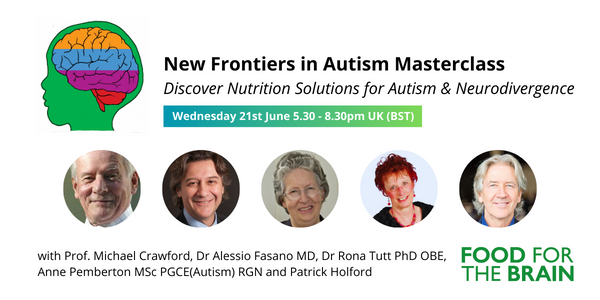
Autism and the Gut Microbiome

Estimated reading time: 5 mins

The Gut Brain Axis

The gut microbiome, defined as the bacteria that colonises our digestive tract, seems to be a buzz word at the moment within the health industry, as a growing body of research is showing just how important quantity and quality of protective gut bacteria are for our health. But the most interesting recent discoveries concerning gut bacteria are how they interact with our brain, in a system that has been labelled the gut-brain axis. This axis represents a two-way relationship between the gut and the brain, whereby our bacteria help communicate messages to our brain and neurochemicals communicate from our brain to our gut. Not only have researchers found that gut bacteria are important for gut motility and nutrient absorption, but they are also finding that these 100 trillion microorganisms, that represent around 1000 different species, can actually modulate brain development and activity, as well as playing a role in conditions such as autism.

Autism and IBS

In the UK, there are over 700,000 people who are on the autism spectrum, which is a lifelong condition that can greatly impact the lives of those living with autism and their relatives. Research has continuously shown that those on the spectrum commonly have comorbidities related to digestive function, such as IBS. In a study of 255 (184 males/71 females) children with autism between two and 3.5 years of age and 129 (75 males/54 females) typically developing children in the same age group, it was found that preschool-aged children with autism were 2.7 times more likely to experience GI symptoms than their typically developing peers. Almost 50% of children with autism reported frequent GI symptoms — compared to 18% of children with typical development. It is not yet understood why this is the case, however the research on how our gut microbiome can influence brain activity is providing the grounds for new therapeutic measures for conditions like autism. 

The role of short chain fatty acids

The composition of our gut bacteria and its diversity is often dependent on the food that we eat. Insoluble fibre such as cellulose, xylans and inulin found in foods such as vegetables and whole grains, provide fuel for our gut bacteria to flourish and ferment to create short-chain fatty acids (SCFAs). These fatty acids, produced by protective bacteria, can reduce the production of proinflammatory molecules called cytokines and can enhance anti-inflammatory processes. SCFAs produced by certain strains of bacteria have also been found to be capable of producing neurotransmitters such as GABA, which is an inhibitory neurotransmitter that helps to regulate anxiety. Bacteria can also produce a set of neurotransmitters called monoamines such as dopamine, which helps control the brain’s reward and pleasure centres, serotonin, our mood stabilizer, and noradrenaline, a neurotransmitter that’s involved in our fight or flight stress response. The vagus nerve, which travels from the intestine to the brain, enables neurochemicals produced by the gut bacteria to be signalled to the brain.

SCFAs produced by pathogenic bacteria, such as the Clostridial species, have on the other hand, been shown to be elevated in those with autism. Disrupted gut bacteria has been frequently associated to autism in studies showing unfavourable amounts of pathogenic bacteria in stool samples and in biopsies of children on the autism spectrum. A variety of drivers such as early weaning from breast milk to infant formula, which was related to increased fecal concentrations of SCFAs produced by pathogenic bacteria, and genetic alterations that can negatively impact how food is digested, have been shown to play a role in symptoms associated to autism. 

Stress and the gut

Research has also shown how psychosocial stress can negatively impact our gut, by altering the composition of gut bacteria and thereby increasing inflammation. This is further evidence for the two-way relationship that exists between the brain and the gut, whereby externally-perceived stress can have a direct influence on the health of our digestive tract. A study measuring lactic acid bacteria (protective bacteria) in college students undergoing the stress of final examinations, found a significant decrease in this type of bacteria after the examination. In addition, studies observing the behaviour of bacteria-free mice, showed a wide range of deficits in brain and gut biochemistry, social behaviour and stress responses compared to mice inoculated with gut bacteria, again giving strong evidence for the role of gut bacteria in modulating brain activity. 

In children with autism, the presence of dysfunction in the gastrointestinal tract is commonly associated with aggressive behaviour, tantrums, anxiety, irritability and sleep disturbances. Research on probiotics (supplements containing protective bacteria) and their beneficial effect on gastrointestinal conditions such as irritable bowel syndrome and diarrhea, is well-established. Considering this, it is not surprising that the use of probiotics as an integrative therapeutic approach to autism, is now being extensively investigated. Although the exact mechanism of how probiotics can modulate behaviour and mood in those with autism is not yet fully understood, researchers have posited that this may be due to how protective bacteria target circulating neurotransmitters and neuroimmune responses within the gut-brain axis. Probiotics have been found to reduce certain metabolites that have been associated to autism and gastrointestinal symptoms that are strongly correlated with the disorder. 

Moving towards a personalised approach

Achieving optimal nutrient intake is additionally more difficult for those with autism. This is due to a higher rate of food allergies and/or intolerances to certain foods such as dairy, nuts and wheat, as well as a tendency to towards picky eating and food selectivity. There is no one-size-fits-all diet that is right for everyone, each person is biochemically unique, with a variety of genetic, environmental and lifestyle factors that can influence health, which is why it is important to work with a trained professional. However, there are certain key dietary factors that have shown to be beneficial for those on the autism spectrum, which you can begin integrating into your child’s or your everyday life now. If you’d like to see these steps, click here to go through to our Nutrition Solutions page on Autism. 

The British Association of Applied Nutritional Therapists (BANT) has a register for qualified Nutritional Therapists in Britain. The Brain Bio Centre, our not for profit clinic, offers face to face in London and Skype appointments to enable consultations from across the UK and overseas.

Sign up to our mailing list

Receive educational articles and latest information on events, campaigns and research

Further info

Link between Chronic Gum Disease & Alzheimer’s

Estimated reading time: 7 mins

Periodontitis is another word for gum disease, caused by a specific bacteria called Porphyromonas gingivalis, that leads to infection of the tissue holding the teeth in place, and as a consequence, symptoms such as bleeding gums and loose teeth. 

The association between chronic gum disease and cognitive impairment has long been established, with several studies showing a strong correlation between periodontitis and Alzheimer’s disease.  In 2009, a cross sectional observational study on participants of 60 years and over, tested 2355 people for IgG antibodies to P. gingivalis. Those who had the highest levels of IgG antibodies, were more likely to have poor delayed verbal recall and impaired subtraction, compared to those with the lowest. This is significant, as we know that the presence of IgG antibodies demonstrates that the body has created an inflammatory response to the bacterium, which is strongly associated with the pathogenesis of Alzheimer’s disease. 

We already know that patients with Alzheimer’s disease exhibit neuroinflammation that is akin to a reaction to an infectious agent, like bacteria, leading to the activation of the brain’s immune cells called the microglia, as well as a cascade of cytokine production – another hallmark of inflammation. For this reason, infectious agents have been robustly studied as a key contributing factor to the development of Alzheimer’s. However, a direct causal role is yet to be established. 

“People who have suffered from gum disease for 10 years or longer are 70% more likely to develop Alzheimer’s disease…”

Despite the lack of evidence for a causative role, associations between cognitive decline and bacterial infection have continued to be established. In another more recent study, published in Alzheimer’s Research & Therapy in August 2017, where more than 25,000 people aged 50 or older participated, researchers found that people who have suffered from gum disease for 10 years or longer are 70% more likely to develop Alzheimer’s disease. This study also highlighted that in those with chronic gum disease, there was a higher prevalence of depression, traumatic brain injury and hyperlipidaemia, which may all be contributors in the development of dementia. This research suggests that there may be various factors at play, rather than just gum disease on its own.

Gingipains destroy brain cells

The bacteria responsible for the infection is not only found in those with gum disease, but has also been found at low levels in 25% of healthy individuals with no presence of oral disease. However, what more recent studies are showing is that it is the proteins called gingipains, that are released by the bacteria that are responsible for damage to nerve cells in the brain, rather than just the bacteria on its own. During experiments carried out in mice that were infected orally by P.gingivalis, scientists discovered that they later demonstrated signs of brain deterioration and infection, which are concurrent with humans showing symptoms of early-stage dementia. 

In this same study, carried out by researchers from a variety of universities, brain tissue samples from approximately 100 people with and without Alzheimer’s were analysed and tested for two different types of gingipain proteins. They also tested for the presence of gingipain DNA in both the cerebrospinal fluid and the saliva of people that had been diagnosed with Alzheimer’s. What they found was that the level of gingipains in brain tissue of those with Alzheimer’s was between 91% and 96% (for the two different proteins), in comparison to 39% and 52% in those without Alzheimer’s. Furthermore, they found gingipain DNA in 7 out of 10 cerebrospinal fluid samples in those with Alzheimer’s and 10 out of 10 for the saliva samples. 

P.gingivalis has, in addition, been shown to be extremely virulent – unlike other bacteria, studies demonstrate that broad-spectrum antibiotics rarely eradicate it and may lead to resistance to it. In addition, P.gingivalis depends on the secretion of gingipains to maintain its survival. They do this by supporting the bacteria’s colonization and the inactivation of the host’s immune defences. Whilst drugs have been developed to block the neuroinflammatory action of gingipains, trials have yet to be completed on humans to assess the efficacy of them. 

“We are working on the theory that when the brain is repeatedly exposed to bacteria and/or their debris from our gums, subsequent immune responses may lead to nerve cell death and possibly memory loss.”

Researchers from the University of Central Lancashire in the UK, report that bacteria like P.gingivalis can enter from oral cavities into the bloodstream through a variety of daily activities, such as eating, brushing teeth and chewing. However, they mention in a study published in the Journal of Alzheimer’s Disease, that the bacteria is more likely to enter the circulatory system after invasive dental treatment, which then goes on to trigger inflammation. Dr. Sim K. Singhrao, Senior Research Fellow at UCLan said: “we are working on the theory that when the brain is repeatedly exposed to bacteria and/or their debris from our gums, subsequent immune responses may lead to nerve cell death and possibly memory loss.” 

Whilst we know that having dementia can lead to difficulties maintaining daily habits like brushing teeth properly, the findings of many studies suggest that gum infections precede the diagnosis of dementia. This means that, like other modifiable risk factors such as diet, smoking, obesity and diabetes, there are things that we can do to help reduce the chance of developing Alzheimer’s disease.

How to prevent periodontal disease

Besides from the obvious dental hygiene habits like brushing teeth and the tongue after every meal to remove food and plaque, flossing and using an antibacterial mouthwash, there are also dietary measures that can be put in place to offer extra support.

For example, research shows that there is a strong association between type 2 diabetes and periodontal disease. This may be due to the fact that increased levels of glucose in the blood, due to insulin resistance, can favour the growth of certain species of bacteria such as P.gingivalis. In addition, diabetes can lead to a malfunctioning of the immune system, which leads to a decrease in antibody function and therefore more opportunity for bacterial infection. 

On that basis, it is therefore essential to avoid sugar, in all its forms, including the seemingly ‘natural’ alternatives to regular cane sugar, as well as focusing on a diet that helps to stabilise blood sugar levels.

Here are some practical dietary steps to help protect your teeth and gums from periodontal disease:

  1. Avoid sugar and any products with added sugar in them. Beware of the different names for sugar –  just because a product doesn’t contain sugar in the ingredient list, does not mean it hasn’t had an added sweetener to it. Here are some examples of sugar substitutes to be aware of and avoid:

Dextrose, Fructose, Galactose, Glucose, Lactose, Maltose, Sucrose, Beet sugar, Cane juice crystals, Coconut sugar, Corn syrup solids, Crystalline fructose, Date sugar, Dextrin, Diastatic malt, Ethyl maltol, Florida crystals, Glucose syrup solids, Grape concentrate, Maltodextrin, Agave Nectar/Syrup, Barley malt, Blackstrap molasses, Brown rice syrup, Buttered sugar/buttercream, Caramel, Carob syrup, Corn syrup, Evaporated cane juice, Fruit juice, Fruit juice concentrate, Golden syrup, High-Fructose Corn Syrup (HFCS), Honey, Invert sugar, Malt syrup, Maple syrup, Molasses, Rice syrup, Refiner’s syrup, Sorghum syrup, Treacle. 

2. Avoid fruit juices and in particular shop-bought fruit juices, which often contain fruit concentrates. Whilst fruit is a natural form of sugar, fruit juices often contain the juice of the fruit without its pulp or fibre. This means that it is very quickly converted into glucose (sugar) in the body, which leads to blood sugar imbalances and eventually insulin resistance, if consumed too frequently. 

3. Eat a diet that mainly consists of foods in their natural form, paying attention to meals that prioritise protein such as in pulses, eggs, poultry, meat and fish, along with a wide variety of vegetables and healthy fats found in nuts and seeds, avocado and extra virgin olive oil. 

4. Switch refined carbohydrates for complex carbohydrates – these are foods that are naturally high in fibre such as whole grains like brown rice, wholemeal bread, quinoa and oats, as well as starchy vegetables like beetroot, sweet potatoes, carrots, pumpkin and butternut squash.

Sign up to our mailing list

Receive educational articles and latest information on events, campaigns and research

Further info

The impact of food intolerances on mental health

Estimated reading time: 5mins

The Gut-Brain Axis

The ‘Brain-Gut Axis’ is a term used to describe the two-way communication system between our digestive tract and the brain.  A growing body of research into this axis demonstrates how much influence the gut can have over the brain and vice versa.  When we speak about reactions to foods, we most commonly understand them as immediate and often dangerous allergic responses, such as the constriction of the throat and trouble breathing, or dizziness and fainting.  It is usually easy to pinpoint the food that causes these reactions because of the immediate immune system response, caused by a type of immune cell known as IgE antibody.  In contrast to this, food intolerances are mediated by IgG antibodies and these reactions can take up to 48 hours to have an effect.  Symptoms related to IgG reactions can often be manifested as chronic issues like joint ache, IBS and depression or anxiety, which are often overlooked and not associated with what we eat.

How Bacteria Influence Communication Between the Gut and the Brain

Communication between the gut and the brain is controlled via our immune system, our endocrine system (hormones) and our central nervous system, which are all under the influence of the bacteria in our gut.  The types and amount of these bacteria, known as our gut microbiome, can be directly impacted by factors such as diet, stress, pollution and medications and the composition of the microbiome is also understood to affect one’s susceptibility to food sensitivities and intolerances.

Leaky Gut = Leaky Brain

To understand further about how food intolerances can impact our mental health, it is important to explain the relationship between our gut microbiome, the immune system and our brain in a little more detail.  The walls of our digestive tract provide a barrier between what we eat and the rest of our body and an unhealthy gut microbiome can lead to increased levels of inflammation, leaving the walls vulnerable to structural damage. Our intestinal wall is composed of cell junctions that prevent bacteria and large food molecules from entering the bloodstream, however, if these become damaged, proteins from foods that should not be circulating in our bloodstream can enter and an immune response is mounted as a reaction. This response is mediated by IgG, an antibody, that helps to protect against bacterial and viral infections as well as food antigens and is the most abundant immune cell in the body. Whilst food antigens are usually quickly cleared by an intelligent system called the reticuloendothelial system, with structural damage and a poor gut microbiome, this immune response can keep reoccurring. It is suggested that a chronic immune response such as this can have a negative impact on the brain, damaging its own structural barrier, called the Blood Brain Barrier

The Brain’s High Fortress – The Blood Brain Barrier

The Blood Brain Barrier (BBB) is similar in structure to the intestinal barrier and is usually highly selective, allowing certain required metabolic products, such as short chain fatty acids and amino acids to pass into the brain from our wider circulation but protecting the brain from potentially damaging components. When the BBB is compromised, unwanted translocation may occur such as allowing a bacterial invasion, which can alter the function of immune cells that are responsible for regulating inflammation. Chronic inflammation is associated with many mental and physical health problems, so it is therefore suggested that poor gut health can have a direct correlation to poor mental wellbeing. This is as a result of a compromised intestinal barrier and the negative impact this has on our brain’s own structural barrier (BBB), resulting in inflammation.

The Link Between Inflammation and Depression

Large scale studies have shown the association between chronic low-grade inflammation and depression. For example, in a study that examined data from 14,275 people who were interviewed between 2007 and 2012, they found that people who had depression had 46% higher levels of C-reactive protein (CRP), a marker of inflammatory disease, in their blood samples. Studies like these are paving the way towards a new understanding of the pathology of mental health conditions and how diet and stress can alter bodily systems, such as digestive function and consequently impact mental wellbeing. 

Measuring IgG antibodies in food intolerance tests has been implicated as a popular strategy to tackle symptoms related to sensitivities such as IBS, joint pain, fatigue, migraines, anxiety and depression. A recent survey on 708 people commissioned by Allergy UK, demonstrated how 81% of those with elevated IgG levels, as well as psychological symptoms, reported an improvement in their condition after following a food-specific IgG elimination diet. Taking this all into account, health professionals and those with poor mental health may want to consider the potential role of food intolerances in mental well-being and in managing common mood-related disorders, such as depression and anxiety.

How to Heal a Leaky Gut

Foods that are rich in collagen and its amino acids, like glycine and proline, are great for healing connective tissue, which is what the intestines are made up of. A traditional food, rich in these amino acids, that has made its way into our kitchens again after rediscovering its therapeutic properties is bone broth. Another example of a group of traditional foods that can be used therapeutically in building digestive health, are fermented foods such as kefir, sauerkraut and kimchi. These are abundant in probiotics, which are the ‘good’ bacteria our digestive system needs to help keep a good balance and protect the intestinal barrier from pathogens, toxins and parasites. Once these foods have been introduced on an everyday basis along with eating a healthy nutrient-dense diet and the possible use of supplements to help restore balance, it may be possible to reintroduce foods that were previously triggering an IgG response carefully, one at a time, whilst monitoring symptoms.

Sign up to our mailing list

Receive educational articles and latest information on events, campaigns and research

Further info