Stress & Regulation Archives - Food for the Brain

because prevention is better than cure.

because prevention is better than cure.

Mini Cart 0

Your cart is empty.

Mini Cart 0

Your cart is empty.

Dry January for Your Brain: A Lighter, Clearer Start to the Year

Dry January for Your Brain: A Lighter, Clearer Start to the Year

Dry January

Dry January arrives with its usual mix of good intentions and side-eye, but beneath the trend is a surprising truth: your brain loves this month more than you think.

That’s because January quietly offers something modern brains rarely get the rest of the year: a drop in oxidative stress and a chance for your natural repair systems to catch up.  It’s a pause that lowers the background “noise” created by alcohol and allows your natural calming chemistry to rise back to the surface.

Many people start Dry January thinking about their liver or their waistline. But the strongest benefits often happen behind the scenes, in the place that governs mood, memory, sleep, and stress resilience.

That’s where the real benefits begin to show.

Dry January for Your Brain: Why the Benefits Show Up So Fast

Alcohol works on the same calming pathway your brain uses to wind down naturally. It boosts GABA, the neurotransmitter that quietens the nervous system. That lovely “first sip exhale” comes from this temporary GABA boost. You can learn more about GABA here

But your brain is clever. To compensate, it gradually nudges up adrenaline and turns the GABA dial down. This is why the glass that once relaxed you, can start to make you feel restless or wakeful later in the night.

And there’s more happening beneath the surface:

  • Alcohol increases oxidative stress inside neurons, largely because its metabolism produces acetaldehyde. This compound generates reactive oxygen species and increases neuronal damage (1).
  • It also places extra pressure on glutathione, the molecule the brain relies on for detoxification and repair. Chronic alcohol exposure is associated with reduced glutathione levels and impaired antioxidant capacity in the brain (2).
  • The hippocampus is particularly affected. This memory and mood hub is vulnerable to long term strain, and higher alcohol intake is linked to reduced hippocampal volume even at moderate levels (3).
  • Alcohol also disrupts sleep quality, especially REM cycles, which are crucial for cognitive repair. While alcohol initially sedates, it later fragments sleep architecture through a rebound in adrenaline and cortisol.

Read more about how alcohol impacts your brain here.

These are some of the core drivers of long term cognitive ageing. When they ease up, even for a short period, the brain begins to function more cleanly and calmly.

For this reason, so many people report that a couple of no or low alcohol weeks in January give them clearer thinking, steadier mood, and deeper sleep.

Two Brain Friendly Drinks for Your January Wind Down

With that in mind, here are two great recipe options to help you reduce your alcohol intake while still enjoying a wind down ritual. If you want more brain friendly recipes this year, make sure you subscribe to the Upgrade Your Brain Cook App.

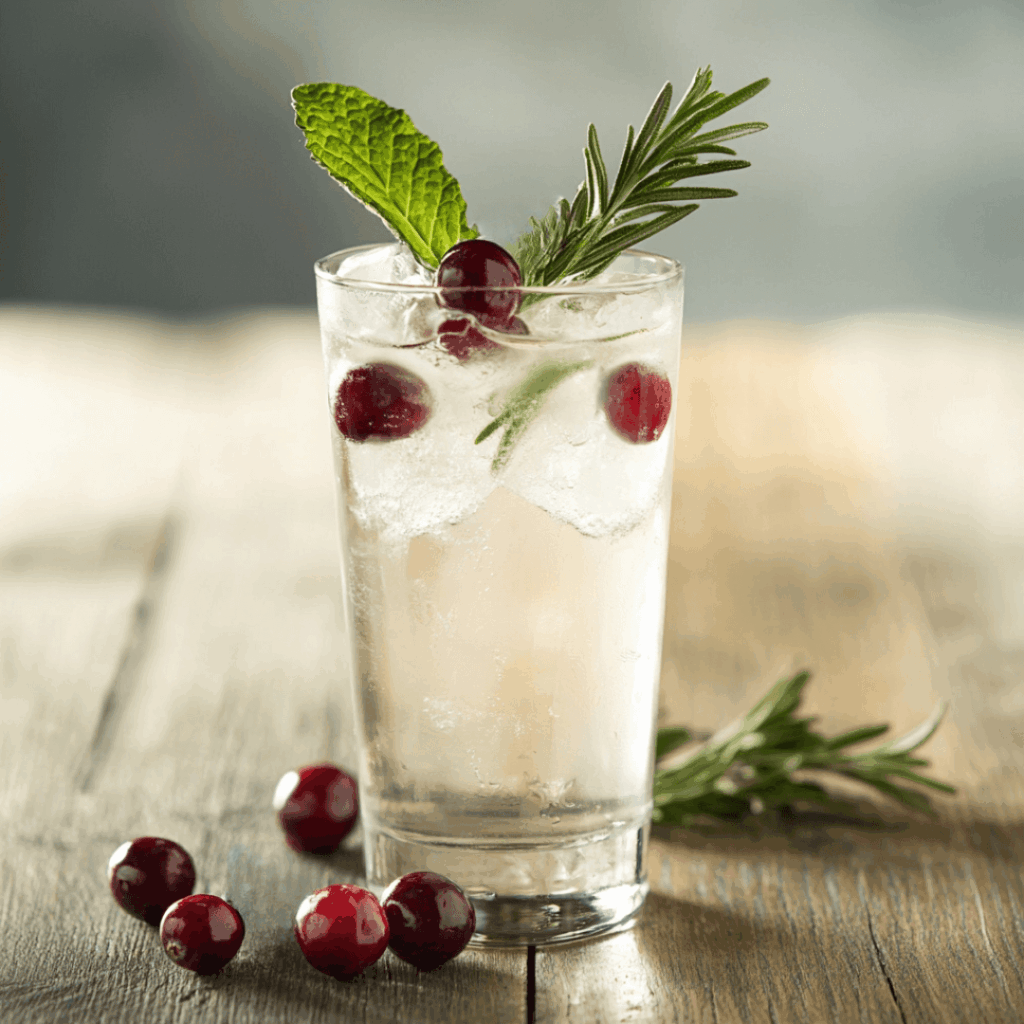
The Classic Gin Rickey

Zero alcohol, zero sugar, 100 percent January friendly

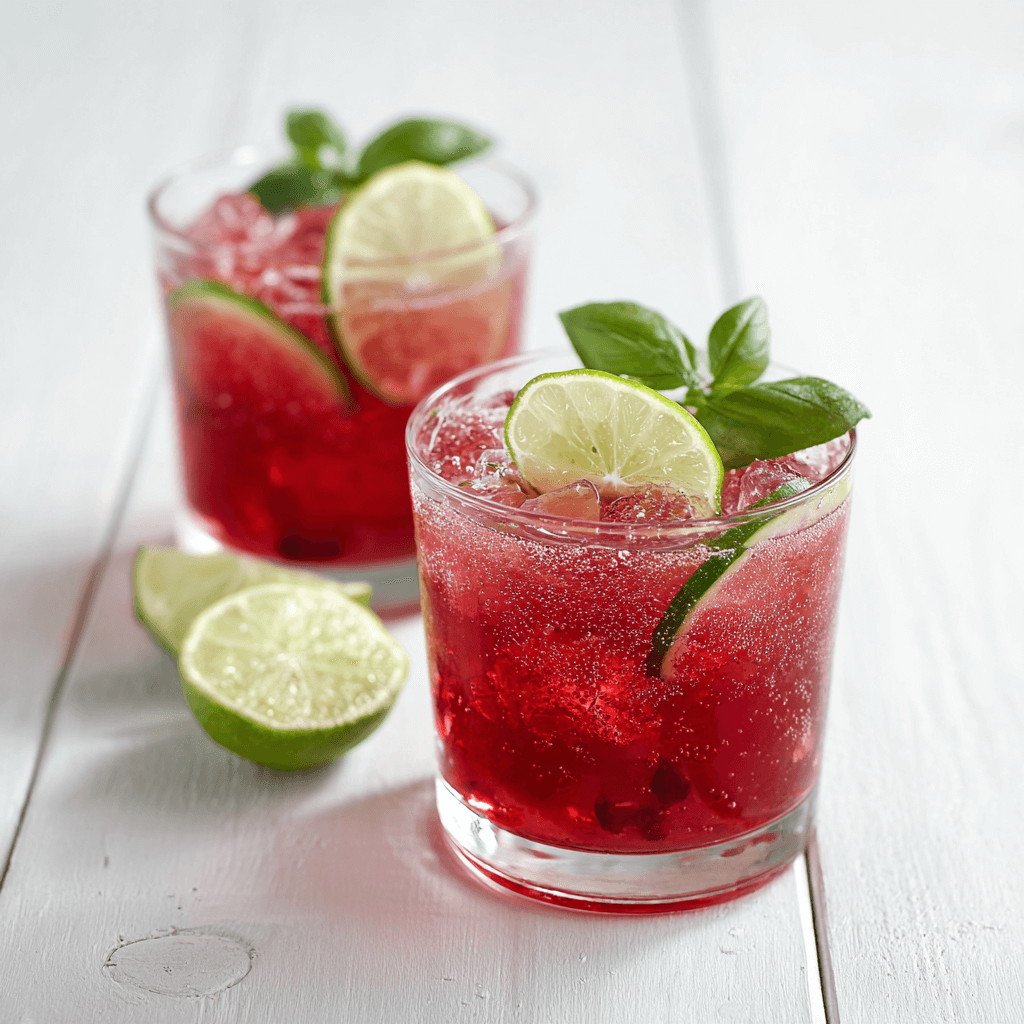
Pomegranate–Basil Spritz

Bright, Uplifting and Polyphenol-Rich

Serves: 1
Prep time: 2 minutes
GL per portion: 0 to 1 (negligible, no added sugar)

Ingredients
• 1 measure of alcohol free gin
• Soda water
• Ice
• 6 frozen cranberries
• Mint and or a sprig of rosemary
• Juice of half a lime, plus a slice for garnish
• Optional: a few drops of orange bitters

Instructions
1. Fill a tall glass with ice and scatter in the frozen cranberries.
2. Add the alcohol free gin.
3. Top with soda water.
4. Add the lime juice, a lime slice, and fresh herbs.
5. Swirl gently and enjoy.

It takes 60 seconds to make and tastes like a fresh start.

Serves: 2
Prep time: 5 minutes
GL per portion: 6

Ingredients
• 125 ml pomegranate juice (100 percent, unsweetened)
• 250 ml sparkling water
• Juice of half a lime
• 4 fresh basil leaves
• 2 cucumber ribbons
• Ice

Instructions
1. Add the basil and lime juice to a jug and gently muddle to release the oils.
2. Pour in the pomegranate juice and sparkling water.
3. Stir, add the cucumber ribbons, and serve over ice.

Nutritional highlights
• A natural source of vitamin C, polyphenols, and plant nitrates to support circulation.
• Offers a gentle lift through dopamine supporting compounds found in pomegranate and fresh herbs.

Cook’s notes
Diluting the juice keeps sugars moderate without losing impact. Mint works beautifully in place of basil if you prefer a cooler, sharper flavour.

Want to go deeper?

If you want deeper support for your brain this year, there are three simple steps you can take.

  • First, measure the things that matter. The DRIfT 5 in 1 at home blood test gives you a clear picture of the nutritional and metabolic factors that influence long term brain health. It is one of the most effective ways to understand your personal risk and what to do next.
  • Third, take the free Cognitive Function Test. It provides an objective snapshot of how your brain is performing right now and helps you track your progress over time.

References:

  1. Zakhari S. Overview: how is alcohol metabolized by the body? Alcohol Res Health. 2006;29(4):245-54. PMID: 17718403.
  2. Das SK, Vasudevan DM. Alcohol-induced oxidative stress. Life Sci. 2007;81(3):177-87. PMID: 17570440.
Further info

How To Break Free From Food Addiction

How To Break Free From Food Addiction

woman eating cake

Do you ever promise yourself you’ll stop eating sugar or junk food – only to find yourself back at the biscuit tin a few hours later? You’re not alone. Food addiction is real. In fact, it can be as powerful and pervasive as alcohol addiction.

The first step is awareness. According to clinical psychologist Dr Jen Unwin, there are six warning signs. If you recognise yourself in two or more, it may be time to take this seriously.

Read on to see if any apply to you.

Six Signs You May Be Addicted to Food

1. Certain foods feel impossible to resist

 “You’re craving a certain food so badly that you feel compelled to eat it, even when you know you shouldn’t,” Dr Unwin explains. At the height of her own addiction, she would secretly make a bowl of cake mixture – just butter, sugar and flour -and eat the entire thing raw. “It sounds ridiculous now, but I had such intense cravings for sweet, soft, sugary foods,” she explains.

2. You always need more

Like alcohol tolerance, food addiction builds over time. “One slice of cake may have been enough in the beginning, but soon you need two, three – or half the cake – to get the same dopamine hit,” says Dr Unwin. She recalls eating slice after slice at her daughter’s wedding, unable to stop until she felt sick.

3. Food takes priority over everything else

A common factor in addiction is that you begin to ignore what you once valued and prioritise food above socialising, hobbies, family time and even work. Often, Dr Unwin would leave the house and her family in secret to drive for 20 minutes to a cinema complex where she would order a large tub of Ben & Jerry’s Cookie Dough ice cream with chocolate sauce. She would then return to her car and eat the entire portion, feeling ashamed and elated at the same time, before returning home an hour later as if nothing had happened.

4. You lose control once you start

You might buy biscuits for your grandchildren, planning to have just one with your tea. Before you know it, the whole packet has disappeared.

5. Withdrawal symptoms kick in

If you try to cut down on sugary snacks and carbohydrates, do you experience withdrawal symptoms? “These include headaches, migraines, gastrointestinal symptoms, low mood, anxiety, fatigue and brain fog,” Dr Unwin says. “As people experience sugar withdrawal, they feel so bad that they just go back to eating it.” When Dr Unwin completely abstained from sugar, she experienced many of these symptoms for eight days. But after pushing through that difficult period, she began feeling better than ever.

6. You know it’s harming you – and carry on anyway

According to Dr Unwin, this is the defining sign: eating damaging foods despite knowing the consequences. She references a patient with Type 2 diabetes who kept bingeing on cake and sugar knowing how bad it is for their blood sugar. People in this situation often know the food is harmful, but they feel trapped in a cycle.

Why Processed Foods Hijack Your Brain

Breaking free from any addiction is not purely a matter of willpower. Addictive foods and drinks hijack your brain’s chemistry, making you crave them. This effect is purposely done so that you keep buying more.

Understanding how certain food ingredients and combinations work in the brain unlocks the secret to undoing food addiction. The most powerful trigger is the combination of fat and sugar – the two key components of most junk foods. Think cakes, biscuits, ice cream, chocolate bars and pastries. This pairing presses the brain’s dopamine “reward” switch, creating intense pleasure in the moment but diminishing feelings of satisfaction over time. Just like drugs, it fuels cravings and loss of control.
This hijacking of the dopamine-based reward system doesn’t just drive overeating – it also increases the risk of cognitive decline and brain shrinkage. Additionally, it disrupts glucose control and drives insulin resistance, a well-known promoter of cognitive decline.  (Read more –  ‘Is Sugar Killing Your Brain?)

Nutritional Tools That Reset Your Brain

In Patrick Holford’s book How to Quit without Feeling S**t  he recommends strategies that help restore balance to your brain chemistry:

  • Omega-3 fats – vital for healthy cell membranes and for receiving neurotransmitter messages.
  • B vitamins and methylationcheck homocysteine levels; if they are high, it may indicate poor methylation and raised risk of cognitive decline.
  • Tyrosine – dopamine is made from this amino acid. A supplement of 500mg twice daily can help support dopamine production.

Protein + slow carbs – pairing protein (such as nuts or Greek yogurt) with fruit like berries slows sugar release and provides fibre and nutrients.

If you feel like you are struggling to break free from food addiction, then join  Dr Jen Unwin’s live webinar on Wednesday, 24th September – find out more here.

 A clinical Psychologist’s Practical Tips on How to break free; 

  • Visualise how life will improve once you manage to quit your “drug foods”. These are typically ultra-processed and sugary foods with which you’re unlikely to have a healthy relationship.
  • Have an honest conversation with friends and family about the foods you struggle with, and ask for their support in resisting them..
  • Removing the “drug foods” from your home and diet is key. Replace them with natural, whole foods.
  • Give it time. Every day you resist, it gets easier. “Those foods are no longer in my thoughts at all,” says Dr Unwin.
  • If you take medication for diabetes or high blood pressure, consult your GPbefore reducing sugar and carbohydrates in your diet, as your dosage may need adjusting.
  • If you’re concerned about food addiction or would like to learn more, Dr Unwin recommends joining a Public Health Collaboration (PHC) support group in the UK, or Sweet Sobriety in the US. The PHC also runs a virtual lifestyle support group every Monday at 6pm, where you can learn more about overcoming food addiction and maintaining good metabolic health.

The Bigger Picture

Food addiction is more than a personal struggle and it impacts more people than you realise. It’s part of a wider public health crisis, fuelling obesity, diabetes and dementia – but no matter where you are at right now, change is possible!

Ways to get support:

Food or drink addiction? Discover how to beat cravings and food addiction in Dr Jen Unwin’s live webinar, 24 Sept.

Join the live webinar on food addiction with clinical psychologist Dr Jen Unwin on Wednesday, 24th September – find out more here.

International Food Addiction & Comorbidities Conference logo

ttend the International Food Addiction & Comorbidities Conference – IFACC 2025. Use discount code FFB to get 40% off:

  • Two-day in-person ticket: £150 (full price £250)
  • Two-day livestream ticket: £54 (full price £90)

Cognition Programme logo

Get ongoing support with the COGNITION™ programme. Receive monthly coaching when you become a. FRIEND of Food for the Brain.

Fork in a road logo

Read Dr Jen Unwin’s book, Fork in the Road a hopeful guide for identifying if you have a food addiction and learning what to do about it.

frontiers logo

Read this journal article in Frontiers in Psychiatry to support and join the movement to have food addiction classified as a real disease, thus enabling more research and support, and helping to make the dangers of ultra-processed foods more visible.

Further info

The Truth about Alcohol and Your Brain

Alcohol section in suppermarket with wine bottles

If coffee is the worker’s fuel for the fast and frenetic pace of modern life in the digital age, alcohol is the opiate of the masses. 

Most people use coffee or tea to wake up the brain and alcohol to switch off daily feelings of stress and anxiety. But what are these habits doing to brain health? How much is too much, or too little? Are there other ways to unwind after a hectic day that can benefit the brain?

Alcohol – The Friendly Neurotoxin?

Alcohol is a neurotoxin that impairs cognition. That is the simple fact we often forget. Once the liver’s capacity to detoxify is exceeded, it is precisely this neurotoxic effect that creates the ‘drunk’ feeling – starting with reduced inhibitions, the onset of memory loss, (which some may consider useful after a stressful day), and slurred speech. These effects are due to cognitive impairment, rather than relaxation – hence the warning: ‘not safe to drive’.

Stress Relief – at a Cost

The short-term upside of alcohol is its ability to suppress adrenal stress hormones – key accelerators of brain ageing, particularly when the stress switch is stuck in the ‘on’ position. That background hum of stress and anxiety, pending doom or checking for problems, is a hallmark of life in the 2020s, with hourly news cycles cranking up reasons for gloom and fear. In this context, a drink may feel like a welcome antidote, offering temporary relief by dampening stress.

Alcohol also boosts GABA, a calming neurotransmitter which temporarily switches off adrenaline. This is why one drink can feel like relief – but the effect fades quickly and excessive drinking leads to GABA receptor downregulation, increasing anxiety the next day and impairing sleep quality – especially during the deep and REM phases. These two phases are vital for full brain recovery. As a result, one wakes up less cognitively alert, less energised and more likely to feel anxious or to react stressfully.

Alcohol – like all toxic drugs – is what Oscar Ichazo called a ‘door of compensation:  temporary escape we reach for when psychic tension runs too high. While it offers short-term reprieve, it ultimately drains vital energy.
(Do you need more guidance and support to help you make healthier choices and habits? Then become a FRIEND of Food for the Brain today to get access to monthly group coaching and COGNITION ™ for 6 months. Find out more here)

More on GABA

GABA is made from two amino acids – taurine and glutamine – and is promoted by theanine. These three amino acids are often included in supplemental ‘chill’ formulas. There are also herbs, which in combination, help to promote GABA. This effect is harnessed in some non-alcoholic drinks like SENTIA drinks called ‘GABA spirits’. These are non-alcoholic yet potentially calming and de-stressing, offering a viable alternative to alcohol.  

However, alcohol is not just ‘alcohol’ and its appeal isn’t only due to GABA promotion. Red wine, for example, is rich in polyphenols, which have real benefits for the brain. However, unless it is organic, it often contains sulphites and other chemicals added. Additionally, some individuals – particularly those who drink often – can develop sensitivity to alcohol or to a component such as yeast, triggering further inflammation in both the gut and the brain.

How Much Alcohol is Too Much?

Alcohol is, of course, addictive –  and it can become so very quickly, even in small amounts. There are two ends to this spectrum. At the extreme, more than 10,000 people under the age of 35 die each year from alcohol poisoning – literally from a single binge. It can be compared to a heroin addict who quits and then relapses, taking the same dose they had previously built tolerance to. Tragically, this was the case for Amy Winehouse, who died after one evening of excess following a period of sobriety.

But what about the other end of the spectrum – modest drinking? And does the type of drink make a difference? Let’s look at the evidence. 

Since Alzheimer’s dementia, which accounts for two-thirds of dementia, is diagnosed through both brain shrinkage and cognitive decline, let’s look at the effects of alcohol at various doses on both brain shrinkage and cognitive decline, the most severe consequence being an increased risk of a dementia diagnosis later in life.

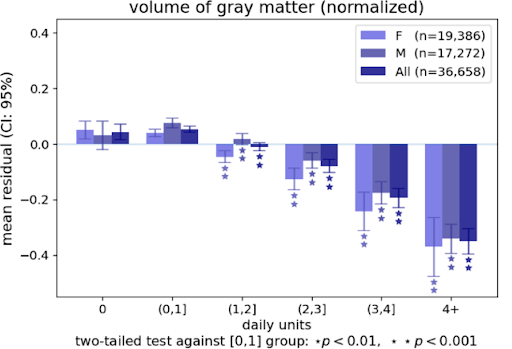
A study of 36,678 MRI scans from UK Biobank found that consuming more than one unit of alcohol per day is associated with steadily decreasing white and grey matter in the brain. (5)  A unit is a small glass of wine, half a pint of beer or a single shot of spirits. 


A comprehensive study in the British Medical Journal in 2018, which followed more than  9,000 people over 23 years, found that both abstinence and drinking more than 14 units of alcohol a week, which is equivalent to a medium glass of wine (2.3 units) every day,  increased risk by 40%. (6) This is illustrated in the graph below.

Volume of gray matter relation to alcohol consumption chart

You will notice that the brain shrinking effect is more pronounced in women than men, and those drinking 3 to 4 units, the equivalent of a large 250 ml of wine, show four times as much brain shrinkage as those drinking one small glass. Half a bottle a night, which is more than 4 units,  is associated with nearly eight times the loss of brain volume (7). That’s a high price to pay. 


Two other large studies last year showed something similar. A Chinese analysis of UK Biobank data involving 314,000 drinkers found that the more a person drank, the higher their risk. Once again, the effect was more pronounced in women than in men. or women, the lowest risk was observed  at around 8 units a week (roughly the equivalent of a bottle of wine), with risk actually lower than in those who drank less. Overall, the lowest risk was in those consuming 11.9 units a week, or about 1.7 units a day. (8)

Red Wine – Poison or Polyphenol Powerhouse?

On the positive side, research shows that a 125 ml glass of red wine a day may actually reduce dementia risk more than abstinence.. Another study reported that the lowest risk for dementia was among those consuming about 2 units a day – the equivalent of  a small to medium glass of wine. (9)

Red wine in particular may be beneficial because of its higher levels of polyphenols. Red wine, chocolate, and tea are all rich in a polyphenol called epicatechin. 

Jeremy Spencer, a scientific advisor to Food for the Brain and Professor of Nutritional Biochemistry and Medicine at the University of Reading, has shown that polyphenol-rich plants improve blood flow in specific regions of the brain that are associated with attention, decision-making, impulse control, and emotion, improving overall ‘executive’ function. (10) What’s more, the level of flavanols in your bloodstream predicts your memory performance. 

In the COSMOS study, the greatest benefit from increased flavanol intake was observed in those with the lowest dietary intake. Improvements were particularly noted in aspects of memory linked to the hippocampus – the brain’s central memory hub and the region most affected in Alzheimer’s disease (11). More recent research into cocoa, a rich natural source of flavanols – has also shown cognitive improvements, likely due to enhanced circulation (12). These findings were reinforced in a follow-up COSMOS trial involving more than 20,000 participants, who took a flavanol-rich cacao extract or placebo daily for five years (13).

Mitigating the Damage: Supplements for Protection

  • Quercetin (found in red onions), glutamine and vitamin C, support liver detoxification, helping to prevent hangover symptoms. (14)
  • Curcumin (especially water soluble Theracumin), reduces acetaldehyde by about a third, compared with drinking mineral water, thus easing hangover headaches.(15)  It has also recently been shown to protect the liver and reduce the risk of fatty liver disease.(16)
  • Glutathione – Alcohol-induced liver damage, fatty liver disease and reduced cognitive function are associated with a lower level of glutathione. A desirable level is above 800. Below 500 is an indicator that you need to increase your intake of antioxidants from food and/or supplements.

Not sure what your glutathione levels are? Test your antioxidant levels accurately from home with a single Glutathione test or as part of our DRIfT 5-in-1  blood test

The Final Pour…

Alcohol may quiet stress in the moment, but in the long term it dulls cognition, shrinks the brain, and disrupts sleep. 

The good news is that with the right habits and smarter choices, from regular exercise to alcohol-free days, you can unwind without trading clarity for comfort.

Our Advice: Smarter Drinking Hacks

  • Limit yourself to a maximum of one small glass of red wine daily (about 125 ml) – but ideally avoid drinking every day.
  • Stay under 14 units per week  to reduce cognitive risk.
  • Hydrate: drink one glass of water for every alcoholic beverage.
  • Exercise at the end of the day is a great way to de‑stress and promote sleep if you usually turn to alcohol for this purpose. 
  • Practise intermittent drinking: take longer alcohol-free breaks – weeks or months- to improve sleep, mood, and liver function
  • Avoid sugary drinks: they put extra strain on the liver. Choose dry wines, low-carb beers and skip sugary mixers like tonic and juice. Opt for ‘brut’ champagne. 
  • Eat polyphenols: pair wine with olives, blueberries, and dark chocolate for added brain protection..

 Want more insight into how healthy your brain is?

  1. Take the FREE Cognitive Function Test today to gain personal insights into into your brain health. 

Join our research and test your glutathione, homocysteine and other essential brain health biomarkers with our accurate at home test kits – find out more and order yours today

References:
1 The Stress Cure, Patrick Holford & Susannah Lawson, Piatkus 2014

2 Shell W, Bullias D, Charuvastra E, May LA, Silver DS. A randomized, placebo-controlled trial of an amino acid preparation on timing and quality of sleep. Am J Ther. 2010 Mar-Apr;17(2):133-9. doi: 10.1097/MJT.0b013e31819e9eab. PMID: 19417589.   https://pubmed.ncbi.nlm.nih.gov/19417589/

3 Dr Javier Sánchez-Betancourt et al., ‘Effect of 5-hydroxytryptophan and melatonin supplementation on mood, sleep and cognition in adult patients with depression’, Archivos Venezolanos de Farmacologia y Terapeutica, January 2022, DOI: https://doi.org/10.5281/zenodo.7512797

4 S. Saul, ‘Sleep drugs found only mildly effective but wildly popular’, New York Times, 23 October 2007

5 Daviet R, Aydogan G, Jagannathan K, Spilka N, Koellinger PD, Kranzler HR, Nave G, Wetherill RR. Associations between alcohol consumption and gray and white matter volumes in the UK Biobank. Nat Commun. 2022 Mar 4;13(1):1175. doi: 10.1038/s41467-022-28735-5. PMID: 35246521; PMCID: PMC8897479.

7 Nurk E, Refsum H, Drevon CA, Tell GS, Nygaard HA, Engedal K, Smith AD. Intake of flavonoid-rich wine, tea, and chocolate by elderly men and women is associated with better cognitive test performance. J Nutr. 2009 Jan;139(1):120-7. doi: 10.3945/jn.108.095182. Epub 2008 Dec 3. PMID: 19056649

8 Zheng L, Liao W, Luo S, Li B, Liu D, Yun Q, Zhao Z, Zhao J, Rong J, Gong Z, Sha F, Tang J. Association between alcohol consumption and incidence of dementia in current drinkers: linear and non-linear mendelian randomization analysis. EClinicalMedicine. 2024 Sep 5;76:102810. doi: 10.1016/j.eclinm.2024.102810. PMID: 39290634; PMCID: PMC11405827. https://pubmed.ncbi.nlm.nih.gov/39290634/

9 Zarezadeh M, Mahmoudinezhad M, Faghfouri AH, Mohammadzadeh Honarvar N, Regestein QR, Papatheodorou SI, Mekary RA, Willett WC. Alcohol consumption in relation to cognitive dysfunction and dementia: A systematic review and dose-response meta-analysis of comparative longitudinal studies. Ageing Res Rev. 2024 Sep;100:102419. doi: 10.1016/j.arr.2024.102419. Epub 2024 Jul 20. PMID: 39038743

10 Spencer JP. The impact of fruit flavonoids on memory and cognition. Br J Nutr. 2010 Oct;104 Suppl 3:S40-7. doi: 10.1017/S0007114510003934. PMID: 20955649. See also Professor Jeremy Spencer’s presentation at the Alzheimer’s is preventable masterclass (2022) – foodforthebrain.org/aipmasterclass;

11 Brickman AM, Yeung LK, Alschuler DM, Ottaviani JI, Kuhnle GGC, Sloan RP, Luttmann-Gibson H, Copeland T, Schroeter H, Sesso HD, Manson JE, Wall M, Small SA. Dietary flavanols restore hippocampal-dependent memory in older adults with lower diet quality and lower habitual flavanol consumption. Proc Natl Acad Sci U S A. 2023 Jun 6;120(23):e2216932120. doi: 10.1073/pnas.2216932120. Epub 2023 May 30. PMID: 37252983; PMCID: PMC10265949.

12127 Lamport DJ, Pal D, Moutsiana C, Field DT, Williams CM, Spencer JP, Butler LT. The effect of flavanol-rich cocoa on cerebral perfusion in healthy older adults during conscious resting state: a placebo controlled, crossover, acute trial. Psychopharmacology (Berl). 2015 Sep;232(17):3227-34. doi: 10.1007/s00213-015-3972-4. Epub 2015 Jun 7. PMID: 26047963; PMCID: PMC4534492.

13 Sesso HD, Manson JE, Aragaki AK, Rist PM, Johnson LG, Friedenberg G, Copeland T, Clar A, Mora S, Moorthy MV, Sarkissian A, Carrick WR, Anderson GL; COSMOS Research Group. Effect of cocoa flavanol supplementation for the prevention of cardiovascular disease events: the COcoa Supplement and Multivitamin Outcomes Study (COSMOS) randomized clinical trial. Am J Clin Nutr. 2022 Jun 7;115(6):1490-1500. doi: 10.1093/ajcn/nqac055. PMID: 35294962; PMCID: PMC9170467.

14 Markowska J, Kasprzak-Drozd K, Niziński P, Dragan M, Kondracka A, Gondek E, Oniszczuk T, Oniszczuk A. Quercetin: A Promising Candidate for the Management of Metabolic Dysfunction-Associated Steatotic Liver Disease (MASLD). Molecules. 2024 Nov 6;29(22):5245. doi: 10.3390/molecules29225245. PMID: 39598636; PMCID: PMC11596905.

15Sasaki H, Sunagawa Y, Takahashi K, Imaizumi A, Fukuda H, Hashimoto T, Wada H, Katanasaka Y, Kakeya H, Fujita M, Hasegawa K, Morimoto T. Innovative preparation of curcumin for improved oral bioavailability. Biol Pharm Bull. 2011;34(5):660-5. doi: 10.1248/bpb.34.660. PMID: 21532153.

16Panahi Y, Kianpour P, Mohtashami R, Jafari R, Simental-Mendía LE, Sahebkar A. Efficacy and Safety of Phytosomal Curcumin in Non-Alcoholic Fatty Liver Disease: A Randomized Controlled Trial. Drug Res (Stuttg). 2017 Apr;67(4):244-251. doi: 10.1055/s-0043-100019. Epub 2017 Feb 3. PMID: 28158893.

Further info

The Mood & Brain Boost: 7 Ways to Ditch the Seasonal Slump

How can we lift our mood and nourish our brain? 

Depression, now the leading cause of disability globally, affects millions. According to the World Health Organization, it represents a significant disease burden, particularly in high-income countries (1). With a staggering 100 million antidepressant prescriptions issued annually—a 70% increase in five years—it’s clear that something is going wrong in our modern western world (1).

Thankfully, nutrition and lifestyle changes provide science-backed ways to boost our mood naturally.

(If you want to know more about how to overcome depression then make sure you watch our webinar ‘Finding your way out of depression’).

Understanding Depression

Depression manifests through persistent feelings of hopelessness, low energy, disrupted sleep, and even physical changes such as weight loss or gain (2). The root causes can be multifactorial—psychological stress, biochemical imbalances, or nutritional deficiencies.

But here’s the good news: you can take simple, practical steps to nourish your brain, boost serotonin, and improve your mood naturally.

7 Ways to Boost Mood and Brain Function
1. Increase Your Omega-3 Fats

Your brain is 60% fat, and omega-3 DHA and EPA are critical for its structure and function. Countries with high fish consumption have lower depression rates. A study from Harvard Medical School found that EPA, specifically, has potent antidepressant effects.

A meta-analysis published in Psychopharmacology Bulletin found that higher omega-3 intake reduces depressive symptoms by 53%. Omega-3 helps build brain cell membranes and boosts serotonin receptor function, which improves mood and cognition.

  • What to do: Eat oily fish like salmon, sardines, and mackerel at least twice a week or supplement with high-dose omega-3 fish oil. Aim for 1,000–2,000 mg of EPA and DHA combined daily (4, 5, 6).

2. Optimise Your B Vitamins and Lower Homocysteine

The little-known amino acid, homocysteine, may double your risk for depression if levels are elevated. This toxic by-product accumulates when you’re deficient in B6, B12, and folic acid, impairing brain chemistry. 

Studies by Professor David Smith from Oxford show that lowering homocysteine can dramatically slow brain shrinkage and improve mood. Which is why we now offer at home homocysteine test kits so you can monitor your own level and prevent disease (7,8,9).

  • What to do: Eat leafy greens, whole grains, and fortified foods. Test your homocysteine and aim for levels below 7 μmol/L. Supplement with a methylated B complex (20 mg B6, 500 μg B12, and 400 μg methylfolate).

“B vitamins are brain-makers; without them, key neurotransmitters like serotonin can’t be synthesised” – Patrick Holford, Upgrade Your Brain.

3. Fuel Your Brain with Serotonin Precursors

Serotonin, your “happy hormone”, is made from tryptophan, an amino acid found in protein-rich foods like fish, poultry, beans, and eggs. For some, tryptophan conversion to serotonin is impaired due to poor digestion or low stomach acid, common with age and stress.

Supplementing with 5-HTP can bypass these barriers. Clinical studies show 5-HTP compares favourably with SSRIs in treating depression (10, 11, 12, 13).

  • What to do: Include tryptophan-rich foods daily and consider a 5-HTP supplement (100–200 mg twice daily). Always consult your doctor if combining with antidepressants.
4. Balance Your Blood Sugar

Maintaining stable blood sugar levels is essential for mood regulation, as uneven glucose supply to the brain can lead to irritability, fatigue, and depressive symptoms. Diets high in refined carbohydrates and sugar contribute to these fluctuations and are linked to poor mood and an increased risk of depression. A study of 3,456 adults found that individuals consuming diets rich in processed foods had a 58% greater risk of depression, whereas those eating whole foods experienced a 26% reduced risk (14, 14, 16).

 Refined sugars also deplete mood-enhancing nutrients like B vitamins, essential for energy production, and divert chromium, which is vital for glucose regulation. Adopting a low glycaemic load (GL) diet, avoiding caffeine and alcohol, and focusing on whole foods, fruits, and vegetables can help stabilise blood sugar levels and improve mood.

  • What to do: Follow a Low-GL diet with whole foods, low-GL carbs, and protein at every meal. Avoid sugar, caffeine, and alcohol .

5. Boost Your Vitamin D Levels

The “sunshine vitamin,” vitamin D, is essential for mood regulation. Research shows a 40% lower incidence of depression in those with adequate vitamin D. Alarmingly, over 60% of the UK population is deficient during winter (17, 18, 19, 20).

  • What to do: Get tested and aim for levels above 75 nmol/L. Supplement with 2,000–3,000 IU daily in winter months.

6. Include Chromium to Combat Atypical Depression

If you suffer from atypical depression—characterised by weight gain, fatigue, and carbohydrate cravings—you might benefit from chromium. Studies show chromium supplementation can improve mood scores by up to 83% (21, 22, 23).

  • What to do: Include whole grains and vegetables or supplement with 600 mcg of chromium picolinate daily.

7. Bring on the Sunshine and Movement

Exercise and sunlight have a direct effect on serotonin levels and mood. Regular exercise boosts brain-derived neurotrophic factor (BDNF), which helps build new brain cells and connections】.

  • What to do: Aim for 30 minutes of exercise daily and sun exposure for 15 minutes, when safe.
Key Action Plan
  1. Eat oily fish twice weekly or supplement omega-3s with at least 1,000 mg EPA and DHA.
  2. Test and lower homocysteine with B6, B12, and folic acid supplements.
  3. Try 5-HTP to boost serotonin naturally.
  4. Follow a Low-GL diet to stabilise blood sugar.
  5. Supplement vitamin D during winter. Find out more about dose here.
  6. Add chromium for atypical depression.
  7. Exercise regularly and get sensible sun exposure.

 References

  1. World Health Organization. Depression and Other Common Mental Disorders: Global Health Estimates. WHO; 2017.
  2. Brown G, et al. Social support, self-esteem and depression. Psychol Med. 1986;16(4):813-31.
  3. Hibbeln JR. ‘Fish consumption and major depression’. Lancet, vol 351(9110), pp. 1213 (1998)
  4. M. Peet and R, Stokes, Omega 3 Fatty Acids in the Treatment of Psychiatric Disorders Drugs, vol 65(8), pp. 1051-9 (2005)
  5. S Kraguljac NV, Montori VM, Pavuluri M, Chai HS, Wilson BS, Unal SS (2009) Efficacy of omega-3 Fatty acids in mood disorders – a systematic review and metaanalysis. Psychopharmacology Bulletin 42(3):39-54
  6. Hibbeln JR. Fish consumption and major depression. Lancet. 1998;351(9110):1213.
  7. Coppen A, Bailey J. Folic acid and affective disorders. J Affect Disord. 2000;60(2):121-30.
  8. Taylor MJ, Carney SM, Goodwin GM, Geddes JR. Folate for depressive disorders. Cochrane Database Syst Rev. 2003;(2):CD003390.
  9. Smith AD, Refsum H. Homocysteine, B vitamins, and cognitive impairment. Annu Rev Nutr. 2016;36:211-39.
  10. Poldinger W et al. A comparison of 5-hydroxytryptophan and fluvoxamine. Psychopathology. 1991;24(2):53-81.
  11. E. Turner, Serotoninalacarte: Supplementation with the serotonin precursor 5-hydroxytryptophan.’ Pharmacology&Therapeutics (2005) [article in press].
  12. W. Poldinger et al. A functional-dimensional approach to depression: serotonin deficiency and target syndrome in a comparison of 5-hydroxytryptophan and fluvoxamine, Psychopathology vol 24(2), pp. 53-81 (1991)
  13. Associate editor: K.A. Neve ‘Serotonin a la carte: Supplementation with the serotonin precursor 5-hydroxytryptophan’ ErickH. Turner a,c,d,*, Jennifer M. Loftis a,b,c, AaronD. Blackwell a,b,e Pharmacology & Therapeutics(2005) www.elsevier.com/locate/pharmthera
  14. Akbaraly TN, Brunner EJ, Ferrie JE, et al. Dietary pattern and depressive symptoms in middle age. Br J Psychiatry. 2009;195:408–13.
  15. Benton D, Owens DS, Parker PY. Blood glucose influences memory and mood in an everyday setting. Biol Psychol. 1982;14(1-2):129–35.
  16. Christensen L. Psychological distress and diet – effects of sucrose and caffeine. J Appl Nutr. 1988;40(1):44–50.
  17. Lansdowne AT, Provost SC (1998): Demonstrates that vitamin D3 supplementation enhances mood in healthy subjects during winter.
  18. C. Wilkins et al. (2006): Links vitamin D deficiency to low mood and poorer cognitive performance in older adults.
  19. A. Nanri et al. (2009): Discusses the association between vitamin D levels and depressive symptoms across seasonal changes.
  20. R. Jorde et al. (2008): Shows that vitamin D supplementation alleviates depressive symptoms in overweight and obese individuals
  21. Lifting Depression – The Chromium Connection by Dr Malcolm McLeod (Basic Health Publications):
  22. J. R. Davidson et al, Effectiveness of chromium in atypical depression: a placebo-controlled trial, Biol Psychiatry, vol 53(3), pp. 261-4 (2003)
  23. Docherty, J et al, ‘A Double-Blind, Placebo-Controlled, Exploratory Trial of Chromium Picolinate in Atypical Depression’. Journal of Psychiatric Practice. Vol 11(5), pp. 302-314, (2005)
  24. Holford P. Upgrade Your Brain. HarperCollins; 2024.
Further info

Brain Fog: How to Clear the Mist of Your Mind

by Patrick Holford and edited by Nuala Mcdermott

Have you ever experienced ‘brain fog’?

Difficulty concentrating, feeling mentally sluggish, forgetful, and unable to focus or think clearly?

Increasingly, the term is used to describe a range of cognitive symptoms that affect clarity and mental sharpness – the good news is that you can do something about it.  

Our brains require a steady supply of energy to function optimally, just as our bodies do. Typically, this energy comes from glucose, but as we age or experience cognitive decline, our brains can become less efficient at using glucose. This leads to energy deficiency, often caused by insulin resistance, which in turn leads to ‘hungry’ brain cells that struggle to function, hence feeling brain ‘fog’ and also sugar cravings.

Mind the gap with C8 oil

This energy deficit can be filled by an alternative fuel – ketones, made from C8 oil, a type of medium-chain triglyceride (MCT). Coconut, palm and, to a lesser extent, olive oil are all sources of MCTs. However, recent research has shown that almost all ketones are made from a sub-fraction of these fats called C8. Unlike other fats, C8 is rapidly converted by the liver into ketones, an alternative energy source that the brain can easily use. 

Research by Dr. Melanie Fortier and Professor Stephen Cunnane from Sherbrooke University [1] [2] has shown that C8 oil can dramatically boost brain energy levels, particularly in those with cognitive decline. In studies involving individuals with Alzheimer’s or pre-dementia, those who consumed C8 oil saw an incredible 230% increase in brain energy derived from ketones, leading to significant improvements in memory, language skills, and overall cognitive function.

“People with cognitive decline have an energy gap,” says Professor Cunnane. “Probably due to insulin resistance, they are not able to make use of glucose. Providing a food source, C8 oil, from which the body can readily make ketones, fills that energy gap, brain cells come back to life and memory and brain function improve as a result. It reminds me of those announcements on the London Underground, ‘Mind the gap.’

By filling the energy gap with ketones, C8 oil not only alleviates brain fog and improves cognitive function but also reduces sugar cravings. When the brain has a steady, reliable source of energy, it no longer sends out urgent signals for quick fixes like sugar, helping to restore balance and mental clarity. In Professor Cunnane’s study participants were given 30 grams or 2 tablespoons of primarily C8 oil. It is tasteless and is often best taken with food although some put it in their morning coffee.

Omega-3 and B vitamins – the dynamic duo

In recent years the discovery that omega-3 and B vitamins are co-dependent, that they work optimally together, led to a study (3) giving people with mild cognitive impairment either the B vitamin folic acid (800mcg) or omega-3 DHA (800mg) or both nutrients for one year and then compared to those given placebos, to test their effects on measures of intelligence. The individual nutrients worked, showing some improvements but the biggest effect was seen in those given both omega-3 DHA and folic acid. The combination produced a significant improvement in all three measures of IQ (full, verbal and performance IQ), more so than the individual nutrients, showing a clear benefit for those experiencing cognitive decline.

The researchers, from Tianjin Medical University and Hebei Medical University in China, also investigated the effects of the nutrients on mitochondria, the energy factories in cells, and found that those on the nutrients had less oxidative damage to mitochondrial DNA. “The cognitive benefits might act via DNA oxidative damage and mitochondrial function”, they report. 

Reduced mitochondrial energy and increased oxidative stress on the mitochondria, may result in brain fog and cognitive fatigue.

They conclude that “Interventions of folic acid (800mcg) combined with DHA (800mg) daily orally for 12 months can improve cognitive function in older adults with Mild Cognitive Impairment, and the combined intervention is superior to either intervention alone.” Folate is found in green leafy vegetables and DHA is marine food although you’d have to eat a lot to achieve the levels used in this study.

Is food making you feel foggy?

It’s not just a lack of energy or a lack of nutrients that can create brain fog symptoms. Researchers worldwide (4, 5, 6, 7) have identified that food intolerances can also trigger mental health problems like brain fog, anxiety, and depression. 

The reasons for this are a little complex but researchers are increasingly linking our digestive system to our brain health, through a mechanism known as the ‘gut-brain axis’. Our gut contains more immune cells than the rest of our whole body. Inside our 10-metre-long gut live some 100 trillion bacteria, (about 2kg in weight), with a combination of about 130 different species, collectively known as our ‘microbiome’. 

Excessive consumption of inflammatory foods such as gluten, alcohol, refined sugars, unhealthy fats (like trans fats), and processed foods can damage our microbiome, reducing the population of beneficial bacteria (like Lactobacillus and Bifidobacterium) which inhibit inflammation, whilst encouraging the growth of harmful bacteria (such as Firmicutes and Proteobacteria) that promote inflammation and disease. 

Inflammatory foods also increase the production of zonulin, a protein that disrupts the tight junctions between the cells in the intestinal wall, causing the gut to be more permeable. This increased permeability (often referred to as ‘leaky gut’) allows undigested food particles, toxins and microbes to seep from the intestines into the bloodstream, further triggering our immune response and chronic inflammation.

An inflamed gut can negatively impact mental health by influencing the production of neurotransmitters and inflammatory markers affecting mood and cognitive function, which in turn can lead to symptoms such as brain fog, anxiety, and depression.

Can testing help?

York Test have been pioneers in the field of food allergies and intolerances for decades. Their simple at-home tests for food intolerances are accurate and effective, allowing individuals to make dietary changes to reduce inflammation and improve gut integrity with remarkably rapid positive results. Food intolerances are highly individual, so getting tested is the best way to find out what your individual triggers might be. 

Unlike conventional IgE allergies, which can last for life, IgG antibodies ‘die off’, so theoretically, if you avoid the offending food for at least three months, you may be able to reintroduce the food without reacting. However, it is worth doing this systematically, because some people do continue to react.

In a survey of 436 people who reported brain fatigue and then avoided their IgG intolerant foods, nine out of ten reported improvement in mood, brain fog and lethargy. (8) 

Other considerations with persistent brain fog:

Vitamin D is an all-rounder as far as your brain and mental health are concerned. It helps neurotransmission and has anti-inflammatory and neuroprotective effects on the brain by reducing both inflammation and the oxidative stress. So it may be worth considering checking levels if brain fog is an issue.

Additionally, we know that depressed patients have much higher homocysteine, indicating worse methylation, and significantly lower B12 and vitamin D levels, with the levels of these specific nutrients predicting the severity of their symptoms. (9) So if brain fog and any other symptoms of cognitive decline persist then testing homocysteine, as well as omega-3 and vitamin D, all of which are included in our 4-in-1 DRIfT test, is a good idea. 
Order your test kit here

Sleep is another important consideration as during this time, important repair processes take place. During sleep, blood and cerebrospinal fluid circulation improves, and waste products of brain metabolism get removed. These waste products include both oxidants and amyloid protein which is associated with Alzheimer’s and brain inflammation and can start to accumulate after just one night of sleep deprivation.  Good quality sleep is vital to brain health! Read more about sleep here

Steps to reduce brain fog symptoms 

>> Incorporate C8 Oil into Your Diet 

Begin with small doses, such as a teaspoon two or three times a day, and gradually increase to a tablespoon twice daily. 

A great tasting way to get your C8 is to make Patrick’s hybrid ‘latte’, combining carb-free almond milk, almond butter and two tablespoons of C8 oil, plus a teaspoon of unsweetened cacao and half a teaspoon of cinnamon. 

You could also add C8 to smoothies or meals or simply mix with your morning coffee to boost your brain power.

>> Adopt a Low-Carb, Ketogenic Diet 

Consider following a low-carb ketogenic diet to support brain health, especially if you’re already experiencing some cognitive decline. This diet promotes the production of ketones, providing an alternative energy source for the brain and potentially improving memory, focus, and overall cognitive abilities.

>> Test don’t guess 

Make sure you test your vitamin D, omega-3 and homocysteine (B vitamin) levels and supplement if needed.

You might also wish to test for any food intolerances which you can do with York Test.  YorkTest are a supporter of Food for the Brain and offer our Friends £10 off the price of a test in the UK. If you live in the UK go to yorktest.com and enter the discount code FFB10 in the basket.

If you live in the US go to yorktest.com/us and enter FFB10US in the basket for your $10 discount. YorkTest will match your discount with a donation to Food for the Brain to help us help more people regain mental health through optimum nutrition.

>> Take the Cognitive Function Test  

Use this FREE validated assessment to find out what other steps you need to take to upgrade your brain health. Take the test here.

As more vital research in this area continues, these steps can set you in the right direction for a sharper mind, happier mood and better health overall.

>> Learn more in the Upgrade Your Brain Book. Buy it here (UK only)

References

1 – 96. Croteau E, Castellano CA, Richard MA, Fortier M, Nugent S, Lepage M, Duchesne S, Whittingstall K, Turcotte ÉE, Bocti C, Fülöp T, Cunnane SC. Ketogenic Medium Chain Triglycerides Increase Brain Energy Metabolism in Alzheimer’s Disease. J Alzheimers Dis. 2018;64(2):551-561. doi: 10.3233/JAD-180202. PMID: 29914035.

2 – 98. Danan A, Westman EC, Saslow LR, Ede G. The Ketogenic Diet for Refractory Mental Illness: A Retrospective Analysis of 31 Inpatients. Front Psychiatry. 2022 Jul 6;13:951376. doi: 10.3389/fpsyt.2022.951376. PMID: 35873236; PMCID: PMC9299263.

3. – (1) Reference: Li M et al., Cognitive Benefits of Folic Acid, Docosahexaenoic Acid, and a Combination of Both Nutrients in Mild Cognitive Impairment: Possible Alterations through Mitochondrial Function and DNA Damage. Gerontology. 2024;70(9):940-949. doi: 10.1159/000540021. Epub 2024 Jul 17. PMID: 38952108.

4 -150. Severance E et al (2015) IgG dynamics of dietary antigens point to cerebrospinal fluid barrier or flow dysfunction in first-episode schizophrenia. Brain Behav Immun. 44:148–58  

5 – 151. Tao R et al (2019) Chronic Food Antigen-specific IgG-mediated Hypersensitivity Reaction as A Risk Factor for Adolescent Depressive Disorder. Genomics Proteomics Bioinformatics 17(2):183-189.

6 – 152. Karakuła-Juchnowicz H et al (2017) The role of IgG hypersensitivity in the pathogenesis and therapy of depressive disorders. Nutr Neurosci 20:110-8; see also Karakula-Juchnowicz H et al (2018) The Food-Specific Serum IgG Reactivity in Major Depressive Disorder Patients, Irritable Bowel Syndrome Patients and Healthy Controls. Nutrients 10:548

7 – 153. Hart G (2017) Food-specific IgG guided elimination diet; a role in mental health? BAOJ Nutrition 3:3:033 

8 – 154. Hardman G and Hart G, 2007: Dietary advice based on food-specific IgG results. Nutrition and Food Science 37, 16-23; https://www.emerald.com/insight/content/doi/10.1108/00346650710726913/full/html

9 – 34. J. Durga J, et al., ‘Effect of 3-year folic acid supplementation on cognitive function in older adults in the FACIT trial: A randomised, double blind, controlled trial’, Lancet, 2007 Jan 20;369(9557):208–16.

Further info

Warning: Your Brain Is Being Hijacked… by Junk Food, Tech & Stimulants

We now know that today’s diet, lacking in brain-friendly fats and other nutrients, yet high in sugar and ultra-processed food, is likely to be shrinking our brains, dumbing us down and triggering a big increase in mental health problems. But it isn’t just nutrition that is creating the perfect storm for our mental demise.

The digital culture we exist in is pushing us towards a whole new paradigm of background stress. This is partly because the marketeers have learnt how to get us addicted to their products – applying a level of stress and variable reward to trick the brain’s reward system – leaving you with a ‘gotta have it’ feeling.

This mechanism of ‘variable reward’

This was first discovered in the 1930’s by the psychologist B.F. Skinner. He found that mice responded most frequently to reward-associated stimuli when the reward was given after a varying number of responses – so the animal didn’t know when it would get the prize. It seems we are no different; if we perceive a reward to be delivered at random, and if checking for that reward comes at little or no cost, we end up checking habitually.

So is this where smartphone addiction comes from?

This manipulation of the stress/reward response is one of the oldest mechanisms of the brain. It is both core for our survival, but also makes us more impulsive, manipulatable and, effectively, stupid.

Most of all, it makes us good consumers. Reward, based on dopamine, equals pleasure. We are living in space-age times with stone age minds and multinational companies have learnt how to get us hooked – literally neurochemically addicted to consuming their products.

We are being sold pleasure in the guise of happiness: the happy hour, the happy meal, happiness in a can. But joy and happiness are regulated by the neurotransmitter serotonin, not the latest special offer. And in fact, this pleasure-seeking may be counterproductive.

“The more pleasure you seek, the more unhappy you get” says Professor Robert Lustig, author of ‘Hacking the American Mind’. This is because too much dopamine (the ‘reward’ neurotransmitter) suppresses serotonin (the ‘happy’ neurotransmitter) and we end up feeling unhappy and depressed. This brain hijack may be why depression, suicide and psychiatric drug prescriptions have rocketed to the point where, in the UK and US (and probably elsewhere), there are almost twice as many prescriptions for psychiatric drugs per year than there are people.  

“We are the most in debt, the most obese, the most medicated and the most drugged up adult population in human history” says Lustig. We have literally learnt how to fool our brains and in doing so have fooled ourselves, by creating addictive behaviours and addictive foods. 

An example of this is what happens in your brain if you eat sugar and/or fat. 

Sugar…just like cocaine and heroin?

Sugar, just like cocaine and heroin, stimulates dopamine and endorphins. It triggers the reward system but with overuse, leads to reward deficiency (1). Dr Candace Pert, Research Professor in the Department of Physiology and Biophysics at Georgetown University Medical Center in Washington DC, and author of the seminal book ‘The Molecules of Emotion’, was the first to point this out in no uncertain terms: “I consider sugar to be a drug, a highly purified plant product that can become addictive. Relying on an artificial form of glucose – sugar – to give us a quick pick-me-up is analogous to, if not as dangerous as, shooting heroin. (2)” At the time, this was heresy but, today, most people are well aware of this. But it’s not just sugar that’s feeding our addiction.

Neuropharmacologist Professor Paul Kenny, a Dubliner now working in his Manhattan lab at Mount Sinai Hospital, discovered this when he started feeding rats different diets. When he fed one group of rats either lots of sugary foods and another group lots of fatty foods, neither group would gain much weight. They’d control their intake and it would take over a month to see a small weight gain. 

However, when he fed them a combination of 50% sugar and 50% fat, such as in a cheesecake, he noted the mice would “dive head first into a slice and gorge so vigorously that it covered its fur in blobs. It’s not pleasant.” After a binge on cheesecake they continued to graze, constantly eating food, he says, as if the off-switch telling them they were full had malfunctioned. “It completely changed them.” They stopped exercising and gained significant weight after only seven days. They also became addicted (3). When he took away the junk food and replaced it with healthy food they went on a hunger strike, refusing to eat it. 

He even tried to stop them by giving them an electric shock to their feet. “We then warned the rats as they were eating—by flashing a light—that they would receive a nasty foot shock. Rats eating the bland chow would quickly stop and scramble away, but time and again the obese rats continued to devour the rich food, ignoring the warning they had been trained to fear. Their hedonic desire overruled their basic sense of self-preservation.” 

Overeating, he found, juices up the reward systems in the brain — so much so, that in some people, it can overpower the brain’s ability to tell them to stop eating when they have had enough. As with alcoholics and drug addicts, the more they have, the more they want, creating a vicious cycle of dopamine resistance, eventually leading to the brain’s receptors for dopamine to shut down. 

It seems dopamine, the brain’s main neurotransmitter of reward and desire, is the key. 

Obese people and drug addicts have been shown to have less dopamine D2 receptors (D2R)s (4). People who are born with reduced levels of D2R are therefore at greater genetic risk of developing obesity and drug addiction – so you can be genetically predisposed to addiction. Researchers at Brookhaven National Laboratory and the Oregon Research Institute have shown that the reward system in obese people responds weakly to food, even to junk food(5). How does an individual overcome this absence of pleasure? By eating more pleasure foods to gain a temporary boost, thereby perpetuating the cycle. The researchers found that obese people may overeat just to experience the same degree of pleasure that lean individuals enjoy from less food.

Nicole Avena of the University of Florida, and others, have found that particular fats or sugars, sugars together with fats, and possibly salt, are the most addictive (6). A study by Professor David Ludwig of Boston Children’s Hospital suggests that highly processed, quickly digested fast carbs could trigger cravings (7). But research overall indicates that no one ingredient stokes food addiction better than the combo of fats and sugars, high in calories. Nature just doesn’t make these kinds of foods. Only the food industry does.

Similarly, cola drinks combine the stimulant caffeine, with sugar and salt, to make you drink more. And we crave sugary food and drink even more when fructose is used instead of glucose. Why? Because our cells run on glucose and quickly feedback when we’ve had enough. Fructose (or high fructose corn syrup, derived from corn) takes longer to send us that signal, leading us to consume more. No wonder then that glucose has been replaced by fructose and is a key ingredient in today’s ultra-processed foods.

Are you addicted to your smartphone?

Of all the changes that have taken place in the 21st century, the ‘digital revolution’ has changed our world beyond recognition, seemingly speeding up time. Yes, our diet and environment have changed a lot, but what’s really changed, especially in cities that now house half of humanity and an estimated two-thirds of the world’s population by 2035, is the pace of life. People all over the world are sleeping less, having less downtime, feeling more anxious and stressed and burning out at a far higher rate. This is reflected in the increasing rate of work absenteeism, depression and suicide, especially in cities.

The speeding up of communication – emails, smartphones and digital media – means that we are supposed to react to demands, and are bombarded with them, at an ever-increasing speed. 

We have literally become addicted to our phones(8). The average person picks up their phone 352 times a day – more than every three minutes, and swipes it thousands of times a day. A UK survey reports 62% cannot make it through dinner without checking their phone. Almost half of us report anxiety if we don’t have our phone, or a signal, suffering ‘nomophobia’. We are going to sleep with our phones and checking them first thing on waking up. One survey found that one in ten university students in the US admitted to having checked their smartphones during sex! 

Why? Basically, to sell stuff. “I feel tremendous guilt,” admitted Chamath Palihapitiya, former Vice President of User Growth at Facebook, to an audience of Stanford students. “The short-term, dopamine-driven feedback loops that we have created are destroying how society works.” Whether it’s Facebook, Instagram, Twitter, Snapchat, LinkedIn or any other platform, the core design is to get your attention, then show you ads tailored to your attributes and behaviours which the technology learns about you. Facebook, for example, has learnt how to do this with prompts, swipe downs, red icons that you press and don’t know what you receive. Is it a ‘like’? Do I have more ‘friends’? Or has another person ‘linked’ to me on LinkedIn etc. 

Facebook even knows when you’re feeling ‘insecure’, ‘worthless’ and ‘need a confidence boost’ or are ‘bored’, and can make sure you receive a notification of a ‘like’ at just the right time to keep you hooked. If you find yourself checking your phone at the slightest feeling of boredom, purely out of habit, know that programmers work very hard behind the screens to keep you doing exactly that. A study of 143 undergraduates at the University of Pennsylvania, limiting use to 30 minutes a day versus a control group found significant reductions in loneliness and depression (9). The researchers concluded, “Our findings strongly suggest that limiting social media use to approximately 30 minutes per day may lead to significant improvement in well-being.”

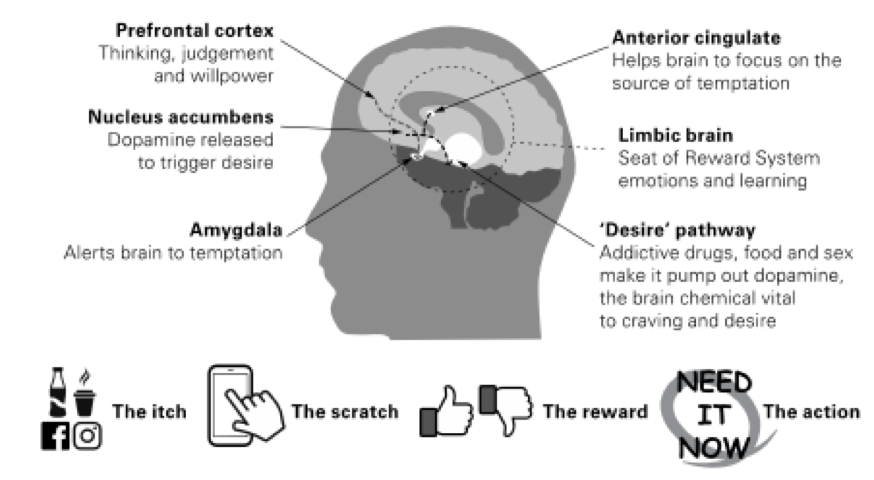
Whether it’s a text, a notification or a ‘like’, just like sugar, this digital consumption triggers a reward signal in our brains. The marketing algorithms schedule the precise times to deliver our digital diet and serve up the extra addictive quality of a variable reward.

Your brain’s reward system

It’s to do with a tiny organ in the central hippocampal area of the brain called the nucleus accumbens. This is the headquarters of our dopamine-based ‘reward’ system.

The more dopamine you release the more receptors shut down, so you seek more pleasurable behaviours and foods. Insidiously and unknowingly your brain has been hijacked and the symptoms you feel are the direct consequences of an intended addiction. Gambling, gaming, overeating, sex, drugs, food, social media and other digital addictions are all part of it. We end up needing this constant stimulation and, to fuel that, need instant energy foods and drinks – sugar and coffee. 

Alcohol – the opiate of the masses

Whether you’ve become addicted to sugar, food, caffeinated drinks, social media, gambling, gaming or non-stop stimulation, or simply get caught in the stress trap, perhaps due to work and life demands and debts, this often results in an inability to switch off with a background feeling on anxiety and stress without alcohol, and difficulty sleeping. 

You may find, in time, that your need for alcohol increases – from a glass a night to two, three, half a bottle or even more. Alcohol, a well-established neurotoxin (10), surely is the opiate of the masses. Consumption keeps going up. It’s the currency of a good time, normalised as a response to stress, glorified in movies and at the core of our modern culture, with a 1.5 trillion dollar industry, expected to rise to 2 trillion by 2027 (11), promoting its use. While smoking has become frowned upon, anything other than heavy drinking is considered socially acceptable. Yet according to WHO alcohol is in the top five causes of death and disability, and has become the most common cause of death in men under 50 (and soon will be for women), accounting for one-fifth of all deaths under 50 and almost 30,000 deaths a year overall, roughly a third that of smoking and ten times more than opioids (inc heroin) and is ranked more harmful than any other drug, including opioids (12). This addictive drug is so socially acceptable that governments avoid attempts to curtail its use for fear of voter reprisals.

A commonly unknown fact is that death or disability from alcohol doesn’t only occur in heavy drinkers. The risk goes up exponentially with the quantity you drink. The good news is that small reductions have big positive effects on your health. To make this real, a 12.5% vol. bottle of wine contains 75g alcohol: drinkers who have 2/3rds of a bottle of wine (two large glasses) or the equivalent 50g of alcohol, have a lifetime risk of death of 16%. But one medium glass (175ml) of wine (17.5g of alcohol) brings that risk below 1%. In terms of mitigating serious health risks, including death, the advice of the UK government’s former advisor, Professor David Nutt, is for women to consume no more than 15g of alcohol per day  and for men no more than 20g alcohol per day, and to have at least two alcohol-free days per week. Sadly, Professor Nutt was sacked for saying that alcohol was a ‘time bomb’ and more dangerous than Ecstasy, but the statistics point to this being true.

The trouble is, when you get stuck in the cycle of seeking rewards, needing stimulants and relaxants, you become more tired, more anxious and may even have started to feel more depressed. 

When things get bad and you visit your doctor they may prescribe antidepressants, tranquillisers (short-term use only) or sleeping pills. Others learn to use illicit uppers and downers.

Are you addicted to stimulants?

The other major acceptable and glorified drug is caffeine, mainly in the form of coffee, although many people don’t realise that strong tea has as much caffeine as a regular cup of coffee. Like sugar, alcohol and our digital diet, it stimulates dopamine release and the feeling of pleasure or reward. Imagine a day with no coffee, tea, sugar, chocolate or that well-earned glass of something! If you shout, ‘No way!’ there is a very real possibility that you have some level of addiction to these stimulants. This can range from a mild addiction that you can live with quite happily to a major problem that is controlling your life. 

However, whatever the level of addiction, the net consequence is always less energy, not more. One of my clients, Bobbie, serves as a case in point. She was already eating a healthy diet and took a sensible daily programme of vitamin and mineral supplements. She had only two problems: a lack of energy in the morning and occasional headaches. She also had one vice: three cups of coffee a day. After some persuasion, she agreed to stop the coffee for a month. To her surprise, her energy levels rose and the headaches stopped. 

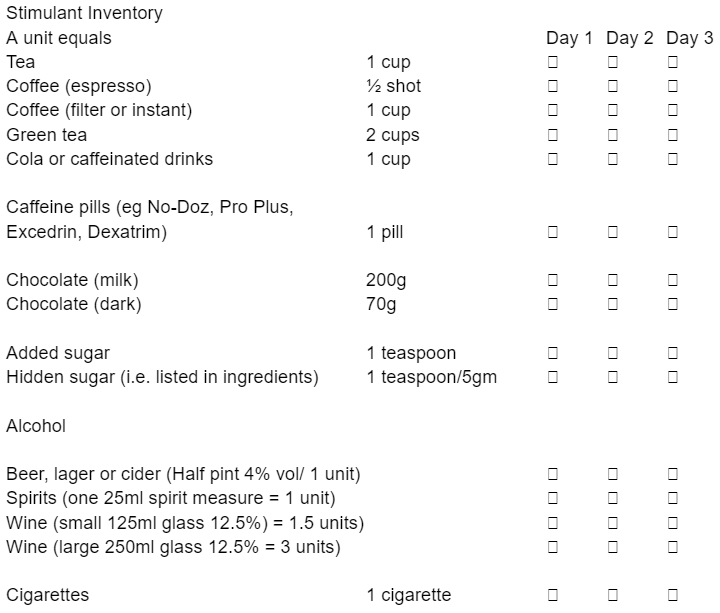
Like Bobbie, it’s useful to audit your stimulant consumption from time to time. Using a Stimulant Inventory below can be helpful, but in making an accurate assessment of your current relationship to stimulants, you need to be honest with yourself about how you use them. There’s a space for alcohol which, while not a stimulant, still triggers those dopamine receptors.

It’s useful to write down the time of day you consume the above and to spend time thinking about what your relationship to these substances is. 

  • Do you, for example, ever buy sweets and hide the wrappers so other people don’t know you’ve eaten them? 
  • Do you swoon at the dessert menu in restaurants? 
  • How much do you think about and look forward to that morning cup of coffee or a mid-morning second cup? 
  • How important is that drink after work?
  • Does everyone really know how much you smoke? 
  • Have you cranked up your caffeine intake to ‘double espresso’ equivalent drinks using more coffee at home than you used to? 
  • Do you need more to get a ‘kick’ if you even get one, or does coffee now just relieve the fuzzy tiredness you feel without it?

This kind of relationship to stimulants, often cloaked in an attitude that they are just some of the innocent pleasures of life, is indicative of an underlying chemical imbalance that depletes your energy and peace of mind and, at its worst, feeds into mental health issues.

Coffee and Caffeine Withdrawal and Sleep

If you wake up feeling good and can function without a coffee, and have no major mental health issues, sleeping well for example, but enjoy one coffee a day which will give you a dopamine kick, that’s not a problem. The best measure of your relationship with coffee or caffeine, and whether your brain has ‘downregulated’ dopamine and adrenaline receptors is what happens when you quit. If the answer is nothing then there’s no issue. If, on the other hand, you get a variety of withdrawal symptoms (13), including headaches, tiredness and irritability that means your neurotransmitter receptors have downregulated and it will take a few days for them to upregulate and bring you back to normal. For many just one cup of coffee a day can result in withdrawal effects if stopped (14). It’s also worth knowing that coffee, or caffeine, consumed 6 hours before sleep, which is about as long as caffeine stays in the system, is associated with disturbed sleep (15) – either difficulty falling asleep or waking in the night so, at least, it is wise to consume no caffeine after noon, especially if you have issues with sleeping.

Tea or coffee?

The caffeine in both coffee and tea increases the release of adrenalin, cortisol and dopamine in your body and brain, while inhibiting the absorption of adenosine, a brain-calming chemical. The release of adrenaline into your system gives you a temporary boost, but frequently makes you fatigued and depressed later. If you take more caffeine to counteract these effects, you end up spending the day in an agitated state, and might find yourself jumpy and edgy by night.

Tea contains caffeine, but also theanine, which has a more calming amino acid shown to enhance cognitive abilities (16). It also protects GABA receptors, which is the brain’s adrenalin off switch. Overall then, tea is better for you. Green tea may also have some benefits over black tea (the same plant, but processed differently such that green tea contains more antioxidants and polyphenols, which are good guys as far as our bodies are concerned).

Benefits or excuses?

Many things could be written on the apparent benefits of tea, coffee, even some forms of alcohol. We read about the beneficial effects of resveratrol in red wine, polyphenols in coffee and cacao and other antioxidants in tea. However, the nature of ANY dependence creates a psychological set of ‘excuses’ that we use to justify our addictive behaviour. 

This could be anything from ‘that’s a lovely sauce’ (sugar), ‘a little bit of what you fancy won’t harm you’ ‘I’m so stressed I have to have a drink’, ‘I’ve got to focus so I need a coffee’ and so on. Of course, all these substances work, otherwise we wouldn’t be attracted to them and, in that sense, mindful consumption in certain circumstances makes sense. For example, if someone experiences a shock, a sugary drink can help. And when a deadline looms and you need to burn the candle at both ends, caffeine can certainly help.

The issue here is to understand how the combination of sugar, caffeinated stimulants, alcohol, tech and social media addiction, shopping, gambling, gaming and so on can hijack your brain’s natural reward system and result in the opposite – you feeling more tired, anxious, unfulfilled and depressed. If that’s happened to you, rest assured there are some simple suggestions that will help you reclaim your brain’s full potential for feeling good, energised, clear, focussed and purposeful.

Simple ways to win back your brain
  • Limit your time spent on social media – 30 minutes a day max is a good target but you may need to build down to this. Turn your phone off (or to ‘airplane’ mode) at least an hour before bed and keep it that way for at least an hour in the morning. If you have to have it on, don’t check social media for a couple of hours. 
  • Limit your intake of caffeine to under 100 grams a day – that’s one strong cup of coffee or two weaker cups of tea. If you have a second cup, use the same tea bag, or have a filter coffee ‘run through’. Avoid all caffeine after noon.
  • Avoid buying food that contains added sugar, dates or raisins – if in doubt, read the label and remember sugar is often disguised as high fructose corn syrup. When looking at food labels remember 5g is a teaspoon of sugar and foods with more than 22.5g per 100g of sugar are considered high sugar and those with 5g or less per 100g are considered low sugar. Ideally, only have sugar in whole fresh fruits. Fruit juice is also high in sugar so best avoided or limited. 
  • Limit your daily intake of alcohol to 20 grams, or a maximum of two small glasses (125ml is one small glass) of wine. Have at least two days a week alcohol-free.

——–

Food for the Brain is a non-for-profit educational and research charity that offers a free Cognitive Function Test and assesses your Dementia Risk Index to be able to advise you on how to dementia-proof your diet and lifestyle.

By completing the Cognitive Function Test you are joining our grassroots research initiative to find out what really works for preventing cognitive decline. We share our ongoing research results with you to help you make brain-friendly choices.

Please support our research by becoming a Friend of Food for the Brain.


Test Your Cognitive Function Now green banner.

References

1 P. Holford, How to Quit Without Feeling S**t, Piatkus, 2008.

2 P. Holford, How to Quit Without Feeling S**t, Piatkus, 2008.

3 P.M. Johnson and P.J. Kenny ‘Dopamine D2 receptors in addiction-like reward dysfunction and compulsive eating in obese rats’, Nature Neuroscience (2010), vol. 13(5), pp. 635-641. 

4 .P. Kenny ‘Reward Mechanisms in Obesity: New Insights and Future Directions’ Neuron. 2011 Feb 24; vol 69(4): pp.664–679. 

 5  See ref 4 above

6 N.M. Avena and M.S. Gold, ‘Food Addiction – Sugars, Fats and Hedonic Eating’, Addiction (2011), vol. 106(7), pp. 1214-1215.

7 B. Lennerz et al., ‘Effects of dietary glycemic index on brain regions related to reward and craving in men’ The American Journal of Clinical Nutrition, Volume 98, Issue 3, 1 September 2013, Pages 641–647

9 https://guilfordjournals.com/doi/10.1521/jscp.2018.37.10.751

10 Nutt, D.;Hayes,A.; Fonville, L.; Zafar, R.; Palmer, E.O.; Paterson, L.; Lingford-Hughes, A. Alcohol and the Brain. Nutrients 2021, 13,3938. https://doi.org/10.3390/ nu13113938

11 https://www.statista.com/forecasts/696641/market-value-alcoholic-beverages-worldwide

12  David J Nutt and Jürgen Rehm J Psychopharmacol 2014 28: 3 DOI: 10.1177/0269881113512038 

The online version of this article can be found at: http://jop.sagepub.com/content/28/1/3

13 https://www.ncbi.nlm.nih.gov/books/NBK430790/

14 Juliano LM, Griffiths RR. A critical review of caffeine withdrawal: empirical validation of symptoms and signs, incidence, severity, and associated features. Psychopharmacology (Berl). 2004 Oct;176(1):1-29. doi: 10.1007/s00213-004-2000-x. Epub 2004 Sep 21. PMID: 15448977.

15 Drake C, Roehrs T, Shambroom J, Roth T. Caffeine effects on sleep taken 0, 3, or 6 hours before going to bed. J Clin Sleep Med. 2013 Nov 15;9(11):1195-200. doi: 10.5664/jcsm.3170. PMID: 24235903; PMCID: PMC3805807.

16 Anas Sohail A, Ortiz F, Varghese T, Fabara SP, Batth AS, Sandesara DP, Sabir A, Khurana M, Datta S, Patel UK. The Cognitive-Enhancing Outcomes of Caffeine and L-theanine: A Systematic Review. Cureus. 2021 Dec 30;13(12):e20828. doi: 10.7759/cureus.20828. PMID: 35111479; PMCID: PMC8794723.

Further info

Coffee – is it good for your brain?

Is coffee good or bad for you?

On the one hand is contains polyphenols that act like antioxidants, but on the other hand even two coffees a day raises markers of inflammation, including homocysteine which is an established indicator of dementia risk.

A major study involving almost 400,000 people in the UK’S Biobank shows that those having 6+ coffees a day, or three double expressos, have more than double the risk of dementia compared to 1 to 2 coffees a day. They also had increased brain shrinkage in the hippocampal region associated with Alzheimer’s. Why? Two studies in the Netherlands found that two coffees a day raise homocysteine, a toxic amino acid, by about 10%, while caffeine tablets without coffee increased it by 5%. It appears that it is mainly the caffeine content that is increasing risk. However, those having none, or only decaf, had very slightly higher, but not significant risk compared to those having 1 or 2 coffees.  Much like alcohol especially red wine, a little may offer protection, a lot of increases risk.

Another study, again using UK Bio Bank data, found significant dose-dependent association beyond three cups/d coffee with dementia risk if those with degenerative nervous system disorders not related to dementia were removed from the analysis, while moderate-to-high tea intake was negatively associated with incident dementia therefore reducing risk.

Coffee does, however, have some plus sides. Four meta-analyses examining liver cancer, report a risk reduction of 38% in those who drank 2-3 cups of coffee per day and 41% in those who drank more than 4 cups.  Drinking six cups of coffee a day, while bad for the brain, was shown to halve the risk of fatal prostate cancer, according to a study published in the Journal of the National Cancer Institute with each cup of coffee reducing overall prostate cancer risk by about 5%.

What’s the protective factor in coffee?

Exactly why coffee has these protective effects is a subject of much debate. While there is evidence that caffeine itself has benefits tea,  which also contain caffeine, doesn’t show the same protective benefit for cancer. Paraxanthine, the main primary metabolite of caffeine, has been shown to slow down pre-cancerous liver cell growth, and in turn the progression of liver fibrosis, alcoholic cirrhosis and liver cancer. Chlorogenic acid, may reduce oxidative stress in the liver, in turn reducing the risk of fibrosis and development of cancers. There are about 1,000 different compounds in coffee.

Both caffeine and chlorogenic acid, however, raise homocysteine, which is a concern especially regarding Alzheimer’s risk.

Coffee may help protect against diabetes and weight gain. 

Two studies have shown that coffee doesn’t cause the release of insulin, and may even reduce insulin resistance. Interestingly, this effect is true for both coffee and decaf coffee, suggesting that it is isn’t the caffeine that reduces insulin resistance. In fact, decaf may even help keep insulin producing cells healthy. 

Before you hit the coffee, there’s something you need to know. Rather than reducing insulin resistance, if you combine coffee with a carb snack such as a croissant or a muffin, it has the opposite effect. To explore the consequence of this much loved combination researchers at Canada’s University of Guelph gave volunteers a carbohydrate snack, such as a croissant, muffin or toast, together with either a decaf or coffee. Those having the coffee/carb combo had triple the increase in blood sugar levels and insulin sensitivity, the hormone that controls blood sugar levels, was almost halved.

Caffeine, hence coffee, is an addictive stimulant. If, for example, you can’t wake up without it, then you have a level of dependence probably due to ‘down-regulation’ of adrenalin receptors. In other words you’ve become adrenalin resistant in much the same way that we can become insulin resistant. Coffee can, in this sense, be an energy depleter, although the immediate effect is energy increase. I liken this to a wave hitting the shore. The latent energy we have is in the wave. As it crashes into the shore there’s an energy surge or release occurs, as it also does with caffeine, but the after-effect is energy depletion.

How coffee is decaffeinated makes a difference to both the taste and what’s left behind. Almost all decaf uses a chemical solvent. The exception are those that use the “swiss water” process which is used almost exclusively used for decaffeination of organic coffee. This is probably the best to choose if you like the taste of coffee but not the buzz. 

If you want to know more about how you can support your brain, make sure you complete our free Cognitive Function Test here to give you your plan of action on how you can upgrade your own brain in the next 6 months.

Help support Food for the Brain

Food for the Brain is a non-for-profit educational and research charity that offers a free Cognitive Function Test and assesses your Dementia Risk Index to be able to advise you on how to dementia-proof your diet and lifestyle.

By completing the Cognitive Function Test you are joining our grassroots research initiative to find out what really works for preventing cognitive decline. We share our ongoing research results with you to help you make brain-friendly choices.

Please support our research by becoming a Friend of Food for the Brain.

Food for the Brain is a non-for-profit educational and research charity that offers a free Cognitive Function Test and assesses your Dementia Risk Index to be able to advise you on how to dementia-proof your diet and lifestyle.

By completing the Cognitive Function Test you are joining our grassroots research initiative to find out what really works for preventing cognitive decline. We share our ongoing research results with you to help you make brain-friendly choices.

Please support our research by becoming a Friend of Food for the Brain.

References

 1 Zhang Y, Yang H, Li S, Li WD, Wang Y. Consumption of coffee and tea and risk of developing stroke, dementia, and poststroke dementia: A cohort study in the UK Biobank. PLoS Med. 2021 Nov 16;18(11):e1003830. doi: 10.1371/journal.pmed.1003830. PMID: 34784347; PMCID: PMC8594796.

2 Schaefer SM, Kaiser A, Behrendt I, Eichner G, Fasshauer M. Association of Alcohol Types, Coffee, and Tea Intake with Risk of Dementia: Prospective Cohort Study of UK Biobank Participants. Brain Sciences. 2022; 12(3):360. https://doi.org/10.3390/brainsci12030360

3  Grubben MJ, Boers GH, Blom HJ, Broekhuizen R, de Jong R, van Rijt L, de Ruijter E, Swinkels DW, Nagengast FM, Katan MB. Unfiltered coffee increases plasma homocysteine concentrations in healthy volunteers: a randomized trial. Am J Clin Nutr. 2000 Feb;71(2):480-4. doi: 10.1093/ajcn/71.2.480. PMID: 10648261; P. Verhoef et al., ‘Contribution of caffeine to the homocysteine-raising effect of coffee: a randomized controlled trial in humans’, American Journal of Clinical Nutrition, 2002 Dec; 76(6): 1244-1248; J. Geleijnse, ‘Habitual coffee consumption and blood pressure: An epidemiological perspective’, Vascular Health Risk Management, 2008 Oct; 4(5): 963–970; 

4 Wilson KM et al., ‘Coffee consumption and prostate cancer risk and progression in the Health Professionals Follow-up Study.’J Natl Cancer Inst. 2011 Jun 8;103(11):876-84.

 5 T. Wu et al., ‘Caffeinated coffee, decaffeinated coffee, and caffeine in relation to plasma C-peptide levels, a marker of insulin secretion, in U.S. women’, Diabetes Care, 2005 Jun; 28(6):1390-6; see also R. C. Loopstra-Masters et al., ‘Associations between the intake of caffeinated and decaffeinated coffee and measures of insulin sensitivity and beta cell function’, Diabetologia, 2010 Nov, [Epub ahead of print]
University of Guelph

6 Moisey LL, Kacker S, Bickerton AC, Robinson LE, Graham TE. Caffeinated coffee consumption impairs blood glucose homeostasis in response to high and low glycemic index meals in healthy men. Am J Clin Nutr. 2008 May;87(5):1254-61. doi: 10.1093/ajcn/87.5.1254. PMID: 18469247.

Test Your Cognitive Function Now green banner.

Further info

The stress mind-body loop: Nutrition and lifestyle strategies to break it

Stress is a human adaptive response involving complex, yet fascinating physiological and psychological mechanisms

Stress has been designed for our daily survival as species, however, when stress becomes the only response we can lean on to live our lives we may find ourselves trapped in a loop with detrimental effects to our overall health and wellbeing.

Exposure to intense, repetitive and prolonged stress (chronic stress) tells our bodies and minds to continue to respond with stress, even when the stressful event is no longer present. Our bodies will not only adapt to cope with higher levels of stress, but will also continue to release hormones (cortisol and adrenaline) that keep this adaptive physical response or continuous loop going. 

This stress mind-body loop can feed an endless list of physical and mental health issues such as Alzheimer’s disease, Type 2 diabetes, insomnia, IBS, depression and anxiety, but it can also impact our nutritional status, i.e. the essential vitamins and minerals that our bodies need to survive and thrive.

Stress can lead to prolonged release of the stress hormone cortisol, impacting the ability of our brains and adrenal glands to regulate it. In turn, excessive cortisol creates inflammation and weakens our immune system.

Nonetheless, stress responses are a key part of our body’s ability to self-regulate and bring itself to a state of homeostasis. Think about stress as a continuum, varying from positive stress-resilient responses to negative ill-health stress responses. As we navigate through this continuum day by day, nutrition and lifestyle can become one of our best allies in helping to minimise the negative effects of this loop, if not stop it completely.

A diet rich in omega-3 fats, vitamin E, magnesium, folic acid and vitamin B6 has been associated with positive benefits with regards to stress resilience. Omega-3 fats can be found in oily fish, flaxseeds and walnuts; vitamin E in olive oil, olives, avocados, nuts and seeds; magnesium in almonds, bananas and dark green leafy vegetables such as kale and broccoli; folic acid in organ meats, spinach and beans; and B6 in chicken, salmon, chickpeas and sunflower seeds. These nutrients can help by regulating our stress response, balancing our hormones, strengthening our immune system and protecting our brain function and mental wellbeing.

Eating processed and refined foods with a higher number of calories and lower nutrient content (e.g. sugar, alcohol, saturated and trans-fats), can make us feel increasingly tired, irritable, anxious and lacking attention and focus. These foods can cause our blood sugar levels to rise quickly then drop suddenly like a rollercoaster ride. A simple change to more nutrient-dense meals and foods, i.e. foods with a high level of essential vitamins and minerals and other nutrients, such as protein, fibre and complex carbohydrates can be very supportive for the body during times of stress.

A lifestyle that includes regular exercise, restorative sleep and rest, emotional support, positive social interactions and relationships, and plenty of laughter, fun and creativity can also help boost our resilience to stress and adversities and support a shift whereby stress is no longer perceived as a permanent threat but as an adaptive bio-psychological response.

With thanks to our volunteer, Catia Soares, for this article. Catia is a Psychologist and Nutritional Therapist with more than 11 years experience in the field.

Further info

Happy New Year…and welcome to Dry January?

Like many people, I enjoy a glass of wine or two a few times a week (perhaps more at times of celebration and holidays). Alcohol makes me feel happy, relaxed and sociable, and a little bit of red wine is good for you, isn’t it? “Dry January” hadn’t appealed before, but this year the scientist in me was intrigued to find out if short-term abstinence can really make a difference to brain health.

What I found was genuinely surprising! For healthy people with a moderate or heavy alcohol consumption, a month’s abstinence from alcohol can lead to significant improvements in blood sugar control, blood pressure, weight loss and a reduction in cancer related factors; all of which can affect brain health and mental wellbeing. In addition, moderate drinkers who avoid alcohol for a month will reduce the risk of liver cell damage because oxidative cellular stress is reduced. I couldn’t find any studies that prove this has a knock-on effect on brain health (for obvious reasons), but what is good for the liver is most usually beneficial for the brain too.

I also discovered that good dietary sources of folate and riboflavin (vitamin B2) may be protective of cognitive function following a period of regular alcohol intake. It does this by helping to reduce homocysteine levels, which is an important biomarker for brain health.

This next bit of information will be disappointing for many people (myself included). The perceived connection between a little bit of red wine and good health is being eroded by science. Yes, red grapes and red wine contain a polyphenol called resveratrol that has been found to be beneficial for rat brains, but research doesn’t support the view that drinking wine is as beneficial for human cognition as eating the grapes. 

With all this in mind, how to approach lifestyle change, even if short-term? For me, I prefer to slowly reduce consumption in order to give my liver and brain a chance to wind down naturally. For others, it’s easier to get started knowing that others are doing it too. Whichever route you choose, research does show that as soon as we reduce our alcohol consumption and initiate some longer-term changes like eating well and taking more exercise, the sooner we can feel more energised and develop healthier drinking patterns!

I’ve changed my mind about Dry January. It’s not about depriving ourselves of enjoyment, it’s about getting ourselves and our brain back in harmony so we can make 2022 an awesome year. This January I will be raising a glass of elderflower cordial and saying “Cheers” to that!

With thanks to Tracey Hipkiss, Food for the Brain Volunteer, for this article.

Further info

How to Create Healthy Habits that Stick – Top Tips from a Psychologist

Four years ago I was diagnosed with multiple sclerosis. Diet, vitamin supplementation, exercise, stress reduction and cognitive activity (also known as a brain-healthy lifestyle) have all been shown to significantly improve outcomes in MS – great news, right?! So why is it so hard to keep doing what is right?  As a clinical psychologist I’ve spent years working with people who are finding it difficult to make changes in their lives, despite knowing that ultimately there will be benefits. Below are some of things I have learned along the way and that have helped me navigate a new path towards a brain healthy lifestyle.

Have compassion for where you are at

Our health behaviours depend upon many factors, including what attitudes and ideas about health were laid down in our early life experience. I grew up in a low socioeconomic status inner-city household in the 1990s – I never owned a bike, never saw or heard of anyone “going for a run” and diet was only discussed as a thing you “went on” if you wanted to be thinner (usually before Christmas, so you could eat and drink with abandon during the festive season). Crucially, my family was time-poor, working long hours to make ends meet; active relaxation and ‘self-care’ was not on the agenda.

Unsurprisingly then, I have spent the majority of my adult life replicating what my early-life taught me – working hard, eating for convenience (rather than health) and neglecting balance. It’s easy to be judgemental and regretful about not having made smarter health choices in the past and label ourselves as lazy, reckless or not capable. However, research shows us that self-criticism reduces motivation and leaves us feeling worse, whereas showing ourselves compassion and understanding is much more likely to free us to make changes.  Whatever health and lifestyle choices you made so far, you were doing your best with the information and resources you had at the time.  If your inner voice is harsh and critical, remind them that you have done your best and will continue to do so – that’s all any of us can.

Expect changes to be challenging

Long term behaviour change is difficult to achieve and involves a series of small steps and crucially, ‘failures’. What sets apart people who successfully implement long term change is not an innate ability to stick perfectly to a plan, but the ability to pick oneself up and get back on track when the plan has not…gone to plan! Failing to stick to a healthy lifestyle plan does not mean you are “not capable”, “can’t do it” or “just not into a healthy lifestyle”- it simply means you are a human, not a robot. Try to see all setbacks as an opportunity to learn by asking yourself why it didn’t go to plan and what you can do differently to achieve your goal. 

Set good goals

Good goal setting is the bedrock of many psychological interventions and research shows that it works. My top tips for good goals are

1) Set positive goals about what you want more of (I want to learn one new health recipe) rather than what you want less of (I want to stop eating junk food)

2) Set achievable short term goals that will bring quick benefits, such as sticking to a good sleep routine and regular bedtime for a week – this will set you on the right path and increase your confidence that those longer term and less visible benefits are also achievable

3) Link your goals to your values – list all the reasons why your goals are important to you – including those beyond your own health. When I stopped eating dairy for health reasons I found it really helpful to learn about the ethical and environmental benefits of doing so – whilst these were not my primary motivations, they have become increasingly important to me and serve as further important reasons to stick to my plan. 

Find your support team

It is hard to make change and it can be hard for those around us – my family still object to vegan, oil free meals 4 years down the road. Finding positive reinforcement for the healthy lifestyle you want to adopt can help you stay committed in the face of doubt and objection (whether that be from people around you or inside your own head!). Instagram is a wonderful way to connect with inspiring people who just really LOVE living a healthy lifestyle, sharing tips/recipes/exercises/mindfulness practices/motivation, as are Facebook groups and internet forums. You may also find local groups, like beginners running clubs and yoga classes.

Set yourself up for success

Compassion, goals and encouragement aside – good old practical planning and problem solving will go a long way in facilitating behavioural change. Strategies that I have found useful include –

●  Planning ahead for the week what I will eat and when I will exercise

●  Batch cooking and freezing meals

●  Cooking simple meals on busy days

●  Using a slow cooker and an air fryer for ease and speed

●  Planning exercise for the time of the day when I have most energy

●  Setting reminders in my phone to take supplements

●  Setting a bedtime reminder in my phone for 30 minutes before I want to be in bed

●  Leaving my phone out of the bedroom and my book next to my bed (I read a chapter a night for cognitive stimulation and relaxation)

I hope these tips can help you incorporate changes you want to make!

With thanks to Dr Nicky Hartigan for this article. Dr Nicky is a Clinical Psychologist and Director at HelloSelf, and has recently joined Food for the Brain’s Board of Trustees.

Further info