
“I didn’t want to follow the same path as my mum”: Rebecca’s brain health story
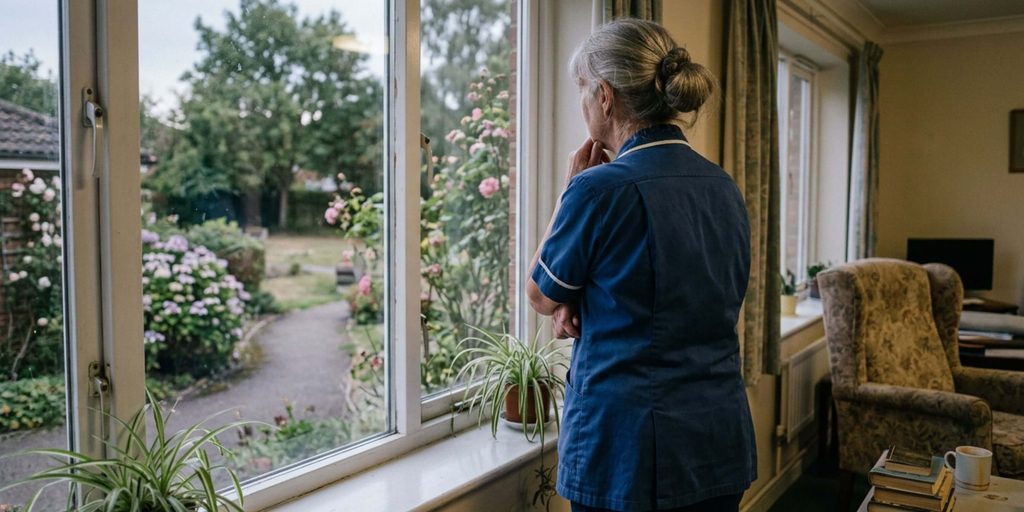
“I didn’t want to follow the same path as my mum “
Rebecca’s brain health story
Watching someone you love develop Alzheimer’s is frightening enough. But what happens when you begin to worry that the same future might be waiting for you?
For Rebecca, a nurse, midwife and health visitor with more than 30 years of experience in healthcare, that fear became painfully personal when her mother developed Alzheimer’s disease. She understood the importance of looking after our health, but that knowledge couldn’t take away the fear of watching someone she loved live with dementia. And when she began experiencing health concerns of her own, including a frightening episode in which she suddenly lost the ability to speak, the possibility of following in her mother’s footsteps felt uncomfortably close.
It was a period of enormous stress, with changes at work, family responsibilities and concerns about her mother’s health taking their toll. She had long been interested in nutrition and preventative healthcare, including our founder Patrick Holford’s work, but now she had a deeply personal reason to understand her own brain health. She wanted to know what she could do, rather than simply worry about what might happen.
Finding answers rather than living with uncertainty
We know from our members and community how difficult it can be to watch a loved one develop dementia. Alongside the sadness and challenges of caring for someone, there is often another fear that goes unspoken: Will this happen to me too? That uncertainty can weigh heavily, particularly when you begin to notice changes in your own health.
Through Food for the Brain’s testing and educational resources, Rebecca began monitoring her homocysteine, a blood marker associated with brain and vascular health. Her highest result was around 13 µmol/L, above Food for the Brain’s recommended target.
For Rebecca, the value of testing was personal. It gave her something she could measure and monitor, rather than simply worrying about what might happen in the future.
Learn more about homocysteine.
For Rebecca, knowing her homocysteine level changed the conversation. Instead of simply worrying about whether she might develop Alzheimer’s, she had something tangible to focus on, something she could measure, improve and monitor. She couldn’t control everything about her future, but she could take action today.
The changes Rebecca made and what she noticed
There was no dramatic overnight transformation. Drawing on her existing nutritional knowledge and the information available through our work, she began making changes that fitted into everyday life. She focused on her B vitamin intake, increased her consumption of oily fish such as sardines and mackerel, and paid closer attention to sleep, exercise and stress.
After such a demanding period, these changes were about more than improving a blood test result. She began finding ways to feel calmer and more in control, using morning daylight, breathing techniques and healthier daily routines to support her wellbeing. Rather than attempting to change everything at once, she built habits she could realistically maintain.
Slowly, things began to shift. The stress and overwhelm that had dominated such a difficult period started to ease. She felt clearer-headed, calmer and more able to make decisions, and when she repeated her homocysteine test, the results reflected the changes she had been making. Her level had fallen from around 13 to below 10 µmol/L.
“So it was such a relief to see that, see the numbers and also feel the difference in myself.”
For someone who had been so frightened about her cognitive health, that combination of feeling better and seeing a measurable improvement brought genuine reassurance.
She has continued testing, most recently using our DRIfT blood test to assess homocysteine, omega-3, vitamin D, HbA1c and glutathione. Her results helped identify areas that were looking good and others, including omega-3 and homocysteine, that she wanted to work on further. Rather than waiting for something to go wrong, she now has a way to keep track of her brain health and take action when needed.
A future where dementia prevention is part of everyday healthcare
Rebecca wants the science of dementia prevention to become part of everyday healthcare, not something people discover only after a frightening experience or a family diagnosis.
Her wish is for our work “to be much, much more mainstream and accepted and even talked about in GP surgeries and health visitors and health sphere.”
We share that vision.
Dementia is not an inevitable consequence of ageing. We now know that many of the factors that increase our risk of Alzheimer’s disease are within our power to change, from nutrition and lifestyle to important markers of brain health such as homocysteine. Yet prevention remains desperately overlooked, and millions of people are growing older without knowing that there are practical steps they can take to protect their brains.
We are determined to change that. We want dementia prevention to become part of everyday healthcare, with the knowledge, testing and support available to help people take action long before memory problems begin.
Help more people find the answers Rebecca found
Rebecca’s story shows what can happen when people have access to the knowledge and tools to take charge of their brain health. But far too many people are still unaware that these opportunities exist.
Throughout November and December, our Christmas campaign is raising vital funds to help change that. As an independent charity, we rely on donations to continue our research, education and campaigning, and to reach more people with the science of dementia prevention.

Help us make dementia prevention part of everyday healthcare. Please support our Christmas campaign.
And if Rebecca’s story has made you think about your own brain health, explore our DRIfT blood test to better understand the important biomarkers associated with brain health.