because prevention is better than cure.

because prevention is better than cure.

Mini Cart 0

Your cart is empty.

Mini Cart 0

Your cart is empty.

How to become a Citizen Scientist

Citizen Science is the way to end Alzheimer’s and put health back into healthcare!

Did you ever get the sense that healthcare as we know it is broken and you’re unlikely to get the help you need when you need it? Many people and organisations are working towards creating a new healthcare system that works and is based on what’s really driving disease.

How can you get involved? The first step is to become a Citizen Scientist. What this means is that, by completing our Cognitive Function test, then making the changes you can, you are helping us, along with thousands of others, to research, publish and educate what really works to prevent Alzheimer’s.

You can take one of our at-home blood tests, and by tracking your biological progress annually, you’ll help us better understand long-term health outcomes.

Either joining as a FRIEND or as a COGNITION user, which makes you a FRIEND, you are then part of a group of like-minded people committed to educating yourself and taking charge of your own health – with our guidance and support.

Become a Champion for Mental Health with the Citizen Scientist Action Pack

Take your involvement to the next level with our Citizen Scientist Action Pack, now available as a ÂŁ15 donation here. This essential toolkit empowers you to spread the word about the vital work of Food for the Brain far and wide.

Each pack includes 100 bookmarks and 4 exclusive badges, ideal for sharing at events, with friends, family, or your local community. By distributing these materials, you’ll help raise awareness of the critical connection between optimum nutrition and mental health, inspiring others to take control of their cognitive well-being.

Together, we can make a lasting impact on the mental health of individuals worldwide. Who wouldn’t want to be part of this transformative journey?

I’m meeting thousands of GPs, doctors and health practitioners, talking first at the Public Health Collaboration conference in Sheffield on May 19/20, then the World Council of Health ‘Better Way’ conference on June 2nd and then at the Integrated and Personalised Medicine 3 day congress in London on June 30th. The World Council of health was set up as a direct alternative to the World Health Organisation which has been taken over by private and commercial interests. The Bill & Melinda Gates Foundation alone is responsible for over 88 per cent of private funding.

My goal is to enrol as many GPs, doctors and practitioners in getting their patients to do the on-line Cognitive Function Test , which then motivates people to make the necessary changes to eliminate their future risk of dementia. We are hoping to end 2024 with over half a million people involved as Citizen Scientists, which means we’ll have more research data on what really works for dementia prevention than the UK Biobank.

If you haven’t already done the test, please do it and encourage everyone you know to do the test too.

Check out these conferences here:

How to become a Citizen Scientist:

  • Complete the Cognitive Function Test yearly
  • Tell all your friends, especially those over 50, to do the same
  • Follow as much health advice as you can to enable tracking what happens to health-conscious people
  • Become a FRIEND of Food for the Brain to support this kind of research, outreach and education.
  • Order your Citizen Scientist Action Pack, now available as a ÂŁ15 donation

Further info

Is food triggering brain fog, low mood & lethargy? And our collaboration with YorkTest

Have you ever wondered if what you eat has anything to do with your mood, energy levels and ability to concentrate? Do you ever experience ‘brain fog’ and tiredness and wonder why you feel anxious and low when others seem to cope?

 New research is showing that what happens in your gut after eating food has a direct effect on your brain and how you feel. Simple diet changes can have profound effects. Stephanie, a 28-year-old lawyer, is a case in point. “After a week the brain fog and tiredness were significantly better and then after a few weeks, all of my symptoms had gone!” Wanita , age 41, who was signed off work, had complete relief from her anxiety and fatigue and she was then able to return back. Her doctor had recommended anti-depressants. Nicola, age 51, had constantly felt tired and lethargic, with brain fog and the inability to concentrate. “If I didn’t eat regularly, I felt worse, so I was constantly grazing on food. I know now I was eating the wrong foods which didn’t help”. Now she says “I feel so much better in myself and have a lot more energy. The best thing is to not have brain fog.”

“The best thing is to not have brain fog.”

What they all had in common were specific food intolerances whereby their gut and immune system reacted, creating a kind of inflammation and reactivity that can both cause gut issues such as IBS, pain and bloating, but also psychological issues such as brain fog, anxiety and depression. The ability of foods to trigger mental health issues has been known for a remarkably long time. Back in 1980 Dr Joseph Egger, writing in the Lancet medical journal (1) reported: “The results showed that allergies alone, not placebos, were able to produce the following symptoms: severe depression, nervousness, feeling of anger without a particular object, loss of motivation and severe mental blankness.” But why certain foods in certain people could produce mood changes and brain fog wasn’t known.

Researchers in the US (2) China (3), Poland (4) and the UK (5) have found out why and it’s all to do with ‘food intolerance’ that is unique to the individual. While classic allergies cause the body to product IgE antibodies that attack the offending allergen, depression, brain fog and even schizophrenia, according to research at Johns Hopkins University School of Medicine in the US, can occur when a person’s immune system produces a different kind of ‘IgG’ antibody that attacks their offending foods. 

What Stephanie, Wanita and Nicola had in common is they are part of research that has involved thousands of people, all having an IgG food intolerance test administered via a home test kit provided by YorkTest, and then avoided their ‘reactive’ foods. 

Scientific Director at YorkTest, Dr Gill Hart, says “YorkTest pioneered food IgG testing developing our first food intolerance test back in 1998 in collaboration with scientists from the University of York. Since then, YorkTest has provided over half a million tests. The tests are accurate, have been shown to be effective and have demonstrated >98% reproducibility. For those with high food IgG reactivity, the pattern of IgG trigger foods is unique to each individual. The tests provide valuable information, and with nutritional advice provided as part of the Food Intolerance Test, people feel fully supported in making the required dietary changes. The good news is that food intolerances aren’t necessarily for life, and those taking the test and changing their diet have reported improvements over a relatively short period of time”. 

Unlike conventional IgE allergies, which can last for life, IgG antibodies “die off” so, theoretically, if you avoid the offending food for at least three months, you may be able to reintroduce the food without reacting. However, it is worth doing this systematically because some people do continue to react.

Nine in ten people having the test, and avoiding their offending foods report improvement in mood, brain fog and lethargy (5). See the table below for reported results from YorkTest’s research.

YorkTest are a supporter of Food for the Brain and offer our Friends ÂŁ10 off the price of a test in the UK. If you live in the UK go to yorktest.com and enter the discount code FFB10 in the basket.

If you live in the US go to yorktest.com/us and enter FFB10US in the basket for your $10 discount. YorkTest will match your discount with a donation to Food for the Brain to help us help more people regain mental health through optimum nutrition.


Symptoms (3026 Subjects)Moderate benefit %High benefit %Total %Low or no benefit %
PSYCHOLOGICAL


Anxiety (40)
25.052.577.522.5
Behavioural problems (3)
66.733.3100.00.0
Autism (1)
100.00.0100.00.0
Depression (79)
32.959.592.47.6
Fatigue (436)
29.657.386.913.1
Hyperactivity (3)
33.366.7100.00.0
Lethargy (212)
28.859.988.711.3
Mental fog (24)
41.745.887.512.5
Nausea (61)
32.857.490.29.8
Panic attacks (15)
20.080.0100.00.0
Tension (9)
22.244.566.733.3
Insomnia (12)
8.375.083.316.7
Bad moods (15)
20.073.393.36.7

Unpublished data reproduced with permission from the study published as Hardman G and Hart G, 2007: Dietary advice based on food-specific IgG results. Nutrition and Food Science 37, 16-23


REFERENCES

1. Egger J et al, The Lancet 865-869, October 15, 1980

2.. Severance E et al (2015) IgG dynamics of dietary antigens point to cerebrospinal fluid barrier or flow dysfunction in first-episode schizophrenia. Brain Behav Immun. 44:148–58  

3. Tao R et al (2019) Chronic Food Antigen-specific IgG-mediated Hypersensitivity Reaction as A Risk Factor for Adolescent Depressive Disorder. Genomics Proteomics Bioinformatics 17(2):183-189.

4. KarakuƂa-Juchnowicz H et al (2017) The role of IgG hypersensitivity in the pathogenesis and therapy of depressive disorders. Nutr Neurosci 20:110-8; see also Karakula-Juchnowicz H et al (2018) The Food-SpeciïŹc Serum IgG Reactivity in Major Depressive Disorder Patients, Irritable Bowel Syndrome Patients and Healthy Controls. Nutrients 10:548; 

5. Hart G (2017) Food-specific IgG guided elimination diet; a role in mental health? BAOJ Nutrition 3:3:033  

6.  Hardman G and Hart G, 2007: Dietary advice based on food-specific IgG results. Nutrition and Food Science 37, 16-23 https://www.emerald.com/insight/content/doi/10.1108/00346650710726913/full/html

Further info

Ketones and Your Brain: How Keto Can Affect Brain Health

Ketones and Brain Health: How Ketones Fuel Your Brain

Ketones for brain health with avocado, spinach, walnuts, olive oil, butter and dark chocolate as sources of healthy fats.

Your brain doesn’t run on glucose alone. It can also use ketones, an alternative fuel made by the liver from fat. Think of it a little like a hybrid car, able to draw on more than one source of energy.

Most of the time, your brain relies heavily on glucose. But when ketones are available, it can use these alongside glucose to help meet its considerable energy demands. Brain cells can use other fuels too, including lactate, but glucose and ketones are our focus here.

This ability to use different fuels is one reason ketones have become such an interesting area of brain research, particularly as we age. So what does science actually tell us about ketones and brain health? And can you raise your ketones without following a strict ketogenic diet?

Ketones and brain health: quick answers:

Are ketones good for the brain? Your brain prefers glucose but it can also use ketones, made in the liver during fasting, carbohydrate restriction or a ketogenic diet. As we age, and especially in the early stages of Alzheimer’s, the brain often gets worse at using glucose while its ability to use ketones holds up. That’s why researchers are investigating ketones as a way to support brain energy.

Is ketogenic diet good for brain health? Ketogenic diets have an established medical role in some forms of epilepsy. Early trials in mild cognitive impairment and Alzheimer’s disease are encouraging, but the evidence isn’t yet strong enough to say everyone should follow a strict ketogenic diet for better brain health.

What are ketones?

Ketones are an alternative source of energy for the brain, produced mainly by the liver when carbohydrate availability is low. Ketones, or ketone bodies, are small, fast fuel molecules that your liver makes from fat when glucose is in short supply. The two that matter for energy are beta-hydroxybutyrate (BHB) and acetoacetate. A third, acetone, is the one you breathe out, which is where “keto breath” comes from.

Brain cells, or neurons, are tightly packed and need instant fuel. They can’t burn fatty acids the way muscle cells can, so they rely on just two fuels: glucose or ketones. Support cells called astrocytes sit right next to the neurons and help supply them with fuel.[9]

You make some ketones every night while you sleep. Levels rise further the longer you go without food, the fewer carbohydrates you eat, and when you eat certain fats, especially the medium-chain fats in C8 oil.

Can your brain run on ketones?

Yes, to a large degree, though never completely.

On a typical carb-rich diet, glucose supplies around 90–95% of the brain’s energy and ketones only about 5–10%.[10] Much of the time the brain simply isn’t offered many ketones.

That changes when carbohydrates are scarce. In the classic study on this question, three people fasted for five to six weeks under medical supervision. By the end, ketones had overtaken glucose as their brain’s main fuel, supplying roughly two-thirds of its energy.[6] That’s an extreme situation, but it shows how much ketone fuel the brain can handle.

A few points follow from this:

The brain still needs some glucose. You don’t need to eat it, though. Your liver makes what’s required from protein and from the glycerol part of fat.

The more ketones in your blood, the more your brain uses. Cunnane’s team has shown that brain ketone uptake rises in step with blood ketone levels. This holds in people with Alzheimer’s just as it does in healthy young adults.[9,12]

Does the brain prefer ketones?

Patrick Holford, founder of Food for the Brain, argues in his book on Alzheimer’s prevention that when ketones are available, the brain will use them in preference, especially in people with age-related memory decline. It’s a view shared by many researchers in the field, though it isn’t fully settled. What is clear is that the brain uses ketones readily whenever they’re there.

Although it makes up only about 2% of body weight, the brain uses around 20% of the body’s energy.[11] For such a demanding organ, having a second fuel is a real advantage.

Ketones, Brain Energy and the Ageing Brain

What is the brain energy gap?

Having enough glucose in your blood doesn’t necessarily mean every part of your brain is using it well. Studies have found reduced glucose use in some brain regions in mild cognitive impairment and Alzheimer’s disease.

Why does this happen? There isn’t one simple answer. Metabolic health and insulin signalling may play a part, but it would be misleading to say that insulin resistance simply shuts glucose out of brain cells.

Could ketones help fill that energy gap?

That’s what researchers are testing.

Too much sugar, and particularly the fruit sugar fructose (half of table sugar and most of the high-fructose corn syrup in fizzy drinks and ultra-processed foods), drives insulin resistance. Insulin is the hormone that helps deliver glucose into brain cells. So the ironic end result of constantly eating too much sugar is glucose starvation in the brain.[16,17] That’s when you feel brain fog, struggle to concentrate and crave more sugar. Cunnane sums it up on one of his slides: more dietary sugar means less brain sugar.[10]

His brain-scanning research shows this is part of the Alzheimer’s story. In people with Alzheimer’s and Parkinson’s, the brain’s glucose uptake falls by around 15–30%.[10] In one study of mild Alzheimer’s, glucose uptake was about 13% lower than in healthy people of the same age, while ketone uptake was no different.[7] The problem is that the ketone supply doesn’t rise to make up the shortfall. The result is an energy gap, and it can appear in certain brain regions before any symptoms do.[9]

“People with cognitive decline have an energy gap. Probably due to insulin resistance, they are not able to make use of glucose. Providing a food source, C8 oil, from which the body can readily make ketones, fills that energy gap, brain cells come back to life and memory and brain function improve as a result. It reminds me of those announcements on the London Underground: ‘Mind the gap.'” Professor Stephen Cunnane, University of Sherbrooke, speaking to Patrick Holford for his book on Alzheimer’s prevention

Cunnane is a member of our Scientific Advisory Board and holds the Clinical Research Chair in Ketotherapeutics at the University of Sherbrooke in Canada. He is an expert on fatty acid metabolism in the brain.

Ketones, memory and Alzheimer’s disease

If the ketone supply line still works, can topping it up help? What happens when researchers put this idea to the test? Here are three examples, looking at brain energy, memory and everyday function. 

Brain energy. Cunnane’s team gave people with mild to moderate Alzheimer’s 30g a day of ketogenic MCT oil for a month. Their brain’s ketone uptake roughly doubled, while its use of glucose stayed the same, so the brain’s total energy supply went up.[12]

Memory and thinking. In a six-month randomised controlled trial led by Dr Melanie Fortier and Cunnane, 122 people with mild cognitive impairment took either a ketogenic MCT drink (15g twice a day) or a placebo.[8] The MCT group did better than the placebo group on tests of memory, verbal fluency, naming and attention/processing, and the bigger their rise in brain ketones, the bigger the improvement. The study enrolled 122 people, and 83 completed it. Some cognitive test results improved compared with placebo, but the dropouts matter when judging how practical and reliable the approach may be.

Diet. In New Zealand, 26 people with Alzheimer’s followed a modified ketogenic diet and a healthy low-fat diet, each for 12 weeks. Of those, 21 completed both.[13] On the ketogenic diet, their ability to manage daily activities and their quality of life both improved, which is striking at that stage of the disease. Cognitive scores also went up, but not by enough to be statistically significant.

These are small or early trials, and quite a few participants dropped out, mainly because of digestive side effects from the MCT oil. Together they suggest that ketones can help support a brain that’s struggling with energy. They don’t show that ketones prevent or reverse Alzheimer’s.

That’s why we see ketones as one part of a bigger prevention picture. Disturbed glucose balance is one of “four biological horsemen” that together drive risk, alongside low omega-3, low B vitamins (shown by raised homocysteine) and low antioxidants. Activity, sleep, stress and social connection matter too. Even for people who carry the ApoE4 gene variant, eating a low-GL or more ketogenic Mediterranean-style diet could help.[14]

Is a keto diet good for brain health?

A ketogenic diet is very low in carbohydrate and high in fat, strict enough to keep the body making ketones continuously. Beyond Alzheimer’s, there are three other areas of evidence for the brain.

Epilepsy. The ketogenic diet has been used under specialist medical supervision for drug-resistant epilepsy since the 1920s, in both children and adults. For some people it markedly reduces how often seizures happen.[1] This is the most established medical use of the diet, and it’s always done with a specialist team.

Parkinson’s disease. In a small eight-week trial, 38 people with Parkinson’s completed either a low-fat or a ketogenic diet.[2] Both groups improved to a similar degree on motor symptoms such as tremor and stiffness. The keto group, however, improved far more on non-motor symptoms: 41% compared with 11%. These included fatigue, daytime sleepiness, pain, urinary problems and cognitive symptoms.

Fatigue and mood. It has been proposed that ketones could help in chronic fatigue syndrome, through the same energy-supply logic.[3] Low-carb, ketogenic diets are also being studied in mental health conditions. Both are early-stage areas.

So is keto good for your brain? Honestly, it depends on the health issues are facing. For most people, they can get the benefits of ketones without living on a strict ketogenic diet. Either through ketone supplementation or by having a ‘hybrid diet’ where you have periods of time eating in a ketogenic way (outlined in one of Patrick’s books the Hybrid Diet)

How to Increase Ketones Naturally

Your body makes more ketones when carbohydrate availability falls. Fasting, a ketogenic diet and MCT oil can all increase ketone availability, but they work differently. Raising ketones is one thing. Showing a benefit for brain health is another.

1. Cut back on sugar and refined carbs.

Every time you eat sugar or starchy carbs, insulin rises and ketone production switches off. Food for the Brain’s Alzheimer’s prevention advice is simple:

  • Avoid “the white stuff”: sugar, white flour and white rice.
  • Avoid ultra-processed foods.
  • Eat your fruit rather than drinking it as juice.
  • Keep grains and potatoes to one or two servings a day.

Cunnane’s team found that cutting carbohydrate intake by 30% in a retirement home for two months lowered blood sugar by 11% and increased ketones.[10]

2. Stretch your overnight fast.

It takes only about 12 hours to start running low on stored glucose and begin switching towards ketones. An 18:6 pattern goes further: you don’t eat between dinner at 6 or 7pm and lunch at 12 or 1pm the next day. Holford recommends doing this a couple of days a week, with a Hybrid LattĂ© in the morning (see below). “My brain stays sharp and I don’t feel hungry,” he says.

3. Go ketogenic for a while.

To tip into ketosis you need to keep carbohydrates very low but our founder Patrick Holford suggests going ketogenic for about a week, or once a month, as a “service” for your brain rather than as a permanent diet.

4. Add C8 oil

This is the shortcut that doesn’t need a strict diet, and it’s covered below.

5. Keep moving.

Cunnane lists moderate, regular exercise alongside ketones as one of his strategies to fuel and protect the brain.[10] Exercise uses up stored glucose, so it nudges the body towards burning fat.

6. Coffee helps too

Coffee gives you energy the way a bank loan gives you wealth, but it does speed up the switch to running on ketones.[5]

If you want to check it’s working, you can measure blood, breath or urine ketones with a home meter. As a rough guide, a blood BHB reading of 0.5 mmol/L or above is usually described as nutritional ketosis. It’s also worth knowing your HbA1c, a blood test that shows your average blood sugar over the past few months. The FFB Alzheimer’s prevention advice is to aim for below 5.4% (36 mmol/mol), and ideally around 5%.

Can MCT oil increase ketones?

Yes. Certain medium-chain fats, particularly C8, can raise blood ketones without the same degree of carbohydrate restriction as a strict ketogenic diet. But the amount, formulation and individual response matter. Medium-chain triglycerides (MCTs) have chains of 6 to 12 carbons (C6, C8, C10 and C12). Unlike most fats, they go straight to the liver, where they are turned into ketones quickly. Of these, C8 (caprylic acid triglyceride, also called tricaprylin) makes ketones the fastest. In a study by Cunnane’s group, C8 raised blood ketones more than C10, other MCTs or coconut oil. C10 came next, but it’s not nearly as effective.[4]

Coconut oil vs C8 oil

This is where a lot of people get caught out. Coconut oil is around 60% MCTs, but only about 12% of those MCTs are C8, so only about 7% of coconut oil is C8. Most of the rest is C12 (lauric acid), which behaves more like an ordinary long-chain fat.

That’s why bulletproof coffee, with a blob of coconut oil or MCT oil in your morning brew, is one way to raise ketones but is much less effective than pure C8 oil. Patrick Holford’s Hybrid LattĂ© is a step up. It’s a coffee made with carb-free almond milk, almond butter, C8 oil, a teaspoon of unsweetened cacao and half a teaspoon of cinnamon.

How to take C8 oil. In Cunnane’s studies, people took about two tablespoons (30g) a day.[8,12] The energy effect lasts a few hours, so it’s best spread across the day. Food for the Brain suggests starting with a teaspoon two or three times a day and building up gradually to two teaspoons three times a day. It has a pleasant, creamy taste. Some people get digestive upset. You can minimise this by building up slowly, taking it with a meal, or blending it into a smoothie or coffee so it’s emulsified.

Do foods contain ketones?

Not in any meaningful amount. Ketone bodies are made inside your body, so you don’t get them from food the way you get vitamins. This is a common point of confusion.

Two things cause the mix-up:

“Keto foods” help you make ketones; they don’t contain them. These are mainly fats and oils, especially C8 oil and, to a lesser extent, coconut oil, eaten with very little carbohydrate.

“Raspberry ketone” is not a ketone body. It’s an aroma compound that belongs to the same broad chemical family. It isn’t BHB or acetoacetate, and it doesn’t fuel your brain in the same way.

So if you want more ketones from what you eat, three things matter: what you leave out (sugar and refined carbs), when you eat (longer gaps), and one specific addition (C8 oil).

Are ketones or a ketogenic diet safe?

For most people, raising ketones with a longer overnight fast or some C8 oil is well tolerated. 

A few things are worth knowing:

  • Early “keto flu”. When people first cut or reduce carbohydrates hard, some feel tired, headachy or foggy for a few days while their body adapts. It usually passes, and many people then report clearer thinking and steadier energy.
  • Digestive upset from MCT oil. This is the most common side effect, and it’s why building up slowly matters. Start with œ tsp and slowly build up over time.
  • Check with your GP first before fasting or starting a ketogenic diet if you take medication for diabetes or blood pressure, are pregnant or breastfeeding, have a history of disordered eating, or have liver, kidney or pancreatic problems.

The bottom line

Your brain has more than one source of fuel. Ketones are an important part of that picture, and research in people with cognitive impairment is encouraging. But we still need to know who benefits, which approach works best and whether any benefits last.

You don’t need to chase a ketone reading to start looking after your brain. Our free Cognitive Function Test and accompanying questionnaire can help you explore your cognitive performance and the diet and lifestyle factors that may deserve attention.

To see what’s happening in your body, the DRIfTÂź home blood test measures five key biomarkers, including HbA1c for blood sugar balance.

References
  1. Nei M, Ngo L, Sirven JI, Sperling MR. Ketogenic diet in adolescents and adults with epilepsy. Seizure. 2014;23(6):439–442. doi:10.1016/j.seizure.2014.02.015.
  2. Phillips MCL, Murtagh DKJ, Gilbertson LJ, Asztely FJS, Lynch CDP. Low-fat versus ketogenic diet in Parkinson’s disease: A pilot randomized controlled trial. Movement Disorders. 2018;33(8):1306–1314. doi:10.1002/mds.27390.
  3. Vandenberghe C, St-Pierre V, Pierotti T, Fortier M, Castellano CA, Cunnane SC. Tricaprylin alone increases plasma ketone response more than coconut oil or other medium-chain triglycerides: An acute crossover study in healthy adults. Current Developments in Nutrition. 2017;1(4):e000257. doi:10.3945/cdn.116.000257.
  4. Vandenberghe C, St-Pierre V, Courchesne-Loyer A, Hennebelle M, Castellano CA, Cunnane SC. Caffeine intake increases plasma ketones: an acute metabolic study in humans. Canadian Journal of Physiology and Pharmacology. 2017;95(4):455–458. doi:10.1139/cjpp-2016-0338.
  5. Owen OE, Morgan AP, Kemp HG, Sullivan JM, Herrera MG, Cahill GF Jr. Brain metabolism during fasting. Journal of Clinical Investigation. 1967;46(10):1589–1595. doi:10.1172/JCI105650.
  6. Castellano CA, Nugent S, Paquet N, et al. Lower brain 18F-fluorodeoxyglucose uptake but normal 11C-acetoacetate metabolism in mild Alzheimer’s disease dementia. Journal of Alzheimer’s Disease. 2015;43(4):1343–1353. doi:10.3233/JAD-141074.
  7. Fortier M, Castellano CA, St-Pierre V, et al. A ketogenic drink improves cognition in mild cognitive impairment: Results of a 6-month RCT. Alzheimer’s & Dementia. 2021;17(3):543–552. doi:10.1002/alz.12206.
  8. Cunnane SC, Trushina E, Morland C, et al. Brain energy rescue: an emerging therapeutic concept for neurodegenerative disorders of ageing. Nature Reviews Drug Discovery. 2020;19(9):609–633. doi:10.1038/s41573-020-0072-x.
  9. Cunnane SC. Ketones: an essential brain fuel to support cognitive function during aging. Presentation at Food for the Brain’s Alzheimer’s Prevention: New Frontiers conference; 28 April 2026.
  10. Raichle ME, Gusnard DA. Appraising the brain’s energy budget. Proceedings of the National Academy of Sciences of the United States of America. 2002;99(16):10237–10239. doi:10.1073/pnas.172399499.
  11. Croteau E, Castellano CA, Richard MA, et al. Ketogenic medium chain triglycerides increase brain energy metabolism in Alzheimer’s disease. Journal of Alzheimer’s Disease. 2018;64(2):551–561. doi:10.3233/JAD-180202.
  12. Phillips MCL, Deprez LM, Mortimer GMN, et al. Randomized crossover trial of a modified ketogenic diet in Alzheimer’s disease. Alzheimer’s Research & Therapy. 2021;13(1):51. doi:10.1186/s13195-021-00783-x.
  13. Norwitz NG, Saif N, Ariza IE, Isaacson RS. Precision nutrition for Alzheimer’s prevention in ApoE4 carriers. Nutrients. 2021;13(4):1362. doi:10.3390/nu13041362.
  14. EFSA Panel on Nutrition, Novel Foods and Food Allergens (NDA), Turck D, Bohn T, et al. Safety of ÎČ-hydroxybutyrate salts as a novel food pursuant to Regulation (EU) 2015/2283. EFSA Journal. 2022;20(10):e07449. doi:10.2903/j.efsa.2022.7449.
  15. Johnson RJ, Tolan DR, Bredesen D, et al. Could Alzheimer’s disease be a maladaptation of an evolutionary survival pathway mediated by intracerebral fructose and uric acid metabolism?. American Journal of Clinical Nutrition. 2023;117(3):455–466. doi:10.1016/j.ajcnut.2023.01.002.
  16. Luchsinger JA, Tang MX, Shea S, Mayeux R. Hyperinsulinemia and risk of Alzheimer disease. Neurology. 2004;63(7):1187–1192. doi:10.1212/01.WNL.0000140292.04932.87.

This article is for information only and is not medical advice. It does not replace consultation with a qualified healthcare professional. Please speak to your GP before making significant changes to your diet, fasting or starting supplements, especially if you have a medical condition or take medication.

Further info

Is Autism Genetic?

Autism is one disease where there is a very high ‘inherited’ component.

In studies with genetically identical twins, if one twin has it, the odds of another having a diagnosis is about 60%. But it’s not in the ‘in the genes’ since we share the same ‘environment’ as our siblings.

Perhaps the more interesting question is why the number of children diagnosed with Attention-deficit /hyperactivity disorder (ADHD), autism and other neurodevelopmental disorders classifying them as ‘neurodivergent’, has rocketed in both the UK and US.

One in six children is ‘neurodivergent’ as autism numbers quadruple.

UK figures (see here) which show that just under 1.5 million pupils in England have special educational needs which is one in six children. Autism is the biggest part of this, has been steadily rising in both the Uk and US.

“Now, one in six children in the US are classified as neurodivergent and one in 36 as autistic – a fourfold increase in 20 years.” says pediatric Professor Alessio Fasano from Massachusetts General Hospital for Children, Harvard Medical School.  

All down to our increased awareness & better diagnosis?

According to Dr Rona Tutt OBE, past president of the UK’s National Association of Head Teachers “There has been a dramatic increase in the number of people being diagnosed with ASD. Although some of this is due to a broader definition of autism as well as better diagnosis, it raises the question of whether it may also be the result of environmental changes, which have also been dramatic.” 

Some UK schools are reporting as many as one in four children having problems.

Have our genes changed in the past few decades?

Since the genes cannot have changed this rapidly, the increase points to the influence of environmental factors of which there are many candidates.

The main suspects are:

  • Gut problems
  • Wheat, milk and sugar
  • Vaccines
  • Environmental anti-nutrients and toxins
  • Social media overuse and social issues
  • Maternal nutrition and brain formation essential fats 
The gut’s role

World-renowned pediatric gastroenterologist, and research scientist Professor Alessio Fasano, MD, directs the Center for Celiac Research and Treatment at Massachusetts General for Children thinks something is going wrong in the gut, with many ASD children reporting gut problems including diarrhoea, constipation, belching and excessive flatulence and ‘dysbiosis’ – abnormal patterns of gut bacteria. In some children, wheat and milk may contribute to these symptoms. His research finds that neurodivergent children show high levels of ‘zonulin’, a family of proteins that regulate the barrier between intestinal cells in the digestive tract that can lead to “leaky gut.” ASD children are often found to have opioid-like wheat and milk proteins in their urine, making these foods especially ‘addictive’.

Prenatal nutrition?

Professor Michael Crawford, who heads the Institute of Brain Chemistry and Human Nutrition at the Chelsea & Westminster Hospital says “We can predict which babies are going to have developmental problems from the fats in the mother’s blood. When omega-3 levels are low, the mother produces a non-functional ‘brain fat substitute’ to build their baby’s brain during pregnancy, high levels of which predict problems. The brain is 50% fat, and omega-3 DHA should make up most of the structural fat in brain cells.” Less than 5 per cent of children in the UK achieve the basic dietary recommendations for omega-3 and fish.

Methylation & B vitamins

Vitamins may help. ‘A high level of homocysteine, a marker for B vitamin deficiency, predicts ASD and studies have shown that giving homocysteine-lowering vitamin B6, B12 and folate help reduce symptoms.” says Patrick Holford from the Food for the Brain Foundation, which is hosting the masterclass. “Vitamin A improves eye coordination and vision, helping those with autism who don’t look you in the eye and have visual problems.”

A 12-month randomised controlled trial giving omega-3, vitamins, digestive enzymes and a healthy gluten-free, casein-free diet showed major improvement in both autistic symptoms and raising IQ.

Nutrition and functional medicine therapist Anne Pemberton, who specialises in helping those with ASD, is spoke at the Autism Masterclass reports considerable success, not just by improving nutrition but by addressing the psychological and social circumstances of neurodivergent children. “It is critical to work with both mother and child, and not only address critical nutritional issues, stress triggers including early life traumas, and suppressed emotions as a result of their condition and conditioning, and to help them develop a sense of self and mindset. I have seen hundreds of children and adults who usually have major improvements. Peter, age 8, is a case in point. He was diagnosed with ASD and classified as needing special education. 15 months later he’s no longer even classified as ASD.”

So, as you can see, there are many layers to Autism and Neurodivergence.

For more information you can:

Further info

“Two volunteers, and possibly a third, died” from new Alzheimer’s drug, says BBC.

Failure of yet another anti-amyloid drug is hailed as ‘the beginning of the end for Alzheimer’s’, according to the Times headline today. It certainly was the end for two, possibly three volunteers given the experimental drug, according to the BBC [1] .

Like other anti-amyloid drugs, the level of significant adverse effects was unacceptably high. According to the Eli Lilly’s press release [2] (no trial has been published) one quarter (24%) of those on the drug developed brain swelling and 24% brain bleeding. It is these adverse effects that can cause death. I’m not quite sure how the BBC conclude only ‘1.6% developed dangerous brain swelling’. Perhaps they meant the level of swelling that could be fatal? But brain swelling and bleeding is not a good idea in elderly people with pre-dementia. Apart from anything else this means they’d need frequent and expensive brain scans to check whether or not this was occurring with each monthly treatment.

The press release inflated the apparent benefit in the usual way saying ‘29% less reduction, compared to placebo’ on the main measure of Clinical Dementia Rating , thus showing the relative, not absolute effect on cognitive assessment. What it actually means is that those on the placebo degenerated from a clinical perspective and those on the drug degenerated a bit less so.

The measure in question, Clinical Dementia Rating (Sum of Boxes), is a questionnaire, administered by a health professional who asks the patient’s partner or carer to rate their memory and 6 aspects of their general functional ability as being normal, questionable, mild, moderate or severe. Depending on the carer’s assessment each question adds either zero (if normal), 0.5, 1, 2 or 3 to the ‘Sum of Boxes’ score, which can therefore range from zero (nothing wrong) to 18 (severe impairment in everything). This is balanced by an interview with the participant who answers questions related to each of the domains/aspects of functional ability, and the doctor or rater scores the CDR taking both the subjective and objective evidence into account. The previous anti-amyloid drug trial, which reported less than half a point (0.45) difference, has been criticised for potential ‘unblinding’. This means that the carer or partner, when asked about how they thought the ‘patient’ was doing, might be biased to provide a more optimistic assessment because they knew they were on the drug from the adverse effects and thus hoped there was some improvement.

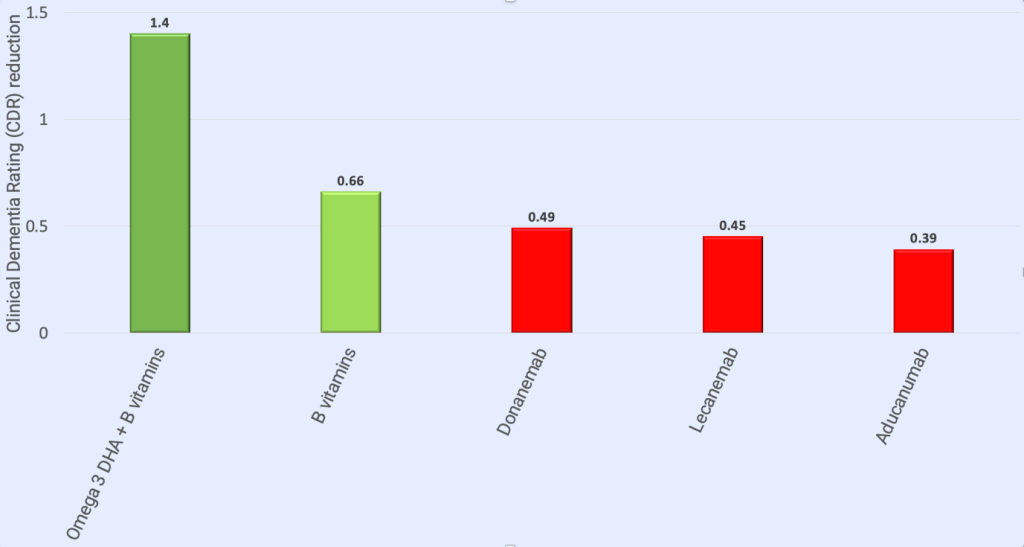
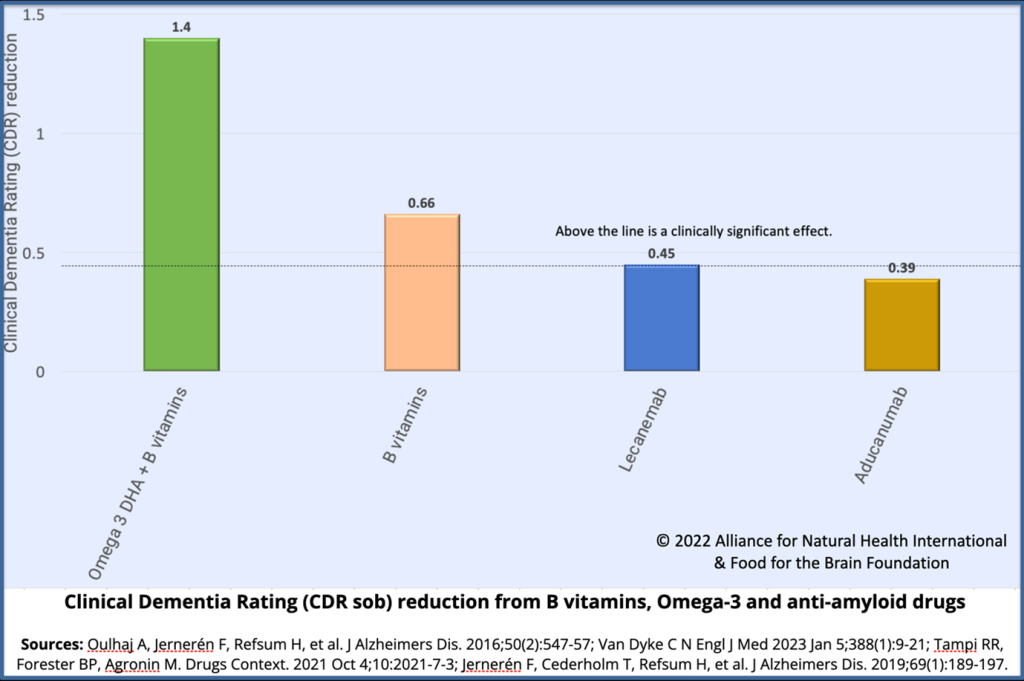
So, what happened in this trial? Those on the placebo got 2.4 points worse over 18 months and those on the drug treatment got 1.7 points worse. That’s relatively 29% less worse, but the absolute improvement is the difference, namely 0.49 points, similar to the previous ant-amyloid treatment reporting 0.45 points. So, no meaningful difference between the previous failed drug, nor the one before it which reported 0.39 points on an 18-point scale. According to a British Medical Journal editorial “minimum changes of 0.98 in mild cognitive impairment and 1.63 in mild Alzheimer’s disease are meaningful.” [3] This means that these results were clinically meaningless. All data from the drug company’s own press release.

How this hails the ‘beginning of the end’ of Alzheimer’s beggar’s belief. When compared with the effect of B vitamins or omega-3 fish oil in similar randomised controlled placebo trials [4], these results pale into insignificance, and especially the combination of the two[5]. In those with high homocysteine, given B vitamins, and with sufficient omega-3, there was 73% less brain shrinkage [6] and a third ended the trial with an overall Clinical Dementia Rating of zero [7] – i.e. no longer diagnostically labeled as having dementia. In other words, not less worse, but actually better. Why does this not get reported?

Foodforthebrain.org offers a free, validated online Cognitive Function test that includes an assessment of a person’s Dementia Risk Index with guidance on how to reduce that risk.

Reference & Links

3  Walsh S, Merrick R, Richard E, Nurock S, Brayne C. Lecanemab for Alzheimer’s disease. BMJ. 2022 Dec 19;379:o3010. doi: 10.1136/bmj.o3010. PMID: 36535691.

4  JernerĂ©n F, Cederholm T, Refsum H, Smith AD, Turner C, Palmblad J, Eriksdotter M, Hjorth E, Faxen-Irving G, Wahlund LO, Schultzberg M, Basun H, Freund-Levi Y. Homocysteine Status Modifies the Treatment Effect of Omega-3 Fatty Acids on Cognition in a Randomized Clinical Trial in Mild to Moderate Alzheimer’s Disease: The OmegAD Study. J Alzheimers Dis. 2019;69(1):189-197. doi: 10.3233/JAD-181148. PMID: 30958356; see also JernerĂ©n F, Elshorbagy AK, Oulhaj A, Smith SM, Refsum H, Smith AD (2015). Brain atrophy in cognitively impaired elderly: the importance of long-chain ω-3 fatty acids and B vitamin status in a randomized controlled trial. Am J Clin Nutr. 2015 Jul;102(1):215-21

6  Douaud G, Refsum H, de Jager CA, Jacoby R, Nichols TE, Smith SM, Smith AD. Preventing Alzheimer’s disease-related gray matter atrophy by B-vitamin treatment. Proc Natl Acad Sci U S A 2013; 110: 9523-8.

7 Oulhaj A, Jernerén F, Refsum H, Smith AD, de Jager CA. Omega-3 Fatty Acid Status Enhances the Prevention of Cognitive Decline by B Vitamins in Mild Cognitive Impairment. J Alzheimers Dis. 2016;50(2):547-57. doi: 10.3233/JAD-150777. PMID: 26757190; PMCID: PMC4927899.

Further info

Why aren’t Alzheimer’s charities taking prevention research seriously?

In the UK progress in putting these breakthroughs into action is slow. The two leading charities, the Alzheimer’s Society and Alzheimer’s Research UK (ARUK) fail to mention the importance of homocysteine lowering B vitamins and omega-3 at all and have confirmed that they are not funding any research on their use in prevention or planning to do so. ARUK’s chief medical officer Professor Jon Schott and the Alzheimer’s Society’s associate director of research, Richard Oakley, declined to comment.

ARUK’s Brain Health Check-In, a short 13 question check list, with only one very basic question on diet, says nothing at all about B vitamins or whether or not a person supplements omega-3 fish oils despite ARUK having part-funded the Oxford University research. According to Professor Smith, who was the first Chair of their Scientific Advisory Board “ARUK part-funded our trial on B vitamins, and are aware of the results. I don’t understand why they make no mention of such an effective preventive intervention, that is taking a 10p a day B vitamin supplement if your homocysteine is high. Now we know that those who also supplement with omega-3 fish oil, or eat fish regularly, reduce their risk. These are the easiest two prevention actions anyone can take, with a significant impact on reducing the risk for dementia. Everyone needs to know this.”

“We’ve been applying to UK and EU agencies for the past 8 years to fund the obvious next trial – testing the effects of B vitamins and omega-3 combined to see if they slow, or prevent, conversion from cognitive impairment to dementia, but to no avail.” Says Professor Smith.

Neither the Alzheimer’s Society, nor ARUK are funding any vitamin or omega-3 research and spend virtually none of their annual research pot, which exceeded £37 million last year, on diet or lifestyle prevention which offer the most potential, despite these representing up to half of the risk for Alzheimer’s. Neither would confirm the percentage of their research funds that were being spent on prevention research.

UK Government have pledged to deliver ‘Dementia Moonshot’, doubling dementia research funding to ÂŁ160 million to ‘fast-track the development of new treatments’, meanwhile ignoring the biggest breakthroughs in diet and lifestyle prevention. Most support is feeding failed drug research. With an estimated $50 billion [12] spent so far on amyloid drugs and research, all of which have failed to produce any clinical benefit, isn’t it time governments and Alzheimer’s charities took prevention seriously?

In contrast, the Food for the Brain Foundation are doing just that. “At Foodforthebrain.org we are testing almost 4,000 people every month on our free online Cognitive Function Test, and assessing all risk factors on a 140 question questionnaire, including the need for B vitamins and omega-3. We hope, soon, to introduce a pinprick blood test for both omega-3 and homocysteine. We don’t know why the most evidence-based, easy to action and inexpensive prevention steps are being ignored” says Holford. “Why world class scientists such as Professor David Smith’s team at Oxford University have been unable to get funding for the most essential research is shameful. Right now we know enough to cut the average person’s risk of developing Alzheimer’s by up to two thirds and the number of people developing dementia by a third if only there was the political will to do so.”

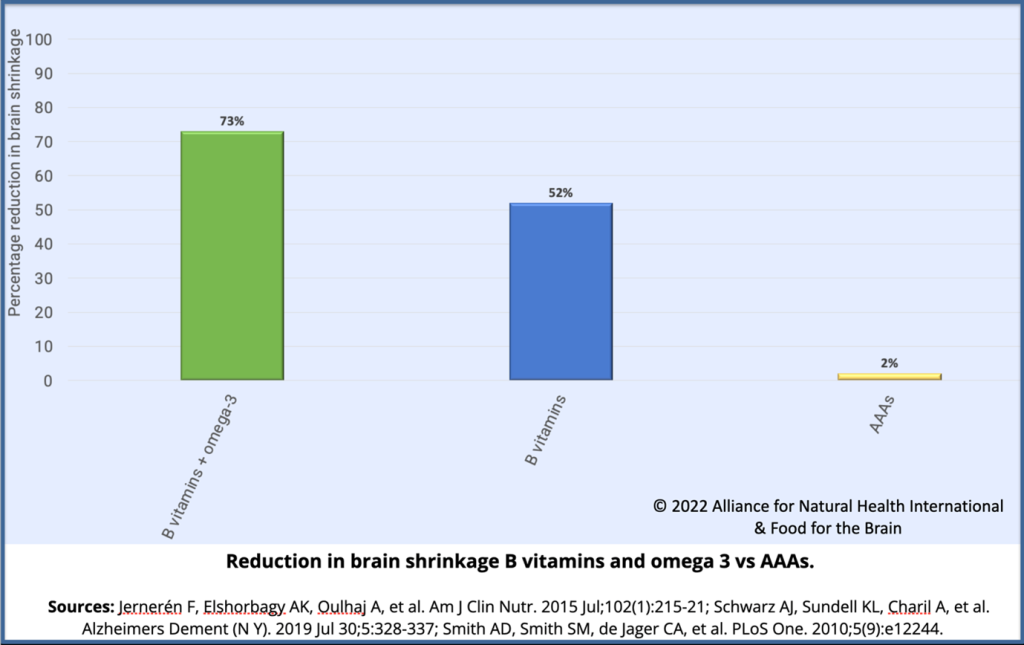
One of the reasons for complacency in the UK is the Lancet’s commissioned report on Alzheimer’s prevention chaired by Gillian Livingston, Professor of Psychiatry for Older  People, at the University College London (UCL). The report, first published in 2017, didn’t include B vitamins. Despite being sent all the evidence by Smith. The 2020 revised report still excluded this vital research, as did a follow up report specifically on supplements in 2022. “There are no trials that show that lowering homocysteine has any benefit” she told us yet she had been sent the unequivocal evidence that the B vitamins reduced brain shrinkage by up to 73%, compared to the 2% reduction of anti-amyloid drugs and the combination of omega-3 and B vitamins has lowered the Clinical Dementia Rating (CDR) in placebo controlled trials by three times that reported by the recent anti-amyloid drug, Lecanemab. (see charts below).

When asked about the recent finding of a synergistic effect of B vitamins and omega-3 she said “It sounds a good hypothesis. I hope they can get the funding for it, but raised homocysteine is not common in the wider population and drug companies can’t be expected to fund nutrition trials, so money would have to come from some government agency.”

There is one prevention study, called AppleTree, underway at University College London. It focuses on reducing risk for Alzheimer’s by eating a Mediterranean style diet and lifestyle advice, including encouraging smokers to quit, which is a known risk factor for cognitive decline. One recent study shows that being a smoker increases risk for dementia by 1.5 times and quitting for at least 3 years reduces much of that risk. [13] One in twelve people over 65 smoke.

In contrast, almost half of all people over 65 have raised homocysteine [14] which increases risk for cognitive impairment by up to ten times, according to Chinese research published last year[15]. Lowering homocysteine with B vitamins, and sufficient omega-3, would virtually eliminate that risk. This suggests that targeting B vitamins and omega-3 would be about twenty times more impactful in preventing dementia than quitting smoking. Yet the need for supplemental intake of these nutrients is not part of the Apple Tree protocol.

If you’d like to test your cognitive function and find out how to reduce your risk, register here and join our citizen science campaign.

References

[3] van Soest, A.P.M., van de Rest, O., Witkamp, R.F. et al. DHA status influences effects of B-vitamin supplementation on cognitive ageing: a post-hoc analysis of the B-proof trial. Eur J Nutr (2022). https://doi.org/10.1007/s00394-022-02924-w

[4] JernerĂ©n F, Cederholm T, Refsum H, Smith AD, Turner C, Palmblad J, Eriksdotter M, Hjorth E, Faxen-Irving G, Wahlund LO, Schultzberg M, Basun H, Freund-Levi Y. Homocysteine Status Modifies the Treatment Effect of Omega-3 Fatty Acids on Cognition in a Randomized Clinical Trial in Mild to Moderate Alzheimer’s Disease: The OmegAD Study. J Alzheimers Dis. 2019;69(1):189-197. doi: 10.3233/JAD-181148. PMID: 30958356.

[5] Walsh S, Merrick R, Richard E, Nurock S, Brayne C. Lecanemab for Alzheimer’s disease. BMJ. 2022 Dec 19;379:o3010. doi: 10.1136/bmj.o3010. PMID: 36535691.

[6] Li M, Li W, Gao Y, Chen Y, Bai D, Weng J, Du Y, Ma F, Wang X, Liu H, Huang G. Effect of folic acid combined with docosahexaenoic acid intervention on mild cognitive impairment in elderly: a randomized double-blind, placebo-controlled trial. Eur J Nutr. 2021 Jun;60(4):1795-1808. doi: 10.1007/s00394-020-02373-3. Epub 2020 Aug 28. PMID: 32856190.

[7] Yu JT, Xu W, Tan CC, Andrieu S, Suckling J, Evangelou E, Pan A, Zhang C, Jia J, Feng L, Kua EH, Wang YJ, Wang HF, Tan MS, Li JQ, Hou XH, Wan Y, Tan L, Mok V, Tan L, Dong Q, Touchon J, Gauthier S, Aisen PS, Vellas B. Evidence-based prevention of Alzheimer’s disease: systematic review and meta-analysis of 243 observational prospective studies and 153 randomised controlled trials. J Neurol Neurosurg Psychiatry. 2020 Nov;91(11):1201-1209. doi: 10.1136/jnnp-2019-321913. Epub 2020 Jul 20. PMID: 32690803; PMCID: PMC7569385.

[8] Huang Y, Deng Y, Zhang P, Lin J, Guo D, Yang L, Liu D, Xu B, Huang C, Zhang H. Associations of fish oil supplementation with incident dementia: Evidence from the UK Biobank cohort study. Front Neurosci. 2022 Sep 7;16:910977. doi: 10.3389/fnins.2022.910977. PMID: 36161159; PMCID: PMC9489907.

[9] Jeong SM, Park J, Han K, Yoo J, Yoo JE, Lee CM, Jung W, Lee J, Kim SY, Shin DW. Association of Changes in Smoking Intensity With Risk of Dementia in Korea. JAMA Netw Open. 2023 Jan 3;6(1):e2251506. doi: 10.1001/jamanetworkopen.2022.51506. PMID: 36656579; PMCID: PMC9857334.

[10] Beydoun MA, Beydoun HA, Gamaldo AA, Teel A, Zonderman AB, Wang Y. Epidemiologic studies of modifiable factors associated with cognition and dementia: systematic review and meta-analysis. BMC Public Health. 2014 Jun 24;14:643. doi: 10.1186/1471-2458-14-643. PMID: 24962204; PMCID: PMC4099157.

[11] Witte AV, Kerti L, HermannstÀdter HM, Fiebach JB, Schreiber SJ, Schuchardt JP, Hahn A, Flöel A. Long-chain omega-3 fatty acids improve brain function and structure in older adults. Cereb Cortex. 2014 Nov;24(11):3059-68. doi: 10.1093/cercor/bht163. Epub 2013 Jun 24. PMID: 23796946.

[12] Cummings JL, Goldman DP, Simmons-Stern NR, Ponton E. The costs of developing treatments for Alzheimer’s disease: A retrospective exploration. Alzheimers Dement. 2022 Mar;18(3):469-477. doi: 10.1002/alz.12450. Epub 2021 Sep 28. PMID: 34581499; PMCID: PMC8940715.

[13] Lu Y, Sugawara Y, Zhang S, Tomata Y, Tsuji I. Smoking cessation and incident dementia in elderly Japanese: the Ohsaki Cohort 2006 Study. Eur J Epidemiol. 2020 Sep;35(9):851-860. doi: 10.1007/s10654-020-00612-9. Epub 2020 Feb 15. PMID: 32060675; PMCID: PMC7525275.

[14] Pfeiffer CM, Osterloh JD, Kennedy-Stephenson J, Picciano MF, Yetley EA, Rader JI, Johnson CL. Trends in circulating concentrations of total homocysteine among US adolescents and adults: findings from the 1991-1994 and 1999-2004 National Health and Nutrition Examination Surveys. Clin Chem. 2008 May;54(5):801-13. doi: 10.1373/clinchem.2007.100214. Epub 2008 Mar 28. PMID: 18375482.

[15] Teng Z, Feng J, Liu R, Ji Y, Xu J, Jiang X, Chen H, Dong Y, Meng N, Xiao Y, Xie X and Lv P (2022) Cerebral small vessel disease mediates the association between homocysteine and cognitive function. Front. Aging Neurosci. 14:868777. doi: 10.3389/fnagi.2022.868777


Further info

Two nutrients proven to stop your brain shrinking

By Jerome Burne &  Patrick Holford

New research shows that the combination of B vitamins and omega-3 are a dynamic duo against dementia, stopping the brain shrinkage that is the hallmark of Alzheimer’s. 

The discovery, hailed as the “a major step towards Alzheimer’s prevention” was first made at the University of Oxford, but has now been confirmed by research groups in Holland, Sweden and China.

Headed by Professor David Smith, former Chair of Pharmacology and Deputy Head of the Division of Medical Sciences at Oxford University and director of the Oxford Project to Investigate Memory and Ageing (OPTIMA), the research has found that giving older people with the first signs of cognitive impairment supplemental B vitamins (B6, B12 and folic acid) at higher levels than can be achieved through diet to those with sufficient omega-3 fats produced 73% less brain shrinkage in a year, compared to placebo. This reduction brought brain shrinkage down to the level found in those elderly with no cognitive decline. The trial was part-funded by Alzheimer’s Research UK (ARUK). “The effect is greater than that of any drug treatment to date – with no adverse effects.” says Professor Smith. In contrast the recent trials of anti-amyloid drugs have reduced brain shrinkage by 2%.

“Brain shrinkage is the hallmark of Alzheimer’s so this was a vital discovery for its prevention” says Patrick Holford, director of the Alzheimer’s Prevention Project at foodforthebrain.org, the UK’s leading dementia prevention charity “However we needed confirmation from other research groups. Now we have it.”.

Three other research groups have confirmed the combined effect of omega-3 and B vitamins is greater than either nutrient on its own.

“You literally cannot build brain cells without both omega-3 fats and sufficient B vitamins” says Holford. “If you give a builder a hammer or a bag of nails you don’t get a house. But if you give them both they can build a house. The B vitamins drive a process called methylation which assembles the critical brain-building fats that make up the membrane of neurons, through which all brain communication happens. Both are vital for building brain cells. Neither can work without the other.”

Watch this one minute film, on how to build new brain cells at any age.

Realising that the combination of B vitamins and omega-3 fats is key, researchers in Holland, who had previously run a major trial called B-proof that had tested the effects of B vitamins on memory but had only found very modest benefits decided to take reanalyse the results of their B vitamin trial according to the participants blood levels of omega-3 at the start of the trial. Sure enough, they found no benefit at all from the B vitamins in those with low omega-3 status, but a massive improvement in cognition in those in the top third of omega-3 levels.[i]

Could this need for both explain why some trials testing omega-3 were also not successful?

The Oxford University researchers, led by Dr Frederik Jerneren, were given access to the blood samples from another trial in Sweden called OmegAD. This trial  had given older people a hefty dose of 2.3grams (two large capsules) of omega-3 fish oils. The trial had apparently failed, showing no significant cognitive benefit. Could faulty methylation, a result of lack of B vitamins, be the reason for the omega-3 fish oils not working?

The Oxford researchers therefore measured homocysteine, a consequence of a lack of B vitamins, in the samples from the OmegAD trial. Dr Jerneren split the participants into thirds – from the lowest to highest level of homocysteine. Those given omega-3 who had  the lowest homocysteine, in other words sufficient in B vitamins, had a highly significant improvement in their clinical dementia rating while those with high homocysteine (poor B vitamin status) had no benefit at all.[ii] The group with sufficient vitamin B showed a reduction in their clinical dementia score that was more than three times that reported from the recent Lecanemab drug trial.[iii]

Meanwhile another trial, this time in China, gave those with pre-dementia either the B vitamin folic acid, or omega-3, or both, compared to placebo. Although B vitamin treatment and omega-3 treatment did slightly improve cognitive cores, the improvement was much greater in those given both thee nutrients.[iv]

With 170 million people over 65, Chinese authorities are taking prevention of dementia extremely seriously to avoid a cerebral tsunami. So, one of their top researchers, Professor Jin-Tai Yu at Shanghai’s Institute of Neurology at Fudan University did one of the most thorough reviews of all risk factors for Alzheimer’s to date.[v]

“Lowering blood homocysteine levels, an established indicator of Alzheimer’s risk, with B vitamins is a most promising treatment.” he concluded. He was also given access to the UK’s Bio Bank data of almost half a million people “Our current research, using data from the UK Bio Bank, shows that having higher blood levels of polyunsaturated fats, including omega-3, and supplementing fish oils, is associated with less risk of dementia. [vi] Moreover, recent studies suggest these two factors – homocysteine lowering B vitamins, and omega-3 – may, in combination, be potentially more beneficial. They are easy to implement. This is worthy of further research”

The UK’s Bio Bank data showed that something as simple as taking fish oils had reduced dementia risk by 9%. This is equivalent to the risk reduction found from quitting smoking.[vii]

US researchers at the National Institutes of Health research have confirmed this, attributing almost a quarter (22%) of Alzheimer’s cases to lack of B vitamins and raised homocysteine levels and the same (22%) to a lack of omega-3 and seafood intake.[viii] This means that about one in three cases of Alzheimer’s could be avoided simply by taking a daily high dose B vitamin supplement and an omega-3 fish oil capsule. This could save 95,000 people a year in the UK from developing dementia. Currently, 790 people – seven double decker buses worth – are diagnosed every single day. However, the benefit is not just in preventing people from dementia in the future. A study of healthy 65-year-olds given omega-3 fish oils showed both improvement in memory and healthier brain tissue within six months.[ix]

The Alzheimer’s prevention charity, foodforthebrain.org, targets eight prevention steps in their on-line Cognitive Function test and Dementia Risk Index questionnaire, including B vitamins and omega-3. “These are the two easiest to change and most evidence based prevention steps anyone can take.” Say Patrick Holford who directs their ‘Alzheimer’s is Preventable’campaign.

Scientists are also investigating other micronutrients and minerals that may affect brain ageing, including the potential role of lithium in brain health.


[i] van Soest, A.P.M., van de Rest, O., Witkamp, R.F. et al. DHA status influences effects of B-vitamin supplementation on cognitive ageing: a post-hoc analysis of the B-proof trial. Eur J Nutr (2022). https://doi.org/10.1007/s00394-022-02924-w

[ii] JernerĂ©n F, Cederholm T, Refsum H, Smith AD, Turner C, Palmblad J, Eriksdotter M, Hjorth E, Faxen-Irving G, Wahlund LO, Schultzberg M, Basun H, Freund-Levi Y. Homocysteine Status Modifies the Treatment Effect of Omega-3 Fatty Acids on Cognition in a Randomized Clinical Trial in Mild to Moderate Alzheimer’s Disease: The OmegAD Study. J Alzheimers Dis. 2019;69(1):189-197. doi: 10.3233/JAD-181148. PMID: 30958356.

[iii] Walsh S, Merrick R, Richard E, Nurock S, Brayne C. Lecanemab for Alzheimer’s disease. BMJ. 2022 Dec 19;379:o3010. doi: 10.1136/bmj.o3010. PMID: 36535691.

[iv] Li M, Li W, Gao Y, Chen Y, Bai D, Weng J, Du Y, Ma F, Wang X, Liu H, Huang G. Effect of folic acid combined with docosahexaenoic acid intervention on mild cognitive impairment in elderly: a randomized double-blind, placebo-controlled trial. Eur J Nutr. 2021 Jun;60(4):1795-1808. doi: 10.1007/s00394-020-02373-3. Epub 2020 Aug 28. PMID: 32856190.

[v] Yu JT, Xu W, Tan CC, Andrieu S, Suckling J, Evangelou E, Pan A, Zhang C, Jia J, Feng L, Kua EH, Wang YJ, Wang HF, Tan MS, Li JQ, Hou XH, Wan Y, Tan L, Mok V, Tan L, Dong Q, Touchon J, Gauthier S, Aisen PS, Vellas B. Evidence-based prevention of Alzheimer’s disease: systematic review and meta-analysis of 243 observational prospective studies and 153 randomised controlled trials. J Neurol Neurosurg Psychiatry. 2020 Nov;91(11):1201-1209. doi: 10.1136/jnnp-2019-321913. Epub 2020 Jul 20. PMID: 32690803; PMCID: PMC7569385.

[vi] Huang Y, Deng Y, Zhang P, Lin J, Guo D, Yang L, Liu D, Xu B, Huang C, Zhang H. Associations of fish oil supplementation with incident dementia: Evidence from the UK Biobank cohort study. Front Neurosci. 2022 Sep 7;16:910977. doi: 10.3389/fnins.2022.910977. PMID: 36161159; PMCID: PMC9489907.

[vii] Jeong SM, Park J, Han K, Yoo J, Yoo JE, Lee CM, Jung W, Lee J, Kim SY, Shin DW. Association of Changes in Smoking Intensity With Risk of Dementia in Korea. JAMA Netw Open. 2023 Jan 3;6(1):e2251506. doi: 10.1001/jamanetworkopen.2022.51506. PMID: 36656579; PMCID: PMC9857334.

[viii] Beydoun MA, Beydoun HA, Gamaldo AA, Teel A, Zonderman AB, Wang Y. Epidemiologic studies of modifiable factors associated with cognition and dementia: systematic review and meta-analysis. BMC Public Health. 2014 Jun 24;14:643. doi: 10.1186/1471-2458-14-643. PMID: 24962204; PMCID: PMC4099157.

[ix] Witte AV, Kerti L, HermannstÀdter HM, Fiebach JB, Schreiber SJ, Schuchardt JP, Hahn A, Flöel A. Long-chain omega-3 fatty acids improve brain function and structure in older adults. Cereb Cortex. 2014 Nov;24(11):3059-68. doi: 10.1093/cercor/bht163. Epub 2013 Jun 24. PMID: 23796946.

Further info

Staying Active & Failing Keeps you Sharp

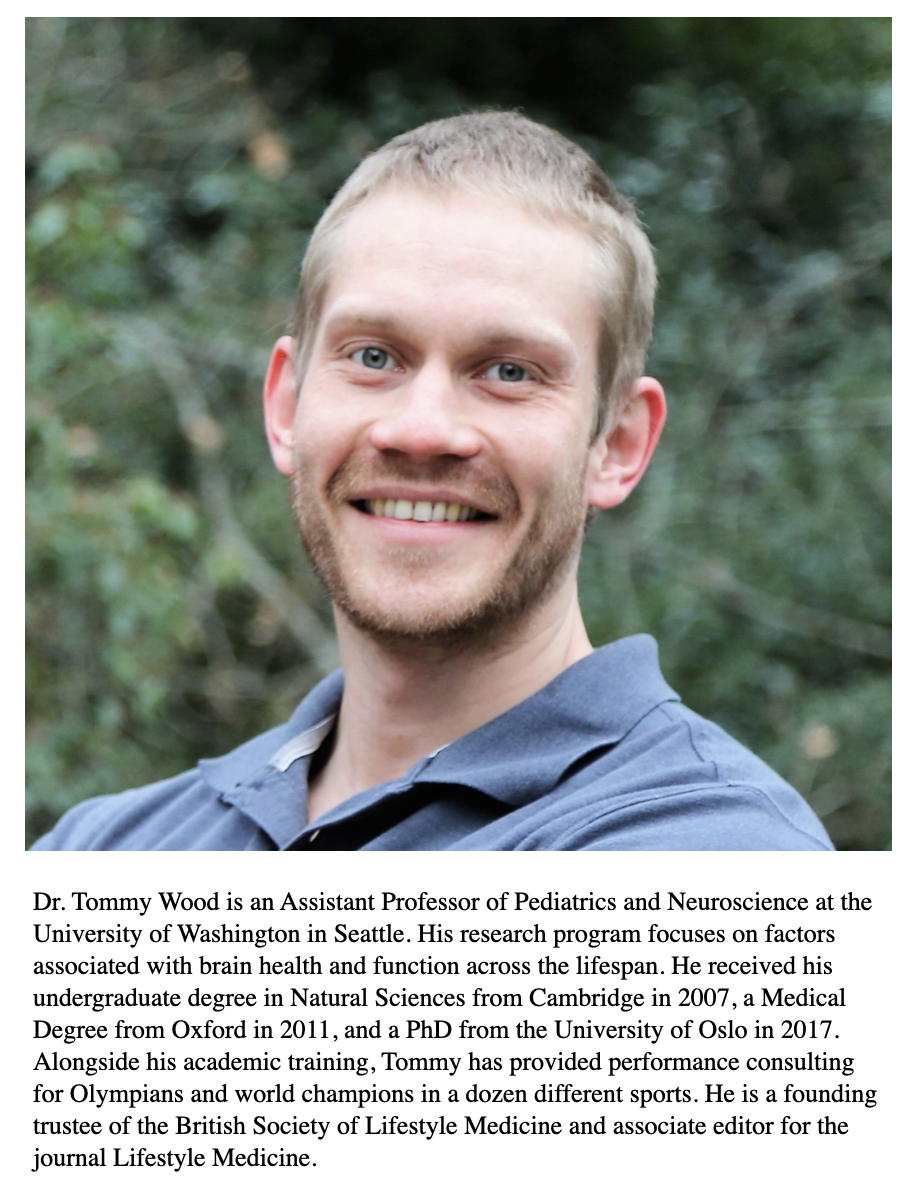
By Research Professor Tommy Wood from the University of Washington

Most of us have two types of elderly relatives.

One of them is old – they have trouble walking, they’re in and out of the doctor’s office, and they always seem to repeat the same stories. The other type seems younger than their years they play tennis twice a week, they’re social, and they’re sharp as a tack. How can we become part of the latter group?

When it comes to aging in general and cognitive function in particular, genes obviously play a role, but did you know that lifestyle choices matter even more?[1] So, what are the top lifestyle choices to keep our brains sharp into old age?

As a neuroscientist, this is a question I often get.

Besides the obvious ones – physical activity, strength, sleep, a healthy diet, not smoking – my top tip is this: If you want to stay mentally sharp into old age, keep your brain active. In short, “use it or lose it”.

But what does “using it” look like? In this post I’ll cover some of the evidence around cognitive decline, as well as some practical take-aways for anybody wanting to improve their brain health as they get older.

Use it or lose it

The brain is an amazing organ, and it’s more resilient and adaptable than we’ve been led to believe. I’m sure you’ve heard that adults have a fixed amount of brain cells. Then, as we get older (or every time we take a sip of wine) we “lose” some of those brain cells as part of an unstoppable decline towards dementia or Alzheimer’s disease.

But that’s not necessarily true. I like to think about the brain like I think about muscles. In order to grow our muscles, we need to provide a stimulus – like lifting weights in the gym – followed by a period of rest. The opposite also happens – if we stop going to the gym or if we stop using a limb after breaking a bone – our muscles get smaller. Most have experienced this personally, and there’s every indication that your cognitive “muscle” behaves in the same way.

How do we know this? One type of evidence is that longer education seems to reduce dementia in later life. [2]* You might think of education as early cognitive muscle building that you then benefit from throughout life. We see similar effects from other forms of early cognitive stimulus – like protection from neurodegenerative disease in people who grew up bilingual.[3]

But we’re not cognitively doomed after adolescence. One of my favourite studies looked at adults studying “The Knowledge” – memorising ~25,000 streets in central London to become a taxi driver. These participants were in their 30s or 40s, yet they saw a significant increase in the size of the hippocampus, the brain region associated with memory.[4]

We also see the opposite effect – less cognitive stimulus increases the risk of cognitive decline and dementia. This is most easily studied by looking at retirement. Multiple studies in populations across the US, China, and Europe, show that the risk of cognitive decline accelerates after retirement.[5-8] Those that retire later are protected against cognitive decline, even after considering factors that might force early retirement such as poor health. Overall, a recent meta-analysis looking at health and lifestyle factors associated with cognitive decline found that cognitive activity was the single most protective factor – halving the risk of Alzheimer’s disease.[2] This really emphasises the lesson: use it or lose it. What counts as ‘protective cognitive demand’? Doing something badly.

The evidence around retirement and cognitive decline suggests that work is where adults tend to get most of their cognitive activity. However, it’s important to unpick what constitutes cognitive activity that is protective. We may feel that our work demands a lot from our brain, but being “busy” does not necessarily benefit the brain. In fact, it’s often the opposite. Being “busy” tends to come with stress, and though stress is very personal, chronic stress is associated with an increased risk of Alzheimer’s disease.[9] What keeps us busy and stressed – sitting in meetings, reading emails, inputting data – may be time consuming, but rarely requires much brain power.

So, what constitutes protective cognitive demand? Failure.

Activities that provide the greatest cognitive stimulus involve learning and skill development. That means we’re initially bad at them and occasionally fail before we get better. This is the real sticking point for improving brain health – as adults we hate the feeling of being bad at something. Failing is, however, when the magic happens. A fascinating study looked at the brains of musicians.[10] While both professional and amateur musicians’ brains looked younger compared to non-musicians of the same age, the benefit was greatest in amateur musicians. The researchers suggested that playing music is more of a cognitive stimulus for amateurs – it’s harder, so they get more benefit. The cocktail of hormones released as we try, fail, repeat, and learn, provides the ideal environment for the brain to grow and adapt.


How to “use it”

So, how should we apply this knowledge? Below are some of the best and easiest ways to build in cognitive stimuli you can benefit from for years to come.


1 | Pick an activity that’s truly challenging
Cognitive demand requires failure, so pick something you’ll be bad at initially. What’s cognitively challenging is personal, but learning a new language is better than sudoku, building model airplanes is probably better than reading the news, and playing chess is definitely better than scrolling through Instagram. As you get better, add challenge to keep stimulating your brain.

2 | Start small and do something you enjoy
Skill development should be a lifelong process, which means it should be a routine. Start small – for instance 2 minutes a day of playing an instrument or learning a new language. Make sure your new skill is something you enjoy – that makes it easier to stick to and keep as a part of your life.

3 | Move – with a skill component
Movement has some of the best evidence on improving brain health. One of the first studies to show that the hippocampus can grow in adults of retirement age (or older) used a walking intervention – just 40 minutes of brisk walking 3x per week.[11] Other studies have showed increased brain connectivity and function in adults doing resistance training 1-2 times per week.[12] Best is movement that includes balance or motor skills: the added challenge of coordination seems to be particularly protective against cognitive decline.[13] Think yoga, dance, or even skateboarding

4 | Try a new skill that’s social
Social interaction is its own form of cognitive stimulus: social connection is protective of cognitive function, while social isolation has the opposite effect.[14] So what’s better than simply learning a new skill? Doing so with friends. Start a book club to discuss the books you read. Join a knitting circle, language group, or dance class. Volunteer for a local charity. All of these help you learn new skills, with the added benefit of social interaction.

5 | Repeat, repeat, repeat
There are no hard and fast rules about how much or how often to work on a new skill, but once a week is a good start. If it’s a class or a movement practice, maybe 1-3 times per week. If it’s something you can do on your own, you may prefer more frequent, smaller bouts of focused practice. Try using a Pomodoro timer to dig in for 20-30 minutes – a suitable time for most people to keep their undivided attention.
The key is to push right at the boundaries of what you’re capable of – with occasional failure showing that you’re at the right level of difficulty. Keep at it, and you’ll be more likely to be healthy and sharp for decades to come.

Footnote
*It’s worth noting that those who stay in education for longer also tend to be socioeconomically advantaged, but the benefit of longer education seems to hold even accounting for that.


References

  1. Lourida I, Hannon E, Littlejohns TJ, Langa KM, Hyppönen E, KuĆșma E, Llewellyn DJ. Association of Lifestyle and Genetic Risk With Incidence of Dementia. Jama. 2019;322(5):430-7. doi: 10.1001/jama.2019.9879.
  2. Yu JT, Xu W, Tan CC, Andrieu S, Suckling J, Evangelou E, Pan A, Zhang C, Jia J, Feng L, Kua EH, Wang YJ, Wang HF, Tan MS, Li JQ, Hou XH, Wan Y, Tan L, Mok V, Tan L, Dong Q, Touchon J, Gauthier S, Aisen PS, Vellas B. Evidence-based prevention of Alzheimer’s disease: systematic review and meta-analysis of 243 observational prospective studies and 153 randomised controlled trials. J Neurol
    Neurosurg Psychiatry. 2020;91(11):1201-9. Epub 2020/07/22. doi: 10.1136/jnnp-2019-321913. PubMed PMID: 32690803; PMCID: PMC7569385.
  3. Sala A, Malpetti M, Farsad M, Lubian F, Magnani G, Frasca Polara G, Epiney JB, Abutalebi J, Assal F, Garibotto V, Perani D. Lifelong bilingualism and mechanisms of neuroprotection in Alzheimer dementia. Hum Brain Mapp. 2022;43(2):581-92. Epub 2021/11/04. doi: 10.1002/hbm.25605. PubMed PMID: 34729858; PMCID: PMC8720191.
  4. Woollett K, Maguire EA. Acquiring “the Knowledge” of London’s layout drives structural brain changes. Current biology : CB. 2011;21(24):2109-14. Epub 2011/12/08. doi: 0.1016/j.cub.2011.11.018. PubMed PMID: 22169537.
  5. Hale JM, Bijlsma MJ, Lorenti A. Does postponing retirement affect cognitive function? A counterfactual experiment to disentangle life course risk factors. SSM – Population Health. 2021;15:100855. doi: https://doi.org/10.1016/j.ssmph.2021.100855.
  6. Dufouil C, Pereira E, ChĂȘne G, Glymour MM, AlpĂ©rovitch A, Saubusse E, Risse- Fleury M, Heuls B, Salord JC, Brieu MA, Forette F. Older age at retirement is associated with decreased risk of dementia. Eur J Epidemiol. 2014;29(5):353-61. Epub 2014/05/06. doi: 10.1007/s10654-014-9906-3. PubMed PMID: 24791704.
  7. Nikolov P, Adelman AM. Do Pension Benefits Accelerate Cognitive Decline? Evidence from Rural China. Labor: Public Policy & Regulation eJournal. 2019. Sundström A, Rönnlund M, Josefsson M. A nationwide Swedish study of age at retirement and dementia risk. Int J Geriatr Psychiatry. 2020;35(10):1243-9. Epub 2020/06/20. doi: 10.1002/gps.5363. PubMed PMID: 32557831.
  8. Ye Y, Li J, Yuan Z. Effect of antioxidant vitamin supplementation on cardiovascular outcomes: A meta-analysis of randomized controlled trials. PloS One. 2013;8:e56803. doi:10.1371/journal.pone.0056803.
  9. Rogenmoser L, Kernbach J, Schlaug G, Gaser C. Keeping brains young with making music. Brain Struct Funct. 2018;223(1):297-305. Epub 2017/08/18. doi: 10.1007/s00429-017-1491-2. PubMed PMID: 28815301.
  10. Erickson KI, Voss MW, Prakash RS, Basak C, Szabo A, Chaddock L, Kim JS, Heo S, Alves H, White SM, Wojcicki TR, Mailey E, Vieira VJ, Martin SA, Pence BD, Woods JA, McAuley E, Kramer AF. Exercise training increases size of hippocampus and improves memory. Proceedings of the National Academy of Sciences. 2011;108(7):3017. doi: 10.1073/pnas.1015950108.
  11. Herold F, Törpel A, Schega L, MĂŒller NG. Functional and/or structural brain changes in response to resistance exercises and resistance training lead to cognitive improvements – a systematic review. Eur Rev Aging Phys Act. 2019;16:10. Epub 2019/07/25. doi: 10.1186/s11556-019-0217-2. PubMed PMID: 31333805; PMCID: PMC6617693.
  12. Ludyga S, Gerber M, PĂŒhse U, Looser VN, Kamijo K. Systematic review and meta- analysis investigating moderators of long-term effects of exercise on cognition in healthy individuals. Nature Human Behaviour. 2020;4(6):603-12. doi: 10.1038/s41562-020-0851-8.
  13. Penninkilampi R, Casey AN, Singh MF, Brodaty H. The Association between Social Engagement, Loneliness, and Risk of Dementia: A Systematic Review and Meta-Analysis. J Alzheimers Dis. 2018;66(4):1619-33. Epub 2018/11/20. doi: 10.3233/jad- PubMed PMID: 30452410.
Further info