Evidence & Studies Archives | Food for the Brain Foundation

because prevention is better than cure.

because prevention is better than cure.

Mini Cart 0

Your cart is empty.

Mini Cart 0

Your cart is empty.

Alzheimer’s: Why Prevention is Better than Cure

Everybody wants a cure for Alzheimer’s. 

The medical industry has spent around $100 billion searching for one and so far, come up relatively empty-handed with over thirty failed drug trials. The focus has been on drugs that lower two of the chemical compounds associated with Alzheimer’s and dementia in general – amyloid and p-tau, a pair of messed up proteins that can lead to plaques in the brain and tangled nerves. There is a third compound – an amino acid called homocysteine – that becomes toxic if you have too much, that the drug industry and the Alzheimer charities don’t talk about, for reasons that will become clear.

The actual clinical measures that are used to diagnose Alzheimer’s are a decline in cognitive function and shrinkage of the central area of the brain called the medial temporal lobe. Both changes in cognitive function and brain shrinkage can be picked up thirty years before a diagnosis of Alzheimer’s is made.  

So now a £10 million study is underway to see if a blood test for p-tau, or amyloid, will ‘predict’ if you are more likely to develop the disease and there are plans for a major programme to identify those at risk so they can be treated as early as possible.  This sounds sensible but there are serious drawbacks. To begin with not everyone with raised p-tau or amyloid go on to develop Alzheimer’s. 

This means, as a recent article in the New York Times entitled, ‘Apparently healthy but diagnosed with Alzheimer’s,’ pointed out, people without a diagnosis or no brain scan showing shrinkage, could well be offered new drug treatments that are so far, only marginally better than placebos but can have awful adverse effects. 

These include brain bleeding or swelling which has occurred in more than one in four in the last two drug trials and resulted in seven deaths. Medical agencies in the US, EU and UK are reluctant to licence their use but are under a lot of pressure to do so. 

So thousands of desperate people with early stage Alzheimer’s or cognitive decline, hoping for a cure, are queuing up to join these drug trials because they perceive these drugs, that so far come with little or no benefit plus highly unpalatable side effects, are a better alternative than doing nothing.

There are alternatives – you just haven’t been told about them!

But are there really no alternatives? Well, none that patients are routinely told about. They involve changes in diet and lifestyle that are very likely to improve your overall health, including that of your brain, and very unlikely to cause damaging side effects. 

Almost all money for research, pledged by governments and raised by Alzheimer’s charities, is going in the direction of drug treatments. Alzheimer’s Research UK’s (ARUK) website says “we exist for a cure”. Most of the money is going toward amyloid and p-tau related research, neither of which have been established as causal. In other words, high levels may just be a consequence of the disease process.

The same is not true for raised blood levels of homocysteine. If levels rise in the brain, it shrinks faster and cognitive abilities decline. If it goes down, they improve, and brain shrinkage slows. This means that it is causing the damage and so would logically be a target for treatment. The only way to do it, however, is with high dose B vitamins (B6, B12 and folate). Several gold standard, placebo-controlled trials have found this to be very safe and effective. But this approach is not patentable and so yields nothing like a drug profit.

This is a much better biomarker than p-tau

But the benefits of treating homocysteine don’t stop there. It is a much better biomarker of risk for Alzheimer’s than plaque and p-tau both because it is more easily measured and more safely lowered. And when it is lowered, unlike those two, it actually improves cognitive function and slows brain shrinkage by as much as two thirds. It also helps to stop p-tau formation.

Routinely checking homocysteine levels could prevent thousands of cases. Just doing this “could save costs to the UK economy of approximately £60 million per year,” says Dr Apostolos Tsiachristas, Associate Professor in Health Economics at the University of Oxford. His research also estimated it would promote healthy longevity, adding 14 years to life expectancy. 

About half of people over 65 have a homocysteine level above 11 mcmol/l, which is where it starts to become damaging. In one study a third of those treated ended the study with no clinical dementia rating, meaning they could no longer be diagnosed with cognitive impairment. Those with sufficient omega-3 DHA, which is the most important structural fat in the brain, had 73% less brain shrinkage compared to placebo when given the B vitamin treatment. In contrast, in the last anti-amyloid treatment trial, brain shrinkage accelerated by about a fifth in those getting the drug, compared to placebo and not one person achieved a clinical dementia rating of zero.

It should be clear by now, after decades of scientific research that amyloid plaque is not a cause of Alzheimer’s, but a consequence. The same is likely to be true for p-tau tangles.

As an analogy, consider your teeth. Is plaque the cause of tooth decay?  Sure, flossing your teeth and getting the plaque scraped off by the dental hygienist helps, but what causes the plaque? The answer is a bad diet – in this case, one high in sugar and low in fibre. Despite fifty years of research, there is no ‘cure’ for tooth decay, but it can be prevented. The same concept applies to Alzheimer’s, which is as preventable as tooth decay with the right diet and nutrition and lifestyle – which also happens to include less sugar and more fibre.

Alzheimer’s Prevention

How preventable is Alzheimer’s? It accounts for two thirds of dementia cases. The most conservative figure is 40% . More optimistic estimates say around 80%. Since only one in a hundred cases is caused by genes Alzheimer’s may be entirely preventable in those 99% who do not have the rare causative genes and act early enough to optimise all diet and lifestyle factors. It is not an inevitable consequence of the ageing process as evidenced by the fact that the majority of people don’t get it.

Why the difference in figures? It’s all to do with what is or isn’t included in prevention studies. The most widely used review for dementia prevention in the UK is the 2020 report of the Lancet Commission, authored by Professor Gill Livingston. Both this and the first edition in 2017 failed to even mention homocysteine, despite being repeatedly sent all the evidence of the undeniable beneficial effects of homocysteine-lowering B vitamins by the Oxford Project to Investigate Memory and Ageing (OPTIMA) at the University, headed by former Deputy Head of Medical Science, Professor David Smith.

This is a major and damaging error and has led to the widespread belief that B vitamin supplements are not part of the usual list of preventive actions. But it should be corrected, especially considering that a US National Institutes of Health study attributes 22% of the risk of Alzheimer’s to raised homocysteine. Also, the best study of all, looking at 396 studies in total, published in 2020, concluded: ‘Homocysteine-lowering treatment seems the most promising intervention for Alzheimer’s disease prevention.’

Other prevention studies you may have read are possibly based on data from the UK Biobank. This major research data bank also ignores homocysteine, not for any malevolent reason but simply because it wasn’t measured when it was enrolling people. So, one of the single biggest risk factors and arguably the simplest to change, is repeatedly ignored.
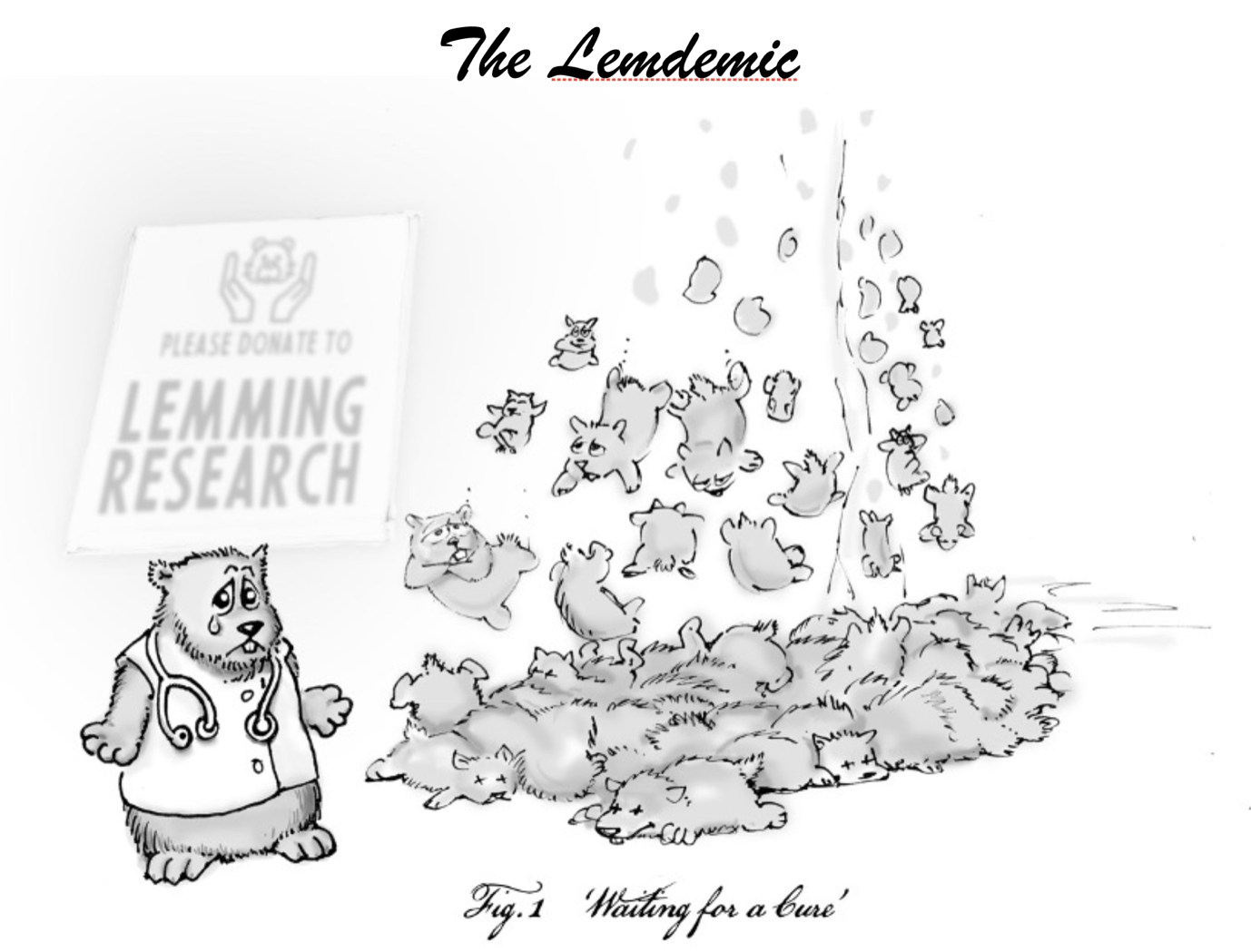
Given that a conservative half of Alzheimer’s cases could be prevented, shouldn’t half the available research money be spent on prevention? 

This certainly doesn’t happen at the moment. Of the three leading charities, two spend nothing on prevention. ARUK claims to spend 5% but none of this goes towards B vitamins or other brain-friendly nutrients such as omega-3 or vitamin D. They, too, ignore homocysteine, and the beneficial effects of lowering it with B vitamins, as first shown in a 2010 Oxford University study they actually helped fund!

1+1=3

Prevention studies are almost always going to underestimate (never overestimate) the power of prevention due to excluding risk factors, but also because they largely ignore the ‘1+1=3’ compounding impact of interactive risk factors. B vitamins, for example, don’t work without sufficient omega-3 and omega-3 fish oils don’t work in people with raised homocysteine, because of a lack of B vitamins. This has been shown in four trials – in the UK, Holland, Sweden and China. The combination of B vitamins given to people sufficient in omega-3 DHA improved the reduction in brain shrinkage from 53% to 73%. 

Pollution exposure is a risk factor but, in those with lower homocysteine, this effect is much reduced. Poor sleep is a risk factor, but less so in those who exercise. 

For the past five years leading UK researchers, led by neurologist Professor Peter Garrard, who is the Director of the dementia research group in the St George’s, University of London Neuroscience Research Section, have tried to get funding to test the most promising combination – B vitamins and omega-3 – to no avail. Such a trial is badly needed and would cost a fraction of that being spent on amyloid or p-tau.

So. What if a person does everything right – enough B vitamins to keep homocysteine low, sufficient omega-3, low sugar, high fibre diet, enough vitamin D (Alzheimer’s is four times less likely in those with sufficient vitamin D), and an active physical, intellectual and social lifestyle, plus good sleep and not too much stress? 

The only ongoing study and database that assesses all these risk factors as well as including blood tests of four critical biomarkers, homocysteine, omega-3 index, vitamin D and HbA1c, which measures glucose control, is our COGNITION Biobank. We describe it as ‘citizen science’ because anyone can get involved doing a free online Cognitive Function Test, filling in a questionnaire about their diet, lifestyle and medical history, and sending in a blood sample from our home test kit available for purchase. 
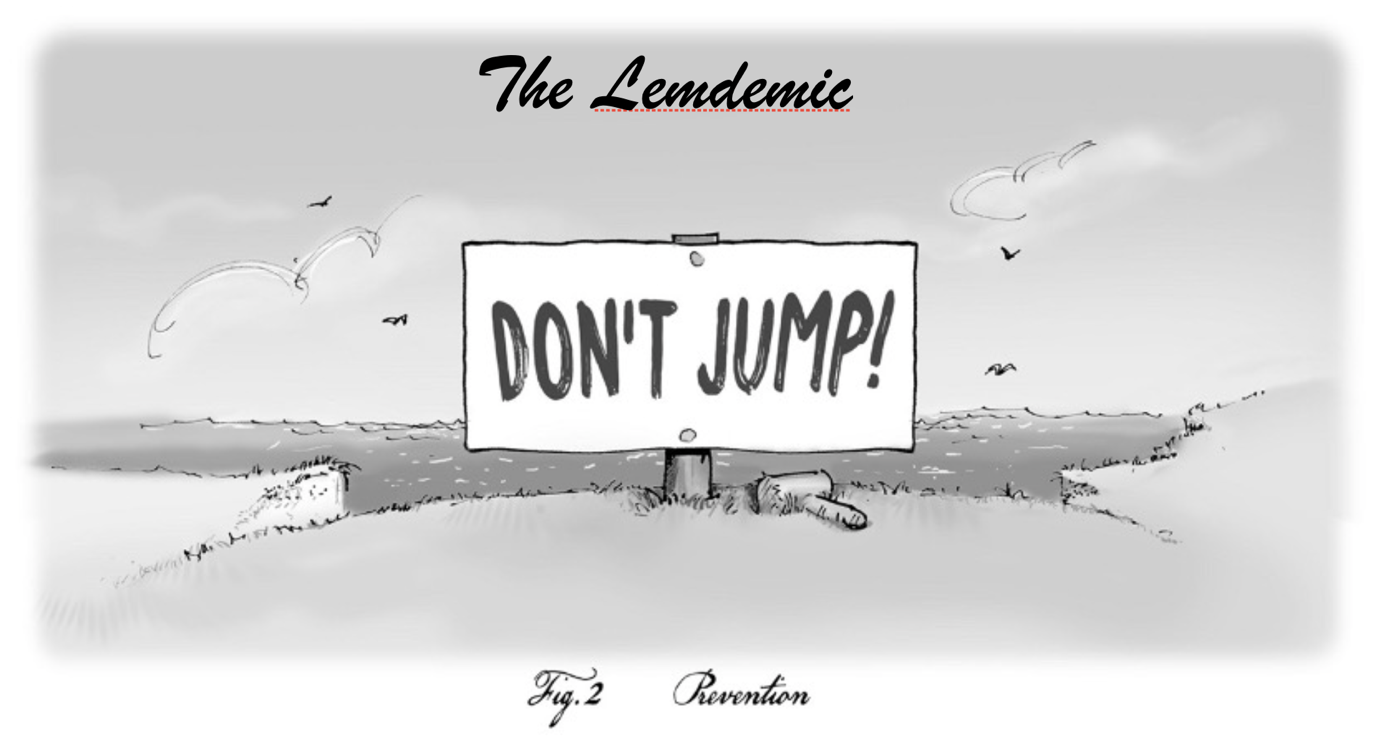
So far, over 400,000 people have done our test. But, unlike the £10 million trial, funded by the People’s Lottery, the Gates Foundation, ARUK and the Alzheimer’s Society, it gets no funding. It is literally funded by our citizen scientists who chip in £50 a year and pay for their own tests. Their message is simple: prevention is better than cure – don’t jump.

Action:

A world-class group of Alzheimer’s prevention experts are launching Alzheimer’s Prevention Day on May 15th. See alzheimersprevention.info.

(The 3-minute Alzheimer’s Prevention Check goes live on May 1st).

References & Info

These are key papers regarding stated facts in this article.

Donanemab review in the British medical Journal: BMJ 2023;382:p1852 

Health economics of B vitamins: Tsiachristas A, Smith AD. B-vitamins are potentially a cost-effective population health strategy to tackle dementia: Too good to be true? Alzheimers Dement (N Y). 2016 Aug 11;2(3):156-161. doi: 10.1016/j.trci.2016.07.002. PMID: 29067302; PMCID: PMC5651357.

Omega-3 and B vitamin interactions and studies: Smith AD, Jernerén F, Refsum H. ω-3 fatty acids and their interactions. Am J Clin Nutr. 2021 Apr 6;113(4):775-778. doi: 10.1093/ajcn/nqab013. PMID: 33711096.

Less brain shrinkage and cognitive decline with B vitamins and sufficient omega-3: Jernerén F, Elshorbagy AK, Oulhaj A, Smith SM, Refsum H, Smith AD. Brain atrophy in cognitively impaired elderly: the importance of long-chain ω-3 fatty acids and B vitamin status in a randomized controlled trial. Am J Clin Nutr. 2015 Jul;102(1):215-21. doi: 10.3945/ajcn.114.103283. Epub 2015 Apr 15. PMID: 25877495; see also  Oulhaj A, Jernerén F, Refsum H, Smith AD, de Jager CA. Omega-3 Fatty Acid Status Enhances the Prevention of Cognitive Decline by B Vitamins in Mild Cognitive Impairment. J Alzheimers Dis. 2016;50(2):547-57. doi: 10.3233/JAD-150777. PMID: 26757190; PMCID: PMC4927899.

NIH Alzheimer’s prevention review: Beydoun MA, Beydoun HA, Gamaldo AA, Teel A, Zonderman AB, Wang Y. Epidemiologic studies of modifiable factors associated with cognition and dementia: systematic review and meta-analysis. BMC Public Health. 2014 Jun 24;14:643. doi: 10.1186/1471-2458-14-643. PMID: 24962204; PMCID: PMC4099157.

Meta-analysis of 396 studies favouring homocysteine-lowering B vitamin treatment: Prof Yu study Yu JT, Xu W, Tan CC, Andrieu S, Suckling J, Evangelou E, Pan A, Zhang C, Jia J, Feng L, Kua EH, Wang YJ, Wang HF, Tan MS, Li JQ, Hou XH, Wan Y, Tan L, Mok V, Tan L, Dong Q, Touchon J, Gauthier S, Aisen PS, Vellas B. Evidence-based prevention of Alzheimer’s disease: systematic review and meta-analysis of 243 observational prospective studies and 153 randomised controlled trials. J Neurol Neurosurg Psychiatry. 2020 Nov;91(11):1201-1209. doi: 10.1136/jnnp-2019-321913. Epub 2020 Jul 20. PMID: 32690803; PMCID: PMC7569385.
Further info

The P-Tau Delusion

Tau is a structural protein that helps build the skeleton, much like pipes, through which nutrients and nerve signals are delivered to different parts of the brain. Our brains contain a balance of tau protein and phosphorylated-tau, abbreviated to p-tau. An abnormal accumulation of p-tau makes these tubular channels tangled and dysfunctional and triggers brain-cell death.1

Too much p-tau also messes up the mitochondria, the cells’ energy factories, potentially leading to brain fatigue. The more p-tau accumulates, the greater the risk of cognitive problems and Alzheimer’s dementia. Also, those with memory decline have been shown to have relatively more p-tau to tau protein.

The next target for dementia drugs is reducing p-tau. Consequently, drugs are being developed and tested that block the kinase enzyme and activate the phosphatase enzyme,2 which is exactly what the homocysteine-lowering B vitamins do. But so far, there are no human clinical trials reporting significant benefit.

The critical prevention question is what stops too much of the tau protein from turning into the potentially harmful p-tau in the first place and what helps restore p-tau to normal tau protein.

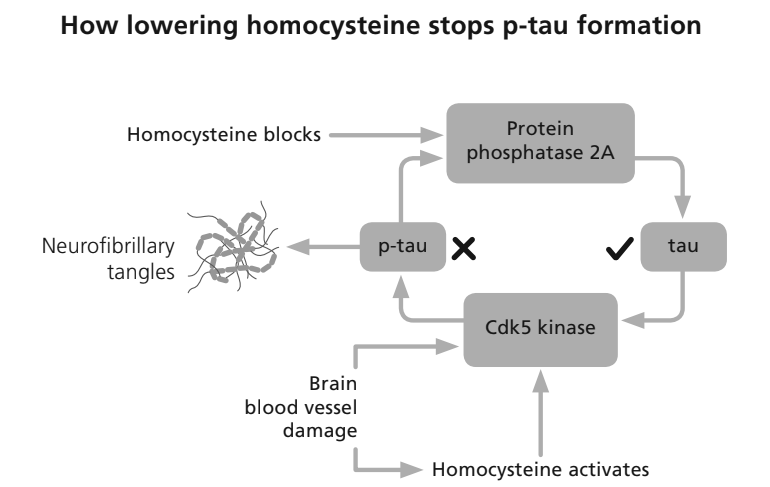
The answer is remarkably simple – a lack of B vitamins raises the blood levels of homocysteine, which activates an enzyme, Cdk5 kinase, which adds the bad ‘p’ to tau and blocks another enzyme, protein phosphatase A2, which removes the dangerous ‘p’.3,4 High homocysteine levels also damage the tiny blood vessels in the brain, leading to ‘mini strokes’ or transient ischemic attacks (TIAs), which further raise the levels of p-tau. Homocysteine not only raises the levels of the dangerous p-tau,5 but can also bind to tau,6 further generating the neurofibrillary tangles that then trigger brain-cell death.

So, the simplest way to stop the formation of p-tau, and neurofibrillary tangles, and keep your brain healthy, is to keep your plasma homocysteine level below 10mcmol/l. Half of those above 65 have a homocysteine level higher than this.

By now you’re surely wondering why, if these natural approaches are at least as good, if not better, than drug treatments, and without adverse effects, why this isn’t common knowledge and common practice, especially if the cost is a fraction of the drug treatments. For example, supplementing B vitamins and omega-3 fish oils might cost you £100 a year while anti-amyloid drugs are pitched at around £20,000 a year.

I’m convinced that it is exactly this last point that explains the anomaly. Naturally occurring nutrients cannot be patented; only a man-made invention, such as a drug, can be. Holding a patent means only the company making that product can sell it, and they can determine the price. The price of a drug will include a hefty margin for marketing the drug and creating all the hype to get you, the media and the medical profession to buy into it. Once the patent expires, the price plummets. The price of a leading branded statin dropped by 93 per cent, from close to £30 down to just over £2 a month,7 That’s a lot of margin for marketing. By then, the manufacturers are on to the next ‘new’ patented drug. Up to 2022 $45 billion8 has been spent so far developing the latest ineffective dementia drugs, but the real cost, including the most recent trials and marketing, could be double this. That’s a lot of money to recoup. The first stage is to develop a test that convinces you and your doctor that you ‘need’ the drug. That’s what these tests in the £10 million trial are all about. If you test high, instead of taking an ineffective drug why not do prevention? That’s what the free Cognitive Function Test at foodforthebrain.org is all about.

Extract, used with permission, from Patrick Holford’s Upgrade Your Brain (Thorsons 2024)

REFERENCES

1. Balasu S et al. Science14 Sep 2023 Vol 381, Issue 6663 pp. 1176-1182 DOI: 10.1126/science.abp9556

2. Xia, Y., Prokop, S. & Giasson, B.I. “Don’t Phos Over Tau”: recent developments in clinical biomarkers and therapies targeting tau phosphorylation in Alzheimer’s disease and other tauopathies. Mol Neurodegeneration 16, 37 (2021). https://doi.org/10.1186/s13024-021-00460-5.

3. Smith AD, Refsum H. Homocysteine, B Vitamins, and Cognitive Impairment. Annu Rev Nutr. 2016 Jul 17;36:211-39. doi: 10.1146/annurev-nutr-071715-050947. PMID: 27431367.

4. LiJ-G,ChuJ,BarreroC,MeraliS,Pratico`D.2014.Homocysteine exacerbatesβ-amyloid, tau pathology, and cognitive deficit in a mouse model of Alzheimer’s disease with plaques and tangles. Ann. Neurol. 75:851–63.

5. Shirafuji N et al Homocysteine Increases Tau Phosphorylation, Truncation and Oligomerization. Int J Mol Sci. 2018 Mar 17;19(3):891. doi: 10.3390/ijms19030891. PMID: 29562600; PMCID: PMC5877752.

6. Bossenmeyer-Pourié C et al. N-homocysteinylation of tau and MAP1 is increased in autopsy specimens of Alzheimer’s disease and vascular dementia. J Pathol. 2019 Jul;248(3):291-303. doi: 10.1002/path.5254. Epub 2019 Mar 19. PMID: 307349

8. Cummings JL, Goldman DP, Simmons-Stern NR, Ponton E. The costs of developing treatments for Alzheimer’s disease: A retrospective exploration. Alzheimers Dement. 2022 Mar;18(3):469-477. doi: 10.1002/alz.12450. Epub 2021 Sep 28. PMID: 34581499; PMCID: PMC8940715.

Further info

Interview: The What & How of Alzheimer’s Prevention – Two Researcher’s Explain

If you ask the man on the street what’s driving Alzheimer’s, they’ll probably say it’s in the genes or that it is just what happens when you age. 

Now, neither of these statements are strictly true. 

Alzheimer’s is a largely preventable disease. 

The big question though is WHAT exactly needs to be done and HOW do we do this?

This is why Patrick recently interviewed two experts in these areas who are also members of our Scientific Advisory Board:

Dr. Tommy Wood is an Assistant Professor of Pediatrics and Neuroscience at the University of Washington in Seattle. His research program focuses on factors associated with brain health and function across the lifespan. He received his undergraduate degree in Natural Sciences from Cambridge in 2007, a Medical Degree from Oxford in 2011, and a PhD from the University of Oslo in 2017. Alongside his academic training, Tommy has provided Performance Consulting for Olympians and world champions in a dozen different sports. He is a founding trustee of the British Society of Lifestyle Medicine and associate editor for the journal Lifestyle Medicine.

Dr Kristina Curtis is an Expert in Digital Behaviour Change Interventions (DBCIs). She has a multidisciplinary background spanning across industry, research, teaching, training and consultancy. Her primary research interests are in the development and evaluation of mHealth (mobile health) interventions, in particular how the convergence of behavioural science and UX design promotes effective engagement.

(Want to learn more about the Citizen Science Research Team? Click here to find out more)

Interview:

Diagnosis & the difference between Alzheimer’s, dementia and mixed dementia.

Patrick Holford (PH)

My guests today are tackling the two fundamental questions. 

  1. Firstly, what are the positive and negative behaviours, diet lifestyle and environment that both either drive dementia or prevent it?
  2. And then the big question is, how do you encourage people to change those behaviours? 

So we have a system Professor, Tommy Wood from the University of Washington about the ‘what’.  Then to Dr. Kristina Curtis, a behavioural scientist and honorary lecturer at the University College London who heads the applied behaviour change team about how to affect behaviour change. 

Now, your background in relation to the brain is broad I see, from your time at Cambridge and Oxford University then Norway and now as assistant professor of Paediatrics and Neuroscience at the University of Washington. I believe you’ve also brain-trained Formula One drivers. Tell us about your background and how you became involved in this challenge to prevent Alzheimer’s.

Tommy Wood (TW)

I essentially fell into neuroscience initially, around 20 years ago when I was an undergraduate at Cambridge. I spent a summer in the neonates neuroscience lab looking at brain injury in babies. This is still partly what I do 20 years later.  

In between, I then went to medical school where I trained as a doctor and I also developed a lot of interest in other neurodegenerative conditions. For instance, I spent a lot of time looking at a systems approach to multiple sclerosis because my step brother was diagnosed with multiple sclerosis when he was a similar age to me in his mid 20s.  

Then, as I worked through my PhD in my early formal academic career as a professor, I worked increasingly with athletes as a performance consultant. So anything related to their cognitive and physical performance which could be sleep, diet and other stresses that they are frequently exposed to.  So, as this story of my career comes together, I work with brain injury at the beginning of life, then as I work with athletes, I do more around concussions and traumatic brain injury. And then you think, well, there were all these factors that start early in life, probably even before you’re born, that create this trajectory of how your brain functions. And that continues as you get older. So then, that makes me think about, how do we intervene at any life stage to ensure that we have cognitive function that lasts as long as possible, ideally preventing significant cognitive decline and dementia in old age. Then you start to see that these same risk factors are important at every stage so that you can start to build this idea of what the brain needs, and then you can figure out how you might want to intervene. 

PH 

I was just interviewing Professor Michael Crawford, age 93, and using some sort of quantum physics, he’s worked out how the photons that hit our eye turn into the image that we actually see. And I remember at the same age of 93, filming Linus Pauling on his theory of lipoprotein A. So I’ve witnessed people well into their 90s as sharp as a razor.

But before that, a little bit of background, what is the difference between Alzheimer’s and dementia overall, and we also hear about vascular dementia?

TW  

Dementia is essentially a catch-all diagnosis for when an individual has reached a point of cognitive decline where they are no longer able to perform regular daily tasks or usually look after themselves. So it’s a clinical diagnosis based on overall cognitive functioning. 

Then you might ask, Well, what’s causing this dementia in an individual and then we we have the sub categories, so Alzheimer’s dementia, which, if you asked Alzheimer himself, apparently he was unsure whether they should all be classified as the same thing, but that’s a sort of semantic argument.

But what we would call Alzheimer’s clinically makes up maybe 60 to 80% of dementia. Vascular dementia, which is more directly focused on blood supply to the brain, makes up something like 5 to 10%. Then there are other dementias that have very special effects on very specific parts of the brain but overall, their effect on broad cognitive function eventually ends up in a similar place. 

So with Alzheimer’s, dementia is often thought to be this continuous, gradual decline in function. Whereas with vascular dementia, what is often thought to happen is you have these very small strokes that happen throughout the brain. And each time that happens, you lose a portion of function, so you have more of this step change over time. However, in reality, there tends to be lots of overlap between say vascular and Alzheimer’s dementia, because blood supply to the brain is also important, for Alzheimer’s and sometimes it can be difficult to differentiate between the two. 

PH

And how is Alzheimer’s diagnosed as you know, in that form of dementia?

Usually, it’s going to involve some cognitive function tests. So there are lots of standardised tests like the MACA, MMSE appeal  – you may have heard of these. But there’s a whole range of tests that you’re usually going to do in person with a neurologist or an old age psychiatrist and part of it is going to be a diagnosis of exclusion. So you want to make sure that somebody doesn’t have something else going on, like a very significant vitamin deficiency or other things that can be significant like depression as they can look like significant cognitive decline or dementia, but they aren’t necessarily the same thing. So part of it is going to be excluding these other causes. Then you will probably do some brain scans and look at how the brain looks either on a CT scan or an MRI and then that, in conjunction with cognitive function, and some part of the medical history is going to tell you this is likely Alzheimer’s dementia. Often, we hear of someone being diagnosed with mixed dementia. 

PH

Is that mainly part Alzheimers, part vascular? 

TW

Yes, that’s the most common combination, but if you think about Lewy body dementia, or Frontotemporal dementia, these can also occur in different combinations in different people. But usually, because of the overlap in terms of the risk factors, Alzheimer’s with some vascular component is relatively common. 

Preventing Alzheimer’s

PH

Now, if a person could change all their circumstances, and we’re sort of talking from early life as well, – their diet, their lifestyle, the environment that they’re born into, and their education, to what extent could we say that Alzheimer’s is a preventable disease?

TW  

It depends on how you want to try and tackle the question. But if you can change everything about an individual’s circumstances other than their genetics, then the vast majority is preventable. Depending on who you ask, some will say that it’s maybe 40 to 50%. Others will say that it’s up to maybe 70 to 80%. In some populations around the world, usually hunter-gatherer or indigenous populations, dementia is almost entirely unheard of. So it’s definitely possible that there are some combinations of environment and genetics where dementia just doesn’t occur and in that scenario, it is entirely preventable. 

PH

Now, do these same prevention steps, which obviously we’re going to go into, also prevent vascular dementia? And if so, if we put Alzheimer’s and vascular and a chunk of mixed dementia together, are we talking about 80% of dementia for example, being potentially 80% preventable?

TW  

Yes. So, as I mentioned briefly earlier, there’s a lot of overlap between the risk factors for vascular dementia. And those are also related to cardiovascular disease risk factors. So things that affect your body’s ability to move blood to the places that you want it to move to, the health of your blood vessels. There is a lot of overlap between those risk factors or things that affect negatively and those are risk factors for Alzheimer’s disease.

In fact, cardiovascular disease and poor vascular health are risk factors for Alzheimer’s dementia more directly. So if we think about the upper end of the subcategories of dementia that, 80% is Alzheimer’s disease, 10% is vascular dementia, which based on estimates could be up to 90% then yes, up to 90% of dementia is probably at least 70 ish to 80 ish percent preventable.

Test Your Cognitive Function Now green banner.
How important a role do genes play?

PH

It’s often said that early onset Alzheimer’s, which is defined as before the age of 65, is that small genetic part, but a study that came out earlier this year questioned that. It was on the basis of data from the UK Biobank and it actually said that many of the same factors that are driving dementia or Alzheimer’s later in life are also present in those who develop a diagnosis before 65. So that sort of de-emphasises the genes to some extent. 

Is this true, that early onset is much the same phenomena that we’re looking at.

TW  

Yes and no. 

So traditionally, early onset Alzheimer’s, is thought to be almost entirely genetic, and driven by single significant, high penetrance genetic mutations that result in early cognitive decline. In Alzheimer’s dementia, which is thought to be more similar to what Alzheimer himself was describing when he first described the disease, it was thought to be maybe five to 10% of dementia. Now, as Alzheimer’s diseases become more prevalent,  it’s maybe around 1% of cases. However, I certainly know clinicians who have patients who have one of these mutations in a presenilin gene, or the amyloid precursor protein gene and by attending to lifestyle factors, they managed to maintain good cognitive function late into life. So even if you have some of these mutations, which are thought to almost definitely lead to Alzheimer’s disease, there does seem to be an interaction with lifestyle and other health related factors. 

Then, at the same time, we’re seeing earlier diagnosis of non-monogenic Alzheimer’s disease, which is what this paper you described, was talking about. And that’s probably because the health of the population is declining, such that we’re seeing pre-diabetes earlier, we’re seeing people that are less physically active, maybe they’re less cognitively stimulated.  All these other risk factors are adding up and they’re affecting our brains earlier in life. So now there’s more of a mix, in early onset Alzheimer’s disease, as those risk factors become prevalent earlier in life. 

Diagnosed with Alzihemrs at age 19?  A growing tsunami of cognitive decline 

PH

I saw a report from China, of a man aged 19 diagnosed with Alzheimer’s, it said it was non-genetic, so presumably, they tested and there wasn’t the Apoe gene or the pre Senlin gene, I can’t confirm that. But can it really happen that fast, this cognitive decline that we are seeing that is so prevalent?

TW  

If you think about cognitive function as a trajectory, over time, there are three or four different components to that. 

So first of all, as you get older, cognitive function generally peaks on average, towards the end of your formal period of education. So if that education extends into university or maybe a graduate degree, then that’s going to peak sometime in your 20s or early 30s. But if you don’t even complete secondary school or high school, then it’s going to peak much earlier, and it’s going to have a much lower peak. After the peak, then you have a period of decline, and the speed of that decline depends on a number of factors, the majority of them related to ongoing stimulus to the brain as well as a whole host of health-related and nutritional factors, as you know very well. So there’s certainly a possibility where if you had a low peak of cognitive function, and that may even be based on something like maternal nutrition and epigenetics related to the health of your parents, so you had a low peak, and you have poor overall health, you’d have a more rapid decline. It’s certainly possible that this could happen very early in life, though, thankfully, at least right now, that’s very rare.

PH  

Yeah, we’ve seen the youngest with type two adult onset diabetes age three, so quite extraordinary. 

So is Alzheimer’s, just the tip of the iceberg of a growing tsunami of cognitive decline that is likely to start happening earlier?

TW  

Yes and no.

I say no, because having had lots of conversations, including with one of your close colleagues and mentors, David Smith. When you look at the specific prevalence of Alzheimer’s disease, it has not increased over time. And in fact, in some populations, it’s decreased.  It’s probably decreased a little bit more in men, because we focus very heavily on cardiovascular disease risk factors, which are more important in men in terms of causes of death.

And that has come with some improvement in terms of age-specific incidence of Alzheimer’s disease, when the reason why Alzheimer’s disease is becoming more prevalent, and it’s going to double or triple in the next few decades, is because we’re living longer. So there’s a combination of we’re living longer, and in general, our health is declining. 

So you could say, there’s this oncoming wave of Alzheimer’s disease, and that is expected. But we know that if we target specific risk factors, that doesn’t have to be the case. So I don’t think it’s all bad news.

A green Citizen Scientist badge, with the quote "optimum nutrition is the future of medicine".
(Donations solely fund our research please donate to fund our Citizen Science)
Our Citizen Science Research Team

PH  

Now, you’re the principal investigator at Food for the Brain heading, the research and the science there. So what does that involve? 

What’s your goal as a principal investigator?

TW  

One of the most important tools that we have when we’re looking at diseases or specific functions or health of the population are our population datasets, and there are lots of these. 

Governments around the world organise them, there’s Haynes in the US, there’s the UK Biobank in the UK that people have heard of, and you collect lots of data from lots of people, and at that kind of scale, you can start to maybe pick up relationships that you couldn’t otherwise. 

When we think about the risk factors for cognitive decline, and dementia, specifically, none of the datasets that exist so far are really designed to focus on that. So one of the most important ideas is to collect data, specifically related to risk factors for Alzheimer’s, dementia, and hopefully those that are modifiable. So it’s kind of a citizen science idea, right?  We’re going to people who are interested in this or maybe interested in this for their loved ones.  They are providing their data and part of it is to help understand their own risk, but then allowing us to look at a wide variety of risk factors. 

There are over a hundred questions in a questionnaire that look at different risk factors and we have the cognitive function test and blood tests. So then, when you have very large datasets like this, we can start to look for complex interactions between risk factors, and we can figure out which risk factors are most important. These are things that still need to be done as it pertains to most Alzheimer’s disease. I think, hopefully, Food for the Brain is going to be in a good position to help people understand that.

Test Your Cognitive Function Now green banner.
Figuring out the perfect food and lifestyle combo – what matters more!

PH

So what’s your ultimate goal from this data set – to find the sort of perfect diet lifestyle combo?

TW 

I think that there are two main things. In reality, I think that we know what is going to be best for most people.  If we look across all the evidence, we probably know that already we can have a good guess of what you should aim for.

When you say, here are the 50 things you need to fix to improve your brain health. There’s just an overwhelming amount of information – you don’t know where to start, what should I do? 

First, what’s most important to me, what’s most impactful? So figuring out which factors an individual should focus on first, which gives the biggest bang for their buck is what’s going to be a big, big part of this. Then the million dollar question is how do you actually change a person’s often highly entrenched behaviour, especially if we want to reach hundreds of 1000s across a digital platform?

PH 

So Dr. Kristina Curtis, welcome. 

You’re a behaviour change expert and an associate of UCLA Centre of Behaviour Change and founder of Applied Behaviour Change, which focuses on digital health programmes to help prevent and manage chronic conditions. 

Can you explain a bit about your background and the reason you are interested and involved in this Alzheimer’s prevention project? 

Khristina Curtis KC

After my psychology degree, I had a few years out working in industry because I hadn’t found the area of psychology that I wanted to specialise in. And so this led me to return to studies to specialise in health psychology, which is all about health behaviours. And then immediately afterwards, I then started a PhD, which really culminated my experience back then, which was web to technology, with my academic knowledge of health psychology at the Institute of Digital Healthcare at Warwick University.  

My PhD was really focused on how we would embed behaviour change models into mobile health apps and digital health interventions. And really, I feel passionate about preventing chronic conditions and particularly Alzheimer’s disease, as there are a lot of misconceptions about it. And we’ve talked a lot about them today. And in terms of many people think it’s a symptom of ageing, and largely down to our genes. Whereas, as we’ve heard, we can do a lot to reduce our risk by adopting healthier habits. 

How do we implement these ‘risk-reducing’ behaviours and habits?

PH

And what are you doing in the cognition project at Food for the Brain? What’s your game plan? 

KC

Let’s talk about the kinds of preventative behaviours. 

For example, increasing physical activity, eating a healthier diet, social interaction, brain training, might all help to reduce our risk of developing things like Alzheimer’s and dementia. One of the issues here is that actually sustaining these long term changes and making them long term habits is extremely challenging. 

There is quite a good evidence base on which behaviour change techniques work but we’re still really in the early stages of understanding how to implement these techniques in a way that engages different groups of people. There is strong evidence which suggests that we should have a tailored approach.

We are a small but mighty team and charity running on donation alone – please donate to our continued research here.

A green Citizen Scientist badge, with the quote "optimum nutrition is the future of medicine".

Also, you can learn more about our Citizen Science Research Team here.

Further info

Leading the Hunt for Alzheimer’s Biomarkers

Everyone knows that Alzheimer’s and cognitive decline are preventable IF you can find out who is at risk. 

While those selling anti-amyloid or p’tau drugs will exaggerate the importance of blood testing for amyloid or p’tau, which are damaged proteins found in the brains of people with Alzheimer’s, so far lowering these markers hasn’t worked. In other words, they are a marker, but not a cause.

So, what is a biomarker that predicts risk? 

And therefore what biomarkers, if corrected, reduce risk?

To date, there are four:

Homocysteine, a toxic amino acid, which goes up when your intake of B vitamins (B6, B12, folate, as well as zinc) is low. If you then lower homocysteine with B vitamins, it stops the brain shrinkage associated with Alzheimer’s and improves cognitive function. Brain shrinkage stops below 10 mcmol/l, and that’s what you’re aiming for. So that’s both ‘biomarker’ and ‘causal’ ticked.

At Food for the Brain, we are offering the first accurate at home, pinprick test for homocysteine that is both painless and accurate.

Omega-3 index is another. This is the % of your red blood cell membranes that are omega-3 EPA and DHA. The higher your % (ideally above 8) the better your cognition. Low levels also predict risk. So that’s also two boxes ticked. 

Vitamin D is another. Low levels predict risk and supplementing it reduces risk. Again, two boxes ticked but we don’t really know how it does this.

Combining these three to make a ‘nutritional index’ shows that the better you score, the lower a person’s future risk of dementia is.

HBA1c is another. This is a measure of your blood sugar resilience. It measures the spikes in your blood sugar that then damage red blood cells. Below 5.4% (or 37 mmol/mol) is the idea.

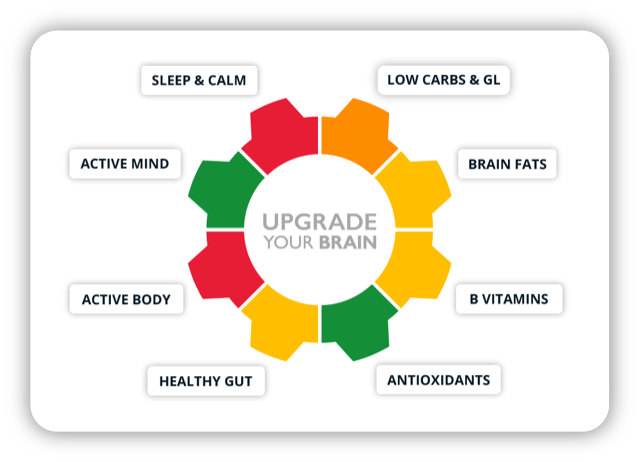
We divide your scores across four levels – worst is RED, then ORANGE, then YELLOW, then GREEN, which is what you’re shooting for. 

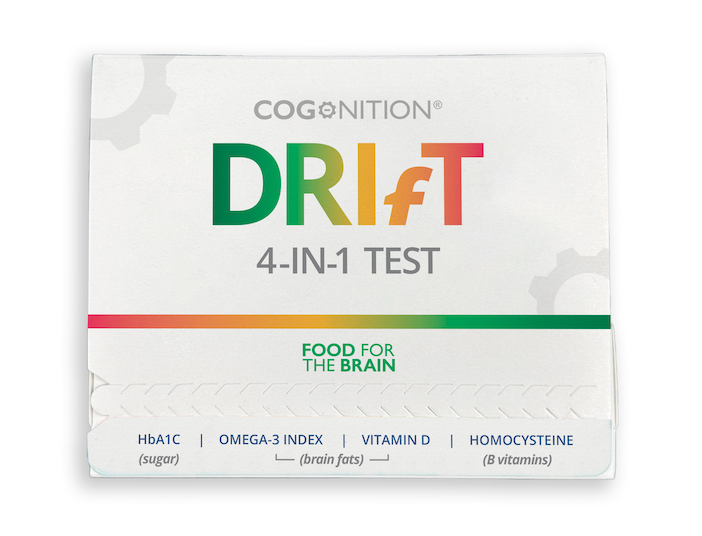
That’s what our DRIfT test measures – all four as a Dementia Risk Index functional Test.

This chart shows you why these four measures are so essential. 

What about antioxidants?

But you might have noticed there’s no ‘antioxidant’ measure.

Well, actually there is. It’s the body’s most important antioxidant called glutathione. Think of it like the body’s fire department with glutathione being the water. Every time there’s an oxidant fire, glutathione rushes in to put the fire out. The water, then, turns into steam. Glutathione is called GSH. It’s not bad as a measure of ‘antioxidant potential’. That’s why most functional medicine doctors measure red blood cell glutathione. But what if it all gets used up? It becomes oxidised or spent, much like the water putting out a fire turns into steam. This is called oxidised glutathione or GSSG. Think of the fully loaded glutathione (GSH) as cold water. It’s going to protect you much better from inflammation than spent (oxidised) glutathione (GSSH), a highl level of which means you’ve been trying to put out a lot of inflammatory fires in your brain and body. Neuro-inflammation is a key driver of brain degeneration and dementia, as well as ageing in general, which is why this is important to know.

We’ve been researching the ratio that is your GSH/GSSG. If you’ve got lots of fully loaded glutathione, and very little oxidised/spent glutathione, your GSH/GSSG ratio or index is high. That’s good news. If you’ve got very little fully loaded glutathione and lots of oxidised glutathione then you’re ‘oxidising’ –  which is an aspect of ageing that we want to prevent.

We want to be able to research this and test your Glutathione Index. This is exactly what we are working on right now with the hope of releasing another ‘world first’ home test kit for your Glutathione Index soon. This kind of research is funded by you, as a Friend of Food for the Brain.

An example would be a person who smokes a lot, lives in a polluted environment, eats no fresh veg, berries, herbs and spices. Their Glutathione Index will be low and their body and brain will likely be ageing faster. If you did smoke but also ate well and took vitamin C daily, (they say you need 50mg of vitamin C for each cigarette) would that mitigate the effect? 

Would you join our research, support our charitable work and upgrade your own brain by ordering one of our DRIftT tests?

If you’ve also done the Cognitive Function Test and Dementia Risk Index questionnaire (which we strongly recommend) that’s even better because we can see how you score in the ANTIOXIDANT domain and in future, how that will correlate with your Glutathione Index (which is coming soon).

Further info

Apparently Healthy, but Diagnosed with Alzheimerʼs? 

by Patrick Holford

This is the headline from the New York Times exposing a proposal from an ‘Alzheimer’s Working Group’ that we should all have an amyloid blood test to then be prescribed anti-amyloid drugs. This is a similar strategy to statins which are given to anyone with ‘high cholesterol’ despite no evidence of heart disease and limited benefit from taking the statins, except in the drug companies own trials. Their representatives also reduced the ‘acceptable’ blood test level in a process known as ‘diagnostic creep’.

The working group, many of whose members, say the NYT, are ‘employed by companies developing drugs and diagnostics’ is chaired by Dr Clifford R. Jack Jr., an Alzheimer’s researcher at the Mayo Clinic.  “Someone who has biomarker evidence of amyloid in the brain has the disease, whether they’re symptomatic or not,” said Dr Jack. “The pathology exists for years before symptom onset,” he added. “That’s the science. It’s irrefutable.”

But wait…

Let’s back up here a minute.

Amyloid has never been proven to be a cause of Alzheimer’s. 

In fact, the repeated failure of anti-amyloid drugs that do successfully lower amyloid to deliver any meaningful clinical effect has proven, time and time again, that raised amyloid is not the cause of Alzheimer’s. It is, I believe, an effect, an artefact. Not all who develop Alzheimer’s have raised amyloid but most do. But the fact that it is present doesn’t mean removing it with anti-amyloid drugs will ‘cure’ the disease. The real pathology of Alzheimer’s is both a reduction in cognitive function and brain shrinkage.

The last drug trial reported that those on the drugs had 20% more brain shrinkage than those on the placebo. In other words the pathology got worse, not better. We reported this because it was in the published research paper but no newspaper coverage mentioned it. (Perhaps journalists only read the press release, not the study itself).  This was finally reported in the Telegraph two weeks ago: ‘‘Breakthrough’ Alzheimer’s drugs can shrink the brain, scientists warn’.

The risk-to-benefit ratio is terrible

According to Dutch researchers, 10 percent of cognitively normal 50 year-olds would test amyloid positive, as would almost 16 percent of 60-year-olds and 23 percent of 70-year-olds. Most of those individuals would never develop dementia. But, if this scenario were to roll out, they would be prescribed the anti-amyloid drug treatment at an estimated £40,000 a year. Given that there were seven deaths of participants in the last two anti-amyloid drug trials, reported by ourselves and the Telegraph, and over a third of patients got potentially fatal brain bleeding or swelling, that’s a hell of a downside for something that isn’t likely to deliver any benefit. 

“Anti-amyloid trials raise scientific and ethical questions.” Writes Professor David Smith in the British Medical Journal (1). “Ackley and colleagues found that lowering brain β-amyloid levels in Alzheimer’s disease had no significant effect on cognition in 14 clinical trials on a total of 4,596 patients. Is it justifiable to ask patients to undergo yet more trials of anti-amyloid treatments? Moreover, we should all question the morality of the drug companies that declined to give these researchers access to data for 20 of the 34 trials they wanted to study.”.

“These findings” he says  “should direct our attention to the prevention of Alzheimer’s disease by slowing down the disease process, for which there are many possible approaches.”

Professor David Smith is one of the many scientific advisors instrumental in shaping our prevention policy which goes like this:

  • Test actual cognitive function, which is known to show changes up to 40 years before a diagnosis. That’s the Cognitive Function Test which you can do here.
    As part of this assessment, you will complete a questionnaire covering all known risk factors. That’s the Dementia Risk Index which follows the Cognitive Function Test.
  • Then measure actual blood markers of things that predict risk – homocysteine, omega-3 index, HbA1c for sugar control, and vitamin D. That’s the DRIfT test, available here.
  • Then advise the individual on how to reduce their risk by targeting the risk factors that they can change, which, in turn, bring down the biomarkers in the DRIfT test.

There are no downsides, only benefits, with this kind of prevention approach. 

There is only one problem – prevention is not profitable.

References

1 http://dx.doi.org/10.1136/bmj.n805

Further info

The Latest on Alzheimer’s Prevention & Drugs in the News

This week CNN ran a story about a dementia prevention clinic in the US, run by neurologist Professor Richard Isaacson, who used our Cognitive Function Test in his prevention study at Cornell University.

The basic concept, much like what Food for the Brain is doing online, is that people get screened with blood tests, complete a cognitive function test and are assessed for diet and lifestyle factors that increase future risk. The article highlights nutrition, insulin resistance, genetic, behavioural and lifestyle risk factors along with the ability to track your progress with new ‘experimental blood tests’.

What’s the difference between this and what Food for the Brain is offering? 

This screening would set you back at least $2000 compared to Food for the Brain’s, with the DRIfT blood test, costing closer to £200.

Brain Blood Tests that Predict Risk

In Alzheimer’s there are increases in Amyloid and p-tau. That’s not in dispute. Despite all the hype, the anti-amyloid drugs such as Lecanemab, featured in last week’s Panorama programme, have produced what is widely regarded as a clinically insignificant benefit with very high risk of adverse effects, including a small risk of death. Five people died as a consequence of the drug treatment in the last two trials, which is approximately one in 500. The British Medical Journal editorial concluded  ‘No clinically meaningful effect. 30% get brain bleeding or swelling. Two trial deaths under investigation.’ 

The ‘just’ statistically significant benefit, which got the drug its licence, was several times less than that reported in a comparative trial of omega-3 in those with low homocysteine (sufficient B vitamins) and the rate of brain shrinkage actually increased by 20% compared to a 73% reduction in a trial of homocysteine lowering B vitamins in those with sufficient omega-3 DHA in their blood (read more about that here.)

So, yes, test amyloid but no – there is not sufficient evidence that lowering it with anti-amyloid drugs is going to realistically make much difference.

The trouble with the anti-amyloid monthly injection (which costs circa £20,000 a year) is that each injection will need to be followed by an expensive brain scan precisely because of the risk of brain bleeding and swelling, experienced by a third in trials. That’s also why the BBC reported that Alzheimer’s Research UK has warned that the NHS is ‘not ready’ for new Alzheimer’s drugs Lecanemab and Donanemab. It’s not prepared for such a treatment rollout due to the benefit it delivers versus the cost of on going assessment. Together with the medical costs it will probably cost closer to £50,000 per year per person. 

While in contrast, £50,000 would fund 1,000 people follow our COGNITION programme for a year.

All eyes on p-tau lowering drugs…

With the failure of the amyloid hypothesis, all eyes are on p-tau lowering drugs. 

Yet none have worked. 

But, much like cholesterol for heart disease, the media messaging will be to test p-tau rather than prescribe a drug. The irony here is that a lack of B vitamins, or rather raised homocysteine (which you can test here), is well established to increase p-tau so the simplest way to stop the formation of p-tau, and neurofibrillary tangles, and keep your brain healthy, is to keep your plasma homocysteine level below 10mcmol/l. In addition, the fact that there is no solid evidence that lowering levels of p-tau or amyloid protein prevents dementia or slow down progression is why these are called ‘‘experimental blood tests” in the CNN coverage.

We have combined four tests (omega-3 index, vitamin D, HBA1c for sugar balance, homocysteine for B vitamins) that each have clear evidence that

a) good levels correlate with less risk
b) bringing blood test levels into the optimal range reduces risk. 

So we are ahead in that respect. This is the 4-in-1 DRIfT test which calculates a biological Dementia Risk Index. 

We want you to take this test, not only for your benefit but also, when we have enough results of tests and retests, together with FREE Cognitive Function Test results we can research the correlation to find out how your DRIfT score predicts cognitive function. 

Genetic Fears

The other issues raised are around genes that predict Alzheimer’s risk. 

There’s quite some confusion here which, if misunderstood, creates unnecessary fear. ‘Causative’ genes (APP and Presenelin) are very rare – less than 1 in 100. The Panorama programme included a younger person with this gene. Much more common is having the ApoE4 gene, which one in seven people have. This doesn’t cause Alzheimer’s. Technically, it increases risk by 4 to 6% but all the changes we recommend to your diet mitigate even this increased risk. That is why, in studies where people ate better or took the right supplements, there was no difference in the outcome of the individuals with or without the ApoE4 gene variant.

The bottom line is that almost no-one needs to develop dementia if they follow ‘optimum nutrition’ advice – diet, supplements and lifestyle and that is what we are here to do.

Food for the Brain is making prevention a reality.

Join us in our mission, research and reclaim your brain this year. The first things you want to do are:

  • Complete the FREE Cognitive Function Test. This is an online, validated assessment of your current cognitive function and your dementia risk. Over 400k have completed this test and upgraded their brain in the process.
  • Order your DRIfT test. These accurate, at-home blood tests are the perfect way to improve your brain health and reduce your risk.

Further info

Early Dementia Prevented by Our 8 Domains, Shows UK BioBank Study

Early-onset dementia, often talked about as ‘genetic’, has been linked to exactly those factors that our Dementia Risk Index questionnaire, part of the Cognitive Function test, assesses. 

In other words, what you do and how you live protects you from losing cognitive function at any age.

This study from the UK Bio Bank’s data defined young-onset dementia (YOD) as a diagnosis before the age of 65, but many people experience degrees of cognitive decline at younger and younger ages. This report (1) from China even confirms a 19-year-old man, with no causative Alzheimer’s genes being diagnosed with Alzheimer’s!

Thankfully there is lots you can do to reduce your risk and prevent the loss of your mind and memories.

This UK BioBank study (2) identified 485 people out of 356,000 who developed dementia before the age of 65. The estimate is that 70,000 people in the UK suffer from young-onset dementia. It identified 15 risk factors, many of which we already address within our 8 domains

Particularly predictive were a person’s vitamin D level, diabetes and depression. (The 15 identified risk factors were lower formal education, lower socioeconomic status, carrying 2 apolipoprotein ε4 allele, no alcohol use, alcohol use disorder, social isolation, vitamin D deficiency, high C-reactive protein levels, lower handgrip strength, hearing impairment, orthostatic hypotension, stroke, diabetes, heart disease, and depression.)

Vitamin D is vital to supplement in the winter. Those who do have a 40% lower incidence of dementia according to a recent study. A study in France those with low vitamin D levels, below 50 nmol/L, had a nearly three-fold increased risk of Alzheimer’s. Over sixty per cent of people in the UK have lower levels than this. This is why we are now offering vitamin D testing to everyone who has taken the Cognitive Function Test.

Diabetes, and pre-diabetes, is best identified from a blood test for HbA1c which determines glucose control. Levels above 6.5% indicate diabetes while adolescents with levels above 5.4% have been shown to have a degree of cognitive impairment. In young adults having the early signs of poor glucose control is a future predictor of dementia.

The incidence of depression goes up substantially in those with low vitamin D, poor glucose control as well as a lack of omega-3 (now included in the tests we offer.) It may also reflect lack of stimulation for example from loneliness, unemployment, lack of mental stimulation through education and lack of opportunity.

Diet wasn’t sufficiently investigated, nor homocysteine, because the UK Biobank questionnaire doesn’t ask sufficient questions to go close up, nor is homocysteine part of the blood test data. That is why Food for the Brain’s growing data bank – the result of people like you taking the time to do the test – is going to prove so invaluable. (This is one of the reasons we have launched our highly accurate, affordable, at-home Homocysteine test kits which will be back in stock later this week.

Prof Llewellyn, one of the study authors, said the study “reveals that we may be able to take action to reduce risk of this debilitating condition”.

Even with this data gap, this study shows that a lot of the risk factors for early-onset dementia are preventable. At the end of January, we are launching the DRIfT (Dementia Risk Index Functional Test) home test, measuring both vitamin D, omega-3, HBA1c and homocysteine with a home test kit.

When you address these factors, which is what our Cognitive Function Test and follow-up COGNITION program is designed to do, you can mitigate your risk of dementia.

While we have had over 400,000 do the test and see many people’s dementia risk index decrease and Cognitive Function Score increase, this research confirms our work and mission.

As our founder and CEO Patrick Holford says:

Take the Cognitive Function Test today, learn your current brain health status and take our easy at-home blood tests (like vitamin D) so that you know exactly how to reduce your risk and prevent dementia at any age.

Test Your Cognitive Function Now green banner.
References

1 – https://pubmed.ncbi.nlm.nih.gov/36565128/

2 – https://pubmed.ncbi.nlm.nih.gov/38147328/

Further info

Omega-3 cuts dementia risk by a third

The largest study of its kind, involving over a quarter of a million people (267,000) from the UK Bio Bank, has reported 30 per cent less risk of dementia in those with a higher omega-3 status in their blood (1). 

One of the study authors, Professor Bill Harris from Stanford University’s Department of Medicine in South Dakota, says “There is now overwhelming evidence from no less than four studies this year that increasing your intake and blood levels of omega-3 is strongly associated with reducing future dementia risk. Ideally a person wants to get their blood omega-3 index above 8%”.

This UK study confirmed the results of a US study (2) earlier this year that found a 49 per cent reduced risk for dementia in those with the highest omega-3 DHA level (top fifth) in their red blood cells versus the lowest (bottom fifth). Oily fish and fish oil supplements contain two kinds of omega-3 fat called DHA and EPA. DHA is the main fat found in brain cells of all animals.

What’s more a meta-analysis of 48 studies in the American Journal of Clinical Nutrition in 2023 (3) also concludes that ‘a moderate-to-high level of evidence suggested that dietary intake of omega-3 fatty acids could lower risk of all-cause dementia or cognitive decline by about 20 per cent, especially for DHA intake’. 

Each 100mg increment of DHA was associated with an 8–10 per cent lower risk of dementia. 

But it also predicts the actual size of your brain.

A recent study by psychologists at the Linda Loma University in California and published in the journal Brain Sciences (4), reported that the higher a person’s omega-3 index was in their blood, the more white matter there was in their brain meaning they had more brain volume, and the better they performed on cognitive tests that predict less risk for dementia.

This is why we have launched our omega-3 campaign and offer our home test kits to measure the omega-3 index from a pinprick of blood, the measure used in this research. Alongside the blood test, you are invited to complete a free online Cognitive Function Test and a Dementia Risk Index questionnaire that not only calculates your risk but tells you what to do to lower it. 

We hope to enrol hundreds of thousands of people interested in protecting their brains and willing to have a yearly pinprick blood test and assess their memory with a validated online test. 

This is ‘citizen science’ with the research results shared back to everyone involved. 

Less than one per cent of Alzheimer’s is caused by genes. This is a largely preventable disease and getting your omega-3 level up by eating oily fish and taking supplements is likely to cut risk by a third. We need to both research and educate people to take prevention action from their 30s.

Test Your Cognitive Function Now green banner.
References

1 Sala-Vila, A.; Tintle, N.; Westra, J.; Harris, W.S. Plasma Omega-3 Fatty Acids and Risk for Incident Dementia in the UK Biobank Study: A Closer Look. Nutrients 2023, 15,4896. https://doi.org/10.3390/ nu15234896

2 Sala-Vila, A.; Satizabal, C.L.; Tintle, N.; Melo van Lent, D.; Vasan, R.S.; Beiser, A.S.; Seshadri, S.; Harris, W.S. Red Blood Cell DHA Is Inversely Associated with Risk of Incident Alzheimer’s Disease and All-Cause Dementia: Framingham Offspring Study. Nutrients 2022, 14, 2408. https://doi.org/10.3390/ nu14122408

3 Wei BZ, Li L, Dong CW, Tan CC; Alzheimer’s Disease Neuroimaging Initiative; Xu W. The Relationship of Omega-3 Fatty Acids with Dementia and Cognitive Decline: Evidence from Prospective Cohort Studies of Supplementation, Dietary Intake, and Blood Markers. Am J Clin Nutr. 2023
4 Loong, S.; Barnes, S.; Gatto, N.M.; Chowdhury, S.; Lee, G.J. Omega-3 Fatty Acids, Cognition, and Brain Volume in Older Adults. Brain Sci.2023,13,1278. https://doi.org/ 10.3390/brainsci13091278

Further info

Medicinal Mushrooms Help Fight Cognitive Decline & Protect Your Brain

 By Sophie Barret – Hifas da Terra & Patrick Holford

Two medicinal mushrooms are particularly relevant when it comes to optimising your brain health, here we discuss Reishi (Ganoderma Lucidum) and Lion’s Mane (Hericium erinaceus); in terms of their potency and use in both Alzheimer’s and Dementia as well as the studies and clinical research into both these significant strains.

Alzheimer’s disease is the most common form of dementia and, according to the WHO, accounts for 60-70% of cases. It is a progressive neurological disorder that involves a steady decline in thinking, behaviour and social skills that affects a person’s ability to live independently. Although age is the main risk factor for dementia, the disease is not an inevitable consequence of ageing. This type of dementia does not exclusively affect older people. Early-onset dementia (onset of symptoms before the age of 65) accounts for up to 9% of cases. Regular physical and mental exercise, avoiding cigarette smoke and alcohol, controlling weight and blood pressure, as well as following a healthy diet and premium quality supplementation can reduce the risk of Alzheimer’s or even slow down the process.

The application of Mycotherapy for Alzheimer’s focuses on the use of pure, standardised, organic extracts of Lion’s Mane (Hericium erinaceus) and Reishi (Ganoderma lucidum), the supplementation of which has been associated in clinical studies with a reduction in the likelihood of mild cognitive impairment and in vivo with anti-dementia activity in cognitive deficits.

The neurodegenerative mushroom: lion’s mane

Lion’s Mane, (Hericium erinaceus) is a medicinal mushroom with diverse pharmacological activities in the prevention of many age-associated neurological dysfunctions, including Alzheimer’s disease and Parkinson’s disease. (5). Supplementation of H. erinaceus has been shown to improve cognitive function and memory in people with mild cognitive impairment (4) and slow cognitive decline and dementia. Its extract is highly recommended in the treatment of neurodegenerative diseases.

The action of Lion’s Mane is based both on its ability to regenerate damaged nerve axons and to enhance myelinization. This is thanks to the rich content of hericenones found in Lion’s mane extract that act as a Nerve Growth Factor (NGF) enhancing agent.

European Biotech, Hifas da Terra, conducted the Neurofood study in people using a unique Lion’s Mane strain. The results showed significant improvements in participants’ attention, memory, concentration, processing speed and visuospatial skills.

The neuroprotective mushroom: reishi

Reishi has demonstrated neuroprotective capacity due to its potent antioxidant properties. Thanks to the antioxidant capacity of G. lucidum’s active biomolecules, especially terpenes such as ganoderic acid, it can improve the reduction of age-related oxidation linked to impaired cognitive function (12,13,14), alleviating neuronal damage and inhibiting apoptosis in Alzheimer’s disease (15).

Several studies and reviews have demonstrated its preventive and therapeutic effect on neuronal damage and cognitive impairment (9).

The antioxidant effect of G. lucidum, thanks to the ability of its active ingredients to scavenge free radicals, may enhance the reduction of age-related oxidation linked to cognitive function decline. (10).

What about ‘magic mushrooms’ & psychedelics ?

One of the hottest areas of brain research is the effects of various hallucinogenic compounds, notably psilocybin – a hallucinogenic substance in certain types of mushrooms, but also LSD and the Amazonian plant potion Ayahuasca, a rich source of DMT, on mental health and brain function. These compounds are tryptamines and share a quality of activating a key receptor site in the brain for serotonin, called 5-HT2 receptors.  As a group, they are all shown to be potential promoters of neuroregeneration and neuroplasticity, helping make neuron connections and perhaps new neurons. They also stimulate brain-derived neurotrophic factor (BDNF), a key brain signaller that stimulates growth. 

With many studies (13) now showing the potential of psychedelics to help those with treatment-resistant depression, drug addiction and also anxiety in terminal patients, much attention is being focussed on what they actually do in the brain. On a psychological level, breakthroughs in debilitating depression and anxiety seem to occur through the experience of patients ‘exorcising the demons’ of early traumas through psychotherapy assisted trips. But there may be more going on at a biological level. Also, studies are underway testing less heroic doses – microdoses – of these agents. It is too early to say whether they could have a helpful role in those with early cognitive decline and brain shrinking but it is certainly plausible and an area of ongoing research. It’s a case of ‘watch this space’.

In summary, the application of Mycotherapy for any type of dementia seeks to provide a neuroprotective effect, improving quality of life. It focuses also on the use of pure, standardised organic extracts of Lion’s Mane (Hericium erinaceus) and Reishi (Ganoderma lucidum), the supplementation of which has been associated in clinical studies with a reduction in the probability of suffering mild cognitive impairment (MCI) and in vivo with anti-dementia activity in cognitive deficits.

Lion’s Mane, (Hericium erinaceus) is a medicinal mushroom with a variety of pharmacological activities in preventing many age-associated neurological dysfunctions, including Alzheimer’s and Parkinson’s (1). As mentioned, supplementation of H. erinaceus (Lion’s Mane) has been shown to improve cognitive function and memory in people with mild cognitive impairment (2) and is therefore highly recommended in the integrative treatment of neurodegenerative diseases.

The action of H. erinaceus is based both on its ability to regenerate myelin and to regenerate new synapses thanks to its content of hericenones and erinacines, which act as Nerve Growth Factor (NGF) enhancing agents, both at the level of expression and secretion. This contribution of Hericium erinaceus has been shown to both prevent (5) and slow cognitive decline and dementia, as well as showing neuroprotective effects.

Several studies and reviews have also demonstrated as mentioned the neuroprotective capacity of Reishi, (Ganoderma lucidum), as well as its preventive and therapeutic effect on neuronal damage and cognitive impairment (9). While other studies have demonstrated its antioxidant effect concluding that, thanks to the ability of its active ingredients to scavenge free radicals, can enhance the reduction of age-related oxidation linked to the (10)

If you are going to consider two medicinal mushrooms for both these conditions these are the two medicinal mushrooms with the most scientific research behind them.

Want to learn more about how medicinal mushrooms can support you brain and mental health? Join us for the Mushrooms & the Mind webinar!


References

1. Li IC, Chang HH, Lin CH, et al. Prevention of Early Alzheimer’s Disease by Erinacine A-Enriched Hericium erinaceus Mycelia Pilot Double-Blind Placebo-Controlled Study. Front Aging Neurosci. 2020;12:155. Published 2020 Jun 3. doi:10.3389/fnagi.2020.00155.

2. Mori K, Inatomi S, Ouchi K, Azumi Y, Tuchida T (2009) Improving effects of the mushroom Yamabushitake (Hericium erinaceus) on mild cognitive impairment: a double-blind placebo-controlled clinical trial. Phytotherapy Research 23, 367-372.

3. Kim, Y. O., Lee, S. W., & Kim, J. S. (2014). A comprehensive review of the therapeutic effects of Hericium erinaceus in neurodegenerative disease. Journal of Mushroom, 12(2), 77-81.

4. Mori K, Obara Y, Hirota M, Azumi Y, Kinugasa S, Inatomi S, Nakahata N (2008) Nerve growth factor-inducing activity of Hericium erinaceus in 1321N1 human astrocytoma cells. Biologicaland Pharmaceutical Bulletin 31, 1727-1732.

5. Li IC, Lee LY, Tzeng TT, et al. Neurohealth Properties of Hericium erinaceus Mycelia Enriched with Erinacines. Behav Neurol. 2018;2018:5802634. Published 2018 May 21. doi:10.1155/2018/5802634.

6. Kawagishi, H., Zhuang, C., & Yunoki, R. (2008). Compounds for dementia from Hericium erinaceum. Drugs of the Future, 33(2), 149.

7. Ma BJ, Shen JW, Yu HY, Ruan Y, Wu TT, Zhao X (2010) Hericenones and erinacines: stimulators of nerve growth factor (NGF) biosynthesis in Hericium erinaceus. Mycology 1,

8. Moldavan M, Grygansky AP, Kolotushkina OV, Kirchhoff B, Skibo GG, Pedarzani P (2007) Neurotropic and trophic action of Lion’s Mane mushroom Hericium erinaceus (Bull.: Fr.) Pers. (Aphyllophoromycetideae) extracts on nerve cells in vitro. International Journal of Medicinal Mushrooms 9, 15-28.

9. Yu, N., Huang, Y., Jiang, Y., Zou, L., Liu, X., Liu, S., … & Zhu, Y. (2020). Ganoderma lucidum triterpenoids (GLTs) reduce neuronal apoptosis via inhibition of ROCK signal pathway in APP/PS1 transgenic Alzheimer’s disease mice. Oxidative medicine and cellular longevity,

10. Huang, S., Mao, J., Ding, K., Zhou, Y., Zeng, X., Yang, W., … & Pei, G. (2017). Polysaccharides from Ganoderma lucidum promote cognitive function and neural progenitor proliferation in mouse model of Alzheimer’s disease. Stem cell reports, 8(1), 84-94.

11. Klaus AS, Kozarski MS, Nikšić MP (2011) Antioxidant properties of hot water extracts from carpophore and spores of mushroom Ganoderma lucidum. Proceedings for Natural Science, Matica Srpska Novi Sad 120, 277-286.

12. ozarski MS, Klaus AS, Nikšić MP (2011) Extract from wild strain of mushroom Ganoderma lucidum as natural antioxidant. Proceedings for Natural Science, Matica Srpska Novi Sad 120, 287-295.

13. Saeger HN, Olson DE. Psychedelic-inspired approaches for treating neurodegenerative disorders. J Neurochem. 2022 Jul;162(1):109-127. doi: 10.1111/jnc.15544. Epub 2021 Dec 5. PMID: 34816433; PMCID: PMC9126991.

Further info

Is Vitamin D Deficiency Driving Dementia?

Everyone knows that vitamin D is vital for healthy bones and a stronger immune system but could low levels also be a major driver of Alzheimer’s and  age-related cognitive decline?

What new research is saying

New research suggests they could, and that levels of vitamin D commonly found in the UK are accelerating cognitive decline and increasing the risk of a dementia diagnosis (1). Supplementing vitamin D, especially in the winter, may reduce future dementia risk.

And it’s not just the UK. A study in France showed that those with low vitamin D levels, below 50nmol/l, had a nearly three-fold increased risk of Alzheimer’s (2). In the UK, over 60 percent of people aged 11 and over have lower levels than this (3).

Supplements also help ward off dementia, according to a large-scale study earlier this year involving over 12,000 dementia-free 70+ year olds (4). More than a third (37%) took supplements of vitamin D and had a 40% lower incidence of dementia. Professor Zahinoor Ismail, of the University of Calgary and University of Exeter, who led the research, said: “We know that vitamin D has some effects in the brain that could have implications for reducing dementia, however so far, research has yielded conflicting results. Overall, we found evidence to suggest that earlier supplementation might be particularly beneficial, before the onset of cognitive decline.”

Did you know we just launched our at-home vitamin D blood tests and MIND Vitamin D Research Project? Will you join our research project and test and track your own vitamin D with us?

If you’re not supplementing vitamin D in the winter they are heading for cognitive decline…

Vitamin D expert and Director of the Sunlight, Nutrition and Health Research Center in San Francisco and a member of our Scientific Advisory Board, Dr William Grant, says we’ve vastly under-estimated the importance of vitamin D on the brain and how much you need.

 “All the evidence for bone and immune health shows that you need a blood level of vitamin D above 75nmol/l to be healthy, and the same is proving true for the brain. This optimal level is impossible to achieve without supplementation in the winter. I recommend every adult and teenager supplement 3,000iu a day from October to March. The government’s recommendation of 400iu (10mcg) is not enough for optimal brain health. Supplementing 800iu (20mcg) a day for 12 months has already been shown to improve cognitive function but you need more than this to achieve anything close to an optimal level.” says Dr Grant. “If you’re not supplementing vitamin D in the winter they are heading for cognitive decline.” Yet only eight percent of UK adults take vitamin D in the winter, says the British Nutrition Foundation (6).

Under the direction of Dr Grant, we have launched a research project to test both vitamin D levels, using a home test kit, and cognitive function, with a free online Cognitive Function Test.

“We have tested over 400,000 people’s cognitive function and now we want to discover their vitamin D levels. This will establish how much vitamin D you really need to stay free from dementia” says Dr Grant.

If you’d like to take part in this research and discover your vitamin D level and cognitive function click here . The free online Cognitive Function test also works out what’s driving future dementia risk and tells you what to do about it


Did you know we just launched our at-home vitamin D blood tests and MIND Vitamin D Research Project? Will you join our research project and test and track your own vitamin D with us?

Thank you for reading!
Food for the Brain is a non-for-profit educational and research charity that offers a free Cognitive Function Test and assesses your Dementia Risk Index to be able to advise you on how to dementia-proof your diet and lifestyle.

By completing the Cognitive Function Test you are joining our grassroots research initiative to find out what really works for preventing cognitive decline. We share our ongoing research results with you to help you make brain-friendly choices.

Please support our research by becoming a Friend of Food for the Brain.

References

1 Chai B et al. Vitamin D deficiency as a risk factor for dementia and Alzheimer’s disease: an
updated meta-analysis. BMC Neurol. 2019 Nov 13;19(1):284. doi: 10.1186/s12883-019-
1500-6. PMID: 31722673; PMCID: PMC6854782.


2 Jia J et al. Effects of vitamin D supplementation on cognitive function and blood Aβ-related
biomarkers in older adults with Alzheimer’s disease: a randomised, double-blind, placebo-
controlled trial. J Neurol Neurosurg Psychiatry. 2019 Dec;90(12):1347-1352. doi:
10.1136/jnnp-2018-320199. Epub 2019 Jul 11. PMID: 31296588.


3 https://www.ncbi.nlm.nih.gov/pmc/articles/PMC7353432/pdf/nutrients-12-01868.pdf
4 Ghahremani M et al. Vitamin D supplementation and incident dementia: Effects of sex,
APOE, and baseline cognitive status. Alzheimers Dement (Amst). 2023 Mar 1;15(1):e12404.
doi: 10.1002/dad2.12404. PMID: 36874594; PMCID: PMC9976297.


5 Płudowski P et al Guidelines for Preventing and Treating Vitamin D Deficiency: A 2023
Update in Poland. Nutrients. 2023 Jan 30;15(3):695. doi: 10.3390/nu15030695. PMID:
36771403; PMCID: PMC9920487.

6 Ames BN, Grant WB, Willett WC. Does the High Prevalence of Vitamin D Deficiency in
African Americans Contribute to Health Disparities? Nutrients. 2021 Feb 3;13(2):499. doi:
10.3390/nu13020499. PMID: 33546262; PMCID: PMC7913332.


7 Engelsen O. The relationship between ultraviolet radiation exposure and vitamin D status.
Nutrients. 2010 May;2(5):482-95. doi: 10.3390/nu2050482. Epub 2010 May 4. PMID:
22254036; PMCID: PMC3257661.


8 Ekwaru JP et al The importance of body weight for the dose response relationship of oral
vitamin D supplementation and serum 25-hydroxyvitamin D in healthy volunteers. PLoS
One. 2014 Nov 5;9(11):e111265. doi: 10.1371/journal.pone.0111265. PMID: 25372709;
PMCID: PMC4220998.
9 Feart C et al.. Associations of lower vitamin D concentrations with cognitive decline and
long-term risk of dementia and Alzheimer’s disease in older adults. Alzheimers Dement.
2017 Nov;13(11):1207-1216. doi: 10.1016/j.jalz.2017.03.003. Epub 2017 May 16. PMID:
28522216.


10 https://apigateway.agilitypr.com/distributions/history/4db5dd81-e4c6-4503-b961-
ca44baed4423

Further info