because prevention is better than cure.

because prevention is better than cure.

Mini Cart 0

Your cart is empty.

Mini Cart 0

Your cart is empty.

The Midlife Biomarker Proven to Drive Alzheimer’s – And How to Bring It Down

The Midlife Biomarker Proven to Drive Alzheimer’s – And How to Bring It Down
Homocysteine is one of the few Alzheimer’s risk factors that is causal and modifiable, and it often begins rising in midlife, making it a valuable Alzheimer’s biomarker to monitor.

It is the only measurable Alzheimer’s risk factor where lowering it has been shown to slow the disease process itself. When homocysteine rises, the brain shrinks faster. When it is lowered with the right nutritional support, shrinkage slows and thinking skills stabilise [1][3][4].

Yet despite decades of evidence, most people have never been told to test it. Most health systems never mention it at all.

This matters because homocysteine begins to rise years before symptoms develop. It gives us a glimpse into the future health of the brain long before memory changes appear. And midlife is the moment where this shift becomes easiest to detect and easiest to change. Far from being the start of inevitable decline, it is a powerful opportunity for prevention.

What Is Homocysteine and Why Does the Brain Care?

Homocysteine is a natural amino acid produced during methylation, the process the body uses to build and repair cells, process toxins, create neurotransmitters and maintain healthy brain tissue. When methylation runs smoothly, homocysteine stays low. When the system struggles, homocysteine rises.

Elevated homocysteine affects the brain in several ways:
• It accelerates shrinkage of the hippocampus, the brain’s memory centre [3].
• It increases oxidative stress and inflammation [1].
• It injures small blood vessels, increasing microvascular damage seventeen-fold [2].
• It disrupts the formation of neuronal membranes [1].

These are not abstract processes. They are part of the biology that leads to cognitive decline.

Homocysteine is therefore both a predictor and a causal contributor to these mechanisms. Scientists use the word causal when lowering a factor has been shown to change the underlying disease process. Homocysteine meets this definition because reducing it slows brain shrinkage and slows cognitive decline, which no amyloid-targeting drug has yet achieved [1][3][4].

Why Homocysteine Is a Causal Alzheimer’s Risk Factor

A causal relationship in medicine is established when different kinds of evidence all point in the same direction. Homocysteine fulfils these criteria in a way no other Alzheimer’s biomarker has been shown to do in human intervention trials

Large population studies show that higher homocysteine levels predict faster cognitive decline and a greater risk of dementia [6][10]. These relationships are consistent, and they follow a clear pattern: the higher the level, the faster the decline.

Researchers also understand why this happens. Homocysteine places strain on the brain in multiple ways. It injures the lining of small blood vessels, increases oxidative stress, disrupts methylation and accelerates the atrophy characteristic of Alzheimer’s disease [1][2].

But the strongest evidence comes from intervention. In the Oxford trials, people with raised homocysteine who were given vitamin B6, B12 and folate experienced a remarkable slowing of brain shrinkage. In those with sufficient omega 3, the reduction in atrophy reached up to 73 per cent [3]. Cognitive decline slowed or even stopped for many participants [4]. When changing a factor changes the outcome, that factor can be considered causal.

This makes homocysteine fundamentally different from more widely discussed markers such as amyloid or p-tau.

Why Homocysteine Rises in Midlife

Homocysteine does not increase because the brain is failing. It rises slowly and quietly in midlife for many reasons that are understandable and often reversible.

During these decades, the body begins to handle nutrients slightly differently, and small shifts in lifestyle or physiology can place more demand on the pathways that keep homocysteine under control.

One of the earliest changes is a gradual reduction in stomach acid that happens in many, which makes it harder for the body to absorb vitamin B12. Many people also take acid-suppressing medication long term, which compounds the issue. At the same time, daily stress tends to increase during these years. Stress uses up B vitamins more quickly, increasing the strain on methylation.

Blood sugar regulation also plays a role. Diets higher in sugar and refined carbohydrates push the body towards insulin resistance, and this metabolic pressure can lift homocysteine levels [8]. Women often face an additional shift: the natural decline in oestrogen during perimenopause. Oestrogen normally supports methylation and antioxidant capacity, so its fall makes the brain more sensitive to nutritional gaps.

There is also the modern reality that many midlife adults eat less oily fish or plant-based omega 3 sources. Without enough DHA, the brain cannot use B vitamins as effectively for repair [5][11]. And for some, medications such as metformin or certain anticonvulsants further deplete essential vitamins.

By themselves, these changes are small. But together (plus others not mentioned), they create a gentle upward drift in homocysteine that can continue for years without noticeable symptoms. The hopeful part is that every single one of these factors is modifiable. Midlife is not a point of no return. It is the moment where small corrections create the greatest long-term benefit.

How Rising Homocysteine Changes the Brain

As homocysteine increases, a series of changes begins to shape how the brain functions long before any formal diagnosis is made. 

MRI studies show that higher homocysteine is linked with faster atrophy in regions most affected in Alzheimer’s disease, particularly the hippocampus [3]. This shrinkage is not sudden. It reflects long-term strain on neurons and on the methylation pathways the brain relies on to repair itself.

Homocysteine also affects the brain’s vascular system. It damages the delicate lining of small blood vessels, increasing the likelihood of microvascular injury and transient ischaemic events [2]. These events are often too small to be noticed clinically, yet they can gradually reduce mental clarity, processing speed and resilience.

Another important effect is its influence on neurotransmitters. Methylation is essential for producing dopamine, serotonin and acetylcholine, which underpin mood, motivation and memory. When methylation slows, people often describe feeling foggy, flat or less emotionally steady. Although this article focuses on Alzheimer’s processes, the effects of raised homocysteine reach far beyond memory alone.

All of this is amplified by increased oxidative stress, which makes the brain more vulnerable to inflammation and everyday wear and tear. This combination of structural, vascular and chemical changes explains why midlife is often the first time people notice subtle shifts such as word-finding pauses, irritability, lower stress tolerance or difficulty multitasking. They are small clues that the brain’s repair systems are under pressure, long before disease takes hold.

Learn more about oxidative stress in the video below:

One of the most striking discoveries in homocysteine research is how closely it interacts with omega 3 fatty acids. The brain is structurally rich in DHA, the omega 3 found in oily fish, and it depends on DHA to build and maintain healthy neuronal membranes. B vitamins play a crucial role here because they enable DHA to be incorporated into the phospholipids that make up these membranes.

When DHA levels are low, the brain cannot carry out this repair process efficiently, which means B vitamins have far less impact on slowing cognitive decline. But when DHA is sufficient, the picture changes. In clinical studies, the combination of high DHA and adequate B vitamins produced the greatest reduction in brain shrinkage, particularly in areas vulnerable to Alzheimer’s pathology [5][11]. This synergy is one of the clearest examples of how nutrients work together, rather than in isolation, to support long-term brain health. This is why the Food for the Brain DRIfT test measures both homocysteine and the omega 3 index. These markers do more than signal different aspects of nutritional need. They interact in a way that shapes the brain’s ability to repair itself, making them essential parts of an effective prevention strategy.

What You Can Do: How to Lower Homocysteine Safely

The hopeful part of this story is that homocysteine is one of the simplest biomarkers to measure and improve.

1. Measure it

Optimal levels are generally between 6 and 8 micromoles per litre. Order your at home test here – available internationally.

2. Increase key nutrients

Homocysteine is lowered by vitamin B6, folate, vitamin B12 and choline [1][9]. These nutrients can be supplemented and are found in foods such as leafy greens, eggs, lentils, beef, salmon, chickpeas and nutritional yeast. Many people benefit from targeted supplementation: read more here.

3. Support omega-3 intake

DHA from oily fish or algae helps the brain use B vitamins effectively [11].

4. Reduce sugar and ultra-processed foods

This lowers metabolic stress and improves methylation [8].

5. Address underlying factors

Gut health, stomach acid, hormonal changes and medication use all play a role.

Together these simple changes create powerful momentum. Midlife becomes a decade of opportunity rather than ‘inevitable’ decline.

Homocysteine gives us one of the clearest signals of how the brain is ageing long before symptoms appear. It rises for understandable, reversible reasons and responds quickly to targeted support. More importantly, lowering it has been shown to slow the disease process itself.

This means midlife is not a waiting room for cognitive decline. 

It is the moment when we can influence our long-term brain health most powerfully.

Checking homocysteine is one of the simplest and most effective ways to do that.

References:

  1. Smith AD, Refsum H. Homocysteine, B vitamins and cognitive impairment. Annu Rev Nutr. 2016;36:211-239.
  2. Smith AD, Refsum H, Bottiglieri T, et al. Homocysteine and dementia: an international consensus statement. J Alzheimers Dis. 2018;62(2):561–570.
  3. Douaud G, Refsum H, de Jager CA, et al. Preventing Alzheimer’s disease-related gray matter atrophy by B-vitamin treatment. Proc Natl Acad Sci USA. 2013;110(23):9523–9528.
  4. de Jager CA, Oulhaj A, Jacoby R, et al. Cognitive and clinical outcomes of homocysteine-lowering B-vitamin treatment in mild cognitive impairment. Int J Geriatr Psychiatry. 2012;27(6):592–600.
  5. Jernerén F, Elshorbagy AK, Oulhaj A, et al. Brain atrophy in cognitively impaired elders: the role of homocysteine and long-chain omega 3 fatty acids. Clin Chem Lab Med. 2015;53(3):435–443.
  6. Zhang X, Huang Y, Wang Y, et al. Elevated plasma homocysteine levels contribute to increased risk of dementia: a meta-analysis. J Alzheimers Dis. 2016;52(4):1227–1237.
  7. McCaddon A. Homocysteine and cognitive decline: a vitamin B story. Br J Nutr. 2014;111(2):279–280.
  8. Smith AD, Refsum H. Can nutrition prevent Alzheimer’s disease? Nutrients. 2021;13(1):1–33.
  9. Smith AD. B vitamins and the prevention of cognitive decline and dementia. Adv Nutr. 2021;12(5):1836–1844.
  10. Nurk E, Refsum H, Tell GS, et al. Plasma homocysteine and memory in the elderly. Am J Clin Nutr. 2005;82(3):493–498.
  11. Oulhaj A, Jernerén F, Refsum H, et al. Omega 3 fatty acids interact with B vitamins in slowing cognitive decline in mild cognitive impairment. Am J Clin Nutr. 2016;103(6):1041–1048.
  12. Ford AH, Almeida OP. Effect of homocysteine lowering treatment on cognitive outcomes. J Alzheimers Dis. 2019;69(2):443–456.


Further info

 A National Step Forward for Brain Health

A National Step Forward for Brain Health

Copy-of-Innovate-UK-backs-Food-for-the-Brain-to-advance-early-dementia-detection

Food for the Brain awarded an Innovate UK grant to advance early dementia detection and prevention

We are delighted to announce that Food for the Brain Foundation has been awarded a prestigious grant from Innovate UK, part of UK Research and Innovation (UKRI) – national recognition of our pioneering work in dementia prevention and early detection.

Importantly, this funding marks a milestone for us as a UK-based research charity. It also represents a significant step forward for our global community of citizen scientists, clinicians, and individuals dedicated to preventing Alzheimer’s, dementia, and cognitive decline.

For us, this is not just a charity and research achievement – it’s a sign that the world is waking up to prevention.

Why this matters?

Right now, someone in the UK develops dementia every three minutes. Across the globe, it’s every three seconds. And despite this, dementia cost the world over US$1.3 trillion in 2019, yet countless cases remain undiagnosed.

For nearly two decades, we have led the charge in prevention. So far, over 400,000 people worldwide have taken our Cognitive Function Test (CFT) – a free, validated online tool that helps you understand your brain health, assess your risks, and take action to improve.

This grant from Innovate UK, part of the UK’s national innovation agency, provides crucial funding to further validate and expand our tools for early dementia detection and – ultimately – prevention.

It forms part of the Blood Biomarker Challenge, a UK-wide research initiative, which aims to integrate blood-based biomarker testing into NHS diagnostic pathways.

Our Cognitive Function Test (CFT) has been selected to assess cognitive performance in the READ-OUT trial – part of this Innovate UK-funded programme, supported by the Department of Health and Social Care, the NIHR, and Alzheimer’s Research UK.

It will allow us to:

  • Integrate our Cognitive Function Test into NHS-linked research, workflows, and clinical studies, thereby bridging science and healthcare delivery.
  • Further expand access to our evidence-based prevention tools – making them mobile-friendly, multilingual, and culturally inclusive for global use.

About Innovate UK

Innovate UK is the UK government’s innovation agency, supporting organisations that deliver real-world impact across science, technology, and health. Each year, it invests over ÂŁ1 billion in ideas that can transform industries, economies, and lives – from sustainable energy and biotech to healthcare innovation.

Receiving an Innovate UK grant means your project has been rigorously evaluated for its scientific quality, innovation, feasibility, and potential global impact.

Emma George CEO of Food for the Brain

“This project marks a step-change in how we approach dementia,” said Emma George, CEO of the Food for the Brain Foundation. “With Innovate UK’s support, we can validate the Cognitive Function Test within the NHS and move closer to a future where true prevention, by protecting brain health, is routine and accessible to all.”
Emma George, CEO, Food for the Brain Foundation

What this means for global brain health and dementia detection?

Our Cognitive Function Test (CFT) is the only freely available online tool that measures cognitive performance. It also provides a personalised Dementia Risk Index, based on eight key lifestyle and biological factors.

With this grant, we can now take the next step – integrating this digital test with blood test data from our DRIfT (Dementia Risk Index Functional Test).

The DRIfT test measures five critical nutritional biomarkers proven to influence cognitive ageing:

  • Omega-3 Index – vital brain fats that support memory and neuronal health
  • Vitamin D – essential for mood, immunity, and brain protection
  • Homocysteine – a marker of B-vitamin status; high levels increase the risk of brain shrinkage
  • HbA1c – a measure of long-term blood sugar control linked to brain energy supply
  • Glutathione Index – the body’s master antioxidant defence

Combining these markers with our multilingual, free Cognitive Function Test means that more and more people can detect early warning signs of cognitive decline. This can happen decades before diagnosis. This empowers them to take action early – and prevent it. Together, these innovations represent the future of dementia detection and prevention.

Why prevention and early dementia detection must come first?

Despite billions spent on drug development, no Alzheimer’s medication to date has shown meaningful improvement in cognitive outcomes. In fact, many come with serious side effects, including brain swelling and bleeding. (Read more Alzheimer’s drugs here and here.)

That’s why our focus, and now Innovate UK’s, is on early dementia detection.

Identifying risk early, addressing nutritional and metabolic imbalances, and protecting the brain before damage occurs.

Patrick Holford founder of Food for the Brain

“For nearly two decades we’ve been proving that Alzheimer’s is preventable. This grant allows us to bring that proof into mainstream healthcare and make prevention available to all.”   
Patrick Holford, Founder, Food for the Brain Foundation

Take part – protect your brain, advance the science, stay sharp for life

Ultimately, this work only matters if people like you take part.

By joining our global citizen-science movement, you’ll help us refine and accelerate the world’s first large-scale dementia prevention database.

Step 1: Take the free Cognitive Function Test

A quick, 20-minute online test that shows you how well your brain is performing and what to do next.

Step 2: Complete the DRIFT biomarker test

A simple at-home finger-prick blood test that measures your omega-3, vitamin D, B-vitamin, blood sugar, and antioxidant status.

Step 3: Become a FRIEND of Food for the Brain

For just ÂŁ50 a year or ÂŁ5 a month, you can support our research and charitable work. You’ll also gain access to cognition logo– your personalised brain upgrade programme. Additionally, enjoy monthly group coaching sessions and live webinars.

Looking ahead: the future of dementia detection and prevention

With the support of Innovate UK, the NHS, and thousands of citizen scientists and Friends, we’re building a future where Alzheimer’s is preventable, not inevitable.

Ultimately, this grant strengthens our ability to deliver credible, evidence-based tools that empower everyone to take charge of their cognitive health – starting today.

Take the test. Join the study. Be part of prevention.
👉 foodforthebrain.org/tests | foodforthebrain.org/driftstudy

Reference:

Further info

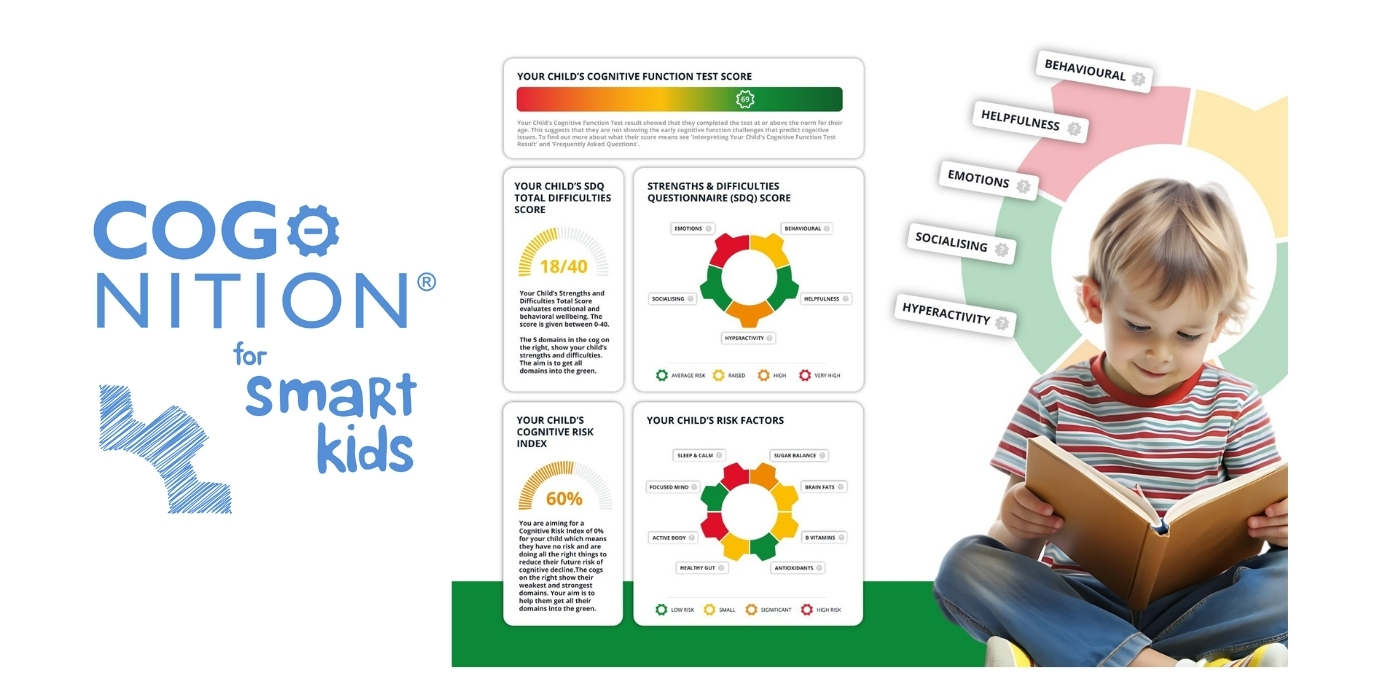
Unlock Your Child’s Brain Potential: Introducing the Smart Kids Cognitive Function Test

As parents or caregivers, nothing matters more than our children’s future. We want them to thrive – mentally, emotionally and physically – and to feel confident and capable in a complex, ever-changing world. Yet when it comes to their brain development, many of us are left wondering: are we doing enough? Are they getting what they need to build healthy, resilient minds?

This is why we’re proud to introduce our groundbreaking Smart Kids Cognitive Function Test. Developed by the team behind the widely respected Adult Cognitive Function Test, this tool is designed to empower parents with the knowledge, insight and practical strategies to support their child’s cognitive and emotional development, right from the start.

Why Early Brain Health Matters

From the moment they’re born, a child’s brain is growing at an extraordinary pace – forming up to a million new neural connections every second. These formative years are a critical window of opportunity, where the right nutrition, environment, and emotional support can set the foundation for a lifetime of strong cognitive function, balanced mood and behavioural wellbeing.

This test doesn’t just measure ‘smarts’ – it helps you understand how your child’s brain is functioning, what might be holding them back, and most importantly, what you can do about it.

What’s Involved?

Tailored for children aged 4 to 17, the test includes three essential elements:

  1. Cognitive Function Assessment. An engaging 15-minute digital test that challenges attention, memory and problem-solving in a fun, interactive way.
  2. Nutrition & Lifestyle Questionnaire. This helps highlight which of the eight key lifestyle areas may be influencing brain health, from sleep and gut health to sugar balance and essential fats.
  3. Strengths & Difficulties Questionnaire. A validated tool assessing emotional and behavioural wellbeing, giving you a fuller picture of how your child is feeling and functioning.

With this holistic insight, you’ll receive tailored guidance and practical steps to help your child move forward – cognitively, emotionally and behaviorally.

 What Parents Are Saying

“COGNITION helped me understand why my son was struggling with focus—and what I could do to help. The emails made it so easy to build new habits. We saw a real change.”
– Parent of a 9-year-old

“It was like someone had finally put the pieces together. We started with sugar balance and sleep—and within weeks, our daughter’s mood and energy improved.”
– Mum of a 13-year-old

A Mission for Change: Your Role as a Pioneer

By joining the first 1,000 families to complete the free Smart Kids Test, you’re helping us shape a healthier, smarter future for the next generation. Together, we can build a new model of prevention and wellbeing that begins not at midlife, but in childhood where it can make the biggest difference.

Have You Taken the Adult Test?

Many parents in our community have already taken the free Adult Cognitive Function Test – designed to help dementia-proof your diet and lifestyle. If you haven’t yet done so, we urge you to take this important step. Your brain matters too, and change is possible at any age.

Also, did you know that you can complete our at home pin prick DRIfT blood test on children over 2 years of age and they are available internationally. So that you can gather more data on what your child needs to thrive.

To Our Dementia Prevention Community

We know that many of you found us through our mission to prevent Alzheimer’s and cognitive decline. This children’s test is a natural extension of that work, because optimising brain health starts young. Helping your child now doesn’t just support their academic success, it lays the foundation for lifelong mental wellbeing.

Take the Smart Kids Cognitive Function Test today – and invest in your child’s brain, their wellbeing, and their future. 

Because every child deserves the chance to shine.

Actions:

Do the adult Cognitive Function Test here if you haven’t done so yet, so you can model what supporting your brain health looks like to your child and family.

Test Your Cognitive Function Now green banner.

Further info

The Antioxidant Edge: Measuring and Protecting Your Brain’s Resilience Against Ageing

(Originally posted in IHCAN magazine. Written by Patrick Holford, edited by Carol Ludlam)

What is really going on as we age? What contributes to the wrinkles, stiffer joints, slower cognitive function and other health problems?

It begins with the brain.

Your brain consumes more energy than any other organ, burning either glucose or ketones. This combustion creates oxidants that age your brain. The ability to rapidly extinguish these oxidants, which ultimately age your brain and body, is what helps you live longer with less wrinkles, more flexible joints, healthier blood vessels and organs, especially your brain, which has 400 miles of blood vessels. 

Top level prevention factors

Keeping oxidants down is perhaps the single most important thing you can do for vascular health. Vascular dementia, for example, is strongly associated with the amount of oxidation, determined by antioxidant intake from fruit and vegetables on the one side and smoking and pollution for example, on the other. Those in the top quarter of Total Antioxidant Capacity (TAC) in their diet halve their risk, in a study of 2,716 people over age 60 (1).

Additionally, critical antioxidants such as vitamin C and vitamin E, if supplemented together, reduced the risk of developing Alzheimer’s by as much as two-thirds, whilst taking either cut risk by a quarter in a study of 4,740 elderly residents of Cache County, Utah (2). Another study shows that ‘either a high vitamin E or C intake showed a trend of attenuating risk by about 26 per cent’, according to China’s leading prevention expert Professor Jin Tai Yu of Fudan University in Shanghai, making these nutrients ‘grade 1’ top level prevention factors (3). 

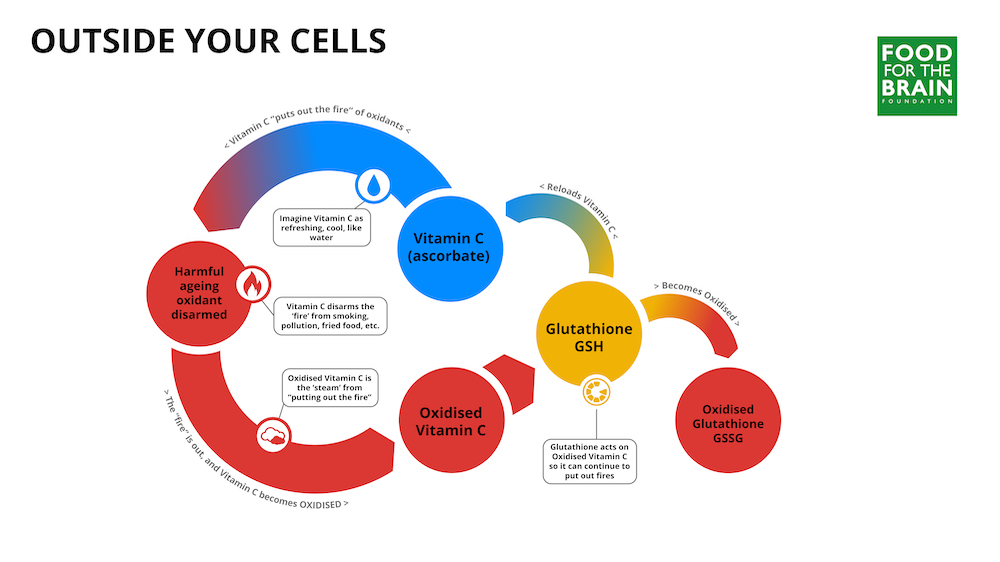
Vitamin C, which is water based and protects you against smoke and pollution, and vitamin E, which is fat based and protects you from burnt and fried fats, including sunburn, are in the bloodstream outside of cells. Inside cells, especially brain cells, is the most potent antioxidant of all, which is glutathione.

Glutathione is the Master Intracellular Antioxidant 

Nutritionists have been measuring red cell glutathione (GSH) for decades as an indicator of a person’s antioxidant capacity. GSH is the most important antioxidant and free radical scavenger that is found to be decreased in the brains of people with a wide range of mental and neurological illnesses from schizophrenia (4) to dementia (5, 6). 

However, the problem with just measuring glutathione is two-fold. Firstly, since it oxidises so rapidly, it has to be ‘fixed’ immediately to avoid any degradation to its oxidised form glutathione disulfide (GSSG). Testing of glutathione levels is therefore usually dependent on going to a lab for blood to be drawn and then immediately tested or fixed, to limit any oxidation. The reliability of glutathione measurements, unless done under strictly controlled conditions such as these, may be questionable due to the rapid oxidation once blood is taken.

The Glutathione Index (GSH/GSSG) is the best measure of antioxidant status

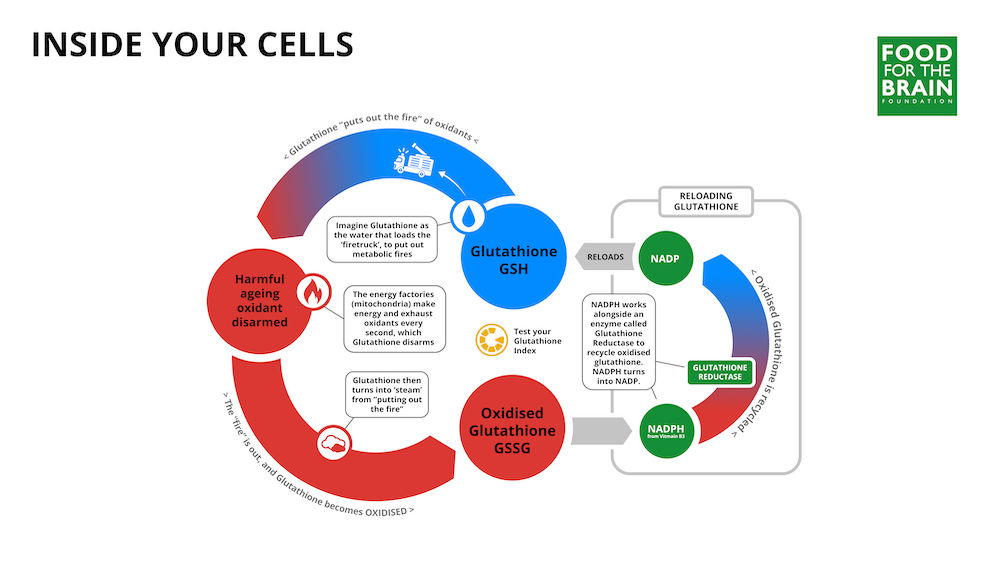
Additionally, it is the amount of ‘spent’ or oxidised glutathione (GSSG) that reflects the extent of oxidative stress a person is under. Think of glutathione as the water in the fire engine. It gets rapidly used up keeping your brain protected. The ‘spent’ or oxidised glutathione (GSSG), much like steam, then has to be cooled to reload the fire engine. This recycling is done by vitamin C and an enzyme called Glutathione Reductase (GR), returning Glutathione back to its fully loaded ‘reduced’ form. Another enzyme, Glutathione Peroxidase (GP), is involved. GR is riboflavin (vitamin B2) dependent and GP is selenium dependent.

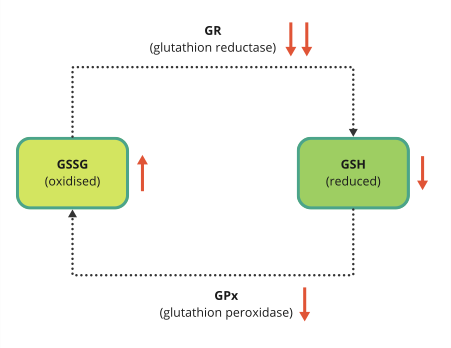
Dr Konrad Kowalski, the Food for the Brain’s analytic chemist, explains: “Reductions in GR enzyme levels in patients with dementia are well established. GR levels alone are therefore a fairly good biomarker of dementia.” However, the mere presence of the enzyme does not guarantee its high activity. GR needs to consume NADP molecules to function properly.  As shown by Irene Martinez de Toda et al 2019 data, patients with dementia have a reduction in both the enzymes (GR and GP) that recycle glutathione.  Thus, in general it can be said that the glutathione metabolism (recycling) loop in those with dementia ‘spins’ much slower than in healthy patients. 

“The advantage of our measurement of the Glutathione Index (GSH/GSSG) is therefore, that it shows changes in GR activity, not only due to higher/lower GR gene activity but also due to the absence of the reaction cofactor NADP.”

“As a result, dementia patients have a lower potential to dynamically fight free radicals and will have a worse GSH/GSSG, which we call the Glutathione Index (7). The worse the ratio the worse a person’s cognitive function is likely to be. It’s a bit like having a direct measure of how fast your brain is ageing. Patients with dementia have a reduction in glutathione and its ability to be recycled (8). This ratio, the Glutathione Index, is a biomarker for many diseases, including both type 1 and 2 diabetes, liver cirrhosis, multiple sclerosis and Alzheimer’s disease.” says Dr Konrad Kowalski, who has developed this test for us.

One of the biggest challenges in developing the Glutathione Index, which is a home test kit involving a pin prick of blood dripped onto a dry blood spot card, is that the conventional DBS cards didn’t provide enough stability for the rapidly oxidising GSH, so we developed a method that instantly ‘fixes’ the sample for a guaranteed 12 week stability from taking the sample.

The red arrows indicate reduced or increased activity in dementia patients

So we want people to both measure their Glutathione Index and complete our validated Cognitive Function Test along with the follow-on Dementia Risk Index questionnaire, which calculates an ‘antioxidant’ domain score. 

As a result of our research where we have tracked these against the person’s blood level of Glutathione Index, enabling us to establish what an optimal level is. This means those boundaries, which we show in colours from green (good), yellow (OK), orange (not good), red (bad) will evolve and become more accurate thanks to you and people like you.

We now know that a desirable level is above 800. Below 500 is an indicator that you need to increase your intake of antioxidants from food and/or supplements, and/or reduce your intake of oxidants from smoking, pollution or fried food. Glutathione is related to the pace of aging and the activity of antioxidant enzymes which are depleted in those with cognition decline. It is also part of your DRIfT (Dementia Risk Index functional Test) score.

 This is unique and vital research funded by the people for the people – Citizen Scientists.

How Glutathione and vitamin C recycle each other 

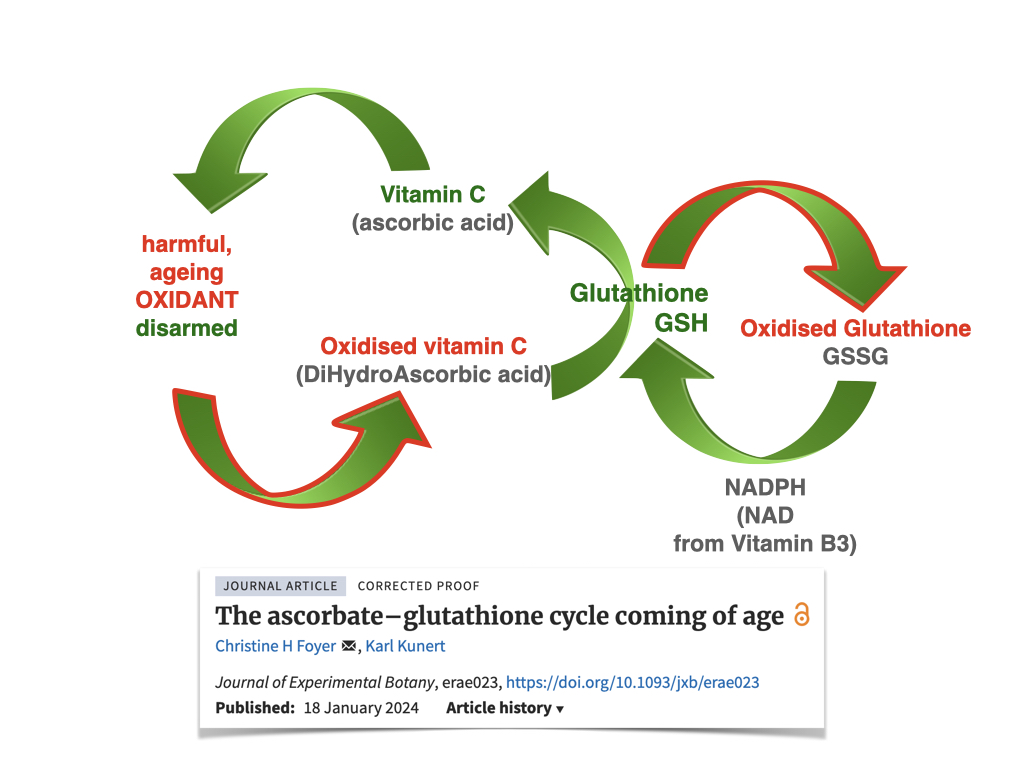
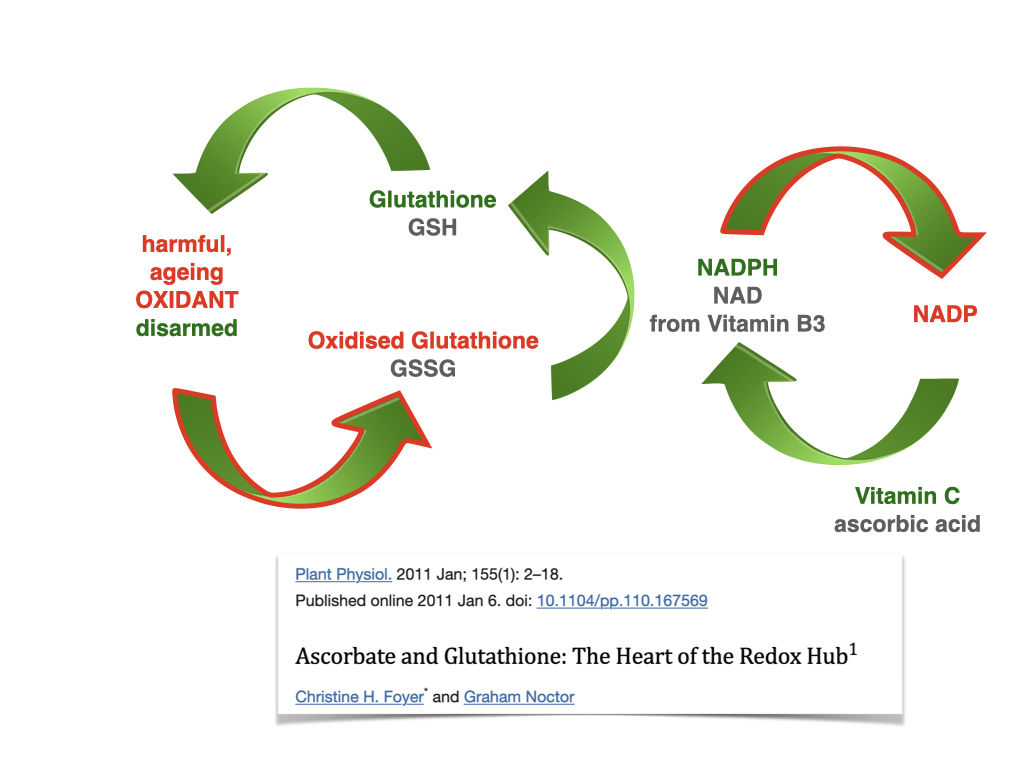
Vitamin C helps ‘reload’ glutathione and glutathione helps reload vitamin C as you’ll see in the figures below. This glutathione – vitamin C cycle is one of the hottest discoveries in anti-ageing science. You’ll see that NADPH, derived from niacin (vitamin B3) and its cousin NAD are involved. Co-enzyme Q10 in its reduced form ubiquinol is also involved and although not shown in this diagram, low levels are also found in those with Alzheimer’s (9).

Raising glutathione – the role of NAC

Nutritional therapists have been measuring red cell glutathione and supplementing glutathione or its precursor N-Acetyl-Cysteine (NAC) for decades. However oral GSH supplementation has poor bioavailability largely because it is so rapidly oxidised to GSSG as it disarms free radicals. N-Acetyl Cysteine (NAC), a precursor of glutathione, is therefore often used instead and has been shown to successfully raise plasma glutathione levels, for example, in those with schizophrenia. Anthocyanins also recycle glutathione thus sparing it if supplemented together (12).

NAC has plenty of evidence to support its use as a promoter of glutathione and mental health, thus reducing the brain’s oxidative stress. The latest 2022 review states: “N-acetyl-L-cysteine (NAC) is a compound of increasing interest in the treatment of psychiatric disorders. Primarily through its antioxidant, anti-inflammatory, and glutamate modulation activity, NAC has been investigated in the treatment of neurodevelopmental disorders, schizophrenia spectrum disorders, bipolar-related disorders, depressive disorders, anxiety disorders, obsessive compulsive-related disorders, substance-use disorders, neurocognitive disorders, and chronic pain. Currently NAC has the most evidence of having a beneficial effect as an adjuvant agent in the negative symptoms of schizophrenia, severe autism, depression, and obsessive compulsive and related disorders.” (13) For example a large RCT of 140 participants observed significant improvements on global symptomatology, and general and negative symptoms of schizophrenia in the NAC supplementation (2 g/d; in addition to anti-psychotic medication) group in comparison to the placebo group over a 24 week period (14).

According to Dr Chris Palmer, assistant professor at Harvard Medical School, “Glutathione (GSH), the brain’s primary antioxidant, plays a crucial role in maintaining redox balance (the process of maintaining the balance of reactive oxygen and nitrogen species in cells to maintain homeostasis) . Magnetic resonance studies have provided mixed results regarding GSH levels in schizophrenia patients, with some studies indicating decreased levels in chronic schizophrenia, while others found no significant differences. However, these inconsistencies may be due to variations in disease chronicity, age, and symptom severity among study participants. The findings from these studies suggest several potential therapeutic targets for schizophrenia. Addressing mitochondrial dysfunction, redox imbalance, and impaired energy metabolism could lead to more effective treatments. For instance, N-acetylcysteine (NAC), a precursor to GSH, has shown promise in increasing brain GSH levels and improving symptoms in first episode psychosis patients.”

NAC is so medically effective that it has been classified a medicine, hence not a food, and is no longer available over the counter in the US.

Our Glutathione Index test costs ÂŁ69 – order it and be a part of this new exciting research, whilst learning how you can protect and upgrade your brain.

It is also available as part of their 5-in-1 DRIfT test also measuring Homocysteine, HbA1c, vitamin D and Omega-3 Index.

Actions

References

1 Peng, M., et al. Dietary Total Antioxidant Capacity and Cognitive Function in Older Adults. J Nutr Health Aging (2023).

2 Basambombo LL, Carmichael PH, CĂ´tĂŠ S, Laurin D. Use of Vitamin E and C Supplements for the Prevention of Cognitive Decline. Ann Pharmacother. 2017 Feb;51(2):118-124. doi: 10.1177/1060028016673072. Epub 2016 Oct 5. PMID: 27708183.

3 Yu JT, Xu W, Tan CC, Andrieu S, Suckling J, Evangelou E, Pan A, Zhang C, Jia J, Feng L, Kua EH, Wang YJ, Wang HF, Tan MS, Li JQ, Hou XH, Wan Y, Tan L, Mok V, Tan L, Dong Q, Touchon J, Gauthier S, Aisen PS, Vellas B. Evidence-based prevention of Alzheimer’s disease: systematic review and meta-analysis of 243 observational prospective studies and 153 randomised controlled trials. J Neurol Neurosurg Psychiatry. 2020 Nov;91(11):1201-1209. doi: 10.1136/jnnp-2019-321913. Epub 2020 Jul 20. PMID: 32690803; PMCID: PMC7569385.

4 Yao JK, Leonard S, Reddy R: Altered glutathione redox state in schizophrenia. Dis Markers 2006, 22(1):83–93 ; see also Gawryluk JW, Wang J-F, Andreazza AC, Shao L, Young LT: Decreased levels of glutathione, the major brain antioxidant, in post-mortem prefrontal cortex from patients with psychiatric disorders. Int J Neuropsychopharmacol 2011, 14(01):123–130. 

5 Torres LL, Quaglio NB, de Souza GT, Garcia RT, Dati LM, Moreira WL, Loureiro AP, de Souza-Talarico JN, Smid J, Porto CS, Bottino CM, Nitrini R, Barros SB, Camarini R, Marcourakis T. Peripheral oxidative stress biomarkers in mild cognitive impairment and Alzheimer’s disease. J Alzheimers Dis. 2011;26(1):59-68. doi: 10.3233/JAD-2011-110284. PMID: 21593563 

6 Park SA, Byeon G, Jhoo JH, Kim HC, Lim MN, Jang JW, Bae JB, Han JW, Kim TH, Kwak KP, Kim BJ, Kim SG, Kim JL, Moon SW, Park JH, Ryu SH, Youn JC, Lee DW, Lee SB, Lee JJ, Lee DY, Kim KW. A Preliminary Study on the Potential Protective Role of the Antioxidative Stress Markers of Cognitive Impairment: Glutathione and Glutathione Reductase. Clin Psychopharmacol Neurosci. 2023 Nov 30;21(4):758-768. doi: 10.9758/cpn.23.1053. Epub 2023 Jul 14. PMID: 37859449; PMCID: PMC10591176.

7 Park SA, Byeon G, Jhoo JH, Kim HC, Lim MN, Jang JW, Bae JB, Han JW, Kim TH, Kwak KP, Kim BJ, Kim SG, Kim JL, Moon SW, Park JH, Ryu SH, Youn JC, Lee DW, Lee SB, Lee JJ, Lee DY, Kim KW. A Preliminary Study on the Potential Protective Role of the Antioxidative Stress Markers of Cognitive Impairment: Glutathione and Glutathione Reductase. Clin Psychopharmacol Neurosci. 2023 Nov 30;21(4):758-768. doi: 10.9758/cpn.23.1053. Epub 2023 Jul 14. PMID: 37859449; PMCID: PMC10591176.

8 MartĂ­nez de Toda I, MiguĂŠlez L, Vida C, Carro E, De la Fuente M. Altered Redox State in Whole Blood Cells from Patients with Mild Cognitive Impairment and Alzheimer’s Disease. J Alzheimers Dis. 2019;71(1):153-163. doi: 10.3233/JAD-190198. PMID: 31356205.

9 J. Frontiùån-Rubio et al. Molecular and Cellular Neuroscience 92 (2018 

10  Witschi A, Reddy S, Stofer B, Lauterburg B: The systemic availability of oral glutathione. Eur J Clin Pharmacol 1992, 43(6):667–669.

11 Lavoie S, Murray MM, Deppen P, Knyazeva MG, Berk M, Boulat O, Bovet P, Bush AI, Conus P, Copolov D, Fornari E, Meuli R, Solida A, Vianin P, Cuénod M, Buclin T, Do KQ: Glutathione precursor, N-acetyl-cysteine, improves mismatch negativity in schizophrenia patients. Neuropsychopharmacology 2008, 33(9):2187–2199.

12 Ohlenschlager G,Treusch G, patent number: 5925620 International Classification A61K 3800 for synergistic action of anthocyanidins and glutathione

13 Bradlow RCJ, Berk M, Kalivas PW, Back SE, Kanaan RA. The Potential of N-Acetyl-L-Cysteine (NAC) in the Treatment of Psychiatric Disorders. CNS Drugs. 2022 May;36(5):451-482. doi: 10.1007/s40263-022-00907-3. Epub 2022 Mar 22. Erratum in: CNS Drugs. 2022 Apr 28;: PMID: 35316513; PMCID: PMC9095537.

14 Berk M, Copolov D, Dean O, Lu K, Jeavons S, Schapkaitz I, Anderson-Hunt M, Judd F, Katz F, Katz P, Ording-Jespersen S, Little J, Conus P, Cuenod M, Do KQ, Busha AI: N- acetyl cysteine as a glutathione precursor for schizophrenia—a double-blind, randomized, placebo-controlled trial. Biol Psychiatry 2008, 64(5):361–368. 

Further info

Anti-Age & Re-Energise Your Brain – The Glutathione Breakthrough

Anti-Age & Re-Energise Your Brain – The Glutathione Breakthrough

By Patrick Holford

Glutathione Breakthrough

Your brain consumes more energy than any other organ, burning either glucose or ketones. 

This combustion creates oxidants that age your brain. 

The ability to rapidly extinguish these oxidants, which ultimately age your brain and body, is what helps you live longer with less wrinkles, more flexible joints, healthier blood vessels and organs, especially your brain. Your brain has 400 miles of blood vessels. Keeping oxidants down is perhaps the single most important thing you can do for vascular health. Vascular dementia, for example, is strongly associated with oxidation. It is oxidised cholesterol that predicts heart attacks (along with raised homocysteine).

For those who have been following our ‘four horsemen of the mental health apocalypse’, oxidation is the fourth horseman. Check out this film to understand how key antioxidants work together. Those with diets high in antioxidant foods literally halve their risk for dementia compared to those with low intakes, according to a study last year of 2,716 people aged over 60. (1) 

The key antioxidants are vitamins C, E, glutathione, anthocyanidins (in blue/red foods), lipoic acid and co-enzyme Q10. The most important of these are vitamin C and glutathione.

Also, critical antioxidants such as vitamin C and vitamin E, if supplemented together, reduced the risk of developing Alzheimer’s by as much as two-thirds. Taking either, cut risk by a quarter in a study of 4,740 elderly residents of Cache County, Utah. (2) 

A review of all studies to date show, that ‘either a high vitamin E or C intake showed a trend of attenuating risk by about 26 per cent’ according to China’s leading prevention expert Professor Jin Tai Yu of Fudan University in Shanghai, making these nutrients ‘grade 1’ top level prevention factor. (3)

Eating fruit and veg might not be enough…

Now, I’m sure you eat fruit and vegetables and supplement vitamin C but how do you know you’ve optimised your anti-oxidation potential? After all, the variation in antioxidants is 40-fold! Even in organic produce.

The way in which these harmful oxidants (think of them like mini fires or bursts of heat) are ‘extinguished’ is to effectively ‘cool’ them. Otherwise they bump into things, like arteries, cholesterol, fats and ‘burn’ them setting up a chain reaction of damage. 

That cooling is largely done by either glutathione (GSH) or vitamin C (Ascorbic Acid). They are the firemen. But, when they leave a fire zone they too become hot or oxidised. Oxidised vitamin C is called DiHydroAscorbicAcid, or DHAA. Oxidised glutathione is called GSSG.

Vitamin C helps ‘reload’ glutathione and glutathione helps reload vitamin C as you’ll see in the figures below. This glutathione-vitamin C cycle is one of the hottest discoveries in anti-ageing science. You’ll see that niacin (vitamin B3) and its cousin NAD are involved.

People with cognitive decline and dementia have less glutathione and more oxidised glutathione and an ever decreasing ability to recycle the spent/oxidised glutathione back to functional glutathione. Read the science here. That is why we recommend anyone with concerns about their cognitive health measure their glutathione index.

Your Glutathione Index – a world first!

By measuring a pin prick of your blood in our new test kit both how much glutathione you have in your cells AND how much is oxidised you will know if you’ve got the ability to extinguish those ageing fires in your brain and body optimally. (Technically, it is the ratio between active glutathione (GSH) and spent glutathione (GSSG) or GSH/GSSG.)

So, rather than guess, why not find out by testing your Glutathione Index? 

These at home test kits are now available internationally! (UK, EU, USA & AUS!)

Knowing your Glutathione Index lets us advise you on what you need to eat and supplement to anti-age your brain. This is all included in your ‘interpretation of results’. Your Glutathione Index will also become part of your DRIfT score (Dementia Risk Index functional Test score) – you are aiming for a DRIfT score for ‘0’ which means, biologically, you have a super-healthy brain (and body).

Why other Glutathione tests may not be so accurate and are twice the price

So you are fully in the loop, other labs test red cell Glutathione. This is good but not nearly as good as the ratio of GSH/GSSG. It also tends to cost around ÂŁ150 and requires a blood draw at a lab.

You want your score to be above 800.

If your score was below 500 that’s really not good. If you smoke, live in a polluted environment or rarely eat fuit, vegetables, herbs and spices, that’s where you’d be.

But we’ve found out something rather disturbing. 

Since glutathione is such a powerful antioxidant the second it leaves your body it starts to oxidise simply from interacting with air. That is why many blood tests, and studies based on them, are not so accurate. We have solved this by adding a super strong ‘fixer’ to the dry blood spot target where you drip your drop of blood. Problem solved!

Thank you for being a Citizen Scientist

When you order your Glutathione test – which you can buy as a single test here OR as part of the DRIfT 5 in 1 test bundle here you can become a part of our team of Citizen Scientists!

You also need to complete your Cognitive Function Test which is FREE and together with any blood test results you get, give you personalised information on what you need to do to optimise your brain AND it will also contribute to our vital research – thank you.

References:

2 Basambombo LL, Carmichael PH, CĂ´tĂŠ S, Laurin D. Use of Vitamin E and C Supplements for the Prevention of Cognitive Decline. Ann Pharmacother. 2017 Feb;51(2):118-124. doi: 10.1177/1060028016673072. Epub 2016 Oct 5. PMID: 27708183.

3 Yu JT, Xu W, Tan CC, Andrieu S, Suckling J, Evangelou E, Pan A, Zhang C, Jia J, Feng L, Kua EH, Wang YJ, Wang HF, Tan MS, Li JQ, Hou XH, Wan Y, Tan L, Mok V, Tan L, Dong Q, Touchon J, Gauthier S, Aisen PS, Vellas B. Evidence-based prevention of Alzheimer’s disease: systematic review and meta-analysis of 243 observational prospective studies and 153 randomised controlled trials. J Neurol Neurosurg Psychiatry. 2020;91(11):1201-9. Epub 2020/07/22. doi: 10.1136/jnnp-2019-321913. PubMed PMID: 32690803; PMCID: PMC7569385.

Further info

Homocysteine Test for Mental Health: Why Early Testing Matters

Homocysteine Test for Mental Health: Why Early Testing Matters

What is the forgotten factor of mental health – despite the research being positive?

This is why we launched our highly accurate and groundbreaking at-home homocysteine test just before Christmas (and quickly sold out) because knowing this marker – your H factor – can help predict over 100 diseases. Specifically, homocysteine is an indicator of a person’s B vitamin status, and knowing this, can help reduce the risk of mental illness.

Yet it hasn’t been easily available or affordable to test this at home and is often not a marker checked by Dr’s.

But not any more!

Homocysteine & the Central Nervous System

“Homocysteine is a biomarker for over 100 diseases, but especially those of the central nervous system.” says pharmacology professor David Smith FMedSci, formerly Deputy Head of the Faculty of Medical Sciences at the University of Oxford. “It is a biomarker of impaired cognitive abilities in children, and in adults is a risk marker for stroke, dementia and Alzheimer’s, but also possibly for depression, anxiety, bipolar, schizophrenia, obsessive-compulsive disorder, Parkinson’s and multiple sclerosis. It is very much the forgotten factor, despite the research evidence being strongly positive (1). And the good news is, it is so easily corrected.” 

Patrick Holford, psychologist and our CEO and founder says “A raised homocysteine level means something is going wrong with a vital process that controls how we think, feel and perceive. It’s called methylation and is dependent on B vitamins. Some people absorb B12 less well. Some just need more of the B vitamin than others and that biochemical individuality, especially if their diet is already deficient, can tip them into a mental or neurological illness.”

Depression & Homocysteine

Those suffering from depression are also more likely to have higher homocysteine levels (2, 3).  Amanda-Jane is a case in point. She was suffering with chronic fatigue and low mood, so she decided to check her homocysteine level. She was shocked when she found her score was 26 mcmol/l (7 or less is considered optimal). After changing her diet and supplementing the B vitamins her sleep improved almost immediately and within four weeks, she had much more energy. Two months later she re-tested her homocysteine level and found it had dropped to 9. “I feel much better. My mood is very positive– no panic or depression. I feel buoyant, energetic and enthusiastic. I’m sleeping much better and my PMS has disappeared.” she said.

Also, every 5-point increase in homocysteine increases risk of being diagnosed with schizophrenia by a staggering 70%! (4) Yet very few sufferers are ever checked for raised homocysteine.

Homocysteine & B Vitamins

Professor Joseph Levine from the Stanley Research Centre and Beersheva Mental Health Centre in the Ben Gurion University in Israel devised a study to see what effect lowering homocysteine with B vitamins would have (5). He gave half of a group of 42 schizophrenic patients B vitamins (B6, B12 and folic acid) and the other half a placebo. Those taking the B vitamin supplements had both a dramatic reduction in their homocysteine levels and a significant improvement in their symptoms, except for one patient, who didn’t comply with the B vitamin treatment, didn’t improve and didn’t have a reduction in their homocysteine level. They were the exception that proves the rule.

Professor David Smith, writing in the Journal of Internal Medicine, together with world leading expert on homocysteine, Professor Helga Refsum from the University of Oslo, Norway, say “There are five diseases that can, at least in part, be prevented by lowering total homocysteine: neural tube defects, impaired childhood cognition, macular degeneration, primary stroke, and cognitive impairment in the elderly. We conclude from our review that total homocysteine values in adults of 10 mcmol/L or below are probably safe, but that values of 11 above may justify intervention. Homocysteine is more than a disease biomarker: it is a guide for the prevention of disease.” Not only does it predict an increased risk for a stroke, but having a lower homocysteine level, achieved by eating B12 rich foods such as fish and eggs, and folate and B6 rich foods such as whole foods, vegetables, nuts, seeds and beans, and supplementing B vitamins, helps those who’ve had a stroke recover faster (6).

We recommend anyone with a homocysteine level over 10 mcmol/L to supplement extra B vitamins, especially B6 (20mg), folate (400mcg) and B12 (500mcg). Homocysteine is a toxic amino acid that accumulates when there is a lack of B vitamins and damages your brain as well as your arteries.

Professor Smith’s research group at Oxford University has shown that giving people with pre-dementia these vitamins reduced the rate of brain shrinkage to less than half of that in those given placebos.

 â€œFurther cognitive decline virtually stopped in those taking the B vitamins.” says Smith. 

Homocysteine, Pregnancy & Children’s School Grades

As many as two in five people over 60 have a raised homocysteine level. The reason why the B vitamin folic acid is recommended in pregnancy is because it lowers homocysteine. In ‘normal’ pregnancies with no complications in either mother or child, homocysteine remains below 7mcmol/L. In five out of seven studies women who have spontaneous abortions or miscarriages have a level above 15. The risk for having a pre-term baby is four times higher in women with a homocysteine level above 12 (7).  A study of 81 healthy women who then became pregnant found that the children of the women whose homocysteine before conceiving was above 9 were significantly more withdrawn, anxious and depressed and had more social problems including increased aggressive behaviour (8).  

“It is vital that a woman intending to become pregnant first checks her homocysteine level. Raised homocysteine, plus a lack of omega-3 fats found in fish is a major promoter of developmental problems and mental illness in children later in life.” says Holford. 

A child’s homocysteine level even predicts their school grades. A study compared the sum of school grades for ten core subjects, with homocysteine levels in a group of 692 Swedish school children aged 9 to 15. Increasing homocysteine levels were strongly associated with reducing grades as was inadequate folate intake (9).

Join us in our Citizen Science Project by testing your homocysteine! The home pin prick blood test is now back in stock.

References

1 Smith AD, Refsum H. Homocysteine – from disease biomarker to disease prevention. J Intern Med. 2021 Oct;290(4):826-854. doi: 10.1111/joim.13279. Epub 2021 Apr 6. PMID: 33660358.

2 Moradi F, Lotfi K, Armin M, Clark CCT, Askari G, Rouhani MH. The association between serum homocysteine and depression: a systematic review and meta- analysis of observational studies. Eur J Clin Invest 2021: e13486. 

3 Nabi H, Bochud M, Glaus J, Lasserre AM, Waeber G, Vollenweider P, Preisig M. Association of serum homocysteine with major depressive disorder: results from a large population-based study. Psychoneuroendocrinology 2013; 38: 2309-18. 

4 JW Muntjewerff,Molecular Psychiatry (2006) 11, 143–149. doi:10.1038/sj.mp.4001746 

5 Levine J, Stahl Z, Sela BA, Ruderman V, Shumaico O, Babushkin I, Osher Y, Bersudsky Y, Belmaker RH. Homocysteine-reducing strategies improve symptoms in chronic schizophrenic patients with hyperhomocysteinemia. Biol Psychiatry. 2006 Aug 1;60(3):265-9. doi: 10.1016/j.biopsych.2005.10.009. Epub 2006 Jan 17. PMID: 16412989.

6 Yahn GB, Leoncio J, Jadavji NM. The role of dietary supplements that modulate one-carbon metabolism on stroke outcome. Curr Opin Clin Nutr Metab Care. 2021 Jul 1;24(4):303-307. doi: 10.1097/MCO.0000000000000743. PMID: 33631772; see also 

7 Dai C, Fei Y, Li J, Shi Y, Yang X. A Novel Review of Homocysteine and Pregnancy Complications. Biomed Res Int. 2021 May 6;2021:6652231. doi: 10.1155/2021/6652231. PMID: 34036101; PMCID: PMC8121575.

8 RoigĂŠ-CastellvĂ­ J, Murphy M, FernĂĄndez-Ballart J, Canals J. Moderately elevated preconception fasting plasma total homocysteine is a risk factor for psychological problems in childhood. Public Health Nutr. 2019 Jun;22(9):1615-1623. doi: 10.1017/S1368980018003610. Epub 2019 Jan 14. PMID: 30636652; PMCID: PMC10261079.

9 Torbjörn K. Nilsson, Agneta Yngve, Anna K. Böttiger, Anita Hurtig-Wennlöf, Michael Sjöström; High Folate Intake Is Related to Better Academic Achievement in Swedish Adolescents. Pediatrics August 2011; 128 (2): e358–e365. 10.1542/peds.2010-1481

Further info

Raised Homocysteine and Disease Risk: More Than 100 Associated Conditions

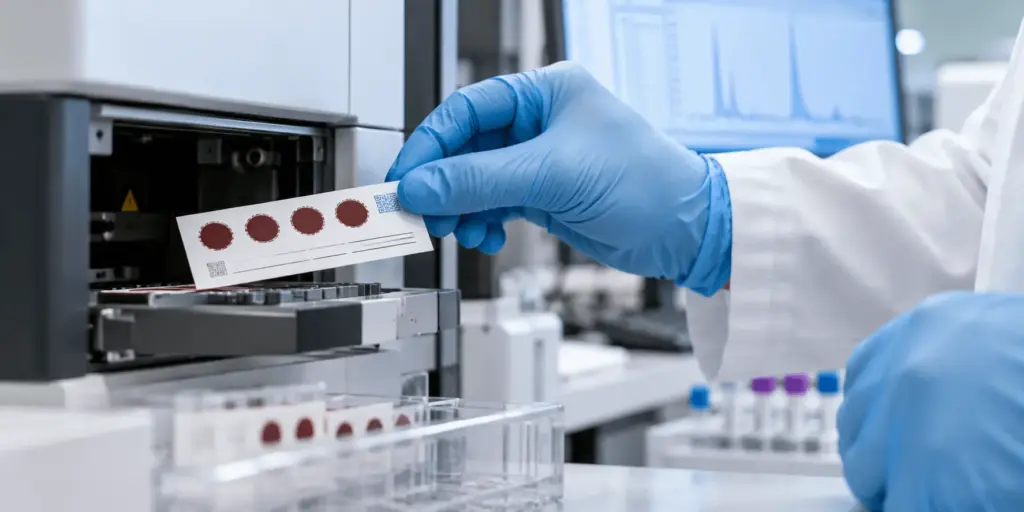
Dried blood spot sample being analysed in a laboratory for a homocysteine blood test

Raised Homocysteine and Disease Risk: More Than 100 Associated Conditions

Raised homocysteine has been associated with an increased risk of a remarkably wide range of diseases and adverse health outcomes. Research spanning cardiovascular disease, cognitive decline, dementia, pregnancy complications and other conditions has made homocysteine an important biomarker of nutritional and metabolic health [1].

Homocysteine is not itself a disease, and an association does not necessarily mean that elevated homocysteine directly causes every condition linked with it. However, an elevated level can provide useful information about B-vitamin status, homocysteine metabolism and wider health risk  [1].

More than 100 diseases, syndromes and adverse health outcomes have been reported in association with raised total homocysteine [1]. These range from cardiovascular and cerebrovascular disease to cognitive decline, dementia, pregnancy complications and neurological disorders.

This article explores that evidence, what these associations actually mean and why homocysteine has attracted increasing attention as a potentially modifiable biomarker.

If you are new to the subject, start with our complete guide to homocysteine, which explains what homocysteine is, why levels can become elevated and why it matters.

What is homocysteine?

Homocysteine is an amino acid produced naturally when the body metabolises methionine, an amino acid obtained from dietary protein.

Normally, homocysteine is recycled or converted into other compounds through metabolic pathways that depend on nutrients including folate, vitamin B12 and vitamin B6. When these pathways do not work efficiently, homocysteine can accumulate in the blood [1].

Age, nutritional status, kidney function, genetics, certain medicines and lifestyle factors can all influence homocysteine levels [1,2,4].

For more detail on the underlying biochemical pathways, see Methylation and Homocysteine.

What diseases are associated with high homocysteine?

More than 100 diseases, syndromes and adverse health outcomes have been reported in association with raised total homocysteine [1].

The most frequently reported associations involve cardiovascular and central nervous system conditions, although associations have also been reported across pregnancy and development, kidney disease, metabolic health, bone health and other areas [1].

Professors David Smith and Helga Refsum reviewed this extensive body of evidence in Homocysteine: from disease biomarker to disease prevention. Their review catalogued reports of associations between raised total homocysteine and more than 100 diseases, syndromes and adverse health outcomes [1].

The strength of evidence is not the same for every condition.

In some cases, raised homocysteine may be a marker of an underlying nutritional, metabolic or health problem. In others, it may contribute to biological processes involved in disease. An association therefore does not necessarily mean that homocysteine directly causes the condition [1].

For clarity, the reported associations are grouped below according to the main area of health affected.

Cardiovascular and circulatory conditions associated with raised homocysteine

Cardiovascular and cerebrovascular diseases are among the most extensively studied conditions associated with raised homocysteine. Smith and Refsum’s review identifies reported associations with myocardial infarction, coronary artery disease, hypertension, stroke, peripheral vascular disease, venous thrombosis and a wide range of other vascular outcomes [1].

Conditions and outcomes reported in association with raised total homocysteine include [1]:

Cardiovascular and Circulatory Health Conditions Associated with Raised Homocysteine
Heart and coronary disease
  • Myocardial infarction
  • Severity of coronary artery disease
  • Hypertension
  • Restenosis and adverse outcomes following angioplasty
  • Atrial fibrillation
Stroke and cerebrovascular disease
  • Stroke
  • Stroke mortality
  • Silent brain infarction
  • Intracerebral arterial stenosis
  • Cerebral small vessel disease
  • Cerebral microbleeds
  • Disruption of the blood-brain barrier
  • Moyamoya disease
Arterial and vascular disease
  • Carotid plaque, stenosis and increased intima-media thickness
  • Peripheral vascular disease
  • Arterial aneurysm
  • Arterial stiffness
  • Impaired endothelial-mediated dilation
  • Vascular complications of diabetes
Thrombotic and venous disease
  • Venous thrombosis
Inflammatory and rare vascular disorders
  • Raynaud’s syndrome
  • Takayasu arteritis
  • Thromboangiitis obliterans (Buerger’s disease)
  • Behçet disease
Other vascular manifestations
  • Erectile dysfunction

Researchers have investigated several mechanisms that could help explain these associations, including effects involving vascular endothelial function and thrombosis [1]. However, observational associations do not, on their own, establish that elevated homocysteine directly causes cardiovascular disease.

This distinction becomes particularly important when intervention studies are considered.

A meta-analysis of eight randomised trials involving 37,485 participants found that B-vitamin treatment lowered homocysteine by approximately 25%, but did not significantly reduce major vascular events, major coronary events or stroke during the treatment periods studied [14].

Later evidence suggests that stroke may warrant separate consideration. A Cochrane review of 15 randomised trials involving 71,422 participants found no significant reduction in myocardial infarction or all-cause mortality with homocysteine-lowering interventions, but reported a small reduction in stroke [15].

Taken together, the evidence supports an association between raised homocysteine and cardiovascular and cerebrovascular disease, but does not support assuming that lowering homocysteine will prevent cardiovascular disease generally. The effects of intervention may differ according to the outcome, population, nutritional status and treatment context [1,14,15].

Homocysteine, brain health and cognitive decline

The brain is another area in which homocysteine has been extensively studied.

Raised homocysteine has been associated with cognitive decline, brain atrophy, dementia and Alzheimer’s disease [1,11,12].

A meta-analysis of eight cohort studies involving 8,669 participants found an association between serum homocysteine and dementia [11].

A later dose-response meta-analysis incorporating 28 prospective cohort studies found that every 5 Âľmol/L increase in blood homocysteine was associated with a 15% higher relative risk of Alzheimer-type dementia. Associations with all-cause dementia, vascular dementia and cognitive impairment without dementia were less conclusive [12].

Other reported brain and cognitive associations include vascular dementia and vascular cognitive impairment, post-stroke cognitive impairment, age-related cognitive decline, conversion from cognitive impairment to dementia, grey- and white-matter atrophy, cerebral small vessel disease and white-matter damage [1].

Cerebral small vessel disease has also been investigated as a possible mediator of the association between homocysteine and cognitive function [9].

What happens when homocysteine is lowered?

The VITACOG randomised controlled trial investigated whether lowering homocysteine with B vitamins could affect brain atrophy in older people with mild cognitive impairment.

Participants received folic acid, vitamin B12 and vitamin B6 or placebo for two years. B-vitamin treatment lowered homocysteine and slowed the accelerated rate of brain atrophy [13].

However, intervention evidence is not uniform. A meta-analysis combining cognitive data from 11 trials involving approximately 22,000 participants found that B-vitamin treatment lowered homocysteine but did not demonstrate a significant overall effect on individual cognitive domains or global cognitive function [16].

The effects of B-vitamin intervention may therefore depend on factors including the population studied, baseline homocysteine and nutritional status, disease stage, treatment duration and the outcome being measured [1,13,16].

For a deeper examination of this evidence, read Homocysteine and Brain Health.

For evidence specifically relating to Alzheimer’s disease and dementia, see Homocysteine and Dementia.

Mental health and neurological conditions

Raised homocysteine has also been studied in relation to a range of mental health and neurological conditions.

Smith and Refsum’s review identifies reported associations between raised total homocysteine and conditions including depression, bipolar disorder, schizophrenia, Parkinson’s disease, multiple sclerosis, amyotrophic lateral sclerosis or motor neurone disease, multiple system atrophy, migraine and autism spectrum disorder [1].

Parkinson’s disease has been examined more specifically in a systematic review and meta-analysis evaluating homocysteine alongside vitamin B12 and folate. The analysis found associations between these biomarkers and the risk and severity of Parkinson’s disease [10].

These findings do not mean that elevated homocysteine independently causes these conditions. Neurological and mental health disorders are complex and typically involve multiple genetic, biological, nutritional, environmental and lifestyle factors.

Homocysteine may therefore be a biomarker, a contributing factor or part of a wider metabolic picture, depending on the condition [1].

The evidence is strongest when interpreted condition by condition rather than treating all reported associations as equivalent.

Homocysteine and pregnancy

Homocysteine has also been studied in relation to pregnancy and fetal development.

Raised maternal homocysteine has been reported in association with pregnancy complications and outcomes including recurrent miscarriage, impaired fetal growth and small-for-gestational-age babies, neural tube defects, congenital heart defects and orofacial clefts [1,5,6].

A meta-analysis examining recurrent spontaneous abortion found higher homocysteine concentrations among women experiencing recurrent pregnancy loss, supporting an association between elevated homocysteine and recurrent spontaneous abortion [5].

A broader review of homocysteine and pregnancy complications also describes associations across a range of adverse pregnancy outcomes [6].

These findings need careful interpretation. Homocysteine metabolism is closely connected with folate, vitamin B12 and other nutritional factors, while pregnancy outcomes are influenced by many additional maternal, fetal, genetic and environmental factors [1].

An association with elevated homocysteine therefore does not establish that homocysteine directly caused a particular pregnancy outcome.

Anyone who is pregnant, planning a pregnancy or concerned about folate, vitamin B12 or homocysteine status should discuss appropriate testing and supplementation with a qualified healthcare professional.

Other conditions associated with raised homocysteine

The reported associations extend considerably further.

Health Area Other Reported Associations with Raised Homocysteine [1]
Ageing and general health
  • All-cause mortality
  • Frailty
  • Telomere shortening
Metabolic and endocrine health
  • Metabolic syndrome
  • Obesity
  • Non-alcoholic fatty liver disease
  • Hypothyroidism
  • Gout
Kidney and respiratory health
  • Renal insufficiency and chronic kidney disease
  • Chronic obstructive pulmonary disease
  • Obstructive sleep apnoea
Bone and musculoskeletal health
  • Osteoporosis and bone disease
Inflammatory and autoimmune conditions
  • Inflammatory bowel disease and Crohn’s disease
  • Systemic lupus erythematosus
  • Dermatomyositis
  • Inflammatory responses
Skin and oral health
  • Psoriasis
  • Vitiligo
  • Burning mouth syndrome
  • Atrophic glossitis
  • Periodontal disease
Blood and systemic conditions
  • Cancer
  • Sickle-cell disease
Lifestyle and environmental factors
  • Alcohol abuse
  • Blood lead concentration
Sensory health
  • Hearing loss

Higher homocysteine has also been associated with all-cause mortality. A dose-response meta-analysis of prospective studies reported an association between homocysteine concentrations and all-cause mortality [7].

Research has additionally examined relationships between homocysteine, inflammation, telomere shortening and mortality [8].

The breadth of these associations is striking, but it should not be interpreted as evidence that homocysteine directly causes every condition listed.

A biomarker can be associated with many diseases without being their single underlying cause. Kidney function, nutritional deficiencies, ageing, lifestyle and existing health conditions can themselves influence homocysteine concentrations [1].

A raised result therefore needs to be interpreted in the context of the individual rather than viewed as a diagnosis in itself.

Why can homocysteine be associated with so many conditions?

One reason homocysteine appears across such a broad range of research is its relationship with fundamental metabolic processes.

Homocysteine sits within pathways involving folate, vitamin B12, vitamin B6, methionine and methylation [1]. Researchers have also investigated potential effects of elevated homocysteine on vascular and neurological processes [1].

However, there is an important distinction between homocysteine being:

  1. a marker of another underlying problem
  2. a contributor to disease processes
  3. a causal factor whose reduction directly changes disease risk.

These roles should not be assumed to be identical across every disease [1].

This is why the more useful question is not simply whether homocysteine is “good” or “bad”. It is why a person’s homocysteine is elevated and what that result may reveal about their nutritional, metabolic and wider health.

How do you know if your homocysteine is high?

Homocysteine is measured with a blood test and is generally reported in micromoles per litre (Âľmol/L).

A result needs to be interpreted in context because homocysteine can vary according to factors including age, sex and nutritional status [2,4].

If you are thinking about testing, read our complete guide to homocysteine testing.

If you already have a result, see Homocysteine Levels Explained to understand what your level may mean.

Know Your Homocysteine Level

The only way to know your homocysteine level is to measure it.

The Food for the Brain Homocysteine Test is an at-home blood spot test that measures your homocysteine level from a fasted finger-prick sample.

By taking part, you also support Food for the Brain Foundation’s charitable research and work to help reduce the risk of cognitive decline through nutrition and lifestyle.

What should you do if your homocysteine is high?

A raised homocysteine result is a reason to consider why the level is elevated rather than treating the number in isolation.

Factors associated with elevated homocysteine include folate and vitamin B12 status, age, kidney function and other nutritional, genetic, medical and lifestyle influences [1,2,4].

The appropriate response therefore depends on the underlying cause.

For a detailed look at nutritional, lifestyle and other factors involved, read our guide to lowering homocysteine.

Can lowering homocysteine reduce disease risk?

B vitamins can lower homocysteine, but demonstrating that an intervention lowers a biomarker is not the same as demonstrating that it prevents every disease associated with that biomarker [1,14-16].

The cardiovascular evidence illustrates this distinction clearly. Large randomised-trial analyses have not demonstrated a general reduction in major cardiovascular events despite substantial reductions in homocysteine [14], although a later Cochrane review found evidence of a small reduction in stroke [15].

A similar complexity exists in cognitive health. The VITACOG trial demonstrated slower brain atrophy in people with mild cognitive impairment receiving B vitamins [13], while a much larger meta-analysis of cognitive trial data did not find a significant overall benefit on cognitive performance [16].

Clinical effects may depend on the outcome being studied, baseline homocysteine and nutritional status, age, treatment context and other factors [1,13-16].

The evidence should therefore be considered outcome by outcome rather than assuming that lowering homocysteine automatically produces the same reduction in risk across all conditions associated with elevated levels.

At Food for the Brain, we are particularly interested in potentially modifiable nutritional and lifestyle factors associated with homocysteine and their relationship with long-term brain health.

Frequently asked questions

What diseases are associated with high homocysteine?

Raised homocysteine has been reported in association with more than 100 diseases, syndromes and adverse health outcomes. These include cardiovascular disease, stroke, cognitive decline, dementia, neurological and mental health conditions, pregnancy complications and a range of metabolic and inflammatory conditions [1].
The strength and nature of the evidence vary considerably between conditions.

Does high homocysteine cause disease?

Not necessarily.
An association between high homocysteine and a disease does not automatically mean that homocysteine caused the disease. Depending on the condition, homocysteine may act as a biomarker, contribute to disease processes or form part of a more complex causal pathway [1].

Is high homocysteine associated with dementia?

Yes. Elevated homocysteine has been associated with cognitive decline, brain atrophy and dementia risk [1,11,12].
However, dementia has many contributing factors, and association alone does not establish that homocysteine is the sole or direct cause.
For more detail, read Homocysteine and Dementia.

Is high homocysteine associated with heart disease and stroke?

Raised homocysteine has been associated with cardiovascular disease and stroke [1].
However, intervention evidence is more complex. Large trials have not demonstrated a general reduction in major cardiovascular events from homocysteine lowering [14], while a Cochrane review found evidence of a small reduction in stroke [15].

How do I know if my homocysteine is high?

Homocysteine is measured with a blood test.
If you are considering testing, read our homocysteine testing guide.
If you already have a result, use Homocysteine Levels Explained to understand how different levels may be interpreted.

The bigger picture

The association between raised homocysteine and such a broad range of diseases is one reason this biomarker continues to attract scientific interest.

An accurate conclusion is that raised homocysteine has been associated with a remarkably broad range of diseases and adverse health outcomes, with particularly substantial research around vascular and cognitive health [1,11,12].

Whether lowering homocysteine changes clinical outcomes depends on the condition, population and intervention being considered [13-16].

Homocysteine sits at the intersection of several important nutritional and metabolic processes, and an elevated level may therefore provide useful information about what is happening within the body.

Understanding your homocysteine level can be one piece of a much larger picture involving nutrition, lifestyle, cardiovascular

Written by Patrick Holford

Last reviewed: 15/09/2026

References

1. Smith AD, Refsum H. Homocysteine: from disease biomarker to disease prevention. Journal of Internal Medicine. 2021;290(4):826-854. doi:10.1111/joim.13279.

2. Pfeiffer CM, Osterloh JD, Kennedy-Stephenson J, Picciano MF, Yetley EA, Rader JI, Johnson CL. Trends in circulating concentrations of total homocysteine among US adolescents and adults: findings from the 1991-1994 and 1999-2004 National Health and Nutrition Examination Surveys. Clinical Chemistry. 2008;54(5):801-813. doi:10.1373/clinchem.2007.100214.

3. Vogiatzoglou A, Refsum H, Johnston C, Smith SM, Bradley KM, de Jager C, Budge MM, Smith AD. Vitamin B12 status and rate of brain volume loss in community-dwelling elderly. Neurology. 2008;71(11):826-832. doi:10.1212/01.wnl.0000325581.26991.f2.

4. Xu R, Huang F, Wang Y, Liu Q, Lv Y, Zhang Q. Gender- and age-related differences in homocysteine concentration: a cross-sectional study of the general population of China. Scientific Reports. 2020;10:17401. doi:10.1038/s41598-020-74596-7.

5. Li J, Feng D, He S, Wu Q, Su Z, Ye H. Meta-analysis: association of homocysteine with recurrent spontaneous abortion. Women & Health. 2021;61(7):713-720. doi:10.1080/03630242.2021.1957747.

6. Dai C, Fei Y, Li J, Shi Y, Yang X. A Novel Review of Homocysteine and Pregnancy Complications. BioMed Research International. 2021;2021:6652231. doi:10.1155/2021/6652231.

7. Fan R, Zhang A, Zhong F. Association between Homocysteine Levels and All-cause Mortality: A Dose-Response Meta-Analysis of Prospective Studies. Scientific Reports. 2017;7:4769. doi:10.1038/s41598-017-05205-3.

8. Pusceddu I, Herrmann W, Kleber ME, et al. Subclinical inflammation, telomere shortening, homocysteine, vitamin B6, and mortality: the Ludwigshafen Risk and Cardiovascular Health Study. European Journal of Nutrition. 2020;59:1399-1411. doi:10.1007/s00394-019-01993-8.

9. Teng Z, Feng J, Liu R, et al. Cerebral small vessel disease mediates the association between homocysteine and cognitive function. Frontiers in Aging Neuroscience. 2022;14:868777. doi:10.3389/fnagi.2022.868777.

10. Quan Y, Xu J, Xu Q, Guo Z, Ou R, Shang H, Wei Q. Association between the risk and severity of Parkinson’s disease and plasma homocysteine, vitamin B12 and folate levels: a systematic review and meta-analysis. Frontiers in Aging Neuroscience. 2023;15:1254824. doi:10.3389/fnagi.2023.1254824.

11. Wald DS, Kasturiratne A, Simmonds M. Serum homocysteine and dementia: meta-analysis of eight cohort studies including 8669 participants. Alzheimer’s & Dementia. 2011;7(4):412-417. doi:10.1016/j.jalz.2010.08.234.

12. Zhou F, Chen S. Hyperhomocysteinemia and risk of incident cognitive outcomes: An updated dose-response meta-analysis of prospective cohort studies. Ageing Research Reviews. 2019;51:55-66. doi:10.1016/j.arr.2019.02.006.

13. Smith AD, Smith SM, de Jager CA, et al. Homocysteine-Lowering by B Vitamins Slows the Rate of Accelerated Brain Atrophy in Mild Cognitive Impairment: A Randomized Controlled Trial. PLoS ONE. 2010;5(9):e12244. doi:10.1371/journal.pone.0012244.

15. MartĂ­-Carvajal AJ, SolĂ  I, Lathyris D, Dayer M. Homocysteine-lowering interventions for preventing cardiovascular events. Cochrane Database of Systematic Reviews. 2017;8:CD006612. doi:10.1002/14651858.CD006612.pub5.

16. Clarke R, Bennett D, Parish S, et al. Effects of homocysteine lowering with B vitamins on cognitive aging: meta-analysis of 11 trials with cognitive data on 22,000 individuals. American Journal of Clinical Nutrition. 2014;100(2):657-666. doi:10.3945/ajcn.113.076349.


The table lists diseases and syndromes for which there are reports of association with raised total homocysteine. Reproduced with the permission of the authors Professors David Smith and Helga Refsum from the paper Smith AD, Refsum H. Homocysteine – from disease biomarker to disease prevention. J Intern Med. 2021 Oct;290(4):826-854. doi: 10.1111/joim.13279. Epub 2021 Apr 6. PMID: 33660358.  Š 2021 The Association for the Publication of the Journal of Internal Medicine 3 Journal of Internal Medicine

Further info

The Omega Test that Protects Your Brain

—-

How does our ‘do it at home’ pinprick blood test for omega-3 predict your cognitive ability, dementia risk, brain size and intelligence? 

We are a charity dedicated to researching cognitive function and helping people look after their brain and reduce their risk of dementia and other brain-related health challenges, and TODAY we have launched a new ‘do it at home’ pinprick blood test for omega-3.

Multiple studies, including a new study, by psychologists at the Linda Loma University in California and published in the journal Brain Sciences (1), have found that the higher a person’s omega-3 index was in their blood, the more white matter there was in their brain, and the better they performed on cognitive tests that predict less risk for dementia.

With omega-3 such an important brain-health indicator, we have launched an easy, do it yourself, home pin prick test, so your omega-3 levels can be accurately determined. 

Research also shows that the test can predict brain size and cognitive function. 

The study in California not only found omega-3 was a clear predictor of cognitive function and dementia risk (the higher the omega-3, the lower the risk), it also found that in older people in good health, levels of omega-3 predicted both their brain volume and their cognitive abilities on tests of memory and speed of thinking (the higher the level the bigger their brain volume and the faster their thinking).

“This confirms previous growing evidence that a person’s omega-3 index, which is a composite score of the two main brain-friendly omega-3 fats found in seafood, called EPA and DHA, predicts both the risk for depression (2) and dementia (3), and poorer reading ability, lower IQ, worse memory, difficulty sleeping, aggression and emotional instability in children – hallmarks of ADHD (4) .” says Patrick Holford, our founder and CEO.

The Omega-3 index, which should be above 8%, also predicts risk for heart disease (5) and developmental problems in babies from measures taken in women both before and during pregnancy. “Pregnant women with a higher omega-3 index have a much lower risk of having a baby with developmental problems, according to research at Imperial College London from the Institute of Brain Chemistry at the Chelsea & Westminster Hospital campus.” adds Holford. “It is wise for a woman considering pregnancy to check their omega-3 index and ensure it is above 8%.”

The home test kit, now available HERE also includes our free Cognitive Function Test and a questionnaire to complete about your diet and lifestyle that then identifies the key changes that lower risk of dementia. 

We have tested over 400,000 people and our goal is now to track people’s blood levels of omega-3 with cognitive function to work out exactly what the optimal intake of omega-3 for brain health actually is – so we need your help!

What about Omega-3 from plants?

While there is a type of omega-3 fat (called linolenic acid) in green leafy vegetables, as well as walnuts, chia and flax seeds, its conversion into EPA and DHA is poor. The ability to convert plant-based omega-3 into EPA, which is associated with better mood, and DHA which is the main brain-building omega-3 fat linked to lower risk of age-related memory decline and dementia, varies from person to person. So we hope to find out whether other factors such as age, sex, alcohol consumption and dietary habits, other than seafood intake, make a difference to the ability to make the brain-friendly types of omega-3 measured in this test.

The intake of marine foods has continued to decline over the past hundred years and countries with the lowest intake have the most risk for depression (6), dementia (7) and suicide (8). Even the rate of homicide is linked to a country’s omega-3 intake according to World Health Organisation data (9). 

Less than 5 per cent of children achieve the basic government guidelines for eating fish and omega-3 (10) however we really don’t know if even these guidelines are optimal for mental health. So the more people who are willing to take this inexpensive test and complete a short questionnaire about their dietary habits, plus take a 10-minute online Cognitive Function Test, the more effectively we can discover what an optimal intake of omega-3 for brain health and the prevention of dementia later in life is.

So will you join us and become citizen scientists in this way and help us advance this much-needed area of research – while also helping improve your own brain health?

The test, which costs ÂŁ49.95, helps to support this research, so to check your omega-3 status click here.

Thank you for reading!
Food for the Brain is a non-for-profit educational and research charity that offers a free Cognitive Function Test and assesses your Dementia Risk Index to be able to advise you on how to dementia-proof your diet and lifestyle.

By completing the Cognitive Function Test you are joining our grassroots research initiative to find out what really works for preventing cognitive decline. We share our ongoing research results with you to help you make brain-friendly choices.

Please support our research by becoming a Friend of Food for the Brain.

References

1 Loong, S.; Barnes, S.; Gatto, N.M.; Chowdhury, S.; Lee, G.J. Omega-3 Fatty Acids, Cognition, and Brain Volume in Older Adults. Brain Sci.2023,13,1278. https://doi.org/ 10.3390/brainsci13091278 

2 Yonezawa K, Kusumoto Y, Kanchi N, Kinoshita H, Kanegae S, Yamaguchi N, Ozawa H. Recent trends in mental illness and omega-3 fatty acids. J Neural Transm (Vienna). 2020 Nov;127(11):1491-1499. doi: 10.1007/s00702-020-02212-z. Epub 2020 May 25. PMID: 32451632.

3 Wei BZ, Li L, Dong CW, Tan CC; Alzheimer’s Disease Neuroimaging Initiative; Xu W. The Relationship of Omega-3 Fatty Acids with Dementia and Cognitive Decline: Evidence from Prospective Cohort Studies of Supplementation, Dietary Intake, and Blood Markers. Am J Clin Nutr. 2023 Jun;117(6):1096-1109. doi: 10.1016/j.ajcnut.2023.04.001. Epub 2023 Apr 5. PMID: 37028557; PMCID: PMC10447496.

4 Montgomery P, Burton JR, Sewell RP, Spreckelsen TF, Richardson AJ. Low blood long chain omega-3 fatty acids in UK children are associated with poor cognitive performance and behavior: a cross-sectional analysis from the DOLAB study. PLoS One. 2013 Jun 24;8(6):e66697. doi: 10.1371/journal.pone.0066697. Erratum in: PLoS One. 2013;8(9).doi:10.1371/annotation/26c6b13f-b83a-4a3f-978a-c09d8ccf1ae2. PMID: 23826114; PMCID: PMC3691187; see also Raine A, Ang RP, Choy O, Hibbeln JR, Ho RM, Lim CG, Lim-Ashworth NSJ, Ling S, Liu JCJ, Ooi YP, Tan YR, Fung DSS. Omega-3 (ω-3) and social skills interventions for reactive aggression and childhood externalizing behavior problems: a randomized, stratified, double-blind, placebo-controlled, factorial trial. Psychol Med. 2019 Jan;49(2):335-344. Doi 10.1007/s11920-018-0894-y. PMID: 29623453. ; see also Liu, J., Cui, Y., Li, L. et al. The mediating role of sleep in the fish consumption – cognitive functioning relationship: a cohort study. Sci Rep 7, 17961 (2017). https://doi.org/10.1038/s41598-017-17520-w

5 1 Elagizi A, Lavie CJ, O’Keefe E, Marshall K, O’Keefe JH, Milani RV. An Update on Omega-3 Polyunsaturated Fatty Acids and Cardiovascular Health. Nutrients. 2021 Jan 12;13(1):204. doi: 10.3390/nu13010204. PMID: 33445534; PMCID: PMC7827286.

7 Yonezawa K, Kusumoto Y, Kanchi N, Kinoshita H, Kanegae S, Yamaguchi N, Ozawa H. Recent trends in mental illness and omega-3 fatty acids. J Neural Transm (Vienna). 2020 Nov;127(11):1491-1499. doi: 10.1007/s00702-020-02212-z. Epub 2020 May 25. PMID: 32451632.

8 Hibbeln JR. Depression, suicide and deficiencies of omega-3 essential fatty acids in modern diets. World Rev Nutr Diet. 2009;99:17-30. doi: 10.1159/000192992. Epub 2009 Jan 9. PMID: 19136836.

9 Hibbeln JR. From homicide to happiness–a commentary on omega-3 fatty acids in human society. Cleave Award Lecture. Nutr Health. 2007;19(1-2):9-19. doi: 10.1177/026010600701900204. PMID: 18309762.

10 Kranz, S.; Jones, N.R.V.; Monsivais, P. Intake Levels of Fish in the UK Paediatric Population. Nutrients 2017, 9, 392. https://doi.org/10.3390/nu9040392

Further info

Is food triggering brain fog, low mood & lethargy? And our collaboration with YorkTest

Have you ever wondered if what you eat has anything to do with your mood, energy levels and ability to concentrate? Do you ever experience ‘brain fog’ and tiredness and wonder why you feel anxious and low when others seem to cope?

 New research is showing that what happens in your gut after eating food has a direct effect on your brain and how you feel. Simple diet changes can have profound effects. Stephanie, a 28-year-old lawyer, is a case in point. “After a week the brain fog and tiredness were significantly better and then after a few weeks, all of my symptoms had gone!” Wanita , age 41, who was signed off work, had complete relief from her anxiety and fatigue and she was then able to return back. Her doctor had recommended anti-depressants. Nicola, age 51, had constantly felt tired and lethargic, with brain fog and the inability to concentrate. “If I didn’t eat regularly, I felt worse, so I was constantly grazing on food. I know now I was eating the wrong foods which didn’t help”. Now she says “I feel so much better in myself and have a lot more energy. The best thing is to not have brain fog.”

“The best thing is to not have brain fog.”

What they all had in common were specific food intolerances whereby their gut and immune system reacted, creating a kind of inflammation and reactivity that can both cause gut issues such as IBS, pain and bloating, but also psychological issues such as brain fog, anxiety and depression. The ability of foods to trigger mental health issues has been known for a remarkably long time. Back in 1980 Dr Joseph Egger, writing in the Lancet medical journal (1) reported: “The results showed that allergies alone, not placebos, were able to produce the following symptoms: severe depression, nervousness, feeling of anger without a particular object, loss of motivation and severe mental blankness.” But why certain foods in certain people could produce mood changes and brain fog wasn’t known.

Researchers in the US (2) China (3), Poland (4) and the UK (5) have found out why and it’s all to do with ‘food intolerance’ that is unique to the individual. While classic allergies cause the body to product IgE antibodies that attack the offending allergen, depression, brain fog and even schizophrenia, according to research at Johns Hopkins University School of Medicine in the US, can occur when a person’s immune system produces a different kind of ‘IgG’ antibody that attacks their offending foods. 

What Stephanie, Wanita and Nicola had in common is they are part of research that has involved thousands of people, all having an IgG food intolerance test administered via a home test kit provided by YorkTest, and then avoided their ‘reactive’ foods. 

Scientific Director at YorkTest, Dr Gill Hart, says “YorkTest pioneered food IgG testing developing our first food intolerance test back in 1998 in collaboration with scientists from the University of York. Since then, YorkTest has provided over half a million tests. The tests are accurate, have been shown to be effective and have demonstrated >98% reproducibility. For those with high food IgG reactivity, the pattern of IgG trigger foods is unique to each individual. The tests provide valuable information, and with nutritional advice provided as part of the Food Intolerance Test, people feel fully supported in making the required dietary changes. The good news is that food intolerances aren’t necessarily for life, and those taking the test and changing their diet have reported improvements over a relatively short period of time”. 

Unlike conventional IgE allergies, which can last for life, IgG antibodies “die off” so, theoretically, if you avoid the offending food for at least three months, you may be able to reintroduce the food without reacting. However, it is worth doing this systematically because some people do continue to react.

Nine in ten people having the test, and avoiding their offending foods report improvement in mood, brain fog and lethargy (5). See the table below for reported results from YorkTest’s research.

YorkTest are a supporter of Food for the Brain and offer our Friends ÂŁ10 off the price of a test in the UK. If you live in the UK go to yorktest.com and enter the discount code FFB10 in the basket.

If you live in the US go to yorktest.com/us and enter FFB10US in the basket for your $10 discount. YorkTest will match your discount with a donation to Food for the Brain to help us help more people regain mental health through optimum nutrition.


Symptoms (3026 Subjects)Moderate benefit %High benefit %Total %Low or no benefit %
PSYCHOLOGICAL


Anxiety (40)
25.052.577.522.5
Behavioural problems (3)
66.733.3100.00.0
Autism (1)
100.00.0100.00.0
Depression (79)
32.959.592.47.6
Fatigue (436)
29.657.386.913.1
Hyperactivity (3)
33.366.7100.00.0
Lethargy (212)
28.859.988.711.3
Mental fog (24)
41.745.887.512.5
Nausea (61)
32.857.490.29.8
Panic attacks (15)
20.080.0100.00.0
Tension (9)
22.244.566.733.3
Insomnia (12)
8.375.083.316.7
Bad moods (15)
20.073.393.36.7

Unpublished data reproduced with permission from the study published as Hardman G and Hart G, 2007: Dietary advice based on food-specific IgG results. Nutrition and Food Science 37, 16-23


REFERENCES

1. Egger J et al, The Lancet 865-869, October 15, 1980

2.. Severance E et al (2015) IgG dynamics of dietary antigens point to cerebrospinal fluid barrier or flow dysfunction in first-episode schizophrenia. Brain Behav Immun. 44:148–58  

3. Tao R et al (2019) Chronic Food Antigen-specific IgG-mediated Hypersensitivity Reaction as A Risk Factor for Adolescent Depressive Disorder. Genomics Proteomics Bioinformatics 17(2):183-189.

4. Karakuła-Juchnowicz H et al (2017) The role of IgG hypersensitivity in the pathogenesis and therapy of depressive disorders. Nutr Neurosci 20:110-8; see also Karakula-Juchnowicz H et al (2018) The Food-Specific Serum IgG Reactivity in Major Depressive Disorder Patients, Irritable Bowel Syndrome Patients and Healthy Controls. Nutrients 10:548; 

5. Hart G (2017) Food-specific IgG guided elimination diet; a role in mental health? BAOJ Nutrition 3:3:033  

6.  Hardman G and Hart G, 2007: Dietary advice based on food-specific IgG results. Nutrition and Food Science 37, 16-23 https://www.emerald.com/insight/content/doi/10.1108/00346650710726913/full/html

Further info