Adult ADHD Nutrition: How Diet Can Support Your Brain
Managing ADHD in Adults: A Nutritional Approach
ADHD isn’t only a childhood condition. A growing number of adults are being diagnosed with it, often for the first time, and medication alone doesn’t always address every symptom. That’s why adult ADHD nutrition is worth looking at alongside other approaches to managing symptoms
Struggling to focus, or the opposite problem, focusing so intensely on one thing that everything else in your life gets crowded out (hyperfocus), can cost you at work, in relationships and in day-to-day life.
We understand this well in children, and the impact it can have on learning and confidence. But what about adults who are only now realising their brain works differently to those around them? (If you’re here to support your child’s brain, our Smart Kids & Teens programme is the place to start.)
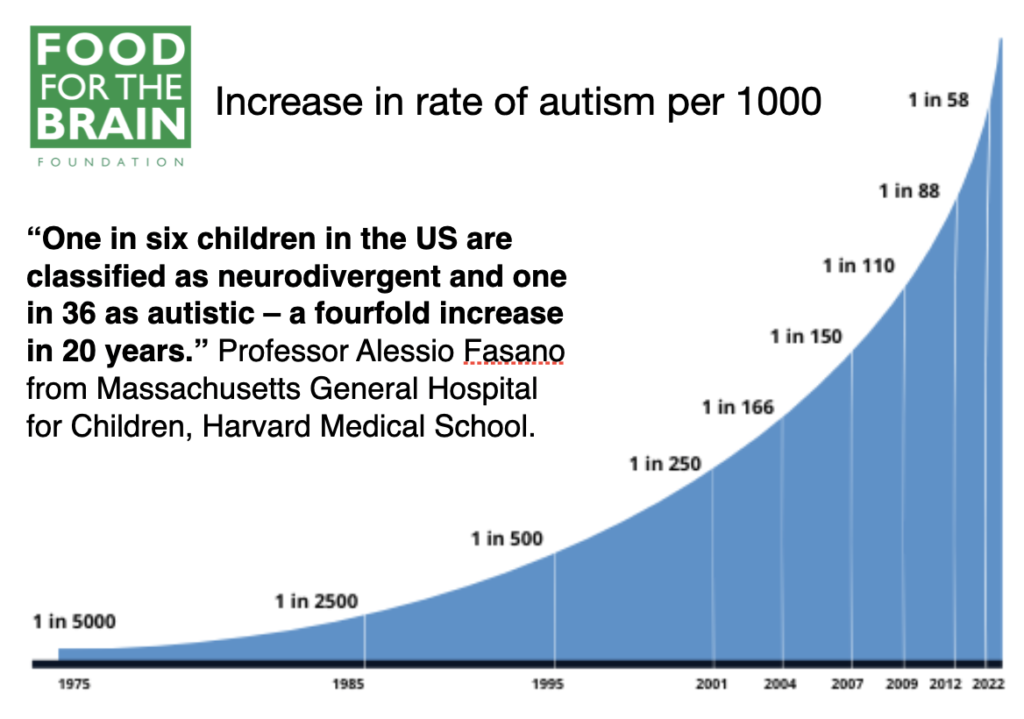
Diagnoses of neurodevelopmental conditions like ADHD and Autism Spectrum Disorder (ASD) have risen sharply in recent years. Both are classed as neurodivergent conditions, alongside others such as learning disabilities, anxiety disorders, obsessive-compulsive disorder and Tourette’s syndrome.
That rise has been significant in both the UK and the US, and it raises a genuine question worth asking properly rather than assuming the answer: what’s changed? Genetics alone doesn’t explain a shift this fast, since our genes haven’t changed in a generation. So what has?
ADHD in adulthood
ADHD is not confined to childhood; many adults continue to experience its symptoms, which can significantly impact their personal and professional lives. Also, many parents discover this about themselves as they go through the process of getting their child diagnosed.
Common symptoms of adult ADHD include:
- Inattention: difficulty sustaining attention during tasks, making careless mistakes, not listening when spoken to directly, and being easily distracted (1,2).
- Hyperfocus: paradoxically, some adults with ADHD can become intensely focused on tasks they find stimulating or rewarding, often to the exclusion of other activities (3).
- Disorganisation: chronic issues with organising tasks and activities, often leading to missed deadlines and forgotten appointments (4).
- Time management problems: struggling to manage time effectively, leading to procrastination and difficulty completing tasks (5).
- Impulsivity: making hasty decisions without considering the long-term consequences, interrupting others, and difficulty waiting for their turn (6).
- Emotional dysregulation: experiencing intense emotions, such as frustration or anger, and difficulty managing stress (7,8).
ADHD looks different in men and women
ADHD presents differently across men and women, which is a big part of why it’s underdiagnosed or misdiagnosed in women. Some key differences:
| Area | Women with ADHD | Men with ADHD | References |
|---|---|---|---|
| Inattention vs. hyperactivity | More likely to show inattentive symptoms, including disorganisation, forgetfulness, and difficulty focusing. | More often display hyperactive and impulsive behaviours, such as restlessness and acting without thinking. | (9,10) |
| Emotional symptoms | More often experience emotional dysregulation, including mood swings, anxiety, and depression. | More likely to show externalising behaviours, such as aggression and conduct problems. | (11,12) |
| Coping mechanisms | More likely to develop strategies that mask symptoms, such as perfectionism or overworking to compensate for inattentiveness. This may contribute to delayed diagnosis. | Less commonly characterised by symptom-masking strategies in the cited comparison. | (13) |
| Social consequences | May experience relationship strain and social isolation. | More often experience academic and behavioural difficulties in school settings. | (14,15) |
Brain development starts before birth
The brain you have as an adult began forming at conception, which is what makes maternal nutrition so important.
Alongside avoiding alcohol and smoking during pregnancy, a study of 11,875 pregnant women found a clear relationship between how much seafood a pregnant woman ate and her child’s development. The less seafood consumed, the worse the child’s social behaviour, fine motor skills, communication, social development and verbal IQ. (16)
A lack of vitamin A during pregnancy, another nutrient found in seafood, can affect brain development and lead to long-term or even permanent impairment in learning, memory formation and cognitive function. (17)
Then there’s folate, or vitamin B9, another nutrient with a fundamental role in brain development and methylation. Folic acid is the synthetic form of folate commonly used in supplements and food fortification. A mother’s folate intake predicts her child’s performance in cognitive tests at nine to ten years old (18), and the higher a baby’s B-vitamin status, the higher their cognitive function at 25. (19) Supplementing mothers-to-be with folic acid (400mcg/day) during the second and third trimesters is associated with better cognition in their children at three, and better word reasoning and IQ (verbal and performance) at seven. (20)
What about folinic acid? Folinic acid is a reduced form of folate that bypasses some of the metabolic steps needed to process folic acid. The evidence for folinic acid specifically comes mainly from autism spectrum disorder rather than ADHD. A randomised, double-blind, placebo-controlled trial in 48 children with autism and language impairment found that high-dose folinic acid (2mg/kg daily, up to 50mg) significantly improved verbal communication over 12 weeks, with the strongest effect in children who tested positive for folate receptor autoantibodies, a marker associated with impaired folate transport into the brain. (43)
This is quite different from the broader evidence around folate and brain development. It suggests that folinic acid may have particular relevance where folate transport into the brain is impaired, but these high doses are not something to self-supplement
Nothing builds properly in the brain without healthy methylation, and methylation requires folate, reflected in a low homocysteine level. Raised homocysteine is a well-known predictor of miscarriage and pregnancy problems, which is why it can be suggested that no woman attempts pregnancy until her homocysteine level is below 7 mcmol/l.
A homocysteine level above 11 means increased brain shrinkage. Even a level above 9 during pregnancy predicts more problems for the child at six: withdrawn behaviour, anxiety, depression, social problems and aggressive behaviour. (21)
So it’s worth looking back at your own childhood development to understand your adult brain. How well nourished was it? Did you get adequate folate, vitamin A and enough seafood as a child?
Providing all brain-dependent nutrients at an optimal level now, as an adult, may still help recover some of that deficit. That’s the premise worth testing for yourself.
Adult ADHD nutrition: essential nutrients for brain health
The brain needs nourishment at every age, but for adults with ADHD, what are the nutrients to focus on and ensure are abundantly available in your diet?
Most nutrition research in ADHD has been carried out in children rather than adults, although these nutrients remain important for brain function throughout life.
Vitamin A
Vitamin A is important for brain development, with deficiency potentially leading to long-term impairment in learning, memory formation and cognitive function. (17)
Vitamin D
Low vitamin D levels in childhood are linked to behavioural problems in adolescence, while low levels later in life have also been associated with a higher risk of cognitive decline and dementia. (25, 26, 27, 28).
If you are unsure about your vitamin D status, a vitamin D blood test can provide a clearer picture of your current level.
Chromium, copper, zinc and magnesium
Children with ADHD tend to have lower levels of zinc, chromium and magnesium, and sometimes copper (29). One study found a higher copper-to-zinc ratio in neurodivergent children than in neurotypical children, which was associated with the severity of ADHD symptoms (30). Zinc supplementation has been reported to improve aspects of attention in children with ADHD (31), while magnesium deficiency appears to be more common in ADHD and supplementation has been associated with reduced hyperactivity in some studies (32). However, the evidence is predominantly in children, and this does not mean that supplementing these minerals will necessarily improve ADHD symptoms in adults.
Read more about how magnesium plays an important role in brain function and may influence attention, mood, sleep and the body’s response to stress.
Omega-3
The omega-3 fats EPA and DHA are important components of brain cell membranes and support normal brain function. A 2023 meta-analysis of 22 randomised controlled trials involving 1,789 people with ADHD found that when omega-3 was supplemented for at least four months, there was a significant improvement in core ADHD symptoms compared with placebo. (33) Read more about omega-3 fats for brain health.
B vitamins
Folate works alongside other B vitamins in processes essential for brain function, including methylation and neurotransmitter production. In a study of 264 young adults, it was observed that lower levels of vitamins B2, B6 and folate (B9) were associated with ADHD, while lower B2 and B6 levels were also linked to greater symptom severity. (47) Together with the important role of B12 and folate in methylation and homocysteine metabolism, this makes maintaining a good supply of B vitamins an important part of supporting brain health.
How eating more fish and seafood supports your brain
Supplements can be useful for correcting deficiencies or achieving therapeutic amounts of particular nutrients, but food matters too. Fish and seafood are among the richest sources of brain-building nutrients, particularly the omega-3 fats EPA and DHA, as well as iodine, selenium, vitamin B12 and protein.
- Lower DHA concentrations are associated with poorer reading ability, poorer memory, oppositional behaviour and emotional instability. (22)
- Several studies have shown increased aggression in those with low omega-3 DHA and EPA, and giving more omega-3 fats reduces aggression.(23)
- A study of 541 Chinese schoolchildren found fish consumption predicted sleep quality, and that those who ate the most fish had the highest IQ, 4.8 points higher than those who ate none., with the sleep-quality improvement itself linked to the IQ gain. (24)
Neurodivergent or nutrient deficient?
The table below lists the most common characteristics of autistic spectrum disorder, as set out by the US Centers for Disease Control and Prevention.
Alongside each, we’ve added the nutrient deficiencies that research has shown can produce the same symptom.
| COMMON ASD CHARACTERISTICS | ASSOCIATED DEFICIENCY |
| Avoids eye contact | Vitamin A, Omega-3 DHA |
| Delayed language skills | Omega-3 DHA, Hcy*/B vitamins, vitamin A |
| Delayed movement skills | Omega-3 DHA, Hcy/B vitamins, vitamin A |
| Delayed cognitive or learning skills | Omega-3 DHA, Hcy/B vitamins, vitamin A |
| Hyperactive, impulsive, and/or inattentive behaviour | Omega-3 DHA, Hcy/B vitamins, dysglycemia (sugar), additives eg MSG) |
| Epilepsy or seizure disorder | Omega-3 DHA, Hcy/B vitamins, dysglycemia (sugar), magnesium |
| Unusual eating and sleeping habits | Food intolerance, sugar, magnesium, zinc, tryptophan, |
| Gastrointestinal issues (for example, constipation) | Food intolerance (eg coeliacs), gut dysbiosis, zinc |
| Unusual mood or emotional reactions | Omega-3 DHA, Hcy/B vitamins, dysglycemia (sugar), additives eg MSG), food intolerance, iron |
| Anxiety, stress, or excessive worry | Omega-3 DHA, Hcy/B vitamins, dysglycemia (sugar), vitamin C |
| Lack of fear or more fear than expected | Omega-3 DHA, Hcy/B vitamins, dysglycemia (sugar), vitamin C |
A note on MSG: most of the evidence linking MSG to ADHD-like behaviour comes from animal studies, and even there it’s a genuinely mixed picture: some rodent studies find MSG exposure during development produces ADHD-like behaviours when combined with poor nutrition, while others find MSG actually reduces aggression via effects on the vagus nerve. A comprehensive 2019 safety review of MSG in humans found the evidence for it causing neurobehavioural harm at normal dietary doses is not well established (45). That’s a different evidence picture from artificial colours and the preservative sodium benzoate, where a large, well-conducted human trial has shown a real effect on children’s hyperactive behaviour. Keep MSG in mind as one marker of a heavily processed diet generally, rather than a proven cause of hyperactivity in its own right.
Sugar, blood sugar and the brain
The amount of sugar you eat has as much impact on your brain as any single nutrient does.
Too many refined carbohydrates and ultra-processed foods, and too much sugar, are bad for anyone at any age. They’re linked to ADHD (33) and autism symptoms in children, to adult anxiety and depression, (34) and strongly linked to a higher risk of age-related cognitive decline, dementia and Alzheimer’s.
This starts earlier than you’d think: the glycemic load of a mother’s diet during pregnancy predicts a four-fold risk of anxiety in toddlers, five times more impulsivity in boys, four times as many sleeping problems, and, in girls in the top third for glycemic load, 15 times the likelihood of anxiety. (35)
Reduce your sugar intake is one of the highest-leverage changes available to you, at any age.
The four drivers of ADHD
When it comes to adult ADHD nutrition, there are several dietary factors worth paying attention to.
Multi-nutrient trials have shown improvements in irritability, hyperactivity and self-harm in children with ADHD.(39) Raised homocysteine and low B12 or folate are associated with a greater risk of developing ASD and with worse symptoms, through the methylation abnormalities they create. Supplementing homocysteine-lowering B vitamins improves symptoms. (40, 41, 42)
In summary, ADHD can be made worse, or contributed to, by:
- A high-GL diet, with too much sugar
- A lack of essential omega-3 fats
- A lack of critical nutrients such as B vitamins, zinc and magnesium
- Unidentified food intolerances (read more about how food intolerance can impact the brain)
What you can do?
A practical adult ADHD nutrition plan starts with improving the overall quality of your diet, then identifying any individual deficiencies or intolerances. Here’s where to start:
- Feed your brain.
The food you eat provides the raw materials your brain and body need to function. Build your diet around whole foods: 3-5 portions of oily fish a week, nuts, seeds, leafy greens
,and vegetables, to ensure adequate intake of essential nutrients. - Add in key nutrients.
Consider supplementing with B-vitamins, zinc, magnesium, copper, chromium
,and other essential nutrients to address deficiencies and support brain function. Find out more about recommended supplements and dose requirements. - Test, don’t guess.
Test your vitamin D, omega-3
- Eat mindfully.
Pay attention to food intolerances and adopt a low-glycemic load (low sugar) diet to stabilise blood sugar and support cognitive function.
- Complete the Cognitive Function Test.
Get personalised insights into your potential areas of risk, along with practical steps you can take to protect and support your cognitive health.
- Reclaim your brain.
So that your neurodivergence can serve and support you, and no longer create additional struggle in your life.
References
1. Barkley RA. Attention-Deficit Hyperactivity Disorder: A Handbook for Diagnosis and Treatment. New York: Guilford Press; 2010.
2. Kooij JJS, Bejerot S, Blackwell A, et al. European consensus statement on diagnosis and treatment of adult ADHD: The European Network Adult ADHD. BMC Psychiatry. 2010;10(1):67.
3. Asherson P, et al. Attention deficit hyperactivity disorder in adults: A review of the literature. Nat Rev Neurol. 2012;8(2):93-104.
4. Brown TE. Attention Deficit Disorder: The Unfocused Mind in Children and Adults. New Haven: Yale University Press; 2005.
5. Faraone SV, Biederman J, Mick E. The age-dependent decline of ADHD: A meta-analysis of follow-up studies. Psychol Med. 2006;36(2):159-165.
6. Willcutt EG, et al. Validity of DSM-IV attention deficit/hyperactivity disorder symptom dimensions and subtypes. J Abnorm Psychol. 2012;121(4):991.
7. Shaw P, et al. Emotion dysregulation in attention deficit hyperactivity disorder. Am J Psychiatry. 2014;171(3):276-293.
8. Surman CB, et al. Emotional dysregulation in adult ADHD and response to atomoxetine. J Atten Disord. 2011;15(5):354-368.
9. Quinn PO, Madhoo M. A review of attention-deficit/hyperactivity disorder in women and girls: Uncovering this hidden diagnosis. Prim Care Companion CNS Disord. 2014;16(3):PCC.13r01596.
10. Williamson D, Johnston C. Gender differences in adults with attention-deficit/hyperactivity disorder: A narrative review. Clin Psychol Rev. 2015;40:15-27.
11. Loo SK, et al. Cognition in girls with attention-deficit/hyperactivity disorder: Executive functions, emotion regulation, and comorbidity. J Am Acad Child Adolesc Psychiatry. 2008;47(3):262-274.
12. Babinski DE, et al. A meta-analysis of neuropsychological functioning in posttraumatic stress disorder. Arch Clin Neuropsychol. 2015;30(8):724-743.
13. Skogli EW, et al. Emotional lability in children and adolescents with attention deficit/hyperactivity disorder (ADHD): Clinical correlates and familial prevalence. J Affect Disord. 2013;145(2):241-249.
14. Grevet EH, et al. Gender differences in prevalence of symptoms of attention deficit and hyperactivity disorder in adults. Rev Bras Psiquiatr. 2005;27(1):21-24.
15. Solanto MV, et al. The prevalence of sluggish cognitive tempo in psychiatric outpatients with ADHD, anxiety, and mood disorders. J Atten Disord. 2017;21(8):666-674.
16. Hibbeln JR, Davis JM, Steer C, Emmett P, Rogers I, Williams C, Golding J. Maternal seafood consumption in pregnancy and neurodevelopmental outcomes in childhood (ALSPAC study): an observational cohort study. Lancet. 2007 Feb 17;369(9561):578-85.
17. Z. Liu. Behav Neurol. 2021 Dec 7;2021:5417497.
18. Veena SR, Krishnaveni GV, Srinivasan K, Wills AK, Muthayya S, Kurpad AV, Yajnik CS, Fall CH. Higher maternal plasma folate but not vitamin B-12 concentrations during pregnancy are associated with better cognitive function scores in 9- to 10-year-old children in South India. J Nutr. 2010 May;140(5):1014-22.
19. Qin B, Xun P, Jacobs DR Jr, Zhu N, Daviglus ML, Reis JP, Steffen LM, Van Horn L, Sidney S, He K. Intake of niacin, folate, vitamin B-6, and vitamin B-12 through young adulthood and cognitive function in midlife: the Coronary Artery Risk Development in Young Adults (CARDIA) study. Am J Clin Nutr. 2017 Oct;106(4):1032-1040.
20. McNulty H, Rollins M, Cassidy T, Caffrey A, Marshall B, Dornan J, McLaughlin M, McNulty BA, Ward M, Strain JJ, Molloy AM, Lees-Murdock DJ, Walsh CP, Pentieva K. Effect of continued folic acid supplementation beyond the first trimester of pregnancy on cognitive performance in the child: a follow-up study from a randomized controlled trial (FASSTT Offspring Trial). BMC Med. 2019 Oct 31;17(1):196.
21. Roigé-Castellví J, Murphy M, Fernández-Ballart J, Canals J. Moderately elevated preconception fasting plasma total homocysteine is a risk factor for psychological problems in childhood. Public Health Nutr. 2019 Jun;22(9):1615-1623.
22. Montgomery P, Burton JR, Sewell RP, Spreckelsen TF, Richardson AJ. Low blood long chain omega-3 fatty acids in UK children are associated with poor cognitive performance and behavior: a cross-sectional analysis from the DOLAB study. PLoS One. 2013 Jun 24;8(6):e66697.
23. Raine A, Ang RP, Choy O, Hibbeln JR, Ho RM, Lim CG, Lim-Ashworth NSJ, Ling S, Liu JCJ, Ooi YP, Tan YR, Fung DSS. Omega-3 (ω-3) and social skills interventions for reactive aggression and childhood externalizing behavior problems: a randomized, stratified, double-blind, placebo-controlled, factorial trial. Psychol Med. 2019 Jan;49(2):335-344.
24. Liu J, Cui Y, Li L, et al. The mediating role of sleep in the fish consumption – cognitive functioning relationship: a cohort study. Sci Rep. 2017;7:17961.
25. Robinson SL, Marín C, Oliveros H, Mora-Plazas M, Lozoff B, Villamor E. Vitamin D Deficiency in Middle Childhood Is Related to Behavior Problems in Adolescence. J Nutr. 2020;150(1):140-148.
26. Jayedi A, Rashidy-Pour A, Shab-Bidar S. Vitamin D status and risk of dementia and Alzheimer’s disease: A dose-response meta-analysis. Nutr Neurosci. 2019 Nov;22(11):750-9.
27. Chai B, Gao F, Wu R, Dong T, Gu C, Lin Q, et al. Vitamin D deficiency as a risk factor for dementia and Alzheimer’s disease: an updated meta-analysis. BMC Neurol. 2019 Nov 13;19(1):284.
28. Melo van Lent D, Egert S, Wolfsgruber S, Kleineidam L, Weinhold L, Wagner-Thelen H, et al. Low Serum Vitamin D Status Is Associated with Incident Alzheimer’s Dementia in the Oldest Old. Nutrients. 2023;15(1):61.
29. Skalny AV, Mazaletskaya AL, Ajsuvakova OP, Bjørklund G, Skalnaya MG, Chao JC, Chernova LN, Shakieva RA, Kopylov PY, Skalny AA, Tinkov AA. Serum zinc, copper, zinc-to-copper ratio, and other essential elements and minerals in children with attention deficit/hyperactivity disorder (ADHD). J Trace Elem Med Biol. 2020 Mar;58:126445.
31. Hemamy M, Pahlavani N, Amanollahi A, Islam SMS, McVicar J, Askari G, Malekahmadi M. The effect of vitamin D and magnesium supplementation on the mental health status of attention-deficit hyperactive children: a randomized controlled trial. BMC Pediatr. 2021 Apr 17;21(1):178.
32. Starobrat-Hermelin B, Kozielec T. The effects of magnesium physiological supplementation on hyperactivity in children with attention deficit hyperactivity disorder (ADHD): Positive response to magnesium oral loading test. Magnes Res. 1997;10(2):149-56.
33. Farsad-Naeimi A, Asjodi F, Omidian M, Askari M, Nouri M, Pizarro AB, Daneshzad E. Sugar consumption, sugar sweetened beverages and Attention Deficit Hyperactivity Disorder: A systematic review and meta-analysis. Complement Ther Med. 2020 Sep;53:102512.
34. Haghighatdoost F, Azadbakht L, Keshteli AH, Feinle-Bisset C, Daghaghzadeh H, Afshar H, Feizi A, Esmaillzadeh A, Adibi P. Glycemic index, glycemic load, and common psychological disorders. Am J Clin Nutr. 2016 Jan;103(1):201-9.
35. Alick CL, Maguire RL, Murphy SK, Fuemmeler BF, Hoyo C, House JS. Periconceptional Maternal Diet Characterized by High Glycemic Loading Is Associated with Offspring Behavior in NEST. Nutrients. 2021 Sep 13;13(9):3180.
36. Needham BD, Adame MD, Serena G, Rose DR, Preston GM, Conrad MC, Campbell AS, Donabedian DH, Fasano A, Ashwood P, Mazmanian SK. Plasma and Fecal Metabolite Profiles in Autism Spectrum Disorder. Biol Psychiatry. 2021 Mar 1;89(5):451-462.
37. Asbjornsdottir B, et al. Zonulin-dependent intestinal permeability in children diagnosed with mental disorders: a systematic review and meta-analysis. Nutrients. 2020;12(7):1982.
38. ESPA Research. The Sunderland Protocol.
39. Mehl-Madrona L. J Altern Complement Med. 2017;23(7):526–533.
40. Li B, Xu Y, Pang D, Zhao Q, Zhang L, Li M, Li W, Duan G, Zhu C. Interrelation between homocysteine metabolism and the development of autism spectrum disorder in children. Front Mol Neurosci. 2022 Aug 15;15:947513.
41. Belardo A, Gevi F, Zolla L. The concomitant lower concentrations of vitamins B6, B9 and B12 may cause methylation deficiency in autistic children. J Nutr Biochem. 2019;70:38-46.
42. Rossignol DA, Frye RE. The Effectiveness of Cobalamin (B12) Treatment for Autism Spectrum Disorder: A Systematic Review and Meta-Analysis. J Pers Med. 2021 Aug 11;11(8):784.
43. Frye RE, Slattery J, Delhey L, Furgerson B, Strickland T, Tippett M, et al. Folinic acid improves verbal communication in children with autism and language impairment: a randomized double-blind placebo-controlled trial. Molecular Psychiatry. 2018;23(2):247–256.
44. Haslam RH, Dalby JT, Rademaker AW. Effects of megavitamin therapy on children with attention deficit disorders. Pediatrics. 1984;74(1):103–111.
45. Zanfirescu A, Ungurianu A, Tsatsakis AM, Nițulescu GM, Kouretas D, Veskoukis A, et al. A Review of the Alleged Health Hazards of Monosodium Glutamate. Comprehensive Reviews in Food Science and Food Safety. 2019;18(4):1111–1134.
Related reading:
Thank you for reading!
Food for the Brain is a non-for-profit educational and research charity that offers a free Cognitive Function Test and assesses your Dementia Risk Index to be able to advise you on how to dementia-proof your diet and lifestyle.
By completing the Cognitive Function Test you are joining our grassroots research initiative to find out what really works for preventing cognitive decline. We share our ongoing research results with you to help you make brain-friendly choices.
Please support our research by becoming a Friend of Food for the Brain.