⚙️ DOMAIN Archives - Food for the Brain

because prevention is better than cure.

because prevention is better than cure.

Mini Cart 0

Your cart is empty.

Mini Cart 0

Your cart is empty.

Why Gut Health Matters for Brain Health More Than You Think

Why Gut Health Matters for Brain Health More Than You Think

Gut Health Matters for Brain Health More Than You Think

Why Some Brains Improve and Others Don’t

Many people are doing more than ever to protect their brain. They eat well. Take supplements. Exercise. Stay mentally active.

Yet outcomes vary dramatically.

Some improve. Others stall. A few decline despite doing everything “right”.

The missing question is not what else to add, but what environment those interventions are landing in.

Cognitive decline rarely stems from one isolated failure. It emerges when the body’s internal environment no longer supports protection, repair, and resilience. This systems-based understanding underpins the work of Food for the Brain, and explains why gut health plays a central role in our COGNITION brain upgrade programme.

The terrain model of brain health

In medicine, there is a long-established principle that disease does not arise from a trigger alone, but from the biological environment in which that trigger operates. This is often described as the terrain.

From a brain health perspective, terrain includes inflammatory load, metabolic health, immune balance, nutrient availability, and cellular repair capacity. These systems interact constantly. When they stay in balance, the brain shows remarkable resilience. When they become disrupted, vulnerability increases.

Neurodegenerative conditions, including Alzheimer’s disease, are now understood to arise from multiple interacting biological pressures rather than a single pathological process. Many of these systems are shaped upstream by gut related processes.

The gut as a regulator, not a root cause

The gut is often discussed as if it were a standalone digestive organ. In reality, it plays a regulatory role in shaping systemic inflammation, metabolic function, and immune signalling.

When gut barrier integrity is compromised, bacterial components such as lipopolysaccharides can enter circulation. This process increases immune activation and drives chronic low-grade inflammation, a state strongly associated with insulin resistance and cognitive decline [1,2].

In this context, gut dysfunction is not “causing” brain disease. It is influencing the conditions in which brain protection and repair either succeed or struggle.

Why prevention struggles in an inflamed system

Brain health interventions that we talk about here at Food for the Brain do not operate in isolation. Their effectiveness depends on the biological environment in which they are applied.

This is particularly clear in nutritional research.

B vitamin supplementation has been shown to slow brain atrophy, but only in individuals with raised homocysteine levels and a metabolic environment that allows normal methylation processes to function [3]. Similarly, omega 3 fatty acids support neuronal membrane structure and signalling, yet their cognitive benefits are reduced in the presence of inflammation and insulin resistance [4].

Inflammation interferes with digestion, absorption, transport, and cellular uptake of nutrients. Pro inflammatory cytokines also impair intracellular metabolic pathways, shifting the body toward defence rather than repair. In this terrain, even well evidenced interventions may have limited effect.

The same principle applies to lifestyle strategies. Physical activity, cognitive stimulation, and stress reduction are all protective, but their impact is blunted when inflammatory and metabolic pressures remain unaddressed. That is why in COGNITION we target all 8 modifiable nutrition and lifestyle factors, so that you are not just targeting a specific nutrient but you are changing the environment.
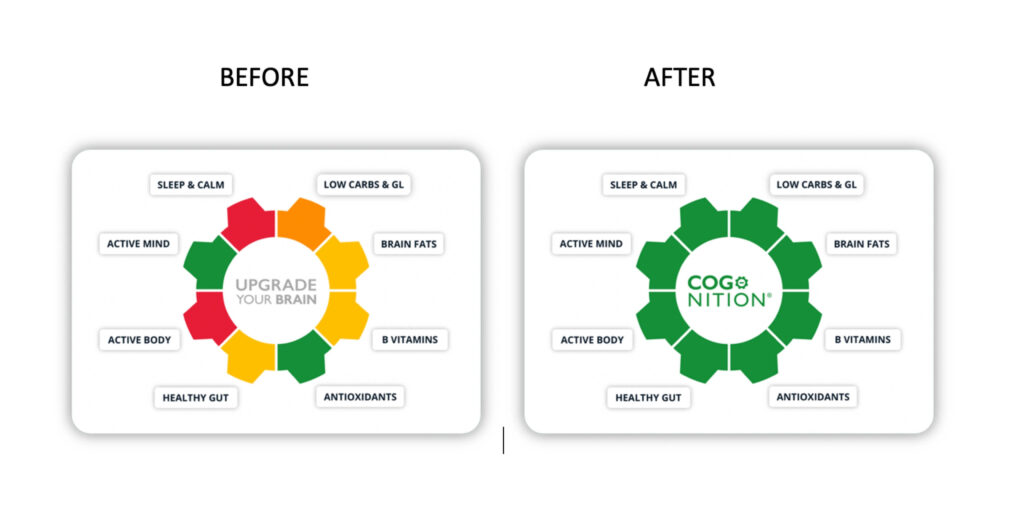
cognition 8 domain cogs before and after

Microbes, inflammation, and brain vulnerability

Human studies consistently show that individuals with cognitive impairment or Alzheimer’s disease have altered gut microbiome profiles alongside higher levels of systemic inflammatory markers [5].

This does not demonstrate that microbes cause dementia. What it does show is that microbial imbalance contributes to inflammatory load, which in turn increases brain vulnerability.

Over time, this vulnerability can translate into accelerated cognitive decline.

For this reason, the COGNITION brain upgrade programme actively addresses gut health as one of eight modifiable factors that influence dementia risk. Gut microbes actively shape the internal environment in ways that can either accelerate neurodegeneration or help slow it.

The metabolic bridge between gut and brain

The gut also plays a critical role in metabolic regulation.

Chronic gut driven inflammation worsens insulin resistance, reducing glucose uptake by brain cells. Impaired brain glucose metabolism is a recognised feature of cognitive decline and has led some researchers to describe Alzheimer’s disease as a form of brain specific metabolic failure [6,7].

In this model, the gut is not peripheral. It contributes upstream to the metabolic conditions that determine whether the brain can access adequate fuel to function and repair.

Again, the implication is not that gut health alone determines brain fate. It is that brain health strategies are less effective when the metabolic and inflammatory terrain is unfavourable.

Why Brain Health Advice Works for Some People and Not Others

A terrain based perspective offers something often missing from prevention conversations.

Understanding.

When people follow advice carefully and still do not improve, clinicians too often frame the explanation as lack of compliance or genetics. Systems thinking offers a different interpretation.

The tools may be appropriate but the environment may not yet support repair.

This reframes prevention as a personalised process rather than a universal checklist. Understanding an individual’s internal terrain helps identify where effort should go.

This is why Food for the Brain offers two complementary forms of assessment: the free, validated Cognitive Function Test and optional at home blood testing to assess key modifiable risk markers such as homocysteine, omega 3 status and glutathione.

The answer is not found in one nutrient

Viewing brain health through a terrain lens shifts prevention away from adding isolated solutions and toward restoring balance across systems.

The future of brain health does not lie in targeting one nutrient, one habit, or one molecule.

It lies in creating an internal environment where protection, repair, and resilience are possible.

Brains do not fail because one thing goes wrong. They decline when the terrain no longer supports them.

And that terrain forms quietly and cumulatively long before symptoms appear.

Next Steps

References:

  1. Cani PD, Amar J, Iglesias MA, Poggi M, Knauf C, Bastelica D, et al. Metabolic endotoxemia initiates obesity and insulin resistance. Diabetes. 2007;56(7):1761–72.
  2. Hotamisligil GS. Inflammation and metabolic disorders. Nature. 2006;444(7121):860–7.
  3. Smith AD, Smith SM, de Jager CA, Whitbread P, Johnston C, Agacinski G, et al. Homocysteine-lowering by B vitamins slows the rate of accelerated brain atrophy in mild cognitive impairment. Proc Natl Acad Sci U S A. 2010;107(31):14187–92.
  4. Jernerén F, Elshorbagy AK, Oulhaj A, Smith SM, Refsum H, Smith AD. Brain atrophy in cognitively impaired elderly: the importance of long-chain omega-3 fatty acids and B vitamin status in a randomized controlled trial. Am J Clin Nutr. 2015;102(1):215–21.
  5. Vogt NM, Kerby RL, Dill-McFarland KA, Harding SJ, Merluzzi AP, Johnson SC, et al. Gut microbiome alterations in Alzheimer’s disease. Sci Rep. 2017;7(1):13537.
  6. de la Monte SM, Wands JR. Alzheimer’s disease is type 3 diabetes–evidence reviewed. J Diabetes Sci Technol. 2008;2(6):1101–13.
Further info

The GL of Your Diet Determines Your Future Dementia Risk

The GL of Your Diet Determines Your Future Dementia Risk

by Patrick Holford

high glycaemic load diet

Why Blood Sugar Exposure Matters More Than Sugar Itself

Your brain uses more glucose for energy than any other organ in the body.

From that simple fact comes a widespread assumption: that sugar fuels the brain and therefore more sugar must mean more mental energy.

In reality, the opposite appears to be true.

A large new study shows that the glycaemic load (GL) of your diet, which reflects how much glucose you expose your bloodstream to over time, is strongly linked to your future risk of dementia. The higher the glycaemic load, the higher the risk.

In this study, people consuming more than 110 GL units a day had a 13% higher risk of developing dementia. Those consuming less than 49.3 GL units a day had a 17% lower risk. In other words, the difference between a high GL diet and a low GL diet translated into a 30% swing in dementia risk.The study, published in the International Journal of Epidemiology, analysed dietary data from over 200,000 UK Biobank participants in 2011–12 and followed them for more than a decade to see who did, and did not, develop dementia (1).¹

Most people’s diets exceed 100 GL units a day. I have been advocating a daily intake of around 45 to 60 GL units since the 1990s. To understand why this matters, and what it means for what you eat, it helps to understand what GL actually is.

How Much Sugar Your Body Really Needs

As petrol is for your car, glucose is the primary fuel for your body. Glucose is the main fuel used by all cells.

There is also another fuel, ketones, much like cars can also run on electricity. We too are metabolic hybrids.

Now here is an astonishing fact. Your body contains around 100,000 kilometres of blood vessels. Your brain alone has around 1,000 kilometres of them. These vessels supply energy to around 30 trillion cells, each containing roughly 1,000 mitochondria, the tiny energy factories that power life.

And yet, across this entire system, there only needs to be around 4 grams of glucose in your bloodstream at any one time. That is one teaspoonful. That is all that is required for every cell in your brain and body to have energy at that moment.²

GL is a measure of how much glucose enters your bloodstream after eating or drinking a food. If there is not much glucose in the food, and you use it quickly, perhaps by moving or exercising, blood sugar levels stabilise rapidly.

The glycaemic load of a food depends on two things:
• the quality of the carbohydrate
• the quantity eaten

Quality refers to how fast glucose is released, known as the glycaemic index (GI). Fibre and protein slow this release. This is why white rice has a higher GI than brown rice, which contains fibre. Eat rice with fish, beans or meat, and the protein slows the release further.

GL also depends on portion size. A small serving of brown rice with fish is low GL. A large serving of white rice, even with fish, is high GL.

When Glucose Becomes Toxic to the Brain

What happens if you consume far more glucose than the body needs?

A can of sugary fizzy drink contains around 35 grams of sugar. That is roughly nine times more glucose than the total amount normally circulating in your bloodstream.

This excess is toxic. It damages blood vessels and the tissues they supply. Diabetes is diagnosed precisely because excess sugar damages the kidneys, eyes and nerves. The brain is no exception.

“The brain needs more energy than any other organ, so it contains the most mitochondria. Sugar damages mitochondria,” says Professor Robert Lustig, Professor of Neuroendocrinology at the University of California, San Francisco. If you have read Upgrade Your Brain or Alzheimer’s: Prevention is the Cure, you will already know that high sugar intake, sugary drinks and ultra processed foods increase dementia risk, worsen memory even in young people, and are associated with measurable shrinkage of brain regions involved in memory in teenagers.

Are You Eating Too Much Hidden Sugar?

The simplest way to assess your long term blood sugar exposure is to measure HbA1c.

HbA1c literally means sugar damaged red blood cells. If more than 6.5% of your red blood cells are sugar damaged, you are diagnosed with diabetes. Above 6% indicates pre diabetes. Even levels above 5.4% in teenagers predict brain shrinkage.

For optimal health you want to be below 5.4%, and ideally below 5%.

HbA1c is such a strong indicator of blood sugar resilience that it is included in Food for the Brain’s 5-in-1 DRIfT home blood test kit.

Balancing Blood Sugar with a Low Glycaemic Load Diet

Let us start with something simple.

An orange contains sugar, but also fibre and micronutrients. The fibre slows sugar release, mainly fructose, which takes time to convert to glucose, while feeding beneficial gut bacteria.

A glass of orange juice, however, contains the sugar of around three oranges, without the fibre. Three times the sugar, with no brakes. Eat your fruit. Do not drink it.

When you eat sugar or starches such as rice, digestive enzymes rapidly break them down into glucose. Protein, by contrast, takes several hours to digest into amino acids. This slows carbohydrate digestion further down the digestive tract.

This leads to a simple rule: eat carbohydrates with protein.

Brown rice releases glucose more slowly than white rice. Add beans, fish or meat, and the release slows further.

From this we can extract three practical rules:
• Eat fruit. Do not drink it
• Always eat carbohydrate with protein
• Make fibre the primary ingredient of every meal

What a Low GL Meal Actually Looks Like

Compare these two breakfasts:

Cornflakes with a banana or Oats with chia seeds and berries

Cornflakes are fast releasing sugar. Oats are slow releasing. A banana raises blood sugar more than two bowls of berries.

Chia seeds, rich in soluble fibre, dramatically slow sugar release. A portion of oats with chia and berries is around 10 GL. Cornflakes and a banana can reach 30 GL.

You want meals around 10 GL and snacks around 5 GL. Three meals and two snacks equals around 40 GL per day.

Eat 40 GL per day to lose weight. Around 60 GL to maintain it.

Eat little and often, and start the day with a low GL breakfast.

A friend of mine, Dr David Unwin, who is  a leading diabetes doctor, converted our low GL calculations into ‘teaspoons of sugar equivalent’ to give a visual idea to his diabetic and overweight patients of how sugar is hidden in common foods. See the table below.

Food GIServing size GLTeaspoons of sugar
Cereals
Coco Pops7730g207.3
Cornflakes9330g228.4
Mini Wheats5930g134.4
Shredded Wheat6730g144.8
Special K5430g124.0
Bran Flakes7430g134.8
Porridge63150ml62.2
Bread
White7130g103.7
Brown7430g93.3
Rye (69% wholegrain rye flour)7830g114.0
Wholegrain barley (50% barley)8530g155.5
Wholemeal (stoneground flour)5930g72.6
Pitta (wholemeal)5630g82.9
Rough oatcake3510.4g20.7
Fruit
Banana62120g165.9
Grapes (black)59120g114.0
Apple (Golden Delicious)39120g62.2
Watermelon80120g51.8
Nectarines43120g41.5
Apricots34120g31.1
Strawberries40120g10.4

Adapted, with permission, from David Unwin’s charts in the Journal of Insulin Resistance (2016) 

The Balance of Your Plate

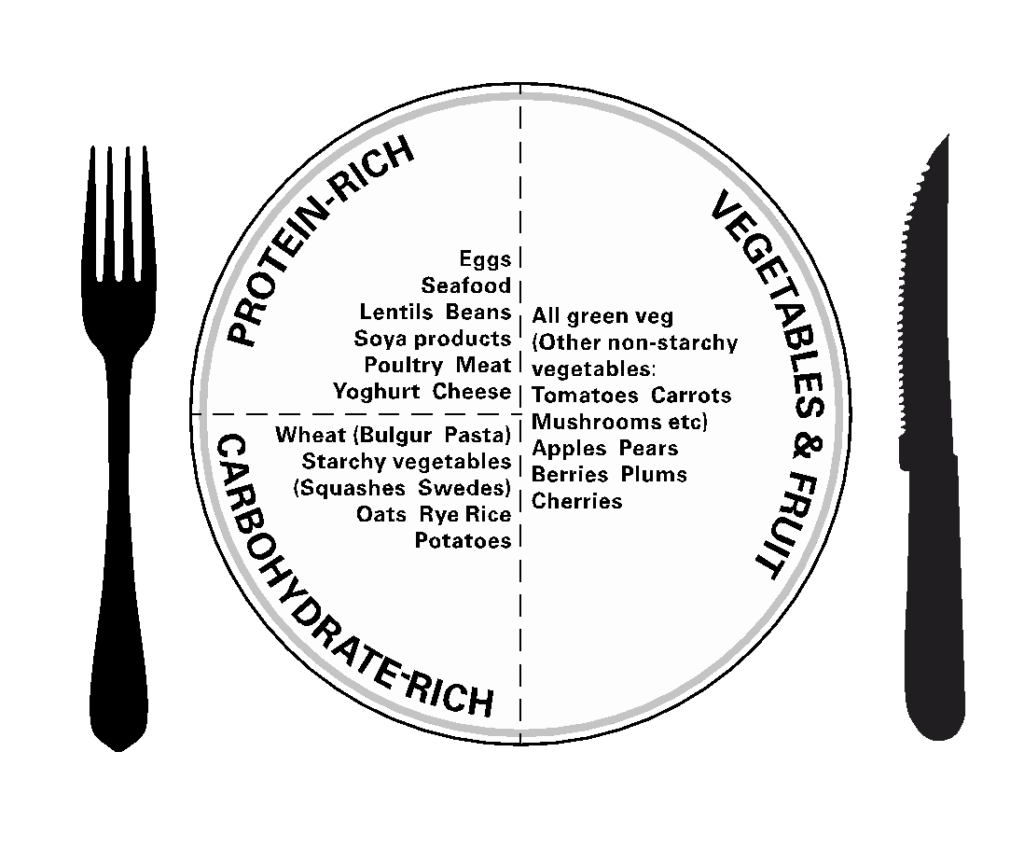
Half your plate should be vegetables and fruit. A quarter should be protein. A quarter carbohydrate.

Vegetables supply antioxidants that neutralise the exhaust fumes produced when mitochondria burn fuel. This becomes more important as we age and mitochondrial efficiency declines.

Protein slows sugar release and provides essential building blocks. Carbohydrate portions must be modest.

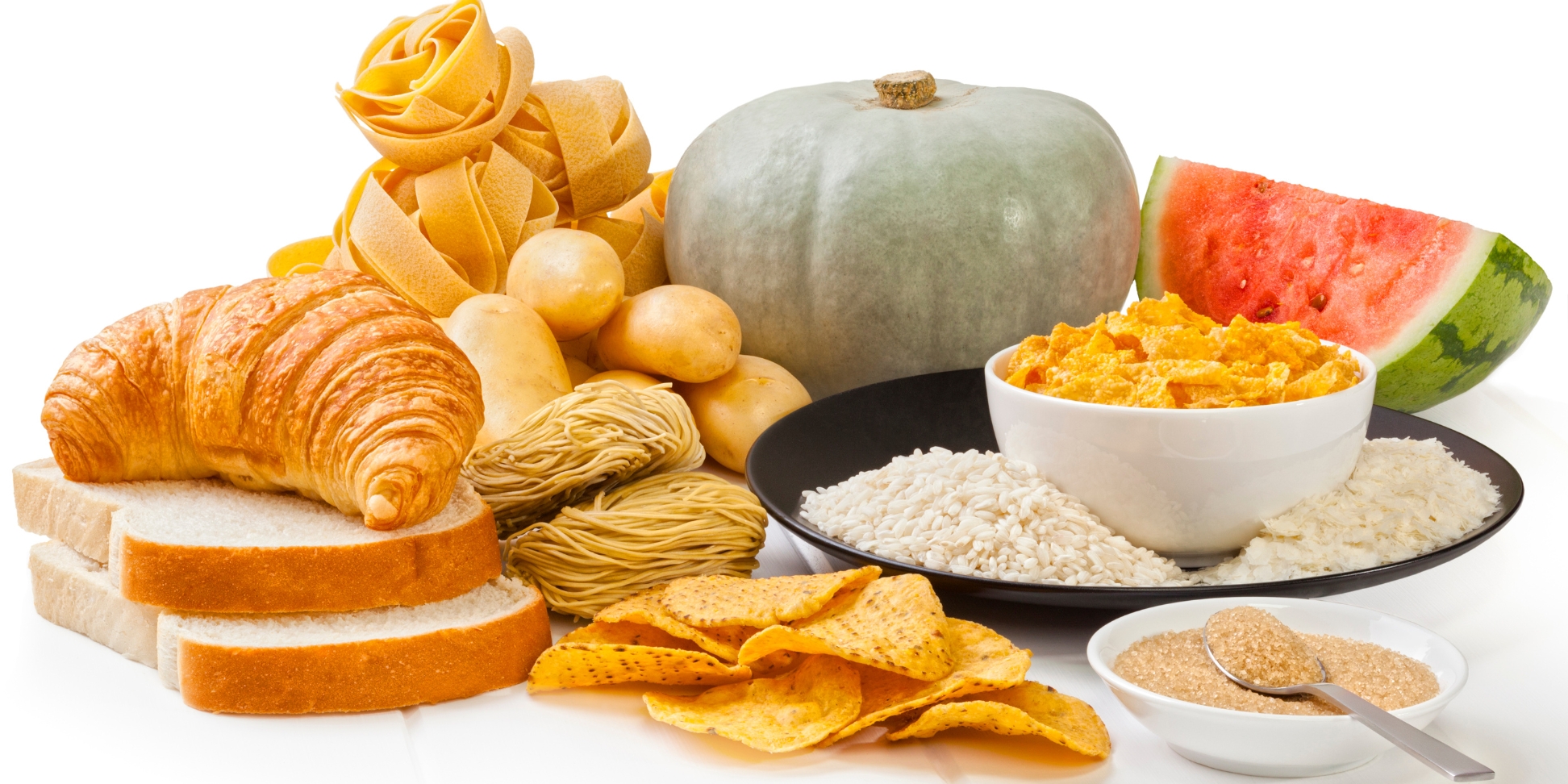
Whole grains and starchy vegetables vary widely in GL. Wholemeal pasta and brown basmati rice are far better than white pasta or white rice. Swedes, carrots and squash are better than potatoes. Boiled potatoes are better than baked. French fries are the worst of all.
all.

Starchy vegetables and cereals
Pumpkin/squash
Carrot
Swede
Quinoa (cooked)
Beetroot
Cornmeal
Pearl barley (cooked)
Wholemeal pasta (cooked)
White pasta (cooked)
Brown basmati rice (cooked)
White rice (cooked)
Couscous (soaked)
Broad beans
Sweetcorn
Boiled potato
Baked potato
French fries
Sweet potato
7 GL points
1 large serving (185g)
1 large (158g)
1 large serving (150g)
1 large serving (120g)
1 large serving (112g)
1 serving (116g)
1 small serving (95g)
half a serving (85g)
a third of a serving (66g)
1 small serving (70g)
a third of a serving (46g)
1 serving (31g)
half a cob (60g)
3 small potatoes (74g)
half (59g)
a tiny portion (47g)
half

Beans and Lentils: Nature’s Blood Sugar Regulators

Beans and lentils are uniquely effective because they contain both protein and carbohydrate in one food. This keeps their GL low while allowing generous portions.

When combining beans with other starches, reduce the starch portion by half. A cup of lentils with half a cup of rice, not equal amounts.

By applying these principles you can restore blood sugar control, regain energy, reduce dementia risk, reverse type 2 diabetes and improve cognitive clarity.

The Proof Is in Your HbA1c

Red blood cells live for around three months. Follow a low GL diet for three months, then retest HbA1c.

This approach is detailed in The Low GL Diet Cookbook. Specific supplements can accelerate recovery, including fibre such as glucomannan, chromium and cinnamon compounds to improve insulin sensitivity, and HCA from tamarind to promote glucose burning rather than storage.

What to Do Next

If glycaemic load affects dementia risk, the next step is simple: measure, act, and check again.

Test your blood sugar resilience.

HbA1c shows how much sugar damage has occurred over the last three months. It is included in Food for the Brain’s DRIfT 5-in-1 home test, alongside other key brain health markers. If HbA1c is high, a low GL diet gives you a clear way to bring it down.

Check how your brain is functioning now.

The free Cognitive Function Test takes around 20 minutes and provides an objective snapshot of memory, attention and processing speed. Many people spot early changes years before any diagnosis.

Make changes, then retest.

Follow a low GL diet for three months, then re-test HbA1c and cognitive function to see whether the changes are working.

Prevention works best when it is measured.

References:

Further info

Dry January for Your Brain: A Lighter, Clearer Start to the Year

Dry January for Your Brain: A Lighter, Clearer Start to the Year

Dry January

Dry January arrives with its usual mix of good intentions and side-eye, but beneath the trend is a surprising truth: your brain loves this month more than you think.

That’s because January quietly offers something modern brains rarely get the rest of the year: a drop in oxidative stress and a chance for your natural repair systems to catch up.  It’s a pause that lowers the background “noise” created by alcohol and allows your natural calming chemistry to rise back to the surface.

Many people start Dry January thinking about their liver or their waistline. But the strongest benefits often happen behind the scenes, in the place that governs mood, memory, sleep, and stress resilience.

That’s where the real benefits begin to show.

Dry January for Your Brain: Why the Benefits Show Up So Fast

Alcohol works on the same calming pathway your brain uses to wind down naturally. It boosts GABA, the neurotransmitter that quietens the nervous system. That lovely “first sip exhale” comes from this temporary GABA boost. You can learn more about GABA here

But your brain is clever. To compensate, it gradually nudges up adrenaline and turns the GABA dial down. This is why the glass that once relaxed you, can start to make you feel restless or wakeful later in the night.

And there’s more happening beneath the surface:

  • Alcohol increases oxidative stress inside neurons, largely because its metabolism produces acetaldehyde. This compound generates reactive oxygen species and increases neuronal damage (1).
  • It also places extra pressure on glutathione, the molecule the brain relies on for detoxification and repair. Chronic alcohol exposure is associated with reduced glutathione levels and impaired antioxidant capacity in the brain (2).
  • The hippocampus is particularly affected. This memory and mood hub is vulnerable to long term strain, and higher alcohol intake is linked to reduced hippocampal volume even at moderate levels (3).
  • Alcohol also disrupts sleep quality, especially REM cycles, which are crucial for cognitive repair. While alcohol initially sedates, it later fragments sleep architecture through a rebound in adrenaline and cortisol.

Read more about how alcohol impacts your brain here.

These are some of the core drivers of long term cognitive ageing. When they ease up, even for a short period, the brain begins to function more cleanly and calmly.

For this reason, so many people report that a couple of no or low alcohol weeks in January give them clearer thinking, steadier mood, and deeper sleep.

Two Brain Friendly Drinks for Your January Wind Down

With that in mind, here are two great recipe options to help you reduce your alcohol intake while still enjoying a wind down ritual. If you want more brain friendly recipes this year, make sure you subscribe to the Upgrade Your Brain Cook App.

The Classic Gin Rickey

Zero alcohol, zero sugar, 100 percent January friendly

Pomegranate–Basil Spritz

Bright, Uplifting and Polyphenol-Rich

Serves: 1
Prep time: 2 minutes
GL per portion: 0 to 1 (negligible, no added sugar)

Ingredients
• 1 measure of alcohol free gin
• Soda water
• Ice
• 6 frozen cranberries
• Mint and or a sprig of rosemary
• Juice of half a lime, plus a slice for garnish
• Optional: a few drops of orange bitters

Instructions
1. Fill a tall glass with ice and scatter in the frozen cranberries.
2. Add the alcohol free gin.
3. Top with soda water.
4. Add the lime juice, a lime slice, and fresh herbs.
5. Swirl gently and enjoy.

It takes 60 seconds to make and tastes like a fresh start.

Serves: 2
Prep time: 5 minutes
GL per portion: 6

Ingredients
• 125 ml pomegranate juice (100 percent, unsweetened)
• 250 ml sparkling water
• Juice of half a lime
• 4 fresh basil leaves
• 2 cucumber ribbons
• Ice

Instructions
1. Add the basil and lime juice to a jug and gently muddle to release the oils.
2. Pour in the pomegranate juice and sparkling water.
3. Stir, add the cucumber ribbons, and serve over ice.

Nutritional highlights
• A natural source of vitamin C, polyphenols, and plant nitrates to support circulation.
• Offers a gentle lift through dopamine supporting compounds found in pomegranate and fresh herbs.

Cook’s notes
Diluting the juice keeps sugars moderate without losing impact. Mint works beautifully in place of basil if you prefer a cooler, sharper flavour.

Want to go deeper?

If you want deeper support for your brain this year, there are three simple steps you can take.

  • First, measure the things that matter. The DRIfT 5 in 1 at home blood test gives you a clear picture of the nutritional and metabolic factors that influence long term brain health. It is one of the most effective ways to understand your personal risk and what to do next.
  • Third, take the free Cognitive Function Test. It provides an objective snapshot of how your brain is performing right now and helps you track your progress over time.

References:

  1. Zakhari S. Overview: how is alcohol metabolized by the body? Alcohol Res Health. 2006;29(4):245-54. PMID: 17718403.
  2. Das SK, Vasudevan DM. Alcohol-induced oxidative stress. Life Sci. 2007;81(3):177-87. PMID: 17570440.
Further info

A Better Festive Treat: Black Bean Brownies That Support Blood Sugar and Brain Health

A Better Festive Treat: Black Bean Brownies That Support Blood Sugar and Brain Health

If you find yourself craving more sugar at this time of year, there’s nothing wrong with you – your biology is responding to a month where blood sugar swings are almost guaranteed. 

But cravings aren’t a sign of weakness. They’re a sign your blood sugar, gut, and brain chemistry are under strain – which is why fibre-rich festive recipes can make such a powerful difference.

This week’s recipe does exactly that. These black bean brownies feel indulgent, but underneath they’re designed to support stable blood sugar, calm cravings, and keep your brain sharper through the most sugar-heavy month of the year.

And yes: they taste genuinely delicious.

Why Sugar Affects Your Brain and Memory

Sugar doesn’t just influence your waistline and energy – it directly affects the structure and functioning of your brain. Glucose is the brain’s primary fuel, but when levels rise too high or fluctuate too quickly, the brain experiences this as stress. Over time, those swings change how the brain ages.

Large population studies show that even slightly elevated glucose levels – levels many people would consider “normal” – significantly increase dementia risk (1). And when HbA1c rises, it shows that your body has been exposed to higher glucose levels over the past 8–12 weeks. This matters because long-term elevated glucose drives inflammation, damages blood vessels in the brain, and accelerates the processes linked to cognitive decline (2).

Even in younger or otherwise healthy adults, small rises in glucose are associated with reduced volume in the hippocampus – the brain’s centre for memory, learning, and emotional regulation (3). This means that sugar isn’t only an issue for diabetes prevention; it’s directly tied to how well your brain can store information, retrieve memories, and stay resilient across your lifetime.

During the festive period, these glucose swings become more common – thanks to grazing, disrupted routines, and richer foods. It’s not the single dessert that matters, but the repeating pattern. And your brain feels every one of those peaks and dips before your waistline every does.

How to Tell If You’re Eating Too Much Sugar (Using HbA1c)

This is where measuring your HbA1c becomes incredibly useful.

HbA1c reflects how much of your red blood cells have been exposed to glucose over the past 8–12 weeks, giving you a true picture of your overall sugar load – not just what you ate yesterday, but whether your body is regularly receiving more carbohydrate than it can comfortably handle. We all have slightly different carbohydrate tolerance, and HbA1c shows you where your line is.

It’s also one of the most powerful early indicators of long-term brain health. Higher HbA1c is linked with faster cognitive decline and a greater risk of dementia, even in people who don’t meet the criteria for diabetes (2). Keeping your sugar intake – and therefore your HbA1c – in a healthy range is a core part of protecting your brain.

But glucose is only one part of the story.

When you look at HbA1c alongside other biomarkers such as homocysteine and the omega-3 index, you get a much richer picture of how well your brain is being supported. These markers reflect inflammation, nutrient status, membrane structure and repair – all of which influence how resilient your brain is to the effects of oxidative stress and high blood sugar. When any of them drift out of range, the brain becomes more vulnerable.

This is exactly why our DRIfT test brings these three measures together.

Between HbA1c, homocysteine, and omega-3 status, you gain a personalised, science-based understanding of how your current diet and lifestyle are shaping your cognitive future.

And if your HbA1c is starting to rise, it’s an early signal that your brain has been exposed to more glucose than it can comfortably manage – a gentle nudge to make adjustments now, rather than years down the line. Order your DRIfT test here – and for the first time ever – we’ve reduced the DRIfT 5-in-1 test by 20% this weekend to widen access to early detection and support our prevention research.

Why Fibre Helps Reduce Sugar Cravings (Especially in December)

This is the part most people underestimate.

A high-fibre diet:

  • slows glucose entering the bloodstream,
  • reduces cravings,
  • stabilises energy, and
  • supports better long-term glycaemic control.

A large systematic review published in The Lancet found that diets higher in fibre significantly improved blood sugar control, lowered HbA1c, and reduced diabetes risk (4).
During a month where treats are everywhere, fibre becomes one of the simplest tools to protect your metabolic and cognitive health. (Gut health is one of our nutrition and lifestyle domains on our COGNITION™ programme – free to all our FRIENDS)

Which is why these brownies work so well…

Most festive treats are low-fibre and high-sugar – a combination that sends cravings soaring.

These brownies flip that on its head.

With black beans, oats, and chicory root syrup, each brownie contains:

  • ~5.4g fibre
  • ~3g protein
  • ~6g fat
  • ~9g carbs
  • low GL (≈ 3.9)

This gives you the sweetness without the spike – and the fibre slows digestion so you don’t end up reaching for “just one more”.

Serve them with thick Greek yoghurt and fresh raspberries for extra balance and natural sweetness.

High-Fibre Black Bean Brownie Recipe (Low GL, Gluten Free)

Ingredients

  •  1 tin black beans, drained & rinsed very well
  • 6 tbsp cocoa powder (30g)
  • 40g oats
  • 1 egg
  • 1/4 tsp salt
  • 4–6 tbsp sweetener of choice (chicory syrup or brown-sugar substitute work well)
  • 4 tbsp coconut oil
  • 2 tsp vanilla extract
  • 1/2 tsp baking powder

Method:

Preheat oven to 170°C.
Blend all ingredients in a food processor until completely smooth.
Pour into a lined 8×8 tin.
Bake for 15–18 minutes.
Cool for at least 10 minutes before slicing.
If still soft, chill in the fridge overnight – they firm up beautifully.

Check Your HbA1c, Omega-3 and Homocysteine With Our DRIfT Test

Fibre-rich recipes can help – but the real insight comes from knowing your HbA1c.

Our DRIfT 5-in-1 at home blood test measures your:

  • HbA1c (blood sugar control)
  • Omega-3 Index
  • Vitamin D
  • Homocysteine
  • Glutathione
    Available to purchase globally – order yours here

It’s one of the simplest ways to understand how sugar is affecting your long-term brain health – and what to do next to protect it.

Also, if you haven’t completed the FREE and validated online Cognitive Function Test then do that together too get instant personalised feedback on your brain health.

For more recipes – subscribe to the Upgrade Your Brain Cook App.

References:

  1. Crane PK et al. Glucose levels and risk of dementia. N Engl J Med. 2013;369(6):540–548.
  2. Rawlings AM et al. Diabetes, prediabetes and cognitive decline. Diabetes Care. 2019;42(7):1217–1224.
  3. Kerti L et al. Higher glucose levels relate to lower hippocampal connectivity and cognition. Neurology. 2013;81(20):1746–1752.
  4. Reynolds A et al. Carbohydrate quality and human health: systematic review. Lancet. 2019;393(10170):434–445.

Further info

Why Sleep is Your Metabolic Superpower

Why Sleep is Your Metabolic Superpower

We tend to think of sleep as rest – the way we replenish energy.  In truth, your sleeping hours are a highly productive repair shift, especially for your metabolism

Each night, your body resets blood sugar, clears metabolic waste, restores energy and even rewires memory. Consistently missing out on quality or quantity of sleep means less of that vital repair work gets done.

Most people notice tiredness after a bad night, but few realise the impact it has on their blood sugar, metabolism and even body composition.

So in our last article we explored melatonin’s role in brain repair, in this part 2 we look at how poor sleep throws off your body’s entire metabolic rhythm – from blood sugar to fat storage.

(When we talk about poor sleep, we mean getting less than seven hours a night, sleeping at irregular times, or waking often through the night – all of which disturb the deep, restorative phases your brain depends on.)

Sleep and insulin: two sides of the same coin

Deep, unbroken sleep keeps your cells sensitive to insulin, the hormone that allows glucose into cells to make energy. Cut the night short and this system falters. Just one poor night can reduce insulin sensitivity by about 25 per cent (1).

That means glucose lingers in the bloodstream (creating inflammation over time) while your brain cells are left hungry for fuel.

The result? Brain fog, irritability, and a body craving quick fixes – sugar, caffeine and refined carbohydrates. You’ll have felt this yourself: after a poor night’s sleep, you wake up wanting pastries or toast, not eggs and greens.

The “tired brain” that acts diabetic

When the brain can’t get enough glucose, it flips into survival mode.

Stress hormones like cortisol and adrenaline surge to keep you going, but they also spike blood sugar and wreck the next night’s sleep (hello, 4 a.m. wake-ups).

Brain scans show that after even a single sleepless night, glucose metabolism in the prefrontal cortex, the region responsible for focus and decision-making, drops sharply (2).

It’s a vicious cycle: sleep loss drives insulin resistance, which drives stress and sugar intake, which drives more sleep loss.

Poor Sleep Changes Your Metabolism

It’s easy to see how poor sleep doesn’t just fog your mind – it rewires your metabolism. Short sleep duration is now recognised as one of the strongest lifestyle predictors of weight gain, insulin resistance and type-2 diabetes – even when calorie intake stays the same,

Even a few nights of shortened sleep raise ghrelin, the hunger hormone, and suppress leptin, which signals fullness (7). The result is stronger cravings for quick-release carbs and sugary snacks, precisely the foods that destabilise blood sugar and accelerate insulin resistance. At the same time, sleep loss changes how your body stores fat: studies show it increases visceral fat, the deep belly fat that drives inflammation (8).

Over time, this mix – more hunger, higher insulin, greater inflammation – pushes many people toward weight gain, pre-diabetes and, eventually, cognitive decline.

So if you’re trying to lose weight or steady your energy, don’t forget about sleep.

High blood sugar, low cognition

Poor sleep raises blood sugar, and when glucose stays high, the brain pays the price.

Overtime poor sleep raises blood sugar, and when glucose stays high, the brain eventually pays the price. Chronically elevated HbA1c, measured in our DRIfT test, predicts faster cognitive decline and higher dementia risk. The same metabolic stress that drives weight gain and diabetes also drives neurodegeneration. That’s why people with insomnia or sleep apnoea are far more likely to develop both type-2 diabetes and Alzheimer’s (3, 4).That is why we cover both sleep and insulin management as a key part of our COGNITION 6-month brain upgrade programme (available to all FRIEND’s of Food for the Brain) – because protecting your brain is possible when you know what to focus on.

The night-shift hormones that matter

  • Melatonin isn’t just for sleep – it fine-tunes your body’s glucose rhythm and acts as a powereful antioxidant. When evening light suppresses it, next-morning blood sugar shoots higher (5).
  • Cortisol should fall overnight so insulin can do its work; if stress, late eating or light keeps it high, blood sugar stays stuck.
  • Growth hormone, released in deep sleep, repairs tissue and builds lean muscle, your natural blood-sugar buffer.

Together these hormones keep the night restorative and the brain calm. Disrupt them and the same chemistry that fuels diabetes starts fuelling Alzheimer’s (6).

Simple Ways to Turn Sleep into a Metabolic Superpower

  1. Guard your 7–8 hours. Deep sleep is where metabolic reset happens.
  2. Skip caffeine or alcohol late. Both fragment sleep and blunt insulin response.
  3. Finish eating at least three hours before bed. Giving your body time to fast allows insulin to fall and encourages fat use for fuel overnight.
  4. Start your day with light, not sugar. Early daylight synchronises your circadian rhythm, boosting morning cortisol naturally so you rely less on coffee and quick carbs.
  5. Pair protein-rich, low-GL meals with consistent sleep. Balanced blood sugar by day supports stable melatonin and growth hormone at night, a feedback loop that keeps your metabolism working for you, not against you. Find 100+ delicious recipes here.https://foodforthebrain.org/uybcookapp/

Sleep as metabolic medicine

Sleep isn’t a luxury or a waste of time –  it’s your brain’s way of resetting and restoring the entire body. It shapes body composition, curbs cravings, steadies energy and supports the metabolism that powers your mind.

Takeaway: good sleep, like good nutrition, is prevention in action.
Want to dive deeper? Join us for the Sleep Solution Webinar with sleep scientist Greg Potter. Find out more here

Reference:

  1. Spiegel K et al. Impact of sleep debt on metabolic and endocrine function. Lancet. 1999;354(9188):1435–9.
  2. Benedict C et al. Acute sleep deprivation reduces energy expenditure and brain glucose metabolism. Sleep. 2012;35(7):981–8.
  3. Yaffe K et al. Sleep duration and risk of type 2 diabetes: a meta-analysis. Diabetes Care. 2015;38(9):1633–40.
  4. Sabia S et al. Association of sleep duration in middle and old age with dementia incidence. Nat Commun. 2021;12:2289.
  5. Gooley JJ et al. Exposure to room light before bedtime suppresses melatonin onset and shortens its duration. J Clin Endocrinol Metab. 2011;96(3):E463–72.
  6. Musiek ES, Holtzman DM. Mechanisms linking circadian clocks, sleep, and neurodegeneration. Science. 2016;354(6315):1004–8.
  7. Spiegel K et al. Brief sleep curtailment decreases leptin, increases ghrelin, and causes increased hunger and appetite. Ann Intern Med. 2004;141(11):846–50.
  8. Nedeltcheva AV et al. Insufficient sleep undermines dietary efforts to reduce adiposity. Ann Intern Med. 2010;153(7):435–41.
Further info

Melatonin: The Brain’s Night-Time Antioxidant

Melatonin: The Brain’s Night-Time Antioxidant

This night-time molecule is also one of the brain’s most powerful protectors – your night-time antioxidant – working while you rest, to defend neurons, restore energy and preserve clear thinking. Melatonin helps your brain clean up daily oxidative damage, regulate mood, and protect memory networks from ageing.

When levels drop – through stress, light exposure, age or caffeine – you don’t just lose sleep; you lose part of your brain’s natural repair system.

The Brain’s Nightly Repair Shift

Every night, while you rest, your brain goes to work. Waste is cleared away, cells are repaired, and antioxidants are replenished.

At the heart of this clean-up crew is melatonin, made in the pineal gland and the master conductor of your brain’s nocturnal activity.

It doesn’t just promote sleep; it powers the production of glutathione, the body and brain’s chief antioxidant and cellular shield. When melatonin levels fall, oxidative stress rises – accelerating neuronal ageing and the build-up of damaging amyloid and tau proteins (1, 2). Why? Melatonin normally switches on the brain’s own antioxidant defences, recycling glutathione and neutralising free radicals inside mitochondria. Without enough melatonin, these reactive molecules (like amyloid and tau proteins) accumulate, inflaming brain tissue and allowing toxic proteins to clump together.

In studies (2), restoring melatonin reduced oxidative damage and slowed amyloid formation – a reminder that good sleep truly is brain repair in action.

Want to know what your current glutathione status is? Order your test here to find out

Light At Night Steals Your Brain’s Protection

Here’s the catch: melatonin only comes out when it’s dark.

Even modest evening light – the glow of your phone, TV, bedside lamp or standby light – can switch off its release (7).

That’s because the light-sensitive cells in your eyes, send a “daytime” signal to the brain’s master clock in the suprachiasmatic nucleus (a tiny region in the hypothalamus that controls your body’s sleep-wake rhythm) instantly halting melatonin production.

In clinical studies, exposure to ordinary indoor light before bedtime suppressed melatonin by up to 85 per cent and shortened its duration by several hours (7).

That’s why your late-night scroll or TV binge can leave you foggy and flat the next morning. 

To support melatonin, you want to create a dark place to sleep. No lights on, heavy curtains, no street lamps. Using eye masks and utilising blue-light blocking glasses, software or filters can also be helpful if you know you are going to be on screens in the evening. You can even get special bulbs for bedside lamps or special lighting solutions for the bathroom for nighttime toilet trips.

Light is a powerful data input into the brain – so be mindful and protect yourself where practical and possible. 

Age, Stress And Hormones Flatten The Rhythm

As time goes by, your natural melatonin rhythm starts to fade – by mid-life, your night-time levels can fall by half (3).

It’s one of many reasons why people can start waking up at night, struggle to drift off, or feel less refreshed after sleep.

For women, the hormonal rollercoaster of perimenopause makes things even trickier: falling oestrogen and progesterone throw the body clock off balance, making deep sleep harder just when the brain needs it most (5). (Learn more about how to support women’s hormones and brain health here.)

Melatonin levels don’t just impact sleep; studies show that lower melatonin is linked with poorer memory, mood dips and faster cognitive ageing (4). While melatonin is impacted by ageing, the good news is that it can be supported and restored.

Coffee vs. Melatonin – When Caffeine Steals Your Sleep Hormone

Caffeine doesn’t just keep you awake – it directly interferes with melatonin’s nightly rise.
Even a single espresso six hours before bed can delay melatonin release by up to 40 minutes and reduce total melatonin production by as much as 20% (9). (And don’t forget black and green tea and most energy drinks contain caffeine too.)

That’s because caffeine blocks adenosine receptors – the same system that tells the pineal gland it’s time for darkness and rest. When that signal is muted, the body’s internal clock (the suprachiasmatic nucleus) misreads the time and keeps you in ‘day-mode’ far longer than intended.

  • Avoid coffee (and other caffeine sources) after 12 p.m., especially if you have sleep or mood issues.
  • Choose herbal or decaf alternatives after lunch. If you’re sensitive, even morning caffeine can blunt night-time melatonin, so experiment with caffeine-free days and observe your sleep quality.

Melatonin and Mitochondria: Your Inner Night-Time Antioxidant Factory

Here’s where melatonin gets even more fascinating. It isn’t just released from the pineal gland at night, your brain cells actually produce it inside their mitochondria, the tiny engines that create energy (ATP) and power every thought and memory (8).

This is clever biology: the very place where energy is made – and where most oxidative stress occurs – also makes its own night-time antioxidant. Melatonin acts locally in the cell, mopping up the free radicals created as mitochondria burn fuel through the day, keeping these fragile energy factories running smoothly (1).

It doesn’t function only as a sleep hormone, made only in the pineal gland – it’s also made throughout your brain (and body’s) energy-producing mitochondria, where it acts as a built-in night-time antioxidant to protect them from damage.

This local production is what keeps your neurons energised and resilient – and why good, deep sleep is essential for restoring brain power and mental clarity. (And why disrupted or shallow sleep can leave you foggy the next morning!)Want more insight into how to support your brain through quality sleep? Join our next live webinar with our expert Sleep Scientist here.

How To Restore Your Natural Rhythm

While short-term melatonin supplements (0.5–3 mg) can improve sleep onset and quality in older adults (6) and can be bought in North America or prescribed in the UK, the goal is to rebuild the body’s own rhythm:

  • Dark evenings, bright mornings – dim lights, avoid screens, use blue-light blocking technology, glasses and filters an hour before bed; get natural light soon after waking.
  • Avoid caffeine after 12 pm or if sleep is a real struggle – remove altogether, and see how it impacts your sleep.
  • Tryptophan-rich foods – turkey, oats, eggs and sunflower seeds support serotonin-to-melatonin conversion (with B6 and magnesium).
  • Keep bedrooms cool and quiet – a small temperature drop signals melatonin release.
  • Check in with your antioxidant status with the DRIfT test here.

Melatonin: Protecting Your Brain’s Night-time Antioxidant Rhythm

Melatonin is the nightly molecule that lets the brain rest, reset and renew itself.

Protecting your melatonin rhythm may be one of the simplest, most powerful preventative steps you can take to protect your memory.

To learn more and take action:

Reference:

  1. Reiter RJ et al. Melatonin as an antioxidant: under promises but over delivers. J Pineal Res. 2016;61(3):253–78.
  2. Cardinali DP et al. Melatonin reduces oxidative damage and amyloid pathology in Alzheimer transgenic mice. J Pineal Res. 2013;55(4):427–37.
  3. Waldhauser F et al. Age-related changes in melatonin levels. J Clin Endocrinol Metab. 1988;66(3):648–52.
  4. Wu YH et al. Sleep, melatonin and the aging brain. J Pineal Res. 2005;38(3):145–52.
  5. Baker FC, Driver HS. Circadian rhythms, sleep and the menstrual cycle in women. Sleep Med. 2007;8(6):613–22.
  6. Ferracioli-Oda E et al. Meta-analysis: efficacy of melatonin for primary sleep disorders. PLoS One. 2013;8(5):e63773.
  7. Gooley JJ et al. Exposure to room light before bedtime suppresses melatonin onset and shortens its duration. J Clin Endocrinol Metab. 2011;96(3):E463–72.
  8. Suofu Y et al. Mitochondrial synthesis of melatonin enhances neuroprotection. Proc Natl Acad Sci USA. 2017;114(32):E7997–8006.
  9. Burke TM et al. Caffeine effects on the circadian melatonin rhythm: a controlled trial. J Clin Sleep Med. 2015;11(8):893–900.
Further info

Why Women’s Brains Need Omega-3 Now

Why Women’s Brains Need Omega-3 Now

What if the key to protecting women’s brains from Alzheimer’s isn’t a drug, but a nutrient most of us are not getting enough of?

That’s the conclusion of new research linking low omega-3 status with a higher risk of dementia, particularly in women. It adds to a growing body of evidence that what you eat today directly shapes your brain health tomorrow.

You may have seen headlines this year reporting that women with Alzheimer’s disease tend to have unusually low levels of omega-3 fatty acids in their blood. This new evidence adds weight to what our research has been highlighting for years: your brain needs these essential fats to stay healthy, sharp, and resilient.

What The New Study Shows?

A study led by Wretland and colleagues, published in Alzheimer’s & Dementia, analysed blood lipid profiles and found that those at greater risk of Alzheimer’s disease had lower levels of lipids containing the long-chain omega-3 fats EPA and DHA. Importantly, this association was stronger in women than in men [1].

Professor William Harris, a member of Food for the Brain’s Scientific Advisory Board and one of the world’s leading omega-3 researchers, commented on the study, saying:

“Measurement of blood omega-3 levels may be especially useful in identifying women at increased risk for Alzheimer’s. Why women? Possibly because of the widespread abandonment of hormone replacement therapy after the Women’s Health Initiative study, which may have inadvertently left many women more vulnerable. Oestrogen supports cognitive health and also helps maintain omega-3 status. Without it, low omega-3 levels may pose an even greater risk.

(Want to learn more about how to support women’s brains and hormones? Find out more here.

Learn more about maintaining healthy omega-3 levels from OmegaQuant, founded by Professor William Harris.)

Why Omega-3 Is So Vital For The Brain?

  • The brain is about 60% fat by dry weight, with DHA the dominant structural fat in brain cells [2].
  • Higher omega-3 status is consistently linked to slower brain shrinkage and lower dementia risk [3,4].
  • Just one serving of oily fish a week has been associated with a 60% lower risk of Alzheimer’s disease [5].

But omega-3 rarely works in isolation. Research from the University of Oxford shows that the combination of good omega-3 levels and homocysteine-lowering B vitamins can reduce brain shrinkage by 73% in those at risk of dementia [6,7].

Why Women’s Brains Need Special Attention After Menopause?

After menopause, falling oestrogen increases the risk of memory decline. Following the 2002 Women’s Health Initiative report, HRT prescribing plummeted worldwide due to perceived risks. Although use is now rising again, this shift has raised important questions about how hormones interact with brain health.

While decisions about HRT are individual and should be made with the guidance of a medical professional, supporting brain health through nutrition is relevant for all women. Because oestrogen helps maintain levels of the omega-3 fats EPA and DHA, women with a low intake of these nutrients may be at particular risk of deficiency. Ensuring adequate omega-3 – through oily fish or supplements – remains a practical, evidence-based step for long-term brain protection.

How Do You Know If You’re Protected?

The easy answer is to test, not guess. That is why we offer our at-home pinprick blood tests as part of our research and prevention support.

Our DRIfT 5-in-1 test includes the omega-3 index, homocysteine, vitamin D, blood sugar control (HbA1c), and glutathione – together providing a powerful snapshot of your brain’s future resilience. This allows you to see whether you are eating enough oily fish, supplementing properly, or at greater risk of future disease.

The Bigger Picture Of Brain Health

This new study is another reminder that Alzheimer’s is not an inevitable part of ageing.
It is largely preventable when we address the eight modifiable risk domains – from brain fats and B vitamins to diet, lifestyle, and gut health – which we cover in our COGNITION brain upgrade programme.

Women’s brain health has been historically under-researched, particularly in relation to hormones and cognitive ageing. Studies like this are a vital step towards closing that gap and ensuring prevention strategies work for everyone.

Learn more

  • Join Menopause and the Mind with Dr Ghazala Aziz – find out more here.
  • Are you supplementing correctly? Eating enough fish? The only way to know is to test – order your DRIfT 5-in-1 test today to discover what you need to do to protect your brain.
  • Complete the free, validated Cognitive Function Test today to receive personalised information on how you can protect your brain and your future.

References

  1. Wretland A, et al. Lipid profiling shows reduced long-chain omega-3 lipids in individuals at risk for Alzheimer’s, especially women. Alzheimer’s Dement. 2024. PMID: 40832908.
  2. Crawford MA, et al. The role of essential fatty acids and phospholipids in brain development and health. Prostaglandins Leukot Essent Fatty Acids. 2001;64(2):95-111.
  3. Tan ZS, et al. Red blood cell omega-3 fatty acid levels and markers of accelerated brain aging. Neurology. 2012;78(9):658-664.
  4. Yassine HN, et al. Long-chain omega-3 fatty acids and brain health. Alzheimers Dement. 2016;12(7):759-768.
  5. Morris MC, et al. Fish consumption and the risk of Alzheimer disease. Arch Neurol. 2003;60(7):940-946.
  6. Smith AD, et al. Homocysteine-lowering by B vitamins slows the rate of accelerated brain atrophy in mild cognitive impairment. Proc Natl Acad Sci U S A.
  7. Jernerén F, et al. Homocysteine-lowering B-vitamin treatment modifies the effect of omega-3 fatty acids on brain atrophy in mild cognitive impairment. Am J Clin Nutr. 2015;102(1):215-221.

Further info

Sugar, Metabolic Syndrome and Early-Onset Dementia: Is This Type 3 Diabetes?

Sugar, Metabolic Syndrome and Early-Onset Dementia: Is This Type 3 Diabetes?

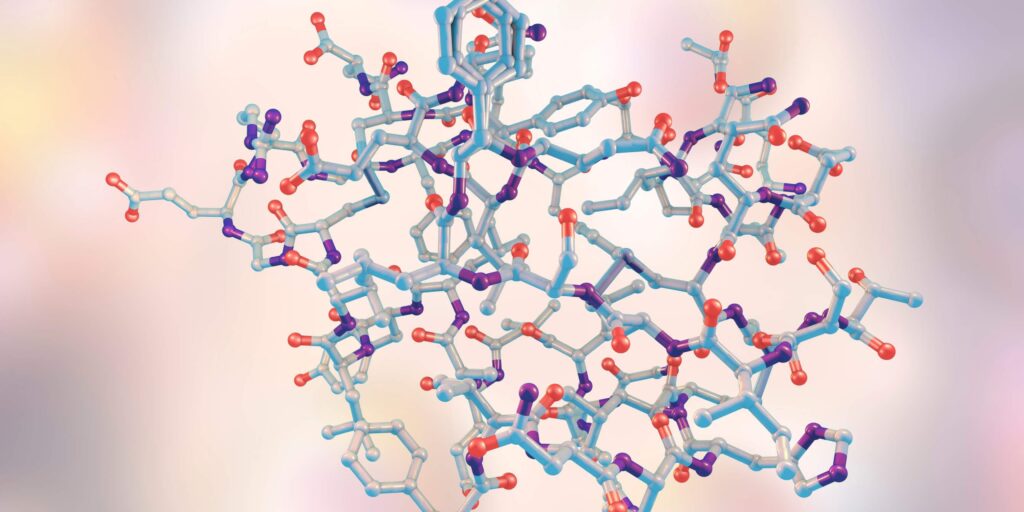
Insulin molecule. Computer model showing the structure of a molecule of the hormone insulin. Insulin plays a key role in blood sugar regulation, released from the pancreas when blood sugar levels rise, for example after a meal. Impaired insulin signalling is not only central to diabetes but is also linked to “Type 3 diabetes,” a term used to describe insulin resistance in the brain that contributes to Alzheimer’s disease and dementia.

Why are more people in their 40s and 50s developing dementia? Most assume the answer lies in the genes. But here’s the reality: fewer than 1% of Alzheimer’s cases are caused by rare genetic mutations. The other 99%? They are driven largely by preventable, lifestyle-related factors – and at the centre of the storm is how we process sugar, , leading many scientists to describe Alzheimer’s as “Type 3 diabetes.”

A major new study of nearly two million people confirms that metabolic syndrome – the cluster of blood sugar imbalance, abdominal obesity, high blood pressure, and poor lipid levels  – significantly increases the risk of early-onset dementia.

This should be front-page news. Dementia is now affecting people in their 40s and 50s, not just the elderly. And at the heart of this early decline? Poor blood sugar control, excess abdominal fat, and the metabolic mayhem caused by high-sugar diets.

The Evidence: 24% Higher Risk of Dementia Before Age 65

The landmark 2024 study published in JAMA Neurology followed more than 1.9 million adults and found that those with metabolic syndrome had a 24% higher risk of developing dementia before the age of 65 compared with those without (1).

The strongest associations were observed with:

  • Hyperglycaemia (high blood sugar)
  • Abdominal obesity (visceral fat around the waist)

These two factors, when present together, were particularly predictive of vascular dementia, although risks were also elevated for Alzheimer’s disease and other forms of dementia.

The authors adjusted for other lifestyle and demographic factors, confirming that metabolic health itself was an independent driver. Men and those in their 40s showed the highest vulnerability.This aligns with decades of research linking insulin resistance and poor glucose control with brain shrinkage, memory loss, and neurodegeneration – all of which are discussed in detail in [here] and [here]. 

The Type 3 Diabetes Hypothesis

Scientists have increasingly referred to Alzheimer’s disease as “Type 3 diabetes” – a term that reflects how brain cells become resistant to insulin and fail to metabolise glucose properly.

Chronically high blood sugar damages blood vessels in the brain, increases inflammation, and accelerates the formation of amyloid plaques, all hallmark features of Alzheimer’s pathology. This new study provides the strongest population-level evidence to date that the same dysfunction is also driving younger-onset dementia.

The Role of Fructose and Processed Sugar

Endocrinologist and paediatric neuroendocrinologist Dr Robert Lustig has long warned of the unique effects of fructose (a sugar found in high-fructose corn syrup and added sugars) on the brain. Unlike glucose, fructose is processed in the liver, promoting visceral fat, insulin resistance, and inflammation – all central to metabolic syndrome (2).

When the brain is chronically exposed to excess sugar and insulin, its ability to generate energy and form new synapses becomes impaired. Over time, it is as if the brain is being starved, even in the midst of plenty.

 This isn’t just a long-term risk – we’re now seeing it play out in middle-aged adults.

Thankfully we know that there is much you can do to prevent this from happening – your future is in your hands – here is what to focus on.

What Can You Do? Five Simple Shifts

  1. Check your blood sugar regulation. The HbA1c test is a key marker of long-term blood glucose control. (Available via our home test kits and in our DRIfT 5 in 1 test kit.)
  2. Prioritise low-GL, whole foods. Swap out refined carbohydrates and processed sugars for whole grains, legumes, nuts, and non-starchy vegetables.
  3. Limit fructose. Reduce or remove sweetened drinks (including fruit juice), syrups, and processed snacks high in high-fructose corn syrup. Read more on high/low fructose foods here.
  4. Assess your waist size. Abdominal fat is a strong dementia risk factor. A healthy waistline helps protect your brain.
  5. Exercise regularly. Just 30 minutes a day improves insulin sensitivity and helps the brain use glucose more efficiently.

Need help taking action on the above? Struggle to know how to ditch your sweet tooth?

Join us in the Forget Sugar Webinar in October with Patrick Holford.

A Wake-Up Call, Not a Life Sentence

This study shows a sobering trend – but Food for the Brain exists to empower you in your prevention path. Early-onset dementia is not inevitable. It is largely preventable if you act now. Sugar, insulin resistance, and metabolic syndrome are right at the centre of the problem.

We need public health messaging that reflects this. Dementia is not just an age-related disease. It’s a lifestyle-driven brain disorder that begins years, even decades, before diagnosis.

Your brain doesn’t have to retire early – start your brain upgrade programme and journey today.Want to assess your brain health? Complete this free validated online Cognitive Function test to receive personalised insights into your brain health, along with guidance on what you can do to reduce your risk and protect your future!


References

  1.  Jang H et al. Association Between Metabolic Syndrome and Early-Onset Dementia in a Nationwide Cohort. JAMA Neurol. 2024. doi:10.1001/jamaneurol.2024.xxxxxx
  2. Lustig RH. Fat Chance: The Hidden Truth About Sugar, Obesity and Disease. Penguin; 2013.https://pubmed.ncbi.nlm.nih.gov/12450889/

Further info

How To Break Free From Food Addiction

How To Break Free From Food Addiction

woman eating cake

Do you ever promise yourself you’ll stop eating sugar or junk food – only to find yourself back at the biscuit tin a few hours later? You’re not alone. Food addiction is real. In fact, it can be as powerful and pervasive as alcohol addiction.

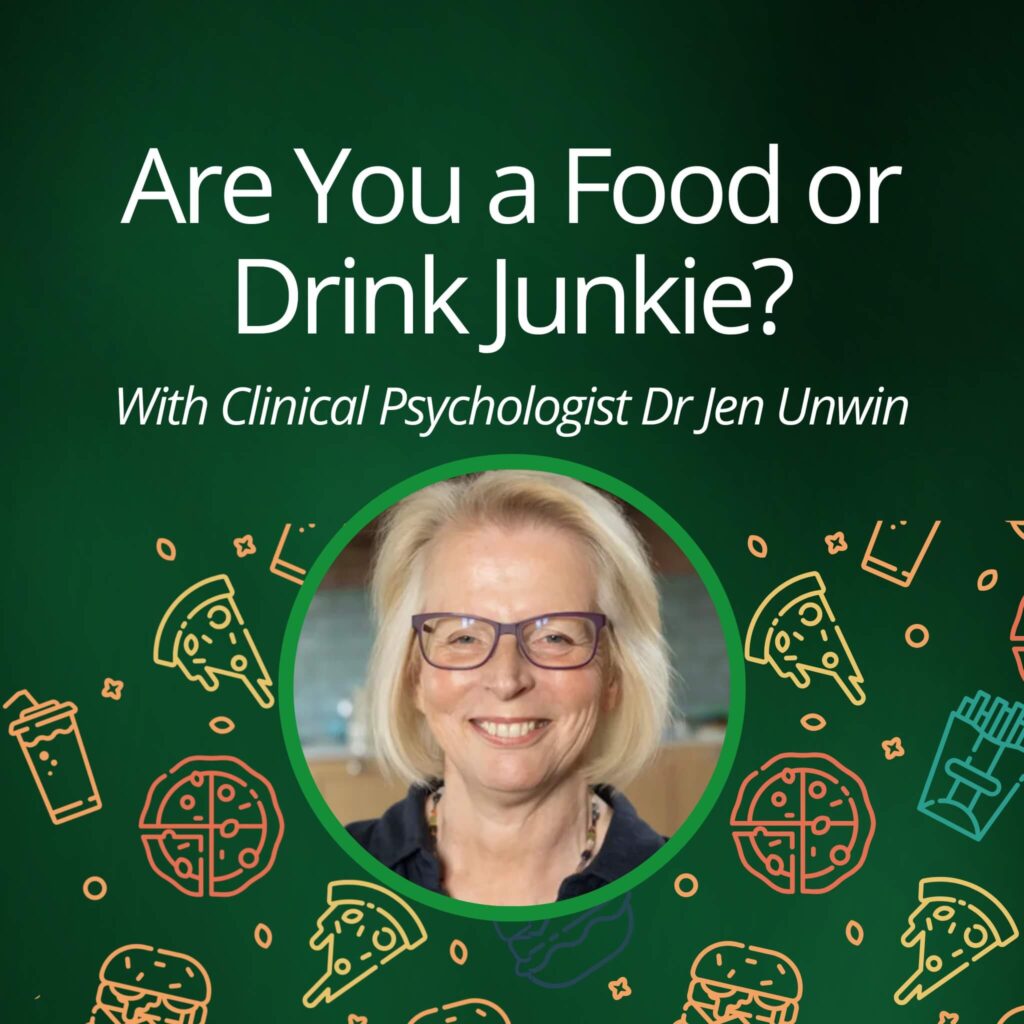
The first step is awareness. According to clinical psychologist Dr Jen Unwin, there are six warning signs. If you recognise yourself in two or more, it may be time to take this seriously.

Read on to see if any apply to you.

Six Signs You May Be Addicted to Food

1. Certain foods feel impossible to resist

 “You’re craving a certain food so badly that you feel compelled to eat it, even when you know you shouldn’t,” Dr Unwin explains. At the height of her own addiction, she would secretly make a bowl of cake mixture – just butter, sugar and flour -and eat the entire thing raw. “It sounds ridiculous now, but I had such intense cravings for sweet, soft, sugary foods,” she explains.

2. You always need more

Like alcohol tolerance, food addiction builds over time. “One slice of cake may have been enough in the beginning, but soon you need two, three – or half the cake – to get the same dopamine hit,” says Dr Unwin. She recalls eating slice after slice at her daughter’s wedding, unable to stop until she felt sick.

3. Food takes priority over everything else

A common factor in addiction is that you begin to ignore what you once valued and prioritise food above socialising, hobbies, family time and even work. Often, Dr Unwin would leave the house and her family in secret to drive for 20 minutes to a cinema complex where she would order a large tub of Ben & Jerry’s Cookie Dough ice cream with chocolate sauce. She would then return to her car and eat the entire portion, feeling ashamed and elated at the same time, before returning home an hour later as if nothing had happened.

4. You lose control once you start

You might buy biscuits for your grandchildren, planning to have just one with your tea. Before you know it, the whole packet has disappeared.

5. Withdrawal symptoms kick in

If you try to cut down on sugary snacks and carbohydrates, do you experience withdrawal symptoms? “These include headaches, migraines, gastrointestinal symptoms, low mood, anxiety, fatigue and brain fog,” Dr Unwin says. “As people experience sugar withdrawal, they feel so bad that they just go back to eating it.” When Dr Unwin completely abstained from sugar, she experienced many of these symptoms for eight days. But after pushing through that difficult period, she began feeling better than ever.

6. You know it’s harming you – and carry on anyway

According to Dr Unwin, this is the defining sign: eating damaging foods despite knowing the consequences. She references a patient with Type 2 diabetes who kept bingeing on cake and sugar knowing how bad it is for their blood sugar. People in this situation often know the food is harmful, but they feel trapped in a cycle.

Why Processed Foods Hijack Your Brain

Breaking free from any addiction is not purely a matter of willpower. Addictive foods and drinks hijack your brain’s chemistry, making you crave them. This effect is purposely done so that you keep buying more.

Understanding how certain food ingredients and combinations work in the brain unlocks the secret to undoing food addiction. The most powerful trigger is the combination of fat and sugar – the two key components of most junk foods. Think cakes, biscuits, ice cream, chocolate bars and pastries. This pairing presses the brain’s dopamine “reward” switch, creating intense pleasure in the moment but diminishing feelings of satisfaction over time. Just like drugs, it fuels cravings and loss of control.
This hijacking of the dopamine-based reward system doesn’t just drive overeating – it also increases the risk of cognitive decline and brain shrinkage. Additionally, it disrupts glucose control and drives insulin resistance, a well-known promoter of cognitive decline.  (Read more –  ‘Is Sugar Killing Your Brain?)

Nutritional Tools That Reset Your Brain

In Patrick Holford’s book How to Quit without Feeling S**t  he recommends strategies that help restore balance to your brain chemistry:

  • Omega-3 fats – vital for healthy cell membranes and for receiving neurotransmitter messages.
  • B vitamins and methylationcheck homocysteine levels; if they are high, it may indicate poor methylation and raised risk of cognitive decline.
  • Tyrosine – dopamine is made from this amino acid. A supplement of 500mg twice daily can help support dopamine production.

Protein + slow carbs – pairing protein (such as nuts or Greek yogurt) with fruit like berries slows sugar release and provides fibre and nutrients.

If you feel like you are struggling to break free from food addiction, then join  Dr Jen Unwin’s live webinar on Wednesday, 24th September – find out more here.

 A clinical Psychologist’s Practical Tips on How to break free; 

  • Visualise how life will improve once you manage to quit your “drug foods”. These are typically ultra-processed and sugary foods with which you’re unlikely to have a healthy relationship.
  • Have an honest conversation with friends and family about the foods you struggle with, and ask for their support in resisting them..
  • Removing the “drug foods” from your home and diet is key. Replace them with natural, whole foods.
  • Give it time. Every day you resist, it gets easier. “Those foods are no longer in my thoughts at all,” says Dr Unwin.
  • If you take medication for diabetes or high blood pressure, consult your GPbefore reducing sugar and carbohydrates in your diet, as your dosage may need adjusting.
  • If you’re concerned about food addiction or would like to learn more, Dr Unwin recommends joining a Public Health Collaboration (PHC) support group in the UK, or Sweet Sobriety in the US. The PHC also runs a virtual lifestyle support group every Monday at 6pm, where you can learn more about overcoming food addiction and maintaining good metabolic health.

The Bigger Picture

Food addiction is more than a personal struggle and it impacts more people than you realise. It’s part of a wider public health crisis, fuelling obesity, diabetes and dementia – but no matter where you are at right now, change is possible!

Ways to get support:

Food or drink addiction? Discover how to beat cravings and food addiction in Dr Jen Unwin’s live webinar, 24 Sept.

Join the live webinar on food addiction with clinical psychologist Dr Jen Unwin on Wednesday, 24th September – find out more here.

International Food Addiction & Comorbidities Conference logo

ttend the International Food Addiction & Comorbidities Conference – IFACC 2025. Use discount code FFB to get 40% off:

  • Two-day in-person ticket: £150 (full price £250)
  • Two-day livestream ticket: £54 (full price £90)

Cognition Programme logo

Get ongoing support with the COGNITION™ programme. Receive monthly coaching when you become a. FRIEND of Food for the Brain.

Fork in a road logo

Read Dr Jen Unwin’s book, Fork in the Road a hopeful guide for identifying if you have a food addiction and learning what to do about it.

frontiers logo

Read this journal article in Frontiers in Psychiatry to support and join the movement to have food addiction classified as a real disease, thus enabling more research and support, and helping to make the dangers of ultra-processed foods more visible.

Further info

The Mood & Brain Boost: 7 Ways to Ditch the Seasonal Slump

How can we lift our mood and nourish our brain? 

Depression, now the leading cause of disability globally, affects millions. According to the World Health Organization, it represents a significant disease burden, particularly in high-income countries (1). With a staggering 100 million antidepressant prescriptions issued annually—a 70% increase in five years—it’s clear that something is going wrong in our modern western world (1).

Thankfully, nutrition and lifestyle changes provide science-backed ways to boost our mood naturally.

(If you want to know more about how to overcome depression then make sure you watch our webinar ‘Finding your way out of depression’).

Understanding Depression

Depression manifests through persistent feelings of hopelessness, low energy, disrupted sleep, and even physical changes such as weight loss or gain (2). The root causes can be multifactorial—psychological stress, biochemical imbalances, or nutritional deficiencies.

But here’s the good news: you can take simple, practical steps to nourish your brain, boost serotonin, and improve your mood naturally.

7 Ways to Boost Mood and Brain Function
1. Increase Your Omega-3 Fats

Your brain is 60% fat, and omega-3 DHA and EPA are critical for its structure and function. Countries with high fish consumption have lower depression rates. A study from Harvard Medical School found that EPA, specifically, has potent antidepressant effects.

A meta-analysis published in Psychopharmacology Bulletin found that higher omega-3 intake reduces depressive symptoms by 53%. Omega-3 helps build brain cell membranes and boosts serotonin receptor function, which improves mood and cognition.

  • What to do: Eat oily fish like salmon, sardines, and mackerel at least twice a week or supplement with high-dose omega-3 fish oil. Aim for 1,000–2,000 mg of EPA and DHA combined daily (4, 5, 6).

2. Optimise Your B Vitamins and Lower Homocysteine

The little-known amino acid, homocysteine, may double your risk for depression if levels are elevated. This toxic by-product accumulates when you’re deficient in B6, B12, and folic acid, impairing brain chemistry. 

Studies by Professor David Smith from Oxford show that lowering homocysteine can dramatically slow brain shrinkage and improve mood. Which is why we now offer at home homocysteine test kits so you can monitor your own level and prevent disease (7,8,9).

  • What to do: Eat leafy greens, whole grains, and fortified foods. Test your homocysteine and aim for levels below 7 μmol/L. Supplement with a methylated B complex (20 mg B6, 500 μg B12, and 400 μg methylfolate).

“B vitamins are brain-makers; without them, key neurotransmitters like serotonin can’t be synthesised” – Patrick Holford, Upgrade Your Brain.

3. Fuel Your Brain with Serotonin Precursors

Serotonin, your “happy hormone”, is made from tryptophan, an amino acid found in protein-rich foods like fish, poultry, beans, and eggs. For some, tryptophan conversion to serotonin is impaired due to poor digestion or low stomach acid, common with age and stress.

Supplementing with 5-HTP can bypass these barriers. Clinical studies show 5-HTP compares favourably with SSRIs in treating depression (10, 11, 12, 13).

  • What to do: Include tryptophan-rich foods daily and consider a 5-HTP supplement (100–200 mg twice daily). Always consult your doctor if combining with antidepressants.
4. Balance Your Blood Sugar

Maintaining stable blood sugar levels is essential for mood regulation, as uneven glucose supply to the brain can lead to irritability, fatigue, and depressive symptoms. Diets high in refined carbohydrates and sugar contribute to these fluctuations and are linked to poor mood and an increased risk of depression. A study of 3,456 adults found that individuals consuming diets rich in processed foods had a 58% greater risk of depression, whereas those eating whole foods experienced a 26% reduced risk (14, 14, 16).

 Refined sugars also deplete mood-enhancing nutrients like B vitamins, essential for energy production, and divert chromium, which is vital for glucose regulation. Adopting a low glycaemic load (GL) diet, avoiding caffeine and alcohol, and focusing on whole foods, fruits, and vegetables can help stabilise blood sugar levels and improve mood.

  • What to do: Follow a Low-GL diet with whole foods, low-GL carbs, and protein at every meal. Avoid sugar, caffeine, and alcohol .

5. Boost Your Vitamin D Levels

The “sunshine vitamin,” vitamin D, is essential for mood regulation. Research shows a 40% lower incidence of depression in those with adequate vitamin D. Alarmingly, over 60% of the UK population is deficient during winter (17, 18, 19, 20).

  • What to do: Get tested and aim for levels above 75 nmol/L. Supplement with 2,000–3,000 IU daily in winter months.

6. Include Chromium to Combat Atypical Depression

If you suffer from atypical depression—characterised by weight gain, fatigue, and carbohydrate cravings—you might benefit from chromium. Studies show chromium supplementation can improve mood scores by up to 83% (21, 22, 23).

  • What to do: Include whole grains and vegetables or supplement with 600 mcg of chromium picolinate daily.

7. Bring on the Sunshine and Movement

Exercise and sunlight have a direct effect on serotonin levels and mood. Regular exercise boosts brain-derived neurotrophic factor (BDNF), which helps build new brain cells and connections】.

  • What to do: Aim for 30 minutes of exercise daily and sun exposure for 15 minutes, when safe.
Key Action Plan
  1. Eat oily fish twice weekly or supplement omega-3s with at least 1,000 mg EPA and DHA.
  2. Test and lower homocysteine with B6, B12, and folic acid supplements.
  3. Try 5-HTP to boost serotonin naturally.
  4. Follow a Low-GL diet to stabilise blood sugar.
  5. Supplement vitamin D during winter. Find out more about dose here.
  6. Add chromium for atypical depression.
  7. Exercise regularly and get sensible sun exposure.

 References

  1. World Health Organization. Depression and Other Common Mental Disorders: Global Health Estimates. WHO; 2017.
  2. Brown G, et al. Social support, self-esteem and depression. Psychol Med. 1986;16(4):813-31.
  3. Hibbeln JR. ‘Fish consumption and major depression’. Lancet, vol 351(9110), pp. 1213 (1998)
  4. M. Peet and R, Stokes, Omega 3 Fatty Acids in the Treatment of Psychiatric Disorders Drugs, vol 65(8), pp. 1051-9 (2005)
  5. S Kraguljac NV, Montori VM, Pavuluri M, Chai HS, Wilson BS, Unal SS (2009) Efficacy of omega-3 Fatty acids in mood disorders – a systematic review and metaanalysis. Psychopharmacology Bulletin 42(3):39-54
  6. Hibbeln JR. Fish consumption and major depression. Lancet. 1998;351(9110):1213.
  7. Coppen A, Bailey J. Folic acid and affective disorders. J Affect Disord. 2000;60(2):121-30.
  8. Taylor MJ, Carney SM, Goodwin GM, Geddes JR. Folate for depressive disorders. Cochrane Database Syst Rev. 2003;(2):CD003390.
  9. Smith AD, Refsum H. Homocysteine, B vitamins, and cognitive impairment. Annu Rev Nutr. 2016;36:211-39.
  10. Poldinger W et al. A comparison of 5-hydroxytryptophan and fluvoxamine. Psychopathology. 1991;24(2):53-81.
  11. E. Turner, Serotoninalacarte: Supplementation with the serotonin precursor 5-hydroxytryptophan.’ Pharmacology&Therapeutics (2005) [article in press].
  12. W. Poldinger et al. A functional-dimensional approach to depression: serotonin deficiency and target syndrome in a comparison of 5-hydroxytryptophan and fluvoxamine, Psychopathology vol 24(2), pp. 53-81 (1991)
  13. Associate editor: K.A. Neve ‘Serotonin a la carte: Supplementation with the serotonin precursor 5-hydroxytryptophan’ ErickH. Turner a,c,d,*, Jennifer M. Loftis a,b,c, AaronD. Blackwell a,b,e Pharmacology & Therapeutics(2005) www.elsevier.com/locate/pharmthera
  14. Akbaraly TN, Brunner EJ, Ferrie JE, et al. Dietary pattern and depressive symptoms in middle age. Br J Psychiatry. 2009;195:408–13.
  15. Benton D, Owens DS, Parker PY. Blood glucose influences memory and mood in an everyday setting. Biol Psychol. 1982;14(1-2):129–35.
  16. Christensen L. Psychological distress and diet – effects of sucrose and caffeine. J Appl Nutr. 1988;40(1):44–50.
  17. Lansdowne AT, Provost SC (1998): Demonstrates that vitamin D3 supplementation enhances mood in healthy subjects during winter.
  18. C. Wilkins et al. (2006): Links vitamin D deficiency to low mood and poorer cognitive performance in older adults.
  19. A. Nanri et al. (2009): Discusses the association between vitamin D levels and depressive symptoms across seasonal changes.
  20. R. Jorde et al. (2008): Shows that vitamin D supplementation alleviates depressive symptoms in overweight and obese individuals
  21. Lifting Depression – The Chromium Connection by Dr Malcolm McLeod (Basic Health Publications):
  22. J. R. Davidson et al, Effectiveness of chromium in atypical depression: a placebo-controlled trial, Biol Psychiatry, vol 53(3), pp. 261-4 (2003)
  23. Docherty, J et al, ‘A Double-Blind, Placebo-Controlled, Exploratory Trial of Chromium Picolinate in Atypical Depression’. Journal of Psychiatric Practice. Vol 11(5), pp. 302-314, (2005)
  24. Holford P. Upgrade Your Brain. HarperCollins; 2024.
Further info