Evidence & Studies Archives | Food for the Brain Foundation

because prevention is better than cure.

because prevention is better than cure.

Mini Cart 0

Your cart is empty.

Mini Cart 0

Your cart is empty.

Autistic Children are Three and a Half Times More Likely to Have High Homocysteine

by Patrick Holford

What has homocysteine got to do with autism?

Homocysteine, a toxic amino acid commonly associated with disorders of the brain and circulation, is an indicator of a lack of B vitamins resulting in faulty methylation, a process critical for brain function.

So are there links between autism and homocysteine and could this help us to optimise neurodivergence in our children?

(At Food for the Brain we are on a mission to help upgrade and support ALL brains. That is why we are creating the Smart Kids & Teens COGNITION programme. Click here to find out more.)
Homocysteine Levels in Autistic Children: A Significant Risk Factor

Recent studies have drawn attention to the elevated presence of homocysteine in autistic children. In a well-controlled study involving 119 autistic children compared to age and sex-matched neurotypical children, 13.4% of the autistic group exhibited homocysteine levels above 15 mcmol/L. This contrasts sharply with only 3.4% of typically developing children who showed such elevations (1).  This means that an autistic child is three and a half times more likely to have raised homocysteine. These findings also suggest that approximately one in six autistic children have a significant methylation problem, a process critical to DNA repair and neurotransmitter production.

Previous studies have reported similar findings. A study in 2022 (2) reported that ‘Overall, an increased homocysteine level was associated with autistic spectrum disorder (ASD) in a linear manner and is thus a novel diagnostic biomarker for ASD. Decreased concentrations of folate and vitamin B12 were associated with poor clinical profiles of children with ASD. These findings suggest that homocysteine-lowering interventions or folate and vitamin B12 supplementation might be a viable treatment strategy for ASD.’

The Role of B Vitamins in mother & child

Homocysteine-lowering interventions, particularly through the supplementation of the most important B vitamins –  B12, B6, and methylfolate, that are required for healthy methylation – have demonstrated effectiveness in clinical settings (3). These vitamins play a vital role in the metabolism of homocysteine, converting it back into methionine, thereby reducing its toxic buildup in the bloodstream.

Research also indicates that maternal homocysteine levels during pregnancy can influence child development. A study found that women with homocysteine levels above 9 mcmol/L during pregnancy were more likely to have children exhibiting behavioural problems by age 6, including withdrawal, anxiety, depression and social or aggressive behaviours (4).

This suggests that early intervention targeting homocysteine levels in expectant mothers or women planning a pregnancy may have long-term benefits for child development.

Autistic children often experience a range of developmental delays and behavioural symptoms, many of which have been linked to elevated homocysteine. These include delayed language and movement skills, cognitive challenges, and abnormal emotional responses. Given the substantial overlap between symptoms of ASD and the effects of high homocysteine, it is logical to explore and implement further research into this biomarker as a target for therapeutic intervention. (As we plan to do in our Smart Kids & Teens COGNITION Programme.)

The Case for Homocysteine Testing in Autistic Children

Given the evidence linking elevated homocysteine with autism, it makes sense to test homocysteine in all children classified as ASD. A subset will likely have raised homocysteine and benefit from B vitamin supplementation. 

We offer at home testing of homocysteine which can be done from age 2+  and is available globally here.

Actions
  • Further reading –  ‘Is Autism Genetic?‘ – read here
  • Further reading – ‘Autism Reversed: A case study‘ – read here
  • Order your homocysteine test here
  • Find out more about our Smart Kids & Teens COGNITION Program here

References

​​1 Gulati S, Narayan CL, Mahesan A, Kamila G, Kapoor S, Chaturvedi PK, Scaria V, Velpandian, T, Jauhari P, Chakrabarty B, Datta SKR, Pandey RM. Transmethylation and Oxidative Biomarkers in Children with Autism Spectrum Disorder: A Cross Sectional Study. J Autism Dev Disord. 2024 Sep 4. doi: 10.1007/s10803-024-06542-9. Epub ahead of print. PMID: 39230783.

2 Li B, Xu Y, Pang D, Zhao Q, Zhang L, Li M, Li W, Duan G and Zhu C (2022) Interrelation between homocysteine metabolism and the development of autism spectrum disorder in children. Front. Mol. Neurosci. 15:947513. doi: 10.3389/fnmol.2022.947513

3 Adams JB, Audhya T, Geis E, Gehn E, Fimbres V, Pollard EL, Mitchell J, Ingram J, Hellmers R, Laake D, Matthews JS, Li K, Naviaux JC, Naviaux RK, Adams RL, Coleman DM, Quig DW. Comprehensive Nutritional and Dietary Intervention for Autism Spectrum Disorder-A Randomized, Controlled 12-Month Trial. Nutrients. 2018 Mar 17;10(3):369. doi: 10.3390/nu10030369. PMID: 29562612; PMCID: PMC5872787.

4 Roigé-Castellví J, Murphy M, Fernández-Ballart J, Canals J. Moderately elevated preconception fasting plasma total homocysteine is a risk factor for psychological problems in childhood. Public Health Nutr. 2019 Jun;22(9):1615-1623. doi: 10.1017/S1368980018003610. Epub 2019 Jan 14. PMID: 30636652; PMCID: PMC10261079.

Further info

Good Omega-3, Homocysteine & Vitamin D Status Cuts the Risk of Dementia to a Quarter.

by Patrick Holford

There is a reason why we don’t just talk about the benefits of omega-3, or encourage people to only focus on vitamin D – many of these nutrients work synergistically and are all needed to work together to maximise the reduction in dementia risk.

A few months ago, a study looked at three blood tests – homocysteine, vitamin D and omega-3 index and assigned a score of 1 = bad or 0 = good to each result. A person scoring 3 (three ‘bad’ results) had 4.6 times the risk of having dementia compared to a score of 0 (three ‘good’ results). This confirms the synergistic effect of two of our four ‘biological horsemen of the mental health apocalypse’ – brain fats (omega-3 and vitamin D) together with homocysteine-lowering B vitamins. 

The researchers, led by Dr Annike van Soest in Holland say: 

“The effect size we observed was substantial; a four-fold increased risk of developing dementia in individuals with combined suboptimal status of omega-3, vitamin D, and homocysteine (three ‘bad’ results). This effect size is large in comparison with other risk factors of dementia. In our sample, being a current smoker or having diabetes doubled the risk, and being a carrier of at least one APOE ε4 allele (gene variant) tripled the risk of dementia (1).”

In this study, which is the third of its kind, if homocysteine was above 8mcmol/l, that was ‘high risk’ (scoring 1) and if below this, ‘low risk’ (scoring 0). Similarly, if vitamin D was below 15 ng/ml (37.5 nmol/l) that was classified as high risk and if the omega-3 index was below 5%, then that was classified as high risk. 

Interestingly, this was based on the research of risk according to blood levels. So, while it is already known that if homocysteine is above 11mcmol/l the brain is shrinking at an accelerated rate, in this study, even levels above 8 are associated with increased risk of dementia! 

At Food for the Brain, we set the optimal level for homocysteine at 7 or less.

Buy Blood test here button.

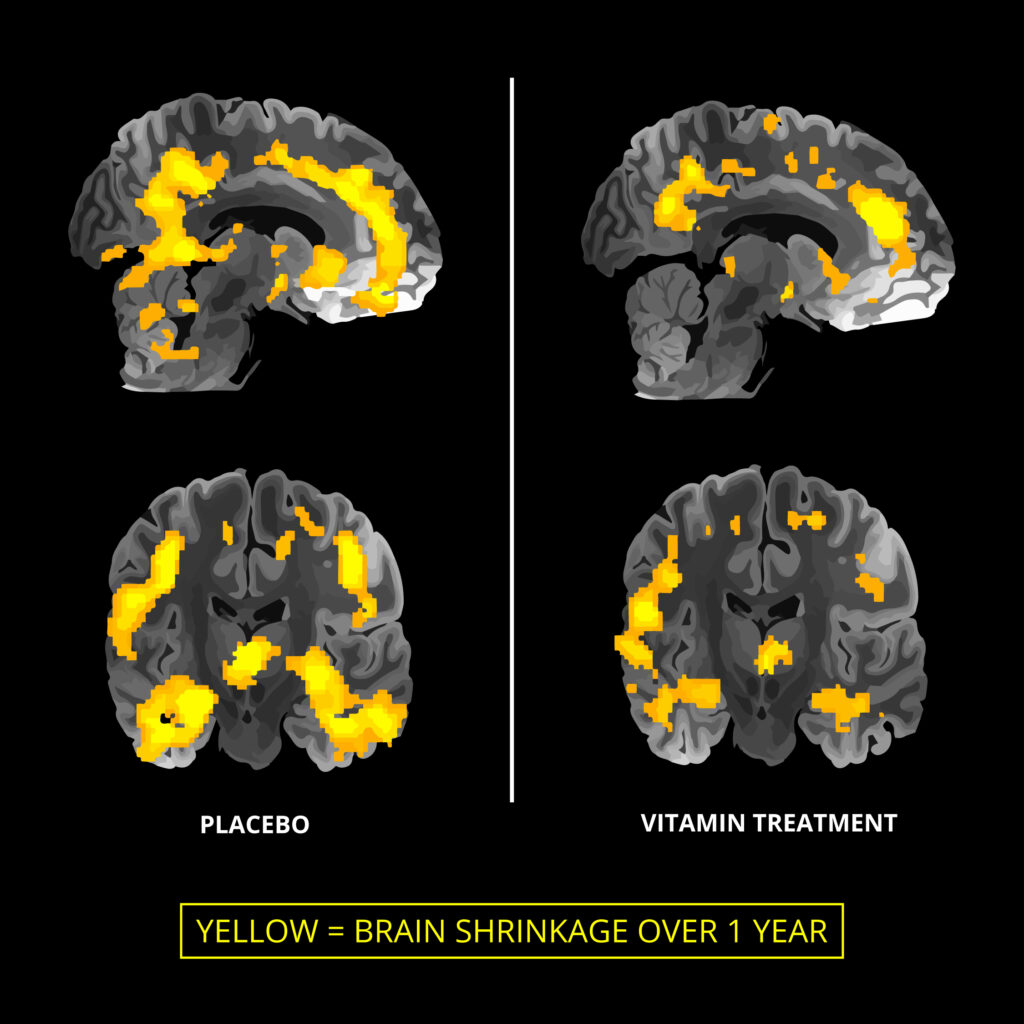
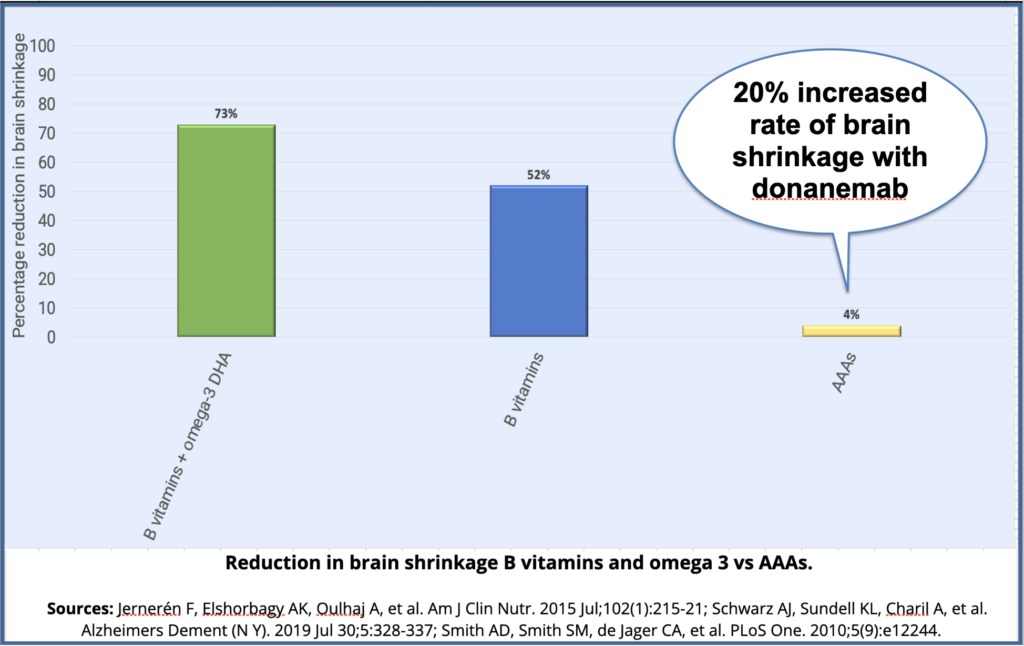
According to Professor David Smith from Oxford University whose group carried out the original study of this kind, homocysteine-lowering B vitamins slowed the rate of brain shrinkage by 73%. They also slowed the rate of cognitive decline, arresting it in a third of trial participants.  

He stated: 

“For too long nutrition has been relatively discounted as a factor in the causation of dementia. This study corrects that misconception and lays the foundation for prevention based upon multiple nutrients.”

A study in France (2), which didn’t include homocysteine but did include a measure of carotenoids as an indicator of ‘oxidation’ reported a fourfold increased risk if all blood tests were in the ‘high-risk’ category.

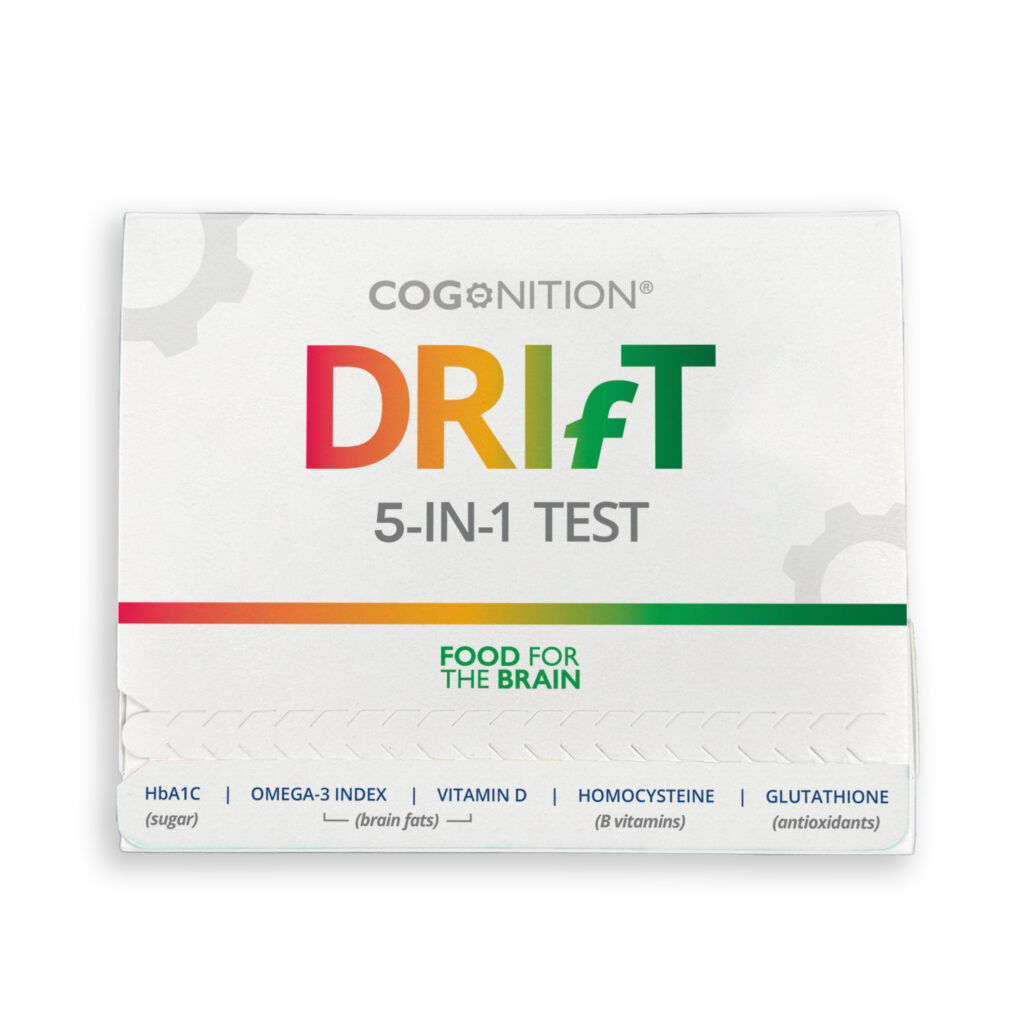
We offer a similar range of tests in our Dementia Risk Index functional Test (DRIfT) but with more sensitivity, plus adding in HbA1c as a measure of blood sugar resilience. We have also recently added a Glutathione Index test as a measure of antioxidant status. 

In other words, we are looking at ‘four horsemen of the mental health apocalypse’, not just two. Additionally, instead of only having a good/bad, 0/1 scale we have a four-point scale, from 0 to 3 for each test. So, our 4 in 1 test can score within a range of 0 to 12.

On a practical level, your goal is to have all blood test levels in ‘the green’ zone, which we have set as:

– homocysteine below 7
– omega-3 index above 8%
– vitamin D above 40 ng/ml or 100 nmol/l
– HBA1c below 5.5%;
– Glutathione Index above 800.

Tracking changes in these markers against changes in cognitive function would provide further evidence for a systems-based approach to preventing age-related cognitive decline. Whilst it might sound technical, when you test with us (and support our charity and research in the process), we help by making it clear and easy to understand.

We hope to have substantial test results soon, and to plug into NHS patient data to import more test results for vitamin D and HbA1c, along with future dementia diagnoses. This will help further develop and research the perfect DRIfT score and enhance our guidance for your future protection against cognitive decline.

Exciting, isn’t it?

What can you do?

  • Online test. Find out more about your own brain health and unique risk factors by completing the FREE Cognitive Function Test here
  • Blood Tests. Order one of your at-home pin-prick blood tests here.
    You can find out your homocysteine, vitamin D, HbA1c, Omega-3 and Glutathione index results from your own home worldwide and also contribute to our Citizen Science Research
  • Become a FRIEND and support our charity and get access to COGNITION – your personalised online program to help you reclaim your brain. Become a FRIEND here
  • Get the book! Order the latest Upgrade Your Brain book here if you are in the UK 

References

1.  van Soest APM, de Groot LCPGM, Witkamp RF, van Lent DM, Seshadri S, van de Rest O. Concurrent nutrient deficiencies are associated with dementia incidence. Alzheimers Dement. 2024 Jun 12. doi: 10.1002/alz.13884. Epub ahead of print. PMID: 38865433.

2.  Neuffer J, Gourru M, Thomas A, Lefèvre-Arbogast S, Foubert-Samier A, Helmer C, Delcourt C, Féart C, Samieri C. A Biological Index to Screen Multi-Micronutrient Deficiencies Associated with the Risk to Develop Dementia in Older Persons from the Community. J Alzheimers Dis. 2022;85(1):331-342. doi: 10.3233/JAD-215011. PMID: 34806604.

Further info

The Lancet Report Omission! World Experts Criticise Latest Alzheimer Report

The Lancet Report Omission! World Experts Criticise Latest Alzheimer Report

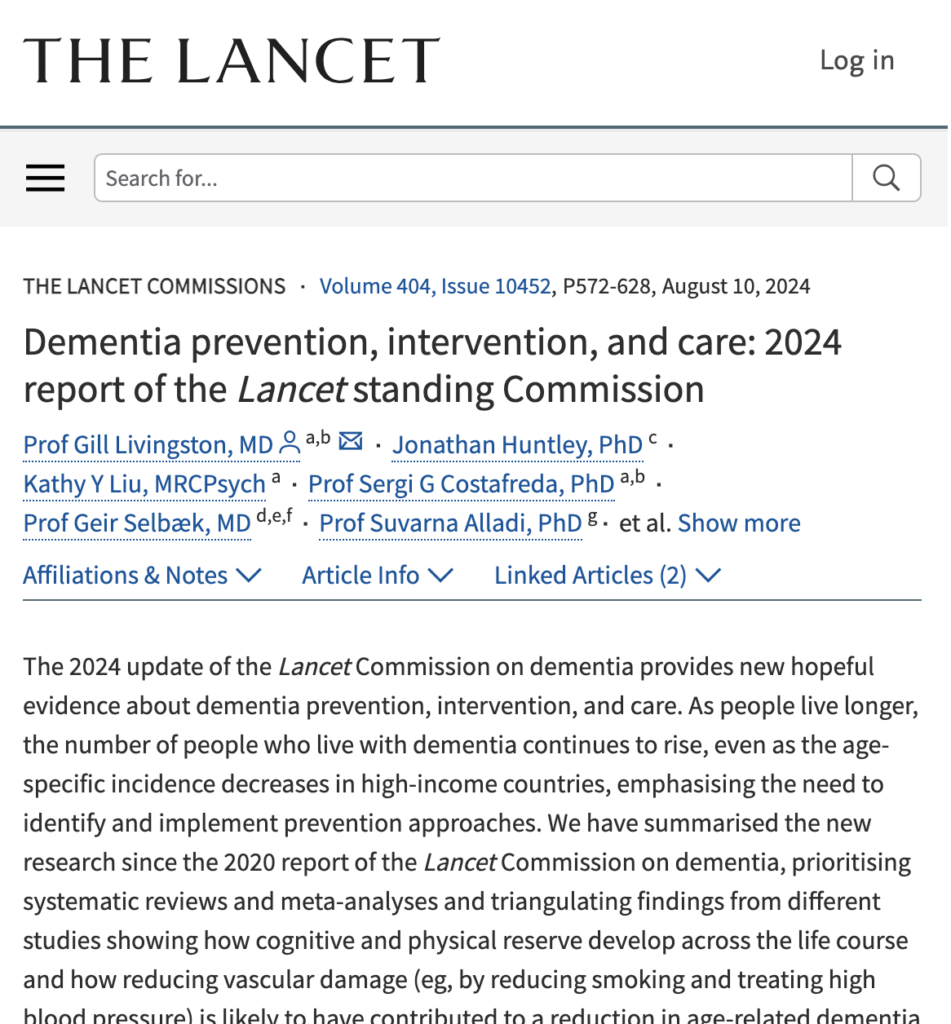
The recent Lancet dementia commission has ignored the best nutrition prevention evidence. (See the Lancet Commission Report here)

The Alzheimer’s Prevention Expert Group has accused the Lancet Commission of bad science for knowingly ignoring two highly effective and firmly evidence-based ways to reduce risk factors for dementia – high dose supplements of B vitamins and omega-3 fish oils as well as the impact of a low sugar diet. 

Alzheimer’s prevention  expert group

We support this group of eleven leading scientists and have called on the Lancet to revise their report, which hit the headlines in the past weeks, minimising the effectiveness of nutrition and lifestyle interventions.

(Click here to read the three letters sent to The Lancet asking for a revision in this report.)

The major benefit of B vitamins is their ability to lower levels of the damaging amino acid homocysteine, found in the brain of Alzheimer’s patients. A comprehensive Chinese review of Alzheimer’s prevention research in 2020, described homocysteine lowering as ‘the most promising intervention for Alzheimer’s disease prevention’ (1).

Last month, a review in the Journal of Prevention of Alzheimer’s Disease, listed reducing homocysteine among the top five evidence-based actions (2).  A US National Institutes of Health review attributes almost a quarter (22%) of the risk of Alzheimer’s to raised homocysteine and a further 22% to lack of seafood and omega-3 fish oils (3). 

The combination of high homocysteine, low omega-3 and vitamin D is present in the majority of those over 50 and quadruples dementia risk, according to research in Holland earlier this year, led by Professor Annick van Soest at Wageningen University (4). 

“Remarkably, a suboptimal status of all three nutrients was associated with a four-fold increased risk of dementia,” she says.  These common combined deficiencies, so easily corrected, could have a bigger impact on dementia risk than any of the 14 risk factors listed in the Lancet Commission’s report.

The Lancet Alzheimer Report Omission

Yet, for the third time since the first Lancet Commission report in 2017, and despite being sent all the evidence, the report’s scientists, headed by Professor Gill Livingston, have ignored it. 

Instead, two far less significant risk factors have been added – cholesterol and cataracts. The report claims cataract surgery would eliminate a very modest 2% of overall risk. In stark contrast, reducing high homocysteine, which affects one in two of over 65 ‘s could potentially eliminate a quarter of all risk, “saving the UK economy approximately £60 million per year,” says Oxford University health economist, Professor Apostolos Tsiachristas.

Why has important science been missed out?

Asked why she continued to deny any benefit from homocysteine lowering, Professor Gill Livingston commented: “high homocysteine only affects a small number of people and there are no trials that show that lowering it has any benefit.” 

This is simply not true.

Studies in Holland (5), Norway (6), the UK (7) and China (8), have additionally reported a synergistic effect between B vitamins and omega-3, with several times better clinical benefit than any dementia drug. A study at Oxford University showed two thirds less brain shrinkage in those with mild cognitive impairment given B vitamins with sufficient omega-3 compared to placebo and one third of trial participants were clinically dementia-free at the end of one year (9). These studies were sent to Professor Gill Livingston in 2023.

The commission has also ignored studies showing a benefit from improving omega-3 status by eating fish or taking supplements. The Lancet Report cited only one study linking higher blood levels of omega-3 fatty acids with risk for dementia which concluded that this study provided “compelling evidence for a relationship between long-chain omega-3 fatty acids levels and lower risks for dementia and related outcomes .” 

Essentially, the same conclusions were reached by at least eight other similar studies. “Why were these studies ignored?” asked Professor William Harris of the Fatty Acid Research Institute, a leading omega-3 expert in the US. “The vast majority of adults in the western world have suboptimal blood omega-3 fatty acid levels. Increased consumption of marine omega-3 is safe, simple, cheap and effective.”   

By ignoring these well established, easy to change risk factors the Lancet Commission was able to reduce the claimed preventable risk to 45%. Something that China’s leading prevention expert Professor Jin-Tai Yu of Fudan University in Shanghai strongly disputes. “It may be possible to prevent up to 80% of dementia cases if all known risk factors, including homocysteine lowering B vitamins and omega-3, found in oily fish, were targeted.” he says. 

He was co-author of a study in the journal Nature, together with Oxford University’s leading prevention expert Professor David Smith, analysing data from the UK BioBank which concluded that ‘up to 73% of dementia cases can be prevented.” However, even this may be an under-estimate as this study excluded blood test measures, says Professor David Smith. “This figure could be higher if a person’s omega-3 and B vitamin status, measured by a blood test for homocysteine, were taken into account.”

Homocysteine, omega-3 and vitamin D blood levels attribute 45% of modifiable risk to a deficiency of B vitamins and brain fats. 

The Lancet Omission – what can we do?

That is why we offer our free online Cognitive Function Test. In addition, our accurate, at home pin prick blood tests are available internationally, helping you understand your future dementia risk and what you can do to lower it.

We are ‘citizen science’ in action and gathering independent research on the effectiveness of diet, supplements and lifestyle change that anyone can join. 

Simply put – the cultural bias against nutrition, demonstrated by the Lancet Commission’s omissions, isn’t science-based. 

And it certainly isn’t helping those at risk take easy, positive actions to reduce it.

Action steps

The next steps you need to take to reduce your risk:

References:

1 Yu JT, et al. J Neurol Neurosurg Psychiatry. 2020 Nov;91(11):1201-1209
2 He S.-Y, et al. Prev Alzheimers Dis. 2024 Aug;11:917–927
3 Beydoun MA, et al. BMC Public Health. 2014 Jun 24;14:643
4 van Soest APM, et al. Am J Clin Nutr. 2021 Apr 6;113(4):801-809
5 van Soest APM, et al. Eur J Nutr. 2022 Jun;15:61 3731–3739
6 Jernerén F, et al. J Azheimers Dis. 2019;69(1):189-197
7 Oulhaj A, et al. J Alzheimers Dis. 2016;50(2):547-57
8 Li M, et al. Eur J Nutr. 2021 Jun;60(4):1795-1808
9 Jernerén F, et al. Am J Clin Nutr. 2015 Jul;102(1):215-21
10 Zhang Y, et al. Nature Human Behaviour. 2023;7:1185–1195

Further info

Autism Reversed – A Case Study

By Simon Martin – this article was originally shared by IHCAN – shared and edited with permission. 

As we start to develop our Smart Kids & Teens COGNITION Programme this story is worth sharing as it highlights the importance of environmental and nutritional factors on our children’s brain optimisation and in helping them reach their full potential. 

Autism: “reversed” in twins with personalised nutrition, supplements and therapeutic approaches

It’s “kind of a miracle”, says one of the paediatricians consulted in a newly-published case study, as twin girls recover – one, so completely it’s as if she never had autism. 

Research charity Documenting Hope, has published a case study detailing the reversal of severe Autism Spectrum Disorder symptoms in fraternal female twin toddlers.

Diagnosed at 20 months with severe (Level 3) ASD and requiring substantial support, the twins exhibited limited communication, repetitive behaviours, and significant gastrointestinal issues. Realising that conventional approaches were unlikely to help, the parents assembled an intervention focusing on environmental and lifestyle factors. 

In a paper published in the journal Personalised Medicine by a multi-disciplinary team, Dr Chris D’Adamo PhD, (who will be speaking at our Smart Kids & Teens Event in 2025) the charity’s Scientific Director and Principal Investigator and Director of the Centre for Integrative Medicine at the University of Maryland School of Medicine, and his colleagues reported the following stunning results: 

“Both twins showed dramatic improvements on the Autism Treatment Evaluation Checklist (ATEC) . The ATEC measures the effectiveness of autism treatment by assessing  communication, social skills, sensory awareness and more. Autism Treatment Evaluation Checklist (ATEC) scores dropped from 76 to 32 and 43 to 4 (scores below 43 indicate neurotypical), respectively, with stability over six months. The progress of Twin P, whose score dropped to 4 from March 2022 to October 2023, was described as “a kind of miracle” by one of the paediatricians. Dr D’Adamo told the Telegraph, “This twin’s functions are comparable to those who have never had an autism diagnosis”.  

Twin L, who had more severe autism at 20 months, scoring 76 initially, reduced this to 32 a year and a half later. D’Adamo said she “improved dramatically, but not quite as much”.

They also highlighted “the clear environmental and lifestyle influences on ASD that these findings help establish, building upon previous studies revealing the comparatively greater impact of these types of factors than genetics”.

D’Adamo and colleagues do not use the word “cure” in their report, but say the symptoms are unlikely to come back; “Because autism is a developmental condition, one can safely say that once they have overcome the developmental aspects of autism and returned to a typical developmental trajectory, they are very unlikely to exhibit the common symptoms of autism again. Symptoms that could return might be more along the lines of things like anxiety, gastrointestinal issues and sensory issues, but not necessarily the behavioural aspects of autism”.

The team from the University of Maryland and Hope concluded: 

“This case revealed a reversal of the Level 3 Autism Spectrum Disorder diagnoses among toddler twin girls that was achieved primarily through environmental and lifestyle modifications over a two-year period. The twins’ dramatic improvements and diagnosis reversal have persisted for over six months with no signs of regression”.

“What’s more”, says Documenting Hope, “we have learned from the parents that the twins’ ATEC scores have continued to drop below those that were originally published in this paper. This is very exciting news for this family and for the promise of symptom reversal in autism as a viable clinical outcome”.

This is not the first report of a reversal/cure of autism, but certainly the first case where researchers have documented treatment initiated and led by parents. The published paper includes a review of the literature, in which D’Adamo and colleagues detail the many “alternative” approaches that have succeeded, but have been ignored by orthodox medicine, even when published, possibly due to lack of blinding, which is challenging for such interventions. Additionally, they say, a degree of expectation bias is possible and more studies are needed for conclusive results regarding any such interventions, particularly in light of both the diversity of possible causes of ASD and the presentation of symptoms.

The nutritional, supplements & therapeutic approaches

Citing almost 50 previous studies, the Hope team write: “There are limited FDA-approved pharmacological options at present to treat ASD. Accordingly, there have been a number of non-pharmacological interventions tailored to address the underlying environmental and lifestyle risk factors that have demonstrated promising, though not conclusive, improvements in ASD symptoms. 

These include: 

  • Dietary interventions such as gluten and casein-free, GAPS (Gut & Psychology / Physiology Syndrome), a specific carbohydrate diet, low glutamate and ketogenic.
  • Targeted or personalised dietary supplements such as vitamin D, methylfolate, carnitine, vitamin B12 and other micronutrient supplementation, mitochondrial support, or supplements thought to be relevant to a child’s functional genomic situation. 
  • Addressing other modifiable lifestyle factors and environmental interventions, such as more time in nature, a reduction in exposure to artificial light, and improving indoor air quality, have demonstrated promise.
  • Therapeutic interventions addressing a child’s physical structure and function, such as cranial osteopathy, retained reflex integration, physical therapy, and occupational therapy, have also been associated with improved outcomes among ASD patients.

“While reversal of ASD diagnosis is relatively rare, there have been documented cases in the literature of complete recovery with a multi-modal intervention. One such case achieved reversal of ASD diagnosis through a combination of dietary modifications, probiotics and micronutrient supplementation, and antimicrobials that were personalised to the child’s risk factors, clinical presentation and a variety of laboratory tests”.

The approaches taken for this intervention

The parents gathered support and resources from many places.  They worked with an autism parenting coach, utilising the Child Health Inventory for Resilience and Prevention (CHIRP) survey of the Documenting Hope Project, in addition to resources at Epidemic Answers. They also used Applied Behaviour Analysis (ABA, which is typically recommended for new ASD diagnoses –  find out more here) and speech therapy with the twins.  Additionally, the twins’ parents implemented a rigorous diet and nutrition intervention around the time of diagnosis.

First to go was glutamate – aka MSG – following the principles of the Reduced Excitatory Inflammatory Diet (REID – references can be found here ) developed by PhD biochemist Dr Katherine Reid. Dr Reid is a mother of a daughter “no longer considered on the autism spectrum, which is managed 100% through diet”.

Dr Reid is also the author of Fat, Stressed, and Sick: MSG, Processed Food, and America’s Health. She says: “The Reduced Excitatory Inflammatory Diet (REID) is a food lifestyle focused on reducing excitatory and inhibitory signalling imbalances (ie improving neurotransmitter balance) and reducing inflammation through a balanced whole food approach. Some of the most prevalent excitatory and inflammatory foods are gluten, casein (a class of proteins found in dairy), soy, corn (to a lesser extent) and ready-to-eat or commercially processed foods with various food additives, particularly those containing free glutamate and aspartate. These foods can be problematic because of their high concentration of unbound/free glutamate (glutamic acid). Unbound or free glutamate (aka MSG) is most commonly found in processed foods as a food additive or created as a by-product of commercial food manufacturing processes”. The book is available in our Food for the Brain bookstore: here.

The parents put the girls on a strictly gluten-free, casein-free diet that was low in sugar and had no exposure to artificial colours, dyes, or ultra-processed foods. They emphasised organic, unprocessed, freshly prepared, and home-cooked food from local sources when possible.

The twins took a number of dietary supplements, including omega-3 fatty acids, a multivitamin, vitamin D, carnitine and 5-methyltetrahydrofolate, plus individualised homoeopathic remedies. They also used lab tests and genomic information to select nutritional supplements based on the twins’ DNA.

There were some common findings, such as impaired serotonin metabolism and a recommendation that the girls be fed a diet rich in tryptophan to upregulate serotonin production, as well as consume foods rich in vitamins B12, B6 and folate. Both twins had several genetic variants associated with a higher risk of systemic inflammation.

The mother was advised to feed the children foods that are high in betaine and choline, as well as to supplement with Lion’s mane and resolvins (found in fatty fish). However, each girl also had unique needs. P had variants that suggested an increased need for vitamin D. L had several variants associated with neuroinflammation, oxidative stress and compromised detoxification. Advice was provided to support glutathione production.

Both girls had the most sessions of any intervention with an occupational therapist who focused on the specialised technique of neuro-sensory motor reflex integration developed by Dr Svetlana Masgutova, PhD.

Eventually the parents’ research led them to check their home for air quality, mould and moisture. 

In October of 2022, they brought in a Building Biology Environmental Consultant. The consultant tested the home’s indoor air quality, evaluated possible signs of moisture intrusion, and identified other potential sources of toxicants. Air tests for mould were reported to be “very clean”. However, thermal imaging and moisture metre readings suggested the family was encouraged to further evaluate several areas of the home, which suggested water damage. A window in the twins’ bedroom was one area needing more evaluation.

Both girls were seen by a cranial osteopath. The family decided to pursue osteopathic care for L and not for P. L visited an osteopath at regular intervals in 2023 and saw notable benefits.

Outcomes

Twin L’s ATEC (Autism Treatment Evaluation Checklist) scores improved dramatically, from 76 in March 2022 to 32 in October 2023, and then remained relatively stable at 34 in March 2024. Twin P’s ATEC scores also improved dramatically, from 43 in March 2022 to 4 in October 2023, remaining stable at 4 in March 2024.

“In addition to the twins’ improved ATEC scores, numerous other behavioural and social improvements were noted after the implementation of the interventions”, the paper reports. Both L and P’s eye contact, language, and attention had all improved noticeably by autumn 2022. “This was accompanied by participation in a toddler play group three days per week and ultimately attending pre-school three days per week in Fall 2023. 

Conclusions & future progress

The University of Maryland team give full credit to the parents’ commitment and drive in achieving these results for their twins. They also acknowledge that this level of complex and sustained treatment may be impossible for many families to take on.

“For instance, the cost of the healthy lifestyle modifications and out-of-pocket costs of care of the numerous practitioners and laboratory assessments in this case would be financially prohibitive to many families. Access to healthy foods and the types of practitioners contributing to this therapeutic approach may also be limited for many families”.

However, they conclude: “It has become increasingly clear that ASD treatment is not one-size-fits-all, and that personalised, multi-modality treatment approaches to help address the total load of stressors are likely required to achieve optimal outcomes”.

This is why we are developing our Smart Kids & Teens Programme.

Every child deserves to reach their own full potential, without environmental or nutritional factors holding them back.

We need funding to make this happen. This case study and article highlights the expense that the twin’s parents went to, in order to ensure their children were able to reach their healthiest, optimal potential. We aim to create something to help parents that is a fraction of the cost.

The children are our future and we want to optimise their brains and ensure they live healthy happy lives – will you donate and help us?

Other resources:
  • Save 25% off ICHAN magazine if you head here
  • Want to read more about Autism? Read our ‘Is Autism Genetic?’ article here

Further info

Lecanemab – Worst Cost-Benefit Ratio in History?

By Patrick Holford

In terms of a cost-benefit ratio, Lecanemab has to be one of the worst in history.

Reported in the media this week as a ‘breakthrough Alzheimer’s medication’ – is this really the case?

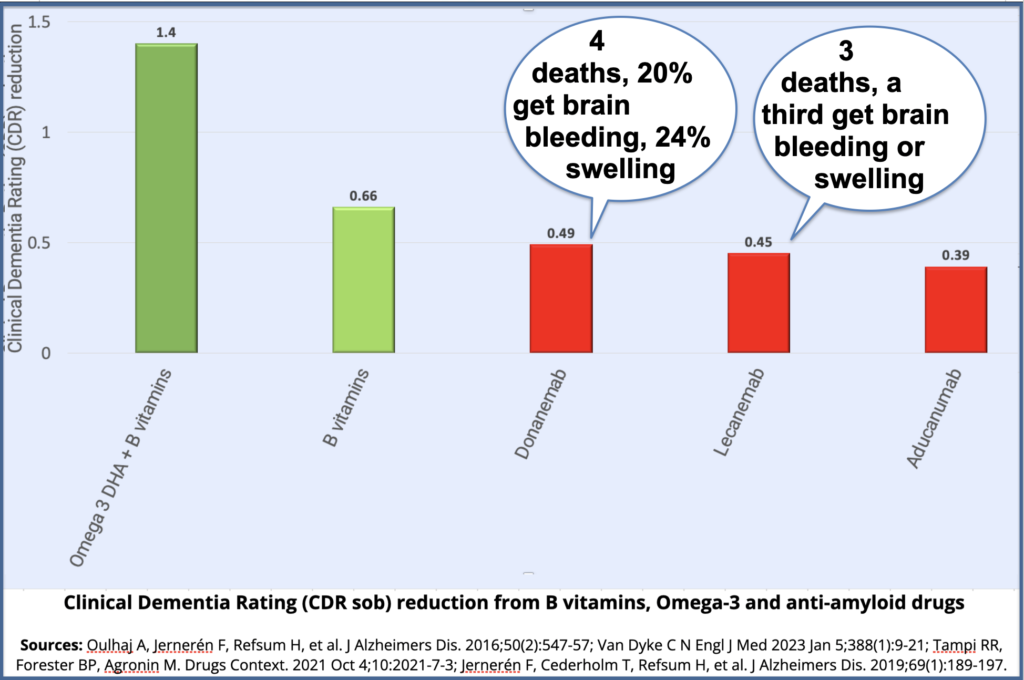
On the benefit side those in the drug company’s own trial got statistically slightly less worse after 18 months of treatment versus placebo. No-one got better. The scale of improvement was not enough to be clinically significant and “does not necessarily reflect a meaningful improvement for patients or their families” according to the British Medical Journal editorial [1]. Given that almost all drug company’s own trial perform better than independent research this is likely to be an over-estimate of benefit not an under-estimate. At best it means delaying the progress of the disease by a few months.

The worst cost is that a quarter of those on the drug got either brain swelling or bleeding.
Three participants in the trial died as a consequence. Also there was accelerated brain shrinkage compared to placebo. Due to these horrendous risks patients getting the twice monthly IV infusions will need to have brain scans to check for brain bleeding and swelling.


The drug itself will cost about £25,000 a year but, with the medical costs, it may actually cost the patients or the NHS as much as double this. That is why the NHS’s watchdog NICE have rejected it “Lecanemab provides on average four to six months’ slowing in the rate of progression from mild to moderate Alzheimer’s disease, but this is just not enough benefit to justify the additional cost to the NHS,” said Helen Knight, director of medicines evaluation at NICE. The Telegraph have stated that an inside source says other anti-amyloid drug treatments would be similarly blocked for NHS use due to bad cost benefit ratio.

The biggest problem…

The biggest lie reported in the papers is that ‘this is the first treatment that has been found to curb the condition’, says the Mail and ‘the first drug to slow down Alzheimer’s”, says the Telegraph.

It isn’t.

Inexpensive and safe B vitamins given to those with raised homocysteine (about half of all over age 65) have produced far greater clinical improvements to those with pre-dementia. In fact, a third had no clinical dementia rating at the end of the year – in other words were no longer diagnosable with dementia.

Similarly encouraging benefits have been shown when omega-3 fish oil supplements have been given to those with already low homocysteine (due to insufficient levels of B vitamins) – up to three times that of Lecanemab.[2] In addition, the omega-3 and B vitamin combo reported up to 73% less brain shrinkage, not more shrinkage reported with this drug. This gold-standard evidence, from studies at the University of Oxford by Professor of Pharmacology David Smith, is simply being ignored.

The choice: safe supplementation or risk of brain bleed…

So, that’s the choice for dementia sufferers.

Safe supplements that might cost you £100 a year, reduce the rate of brain shrinkage and deliver clear clinical improvements. Or Lecanemab, that carries a small risk of death, a considerable risk of brain swelling or bleeding, has not shown improvement in a single patient, but is likely to deliver a small, clinically meaningless slowing down of worsening symptoms. NICE has not approved it for the NHS because it costs £50,000 a year and as it only slows down dementia progression by a couple of months (as reported by the BBC).

The caveat for the drug is that the risks for those with the ApoE4 gene variant – about a quarter of people are deemed too high. The caveat for the B vitamins is that those with normal homocysteine levels (below 10 mcmol/l), which is less than half those over 65, may not benefit from the B vitamin treatment. Homocysteine is a simple test any GP can do. Similarly, omega-3 fish oils may not benefit those with an omega-3 index above 8% (and highly likely to benefit those with an omega-3 index of 4% or less.)

That is why we recommend those wishing to prevent dementia test both omega-3 index and homocysteine and why we offer accurate, at-home test kits to help you reclaim your brain. When you support our charity by buying a test kit you become one of our Citizen Scientists and take part in our essential prevention-focused research and includes a free online Cognitive Function Test and the COGNITION questionnaire which calculates your future Dementia Risk Index, then advising you how to lower it.

References
[1] BMJ 2022;379:o3010 http://dx.doi.org/10.1136/bmj.o3010
[2] https://foodforthebrain.org/campaigns/alzheimers-prevention/omega-3-
and-b-vitamins/

Further info

Drugs Won’t Prevent Dementia

by Patrick Holford

Drugs won’t prevent dementia.

Last week’s Lancet Commission on dementia prevention is facing mounting criticism, for favouring targets for drugs including lowering cholesterol and amyloid and completely ignoring quick and easy wins such as supplementing omega-3, homocysteine lowering B vitamins and reducing sugar intake. A very recent report from Cambridge University scientists says that the benefits of new anti-amyloid treatments may be outweighed by the costs and risk of side-effects such as shrinking brain matter.

US National Institutes of Ageing researcher Dr Madhav Thambisetty warned that trial participants lost up to three teaspoons of brain volume. ‘It is far from clear these drugs can ever significantly reduce dementia morbidity at scale’ report the scientists in the journal Alzheimer’s and Dementia and reported in the Telegraph this week.

The Lancet Commission completely ignored, for the third time since 2017, the indisputable evidence that inexpensive B vitamins, given to those with raised homocysteine (half the older population) reduced brain shrinkage in a year by up to 73%, the highest effect being in those with sufficient omega-3 DHA, as well as the substantial evidence in favour of omega-3.

Our scientists in the Alzheimer’s Prevention Expert Group are actively preparing response letters to the Lancet – and once done, we will give a full report. Against this backdrop of minuscule effect that ‘is so small it would not be recognisable by doctor or patient’ and the need for specialist brain scans with each injection due to one in four getting brain bleeding or swelling we see press-mongering dressing up drugs as prevention; press reports ‘big up’ these unethical drug approaches, as yet unlicensed in the UK, in the guise of prevention – ‘UK needs Covid-style push on dementia drugs’  reports the guardian.

Prevention does not mean drugs, it means tackling the root causes of cognitive decline and brain shrinkage, which is what we are doing at Food for the Brain through our FREE Cognitive Function Test.

“We sent them the indisputable evidence and they ignored it.” Here’s how the Lancet Commission halved the true impact of dementia prevention, says our Founder, Patrick Holford.

Further info

WHO says Vitamins B, PUFA (Omega-3) & Multivitamins Should Not Be Recommended

Do supplements really help when it comes to cognitive decline or are they money wasted down the toilet?!

We believe that the science supports the use of correct supplementation in order to reduce risk of dementia and Alzheimer’s – so what is going on and what does the research really say?

The WHO report saying supplements are ‘not recommended’

A 2018 report by the WHO states: ‘Vitamins B and E, PUFA and multi-complex supplementation should not be recommended to reduce the risk of cognitive decline and/or dementia.’ 

This 2018 WHO review makes no reference at all to the effect of B vitamins in slowing brain atrophy (1) and in improving cognition (2) in the rather large sub-group, estimated to be up to half of those over 65, with raised homocysteine. After all, why would B vitamins be expected to have an effect in those not deficient?

On closer inspection, three of the four cited studies in the WHO document are actually one meta-analysis (which is a statistical process of analysing and combining results from several similar studies). It cites only one paper which considered B vitamins (the one part-funded by Alzheimer’s Research UK) which showed a clear effect of B vitamins improving cognition in those with raised homocysteine, and one study on omega-3 DHA, which also shows clear benefit as stated in the studies summaries. Thus, it misrepresented the study that ARUK part funded on B vitamins as negative, when they had a clearly positive effect. 

The only cited B vitamin study (2) states, “The mean plasma total homocysteine was 30% lower in those treated with B vitamins relative to placebo. B vitamins stabilised executive function (CLOX) relative to placebo. There was significant benefit of B-vitamin treatment among participants with baseline homocysteine above the median in global cognition, episodic memory and semantic memory. Clinical benefit occurred in the B-vitamin group for those in the upper quartile of homocysteine at baseline in global clinical dementia rating score… In this small intervention trial, B vitamins appear to slow cognitive and clinical decline in people with mild cognitive impairment (MCI), in particular in those with elevated homocysteine.”

The only cited study on omega-3 fish oils (3) states, “The fish oil group showed significant improvement in short-term and working memory.” The 12-month change in memory was significantly better in the fish oil group. This study suggested the potential role of fish oil to improve memory function in MCI subjects.

So, even based on its own cited evidence, the benefit of both B vitamins and omega-3 fish oils is supported.

How the WHO statement then recommends the opposite, ‘Vitamins B and E, PUFA and multi-complex supplementation should not be recommended to reduce the risk of cognitive decline and/or dementia.’ beggars belief. But the real problem is not the shoddy research, from 2015, used to produce this report but that it is out of date. The WHO ‘rules’ for this report was to ignore any study that was more than 5 years old, yet the WHO authors republished this same report, with the same conclusions, in 2022, by then redundant according to its own rules!

What we’ve learned since 2018

Also, much has been learnt, and published, since 2018. There is now evidence that homocysteine lowering B vitamins are most effective in those with sufficient omega-3 status and omega-3 fish oils are most effective in those with low homocysteine. This is clinical confirmation of the known mechanism of co-dependence and illustrates why the WHO document is now out of date. We prefer published, peer-reviewed reviews such as the editorial in the American Journal of Clinical Nutrition in 2021 (4) and a meta-analysis in 2023 (5).

Additionally, since 2018, there have been at least 17 studies (6-22), including both randomised controlled trials and cohort studies which show benefit of either omega-3 fish oil supplementation, or higher intake from seafood with resultant higher omega-3 blood levels, in reducing risk for and incidence of dementia or cognitive decline.

This is another example showing why the WHO document is no longer current and relevant. Yet leading Alzheimer’s charities such as the Alzheimer’s Society and Alzheimer’s Research UK (ARUK – who part funded the highly effective B vitamin trial) still refer to this redundant report.

With regard to multivitamins, the latest meta-analysis states (7), “The meta-analysis of COSMOS substudies showed clear evidence of multivitamin-mineral benefits on global cognition and episodic memory; the magnitude of effect on global cognition was equivalent to reducing cognitive ageing by 2 years”. B vitamins, given to those with raised homocysteine, are much more effective than multivitamins given to all – and more effecctive in those with sufficient omega-3 status.

Summary

In conclusion, the 2018 WHO report is so sloppy, and out of date – by its own rules. It would be wise for WHO to withdraw this misleading report and certainly for both ARUK and the Alzheimer’s Society and any other Alzheimer’s or dementia organisations to stop referring to it in the context of omega-3, B vitamins or multivitamins, if they are to maintain credibility in being science-based.

Note: Many people are not aware that the WHO is no longer only funded by donations from the countries that it is supposed to serve but is now also privately funded, with the second largest funder being the Bill Gates Foundation, which accounts for 10% of its budget, leading to questions over influences on its agenda. 


References

1. Smith AD, Smith SM, de Jager CA, Whitbread P, Johnston C, Agacinski G, et al. Homocysteine-lowering by B vitamins slows the rate of accelerated brain atrophy in mild cognitive impairment: a randomized controlled trial. PloS one 2010;5(9):e12244.

2. de Jager CA, Oulhaj A, Jacoby R, Refsum H, Smith AD. Cognitive and clinical outcomes of homocysteine-lowering B-vitamin treatment in mild cognitive impairment: a randomized controlled trial. International journal of geriatric psychiatry 2012;27(6):592-600.

3. Lee et al 2013 – https://pubmed.ncbi.nlm.nih.gov/22932777/

4. Smith AD, Jernerén F, Refsum H. ω-3 fatty acids and their interactions. Am J Clin Nutr 2021;113(4):775-8.

5. Fairbairn P, Dyall SC, Tsofliou F. The effects of multi-nutrient formulas containing a combination of n-3 PUFA and B vitamins on cognition in the older adult: a systematic review and meta-analysis. The British journal of nutrition 2023;129(3):428-41.

6. Liu X, Zhuang P, Li Y, Wu F, Wan X, Zhang Y, et al. Association of fish oil supplementation with risk of incident dementia: A prospective study of 215,083 older adults. Clinical nutrition (Edinburgh, Scotland) 2022;41(3):589-98.

7. Vyas CM, Manson JE, Sesso HD, Cook NR, Rist PM, Weinberg A, et al. Effect of multivitamin-mineral supplementation versus placebo on cognitive function: results from the clinic subcohort of the Cocoa Supplement and Multivitamin Outcomes Study (COSMOS) randomized clinical trial and meta-analysis of 3 cognitive studies within COSMOS. Am J Clin Nutr 2024;119(3):692-701.

8. Jerneren F, Cederholm T, Refsum H, Smith AD, Turner C, Palmblad J, et al. Homocysteine Status Modifies the Treatment Effect of Omega-3 Fatty Acids on Cognition in a Randomized Clinical Trial in Mild to Moderate Alzheimer’s Disease: The OmegAD Study. Journal of Alzheimer’s disease : JAD 2019.

9. Rouch L, Virecoulon Giudici K, Cantet C, Guyonnet S, Delrieu J, Legrand P, et al. Associations of erythrocyte omega-3 fatty acids with cognition, brain imaging and biomarkers in the Alzheimer’s disease neuroimaging initiative: cross-sectional and longitudinal retrospective analyses. Am J Clin Nutr 2022;116(6):1492-506.

10. He X, Yu H, Fang J, Qi Z, Pei S, Yan B, et al. The effect of n-3 polyunsaturated fatty acid supplementation on cognitive function outcomes in the elderly depends on the baseline omega-3 index. Food & function 2023;14(21):9506-17.

11. Doughty KN, Blazek J, Leonard D, Barlow CE, DeFina LF, Omree S, et al. Omega-3 index, cardiorespiratory fitness, and cognitive function in mid-age and older adults. Prev Med Rep 2023;35:102364.

12. Loong S, Barnes S, Gatto NM, Chowdhury S, Lee GJ. Omega-3 Fatty Acids, Cognition, and Brain Volume in Older Adults. Brain Sci 2023;13(9).

13. Maltais M, Lorrain D, Léveillé P, Viens I, Vachon A, Houeto A, et al. Long-chain Omega-3 fatty acids supplementation and cognitive performance throughout adulthood: A 6-month randomized controlled trial. Prostaglandins, leukotrienes, and essential fatty acids 2022;178:102415.

14. Andriambelo B, Stiffel M, Roke K, Plourde M. New perspectives on randomized controlled trials with omega-3 fatty acid supplements and cognition: A scoping review. Ageing Res Rev 2023;85:101835.

15. Wei BZ, Li L, Dong CW, Tan CC, Xu W. The Relationship of Omega-3 Fatty Acids with Dementia and Cognitive Decline: Evidence from Prospective Cohort Studies of Supplementation, Dietary Intake, and Blood Markers. Am J Clin Nutr 2023;117(6):1096-109.

16. Grande de França NA, Díaz G, Lengelé L, Soriano G, Caspar-Bauguil S, Saint-Aubert L, et al. Associations Between Blood Nutritional Biomarkers and Cerebral Amyloid-β: Insights From the COGFRAIL Cohort Study. The journals of gerontology Series A, Biological sciences and medical sciences 2024;79(1).

17. Sasaki N, Jones LE, Carpenter DO. Fish consumption and omega-3 polyunsaturated fatty acids from diet are positively associated with cognitive function in older adults even in the presence of exposure to lead, cadmium, selenium, and methylmercury: a cross-sectional study using NHANES 2011-2014 data. Am J Clin Nutr 2024;119(2):283-93.

18. van Soest APM, van de Rest O, Witkamp RF, Cederholm T, de Groot L. DHA status influences effects of B-vitamin supplementation on cognitive ageing: a post-hoc analysis of the B-proof trial. European journal of nutrition 2022;61(7):3731-9.

19. Gao J, Fan H, Wang X, Cheng Y, Hao J, Han S, et al. Association between serum omega-3 PUFAs levels and cognitive impairment in never medically treated first-episode patients with geriatric depression: A cross-sectional study. J Affect Disord 2024;346:1-6.

20. He Y, Huang SY, Wang HF, Zhang W, Deng YT, Zhang YR, et al. Circulating polyunsaturated fatty acids, fish oil supplementation, and risk of incident dementia: a prospective cohort study of 440,750 participants. GeroScience 2023.

21. Chedid G, Malik A, Amangurbanova M, Khraishah H, Welty FK. Docosahexaenoic Acid Levels and Omega-3 Index, but Not Eicosapentaenoic Acid Levels, Are Associated With Improved Cognition in Cognitively Healthy Subjects With Coronary Artery Disease. Arteriosclerosis, thrombosis, and vascular biology 2022.

22. Duchaine CS, Fiocco AJ, Carmichael P-H, Cunnane SC, Plourde M, Lampuré A, et al. Serum ω-3 Fatty Acids and Cognitive Domains in Community-Dwelling Older Adults from the NuAge Study: Exploring the Associations with Other Fatty Acids and Sex. The Journal of nutrition 2022;152(9):2117-24.

Further info

Are Blood Tests for Alzheimer’s a “Misguided Waste of Money”?

You may have heard of a search for new tests to find those most likely to get Alzheimer’s disease? But is this misdirected?

Perhaps so, according to the Alzheimer’s Prevention Expert Group (APEG) –  a collaboration of top UK, American and Chinese academics (which we are a part of – find out more here) who consider this to be “..a misguided waste of money”. 

Controversially, their stance challenges the major thrust of charities such as Alzheimer’s Research (ARUK), which strongly supports search for a reliable test for the disease.

APEG explains that there is already a widely used way to spot failing memory and thinking skills  – hallmarks for dementia and Alzheimer’s. These include a neuropsychological test battery (NTB) and a validated Cognitive Function Test (CFT) similar to the one we provide free. Both are routinely used in memory clinics to diagnose mild cognitive impairment and support the diagnosis of dementia.

Over the last decade the charity Food for the Brain has used the Cognitive Function Test to find people at risk and advise them how to reduce their risk with simple dietary and lifestyle changes. 

Nearly half a million people to date have been tested, with someone taking the test every 2 minutes!

When does Cognitive Decline begin?

Cognitive function declines steadily from the age of 18. This means that it is possible to spot individuals whose cognitive function is dropping off faster than the average, giving time to encourage preventative actions with personalised advice on their diet and lifestyle changes.

Alzheimer’s, which makes up two-thirds of dementia cases, involves the shrinking of certain areas of the brain as neurons die off. It can be detected with a specialised brain scan several years before a diagnosis. These ‘PET’ scans can be used to diagnose Alzheimer’s and/or vascular dementia.  The trouble is that such scans are expensive and not likely performed early enough to discover those ‘at risk’. 

What about p-tau?

As well as shrinkage, another marker for Alzheimer’s is a toxic protein called p-tau. This creates clumps of tangled nerves in the brain. These can be found in the fluid that bathes the brain but again there is a problem. Detecting it can be done with a lumbar puncture, but this is a risky and expensive process and certainly not suitable to test tens of thousands of people. 

At first sight, if a blood test could identify those heading towards Alzheimer’s earlier this could be a cheaper and less invasive alternative to such scans. However, the search is likely driven by a quite different ulterior motive – to create and sell drugs – much like cholesterol and statins. What’s more it’s unlikely to be an improvement!

A recent New York Times article pointed out that such a test would result in people being diagnosed with ‘pre’ Alzheimer’s, even if they have no obvious symptoms. That’s because having the marker would be considered enough to justify a diagnosis of the disease or, at least, the prescription of a drug.

This is what happens with amyloid protein. Amyloid forms plaque in the brains of those with Alzheimer’s. The latest drugs, such as lecanemab and aducanumab, remove this. But not all those with Alzheimer’s have plaque, and people can develop dementia without plaque. What’s more none of these drugs have a clinically significant effect, and they come with the risk of severe adverse effects, including death from brain bleeding and swelling, especially in those with a history of stroke.

A very cheap and safe alternative

Perhaps the most convincing reason why the new blood marker hunt is “misguided” is that there is something very cheap and very safe that can prevent the accumulation of p-tau tangles in the brain – B vitamins.

Suppose you are not taking in enough B6, folate or B12, which becomes harder to absorb as you get older, blood levels of a toxic amino acid called homocysteine rise. This increases the level of p-tau and inhibits the brain from clearing it. According to pharmacology professor David Smith, a member of APEG and our Scientific Advisory Board: “Homocysteine is not a diagnostic marker for dementia but it is a modifiable risk factor. Raised levels of homocysteine account for some 20% of dementia cases and homocysteine testing is relatively inexpensive and available.”

Smith, who was second in charge at Oxford University’s School of Medical Sciences, ran the VITACOG trial which found that high doses of B vitamins given to people with Mild Cognitive Impairment (MCI) and high homocysteine, not only slowed the rate of brain cell death by up to 73% but also arrested cognitive decline.

He, and his APEG colleagues, favour using a Cognitive Function Test, to identify those at risk. Then, testing risk factors and biomarkers such as homocysteine to be included in the research, with funds being made available for testing blood biomarkers because this is one thing you can actually do something about. 

Other useful tests for risk factors include omega-3 and vitamin D levels, since low levels of these nutrients also increase risk; also HbA1c, the standard measure used to diagnose diabetes, since lower levels help protect the brain and high levels indicate those who need to reduce their intake of sugar and processed foods. These tests are corroborative rather than diagnostic but importantly identify prevention actions that people can take. 

We offer at home, accurate pin prick testing for Vitamin D, HbA1c, Omega-3 and Homocysteine (available in US, EU & UK) – order here to be a part of our research and to support our charitable work 

The new paradigm.

This two-step paradigm of:

1. Testing cognitive function early – you can do so here.

2. Then do further blood tests such as homocysteine, omega-3, vitamin D and HBA1c for glucose control that help guide diet and lifestyle prevention, which is available right now. Order your DRIfT test here

So keep things simple and start today!

Complete our validated Cognitive Function Test, then order your blood tests and be a part of our Citizen Science research and movement.

A green Citizen Scientist badge, with the quote "optimum nutrition is the future of medicine".
References

The VITACOG trials, evidence for homocysteine as causal and lowering it with B vitamins as disease modifying and a consensus statement regarding this evidence, in the Journal of Alzheimer’s Disease, is here: https://www.ncbi.nlm.nih.gov/pmc/articles/PMC5836397/

The validation of foodforthebrain.org’s Cognitive Function Test in the International Journal of Geriatric Psychiatry is here: https://onlinelibrary.wiley.com/doi/abs/10.1002/gps.3993

The evidence in relation to p-tau and homocysteine is here: https://foodforthebrain.org/the-p-tau-delusion/

Further info

Lack of Omega-3 is a Major Cause of Increased Aggression, New Study Shows…

Widespread omega-3 deficiency is cranking up aggression.

Children flying off the handle, fighting at school, increasing rates of ADHD, depression and violent offences, perhaps even more global conflicts – a new study suggests that something very simple could be cranking up aggression. 

Less omega-3 from seafood. 

A study of 4,000 participants over 28 years, has found a clear reduction in aggression when children and adults are given either omega-3 supplements or eat more fish. According to advisor to the US National Institutes of Health, Dr Joseph Hibbeln, a country’s incidence of homicide, depression and suicide ‘tracks’ their seafood consumption. In Australia, a prisoner’s omega-3 index, measured in a pin prick blood test predicts anger, aggression and AHDH. A study in UK prisons found that giving omega-3 supplements to prison inmates, compared to placebos, reduced violent offences by more than a third.

Omega-3 support in community, clinics and our criminal justice system

“Based on this evidence our considered opinion is that there is now sufficient evidence to begin to implement omega-3 supplementation to reduce aggression in children and adults, whether the setting is community, the clinic or criminal justice system” say the study authors Adrian Raine and Lia Brodrick from the University of Pennsylvania.

“There is now clear evidence that not only are low blood omega-3 levels associated with increased aggressive behaviour but supplementation with fish oil can reduce aggressive tendencies in adults and children.” says Professor William Harris from the Fatty Acid Research Institute in the US, one of our scientific advisors

This is why we now offer an easy, pin prick home test for omega-3 to go alongside our free online Cognitive Function Test and diet and lifestyle questionnaire that assesses omega-3 status and other factors that are important to your brain function and development.

We need to treat it the same as vitamin D

“Less than 5% of children in the UK achieve the basic recommended levels of omega-3” says Dr Simon Dyall, clinical neuroscientist at the University of Roehampton who also advises the charity “Even these recommendations are too low, according to the evidence regarding brain function. Many children eat no fish at all and don’t supplement omega-3. The evidence is more than sufficient to recommend that we take action now to protect our children’s brains.”

In the same way that GPs test vitamin D we need to test both children and adults presenting with ADHD, depression, anxiety and aggression for their omega-3 index. 

In Japan, where a lot of seafood is eaten, the level is 10% and rates of violence, depression, suicide and Alzheimer’s are a fraction of those in the UK. People in the UK and US average 4% on the pinprick omega-3 index. You need over 8% for a healthy brain. Many offenders test as low as 2%.

You can’t build a healthy brain without omega-3. Our children are suffering. There is more than enough evidence of this.

Yet there is no government recommendation in the UK of how much omega-3 we need. The advice to eat fish twice a week is neither enough, nor heeded. 

That is why we are helping people help themselves by testing their omega-3 index and advising them accordingly. But we need this done on a national scale, especially in poorer communities.

If doctors can test and prescribe vitamin D, why can’t they test and prescribe omega-3?

Actions:

References

A. Raine, L. Brodrick ‘Omega-3 supplementation reduces aggressive behavior: A meta-analytic review of randomized controlled trials’Aggression and Violent Behavior, 2024, 101956 doi.org/10.1016/j.avb.2024.101956.

Hibbeln JR. Depression, suicide and deficiencies of omega-3 essential fatty acids in modern diets. World Rev Nutr Diet. 2009;99:17-30. doi: 10.1159/000192992.

Meyer BJ, Byrne MK, Collier C, Parletta N, Crawford D, Winberg PC, et al. (2015) Baseline Omega-3 Index Correlates with Aggressive and Attention Deficit Disorder Behaviours in Adult Prisoners. PLoS ONE 10(3): e0120220. doi:10.1371/ journal.pone.0120220 

Gesch CB, Hammond SM, Hampson SE, Eves A, Crowder MJ. Influence of supplementary vitamins, minerals and essential fatty acids on the antisocial behaviour of young adult prisoners. Randomised, placebo-controlled trial. Br J Psychiatry. 2002 Jul;181:22-8. doi: 10.1192/bjp.181.1.22.

Further info

Dementia’s projected £91 billion can be ‘halved’ with prevention

Yesterday’s announcement by the Alzheimer’s Society that dementia will cost the UK almost £91bn a year by 2040 highlights why prevention has to be the way forward. (See the Guardian Article here

“Dementia’s devastating impact is colossal – on the lives of those it affects, on the healthcare system and on the economy”, said Kate Lee, the Alzheimer’s Society’s chief executive who is calling for the ‘urgent need to prioritise early diagnosis.’ We know here at Food for the Brain, that these costs, could easily be halved by focussing on prevention. A recent study from the UK Biobank data and conducted by two of the charity’s scientific advisors, China’s leading dementia prevention Professor Jin-Tai Yu from Fudan University, and by former deputy head of Oxford University’s school of medical science, Professor David Smith, concluded that “up to 73% of dementia can be prevented” right now by focussing on prevention. (1) The Biobank research, however, didn’t measure homocysteine and thus excluded one of the most easily actioned prevention steps – lowering homocysteine with B vitamins – which the US National Institutes of Health says accounts for 22% of the risk for Alzheimer’s. (2)

Patrick Holford our CEO says “the reality is that over 80 percent of dementia could be prevented right now if we took prevention seriously. The quickest wins are testing people, for free, for cognitive function then identifying those at risk and why they are at risk. Dementia is diagnosed with a cognitive function test and changes occur at least thirty years before a diagnosis. This is doable right now with no cost at all.” We have tested 425,000 people to date with 200 taking the free, validated test every day. This is followed by a ‘cognition’ questionnaire that shows the person exactly what is driving their future risk. 

The quick wins are increasing omega-3 fats from seafood and supplements, and lowering high homocysteine with B vitamins. The higher a person’s omega-3 level the better their cognition and the more brain density they have, according to research from Loma Linda University in California. (3) “Half of those over 65 have raised blood homocysteine which is easily lowered with a 10p a day B vitamin supplement.” says Holford “The health economist at Oxford University costed the saving just from this one prevention step as £50 million a year. (4) B vitamins with omega-3 have already been shown to reduce the annual rate of brain shrinkage by 73% in those at risk.” (5) The other big driver, he says, is sugar and ultra-processed foods. “Diabetes doubles dementia risk and accelerates brain shrinkage (6) but we can pick up those with the beginnings of blood sugar problems in mid-life with high but ‘normal’ levels of blood sugar which has been shown to increase Alzheimer’s risk by 14.5%. (7)” he says.

We also offer a ‘home-test kit that those at risk can use to measure homocysteine, omega-3, vitamin D and sugar balance (HbA1c – the test used by GPs to diagnose diabetes) then tells the individual what actions to take to protect their brain and improve their cognition. Research shows that having a low vitamin D level increases triples risk for Alzheimer’s (8) and those who supplement vitamin D cut Alzheimer’s risk by a third. (9)

“None of the major charities are taking prevention and the role of nutrition in brain health seriously.” says Holford, author of a new book Upgrade Your Brain which explains how to dementia-proof your diet and lifestyle. “Kate Lee of the Alzheimer’s Society told me they spend nothing on prevention. Alzheimer’s Research UK told us they spend 4.3% of all research money on non-drug prevention. When 80 percent is preventable surely at least half of research funds should be spent on non-drug prevention? We do not need to wait for more research. Dementia is diagnosed using a cognitive function test done in memory clinics. But by the time a GP refers a patient, it is often too late. We offer exactly this cognitive function test for free, online at foodforthebrain.org. There is no need to wait for a mythical blood test to ‘diagnose early’. 

This is like having a blood test to diagnose how unfit you are.” says Holford. “Even if this existed, the critical question for those at risk is how to reduce it. All that is needed is to take prevention seriously. It is not difficult. The government have pledged £166 million for dementia a year but no-one can tell us if any of this is actually to be spent on prevention research or putting prevention into action.”


We are supporting World Alzheimer’s Prevention Day see alzheimersprevention.info – on Wednesday (May 15th), with the support of thirty of the world’s leading dementia prevention experts.

Where to start in reducing your risk:
References

1 Zhang, Y., Chen, SD., Deng, YT. et al. Identifying modifiable factors and their joint effect on dementia risk in the UK Biobank. Nat Hum Behav 7, 1185–1195 (2023).
2 Beydoun MA, Beydoun HA, Gamaldo AA, Teel A, Zonderman AB, Wang Y. Epidemiologic studies of modifiable factors associated with cognition and dementia: systematic review and meta-analysis. BMC Public Health. 2014 Jun 24;14:643. doi: 10.1186/1471-2458-14-643. PMID: 24962204; PMCID: PMC4099157.
3 Loong, S.; Barnes, S.; Gatto, N.M.; Chowdhury, S.; Lee, G.J. Omega-3 Fatty Acids, Cognition, and Brain Volume in Older Adults. Brain Sci.2023,13,1278. https://doi.org/ 10.3390/brainsci13091278.
4 https://doi.org/10.1016/j.trci.2016.07.0
5 Jernerén F, Elshorbagy AK, Oulhaj A, Smith SM, Refsum H, Smith AD (2015). Brain atrophy in cognitively impaired elderly: the importance of long-chain ω-3 fatty acids and B vitamin status in a randomized controlled trial. Am J Clin Nutr. 2015 Jul;102(1):215-21
6 Arvanitakis Z, Wilson RS, Bienias JL, Evans DA, Bennett DA. Diabetes mellitus and risk of Alzheimer disease and decline in cognitive function. Arch Neurol. 2004 May;61(5):661-6. doi: 10.1001/archneur.61.5.661. PMID: 15148141; see alsoYaffe K, Blackwell T, Kanaya AM, Davidowitz N, Barrett-Connor E, Krueger K. Diabetes, impaired fasting glucose, and development of cognitive impairment in older women. Neurology [Internet]. 2004 Aug 24 [cited 2022 Mar 16];63(4):658–63. Available from: https://n.neurology.org/content/63/4/658; see also Tiehuis AM, van der Graaf Y, Visseren FL, Vincken KL, Biessels GJ, Appelman APA, et al. Diabetes Increases Atrophy and Vascular Lesions on Brain MRI in Patients With Symptomatic Arterial Disease. Stroke. 2008 May;39(5):1600–3; see also Samaras K, Lutgers HL, Kochan NA, Crawford JD, Campbell LV, Wen W, et al. The impact of glucose disorders on cognition and brain volumes in the elderly: the Sydney Memory and Ageing Study. AGE [Internet]. 2014 Jan 9 [cited 2022 Aug 5];36(2):977–93. Available from: https://www.ncbi.nlm.nih.gov/pmc/articles/PMC4039246/
7 Zhang X, Tong T, Chang A, Ang TFA, Tao Q, Auerbach S, Devine S, Qiu WQ, Mez J, Massaro J, Lunetta KL, Au R, Farrer LA. Midlife lipid and glucose levels are associated with Alzheimer’s disease. Alzheimers Dement. 2023 Jan;19(1):181-193. doi: 10.1002/alz.12641. Epub 2022 Mar 23. PMID: 35319157; PMCID: PMC10078665.
8 Vitamin D deficiency increases the risk of Alzheimer’s.112 In a study in France involving 912 elderly patients followed for 12 years, a total of 177 dementia cases occurred. Those with low vitamin D levels had a nearly three-fold increased risk of Alzheimer’s.113
9 Ghahremani M, Smith EE, Chen HY, Creese B, Goodarzi Z, Ismail Z. Vitamin D supplementation and incident dementia: Effects of sex, APOE, and baseline cognitive status. Alzheimers Dement (Amst). 2023 Mar 1;15(1):e12404. doi: 10.1002/dad2.12404. PMID: 36874594; PMCID: PMC9976297.

Further info