Cognitive Function Archives - Food for the Brain

because prevention is better than cure.

because prevention is better than cure.

Mini Cart 0

Your cart is empty.

Mini Cart 0

Your cart is empty.

How to Keep your Brain Young with Antioxidants

How To Keep Your Brain Young with Antioxidants?
How To Keep Your Brain Young with Antioxidants?

Being alive is a balancing act between making energy by combusting glucose with oxygen and generating ‘oxidant’ exhaust fumes that must then be neutralised. This process, known as oxidative stress, is a key contributor to ageing. Over time, if oxidants outpace your body’s ability to disarm them, damage accumulates in cells and tissues, including the brain.[8]

The brain is particularly vulnerable. It consumes a high proportion of the body’s oxygen, is rich in fats that are susceptible to oxidation, and has relatively limited antioxidant defences compared with other tissues. This makes maintaining an effective antioxidant defence system essential for long-term cognitive health.

However, this process is not fixed. You can influence it. Improving your intake of antioxidants and polyphenols, and supporting your body’s internal defence systems, can help shift the balance and support brain resilience over time.

To explore this idea further, watch the film Keeping Your Brain Young with Antioxidants’ below.

The Science Behind Eating the Rainbow

You’ve heard it before, but the science behind it matters.

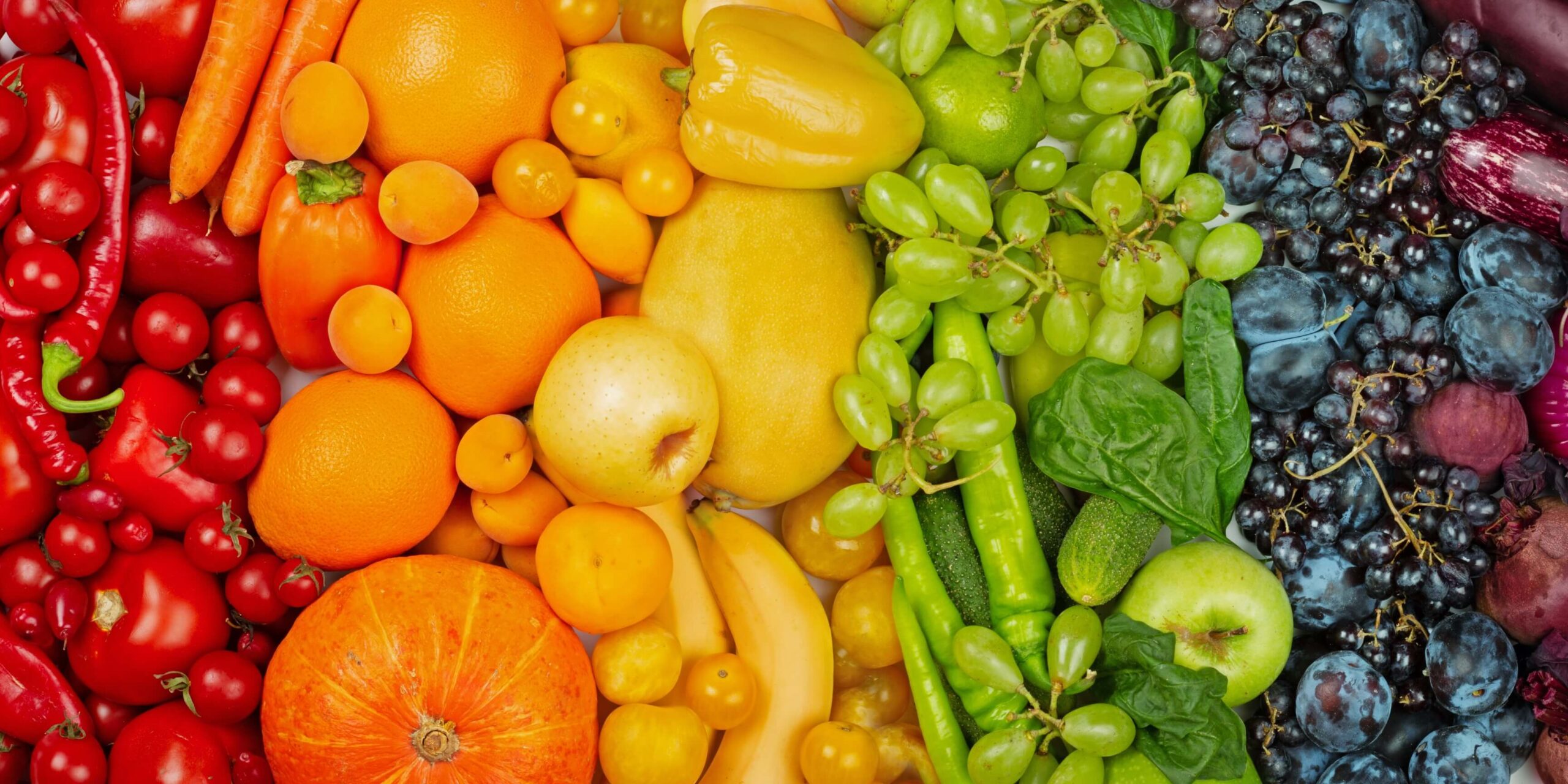
Different colours in plant foods reflect different polyphenols and antioxidant compounds, each with distinct biological effects. These compounds do more than just neutralise oxidants. Many also act as signalling molecules, influencing inflammation, blood flow, and cellular pathways linked to brain function and ageing.[9]

Mustard and turmeric, for example, are strong yellows. Dijon mustard is great, with no added sugar, and traditional English mustard is also beneficial. Turmeric, rich in curcumin, can be added to steam-fries, curries, or soups, grated into a tea, and even used in a turmeric latté.

Bright oranges such as butternut squash, sweet potato, and carrots provide carotenoids that support cellular protection. Tomatoes are particularly rich in lycopene, associated with reduced oxidative damage. Strawberries are a lower glycaemic fruit option, and peppers of all colours are rich in vitamin C, which plays a central role in antioxidant recycling.

Anything purple, magenta, or blue is especially valuable. From beetroot to blueberries, blackberries, and raspberries, these foods are rich in anthocyanidins, a class of polyphenols associated with improved vascular and cognitive function.

Strong greens remain foundational. Spinach, kale, Brussels sprouts, broccoli, watercress, rocket, asparagus, and green beans all contribute a wide spectrum of antioxidants, minerals, and phytonutrients that support detoxification and cellular defence.

Eating the rainbow is not a nice idea. It’s an essential part of upgrading and protecting your brain at any age.

The Best Fruits and Vegetables for Brain Health

But are there any particular vegetables or fruits that pack the biggest punch as far as polyphenols and antioxidants are concerned? Or, if you know you can’t or don’t like to eat a huge variety of fruit and veg, are there particular ones to focus on eating to get the most benefit?

Foods that are high in ‘polyphenols’, which refers to the structure of plant-based compounds, seem especially beneficial for protecting your brain. You might have heard of flavonoids in berries, quercetin in red onions, anthocyanidins in blue and red foods, and isoflavones in beans. These are all examples of polyphenols. Herbs and spices such as peppermint, basil, oregano, cumin, and curcumin in turmeric contain high levels of polyphenols and potent antioxidants.

But there are other criteria by which to judge a plant, including its ability to influence pathways linked to cellular ageing. Certain polyphenols, such as resveratrol, interact with sirtuin pathways involved in cellular repair and longevity.[10] For example, olives, blueberries, and kale support these processes.

Then there’s a group of compounds called ‘salvestrols’, generally only found in organic fruit, vegetables, herbs, and spices, which turn out to be anti-cancer.[1] They’re produced in plants as part of their self-defence system against invaders such as fungi. If the plant is sprayed with fungicides, it won’t produce them.

Taking all these factors into account, including the GL, antioxidants, polyphenols, salvestrols, and sirtuin-related activity, these are the dozen best-rated fruits and vegetables. (This list is not definitive. More and more research continues to reveal the healing power of nature’s fruits and vegetables.)

So, if eating the ‘rainbow’ feels like too much pressure or is difficult to achieve, think about incorporating some of the above into your meals each day.

Our Top 13 to Help Keep Your Brain Young

 Lowest GLAntioxidantPolyphenolSalvestrolSirtuin Act.
Olives***************
Blueberries**************
Kale**************
Blackcurrants*************
Broccoli*********** 
Artichokes*********** 
Cabbage (red)*********** 
Asparagus********** 
Onions (red)****** ***
Avocado********** 
Apples**********
Beetroot*****  
Cherries******  

Top Up Brain-Friendly Antioxidant Nutrients: Consider Supplementation

Antioxidants Work as a Network

Much like dementia prevention is a combination of the 8 domains, which all influence each other, antioxidants are part of a network keeping you healthy.

A number of key vitamins, as measured in food and in the blood, do correlate with decreased dementia risk. This is hardly surprising, since the brain is made of complex fats that can easily be damaged by oxidants. It makes sense that having a high intake of antioxidants would protect the brain from damage. Antioxidants disarm oxidants by teamwork. You need a combination of nutrients, not just vitamin C or vitamin E.

Evidence for Antioxidant Protection

A recent meta-analysis of all studies on factors that could prevent Alzheimer’s, by one of our Scientific Advisory Board members, Professor Jin Tai Yu of Fudan University in Shanghai, China, shows that ‘either a high vitamin E or C intake showed a trend of attenuating risk by about 26%’, making these nutrients ‘grade 1’ top level prevention risk factors.[2]

A study of 4,740 Cache County, Utah, older residents found that those supplementing both vitamin E and C cut their risk of developing Alzheimer’s by two thirds. A trend toward lower Alzheimer’s risk was also evident in those who took vitamin E supplements together with multivitamins containing vitamin C, but there was no evidence of a protective effect in those taking only vitamin E or vitamin C supplements alone, with multivitamins alone, or with vitamin B-complex supplements. Lowest risk was reported in those supplementing at least 1000 mg a day of vitamin C together with at least 1000 IU a day of vitamin E.[3]

However, vitamin E on its own doesn’t seem to work. In a double-blind study, people with mild cognitive impairment were randomly assigned to receive 2000 IU a day of vitamin E or placebo for three years. There were no significant differences in the rate of progression to AD between the vitamin E and placebo groups at any point.[4]

Building Your Antioxidant Defences

Your best bet is probably to both eat a broad spectrum of antioxidants and also supplement them. The older you are, the more you are likely to need. Key antioxidants are:

Vitamin A, C and E – associated with reducing Alzheimer’s risk

Lipoic acid – protects the memory-friendly neurotransmitter acetylcholine and dampens brain oxidation and inflammation.[5]

Glutathione[6] or N-acetyl cysteine[7] (NAC) – protects the brain and improves methylation, thus having potential in dementia prevention.

It doesn’t really make a lot of sense to give one without the others. All those listed above, vitamin C, E, glutathione, N-acetyl cysteine, Coenzyme Q10 and resveratrol, work together. There are many other team player ‘cousins’, from B vitamins to minerals such as magnesium, zinc and selenium.

The first step is to eat ‘whole’ foods, especially fresh plant foods that are more likely to contain these kinds of nutrients. However, there are some nutrients, such as vitamin C, for which just eating whole foods doesn’t guarantee you are achieving optimum nutrition.

Most nutritional therapists supplement extra vitamin C, and some supplement an all-round antioxidant supplement providing the nutrients listed above. There is very good logic, and supporting evidence, to do this, especially if you’re over 50 years old, even if there isn’t yet that definitive ‘randomised placebo controlled trial’.

Other key antioxidant nutrients include:

Vitamin A, C and E – associated with reduced Alzheimer’s risk

Lipoic acid – supports mitochondrial function and reduces oxidative stress and inflammation.[5]

Glutathione or N-acetyl cysteine (NAC) – supports detoxification, antioxidant recycling and methylation, with potential relevance for cognitive ageing.[6][7]

Coenzyme Q10 and resveratrol – support cellular energy and protection

There are also important supporting nutrients, including B vitamins, which contribute to methylation and help regulate homocysteine, a compound associated with oxidative stress and cognitive decline when elevated.[12]

Why Food Comes First but Supplements May Still Be Needed

We are Food for the Brain, so the first step is always to eat whole foods, focusing especially on fresh plant foods that are naturally rich in antioxidants and polyphenols.

However, achieving optimal levels of certain nutrients through diet alone is not always guaranteed. Factors such as soil depletion, food storage, genetics, individual absorption, age, and increased physiological demand all play a role.

For this reason, targeted supplementation, particularly for nutrients such as vitamin C and those involved in the antioxidant network, may be beneficial. There is strong rationale, and supporting evidence, for this approach, especially in individuals over 50 or those with increased oxidative load. Read more about supplementation here.

From General Brain Health Advice to Personalised Insight

Why Antioxidant Needs Differ and Why Testing Matters

Eating a diet rich in colourful plant foods is a powerful place to start. But the real question is whether your unique body has the antioxidant capacity to meet your current level of demand.

Or, said another way, how do you know if you are eating enough to protect your brain and your future?

Oxidative stress is influenced by far more than diet alone. Age, stress, environmental toxins, blood sugar balance, genetic variations, nutrient status, and individual biochemistry all play a role. Two people can eat similarly and have very different levels of oxidative damage and antioxidant protection.

This is where testing becomes valuable.

One of the most informative markers is glutathione, often referred to as the body’s master antioxidant. It sits at the centre of your antioxidant defence system, helping to neutralise oxidative damage and recycle other antioxidants. If levels are low, it can indicate that your overall antioxidant capacity is under strain.

Rather than guessing whether you are getting enough antioxidant support, testing allows you to see what is actually happening inside your body. (Historically, glutathione has been hard to test, but we developed new technology with our lab partners to now be able to do this accurately with an at home finger prick blood test.)

Understanding Your Brain Health More Clearly

The DRIfT 5-in-1 test shows you what is actually happening inside your body, across the key drivers of cognitive decline, including oxidative stress, inflammation, blood sugar balance, nutrient status, and essential fats. It moves you beyond general advice and highlights exactly where your biggest risks and opportunities lie.

If your focus is antioxidant capacity, testing glutathione offers direct insight into whether your body is under oxidative strain and how well your defence system is functioning. Find out more here.

Alongside this, our free Cognitive Function Test provides a practical way to track how your brain is performing today, while contributing to ongoing research into what truly works in preventing cognitive decline.

Understanding your results allows you to move from general advice to a more targeted, personalised approach, so you can support your brain with greater precision and confidence.

When you join COGNITION and become a FRIEND, you get access to our new Digital education platform and our new COGNITION programme. You can also register FREE for both our monthly guest speaker webinars and our monthly live COGNITION Coaching – this is an hour live with our Food for the Brain health coaches and there is a Q&A at the end (you also get access to the past coaching workshop recordings).

On April 22nd April, our COGNITION Coaching Workshop is all about antioxidants and attendees will get a mini-ebook on antioxidants and 2 delicious, anti-oxidant rich recipes. You can become a FRIEND by clicking the link below:

References:

[1] Potter, G.A. & Burke, M.D. (2006) Salvestrols – Natural Products with Tumour Selective Activity. Journal of Orthomolecular Medicine. 21(1): 34-36.

[2] Yu JT, Xu W, Tan CC, et al. Evidence-based prevention of Alzheimer’s disease: systematic review and meta-analysis. J Neurol Neurosurg Psychiatry. 2020;91(11):1201–1209.

[3] Zandi PP, et al. Reduced risk of Alzheimer disease in users of antioxidant vitamin supplements. Arch Neurol. 2004;61:82–98.

[4] Petersen RC, et al. Vitamin E and donepezil for the treatment of mild cognitive impairment. N Engl J Med. 2005;352:2379–2388.

[5] Maczurek A, et al. Lipoic acid as an anti-inflammatory and neuroprotective treatment. Adv Drug Deliv Rev. 2008;60(13-14):1463–1470.

[6] Pocernich CB, Butterfield DA. Elevation of glutathione as a therapeutic strategy. Biochim Biophys Acta. 2012;1822(5):625–630.

[7] Hara Y, et al. Evaluation of N-acetylcysteine for cognitive ageing. J Prev Alzheimers Dis. 2017;4(3):201–206.

[8] Halliwell B. Oxidative stress and neurodegeneration. J Neurochem. 2006;97(6):1634–1658.

[9] Spencer JPE. The impact of flavonoids on memory. Chem Soc Rev. 2009;38(4):1152–1161.

[10] Baur JA, Sinclair DA. Therapeutic potential of resveratrol. Nat Rev Drug Discov. 2006;5(6):493–506.

[11] Sekhar RV, et al. Glutathione synthesis is diminished in older adults. Am J Clin Nutr. 2011;94(3):847–853.

[12] Smith AD, Refsum H. Homocysteine, B vitamins, and cognitive impairment. Annu Rev Nutr. 2016;36:211–239.

Further info

Cognitive Decline Starts at 18 – and So Should Alzheimer’s Prevention

By Patrick Holford

Most people think forgetfulness and failing memory only begin in later life. But what if you found out that cognitive decline actually begins much earlier – around the age of 18 – and that what you do when you’re young can dementia-proof yourself for when you’re older?

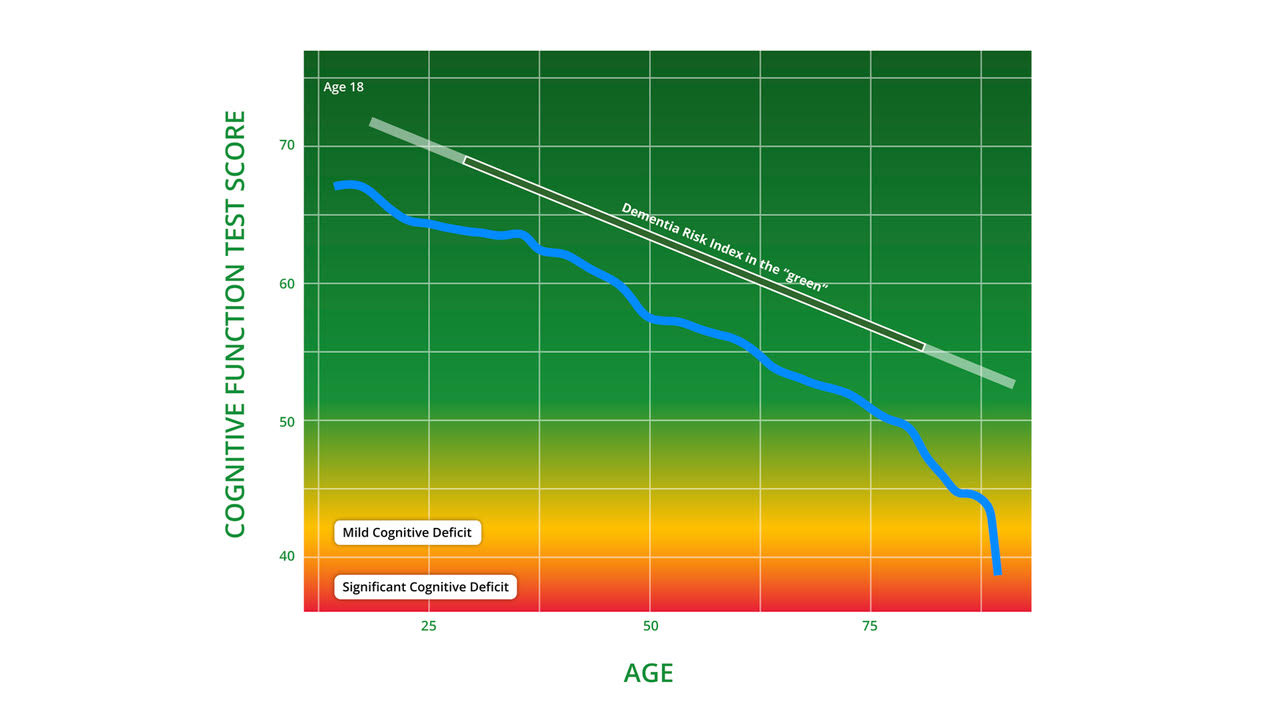
This is the latest discovery from Food for the Brain’s research! Now that hundreds of thousands of participants have completed the Cognitive Function Test, we are starting to extract these world first findings.  Although the test was designed to identify those at risk for dementia later in life, the extraordinary finding is that cognitive function declines, on average, year by year from the age of 18.

The results involving 172,098 people who took the free test between 2011 and 2024 show that there is a steady decline, on average, with a sharp drop-off after the age of 80. 

In one alarming case that underscores the need to promote prevention as early as possible, researchers in South China recently diagnosed probable Alzheimer’s disease in a 19-year-old male – the youngest ever recorded – highlighting the fact that dementia, while rare in youth, is not exclusively a condition of old age (1).  This makes early prevention not only relevant but essential.

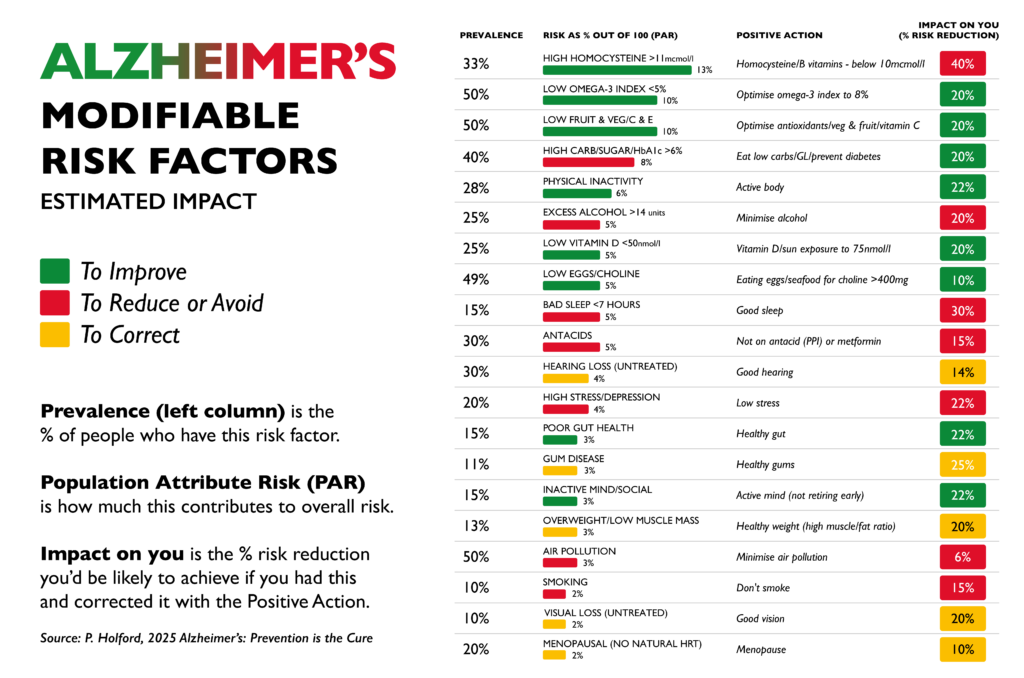
This isn’t a message of fear.  It’s one of hope and empowerment, emphasising that it’s never too early to start supporting your brain health. (This is why we created the Smart Kids & Teens COGNITION Programme.) Cognitive slippage doesn’t happen to everyone – it’s possible to maintain or even improve brain function with optimal nutrition and lifestyle habits. Food for the Brain’s research also found that those whose Dementia Risk Index is in the top quarter, in ‘the green’- are not expected to come close to the zone of cognitive decline before age 100. A person’s Dementia Risk Index is calculated from completing the COGNITION diet and lifestyle questionnaire that follows the free Cognitive Function Test.

The five most impactful prevention steps are: 

  1. Sufficient intake of B vitamins
  2. Omega-3 from seafood and supplements
  3. More vegetables and fruit, and less sugar and refined carbohydrates
  4. More exercise
  5. Less alcohol 

See the Alzheimer’s Modifiable Risk Factor chart below:

Understanding that decline can start early in life means you can take steps now – whether you’re 18 or 80 – to protect your brain. This is also where our Citizen Scientist FRIEND community plays a vital role! Whether you’re a parent, grandparent, teacher, coach, youth worker, mentor, or simply someone who cares about young people, you can help the next generation build lifelong resilience – by becoming a FRIEND of Food for the Brain, accessing your personalised six-month Brain Upgrade Programme and encouraging as many as possible to take the free Cognitive Function Test to become ‘dementia-proof’.

How to ‘Dementia-Proof’ Yourself

We describe someone as ‘dementia-proof’ when the projection of their Cognitive Function Test results suggest they will remain in the healthy ‘green zone’ (optimal cognitive health) beyond the age of 100, as shown in the graph above.

Food for the Brain is helping thousands  of people achieve this dementia-proof status through our COGNITION programme, which identifies a person’s ‘quick wins’ and supports behaviour change with personalised, interactive emails and live group health coaching. For some, this means going to bed earlier for more sleep. For others, it might mean avoiding foods with added sugar, cutting back on alcohol or getting outdoors to exercise. For many it means optimising intake of B vitamins, omega-3, vitamin D, and antioxidants.
(Do you know what your levels of these important brain-protecting nutrients are? If not, make sure you order our accurate  at-home pinprick DRIfT test, another way to support our research and upgrade your brain.)

Start Young to Prevent Cognitive Decline

Brain fog, poor concentration, low mood, or forgetfulness aren’t just part of “being busy” or “getting older.” These can be early signs that your brain isn’t getting what it needs.  Better sleep, nutrition, regular activity, and lower stress levels all help preserve cognitive function as you age.  

Investing in your brain health early means:

  • Sharper focus and concentration for study, work, and everyday life
  • Greater emotional resilience, reducing anxiety and improving your mood
  • Improved memory and creativity, helping you perform optimally in all areas of life
  • More energy and better sleep, to improve the way you feel and function every day

When you support your brain health, you support every other aspect of your health too!h. Be it that outer glow on the skin, more balanced hormones, or improved gut health, all of it starts with brain health. It’s never too late, and it’s never too early – it is only important to make a start!

Whether you’re a teenager, a student in your 20s, raising a family in your 40s, or retired in your 70s, your brain is changing every day – and the good news is that it can respond positively to lifestyle changes at any age.

Remember: there is so much you can do to help to prevent Alzheimer’s and optimise your brain health – whatever your age.

Ready to take control of your brain’s future?

Order your at-home DRIfT pinprick blood test to contribute to our research and discover your unique levels of essential brain-supporting nutrients.


We are one of the few charities focused on independent research and education around prevention – join our mission today and become a FRIEND.  

As a FRIEND, you’ll receive:

  • Access to your 6-month personalised Brain Upgrade Journey
  • Entry to our Education Hub
  • Monthly live group health coaching

Further reading: This idea is echoed in the work of Associate Professor Tommy Wood, Head of Research at Food for the Brain, in his article Use it or Lose it: Why an Active Lifestyle is a Brain Essential.

Reference:
1. Jia J, Zhang Y, Shi Y, Yin X, Wang S, Li Y, Zhao T, Liu W, Zhou A, Jia L.  A 19-Year-Old Adolescent with Probable Alzheimer’s Disease.  J Alzheimers Dis.  2023;91(3):915-922.  doi: 10.3233/JAD-221065.  Erratum in: J Alzheimers Dis.  2023;92(4):1501-1502.  doi: 10.3233/JAD-239001.  PMID: 36565128.


Further info

Intelligence is the Missing Survival Link

By Patrick Holford

Quite a few intelligent people extrapolate a rather apocalyptic future for humanity. Whether we nuke ourselves, run out of resources, become infertile, overtaken by AI robots or are struck by a meteor, some go so far as to recommend space travel to secure humanity’s future.

The two fundamental problems

My ponderings conclude that there are two fundamental problems – and one essential requirement to solve them. The first problem is corruption, primarily driven by greed. The second is a lack of design, for truly sustainable living in the areas of health, ecology and economy. The essential requirement to solve both of these problems is benevolent intelligence – that is, intelligence for the benefit of all, with the right motive and not driven by greed for money, power or status.

Here lies a key problem to add to the list of dwindling resources, pollution and war mongering, and it is the undeniable decline in that unique attribute which makes Homo sapiens dominant in the world, perhaps even the universe – that is his intelligence. IQ, brain size and mental health are all in rapid decline. Scandinavian research says IQ is falling by about 7% a generation. Brain volume, based on skull size, has decreased by 20% in the last 20,000 years or so. Rates of mental illness and neurodegeneration are escalating across all ages and seemingly in all countries.

We do not just need a few super-bright people, although that helps, if the populous in general is dumbing down. That’s a recipe for dictatorship. We need the majority to ‘wise up’ – including both the young, because they are the future and the elders, because they hold knowledge from experience. (I like Isabelle Allende’s – the best selling Chilean American novelist – definition of experience as ‘what you learn just after you need to know it’.)

At risk of losing all that we have learned…

In China for example, the ‘silver haired’ economy of people over the age of 60 comprises 300 million people. The tragedy of course, is that many are drifting into dementia and losing the memory of all that has been learned.

That is why, along with peace, climate, ecology and sustainable energy activism, the mission of foodforthebrain.org is to protect and promote intelligence and mental health and must expand to become global if we are to survive as a species.

The acceleration of societal change in the digital age, compared to the industrial age, will be rapidly surpassed by the age of artificial intelligence. Resistance is futile. For us, on a mission to protect and promote mental health and enhance intelligence, AI opens up the possibility to make our COGNITION programme available to all, in any language, and to learn from the experience of thousands, what specific messaging really helps drive positive behaviour change to promote mental health and intelligence.

Of course, we would like all this taught in schools and prioritised in healthcare but we cannot afford to wait for the corrupted governmental bureaucracies to paradigm shift. So called healthcare, in most countries, remains deeply in the claws of big Pharma and big Food. 

Putting prevention before profit is not even in their futuristic sights, whether one votes left or right. In the UK, for example, the NHS remains the fastest growing failing business, with no plans for preventing disease. The latest person put in charge of prevention, Professor John Deanfield, is paid by and has shares in, pharma. He considers prevention to be achieved by more drugs to more people earlier, despite the fact that the crippling diseases we have created in the 21st century were never caused by a lack of drugs.

Prevention before profits – let’s do it together!

Hence, we have to ‘do it ourselves’, direct to the public, people telling people, funded by people – citizen science and education at its best. Our impact may be small to start with, lacking significant funding or buy-in from progressive countries but both are increasingly likely as the mental health meltdown becomes epidemic. The cost of dementia crises will linger and the breakdown in children’s mental health, upon which our future depends, looms as catastrophic. Who will care for the billions with neurodegeneration? This is not a problem that is going away.

China is a case in point. There are 300 million people over 60 and the estimated annual cost of dementia will exceed $1 trillion in the next decade. Do we ‘make Britain dementia friendly’ and pour yet more money into our failing health services or do we end dementia? The scientific fact is that less than one in a hundred cases of Alzheimer’s are caused by genes. Theoretically, 99 percent could be prevented with nutrition and lifestyle changes. It isn’t actually that difficult.

Global mission

This is not a pipe dream. We can do so much together to change this – anything is possible!

Next year we are targeting 18 million over 60 year olds in China with the blessing and collaboration of the former minister and vice minister of health, both now ‘silver-haired’. What we are doing – personalising and popularising prevention – is doable on a global scale, precisely because we are in a digital age. AI allows us to break down the barrier of language. 

3 ways to join the mission

You can support us with this vital mission in three ways:

  1. Take the Cognitive Function test yourself at foodforthebrain.org. That 30 minutes of your time makes you a Citizen Scientist because your anonymised data helps us research what really works for prevention.
  2. Become a FRIEND of foodforthebrain.org contributing £50 a year. That is how we have reached several million so far, tested half a million and funded building the technology to reach millions more with translations in all languages. 
  3. Donate whatever you can – time, skills or money. We are a small but mighty team and literally every £10 helps. For example, right now, we are building the same things for children, teens and their parents – COGNITION for Smart Kids. It’s a £25,000 build and we’ve raised about £10,000. We hope to launch in April – 100 days to go – £100 a day. That’s what we need. If 100 people give £100 we can reach millions of parents and children.  Alternatively, volunteer and share your skills.

There is so much hope for our future humanity if we work together!

Further info

Brain health at every life stage

How much thought do you give to your brain? Probably not much when everything is going well. But the actions we take throughout life can have a big impact not only on our brain health as we age, but also how we feel now, including how we cope with stress, deal with set-backs and enjoy life to the fullest.

Despite its diminutive size, your brain steals roughly 25% of your body’s energy. Like a performance car, it is highly dependent on the fuel you feed it as well as how well you sleep, your level of physical exercise, and the extent to which you keep your mind active throughout life.

We decided to research why brain health matters regardless of age and life stage, and created a brand new resource on our website. Read below for a snapshot of some key findings. 

Please note that the life stages we have come up with are intended as signposts only and a way to organise information. We recognise the potential for overlap across life stages as well as individual diversity of experiences. 

Pregnancy

The first 1,000 days of life, including 280 days of prenatal life, are a crucial stage of baby brain growth and development. Recent scientific evidence has identified that parental health and nutrition status at the time of conception and throughout pregnancy plays an important role in brain development. 

Although rapidly growing foetal brains exhibit greater ability to adapt and change than adult brains, they are still vulnerable to injury. Optimising nutrition during pregnancy is one way of several to support foetal brain development. All nutrients are essential to neuroplasticity, but studies have highlighted the particular importance of glucose, fats, protein, iron, zinc, iodine, copper, folate and choline. Read more

Infancy

Infancy (0-3 years) is a time of rapid transition, growth and change. From the moment a child is born it should have all the brain cells that it will ever need (around 100 billion cells), although new brain cells can still be created into adulthood. Synapses, which facilitate the brain’s ability to send and receive information, are formed far quicker during these first three years of life compared to other stages of growth.

Within the first year of life, the cerebellum, involved with memory and movement, can triple in size to account for all the visual and physical experiences the infant encounters. Moreover, within the first three years of life the weight of the brain triples, as it undergoes profound growth. During these first three years of intense neurobiological growth, ketones (water-soluble molecules produced from fatty acids), are an infant’s primary fuel in the developing brain. 

At this stage of life, vitamins A, C and D, omega-3 and omega-6, iron, folic acid, B12, iodine, copper, choline and zinc are important nutrients for development. Read more 

Childhood

Childhood (4-11 years) is an important period of brain maturation, involving the shaping of cognitive function and resilience across the lifespan. Malnutrition amongst children is a worldwide issue. This encompasses two types of undernutrition: those in developing nations, where food scarcity has led to malnutrition and adverse health outcomes; and prevalence of obesity in developed nations, where abundance of high sugar, salt and fat processed foods at low prices has led to increased incidences of weight gain, reduced consumption of vegetables, fruit and other wholefoods, and therefore increased vitamin and mineral deficiency. 

Childhood is a critical period of learning and memory. Nutrients that support this include omega-3, magnesium, vitamin D, zinc. Sleep, physical exercise, and fussy eating are additional factors that can influence a child’s neurological development. Read more

Teenager

Adolescence is a time of transition, change and increasing independence. During this important period of development, a healthy, varied diet is important to support learning and growth. Additionally, due to increased autonomy, it is essential that young people are educated and empowered regarding food choices and positive lifestyle habits. 

Adolescence is also a time of increased susceptibility to mental health problems, and a lifestage where mental illnesses such as depression, anxiety, eating disorders, substance abuse disorders and psychosis may begin to develop. Moreover, schizophrenia and personality disorders may also begin to develop during adolescence. Globally, 1 in 7 10-19 year olds develop a mental health condition, and suicide is the fourth leading cause of death in 15-19 year olds. Key risk factors for the development of mental health conditions during adolescence include stress, the influence of media, lower socioeconomic status, and violence and abuse in the home. 

Supporting health and wellbeing during adolescence is vitally important. Protective nutrients and dietary strategies include eating three healthy meals a day, exercising regularly, sleeping well, supporting bone health and promoting iron, B vitamin, omega-3 and vitamin D status. Read more

Young Adult

Young adulthood (18-30 years) is a life stage full of transition and change, characterised by increasing independence and autonomy typically. The brain continues to develop until the mid to late twenties, particularly areas responsible for reasoning and decision making, as well as emotional regulation. 

Most mental health conditions emerge and are diagnosed during late adolescence. In fact, 75% of all mental illness diagnoses occur by age 24. During early adulthood, anxiety and depression remain prevalent and personality disorders may also be diagnosed. Early intervention in the form of psychological support, with nutrition as an adjunct, is crucial. 

Research has identified a close link between the gut microbiome and mood/mood disorders. Fibre and probiotics help regulate the gut microbiota, which in turn helps produce neurotransmitters such as serotonin and GABA which influence mood. Read more

Middle Age

This life stage (30-50 years) is often characterised by progressions in careers and settling down. This may be accompanied by greater stress, which can influence neurological health. Building stress resilience through diet, sleep and adequate relaxation becomes key. 

Many of the social, physical and psychological experiences of early life and young adulthood influence this life stage. For example, individuals who foster positive, meaningful relationships during their early adulthood have been observed to have better psychological outcomes during midlife

Menopause normally occurs between the ages of 45-55, but premature menopause can affect 1 in 100 women. Decades of research supports a role for oestrogen in brain health. This hormone can function to produce energy within multiple brain regions involved in cognitive function. It is widely understood that oestrogen levels significantly decline when entering menopause, having a potentially negative impact on memory and cognition. Research has revealed the supportive role of diet and lifestyle factors through this period of transition, helping to attenuate the effects of menopause. 

Midlife adults are generally less physically active and more at risk of unhealthy ageing related to sedentary lifestyle choices. Physical activity has positive effects not only on body composition but also mental health, sleep and menopause symptoms. ​​Read more

Older Adult

Older adults (50-70 years old) are at increased risk of cognitive decline compared to their younger counterparts. Risk factors include cardiovascular disease, which has been correlated with increased incidence of cognitive decline and dementia, including Alzheimer’s disease. This intrinsic link between the heart and brain is further evidenced by how cardiac dysfunction has been identified as a predictor for cerebrovascular events. Coronary heart disease specifically has been associated with lower scores on cognitive function tests.

Novel nutritional and psychological approaches are constantly being explored to optimise brain health during the ageing process. Following a Mediterranean diet is supported by in-depth evidence demonstrating its benefits on cognitive health. This diet includes high intake of fats from fish and olive oil, and antioxidants from the consumption of fruit and vegetables.

Newer research has also highlighted the MIND diet, which recommends daily consumption of whole grains, fruits, vegetables, nuts and berries, and weekly consumption of beans, poultry and fish. Limited consumption of processed foods, meat, dairy and added sugars are suggested. Based on findings from a recent systematic review, researchers concluded that the MIND diet is superior to numerous other plant-rich diets for improving cognitive function and may possibly be associated with improved brain health in older adults. 

Social interaction also becomes incrementally more important for health and wellbeing with age. Elderly people report improved self esteem and health and wellbeing outcomes when experiencing belonging in friendships, compared to those who reported loneliness and isolation. Finding ways to increase social interaction, via meeting up with friends for coffee, activities or hobbies are all ways to increase social interaction. Read more

Senior

This life stage is characterised by a slower pace of life for many people. It can be a time of great fulfilment, spending time with loved ones and having more time to pursue passions. However, it can also be a time of increased illness, loneliness and memory loss, as demonstrated in dementia.

Some individuals may be more at risk of developing memory loss and cognitive impairment. The APOE4 gene variation has been one of the most studied genetic risk factors with relation to Alzheimer’s disease. Telomeres, the protective ends of chromosomes, have also been observed to be shorter in individuals with the APOE4 gene variant. Telomeres shorten across the life span and are associated with the natural ageing process, but this can be accelerated due to oxidative stress caused by chronic stress, alcohol consumption and poor diet. Importantly, only 1 in a 100 cases of Alzheimer’s is caused by genes. Much of the risk comes from diet and lifestyle factors that we can change, highlighting the importance of prioritising brain health across the lifespan. 

Maintaining physical exercise, increasing social interaction and eating well via the Mediterranean or MIND diet become important considerations at this stage of life. Read more

Final thoughts
Tracking cognitive function at all stages of life empowers you to optimise your brain health for the long-term. Take our free Cognitive Function Test here for personalised feedback on how your cognitive function is performing and ways to improve it.

Further info