because prevention is better than cure.

because prevention is better than cure.

Mini Cart 0

Your cart is empty.

Mini Cart 0

Your cart is empty.

Dr Tommy Wood: Why Brain Health Needs a Systems-Based Approach

Dr Tommy Wood: Why Brain Health Needs a Systems-Based Approach

Dr Tommy Wood: Why Brain Health Needs a Systems-Based Approach blog post image

Dr Tommy Wood brain health research shows that we now know more than ever about protecting the brain, yet many people still feel overwhelmed by disconnected advice.

A headline about blood sugar here. A podcast on omega-3 there. A post about sleep, a study on exercise, a warning about stress.

Useful, yes. But also fragmented.

What Dr Tommy Wood brain health research offers is something more valuable than another isolated tip. He brings a framework.

As Head of Research at Food for the Brain, Associate Professor of Pediatrics and Neuroscience at the University of Washington, and author of the forthcoming book The Stimulated Mind, Tommy brings something rare to this field. He helps connect the dots. His work focuses on how brain health is shaped across the lifespan and why protecting cognitive function means thinking in systems, not silos.

Dr Tommy Wood Brain Health Framework

One of the reasons brain health can feel confusing is that it is often presented as a list:
A long list of risk factors. Nutrients to take, habits to adopt, or a long list of things to avoid.

But the brain does not work like a checklist: it works as a living, dynamic system. It responds to what it is supplied with, how it is used, and whether it has the conditions it needs to recover and adapt.

That is the core idea behind a systems-based approach to brain health.

Instead of asking “What is the one thing that protects the brain?”, it asks three bigger questions:

  • Does the brain receive enough oxygen, nutrients and stable energy to function well?
  • How well is it being stimulated to stay active, adaptable and resilient?
  • Are the foundations for repair and recovery in place, such as good sleep, stress regulation and metabolic health?

When you look at brain health this way, something important changes.

Many people understandably hope for a “magic bullet”. One supplement. One diet. One breakthrough drug that protects the brain.

But science tells a different (more hopeful) story. Cognitive resilience is shaped by the interaction between many systems in the body. Blood flow, nutrient status, sleep, movement, learning, stress and social connection all influence how the brain functions and adapts.

The encouraging part is that this gives us many entry points for change. You do not have to get everything perfect, and small improvements across several areas can work together to create meaningful protection for the brain over time.

That is why a systems-based approach is not more complicated. In practice, it is far more empowering.

Why this matters for prevention?

One of the most important insights in Tommy’s work is that cognitive decline does not happen in isolation.

The brain changes in response to how we live. Blood flow, nutrient status, movement, learning, sleep, stress and social connection all shape how the brain ages and how resilient it remains.

This is also why Tommy’s forthcoming book, The Stimulated Mind, focuses on the interaction between stimulation, sleep and nutrient supply as key drivers of lifelong brain health.

This perspective is closely aligned with the mission of Food for the Brain. For years we have been communicating that dementia risk is not fixed. By understanding and addressing modifiable factors across the lifespan, it is possible to protect your mind and keep the brain healthier for longer.

Tommy’s leadership as Head of Research helps bring greater scientific clarity to this systems-based approach to prevention.

Watch: A systems-based approach to cognitive function

If you want to hear Tommy explain this approach in more depth, his lecture from the Upgrade Your Brain Conference is one of the clearest introductions we have shared.

Watch the lecture below.

What Tommy offers is not another list of things to do. It is a framework. A way to understand why so many different factors matter and how they fit together.

Learn More About Dr Tommy Wood Brain Health Research

If this approach resonates with you, Tommy will be going deeper in our upcoming webinar, How to Keep Your Brain Young.

In this session he will explore the science of cognitive resilience and share practical ways to stimulate the brain, support long-term brain health and reduce lifetime dementia risk.

Food for the Brain will host the webinar on 19th March 2026 at 6 pm GMT.

Tommy’s new book is available to pre-order

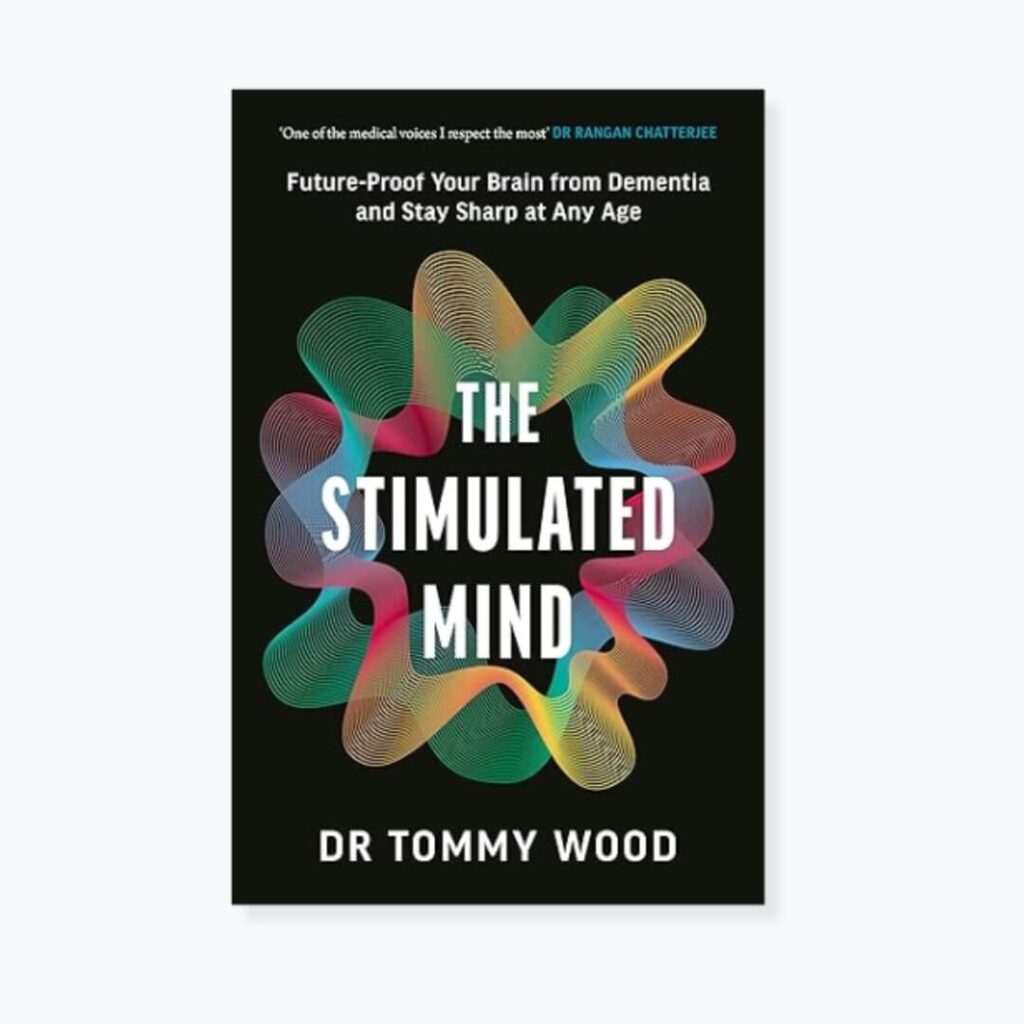
The Stimulated Mind: Future-Proof Your Brain from Dementia and Stay Sharp at Any Age

Tommy’s new book, The Stimulated Mind, is also available to pre-order now.
In it, he explores how the brain develops, adapts, and stays resilient across the lifespan, and why everyday factors such as movement, learning, sleep, nutrition, and social connection play such an important role in shaping long-term brain health.

Pre-order your copy today before the book releases on 26th March 2026.

Final thought

For many people, the challenge with brain health is not a lack of information. It is knowing where to start.

When advice comes as scattered tips, nutrients, tests, and lifestyle changes, it can feel difficult to turn good science into clear action.

What Tommy’s work offers is a framework: a way of understanding how the different pieces of brain health fit together and why small changes across several areas can have a powerful cumulative effect.

At Food for the Brain, this systems-based approach sits at the heart of COGNITION, our brain upgrade programme.

COGNITION helps you understand your personal risk factors, learn the most important steps to protect your brain, and put them into practice with guidance and support.

The programme has recently been upgraded and is now available globally for just £5 per month or £50 a year, making it accessible to anyone who wants to take their brain health seriously.

If Tommy’s lecture resonates with you, COGNITION is the natural next step.

Because protecting your brain is not about doing everything perfectly.

It is about understanding the system and taking the next right step.

Further info

The Biggest Myths About Alzheimer’s – And What the Science Actually Shows

The Biggest Myths About Alzheimer’s – And What the Science Actually Shows

The Biggest Myths About Alzheimer’s blog post image

Alzheimer’s disease is one of the most feared diagnosis of modern life. And where there is fear, myths flourish. Many of the biggest myths about Alzheimer’s have become widely accepted beliefs. We are told it is purely genetic, that it is an inevitable part of ageing, and that the main hope lies in new drugs targeting amyloid in the brain.

The science tells a far more complex and, importantly, far more hopeful story.

Myth #1 in the biggest myths about Alzheimer’s: ‘It’s all in your genes’

When Alzheimer’s runs in families, it is natural to assume destiny is fixed. Both your grandmothers had it, so you assume you will too.

Yet fewer than 1% of cases are caused by rare deterministic mutations in APP, PSEN1 or PSEN2 genes that lead to early-onset familial Alzheimer’s disease [1].

The vast majority of Alzheimer’s cases are late-onset and multifactorial. That means risk is shaped by multiple influences across a lifetime.

What about APOE4?

Celebrities like Chris Hemsworth have put the APOE4 gene on the map and into the public sphere and it is the strongest common genetic risk factor for late-onset Alzheimer’s. Having one copy increases risk; two copies increase it further [2]. But it does not determine outcome, as many APOE4 carriers never develop dementia. Many people with Alzheimer’s do not carry APOE4.

Genes influence vulnerability but they do not dictate your future.

APOE4 affects lipid transport, inflammatory signalling and neuronal repair. These processes are influenced by metabolic health, vascular function, nutrient status, sleep, stress physiology and lifestyle.

One of the most important things to remember is that gene expression is not static, as genes respond to the environment they are in.

The most important question is not necessarily ‘How do I check my genes?’ The question is ‘What environment are your genes operating in?’ Because you cannot change your genes but you can influence how they function and are expressed.

Myth #2 in the biggest myths about Alzheimer’s: ‘Nothing can be done’

This is the most damaging myth of all.

The 2020 Lancet Commission concluded that around 40% of dementia cases worldwide are attributable to modifiable risk factors [3]. The 2024 update increased that estimate to approximately 45% [4].

Nearly half of all cases.

And this is mainstream consensus. (Read more about the Alzheimer’s Prevention Expert Group’s APEG response to this recent Lancet report here).

The identified risk factors include hypertension, diabetes, obesity, physical inactivity, smoking, depression, hearing loss and social isolation. Importantly, Alzheimer’s risk is not fixed, it develops gradually over decades.

However, many researchers (ourselves included) believe even 45% may underestimate the true preventable proportion.

A large UK Biobank analysis published in the journal Nature Human Behaviour modelled a broader range of modifiable factors and estimated that up to around 73% of dementia cases could be attributable to modifiable influences [8]. Professor David Smith of Oxford University, co-author of that study, member of our Scientific Advisory Board, and lead investigator of the VITACOG trial, has suggested this may still be conservative, as certain blood biomarkers were not included in the modelling.

Whether the true figure is closer to 45% or 73%, the direction of evidence is consistent.

A large proportion of dementia and Alzheimer’s is preventable and you can modify your risk with simple changes.

Why biology supports prevention

Alzheimer’s develops through interacting processes such as impaired glucose metabolism, vascular dysfunction, inflammation and elevated homocysteine.

Raised homocysteine, reflecting impaired methylation and B vitamin status, is associated with increased dementia risk and accelerated brain atrophy [5].

In the VITACOG trial, homocysteine-lowering B vitamins significantly slowed whole-brain atrophy in people with mild cognitive impairment [6]. The benefit was strongest in those with adequate omega-3 status [7].

That is structural brain change.

(When compared to anti-amyloid drug trials, which show modest slowing of decline in already symptomatic patients, VITACOG demonstrated slowing of brain shrinkage itself in an at-risk group.)

Once significant neuronal loss has occurred, reversal is unlikely, but years before diagnosis, measurable risk is accumulating and that is where prevention has its power.

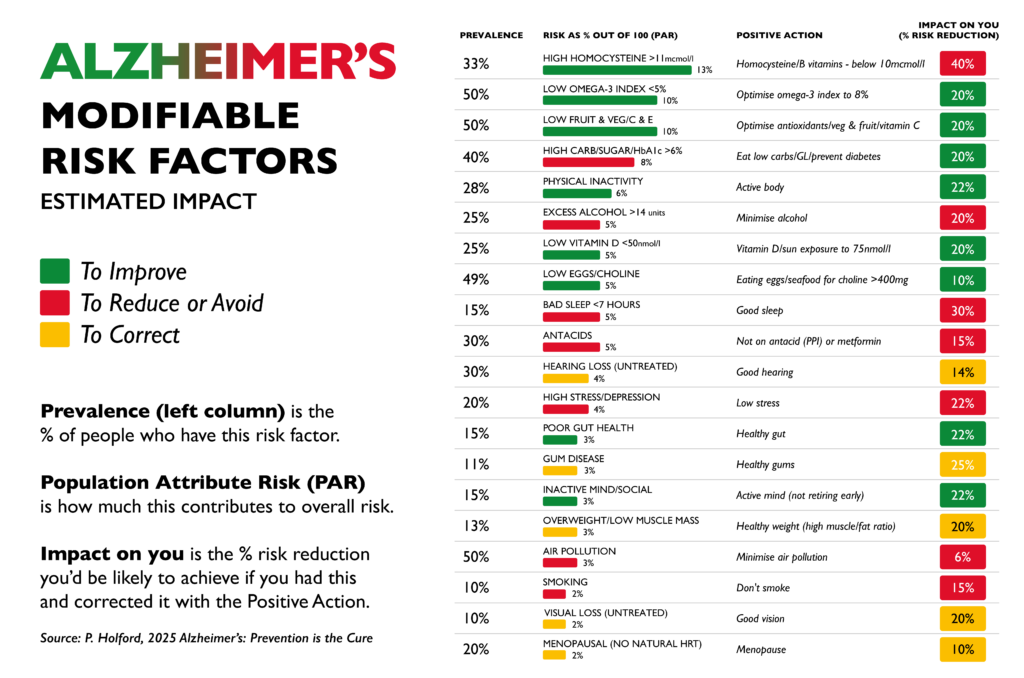
alzheimer's modifiable risks

Myth #3 in the biggest myths about Alzheimer’s: ‘It has a single cause‘

The reductionist model searches for one target and one solution.

Alzheimer’s reflects the interaction of multiple biological systems:

  • Glucose regulation
  • Vascular health
  • Lipid transport
  • Inflammation
  • Oxidative stress
  • Methylation
  • Sleep and stress regulation
  • Hormonal balance

People arrive at cognitive decline through different combinations of biological drivers. For some, insulin resistance may be central. For others, vascular stiffness and hypertension. In others, chronic inflammation and elevated homocysteine may play a key role. The destination may look similar, but the route is not.

This systems view explains why targeting one downstream marker, such as amyloid, yields modest slowing. Correcting multiple upstream drivers is biologically more plausible for meaningful long-term risk reduction.

Watch the video below to learn how Food for the Brain uses a systems-based approach.

Myth #4 in the biggest myths about Alzheimer’s: ‘It’s inevitable with ageing’

Age increases risk. However, that is only part of the story.

There are many individuals in their 80s and 90s with preserved cognition. The difference often lies in lifelong vascular, metabolic and lifestyle patterns, also known as patterns for prevention.

It is clear from what you have read so far that this is not an inevitable part of getting older. With the right knowledge and habits, it is something most people can avoid.

And that is why Food for the Brain exists, because not enough people know this and not enough people know what action they need to take to protect their brain.

A More Accurate Framework

Ageing is not the enemy. It is a privilege denied to many.

The goal is not to avoid growing older. It is to protect the brain as we do.

Alzheimer’s is not a single event. It reflects decades of interacting biological stress: metabolic strain, vascular change, inflammation and nutrient imbalance. These processes build slowly and often silently.

By the time symptoms appear, significant damage has already occurred.

The science is clear that a substantial proportion of dementia risk is modifiable [6,10]. That does not mean guarantees. It means opportunity.

You cannot change your genes and you cannot stop the passage of time.

Yet, you can influence how your brain responds to both.

And you can start today!

Gain personalised insight into your current cognitive performance and identify potential areas of vulnerability early.

Order our at-home blood test to assess homocysteine, omega-3 status, and other key markers linked to long-term brain resilience.

Our six-month brain upgrade programme provides structured guidance, accountability and expert support to help you translate knowledge into meaningful and lasting change.

Prevention is possible. It begins with measurement, and it progresses with action.

.

References
  1. Bekris LM, Yu CE, Bird TD, Tsuang DW. Genetics of Alzheimer disease. J Geriatr Psychiatry Neurol. 2010;23(4):213–27.
  2. Corder EH, Saunders AM, Strittmatter WJ, et al. Gene dose of apolipoprotein E type 4 allele and the risk of Alzheimer’s disease in late onset families. Science. 1993;261(5123):921–3.
  3. Livingston G, Huntley J, Sommerlad A, et al. Dementia prevention, intervention, and care: 2020 report of the Lancet Commission. Lancet. 2020;396(10248):413–46.
  4. Hooshmand B, Polvikoski T, Kivipelto M, et al. Plasma homocysteine, Alzheimer and cerebrovascular pathology: a population-based autopsy study. Brain. 2013;136(9):2707–16.
  5. Jernerén F, Elshorbagy AK, Oulhaj A, et al. Brain atrophy in cognitively impaired elderly: the importance of long-chain omega-3 fatty acids and B vitamin status. Am J Clin Nutr. 2015;102(1):215–21.

Further info

Why “Normal” Vitamin D Levels May Not Be Protective for Women’s Brains

Why “Normal” Vitamin D Levels May Not Be Protective for Women’s Brains

Why “Normal” Vitamin D Levels May Not Be Protective for Women’s Brains

Science now recognises Vitamin D as far more than a bone-health nutrient. Over the past decade, it has become increasingly clear that vitamin D acts as a hormone regulator, playing an important role in brain health, immune regulation and inflammation, especially when considering optimal vitamin D levels for women’s brains.

What is discussed far less, is a more nuanced question…

If vitamin D matters for the brain, how much is actually enough and do vitamin D levels differ for women?

A growing body of research links lower vitamin D status with a higher risk of cognitive decline and Alzheimer’s disease. Yet most guidance still relies on population-based “normal” ranges that were never designed to protect the brain. This raises an important prevention question for women, who already carry a higher lifetime risk of Alzheimer’s disease.

What the research shows

A systematic review and meta-analysis in 2025 by Li et al. examined the relationship between circulating vitamin D levels and Alzheimer’s disease risk across multiple observational studies (1).

The findings were consistent:

• Lower vitamin D levels link to a higher risk of Alzheimer’s disease.
• Risk increased progressively as vitamin D levels declined
• Researchers observed this association across different populations and study designs.

Crucially, the authors did not claim that vitamin D deficiency causes Alzheimer’s disease. Instead, vitamin D status appears to track biological vulnerability in the brain and reflects processes such as neuroinflammation, immune dysregulation and vascular dysfunction, all recognised contributors to cognitive decline.

This distinction matters for prevention.

Why these findings matter particularly for women

Women account for around two thirds of Alzheimer’s diagnoses worldwide. Longevity alone cannot explain this difference.

Across midlife and later life, women experience biological changes that alter how the brain responds to metabolic, inflammatory and hormonal stress. The menopausal transition is a key inflection point. Declining oestrogen and progesterone influence immune signalling, cerebral blood flow and brain energy metabolism, all of which intersect with established dementia risk pathways (3). This helps explain why midlife can be a turning point for brain health in women, even when blood test results appear “normal”.

Vitamin D functions as a hormone-like regulator, with receptors widely distributed throughout the brain and immune system. Its actions include modulation of inflammatory responses, immune balance and neuronal protection. Hormonal changes appear to influence how effectively vitamin D signalling is utilised at a tissue level. This is supported by experimental and clinical research showing interactions between oestrogen, vitamin D receptors and immune signalling, although this is not always directly measured in large population studies. In practical terms, this means that a vitamin D level considered “normal” for the general population may not confer the same degree of neuroprotection in the ageing female brain.

This does not mean vitamin D requirements are definitively higher for every single woman, or that everyone should take high-dose supplementation. Excessive intakes via supplementation over time can be harmful, which is why context, testing and appropriate dosing matter. 

Prevention works best when it’s personal, based on what’s happening in your own brain and body, not just what’s considered “normal.”

The problem with “normal” ranges for vitamin D for women’s brains

Researchers established vitamin D reference ranges primarily to prevent overt deficiency-related disease, particularly rickets and osteomalacia. They did not design these ranges to define optimal levels for long-term brain resilience.

Population reference ranges do not account for factors that strongly influence dementia risk, including:

  • Chronic low-grade inflammation
  • Insulin resistance and blood sugar dysregulation
  • Oxidative stress (see our explainer video here)
  • Hormonal transitions across midlife
  • Genetic variation in vitamin D metabolism and receptor activity

As a result, vitamin D levels that fall within the laboratory “normal” range may still exist within a biological environment that favours cumulative brain damage over time. This limitation is not unique to vitamin D. It reflects a broader problem with single-nutrient or single-cause thinking in Alzheimer’s prevention.

Vitamin D does not act alone in protecting women’s brains

Vitamin D is not an isolated lever in brain health. Low vitamin D status frequently clusters with other modifiable biological risk factors, including:

• Low omega-3 fatty acid status
• Raised homocysteine, reflecting impaired B vitamin-dependent methylation, a process essential for maintaining brain cells
• Poor blood sugar control
• Reduced antioxidant capacity, including glutathione availability

Each of these factors independently links to cognitive decline. More importantly, they interact within the brain.

Alzheimer’s disease does not arise from a single deficiency, a single gene or one pathological protein.
It reflects the cumulative impact of multiple biological systems drifting out of balance over years or decades. This is why interventions that target a single marker so often produce disappointing results.

Prevention requires a broader, systems-based view.

Once you see vitamin D in this broader context, it becomes clear why testing a single marker in isolation can only ever give partial answers.

From nutrients to prevention systems

Testing vitamin D alone can identify a deficiency, but it cannot tell you whether the brain’s key protective systems are functioning together.

A prevention-led approach asks different questions:

  • How well is inflammation being regulated?
  • Are brain cell membranes supported by sufficient essential fats?
  • Is methylation, the nutrient-dependent process that supports DNA repair, neurotransmitter balance and brain structure, functioning effectively?
  • To what extent is blood sugar quietly damaging brain neurons over time?

These are not abstract concepts.

They are measurable, modifiable drivers of dementia risk that we assess through our at-home DRIfT blood test.

A smarter way to assess brain health

Many people reading this will have been told their vitamin D is “fine”. They may spend time outdoors, eat well, and still feel tired, foggy or not quite themselves. The problem is not that vitamin D doesn’t matter. It’s that a single number rarely tells the full story.

This systems-based understanding underpins our work at Food for the Brain. It is the heart of prevention.

Prevention is not about chasing one “perfect” nutrient level or one lifestyle change. 

It is about understanding how your body works as one connected system and acting early enough to change the trajectory.

If you want to begin supporting and upgrading your brain today:

Complete the Cognitive Function Test today if you haven’t done so yet.
It is free to everyone, validated and provides personalised insights into your current brain health.

Order your at-home DRIfT blood test to assess the key biological drivers of cognitive decline, including vitamin D, omega-3, homocysteine, blood sugar control and antioxidant status. Together, these results give you the information you need to move from awareness to meaningful prevention.

References:

Further info

Why Gut Health Matters for Brain Health More Than You Think

Why Gut Health Matters for Brain Health More Than You Think

Gut Health Matters for Brain Health More Than You Think

Why Some Brains Improve and Others Don’t

Many people are doing more than ever to protect their brain. They eat well. Take supplements. Exercise. Stay mentally active.

Yet outcomes vary dramatically.

Some improve. Others stall. A few decline despite doing everything “right”.

The missing question is not what else to add, but what environment those interventions are landing in.

Cognitive decline rarely stems from one isolated failure. It emerges when the body’s internal environment no longer supports protection, repair, and resilience. This systems-based understanding underpins the work of Food for the Brain, and explains why gut health plays a central role in our COGNITION brain upgrade programme.

The terrain model of brain health

In medicine, there is a long-established principle that disease does not arise from a trigger alone, but from the biological environment in which that trigger operates. This is often described as the terrain.

From a brain health perspective, terrain includes inflammatory load, metabolic health, immune balance, nutrient availability, and cellular repair capacity. These systems interact constantly. When they stay in balance, the brain shows remarkable resilience. When they become disrupted, vulnerability increases.

Neurodegenerative conditions, including Alzheimer’s disease, are now understood to arise from multiple interacting biological pressures rather than a single pathological process. Many of these systems are shaped upstream by gut related processes.

The gut as a regulator, not a root cause

The gut is often discussed as if it were a standalone digestive organ. In reality, it plays a regulatory role in shaping systemic inflammation, metabolic function, and immune signalling.

When gut barrier integrity is compromised, bacterial components such as lipopolysaccharides can enter circulation. This process increases immune activation and drives chronic low-grade inflammation, a state strongly associated with insulin resistance and cognitive decline [1,2].

In this context, gut dysfunction is not “causing” brain disease. It is influencing the conditions in which brain protection and repair either succeed or struggle.

Why prevention struggles in an inflamed system

Brain health interventions that we talk about here at Food for the Brain do not operate in isolation. Their effectiveness depends on the biological environment in which they are applied.

This is particularly clear in nutritional research.

B vitamin supplementation has been shown to slow brain atrophy, but only in individuals with raised homocysteine levels and a metabolic environment that allows normal methylation processes to function [3]. Similarly, omega 3 fatty acids support neuronal membrane structure and signalling, yet their cognitive benefits are reduced in the presence of inflammation and insulin resistance [4].

Inflammation interferes with digestion, absorption, transport, and cellular uptake of nutrients. Pro inflammatory cytokines also impair intracellular metabolic pathways, shifting the body toward defence rather than repair. In this terrain, even well evidenced interventions may have limited effect.

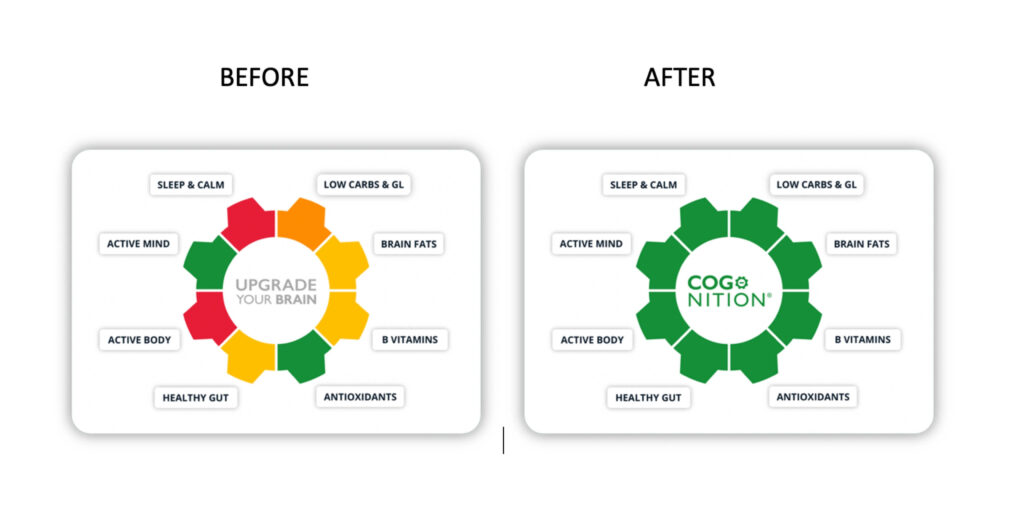
The same principle applies to lifestyle strategies. Physical activity, cognitive stimulation, and stress reduction are all protective, but their impact is blunted when inflammatory and metabolic pressures remain unaddressed. That is why in COGNITION we target all 8 modifiable nutrition and lifestyle factors, so that you are not just targeting a specific nutrient but you are changing the environment.

cognition 8 domain cogs before and after

Microbes, inflammation, and brain vulnerability

Human studies consistently show that individuals with cognitive impairment or Alzheimer’s disease have altered gut microbiome profiles alongside higher levels of systemic inflammatory markers [5].

This does not demonstrate that microbes cause dementia. What it does show is that microbial imbalance contributes to inflammatory load, which in turn increases brain vulnerability.

Over time, this vulnerability can translate into accelerated cognitive decline.

For this reason, the COGNITION brain upgrade programme actively addresses gut health as one of eight modifiable factors that influence dementia risk. Gut microbes actively shape the internal environment in ways that can either accelerate neurodegeneration or help slow it.

The metabolic bridge between gut and brain

The gut also plays a critical role in metabolic regulation.

Chronic gut driven inflammation worsens insulin resistance, reducing glucose uptake by brain cells. Impaired brain glucose metabolism is a recognised feature of cognitive decline and has led some researchers to describe Alzheimer’s disease as a form of brain specific metabolic failure [6,7].

In this model, the gut is not peripheral. It contributes upstream to the metabolic conditions that determine whether the brain can access adequate fuel to function and repair.

Again, the implication is not that gut health alone determines brain fate. It is that brain health strategies are less effective when the metabolic and inflammatory terrain is unfavourable.

Why Brain Health Advice Works for Some People and Not Others

A terrain based perspective offers something often missing from prevention conversations.

Understanding.

When people follow advice carefully and still do not improve, clinicians too often frame the explanation as lack of compliance or genetics. Systems thinking offers a different interpretation.

The tools may be appropriate but the environment may not yet support repair.

This reframes prevention as a personalised process rather than a universal checklist. Understanding an individual’s internal terrain helps identify where effort should go.

This is why Food for the Brain offers two complementary forms of assessment: the free, validated Cognitive Function Test and optional at home blood testing to assess key modifiable risk markers such as homocysteine, omega 3 status and glutathione.

The answer is not found in one nutrient

Viewing brain health through a terrain lens shifts prevention away from adding isolated solutions and toward restoring balance across systems.

The future of brain health does not lie in targeting one nutrient, one habit, or one molecule.

It lies in creating an internal environment where protection, repair, and resilience are possible.

Brains do not fail because one thing goes wrong. They decline when the terrain no longer supports them.

And that terrain forms quietly and cumulatively long before symptoms appear.

Next Steps

References:

  1. Cani PD, Amar J, Iglesias MA, Poggi M, Knauf C, Bastelica D, et al. Metabolic endotoxemia initiates obesity and insulin resistance. Diabetes. 2007;56(7):1761–72.
  2. Hotamisligil GS. Inflammation and metabolic disorders. Nature. 2006;444(7121):860–7.
  3. Smith AD, Smith SM, de Jager CA, Whitbread P, Johnston C, Agacinski G, et al. Homocysteine-lowering by B vitamins slows the rate of accelerated brain atrophy in mild cognitive impairment. Proc Natl Acad Sci U S A. 2010;107(31):14187–92.
  4. Jernerén F, Elshorbagy AK, Oulhaj A, Smith SM, Refsum H, Smith AD. Brain atrophy in cognitively impaired elderly: the importance of long-chain omega-3 fatty acids and B vitamin status in a randomized controlled trial. Am J Clin Nutr. 2015;102(1):215–21.
  5. Vogt NM, Kerby RL, Dill-McFarland KA, Harding SJ, Merluzzi AP, Johnson SC, et al. Gut microbiome alterations in Alzheimer’s disease. Sci Rep. 2017;7(1):13537.
  6. de la Monte SM, Wands JR. Alzheimer’s disease is type 3 diabetes–evidence reviewed. J Diabetes Sci Technol. 2008;2(6):1101–13.

Further info

The GL of Your Diet Determines Your Future Dementia Risk

Glycaemic Load and Dementia Risk: What the Research Shows

by Patrick Holford

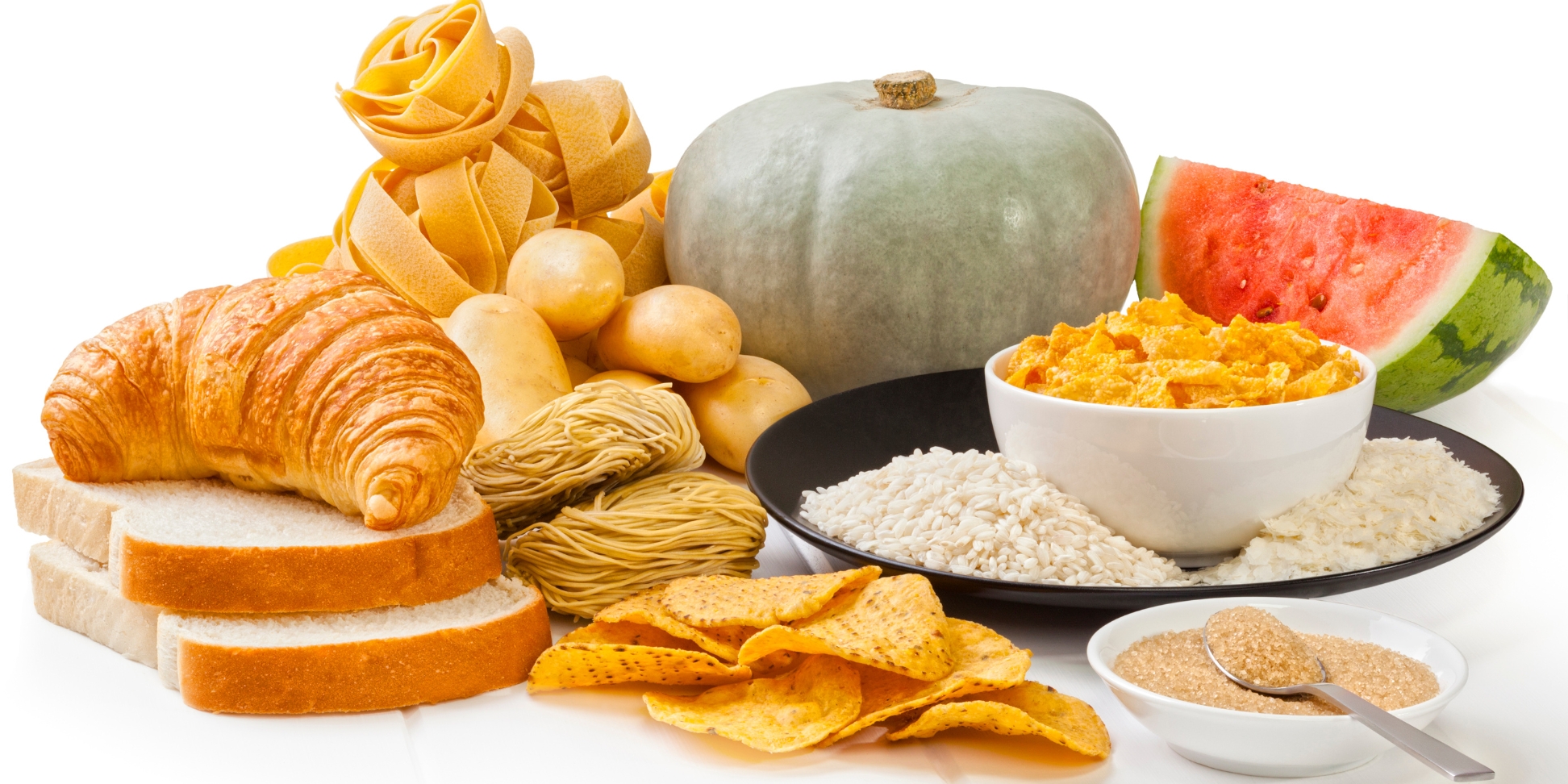
high glycaemic load diet

Why blood sugar and glycaemic load matter for brain health

A low glycaemic load (GL) diet is the first of Food for the Brain’s 8 Domains of brain health. Domain 1 focuses on supporting healthy blood glucose regulation by paying attention to both the quality and quantity of carbohydrate in the diet.

But what does the research tell us about glycaemic load and future cognitive health?

A large prospective study involving more than 200,000 UK Biobank participants investigated the relationship between dietary glycaemic index (GI), glycaemic load (GL) and subsequent dementia risk.

The researchers found that the relationship was not simply “the lower, the better”. Instead, dementia risk followed a J-shaped pattern according to dietary glycaemic load, while glycaemic index showed a different relationship.

The findings add to a wider body of research investigating blood glucose, insulin resistance and cognitive decline. Here we look at what the study found, what it can and cannot tell us, and how the findings relate to Domain 1 of Food for the Brain’s 8 Domains.

What did the study find about glycaemic load and dementia?

A 2025 study published in the International Journal of Epidemiology investigated the relationship between dietary glycaemic index (GI), glycaemic load (GL) and future dementia risk in 202,302 dementia-free participants from the UK Biobank.

Researchers estimated participants’ dietary GI and GL using 24-hour dietary questionnaires and examined their subsequent risk of all-cause dementia, Alzheimer’s disease and vascular dementia.

The relationship was not simply a case of “the lower, the better”. Instead, the researchers found a J-shaped relationship between glycaemic load and dementia risk.

Above a dietary GL of approximately 111, increasing GL was associated with a higher risk of dementia. After adjusting for potential confounding factors, GL above this point was associated with a 14.5% higher relative risk of dementia. Similar patterns were observed for Alzheimer’s disease and vascular dementia.

Glycaemic index showed a different pattern. GI values below approximately 49 were associated with a lower risk of dementia, suggesting that both the quality and quantity of carbohydrate in the diet may be important.

These findings sit within a wider body of research investigating how diet relates to brain health. Food for the Brain research into diet and cognitive function has also examined self-reported dietary patterns alongside cognitive test results, including the relationship between sugar intake and cognitive performance.

What does this research tell us?

The findings strengthen the evidence linking carbohydrate quality, overall glycaemic load and metabolic health with future brain health. They also suggest that looking only at the GI of individual foods may miss part of the picture, because glycaemic load takes into account both the glycaemic index and the amount of carbohydrate consumed.

However, this was an observational study, not a clinical trial. It can show an association between dietary GI and GL and subsequent dementia risk, but it cannot prove that a high-GL diet causes dementia or that lowering GL will prevent it. Dietary intake was also estimated using self-reported dietary questionnaires.

How This Research Supports Domain 1

Eating a low glycaemic load diet is Domain 1 of Food for the Brain’s 8 Domains of brain health.

The aim is not to eliminate carbohydrates, but to support healthy blood glucose regulation by paying attention to both the type and amount of carbohydrate eaten.

This UK Biobank study adds to the evidence linking dietary glycaemic load with long-term cognitive health. However, glycaemic load is only one part of the picture. Food for the Brain’s 8 Domains bring together modifiable areas of diet and lifestyle associated with cognitive health.

For practical guidance, including foods to choose, portion sizes, simple swaps and lower-GL meal ideas, explore Domain 1: Eat a Low Glycaemic Load (GL) Diet.

What is glycaemic load?

Glycaemic load (GL) estimates the blood-glucose impact of a food or diet by considering both the glycaemic index (GI) of its carbohydrate and the amount of carbohydrate consumed.

GI describes how quickly carbohydrate raises blood glucose. GL adds quantity to the equation, which means portion size matters too.

For practical guidance on lowering the glycaemic load of your diet, including foods to choose, simple swaps and examples of low GL meals, see Domain 1: Eat a low Glycaemic Load (GL) diet.

Blood sugar, insulin resistance and dementia: the wider evidence

The UK Biobank findings do not stand alone. A broader body of research has examined whether impaired glucose regulation, insulin resistance and diabetes are associated with cognitive decline and dementia.

Type 2 diabetes has consistently been associated with a higher risk of cognitive impairment and dementia. A systematic review and meta-analysis of 144 prospective studies found that diabetes was associated with approximately 1.25 to 1.91 times the risk of cognitive disorders, depending on the outcome studied. Higher fasting glucose, HbA1c and altered fasting insulin levels were also associated with increased risk in the studies reviewed. [3]

Importantly, the relationship may extend beyond people with diabetes. In a prospective study of 2,067 older adults followed for a median of 6.8 years, higher average glucose levels were associated with greater dementia risk among people both with and without diabetes. [4]

Insulin regulation may also be relevant. A 2004 prospective study led by researchers at Columbia University found that higher fasting insulin levels were associated with an increased risk of Alzheimer’s disease in older adults. [5]

Brain-imaging research provides another piece of the picture. A meta-analysis involving more than 31,000 participants found that type 2 diabetes was associated with smaller total brain, grey matter, white matter and hippocampal volumes, as well as greater brain atrophy over time. [6]

These findings do not establish that high blood glucose or insulin resistance directly causes dementia. Metabolic health is intertwined with cardiovascular health, body composition, physical activity, genetics and other factors. Nevertheless, the evidence provides an important context for investigating dietary glycaemic load as one potentially modifiable aspect of brain health.

How Excess Blood Glucose Can Affect the Brain

What happens if you consume far more glucose than the body needs?

A can of sugary fizzy drink contains around 35 grams of sugar. That is roughly nine times more glucose than the total amount normally circulating in your bloodstream.

This excess is toxic. It damages blood vessels and the tissues they supply. Diabetes is diagnosed precisely because excess sugar damages the kidneys, eyes and nerves. The brain is no exception.

“The brain needs more energy than any other organ, so it contains the most mitochondria. Sugar damages mitochondria,” says Professor Robert Lustig, Professor of Neuroendocrinology at the University of California, San Francisco.

What Does HbA1c Tell You About Blood Sugar?

The simplest way to assess your long term blood sugar exposure is to measure HbA1c.

HbA1c measures the proportion of haemoglobin that has glucose attached to it (glycated haemoglobin), providing an indication of average blood glucose levels over the previous two to three months. An HbA1c of 6.5% (48 mmol/mol) or above is one of the thresholds used in the diagnosis of diabetes.

Some research suggests that cognitive risk may increase at HbA1c levels below the threshold used to diagnose diabetes. For example, higher HbA1c has been associated with faster cognitive decline in longitudinal studies, while one study in adults aged 80 and over found HbA1c of 5.4% or above was associated with decline in memory function. [7,8]

HbA1c is such a strong indicator of blood sugar resilience that it is included in Food for the Brain’s 5-in-1 DRIfT home blood test kit.

What Does This Research Mean for Your Diet?

The research does not show that there is one ideal glycaemic load for everyone, or that lowering GL will prevent dementia. However, it adds to evidence suggesting that the quality and quantity of carbohydrate we eat, and their effect on blood glucose, may be important for long-term brain health.

In practical terms, a lower GL way of eating means choosing fewer refined and rapidly digested carbohydrates, while favouring foods that have a gentler effect on blood glucose, such as beans and lentils, non-starchy vegetables, whole fruits, nuts and seeds.

For practical guidance, food swaps and examples of lower GL meals, see Domain 1: Eat a low Glycaemic Load (GL) diet.

What to Do Next

If you want to put the principles of a lower glycaemic load diet into practice, there are three useful next steps.

Learn how to lower the glycaemic load of your diet.

Use practical guidance on carbohydrate choices, portions, meal combinations and lower-GL foods. Explore Domain 1: Eat a Low Glycaemic Load (GL) Diet

Test your blood sugar resilience.

HbA1c provides an indication of your average blood glucose levels over the previous two to three months. It is included in Food for the Brain’s DRIfT 5-in-1 home test, alongside other key brain health markers. If your HbA1c is elevated, diet and other lifestyle factors may form part of an appropriate strategy for improving blood glucose control.

Check how your brain is functioning now.

The free Cognitive Function Test takes around 20 minutes and provides an objective snapshot of memory, attention and processing speed.

Make changes, then retest.

Follow the recommendations for three months, then consider retesting HbA1c to track changes in blood glucose control.

Measuring relevant markers can help you track changes over time.

References
  1. Wasserman DH. Four grams of glucose. Am J Physiol
  2. Xue M, Xu W, Ou YN, Cao XP, Tan MS, Tan L, et al. Diabetes mellitus and risks of cognitive impairment and dementia: a systematic review and meta-analysis of 144 prospective studies. Ageing Research Reviews. 2019;55:100944.
  3. Crane PK, Walker R, Hubbard RA, Li G, Nathan DM, Zheng H, et al. Glucose levels and risk of dementia. New England Journal of Medicine. 2013;369(6):540–548.
  4. Luchsinger JA, Tang MX, Shea S, Mayeux R. Hyperinsulinemia and risk of Alzheimer disease. Neurology. 2004;63(7):1187–1192.
  5. Zhang T, Shaw M, Cherbuin N. Association between type 2 diabetes mellitus and brain atrophy: a meta-analysis. Diabetes & Metabolism Journal. 2022;46(5):781–802.
  6. Zheng F, Yan L, Yang Z, Zhong B, Xie W. HbA1c, diabetes and cognitive decline: the English Longitudinal Study of Ageing. Diabetologia. 2018;61:839–848.
  7. Katsumata Y, Todoriki H, Higashiuesato Y, et al. Metabolic Syndrome and Cognitive Decline Among the Oldest Old in Okinawa: In Search of a Mechanism. The KOCOA Project. Journal of Gerontology: Medical Sciences. 2012;67(2):126–134
Further info

‘Don’t Waste Your Money on Supplements’

‘Don’t Waste Your Money on Supplements’

By Patrick Holford

How often have you read this phrase from supposed experts, apparently described as “based on science”? It usually comes from “foodies” who believe that you can get all the nutrients you need from a well-balanced diet. I found an example of this in a recent book by Professor Tim Spector, who dismisses the need for vitamin C or vitamin D supplementation.

I will deal with what the science and relevant studies actually show, especially regarding supplements that are claimed to help prevent cognitive decline. But first, let’s look more deeply at the mindset behind such claims.

The idea that we can get all the nutrients we need from food makes intuitive sense. Underneath this lies the belief that we evolved to grow and survive using the nutrients available in food. Darwin reached a similar conclusion when he argued that “the conditions of existence” were the main driving force in evolution.

Our Ancestors Ate Differently, Ate More, And Had Larger Brains

Extending this logic, consider the period of prehistory when hominid brain size grew steadily, culminating in Homo sapiens brain size (calculated from skull size) of almost 1,700 grams, circa 20,000 to 30,000 years ago. It has since shrunk by about 20% to today’s average brain size of less than 1,350 grams. So it is equally logical to ask: what has changed in our “conditions of existence” to result in our shrinking brains? If what we were eating over 20,000 years ago was closer to optimal, and what we eat now is often pathological, what are the main differences?

The first difference is the quantity of food. Today the average person expends roughly 200 to 400 calories a day on physical activity, compared to 600 to 1,200 calories per day for our ancestors; at least three times more than the average modern adult. They had to eat around three times as much as us, just to maintain weight. So even if we ate the same foods with the same nutrient density, we would still be more likely to fall short. But of course today’s food is often less nutrient-dense as well.

A simple, far less “prehistoric” illustration is a comparison of the diet of mid-Victorian workers. A study in the Journal of the Royal Society of Medicine found that the nutrient intake of a mid-Victorian worker, while not necessarily constituting an “optimal” diet, had a far higher intake of vitamins, minerals and essential fatty acids than we do today. They concluded that this “constitutes a persuasive argument for a more widespread use of food fortification and/or food supplements” to make up the difference. (1)

Marine Food And Brain Development

So which nutrients that were abundant in our ancestors’ diets are widely missing now? The starting point has to be marine food. Early humans had to migrate and live along the water’s edge for basic survival. Rivers, estuaries, swamplands and coasts would have provided a plentiful supply of marine foods, rich in both omega-3 and phospholipids such as choline, plus vitamin D, vitamin B12, selenium, zinc and iodine: all completely essential for brain development. Nutrient-dense foods such as molluscs, crustaceans and small fish caught in rock pools were also highly accessible. For gatherers, most likely women, these “fruits de mer” were rich pickings, and since brain development happens largely during pregnancy, maternal nutrition was especially crucial.

There is also the “aquatic” or “waterside ape” hypothesis promoted by brain researcher Professor Michael Crawford, and discussed widely in popular science. Support for this hypothesis includes an analysis of the diet of a 40,000-year-old Homo sapiens discovered in a cave on the coast of South Wales. Based on bone analysis, it has been estimated that at least 20% of this individual’s diet was marine food. Considering their much higher level of physical activity, roughly half of a modern diet would need to consist of marine food in order to achieve an intake of nutrients equivalent to that consumed during the period when the brain of Homo sapiens reached its largest size.

In short, it is hard to explain human brain evolution without abundant omega-3, choline and vitamin B12, alongside a high intake of folate from plants (previously all organic).

Omega-3 & Choline

Omega-3 DHA, which is primarily found in marine foods, is a keystone nutrient for brain structure and function. Typical modern intake is often very low. The optimal intake for brain health and dementia prevention may be as much as 1,000 mg a day. The lowest risk of several diseases occurs with around 2,000 mg of omega-3 (both EPA and DHA). This kind of intake is entirely consistent with an ancestral diet rich in marine food, but it is not so easy in the average diet today without eating marine foods almost every day, which would also help provide enough choline.

The average intake of choline for women is just 278 mg, and it is even lower in vegans or those who don’t eat fish, which is expensive for those on lower incomes. To achieve an optimal intake from food alone, one would need to eat several eggs or frequent servings of fish or other marine foods most days of the week. This is unrealistic for many people.

Let’s test this from a different angle, using studies examining intakes of these nutrients and their effects on brain health, including risk of cognitive decline.

Take choline, which is richest in marine food, eggs and organ meats. A study of 125,000 people followed over 12 years, using UK Biobank data and published in the American Journal of Clinical Nutrition, found a relationship between higher dietary intake of choline and reduced dementia risk, with greatest benefits around 400 mg a day. Risk for Alzheimer’s was also lowest around this level of intake. (2)

Vitamin B12 And The “Brain Shrinking Zone”

Why current B12 reference ranges miss dementia risk

Then there is vitamin B12, found only in foods of animal origin, and especially in marine foods and eggs. When you correctly define sufficiency (and its counterpart, deficiency) as optimal health and minimal disease risk, including dementia risk, it becomes clear that many older people need up to 500 mcg of B12 to normalise serum B12 above 500 pg/ml and to keep homocysteine below 10 µmol/L. Roughly half of those above 60 fail to meet these thresholds.

Accelerated brain shrinkage occurs below 500 pg/ml, as established by Professor David Smith’s research at Oxford University more than a decade ago. This is why several countries, such as Japan, set the “normal” range for serum B12 as above 500 pg/ml. Despite clear evidence over the past decade, both UK and US health authorities have failed to correct the reference range for vitamin B12, which is set at less than half this, namely around 180 pg/ml. (3)

Absorption, ageing, and how to know if you need more

A recent study of 3,000 EU children reported that the median B12 level was 347 pg/ml and one third were below 200 pg/ml. (4) This means that many children are already in the risk zone, and deficiency is more prevalent in vegan children. In older adults the problem is compounded by poor absorption, made worse by antacids, since stomach secretions are required to absorb vitamin B12. Hence, those taking PPI antacids such as omeprazole for more than 4.4 years have a 30% increased risk of dementia. (5) There is no realistic way for many older adults to achieve these required intakes of B12 from diet alone.

How do you know what you need? I recommend testing homocysteine, which tells you whether you are in the brain shrinkage risk zone above 10 µmol/L, or testing serum B12 and ensuring it is above 500 pg/ml, then supplementing accordingly with vitamin B12 or, better still, a homocysteine-lowering formula if levels fall outside the ideal range.

Vitamin D: Supplementation Is Essential In Winter Months

Vitamin D, also found in marine foods, is insufficient for a third of the year due to lack of synthesis from sunlight acting on the skin, if you rely solely on diet. A recent scientific report states: “Vitamin D3 plays a pivotal role not only in bone health but also in the functioning of the nervous system, particularly in the context of age-related neurodegenerative diseases such as Alzheimer’s disease, multiple sclerosis, and Parkinson’s disease.” (6)

Vitamin D Levels, Brain Health and Dementia Risk

Cognitive decline is far more likely if vitamin D is low, and Alzheimer’s risk is lower when levels are higher. In one large study, those who supplement vitamin D had a lower incidence of dementia. (7) Anyone who implies you can still get enough from food in winter is less enlightened than the UK Government, who recommend everyone supplements vitamin D from October to March.

Why Testing and Target Levels Matter in Winter

Vitamin D’s protective effect depends on your blood level. I supplement 800 IU in the summer months and 3,000 IU daily in the winter months. However, the true indicator is whatever keeps my blood vitamin D level above 75 nmol/L (30 ng/ml). Bear in mind that I also eat oily fish and make a point of getting at least 20 minutes of sun exposure a day in summer months, plus a winter holiday in the sun. Factors such as darker skin, excess weight, low fish intake or low sun exposure increase your needs. That is why we recommend testing vitamin D, ideally as winter approaches and again towards the end of winter, so you know you are on track with supplementation.

A recent Chinese study published earlier this year on women over 100 found those in the highest quarter for vitamin D had an 87% reduced risk of dementia compared to those in the lowest quarter. (8) Risk was lowest in those with a blood level above 73.5 nmol/L (29.3 ng/ml). This is remarkably consistent with levels associated with benefits for bone health, immunity and many other outcomes. It is also the level our scientists set to achieve “green” on the DRIfT test. The vast majority of people in the western world do not reach this level.

Vitamin C: An Essential Brain And Body Nutrient

This essential vitamin is produced by almost all animals but not humans. Guinea pigs also do not make it, which is why they became an experimental animal of choice: they share our vulnerability. We are dependent on vitamin C for many functions in the body, and thousands of studies support its roles, including as a key antioxidant, as a maker of collagen, and as a vital nutrient for immunity.

Why vitamin C is repeatedly underestimated

Yet I still read so-called experts who claim vitamin C “does nothing” for colds, cancer or anything else. Are they simply not reading the science? In very high intravenous doses, it has been used in some hospital settings, including trials in critical illness. Additionally, there are examples of trials in cancer therapy, such as a randomised trial of pharmacological ascorbate alongside chemotherapy which reported improved outcomes in metastatic pancreatic cancer. (9)

If you look at recent reviews, you’ll see statements like these:

“Mounting evidence indicates that vitamin C has the potential to be a potent anti-cancer agent when administered intravenously and in high doses.” (10)

“Supplementation with vitamin C appears to be able to both prevent and treat respiratory and systemic infections… treatment of established infections requires significantly higher (gram) doses.” (11)

Yet we still see claims that vitamin C does nothing for colds. One survey asked people if they took vitamin C and found no difference in incidence of COVID between those who did and did not supplement. But why would it? Vitamin C does not necessarily prevent infection. What it does, especially in higher doses upon infection, is support immune function and may reduce symptom severity and duration.

Even the critical comments in the media often refer to the meta-analysis of cold studies by Professor of Public Health Dr Harri Hemilä in Finland. What he actually concludes is that vitamin C shortens cold duration, with dose-response effects reported in some controlled trials, and evidence of reduced pneumonia risk in certain contexts. (12)

Vitamin C, dose, and long-term brain health

I take 2 grams a day. This is consistent with what many primates achieve in the wild. We struggle to get 100 mg from food alone, a fraction of what our biology seems designed to handle.

Vitamin C also appears relevant to dementia risk. In observational research, vitamin C (especially alongside vitamin E) has been associated with lower risk of cognitive decline and Alzheimer’s, and evidence reviews have included vitamin C and E among “grade 1” prevention factors in large-scale evidence mapping. (13,14)

Supplements Are Necessary For Good Health

Why deficiency-based nutrition targets are no longer fit for purpose

In conclusion, Professor David Smith, former Deputy Head of the Faculty of Medical Science at Oxford University, and I drafted this statement on supplements for Food for the Brain:

‘The conventional view regarding nutritional supplements is that they are largely unnecessary if a person eats a “well-balanced diet”. This is based on recommended intakes (RDAs, RNIs) designed to prevent classical symptoms of deficiency, such as scurvy in the case of vitamin C. Blood levels of nutrients that prevent classical deficiencies are then extended to imply that a person has sufficient nutrient status if they are above these levels.

But there is abundant evidence that levels above those used to define “deficiency” may be associated with better outcomes, and these levels define a zone of “nutritional insufficiency”. There is also a growing body of evidence from well-designed studies on specific diseases showing that supplements providing nutrients beyond basic RDAs can delay, reduce or ameliorate symptoms, and that risk often reduces steadily as nutrient status rises beyond arbitrary cut-offs.

Redefining sufficiency through disease risk and biological individuality

This illustrates that the definition of “deficiency” is outdated. Deficiency means a lack of efficiency. If deficiency, and its counterpart sufficiency, were to be defined as the level of a nutrient that reduces symptoms or lowers disease risk, that definition is scientifically supportable and takes into account biochemical individuality, including genetics, environment, the microbiome and an individual’s ability to absorb nutrients.

At Food for the Brain, our overarching principle is scientific integrity: consistency with the prevailing science. We share that growing body of knowledge in a way that enables people to restore, maintain, and improve mental health.

What To Do Next?

1. Get guidance, not guesswork

If you want ongoing support, the simplest place to start is by becoming a FRIEND of Food for the Brain. For £50 a year, you get access to our full programme of free education webinars and monthly group coaching. You also get access to the COGNITION programme. This programme is designed to help you turn evidence into practical, lasting habits. It is guidance you can trust, rooted in science. It is delivered with the support of a community working towards the same goal: better brain health for all.

2. Test your brain health with a validated tool

One of the most powerful free resources we offer is the Cognitive Function Test. The test is a validated, research-backed way to check how your brain is functioning right now, across key cognitive domains.

It provides a meaningful baseline. It also helps track change over time, and can highlight where nutrition and lifestyle support may be most needed. If you want to understand your brain health before symptoms appear, this is the place to begin.

3. Take supplements, but test first

Many people take supplements with good intentions but no real clarity about whether they are helping. This is where DRIfT comes in.

DRIfT allows you to measure key brain-related biomarkers. You can see whether what you are taking is actually working, and where your priorities should lie. Instead of guessing, you can focus on what your brain genuinely needs, based on objective data.

References:

  1. P. Clayton, J Rowbotham, ‘An unsuitable and degraded diet? Part one: Public health lessons from the mid-Victorian working class diet’. Journal of the Royal Society of Medicine 2008: 101: 282–289. DOI 10.1258/jrsm.2008.080112; also see P. Clayton, J Rowbotham, ‘An unsuitable and degraded diet?. Part two: Realities of the mid-Victorian diet’ Journal of the Royal Society of Medicine 2008: 101: 350– 357. DOI 10.1258/jrsm.2008.080113
  2. Ying-ying Niu, Hao-yu Yan, Jian-feng Zhong, Zhi-quan Diao, Jing Li, Cheng-ping Li, Lian-hong Chen, Wen-qi Huang, Miao Xu, Zhi-tong Xu, Xiao-feng Liang, Zhi-hao Li, Dan Liu. Association of dietary choline intake with incidence of dementia, Alzheimer disease, and mild cognitive impairment: a large population-based prospective cohort study. The American Journal of Clinical Nutrition, Volume 121, Issue 1, 2025, Pages 5-13, ISSN 0002-9165, https://doi.org/10.1016/j.ajcnut.2024.11.001
  3. Smith AD, Refsum H. Do we need to reconsider the desirable blood level of vitamin B12? J Intern Med. 2012 Feb;271(2):179-82. doi: 10.1111/j.1365-2796.2011.02485.x. Epub 2011 Dec 11. PMID: 22092891.
  4. Kara İS, Peker NA, Dolğun İ, Mertoğlu C. Vitamin B12 Level in Children. J Curr Pediatr. 2023 Aug;21(2):127-134. doi:10.4274/jcp . 2023.75688.
  5. Cumulative Use of Proton Pump Inhibitors and Risk of Dementia: The Atherosclerosis Risk in Communities Study. Carin Northuis, Elizabeth Bell, Pamela Lutsey, Kristen M George, Rebecca F. Gottesman, Tom H. Mosley, Eric A Whitsel, Kamakshi Lakshminarayan, Neurology Aug 2023, 10.1212/WNL.0000000000207747; DOI: 10.1212/WNL.0000000000207747
  6. Pietruszkiewicz J, Mrozek K, Zwierz M, Wińska A, Suprunowicz M, Oracz AJ, Waszkiewicz N. The Neuroprotective Potential of Vitamin D3. Nutrients. 2025 Oct 12;17(20):3202. doi: 10.3390/nu17203202. PMID: 41156455; PMCID: PMC12566728.
  7. Ghahremani M, Smith EE, Chen HY, Creese B, Goodarzi Z, Ismail Z. Vitamin D supplementation and incident dementia: Effects of sex, APOE, and baseline cognitive status. Alzheimers Dement (Amst). 2023 Mar 1;15(1):e12404. doi: 10.1002/dad2.12404. PMID: 36874594; PMCID: PMC9976297.
  8. Li Y, Wang X, Yu M, Wang F, Song D, Liu M,Liang X, Liu H, Liu J, Fu S and Liu X (2025). The relationship between vitamin D levels and Alzheimer’s disease risk: insights from a centenarian study of Chinese women. Front. Nutr. 12:1628732.doi: 10.3389/fnut.2025.1628732
  9. Bodeker KL, Smith BJ, Berg DJ, Chandrasekharan C, Sharif S, Fei N, Vollstedt S, Brown H, Chandler M, Lorack A, McMichael S, Wulfekuhle J, Wagner BA, Buettner GR, Allen BG, Caster JM, Dion B, Kamgar M, Buatti JM, Cullen JJ. A randomized trial of pharmacological ascorbate, gemcitabine, and nab-paclitaxel for metastatic pancreatic cancer. Redox Biol. 2024 Nov;77:103375. doi: 10.1016/j.redox.2024.103375. Epub 2024 Oct 2. PMID: 39369582; PMCID: PMC11491967.

Further info

Dry January for Your Brain: A Lighter, Clearer Start to the Year

Dry January for Your Brain: A Lighter, Clearer Start to the Year

Dry January

Dry January arrives with its usual mix of good intentions and side-eye, but beneath the trend is a surprising truth: your brain loves this month more than you think.

That’s because January quietly offers something modern brains rarely get the rest of the year: a drop in oxidative stress and a chance for your natural repair systems to catch up.  It’s a pause that lowers the background “noise” created by alcohol and allows your natural calming chemistry to rise back to the surface.

Many people start Dry January thinking about their liver or their waistline. But the strongest benefits often happen behind the scenes, in the place that governs mood, memory, sleep, and stress resilience.

That’s where the real benefits begin to show.

Dry January for Your Brain: Why the Benefits Show Up So Fast

Alcohol works on the same calming pathway your brain uses to wind down naturally. It boosts GABA, the neurotransmitter that quietens the nervous system. That lovely “first sip exhale” comes from this temporary GABA boost. You can learn more about GABA here. 

But your brain is clever. To compensate, it gradually nudges up adrenaline and turns the GABA dial down. This is why the glass that once relaxed you, can start to make you feel restless or wakeful later in the night.

And there’s more happening beneath the surface:

  • Alcohol increases oxidative stress inside neurons, largely because its metabolism produces acetaldehyde. This compound generates reactive oxygen species and increases neuronal damage (1).
  • It also places extra pressure on glutathione, the molecule the brain relies on for detoxification and repair. Chronic alcohol exposure is associated with reduced glutathione levels and impaired antioxidant capacity in the brain (2).
  • The hippocampus is particularly affected. This memory and mood hub is vulnerable to long term strain, and higher alcohol intake is linked to reduced hippocampal volume even at moderate levels (3).
  • Alcohol also disrupts sleep quality, especially REM cycles, which are crucial for cognitive repair. While alcohol initially sedates, it later fragments sleep architecture through a rebound in adrenaline and cortisol.

Read more about how alcohol impacts your brain here.

These are some of the core drivers of long term cognitive ageing. When they ease up, even for a short period, the brain begins to function more cleanly and calmly.

For this reason, so many people report that a couple of no or low alcohol weeks in January give them clearer thinking, steadier mood, and deeper sleep.

Two Brain Friendly Drinks for Your January Wind Down

With that in mind, here are two great recipe options to help you reduce your alcohol intake while still enjoying a wind down ritual. If you want more brain friendly recipes this year, make sure you subscribe to the Upgrade Your Brain Cook App.

The Classic Gin Rickey

Zero alcohol, zero sugar, 100 percent January friendly

Pomegranate–Basil Spritz

Bright, Uplifting and Polyphenol-Rich

Serves: 1
Prep time: 2 minutes
GL per portion: 0 to 1 (negligible, no added sugar)

Ingredients
• 1 measure of alcohol free gin
• Soda water
• Ice
• 6 frozen cranberries
• Mint and or a sprig of rosemary
• Juice of half a lime, plus a slice for garnish
• Optional: a few drops of orange bitters

Instructions
1. Fill a tall glass with ice and scatter in the frozen cranberries.
2. Add the alcohol free gin.
3. Top with soda water.
4. Add the lime juice, a lime slice, and fresh herbs.
5. Swirl gently and enjoy.

It takes 60 seconds to make and tastes like a fresh start.

Serves: 2
Prep time: 5 minutes
GL per portion: 6

Ingredients
• 125 ml pomegranate juice (100 percent, unsweetened)
• 250 ml sparkling water
• Juice of half a lime
• 4 fresh basil leaves
• 2 cucumber ribbons
• Ice

Instructions
1. Add the basil and lime juice to a jug and gently muddle to release the oils.
2. Pour in the pomegranate juice and sparkling water.
3. Stir, add the cucumber ribbons, and serve over ice.

Nutritional highlights
• A natural source of vitamin C, polyphenols, and plant nitrates to support circulation.
• Offers a gentle lift through dopamine supporting compounds found in pomegranate and fresh herbs.

Cook’s notes
Diluting the juice keeps sugars moderate without losing impact. Mint works beautifully in place of basil if you prefer a cooler, sharper flavour.

Want to go deeper?

If you want deeper support for your brain this year, there are three simple steps you can take.

  • First, measure the things that matter. The DRIfT 5 in 1 at home blood test gives you a clear picture of the nutritional and metabolic factors that influence long term brain health. It is one of the most effective ways to understand your personal risk and what to do next.
  • Third, take the free Cognitive Function Test. It provides an objective snapshot of how your brain is performing right now and helps you track your progress over time.

References:

  1. Zakhari S. Overview: how is alcohol metabolized by the body? Alcohol Res Health. 2006;29(4):245-54. PMID: 17718403.
  2. Das SK, Vasudevan DM. Alcohol-induced oxidative stress. Life Sci. 2007;81(3):177-87. PMID: 17570440.
Further info

Welcome to 2026 – The Year of the Alpacalypse

Welcome to 2026 – The Year of the Alpacalypse

by Patrick Holford

alpacalypse image

The Global Brain Health Crisis and Why 2026 Matters

Down here at Fforest Barn Mountain Retreat we are awaiting the arrival of Buddy, our new alpaca, joining Tommy Gun, Food for the Brain’s lucky mascot, along with Vincent, Oran and Winston “the Wolf” Moondance, born on a full moon. This year we are expanding and consolidating our beyond organic food growing, applying all the principles I have learned about health to plants. If you would like to understand these principles, watch the lecture I gave for the BioNutrient Food Association, entitled “As Below So Above”, which explains the five fundamental principles of health of and the basis of my new book The Five Health Essentials.

It was great having the whole Food for the Brain team here on the farm to brainstorm how to make the world a better place. Check out this film for a glimpse.

The apocalypse allusion is deliberate. The cost of dementia, most of which is Alzheimer’s, is untenable. China expects soon to face a trillion dollar annual bill if nothing radical changes to prevent this cerebral tsunami. Brain disorders already cost more than cancer and heart disease combined. Brain health and nutrition must be top of the healthcare agenda if we are to avoid costs that will destabilise economies and families worldwide.

The Design Problem in Modern Healthcare

As I see it, two fundamental problems need solving: corruption and design. 

By design I mean having a workable model for healthcare, economics and ecology that functions effectively at scale. In other words, a way of living that supports human health, not undermines it.

I am excited about what we are doing at Food for the Brain because it provides a realistic model for prevention at scale. It is a new paradigm based on systems-based science, not reductionism, and it goes straight to people, to Citizen Scientists, without relying on the corrupted middle layer of healthcare bureaucracy. Watch my six-minute systems-based film for a deeper explanation.

Alpacalypse and the Coming Crisis in Preventive Healthcare

What we are doing for Alzheimer’s prevention can be applied to all major 21st-century disease epidemics, from cancer to diabetes. This spring I will be in Algeria, where the Health Minister is considering integrating this approach into national healthcare. I then head to China to present at a major Alzheimer’s prevention conference. Next week I am speaking to influential CEOs in the US who have the power to scale this globally.

Knowing what works is one thing. Doing it is another. Corruption for profit, in other words greed, is the major drag factor blocking this inevitable paradigm shift. It sickens me that prevention of such a devastating condition, one that robs people of their memories until they die not knowing their own children, is actively blocked to preserve profit from hypothetical, clinically ineffective medication.

The layers of corruption within medical science, academic journals, PR systems and the networks that keep authority figures aligned run deep. The only solution is to keep telling the truth and exposing the lies. Shortly before Linus Pauling died, I filmed him discussing his brilliant lipoprotein(a) hypothesis in heart disease. He advised me to “follow the logic” to find the truth and not to worry about randomised controlled trials; they come later.

The selective use of meta-analyses, which combine chosen RCTs, has become a mechanism to generate pharma gold, not clearer science. A classic example is The Lancet Commission on Dementia Prevention report in 2023, which purposely ignored homocysteine-lowering B vitamins and omega-3 (Read more about that here). In combination, these are the single most evidenced, substantial and easily implemented means to cut Alzheimer’s risk by at least a third. That omission is corruption: following the money, not the logic.

Citizen Science as a Scalable Solution to Dementia Prevention

This is why supporting Food for the Brain matters. Becoming a Friend and encouraging those you know to take the Cognitive Function Test strengthens the COGNITION Biobank, which enables true prevention research at scale. I predict that by the end of 2026, this will be the largest dementia prevention research database in the world. My colleagues in China want to test 18 million people over the age of 60.

If you are looking for a New Year’s resolution, I suggest becoming a Citizen Scientist in heart, mind and action. How? 

  • Take the Cognitive Function Test here and tell everyone you know to do it!
  • Become a Friend – Join over 2,000 members to access monthly coaching and webinars and support this important movement.

(For those with children, see foodforthebrain.org/smartkids)

Despite everything mentioned, there is so much possibility and hope. And it doesn’t need to be overwhelming, avoid sugar as much as possible. Invest in high-quality food, because it becomes you. Take your supplements every day. Walk at least 5,000 steps a day, ideally 7,000. The most important aspect is to take regular positive actions in your own health journey.

A New Year Call to Action for Citizen Scientists

2026 offers a turning point. Prevention is entirely achievable if people are given truthful education, accessible tools, and a model of change rooted in systems thinking rather than narrow, profit-driven science. 

You can make powerful choices that protect your future and the generations to come.

Wishing you a Happy Christmas and a Healthy New Year.

Patrick Holford.

Founder of the Food for the Brain Foundation and the Institute for Optimum Nutrition,  Chair of the Scientific Advisory Board

Further info

From Awareness to Action: A Year of Progress in Dementia Prevention (A Letter From Emma – our CEO)

From Awareness to Action: A Year of Progress in Dementia Prevention

A Letter from Emma – Our CEO

This has been a landmark year for Food for the Brain, a year in which our work moved from ambition to acceleration. I am reminded of this shift every time I hear from individuals and families whose lives are quietly changed by prevention. Earlier this year, Nisha told us she had been struggling with her memory and felt genuinely worried about what it might mean for her future. She took the DRIfT blood test and discovered her omega-3 levels were extremely low, even though her vitamin D and HbA1c were in good shape.

She began targeted nutritional changes and, within a few months, noticed her memory improving. The results gave her confidence and direction. Instead of fearing where things were heading, she felt she had a practical route to protect her brain health. For Nisha and her children, that shift was life-changing. As she put it: “What you’ve done with Food for the Brain is on another level.”

Stories like Nisha’s remind us that prevention is powerful. With the right knowledge at the right time, people can change their cognitive trajectory long before disease ever takes hold.

Impact You Can See and Measure

This has been our most expansive year yet.
We reached new ground and new communities at a scale we have never seen before.

  • 470,000 people have now taken the Cognitive Function Test, turning a simple twenty-minute assessment into a global source of agency and early action.
  • 134 new countries took part this year, extending our reach into communities we could never have reached on our own.
  • We translated the Cognitive Function Test into 7 more languages, ensuring prevention becomes accessible, not just aspirational.

Most importantly, 200,000 individuals have now taken direct action to protect their brain health.

Education powers this progress. Over the last twelve months, we delivered more than 5.7 million moments of evidence-based brain health education, helping people understand how to protect and improve their cognitive future. These small moments accumulate into meaningful change.

Strengthening the Organisation for Scale

When I stepped into the CEO role a year ago, my priority was to build the operational backbone needed for the scale we knew was coming. This work is less visible from the outside, but it is the reason we were able to secure Innovate UK support, progress major scientific partnerships and prepare for international expansion. Step by step, we are becoming the sustainable, resilient and science-driven organisation this field needs.

Advancing Our Scientific Position

The appointment of Dr Tommy Wood, Associate Professor of Neuroscience at the University of Washington, as our Head of Research has been pivotal. Under his leadership, our scientific direction has sharpened into a clear and ambitious programme. Over the past year, we have advanced from holding one of the richest prevention datasets in the world to building a strategic roadmap that strengthens and validates it. Our research team is now refining the Dementia Risk Index with greater precision and clarifying the role of nutritional biomarkers in tracking and modifying future dementia risk.

This work reinforces what sets us apart. We are the organisation connecting cognition, lifestyle patterns, biomarkers and long-term outcomes at population scale, with prevention at the centre. That distinction is now recognised across academic and clinical communities.

Growing Recognition and Influence

This year brought a marked shift in how others see Food for the Brain. Universities, healthcare providers, digital health innovators and international research groups actively sought partnerships. We were invited to contribute, teach and shape the public conversation on dementia prevention in ways that would have been unthinkable only a few years ago. The Innovate UK award marked an important milestone, reflecting the relevance of our work to UK innovation and health system priorities

Looking Ahead – My Vision

We are moving out of the era of small charity innovation and into the era of national leadership. And we are only just getting started.

The year ahead will see us drive toward one million Cognitive Function Tests, expand DRIfT testing, host a global Alzheimer’s Prevention Conference with top researchers, reach more families and children through Smart Kids, increase accessibility for vulnerable communities and progress the work needed for healthcare integration. This is how we bring prevention from the margins of the healthcare system into the mainstream.

My vision is clear.

Food for the Brain will lead a global movement that proves dementia is not inevitable and will empower millions to protect their brains for life.

Philanthropic support plays a vital role in accelerating our impact. If you are in a position to support this next phase of growth through partnership, advocacy or donation, I would be delighted to connect.

With Heartfelt Thanks

To our trustees, scientific advisors, academic partners, FRIENDS, generous donors, volunteers, phenomenally brilliant team members, and the growing community of Citizen Scientists who trust us with their cognitive future – thank you! Your belief fuels our progress, and your partnership directly shapes what we can achieve.

And finally, a personal thank you to Patrick Holford, our founder, whose vision created the foundation on which we now stand and who is now involved in taking our message globally. It is a privilege to lead Food for the Brain into this next chapter, building on the legacy Patrick has created and expanding it into this new era of scientific and global impact.

Together, we are proving what is possible. And it is together that we are protecting brain health and transforming the future for families and society.

Best wishes,

Emma George
CEO, Food for the Brain Foundation

—

Want to join us?

We couldn’t do without our FRIENDS or without those who contribute to our Citizen Science. Here are three ways you can be part of the movement:

  • Check your brain health: Take the free Cognitive Function Test and spot risk early, while change is still possible.
  • Turn insight into action: The DRIfT 5-in-1 test shows which nutritional and metabolic factors matter most for your brain. No guesswork. No wasted effort.
  • Help scale prevention: Become a FRIEND and support independent research, education and global action on dementia prevention.
Further info

The Midlife Biomarker Proven to Drive Alzheimer’s – And How to Bring It Down

The Midlife Biomarker Proven to Drive Alzheimer’s – And How to Bring It Down

Homocysteine is one of the few Alzheimer’s risk factors that is causal and modifiable, and it often begins rising in midlife, making it a valuable Alzheimer’s biomarker to monitor.

It is the only measurable Alzheimer’s risk factor where lowering it has been shown to slow the disease process itself. When homocysteine rises, the brain shrinks faster. When it is lowered with the right nutritional support, shrinkage slows and thinking skills stabilise [1][3][4].

Yet despite decades of evidence, most people have never been told to test it. Most health systems never mention it at all.

This matters because homocysteine begins to rise years before symptoms develop. It gives us a glimpse into the future health of the brain long before memory changes appear. And midlife is the moment where this shift becomes easiest to detect and easiest to change. Far from being the start of inevitable decline, it is a powerful opportunity for prevention.

What Is Homocysteine and Why Does the Brain Care?

Homocysteine is a natural amino acid produced during methylation, the process the body uses to build and repair cells, process toxins, create neurotransmitters and maintain healthy brain tissue. When methylation runs smoothly, homocysteine stays low. When the system struggles, homocysteine rises.

Elevated homocysteine affects the brain in several ways:
• It accelerates shrinkage of the hippocampus, the brain’s memory centre [3].
• It increases oxidative stress and inflammation [1].
• It injures small blood vessels, increasing microvascular damage seventeen-fold [2].
• It disrupts the formation of neuronal membranes [1].

These are not abstract processes. They are part of the biology that leads to cognitive decline.

Homocysteine is therefore both a predictor and a causal contributor to these mechanisms. Scientists use the word causal when lowering a factor has been shown to change the underlying disease process. Homocysteine meets this definition because reducing it slows brain shrinkage and slows cognitive decline, which no amyloid-targeting drug has yet achieved [1][3][4].

Why Homocysteine Is a Causal Alzheimer’s Risk Factor

A causal relationship in medicine is established when different kinds of evidence all point in the same direction. Homocysteine fulfils these criteria in a way no other Alzheimer’s biomarker has been shown to do in human intervention trials

Large population studies show that higher homocysteine levels predict faster cognitive decline and a greater risk of dementia [6][10]. These relationships are consistent, and they follow a clear pattern: the higher the level, the faster the decline.

Researchers also understand why this happens. Homocysteine places strain on the brain in multiple ways. It injures the lining of small blood vessels, increases oxidative stress, disrupts methylation and accelerates the atrophy characteristic of Alzheimer’s disease [1][2].

But the strongest evidence comes from intervention. In the Oxford trials, people with raised homocysteine who were given vitamin B6, B12 and folate experienced a remarkable slowing of brain shrinkage. In those with sufficient omega 3, the reduction in atrophy reached up to 73 per cent [3]. Cognitive decline slowed or even stopped for many participants [4]. When changing a factor changes the outcome, that factor can be considered causal.

This makes homocysteine fundamentally different from more widely discussed markers such as amyloid or p-tau.

Why Homocysteine Rises in Midlife

Homocysteine does not increase because the brain is failing. It rises slowly and quietly in midlife for many reasons that are understandable and often reversible.

During these decades, the body begins to handle nutrients slightly differently, and small shifts in lifestyle or physiology can place more demand on the pathways that keep homocysteine under control.

One of the earliest changes is a gradual reduction in stomach acid that happens in many, which makes it harder for the body to absorb vitamin B12. Many people also take acid-suppressing medication long term, which compounds the issue. At the same time, daily stress tends to increase during these years. Stress uses up B vitamins more quickly, increasing the strain on methylation.

Blood sugar regulation also plays a role. Diets higher in sugar and refined carbohydrates push the body towards insulin resistance, and this metabolic pressure can lift homocysteine levels [8]. Women often face an additional shift: the natural decline in oestrogen during perimenopause. Oestrogen normally supports methylation and antioxidant capacity, so its fall makes the brain more sensitive to nutritional gaps.

There is also the modern reality that many midlife adults eat less oily fish or plant-based omega 3 sources. Without enough DHA, the brain cannot use B vitamins as effectively for repair [5][11]. And for some, medications such as metformin or certain anticonvulsants further deplete essential vitamins.

By themselves, these changes are small. But together (plus others not mentioned), they create a gentle upward drift in homocysteine that can continue for years without noticeable symptoms. The hopeful part is that every single one of these factors is modifiable. Midlife is not a point of no return. It is the moment where small corrections create the greatest long-term benefit.

How Rising Homocysteine Changes the Brain

As homocysteine increases, a series of changes begins to shape how the brain functions long before any formal diagnosis is made. 

MRI studies show that higher homocysteine is linked with faster atrophy in regions most affected in Alzheimer’s disease, particularly the hippocampus [3]. This shrinkage is not sudden. It reflects long-term strain on neurons and on the methylation pathways the brain relies on to repair itself.

Homocysteine also affects the brain’s vascular system. It damages the delicate lining of small blood vessels, increasing the likelihood of microvascular injury and transient ischaemic events [2]. These events are often too small to be noticed clinically, yet they can gradually reduce mental clarity, processing speed and resilience.

Another important effect is its influence on neurotransmitters. Methylation is essential for producing dopamine, serotonin and acetylcholine, which underpin mood, motivation and memory. When methylation slows, people often describe feeling foggy, flat or less emotionally steady. Although this article focuses on Alzheimer’s processes, the effects of raised homocysteine reach far beyond memory alone.

All of this is amplified by increased oxidative stress, which makes the brain more vulnerable to inflammation and everyday wear and tear. This combination of structural, vascular and chemical changes explains why midlife is often the first time people notice subtle shifts such as word-finding pauses, irritability, lower stress tolerance or difficulty multitasking. They are small clues that the brain’s repair systems are under pressure, long before disease takes hold.

Learn more about oxidative stress in the video below:

One of the most striking discoveries in homocysteine research is how closely it interacts with omega 3 fatty acids. The brain is structurally rich in DHA, the omega 3 found in oily fish, and it depends on DHA to build and maintain healthy neuronal membranes. B vitamins play a crucial role here because they enable DHA to be incorporated into the phospholipids that make up these membranes.

When DHA levels are low, the brain cannot carry out this repair process efficiently, which means B vitamins have far less impact on slowing cognitive decline. But when DHA is sufficient, the picture changes. In clinical studies, the combination of high DHA and adequate B vitamins produced the greatest reduction in brain shrinkage, particularly in areas vulnerable to Alzheimer’s pathology [5][11]. This synergy is one of the clearest examples of how nutrients work together, rather than in isolation, to support long-term brain health. This is why the Food for the Brain DRIfT test measures both homocysteine and the omega 3 index. These markers do more than signal different aspects of nutritional need. They interact in a way that shapes the brain’s ability to repair itself, making them essential parts of an effective prevention strategy.

What You Can Do: How to Lower Homocysteine Safely

The hopeful part of this story is that homocysteine is one of the simplest biomarkers to measure and improve.

1. Measure it

Optimal levels are generally between 6 and 8 micromoles per litre. Order your at home test here – available internationally.

2. Increase key nutrients

Homocysteine is lowered by vitamin B6, folate, vitamin B12 and choline [1][9]. These nutrients can be supplemented and are found in foods such as leafy greens, eggs, lentils, beef, salmon, chickpeas and nutritional yeast. Many people benefit from targeted supplementation: read more here.

3. Support omega-3 intake

DHA from oily fish or algae helps the brain use B vitamins effectively [11].

4. Reduce sugar and ultra-processed foods

This lowers metabolic stress and improves methylation [8].

5. Address underlying factors

Gut health, stomach acid, hormonal changes and medication use all play a role.

Together these simple changes create powerful momentum. Midlife becomes a decade of opportunity rather than ‘inevitable’ decline.

Homocysteine gives us one of the clearest signals of how the brain is ageing long before symptoms appear. It rises for understandable, reversible reasons and responds quickly to targeted support. More importantly, lowering it has been shown to slow the disease process itself.

This means midlife is not a waiting room for cognitive decline. 

It is the moment when we can influence our long-term brain health most powerfully.

Checking homocysteine is one of the simplest and most effective ways to do that.

References:

  1. Smith AD, Refsum H. Homocysteine, B vitamins and cognitive impairment. Annu Rev Nutr. 2016;36:211-239.
  2. Smith AD, Refsum H, Bottiglieri T, et al. Homocysteine and dementia: an international consensus statement. J Alzheimers Dis. 2018;62(2):561–570.
  3. Douaud G, Refsum H, de Jager CA, et al. Preventing Alzheimer’s disease-related gray matter atrophy by B-vitamin treatment. Proc Natl Acad Sci USA. 2013;110(23):9523–9528.
  4. de Jager CA, Oulhaj A, Jacoby R, et al. Cognitive and clinical outcomes of homocysteine-lowering B-vitamin treatment in mild cognitive impairment. Int J Geriatr Psychiatry. 2012;27(6):592–600.
  5. Jernerén F, Elshorbagy AK, Oulhaj A, et al. Brain atrophy in cognitively impaired elders: the role of homocysteine and long-chain omega 3 fatty acids. Clin Chem Lab Med. 2015;53(3):435–443.
  6. Zhang X, Huang Y, Wang Y, et al. Elevated plasma homocysteine levels contribute to increased risk of dementia: a meta-analysis. J Alzheimers Dis. 2016;52(4):1227–1237.
  7. McCaddon A. Homocysteine and cognitive decline: a vitamin B story. Br J Nutr. 2014;111(2):279–280.
  8. Smith AD, Refsum H. Can nutrition prevent Alzheimer’s disease? Nutrients. 2021;13(1):1–33.
  9. Smith AD. B vitamins and the prevention of cognitive decline and dementia. Adv Nutr. 2021;12(5):1836–1844.
  10. Nurk E, Refsum H, Tell GS, et al. Plasma homocysteine and memory in the elderly. Am J Clin Nutr. 2005;82(3):493–498.
  11. Oulhaj A, Jernerén F, Refsum H, et al. Omega 3 fatty acids interact with B vitamins in slowing cognitive decline in mild cognitive impairment. Am J Clin Nutr. 2016;103(6):1041–1048.
  12. Ford AH, Almeida OP. Effect of homocysteine lowering treatment on cognitive outcomes. J Alzheimers Dis. 2019;69(2):443–456.

Further info