because prevention is better than cure.

because prevention is better than cure.

Mini Cart 0

Your cart is empty.

Mini Cart 0

Your cart is empty.

Make Eating Less Sugar Easier (& a FREE Recipe!)

Too much sugar shrinks the brain, but it’s so attractive. Why?

We are led by the science here at Food for the Brain, so we know that one of the best things you can do for your brain is to reduce your sugar and support your insulin control. That is why it is one of our key lifestyle domains in the COGNITION programme. 

However, you probably already know too much sugar isn’t great for health but how can we make eating a lower carb and sugar life easier?

First, let’s recap the science… 

Dr. Robert Lustig, a renowned expert on brain health and a member of our scientific advisory board, highlights the significant role of insulin control and dietary choices in preventing cognitive decline.

Research from Columbia University in 2004 revealed that individuals with high insulin levels, (a primary indicator of metabolic dysfunction), were twice as likely to develop dementia compared to those with healthy insulin levels (1). Furthermore, those with the highest insulin levels exhibited the worst memory retrieval abilities (1). Similarly, an Italian study linked elevated insulin levels to declining mental function (2).

Several studies have established a connection between high sugar consumption and poor cognitive outcomes. For instance, a study among Puerto Ricans found that high sugar intake doubled the risk of cognitive impairment (3), while another U.S. study correlated elevated blood sugar levels with memory loss (4). The detrimental impact of high dietary glycaemic load (GL) on cognitive function has been observed in studies from Ireland and the United States, indicating that high GL diets are strongly associated with Alzheimer’s-related pathological changes (5,6).

What is Glycaemic load?

Glycaemic load considers both the quality (GI – glycaemic index) and the quantity (carbohydrate content) of the carbohydrates in a food serving. It provides a more accurate picture of how a food will affect blood sugar levels. The formula for calculating glycaemic load is:

  • GL  = GI x carbohydrate / 100

A high GL diet measured by the total glucose load on the bloodstream, is linked to increased amyloid plaque formation and cognitive decline, particularly in individuals with the ApoE4 gene, which regulates fat metabolism (7). Even individuals with high-normal blood glucose levels experience greater brain shrinkage and cognitive impairment compared to those with lower levels, as shown in long-term studies (8).

Plus, the damage of a high-GL diet can start early in life. Dr. Lustig points out that overweight children on high-GL diets show signs of cognitive decline, and adolescents with metabolic dysfunction from such diets exhibit hippocampal shrinkage and other brain structure changes (9,10).

So it is clear that eating excess sugar or the wrong types of carbohydrates with a high GL is a problem, so what do you eat?

(Wondering if you’re eating too much sugar? Then test, don’t guess with our home HbA1c test – find out more here.)

What to eat?

There are two options: following a low GL diet or going a step further and adhering to a ketogenic approach (or switching between the two as Patrick highlights in the Hybrid Diet book). For more info on the ketogenic diet click here to find out more

A low GL diet is focused on consuming foods that have a minimal impact on blood sugar. Basically a diet rich in:

  • Vegetables: Most non-starchy vegetables like spinach, broccoli, and bell peppers.
  • Fruits: Berries, cherries, grapefruit, and apples.
  • Legumes: Lentils, chickpeas, and black beans.
  • Whole Grains: Barley, quinoa, and whole oats.
  • Fish and meat or tofu/tempeh: unprocessed
  • Dairy: Plain yoghurt and milk (unsweetened).
  • Nuts and Seeds: Almonds, walnuts, chia seeds, and flaxseeds.

Whilst eating this way can support your brain health it can also help you sustain energy levels, help with weight loss and improve heart health.

So how can we make it easier?

At Food for the Brain we have a few ways to help you feed your brain on the right foods:

  1. Complete the Cognitive Function Test and join COGNITION so we can walk you through how to reduce sugar and upgrade your brain over the next few months.
  2. Upgrade Your Brain Cook App – full of low GL recipes and coming soon. Help us by pre ordering today to get brain-loving recipes at your fingertips.
  3. Here is a recipe sample:
Almond and coconut porridge

Breakfast Serves 2, generously 

TOTAL GLs: 4

Ingredients:

2 tbsp milled flaxseed
2 tbsp coconut flour
2 tbsp whole flaxseed
2 tbsp chia seeds
2 tbsp coconut flakes, toasted in a dry pan
2 tbsp raspberries
2 tbsp blueberries
2 strawberries
8 walnuts, broken up
1 tbsp soft brown sugar alternative (or sweetener of choice)
300ml unsweetened almond milk
1 tbsp chicory root syrup (or sweetener of choice)

Instructions:

  • Stir everything (except the desiccated coconut, nuts and berries) together in a saucepan and let sit for 10 mins.
  • Gently heat through until thickened – add a little more milk if needed to get the consistency you like.
  • Top with the berries, nuts and toasted coconut – add some natural yoghurt if you like.
  • Drizzle with the chicory syrup 

Cooks Notes

It’s worth seeking out the chicory syrup – very low sugar and also high fibre. 

Nutrition Highlights

  • Antioxidants: High in antioxidants, particularly vitamins A, C, and E, which help protect cells from damage and support immune function.
  • Protein: A moderate source of protein, supporting muscle maintenance and repair.
  • Fibre: Contains a high amount of fibre, aiding in digestion and promoting satiety.
Other resources

Here are a few other resources to make low sugar easier, 

  • FATT bars – easy low GL and low carb snacks for on-the-go. Use the code FFTB10 to save 10% and FATT will donate to the charity with every purchase.
  • Dillon bread – low carb bread and their brand new high fibre, low GL, Chicory Fibre Syrup perfect for adding to porridge and also suitable for diabetics. Use code FFB10 to save 10% and Dillon will donate 10% with every purchase.
  • Keto Mojo – if you want to take it a step further and follow a ketogenic diet then grab one of their ketone readers to make life easier and to check you are in ketosis. Use code FFB10 to save 10%.

These companies are some of our supporting organisations – find out more here.

References

  1. Abbatecola AM, Paolisso G, Lamponi M, Bandinelli S, Lauretani F, Launer L, Ferrucci L. Insulin resistance and executive dysfunction in older persons. J Am Geriatr Soc. 2004 Oct;52(10):1713-8. doi: 10.1111/j.1532-5415.2004.52466.x. PMID: 15450050.
  2. Abbatecola AM, Paolisso G, Lamponi M, Bandinelli S, Lauretani F, Launer L, Ferrucci L. Insulin resistance and executive dysfunction in older persons. J Am Geriatr Soc. 2004 Oct;52(10):1713-8. doi: 10.1111/j.1532-5415.2004.52466.x. PMID: 15450050.
  3. Ye X, Gao X, Scott T, Tucker KL. Habitual sugar intake and cognitive function among middle-aged and older Puerto Ricans without diabetes. Br J Nutr. 2011 Nov;106(9):1423-32; doi: 10.1017/S0007114511001760. Epub 2011 Jun 1. PMID: 21736803; PMCID: PMC4876724.
  4. Power SE, O’Connor EM, Ross RP, Stanton C, O’Toole PW, Fitzgerald GF, Jeffery IB. Dietary glycaemic load associated with cognitive performance in elderly subjects. Eur J Nutr. 2015 Jun;54(4):557-68. doi: 10.1007/s00394-014-0737-5. Epub 2014 Jul 18. PMID: 25034880.
  5. Seetharaman S, Andel R, McEvoy C, Dahl Aslan AK, Finkel D, Pedersen NL. Blood glucose, diet-based glycemic load and cognitive aging among dementia-free older adults. J Gerontol A Biol Sci Med Sci. 2015 Apr;70(4):471-9. doi: 10.1093/gerona/glu135. Epub 2014 Aug 22. PMID: 25149688; PMCID: PMC4447796.
  6. Taylor MK, Sullivan DK, Swerdlow RH, Vidoni ED, Morris JK, Mahnken JD, Burns JM. A high-glycemic diet is associated with cerebral amyloid burden in cognitively normal older adults. Am J Clin Nutr. 2017 Dec;106(6):1463-1470. doi: 10.3945/ajcn.117.162263. Epub 2017 Oct 25. PMID: 29070566; PMCID: PMC5698843.
  7. Taylor MK, Sullivan DK, Swerdlow RH, Vidoni ED, Morris JK, Mahnken JD, Burns JM. A high-glycemic diet is associated with cerebral amyloid burden in cognitively normal older adults. Am J Clin Nutr. 2017 Dec;106(6):1463-1470. doi: 10.3945/ajcn.117.162263. Epub 2017 Oct 25. PMID: 29070566; PMCID: PMC5698843.
  8. M.E. Mortby et al., ‘High “normal” blood glucose is associated with decreased brain volume and cognitive performance in the 60s: the PATH through Life Study’, PLoS One (2013), vol 8
    .
  9. Yau PL, Castro MG, Tagani A, Tsui WH, Convit A. Obesity and metabolic syndrome and functional and structural brain impairments in adolescence. Pediatrics. 2012 Oct;130(4)
    . doi: 10.1542/peds.2012-0324. Epub 2012 Sep 3. PMID: 22945407; PMCID: PMC3457620.
  10. Lakhan, S.E., Kirchgessner, A. The emerging role of dietary fructose in obesity and cognitive decline. Nutr J 12, 114 (2013).
  11. Loef M, Walach H. Fruit, vegetables and prevention of cognitive decline or dementia: a systematic review of cohort studies. J Nutr Health Aging. 2012 Jul;16(7):626-30. doi: 10.1007/s12603-012-0097-x. PMID: 22836704.

Further info

Are Blood Tests for Alzheimer’s a “Misguided Waste of Money”?

You may have heard of a search for new tests to find those most likely to get Alzheimer’s disease? But is this misdirected?

Perhaps so, according to the Alzheimer’s Prevention Expert Group (APEG) –  a collaboration of top UK, American and Chinese academics (which we are a part of – find out more here) who consider this to be “..a misguided waste of money”. 

Controversially, their stance challenges the major thrust of charities such as Alzheimer’s Research (ARUK), which strongly supports search for a reliable test for the disease.

APEG explains that there is already a widely used way to spot failing memory and thinking skills  – hallmarks for dementia and Alzheimer’s. These include a neuropsychological test battery (NTB) and a validated Cognitive Function Test (CFT) similar to the one we provide free. Both are routinely used in memory clinics to diagnose mild cognitive impairment and support the diagnosis of dementia.

Over the last decade the charity Food for the Brain has used the Cognitive Function Test to find people at risk and advise them how to reduce their risk with simple dietary and lifestyle changes. 

Nearly half a million people to date have been tested, with someone taking the test every 2 minutes!

When does Cognitive Decline begin?

Cognitive function declines steadily from the age of 18. This means that it is possible to spot individuals whose cognitive function is dropping off faster than the average, giving time to encourage preventative actions with personalised advice on their diet and lifestyle changes.

Alzheimer’s, which makes up two-thirds of dementia cases, involves the shrinking of certain areas of the brain as neurons die off. It can be detected with a specialised brain scan several years before a diagnosis. These ‘PET’ scans can be used to diagnose Alzheimer’s and/or vascular dementia.  The trouble is that such scans are expensive and not likely performed early enough to discover those ‘at risk’. 

What about p-tau?

As well as shrinkage, another marker for Alzheimer’s is a toxic protein called p-tau. This creates clumps of tangled nerves in the brain. These can be found in the fluid that bathes the brain but again there is a problem. Detecting it can be done with a lumbar puncture, but this is a risky and expensive process and certainly not suitable to test tens of thousands of people. 

At first sight, if a blood test could identify those heading towards Alzheimer’s earlier this could be a cheaper and less invasive alternative to such scans. However, the search is likely driven by a quite different ulterior motive – to create and sell drugs – much like cholesterol and statins. What’s more it’s unlikely to be an improvement!

A recent New York Times article pointed out that such a test would result in people being diagnosed with ‘pre’ Alzheimer’s, even if they have no obvious symptoms. That’s because having the marker would be considered enough to justify a diagnosis of the disease or, at least, the prescription of a drug.

This is what happens with amyloid protein. Amyloid forms plaque in the brains of those with Alzheimer’s. The latest drugs, such as lecanemab and aducanumab, remove this. But not all those with Alzheimer’s have plaque, and people can develop dementia without plaque. What’s more none of these drugs have a clinically significant effect, and they come with the risk of severe adverse effects, including death from brain bleeding and swelling, especially in those with a history of stroke.

A very cheap and safe alternative

Perhaps the most convincing reason why the new blood marker hunt is “misguided” is that there is something very cheap and very safe that can prevent the accumulation of p-tau tangles in the brain – B vitamins.

Suppose you are not taking in enough B6, folate or B12, which becomes harder to absorb as you get older, blood levels of a toxic amino acid called homocysteine rise. This increases the level of p-tau and inhibits the brain from clearing it. According to pharmacology professor David Smith, a member of APEG and our Scientific Advisory Board: “Homocysteine is not a diagnostic marker for dementia but it is a modifiable risk factor. Raised levels of homocysteine account for some 20% of dementia cases and homocysteine testing is relatively inexpensive and available.”

Smith, who was second in charge at Oxford University’s School of Medical Sciences, ran the VITACOG trial which found that high doses of B vitamins given to people with Mild Cognitive Impairment (MCI) and high homocysteine, not only slowed the rate of brain cell death by up to 73% but also arrested cognitive decline.

He, and his APEG colleagues, favour using a Cognitive Function Test, to identify those at risk. Then, testing risk factors and biomarkers such as homocysteine to be included in the research, with funds being made available for testing blood biomarkers because this is one thing you can actually do something about. 

Other useful tests for risk factors include omega-3 and vitamin D levels, since low levels of these nutrients also increase risk; also HbA1c, the standard measure used to diagnose diabetes, since lower levels help protect the brain and high levels indicate those who need to reduce their intake of sugar and processed foods. These tests are corroborative rather than diagnostic but importantly identify prevention actions that people can take. 

We offer at home, accurate pin prick testing for Vitamin D, HbA1c, Omega-3 and Homocysteine (available in US, EU & UK) – order here to be a part of our research and to support our charitable work 

The new paradigm.

This two-step paradigm of:

1. Testing cognitive function early – you can do so here.

2. Then do further blood tests such as homocysteine, omega-3, vitamin D and HBA1c for glucose control that help guide diet and lifestyle prevention, which is available right now. Order your DRIfT test here

So keep things simple and start today!

Complete our validated Cognitive Function Test, then order your blood tests and be a part of our Citizen Science research and movement.

A green Citizen Scientist badge, with the quote "optimum nutrition is the future of medicine".
References

The VITACOG trials, evidence for homocysteine as causal and lowering it with B vitamins as disease modifying and a consensus statement regarding this evidence, in the Journal of Alzheimer’s Disease, is here: https://www.ncbi.nlm.nih.gov/pmc/articles/PMC5836397/

The validation of foodforthebrain.org’s Cognitive Function Test in the International Journal of Geriatric Psychiatry is here: https://onlinelibrary.wiley.com/doi/abs/10.1002/gps.3993

The evidence in relation to p-tau and homocysteine is here: https://foodforthebrain.org/the-p-tau-delusion/

Further info

Lack of Omega-3 is a Major Cause of Increased Aggression, New Study Shows…

Widespread omega-3 deficiency is cranking up aggression.

Children flying off the handle, fighting at school, increasing rates of ADHD, depression and violent offences, perhaps even more global conflicts – a new study suggests that something very simple could be cranking up aggression. 

Less omega-3 from seafood. 

A study of 4,000 participants over 28 years, has found a clear reduction in aggression when children and adults are given either omega-3 supplements or eat more fish. According to advisor to the US National Institutes of Health, Dr Joseph Hibbeln, a country’s incidence of homicide, depression and suicide ‘tracks’ their seafood consumption. In Australia, a prisoner’s omega-3 index, measured in a pin prick blood test predicts anger, aggression and AHDH. A study in UK prisons found that giving omega-3 supplements to prison inmates, compared to placebos, reduced violent offences by more than a third.

Omega-3 support in community, clinics and our criminal justice system

“Based on this evidence our considered opinion is that there is now sufficient evidence to begin to implement omega-3 supplementation to reduce aggression in children and adults, whether the setting is community, the clinic or criminal justice system” say the study authors Adrian Raine and Lia Brodrick from the University of Pennsylvania.

“There is now clear evidence that not only are low blood omega-3 levels associated with increased aggressive behaviour but supplementation with fish oil can reduce aggressive tendencies in adults and children.” says Professor William Harris from the Fatty Acid Research Institute in the US, one of our scientific advisors

This is why we now offer an easy, pin prick home test for omega-3 to go alongside our free online Cognitive Function Test and diet and lifestyle questionnaire that assesses omega-3 status and other factors that are important to your brain function and development.

We need to treat it the same as vitamin D

“Less than 5% of children in the UK achieve the basic recommended levels of omega-3” says Dr Simon Dyall, clinical neuroscientist at the University of Roehampton who also advises the charity “Even these recommendations are too low, according to the evidence regarding brain function. Many children eat no fish at all and don’t supplement omega-3. The evidence is more than sufficient to recommend that we take action now to protect our children’s brains.”

In the same way that GPs test vitamin D we need to test both children and adults presenting with ADHD, depression, anxiety and aggression for their omega-3 index. 

In Japan, where a lot of seafood is eaten, the level is 10% and rates of violence, depression, suicide and Alzheimer’s are a fraction of those in the UK. People in the UK and US average 4% on the pinprick omega-3 index. You need over 8% for a healthy brain. Many offenders test as low as 2%.

You can’t build a healthy brain without omega-3. Our children are suffering. There is more than enough evidence of this.

Yet there is no government recommendation in the UK of how much omega-3 we need. The advice to eat fish twice a week is neither enough, nor heeded. 

That is why we are helping people help themselves by testing their omega-3 index and advising them accordingly. But we need this done on a national scale, especially in poorer communities.

If doctors can test and prescribe vitamin D, why can’t they test and prescribe omega-3?

Actions:

References

A. Raine, L. Brodrick ‘Omega-3 supplementation reduces aggressive behavior: A meta-analytic review of randomized controlled trials’Aggression and Violent Behavior, 2024, 101956 doi.org/10.1016/j.avb.2024.101956.

Hibbeln JR. Depression, suicide and deficiencies of omega-3 essential fatty acids in modern diets. World Rev Nutr Diet. 2009;99:17-30. doi: 10.1159/000192992.

Meyer BJ, Byrne MK, Collier C, Parletta N, Crawford D, Winberg PC, et al. (2015) Baseline Omega-3 Index Correlates with Aggressive and Attention Deficit Disorder Behaviours in Adult Prisoners. PLoS ONE 10(3): e0120220. doi:10.1371/ journal.pone.0120220 

Gesch CB, Hammond SM, Hampson SE, Eves A, Crowder MJ. Influence of supplementary vitamins, minerals and essential fatty acids on the antisocial behaviour of young adult prisoners. Randomised, placebo-controlled trial. Br J Psychiatry. 2002 Jul;181:22-8. doi: 10.1192/bjp.181.1.22.

Further info

Upgrade Your Brain Stories, Songs, Supplements, Poems & Raps from the Road

Today marks the halfway point for 28 Upgrade Your Brain events in Ireland and the UK and it has been a delight to meet mothers, daughters, fathers and sons sharing their hopes, struggles and stories of transformation, joining the mission to save as many brains as possible from unnecessary mental illness. 

Here are a few recent sharings. Please encourage all your friends and family to attend the remaining seminars (book your tickets here) and – if not near you – come to the webinar on June 5th – book your virtual ticket here.

We’ve received many requests for more seminars in the North (and in Wales) so I’m cooking up a tour in late October of Wrexham, Leeds, Edinburgh and Glasgow. Maybe Manchester if anyone on the ground invites me. Then we’re off to China and Japan!

The Music…

Some have asked to hear the songs, my HeartStuff playlist on Spotify that I’ve been playing before and after the seminars, and on the road, as we drive through the early hours, over mountains and rolling hills, by the water, crossing bridges in the early morning mist and driving rain. (What a magnificent green world this is!)

The Poems…

Also, some have asked for poems such as Ignosis, Demented, The Beach and The Cat Who got Corona from her Owner.  Read the poem here.

And you can watch the Fight the Flour rap below.

The Supplements

For those wanting to upgrade their brains with omega-3, homocysteine lowering B vitamins , phospholipids, antioxidants and C8 oil these links give you the products we’ve found that fit the bill in terms of delivering the right amounts.

Looking forward to meeting you down the road in June. Then we’re off to America and Canada in July. Get your tickets here.

A big thank you!

A big thanks to Viridian who are spreading the word to all health food stores, Ros at patrickholford.com, you and all the local health food stores (too many to mention) for helping spread the word. 

Also thanks to:

For helping to spread the word to your people and practitioners. 

As Dr David Perlmutter says “You are the architect of your brain’s destiny.” 

Make it a good one! No need for this dementia devastation.

Further info

Adult ADHD Nutrition: How Diet Can Support Your Brain

Adult ADHD nutrition concept featuring colorful wooden blocks spelling “ADHD” against a bright yellow background, with a hand holding the final letter.

Managing ADHD in Adults: A Nutritional Approach

ADHD isn’t only a childhood condition. A growing number of adults are being diagnosed with it, often for the first time, and medication alone doesn’t always address every symptom. That’s why adult ADHD nutrition is worth looking at alongside other approaches to managing symptoms

Struggling to focus, or the opposite problem, focusing so intensely on one thing that everything else in your life gets crowded out (hyperfocus), can cost you at work, in relationships and in day-to-day life.

We understand this well in children, and the impact it can have on learning and confidence. But what about adults who are only now realising their brain works differently to those around them? (If you’re here to support your child’s brain, our Smart Kids & Teens programme is the place to start.)

Diagnoses of neurodevelopmental conditions like ADHD and Autism Spectrum Disorder (ASD) have risen sharply in recent years. Both are classed as neurodivergent conditions, alongside others such as learning disabilities, anxiety disorders, obsessive-compulsive disorder and Tourette’s syndrome. 

That rise has been significant in both the UK and the US, and it raises a genuine question worth asking properly rather than assuming the answer: what’s changed? Genetics alone doesn’t explain a shift this fast, since our genes haven’t changed in a generation. So what has?

ADHD in adulthood

ADHD is not confined to childhood; many adults continue to experience its symptoms, which can significantly impact their personal and professional lives. Also, many parents discover this about themselves as they go through the process of getting their child diagnosed. 

Common symptoms of adult ADHD include:

  • Inattention: difficulty sustaining attention during tasks, making careless mistakes, not listening when spoken to directly, and being easily distracted (1,2).
  • Hyperfocus: paradoxically, some adults with ADHD can become intensely focused on tasks they find stimulating or rewarding, often to the exclusion of other activities (3).
  • Disorganisation: chronic issues with organising tasks and activities, often leading to missed deadlines and forgotten appointments (4).
  • Time management problems: struggling to manage time effectively, leading to procrastination and difficulty completing tasks (5).
  • Impulsivity: making hasty decisions without considering the long-term consequences, interrupting others, and difficulty waiting for their turn (6).
  • Emotional dysregulation: experiencing intense emotions, such as frustration or anger, and difficulty managing stress (7,8).

ADHD looks different in men and women

ADHD presents differently across men and women, which is a big part of why it’s underdiagnosed or misdiagnosed in women. Some key differences:

AreaWomen with ADHDMen with ADHDReferences
Inattention vs. hyperactivityMore likely to show inattentive symptoms, including disorganisation, forgetfulness, and difficulty focusing.More often display hyperactive and impulsive behaviours, such as restlessness and acting without thinking.(9,10)
Emotional symptomsMore often experience emotional dysregulation, including mood swings, anxiety, and depression.More likely to show externalising behaviours, such as aggression and conduct problems.(11,12)
Coping mechanismsMore likely to develop strategies that mask symptoms, such as perfectionism or overworking to compensate for inattentiveness. This may contribute to delayed diagnosis.Less commonly characterised by symptom-masking strategies in the cited comparison.(13)
Social consequencesMay experience relationship strain and social isolation.More often experience academic and behavioural difficulties in school settings.(14,15)

Brain development starts before birth

The brain you have as an adult began forming at conception, which is what makes maternal nutrition so important.

Alongside avoiding alcohol and smoking during pregnancy, a study of 11,875 pregnant women found a clear relationship between how much seafood a pregnant woman ate and her child’s development. The less seafood consumed, the worse the child’s social behaviour, fine motor skills, communication, social development and verbal IQ. (16)

A lack of vitamin A during pregnancy, another nutrient found in seafood, can affect brain development and lead to long-term or even permanent impairment in learning, memory formation and cognitive function. (17)

Then there’s folate, or vitamin B9, another nutrient with a fundamental role in brain development and methylation. Folic acid is the synthetic form of folate commonly used in supplements and food fortification. A mother’s folate intake predicts her child’s performance in cognitive tests at nine to ten years old (18), and the higher a baby’s B-vitamin status, the higher their cognitive function at 25. (19) Supplementing mothers-to-be with folic acid (400mcg/day) during the second and third trimesters is associated with better cognition in their children at three, and better word reasoning and IQ (verbal and performance) at seven. (20)

What about folinic acid? Folinic acid is a reduced form of folate that bypasses some of the metabolic steps needed to process folic acid. The evidence for folinic acid specifically comes mainly from autism spectrum disorder rather than ADHD. A randomised, double-blind, placebo-controlled trial in 48 children with autism and language impairment found that high-dose folinic acid (2mg/kg daily, up to 50mg) significantly improved verbal communication over 12 weeks, with the strongest effect in children who tested positive for folate receptor autoantibodies, a marker associated with impaired folate transport into the brain. (43)

This is quite different from the broader evidence around folate and brain development. It suggests that folinic acid may have particular relevance where folate transport into the brain is impaired, but these high doses are not something to self-supplement

Nothing builds properly in the brain without healthy methylation, and methylation requires folate, reflected in a low homocysteine level. Raised homocysteine is a well-known predictor of miscarriage and pregnancy problems, which is why it can be suggested that no woman attempts pregnancy until her homocysteine level is below 7 mcmol/l.

A homocysteine level above 11 means increased brain shrinkage. Even a level above 9 during pregnancy predicts more problems for the child at six: withdrawn behaviour, anxiety, depression, social problems and aggressive behaviour. (21)

So it’s worth looking back at your own childhood development to understand your adult brain. How well nourished was it? Did you get adequate folate, vitamin A and enough seafood as a child?

Providing all brain-dependent nutrients at an optimal level now, as an adult, may still help recover some of that deficit. That’s the premise worth testing for yourself.

Adult ADHD nutrition: essential nutrients for brain health

The brain needs nourishment at every age, but for adults with ADHD, what are the nutrients to focus on and ensure are abundantly available in your diet?

Most nutrition research in ADHD has been carried out in children rather than adults, although these nutrients remain important for brain function throughout life.

Vitamin A

Vitamin A is important for brain development, with deficiency potentially leading to long-term impairment in learning, memory formation and cognitive function. (17)

Vitamin D

Low vitamin D levels in childhood are linked to behavioural problems in adolescence, while low levels later in life have also been associated with a higher risk of cognitive decline and dementia. (25, 26, 27, 28).

If you are unsure about your vitamin D status, a vitamin D blood test can provide a clearer picture of your current level.

Chromium, copper, zinc and magnesium

Children with ADHD tend to have lower levels of zinc, chromium and magnesium, and sometimes copper (29). One study found a higher copper-to-zinc ratio in neurodivergent children than in neurotypical children, which was associated with the severity of ADHD symptoms (30). Zinc supplementation has been reported to improve aspects of attention in children with ADHD (31), while magnesium deficiency appears to be more common in ADHD and supplementation has been associated with reduced hyperactivity in some studies (32). However, the evidence is predominantly in children, and this does not mean that supplementing these minerals will necessarily improve ADHD symptoms in adults.

Read more about how magnesium plays an important role in brain function and may influence attention, mood, sleep and the body’s response to stress.

Omega-3

The omega-3 fats EPA and DHA are important components of brain cell membranes and support normal brain function. A 2023 meta-analysis of 22 randomised controlled trials involving 1,789 people with ADHD found that when omega-3 was supplemented for at least four months, there was a significant improvement in core ADHD symptoms compared with placebo. (33) Read more about omega-3 fats for brain health.

B vitamins

Folate works alongside other B vitamins in processes essential for brain function, including methylation and neurotransmitter production. In a study of 264 young adults, it was observed that lower levels of vitamins B2, B6 and folate (B9) were associated with ADHD, while lower B2 and B6 levels were also linked to greater symptom severity. (47) Together with the important role of B12 and folate in methylation and homocysteine metabolism, this makes maintaining a good supply of B vitamins an important part of supporting brain health.

How eating more fish and seafood supports your brain

Supplements can be useful for correcting deficiencies or achieving therapeutic amounts of particular nutrients, but food matters too. Fish and seafood are among the richest sources of brain-building nutrients, particularly the omega-3 fats EPA and DHA, as well as iodine, selenium, vitamin B12 and protein.

  • Lower DHA concentrations are associated with poorer reading ability, poorer memory, oppositional behaviour and emotional instability. (22)
  • Several studies have shown increased aggression in those with low omega-3 DHA and EPA, and giving more omega-3 fats reduces aggression.(23)
  • A study of 541 Chinese schoolchildren found fish consumption predicted sleep quality, and that those who ate the most fish had the highest IQ, 4.8 points higher than those who ate none., with the sleep-quality improvement itself linked to the IQ gain. (24)

Neurodivergent or nutrient deficient?

The table below lists the most common characteristics of autistic spectrum disorder, as set out by the US Centers for Disease Control and Prevention.

Alongside each, we’ve added the nutrient deficiencies that research has shown can produce the same symptom.

COMMON ASD CHARACTERISTICSASSOCIATED DEFICIENCY
Avoids eye contactVitamin A, Omega-3 DHA
Delayed language skillsOmega-3 DHA, Hcy*/B vitamins, vitamin A
Delayed movement skillsOmega-3 DHA, Hcy/B vitamins, vitamin A
Delayed cognitive or learning skillsOmega-3 DHA, Hcy/B vitamins, vitamin A
Hyperactive, impulsive, and/or inattentive behaviourOmega-3 DHA, Hcy/B vitamins, dysglycemia (sugar), additives eg MSG)
Epilepsy or seizure disorderOmega-3 DHA, Hcy/B vitamins, dysglycemia (sugar), magnesium
Unusual eating and sleeping habitsFood intolerance, sugar, magnesium, zinc, tryptophan, 
Gastrointestinal issues (for example, constipation)Food intolerance (eg coeliacs), gut dysbiosis, zinc
Unusual mood or emotional reactionsOmega-3 DHA, Hcy/B vitamins, dysglycemia (sugar), additives eg MSG), food intolerance, iron 
Anxiety, stress, or excessive worryOmega-3 DHA, Hcy/B vitamins, dysglycemia (sugar), vitamin C
Lack of fear or more fear than expectedOmega-3 DHA, Hcy/B vitamins, dysglycemia (sugar), vitamin C
*Hcy stands for homocysteine which is the best indicator of lack of methylating B vitamins

A note on MSG: most of the evidence linking MSG to ADHD-like behaviour comes from animal studies, and even there it’s a genuinely mixed picture: some rodent studies find MSG exposure during development produces ADHD-like behaviours when combined with poor nutrition, while others find MSG actually reduces aggression via effects on the vagus nerve. A comprehensive 2019 safety review of MSG in humans found the evidence for it causing neurobehavioural harm at normal dietary doses is not well established (45). That’s a different evidence picture from artificial colours and the preservative sodium benzoate, where a large, well-conducted human trial has shown a real effect on children’s hyperactive behaviour. Keep MSG in mind as one marker of a heavily processed diet generally, rather than a proven cause of hyperactivity in its own right.

Sugar, blood sugar and the brain

The amount of sugar you eat has as much impact on your brain as any single nutrient does.

Too many refined carbohydrates and ultra-processed foods, and too much sugar, are bad for anyone at any age. They’re linked to ADHD (33) and autism symptoms in children, to adult anxiety and depression, (34) and strongly linked to a higher risk of age-related cognitive decline, dementia and Alzheimer’s.

This starts earlier than you’d think: the glycemic load of a mother’s diet during pregnancy predicts a four-fold risk of anxiety in toddlers, five times more impulsivity in boys, four times as many sleeping problems, and, in girls in the top third for glycemic load, 15 times the likelihood of anxiety. (35)

Reduce your sugar intake is one of the highest-leverage changes available to you, at any age.

The four drivers of ADHD

When it comes to adult ADHD nutrition, there are several dietary factors worth paying attention to.

Multi-nutrient trials have shown improvements in irritability, hyperactivity and self-harm in children with ADHD.(39) Raised homocysteine and low B12 or folate are associated with a greater risk of developing ASD and with worse symptoms, through the methylation abnormalities they create. Supplementing homocysteine-lowering B vitamins improves symptoms. (40, 41, 42)

In summary, ADHD can be made worse, or contributed to, by:

  • A high-GL diet, with too much sugar
  • A lack of essential omega-3 fats
  • A lack of critical nutrients such as B vitamins, zinc and magnesium
  • Unidentified food intolerances (read more about how food intolerance can impact the brain)

What you can do?

A practical adult ADHD nutrition plan starts with improving the overall quality of your diet, then identifying any individual deficiencies or intolerances. Here’s where to start:

  • Feed your brain.

    The food you eat provides the raw materials your brain and body need to function. Build your diet around whole foods: 3-5 portions of oily fish a week, nuts, seeds, leafy greens, and vegetables, to ensure adequate intake of essential nutrients.

  • Add in key nutrients.

    Consider supplementing with B-vitamins, zinc, magnesium, copper, chromium, and other essential nutrients to address deficiencies and support brain function. Find out more about recommended supplements and dose requirements.

  • Test, don’t guess.

    Test your vitamin D, omega-3 and blood sugar levels, along with your homocysteine, to get accurate data on what to focus on or supplement. Find out more about the accurate, at-home tests here.

  • Eat mindfully.

    Pay attention to food intolerances and adopt a low-glycemic load (low sugar) diet to stabilise blood sugar and support cognitive function.

  • Complete the Cognitive Function Test.

    Get personalised insights into your potential areas of risk, along with practical steps you can take to protect and support your cognitive health.

  • Reclaim your brain.

    So that your neurodivergence can serve and support you, and no longer create additional struggle in your life.

References

1. Barkley RA. Attention-Deficit Hyperactivity Disorder: A Handbook for Diagnosis and Treatment. New York: Guilford Press; 2010.

2. Kooij JJS, Bejerot S, Blackwell A, et al. European consensus statement on diagnosis and treatment of adult ADHD: The European Network Adult ADHD. BMC Psychiatry. 2010;10(1):67.

3. Asherson P, et al. Attention deficit hyperactivity disorder in adults: A review of the literature. Nat Rev Neurol. 2012;8(2):93-104.

4. Brown TE. Attention Deficit Disorder: The Unfocused Mind in Children and Adults. New Haven: Yale University Press; 2005.

5. Faraone SV, Biederman J, Mick E. The age-dependent decline of ADHD: A meta-analysis of follow-up studies. Psychol Med. 2006;36(2):159-165.

6. Willcutt EG, et al. Validity of DSM-IV attention deficit/hyperactivity disorder symptom dimensions and subtypes. J Abnorm Psychol. 2012;121(4):991.

7. Shaw P, et al. Emotion dysregulation in attention deficit hyperactivity disorder. Am J Psychiatry. 2014;171(3):276-293.

8. Surman CB, et al. Emotional dysregulation in adult ADHD and response to atomoxetine. J Atten Disord. 2011;15(5):354-368.

9. Quinn PO, Madhoo M. A review of attention-deficit/hyperactivity disorder in women and girls: Uncovering this hidden diagnosis. Prim Care Companion CNS Disord. 2014;16(3):PCC.13r01596.

10. Williamson D, Johnston C. Gender differences in adults with attention-deficit/hyperactivity disorder: A narrative review. Clin Psychol Rev. 2015;40:15-27.

11. Loo SK, et al. Cognition in girls with attention-deficit/hyperactivity disorder: Executive functions, emotion regulation, and comorbidity. J Am Acad Child Adolesc Psychiatry. 2008;47(3):262-274.

12. Babinski DE, et al. A meta-analysis of neuropsychological functioning in posttraumatic stress disorder. Arch Clin Neuropsychol. 2015;30(8):724-743.

13. Skogli EW, et al. Emotional lability in children and adolescents with attention deficit/hyperactivity disorder (ADHD): Clinical correlates and familial prevalence. J Affect Disord. 2013;145(2):241-249.

14. Grevet EH, et al. Gender differences in prevalence of symptoms of attention deficit and hyperactivity disorder in adults. Rev Bras Psiquiatr. 2005;27(1):21-24.

15. Solanto MV, et al. The prevalence of sluggish cognitive tempo in psychiatric outpatients with ADHD, anxiety, and mood disorders. J Atten Disord. 2017;21(8):666-674.

16. Hibbeln JR, Davis JM, Steer C, Emmett P, Rogers I, Williams C, Golding J. Maternal seafood consumption in pregnancy and neurodevelopmental outcomes in childhood (ALSPAC study): an observational cohort study. Lancet. 2007 Feb 17;369(9561):578-85.

17. Z. Liu. Behav Neurol. 2021 Dec 7;2021:5417497.

18. Veena SR, Krishnaveni GV, Srinivasan K, Wills AK, Muthayya S, Kurpad AV, Yajnik CS, Fall CH. Higher maternal plasma folate but not vitamin B-12 concentrations during pregnancy are associated with better cognitive function scores in 9- to 10-year-old children in South India. J Nutr. 2010 May;140(5):1014-22.

19. Qin B, Xun P, Jacobs DR Jr, Zhu N, Daviglus ML, Reis JP, Steffen LM, Van Horn L, Sidney S, He K. Intake of niacin, folate, vitamin B-6, and vitamin B-12 through young adulthood and cognitive function in midlife: the Coronary Artery Risk Development in Young Adults (CARDIA) study. Am J Clin Nutr. 2017 Oct;106(4):1032-1040.

20. McNulty H, Rollins M, Cassidy T, Caffrey A, Marshall B, Dornan J, McLaughlin M, McNulty BA, Ward M, Strain JJ, Molloy AM, Lees-Murdock DJ, Walsh CP, Pentieva K. Effect of continued folic acid supplementation beyond the first trimester of pregnancy on cognitive performance in the child: a follow-up study from a randomized controlled trial (FASSTT Offspring Trial). BMC Med. 2019 Oct 31;17(1):196.

21. Roigé-Castellví J, Murphy M, Fernández-Ballart J, Canals J. Moderately elevated preconception fasting plasma total homocysteine is a risk factor for psychological problems in childhood. Public Health Nutr. 2019 Jun;22(9):1615-1623.

23. Raine A, Ang RP, Choy O, Hibbeln JR, Ho RM, Lim CG, Lim-Ashworth NSJ, Ling S, Liu JCJ, Ooi YP, Tan YR, Fung DSS. Omega-3 (ω-3) and social skills interventions for reactive aggression and childhood externalizing behavior problems: a randomized, stratified, double-blind, placebo-controlled, factorial trial. Psychol Med. 2019 Jan;49(2):335-344.

25. Robinson SL, Marín C, Oliveros H, Mora-Plazas M, Lozoff B, Villamor E. Vitamin D Deficiency in Middle Childhood Is Related to Behavior Problems in Adolescence. J Nutr. 2020;150(1):140-148.

26. Jayedi A, Rashidy-Pour A, Shab-Bidar S. Vitamin D status and risk of dementia and Alzheimer’s disease: A dose-response meta-analysis. Nutr Neurosci. 2019 Nov;22(11):750-9.

27. Chai B, Gao F, Wu R, Dong T, Gu C, Lin Q, et al. Vitamin D deficiency as a risk factor for dementia and Alzheimer’s disease: an updated meta-analysis. BMC Neurol. 2019 Nov 13;19(1):284.

28. Melo van Lent D, Egert S, Wolfsgruber S, Kleineidam L, Weinhold L, Wagner-Thelen H, et al. Low Serum Vitamin D Status Is Associated with Incident Alzheimer’s Dementia in the Oldest Old. Nutrients. 2023;15(1):61.

29. Skalny AV, Mazaletskaya AL, Ajsuvakova OP, Bjørklund G, Skalnaya MG, Chao JC, Chernova LN, Shakieva RA, Kopylov PY, Skalny AA, Tinkov AA. Serum zinc, copper, zinc-to-copper ratio, and other essential elements and minerals in children with attention deficit/hyperactivity disorder (ADHD). J Trace Elem Med Biol. 2020 Mar;58:126445.

31. Hemamy M, Pahlavani N, Amanollahi A, Islam SMS, McVicar J, Askari G, Malekahmadi M. The effect of vitamin D and magnesium supplementation on the mental health status of attention-deficit hyperactive children: a randomized controlled trial. BMC Pediatr. 2021 Apr 17;21(1):178.

32. Starobrat-Hermelin B, Kozielec T. The effects of magnesium physiological supplementation on hyperactivity in children with attention deficit hyperactivity disorder (ADHD): Positive response to magnesium oral loading test. Magnes Res. 1997;10(2):149-56.

33. Farsad-Naeimi A, Asjodi F, Omidian M, Askari M, Nouri M, Pizarro AB, Daneshzad E. Sugar consumption, sugar sweetened beverages and Attention Deficit Hyperactivity Disorder: A systematic review and meta-analysis. Complement Ther Med. 2020 Sep;53:102512.

34. Haghighatdoost F, Azadbakht L, Keshteli AH, Feinle-Bisset C, Daghaghzadeh H, Afshar H, Feizi A, Esmaillzadeh A, Adibi P. Glycemic index, glycemic load, and common psychological disorders. Am J Clin Nutr. 2016 Jan;103(1):201-9.

35. Alick CL, Maguire RL, Murphy SK, Fuemmeler BF, Hoyo C, House JS. Periconceptional Maternal Diet Characterized by High Glycemic Loading Is Associated with Offspring Behavior in NEST. Nutrients. 2021 Sep 13;13(9):3180.

36. Needham BD, Adame MD, Serena G, Rose DR, Preston GM, Conrad MC, Campbell AS, Donabedian DH, Fasano A, Ashwood P, Mazmanian SK. Plasma and Fecal Metabolite Profiles in Autism Spectrum Disorder. Biol Psychiatry. 2021 Mar 1;89(5):451-462.

37. Asbjornsdottir B, et al. Zonulin-dependent intestinal permeability in children diagnosed with mental disorders: a systematic review and meta-analysis. Nutrients. 2020;12(7):1982.

38. ESPA Research. The Sunderland Protocol.

39. Mehl-Madrona L. J Altern Complement Med. 2017;23(7):526–533.

40. Li B, Xu Y, Pang D, Zhao Q, Zhang L, Li M, Li W, Duan G, Zhu C. Interrelation between homocysteine metabolism and the development of autism spectrum disorder in children. Front Mol Neurosci. 2022 Aug 15;15:947513.

43. Frye RE, Slattery J, Delhey L, Furgerson B, Strickland T, Tippett M, et al. Folinic acid improves verbal communication in children with autism and language impairment: a randomized double-blind placebo-controlled trial. Molecular Psychiatry. 2018;23(2):247–256.

44. Haslam RH, Dalby JT, Rademaker AW. Effects of megavitamin therapy on children with attention deficit disorders. Pediatrics. 1984;74(1):103–111.

45. Zanfirescu A, Ungurianu A, Tsatsakis AM, Nițulescu GM, Kouretas D, Veskoukis A, et al. A Review of the Alleged Health Hazards of Monosodium Glutamate. Comprehensive Reviews in Food Science and Food Safety. 2019;18(4):1111–1134.

Further info

Why Our Brains Are Shrinking & What To Do About It.

By Professor Michael Crawford

The brain of H. sapiens evolved from a chimpanzee cranial capacity of 340cc to the peak of 1,500 to 1,700cc about 28,000 – 32,000 years ago. That encephalization was powered by the epigenetic force of wild foods, in which marine foods would have been essential to provide omega 3 DHA, and trace elements including iodine, essential for brain growth, function and maintenance. (Encephalization is an evolutionary increase in the complexity or relative size of the brain, involving a shift of function from non-cortical parts of the brain to the cortex.) The brain evolved in the sea some 500 million years ago using such nutrients and science shows they are still required today.

In recent times, the brain has been shrinking, likely due to the increasing reliance on intensively produced land foods and the decline in fish and seafoods.  

Since 1950 there has been a 40% per capita decrease in fish landings in the UK and a decline in the fishing communities and ports.  At the same time, there has been a decline in average IQs and an escalation of mental ill-health. Just recently the Children’s Society declared that there had been a 3-fold increase in hospital referrals for mental ill-health in children in the last 3 years. In March 2023, the Federation of European Neuroscientists declared that brain health was now a global emergency. 

The continued shrinking of the brain and escalation of mental ill health can only end in disaster. 

How do you know if you are eating enough seafood? Check your omega-3 levels! Buy youR 4 in 1 DRIft at home test kit here OR buy the single omega-3 test kit here.

The solution lies in the restoration of destroyed sea beds with marine pastures, planting of kelp forests, farming of shellfish and the planting of artificial reefs to provide surfaces for marine flora to flourish and as with the seagrass, enhance the natural productivity. 

At the same time this solution of marine enhancement fixes CO2. This has been done in Japan, starting in 1991. It is also being started in many other places including Scotland, Korea, Oman, Saudi, Australia, and in the US.  It now needs to be escalated with energy which could create a new industrial revolution and a sea change in nutrition and brain health. It is all in our book, The Shrinking Brain by Crawford and Marsh, just published.

Totally essential for everyone to see

Other resources:

Further info

Upgrading Your Brain – a Legendary Event!

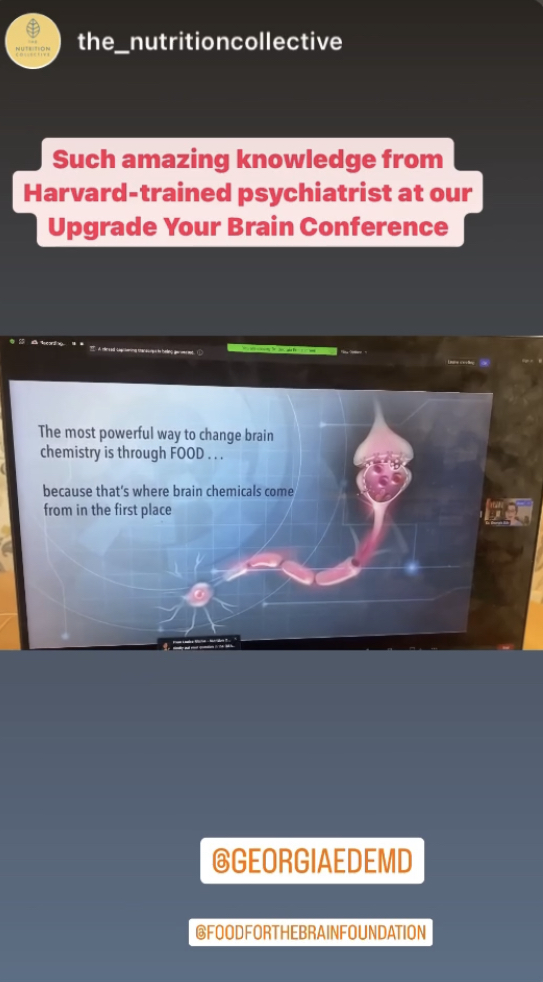
The Upgrade Your Brain Conference was a legendary event!

A few weeks ago we co-hosted a truly epic event – the Upgrade Your Brain Conference.

We aimed to bring world experts and healthcare professionals together to address the mental health crisis we are facing…and we did just that.

Hundreds of people from across the world joined together to learn, discuss and share research on what we CAN do to prevent and shift the (depressing) trajectory of decline. When we come together things can change, not just for adults but for children and future generations to come.

The variety and depth of information was excellent, and to see so many people coming together and the variety of tools available to help create this change in mental health was inspiring and hopeful.

If you have ever felt confused by all the ‘pieces’ that play a role in brain health this event will bring more clarity and help you know what to focus on in your own life or with your clients.

Takeaways and what you can expect to learn:
  • Why amyloid is a consequence NOT a cause.
  • The role of a ketogenic diet in depression, bipolar and cognitive decline with Dr Georgia Ede and why the Mediterranean diet is not the ‘perfect’ diet.
  • Debate on how healthy legumes are, should we promote fish more than meat and intermittent fasting
  • Victoria Sampson discusses the oral microbiome and how gum disease can increase risk of Alzheimer’s by up to 70%…plus some debate around fluoride and what toothpaste we need to be using!
  • The link between fluoride mouthwashes and Alzheimer’s with Dr David Perlmutter
  • Tommy Wood brilliantly explained how so many of these things fit together in terms of structure, supply, utilisation.
  • Robert Lustig on fructose and its impact on the brain.
  • Why is it not just about omega 3 or B Vitamins – but rather how they all work together. (Omega 3 being the metaphorical plank of wood, the ‘nail’ being phospholipids and the hammer is the B-vitamins that do methylation.)
  • Polyphenols and fibre with Dr Christina Singer and the impact on brain health and learning.
  • Why we are underestimating the power of prevention and the power we have through the food we eat.
  • An indepth look at the four horsemen of the mental health apocalypse with Patrick Holford.
  • Why we should all be eating more caviar and oysters.
  • Dr Bill Harris on why cholesterol levels that are too low can be problematic for the brain, along with the importance of DHA fatty acids.
  • Plus SO much more

Change is happening and as healthcare professionals and active members of the public, we must be equipped with the tools and research we need to make an impact. Every brain matters!

We want as many practitioners and interested members of the public to see this conference as possible so we have made the replays available for purchase at a special discounted rate for the next month.

What an amazing day it has been! Louise – practitioner.

Further info

Neurodivergent or Neurodeficient? Is some Neurodivergence Preventable?

By Patrick Holford

If you look up the Oxford Dictionary definition of the word neurodivergent it is this: ‘divergence in mental or neurological function from what is considered typical or normal (frequently used with reference to autistic spectrum disorders).’ 

Other types of neurodivergence include Tourette’s, dyspraxia, synaesthesia, dyscalculia, Down syndrome, epilepsy, and chronic mental health illnesses such as bipolar disorder, obsessive-compulsive disorder, borderline personality disorder, anxiety, depression and ADHD.  More recently the overlapping of symptoms within diagnoses of ADHD and ASD has led to the term AuDHD.  

So the word refers to the idea that a person’s brain is processing things differently.

Before getting into the nutrition and potential driving forces that lead to some neurodivergent traits, it is important to understand the difference between ‘neurodiversity’ and ‘neurodivergence’.  Neurodiversity includes us all and works on the assumption that every human is unique. I’ve long argued how biologically and biochemically unique we are. “Neurodiversity as a biological fact applies to everyone” says Psychology Today.

However, differences do not have to be seen as a disorder, but as natural variations of the human brain. Although some neurodivergent people really struggle to fit in, as they think, process information and communicate in ways that are different from the norm, some of the brightest and most creative people have been diagnosed as neurodiverse.

Dr Rona Tutt, former president of the National Association of Head teachers and a scientific advisor and Trustee of the charity says “sometimes people are divided into a majority who are described as ‘neurotypical’ – although it’s debatable whether there’s such a thing as ‘typical’ – and a minority who are described as ‘neurodivergent’ or ‘neurodiverse’. (These 2 adjectives are used interchangeably, which sometimes causes confusion).” Rona was one of the first to highlight ‘overlapping dis-orders’.  She says “At one time, it was thought that if you had one diagnosis, you couldn’t have another. Then it became obvious that neurodevelopmental disorders in particular, such as autism, ADHD, Developmental Language Disorder (DLD) – formerly known as Specific Language Impairment (SLI) and the Specific Leaning Difficulties of dyslexia, dysgraphia, dyscalculia and dyspraxia, have a tendency to co-occur with each other – hence AuDHD – and with other disorders such as OCD, Tourette’s etc.”

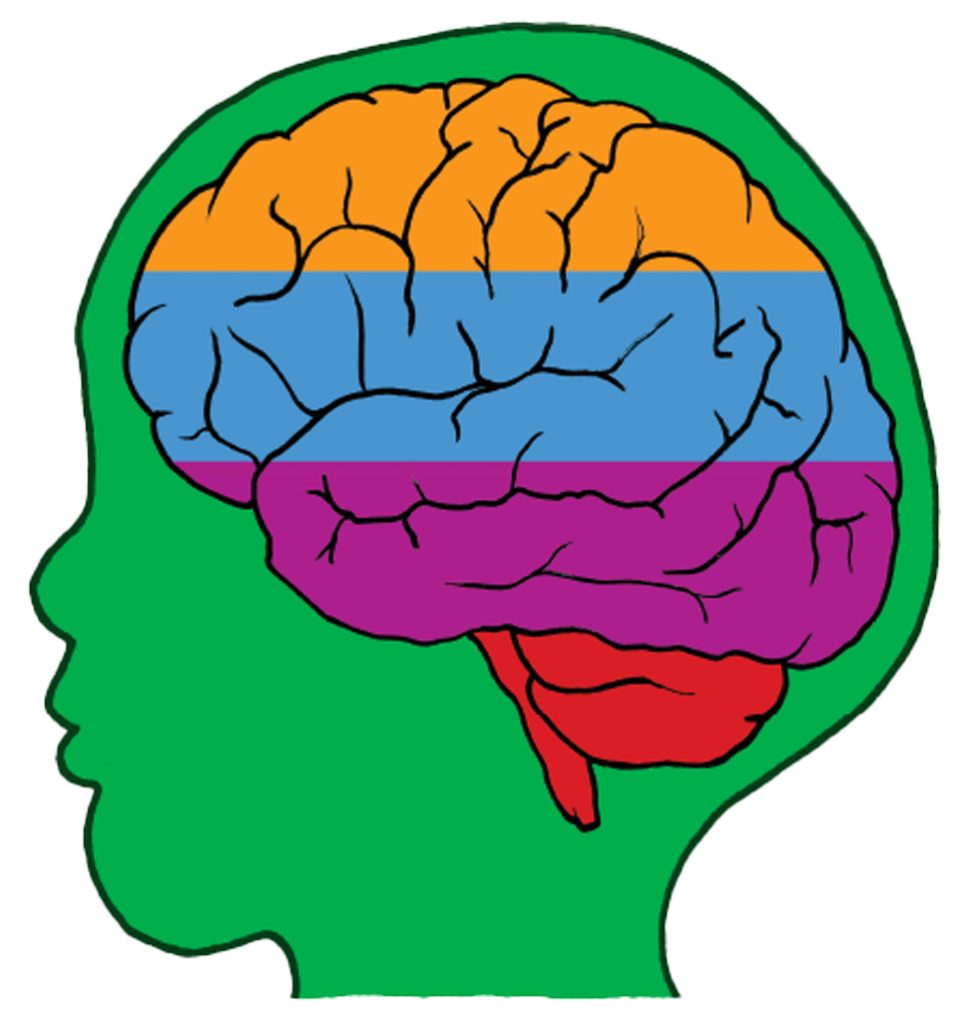
Vector image of the cross section of a multi coloured human brain against a green head.

“It is the case that these neurodevelopmental disorders run in families – there’s plenty of evidence of this in some special school populations, including where I’ve worked.” She goes on to say, “But this is only part of the story and most agree that the environment is another part of the equation. At least part of the rise in these conditions might be attributed, as you’ve said, to the unnatural environment in which we live, with the polluted air we breathe, the chemically-laden food we eat, and perhaps the way technology dominates our lives, having an adverse effect both before and after we are born.”

I’d also like to point out a common error when issues or traits run in families these are often described in as inherited, implying that it is genetic, when it may be the shared environment – be it nutritional, environmental or psycho-social that drives the heritability, not ‘genes.’ The fact that so many of these conditions have escalated beyond what could reasonably be fobbed off as ‘more awareness hence more diagnoses’ suggests a large part of the problem is not ‘genetic’. 

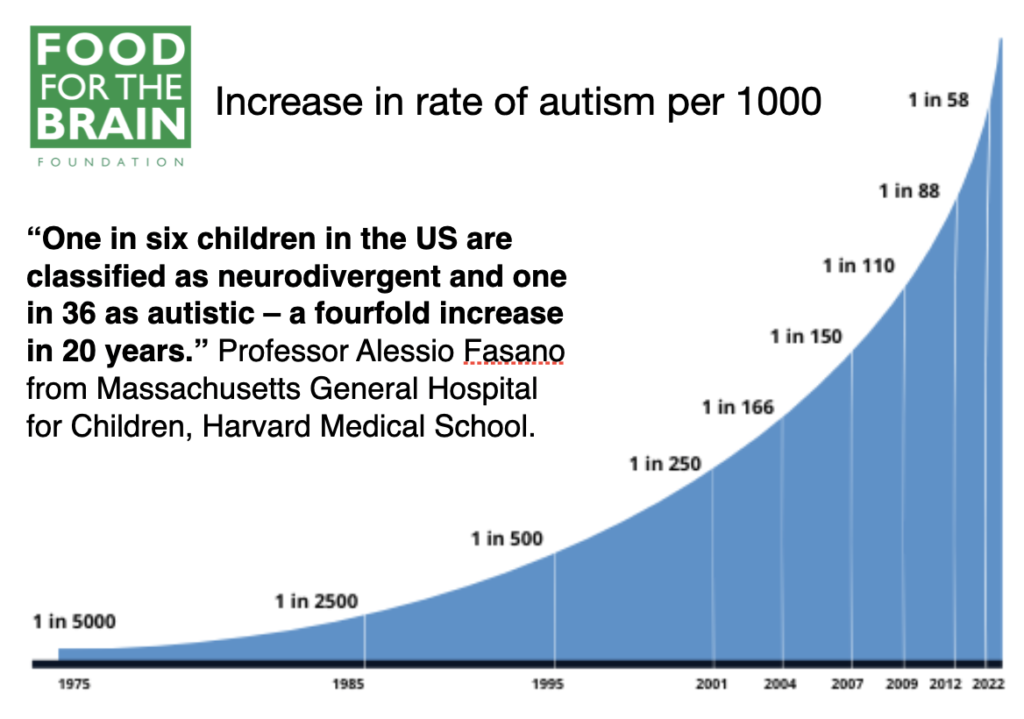
An example of this is that the number of children diagnosed with ADHD and autism and other developmental problems classifying them as ‘neurodivergent’ has rocketed in both the UK and US. “Now, one in six children in the US are classified as neurodivergent and one in 36 as autistic – a fourfold increase in 20 years.” says professor of paediatrics, Alessio Fasano from Harvard Medical School. (1) 

A practical measure of neurodivergence is whether a child is classified as SEN – in need of Special Education. One in six children now are. While it is possible to argue that some of this might be to do with ‘better diagnosis’, classifying a child as in need of special education is one that both parents and schools are keen to avoid unless absolutely necessary. 

Some children cannot cope with the noise, the number of children and the intensity of interactions hence prefer not to be in mainstream school. My first teacher, Dr Carl Pfeiffer, taught me back in the 1970’s that zinc deficiency and pyroluria are biological imbalances that lead to difficulties with such sensory overload.  

Is autism, ADHD and other such conditions preventable?

In a wider sense, the question ‘is neurodivergence preventable?’ also means, are autism, ADHD, Tourette’s, dyspraxia, synesthesia, dyscalculia, Down syndrome, epilepsy, and chronic mental health illnesses such as bipolar disorder, obsessive-compulsive disorder, borderline personality disorder, anxiety, and depression all preventable? 

Preventable in this context doesn’t have to mean ‘completely preventable’ but rather ‘can prevent to an extent’. Thus, anything that lessens the chance of someone becoming neurodivergent or alleviates any of the unpleasant or undesirable symptoms of neurodivergence is helping achieve a degree of prevention.

Since it is not reasonable to argue that the increase in neurodivergence over the past two decades is simply down to better diagnosis, it must follow that part of what is driving the increase is not ‘in the genes’ but in the environment. This could be the nutritional environment, the psychosocial environment and exposure to potential neurotoxins; possibly from industrial, building, agricultural, cosmetic or food chemicals and medicines. Vaccines and ingredients of vaccines would potentially fit in this category.

As a psychologist and nutritionist, my primary interest is in relieving suffering. Many, but certainly not all those either classified as ‘neurodivergent’ or autistic are ‘suffering’. The definition of suffering in this instance could include for example, emotional problems from anxiety and aggression to depression or cognitive problems including a hyperactive and inattentive mind, sleeping problems and feeling stressed, to name a few. Psychologically, Oscar Ichazo proposes that some of us use panic, anxiety, fears, phobias, obsessions, compulsions, hypochondria and even psychosis as a ‘door of compensation’ – a way to let off psychological steam when unable to cope with reality. Building resilience, both physically, biochemically and psychologically, is a key part of my integral medicine model.

Since there has been an escalation in the number of children classified as neurodivergent, autistic, or with attention-deficit-hyperactive disorder (ADHD), with special educational needs to the point where one in six children are so classified, we do need to ask why? Also, can a child so classified, be helped to feel, think or behave better in a way that helps them fulfil their potential enough to be happy and able to socialise with peers?

Neurodivergent or Neurodeficient?

In the chart below I’ve listed the most common characteristics in those with autistic spectrum disorder by the US Center for Disease Control and Prevention 

I’ve added a column for the nutrients, when deficient, that have been shown to induce these symptoms.

COMMON ASD CHARACTERISTICSASSOCIATED DEFICIENCY
Avoids eye contactVitamin A, Omega-3 DHA
Delayed language skillsOmega-3 DHA, Hcy/B vitamins, vitamin A
Delayed movement skillsOmega-3 DHA, Hcy/B vitamins, vitamin A
Delayed cognitive or learning skillsOmega-3 DHA, Hcy/B vitamins, vitamin A
Hyperactive, impulsive, and/or inattentive behaviourOmega-3 DHA, Hcy/B vitamins, dysglycemia (sugar), additives eg MSG)
Epilepsy or seizure disorderOmega-3 DHA, Hcy/B vitamins, dysglycemia (sugar), magnesium
Unusual eating and sleeping habitsFood intolerance, sugar, magnesium, zinc, tryptophan, 
Gastrointestinal issues (for example, constipation)Food intolerance (eg coeliacs), gut dysbiosis, zinc
Unusual mood or emotional reactionsOmega-3 DHA, Hcy/B vitamins, dysglycemia (sugar), additives eg MSG), food intolerance, iron 
Anxiety, stress, or excessive worryOmega-3 DHA, Hcy/B vitamins, dysglycemia (sugar), vitamin C
Lack of fear or more fear than expectedOmega-3 DHA, Hcy/B vitamins, dysglycemia (sugar), vitamin C
Hcy stands for homocysteine which is the best indicator of lack of methylating B vitamins
The hard truth…

Most importantly, the hard truth is that many of the brain cells, neurons in the brain are formed by birth; literally 70% of all neurons are already there. What happens at every stage of pregnancy, and especially early on, has a major impact on the child’s development. Consequently, some neurodevelopmental issues that result in these symptoms are largely irreversible. Foetal alcohol syndrome is such an example. Knowing this makes it imperative to encourage as much as we can, women who are likely to become pregnant to first optimise their diet and nutrients intake and avoid anti-nutrients – alcohol and smoking are two such anti-nutrients.

As well as avoiding alcohol and smoking during pregnancy we know from a study of 11,875 pregnant women, there is a clear relationship between the amount of seafood consumed by a pregnant woman and their child’s development. The less seafood consumed, the worse the child’s social behaviour, fine motor skills, communication and social development, and verbal IQ.(2) 

Also, a lack of vitamin A during pregnancy, which is another nutrient rich in seafood, can affect brain development and lead to long-term or even permanent impairment in the learning process, memory formation, and cognitive function. (3) 

You can do the DRIfT test on children over 2 years old.

We also know that a mother’s folate intake predicts the child’s performance in cognitive tests at the age of nine to ten (4) and the higher a baby’s B-vitamin status, the higher their cognitive function at the age of 25. (5) Supplementing mothers-to-be with folic acid (400mcg/day) during the second and third trimesters of pregnancy is associated with better cognition in their children at the age of three and better word reasoning and IQ (verbal and performance) at seven. (6) 

Folate is required for healthy methylation and nothing can be built properly in the brain without healthy methylation, which is reflected by a low homocysteine level. Raised homocysteine is a well-known predictor of miscarriage and pregnancy problems, which is why I recommend no woman attempts pregnancy until her homocysteine level is below 7mcmol/l. While we have learned that a homocysteine level above 11 means increased brain shrinkage, even a homocysteine level of above 9 during pregnancy predicts more problems, specifically withdrawn behaviour, anxiety, depression, social problems and aggressive behaviour in the child at the age of six. (7) 

We hope that some of the deficit in brain function can be recovered. The starting point is to provide all brain-dependent nutrients at an optimal level and see what happens. In the UK, fewer than 5 per cent of children achieve the basic dietary recommendations for omega-3 and fish. (8) Lower DHA concentrations are associated with poorer reading ability, poorer memory, oppositional behaviour and emotional instability. (9) Several studies have shown increased aggression in those with low omega-3 DHA and EPA, and giving more omega-3 reduces aggression. (10)

Fish and omega-3 are associated with better cognition in children. A study of 541 Chinese schoolchildren found that fish consumption predicted sleep quality and that those who ate the most fish had the highest IQ; 4.8 points higher than those who ate none. Improved sleep quality, linked to fish intake, was correlated with IQ level. (11) 

A study in Northern Ireland found that half of schoolchildren were deficient in vitamin D, with a level below 50nmol/l (I recommend above 75 nmol/l). Another found that low vitamin D levels in childhood were related to behaviour problems in adolescence. (12) 

There is, for many children, plenty of room for improvement and relief from suffering. Additionally, for parents-to-be, it is of vital importance to optimise nutrition throughout pregnancy.  It is critical that we don’t ‘normalise’ the consequences of sub-optimum nutrition either during pregnancy or childhood development.

Summary

In summary, to build healthy young brains and minimize the risk of developing undesirable symptoms associated with neurodivergence, including ADHD and autism, it is important for mothers-to-be, pregnant women and breastfeeding mothers and their children to: 

  • Avoid alcohol and smoking, especially during pregnancy but also while breast-feeding.
  • Limit or avoid foods with added sugar and follow a low-GL diet 
  • Avoid chemical colouring and flavour additives such as MSG 
  • Optimise omega-3 intake, as phospholipids, from seafood and eggs, and supplement omega-3 DHA and EPA 
  • Optimise vitamins A and D, with sufficient sun exposure to encourage good body stores of vitamin D 
  • Ensure healthy methylation with B vitamins, especially vitamin B12 in vegans and those on a largely plant-based diet 
  • Check for food intolerances, including gluten, if digestive symptoms are present. 
  • Also note you can do the DRIfT test on any child over 2 years old. Find out more about the DRIfT test here
Vector image of the cross section of a multi coloured human brain against a green head.

References

2. Hibbeln JR, Davis JM,] Steer C, Emmett P, Rogers I, Williams C, Golding J. Maternal seafood consumption in pregnancy and neurodevelopmental outcomes in childhood (ALSPAC study): an observational cohort study. Lancet. 2007 Feb 17;369(9561):578-85. doi: 10.1016/S0140-6736(07)60277-3. PMID: 17307104.

3.  Z.Liu Behav Neurol. 2021 Dec 7;2021:5417497

4. Veena SR, Krishnaveni GV, Srinivasan K, Wills AK, Muthayya S, Kurpad AV, Yajnik CS, Fall CH. Higher maternal plasma folate but not vitamin B-12 concentrations during pregnancy are associated with better cognitive function scores in 9- to 10- year-old children in South India. J Nutr. 2010 May;140(5):1014-22. doi: 10.3945/jn.109.118075. Epub 2010 Mar 24. PMID: 20335637; PMCID: PMC3672847.

5. Qin B, Xun P, Jacobs DR Jr, Zhu N, Daviglus ML, Reis JP, Steffen LM, Van Horn L, Sidney S, He K. Intake of niacin, folate, vitamin B-6, and vitamin B-12 through young adulthood and cognitive function in midlife: the Coronary Artery Risk Development in Young Adults (CARDIA) study. Am J Clin Nutr. 2017 Oct;106(4):1032-1040. doi: 10.3945/ajcn.117.157834. Epub 2017 Aug 2. PMID: 28768650; PMCID: PMC56117

6. McNulty H, Rollins M, Cassidy T, Caffrey A, Marshall B, Dornan J, McLaughlin M, McNulty BA, Ward M, Strain JJ, Molloy AM, Lees-Murdock DJ, Walsh CP, Pentieva K. Effect of continued folic acid supplementation beyond the first trimester of pregnancy on cognitive performance in the child: a follow-up study from a randomized controlled trial (FASSTT Offspring Trial). BMC Med. 2019 Oct 31;17(1):196. doi: 10.1186/s12916-019-1432-4. PMID: 31672132; PMCID: PMC6823954.

7. Roigé-Castellví J, Murphy M, Fernández-Ballart J, Canals J. Moderately elevated preconception fasting plasma total homocysteine is a risk factor for psychological problems in childhood. Public Health Nutr. 2019 Jun;22(9):1615-1623. doi: 10.1017/S1368980018003610. Epub 2019 Jan 14. PMID: 30636652; PMCID: PMC10261079.

8. Kranz, S., Jones, N.R.V., Monsivais, P., Intake Levels of Fish in the UK Paediatric Population. Nutrients 2017, 9, 392. https://doi.org/10.3390/nu9040392

9. Montgomery P, Burton JR, Sewell RP, Spreckelsen TF, Richardson AJ. Low blood long chain omega-3 fatty acids in UK children are associated with poor cognitive performance and behavior: a cross-sectional analysis from the DOLAB study. PLoS One. 2013 Jun 24;8(6):e66697. doi: 10.1371/journal.pone.0066697. Erratum in: PLoS One. 2013;8(9). doi:10.1371/annotation/26c6b13f-b83a-4a3f-978a-c09d8ccf1ae2. PMID: 23826114; PMCID: PMC3691187.

10. Raine A, Ang RP, Choy O, Hibbeln JR, Ho RM, Lim CG, Lim-Ashworth NSJ, Ling S, Liu JCJ, Ooi YP, Tan YR, Fung DSS. Omega-3 (ω-3) and social skills interventions for reactive aggression and childhood externalizing behavior problems: a randomized, stratified, double-blind, placebo-controlled, factorial trial. Psychol Med. 2019 Jan;49(2):335-344. doi: 10.1017/S0033291718000983. Epub 2018 May 10. PMID: 29743128; see also Choy O, Raine A. Omega-3 Supplementation as a Dietary Intervention to Reduce Aggressive and Antisocial Behavior. Curr Psychiatry Rep. 2018 Apr 5;20(5):32. doi: 10.1007/s11920-018-0894-y. PMID: 29623453; see also Gow RV, Hibbeln JR. Omega-3 fatty acid and nutrient deficits in adverse neurodevelopment and childhood behaviors. Child Adolesc Psychiatr Clin N Am. 2014 Jul;23(3):555-90. doi: 10.1016/j.chc.2014.02.002. Epub 2014 May 27. PMID: 24975625; PMCID: PMC4175558.

11. Liu, J., Cui, Y., Li, L. et al. The mediating role of sleep in the fish consumption – cognitive functioning relationship: a cohort study. Sci Rep 7, 17961 (2017). https://doi.org/10.1038/s41598-017-17520-w12. Sonia L Robinson, Constanza Marín, Henry Oliveros, Mercedes Mora-Plazas, Betsy Lozoff, Eduardo Villamor, Vitamin D Deficiency in Middle Childhood Is Related to Behavior Problems in Adolescence, The Journal of Nutrition, Volume 150, Issue 1, 2020, pp.140–148, ISSN 0022-3166, https://doi.org/10.1093/jn/nxz185.

Further info

Alzheimer’s Prevention Day and what the experts want YOU to do to prevent Alzheimer’s!

TODAY is the first, global Alzheimer’s Prevention Day!

An initiative created by a group of world-leading experts on Alzheimer’s prevention have designed a free, online 3-minute Alzheimer’s Prevention Check that helps you see, at a glance, what simple diet and lifestyle changes most help to dementia-proof your diet and lifestyle. 

Over 7000 people have already taken part in this never-been-done global initiative – it’s time for you to join them and help us spread the word!

What to do:
  1. Share the Alzheimer’s Prevention Check with EVERYONE. Put the link in your WhatsApp group, text or email it to a friend, post it on social media, and send it around your office. (Plus if you have not yet done the Cognitive Function Test then this is a great place to start) https://ffb-upgradedcft.org/apc
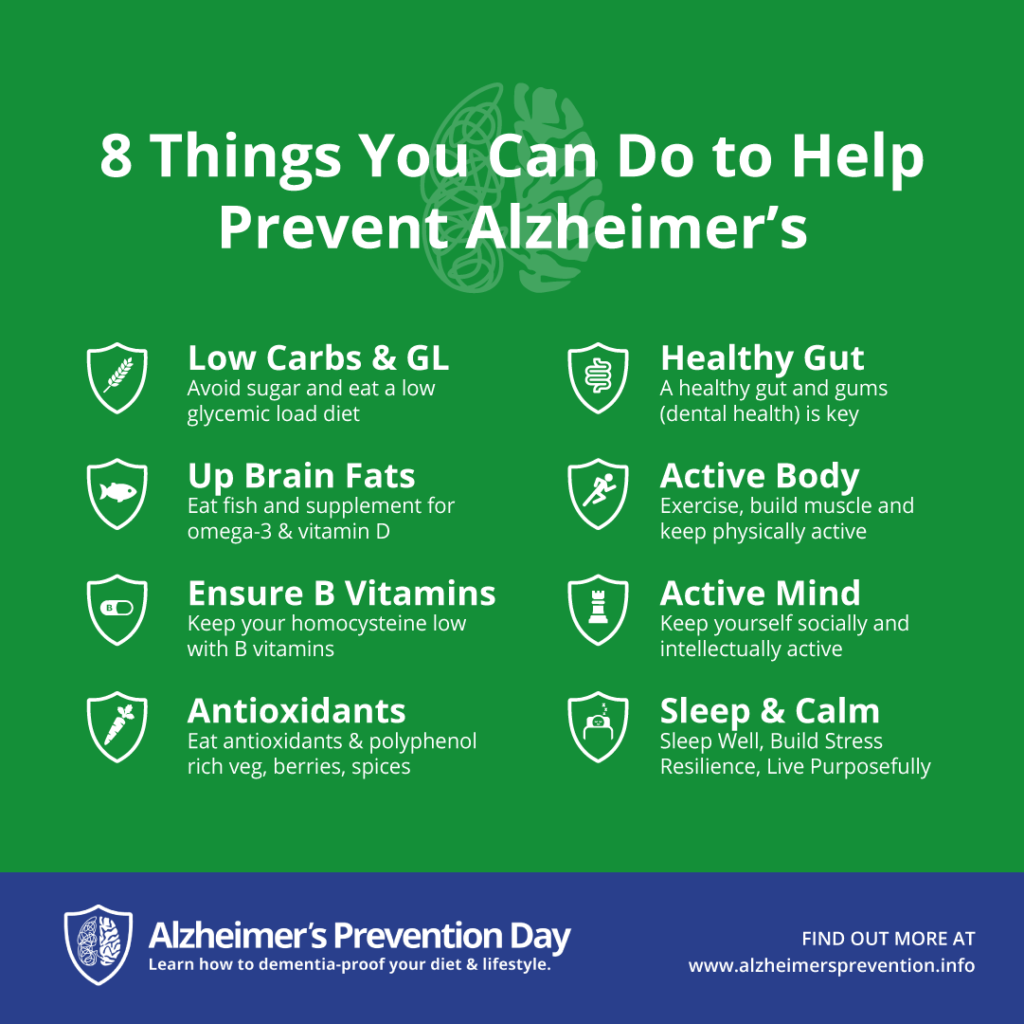
  2. Share this post. Download the image here and share it on any platform you use and link to https://www.alzheimersprevention.info/
  3. Do the challenge! Record your short video on your smartphone and tell us what you do every day to help prevent Alzheimer’s. Find out how to do that here & see other people’s videos here
What the experts want YOU to do to prevent Alzheimer’s

Your Daily Lifestyle Choices Matter | Dr David Perlmuter


The Ketogenic Diet for Alzheimer’s Disease | Georgia Ede MD


Address the Energy Gap with MCT oil or Intermittent Fasting | Profesor Stephen Cunnane


Build Your Muscles to Build Your Brain | Dr Tommy Wood


Alcohol Use & Dementia Risk | Chris Palmer MD


Fish Really IS Brain Food! | Professor William Harris


Resistance Training and Alzheimer’s | Louisa Nicola

You can also download and share this graphic to spread the word!

Further info

Dementia’s projected £91 billion can be ‘halved’ with prevention

Yesterday’s announcement by the Alzheimer’s Society that dementia will cost the UK almost £91bn a year by 2040 highlights why prevention has to be the way forward. (See the Guardian Article here

“Dementia’s devastating impact is colossal – on the lives of those it affects, on the healthcare system and on the economy”, said Kate Lee, the Alzheimer’s Society’s chief executive who is calling for the ‘urgent need to prioritise early diagnosis.’ We know here at Food for the Brain, that these costs, could easily be halved by focussing on prevention. A recent study from the UK Biobank data and conducted by two of the charity’s scientific advisors, China’s leading dementia prevention Professor Jin-Tai Yu from Fudan University, and by former deputy head of Oxford University’s school of medical science, Professor David Smith, concluded that “up to 73% of dementia can be prevented” right now by focussing on prevention. (1) The Biobank research, however, didn’t measure homocysteine and thus excluded one of the most easily actioned prevention steps – lowering homocysteine with B vitamins – which the US National Institutes of Health says accounts for 22% of the risk for Alzheimer’s. (2)

Patrick Holford our CEO says “the reality is that over 80 percent of dementia could be prevented right now if we took prevention seriously. The quickest wins are testing people, for free, for cognitive function then identifying those at risk and why they are at risk. Dementia is diagnosed with a cognitive function test and changes occur at least thirty years before a diagnosis. This is doable right now with no cost at all.” We have tested 425,000 people to date with 200 taking the free, validated test every day. This is followed by a ‘cognition’ questionnaire that shows the person exactly what is driving their future risk. 

The quick wins are increasing omega-3 fats from seafood and supplements, and lowering high homocysteine with B vitamins. The higher a person’s omega-3 level the better their cognition and the more brain density they have, according to research from Loma Linda University in California. (3) “Half of those over 65 have raised blood homocysteine which is easily lowered with a 10p a day B vitamin supplement.” says Holford “The health economist at Oxford University costed the saving just from this one prevention step as £50 million a year. (4) B vitamins with omega-3 have already been shown to reduce the annual rate of brain shrinkage by 73% in those at risk.” (5) The other big driver, he says, is sugar and ultra-processed foods. “Diabetes doubles dementia risk and accelerates brain shrinkage (6) but we can pick up those with the beginnings of blood sugar problems in mid-life with high but ‘normal’ levels of blood sugar which has been shown to increase Alzheimer’s risk by 14.5%. (7)” he says.

We also offer a ‘home-test kit that those at risk can use to measure homocysteine, omega-3, vitamin D and sugar balance (HbA1c – the test used by GPs to diagnose diabetes) then tells the individual what actions to take to protect their brain and improve their cognition. Research shows that having a low vitamin D level increases triples risk for Alzheimer’s (8) and those who supplement vitamin D cut Alzheimer’s risk by a third. (9)

“None of the major charities are taking prevention and the role of nutrition in brain health seriously.” says Holford, author of a new book Upgrade Your Brain which explains how to dementia-proof your diet and lifestyle. “Kate Lee of the Alzheimer’s Society told me they spend nothing on prevention. Alzheimer’s Research UK told us they spend 4.3% of all research money on non-drug prevention. When 80 percent is preventable surely at least half of research funds should be spent on non-drug prevention? We do not need to wait for more research. Dementia is diagnosed using a cognitive function test done in memory clinics. But by the time a GP refers a patient, it is often too late. We offer exactly this cognitive function test for free, online at foodforthebrain.org. There is no need to wait for a mythical blood test to ‘diagnose early’. 

This is like having a blood test to diagnose how unfit you are.” says Holford. “Even if this existed, the critical question for those at risk is how to reduce it. All that is needed is to take prevention seriously. It is not difficult. The government have pledged £166 million for dementia a year but no-one can tell us if any of this is actually to be spent on prevention research or putting prevention into action.”


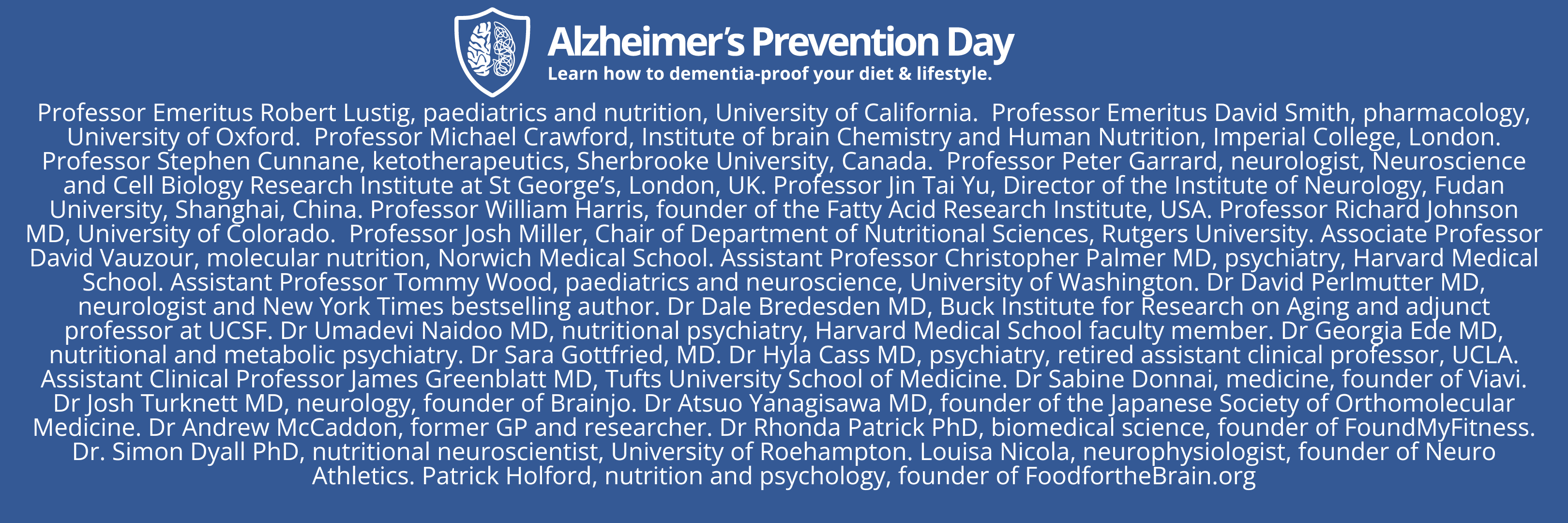
We are supporting World Alzheimer’s Prevention Day see alzheimersprevention.info – on Wednesday (May 15th), with the support of thirty of the world’s leading dementia prevention experts.

Where to start in reducing your risk:
References

1 Zhang, Y., Chen, SD., Deng, YT. et al. Identifying modifiable factors and their joint effect on dementia risk in the UK Biobank. Nat Hum Behav 7, 1185–1195 (2023).
2 Beydoun MA, Beydoun HA, Gamaldo AA, Teel A, Zonderman AB, Wang Y. Epidemiologic studies of modifiable factors associated with cognition and dementia: systematic review and meta-analysis. BMC Public Health. 2014 Jun 24;14:643. doi: 10.1186/1471-2458-14-643. PMID: 24962204; PMCID: PMC4099157.
3 Loong, S.; Barnes, S.; Gatto, N.M.; Chowdhury, S.; Lee, G.J. Omega-3 Fatty Acids, Cognition, and Brain Volume in Older Adults. Brain Sci.2023,13,1278. https://doi.org/ 10.3390/brainsci13091278.
4 https://doi.org/10.1016/j.trci.2016.07.0
5 Jernerén F, Elshorbagy AK, Oulhaj A, Smith SM, Refsum H, Smith AD (2015). Brain atrophy in cognitively impaired elderly: the importance of long-chain ω-3 fatty acids and B vitamin status in a randomized controlled trial. Am J Clin Nutr. 2015 Jul;102(1):215-21
6 Arvanitakis Z, Wilson RS, Bienias JL, Evans DA, Bennett DA. Diabetes mellitus and risk of Alzheimer disease and decline in cognitive function. Arch Neurol. 2004 May;61(5):661-6. doi: 10.1001/archneur.61.5.661. PMID: 15148141; see alsoYaffe K, Blackwell T, Kanaya AM, Davidowitz N, Barrett-Connor E, Krueger K. Diabetes, impaired fasting glucose, and development of cognitive impairment in older women. Neurology [Internet]. 2004 Aug 24 [cited 2022 Mar 16];63(4):658–63. Available from: https://n.neurology.org/content/63/4/658; see also Tiehuis AM, van der Graaf Y, Visseren FL, Vincken KL, Biessels GJ, Appelman APA, et al. Diabetes Increases Atrophy and Vascular Lesions on Brain MRI in Patients With Symptomatic Arterial Disease. Stroke. 2008 May;39(5):1600–3; see also Samaras K, Lutgers HL, Kochan NA, Crawford JD, Campbell LV, Wen W, et al. The impact of glucose disorders on cognition and brain volumes in the elderly: the Sydney Memory and Ageing Study. AGE [Internet]. 2014 Jan 9 [cited 2022 Aug 5];36(2):977–93. Available from: https://www.ncbi.nlm.nih.gov/pmc/articles/PMC4039246/
7 Zhang X, Tong T, Chang A, Ang TFA, Tao Q, Auerbach S, Devine S, Qiu WQ, Mez J, Massaro J, Lunetta KL, Au R, Farrer LA. Midlife lipid and glucose levels are associated with Alzheimer’s disease. Alzheimers Dement. 2023 Jan;19(1):181-193. doi: 10.1002/alz.12641. Epub 2022 Mar 23. PMID: 35319157; PMCID: PMC10078665.
8 Vitamin D deficiency increases the risk of Alzheimer’s.112 In a study in France involving 912 elderly patients followed for 12 years, a total of 177 dementia cases occurred. Those with low vitamin D levels had a nearly three-fold increased risk of Alzheimer’s.113
9 Ghahremani M, Smith EE, Chen HY, Creese B, Goodarzi Z, Ismail Z. Vitamin D supplementation and incident dementia: Effects of sex, APOE, and baseline cognitive status. Alzheimers Dement (Amst). 2023 Mar 1;15(1):e12404. doi: 10.1002/dad2.12404. PMID: 36874594; PMCID: PMC9976297.

Further info