Nutrition Archives - Food for the Brain

because prevention is better than cure.

because prevention is better than cure.

Mini Cart 0

Your cart is empty.

Mini Cart 0

Your cart is empty.

How to Keep your Brain Young with Antioxidants

How To Keep Your Brain Young with Antioxidants?

How To Keep Your Brain Young with Antioxidants?

Being alive is a balancing act between making energy by combusting glucose with oxygen and generating ‘oxidant’ exhaust fumes that must then be neutralised. This process, known as oxidative stress, is a key contributor to ageing. Over time, if oxidants outpace your body’s ability to disarm them, damage accumulates in cells and tissues, including the brain.[8]

The brain is particularly vulnerable. It consumes a high proportion of the body’s oxygen, is rich in fats that are susceptible to oxidation, and has relatively limited antioxidant defences compared with other tissues. This makes maintaining an effective antioxidant defence system essential for long-term cognitive health.

However, this process is not fixed. You can influence it. Improving your intake of antioxidants and polyphenols, and supporting your body’s internal defence systems, can help shift the balance and support brain resilience over time.

To explore this idea further, watch the film Keeping Your Brain Young with Antioxidants’ below.

The Science Behind Eating the Rainbow

You’ve heard it before, but the science behind it matters.

Different colours in plant foods reflect different polyphenols and antioxidant compounds, each with distinct biological effects. These compounds do more than just neutralise oxidants. Many also act as signalling molecules, influencing inflammation, blood flow, and cellular pathways linked to brain function and ageing.[9]

Mustard and turmeric, for example, are strong yellows. Dijon mustard is great, with no added sugar, and traditional English mustard is also beneficial. Turmeric, rich in curcumin, can be added to steam-fries, curries, or soups, grated into a tea, and even used in a turmeric latté.

Bright oranges such as butternut squash, sweet potato, and carrots provide carotenoids that support cellular protection. Tomatoes are particularly rich in lycopene, associated with reduced oxidative damage. Strawberries are a lower glycaemic fruit option, and peppers of all colours are rich in vitamin C, which plays a central role in antioxidant recycling.

Anything purple, magenta, or blue is especially valuable. From beetroot to blueberries, blackberries, and raspberries, these foods are rich in anthocyanidins, a class of polyphenols associated with improved vascular and cognitive function.

Strong greens remain foundational. Spinach, kale, Brussels sprouts, broccoli, watercress, rocket, asparagus, and green beans all contribute a wide spectrum of antioxidants, minerals, and phytonutrients that support detoxification and cellular defence.

Eating the rainbow is not a nice idea. It’s an essential part of upgrading and protecting your brain at any age.

The Best Fruits and Vegetables for Brain Health

But are there any particular vegetables or fruits that pack the biggest punch as far as polyphenols and antioxidants are concerned? Or, if you know you can’t or don’t like to eat a huge variety of fruit and veg, are there particular ones to focus on eating to get the most benefit?

Foods that are high in ‘polyphenols’, which refers to the structure of plant-based compounds, seem especially beneficial for protecting your brain. You might have heard of flavonoids in berries, quercetin in red onions, anthocyanidins in blue and red foods, and isoflavones in beans. These are all examples of polyphenols. Herbs and spices such as peppermint, basil, oregano, cumin, and curcumin in turmeric contain high levels of polyphenols and potent antioxidants.

But there are other criteria by which to judge a plant, including its ability to influence pathways linked to cellular ageing. Certain polyphenols, such as resveratrol, interact with sirtuin pathways involved in cellular repair and longevity.[10] For example, olives, blueberries, and kale support these processes.

Then there’s a group of compounds called ‘salvestrols’, generally only found in organic fruit, vegetables, herbs, and spices, which turn out to be anti-cancer.[1] They’re produced in plants as part of their self-defence system against invaders such as fungi. If the plant is sprayed with fungicides, it won’t produce them.

Taking all these factors into account, including the GL, antioxidants, polyphenols, salvestrols, and sirtuin-related activity, these are the dozen best-rated fruits and vegetables. (This list is not definitive. More and more research continues to reveal the healing power of nature’s fruits and vegetables.)

So, if eating the ‘rainbow’ feels like too much pressure or is difficult to achieve, think about incorporating some of the above into your meals each day.

Our Top 13 to Help Keep Your Brain Young

 Lowest GLAntioxidantPolyphenolSalvestrolSirtuin Act.
Olives***************
Blueberries**************
Kale**************
Blackcurrants*************
Broccoli*********** 
Artichokes*********** 
Cabbage (red)*********** 
Asparagus********** 
Onions (red)****** ***
Avocado********** 
Apples**********
Beetroot*****  
Cherries******  

Top Up Brain-Friendly Antioxidant Nutrients: Consider Supplementation

Antioxidants Work as a Network

Much like dementia prevention is a combination of the 8 domains, which all influence each other, antioxidants are part of a network keeping you healthy.

A number of key vitamins, as measured in food and in the blood, do correlate with decreased dementia risk. This is hardly surprising, since the brain is made of complex fats that can easily be damaged by oxidants. It makes sense that having a high intake of antioxidants would protect the brain from damage. Antioxidants disarm oxidants by teamwork. You need a combination of nutrients, not just vitamin C or vitamin E.

Evidence for Antioxidant Protection

A recent meta-analysis of all studies on factors that could prevent Alzheimer’s, by one of our Scientific Advisory Board members, Professor Jin Tai Yu of Fudan University in Shanghai, China, shows that ‘either a high vitamin E or C intake showed a trend of attenuating risk by about 26%’, making these nutrients ‘grade 1’ top level prevention risk factors.[2]

A study of 4,740 Cache County, Utah, older residents found that those supplementing both vitamin E and C cut their risk of developing Alzheimer’s by two thirds. A trend toward lower Alzheimer’s risk was also evident in those who took vitamin E supplements together with multivitamins containing vitamin C, but there was no evidence of a protective effect in those taking only vitamin E or vitamin C supplements alone, with multivitamins alone, or with vitamin B-complex supplements. Lowest risk was reported in those supplementing at least 1000 mg a day of vitamin C together with at least 1000 IU a day of vitamin E.[3]

However, vitamin E on its own doesn’t seem to work. In a double-blind study, people with mild cognitive impairment were randomly assigned to receive 2000 IU a day of vitamin E or placebo for three years. There were no significant differences in the rate of progression to AD between the vitamin E and placebo groups at any point.[4]

Building Your Antioxidant Defences

Your best bet is probably to both eat a broad spectrum of antioxidants and also supplement them. The older you are, the more you are likely to need. Key antioxidants are:

Vitamin A, C and E – associated with reducing Alzheimer’s risk

Lipoic acid – protects the memory-friendly neurotransmitter acetylcholine and dampens brain oxidation and inflammation.[5]

Glutathione[6] or N-acetyl cysteine[7] (NAC) – protects the brain and improves methylation, thus having potential in dementia prevention.

It doesn’t really make a lot of sense to give one without the others. All those listed above, vitamin C, E, glutathione, N-acetyl cysteine, Coenzyme Q10 and resveratrol, work together. There are many other team player ‘cousins’, from B vitamins to minerals such as magnesium, zinc and selenium.

The first step is to eat ‘whole’ foods, especially fresh plant foods that are more likely to contain these kinds of nutrients. However, there are some nutrients, such as vitamin C, for which just eating whole foods doesn’t guarantee you are achieving optimum nutrition.

Most nutritional therapists supplement extra vitamin C, and some supplement an all-round antioxidant supplement providing the nutrients listed above. There is very good logic, and supporting evidence, to do this, especially if you’re over 50 years old, even if there isn’t yet that definitive ‘randomised placebo controlled trial’.

Other key antioxidant nutrients include:

Vitamin A, C and E – associated with reduced Alzheimer’s risk

Lipoic acid – supports mitochondrial function and reduces oxidative stress and inflammation.[5]

Glutathione or N-acetyl cysteine (NAC) – supports detoxification, antioxidant recycling and methylation, with potential relevance for cognitive ageing.[6][7]

Coenzyme Q10 and resveratrol – support cellular energy and protection

There are also important supporting nutrients, including B vitamins, which contribute to methylation and help regulate homocysteine, a compound associated with oxidative stress and cognitive decline when elevated.[12]

Why Food Comes First but Supplements May Still Be Needed

We are Food for the Brain, so the first step is always to eat whole foods, focusing especially on fresh plant foods that are naturally rich in antioxidants and polyphenols.

However, achieving optimal levels of certain nutrients through diet alone is not always guaranteed. Factors such as soil depletion, food storage, genetics, individual absorption, age, and increased physiological demand all play a role.

For this reason, targeted supplementation, particularly for nutrients such as vitamin C and those involved in the antioxidant network, may be beneficial. There is strong rationale, and supporting evidence, for this approach, especially in individuals over 50 or those with increased oxidative load. Read more about supplementation here.

From General Brain Health Advice to Personalised Insight

Why Antioxidant Needs Differ and Why Testing Matters

Eating a diet rich in colourful plant foods is a powerful place to start. But the real question is whether your unique body has the antioxidant capacity to meet your current level of demand.

Or, said another way, how do you know if you are eating enough to protect your brain and your future?

Oxidative stress is influenced by far more than diet alone. Age, stress, environmental toxins, blood sugar balance, genetic variations, nutrient status, and individual biochemistry all play a role. Two people can eat similarly and have very different levels of oxidative damage and antioxidant protection.

This is where testing becomes valuable.

One of the most informative markers is glutathione, often referred to as the body’s master antioxidant. It sits at the centre of your antioxidant defence system, helping to neutralise oxidative damage and recycle other antioxidants. If levels are low, it can indicate that your overall antioxidant capacity is under strain.

Rather than guessing whether you are getting enough antioxidant support, testing allows you to see what is actually happening inside your body. (Historically, glutathione has been hard to test, but we developed new technology with our lab partners to now be able to do this accurately with an at home finger prick blood test.)

Understanding Your Brain Health More Clearly

The DRIfT 5-in-1 test shows you what is actually happening inside your body, across the key drivers of cognitive decline, including oxidative stress, inflammation, blood sugar balance, nutrient status, and essential fats. It moves you beyond general advice and highlights exactly where your biggest risks and opportunities lie.

If your focus is antioxidant capacity, testing glutathione offers direct insight into whether your body is under oxidative strain and how well your defence system is functioning. Find out more here.

Alongside this, our free Cognitive Function Test provides a practical way to track how your brain is performing today, while contributing to ongoing research into what truly works in preventing cognitive decline.

Understanding your results allows you to move from general advice to a more targeted, personalised approach, so you can support your brain with greater precision and confidence.

When you join COGNITION and become a FRIEND, you get access to our new Digital education platform and our new COGNITION programme. You can also register FREE for both our monthly guest speaker webinars and our monthly live COGNITION Coaching – this is an hour live with our Food for the Brain health coaches and there is a Q&A at the end (you also get access to the past coaching workshop recordings).

On April 22nd April, our COGNITION Coaching Workshop is all about antioxidants and attendees will get a mini-ebook on antioxidants and 2 delicious, anti-oxidant rich recipes. You can become a FRIEND by clicking the link below:

References:

[1] Potter, G.A. & Burke, M.D. (2006) Salvestrols – Natural Products with Tumour Selective Activity. Journal of Orthomolecular Medicine. 21(1): 34-36.

[2] Yu JT, Xu W, Tan CC, et al. Evidence-based prevention of Alzheimer’s disease: systematic review and meta-analysis. J Neurol Neurosurg Psychiatry. 2020;91(11):1201–1209.

[3] Zandi PP, et al. Reduced risk of Alzheimer disease in users of antioxidant vitamin supplements. Arch Neurol. 2004;61:82–98.

[4] Petersen RC, et al. Vitamin E and donepezil for the treatment of mild cognitive impairment. N Engl J Med. 2005;352:2379–2388.

[5] Maczurek A, et al. Lipoic acid as an anti-inflammatory and neuroprotective treatment. Adv Drug Deliv Rev. 2008;60(13-14):1463–1470.

[6] Pocernich CB, Butterfield DA. Elevation of glutathione as a therapeutic strategy. Biochim Biophys Acta. 2012;1822(5):625–630.

[7] Hara Y, et al. Evaluation of N-acetylcysteine for cognitive ageing. J Prev Alzheimers Dis. 2017;4(3):201–206.

[8] Halliwell B. Oxidative stress and neurodegeneration. J Neurochem. 2006;97(6):1634–1658.

[9] Spencer JPE. The impact of flavonoids on memory. Chem Soc Rev. 2009;38(4):1152–1161.

[10] Baur JA, Sinclair DA. Therapeutic potential of resveratrol. Nat Rev Drug Discov. 2006;5(6):493–506.

[11] Sekhar RV, et al. Glutathione synthesis is diminished in older adults. Am J Clin Nutr. 2011;94(3):847–853.

[12] Smith AD, Refsum H. Homocysteine, B vitamins, and cognitive impairment. Annu Rev Nutr. 2016;36:211–239.


Further info

Why “Normal” Vitamin D Levels May Not Be Protective for Women’s Brains

Why “Normal” Vitamin D Levels May Not Be Protective for Women’s Brains

Why “Normal” Vitamin D Levels May Not Be Protective for Women’s Brains

Science now recognises Vitamin D as far more than a bone-health nutrient. Over the past decade, it has become increasingly clear that vitamin D acts as a hormone regulator, playing an important role in brain health, immune regulation and inflammation, especially when considering optimal vitamin D levels for women’s brains.

What is discussed far less, is a more nuanced question…

If vitamin D matters for the brain, how much is actually enough and do vitamin D levels differ for women?

A growing body of research links lower vitamin D status with a higher risk of cognitive decline and Alzheimer’s disease. Yet most guidance still relies on population-based “normal” ranges that were never designed to protect the brain. This raises an important prevention question for women, who already carry a higher lifetime risk of Alzheimer’s disease.

What the research shows

A systematic review and meta-analysis in 2025 by Li et al. examined the relationship between circulating vitamin D levels and Alzheimer’s disease risk across multiple observational studies (1).

The findings were consistent:

• Lower vitamin D levels link to a higher risk of Alzheimer’s disease.
• Risk increased progressively as vitamin D levels declined
• Researchers observed this association across different populations and study designs.

Crucially, the authors did not claim that vitamin D deficiency causes Alzheimer’s disease. Instead, vitamin D status appears to track biological vulnerability in the brain and reflects processes such as neuroinflammation, immune dysregulation and vascular dysfunction, all recognised contributors to cognitive decline.

This distinction matters for prevention.

Why these findings matter particularly for women

Women account for around two thirds of Alzheimer’s diagnoses worldwide. Longevity alone cannot explain this difference.

Across midlife and later life, women experience biological changes that alter how the brain responds to metabolic, inflammatory and hormonal stress. The menopausal transition is a key inflection point. Declining oestrogen and progesterone influence immune signalling, cerebral blood flow and brain energy metabolism, all of which intersect with established dementia risk pathways (3). This helps explain why midlife can be a turning point for brain health in women, even when blood test results appear “normal”.

Vitamin D functions as a hormone-like regulator, with receptors widely distributed throughout the brain and immune system. Its actions include modulation of inflammatory responses, immune balance and neuronal protection. Hormonal changes appear to influence how effectively vitamin D signalling is utilised at a tissue level. This is supported by experimental and clinical research showing interactions between oestrogen, vitamin D receptors and immune signalling, although this is not always directly measured in large population studies. In practical terms, this means that a vitamin D level considered “normal” for the general population may not confer the same degree of neuroprotection in the ageing female brain.

This does not mean vitamin D requirements are definitively higher for every single woman, or that everyone should take high-dose supplementation. Excessive intakes via supplementation over time can be harmful, which is why context, testing and appropriate dosing matter. 

Prevention works best when it’s personal, based on what’s happening in your own brain and body, not just what’s considered “normal.”

The problem with “normal” ranges for vitamin D for women’s brains

Researchers established vitamin D reference ranges primarily to prevent overt deficiency-related disease, particularly rickets and osteomalacia. They did not design these ranges to define optimal levels for long-term brain resilience.

Population reference ranges do not account for factors that strongly influence dementia risk, including:

  • Chronic low-grade inflammation
  • Insulin resistance and blood sugar dysregulation
  • Oxidative stress (see our explainer video here)
  • Hormonal transitions across midlife
  • Genetic variation in vitamin D metabolism and receptor activity

As a result, vitamin D levels that fall within the laboratory “normal” range may still exist within a biological environment that favours cumulative brain damage over time. This limitation is not unique to vitamin D. It reflects a broader problem with single-nutrient or single-cause thinking in Alzheimer’s prevention.

Vitamin D does not act alone in protecting women’s brains

Vitamin D is not an isolated lever in brain health. Low vitamin D status frequently clusters with other modifiable biological risk factors, including:

• Low omega-3 fatty acid status
• Raised homocysteine, reflecting impaired B vitamin-dependent methylation, a process essential for maintaining brain cells
• Poor blood sugar control
• Reduced antioxidant capacity, including glutathione availability

Each of these factors independently links to cognitive decline. More importantly, they interact within the brain.

Alzheimer’s disease does not arise from a single deficiency, a single gene or one pathological protein.
It reflects the cumulative impact of multiple biological systems drifting out of balance over years or decades. This is why interventions that target a single marker so often produce disappointing results.

Prevention requires a broader, systems-based view.

Once you see vitamin D in this broader context, it becomes clear why testing a single marker in isolation can only ever give partial answers.

From nutrients to prevention systems

Testing vitamin D alone can identify a deficiency, but it cannot tell you whether the brain’s key protective systems are functioning together.

A prevention-led approach asks different questions:

  • How well is inflammation being regulated?
  • Are brain cell membranes supported by sufficient essential fats?
  • Is methylation, the nutrient-dependent process that supports DNA repair, neurotransmitter balance and brain structure, functioning effectively?
  • To what extent is blood sugar quietly damaging brain neurons over time?

These are not abstract concepts.

They are measurable, modifiable drivers of dementia risk that we assess through our at-home DRIfT blood test.

A smarter way to assess brain health

Many people reading this will have been told their vitamin D is “fine”. They may spend time outdoors, eat well, and still feel tired, foggy or not quite themselves. The problem is not that vitamin D doesn’t matter. It’s that a single number rarely tells the full story.

This systems-based understanding underpins our work at Food for the Brain. It is the heart of prevention.

Prevention is not about chasing one “perfect” nutrient level or one lifestyle change. 

It is about understanding how your body works as one connected system and acting early enough to change the trajectory.

If you want to begin supporting and upgrading your brain today:

Complete the Cognitive Function Test today if you haven’t done so yet.
It is free to everyone, validated and provides personalised insights into your current brain health.

Order your at-home DRIfT blood test to assess the key biological drivers of cognitive decline, including vitamin D, omega-3, homocysteine, blood sugar control and antioxidant status. Together, these results give you the information you need to move from awareness to meaningful prevention.

References:

Further info

Why Gut Health Matters for Brain Health More Than You Think

Why Gut Health Matters for Brain Health More Than You Think

Gut Health Matters for Brain Health More Than You Think

Why Some Brains Improve and Others Don’t

Many people are doing more than ever to protect their brain. They eat well. Take supplements. Exercise. Stay mentally active.

Yet outcomes vary dramatically.

Some improve. Others stall. A few decline despite doing everything “right”.

The missing question is not what else to add, but what environment those interventions are landing in.

Cognitive decline rarely stems from one isolated failure. It emerges when the body’s internal environment no longer supports protection, repair, and resilience. This systems-based understanding underpins the work of Food for the Brain, and explains why gut health plays a central role in our COGNITION brain upgrade programme.

The terrain model of brain health

In medicine, there is a long-established principle that disease does not arise from a trigger alone, but from the biological environment in which that trigger operates. This is often described as the terrain.

From a brain health perspective, terrain includes inflammatory load, metabolic health, immune balance, nutrient availability, and cellular repair capacity. These systems interact constantly. When they stay in balance, the brain shows remarkable resilience. When they become disrupted, vulnerability increases.

Neurodegenerative conditions, including Alzheimer’s disease, are now understood to arise from multiple interacting biological pressures rather than a single pathological process. Many of these systems are shaped upstream by gut related processes.

The gut as a regulator, not a root cause

The gut is often discussed as if it were a standalone digestive organ. In reality, it plays a regulatory role in shaping systemic inflammation, metabolic function, and immune signalling.

When gut barrier integrity is compromised, bacterial components such as lipopolysaccharides can enter circulation. This process increases immune activation and drives chronic low-grade inflammation, a state strongly associated with insulin resistance and cognitive decline [1,2].

In this context, gut dysfunction is not “causing” brain disease. It is influencing the conditions in which brain protection and repair either succeed or struggle.

Why prevention struggles in an inflamed system

Brain health interventions that we talk about here at Food for the Brain do not operate in isolation. Their effectiveness depends on the biological environment in which they are applied.

This is particularly clear in nutritional research.

B vitamin supplementation has been shown to slow brain atrophy, but only in individuals with raised homocysteine levels and a metabolic environment that allows normal methylation processes to function [3]. Similarly, omega 3 fatty acids support neuronal membrane structure and signalling, yet their cognitive benefits are reduced in the presence of inflammation and insulin resistance [4].

Inflammation interferes with digestion, absorption, transport, and cellular uptake of nutrients. Pro inflammatory cytokines also impair intracellular metabolic pathways, shifting the body toward defence rather than repair. In this terrain, even well evidenced interventions may have limited effect.

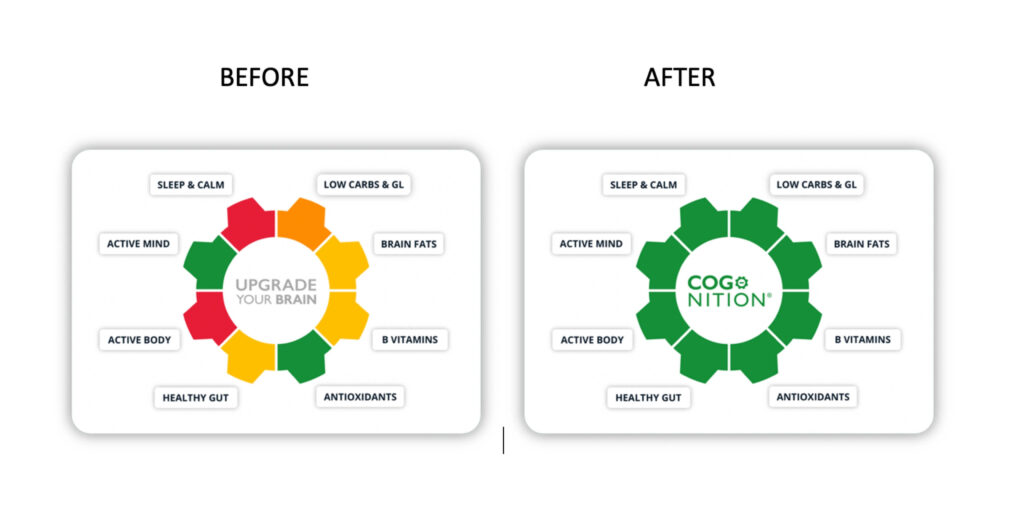
The same principle applies to lifestyle strategies. Physical activity, cognitive stimulation, and stress reduction are all protective, but their impact is blunted when inflammatory and metabolic pressures remain unaddressed. That is why in COGNITION we target all 8 modifiable nutrition and lifestyle factors, so that you are not just targeting a specific nutrient but you are changing the environment.

cognition 8 domain cogs before and after

Microbes, inflammation, and brain vulnerability

Human studies consistently show that individuals with cognitive impairment or Alzheimer’s disease have altered gut microbiome profiles alongside higher levels of systemic inflammatory markers [5].

This does not demonstrate that microbes cause dementia. What it does show is that microbial imbalance contributes to inflammatory load, which in turn increases brain vulnerability.

Over time, this vulnerability can translate into accelerated cognitive decline.

For this reason, the COGNITION brain upgrade programme actively addresses gut health as one of eight modifiable factors that influence dementia risk. Gut microbes actively shape the internal environment in ways that can either accelerate neurodegeneration or help slow it.

The metabolic bridge between gut and brain

The gut also plays a critical role in metabolic regulation.

Chronic gut driven inflammation worsens insulin resistance, reducing glucose uptake by brain cells. Impaired brain glucose metabolism is a recognised feature of cognitive decline and has led some researchers to describe Alzheimer’s disease as a form of brain specific metabolic failure [6,7].

In this model, the gut is not peripheral. It contributes upstream to the metabolic conditions that determine whether the brain can access adequate fuel to function and repair.

Again, the implication is not that gut health alone determines brain fate. It is that brain health strategies are less effective when the metabolic and inflammatory terrain is unfavourable.

Why Brain Health Advice Works for Some People and Not Others

A terrain based perspective offers something often missing from prevention conversations.

Understanding.

When people follow advice carefully and still do not improve, clinicians too often frame the explanation as lack of compliance or genetics. Systems thinking offers a different interpretation.

The tools may be appropriate but the environment may not yet support repair.

This reframes prevention as a personalised process rather than a universal checklist. Understanding an individual’s internal terrain helps identify where effort should go.

This is why Food for the Brain offers two complementary forms of assessment: the free, validated Cognitive Function Test and optional at home blood testing to assess key modifiable risk markers such as homocysteine, omega 3 status and glutathione.

The answer is not found in one nutrient

Viewing brain health through a terrain lens shifts prevention away from adding isolated solutions and toward restoring balance across systems.

The future of brain health does not lie in targeting one nutrient, one habit, or one molecule.

It lies in creating an internal environment where protection, repair, and resilience are possible.

Brains do not fail because one thing goes wrong. They decline when the terrain no longer supports them.

And that terrain forms quietly and cumulatively long before symptoms appear.

Next Steps

References:

  1. Cani PD, Amar J, Iglesias MA, Poggi M, Knauf C, Bastelica D, et al. Metabolic endotoxemia initiates obesity and insulin resistance. Diabetes. 2007;56(7):1761–72.
  2. Hotamisligil GS. Inflammation and metabolic disorders. Nature. 2006;444(7121):860–7.
  3. Smith AD, Smith SM, de Jager CA, Whitbread P, Johnston C, Agacinski G, et al. Homocysteine-lowering by B vitamins slows the rate of accelerated brain atrophy in mild cognitive impairment. Proc Natl Acad Sci U S A. 2010;107(31):14187–92.
  4. Jernerén F, Elshorbagy AK, Oulhaj A, Smith SM, Refsum H, Smith AD. Brain atrophy in cognitively impaired elderly: the importance of long-chain omega-3 fatty acids and B vitamin status in a randomized controlled trial. Am J Clin Nutr. 2015;102(1):215–21.
  5. Vogt NM, Kerby RL, Dill-McFarland KA, Harding SJ, Merluzzi AP, Johnson SC, et al. Gut microbiome alterations in Alzheimer’s disease. Sci Rep. 2017;7(1):13537.
  6. de la Monte SM, Wands JR. Alzheimer’s disease is type 3 diabetes–evidence reviewed. J Diabetes Sci Technol. 2008;2(6):1101–13.

Further info

The GL of Your Diet Determines Your Future Dementia Risk

The GL of Your Diet Determines Your Future Dementia Risk

by Patrick Holford

high glycaemic load diet

Why Blood Sugar Exposure Matters More Than Sugar Itself

Your brain uses more glucose for energy than any other organ in the body.

From that simple fact comes a widespread assumption: that sugar fuels the brain and therefore more sugar must mean more mental energy.

In reality, the opposite appears to be true.

A large new study shows that the glycaemic load (GL) of your diet, which reflects how much glucose you expose your bloodstream to over time, is strongly linked to your future risk of dementia. The higher the glycaemic load, the higher the risk.

In this study, people consuming more than 110 GL units a day had a 13% higher risk of developing dementia. Those consuming less than 49.3 GL units a day had a 17% lower risk. In other words, the difference between a high GL diet and a low GL diet translated into a 30% swing in dementia risk.The study, published in the International Journal of Epidemiology, analysed dietary data from over 200,000 UK Biobank participants in 2011–12 and followed them for more than a decade to see who did, and did not, develop dementia (1).¹

Most people’s diets exceed 100 GL units a day. I have been advocating a daily intake of around 45 to 60 GL units since the 1990s. To understand why this matters, and what it means for what you eat, it helps to understand what GL actually is.

How Much Sugar Your Body Really Needs

As petrol is for your car, glucose is the primary fuel for your body. Glucose is the main fuel used by all cells.

There is also another fuel, ketones, much like cars can also run on electricity. We too are metabolic hybrids.

Now here is an astonishing fact. Your body contains around 100,000 kilometres of blood vessels. Your brain alone has around 1,000 kilometres of them. These vessels supply energy to around 30 trillion cells, each containing roughly 1,000 mitochondria, the tiny energy factories that power life.

And yet, across this entire system, there only needs to be around 4 grams of glucose in your bloodstream at any one time. That is one teaspoonful. That is all that is required for every cell in your brain and body to have energy at that moment.²

GL is a measure of how much glucose enters your bloodstream after eating or drinking a food. If there is not much glucose in the food, and you use it quickly, perhaps by moving or exercising, blood sugar levels stabilise rapidly.

The glycaemic load of a food depends on two things:
• the quality of the carbohydrate
• the quantity eaten

Quality refers to how fast glucose is released, known as the glycaemic index (GI). Fibre and protein slow this release. This is why white rice has a higher GI than brown rice, which contains fibre. Eat rice with fish, beans or meat, and the protein slows the release further.

GL also depends on portion size. A small serving of brown rice with fish is low GL. A large serving of white rice, even with fish, is high GL.

When Glucose Becomes Toxic to the Brain

What happens if you consume far more glucose than the body needs?

A can of sugary fizzy drink contains around 35 grams of sugar. That is roughly nine times more glucose than the total amount normally circulating in your bloodstream.

This excess is toxic. It damages blood vessels and the tissues they supply. Diabetes is diagnosed precisely because excess sugar damages the kidneys, eyes and nerves. The brain is no exception.

“The brain needs more energy than any other organ, so it contains the most mitochondria. Sugar damages mitochondria,” says Professor Robert Lustig, Professor of Neuroendocrinology at the University of California, San Francisco. If you have read Upgrade Your Brain or Alzheimer’s: Prevention is the Cure, you will already know that high sugar intake, sugary drinks and ultra processed foods increase dementia risk, worsen memory even in young people, and are associated with measurable shrinkage of brain regions involved in memory in teenagers.

Are You Eating Too Much Hidden Sugar?

The simplest way to assess your long term blood sugar exposure is to measure HbA1c.

HbA1c literally means sugar damaged red blood cells. If more than 6.5% of your red blood cells are sugar damaged, you are diagnosed with diabetes. Above 6% indicates pre diabetes. Even levels above 5.4% in teenagers predict brain shrinkage.

For optimal health you want to be below 5.4%, and ideally below 5%.

HbA1c is such a strong indicator of blood sugar resilience that it is included in Food for the Brain’s 5-in-1 DRIfT home blood test kit.

Balancing Blood Sugar with a Low Glycaemic Load Diet

Let us start with something simple.

An orange contains sugar, but also fibre and micronutrients. The fibre slows sugar release, mainly fructose, which takes time to convert to glucose, while feeding beneficial gut bacteria.

A glass of orange juice, however, contains the sugar of around three oranges, without the fibre. Three times the sugar, with no brakes. Eat your fruit. Do not drink it.

When you eat sugar or starches such as rice, digestive enzymes rapidly break them down into glucose. Protein, by contrast, takes several hours to digest into amino acids. This slows carbohydrate digestion further down the digestive tract.

This leads to a simple rule: eat carbohydrates with protein.

Brown rice releases glucose more slowly than white rice. Add beans, fish or meat, and the release slows further.

From this we can extract three practical rules:
• Eat fruit. Do not drink it
• Always eat carbohydrate with protein
• Make fibre the primary ingredient of every meal

What a Low GL Meal Actually Looks Like

Compare these two breakfasts:

Cornflakes with a banana or Oats with chia seeds and berries

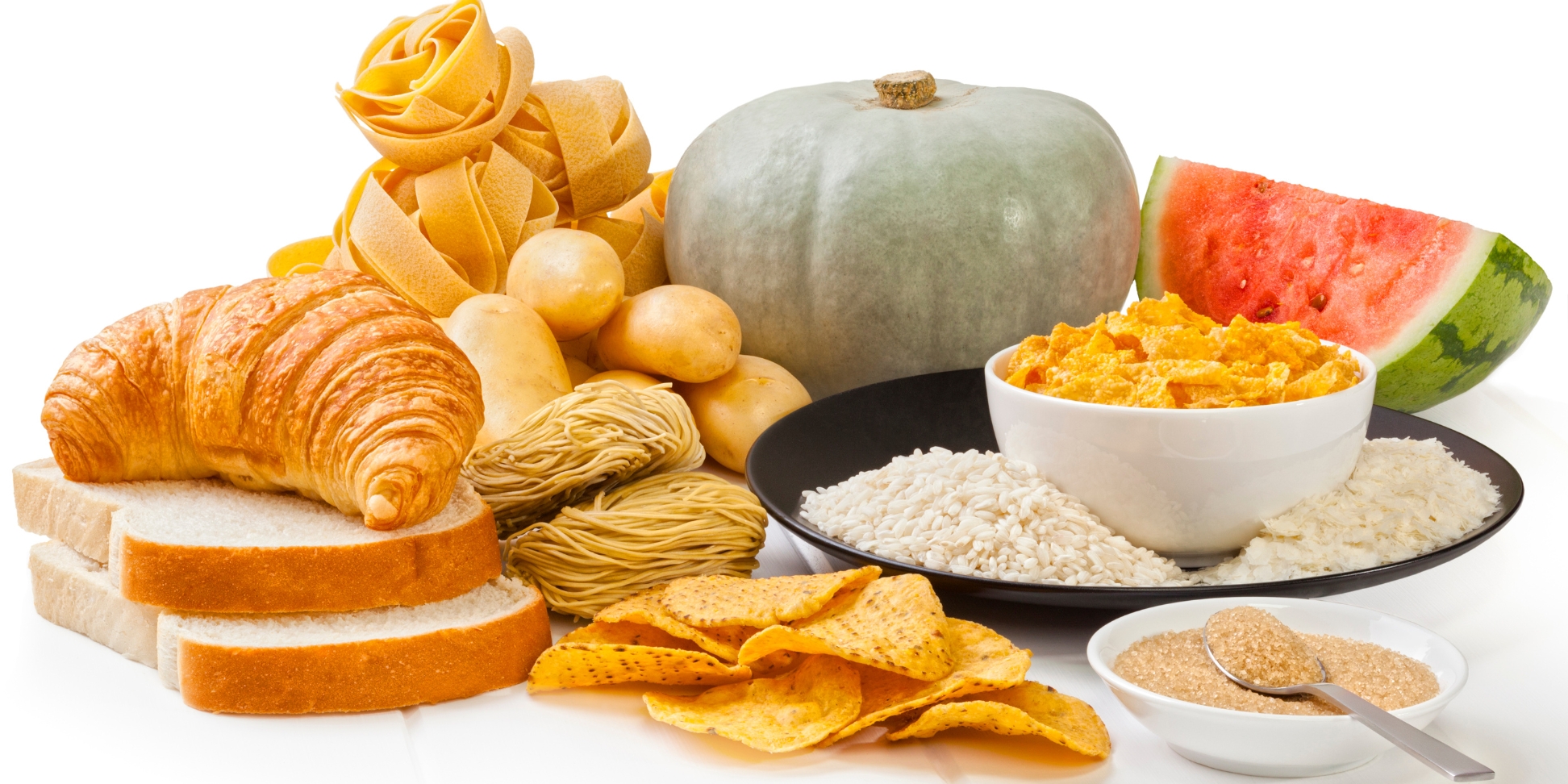
Cornflakes are fast releasing sugar. Oats are slow releasing. A banana raises blood sugar more than two bowls of berries.

Chia seeds, rich in soluble fibre, dramatically slow sugar release. A portion of oats with chia and berries is around 10 GL. Cornflakes and a banana can reach 30 GL.

You want meals around 10 GL and snacks around 5 GL. Three meals and two snacks equals around 40 GL per day.

Eat 40 GL per day to lose weight. Around 60 GL to maintain it.

Eat little and often, and start the day with a low GL breakfast.

A friend of mine, Dr David Unwin, who is  a leading diabetes doctor, converted our low GL calculations into ‘teaspoons of sugar equivalent’ to give a visual idea to his diabetic and overweight patients of how sugar is hidden in common foods. See the table below.

Food GIServing size GLTeaspoons of sugar
Cereals
Coco Pops7730g207.3
Cornflakes9330g228.4
Mini Wheats5930g134.4
Shredded Wheat6730g144.8
Special K5430g124.0
Bran Flakes7430g134.8
Porridge63150ml62.2
Bread
White7130g103.7
Brown7430g93.3
Rye (69% wholegrain rye flour)7830g114.0
Wholegrain barley (50% barley)8530g155.5
Wholemeal (stoneground flour)5930g72.6
Pitta (wholemeal)5630g82.9
Rough oatcake3510.4g20.7
Fruit
Banana62120g165.9
Grapes (black)59120g114.0
Apple (Golden Delicious)39120g62.2
Watermelon80120g51.8
Nectarines43120g41.5
Apricots34120g31.1
Strawberries40120g10.4

Adapted, with permission, from David Unwin’s charts in the Journal of Insulin Resistance (2016) 

The Balance of Your Plate

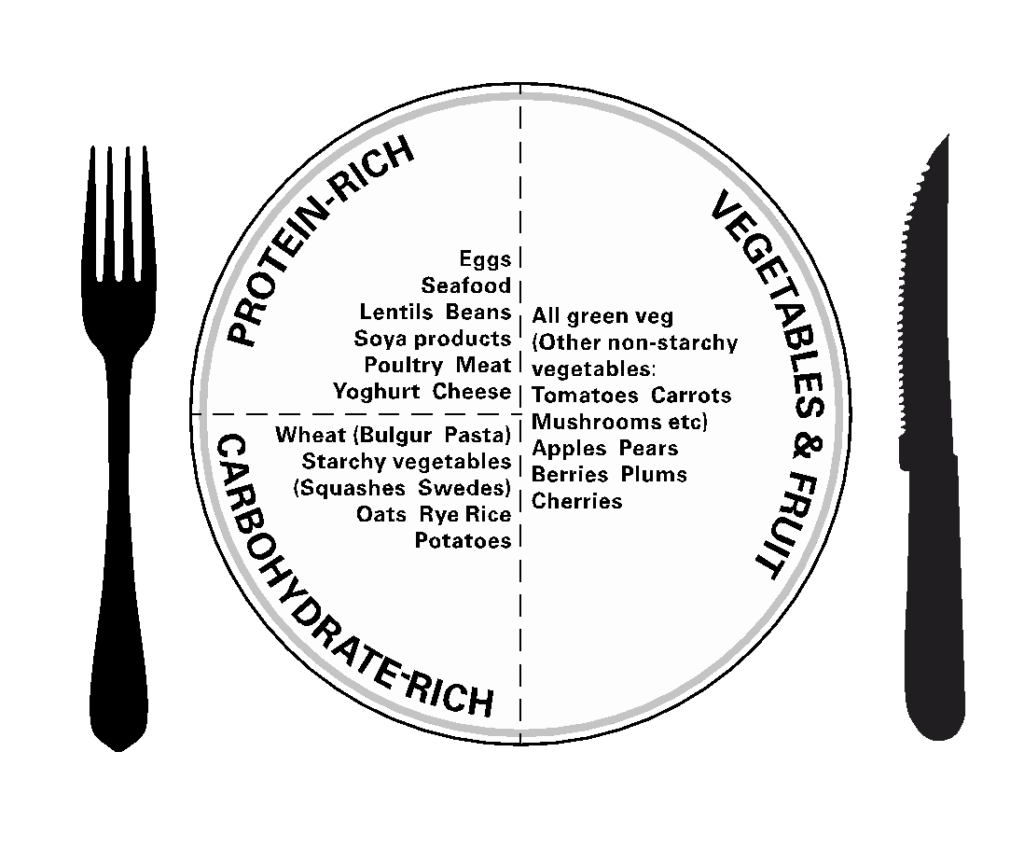
Half your plate should be vegetables and fruit. A quarter should be protein. A quarter carbohydrate.

Vegetables supply antioxidants that neutralise the exhaust fumes produced when mitochondria burn fuel. This becomes more important as we age and mitochondrial efficiency declines.

Protein slows sugar release and provides essential building blocks. Carbohydrate portions must be modest.

Whole grains and starchy vegetables vary widely in GL. Wholemeal pasta and brown basmati rice are far better than white pasta or white rice. Swedes, carrots and squash are better than potatoes. Boiled potatoes are better than baked. French fries are the worst of all.
all.

Starchy vegetables and cereals
Pumpkin/squash
Carrot
Swede
Quinoa (cooked)
Beetroot
Cornmeal
Pearl barley (cooked)
Wholemeal pasta (cooked)
White pasta (cooked)
Brown basmati rice (cooked)
White rice (cooked)
Couscous (soaked)
Broad beans
Sweetcorn
Boiled potato
Baked potato
French fries
Sweet potato
7 GL points
1 large serving (185g)
1 large (158g)
1 large serving (150g)
1 large serving (120g)
1 large serving (112g)
1 serving (116g)
1 small serving (95g)
half a serving (85g)
a third of a serving (66g)
1 small serving (70g)
a third of a serving (46g)
1 serving (31g)
half a cob (60g)
3 small potatoes (74g)
half (59g)
a tiny portion (47g)
half

Beans and Lentils: Nature’s Blood Sugar Regulators

Beans and lentils are uniquely effective because they contain both protein and carbohydrate in one food. This keeps their GL low while allowing generous portions.

When combining beans with other starches, reduce the starch portion by half. A cup of lentils with half a cup of rice, not equal amounts.

By applying these principles you can restore blood sugar control, regain energy, reduce dementia risk, reverse type 2 diabetes and improve cognitive clarity.

The Proof Is in Your HbA1c

Red blood cells live for around three months. Follow a low GL diet for three months, then retest HbA1c.

This approach is detailed in The Low GL Diet Cookbook. Specific supplements can accelerate recovery, including fibre such as glucomannan, chromium and cinnamon compounds to improve insulin sensitivity, and HCA from tamarind to promote glucose burning rather than storage.

What to Do Next

If glycaemic load affects dementia risk, the next step is simple: measure, act, and check again.

Test your blood sugar resilience.

HbA1c shows how much sugar damage has occurred over the last three months. It is included in Food for the Brain’s DRIfT 5-in-1 home test, alongside other key brain health markers. If HbA1c is high, a low GL diet gives you a clear way to bring it down.

Check how your brain is functioning now.

The free Cognitive Function Test takes around 20 minutes and provides an objective snapshot of memory, attention and processing speed. Many people spot early changes years before any diagnosis.

Make changes, then retest.

Follow a low GL diet for three months, then re-test HbA1c and cognitive function to see whether the changes are working.

Prevention works best when it is measured.

References:

Further info

A Better Festive Treat: Black Bean Brownies That Support Blood Sugar and Brain Health

A Better Festive Treat: Black Bean Brownies That Support Blood Sugar and Brain Health

If you find yourself craving more sugar at this time of year, there’s nothing wrong with you – your biology is responding to a month where blood sugar swings are almost guaranteed. 

But cravings aren’t a sign of weakness. They’re a sign your blood sugar, gut, and brain chemistry are under strain – which is why fibre-rich festive recipes can make such a powerful difference.

This week’s recipe does exactly that. These black bean brownies feel indulgent, but underneath they’re designed to support stable blood sugar, calm cravings, and keep your brain sharper through the most sugar-heavy month of the year.

And yes: they taste genuinely delicious.

Why Sugar Affects Your Brain and Memory

Sugar doesn’t just influence your waistline and energy – it directly affects the structure and functioning of your brain. Glucose is the brain’s primary fuel, but when levels rise too high or fluctuate too quickly, the brain experiences this as stress. Over time, those swings change how the brain ages.

Large population studies show that even slightly elevated glucose levels – levels many people would consider “normal” – significantly increase dementia risk (1). And when HbA1c rises, it shows that your body has been exposed to higher glucose levels over the past 8–12 weeks. This matters because long-term elevated glucose drives inflammation, damages blood vessels in the brain, and accelerates the processes linked to cognitive decline (2).

Even in younger or otherwise healthy adults, small rises in glucose are associated with reduced volume in the hippocampus – the brain’s centre for memory, learning, and emotional regulation (3). This means that sugar isn’t only an issue for diabetes prevention; it’s directly tied to how well your brain can store information, retrieve memories, and stay resilient across your lifetime.

During the festive period, these glucose swings become more common – thanks to grazing, disrupted routines, and richer foods. It’s not the single dessert that matters, but the repeating pattern. And your brain feels every one of those peaks and dips before your waistline every does.

How to Tell If You’re Eating Too Much Sugar (Using HbA1c)

This is where measuring your HbA1c becomes incredibly useful.

HbA1c reflects how much of your red blood cells have been exposed to glucose over the past 8–12 weeks, giving you a true picture of your overall sugar load – not just what you ate yesterday, but whether your body is regularly receiving more carbohydrate than it can comfortably handle. We all have slightly different carbohydrate tolerance, and HbA1c shows you where your line is.

It’s also one of the most powerful early indicators of long-term brain health. Higher HbA1c is linked with faster cognitive decline and a greater risk of dementia, even in people who don’t meet the criteria for diabetes (2). Keeping your sugar intake – and therefore your HbA1c – in a healthy range is a core part of protecting your brain.

But glucose is only one part of the story.

When you look at HbA1c alongside other biomarkers such as homocysteine and the omega-3 index, you get a much richer picture of how well your brain is being supported. These markers reflect inflammation, nutrient status, membrane structure and repair – all of which influence how resilient your brain is to the effects of oxidative stress and high blood sugar. When any of them drift out of range, the brain becomes more vulnerable.

This is exactly why our DRIfT test brings these three measures together.

Between HbA1c, homocysteine, and omega-3 status, you gain a personalised, science-based understanding of how your current diet and lifestyle are shaping your cognitive future.

And if your HbA1c is starting to rise, it’s an early signal that your brain has been exposed to more glucose than it can comfortably manage – a gentle nudge to make adjustments now, rather than years down the line. Order your DRIfT test here – and for the first time ever – we’ve reduced the DRIfT 5-in-1 test by 20% this weekend to widen access to early detection and support our prevention research.

Why Fibre Helps Reduce Sugar Cravings (Especially in December)

This is the part most people underestimate.

A high-fibre diet:

  • slows glucose entering the bloodstream,
  • reduces cravings,
  • stabilises energy, and
  • supports better long-term glycaemic control.

A large systematic review published in The Lancet found that diets higher in fibre significantly improved blood sugar control, lowered HbA1c, and reduced diabetes risk (4).
During a month where treats are everywhere, fibre becomes one of the simplest tools to protect your metabolic and cognitive health. (Gut health is one of our nutrition and lifestyle domains on our COGNITION™ programme – free to all our FRIENDS)

Which is why these brownies work so well…

Most festive treats are low-fibre and high-sugar – a combination that sends cravings soaring.

These brownies flip that on its head.

With black beans, oats, and chicory root syrup, each brownie contains:

  • ~5.4g fibre
  • ~3g protein
  • ~6g fat
  • ~9g carbs
  • low GL (≈ 3.9)

This gives you the sweetness without the spike – and the fibre slows digestion so you don’t end up reaching for “just one more”.

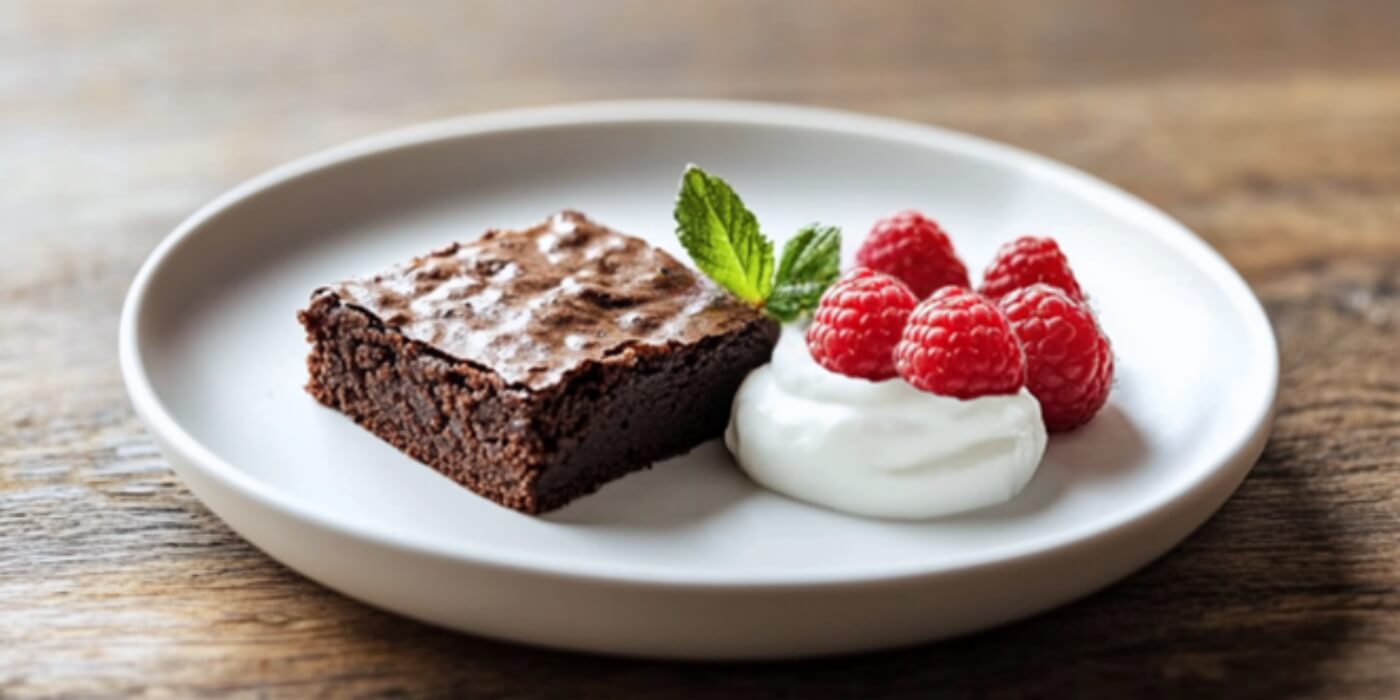
Serve them with thick Greek yoghurt and fresh raspberries for extra balance and natural sweetness.

High-Fibre Black Bean Brownie Recipe (Low GL, Gluten Free)

Ingredients

  •  1 tin black beans, drained & rinsed very well
  • 6 tbsp cocoa powder (30g)
  • 40g oats
  • 1 egg
  • 1/4 tsp salt
  • 4–6 tbsp sweetener of choice (chicory syrup or brown-sugar substitute work well)
  • 4 tbsp coconut oil
  • 2 tsp vanilla extract
  • 1/2 tsp baking powder

Method:

Preheat oven to 170°C.
Blend all ingredients in a food processor until completely smooth.
Pour into a lined 8×8 tin.
Bake for 15–18 minutes.
Cool for at least 10 minutes before slicing.
If still soft, chill in the fridge overnight – they firm up beautifully.

Check Your HbA1c, Omega-3 and Homocysteine With Our DRIfT Test

Fibre-rich recipes can help – but the real insight comes from knowing your HbA1c.

Our DRIfT 5-in-1 at home blood test measures your:

  • HbA1c (blood sugar control)
  • Omega-3 Index
  • Vitamin D
  • Homocysteine
  • Glutathione
    Available to purchase globally – order yours here

It’s one of the simplest ways to understand how sugar is affecting your long-term brain health – and what to do next to protect it.

Also, if you haven’t completed the FREE and validated online Cognitive Function Test then do that together too get instant personalised feedback on your brain health.

For more recipes – subscribe to the Upgrade Your Brain Cook App.

References:

  1. Crane PK et al. Glucose levels and risk of dementia. N Engl J Med. 2013;369(6):540–548.
  2. Rawlings AM et al. Diabetes, prediabetes and cognitive decline. Diabetes Care. 2019;42(7):1217–1224.
  3. Kerti L et al. Higher glucose levels relate to lower hippocampal connectivity and cognition. Neurology. 2013;81(20):1746–1752.
  4. Reynolds A et al. Carbohydrate quality and human health: systematic review. Lancet. 2019;393(10170):434–445.

Further info

Time-Restricted Eating and the Ageing Brain

Time-Restricted Eating and the Ageing Brain

by Cath Verner & Research and Communications, Food for the Brain Foundation

Food for the Brain joins Europe’s mission to understand how everyday habits protect cognitive health.

At Food for the Brain, research and education go hand in hand.

Every Cognitive Function Test or at home blood test completed, every dataset analysed, brings us closer to one clear goal. That goal is preventing cognitive decline and dementia through a better understanding of nutrition and lifestyle.

After announcing our game changing Innovate UK grant and research project, we have also been working hard as part of a European effort to understand and improve brain health.

A shared European vision for brain health

Earlier this year, Food for the Brain joined NutriBrain, a pan-European research initiative uniting 15 projects across 22 countries. From Norway to Spain, Austria to Italy, scientists are examining how diet, movement, sleep and social connection influence the ageing brain.

Research Council of Norway meeting 2025

The initiative was officially launched in Oslo at a meeting hosted by the Research Council of Norway. Researchers from across Europe gathered to share data and plan the next phase of collaboration. The goal: scientists from nutrition, medicine and technology all working towards a common vision – longer, healthier brain health and function.

Projects include BOOMERANG, exploring the impact of B-vitamins and omega-3 fatty acids. PrecisePrevent is studying how physical activity and social engagement influence cognition. ALPHA-FIT is examining exercise in conditions such as Parkinson’s disease. Together they form a network dedicated to translating science into practical, evidence-based prevention – that we can share with you!

OptimaMind: aligning eating patterns with brain biology

Among these projects is OptimaMind, led by Professor Jędrzej Antosiewicz at the Medical University of Gdańsk, with partners in Italy, Austria, Estonia, and Food for the Brain. The OptimaMind consortium includes the Medical University of Gdańsk, the Università Politecnica delle Marche in Italy, the Medical University of Graz in Austria, and the Tallinn University of Technology in Estonia. It also includes the Polish biomedical company Masdiag and Food for the Brain.

At Food for the Brain, we talk a lot about what to eat to support your brain. But what is interesting about this research with OptimaMind, is that we get to investigate time-restricted eating. It explores how the timing of your foods impacts your brain health. Time restricted eating isn’t fasting; it’s an approach that limits food intake to specific hours of the day. This research is investigating whether aligning meals with the body’s natural circadian rhythms can reduce inflammation, enhance metabolic efficiency, and support cognitive performance.

For the brain, this matters enormously. When blood sugar (glucose) is well regulated, the brain receives a steady, reliable fuel supply. When it isn’t, energy dips can lead to fatigue, forgetfulness and eventually, damage to brain cells. Oxidative stress, the build-up of “wear and tear” from energy production, is another key driver of brain ageing. Time-restricted eating may help reduce this stress, supporting stronger, more resilient neurons over time. In short, the project asks whether when we eat could be as important as what we eat for long-term brain health.

Our contribution: measuring cognition across Europe

Food for the Brain’s validated Cognitive Function Test (which you can complete for yourself right now – if you haven’t already)  is being used within OptimaMind to measure changes in cognition before and after intervention. These results will be combined with blood biomarker data to explore how nutrition and lifestyle translate into measurable effects on brain and metabolic function.

The same digital tools used daily by thousands of our supporters are now being applied in university and clinical settings across Europe – a clear example of how citizen science is powering international research and change.

Through this collaboration, our long-term goal is to strengthen the link between lifestyle patterns, metabolic biomarkers and measurable changes in cognition. The findings will help define early, modifiable risk factors for dementia. They will also guide prevention strategies that can be adopted on a larger public level.

Building the evidence for prevention

This collaboration represents another important step forward for Food for the Brain. It moves us from an education charity to a recognised research partner working alongside leading universities and clinicians across the world.

Over the next three years, findings from OptimaMind and other NutriBrain projects will contribute to a shared European evidence base. This evidence base will show how nutrition and lifestyle influence cognitive ageing.

The data will not only inform clinical practice but also help shape European public health recommendations. Ensuring that dementia prevention strategies are grounded in real-world evidence rather than drug-led theory.

For Food for the Brain, this partnership shows the power of citizen science, how thousands of people taking part in our tests can generate data that drives real research and public health change. It proves that preventing cognitive decline isn’t a theory or a “nice idea” – it’s science in action.

Be part of the research and movement

Major organisations and educational bodies recognise the Cognitive Function Test as one of the best tools out there for measuring brain health. And you can get access to it for FREE right now. If you haven’t done the online test yet make the time today to do it here.

Every person who completes this test adds a valuable data point to this growing international picture of brain health. Each anonymous result helps researchers design more effective prevention strategies and informs the public guidance of tomorrow.

We are about getting the best tools and research into the hands of the public. That is why we partner with influential organisations and make the Cognitive Function Test freely available to all.

Will you be part of this movement?

You can use the same tools now being used by researchers across Europe:

  1. Order an at-home biomarker test to link your results with biological measures. Find out more here.

Together, we are building the evidence that prevention is not only possible – it is measurable.

Further info

Lithium and Brain Health: The Overlooked Mineral That Could Protect Your Mind

Lithium and Brain Health: The Overlooked Mineral That Could Protect Your Mind

by Greg Potter

Lithium and Brain Health: The Overlooked Mineral That Could Protect Your Mind

Lithium and brain health are more connected than many realise. One of the universe’s oldest elements could also be one of the brain’s most powerful protectors.

Long associated with bipolar treatment, lithium is often dismissed as a heavy-duty psychiatric drug – yet new research tells a different story. Trace amounts of lithium appear to influence mood, longevity and even cognitive decline. With dementia rates rising fast, scientists are revisiting this humble mineral to understand whether it could slow or prevent neurodegeneration altogether.

In this article, Dr Greg Potter, member of our Scientific Advisory Board and Sleep Scientist, explores the remarkable – and misunderstood – role of lithium in supporting brain health, from dementia protection to lifespan extension and neural resilience.


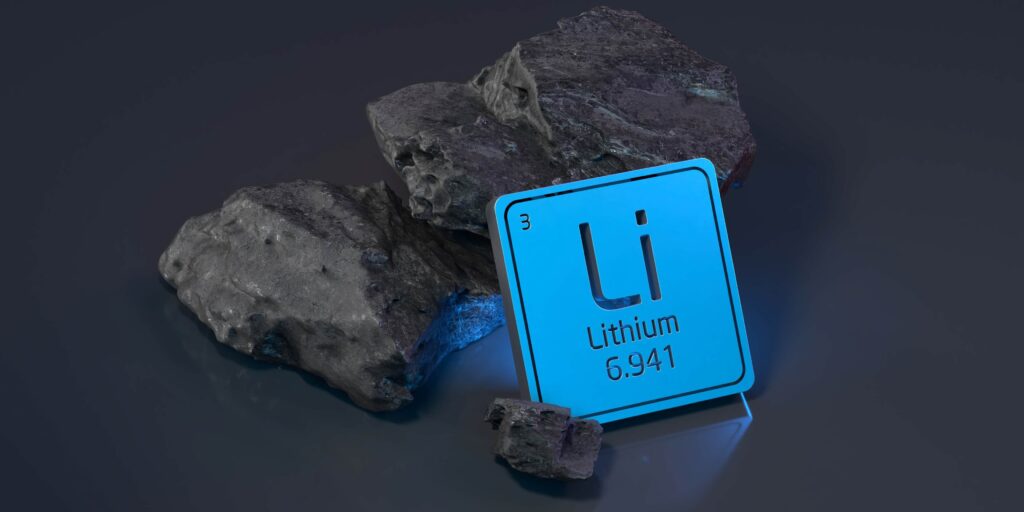
Lithium is one of three elements created during the Big Bang event that gave rise to the universe 13.8 billion years ago, and nowadays it’s mostly found in igneous rocks. 

Because lithium predates all life on Earth, it’s perhaps no surprise it plays a role in human biology. While lithium doesn’t seem to be a truly “essential” nutrient  (1) as it isn’t indispensable for any one biological process, lithium’s mood-stabilising actions have long been recognised. Specifically, lithium has primarily been used to help patients with bipolar disorder avert swings into sleepless mania. Despite its clinical utility, lithium has arguably been stigmatised due to its association with mental illness, its side effects at high doses, and perceptions that it’s an outdated drug with superior, more modern alternatives – a perspective that frankly defies reality. Some astute individuals have understood lithium’s greater promise for years; however, lithium was recently thrust back into the spotlight. 

A recent high-profile publication showing promise of lithium in mitigating Alzheimer’s in the prestigious journal Nature (2) means we are finally waking up to just how interesting and helpful lithium can be.

Could lithium help prevent or treat dementia?

Research into lithium effect on brain health goes back longer than many realise. Several studies have associated lithium use with reduced risk of dementia (3), and scientists have also considered lithium as an adjunct treatment for patients who already have dementia. An experiment (4) on Alzheimer’s disease patients found that supplementing just 300 mcg lithium (as carbonate) per day for 15 months prevented deterioration in cognitive function, which continued to decline in people taking a placebo. While not all research has reported such positive effects, the early evidence is encouraging, and discrepancies between studies might be explained by variables such as discrepant lithium forms and doses.

Returning to the 2025 publication that caused such a stir, the researchers undertook a range of experiments to try to decipher lithium’s effects. First, when they looked at levels of metals in the brains of cognitively healthy adults, people with mild cognitive impairment, or individuals with Alzheimer’s, they found higher levels of lithium in a part of the brain key to processes such as planning and decision making in the cognitively healthy. They also explored the effects of adding lithium orotate, a salt of lithium, to the drinking water of mice genetically engineered to develop a condition similar to familial Alzheimer’s, the aggressive, early-onset form of the disease that runs in families. Compared with the lithium-free condition, even very low doses of lithium orotate dramatically reduced the characteristic misfolded brain proteins that occur in Alzheimer’s, also potentially allaying cognitive decline. Promisingly, lithium also exerted similar protective effects in “wild type” mice. These mice lack the genetic changes that cause early-onset Alzheimer’s, making them a better model for most people.

Does Lithium Extend Lifespan? What the Evidence Suggests

My interest in lithium is tentative evidence from the last couple of decades positively associating intakes with lifespan. This link has been shown in the general population, but there’s also the intriguing finding that people medicated with lithium for psychiatric conditions live longer than their peers taking alternative medications (5). Some of lithium’s effects on mood might mediate the relationship between higher lithium intake and longer life. Tragically, suicide is a common driver of deaths in young adults, and studies of large groups of people have linked higher lithium intakes with lower suicidality (6), which by itself would extend lifespan a little. However, the effects of lithium on mood might not be the whole story, and scientists who study the biology of ageing (geroscientists) have started to test whether lithium extends lifespan in non-human animals. 

So far, the jury is out, for while lithium has been found to extend life in yeast, roundworms, and flies (7, 8 ,9), it didn’t do so in mice, although male mice consuming lithium did seem to have better body composition and blood sugar control (10). Again, perhaps lithium form, dose, and age of use matter though. Overall, lithium certainly doesn’t seem to hurt lifespan, and it might prove modestly beneficial for healthspan (let’s define this as days of life free from disease or disability) and lifespan in a subset of people – but more research needs to be done.

How Lithium Supports Brain Cells and Mood Stability

Regarding how lithium supports mood stability and protects the brain against degeneration (11), as usual, we’re not sure. Most of the relevant research has used the equivalent of very high lithium doses, but I’ll mention a few mechanisms that have substantial empirical support.

Lithium can enter cells through sodium channels, and by competing with sodium and magnesium it can reduce activity of enzymes activated by these other minerals. Perhaps the best-accepted instance of this is lithium’s inhibition of glycogen synthase kinase-3β, an enzyme so named because, among other actions, it reduces activity of an enzyme that synthesises the storage form of carbohydrate, glycogen. This, plus inhibition of other key enzymes, such as inositol monophosphate, set in motion changes in the expression of myriad gene networks involved in brain health, including enhancing clearance of dysfunctional cells and hence improving regulation of proteins in the brain, reducing brain inflammatory responses and hence collateral damage, and promoting the neuroplastic processes needed to remodel the brain to thrive in the dynamic environments in which we live. 

Interestingly, the kinds of high lithium doses used to treat bipolar also support body clock function and sleep, which often go awry before mental illness sets in. Lithium has been shown to influence the body clock at several levels of organisation, from individual cells to people’s rest-activity timing (12), shifting the sleep-wake cycle earlier, making the cycle more regular, and increasing its amplitude. High doses also tend to deepen sleep (13), and deep sleep is a key player in mood regulation and brain maintenance processes, such as waste clearance. (Incidentally, a big part of why appropriate exercise is so good for the brain is that it tends to deepen sleep.) Again, we’re talking about large doses here though.

How Much Lithium Do You Need – and Is Supplementation Safe?

Several factors make it difficult to give clear recommendations regarding lithium intakes.

Firstly, none of us really have any idea how much lithium we regularly consume. Lithium intakes vary enormously between populations, based partly on the physical geography of where people live (over half the world’s lithium is concentrated in Argentina and Chile). This affects how much lithium gets into local drinking water and food. Even then, in much of the world people drink water and eat food that doesn’t come from nearby. Next, your lithium intake would ideally map to your bodily lithium status and needs, and we don’t have good proxies for these at present. There’s also the fact that lithium comes in different salts. Lithium carbonate is most widely used in psychiatry, followed by lithium citrate. However, there’s experimental evidence that lithium orotate is more bioavailable than both, and this superiority of orotate was born out by the recent Nature publication, albeit for different reasons (related to reduced lithium uptake by amyloid). Finally, lithium is used as a medication and is quite tightly regulated in some parts of the world. The salt we know most about (carbonate) is therefore off limits for most of us, although given the early promise of lithium orotate, that might be no issue. 

I’m not a medical doctor and recommend running the supplements you take by a qualified medical professional – just bear in mind that most medical doctors know very little about nutrition and supplementation. I would consider a dose of up to 1 mg elemental lithium per day to be reasonable, provided it’s from a reputable manufacturer. People not very familiar with lithium doses might think of some of the adverse effects of high dose lithium intakes, which can include kidney toxicity. To be clear, my suggestion is well below the amount of lithium consumed from diet alone in much of the world, which most people have never thought twice about. 

I have no affiliation with either, but both Swanson and Life Extension sell low- or trace-dose lithium orotate, and the data I’ve seen suggest their products are high quality and contain what they claim they do. (In fact, there’s been research (14) showing the Swanson low-dose lithium orotate product raises brain lithium in adults.) Part of the difficulty here is that, in my opinion, the lithium doses in many supplements might be higher than is ideal. Based on the work on trace dose lithium use in dementia, plus the apparent higher bioavailability of lithium orotate (15), I think 300 to 400 mcg lithium orotate is an excellent starting point. That dose is more than conservative yet should be sufficient to be beneficial, and my approach to supplementation is generally to choose the lowest dose shown to have the effects you’re after. 

Parting words

In summary, while lithium is not an essential micronutrient, the human brain seems to thrive when it has enough lithium. To ensure you’re providing your brain with what it needs, a lithium supplement providing a trace dose (less than 5 mg elemental lithium) each day seems to be a reasonable, safe way to ensure this. If you’re interested in learning more about lithium, in 2024 I interviewed Dr Becci Strawbridge, an expert in low-dose lithium. The conversation is available on all major podcasting platforms. It’s also on YouTube here.

Note: These words are solely the opinions of the author. (He used no large language models to help write this article.)


About Greg Potter

Greg helps individuals and organisations sustainably improve their health and performance. He does this through developing and popularising innovative businesses and products, coaching, public speaking, consulting, and empowering people through educational resources such as e-books, articles, and courses. Among other roles, Greg is a Sleep Coach at the London Psychiatry Clinic and is Chief Science Officer at Coastline Longevity, where he leads the formulation of supplements to extend healthspan. He also hosts the Reason & Wellbeing podcast and YouTube channel.

Greg’s PhD research spanned sleep, circadian rhythms, nutrition, and metabolism. Highlights of Greg’s career include having this research featured in dozens of international news outlets, including the BBC, Reuters, and The Washington Post; having his writing featured in many newspapers and magazines, including The Metro, Stylist, and Newsweek; coaching a sprinter to four gold medals at the European Championships; and helping athletes break multiple World Records in ocean rowing.

Reference:

8 https://pubmed.ncbi.nlm.nih.gov/17959600/

15 https://pubmed.ncbi.nlm.nih.gov/37356352/

Further info

Why Women’s Brains Need Omega-3 Now

Why Women’s Brains Need Omega-3 Now

What if the key to protecting women’s brains from Alzheimer’s isn’t a drug, but a nutrient most of us are not getting enough of?

That’s the conclusion of new research linking low omega-3 status with a higher risk of dementia, particularly in women. It adds to a growing body of evidence that what you eat today directly shapes your brain health tomorrow.

You may have seen headlines this year reporting that women with Alzheimer’s disease tend to have unusually low levels of omega-3 fatty acids in their blood. This new evidence adds weight to what our research has been highlighting for years: your brain needs these essential fats to stay healthy, sharp, and resilient.

What The New Study Shows?

A study led by Wretland and colleagues, published in Alzheimer’s & Dementia, analysed blood lipid profiles and found that those at greater risk of Alzheimer’s disease had lower levels of lipids containing the long-chain omega-3 fats EPA and DHA. Importantly, this association was stronger in women than in men [1].

Professor William Harris, a member of Food for the Brain’s Scientific Advisory Board and one of the world’s leading omega-3 researchers, commented on the study, saying:

“Measurement of blood omega-3 levels may be especially useful in identifying women at increased risk for Alzheimer’s. Why women? Possibly because of the widespread abandonment of hormone replacement therapy after the Women’s Health Initiative study, which may have inadvertently left many women more vulnerable. Oestrogen supports cognitive health and also helps maintain omega-3 status. Without it, low omega-3 levels may pose an even greater risk.

(Want to learn more about how to support women’s brains and hormones? Find out more here.

Learn more about maintaining healthy omega-3 levels from OmegaQuant, founded by Professor William Harris.)

Why Omega-3 Is So Vital For The Brain?

  • The brain is about 60% fat by dry weight, with DHA the dominant structural fat in brain cells [2].
  • Higher omega-3 status is consistently linked to slower brain shrinkage and lower dementia risk [3,4].
  • Just one serving of oily fish a week has been associated with a 60% lower risk of Alzheimer’s disease [5].

But omega-3 rarely works in isolation. Research from the University of Oxford shows that the combination of good omega-3 levels and homocysteine-lowering B vitamins can reduce brain shrinkage by 73% in those at risk of dementia [6,7].

Why Women’s Brains Need Special Attention After Menopause?

After menopause, falling oestrogen increases the risk of memory decline. Following the 2002 Women’s Health Initiative report, HRT prescribing plummeted worldwide due to perceived risks. Although use is now rising again, this shift has raised important questions about how hormones interact with brain health.

While decisions about HRT are individual and should be made with the guidance of a medical professional, supporting brain health through nutrition is relevant for all women. Because oestrogen helps maintain levels of the omega-3 fats EPA and DHA, women with a low intake of these nutrients may be at particular risk of deficiency. Ensuring adequate omega-3 – through oily fish or supplements – remains a practical, evidence-based step for long-term brain protection.

How Do You Know If You’re Protected?

The easy answer is to test, not guess. That is why we offer our at-home pinprick blood tests as part of our research and prevention support.

Our DRIfT 5-in-1 test includes the omega-3 index, homocysteine, vitamin D, blood sugar control (HbA1c), and glutathione – together providing a powerful snapshot of your brain’s future resilience. This allows you to see whether you are eating enough oily fish, supplementing properly, or at greater risk of future disease.

The Bigger Picture Of Brain Health

This new study is another reminder that Alzheimer’s is not an inevitable part of ageing.
It is largely preventable when we address the eight modifiable risk domains – from brain fats and B vitamins to diet, lifestyle, and gut health – which we cover in our COGNITION brain upgrade programme.

Women’s brain health has been historically under-researched, particularly in relation to hormones and cognitive ageing. Studies like this are a vital step towards closing that gap and ensuring prevention strategies work for everyone.

Learn more

  • Join Menopause and the Mind with Dr Ghazala Aziz – find out more here.
  • Are you supplementing correctly? Eating enough fish? The only way to know is to test – order your DRIfT 5-in-1 test today to discover what you need to do to protect your brain.
  • Complete the free, validated Cognitive Function Test today to receive personalised information on how you can protect your brain and your future.

References

  1. Wretland A, et al. Lipid profiling shows reduced long-chain omega-3 lipids in individuals at risk for Alzheimer’s, especially women. Alzheimer’s Dement. 2024. PMID: 40832908.
  2. Crawford MA, et al. The role of essential fatty acids and phospholipids in brain development and health. Prostaglandins Leukot Essent Fatty Acids. 2001;64(2):95-111.
  3. Tan ZS, et al. Red blood cell omega-3 fatty acid levels and markers of accelerated brain aging. Neurology. 2012;78(9):658-664.
  4. Yassine HN, et al. Long-chain omega-3 fatty acids and brain health. Alzheimers Dement. 2016;12(7):759-768.
  5. Morris MC, et al. Fish consumption and the risk of Alzheimer disease. Arch Neurol. 2003;60(7):940-946.
  6. Smith AD, et al. Homocysteine-lowering by B vitamins slows the rate of accelerated brain atrophy in mild cognitive impairment. Proc Natl Acad Sci U S A.
  7. Jernerén F, et al. Homocysteine-lowering B-vitamin treatment modifies the effect of omega-3 fatty acids on brain atrophy in mild cognitive impairment. Am J Clin Nutr. 2015;102(1):215-221.

Further info

Brain-Boosting Cacao with Maca & Cinnamon

healthy cocoa drink recipe -

Everywhere you turn, coffee shops tempt us with seasonal lattes, pumpkin-spiced treats and sugary hot chocolates. They may taste comforting, but many of these drinks deliver more sugar (up to 40 g in a single serving) and stimulants than your brain can’t handle, fuelling blood sugar spikes, jitters and, over time, even memory decline. In fact, higher blood glucose levels, even within the normal range, is linked to an increased risk of dementia (1*), while poor glucose control shrinks the hippocampus, the brain’s memory centre (2*).

Here’s a different kind of comfort drink: a rich, velvety hot cacao that actually supports your brain. Taken from the Upgrade Your Brain Cook App,  and packed with flavonoids, adaptogens and blood-sugar-balancing spices, it’s a recipe you can enjoy at any time of year – whether you’re heading out on autumn walks in the northern hemisphere, or entering spring in the south.

Why is hot cacao brain-friendly?

Raw cacao – flavanols for circulation, memory and mood

Cacao is one of the richest natural sources of flavanols, powerful antioxidants that improve circulation, including blood flow to the brain. Better blood flow means better oxygen and nutrient delivery, supporting attention, memory and overall cognitive function.

In a landmark study at Columbia University, cocoa flavanol supplementation improved memory in older adults by enhancing dentate gyrus function in the hippocampus (3). Large-scale trials confirm this: in the COSMOS study of more than 21,000 people, cocoa extract improved cognition in those with lower diet quality (4).

Cacao also contains theobromine and serotonin-enhancing compounds, which may explain why a simple square of dark chocolate – or a steaming mug of raw cacao – can lift mood and reduce stress.

Maca – an adaptogen for stress resilience and mood

Maca, a root vegetable from the Andes, is classed as an adaptogen – plants that help the body adapt to stress. Adaptogens support the adrenal system, helping to buffer the effects of chronic stress and supporting hormone balance.

In human trials, maca supplementation improved mood and reduced anxiety and depression scores in postmenopausal women (5). While more research is needed on cognition in humans, maca is widely valued for its mood-enhancing and potential stress-buffering properties.

Cinnamon – balancing blood sugar to protect the brain

Cinnamon isn’t just for apple pies, it’s a powerful spice for blood sugar control, which is essential for maintaining brain health and longevity. Stable blood sugar means steadier energy and less “brain fog.” Excess sugar is one of the strongest dietary risk factors for dementia: raised HbA1c (a measure of long-term blood sugar that we test in our at-home blood test, DRIfT) increases the risk of both vascular dementia and Alzheimer’s (1,2).

Human trials show that cinnamon supplementation can improve HbA1c, blood pressure and lipid profiles in people with type 2 diabetes (6). Other studies report improved insulin sensitivity and glucose tolerance, even in healthy adults (7). By helping to stabilise the delivery of glucose to the brain, cinnamon protects against the highs and lows that drive fatigue, irritability and cognitive decline.


Hot Cacao with Maca & Cinnamon

Ingredients:

  • 500 ml (2 cups) milk or unsweetened milk alternative of your choice
  • 2 tbsp raw cacao powder
  • 1 tsp maca powder
  • ½ tsp ground cinnamon
  • 1 tsp xylitol, raw honey or chicory root syrup (use code FFB10 to save 10% on the syrup)

Method:

  1. Gently heat the milk in a saucepan until steaming but not boiling. You can also use a milk frother for this if you prefer.
  2. Whisk in the cacao, maca, cinnamon, and sweetener (if using).
  3. Pour into mugs and serve immediately.

Servings: Serves 2

Cook’s Tips: Always use raw cacao rather than processed cocoa to maximise flavonoids.

Add a pinch of cayenne for extra warmth and circulation.


At Food for the Brain, we’ve long championed the role of antioxidants, blood-sugar balance, and stress resilience in protecting against cognitive decline. A simple daily ritual like this hot cacao brings together three powerful, evidence-based strategies for your brain:

  • Flavanols from cacao improve circulation and memory.
  • Adaptogens from maca (optional) to enhance mood.
  • Spices like cinnamon to steady blood sugar and protect the hippocampus.

Take the next step for your brain

If you enjoyed this recipe, there’s so much more you can do to nourish your mind and memory.

Explore over 120 brain-friendly recipes – from Stewed Cinnamon Apples with Walnuts & Flaxseed, to Roasted Pumpkin & Red Lentil Soup with Turmeric, or even an indulgent Spiced Pear & Almond Crumble. All are available in our Recipe Cook App  – yours for just £30 a year.

 Join our “Forget Sugar” webinar with Patrick Holford  discover the surprising science of how sugar shrinks the brain along the practical steps to cut cravings, balance blood sugar, and protect memory.

(If you are a FRIEND of Food for the Brain log in to your account and access the webinar for free here)

Test your own brain health today – take our free online Cognitive Function Test. It’s a validated way to see how your lifestyle is shaping your future brain health. 

Feeling good now, and ageing well, is within your power.

References

  1. Crane PK, Walker R, Hubbard RA, et al. Glucose levels and risk of dementia. N Engl J Med. 2013;369:540–548. doi:10.1056/NEJMoa1215740
  2. Kerti L, Witte AV, Winkler A, Grittner U, Rujescu D, Flöel A. Higher glucose levels associated with lower memory and reduced hippocampal microstructure. Diabetes Care. 2013;36(10):3289–3296. doi:10.2337/dc13-0306
  3. Brickman AM, Khan UA, Provenzano FA, et al. Enhancing dentate gyrus function with dietary flavanols improves cognition in older adults. Nat Neurosci. 2014;17(12):1798–1803. doi:10.1038/nn.3850
  4. Sesso HD, Wang L, Reynoso J, et al. Effect of cocoa extract supplementation on cognitive function: COSMOS trial. Am J Clin Nutr. 2022;116(3):682–693. doi:10.1093/ajcn/nqac152
  5. Gonzales GF, Córdova A, Vega K, Chung A, Villena A, Góñez C. Effect of Lepidium meyenii (Maca) on mood in postmenopausal women. CNS Neurosci Ther. 2009;15(6):639–650. doi:10.1111/j.1755-5949.2009.00104.x
  6. Akilen R, Tsiami A, Devendra D, Robinson N. Glycated haemoglobin and blood pressure-lowering effect of cinnamon in type 2 diabetes. Diabet Med. 2010;27(10):1159–1167. doi:10.1111/j.1464-5491.2010.03079.x
  7. Solomon TPJ, Blannin AK. Effects of short-term cinnamon ingestion on insulin sensitivity. Eur J Appl Physiol. 2007;99(5):483–488. doi:10.1007/s00421-006-0362-z

★ = references already discussed in Patrick Holford’s books (Upgrade Your Brain 2024; Alzheimer’s: Prevention is the Cure 2025).

Further info

Coffee – Good or Bad for your Brain?

Coffee – Good or Bad for your Brain?

by Patrick Holford

coffee cup in woman hands

Coffee: Friend or Foe for Your Brain?

For many, the day doesn’t truly begin until that first cup of coffee hits the system. It sharpens the mind, lifts the fog, and gives an instant boost of focus – which explains why, in the UK alone, we drink an astonishing 100 million cups every single day, about two per person. But is this daily ritual really fuelling your brain, or quietly robbing it of long-term vitality?

Coffee is more than just a stimulant. Yes, it contains polyphenols – those antioxidant compounds that can protect the brain. But it also delivers caffeine, which fires up your adrenal hormones to give that short-term buzz. The problem is that this instant lift comes with a hidden cost: over time, it can deplete energy reserves and, more worryingly, raise homocysteine – one of the strongest predictors of dementia and Alzheimer’s.

The Hidden Brain Risk – Homocysteine

The homocysteine-raising effect is quite considerable. A group of doctors from University Hospital Nijmegen tested the effects of coffee by assigning volunteers to drink a litre of unfiltered coffee a day – that’s about four cups – for two weeks. At the start of the two weeks, their average homocysteine score was 12.8 µM, slightly above the national average of 10 to 11. At the end of the two weeks, their homocysteine score was 14. (1)

This homocysteine-raising effect was confirmed in another study by Dr Verhoef and colleagues at the Wageningen Centre for Food Sciences in the Netherlands, which showed that two cups of coffee increased homocysteine by 11% after four hours. Interestingly, caffeine tablets without coffee increased it by only 5%, suggesting that other compounds in coffee, such as theophylline and theobromine (also found in chocolate), may play a role. (2)

This means that if your homocysteine is already slightly raised, perhaps above 9 or 10, drinking coffee may be doing more harm than good, since the brain starts shrinking with homocysteine levels above 11. Also, if you do drink a lot of coffee, it’s a good reason to check your homocysteine level. 
(Order your homocysteine test here. An accurate and simple way to check your level via a quick pinprick test.)

How Much Coffee is Too Much?

So, does coffee protect against dementia – or put you at greater risk? The answer depends on quantity.  A UK Biobank study involving 400,000 participants compared those drinking 1-2 cups a day with those drinking six or more cups a day and found both a 53% increased risk of dementia and smaller brain volumes in those drinking 6 or more cups.(3)  The UK Biobank didn’t measure the homocysteine of the participants, but this is the most plausible mechanism.

A new 2025 analysis from the US NHANES database reached a similar conclusion: higher coffee consumption was associated with a greater risk of dementia (4).

Yet the story isn’t entirely one-sided. A review of all studies up to 2020 concluded: “Caffeine effects were more often positive when consumed in moderate quantities (100–400 mg/day), consumed in the form of coffee or green tea, and in women.” (5)  The most recent UK Biobank findings confirmed that moderate coffee or tea drinkers had a lower risk of cognitive decline than abstainers. (6)

A double espresso delivers 200–300 mg of caffeine, so moderation seems to mean no more than two to two and a half cups a day — and only if unsweetened.

Sweetened or Unsweetened – Does it Matter?

It matters a lot. The UK Biobank found a modest reduction in risk in those drinking up to 2.5 cups a day, compared with non-coffee consumers, but only in those drinking unsweetened coffee. Those drinking sweetened coffee had a higher risk. (7)

This is consistent with research at Canada’s University of Guelph. Participants were given a carbohydrate snack – such as a croissant, muffin, or toast – together with either a decaf or regular coffee. Those having the coffee-carb combo had triple the increase in blood sugar levels. In addition, insulin sensitivity, the hormone that controls blood sugar levels, was almost halved. (8)  The lesson? Enjoy your coffee on its own, without sugar or a carb-laden pastry.

Don’t Drink Coffee on Waking

Timing also matters. In the first hour after waking, your body naturally peaks in cortisol, the long-acting adrenal hormone that gets you going. (9)  That is why it is probably better not to have coffee, which further promotes adrenal hormones, for at least an hour after waking. Otherwise, you may stop producing enough of your own cortisol and become dependent on the caffeine hit.

In the evening, it’s the opposite story. Cortisol should be reducing and melatonin rising, but caffeine can affect this for up to 10 hours. The results? Over time, poorer sleep, which can contribute to a whole host of health problems, and greater difficulty waking in the morning, leading to a cycle of dependency on coffee.

One cup of coffee a day, in the morning, ideally not on waking but at least 30 to 60 minutes later, seems optimal. (10) However, the more tea you drink, the better, according to two studies, with green tea being the most beneficial.(11, 12)  This benefit, however, was not found in a UK Biobank study, which reported tea and coffee drinking to be associated with worsening cognition compared with abstainers.(13) 

The Japanese have a tradition of making a pot of green tea and, if they want a second, simply add hot water to the teapot. I do the same with coffee – if I have a second cup I run the coffee through the filter paper again. In this way it is progressively weaker.

But let’s be honest: coffee is an addictive stimulant and, while it may not be as harmful as alcohol, it is ultimately an energy robber. Having used coffee to help me through an intense month of early mornings and book writing, I quit and experienced a severe withdrawal headache that lasted 36 hours!

My Advice for the ‘Wired and Tired”

or those stuck in the vicious cycle – wired by coffee to stay awake, then relying on alcohol to switch off at night – my advice is simple: reset. Quit both for a time. Focus on consuming a low-sugar, low GL diet, along with supplements including B vitamins, plus extra vitamin C and omega-3 fish oil. All this advice and more is provided when you become a FRIEND of Food for the Brain and gain access to your six-month COGNITION™ brain upgrade programme. Click here to find out more.

Andrew was a case in point. Managing a chain of supermarkets had left him very stressed.

During the day, he drank coffee and in the evening, he relaxed with a beer or some wine as otherwise he would struggle to sleep. He was also gaining weight.

Andrew went on a low-GL diet, quit drinking coffee and alcohol, and took the recommended supplements. Three weeks later, he said: “My energy is through the roof, I don’t feel stressed, have no problem sleeping and I’m waking refreshed.” 

In Short …

  • One to two cups of unsweetened coffee a day, taken 30–60 minutes after waking, is probably optimal.
  • Avoid combining coffee with sugar or high-carbohydrate foods.  
  • Test your homocysteine levels, especially if you drink more than two cups a day.
    Buy a single homocysteine test here or get it along with other important brain biomarkers in the DRIfT 5-in-1 test kit here (for best value).
  • Consider switching to green tea or more weakly brewed coffee where possible for a gentler stimulant effect.
  • Avoid caffeinated drinks after noon, especially if you have difficulty getting to sleep or staying asleep.
  • If you rely on caffeine to function or alcohol to unwind, it may be time for a reset.

References:

(1) Grubben MJ, Boers GH, Blom HJ, Broekhuizen R, de Jong R, van Rijt L, de Ruijter E, Swinkels DW, Nagengast FM, Katan MB. Unfiltered coffee increases plasma homocysteine concentrations in healthy volunteers: a randomized trial. Am J Clin Nutr. 2000 Feb;71(2):480-4. doi: 10.1093/ajcn/71.2.480. PMID: 10648261. https://pubmed.ncbi.nlm.nih.gov/10648261/

(2) Verhoef P, Pasman WJ, Van Vliet T, Urgert R, Katan MB. Contribution of caffeine to the homocysteine-raising effect of coffee: a randomized controlled trial in humans. Am J Clin Nutr. 2002 Dec;76(6):1244-8. doi: 10.1093/ajcn/76.6.1244. PMID: 12450889. https://pubmed.ncbi.nlm.nih.gov/12450889/

(3) Pham K, Mulugeta A, Zhou A, O’Brien JT, Llewellyn DJ, Hyppönen E. High coffee consumption, brain volume and risk of dementia and stroke. Nutr Neurosci. 2022 Oct;25(10):2111-2122. doi: 10.1080/1028415X.2021.1945858. Epub 2021 Jun 24. PMID: 34165394. https://pubmed.ncbi.nlm.nih.gov/34165394/

(4) Li, J., Yu, K., Bu, F. et al. Exploring the impact of coffee consumption and caffeine intake on cognitive performance in older adults: a comprehensive analysis using NHANES data and gene correlation analysis. Nutr J 24, 102 (2025). https://doi.org/10.1186/s12937-025-01173-x

(5) Alida Chen J et al, Associations Between Caffeine Consumption, Cognitive Decline, and Dementia: A Systematic Review Journal of Alzheimer’s Disease 78 (2020) 1519–1546 DOI 10.3233/JAD-201069 https://pubmed.ncbi.nlm.nih.gov/33185612/

(6)Rainey-Smith SR, Sewell KR, Brown BM, Sohrabi HR, Martins RN, Gardener SL. Moderate coffee and tea consumption is associated with slower cognitive decline. J Alzheimers Dis. 2025 Jul 21:13872877251361058. doi: 10.1177/13872877251361058. Epub ahead of print. PMID: 40686251.

(7) Tingjing Zhang, Jiangen Song, Zhenfei Shen, Kewan Yin, Feifei Yang, Honghao Yang, Zheng Ma, Liangkai Chen, Yanhui Lu, Yang Xia,

Associations between different coffee types, neurodegenerative diseases, and related mortality: findings from a large prospective cohort study, The American Journal of Clinical Nutrition, Volume 120, Issue 4, 2024, Pages 918-926, ISSN 0002-9165, https://doi.org/10.1016/j.ajcnut.2024.08.012. https://ajcn.nutrition.org/article/S0002-9165(24)00671-3/abstract

(8) Moisey LL, Kacker S, Bickerton AC, Robinson LE, Graham TE. Caffeinated coffee consumption impairs blood glucose homeostasis in response to high and low glycemic index meals in healthy men. Am J Clin Nutr. 2008 May;87(5):1254-61. doi: 10.1093/ajcn/87.5.1254. PMID: 18469247. https://pubmed.ncbi.nlm.nih.gov/18469247/

  (9) Debono M, Ghobadi C, Rostami-Hodjegan A, Huatan H, Campbell MJ, Newell-Price J, Darzy K, Merke DP, Arlt W, Ross RJ. Modified-release hydrocortisone to provide circadian cortisol profiles. J Clin Endocrinol Metab. 2009 May;94(5):1548-54. doi: 10.1210/jc.2008-2380. Epub 2009 Feb 17. PMID: 19223520; PMCID: PMC2684472. https://pubmed.ncbi.nlm.nih.gov/19223520/   

(10) Xuan Wang, Hao Ma, Qi Sun, Jun Li, Yoriko Heianza, Rob M Van Dam, Frank B Hu, Eric Rimm, JoAnn E Manson, Lu Qi, Coffee drinking timing and mortality in US adults, European Heart Journal, 2025;, ehae871, https://doi.org/10.1093/eurheartj/ehae871 

(11)  Nurk E, Refsum H, Drevon CA, Tell GS, Nygaard HA, Engedal K, Smith AD. Intake of flavonoid-rich wine, tea, and chocolate by elderly men and women is associated with better cognitive test performance. J Nutr. 2009 Jan;139(1):120-7. doi: 10.3945/jn.108.095182. Epub 2008 Dec 3. PMID: 19056649 https://pubmed.ncbi.nlm.nih.gov/19056649/ 

(12) Feng L, Chong MS, Lim WS, Lee TS, Kua EH, Ng TP. Tea for Alzheimer Prevention. J Prev Alzheimers Dis. 2015;2(2):136-141. doi: 10.14283/jpad.2015.57. PMID: 29231231. https://pubmed.ncbi.nlm.nih.gov/29231231/ 

(13) Cornelis MC, Weintraub S, Morris MC. Caffeinated Coffee and Tea Consumption, Genetic Variation and Cognitive Function in the UK Biobank. J Nutr. 2020 Aug 1;150(8):2164-2174. doi: 10.1093/jn/nxaa147. PMID: 32495843; PMCID: PMC7398783.  https://pmc.ncbi.nlm.nih.gov/articles/PMC7398783/

Further info