Diet Patterns Archives - Food for the Brain

because prevention is better than cure.

because prevention is better than cure.

Mini Cart 0

Your cart is empty.

Mini Cart 0

Your cart is empty.

The GL of Your Diet Determines Your Future Dementia Risk

The GL of Your Diet Determines Your Future Dementia Risk

by Patrick Holford
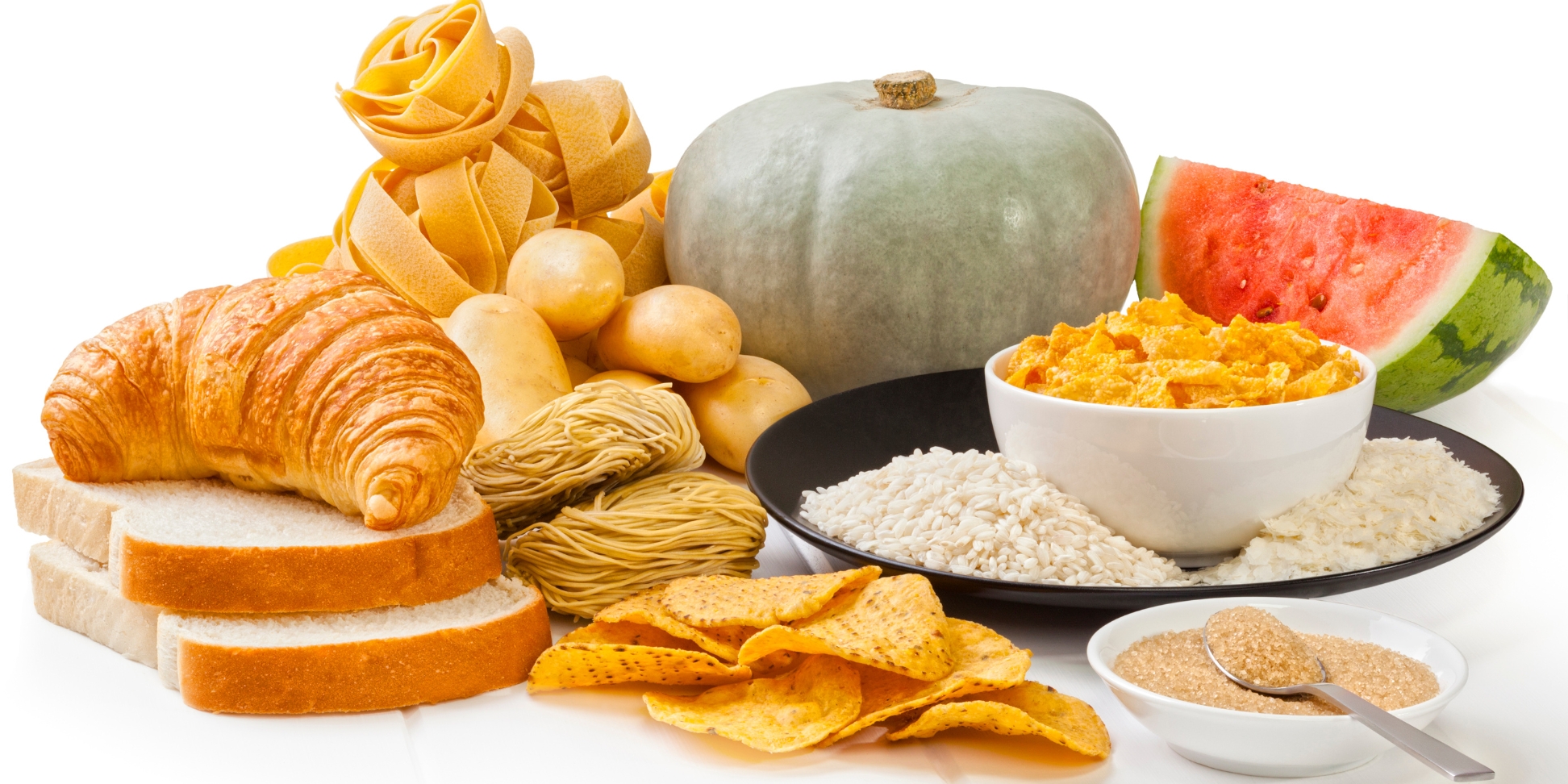
high glycaemic load diet

Why Blood Sugar Exposure Matters More Than Sugar Itself

Your brain uses more glucose for energy than any other organ in the body.

From that simple fact comes a widespread assumption: that sugar fuels the brain and therefore more sugar must mean more mental energy.

In reality, the opposite appears to be true.

A large new study shows that the glycaemic load (GL) of your diet, which reflects how much glucose you expose your bloodstream to over time, is strongly linked to your future risk of dementia. The higher the glycaemic load, the higher the risk.

In this study, people consuming more than 110 GL units a day had a 13% higher risk of developing dementia. Those consuming less than 49.3 GL units a day had a 17% lower risk. In other words, the difference between a high GL diet and a low GL diet translated into a 30% swing in dementia risk.The study, published in the International Journal of Epidemiology, analysed dietary data from over 200,000 UK Biobank participants in 2011–12 and followed them for more than a decade to see who did, and did not, develop dementia (1).¹

Most people’s diets exceed 100 GL units a day. I have been advocating a daily intake of around 45 to 60 GL units since the 1990s. To understand why this matters, and what it means for what you eat, it helps to understand what GL actually is.

How Much Sugar Your Body Really Needs

As petrol is for your car, glucose is the primary fuel for your body. Glucose is the main fuel used by all cells.

There is also another fuel, ketones, much like cars can also run on electricity. We too are metabolic hybrids.

Now here is an astonishing fact. Your body contains around 100,000 kilometres of blood vessels. Your brain alone has around 1,000 kilometres of them. These vessels supply energy to around 30 trillion cells, each containing roughly 1,000 mitochondria, the tiny energy factories that power life.

And yet, across this entire system, there only needs to be around 4 grams of glucose in your bloodstream at any one time. That is one teaspoonful. That is all that is required for every cell in your brain and body to have energy at that moment.²

GL is a measure of how much glucose enters your bloodstream after eating or drinking a food. If there is not much glucose in the food, and you use it quickly, perhaps by moving or exercising, blood sugar levels stabilise rapidly.

The glycaemic load of a food depends on two things:
• the quality of the carbohydrate
• the quantity eaten

Quality refers to how fast glucose is released, known as the glycaemic index (GI). Fibre and protein slow this release. This is why white rice has a higher GI than brown rice, which contains fibre. Eat rice with fish, beans or meat, and the protein slows the release further.

GL also depends on portion size. A small serving of brown rice with fish is low GL. A large serving of white rice, even with fish, is high GL.

When Glucose Becomes Toxic to the Brain

What happens if you consume far more glucose than the body needs?

A can of sugary fizzy drink contains around 35 grams of sugar. That is roughly nine times more glucose than the total amount normally circulating in your bloodstream.

This excess is toxic. It damages blood vessels and the tissues they supply. Diabetes is diagnosed precisely because excess sugar damages the kidneys, eyes and nerves. The brain is no exception.

“The brain needs more energy than any other organ, so it contains the most mitochondria. Sugar damages mitochondria,” says Professor Robert Lustig, Professor of Neuroendocrinology at the University of California, San Francisco. If you have read Upgrade Your Brain or Alzheimer’s: Prevention is the Cure, you will already know that high sugar intake, sugary drinks and ultra processed foods increase dementia risk, worsen memory even in young people, and are associated with measurable shrinkage of brain regions involved in memory in teenagers.

Are You Eating Too Much Hidden Sugar?

The simplest way to assess your long term blood sugar exposure is to measure HbA1c.

HbA1c literally means sugar damaged red blood cells. If more than 6.5% of your red blood cells are sugar damaged, you are diagnosed with diabetes. Above 6% indicates pre diabetes. Even levels above 5.4% in teenagers predict brain shrinkage.

For optimal health you want to be below 5.4%, and ideally below 5%.

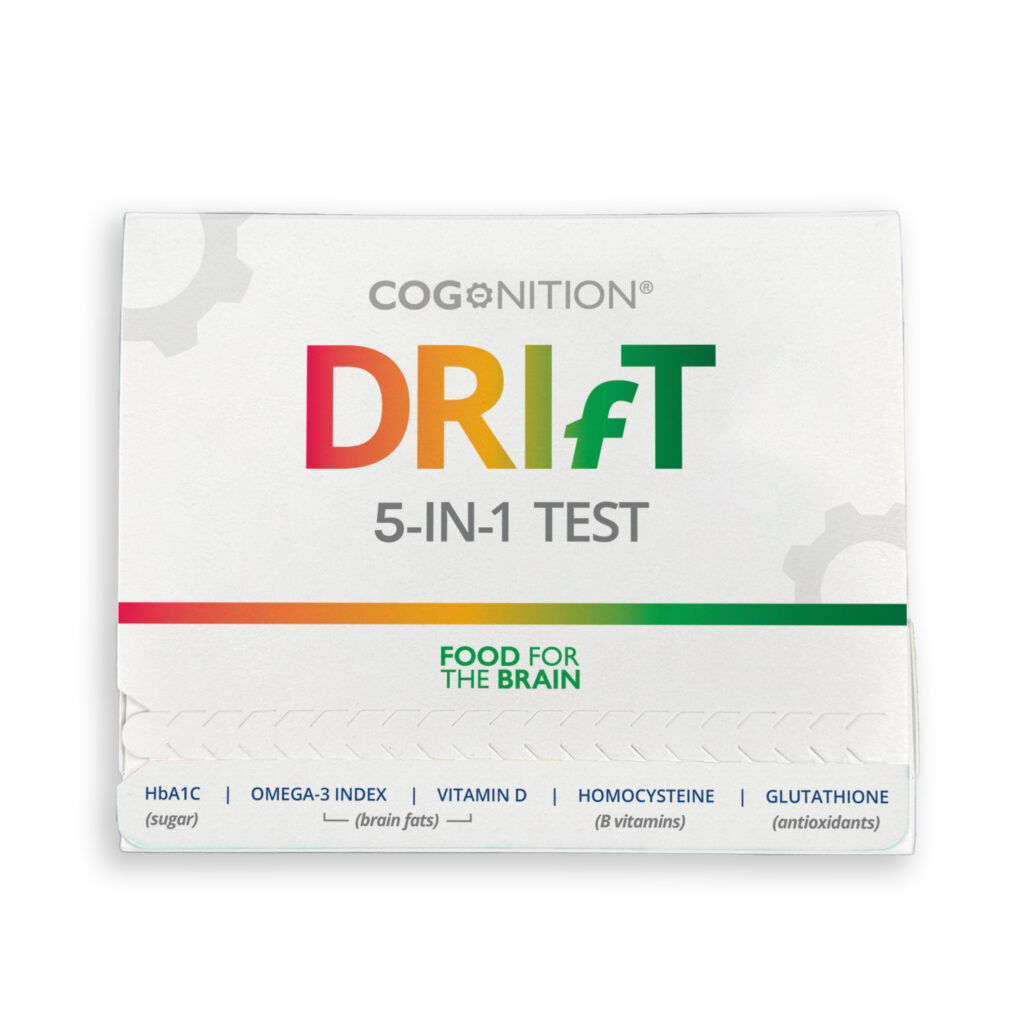
HbA1c is such a strong indicator of blood sugar resilience that it is included in Food for the Brain’s 5-in-1 DRIfT home blood test kit.

Balancing Blood Sugar with a Low Glycaemic Load Diet

Let us start with something simple.

An orange contains sugar, but also fibre and micronutrients. The fibre slows sugar release, mainly fructose, which takes time to convert to glucose, while feeding beneficial gut bacteria.

A glass of orange juice, however, contains the sugar of around three oranges, without the fibre. Three times the sugar, with no brakes. Eat your fruit. Do not drink it.

When you eat sugar or starches such as rice, digestive enzymes rapidly break them down into glucose. Protein, by contrast, takes several hours to digest into amino acids. This slows carbohydrate digestion further down the digestive tract.

This leads to a simple rule: eat carbohydrates with protein.

Brown rice releases glucose more slowly than white rice. Add beans, fish or meat, and the release slows further.

From this we can extract three practical rules:
• Eat fruit. Do not drink it
• Always eat carbohydrate with protein
• Make fibre the primary ingredient of every meal

What a Low GL Meal Actually Looks Like

Compare these two breakfasts:

Cornflakes with a banana or Oats with chia seeds and berries

Cornflakes are fast releasing sugar. Oats are slow releasing. A banana raises blood sugar more than two bowls of berries.

Chia seeds, rich in soluble fibre, dramatically slow sugar release. A portion of oats with chia and berries is around 10 GL. Cornflakes and a banana can reach 30 GL.

You want meals around 10 GL and snacks around 5 GL. Three meals and two snacks equals around 40 GL per day.

Eat 40 GL per day to lose weight. Around 60 GL to maintain it.

Eat little and often, and start the day with a low GL breakfast.

A friend of mine, Dr David Unwin, who is  a leading diabetes doctor, converted our low GL calculations into ‘teaspoons of sugar equivalent’ to give a visual idea to his diabetic and overweight patients of how sugar is hidden in common foods. See the table below.

Food GIServing size GLTeaspoons of sugar
Cereals
Coco Pops7730g207.3
Cornflakes9330g228.4
Mini Wheats5930g134.4
Shredded Wheat6730g144.8
Special K5430g124.0
Bran Flakes7430g134.8
Porridge63150ml62.2
Bread
White7130g103.7
Brown7430g93.3
Rye (69% wholegrain rye flour)7830g114.0
Wholegrain barley (50% barley)8530g155.5
Wholemeal (stoneground flour)5930g72.6
Pitta (wholemeal)5630g82.9
Rough oatcake3510.4g20.7
Fruit
Banana62120g165.9
Grapes (black)59120g114.0
Apple (Golden Delicious)39120g62.2
Watermelon80120g51.8
Nectarines43120g41.5
Apricots34120g31.1
Strawberries40120g10.4

Adapted, with permission, from David Unwin’s charts in the Journal of Insulin Resistance (2016) 
The Balance of Your Plate

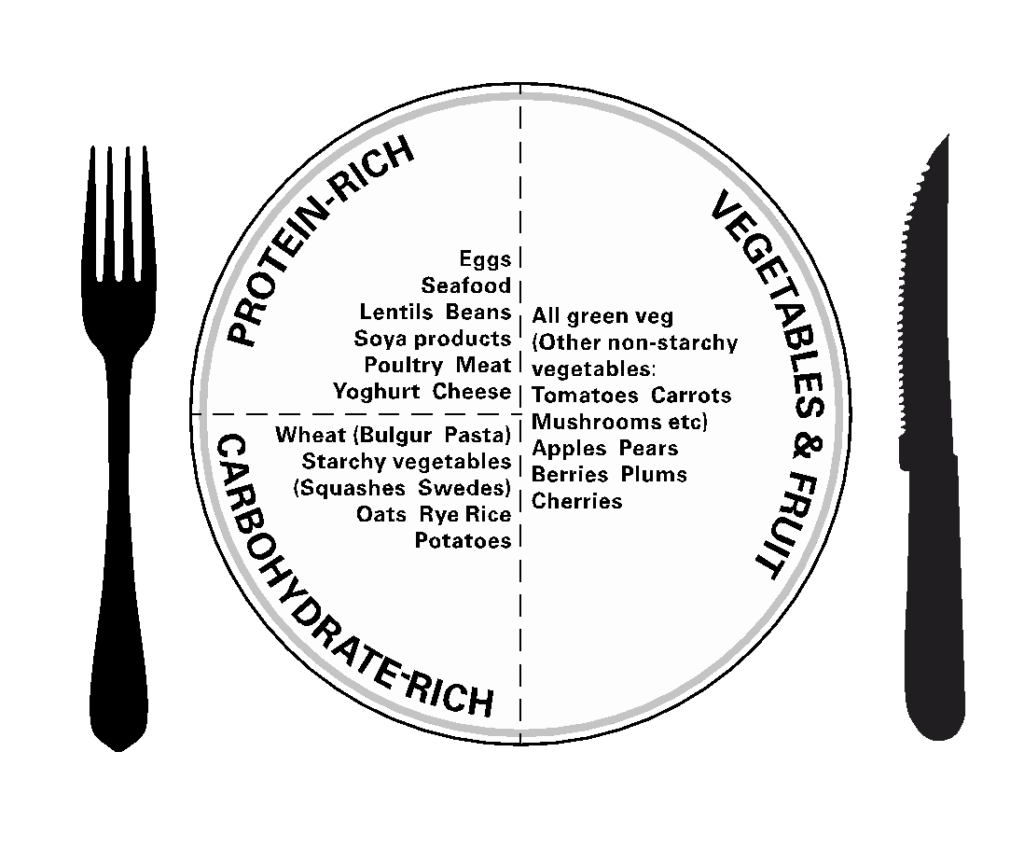
Half your plate should be vegetables and fruit. A quarter should be protein. A quarter carbohydrate.

Vegetables supply antioxidants that neutralise the exhaust fumes produced when mitochondria burn fuel. This becomes more important as we age and mitochondrial efficiency declines.

Protein slows sugar release and provides essential building blocks. Carbohydrate portions must be modest.

Whole grains and starchy vegetables vary widely in GL. Wholemeal pasta and brown basmati rice are far better than white pasta or white rice. Swedes, carrots and squash are better than potatoes. Boiled potatoes are better than baked. French fries are the worst of all.
all.

Starchy vegetables and cereals
Pumpkin/squash
Carrot
Swede
Quinoa (cooked)
Beetroot
Cornmeal
Pearl barley (cooked)
Wholemeal pasta (cooked)
White pasta (cooked)
Brown basmati rice (cooked)
White rice (cooked)
Couscous (soaked)
Broad beans
Sweetcorn
Boiled potato
Baked potato
French fries
Sweet potato
7 GL points
1 large serving (185g)
1 large (158g)
1 large serving (150g)
1 large serving (120g)
1 large serving (112g)
1 serving (116g)
1 small serving (95g)
half a serving (85g)
a third of a serving (66g)
1 small serving (70g)
a third of a serving (46g)
1 serving (31g)
half a cob (60g)
3 small potatoes (74g)
half (59g)
a tiny portion (47g)
half

Beans and Lentils: Nature’s Blood Sugar Regulators

Beans and lentils are uniquely effective because they contain both protein and carbohydrate in one food. This keeps their GL low while allowing generous portions.

When combining beans with other starches, reduce the starch portion by half. A cup of lentils with half a cup of rice, not equal amounts.

By applying these principles you can restore blood sugar control, regain energy, reduce dementia risk, reverse type 2 diabetes and improve cognitive clarity.

The Proof Is in Your HbA1c

Red blood cells live for around three months. Follow a low GL diet for three months, then retest HbA1c.

This approach is detailed in The Low GL Diet Cookbook. Specific supplements can accelerate recovery, including fibre such as glucomannan, chromium and cinnamon compounds to improve insulin sensitivity, and HCA from tamarind to promote glucose burning rather than storage.

What to Do Next

If glycaemic load affects dementia risk, the next step is simple: measure, act, and check again.

Test your blood sugar resilience.

HbA1c shows how much sugar damage has occurred over the last three months. It is included in Food for the Brain’s DRIfT 5-in-1 home test, alongside other key brain health markers. If HbA1c is high, a low GL diet gives you a clear way to bring it down.

Check how your brain is functioning now.

The free Cognitive Function Test takes around 20 minutes and provides an objective snapshot of memory, attention and processing speed. Many people spot early changes years before any diagnosis.

Make changes, then retest.

Follow a low GL diet for three months, then re-test HbA1c and cognitive function to see whether the changes are working.

Prevention works best when it is measured.

References:

Further info

Time-Restricted Eating and the Ageing Brain

Time-Restricted Eating and the Ageing Brain

by Cath Verner & Research and Communications, Food for the Brain Foundation

Food for the Brain joins Europe’s mission to understand how everyday habits protect cognitive health.

At Food for the Brain, research and education go hand in hand.

Every Cognitive Function Test or at home blood test completed, every dataset analysed, brings us closer to one clear goal. That goal is preventing cognitive decline and dementia through a better understanding of nutrition and lifestyle.

After announcing our game changing Innovate UK grant and research project, we have also been working hard as part of a European effort to understand and improve brain health.

A shared European vision for brain health

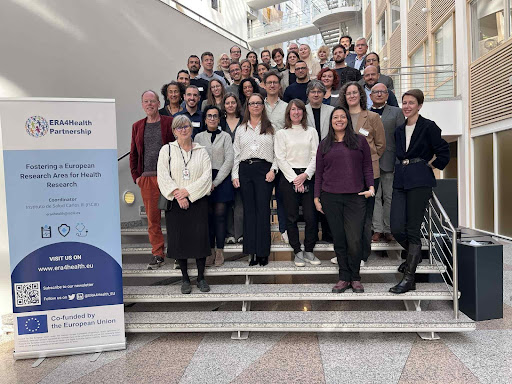
Earlier this year, Food for the Brain joined NutriBrain, a pan-European research initiative uniting 15 projects across 22 countries. From Norway to Spain, Austria to Italy, scientists are examining how diet, movement, sleep and social connection influence the ageing brain.

Research Council of Norway meeting 2025

The initiative was officially launched in Oslo at a meeting hosted by the Research Council of Norway. Researchers from across Europe gathered to share data and plan the next phase of collaboration. The goal: scientists from nutrition, medicine and technology all working towards a common vision – longer, healthier brain health and function.

Projects include BOOMERANG, exploring the impact of B-vitamins and omega-3 fatty acids. PrecisePrevent is studying how physical activity and social engagement influence cognition. ALPHA-FIT is examining exercise in conditions such as Parkinson’s disease. Together they form a network dedicated to translating science into practical, evidence-based prevention – that we can share with you!

OptimaMind: aligning eating patterns with brain biology

Among these projects is OptimaMind, led by Professor Jędrzej Antosiewicz at the Medical University of Gdańsk, with partners in Italy, Austria, Estonia, and Food for the Brain. The OptimaMind consortium includes the Medical University of Gdańsk, the Università Politecnica delle Marche in Italy, the Medical University of Graz in Austria, and the Tallinn University of Technology in Estonia. It also includes the Polish biomedical company Masdiag and Food for the Brain.

At Food for the Brain, we talk a lot about what to eat to support your brain. But what is interesting about this research with OptimaMind, is that we get to investigate time-restricted eating. It explores how the timing of your foods impacts your brain health. Time restricted eating isn’t fasting; it’s an approach that limits food intake to specific hours of the day. This research is investigating whether aligning meals with the body’s natural circadian rhythms can reduce inflammation, enhance metabolic efficiency, and support cognitive performance.

For the brain, this matters enormously. When blood sugar (glucose) is well regulated, the brain receives a steady, reliable fuel supply. When it isn’t, energy dips can lead to fatigue, forgetfulness and eventually, damage to brain cells. Oxidative stress, the build-up of “wear and tear” from energy production, is another key driver of brain ageing. Time-restricted eating may help reduce this stress, supporting stronger, more resilient neurons over time. In short, the project asks whether when we eat could be as important as what we eat for long-term brain health.

Our contribution: measuring cognition across Europe

Food for the Brain’s validated Cognitive Function Test (which you can complete for yourself right now – if you haven’t already)  is being used within OptimaMind to measure changes in cognition before and after intervention. These results will be combined with blood biomarker data to explore how nutrition and lifestyle translate into measurable effects on brain and metabolic function.

The same digital tools used daily by thousands of our supporters are now being applied in university and clinical settings across Europe – a clear example of how citizen science is powering international research and change.

Through this collaboration, our long-term goal is to strengthen the link between lifestyle patterns, metabolic biomarkers and measurable changes in cognition. The findings will help define early, modifiable risk factors for dementia. They will also guide prevention strategies that can be adopted on a larger public level.

Building the evidence for prevention

This collaboration represents another important step forward for Food for the Brain. It moves us from an education charity to a recognised research partner working alongside leading universities and clinicians across the world.

Over the next three years, findings from OptimaMind and other NutriBrain projects will contribute to a shared European evidence base. This evidence base will show how nutrition and lifestyle influence cognitive ageing.

The data will not only inform clinical practice but also help shape European public health recommendations. Ensuring that dementia prevention strategies are grounded in real-world evidence rather than drug-led theory.

For Food for the Brain, this partnership shows the power of citizen science, how thousands of people taking part in our tests can generate data that drives real research and public health change. It proves that preventing cognitive decline isn’t a theory or a “nice idea” – it’s science in action.

Be part of the research and movement

Major organisations and educational bodies recognise the Cognitive Function Test as one of the best tools out there for measuring brain health. And you can get access to it for FREE right now. If you haven’t done the online test yet make the time today to do it here.

Every person who completes this test adds a valuable data point to this growing international picture of brain health. Each anonymous result helps researchers design more effective prevention strategies and informs the public guidance of tomorrow.

We are about getting the best tools and research into the hands of the public. That is why we partner with influential organisations and make the Cognitive Function Test freely available to all.

Will you be part of this movement?

You can use the same tools now being used by researchers across Europe:

  1. Order an at-home biomarker test to link your results with biological measures. Find out more here.

Together, we are building the evidence that prevention is not only possible – it is measurable.

Further info

Brain Health And Vegan Eating: What It Means For Long Term Cognitive Health

Brain Health And Vegan Eating: What It Means For Long Term Cognitive Health

Brain Health And Vegan Eating image veggies

Veganuary, a movement encouraging people to adopt a vegan diet for the month of January, has become a cultural ritual ethical environmental marketed as healthy, yet when it comes to brain health and vegan eating the story is more complex.

But nutrition does not respond to ideology.

For many people, Veganuary is a short-term experiment. For others, it becomes a long-term way of eating. The question most rarely asked is also the most uncomfortable:

What happens to the brain when all animal foods are removed from the diet?

And more importantly, is that compatible with long-term cognitive health?

To answer this question, we need to evaluate Veganuary in light of what we know about optimum nutrition for the brain – particularly the vital role of omega-3 fatty acids, B vitamins, choline and other essential nutrients.

Modern neuroscience is unequivocal. Nutrients such as omega-3 DHA, vitamin B12, choline, iron, zinc, and vitamin D are not optional for brain function. They are structural, metabolic, and protective. Remove their primary dietary sources without replacing them precisely, and the brain pays the price.

Omega-3 DHA: The Brain’s Cornerstone Fat

The brain is 60% fat, and omega-3 fatty acids, particularly DHA (docosahexaenoic acid), are critical for its structure and function. DHA makes up the bulk of neuronal membranes, enabling communication between brain cells, memory retention, and overall cognitive performance [1]. Research consistently shows that DHA deficiency correlates with reduced cognitive ability, mood disorders, and increased risk of neurodegeneration [2].

Animal foods, particularly oily fish, are the richest sources of preformed DHA. On a vegan diet, the main plant-based source of omega-3 comes in the form of ALA (alpha-linolenic acid), found in flaxseeds, walnuts, and chia seeds. However, the conversion of ALA to DHA in the human body is remarkably inefficient – typically less than 5% [3]. Without preformed DHA from marine sources or supplementation with algae-derived DHA, vegans are likely to fall short of their brain’s DHA needs.

Studies reveal that populations consuming more fish, such as the Japanese, have far lower incidences of dementia and mental decline compared to Western nations, where fish intake is minimal. A meta-analysis confirmed that higher omega-3 levels correlate with a lower risk of cognitive decline [4]. For individuals adopting a vegan diet without supplementing DHA, there’s a real risk of impairing brain function over time.

(Want to know if you’re getting enough omega-3 fatty acids in your diet? The only way to truly know is to test your serum omega-3 level – order your at home test kit today).

Vitamin B12: The Brain’s Energy Catalyst

Vitamin B12 is not a “nice to have” micronutrient. It is a neurological necessity. Found almost exclusively in animal products such as meat, fish, and dairy, it plays a crucial role in maintaining brain function, energy metabolism, and protecting against neurological damage. It is essential for methylation, a process that keeps homocysteine levels in check. Elevated homocysteine has been shown to shrink brain volume and accelerate cognitive decline [5].

A lack of B12 results in pernicious anemia, brain fog, memory loss, depression, and even irreversible nerve damage. Worryingly, B12 deficiency is common among vegans who do not supplement or consume fortified foods. Even those who attempt to rely on plant-based sources of B12, such as spirulina or fermented foods, often don’t realise that these contain inactive analogues of B12 that are not bioavailable to humans [6].

For long term vegans, the failure to address B12 through supplementation could lead to symptoms of mental fatigue, reduced concentration, and mood imbalances in the short term, while increasing the risk of dementia in the long run.

Drift 5-in-1 blood test logo

(This is why we offer our DRIfT 5-in-1 at-home blood test, so you can easily check your omega-3, homocysteine, vitamin D, HbA1C, and glutathione levels from the comfort of your own home while contributing to our research and charitable work).

Vitamin B12: The Brain’s Energy Catalyst

Choline rarely features in plant-based nutrition conversations. It should.

An often-overlooked nutrient, it is another brain-essential compound predominantly found in animal foods like eggs, liver, and fish. It is the precursor to acetylcholine – a neurotransmitter essential for memory, learning, and mental clarity. Without adequate choline, cognitive performance can take a significant hit, especially in the aging brain [7].

Eggs, for example, are one of the richest sources of dietary choline. However, for individuals participating in Veganuary, eggs are off the table. While small amounts of choline can be found in soybeans, quinoa, and cruciferous vegetables, meeting the brain’s daily requirements is nearly impossible without animal foods or supplementation. Emerging research suggests that a low choline intake may even contribute to neuroinflammation and a higher risk of Alzheimer’s [8].

Vitamin D: The Sunshine Hormone

Vitamin D, a hormone as much as a vitamin, is vital for mental health, cognition, and neuroprotection. Deficiency in vitamin D has been linked to depression, brain aging, and increased dementia risk. During winter, when Veganuary occurs, obtaining sufficient vitamin D is already challenging for most individuals living in northern latitudes.

While vitamin D can be found in small amounts in mushrooms exposed to UV light, it is primarily found in oily fish, egg yolks and fortified dairy – all of which are absent in a vegan diet. If Veganuary participants fail to supplement with vitamin D3, they risk worsening mood, memory, and overall mental resilience during the winter months [9].

Iron and Protein: The Overlooked Trio

Beyond omega-3, B12, and choline, a vegan diet also increases the risk of deficiencies in iron, zinc, and high-quality protein – all critical for brain health. Heme iron, found in meat, is far more bioavailable than non-heme iron from plants. Iron deficiency is associated with brain fatigue, poor concentration, and low mood [10]. 

Protein is equally important for maintaining neurotransmitter balance and brain structure. While it is possible to obtain sufficient protein on a vegan diet through lentil, legumes, tofu etc, doing so requires intention and planning. Without adequate protein, mood and energy levels can decline rapidly.

Is There a Brain-Friendly Vegan Path?

While the standard Veganuary approach – removing animal products without careful planning – could pose clear problems to brain health long term, a well-supplemented vegan diet can be brain-friendly.  It encourages more fruit and vegetables, legumes, lentils, nuts and seeds, and (hopefully) a more whole-food approach. 

(Our founder, Patrick Holford, personally eats a ‘Pegan’ diet – a hybrid of vegan and pescatarian – eating only fish and eggs in terms of animal products.)
To summarise, a brain-friendly diet can be vegan, pescatarian, or omnivorous. The common denominator is not ideology. It is nutritional sufficiency.

The best way to know that your dietary choices are supporting your brain health is by testing and tracking. We offer our FREE Cognitive Function Test here and our at home pin prick blood test kits that you can purchase here

Actions

  • Read more about supplementation here
  • Order your DRIfT 5 in 1 test here so you can join our research and find out what your unique body needs.
  • Take the Cognitive Function Test: Assess your brain health today and gain personalised insights. 
  • Become a Friend & join the COGNITION Program: Support our mission with a small monthly donation and receive tailored steps to improve your brain resilience and track your progress.
Further info

Warning: Your Diet is Bad for Your Brain 

World expert think tank declares a mental health meltdown as rates of mental illness soar.

We are facing a new pandemic.

Not the result of a return of Covid or bird flu but caused by something much closer to home that affects us every day. The food we eat. It is damaging our brain.

A report just published in the Lancet, found that neurological diseases, from autism to Alzheimer’s, are affecting 43% of the world’s population. The Federation of European Neuroscientists have declared a ‘brain health emergency’. The Times reports that two thirds of benefit claims are for mental health. Diagnoses of autism and ADHD are steadily increasing.

What are we doing about it?

The good news is that a fightback is beginning. Yesterday, a virtual “Upgrade Your Brain” conference,organised by the charitable foodforthebrain.org, brought together leading neuroscientists –  psychiatrists, nutritionists and neurologists from around the world –  to brainstorm the cause and a solution. They identified the four ‘horsemen of the mental health apocalypse’ lurking in our diet. 

Standard healthy eating advice rarely warns about them at all. They are: 

  • A lack of brain fats, notably omega-3 from seafood but also vitamin D; 
  • Increased intake of sugar and ultra-processed foods; 
  • A lack of the many antioxidants and polyphenols (micronutrients) found in spices, vegetables and fruits, especially berries;
  • Lack of B vitamins, notably B12, producing homocysteine, a brain toxic amino acid.

The toll exacted by the horsemen is vast. Mental illness is now costing considerably more than all cancer and heart disease combined. “The Children’s Society recently reported a tripling in NHS referrals for mental ill-health in the last three years.” says Professor Michael Crawford, at the Chelsea and Westminster Hospital Campus of Imperial College.

According to Professor Crawford, the damage begins in pregnancy. Lack of B12 and folate in the mother increases later behavioural problems in their children. Fewer than 5 percent of children get the basic recommendation of seafood rich in omega-3 and many eat none at all. “Special schools are bursting at the seams,” says Dr Rona Tutt, former president of the National Association of Head Teachers.

“High sugar and ultra-processed foods are having a devastating impact on mental health and play a major part in the increase in both ADHD, depression and dementia.” says Professor Robert Lustig from the University of California. Dr Georgia Ede, a psychiatrist from Harvard, reports low carb diets are reversing mental illness.

According to the NHS one in five adults in England are on anti-depressants and last year one million teenagers were prescribed them. This year prescriptions are expected to exceed 100 million. Independent researchers have been warning about their lack of effectiveness and damaging side-effects.

It’s not just about food and nutrients…

But it is not just nutritional deficiencies that are threatening our brains. The way we live can contribute to the damage. “The combination of poor diet, lack of exercise, less intellectual and social stimulation, stress and insomnia creates a ‘perfect storm’ for the brain,” says neuroscientist Dr Tommy Wood at the University of Washington. 

Dr Wood is leading research for us as we keep developing a defensive strategy to protect the brain with nutritional and lifestyle changes. It starts by finding out just how well your brain is doing via a FREE online Cognitive Function Test followed up by personalised advice on how to reduce your dementia risk.

The fourth horseman, high homocysteine (a consequence of a lack of B vitamins) is linked to all of the mental problems that are on the rise because it damages nerves and brain cells as well as arteries, the supply chain for the brain. If your homocysteine is high, which it is in half of those over 65, your memory is declining. Lowering it reduces brain shrinkage in those with pre-dementia by two thirds according to Oxford University research. GPs rarely test it. 

Testing and lowering homocysteine is a key part of our prevention plan.

You can join our research and order a home test kit to measure blood levels of omega-3, homocysteine, HBA1c for sugar balance and vitamin D, lack of which is another contributor to dementia and depression. The charity aims to reach a million people in the largest ever ‘citizen science’ project and have tested 420,000 so far.

The idea that Alzheimer’s can be prevented is gaining support. The US National Institutes of Health have attributed 22% of the risk of Alzheimer’s to raised blood homocysteine and 22% to a lack of seafood and omega-3 fats.

A recent study using UK Biobank data concluded that up to 72% of dementia cases could be prevented if all risk factors were targeted. “Even this is probably under-estimating the power of prevention.” says Professor David Smith from the University of Oxford, one of the study authors. “The number of preventable cases could be higher if a person’s omega-3 and B vitamin status, measured by a blood test for homocysteine (not measured by the UK Biobank) were taken into account.” China’s leading prevention expert, Professor Jin-Tai Yu from Shanghai’s Fudan University, a co-author of this study, agrees. “Homocysteine-lowering treatment with vitamins, especially B12, is one of the most promising interventions for dementia prevention.”

“The same diet changes that reduce the risk for dementia also help everything from ADHD to depression,” says our founder Patrick Holford, author of Upgrade Your Brain, out today. He is visiting 30 cities in the UK and Ireland over the next month to kick start a nationwide ‘Upgrade Your Brain’ campaign. “We need to engage with millions of people, get nutrition education happening in school, and most of all get health authorities and governments around the world to take the mental health meltdown seriously and put brain health at the top of the health agenda.” 

Professor Crawford says “Today’s diet bears no resemblance to the wild foods we ate during our species’ evolution to which our genome is adapted. As a consequence our brain size is shrinking. If we don’t prioritise brain health and nutrition, the continued escalation of mental ill health, starting in the 1950s, can only end in disaster.”

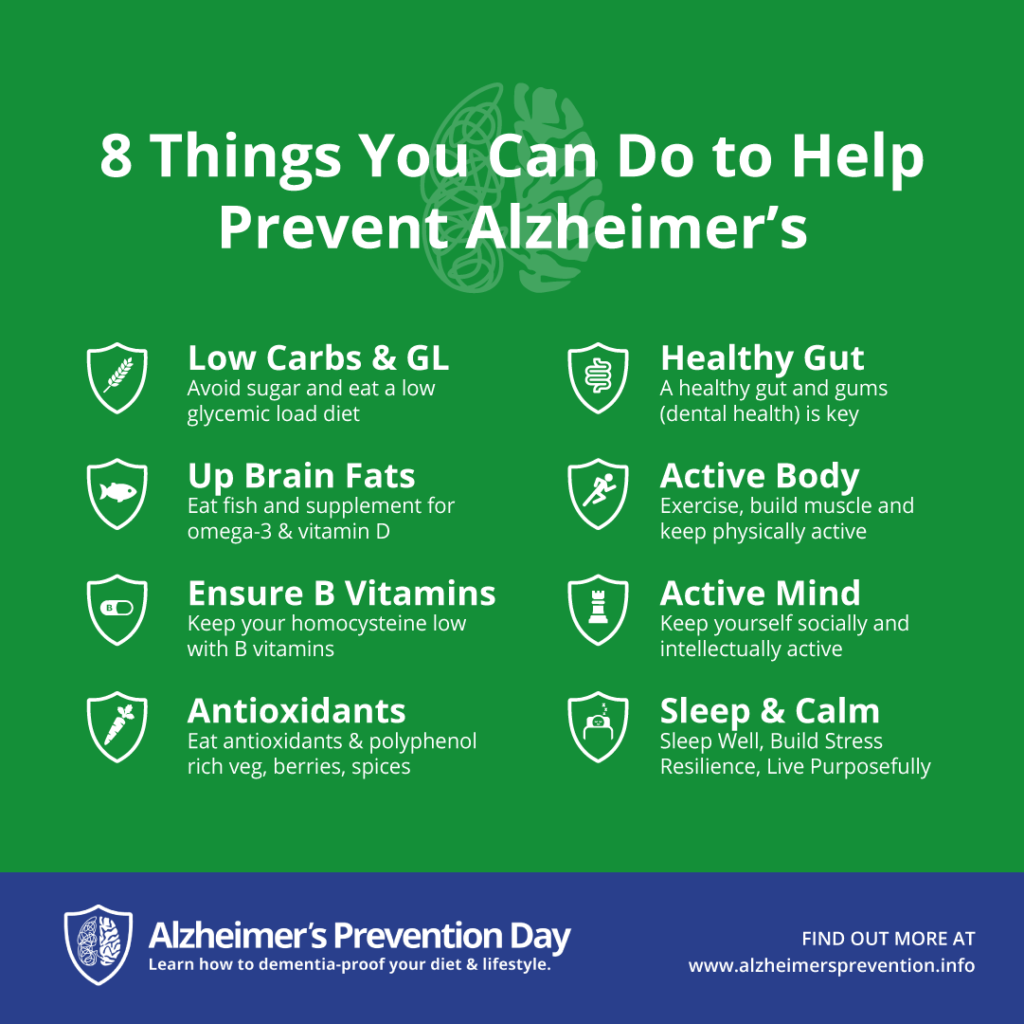
The group is launching Alzheimer’s Prevention Day on May 15th with a free 3-minute online Alzheimer’s Prevention Check to motivate people to make the eight brain-friendly diet and lifestyle changes (see below). “You are the architect of your own brain’s future health.” says neurologist Dr David Perlmutter, another member of the group.

Join us in our brain health revolution:

Further info

What is the Best Food for Your Brain?

At Food for the Brain, we take food seriously – from the soil to your Sunday lunch.

Quality matters, that is why we have two new developments to ensure your brain gets the right food on its plate. First, start with the soil…

It begins with the soil…

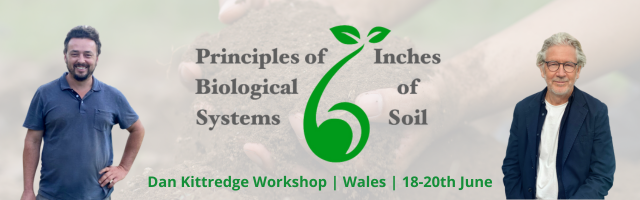
This June we are delighted to invite Dan Kittredge, founder of the BioNutrient Institute, to teach you how to grow the most nutritious food for mind, body & spirit, in a hands-on two day workshop at Fforest Barn Retreat in the beautiful Black Mountains of Wales  – 2.5 hours from London or Manchester.

Arrive on Tuesday 18th June for this two day workshop on 19th & 20th June. Whether you are an enthusiast, amateur or commercial gardener, grower or farmer, nobody knows more about what really makes plants optimise their nutrition than Dan Kittredge because he measures it.

This hands-on practical workshop provides an overview of six principles and practices of biological farming that increase the health of your soil and crops for greater yields, healthier produce and better marketability.

It all happens in that first six inches of soil, which we will learn how to turn into a hotbed of life. Thousands of growers have attended his courses since 2010.

It ends with your plate

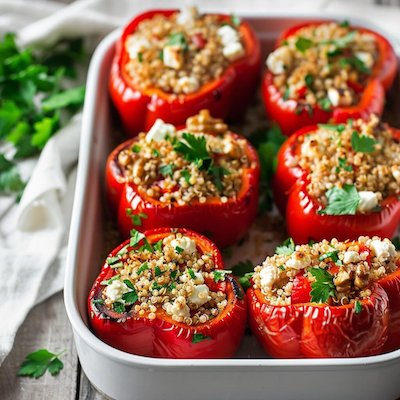
The Upgrade Your Brain Cookery Recipe App is coming soon!

Nutritionist, chef and recipe developer, Kim Close and Fiona McDonald Joyce (nutritionist, cook and author) have been working away to create a delicious way to select the right recipes for your brain and body. Kim and Fiona firmly believe that food can, and should, always be delicious AND nutritious!

The Upgrade Your Brain CookApp lets you choose your dietary preferences (e.g dairy-free, gluten-free, plant-based etc), then shows you the best recipes that are both delicious and nutritious. You can then choose recipes that are GL counted for weight loss or maintenance and scored for brain fats, B vitamins and antioxidants.

There will be a wide selection of breakfasts, main meals, soups, salads, snacks and desserts.

New recipes will be added to the app weekly so you can continue to expand your repertoire. The recipes will include preparation and cooking tips, tricks and hacks.

Be the first to access this brand new app!

If you’d like to be one of the first to try our CookApp and the recipes, sign up now for just £30 a year.

Your year will run from the date it launches (June) – and we’ll give you 3 months free at the end of this date for helping us fund this vital CookApp to put Food for the Brain’s principles into action.

Please help us build this amazing, interactive, recipe library by signing up now. We need 200 ‘angels’ to do this, to fund and complete the development. 

Further info

The Alzheimer’s Prevention Diet

By Patrick Holford

Does what you eat affect your risk for dementia later in life and, if so, what is the best diet to protect your brain and prevent cognitive decline? Many studies have been published with different results ranging from no effect at all, as reported in a study in Sweden[i], to over a 90% reduced risk of Alzheimer’s, as reported in a study in Finland and Sweden which compared those with the a ‘healthy’ versus unhealthy diet in mid-life for future risk of developing Alzheimer’s disease and dementia 14 years later. Those who ate the healthiest diet had an 86-90% decreased risk of developing dementia and a 90-92% decreased risk of developing Alzheimer’s disease.[ii] We have put together a science backed Alzheimer’s Prevention Diet.

Many of these studies are similar in design, by looking at mid-life diet then tracking a group of people over time to see who does or doesn’t develop dementia or its most common type, Alzheimer’s disease. Many also look at some measure of coherence to a ‘Mediterranean’ diet, which usually means eating more fruit, vegetables, legumes, nuts and seeds, as well as more fish, less meat and sometimes some or more wine. Others compare to the standard recommendations for a ‘healthy’ diet made by the country’s authorities. Some foods or drinks could go either way. For example, some studies suggest coffee drinking might reduce risk, yet coffee increases homocysteine levels, which is a strong predictor of risk. Alcohol consumption, especially red wine, may reduce risk in moderation but possibly increase risk in excess.

Another way to answer the question regarding the best anti-dementia diet is to look at studies that have linked specific foods or drinks to risk of cognitive decline then build up the brain-friendly diet from there. These studies can also help define how much of the food or drink is optimal, or too much for those foods or drinks that increase risk.

Protective Foods

One of the first good studies was carried out in Norway more than a decade ago by Eha Nurk and Helga Refsum and colleagues in Norway.[iii] [iv] They found that:

Tea – the more you drink the better. The tea benefit has been confirmed more recently in a study in Singapore, with green tea being marginally better than black tea.[v] However, this benefit was not found in a UK Biobank study, which reported by tea and coffee drinking to be associated with worsening cognition compared to abstainers.[vi]

Chocolate – peaks at 10g, or about 3 pieces – and let’s say dark, 70%+ thus with less sugar is more likely to be better, as sugar is a strong indicator of cognitive decline. More recent studies giving cocoa, a rich source of flavanols, have shown improved cognition, possibly by improving circulation.[vii]

Wine – consumption reduced risk up to 125g a day, which is a small glass. A study in the British Medical Journal in 2018 showed that while abstinence increased risk by 48% having more than 14 units of alcohol a week, which is equivalent to a medium glass of wine every day, increases risk.[viii]

Grains and potatoes – reached a plateau at 100 to 150g a day, which is one or two servings max. High fibre bread was the most beneficial carb food. White bread increased risk. Fruit and veg – although the more you eat the better, benefits start to plateau at 500g a day, which is about five to six servings a day. Of individual vegetables, carrots, cruciferous vegetables and citrus fruit were the most positive as were mushrooms. A more recent study in the US found that those who ate 1.3 portions of green leafy vegetables a day, compared to less than one a week, had a dramatically slower decline in cognitive function, equivalent to being 11 years younger over a 10-year period. Berries are particularly protective, especially blueberries and strawberries.[ix]

Fish – is the most protective. Nurk’s study found a peak benefit at about 100g a day, which is one to two servings. A study of all studies by National Institutes of Health researcher, Beydoun, reported that eating fish once or more each week reduces risk of Alzheimer’s by a third compared with those who eat fish less than once a week.[x]

Olive oil and nuts – seem to be positive aspects associated with a Mediterranean diet.[xi] One study assigned people to a Mediterranean diet supplemented with either a litre a week of olive oil or 30g of nuts a day which is a small handful, versus a control diet with low fat and reported reduced cognitive decline with the extra olive oil or nuts. [xii]

Protective Diets

Early studies on the Mediterranean style diet reported that high adherence versus low adherence reduced risk of Alzheimer’s by a third.[xiii][xiv] A study which followed 2,000 people over 20 years found that adherence to what they defined as healthy diet which meant ‘modifying the quality of fats, increasing vegetable consumption, and decreasing salt and sugar consumption’ was associated with a halving of dementia risk. With the exception of sugar, no individual food predicted risk significantly.[xv]

But the problem with studies like this is the assumptions. In this case ‘modifying the quality of fats’ means using vegetable oils as opposed to margarine or butter and not eating the visible fat on meat. Vegetable oils is rather vague – it could be olive oil or something like sunflower oil. The assumption is that a low-fat diet might be beneficial, yet a high fat, low carb (HFLC) ketogenic diet appears to be protective.

A study in Holland reported ‘that better diet quality related to larger brain volume, grey matter volume, white matter volume, and hippocampal volume. High intake of vegetables, fruit, whole grains, nuts, dairy, and fish and low intake of sugar-containing beverages were associated with larger brain volumes.’[xvi]

Harmful Foods and Diets

Sugar – be it sucrose (white sugar) or fructose comes out consistently negative. Studies report poorer cognition associated with intake of sugar-sweetened beverages in adults (Ye 2011).

Animal studies show sucrose and fructose both impair cognition and brain health (Lakhan 2013) (Orr 2014) which is all consistent with the with the fact that diabetes is a risk factor for cognitive decline (see ‘Is Sugar Killing Your Brain’) and supported by recent human studies on blood glucose as a major predictor of Alzheimer’s and dementia later in life.[xvii]

Even so-called ‘high’ levels within the  normal reference range for blood glucose are linked to decreased grey matter in the brain.[xviii]

The most recent and substantial study relates to ultra-processed foods following around 70,000 people over a decade. The more ultra-processed foods eaten the higher was the risk for both dementia, Alzheimer’s and vascular dementia.[xix] Replacing just 10 per cent of ultra-processed food by weight in one’s diet with an equivalent proportion of unprocessed or minimally processed foods was estimated to lower risk of dementia by 19%. So, get off the junk. Choose whole foods only.

What is it about what you eat that could be protective?

The best candidates are foods high in:

  • Antioxidant vitamins (C and E)
  • Fruit and vegetables
  • Flavanols
  • Vitamin D
  • Fish and omega-3 fats
  • Folate and other B vitamins including b12, only found in animal foods
  • Phospholipids, found in eggs and fish

Apart from the studies above it is certainly logical to include choline rich foods sources, as a source for phospholipids. In animal studies, giving choline slows down Alzheimer’s disease development.[xx]

Also, consuming two tablespoons C-8 oil, a form of medium chain triglyceride, has been shown to enhance cognition in those with mild cognitive impairment and elevate neuronal energy derived from ketones both in those with MCI and Alzheimer’s.[xxi] Given the preponderance of neurons to prefer ketones to glucose for fuel, and the evidence for benefit, such dietary practices such as 18:6 (eating all food within a 6 hour window) or starting the day with a Hybrid Latté, almost carb-free, high in cacao, C8 oil and almonds from carb-free almond milk and almond butter or following a low carb, high fat (LCHF) ketogenic diet, which has been shown to have beneficial for those with Alzheimer’s,[xxii] should be considered.

Although in some respects conjectural calling on all this evidence, especially given the other health-promoting benefits of these foods, the key components of a diet designed to protect brain health and reduce risk of cognitive decline are:

Eat essential fats and phospholipids

  • Eat an egg a day, or six eggs a week – preferably free-range, organic, and high in omega-3s. Boil, scramble or poach them, but avoid frying.
  • Eat a tablespoon of seeds and nuts every day – the best seeds are chia, flax, hemp, pumpkin, higher in omega-3. They’re delicious sprinkled on cereal, soups, and salads. The best nuts are walnuts, pecans, and macadamia nuts.  Each are high in omega-3 but all nuts, including almonds, hazelnuts and unsalted peanuts are good sources of protein and minerals.
  • Eat cold-water, oily carnivorous fish – have a serving of herring, mackerel, salmon or sardines two or three times a week (limit tuna, unless identified as low in mercury, to three times a month). Vegans need to supplement algal omega-3 DHA, as well as choline or lecithin capsules or granules, rich in phosphatidyl choline.
  • Use cold-pressed olive oil for salad dressings and other cold uses, such as drizzling on vegetables instead of butter. Substitute frying with steam frying with olive oil, coconut oil or butter, e.g. for onions and garlic, then adding a watery sauce such as lemon juice, tamari and water, to ‘steam’, for example, vegetables perhaps with tofu, fish or chicken.

Eat slow-release carbohydrates

  • Eat wholefoods – whole grains, lentils, beans, nuts, seeds, fresh fruit, and vegetables – and avoid all white, refined and over-processed foods, as well as any food with added sugar.
  • Snack on fresh fruit, preferably apples, pears and/or berries, especially blueberries.
  • Eat less gluten. Try brown rice, rye, oats, quinoa, lentils, beans, or chickpeas.
  • Avoid fruit juices. Eat fresh fruit instead. Occasionally have unsweetened Montmorency cherry juice or blueberry juice (made from unsweetened concentrate).

Eat antioxidant and vitamin-rich foods

  • Eat half your diet raw or lightly steamed.
  • Eat two or more servings a day of fresh fruit, including one of berries.
  • Eat four servings a day of dark green, leafy and root vegetables such as tenderstem broccoli, broccoli, kale, spinach, watercress, carrots, sweet potatoes, Brussels sprouts, green beans, or peppers, as well as mushrooms. Choose organic where possible.
  • Have a serving a day of beans, lentils, nuts, or seeds – all high in folate, as are peanuts.

Eat enough protein

  • Have three servings of protein-rich foods a day, if you are a man, and two if you are a woman.
  • Choose good vegetable protein sources, including beans, lentils, quinoa, tofu, or tempeh (soya) and ‘seed’ vegetables such as peas, broad beans and corn.
  • If eating animal protein, choose lean meat or preferably fish, organic whenever possible.

Avoid harmful fats

  • Minimise your intake of fried or processed food and burnt saturated fat on meat, and cheese.
  • Minimise your consumption of deep-fried food. Poach, steam or steam-fry food instead.

Avoid sugar, reduce caffeine, and drink alcohol in moderation

  • Avoid adding sugar to dishes and avoid foods and drinks with added sugar. Keep your sugar intake to a minimum, sweetening cereal or desserts with fruit.
  • Avoid or considerably reduce your consumption of caffeinated drinks. Don’t have more than one caffeinated drink a day. Tea is preferable to coffee.
  • Drink alcoholic drinks infrequently, and preferably red wine, to a maximum of one small glass (125g) a day.
  • Have up to three slices of dark chocolate, minimum 70% cacao, or drink unsweetened cacao with milk or plant milk.


Help support Food for the Brain

Food for the Brain is a non-for-profit educational and research charity that offers a free Cognitive Function Test and assesses your Dementia Risk Index to be able to advise you on how to dementia-proof your diet and lifestyle.

By completing the Cognitive Function Test you are joining our grassroots research initiative to find out what really works for preventing cognitive decline. We share our ongoing research results with you to help you make brain-friendly choices.

Please support our research by becoming a Friend of Food for the Brain.


References

[i] Glans I, Sonestedt E, Nägga K, Gustavsson AM, González-Padilla E, Borne Y, Stomrud E, Melander O, Nilsson P, Palmqvist S, Hansson O. Association Between Dietary Habits in Midlife With Dementia Incidence Over a 20-Year Period. Neurology. 2022 Oct 12:10.1212/WNL.0000000000201336. doi: 10.1212/WNL.0000000000201336. Epub ahead of print. PMID: 36224029.

[ii] Eskelinen MH, Ngandu T, Tuomilehto J, Soininen H, Kivipelto M. Midlife healthy-diet index and late-life dementia and Alzheimer’s disease. Dement Geriatr Cogn Dis Extra. 2011 Jan;1(1):103-12. doi: 10.1159/000327518. Epub 2011 Apr 27. PMID: 22163237; PMCID: PMC3199886.

[iii] Nurk E, Refsum H, Drevon CA, Tell GS, Nygaard HA, Engedal K, Smith AD. Intake of flavonoid-rich wine, tea, and chocolate by elderly men and women is associated with better cognitive test performance. J Nutr. 2009 Jan;139(1):120-7. doi: 10.3945/jn.108.095182. Epub 2008 Dec 3. PMID: 19056649.

[iv] Nurk E, Refsum H, Drevon CA, Tell GS, Nygaard HA, Engedal K, Smith AD. Cognitive performance among the elderly in relation to the intake of plant foods. The Hordaland Health Study. Br J Nutr. 2010 Oct;104(8):1190-201. doi: 10.1017/S0007114510001807. Epub 2010 Jun 16. PMID: 20550741.

[v] Feng L, Chong MS, Lim WS, Lee TS, Kua EH, Ng TP. Tea for Alzheimer Prevention. J Prev Alzheimers Dis. 2015;2(2):136-141. doi: 10.14283/jpad.2015.57. PMID: 29231231.

[vi] Cornelis MC, Weintraub S, Morris MC. Caffeinated Coffee and Tea Consumption, Genetic Variation and Cognitive Function in the UK Biobank. J Nutr. 2020 Aug 1;150(8):2164-2174. doi: 10.1093/jn/nxaa147. PMID: 32495843; PMCID: PMC7398783.

[vii] Lamport DJ, Pal D, Moutsiana C, Field DT, Williams CM, Spencer JP, Butler LT. The effect of flavanol-rich cocoa on cerebral perfusion in healthy older adults during conscious resting state: a placebo controlled, crossover, acute trial. Psychopharmacology (Berl). 2015 Sep;232(17):3227-34. doi: 10.1007/s00213-015-3972-4. Epub 2015 Jun 7. PMID: 26047963; PMCID: PMC4534492.

[viii] Sabia S, Fayosse A, Dumurgier J, Dugravot A, Akbaraly T, Britton A, Kivimäki M, Singh-Manoux A. Alcohol consumption and risk of dementia: 23 year follow-up of Whitehall II cohort study. BMJ. 2018 Aug 1;362:k2927. doi: 10.1136/bmj.k2927. PMID: 30068508; PMCID: PMC6066998.

[ix]  Devore E et al, ‘Dietary intakes of berries and flavonoids in relation to cognitive decline’, Annals of neurology 2012; 72: 135-43; Agarwal P, Holland TM, Wang Y, Bennett DA, Morris MC. Association of Strawberries and Anthocyanidin Intake with Alzheimer’s Dementia Risk. Nutrients. 2019 Dec 14;11(12):3060. doi: 10.3390/nu11123060. PMID: 31847371; PMCID: PMC6950087

[x] Beydoun MA, Beydoun HA, Gamaldo AA, Teel A, Zonderman AB, Wang Y. Epidemiologic studies of modifiable factors associated with cognition and dementia: systematic review and meta-analysis. BMC Public Health. 2014 Jun 24;14:643. doi: 10.1186/1471-2458-14-643. PMID: 24962204; PMCID: PMC4099157.

[xi] Román GC, Jackson RE, Reis J, Román AN, Toledo JB, Toledo E. Extra-virgin olive oil for potential prevention of Alzheimer disease. Rev Neurol (Paris). 2019 Dec;175(10):705-723. doi: 10.1016/j.neurol.2019.07.017. Epub 2019 Sep 11. PMID: 31521394.; Salis C, Papageorgiou L, Papakonstantinou E, Hagidimitriou M, Vlachakis D. Olive Oil Polyphenols in Neurodegenerative Pathologies. Adv Exp Med Biol. 2020;1195:77-91. doi: 10.1007/978-3-030-32633-3_12. PMID: 32468462.

[xii] Valls-Pedret C, Sala-Vila A, Serra-Mir M, Corella D, de la Torre R, Martínez-González MÁ, Martínez-Lapiscina EH, Fitó M, Pérez-Heras A, Salas-Salvadó J, Estruch R, Ros E. Mediterranean Diet and Age-Related Cognitive Decline: A Randomized Clinical Trial. JAMA Intern Med. 2015 Jul;175(7):1094-1103. doi: 10.1001/jamainternmed.2015.1668. Erratum in: JAMA Intern Med. 2018 Dec 1;178(12):1731-1732. PMID: 25961184.

[xiii] Singh B, Parsaik AK, Mielke MM, Erwin PJ, Knopman DS, Petersen RC, Roberts RO. Association of mediterranean diet with mild cognitive impairment and Alzheimer’s disease: a systematic review and meta-analysis. J Alzheimers Dis. 2014;39(2):271-82. doi: 10.3233/JAD-130830. PMID: 24164735; PMCID: PMC3946820.

[xiv] Scarmeas N, Stern Y, Tang MX, Mayeux R, Luchsinger JA. Mediterranean diet and risk for Alzheimer’s disease. Ann Neurol. 2006 Jun;59(6):912-21. doi: 10.1002/ana.20854. PMID: 16622828; PMCID: PMC3024594.

[xv] Sindi S, Kåreholt I, Eskelinen M, Hooshmand B, Lehtisalo J, Soininen H, Ngandu T, Kivipelto M. Healthy Dietary Changes in Midlife Are Associated with Reduced Dementia Risk Later in Life. Nutrients. 2018 Nov 3;10(11):1649. doi: 10.3390/nu10111649. PMID: 30400288; PMCID: PMC6265705.

[xvi] Croll PH, Voortman T, Ikram MA, Franco OH, Schoufour JD, Bos D, Vernooij MW. Better diet quality relates to larger brain tissue volumes: The Rotterdam Study. Neurology. 2018 Jun 12;90(24):e2166-e2173. doi: 10.1212/WNL.0000000000005691. Epub 2018 May 16. PMID: 29769374.

[xvii] Zhang X, Tong T, Chang A, Ang TFA, Tao Q, Auerbach S, Devine S, Qiu WQ, Mez J, Massaro J, Lunetta KL, Au R, Farrer LA. Midlife lipid and glucose levels are associated with Alzheimer’s disease. Alzheimers Dement. 2022 Mar 23. doi: 10.1002/alz.12641. Epub ahead of print. PMID: 35319157.

[xviii] Mortby ME, Janke AL, Anstey KJ, Sachdev PS, Cherbuin N. High “normal” blood glucose is associated with decreased brain volume and cognitive performance in the 60s: the PATH through life study. PLoS One. 2013 Sep 4;8(9):e73697. doi: 10.1371/journal.pone.0073697. PMID: 24023897; PMCID: PMC3762736.

[xix] Li H, Li S, Yang H, Zhang Y, Zhang S, Ma Y, Hou Y, Zhang X, Niu K, Borne Y, Wang Y. Association of Ultraprocessed Food Consumption With Risk of Dementia: A Prospective Cohort. Neurology. 2022 Jul 27:10.1212/WNL.0000000000200871. doi: 10.1212/WNL.0000000000200871. Epub ahead of print. PMID: 35896436.

[xx] Velazquez R, Ferreira E, Knowles S, Fux C, Rodin A, Winslow W, Oddo S. Lifelong choline supplementation ameliorates Alzheimer’s disease pathology and associated cognitive deficits by attenuating microglia activation. Aging Cell. 2019 Dec;18(6):e13037. doi: 10.1111/acel.13037. Epub 2019 Sep 27. PMID: 31560162; PMCID: PMC6826123.

[xxi] Fortier M, Castellano CA, St-Pierre V, Myette-Côté É, Langlois F, Roy M, Morin MC, Bocti C, Fulop T, Godin JP, Delannoy C, Cuenoud B, Cunnane SC. A ketogenic drink improves cognition in mild cognitive impairment: Results of a 6-month RCT. Alzheimers Dement. 2021 Mar;17(3):543-552. doi: 10.1002/alz.12206. Epub 2020 Oct 26. PMID: 33103819; PMCID: PMC8048678.

[xxii] Phillips MCL, Deprez LM, Mortimer GMN, Murtagh DKJ, McCoy S, Mylchreest R, Gilbertson LJ, Clark KM, Simpson PV, McManus EJ, Oh JE, Yadavaraj S, King VM, Pillai A, Romero-Ferrando B, Brinkhuis M, Copeland BM, Samad S, Liao S, Schepel JAC. Randomized crossover trial of a modified ketogenic diet in Alzheimer’s disease. Alzheimers Res Ther. 2021 Feb 23;13(1):51. doi: 10.1186/s13195-021-00783-x. PMID: 33622392; PMCID: PMC7901512.

Further info

15 ‘Brain Foods’ To Incorporate Into Your Diet

The brain is the most energy-hungry organ in the body. Despite weighing just 1.5kg, it steals roughly 25% of the body’s energy requirements. Much like a performance car, the brain functions best when it runs on premium fuel, provided by the food we eat.

Nutrients such as omega-3 fatty acids, B vitamins, phospholipids and plant antioxidants have all been demonstrated to support brain cell integrity and cognitive function.

In honour of our 15th birthday this month, we’ve selected 15 foods that may help support optimal brain health.

  1. Oily fish, particularly salmon, mackerel, anchovies, sardines and herring

Provides DHA and EPA, types of omega-3 fatty acids essential for brain function

  1. Monounsaturated fats like avocado and extra virgin olive oil

Increases the production and release of the neurotransmitter acetylcholine, which plays an important role in learning and memory

  1. Wholegrains including oats, quinoa and buckwheat  

Feed your gut microbes, creating short-chain fatty acids and important neurotransmitters 

  1. Good quality meat and fish

Provides B12 needed for methylation, a process involved in neurotransmitter production, and iron, needed for oxygen transport to the brain

  1. Chia seeds, flaxseeds and walnuts

Good vegan sources of omega-3 

  1. Green vegetables including spinach, swiss chard, broccoli and kale

Excellent source of magnesium, a vital mineral that protects the brain against stress and aids relaxation in preparation for sleep

  1. Fermented food like sauerkraut, kimchi, kefir and kombucha 

Support your microbiome, strengthening your gut/brain connection 

  1. Dark chocolate (with a cacao percentage of >85%)

Contains flavonols, which increase brain derived neurotrophic factor 

  1. Beans and Lentils

High in folate, an important B vitamin needed for methylation, and fibre 

  1. Eggs

Great source of phospholipids, a vital component of brain cell membranes, and choline, which the body uses to make acetylcholine

  1. Almonds and sunflower seeds

Rich sources of the antioxidant vitamin E 

  1. Bell peppers and other rich sources of vitamin C

Helps combat free radicals that can damage brain cells

  1. Turmeric

Curcumin, the active ingredient in turmeric, has antioxidant and anti-inflammatory properties, and can cross the blood brain barrier 

  1. Pumpkin and sesame seeds

High in zinc, which helps regulate communication between brain cells

  1. Berries including blueberries, raspberries, strawberries and blackberries

Rich source of antioxidants that help protect brain cells from damage

Further info