Why Gut Health Matters for Brain Health More Than You Think
Why Some Brains Improve and Others Don’t
Many people are doing more than ever to protect their brain. They eat well. Take supplements. Exercise. Stay mentally active.
Yet outcomes vary dramatically.
Some improve. Others stall. A few decline despite doing everything “right”.
The missing question is not what else to add, but what environment those interventions are landing in.
Cognitive decline rarely stems from one isolated failure. It emerges when the body’s internal environment no longer supports protection, repair, and resilience. This systems-based understanding underpins the work of Food for the Brain, and explains why gut health plays a central role in our COGNITION brain upgrade programme.
The terrain model of brain health
In medicine, there is a long-established principle that disease does not arise from a trigger alone, but from the biological environment in which that trigger operates. This is often described as the terrain.
From a brain health perspective, terrain includes inflammatory load, metabolic health, immune balance, nutrient availability, and cellular repair capacity. These systems interact constantly. When they stay in balance, the brain shows remarkable resilience. When they become disrupted, vulnerability increases.
Neurodegenerative conditions, including Alzheimer’s disease, are now understood to arise from multiple interacting biological pressures rather than a single pathological process. Many of these systems are shaped upstream by gut related processes.
The gut as a regulator, not a root cause
The gut is often discussed as if it were a standalone digestive organ. In reality, it plays a regulatory role in shaping systemic inflammation, metabolic function, and immune signalling.
When gut barrier integrity is compromised, bacterial components such as lipopolysaccharides can enter circulation. This process increases immune activation and drives chronic low-grade inflammation, a state strongly associated with insulin resistance and cognitive decline [1,2].
In this context, gut dysfunction is not “causing” brain disease. It is influencing the conditions in which brain protection and repair either succeed or struggle.
Why prevention struggles in an inflamed system
Brain health interventions that we talk about here at Food for the Brain do not operate in isolation. Their effectiveness depends on the biological environment in which they are applied.
This is particularly clear in nutritional research.
B vitamin supplementation has been shown to slow brain atrophy, but only in individuals with raised homocysteine levels and a metabolic environment that allows normal methylation processes to function [3]. Similarly, omega 3 fatty acids support neuronal membrane structure and signalling, yet their cognitive benefits are reduced in the presence of inflammation and insulin resistance [4].
Inflammation interferes with digestion, absorption, transport, and cellular uptake of nutrients. Pro inflammatory cytokines also impair intracellular metabolic pathways, shifting the body toward defence rather than repair. In this terrain, even well evidenced interventions may have limited effect.
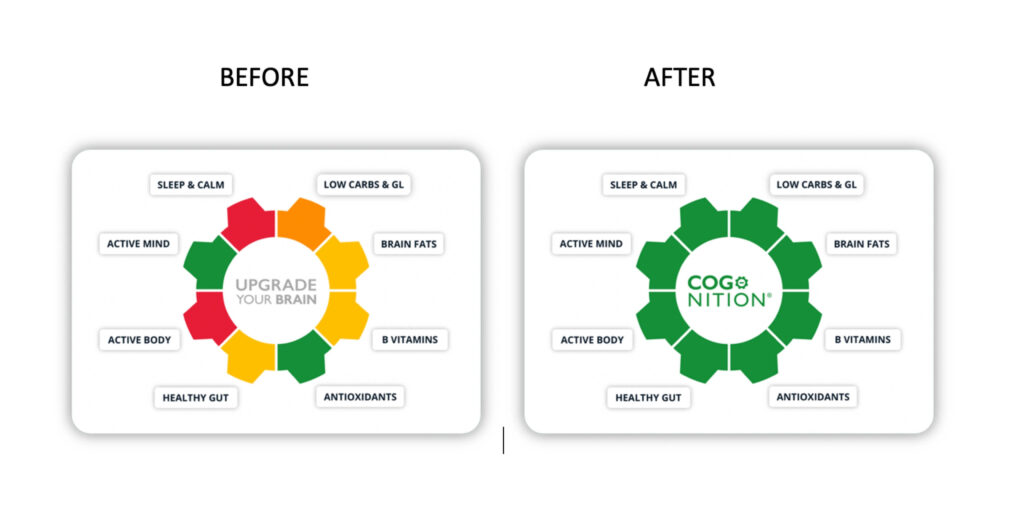
The same principle applies to lifestyle strategies. Physical activity, cognitive stimulation, and stress reduction are all protective, but their impact is blunted when inflammatory and metabolic pressures remain unaddressed. That is why in COGNITION we target all 8 modifiable nutrition and lifestyle factors, so that you are not just targeting a specific nutrient but you are changing the environment.
Microbes, inflammation, and brain vulnerability
Human studies consistently show that individuals with cognitive impairment or Alzheimer’s disease have altered gut microbiome profiles alongside higher levels of systemic inflammatory markers [5].
This does not demonstrate that microbes cause dementia. What it does show is that microbial imbalance contributes to inflammatory load, which in turn increases brain vulnerability.
Over time, this vulnerability can translate into accelerated cognitive decline.
For this reason, the COGNITION brain upgrade programme actively addresses gut health as one of eight modifiable factors that influence dementia risk. Gut microbes actively shape the internal environment in ways that can either accelerate neurodegeneration or help slow it.
The metabolic bridge between gut and brain
The gut also plays a critical role in metabolic regulation.
Chronic gut driven inflammation worsens insulin resistance, reducing glucose uptake by brain cells. Impaired brain glucose metabolism is a recognised feature of cognitive decline and has led some researchers to describe Alzheimer’s disease as a form of brain specific metabolic failure [6,7].
In this model, the gut is not peripheral. It contributes upstream to the metabolic conditions that determine whether the brain can access adequate fuel to function and repair.
Again, the implication is not that gut health alone determines brain fate. It is that brain health strategies are less effective when the metabolic and inflammatory terrain is unfavourable.
Why Brain Health Advice Works for Some People and Not Others
A terrain based perspective offers something often missing from prevention conversations.
Understanding.
When people follow advice carefully and still do not improve, clinicians too often frame the explanation as lack of compliance or genetics. Systems thinking offers a different interpretation.
The tools may be appropriate but the environment may not yet support repair.
This reframes prevention as a personalised process rather than a universal checklist. Understanding an individual’s internal terrain helps identify where effort should go.
This is why Food for the Brain offers two complementary forms of assessment: the free, validated Cognitive Function Test and optional at home blood testing to assess key modifiable risk markers such as homocysteine, omega 3 status and glutathione.
The answer is not found in one nutrient
Viewing brain health through a terrain lens shifts prevention away from adding isolated solutions and toward restoring balance across systems.
The future of brain health does not lie in targeting one nutrient, one habit, or one molecule.
It lies in creating an internal environment where protection, repair, and resilience are possible.
Brains do not fail because one thing goes wrong. They decline when the terrain no longer supports them.
And that terrain forms quietly and cumulatively long before symptoms appear.
Next Steps
Learn more about how gut health impacts brain health in our upcoming webinar here
Order your at home blood test here to get more personalised data on your body and contribute to our on going research
Food for the Brain is a not-for-profit educational and research charity that offers a free Cognitive Function Test and assesses your Dementia Risk Index to be able to advise you on how to dementia-proof your diet and lifestyle.
By completing the Cognitive Function Test you are joining our grassroots research initiative to find out what really works for preventing cognitive decline. We share our ongoing research results with you to help you make brain-friendly choices. Please support our research by becoming a Friend of Food for the Brain.
A Better Festive Treat: Black Bean Brownies That Support Blood Sugar and Brain Health
If you find yourself craving more sugar at this time of year, there’s nothing wrong with you – your biology is responding to a month where blood sugar swings are almost guaranteed.
But cravings aren’t a sign of weakness. They’re a sign your blood sugar, gut, and brain chemistry are under strain – which is why fibre-rich festive recipes can make such a powerful difference.
This week’s recipe does exactly that. These black bean brownies feel indulgent, but underneath they’re designed to support stable blood sugar, calm cravings, and keep your brain sharper through the most sugar-heavy month of the year.
And yes: they taste genuinely delicious.
Why Sugar Affects Your Brain and Memory
Sugar doesn’t just influence your waistline and energy – it directly affects the structure and functioning of your brain. Glucose is the brain’s primary fuel, but when levels rise too high or fluctuate too quickly, the brain experiences this as stress. Over time, those swings change how the brain ages.
Large population studies show that even slightly elevated glucose levels – levels many people would consider “normal” – significantly increase dementia risk (1). And when HbA1c rises, it shows that your body has been exposed to higher glucose levels over the past 8–12 weeks. This matters because long-term elevated glucose drives inflammation, damages blood vessels in the brain, and accelerates the processes linked to cognitive decline (2).
Even in younger or otherwise healthy adults, small rises in glucose are associated with reduced volume in the hippocampus – the brain’s centre for memory, learning, and emotional regulation (3). This means that sugar isn’t only an issue for diabetes prevention; it’s directly tied to how well your brain can store information, retrieve memories, and stay resilient across your lifetime.
During the festive period, these glucose swings become more common – thanks to grazing, disrupted routines, and richer foods. It’s not the single dessert that matters, but the repeating pattern. And your brain feels every one of those peaks and dips before your waistline every does.
How to Tell If You’re Eating Too Much Sugar (Using HbA1c)
This is where measuring your HbA1c becomes incredibly useful.
HbA1c reflects how much of your red blood cells have been exposed to glucose over the past 8–12 weeks, giving you a true picture of your overall sugar load – not just what you ate yesterday, but whether your body is regularly receiving more carbohydrate than it can comfortably handle. We all have slightly different carbohydrate tolerance, and HbA1c shows you where your line is.
It’s also one of the most powerful early indicators of long-term brain health. Higher HbA1c is linked with faster cognitive decline and a greater risk of dementia, even in people who don’t meet the criteria for diabetes (2). Keeping your sugar intake – and therefore your HbA1c – in a healthy range is a core part of protecting your brain.
But glucose is only one part of the story.
When you look at HbA1c alongside other biomarkers such as homocysteine and the omega-3 index, you get a much richer picture of how well your brain is being supported. These markers reflect inflammation, nutrient status, membrane structure and repair – all of which influence how resilient your brain is to the effects of oxidative stress and high blood sugar. When any of them drift out of range, the brain becomes more vulnerable.
This is exactly why our DRIfT testbrings these three measures together.
Between HbA1c, homocysteine, and omega-3 status, you gain a personalised, science-based understanding of how your current diet and lifestyle are shaping your cognitive future.
And if your HbA1c is starting to rise, it’s an early signal that your brain has been exposed to more glucose than it can comfortably manage – a gentle nudge to make adjustments now, rather than years down the line. Order your DRIfT test here –and for the first time ever – we’ve reduced the DRIfT 5-in-1 test by 20% this weekend to widen access to early detection and support our prevention research.
Why Fibre Helps Reduce Sugar Cravings (Especially in December)
This is the part most people underestimate.
A high-fibre diet:
slows glucose entering the bloodstream,
reduces cravings,
stabilises energy, and
supports better long-term glycaemic control.
A large systematic review published in The Lancet found that diets higher in fibre significantly improved blood sugar control, lowered HbA1c, and reduced diabetes risk (4). During a month where treats are everywhere, fibre becomes one of the simplest tools to protect your metabolic and cognitive health. (Gut health is one of our nutrition and lifestyle domains on our COGNITION™ programme – free to all our FRIENDS)
Which is why these brownies work so well…
Most festive treats are low-fibre and high-sugar – a combination that sends cravings soaring.
These brownies flip that on its head.
With black beans, oats, and chicory root syrup, each brownie contains:
~5.4g fibre
~3g protein
~6g fat
~9g carbs
low GL (≈ 3.9)
This gives you the sweetness without the spike – and the fibre slows digestion so you don’t end up reaching for “just one more”.
Serve them with thick Greek yoghurt and fresh raspberries for extra balance and natural sweetness.
High-Fibre Black Bean Brownie Recipe (Low GL, Gluten Free)
Ingredients
1 tin black beans, drained & rinsed very well
6 tbsp cocoa powder (30g)
40g oats
1 egg
1/4 tsp salt
4–6 tbsp sweetener of choice (chicory syrup or brown-sugar substitute work well)
4 tbsp coconut oil
2 tsp vanilla extract
1/2 tsp baking powder
Method:
Preheat oven to 170°C. Blend all ingredients in a food processor until completely smooth. Pour into a lined 8×8 tin. Bake for 15–18 minutes. Cool for at least 10 minutes before slicing. If still soft, chill in the fridge overnight – they firm up beautifully.
Check Your HbA1c, Omega-3 and Homocysteine With Our DRIfT Test
Fibre-rich recipes can help – but the real insight comes from knowing your HbA1c.
Our DRIfT 5-in-1 at home blood test measures your:
Food for the Brain is a not-for-profit educational and research charity that offers a free Cognitive Function Test and assesses your Dementia Risk Index to be able to advise you on how to dementia-proof your diet and lifestyle.
By completing the Cognitive Function Test you are joining our grassroots research initiative to find out what really works for preventing cognitive decline. We share our ongoing research results with you to help you make brain-friendly choices. Please support our research by becoming a Friend of Food for the Brain.
References:
Crane PK et al. Glucose levels and risk of dementia. N Engl J Med. 2013;369(6):540–548.
Rawlings AM et al. Diabetes, prediabetes and cognitive decline. Diabetes Care. 2019;42(7):1217–1224.
Kerti L et al. Higher glucose levels relate to lower hippocampal connectivity and cognition. Neurology. 2013;81(20):1746–1752.
Reynolds A et al. Carbohydrate quality and human health: systematic review. Lancet. 2019;393(10170):434–445.
Why too much fructose is driving dementia, diabetes and brain fog
—
The fruit sugar ‘fructose’ isn’t generally considered a food that’s best avoided. After all, it comes from fruit.
Yet a radical new theory, developed by Richard Johnson, Professor of Nephrology at the University of Colorado, explains how it can trigger various damaging changes in our metabolism that make us more likely to develop chronic conditions such as diabetes, obesity and Alzheimer’s. If doctors better understood this, it could transform the new emphasis on sickness prevention that the government is promising.
—
The science of being ‘fructed’
Professor Johnson has produced what is effectively a biochemical wiring diagram of the connections which fructose turns on and off, that are making an increasing number of people sick. Fructose makes up half of white sugar and most of fructose corn syrup which is the main sweetener in fizzy drinks and ultra-processed foods as well as being the main sugar in fruit, particularly fruit juice.
For instance, the amount of fat stored in the liver increases, driving fatty liver disease, while the cell’s mitochondria, which create the body and brain’s energy molecule ATP, become less productive and blood pressure goes up. The result is that you get fatter, with more brain fog and fatigue and feel less inclined to exercise. Fructose is also a major promoter of diabetes.
Meanwhile an anti-ageing process called autophagy, which would normally clear away used up and damaged mitochondria, the cell’s energy factories, to make room for new ones, is disabled. When fructose crosses the blood-brain barrier into the brain, it is one of the factors causing the brain to form the clumps of amyloid protein found in Alzheimer’s, which is the focus of new drug treatments.
Why on earth does fructose carry out such a blitz on our bodies? Why would the body run a programme that was potentially so lethal?
“It would be wrong to think of fructose as some sort of major toxin, although it becomes neurotoxic in excess,” says Professor Johnson. “Instead, its remarkable range of effects are part of an ancient set of biological programs, which we call the ‘Survival Switch’, that work to prepare animals for hibernation, storing supplies in preparation for times of famine.” This is why fat storage increases and energy drops off producing brain fog. The trouble is we never run out of food or fructose in our modern times.
—
Eat your fruit, don’t drink it.
None of this means that we should avoid fruits, which contain only a small amount of fructose that comes with beneficial fibre that feeds our vital gut bacteria, plus various nutrients. Not so for fruit juice, devoid of fibre. A glass of orange juice is the equivalent of three oranges in terms of fructose, but without the fibre. So, eat your fruit, don’t drink it.
But this does explain why too much blood glucose from regularly eating generous amounts of sugar-laden foods and carbohydrates, is so damaging? The liver turns the excess glucose into fructose with all its knock-on effects. Other substances that can accelerate fructose production are alcohol and salt.
This rise in fructose intake and its presence in processed food makes it all too easy to start piling on the pounds, regardless of how many calories you have cut or how much further you are running. It’s a connection that very few nutritionists or GPs are aware of.
A sign of the widespread damage the Survival Switch can cause is that there are low ATP levels in the brains of people with disorders such as obesity, diabetes, fatty liver disease and Alzheimer’s. Understanding this points to new ways to cut the risks of these chronic disorders. Adenosine triphosphate (ATP) is a molecule that stores and provides energy for cells. It’s a key biomolecule that’s involved in almost all cellular processes.
A simple, but very effective solution, is to run a blood test – HbA1c – the gold standard test GPs use to screen for diabetes. HbA1c is a test that measures your average blood sugar level (glucose) over the past two to three months. A recent study of 374,021 older men with diabetes found that keeping the level of HbA1c stable at an optimal level over a period of three years cut risk of dementia by a third. Similar benefits have been found with patients with pre-diabetes (Prediabetes means that your blood sugars are higher than usual, but not high enough for you to be diagnosed with type 2 diabetes. It also means that you are at high risk of developing type 2 diabetes.) But far lower levels of HbA1c than those used to diagnose diabetes are associated with the first signs of brain shrinkage, which is the hallmark of cognitive decline, even in teenagers.
That is why we offer, as part of our ‘citizen science’ research, an at home pin-prick test of HbA1c, to find out not only who is at risk, but also how to reverse that risk. It also works alongside the free Cognitive Function Test that calculates your future Dementia Risk Index and suggests various lifestyle and nutrition changes to help reduce it, including a low fructose diet (Find out more about low fructose foods here).
We also recommend increasing omega-3 intake from oily fish, increasing B vitamins, especially B12, as well as an active lifestyle, as part of COGNITION, our personalised 6-month programme. In this programme we also dive deeper into lowering your ‘glycaemic load’ (GL), which is low in fructose, alongside periods of time of eating in a ‘ketogenic’ way by keeping sugar and carbohydrates to a minimum. The body responds by creating ketones, energy packets that can replace glucose as an energy source for the brain, helping to undo the damage.
(You get access to COGNITION when you become a FRIEND of Food for the Brain here)
‘Burning ketones can also increase the number and output of the cell’s energy factories, known as mitochondria, which are damaged by fructose,’ says Professor Robert Lustig of the University of California, author of the best-selling book Metabolical and who sits on our Scientific Advisory Board. You can read more in his detailed article here.
Both Professor Johnson and Professor Lustig are also part of the Alzheimer’s Prevention Expert Group who have written to UK dementia prevention authorities to add sugar, and specifically a high fructose diet, to the list of known risk factors.
—
The connection to Ozempic…
This low fructose approach also naturally promotes the enzyme GLP-1, targeted by the weight loss drugs Ozempic and Wegovy, but without the side-effects or rebound weight gain.
Our founder Patrick Holford says: “Today’s typical diet of burgers, carbonated drinks, fruit juice, ice cream, bread, biscuits, cakes and confectionery, plus alcohol and salt, is a dementia time-bomb. Our brains are literally being ‘fructed’. We see the same shrinkage in the same regions of the brain in teenagers with a high sugar intake that are seen in older Alzheimer’s patients. We think of the resulting dementia as type-3 diabetes.”
Food for the Brain is a non-for-profit educational and research charity that offers a free Cognitive Function Test and assesses your Dementia Risk Index to be able to advise you on how to dementia-proof your diet and lifestyle.
By completing the Cognitive Function Test you are joining our grassroots research initiative to find out what really works for preventing cognitive decline. We share our ongoing research results with you to help you make brain-friendly choices. Please support our research by becoming a Friend of Food for the Brain.
References:
Johnson RJ et al. The fructose survival hypothesis for obesity. Philos Trans R Soc Lond B Biol Sci. 2023 Sep 11;378(1885):20220230. doi: 10.1098/rstb.2022.0230
Underwood PC et al HbA1cTime in Range and Dementia JAMA Netw Open. 2024 Aug 1;7(8):e2425354. doi: 10.1001/jamanetworkopen.2024.25354
Yau PL et al Obesity and metabolic syndrome and structural brain impairments in adolescence. Pediatrics. 2012 Oct;130(4):e856-64. doi: 10.1542/peds.2012-0324
Too much sugar shrinks the brain, but it’s so attractive. Why?
We are led by the science here at Food for the Brain, so we know that one of the best things you can do for your brain is to reduce your sugar and support your insulin control. That is why it is one of our key lifestyle domains in the COGNITION programme.
However, you probably already know too much sugar isn’t great for health but how can we make eating a lower carb and sugar life easier?
—
First, let’s recap the science…
Dr. Robert Lustig, a renowned expert on brain health and a member of our scientific advisory board, highlights the significant role of insulin control and dietary choices in preventing cognitive decline.
Research from Columbia University in 2004 revealed that individuals with high insulin levels, (a primary indicator of metabolic dysfunction), were twice as likely to develop dementia compared to those with healthy insulin levels (1). Furthermore, those with the highest insulin levels exhibited the worst memory retrieval abilities (1). Similarly, an Italian study linked elevated insulin levels to declining mental function (2).
Several studies have established a connection between high sugar consumption and poor cognitive outcomes. For instance, a study among Puerto Ricans found that high sugar intake doubled the risk of cognitive impairment (3), while another U.S. study correlated elevated blood sugar levels with memory loss (4). The detrimental impact of high dietary glycaemic load (GL) on cognitive function has been observed in studies from Ireland and the United States, indicating that high GL diets are strongly associated with Alzheimer’s-related pathological changes (5,6).
—
What is Glycaemic load?
Glycaemic load considers both the quality (GI – glycaemic index) and the quantity (carbohydrate content) of the carbohydrates in a food serving. It provides a more accurate picture of how a food will affect blood sugar levels. The formula for calculating glycaemic load is:
GL = GI x carbohydrate / 100
A high GL diet measured by the total glucose load on the bloodstream, is linked to increased amyloid plaque formation and cognitive decline, particularly in individuals with the ApoE4 gene, which regulates fat metabolism (7). Even individuals with high-normal blood glucose levels experience greater brain shrinkage and cognitive impairment compared to those with lower levels, as shown in long-term studies (8).
Plus, the damage of a high-GL diet can start early in life. Dr. Lustig points out that overweight children on high-GL diets show signs of cognitive decline, and adolescents with metabolic dysfunction from such diets exhibit hippocampal shrinkage and other brain structure changes (9,10).
So it is clear that eating excess sugar or the wrong types of carbohydrates with a high GL is a problem, so what do you eat?
(Wondering if you’re eating too much sugar? Then test, don’t guess with our home HbA1c test – find out more here.)
—
What to eat?
There are two options: following a low GL diet or going a step further and adhering to a ketogenic approach (or switching between the two as Patrick highlights in the Hybrid Diet book). For more info on the ketogenic diet click here to find out more
A low GL diet is focused on consuming foods that have a minimal impact on blood sugar. Basically a diet rich in:
Vegetables: Most non-starchy vegetables like spinach, broccoli, and bell peppers.
Fruits: Berries, cherries, grapefruit, and apples.
Legumes: Lentils, chickpeas, and black beans.
Whole Grains: Barley, quinoa, and whole oats.
Fish and meat or tofu/tempeh: unprocessed
Dairy: Plain yoghurt and milk (unsweetened).
Nuts and Seeds: Almonds, walnuts, chia seeds, and flaxseeds.
Whilst eating this way can support your brain health it can also help you sustain energy levels, help with weight loss and improve heart health.
—
So how can we make it easier?
At Food for the Brain we have a few ways to help you feed your brain on the right foods:
Complete the Cognitive Function Test and join COGNITION so we can walk you through how to reduce sugar and upgrade your brain over the next few months.
Upgrade Your Brain Cook App – full of low GL recipes and coming soon. Help us by pre ordering today to get brain-loving recipes at your fingertips.
Here is a recipe sample:
—
Almond and coconut porridge
Breakfast Serves 2, generously
TOTAL GLs: 4
Ingredients:
2 tbsp milled flaxseed 2 tbsp coconut flour 2 tbsp whole flaxseed 2 tbsp chia seeds 2 tbsp coconut flakes, toasted in a dry pan 2 tbsp raspberries 2 tbsp blueberries 2 strawberries 8 walnuts, broken up 1 tbsp soft brown sugar alternative (or sweetener of choice) 300ml unsweetened almond milk 1 tbsp chicory root syrup (or sweetener of choice)
Instructions:
Stir everything (except the desiccated coconut, nuts and berries) together in a saucepan and let sit for 10 mins.
Gently heat through until thickened – add a little more milk if needed to get the consistency you like.
Top with the berries, nuts and toasted coconut – add some natural yoghurt if you like.
Drizzle with the chicory syrup
Cooks Notes
It’s worth seeking out the chicory syrup – very low sugar and also high fibre.
Nutrition Highlights
Antioxidants: High in antioxidants, particularly vitamins A, C, and E, which help protect cells from damage and support immune function.
Protein: A moderate source of protein, supporting muscle maintenance and repair.
Fibre: Contains a high amount of fibre, aiding in digestion and promoting satiety.
—
Other resources
Here are a few other resources to make low sugar easier,
FATT bars– easy low GL and low carb snacks for on-the-go. Use the code FFTB10 to save 10% and FATT will donate to the charity with every purchase.
Dillon bread– low carb bread and their brand new high fibre, low GL, Chicory Fibre Syrup perfect for adding to porridge and also suitable for diabetics. Use code FFB10 to save 10% and Dillon will donate 10% with every purchase.
Keto Mojo– if you want to take it a step further and follow a ketogenic diet then grab one of their ketone readers to make life easier and to check you are in ketosis. Use code FFB10 to save 10%.
These companies are some of our supporting organisations – find out more here.
Thank you for reading!
Food for the Brain is a non-for-profit educational and research charity that offers a free Cognitive Function Test and assesses your Dementia Risk Index to be able to advise you on how to dementia-proof your diet and lifestyle.
By completing the Cognitive Function Test you are joining our grassroots research initiative to find out what really works for preventing cognitive decline. We share our ongoing research results with you to help you make brain-friendly choices. Please support our research by becoming a Friend of Food for the Brain.
References
Abbatecola AM, Paolisso G, Lamponi M, Bandinelli S, Lauretani F, Launer L, Ferrucci L. Insulin resistance and executive dysfunction in older persons. J Am Geriatr Soc. 2004 Oct;52(10):1713-8. doi: 10.1111/j.1532-5415.2004.52466.x. PMID: 15450050.
Abbatecola AM, Paolisso G, Lamponi M, Bandinelli S, Lauretani F, Launer L, Ferrucci L. Insulin resistance and executive dysfunction in older persons. J Am Geriatr Soc. 2004 Oct;52(10):1713-8. doi: 10.1111/j.1532-5415.2004.52466.x. PMID: 15450050.
Ye X, Gao X, Scott T, Tucker KL. Habitual sugar intake and cognitive function among middle-aged and older Puerto Ricans without diabetes. Br J Nutr. 2011 Nov;106(9):1423-32; doi: 10.1017/S0007114511001760. Epub 2011 Jun 1. PMID: 21736803; PMCID: PMC4876724.
Power SE, O’Connor EM, Ross RP, Stanton C, O’Toole PW, Fitzgerald GF, Jeffery IB. Dietary glycaemic load associated with cognitive performance in elderly subjects. Eur J Nutr. 2015 Jun;54(4):557-68. doi: 10.1007/s00394-014-0737-5. Epub 2014 Jul 18. PMID: 25034880.
Seetharaman S, Andel R, McEvoy C, Dahl Aslan AK, Finkel D, Pedersen NL. Blood glucose, diet-based glycemic load and cognitive aging among dementia-free older adults. J Gerontol A Biol Sci Med Sci. 2015 Apr;70(4):471-9. doi: 10.1093/gerona/glu135. Epub 2014 Aug 22. PMID: 25149688; PMCID: PMC4447796.
Taylor MK, Sullivan DK, Swerdlow RH, Vidoni ED, Morris JK, Mahnken JD, Burns JM. A high-glycemic diet is associated with cerebral amyloid burden in cognitively normal older adults. Am J Clin Nutr. 2017 Dec;106(6):1463-1470. doi: 10.3945/ajcn.117.162263. Epub 2017 Oct 25. PMID: 29070566; PMCID: PMC5698843.
Taylor MK, Sullivan DK, Swerdlow RH, Vidoni ED, Morris JK, Mahnken JD, Burns JM. A high-glycemic diet is associated with cerebral amyloid burden in cognitively normal older adults. Am J Clin Nutr. 2017 Dec;106(6):1463-1470. doi: 10.3945/ajcn.117.162263. Epub 2017 Oct 25. PMID: 29070566; PMCID: PMC5698843.
M.E. Mortby et al., ‘High “normal” blood glucose is associated with decreased brain volume and cognitive performance in the 60s: the PATH through Life Study’, PLoS One (2013), vol 8 .
Yau PL, Castro MG, Tagani A, Tsui WH, Convit A. Obesity and metabolic syndrome and functional and structural brain impairments in adolescence. Pediatrics. 2012 Oct;130(4) . doi: 10.1542/peds.2012-0324. Epub 2012 Sep 3. PMID: 22945407; PMCID: PMC3457620.
Lakhan, S.E., Kirchgessner, A. The emerging role of dietary fructose in obesity and cognitive decline. Nutr J 12, 114 (2013).
Loef M, Walach H. Fruit, vegetables and prevention of cognitive decline or dementia: a systematic review of cohort studies. J Nutr Health Aging. 2012 Jul;16(7):626-30. doi: 10.1007/s12603-012-0097-x. PMID: 22836704.
Easter is meant to follow on from Lent – 40 days of fasting. There lies the problem.
—
‘We’ are the product of natural selection – survival of the fattest.
Those of us who can readily store carbs as fat through periods of famine have survived and become dominant. Now, there are no periods of famine, no ‘lent’ up, it’s just carbs all the way.
With one in six over 40 diabetic, the question is, are you heading in that direction?
Even raised glucose, but within the ‘normal’ range, in mid life increases Alzheimer’s risk by 14.5%.
—
Why not find out?
We have a simple pinprick blood test to help you do just that. It measures the percentage of your red blood cells that are sugar-damaged or ‘glycosylated’. It’s called glycosylated haemoglobin, or HbA1c. This simple pinprick blood test is, in effect, measuring the total blood sugar spikes you experienced over the past three months (red blood cells, called haemoglobin, live for three months).
—
What should you be aiming for?
Ideally, it should be 5% (31mmol/mol) or less. That’s healthy.
Above 5.4% (36) and in studies you can already pick up brain shrinkage and cognitive decline.
Above 6% (42) is considered pre-diabetic.
6.5% (48) or higher is considered diabetic.
For both brain and body health you certainly want it to be below 5.4%
(It’s measured slightly differently in the UK, in mmol/mol, which is the number shown in brackets.)
A recent study in Denmark of 20,000 people in their 60’s, published in the British Medical Journal [1], found that one in nine with an HbA1c of 6-6.1% developed diabetes in the next three years and one in five in the next five years. One in ten died.
—
How to lower your score?
It is easy to lower, if you need to. But first, you need to know where you are starting from. Then you can retest three months later and find out if what you’ve done has worked.
But first, we suggest you measure your baseline HbA1c.
It’s more predictive of your blood sugar control than just your weight or waist circumference. In fact, it is the single most important measure of your glucose balance ‘resilience’ which is why it’s one of the four ‘essentials’ in our DRIfT test – the others being vitamin D, omega-3 and homocysteine (B vitamins).
We want to wish you a Healthy Easter by giving you £10 off your HBA1c test when you buy before Easter.
So that’s £39.95, not £49.95.
Also, if you book a repeat test in 3 months, which is how long it takes to ‘renew’ all your red blood cells, hopefully no longer sugar-coated, you’ll save a further 6%, bringing the cost down to £37.55, saving you £12.40 now and in 3 months time. That’s £24.80 in total. This offer ends on April 10th 2024.
Use the coupon code: easter at check out to save
(Discount applies to the HBa1c test only.)
Remember every test kit you order will not only help you upgrade your brain it will also help us in our vital research – you will become a part of our ‘Citizen Science’ team and be donating to our wider charitable work and research.
Thank you!
Thank you for reading!
Food for the Brain is a non-for-profit educational and research charity that offers a free Cognitive Function Test and assesses your Dementia Risk Index to be able to advise you on how to dementia-proof your diet and lifestyle.
By completing the Cognitive Function Test you are joining our grassroots research initiative to find out what really works for preventing cognitive decline. We share our ongoing research results with you to help you make brain-friendly choices. Please support our research by becoming a Friend of Food for the Brain.
Back in the decade that gave us neon shell suits, the first space shuttle, and the birth of the pop video (the unforgettable 1980s) we also believed that glucose (the sugar used by our bodies) gave us extra energy. Lucozade, a liquid form of glucose with a good dose of preservatives, artificial sweeteners and artificial colourants, was advertised as ‘energy for the human race.’
—
Yet, new studies are showing that too much glucose, and especially fructose, over time starves the brain of energy, leading to both memory loss and brain shrinkage.
These two sugars interfere with the energy factories within cells, called mitochondria, and deprive the brain of the energy it needs to function properly.
The link between diabetes and dementia is well known – those with diabetes have four times the risk of dementia.
Haemoglobin A1c (HbA1c) is a long-term measure of glucose bound to red blood cells (haemoglobin) and is used by doctors to diagnose diabetes and monitor its therapy. HbA1c is a measure of damage produced by sugar spikes on red blood cells; a HbA1c of 6.5% or greater is diagnostic of diabetes. But long before this, in what is usually considered to be the ‘normal range’ teenagers with HbA1c above 5.4% show cognitive decline and shrinkage of the hippocampus in the central area of the brain compared to those with lower HbA1c levels (1).
Shrinkage of the hippocampus is the hallmark of Alzheimer’s and is used to diagnose the disease. A new study shows that 40-year-old adults with so-called normal glucose levels, but at the higher end of the normal range, have increased their risk of Alzheimer’s by 15% (2).
Furthermore, “In teenagers with raised, but normal levels of HbA1c, there is clear evidence of the same kind of memory problems and the same areas of brain shrinkage seen in patients with Alzheimer’s Disease” says Robert Lustig, Emeritus Professor of Pediatrics at University of California, San Francisco.
—
“Keeping your HbA1c below 5.4% with a no-added-sugar diet, and for some a low-carbohydrate diet, is one of the most direct ways you can protect your brain at any age.” says Lustig.
“The irony is that having too much sugar over a number of years makes a person resistant to insulin. We need insulin in order to deliver glucose into our brain cells, so insulin resistance, the direct consequence of too much glucose, ends up starving the brain of energy with the consequent loss of concentration and memory.” says nutritionist and psychologist Patrick Holford, our CEO and founder.
“We are calling for people to test both their cognitive function with our free online test and measure their HbA1c with our new home pin prick blood test kit, so we can really find out when problems occur and how to prevent cognitive decline.” So far, over 400,000 people have done our Cognitive Function Test – our FREE, validated, online cognitive function test which tells you your future dementia risk and what to do to lower it.
Professor Robert Lustig thinks the problem got even worse when the food industry switched from sucrose, derived from cane, to high-fructose corn syrup, derived from corn; “High-fructose corn syrup is not more biologically evil; it’s economically evil, because it’s half the price of sucrose, so it found its way into all sorts of foods…
“The key message is to test HbA1c early if it is over 5.4% and act to bring it down by cutting right back on foods and drinks with added sugar including carbohydrate-rich foods such as bread, rice, pasta, potatoes, and especially fruit juice. Nature never provides fructose without the requisite fibre. When God made the poison, he packaged it with the antidote. Eat your fruit, don’t drink it.” says Lustig.
Thank you for reading! Food for the Brain is a non-for-profit educational and research charity that offers a freeCognitive Function Testand assesses your Dementia Risk Index to be able to advise you on how to dementia-proof your diet and lifestyle.
By completing theCognitive Function Testyou are joining our grassroots research initiative to find out what really works for preventing cognitive decline. We share our ongoing research results with you to help you make brain-friendly choices.
Robert Lustig is Professor Emeritus of Pediatrics in the Division of Endocrinology, and Member of the Institute for Health Policy Studies at the University of California, San Francisco. He is a pediatric neuroendocrinologist,and an international authority on obesity, diabetes,nutrition,and neuroscience. He is the author of three books that have changed our understanding of the danger of sugar on our metabolism – Fat Chance, The Hacking of the American Mind, and Metabolical.
Most people know that refined sugar is not good for you, but what is it about sugar that’s particularly bad for your brain? Why is it essential, not only for brain health and dementia prevention, to reduce your intake of not only sugar but refined carbohydrates in general? (By refined, I mean those whose fiber has been processed away – not ‘whole’ as in vegetables, whole fruit (not juice), beans, and whole grains.
Let’s start at the extreme. What happens if you lived at the North Pole, and ate virtually no carbohydrates, or at least so little as to force your body and brain to switch to a kind of fuel, ketones, produced from fat? This is often called a “very low carb high fat” (LCHF) or “ketogenic” diet. Would you get sick? This is what Vilhjamur Steffanson did, when his Arctic exploration shipwrecked in 1913, and he was forced to live amongst the Inuit for two years. He noted that there was no diabetes, no cancer — and no Alzheimer’s. In 1928, he and his colleague checked themselves into Bellvue hospital, and ate only meat for one year.[1]They were healthier than the researchers who studied them!
Your brain likes ketones
Ketones are made in the liver from fat – either breaking down your own fat (for example, if you were fasting, eating very little or exercising a lot), or from ingestion of a type of fat containing ‘medium chain triglycerides’ (MCTs). Coconut oil is approximately 54% MCTs and contains all 4 MCTs (C6, C8, C10, C12), but it turns out that one particular kind of MCT, called C8 because it is 8 carbons long, is the best fat for the liver to convert into ketones.
You may be surprised to know that your brain can run well on glucose (the kind of sugar that is fuel for our cells), but even better on ketones. The reason is that ketones cross into the brain easily, rapidly, and without a biochemical transporter. This is why children with severe epilepsy improve on a ketogenic diet. Watch this short film ‘Fuel your Brain’.
Brain benefits of a low-carb ketogenic diet
In fact, brain cells prefer ketones. In two studies, one on people with Alzheimer’s and the other on those with pre-dementia or mild cognitive impairment, giving 2 tablespoons of C8 oil (called capricin or caprylic acid triglyceride), brain energy derived from ketones went up by 230% and memory and mental acuity improved in those with Minimal Cognitive Impairment (MCI).[2,3]
A ketogenic diet has been shown to reduce schizophrenia symptoms, help reduce shaking in Parkinson’s, and slow down cognitive decline in those with dementia or pre-dementia. In fact, the ketogenic diet has been used to effectively treat childhood epilepsy for over 100 years! There’s a good review on the current status of the ketogenic diet in psychiatry here.[4]
Ketogenic diets may help in many ways. Firstly, when a person eats too much carbohydrate, sugar, but especially fructose, damages the energy burning factories in cells, called mitochondria, so their ability to produce chemical energy for the neuron is greatly reduced. Switching to burning ketones instead can increase mitochondria number and function. A recent study also shows that a ketogenic diet has a positive effect on the gut microbiome,[5] and this might be one way the diet helps reduce fits in people with epilepsy.[6] Fructose, on the other hand, disrupts the gut microbiome in a negative way.
How sugar damages your brain
But what is it about a ketogenic diet that is good for your brain? Is it the ketones, the lowering of insulin, the type of fat, the elimination of carbohydrate, or specifically the elimination of sugar? We don’t yet know – I ask this question of every Alzheimer’s and metabolic researcher I know, and no one can tell me – just that it works.
There are a few possible mechanisms. First, the more carbs and sugar you eat, the more resistant you become to the hormone insulin. Insulin not only drives glucose into cells (including brain cells), but also sends excess sugar to the liver to turn into fat. When a person becomes insulin resistant, ironically, glucose transport is negatively impacted, reducing brain energy availability. Insulin resistance is a major driver of depression.[7] A ketogenic diet can reverse that.
Fructose, which comprises half of sucrose (‘white’ or ‘table’ sugar), and half of ‘high-fructose corn syrup’ (added to numerous processed foods), damages our mitochondria, which leads to less brain energy availability. One study showed that fructose reduces liver mitochondrial function, while glucose stimulates it.[8]“The most important takeaway of this study is that high fructose in the diet is bad,” said Dr. C. Ronald Kahn from the Joslin Diabetes Center. “It’s not bad because it’s more calories, but because it has effects on liver metabolism to make it worse at burning fat. As a result, adding fructose to the diet makes the liver store more fat, and this is bad for the liver and bad for whole body metabolism.”
Fructose is the main sugar in most fruits. People then extrapolate, “oh fruit must be bad for you.” Not true. Whole fruit has fibre (both soluble and insoluble); together they slow down glucose and fructose absorption in the GI tract limiting both liver and brain exposure, and they also help feed the gut bacteria (microbiome), so actually you get less fructose entering the bloodstream. Juicing the fruit removes the protective fiber, and juice has been shown to be just as dangerous to metabolism as is soda. So, eat your fruit — don’t drink it!
Carbohydrates and fructose age your brain
There’s another reason why sugar, and especially fructose, is bad for your brain and body. They produce Advanced Glycation Endpoints or AGEs, which damage the brain. These ‘oxidise’ proteins (so does cigarette smoke), rendering them useless , allowing them to aggregate into clumps, and use up valuable antioxidants in your diet such as vitamin C and E.
Fructose acts on your liver to switch your metabolism away from fat burning to fat making and storing, and inhibits an anti-ageing process called ‘autophagy’ which helps clean up and remove damaged mitochondria in order to regenerate new, healthier cells.
Why sweet foods are so addictive
So far we’ve only explored why sugar is bad for your “physical” brain. Knowing this is a good start. But why does your “emotional” brain keep telling you that you want it? Why do people find it so hard to resist, and so many become sugar addicts? The answer is that fructose activates the “reward system” in the brain. It causes dopamine release, the motivational neurotransmitter associated with ‘reward’. Any chemical that does so can be addictive – cocaine, heroin, alcohol, nicotine, or example. The trouble is the more you have, the more your brain ‘down-regulates’, i.e. becomes less responsive to your own natural feel-good dopamine, so you end up needing more sugar to get the hit and, in the end, you get no hit at all but feel thoroughly awful without it. That’s the Law of Diminishing Returns. That’s addiction.
Blood sugar control reduces dementia risk
Keeping blood glucose levels in the low-normal range is reflected by a low blood glycosylated haemoglobin (HbA1C) level, which means ‘sugar-coated red blood cells’. A low HbA1c is good and is a proxy for improved insulin sensitivity, associated with reduced risk for dementia in several studies.[9,10,11,12,13,14]
A new study also shows that, in 40 year old adults with so-called normal glucose levels but at the higher end of the normal range, have increased their risk of Alzheimer’s by 15% [37]
Type 2 diabetes, the net result of losing blood sugar control, almost doubles the risk for dementia.[15,16] Diabetes is also associated with more rapid brain shrinkage.[17,18] Even people in the upper normal range of blood glucose have increased brain atrophy, impaired cognition, and increased risk of dementia.[19,20]
For instance, one trial measured HbA1c and glucose levels in several thousand elderly people over the course of almost seven years.In that time, slightly more than a quarter of the participants developed dementia, and the bottom line was that rising glucose levels were associated with increased risk of developing the condition, irrespective of whether the participants also had diabetes. Non-diabetics who experienced a modest increase in blood sugar levels had an 18% increased risk of dementia, as compared to those who already had diabetes at the start of the study or developed it within the trial period, who had a 40% increased risk.[21]
Insulin resistance is strongly related to cognitive decline
But even more important than loss of glucose control is the loss of insulin control. Back in 2004, researchers at Columbia University showed that people with high insulin levels – the principal hallmark of metabolic dysfunction – were twice as likely to develop dementia as those with healthy levels. Moreover, those with the highest insulin levels had the worst memory retrieval.[22] The same year, an Italian study established a link between heightened insulin levels and declining mental function.[23] Similarly, a Puerto Rican study found that people who consumed the large amounts of sugar doubled their risk of suffering poor cognitive function,[24] while another US study discovered a strong correlation between blood sugar level and memory loss.[25]
Two studies – one in Ireland,[26] and the other in the United States,[27] – established a link between high dietary glycemic load (GL; how high does your blood glucose rise when you eat carbohydrate) and cognitive decline. Indeed, both of these reports suggested that high GL is even more predictive of the pathological changes associated with Alzheimer’s than either high carb or high sugar intake. A high GL diet is also associated with more amyloid plaque[28] and more cognitive decline, especially in those who carry the ApoE4 gene, a regulator of fat metabolism.[29]
A long-term study found evidence that this sort of shrinkage is more common among people with high blood glucose levels, even when those levels are still within what are considered ‘normal’ (i.e. non-diabetic) limits.[30] This cognitive decline starts young. Cognitive decline in overweight children is associated with a high GL diet[31], and adolescents with metabolic dysfunction driven by a high GL diet have been shown to have shrinkage of the hippocampal area of the brain, as well as other structural changes and cognitive deficits. [32,33]
Prevention action – how to cut down your sugar load
In practical terms, preventing dementia today means avoiding sugar as much as possible. If you’re going to eat carbohydrate, eat ‘whole’ carbohydrate foods such as whole vegetables, fruits (not juice), beans, only wholegrain bread (labelled as ‘100% wholegrain’, or pasta in small quantities.
Starchy carbohydrates such as pasta, rice and potatoes benefit from being cooked and cooled, then eaten cold or re-heated, as some of the carbohydrate is converted into resistant starch – a type of fibre we can’t digest but which has the added benefit of fermenting and feeding our gut bacteria.
Make sure the carbohydrate comes with its inherent fibre. Oat cakes would be better than bread since the fibre in these foods helps ‘slow release’ the sugars. Eating white bread is associated with a poorer cognitive test performance, whereas high fibre bread is associated with better performance.[34] Eating carbohydrate foods with protein, for example brown rice with fish, or porridge oats with seeds, or fruit with nuts, further reduces the glycemic load (GL) of a meal. The best fruits in this respect are low-sugar high-fiber fruits like berries, cherries, and plums.
These kinds of foods are consistent with a Mediterranean diet which has also been shown to reduce risk.[35] Conversely, grapes, raisins, and bananas are high GL. A study in Finland and Sweden compared those with a healthy versus unhealthy diet, including the above criteria, in mid-life for future risk of developing Alzheimer’s disease and dementia 14 years later. Those who ate the healthiest diet had an 88% decreased risk of developing dementia and a 92% decreased risk of developing Alzheimer’s disease.[36]
The take-home message is, if you are going to eat complex carbohydrates, eat them with fibre, fat and protein.
However, if you want to go one step further, you can switch to eating a ketogenic low-carb, high fat diet. The problem with the ketogenic diet is staying on it – there’s so much carbohydrate out there it’s hard to avoid it. But there are now breath monitors (e.g. Ketoscan, BioSense from ReadOut Health) that can help you stay in ketosis. A good book to help you explore and put into practice either a low carb ketogenic diet or a low GL diet is ‘The Hybrid Diet’ by Patrick Holford & Jerome Burne. And to understand how processed food is your enemy, take a look at my book ‘Metabolical’.
And if you want to know how sugar is impacting your body and brain then you can take one of our at-home, pin-prick, DRIfT blood test so you can know exactly how sugar is impacting your body and also become a part of our vital research into this area.
Food for the Brain is a non-for-profit educational and research charity that offers a freeCognitive Function Testand assesses your Dementia Risk Index to be able to advise you on how to dementia-proof your diet and lifestyle.
By completing theCognitive Function Testyou are joining our grassroots research initiative to find out what really works for preventing cognitive decline. We share our ongoing research results with you to help you make brain-friendly choices
1. Heinbecker P. STUDIES ON THE METABOLISM OF ESKIMOS. Journal of Biological Chemistry. 1928 Dec;80(2):461–75.
2. Fortier M, Castellano C-A, St-Pierre V, Myette-Côté É, Langlois F, Roy M, et al. A ketogenic drink improves cognition in mild cognitive impairment: Results of a 6-month RCT. Alzheimer’s & Dementia: The Journal of the Alzheimer’s Association [Internet]. 2020 Oct 26; Available from: https://pubmed.ncbi.nlm.nih.gov/33103819/
3. Croteau E, Castellano C-A, Richard MA, Fortier M, Nugent S, Lepage M, et al. Ketogenic Medium Chain Triglycerides Increase Brain Energy Metabolism in Alzheimer’s Disease. Journal of Alzheimer’s disease: JAD [Internet]. 2018;64(2):551–61. Available from: https://pubmed.ncbi.nlm.nih.gov/29914035/
4. Bostock ECS, Kirkby KC, Taylor BVM. The Current Status of the Ketogenic Diet in Psychiatry. Frontiers in psychiatry [Internet]. 2017;8:43. Available from: https://www.ncbi.nlm.nih.gov/pubmed/28373848
5. Paoli A, Mancin L, Bianco A, Thomas E, Mota JF, Piccini F. Ketogenic Diet and Microbiota: Friends or Enemies? Genes. 2019 Jul 15;10(7):534
6. Olson CA, Vuong HE, Yano JM, Liang QY, Nusbaum DJ, Hsiao EY. The Gut Microbiota Mediates the Anti-Seizure Effects of the Ketogenic Diet. Cell [Internet]. 2018 Jun [cited 2019 Apr 17];173(7):1728-1741.e13. Available from: https://www.cell.com/cell/pdf/S0092-8674(18)30520-8.pdf
7. Watson K, Nasca C, Aasly L, McEwen B, Rasgon N. Insulin resistance, an unmasked culprit in depressive disorders: Promises for interventions. Neuropharmacology [Internet]. 2018 Jul 1 [cited 2022 Aug 5];136(Pt B):327–34. Available from: https://pubmed.ncbi.nlm.nih.gov/29180223/
8. Softic S, Meyer JG, Wang G-X, Gupta MK, Batista TM, Lauritzen HPMM, et al. Dietary Sugars Alter Hepatic Fatty Acid Oxidation via Transcriptional and Post-translational Modifications of Mitochondrial Proteins. Cell Metabolism [Internet]. 2019 Oct;30(4):735-753.e4. Available from: https://www.cell.com/cell-metabolism/pdfExtended/S1550-4131(19)30504-2
9. Luchsinger JA, Tang M-X ., Shea S, Mayeux R. Hyperinsulinemia and risk of Alzheimer disease. Neurology. 2004 Oct 11;63(7):1187–92.
10. Abbatecola AM, Paolisso G, Lamponi M, Bandinelli S, Lauretani F, Launer L, et al. Insulin Resistance and Executive Dysfunction in Older Persons. Journal of the American Geriatrics Society. 2004 Oct;52(10):1713–8.
11. Xu WL, von Strauss E, Qiu CX, Winblad B, Fratiglioni L. Uncontrolled diabetes increases the risk of Alzheimer’s disease: a population-based cohort study. Diabetologia. 2009 Mar 12;52(6):1031–9.
12. Hassing Lb, Grant Md, Hofer Sm, Pedersen Nl, Nilsson Se, Berg S, et al. Type 2 diabetes mellitus contributes to cognitive decline in old age: A longitudinal population-based study. Journal of the International Neuropsychological Society. 2004 Jul;10(4):599–607.
13. Yaffe K, Blackwell T, Whitmer RA, Krueger K, Barrett Connor E. Glycosylated hemoglobin level and development of mild cognitive impairment or dementia in older women. The Journal of Nutrition, Health & Aging [Internet]. 2006 Jul 1 [cited 2022 Aug 5];10(4):293–5. Available from: https://pubmed.ncbi.nlm.nih.gov/16886099/
14. Roberts RO, Knopman DS, Cha RH, Mielke MM, Pankratz VS, Boeve BF, et al. Diabetes and Elevated Hemoglobin A1c Levels Are Associated with Brain Hypometabolism but Not Amyloid Accumulation. Journal of Nuclear Medicine. 2014 Mar 20;55(5):759–64.
15. Arvanitakis Z, Wilson RS, Bienias JL, Evans DA, Bennett DA. Diabetes mellitus and risk of Alzheimer disease and decline in cognitive function. Arch Neurol. 2004 May;61(5):661-6. doi: 10.1001/archneur.61.5.661. PMID: 15148141.
16. Yaffe K, Blackwell T, Kanaya AM, Davidowitz N, Barrett-Connor E, Krueger K. Diabetes, impaired fasting glucose, and development of cognitive impairment in older women. Neurology [Internet]. 2004 Aug 24 [cited 2022 Mar 16];63(4):658–63. Available from: https://n.neurology.org/content/63/4/658
17. Tiehuis AM, van der Graaf Y, Visseren FL, Vincken KL, Biessels GJ, Appelman APA, et al. Diabetes Increases Atrophy and Vascular Lesions on Brain MRI in Patients With Symptomatic Arterial Disease. Stroke. 2008 May;39(5):1600–3.
18. Samaras K, Lutgers HL, Kochan NA, Crawford JD, Campbell LV, Wen W, et al. The impact of glucose disorders on cognition and brain volumes in the elderly: the Sydney Memory and Ageing Study. AGE [Internet]. 2014 Jan 9 [cited 2022 Aug 5];36(2):977–93. Available from: https://www.ncbi.nlm.nih.gov/pmc/articles/PMC4039246/
19. Mortby ME, Janke AL, Anstey KJ, Sachdev PS, Cherbuin N. High “normal” blood glucose is associated with decreased brain volume and cognitive performance in the 60s: the PATH through life study. PLoS One. 2013 Sep 4;8(9):e73697. doi: 10.1371/journal.pone.0073697. PMID: 24023897; PMCID: PMC3762736.
20. Crane PK, Walker R, Hubbard RA, Li G, Nathan DM, Zheng H, Haneuse S, Craft S, Montine TJ, Kahn SE, McCormick W, McCurry SM, Bowen JD, Larson EB. Glucose levels and risk of dementia. N Engl J Med. 2013 Aug 8;369(6):540-8. doi: 10.1056/NEJMoa1215740. Erratum in: N Engl J Med. 2013 Oct 10;369(15):1476. PMID: 23924004; PMCID: PMC3955123.
21. Crane PK, Walker R, Hubbard RA, Li G, Nathan DM, Zheng H, Haneuse S, Craft S, Montine TJ, Kahn SE, McCormick W, McCurry SM, Bowen JD, Larson EB. Glucose levels and risk of dementia. N Engl J Med. 2013 Aug 8;369(6):540-8. doi: 10.1056/NEJMoa1215740. Erratum in: N Engl J Med. 2013 Oct 10;369(15):1476. PMID: 23924004; PMCID: PMC3955123.
22. Luchsinger JA, Tang MX, Shea S, Mayeux R. Hyperinsulinemia and risk of Alzheimer disease. Neurology. 2004 Oct 12;63(7):1187-92. doi: 10.1212/01.wnl.0000140292.04932.87. PMID: 15477536.
23. Abbatecola AM, Paolisso G, Lamponi M, Bandinelli S, Lauretani F, Launer L, Ferrucci L. Insulin resistance and executive dysfunction in older persons. J Am Geriatr Soc. 2004 Oct;52(10):1713-8. doi: 10.1111/j.1532-5415.2004.52466.x. PMID: 15450050.
24. Ye X, Gao X, Scott T, Tucker KL. Habitual sugar intake and cognitive function among middle-aged and older Puerto Ricans without diabetes. Br J Nutr. 2011 Nov;106(9):1423-32. doi: 10.1017/S0007114511001760. Epub 2011 Jun 1. PMID: 21736803; PMCID: PMC4876724.
25. Seetharaman S, Andel R, McEvoy C, Dahl Aslan AK, Finkel D, Pedersen NL. Blood glucose, diet-based glycemic load and cognitive aging among dementia-free older adults. J Gerontol A Biol Sci Med Sci. 2015 Apr;70(4):471-9. doi: 10.1093/gerona/glu135. Epub 2014 Aug 22. PMID: 25149688; PMCID: PMC4447796.
26. Power SE, O’Connor EM, Ross RP, Stanton C, O’Toole PW, Fitzgerald GF, Jeffery IB. Dietary glycaemic load associated with cognitive performance in elderly subjects. Eur J Nutr. 2015 Jun;54(4):557-68. doi: 10.1007/s00394-014-0737-5. Epub 2014 Jul 18. PMID: 25034880.
27. Taylor MK, Sullivan DK, Swerdlow RH, Vidoni ED, Morris JK, Mahnken JD, Burns JM. A high-glycemic diet is associated with cerebral amyloid burden in cognitively normal older adults. Am J Clin Nutr. 2017 Dec;106(6):1463-1470. doi: 10.3945/ajcn.117.162263. Epub 2017 Oct 25. PMID: 29070566; PMCID: PMC5698843.
28. Taylor MK, Sullivan DK, Swerdlow RH, Vidoni ED, Morris JK, Mahnken JD, Burns JM. A high-glycemic diet is associated with cerebral amyloid burden in cognitively normal older adults. Am J Clin Nutr. 2017 Dec;106(6):1463-1470. doi: 10.3945/ajcn.117.162263. Epub 2017 Oct 25. PMID: 29070566; PMCID: PMC5698843.
29. Gentreau M, Raymond M, Chuy V, Samieri C, Féart C, Berticat C, Artero S. High Glycemic Load Is Associated with Cognitive Decline in Apolipoprotein E ε4 Allele Carriers. Nutrients. 2020 Nov 25;12(12):3619. doi: 10.3390/nu12123619. PMID: 33255701; PMCID: PMC7761247.
30. M.E. Mortby et al., ‘High “normal” blood glucose is associated with decreased brain volume and cognitive performance in the 60s: the PATH through Life Study’, PLoS One (2013), vol 8:e73697.
31. Lakhan, S.E., Kirchgessner, A. The emerging role of dietary fructose in obesity and cognitive decline. Nutr J 12, 114 (2013). https://doi.org/10.1186/1475-2891-12-114
32. Yau PL, Castro MG, Tagani A, Tsui WH, Convit A. Obesity and metabolic syndrome and functional and structural brain impairments in adolescence. Pediatrics. 2012 Oct;130(4):e856-64. doi: 10.1542/peds.2012-0324. Epub 2012 Sep 3. PMID: 22945407; PMCID: PMC3457620.
33. Mangone A, Yates KF, Sweat V, Joseph A, Convit A. Cognitive functions among predominantly minority urban adolescents with metabolic syndrome. Appl Neuropsychol Child. 2018 Apr-Jun;7(2):157-163. doi: 10.1080/21622965.2017.1284662. Epub 2017 Feb 22. PMID: 28631969.
34. Loef M, Walach H. Fruit, vegetables and prevention of cognitive decline or dementia: a systematic review of cohort studies. J Nutr Health Aging. 2012 Jul;16(7):626-30. doi: 10.1007/s12603-012-0097-x. PMID: 22836704.
35. Martínez-Lapiscina EH, Clavero P, Toledo E, Estruch R, Salas-Salvadó J, San Julián B, Sanchez-Tainta A, Ros E, Valls-Pedret C, Martinez-Gonzalez MÁ. Mediterranean diet improves cognition: the PREDIMED-NAVARRA randomised trial. J Neurol Neurosurg Psychiatry. 2013 Dec;84(12):1318-25. doi: 10.1136/jnnp-2012-304792. Epub 2013 May 13. PMID: 23670794.
36. Eskelinen MH, Ngandu T, Tuomilehto J, Soininen H, Kivipelto M. Midlife healthy-diet index and late-life dementia and Alzheimer’s disease. Dement Geriatr Cogn Dis Extra. 2011 Jan;1(1):103-12. doi: 10.1159/000327518. Epub 2011 Apr 27. PMID: 22163237; PMCID: PMC3199886.
37. Zhang X, Tong T, Chang A, Ang TFA, Tao Q, Auerbach S, Devine S, Qiu WQ, Mez J, Massaro J, Lunetta KL, Au R, Farrer LA. Midlife lipid and glucose levels are associated with Alzheimer’s disease. Alzheimers Dement. 2023 Jan;19(1):181-193. doi: 10.1002/alz.12641. Epub 2022 Mar 23. PMID: 35319157; PMCID: PMC10078665.
When in balance, stress can be helpful. It keeps us motivated, helps us get out of the bed in the morning, and can serve as a warning sign that we need to make some lifestyle changes. Prolonged stress, on the other hand, can have serious consequences for our wellbeing, not least because of its impact on our eating habits and nutritional needs.
Another possible reason is that during periods of stress we actually have an in-built preference for higher fat and sugar foods. Theoretically, this mechanism may have been beneficial to early humans during stressful periods such as food scarcity, since fat provides significant calories and sugar affords a quick release of glucose, and therefore energy. However, in modern times, stress can last for significant periods of time, due to work, relationships, financial pressures and other stressors and so can literally tip the scales in the wrong direction.
Moreover, food availability is more abundant: there is an ever growing array of processed foods, microwave meals, as well as high sugar and fat snacks cheaply and readily available.
Caffeine, from coffee and energy drinks, is also readily available, and often employed as a coping mechanism for stress and stress-related exhaustion. High consumption of caffeine causes blood glucose levels to fluctuate, through increasing cortisol levels and dysregulating insulinotropic polypeptide and GLP-1, which are both involved in regulating appetite control and insulin levels.
The impact of prolonged stress, therefore, may be weight gain and blood glucose dysregulation, heightening the risk of the development of chronic diseases related to obesity, such as type II diabetes.
Using Nutrition to Build Resilience
Nutrition can be used as a means of supporting the body during times of stress, increasing resilience, building strength and re-equipping the body with nutrients that may become depleted during periods of chronic stress.
Research has indicated that magnesium and vitamin B6 may support individuals experiencing stress. A study by Pouteau et al. (2018) indicated that combined supplementation helped to alleviate stress levels in subjects who were experiencing extreme stress.
A further study by Jahangard et al. (2019) indicated that individuals who were administered omega-3 fatty acids demonstrated reduced markers of psychological and physiological burnout, including decreased cortisol levels, compared with controls.
Here are some practical ideas for increasing your consumption of these nutrients:
Consume green leafy vegetables, nuts and cacao, which are all rich in magnesium
Take a bath with Epsom salts to increase magnesium levels transdermally
Up your vitamin B6 intake with turkey, chickpeas and salmon. Salmon – along with other oily fish – is also a great source of omega 3 fatty acids. Enjoying turkey and salmon with homemade hummus and a colourful salad would be an excellent way of increasing vitamin B6 and omega-3 fatty acids
We hope you find these tips useful. However, if you’re experiencing frequent panic attacks, chronic anxiety and depression, it may be worth seeking some personalised support with an integrative mental health practitioner that can also advise you on your diet.
Please head to our ‘Seeking Help’ page for more information on organisations and networks you can reach out to.
Stress is part and parcel of life and in balance can actually be healthy. It keeps us motivated, helps us get out of bed in the morning and can be a good warning sign that things aren’t working for us in our current everyday lives, and encourages us to make positive changes.
However, what happens when we simply can’t turn that switch off and stress turns into something chronic?
Our body has a very efficient way of dealing with stress. We release hormones like cortisol and adrenaline, which raise our blood pressure and heart rate and shift glucose from the liver into our bloodstream, ready for our muscles to use. This is also known as the “flight or fight” response in our nervous system, which gears us up for exactly that: fight or flight. It’s the opposite to the “rest and digest”, which is associated with metabolising and assimilating the nutrients in the food we eat, as well as regenerating and repairing cells.
Our prehistoric bodies aren’t made for chronic stress
Despite this intelligent stress response, our prehistoric bodies are not used to being in a constant state of stress, which depletes our body of vital nutrients, such as B vitamins and magnesium, that are necessary for optimal health. The constant elevation of cortisol and adrenaline, our body’s stress hormones, can lead to prolonged levels of inflammation, as well as weakening of the immune system’s defences.
Poor dietary habits are also sources of stress
In addition, our nutrition and diet also contributes to increased stress levels and illness. While simple carbohydrates, sugar and caffeine give us energy in the short term, in the longer term they lead to constant adrenal overload, i.e stress. As a consequence of chronic stress and poor dietary choices, a growing number of people are suffering from anxiety disorders, panic attacks, low mood, insomnia, chronic fatigue and stress-related weight gain.
How stressed are you?
There are some key dietary strategies we recommend anyone undergoing chronic stress tries. But first, we have a simple test you can take for you to get an idea of your stress levels:
Is your energy less now than it used to be?
Do you feel guilty when relaxing?
Do you have a persistent need for achievement?
Are you unclear about your goals in life?
Are you especially competitive?
Do you work harder than most people?
Do you become angry easily?
Do challenging situations trigger anxiety or panic?
Do you find it hard to think straight under pressure?
Do you often try to do two or three tasks simultaneously?
Do you find it hard to relax or switch off?
Do you avoid exercise because you feel too tired?
Do you get impatient if people or situations hold you up?
Do you have difficulty getting to sleep, or staying asleep?
Do you wake up feeling tired?
If you answer yes to five or more, that’s a fair indication you’re highly stressed. The higher your score, the greater the negative impact of stress on your life.
So it’s not something we can ignore or let take over our lives.
Dietary recommendations to improve stress management
There are also some simple dietary changes you can follow to support stress levels; of upmost importance is to eat correctly in order to keep blood sugar levels balanced, as dips can trigger production of stress hormones and lead to an energy deficit in the brain.
A whole 20% of the glucose traveling round our body gets directed to the brain and its functions.
So now you can imagine why our brain is so sensitive to fluctuations in our blood sugar levels, and this gets even worse when chronic stress is in the picture.
Chronically elevated cortisol levels due to poorly managed stress, triggers an increase in blood sugar levels as our body prepares itself for “fight or flight”. This is why it’s even more important to stabilise our blood sugar levels when we are chronically stressed to avoid further anxiety and mood swings.
Below are a few top tips to eat for less stress and to balance blood sugar:
Eat three meals a day and never skip breakfast – This helps you keep your blood sugar even. Blood sugar dips either from not eating or as a rebound after eating something too sweet or starchy, which triggers adrenaline release, and hence stress.
Eat protein with every meal – For example, eggs, plain natural yoghurt, smoked salmon or kippers with your breakfast; and meat, fish, eggs, dairy foods, or pulses combined with wholegrains for your lunch and supper. This will help to sustain your energy levels.
Choose slow-releasing carbohydrates rather than refined foods Opt for brown rice, whole grain bread, quinoa and oatcakes (avoid processed and white equivalents)
Reduce your dependence on stimulants – ie. coffee, tea, energy drinks and cigarettes. Rather than giving you energy, these deplete energy over time, and contribute to blood sugar imbalances.
Snack preemptively – if you know you have an energy dip before lunch and around 4pm, have a snack mid-morning and again mid-afternoon. Avoid sugar-loaded treats and instead opt for energy-sustaining fresh fruit and nuts, an oatcake with some cheese, nut butter, paté or hummus.
We hope you find these tips useful. However, if you’re experiencing frequent panic attacks, chronic anxiety and depression, it may be worth seeking some personalised support with an integrative mental health practitioner that can also advise you on your diet.
Please head to our ‘Seeking Help’ page for more information on organisations and networks you can reach out to.
According to the charity Action on Addiction, one in three of us are addicted to something, whether it be a substance such as caffeine, cocaine or alcohol, or whether it is in the grips of a particular habit that is preventing someone from living their lives in the way in which they’d like. Addiction emcompasses a wide range of behaviours and dependencies and can range from substance misuse to an addiction to gambling, shopping or food.
In the US, research carried out over a 12 month period, demonstrated that it was quite plausible that 47% of the U.S. adult population suffers from maladaptive signs of an addictive disorder. Despite the variations of addictions and the behaviours that are entailed, it is increasingly recognised that common underlying neurochemical imbalances can be found amongst all of them.
It’s down to an addiction to ‘feel-good’ neurochemicals
The addicted brain has essentially become dependent on a substance or habit to produce feel-good chemicals; neurotransmitters that are associated with feelings of reward, pleasure, satisfaction and relief. When neurotransmitter balance in the brain is out of kilter due to either genetics, chronic stress or a poor diet, for example, we are more susceptible to turning to substances such as alcohol or caffeine. These substances bring us back to balance, as our brain instinctively craves what we are deficient in. In order to reach a more comfortable state, vulnerable individuals attempt to continuously manipulate their neurobiological circuitry by repeatedly using substances such as a drug or engaging in a behaviour such as gambling. The challenge with this is that these are often substances or habits that can leave us in a vicious cycle of needing more to produce the same effect.
How we become addicted
A simple way of describing this is with caffeine, for example. A large majority of us struggle to start our day without our first cup of coffee in the morning. This is often related to having a poor circadian rhythm, whereby cortisol (a hormone that helps us wake up), which is normally supposed to peak in the morning, is abnormally low. Caffeine helps to stimulate the release of cortisol, adrenaline and the feel-good neurotransmitter dopamine. All together, the effect helps to enliven, motivate and stimulate us to get up and go. As our brain strives for balance after drinking a cup of coffee, or any other substance that’s mood-altering, the receptors to the neurotransmitters that have been stimulated, consequently dampen in order to avoid over-saturating our brain.
We become ‘reward deficient’
This means that we begin to build tolerance and therefore need increasing amounts of the chosen substance to produce the same rewarding effects. Eventually, this can lead us to what has been labelled as ‘reward deficient’, whereby our brain has become dependent on a substance or a habit to produce neurochemicals that lead to the ‘reward’ that it is seeking, which are in most cases feelings of pleasure, stimulation and satisfaction.
Why it’s so difficult to give up
Giving up an addiction can be incredibly difficult, as the dependency is hardwired into the limbic system, an area of the brain that is only concerned with meeting our basic needs and survival. In addiction, obtaining the substance or engaging in a behaviour is a matter of survival to this part of the brain. The symptoms caused by abstinence, when the addictive substance or habit is removed, can be debilitating and can include anxiety, fatigue, hypersensitivity to stress or pain, problems sleeping and extreme mood swings. These symptoms can continue for long periods of time and can therefore be a negative influence in relapse.
Nutrition, alongside lifestyle changes such as exercise, improved sleep patterns and relieving stress, can play an essential role in helping to support the brain back to health. By supporting the optimal functioning of brain cells and neural networks, as well as helping to stimulate the brain’s intrinsic regenerative functions, we can help to attenuate cravings and therefore prevent the chance of relapse.
Here are 4 dietary tools to support your brain:
1. Blood sugar rollercoaster = cravings = relapse
Eating a diet low in glycemic load can be an effective nutrition tool in reducing cravings and supporting brain and body health. This means eating foods that will have as little impact on blood sugar levels as possible, helping to keep them stabilised, which can have a positive impact on stress levels. This is due to the intimate relationship between blood sugar, cortisol and adrenaline – our stress hormones. When we eat foods high in glycemic load, sugar is released too quickly into our blood and insulin levels peak in order to rapidly remove the sugar from the blood into our cells. The result is that we are then left with lower than necessary blood sugar levels, which can lead to symptoms such as fatigue, mood swings, irritability, headaches and dizziness. Cortisol and adrenaline release are also stimulated, as they trigger the mobilisation of glucose from storage into the blood for use as quick energy. As you can see, these kinds of symptoms are not so different from abstinence symptoms, which can leave us vulnerable to relapse.
We also know that neurotransmitter production and transmission can only happen when there is a consistent supply of glucose to the brain, which is provided by the food that we eat. When blood sugar levels are rollercoastering due to a diet high in sugars, refined carbohydrates and processed foods, neurotransmitter transmission cannot happen optimally, leaving the brain deficient in inhibitory neurotransmitters that are essential for preventing anxiety, panic and irritability.
How to eat a low GL diet
In order to eat a low glycemic load diet, it is important to eat foods that will release sugar slowly from food. Switching from refined grains such as white bread and white rice to wholemeal is important, as well as avoiding processed foods such as biscuits, cakes, fizzy drinks, confectionary and even seemingly healthy foods such as fruit juices. These do not provide the body with sustainable sources of energy, as blood sugar levels rise and fall rapidly, leaving us susceptible to cravings.
Instead, replacing these foods with good sources of protein, fat and fibre with every meal will stabilise blood sugar levels and therefore help to avoid the symptoms associated with blood sugar crashes. Lean meats, oily fish, pulses and nuts and seeds and avocados are all examples of healthy sources of protein and fat.
It’s all about the prebiotics
We’ve all heard about probiotics, but what about prebiotics? The gut contains approximately a trillion bacteria of varying strains, which thrive on the fibre from the food that you eat, or in other words prebiotics. This helps keep them nourished and continue performing all the wonderful things that they do, one of which is producing neurochemicals that literally ‘speak’ to our brain and help keep your brain healthy.
Which foods provide good sources of probiotics?
Foods that are rich in fibre, such as wholemeal grains, root vegetables, pulses, green leafy vegetables, nuts and seeds, are all examples of foods that we can increase on to help nourish our gut bacteria and therefore our brain. In addition to supporting gut bacteria, these foods also help to stabilise blood sugar levels, so it’s a win-win conclusion.
Research shows that the average adult is not getting 30g of daily fibre, which is the minimum we need to be consuming for optimal health. Ideally we need more. A quick way of hitting that target is making your meals as colourful as possible with a wide range of plant foods, such as vegetables, legumes, nuts and seeds. Dedicating half of your plate to these foods in variation and rotating them as much as possible, will help you exceed the target of 30g of fibre per day.
3. The brain is dependent on essential fats
The essential fatty acid, omega 3, can be incredibly therapeutic in helping to optimise the function of our brain cells. Omega 3 is composed of two elements, EPA and DHA, which play an important role in regulating inflammatory responses, as well as nourishing the membrane of our cells. This is the part of our cells that is involved in receiving and transmitting neurotransmitter signals, as well as controlling nutrient intake and waste removal.
This is important when considering the process of recovery from an addiction, due to the long-term impact that habits such as alcoholism, smoking, food addictions etc. can have on the brain and its ability to maintain optimal neurotransmission. Quite often what can happen in the event of long-term addictions is both a lack of integrity in brain cells and upregulated inflammation, all of which can continue to perpetuate addictive habits and dependency on certain substances. Increasing omega 3 rich foods, will therefore help to provide the brain with the building blocks it needs to repair and thrive.
Maintaining a healthy ratio between omega 3 and 6
Both omega 3 and omega 6 are essential in the diet as we cannot manufacture them in our body. Our brain needs both for optimal functioning, however, they need to be in the right ratio.
Anthropological evidence of hunter-gatherer diets suggests that our ancestors evolved on a diet that was roughly 1:1, while the ratio today is actually 16:1 (omega 6 : omega 3). Our intake of omega 6 diets has increased by incredible amounts due to the industrialization of agriculture and the introduction of seed oils and grains in our diet.
Why is this a problem?
Omega 6 is pro-inflammatory. Whilst we need inflammation – it’s necessary for tissue repair and for fighting against infections – too much of it can cause problems. Especially for the brain. Increased neuroinflammation is the hallmark of poor mental health and symptoms of low mood, brain fog and anxiety. This is why it’s key to support the brain by increasing omega 3 rich foods and avoiding seed oils such as rapeseed and sunflower oil.
How to increase omega 3 foods
The best sources of omega 3 are small oily fish such as sardines, anchovies, mackerel and herring. Enjoying these sources of omega 3 foods in your diet 3-4 times a week helps to provide the brain and body with optimal levels of omega 3.
If you’re vegetarian, plant-based sources include walnuts, flaxseeds, chia seeds and hemp seeds. However, we recommend eating these foods on a daily basis as levels of omega 3 are much lower and only contain the precursor form of omega 3, which then needs to be converted in the body through an enzymatic process.
4. Consider amino acid therapy
Amino acids – the building blocks of protein – also provide the building blocks for neurotransmitters, as well as helping to support the cells in our brain and their energy-producing pathways. Depending on the substance or habit to which someone is addicted, supplementing with the right nutrients to address certain imbalances can be effective in improving abstinence symptoms, without causing side effects or dependency on medication.
However, the process of figuring out the right combination of amino acids is a complicated one. This is why it is important to work with a specialist in this area that is able to assess the symptoms and analyse test results to build the right personalised nutrition and supplement programme for an individual. If you’re interested in working with a professional practitioner in this area that can guide you through a tailor-made nutritional programme to suit your needs, you can search online via BANT (British Association for Applied Nutrition and Nutritional Therapy).