🟢 NUTRITION Archives - Page 2 of 5 - Food for the Brain

because prevention is better than cure.

because prevention is better than cure.

Mini Cart 0

Your cart is empty.

Mini Cart 0

Your cart is empty.

Smart Eating for Sharper Thinking: Wild Salmon Salad + 24 New Brain-Boosting Recipes

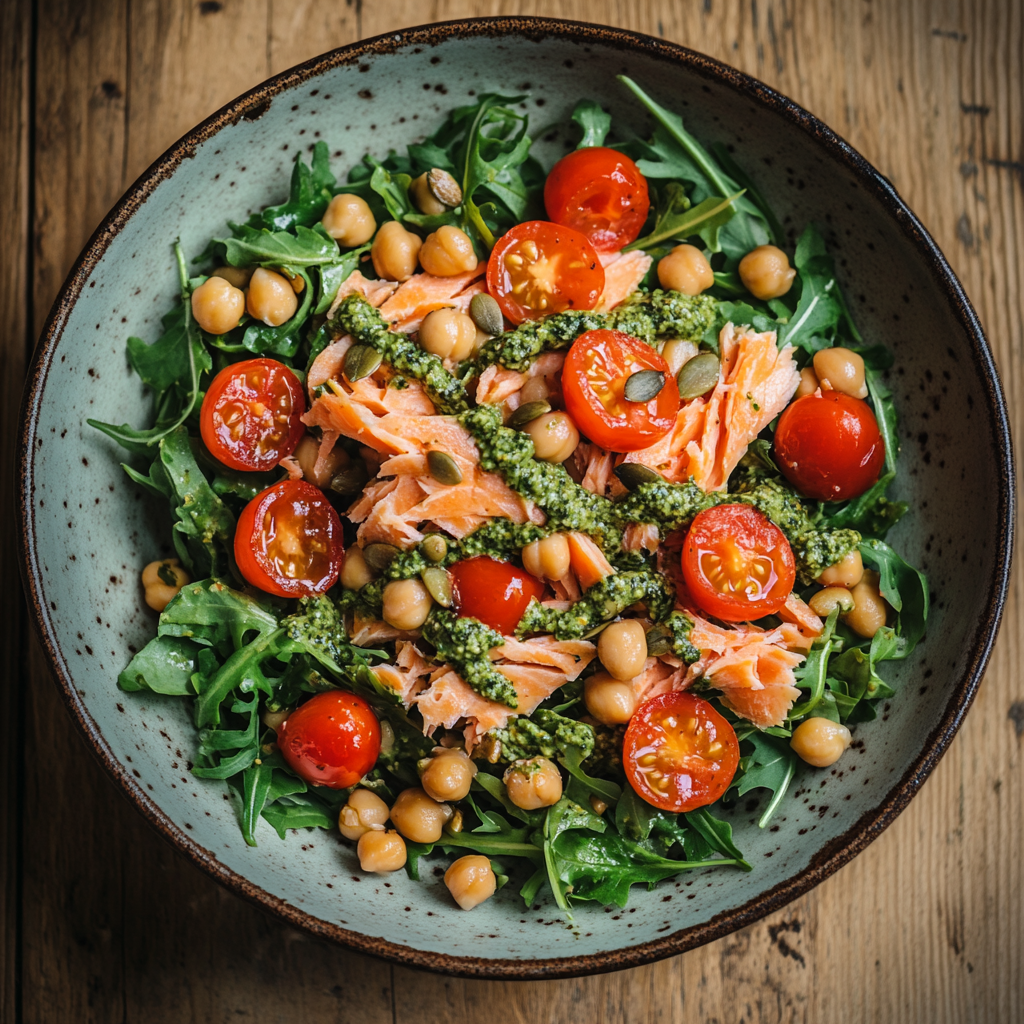
When it comes to eating for brain health, flavour and fun are often the first casualties. But what if you could have it all – taste, ease of preparation, and science-backed nutrition – in one delicious dish? That’s exactly the idea behind our Wild Salmon and Chickpea Salad with Rocket and Pesto, a featured free recipe from the Upgrade Your Brain Cook App.

This isn’t just lunch or dinner. It’s brain fuel – loaded with the nutrients your brain craves, without the blood sugar spikes that leave you foggy and fatigued.

Why This Recipe is Brain-Optimised

Your brain is made mostly of fat and thrives on nutrient-rich, anti-inflammatory foods. This recipe is a nutritional powerhouse tailored to support cognitive function, memory, and mood – all key pillars of the COGNITION® brain upgrade programme.

Here’s how it delivers:

  • Omega-3 fats from wild salmon support the structural integrity of your neurons. DHA, in particular, is vital for sharp thinking and memory retention.
  • B Vitamins, especially B12 (from salmon), B6 and folate (from chickpeas and rocket), are key players in methylation – the process that powers your brain’s biochemistry and detoxification pathways.
  • Protein + Fibre Combo (salmon and chickpeas) keeps your blood sugar stable, sustaining energy and focus throughout the day.
  • Antioxidants in rocket, lemon, garlic, and optional red pepper help neutralise brain-ageing free radicals.
    Low Glycaemic Load supports stable mood and mental clarity by avoiding sugar crashes.

Eating for brain health doesn’t mean boring. This salad is fresh, zingy, and ready in minutes – ideal for picnics, packed lunches, or a light dinner.

Prep tip: Double the pesto and keep it in the fridge – you’ll have a brain-friendly dressing ready to jazz up any salad or veggie dish. No boring meals required.

Wild Salmon and Chickpea Salad with Rocket and Pesto Recipe

Ingredients

  • 100g cooked wild salmon (3½ oz) 
  • 80g cooked chickpeas (2¾ oz) 
  • 1 handful rocket 
  • 1 tbsp olive oil 
  • 1 tbsp lemon juice 
  • 1 tbsp pumpkin seeds 
  • ½ garlic clove 
  • 1 tsp nutritional yeast optional 

Instructions:

1. Blend rocket olive oil lemon juice garlic and pumpkin seeds to make pesto 

2. Toss salmon and chickpeas with the pesto 

3. Serve on a bed of leafy greens

Cooks notes: 

  • Use frozen wild salmon for ease 
  • Add red pepper slices for extra brain-friendly antioxidants
  • Double up the pesto recipe and keep in a sealed jar in the fridge to dress a different salad.

Add red pepper slices for extra brain-friendly antioxidants

Why Now’s the Perfect Time to Join the Cook App

Right now, subscribing to the Upgrade Your Brain Cook App doesn’t just give you access to over 100 delicious, nutritionist-designed recipes – it also unlocks our Summer Recipe Bonus Bundle: 12 new recipes, each one optimised for brain health and bursting with flavour.

Here’s a taste of what you’ll get:

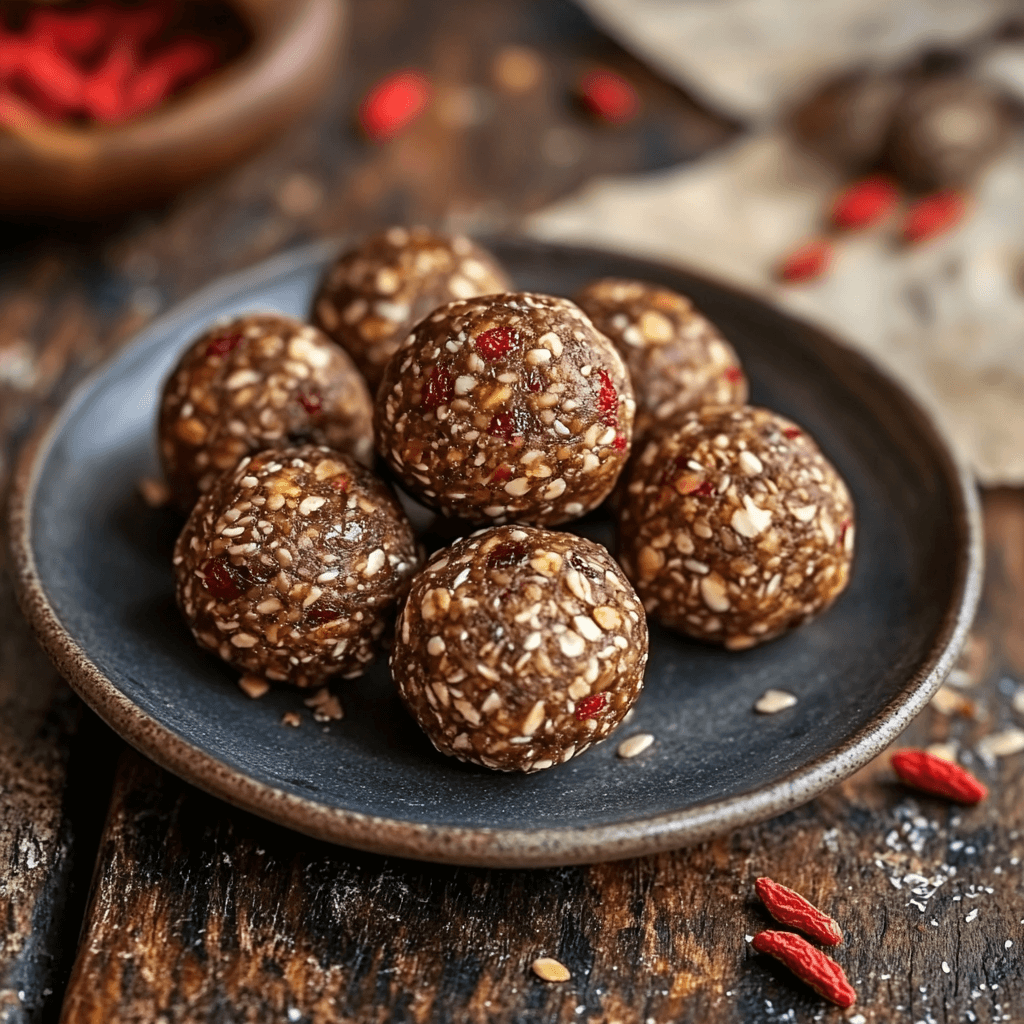
  • Brain Boost Balls – a perfect mid-afternoon focus snack
  • Stuffed Portobello Mushrooms with Walnut Lentil Pâté – hearty and satisfying
  • Blueberry Chia Pudding – low GL and ideal for a nourishing wind-down
  • Turmeric and Cauliflower Soup – warming, silky, and anti-inflammatory
  • Mackerel and Broccoli Stir-Fry with Ginger Tamari Glaze – a 10-minute omega-3 hero

And that’s just the beginning.

Join the Brain Food Revolution

Every dish in the app is scored for omega-3s, B vitamins, GLs, and antioxidants – making it easier than ever to eat smart. With new features like the “Goes Well With” section, meal planning becomes seamless. Whether you’re following low GL, keto, or simply want to feel sharper, calmer, and more energised – this is your toolkit.

Let your fork do the upgrading. Try the salmon and chickpea salad now, and discover how good brain food can really be.

Want the Ultimate Recipe for Brain Health?

Here’s your 3-step action plan:

  1. Take the FREE Cognitive Function Test. Get personalised insights into your brain health and identify any key risk areas.
  2. Subscribe to the Upgrade Your Brain Cook App. Discover exactly what to eat to improve your scores and support long-term cognitive health – all in one delicious, easy-to-use tool.
  3. Order the At-Home Pin-Prick Blood Test here
    Available internationally, this test gives you deeper insight into the critical biomarkers affecting your memory, mood, and mental energy – so you can take action with precision.

Further info

Brain Boosting Chocolate Mini  Eggs

With the arrival of spring come brighter days and flowers blooming all around. Sadly, it also marks what feels like yet another season full of sugar, with supermarket shelves overflowing with chocolate eggs, bunnies and other sugary temptations in every shape and size.

But knowing what we now do about how excess sugar impacts brain function (read more about how sugar impacts your brain here), whether you are 4 or 94 years old, the question is: what can you do instead?

We recommend heading into the kitchen to whip up some brain-friendly sweet treats – snacks that not only satisfy your sweet tooth, but also nourish your brain, support appetite control, and feed your gut microbiome.

With the launch of our Smart Kids Programme just weeks away, this recipe is perfect for creating fun and functional treats for the whole family – or even as a healthier option for your garden Easter egg hunt (just wrap them in foil if you’re hiding them for the kids!).

This recipe comes straight from the Upgrade Your Brain App, which includes over 100 delicious, brain-optimised recipes. If you haven’t already, subscribe today for just £30 for the whole year.

Brain-Boosting Highlights
Per mini egg (based on 14 per batch, without protein powder or coconut oil)
  • Low Glycemic Load (GL) & brain-friendly. Naturally sweetened with a little honey or maple syrup, these eggs contain just 2.5g of sugar each – helping to keep blood sugar levels balanced, which is key for maintaining stable mood, focus, and energy. (To reduce the GL you swap in chicory root syrup instead of honey or maple syrup. Use code FFB10 to get 10% off)
  • Supports the gut–brain axis. As we highlight in the COGNITION Programme and the upcoming Smart Kids initiative, a healthy gut = a healthier brain. Each mini egg delivers around 1.4g of fibre, thanks to oats, almonds, and cacao – feeding your good gut bacteria and reducing inflammation linked to cognitive decline.
  • Packed with healthy brain fats. With approximately 7g of fat per egg, these treats supply nourishing fats from almond butter (rich in vitamin E and monounsaturated fats) and dark chocolate (a source of flavonoids and magnesium) – both essential for supporting neurotransmitters and building stress resilience.
  • Optional protein boost. Even without added powder, each egg delivers around 2.5g of protein to help steady energy and mood throughout the day. Protein provides key amino acids – like tryptophan and tyrosine – that your brain uses to make serotonin and dopamine. For a little extra, simply add your favourite clean protein powder to increase the total to around 4g per egg. At any age, regular protein intake is vital for brain performance and emotional stability.
Recipe 

Ingredients (makes about 12-16 mini eggs)

  • 100g smooth almond butter (or peanut butter/cashew butter)
  • 2 tbsp honey or maple syrup (it is also worth buying some low GL chicory root syrup to further reduce sugar intake. Use code FFB10 to save 10% on your order)
  • 2 tbsp good quality cacao powder
  • 2 tbsp oat flour (or ground almonds)
  • Pinch of salt
  • Optional: 1 scoop vanilla or chocolate protein powder
  • Optional: 1 tbsp melted coconut oil (helps texture if mix is too thick)
  • 50g dark chocolate (70%+), melted, for coating
  • Optional: Crushed nuts, shredded coconut, or freeze-dried raspberries for decoration

Method

  1. In a bowl, mix almond butter, honey, cacao, oat flour, salt, and optional protein powder well until you get a thick but moldable dough.
  2. If it’s too dry, add a teaspoon of water or 1 tbsp melted coconut oil.
  3. Shape into small egg shapes using your hands (about 1 tablespoon – or slightly less per egg). try to work quickly so they don’t get too soft.
  4. Place on a lined tray and chill in the freezer for 15 minutes.
  5. Melt the dark chocolate gently in a bowl over hot water (or microwave in short bursts).
  6. Dip each mini egg in the melted chocolate to coat and place back on the tray.
  7. Optionally, sprinkle with nuts, coconut, or raspberry pieces before the chocolate sets.
  8. Chill until set (about 15 minutes in the fridge).
  9. Store in the fridge for up to a week.
Test Your Cognitive Function Now green banner.

Further info

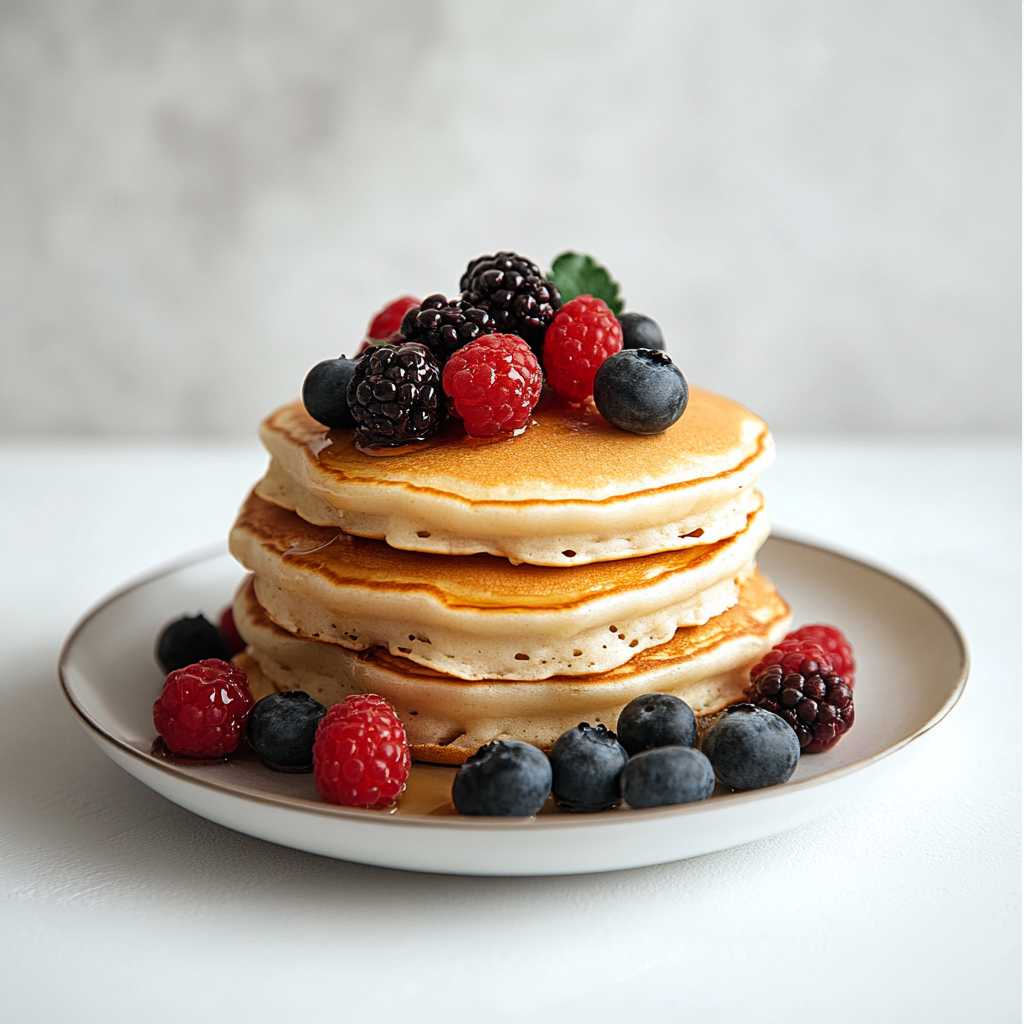
Pancakes to Upgrade Your Brain

Recipe from the Upgrade Your Brain Cook App

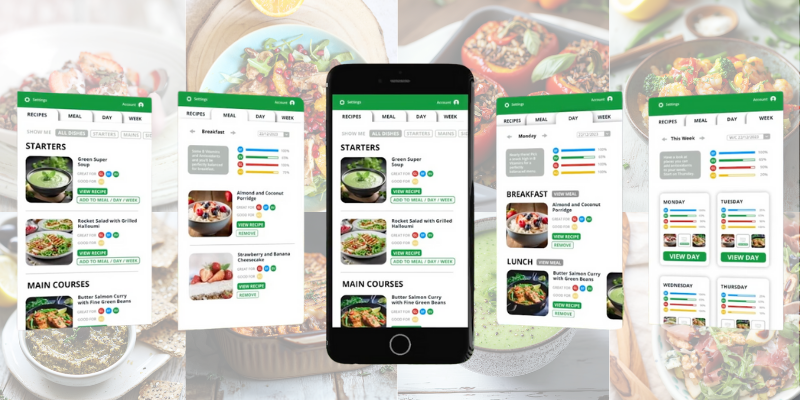
Last month we released the Upgrade Your Brain Cook App, to help you eat delicious food every day that supports your brain health.

Many of you have subscribed to the App and to celebrate we want to share a brain-friendly makeover of pancakes – so you can enjoy pancake day the right way.

These pancakes have low glycemic load (0.6 per portion) which means they will keep your insulin levels steady – a crucial part of supporting cognitive function as we outline in our COGNITION programme in more depth. 

They are high in healthy brain fats due to being nut-based, which also means they are high in fibre (a whopping 4.6g per portion!) something your gut microbiome will love. Plus, if you drizzle with Chicory Root Syrup rather than honey or maple syrup you can boost the fibre content by another 3g! (Save 10% off your chicory root here when you use the code FFB10.UK only)

If you pair it with some berries you will also get the benefits of vitamin C and lots of antioxidants, too, and for added protein simply serve with some natural or Greek yogurt.

So, if you are struggling to turn all this brain health knowledge and research into practical meals, then subscribe to the Cook App today to get access to 100+ recipes for just £30 a year! We’re constantly adding new recipes and features.

—-

Almond Pancake Stack with Berries + Yoghurt

Serves: 3
Prep Time: 5 minutes
Cooking Time: 10 minutes

Ingredients

  • 150 g ground almonds
  • 4 tablespoons (60 g) Greek yoghurt plus extra to serve
  • 1 large egg
  • 1 teaspoon ground cinnamon
  • 1 teaspoon bicarbonate of soda
  • 20 g raspberries (approx. 10 berries)
  • 20 g blueberries (approx. 10 berries)
  • 1 tablespoon chicory root syrup to drizzle (optional – use code FFB10 to save 10% off syrup and low GL bread from Dillons)

Method

  1. In a blender, blitz the ground almonds, Greek yoghurt, egg and cinnamon into a thick batter.
  2. Heat a non-stick frying pan over medium heat. Scoop a small ladle (approx. 3 tablespoons) of batter into the pan for each pancake.
  3. Cook for 2-3 minutes on one side until bubbles appear, then flip and cook for another 1-2 minutes until golden brown. Repeat with the remaining batter.
  4. Serve the pancakes warm, topped with raspberries, blueberries and a dollop of Greek yoghurt. 
  5. Drizzle with a little chicory root syrup (optional)

Further info

New Study: higher choline intake lowers the risk of dementia, Alzheimer’s, & cognitive decline

by Patrick Holford

Choline is an often-overlooked but vital nutrient for brain health.

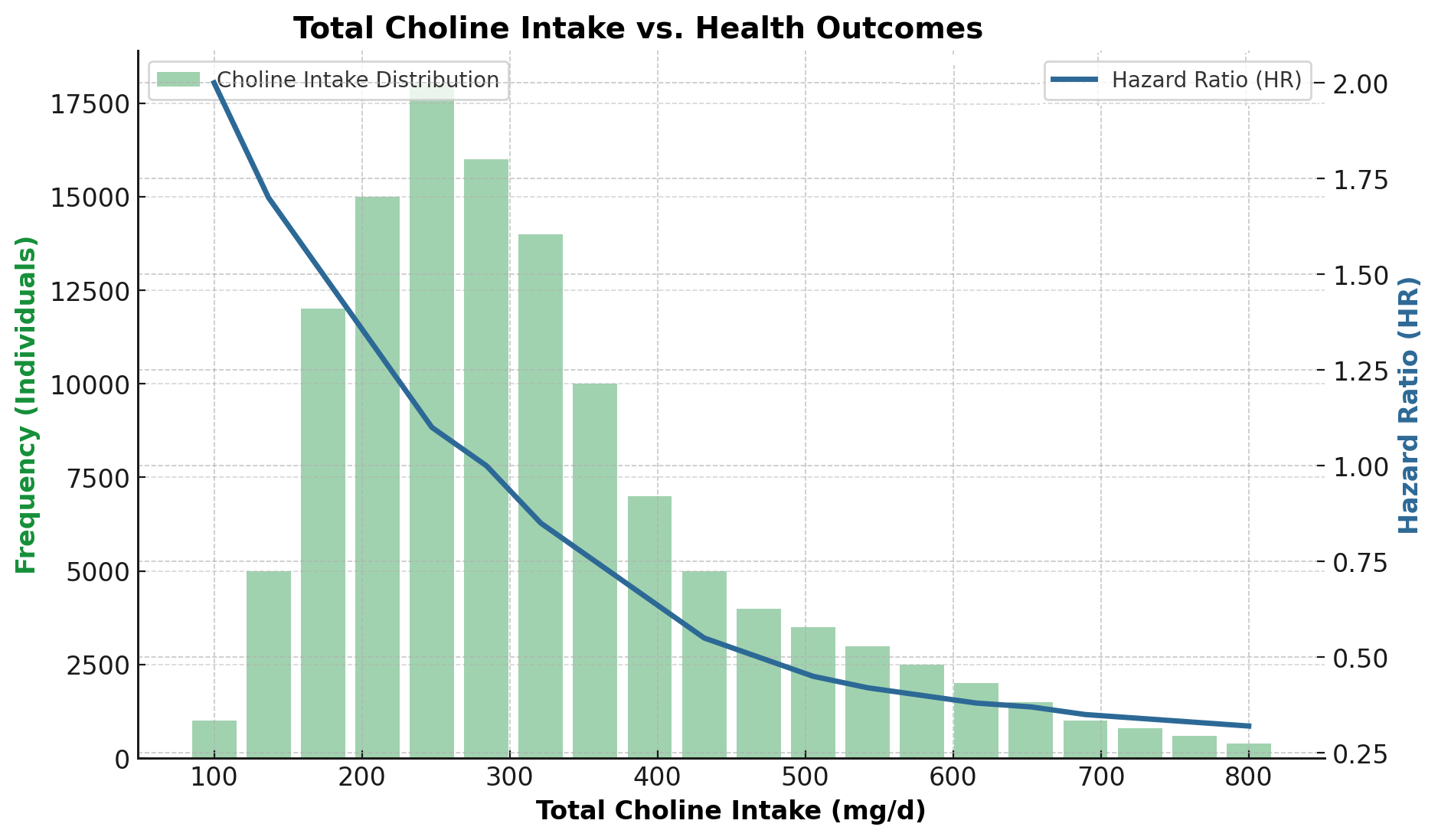
A new study suggests the optimal intake is 400mg, yet there is no Recommended Daily Allowance or widespread promotion of this crucial nutrient. It is also notably low in vegetarian and especially vegan diets.

(We discuss this and more in our COGNITION 6-month brain upgrade programme – available when you become a FRIEND of Food for the Brain.)

A major study published this year found that higher choline intake lowers the risk of dementia, Alzheimer’s, and cognitive decline.

Researchers tracked 125,000 people from the UK Biobank for 12 years and the study was published in the American Journal of Clinical Nutrition. It showed that higher choline intake reduced risk, with the most benefit around 400mg per day.

Why does it matter?

Brain cells are made of a membrane containing choline (and other phospholipids) attached to the omega-3 fat DHA. Without choline the omega-3 doesn’t work. The attaching of the two depends on methylation, a process that is dependent on B vitamins, especially B12, folate and B6. Choline helps methylation and healthy methylation, indicated by low homocysteine, helps synthesise choline.

Also previous studies (2) have found remarkable effects supplementing 480-900mg of choline in pregnancy on promoting ‘smart’ babies with faster reflexes and cognitive processes. It’s important for all ages and a key topic in our Smart Kids & Teens Programme.

What should you do or eat?

Choline is essential for the body, especially the brain, yet it has no Recommended Daily Allowance.

Choline is abundant in eggs, fish, and meat. An egg provides about 120mg, while a 50g serving of beef or salmon contains around 50mg. Beef liver is the richest source, but eggs are the best overall because they contain phosphatidylcholine which is more easily absorbed by the body. Plant-based sources include soy, quinoa, nuts, seeds, beans, and broccoli. A 50g serving of almonds or broccoli provides about 25mg. Phosphatidylcholine, found in lecithin capsules and granules, is an easy supplement option for vegans and vegetarians.

We recommend eating two eggs most days, with a minimum of six per week. Include fish and some meat if you eat it, or soy, quinoa, broccoli, nuts, and seeds if you don’t. Supplementing is likely beneficial, especially for vegetarians. Taking two high-PC lecithin 1,200mg capsules daily provides 250mg of phosphatidylcholine (PC), the form used by the body. These supplements are available at your local health food store.

Remember, your brain is built from what you feed it – and how you use it (as covered in COGNITION). What choline-rich foods can you add to your diet this week?

If you’re unsure what to eat to support your brain or need inspiration, the Cook App is here to help! With over 100 recipes at your fingertips, eating delicious, brain-boosting foods has never been easier—all for just £30 a year.

Actions:

Reference

  1. Niu YY, Yan HY, Zhong JF, Diao ZQ, Li J, Li CP, Chen LH, Huang WQ, Xu M, Xu ZT, Liang XF, Li ZH, Liu D. Association of dietary choline intake with incidence of dementia, Alzheimer disease, and mild cognitive impairment: a large population-based prospective cohort study. Am J Clin Nutr. 2025 Jan;121(1):5-13. doi: 10.1016/j.ajcnut.2024.11.001. Epub 2024 Nov 7. PMID: 39521435.
  2. Caudill, M. et al, ‘Maternal choline supplementation during the third trimester of pregnancy improves infant information processing speed: a randomized, double-blind, controlled feeding study’ FASEB Journal (Apr 2018); 32(4): 2172-80. doi: 10.1096/fj.201700692RR.

Further info

Brain Health And Vegan Eating: What It Means For Long Term Cognitive Health

Brain Health And Vegan Eating: What It Means For Long Term Cognitive Health

Brain Health And Vegan Eating image veggies

Veganuary, a movement encouraging people to adopt a vegan diet for the month of January, has become a cultural ritual ethical environmental marketed as healthy, yet when it comes to brain health and vegan eating the story is more complex.

But nutrition does not respond to ideology.

For many people, Veganuary is a short-term experiment. For others, it becomes a long-term way of eating. The question most rarely asked is also the most uncomfortable:

What happens to the brain when all animal foods are removed from the diet?

And more importantly, is that compatible with long-term cognitive health?

To answer this question, we need to evaluate Veganuary in light of what we know about optimum nutrition for the brain – particularly the vital role of omega-3 fatty acids, B vitamins, choline and other essential nutrients.

Modern neuroscience is unequivocal. Nutrients such as omega-3 DHA, vitamin B12, choline, iron, zinc, and vitamin D are not optional for brain function. They are structural, metabolic, and protective. Remove their primary dietary sources without replacing them precisely, and the brain pays the price.

Omega-3 DHA: The Brain’s Cornerstone Fat

The brain is 60% fat, and omega-3 fatty acids, particularly DHA (docosahexaenoic acid), are critical for its structure and function. DHA makes up the bulk of neuronal membranes, enabling communication between brain cells, memory retention, and overall cognitive performance [1]. Research consistently shows that DHA deficiency correlates with reduced cognitive ability, mood disorders, and increased risk of neurodegeneration [2].

Animal foods, particularly oily fish, are the richest sources of preformed DHA. On a vegan diet, the main plant-based source of omega-3 comes in the form of ALA (alpha-linolenic acid), found in flaxseeds, walnuts, and chia seeds. However, the conversion of ALA to DHA in the human body is remarkably inefficient – typically less than 5% [3]. Without preformed DHA from marine sources or supplementation with algae-derived DHA, vegans are likely to fall short of their brain’s DHA needs.

Studies reveal that populations consuming more fish, such as the Japanese, have far lower incidences of dementia and mental decline compared to Western nations, where fish intake is minimal. A meta-analysis confirmed that higher omega-3 levels correlate with a lower risk of cognitive decline [4]. For individuals adopting a vegan diet without supplementing DHA, there’s a real risk of impairing brain function over time.

(Want to know if you’re getting enough omega-3 fatty acids in your diet? The only way to truly know is to test your serum omega-3 level – order your at home test kit today).

Vitamin B12: The Brain’s Energy Catalyst

Vitamin B12 is not a “nice to have” micronutrient. It is a neurological necessity. Found almost exclusively in animal products such as meat, fish, and dairy, it plays a crucial role in maintaining brain function, energy metabolism, and protecting against neurological damage. It is essential for methylation, a process that keeps homocysteine levels in check. Elevated homocysteine has been shown to shrink brain volume and accelerate cognitive decline [5].

A lack of B12 results in pernicious anemia, brain fog, memory loss, depression, and even irreversible nerve damage. Worryingly, B12 deficiency is common among vegans who do not supplement or consume fortified foods. Even those who attempt to rely on plant-based sources of B12, such as spirulina or fermented foods, often don’t realise that these contain inactive analogues of B12 that are not bioavailable to humans [6].

For long term vegans, the failure to address B12 through supplementation could lead to symptoms of mental fatigue, reduced concentration, and mood imbalances in the short term, while increasing the risk of dementia in the long run.

Drift 5-in-1 blood test logo

(This is why we offer our DRIfT 5-in-1 at-home blood test, so you can easily check your omega-3, homocysteine, vitamin D, HbA1C, and glutathione levels from the comfort of your own home while contributing to our research and charitable work).

Vitamin B12: The Brain’s Energy Catalyst

Choline rarely features in plant-based nutrition conversations. It should.

An often-overlooked nutrient, it is another brain-essential compound predominantly found in animal foods like eggs, liver, and fish. It is the precursor to acetylcholine – a neurotransmitter essential for memory, learning, and mental clarity. Without adequate choline, cognitive performance can take a significant hit, especially in the aging brain [7].

Eggs, for example, are one of the richest sources of dietary choline. However, for individuals participating in Veganuary, eggs are off the table. While small amounts of choline can be found in soybeans, quinoa, and cruciferous vegetables, meeting the brain’s daily requirements is nearly impossible without animal foods or supplementation. Emerging research suggests that a low choline intake may even contribute to neuroinflammation and a higher risk of Alzheimer’s [8].

Vitamin D: The Sunshine Hormone

Vitamin D, a hormone as much as a vitamin, is vital for mental health, cognition, and neuroprotection. Deficiency in vitamin D has been linked to depression, brain aging, and increased dementia risk. During winter, when Veganuary occurs, obtaining sufficient vitamin D is already challenging for most individuals living in northern latitudes.

While vitamin D can be found in small amounts in mushrooms exposed to UV light, it is primarily found in oily fish, egg yolks and fortified dairy – all of which are absent in a vegan diet. If Veganuary participants fail to supplement with vitamin D3, they risk worsening mood, memory, and overall mental resilience during the winter months [9].

Iron and Protein: The Overlooked Trio

Beyond omega-3, B12, and choline, a vegan diet also increases the risk of deficiencies in iron, zinc, and high-quality protein – all critical for brain health. Heme iron, found in meat, is far more bioavailable than non-heme iron from plants. Iron deficiency is associated with brain fatigue, poor concentration, and low mood [10]. 

Protein is equally important for maintaining neurotransmitter balance and brain structure. While it is possible to obtain sufficient protein on a vegan diet through lentil, legumes, tofu etc, doing so requires intention and planning. Without adequate protein, mood and energy levels can decline rapidly.

Is There a Brain-Friendly Vegan Path?

While the standard Veganuary approach – removing animal products without careful planning – could pose clear problems to brain health long term, a well-supplemented vegan diet can be brain-friendly.  It encourages more fruit and vegetables, legumes, lentils, nuts and seeds, and (hopefully) a more whole-food approach. 

(Our founder, Patrick Holford, personally eats a ‘Pegan’ diet – a hybrid of vegan and pescatarian – eating only fish and eggs in terms of animal products.)
To summarise, a brain-friendly diet can be vegan, pescatarian, or omnivorous. The common denominator is not ideology. It is nutritional sufficiency.

The best way to know that your dietary choices are supporting your brain health is by testing and tracking. We offer our FREE Cognitive Function Test here and our at home pin prick blood test kits that you can purchase here

Actions

  • Read more about supplementation here
  • Order your DRIfT 5 in 1 test here so you can join our research and find out what your unique body needs.
  • Take the Cognitive Function Test: Assess your brain health today and gain personalised insights. 
  • Become a Friend & join the COGNITION Program: Support our mission with a small monthly donation and receive tailored steps to improve your brain resilience and track your progress.
Further info

Are You Being Fructed? Fructose, Dementia, Diabetes & Brain Fog

By Jerome Burke

Why too much fructose is driving dementia, diabetes and brain fog

The fruit sugar ‘fructose’ isn’t generally considered a food that’s best avoided. After all, it comes from fruit.

Yet a radical new theory, developed by Richard Johnson, Professor of Nephrology at the University of Colorado, explains how it can trigger various damaging changes in our metabolism that make us more likely to develop chronic conditions such as diabetes, obesity and Alzheimer’s. If doctors better understood this, it could transform the new emphasis on sickness prevention that the government is promising.

The science of being ‘fructed’

Professor Johnson has produced what is effectively a biochemical wiring diagram of the connections which fructose turns on and off, that are making an increasing number of people sick. Fructose makes up half of white sugar and most of fructose corn syrup which is the main sweetener in fizzy drinks and ultra-processed foods as well as being the main sugar in fruit, particularly fruit juice.

For instance, the amount of fat stored in the liver increases, driving fatty liver disease, while the cell’s mitochondria, which create the body and brain’s energy molecule ATP, become less productive and blood pressure goes up. The result is that you get fatter, with more brain fog and fatigue and feel less inclined to exercise. Fructose is also a major promoter of diabetes.

Meanwhile an anti-ageing process called autophagy, which would normally clear away used up and damaged mitochondria, the cell’s energy factories, to make room for new ones, is disabled. When fructose crosses the blood-brain barrier into the brain, it is one of the factors causing the brain to form the clumps of amyloid protein found in Alzheimer’s, which is the focus of new drug treatments. 

Why on earth does fructose carry out such a blitz on our bodies? Why would the body run a programme that was potentially so lethal?

“It would be wrong to think of fructose as some sort of major toxin, although it becomes neurotoxic in excess,” says Professor Johnson. “Instead, its remarkable range of effects are part of an ancient set of biological programs, which we call the ‘Survival Switch’, that work to prepare animals for hibernation, storing supplies in preparation for times of famine.” This is why fat storage increases and energy drops off producing brain fog. The trouble is we never run out of food or fructose in our modern times.

Eat your fruit, don’t drink it.

None of this means that we should avoid fruits, which contain only a small amount of fructose that comes with beneficial fibre that feeds our vital gut bacteria, plus various nutrients. Not so for fruit juice, devoid of fibre. A glass of orange juice is the equivalent of three oranges in terms of fructose, but without the fibre. So, eat your fruit, don’t drink it.

But this does explain why too much blood glucose from regularly eating generous amounts of sugar-laden foods and carbohydrates, is so damaging? The liver turns the excess glucose into fructose with all its knock-on effects. Other substances that can accelerate fructose production are alcohol and salt. 

This rise in fructose intake and its presence in processed food makes it all too easy to start piling on the pounds, regardless of how many calories you have cut or how much further you are running.  It’s a connection that very few nutritionists or GPs are aware of. 

A sign of the widespread damage the Survival Switch can cause is that there are low ATP levels in the brains of people with disorders such as obesity, diabetes, fatty liver disease and Alzheimer’s. Understanding this points to new ways to cut the risks of these chronic disorders.  Adenosine triphosphate (ATP) is a molecule that stores and provides energy for cells. It’s a key biomolecule that’s involved in almost all cellular processes.

A green Citizen Scientist badge, with the quote "optimum nutrition is the future of medicine".
Buy Blood test here button.

A simple, but very effective solution, is to run a blood test – HbA1c – the gold standard test GPs use to screen for diabetes. HbA1c is a test that measures your average blood sugar level (glucose) over the past two to three months. A recent study of 374,021 older men with diabetes found that keeping the level of HbA1c stable at an optimal level over a period of three years cut risk of dementia by a third. Similar benefits have been found with patients with pre-diabetes (Prediabetes means that your blood sugars are higher than usual, but not high enough for you to be diagnosed with type 2 diabetes. It also means that you are at high risk of developing type 2 diabetes.) But far lower levels of HbA1c than those used to diagnose diabetes are associated with the first signs of brain shrinkage, which is the hallmark of cognitive decline, even in teenagers.

That is why we offer, as part of our ‘citizen science’ research, an at home pin-prick test of HbA1c, to find out not only who is at risk, but also how to reverse that risk. It also works alongside the  free Cognitive Function Test that calculates your future Dementia Risk Index and suggests various lifestyle and nutrition changes to help reduce it, including a low fructose diet (Find out more about low fructose foods here).   

We also recommend increasing omega-3 intake from oily fish, increasing B vitamins, especially B12, as well as an active lifestyle, as part of COGNITION, our personalised 6-month programme. In this programme we also dive deeper into lowering your ‘glycaemic load’ (GL), which is low in fructose, alongside periods of time of eating in a ‘ketogenic’ way by keeping sugar and carbohydrates to a minimum. The body responds by creating ketones, energy packets that can replace glucose as an energy source for the brain, helping to undo the damage. 

(You get access to COGNITION when you become a FRIEND of Food for the Brain here)

‘Burning ketones can also increase the number and output of the cell’s energy factories, known as mitochondria, which are damaged by fructose,’ says Professor Robert Lustig of the University of California, author of the best-selling book Metabolical and who sits on our Scientific Advisory Board. You can read more in his detailed article here.

Both Professor Johnson and Professor Lustig are also part of the Alzheimer’s Prevention Expert Group who have written to UK dementia prevention authorities to add sugar, and specifically a high fructose diet, to the list of known risk factors.

The connection to Ozempic…

This low fructose approach also naturally promotes the enzyme GLP-1, targeted by the weight loss drugs Ozempic and Wegovy, but without the side-effects or rebound weight gain. 

Our founder Patrick Holford says: “Today’s typical diet of burgers, carbonated drinks, fruit juice, ice cream, bread, biscuits, cakes and confectionery, plus alcohol and salt, is a dementia time-bomb. Our brains are literally being ‘fructed’. We see the same shrinkage in the same regions of the brain in teenagers with a high sugar intake that are seen in older Alzheimer’s patients. We think of the resulting dementia as type-3 diabetes.”

Actions

References:

  1. Johnson RJ et al. The fructose survival hypothesis for obesity. Philos Trans R Soc Lond B Biol Sci. 2023 Sep 11;378(1885):20220230. doi: 10.1098/rstb.2022.0230
  2. Underwood PC et al HbA1cTime in Range and Dementia JAMA Netw Open. 2024 Aug 1;7(8):e2425354. doi: 10.1001/jamanetworkopen.2024.25354
  3. Yau PL et al Obesity and metabolic syndrome and structural brain impairments in adolescence. Pediatrics. 2012 Oct;130(4):e856-64. doi: 10.1542/peds.2012-0324
Further info

Make Eating Less Sugar Easier (& a FREE Recipe!)

Too much sugar shrinks the brain, but it’s so attractive. Why?

We are led by the science here at Food for the Brain, so we know that one of the best things you can do for your brain is to reduce your sugar and support your insulin control. That is why it is one of our key lifestyle domains in the COGNITION programme. 

However, you probably already know too much sugar isn’t great for health but how can we make eating a lower carb and sugar life easier?

First, let’s recap the science… 

Dr. Robert Lustig, a renowned expert on brain health and a member of our scientific advisory board, highlights the significant role of insulin control and dietary choices in preventing cognitive decline.

Research from Columbia University in 2004 revealed that individuals with high insulin levels, (a primary indicator of metabolic dysfunction), were twice as likely to develop dementia compared to those with healthy insulin levels (1). Furthermore, those with the highest insulin levels exhibited the worst memory retrieval abilities (1). Similarly, an Italian study linked elevated insulin levels to declining mental function (2).

Several studies have established a connection between high sugar consumption and poor cognitive outcomes. For instance, a study among Puerto Ricans found that high sugar intake doubled the risk of cognitive impairment (3), while another U.S. study correlated elevated blood sugar levels with memory loss (4). The detrimental impact of high dietary glycaemic load (GL) on cognitive function has been observed in studies from Ireland and the United States, indicating that high GL diets are strongly associated with Alzheimer’s-related pathological changes (5,6).

What is Glycaemic load?

Glycaemic load considers both the quality (GI – glycaemic index) and the quantity (carbohydrate content) of the carbohydrates in a food serving. It provides a more accurate picture of how a food will affect blood sugar levels. The formula for calculating glycaemic load is:

  • GL  = GI x carbohydrate / 100

A high GL diet measured by the total glucose load on the bloodstream, is linked to increased amyloid plaque formation and cognitive decline, particularly in individuals with the ApoE4 gene, which regulates fat metabolism (7). Even individuals with high-normal blood glucose levels experience greater brain shrinkage and cognitive impairment compared to those with lower levels, as shown in long-term studies (8).

Plus, the damage of a high-GL diet can start early in life. Dr. Lustig points out that overweight children on high-GL diets show signs of cognitive decline, and adolescents with metabolic dysfunction from such diets exhibit hippocampal shrinkage and other brain structure changes (9,10).

So it is clear that eating excess sugar or the wrong types of carbohydrates with a high GL is a problem, so what do you eat?

(Wondering if you’re eating too much sugar? Then test, don’t guess with our home HbA1c test – find out more here.)

What to eat?

There are two options: following a low GL diet or going a step further and adhering to a ketogenic approach (or switching between the two as Patrick highlights in the Hybrid Diet book). For more info on the ketogenic diet click here to find out more

A low GL diet is focused on consuming foods that have a minimal impact on blood sugar. Basically a diet rich in:

  • Vegetables: Most non-starchy vegetables like spinach, broccoli, and bell peppers.
  • Fruits: Berries, cherries, grapefruit, and apples.
  • Legumes: Lentils, chickpeas, and black beans.
  • Whole Grains: Barley, quinoa, and whole oats.
  • Fish and meat or tofu/tempeh: unprocessed
  • Dairy: Plain yoghurt and milk (unsweetened).
  • Nuts and Seeds: Almonds, walnuts, chia seeds, and flaxseeds.

Whilst eating this way can support your brain health it can also help you sustain energy levels, help with weight loss and improve heart health.

So how can we make it easier?

At Food for the Brain we have a few ways to help you feed your brain on the right foods:

  1. Complete the Cognitive Function Test and join COGNITION so we can walk you through how to reduce sugar and upgrade your brain over the next few months.
  2. Upgrade Your Brain Cook App – full of low GL recipes and coming soon. Help us by pre ordering today to get brain-loving recipes at your fingertips.
  3. Here is a recipe sample:
Almond and coconut porridge

Breakfast Serves 2, generously 

TOTAL GLs: 4

Ingredients:

2 tbsp milled flaxseed
2 tbsp coconut flour
2 tbsp whole flaxseed
2 tbsp chia seeds
2 tbsp coconut flakes, toasted in a dry pan
2 tbsp raspberries
2 tbsp blueberries
2 strawberries
8 walnuts, broken up
1 tbsp soft brown sugar alternative (or sweetener of choice)
300ml unsweetened almond milk
1 tbsp chicory root syrup (or sweetener of choice)

Instructions:

  • Stir everything (except the desiccated coconut, nuts and berries) together in a saucepan and let sit for 10 mins.
  • Gently heat through until thickened – add a little more milk if needed to get the consistency you like.
  • Top with the berries, nuts and toasted coconut – add some natural yoghurt if you like.
  • Drizzle with the chicory syrup 

Cooks Notes

It’s worth seeking out the chicory syrup – very low sugar and also high fibre. 

Nutrition Highlights

  • Antioxidants: High in antioxidants, particularly vitamins A, C, and E, which help protect cells from damage and support immune function.
  • Protein: A moderate source of protein, supporting muscle maintenance and repair.
  • Fibre: Contains a high amount of fibre, aiding in digestion and promoting satiety.
Other resources

Here are a few other resources to make low sugar easier, 

  • FATT bars – easy low GL and low carb snacks for on-the-go. Use the code FFTB10 to save 10% and FATT will donate to the charity with every purchase.
  • Dillon bread – low carb bread and their brand new high fibre, low GL, Chicory Fibre Syrup perfect for adding to porridge and also suitable for diabetics. Use code FFB10 to save 10% and Dillon will donate 10% with every purchase.
  • Keto Mojo – if you want to take it a step further and follow a ketogenic diet then grab one of their ketone readers to make life easier and to check you are in ketosis. Use code FFB10 to save 10%.

These companies are some of our supporting organisations – find out more here.

References

  1. Abbatecola AM, Paolisso G, Lamponi M, Bandinelli S, Lauretani F, Launer L, Ferrucci L. Insulin resistance and executive dysfunction in older persons. J Am Geriatr Soc. 2004 Oct;52(10):1713-8. doi: 10.1111/j.1532-5415.2004.52466.x. PMID: 15450050.
  2. Abbatecola AM, Paolisso G, Lamponi M, Bandinelli S, Lauretani F, Launer L, Ferrucci L. Insulin resistance and executive dysfunction in older persons. J Am Geriatr Soc. 2004 Oct;52(10):1713-8. doi: 10.1111/j.1532-5415.2004.52466.x. PMID: 15450050.
  3. Ye X, Gao X, Scott T, Tucker KL. Habitual sugar intake and cognitive function among middle-aged and older Puerto Ricans without diabetes. Br J Nutr. 2011 Nov;106(9):1423-32; doi: 10.1017/S0007114511001760. Epub 2011 Jun 1. PMID: 21736803; PMCID: PMC4876724.
  4. Power SE, O’Connor EM, Ross RP, Stanton C, O’Toole PW, Fitzgerald GF, Jeffery IB. Dietary glycaemic load associated with cognitive performance in elderly subjects. Eur J Nutr. 2015 Jun;54(4):557-68. doi: 10.1007/s00394-014-0737-5. Epub 2014 Jul 18. PMID: 25034880.
  5. Seetharaman S, Andel R, McEvoy C, Dahl Aslan AK, Finkel D, Pedersen NL. Blood glucose, diet-based glycemic load and cognitive aging among dementia-free older adults. J Gerontol A Biol Sci Med Sci. 2015 Apr;70(4):471-9. doi: 10.1093/gerona/glu135. Epub 2014 Aug 22. PMID: 25149688; PMCID: PMC4447796.
  6. Taylor MK, Sullivan DK, Swerdlow RH, Vidoni ED, Morris JK, Mahnken JD, Burns JM. A high-glycemic diet is associated with cerebral amyloid burden in cognitively normal older adults. Am J Clin Nutr. 2017 Dec;106(6):1463-1470. doi: 10.3945/ajcn.117.162263. Epub 2017 Oct 25. PMID: 29070566; PMCID: PMC5698843.
  7. Taylor MK, Sullivan DK, Swerdlow RH, Vidoni ED, Morris JK, Mahnken JD, Burns JM. A high-glycemic diet is associated with cerebral amyloid burden in cognitively normal older adults. Am J Clin Nutr. 2017 Dec;106(6):1463-1470. doi: 10.3945/ajcn.117.162263. Epub 2017 Oct 25. PMID: 29070566; PMCID: PMC5698843.
  8. M.E. Mortby et al., ‘High “normal” blood glucose is associated with decreased brain volume and cognitive performance in the 60s: the PATH through Life Study’, PLoS One (2013), vol 8
    .
  9. Yau PL, Castro MG, Tagani A, Tsui WH, Convit A. Obesity and metabolic syndrome and functional and structural brain impairments in adolescence. Pediatrics. 2012 Oct;130(4)
    . doi: 10.1542/peds.2012-0324. Epub 2012 Sep 3. PMID: 22945407; PMCID: PMC3457620.
  10. Lakhan, S.E., Kirchgessner, A. The emerging role of dietary fructose in obesity and cognitive decline. Nutr J 12, 114 (2013).
  11. Loef M, Walach H. Fruit, vegetables and prevention of cognitive decline or dementia: a systematic review of cohort studies. J Nutr Health Aging. 2012 Jul;16(7):626-30. doi: 10.1007/s12603-012-0097-x. PMID: 22836704.
Further info

Snacks for the brain – easy ways to feed your brain on the go! 

The food you eat feeds your brain but how can you consistently eat healthy even on the go, or when life is busy?

We know here at Food for the Brain that a low Glycemic Load diet is one of the 8 ways you can reduce your risk of dementia and Alzheimer’s (and improve your Cognitive Function score – take the free validated online test here) – which is why we are creating our Recipe App so that you have access to lots of brain loving recipes.

But what can you eat when travelling, on the go or for an easy snack?

That is why we want to introduce you to FATT bars. As one of our supporting organisations, FATT provides a variety of good quality, sugar free, convenient and tasty snacks.

So if you are preparing for summer holidays, work trips or have a busy schedule then these might be the perfect way to nourish your brain!

Introducing FATT – Real Keto Snacks!

Feeding the brain is a no-brainer but picking the right foods can be hard.

At FATT we really love the brain and because we love the brain, we also love the gut.

Everything we pick must be right for both brain and gut which is why we really do love nuts and in particular almonds and macadamias. Nuts are smart as they are rich in protein, B vitamins and vitamin E but are also a good source of potassium, selenium, magnesium, zinc and copper.

Macadamias are also rich in omega 3 to help balance any omega 6 in your diet.

We then add in the inulin and chicory fibre for a prebiotic kick to feed your healthy gut bio.

Whether you are eating a cookie or a brownie, a bar or a bite, you can be sure that you are getting food for the brain and gut without compromise. At FATT we do not use any sweeteners (artificial or otherwise) that might interfere with your gut and your brain or even fool your body into thinking it is digesting sugar.

We allow the natural sweetness of nuts or butter or chicory to give you a gentle sweet taste knowing that your body will not have any blood sugar spike or any insulin release.

Try our unique range of healthy low carb but indulgent snacks at a special discount and we will also make a further charitable contribution to Food for the Brain and its amazing work.

You can pick from Almond + Vanilla Keto Cookie, Double Chocolate Keto Brownie, Caramel + Sea Salt Keto Bar, Chocolate + Mint Bites and MORE!

Go and order your first box or single bars at www.livefatt.com and use the unique code FFTB10 to get a special Food for the Brain charity discount.
Further info

Warning: Your Diet is Bad for Your Brain 

World expert think tank declares a mental health meltdown as rates of mental illness soar.

We are facing a new pandemic.

Not the result of a return of Covid or bird flu but caused by something much closer to home that affects us every day. The food we eat. It is damaging our brain.

A report just published in the Lancet, found that neurological diseases, from autism to Alzheimer’s, are affecting 43% of the world’s population. The Federation of European Neuroscientists have declared a ‘brain health emergency’. The Times reports that two thirds of benefit claims are for mental health. Diagnoses of autism and ADHD are steadily increasing.

What are we doing about it?

The good news is that a fightback is beginning. Yesterday, a virtual “Upgrade Your Brain” conference,organised by the charitable foodforthebrain.org, brought together leading neuroscientists –  psychiatrists, nutritionists and neurologists from around the world –  to brainstorm the cause and a solution. They identified the four ‘horsemen of the mental health apocalypse’ lurking in our diet. 

Standard healthy eating advice rarely warns about them at all. They are: 

  • A lack of brain fats, notably omega-3 from seafood but also vitamin D; 
  • Increased intake of sugar and ultra-processed foods; 
  • A lack of the many antioxidants and polyphenols (micronutrients) found in spices, vegetables and fruits, especially berries;
  • Lack of B vitamins, notably B12, producing homocysteine, a brain toxic amino acid.

The toll exacted by the horsemen is vast. Mental illness is now costing considerably more than all cancer and heart disease combined. “The Children’s Society recently reported a tripling in NHS referrals for mental ill-health in the last three years.” says Professor Michael Crawford, at the Chelsea and Westminster Hospital Campus of Imperial College.

According to Professor Crawford, the damage begins in pregnancy. Lack of B12 and folate in the mother increases later behavioural problems in their children. Fewer than 5 percent of children get the basic recommendation of seafood rich in omega-3 and many eat none at all. “Special schools are bursting at the seams,” says Dr Rona Tutt, former president of the National Association of Head Teachers.

“High sugar and ultra-processed foods are having a devastating impact on mental health and play a major part in the increase in both ADHD, depression and dementia.” says Professor Robert Lustig from the University of California. Dr Georgia Ede, a psychiatrist from Harvard, reports low carb diets are reversing mental illness.

According to the NHS one in five adults in England are on anti-depressants and last year one million teenagers were prescribed them. This year prescriptions are expected to exceed 100 million. Independent researchers have been warning about their lack of effectiveness and damaging side-effects.

It’s not just about food and nutrients…

But it is not just nutritional deficiencies that are threatening our brains. The way we live can contribute to the damage. “The combination of poor diet, lack of exercise, less intellectual and social stimulation, stress and insomnia creates a ‘perfect storm’ for the brain,” says neuroscientist Dr Tommy Wood at the University of Washington. 

Dr Wood is leading research for us as we keep developing a defensive strategy to protect the brain with nutritional and lifestyle changes. It starts by finding out just how well your brain is doing via a FREE online Cognitive Function Test followed up by personalised advice on how to reduce your dementia risk.

The fourth horseman, high homocysteine (a consequence of a lack of B vitamins) is linked to all of the mental problems that are on the rise because it damages nerves and brain cells as well as arteries, the supply chain for the brain. If your homocysteine is high, which it is in half of those over 65, your memory is declining. Lowering it reduces brain shrinkage in those with pre-dementia by two thirds according to Oxford University research. GPs rarely test it. 

Testing and lowering homocysteine is a key part of our prevention plan.

You can join our research and order a home test kit to measure blood levels of omega-3, homocysteine, HBA1c for sugar balance and vitamin D, lack of which is another contributor to dementia and depression. The charity aims to reach a million people in the largest ever ‘citizen science’ project and have tested 420,000 so far.

The idea that Alzheimer’s can be prevented is gaining support. The US National Institutes of Health have attributed 22% of the risk of Alzheimer’s to raised blood homocysteine and 22% to a lack of seafood and omega-3 fats.

A recent study using UK Biobank data concluded that up to 72% of dementia cases could be prevented if all risk factors were targeted. “Even this is probably under-estimating the power of prevention.” says Professor David Smith from the University of Oxford, one of the study authors. “The number of preventable cases could be higher if a person’s omega-3 and B vitamin status, measured by a blood test for homocysteine (not measured by the UK Biobank) were taken into account.” China’s leading prevention expert, Professor Jin-Tai Yu from Shanghai’s Fudan University, a co-author of this study, agrees. “Homocysteine-lowering treatment with vitamins, especially B12, is one of the most promising interventions for dementia prevention.”

“The same diet changes that reduce the risk for dementia also help everything from ADHD to depression,” says our founder Patrick Holford, author of Upgrade Your Brain, out today. He is visiting 30 cities in the UK and Ireland over the next month to kick start a nationwide ‘Upgrade Your Brain’ campaign. “We need to engage with millions of people, get nutrition education happening in school, and most of all get health authorities and governments around the world to take the mental health meltdown seriously and put brain health at the top of the health agenda.” 

Professor Crawford says “Today’s diet bears no resemblance to the wild foods we ate during our species’ evolution to which our genome is adapted. As a consequence our brain size is shrinking. If we don’t prioritise brain health and nutrition, the continued escalation of mental ill health, starting in the 1950s, can only end in disaster.”

The group is launching Alzheimer’s Prevention Day on May 15th with a free 3-minute online Alzheimer’s Prevention Check to motivate people to make the eight brain-friendly diet and lifestyle changes (see below). “You are the architect of your own brain’s future health.” says neurologist Dr David Perlmutter, another member of the group.

Join us in our brain health revolution:

Further info

Two FREE Upgrade Your Brain Recipes

To celebrate the launch of the Upgrade Your Brain Cookery Recipe App we want to give you a taste of all the brain-friendly recipes that are to come.

At Food for the Brain, we know that the food you eat impacts your brain health so we want to help you eat the right things to reclaim and upgrade your brain. Also we want to make sure you are eating delicious things, too – our Nutritionist, head chef and recipe developer, Kim Close has been working hard to create delicious AND nutritious recipes!

The Upgrade Your Brain CookApp lets you choose your dietary preferences (e.g dairy-free, gluten-free, plant-based etc), then shows you the best recipes that are both delicious and nutritious. You can then choose recipes that are GL counted for weight loss or maintenance and score for brain fats, B vitamins and antioxidants.

Think of it as a recipe book in your pocket and as an added benefit, you will get NEW recipes each week so that you never get bored or feel uninspired.

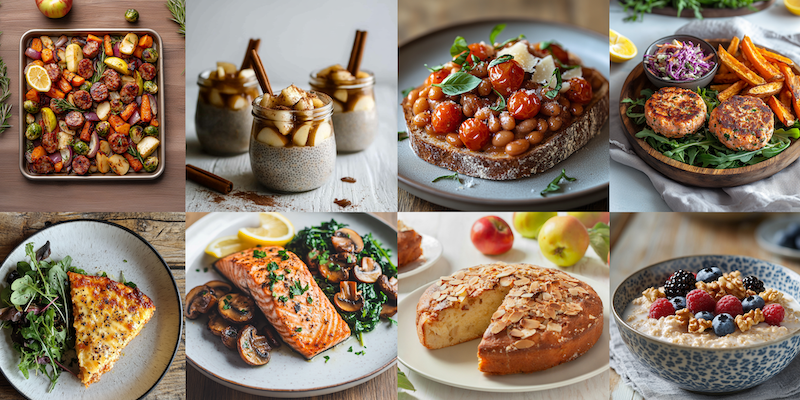
Here is just a sample of what recipes you can expect:

Here are some main meal examples:

  • Grilled Salmon with Quinoa and Spinach Salad
  • Walnut-Crusted Chicken with Steamed Broccoli
  • Baked Cod with Tomato and Olive Tapenade
  • Lentil and Mushroom Stuffed Bell Peppers
  • Cauliflower Rice Stir-Fry with Shrimp and Mixed Vegetables
  • Baked Trout with Walnut and Herb Crust
  • Zucchini/Courgetti Noodles with Pesto and Cherry Tomatoes
  • Stuffed Aubergines with Ground Turkey and Pine Nuts
  • Spicy Salmon Burgers with Coleslaw and Sweet Potato Fries
  • Lemon and Herb Roasted Chicken with Asparagus
  • Plus many more

You can become one of our ‘angels’ but by pre ordering the app for just £30 a year so that you are the first to get access to it when it launches soon and you will get a FREE additional 3-months of membership as a thank you.

Two FREE Upgrade Your Brain Recipes:

Turkey Chilli with Black Beans and Sweet Corn (serves 4)

Ingredients:

  • 500g minced turkey
  • 400g canned black beans, drained and rinsed
  • 200g canned sweet corn, drained
  • 1 large onion, diced
  • 2 large handfuls of baby spinach, roughly chopped
  • 2 cloves garlic, minced
  • 400g canned diced tomatoes
  • 2 TBSP milled flaxseeds
  • 1 tbsp chilli powder
  • 2 tsp ground cumin
  • 2 tbsp olive oil
  • Salt and pepper to taste
  • Fresh coriander, chopped, for garnish
  • 200ml stock – veggie or chicken

Instructions:

  1. Heat the olive oil in a large pot over medium heat. Add the onion and garlic, and cook until softened.
  2. Add the minced turkey to the pot and saute until browned, breaking it up with a wooden spoon as it cooks.
  3. Stir in the chili powder and cumin and cook for another minute until fragrant.
  4. Add the diced tomatoes, black beans, sweet corn, and water or chicken broth. Season with salt and pepper.
  5. Bring to a simmer for 20-30 minutes, stirring occasionally.
  6. Stir in the milled flaxseed
  7. Serve the chili garnished with fresh cilantro

—–

Zingy Chickpea Chaat Masala Salad (serves 6–8, feel free to halve)

Ingredients:

  • 2 tins chickpeas, drained and rinsed
  • 2 medium ripe avocado, diced
  • 1 medium cucumber, diced
  • 2 medium-sized tomatoes, deseeded and diced
  • 1 medium carrot, finely grated
  • 1 red onion, finely chopped
  • A handful of fresh coriander/cilantro, chopped
  • Small handful of fresh mint, chopped
  • 2 tablespoons flaxseed, ground
  • 2 tablespoons chia seeds
  • 60g walnuts, roughly chopped
  • Juice of 2 lemons
  • 1 teaspoon ground cumin
  • 1 teaspoon ground coriander
  • 1/2 teaspoon red chili powder (adjust to taste)
  • 1/2 teaspoon black salt (or regular salt, to taste)
  • 1 teaspoon chaat masala (you can also use garum masala)
  • 4 tbsp pomegranate seeds for garnish

Instructions:

  1. In a large bowl, combine the chickpeas, diced avocados, cucumber, tomatoes, carrot, red onion, cilantro, and mint.
  2. Add the ground flaxseed, chia seeds, and chopped walnuts to the bowl. These ingredients are rich in omega-3 fatty acids and will add a nice crunch to your salad.
  3. In a small bowl, whisk together the lemon juice, ground cumin, ground coriander, red chili powder, black salt, and chaat masala. Adjust the seasonings to your taste.
  4. Pour the dressing over the salad and toss gently until everything is well coated with the dressing. The lemon juice not only adds flavour but also helps in keeping the avocados green.
  5. Let the salad sit for about 10-15 minutes before serving, allowing the flavours to meld together.
  6. Serve the salad in bowls, garnished with pomegranate seeds for a burst of colour and additional antioxidants.
Further info