🟢 NUTRITION Archives - Page 3 of 5 - Food for the Brain

because prevention is better than cure.

because prevention is better than cure.

Mini Cart 0

Your cart is empty.

Mini Cart 0

Your cart is empty.

What is the Best Food for Your Brain?

At Food for the Brain, we take food seriously – from the soil to your Sunday lunch.

Quality matters, that is why we have two new developments to ensure your brain gets the right food on its plate. First, start with the soil…

It begins with the soil…

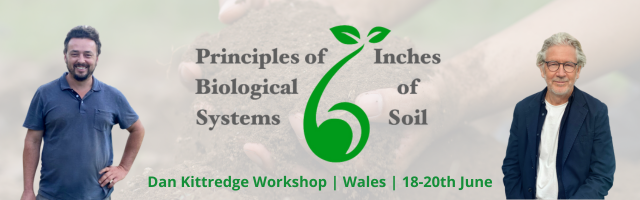
This June we are delighted to invite Dan Kittredge, founder of the BioNutrient Institute, to teach you how to grow the most nutritious food for mind, body & spirit, in a hands-on two day workshop at Fforest Barn Retreat in the beautiful Black Mountains of Wales  – 2.5 hours from London or Manchester.

Arrive on Tuesday 18th June for this two day workshop on 19th & 20th June. Whether you are an enthusiast, amateur or commercial gardener, grower or farmer, nobody knows more about what really makes plants optimise their nutrition than Dan Kittredge because he measures it.

This hands-on practical workshop provides an overview of six principles and practices of biological farming that increase the health of your soil and crops for greater yields, healthier produce and better marketability.

It all happens in that first six inches of soil, which we will learn how to turn into a hotbed of life. Thousands of growers have attended his courses since 2010.

It ends with your plate

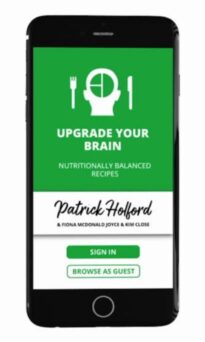
The Upgrade Your Brain Cookery Recipe App is coming soon!

Nutritionist, chef and recipe developer, Kim Close and Fiona McDonald Joyce (nutritionist, cook and author) have been working away to create a delicious way to select the right recipes for your brain and body. Kim and Fiona firmly believe that food can, and should, always be delicious AND nutritious!

The Upgrade Your Brain CookApp lets you choose your dietary preferences (e.g dairy-free, gluten-free, plant-based etc), then shows you the best recipes that are both delicious and nutritious. You can then choose recipes that are GL counted for weight loss or maintenance and scored for brain fats, B vitamins and antioxidants.

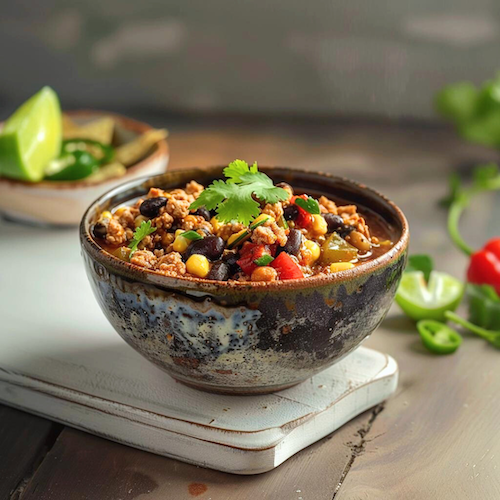
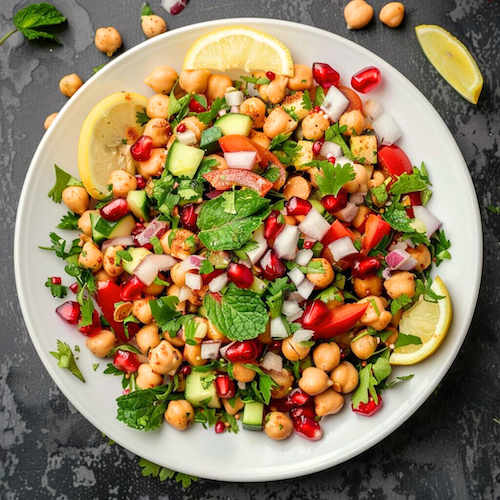
There will be a wide selection of breakfasts, main meals, soups, salads, snacks and desserts.

New recipes will be added to the app weekly so you can continue to expand your repertoire. The recipes will include preparation and cooking tips, tricks and hacks.

Be the first to access this brand new app!

If you’d like to be one of the first to try our CookApp and the recipes, sign up now for just £30 a year.

Your year will run from the date it launches (June) – and we’ll give you 3 months free at the end of this date for helping us fund this vital CookApp to put Food for the Brain’s principles into action.

Please help us build this amazing, interactive, recipe library by signing up now. We need 200 ‘angels’ to do this, to fund and complete the development. 

Further info

Is the Easter Bunny’s Brain Shrinking Due to Pre-diabetes?

by Patrick Holford

Easter is meant to follow on from Lent – 40 days of fasting. There lies the problem.

‘We’ are the product of natural selection – survival of the fattest. 

Those of us who can readily store carbs as fat through periods of famine have survived and become dominant. Now, there are no periods of famine, no ‘lent’ up, it’s just carbs all the way. 

With one in six over 40 diabetic, the question is, are you heading in that direction? 

Even raised glucose, but within the ‘normal’ range, in mid life increases Alzheimer’s risk by 14.5%. 

Why not find out? 

We have a simple pinprick blood test to help you do just that. It measures the percentage of your red blood cells that are sugar-damaged or ‘glycosylated’. It’s called glycosylated haemoglobin, or HbA1c. This simple pinprick blood test is, in effect, measuring the total blood sugar spikes you experienced over the past three months (red blood cells, called haemoglobin, live for three months).

What should you be aiming for?

Ideally, it should be 5% (31mmol/mol) or less. That’s healthy.

Above 5.4% (36) and in studies you can already pick up brain shrinkage and cognitive decline.

Above 6% (42) is considered pre-diabetic.

6.5% (48) or higher is considered diabetic.

For both brain and body health you certainly want it to be below 5.4%

(It’s measured slightly differently in the UK, in mmol/mol, which is the number shown in brackets.)

A recent study in Denmark of 20,000 people in their 60’s, published in the British Medical Journal [1], found that one in nine with an HbA1c of 6-6.1% developed diabetes in the next three years and one in five in the next five years. One in ten died. 

How to lower your score?

It is easy to lower, if you need to. But first, you need to know where you are starting from. Then you can retest three months later and find out if what you’ve done has worked.

There are several approaches. 

  • An intermittent fasting approach, doing all your eating in a six hour window with dinner at eg 7pm then lunch at 1pm. 
  • Going ‘keto’, which Dr Georgia Ede explained in our recent webinar which you can watch here.
  • There are even supplements that can help – chromium, HCA (Hydroxycitric acid) found in a type of tamarind and glucomannan fibre. 

You will learn about all these and more if you’ve signed up for the COGNITION programme by becoming a FRIEND and select the ‘Low carbs and GL’ section. Jill, a retired teacher, lost almost a stone following this advice. 

But first, we suggest you measure your baseline HbA1c.

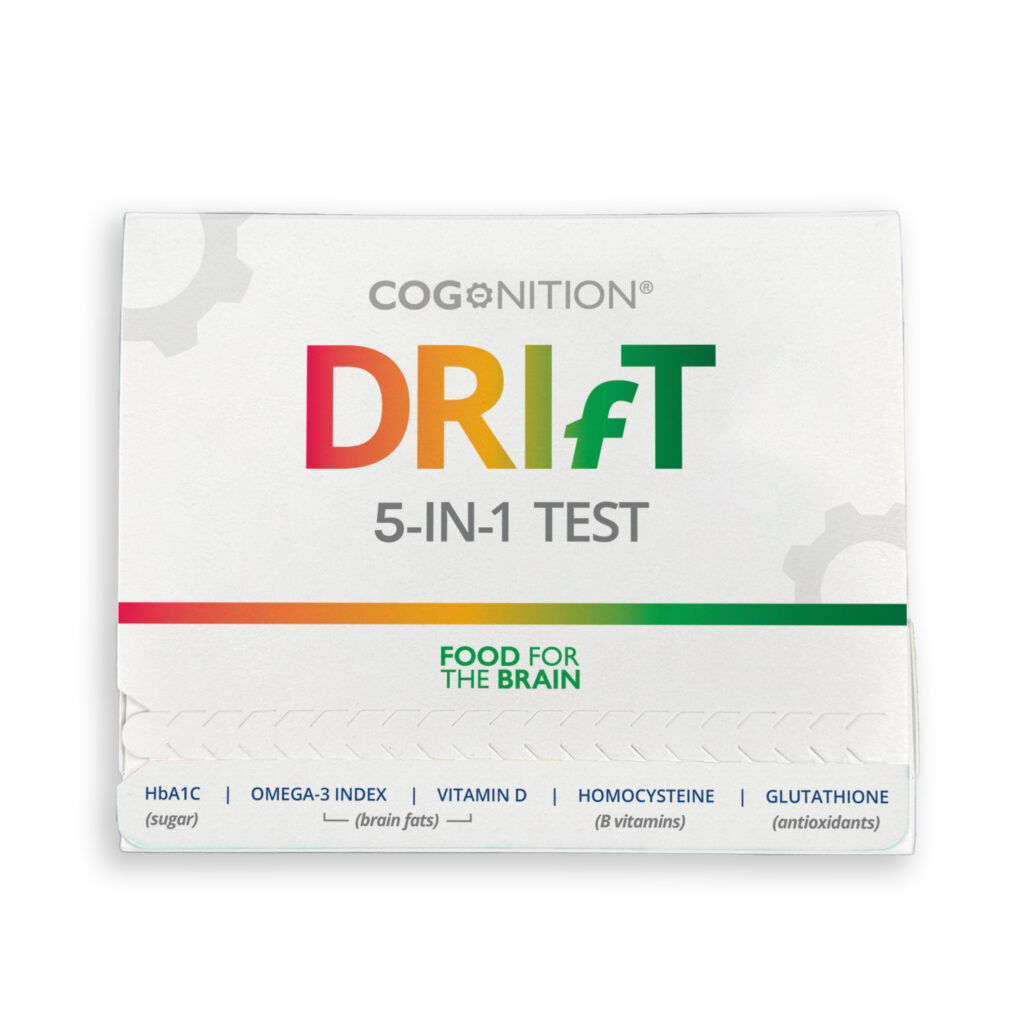
It’s more predictive of your blood sugar control than just your weight or waist circumference. In fact, it is the single most important measure of your glucose balance ‘resilience’ which is why it’s one of the four ‘essentials’ in our DRIfT test – the others being vitamin D, omega-3 and homocysteine (B vitamins).

We want to wish you a Healthy Easter by giving you £10 off your HBA1c test when you buy before Easter. 

So that’s £39.95, not £49.95. 

Also, if you book a repeat test in 3 months, which is how long it takes to ‘renew’ all your red blood cells, hopefully no longer sugar-coated, you’ll save a further 6%, bringing the cost down to £37.55, saving you £12.40 now and in 3 months time. That’s £24.80 in total. This offer ends on April 10th 2024.

Use the coupon code: easter at check out to save

(Discount applies to the HBa1c test only.)

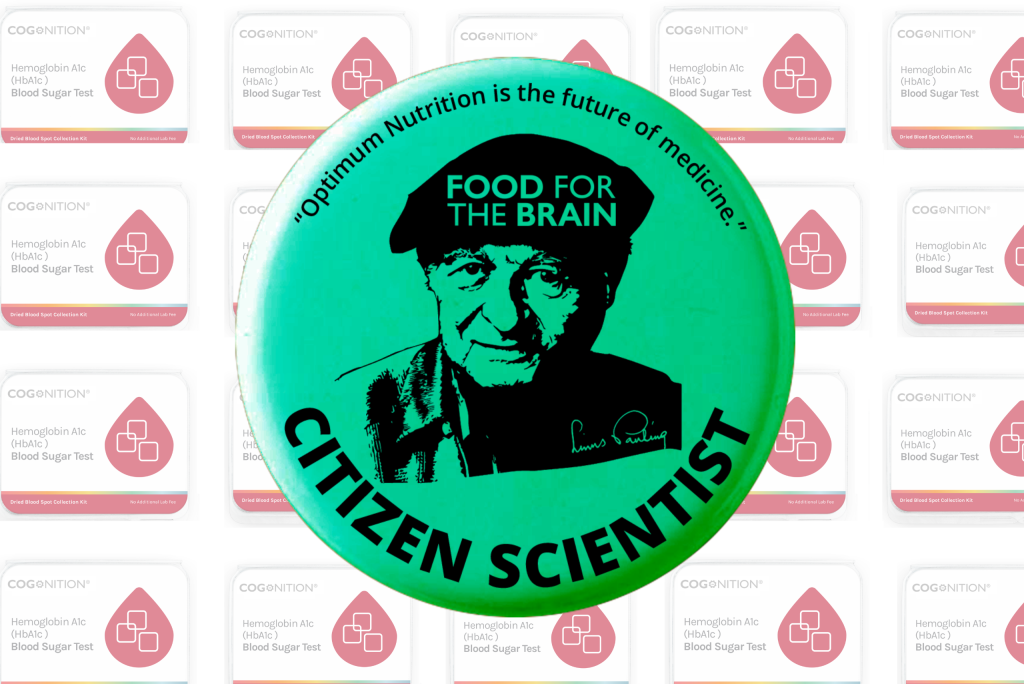
A green Citizen Scientist badge, with the quote "optimum nutrition is the future of medicine".

Remember every test kit you order will not only help you upgrade your brain it will also help us in our vital research – you will become a part of our ‘Citizen Science’ team and be donating to our wider charitable work and research.


Thank you!

References:

1 http://dx.doi. org/10.1136/bmjdrc-2022- 002946

Further info

Your Brain Needs Supplements Beyond a ‘Well-Balanced Diet’…

By Patrick Holford

If you are eating a healthy whole food diet, do you need supplements? Surely the food you eat should be enough?

When it comes to supplements, the conventional view is based on government supported recommended intakes (RDAs, RNIs, NRVs or DRVs) designed to prevent classical symptoms of deficiency, such as scurvy in the case of vitamin C. The implication here is that if blood levels of nutrients are enough to prevent classical deficiencies then nutrient status is considered to be sufficient.  However, there is abundant evidence that even levels above those used to define ‘deficiency’, may still often be associated with adverse signs or symptoms or increased risk of diseases such as dementia. These levels therefore define a zone of ‘nutritional insufficiency’.

There is furthermore, a growing body of evidence from well-designed studies on specific mental health diseases, showing that supplements giving nutrients at levels beyond the basic ‘RDAs’, delay or reverse the disease or eliminate or ameliorate symptoms of disease, including cognitive decline. 

There are also many studies showing a steady reduction in symptoms or diseases, when blood levels of nutrients increase beyond the arbitrary cut-off levels, set to prevent classical deficiencies. Thus, neither RDAs nor normal reference ranges given for blood levels of nutrients, are ‘optimal’.

Outdated definitions

This illustrates that the definition of ‘deficiency’ is outdated. Deficiency means a lack of efficiency. If the definition of nutrient deficiency, and its counterpart, sufficiency, were to be defined as the level of a nutrient that relieves symptoms of disease or promotes its prevention, that definition is scientifically supportable. It also takes into account the unique biochemical individuality that occurs as a function of both genetics, environmental exposure, microbiomics and an individual’s ability to absorb nutrients.

While medical and advertising law prohibits the description of a nutritional supplement or food as ‘preventing, reversing or treating a disease’ this is scientifically not correct. Nutrients do prevent, reverse and treat disease.

The overarching principle of the Food for the Brain Foundation is that of scientific integrity – that is to be consistent with the prevailing science and share that growing body of knowledge in a way that enables people like you to restore, maintain and improve mental health.

What nutrients should we pay special attention to?

Four nutrients are especially significant in this regard.

Vitamin D – it is now well established that anyone living far from the Equator has to supplement vitamin D for several months (October to March in the UK and for cooler months in most of Europe, Australia, New Zealand and the US). The UK Government, in 2016, recommended that everyone should supplement during the Autumn and Winter. Almost a decade earlier, in 2007, I made the same point but was reported to the Advertising Standards Agency whose rule says “A well-balanced diet should provide the vitamins and minerals needed each day by a normal, healthy individual …”. I felt like reporting the government to the ASA!

Vitamin B12 – many people, especially people over age 50, simply do not absorb vitamin B12 well enough for food alone to be a sufficient supply. The ignorance regarding vitamin B12 is compounded by the inaccurate lower reference range for serum B12 in the UK of anything above 180pg/ml being sufficient (and the US level of 200pg/ml) being out of date and urgently in need of revision. In Europe and Japan anything below 500pg/ml is considered deficient. Against this yardstick, two in five over 60 have levels of B12 which are too low to stop accelerated brain shrinkage. 

Ignorance regarding B12, and the inability of doctors to prescribe it to those with cognitive concerns, is feeding the epidemic of dementia.

Omega-3 DHA – In the UK doctors are not allowed to prescribe omega-3 supplements for any condition, be it depression or dementia, despite all the evidence. I first wrote about omega-3 in 1981, and recommendations have gradually increased with each decade. However, there is still no official Nutrient Reference Value. The current guideline is to have 250mg of combined EPA and DHA a day but this is well below the level of DHA that confers the greatest protection from cognitive decline.

Choline – despite clear evidence of the need for choline, which makes the phospholipid phosphatidylcholine, in pregnancy for normal infant brain development, there is no recommended intake. Vegans can be assumed to be deficient unless supplementing.

I prefer to err on the side of caution, that is to provide the highest optimal level that research suggests would improve mood, memory, mental alertness and is consistent with minimising the risk of cognitive decline.

How many have developed dementia waiting for health officials to catch up?

Don’t be one of them and if you want to know more about what you can do to support your brain then make sure you:

1. Complete your DRIfT test to check your Omega-3 and Vitamin D status, alongside your HbA1c and Homocysteine markers. These are at home, pin-prick, accurate test kits available from UK, EU USA and soon Australia too!
(There is also the option of the DRIfT 5 in 1 test where you also test all of the above PLUS your antioxidant status via our unique Glutathione Index marker – find out more here.)
>> Learn about all our tests here.

2. Complete the FREE Cognitive Function Test. This validated online assessment will create a personalised set of results so you know exactly what you need to work on.
>> Do the online test here

3. Become a FRIEND. Join our mission and become one of our Citizen Scientists, you will get access to a community of like minded people in additionl to COGNITION, your 6-month interactive personalised programme to ensure you upgrade your brain.
>> Find out more here.

Test Your Cognitive Function Now green banner.
Further info

Sugar Shrinks the Brain & Messes Up Memory

Back in the decade that gave us neon shell suits, the first space shuttle, and the birth of the pop video (the unforgettable 1980s) we also believed that glucose (the sugar used by our bodies) gave us extra energy. Lucozade, a liquid form of glucose with a good dose of preservatives, artificial sweeteners and artificial colourants, was advertised as ‘energy for the human race.’ 

Yet, new studies are showing that too much glucose, and especially fructose, over time starves the brain of energy, leading to both memory loss and brain shrinkage.

These two sugars interfere with the energy factories within cells, called mitochondria, and deprive the brain of the energy it needs to function properly.

The link between diabetes and dementia is well known – those with diabetes have four times the risk of dementia. 

Haemoglobin A1c (HbA1c) is a long-term measure of glucose bound to red blood cells (haemoglobin) and is used by doctors to diagnose diabetes and monitor its therapy. HbA1c is a measure of damage produced by sugar spikes on red blood cells; a HbA1c of 6.5% or greater is diagnostic of diabetes. But long before this, in what is usually considered to be the ‘normal range’ teenagers with HbA1c above 5.4% show cognitive decline and shrinkage of the hippocampus in the central area of the brain compared to those with lower HbA1c levels (1). 

Shrinkage of the hippocampus is the hallmark of Alzheimer’s and is used to diagnose the disease. A new study shows that 40-year-old adults with so-called normal glucose levels, but at the higher end of the normal range, have increased their risk of Alzheimer’s by 15% (2). 

Furthermore, “In teenagers with raised, but normal levels of HbA1c, there is clear evidence of the same kind of memory problems and the same areas of brain shrinkage seen in patients with Alzheimer’s Disease” says Robert Lustig, Emeritus Professor of Pediatrics at University of California, San Francisco.

“Keeping your HbA1c below 5.4% with a no-added-sugar diet, and for some a low-carbohydrate diet, is one of the most direct ways you can protect your brain at any age.” says Lustig

“The irony is that having too much sugar over a number of years makes a person resistant to insulin. We need insulin in order to deliver glucose into our brain cells, so insulin resistance, the direct consequence of too much glucose, ends up starving the brain of energy with the consequent loss of concentration and memory.” says nutritionist and psychologist Patrick Holford, our CEO and founder.

“We are calling for people to test both their cognitive function with our free online test and measure their HbA1c with our new home pin prick blood test kit, so we can really find out when problems occur and how to prevent cognitive decline.” So far, over 400,000 people have done our Cognitive Function Test – our FREE, validated, online cognitive function test which tells you your future dementia risk and what to do to lower it.

Professor Robert Lustig thinks the problem got even worse when the food industry switched from sucrose, derived from cane, to high-fructose corn syrup, derived from corn; “High-fructose corn syrup is not more biologically evil; it’s economically evil, because it’s half the price of sucrose, so it found its way into all sorts of foods…

The key message is to test HbA1c early if it is over 5.4% and act to bring it down by cutting right back on foods and drinks with added sugar including carbohydrate-rich foods such as bread, rice, pasta, potatoes, and especially fruit juice. Nature never provides fructose without the requisite fibre. When God made the poison, he packaged it with the antidote. Eat your fruit, don’t drink it.” says Lustig.

REFERENCES

BRAIN SHRINKAGE IN ADOLESCENTS

MIDLIFE GLUCOSE INCREASING ALZHEIMER’S DISEASE RISK

BACKGROUND ON SUGAR AND DEMENTIA

and 

Further info

Vitamin D – the Mind, Memory & Mood Essential

By Patrick Holford

Did you know the length of your shadow can tell you if you’re able to generate vitamin D from sunlight?

If your shadow is longer than your body – you can’t produce vitamin D from sunlight. If you are in winter and live in a country of higher latitude (like the UK), this is happening now!

Vitamin D is an all-rounder as far as your brain and mental health is concerned.

It helps neurotransmission and exerts anti-inflammatory and neuroprotective activities within the brain by reducing both inflammation and oxidative stress (1).  

We are all deficient in winter

Generally speaking, the lower your vitamin D, the worse your mood which makes vitamin D especially important to supplement from October to March if you live in the UK or a similar latitude, when the angle of the sun is too low and you’re also less likely to get outdoors exposing your skin to sunlight. It’s best to assume that we are all deficient in winter, unless you travel to the sun, and therefore need to supplement at least 25mcg (1000iu) although two or three times may be optimal and necessary to correct deficiency.

Vitamin D and depression

The lower your vitamin D level, the more depressed you are likely to feel. If your mood takes a dip in winter months this is a key sign that you might need more. That’s what researchers at the University of Tromso in Norway found on testing 441 volunteers who were given a test for depression and also a test for blood levels of vitamin D. The volunteers were then given Vitamin D supplements or placebo. Tested one year on, those given vitamin D, but not those given the placebos, had substantially lower depression ratings (2).

However, you don’t have to wait for a year to get a lift in your mood. An eight-week study in Australia found that some of those given vitamin D supplements had an improvement in mood in only five days (3). Another study, in Iran, gave a single vitamin D injection and reported improvement in depression when measured 3 months on (4).

Since vitamin D stores, there is no need to supplement daily. You can take a weekly dose. In the Norwegian study above they gave 20,000iu or 40,000iu weekly. Both worked and there wasn’t a big difference in the effects on mood. So, you can assume that 20,000iu weekly, or 3,000iu daily would likely be sufficient.

It’s what is in your blood that matters

However, the yardstick for what you need is really whatever gets your blood level into the optimal range.

In the study above, those given 20,000iu a week averaged a blood level of 88 nmol/l, while those given 40,000iu averaged 111nmol/l. It is now well recognised that levels above 75nmol/l (30 ng/ml) correlate with good health for many health measures, while levels above 100nmol/l (40ng/ml) might be even better in some respects. My recommendation is to test yourself and consider anything below 50 to be deficient, and above 75 to be sufficient with an optimal level being closer to 100nmol/l (40ng/ml). If you then supplement 3,000iu daily, or seven times this weekly, especially from October to March, retest yourself against these yardsticks.

It’s not JUST about vitamin D

But it isn’t just vitamin D we need – it’s sunlight.

During the summer months, if you are spending half an hour outdoors, with short sleeves, shorts or even more skin exposure, in the sunlight, even a multivitamin that provides you 800iu (a quarter of what you need in the darker months) might be sufficient.

Sunlight promotes serotonin, the happy neurotransmitter.

Having good vitamin D levels is a vital part of your brain upgrade since it helps optimise your brain’s serotonin levels. That’s because a vital enzyme called TPH, which converts the amino acid tryptophan into serotonin, is enhanced in the brain by vitamin D, and selectively shut down in the gut. So, with sufficient vitamin D you get higher brain levels of serotonin, promoting good mood, and lower serotonin levels in the gut (5), protecting against gut inflammation. 

The other way to boost your light exposure is with light therapy. Canadian researchers compared the effects of an anti-depressant (fluoxetine), placebo or 30 minutes daily of light therapy as soon as possible on waking for people with major depression. Light therapy was both superior to placebo and anti-depressants, which were also no better than placebo. I have a full spectrum light in my study, which I put on in the winter, when I’m writing in the early morning, before the sun comes up.

Vitamin D and addiction

Interestingly, vitamin D deficiency is also associated with greater opioid addiction (7), suggesting the need to up vitamin D intake to reduce cravings. There’s also something else interesting about vitamin D, sun exposure and addiction. People can become addicted to sunbeds. In relation to opioids, the lower one’s vitamin D levels, the more addictive they become. Sun exposure, which promotes higher vitamin D levels, reduces opioid addiction.

What to eat?

The best food sources of vitamin D are oily fish and eggs. A serving of salmon or mackerel is likely to give you 400iu of vitamin D. Two eggs will provide about 130iu. In some countries, not the UK, milk is fortified with vitamin D but otherwise, it is not a great source. Some mushrooms are purposely fortified with vitamin D by exposing them to UV light.

In summary, the way up from down is to eat a low GL diet, with plenty of oily fish and eggs, avoid sugar, cut back on stimulants and alcohol, and make sure your daily supplements include omega-3, B vitamins, with extra B12 if your homocysteine level is high, vitamin D, zinc, magnesium, chromium, plus the amino acids 5-HTP with is the precursor of serotonin.

Vitamin D protects your brain and memory.

Vitamin D deficiency increases the risk of Alzheimer’s (9). In a study in France involving 912 elderly patients followed for 12 years, a total of 177 dementia cases occurred. Those with low vitamin D levels had a nearly three-fold increased risk of Alzheimer’s (10). Supplementing 800iu (20mcg) a day for 12 months has also been shown to improve cognitive function (11). 

Supplements may also help ward off dementia, according to a recent, large-scale study involving over twelve thousand dementia-free 70+ year-olds in the US (12). More than a third (37%) took supplements of vitamin D. Those who did had a 40% lower incidence of dementia. Professor Zahinoor Ismail, of the University of Calgary and University of Exeter, who led the research, said: “We know that vitamin D has some effects in the brain that could have implications for reducing dementia, however so far, research has yielded conflicting results. Overall, we found evidence to suggest that earlier supplementation might be particularly beneficial, before the onset of cognitive decline.”

Vitamin D helps recovery from strokes and brain injury

Having a higher vitamin D level or supplementing vitamin D at levels above 2,000iu a day also helps people recover from strokes (13) and other forms of brain injury.

I recommend 3,000iu a day or 21,000iu a week in winter but most importantly, monitoring your vitamin D level to keep it above 75nmol/l (30 ng/ml). A level of 100nmol/l may be optimal. That is why testing is so vital as winter approaches. Test again 3 months later so you know if you’re taking enough or too much and that will give you a good gauge as spring approaches when you can probably lower your intake to 600 to 1,000iu depending on sun exposure and diet to top up to over 1,000iu.

Vitamin D is vital in pregnancy and for children

A breastfeeding mother must, at least, supplement omega-3 fish oils and ensure enough B vitamins for homocysteine to be below 7 mcmol/L, but many other nutrients are also necessary. Low vitamin D status in both the mother and newborn baby increases the likelihood of developing autistic spectrum disorder by 54% (14).

Without sufficient nutrients not only do brain cells not make the connections but the production and flow of neurotransmitters doesn’t happen optimally. Bruce Ames, Emeritus professor of Biochemistry and Molecular Biology at the University of California, thinks that “serotonin synthesis, release, and function in the brain are modulated by vitamin D and the 2 marine omega-3 fatty acids, eicosapentaenoic acid (EPA) and docosahexaenoic acid (DHA).” He says that ”insufficient levels of vitamin D, EPA, or DHA, in combination with genetic factors and at key periods during development, would lead to dysfunctional serotonin activation and function and may be one underlying mechanism that contributes to neuropsychiatric disorders and depression in children”. (15) 

A study in Northern Ireland found that half of schoolchildren were deficient in vitamin D, with a level below 50nmol/l (I recommend above 75 nmol/l). Another finds that low vitamin D levels in childhood are related to behaviour problems in adolescence (16). Is it any wonder so many children are neurodivergent?

A placebo-controlled trial giving ADHD children magnesium together with vitamin D for eight weeks showed a major reduction in emotional, conduct and peer problems and improved socialisation compared with children treated with the placebo (17).

The bottom line – we all need to supplement vitamin D

The bottom line is everyone, from children to older people, and especially anyone considering pregnancy, suffering with low mood or memory problems, must test their vitamin D, ideally, at the start of winter to guide them as to what to supplement, during winter perhaps at 3 months, and 6 months later, to learn what amount of vitamin D supplementation they need in summer and winter.

In summary, you want to get your blood level above 75nmol/l (30 ng/ml) which usually means supplementing 3,000iu from October to March for those in the Northern Hemisphere. The optimal level is, however,  likely to be above 100nmol/l (40mg/ml).  Your need for vitamin D is likely to be greater if you are overweight and have darker skin and live further North.

When spring returns, and throughout summer, 1,000iu a day may be enough depending on your sun exposure.


Thank you for reading!
Food for the Brain is a non-for-profit educational and research charity that offers a free Cognitive Function Test and assesses your Dementia Risk Index to be able to advise you on how to dementia-proof your diet and lifestyle.

By completing the Cognitive Function Test you are joining our grassroots research initiative to find out what really works for preventing cognitive decline. We share our ongoing research results with you to help you make brain-friendly choices.

Please support our research by becoming a Friend of Food for the Brain.

References

1 Jayedi A, Rashidy-Pour A, Shab-Bidar S. Vitamin D status and risk of dementia and Alzheimer’s disease: A meta-analysis of dose-response †. Nutr Neurosci. 2019 Nov;22(11):750-759. doi: 10.1080/1028415X.2018.1436639. Epub 2018 Feb 15. PMID: 29447107

2 Jorde R, Sneve M, Figenschau Y, Svartberg J, Waterloo K. Effects of vitamin D supplementation on symptoms of depression in overweight and obese subjects: randomized double blind trial. J Intern Med. 2008 Dec;264(6):599-609. doi: 10.1111/j.1365-2796.2008.02008.x. Epub 2008 Sep 10. PMID: 18793245.

3 Khoraminya N, Tehrani-Doost M, Jazayeri S, Hosseini A, Djazayery A. Therapeutic effects of vitamin D as adjunctive therapy to fluoxetine in patients with major depressive disorder. Aust N Z J Psychiatry. 2013 Mar;47(3):271-5. doi: 10.1177/0004867412465022. Epub 2012 Oct 23. PMID: 23093054. Xxxx check the some in 5 days

4 Mozaffari-Khosravi H, Nabizade L, Yassini-Ardakani SM, Hadinedoushan H, Barzegar K. The effect of 2 different single injections of high dose of vitamin D on improving the depression in depressed patients with vitamin D deficiency: a randomized clinical trial. J Clin Psychopharmacol. 2013 Jun;33(3):378-85. doi: 10.1097/JCP.0b013e31828f619a. PMID: 23609390.

5 Patrick RP, Ames BN. Vitamin D hormone regulates serotonin synthesis. Part 1: relevance for autism. FASEB J. 2014 Jun;28(6):2398-413. doi: 10.1096/fj.13-246546. Epub 2014 Feb 20. PMID: 24558199.

6 Lam RW, Levitt AJ, Levitan RD, Enns MW, Morehouse R, Michalak EE, Tam EM. The Can-SAD study: a randomized controlled trial of the effectiveness of light therapy and fluoxetine in patients with winter seasonal affective disorder. Am J Psychiatry. 2006 May;163(5):805-12. doi: 10.1176/ajp.2006.163.5.805. PMID: 16648320.Psychiary, No015

7 Kemény LV, Robinson KC, Hermann AL, Walker DM, Regan S, Yew YW, Lai YC, Theodosakis N, Rivera PD, Ding W, Yang L, Beyer T, Loh YE, Lo JA, van der Sande AAJ, Sarnie W, Kotler D, Hsiao JJ, Su MY, Kato S, Kotler J, Bilbo SD, Chopra V, Salomon MP, Shen S, Hoon DSB, Asgari MM, Wakeman SE, Nestler EJ, Fisher DE. Vitamin D deficiency exacerbates UV/endorphin and opioid addiction. Sci Adv. 2021 Jun 11;7(24):eabe4577. doi: 10.1126/sciadv.abe4577. PMID: 34117054; PMCID: PMC8195487.

8 Jayedi A, Rashidy-Pour A, Shab-Bidar S. Vitamin D status and risk of dementia and Alzheimer’s disease: A meta-analysis of dose-response †. Nutr Neurosci. 2019 Nov;22(11):750-759. doi: 10.1080/1028415X.2018.1436639. Epub 2018 Feb 15. PMID: 29447107

9 Chai B, Gao F, Wu R, Dong T, Gu C, Lin Q, Zhang Y. Vitamin D deficiency as a risk factor for dementia and Alzheimer’s disease: an updated meta-analysis. BMC Neurol. 2019 Nov 13;19(1):284. doi: 10.1186/s12883-019-1500-6. PMID: 31722673; PMCID: PMC6854782.

10 Jia J, Hu J, Huo X, Miao R, Zhang Y, Ma F. Effects of vitamin D supplementation on cognitive function and blood Aβ-related biomarkers in older adults with Alzheimer’s disease: a randomised, double-blind, placebo-controlled trial. J Neurol Neurosurg Psychiatry. 2019 Dec;90(12):1347-1352. doi: 10.1136/jnnp-2018-320199. Epub 2019 Jul 11. PMID: 31296588.

11 Feart C, Helmer C, Merle B, Herrmann FR, Annweiler C, Dartigues JF, Delcourt C, Samieri C. Associations of lower vitamin D concentrations with cognitive decline and long-term risk of dementia and Alzheimer’s disease in older adults. Alzheimers Dement. 2017 Nov;13(11):1207-1216. doi: 10.1016/j.jalz.2017.03.003. Epub 2017 May 16. PMID: 28522216.

12 Ghahremani M, Smith EE, Chen HY, Creese B, Goodarzi Z, Ismail Z. Vitamin D supplementation and incident dementia: Effects of sex, APOE, and baseline cognitive status. Alzheimers Dement (Amst). 2023 Mar 1;15(1):e12404. doi: 10.1002/dad2.12404. PMID: 36874594; PMCID: PMC9976297.

13 Marek K, Cichoń N, Saluk-Bijak J, Bijak M, Miller E. The Role of Vitamin D in Stroke Prevention and the Effects of Its Supplementation for Post-Stroke Rehabilitation: A Narrative Review. Nutrients. 2022 Jul 4;14(13):2761. doi: 10.3390/nu14132761. PMID: 35807941; PMCID: PMC9268813.

14 Wang Z, Ding R, Wang J. The Association between Vitamin D Status and Autism Spectrum Disorder (ASD): A Systematic Review and Meta-Analysis. Nutrients. 2020 Dec 29;13(1):86. doi: 10.3390/nu13010086. PMID: 33383952; PMCID: PMC7824115.

15 Patrick RP, Ames BN. Vitamin D and the omega-3 fatty acids control serotonin synthesis and action, part 2: relevance for ADHD, bipolar disorder, schizophrenia, and impulsive behavior. FASEB J. 2015 Jun;29(6):2207-22. doi: 10.1096/fj.14-268342. Epub 2015 Feb 24. PMID: 25713056.

16 Sonia L Robinson, Constanza Marín, Henry Oliveros, Mercedes Mora-Plazas, Betsy Lozoff, Eduardo Villamor, Vitamin D Deficiency in Middle Childhood Is Related to Behavior Problems in Adolescence, The Journal of Nutrition, Volume 150, Issue 1,

2020, Pages 140-148, ISSN 0022-3166, https://doi.org/10.1093/jn/nxz185.

17 Hemamy M, Pahlavani N, Amanollahi A, Islam SMS, McVicar J, Askari G, Malekahmadi M. The effect of vitamin D and magnesium supplementation on the mental health status of attention-deficit hyperactive children: a randomized controlled trial. BMC Pediatr. 2021 Apr 17;21(1):178. doi: 10.1186/s12887-021-02631-1. Erratum in: BMC Pediatr. 2021 May 12;21(1):230. PMID: 33865361; PMCID: PMC8052751.

Further info

Polyphenol Power. Keep your Brain Young with Antioxidants.

—–

By Patrick Holford

Life is a balancing act between making energy by combusting glucose or ketones with oxygen, which generates ‘oxidant’ exhaust fumes and dealing with these ‘oxidant fumes’ which harm the body.

Skin goes crinkly, age spots develop all due to oxidation. That’s what makes apples go brown, leaves change colour and iron rust. In the end, we lose, which is why all oxygen-based life forms have a finite life – and why your brain and body do inevitably age.

However, you can not only add years to your life, but also life to your years by improving your intake of antioxidants and polyphenols found in whole foods, fruits, vegetables and herbs and spices. A study in Finland and Sweden compared those with a ‘healthy’ versus ‘unhealthy’ diet in mid-life for future risk of developing Alzheimer’s disease and dementia 14 years later (1). Those who ate the healthiest diet had an 86-90% decreased risk of developing dementia and a 90-92% decreased risk of developing Alzheimer’s disease. Some of the benefit comes from low sugar diets, high in omega-3 and B vitamins and some from foods high in antioxidants and polyphenols which we will focus on here.

Your intake of these versus your intake and generation of oxidants, for example from smoking and pollution, is a major determinant of brain health. An illustration of this is the fact that both smoking and pollution exposure increase risk of cognitive decline and dementia, while vitamin C, which is the antioxidant par excellence, reduces risk.

(This is why we have developed our brand new Glutathione at home blood test – the first of its kind where you can accurately test your antioxidant status from home and support our further research into this important area. You can find out more and pre order the test here )

Oxidants vs antioxidants – moving the balance in your favour

Smoking increases risk of Alzheimer’s just as much as having low B vitamin or omega-3 status, according to the US National Institute of health’s analysis (2). Smoking is something a person can easily change. Air pollution, for many, is not. It is measured in the amount of particulate matter (PMs) and people living in polluted cities are exposed to more. A study of women living in cities in the US found that those exceeding the ‘safe’ levels (greater than 12 μg/m3) had ‘increased the risks for global cognitive decline and all-cause dementia respectively by 81% and 92%’. (3)

While you may not be able to change where you live, can you mitigate the effects of pollution? The answer is yes – in two ways. Firstly, by increasing your intake of antioxidants and also by improving your B vitamin status since the body detoxifies many toxins, including toxic metals from lead to mercury, by methylation. A similar study to the one above found that residing in locations with PM exposure above the safe level was associated with a higher risk of dementia but only among people with lower intakes of the homocysteine lowering B vitamins (B6, folate, b12) (4). ‘Vitamin C in the diet or taken as supplements might help’ concludes another.(5)

Smokers need at least twice as much vitamin C as non-smokers just to have basic vitamin C levels in their blood (serum). Men do worse than women. Even with an intake of 200mg a day they do not achieve this basic blood level, which is already two to three times the recommended dietary intake and what you’d get in four oranges (6). It is certainly wise for any smoker to supplement vitamin C, perhaps adding 50mg per cigarette – 500mg if you smoke 10 a day, although there is a good case for everyone to supplement 1,000mg a day, or 2,000mg a day if over 50.

Nature always provides a solution to help us with our evolution. It seems obvious to me we need vitamin C to combat excessive pollution.

Vitamin C is a keystone nutrient as far as swinging the antioxidant equation in your favour. It’s made in all living things, from animals to plants, including yeasts and funghi. It’s probably been the essential ‘exhaust recycler’ of all oxygen-based lifeforms. Production is even activated when oxidants are sensed. Animals also make more when stressed or exposed to viruses. Us humans, and all other primates, are one of very few species who can’t make it. The first non-vitamin C making animal to be discovered was the guinea pig. That’s how it became the ‘guinea pig’ for research since, like us, it’s dependent every second of every day on vitamin C from diet. Bats, a few birds and the teleost family of fish have also lost the ability to make vitamin C. 

You’ll see in this figure below and from watching the film above, that vitamin C disarms water-based oxidants, such as smoke, and vitamin E disarms fat-based oxidants such as burnt fat. Then, there are other key antioxidant team players that help to neutralise the reactive oxidants that damage our brain and body.

Your best bet is probably to both eat a diet with a broad spectrum of antioxidants and also supplement them. The older you are the more you are likely to need. Key antioxidants are:

  • Vitamin A, C and E – associated with reducing Alzheimer’s risk
  • Lipoic acid (7) – protects the memory-friendly neurotransmitter acetylcholine and dampens down brain oxidation and inflammation)
  • Glutathione (8) or N-acetyl Cysteine (NAC)(9) – protects the brain and improves methylation thus having potential in dementia prevention.
  • Co-enzyme Q10 – protects the mitochondria in the brain from oxidative stress (10)
  • Resveratrol – resveratrol has antioxidant, anti-inflammatory and neuroprotective properties and prevents hippocampal brain damage. (11)

It doesn’t really make a lot of sense to supplement one without the others.

Individually, their impact on your brain health may be less than when combined. A study of 4,740 Cache County Utah elderly residents found that those supplementing both vitamin E and C cut their risk of developing Alzheimer’s by two thirds. Taking either cut risk by a quarter (12). A recent meta-analysis of all studies on factors that could prevent Alzheimer’s by one of our Scientific Advisory Board members – Professor Jin Tai Yu of Fudan University in Shanghai, China – shows that ‘either a high vitamin E or C intake showed a trend of attenuating risk by about 26%’ making these nutrients ‘grade 1’ top level prevention risk factors (13).

All those listed above – vitamin C, E, glutathione and N-acetyl cysteine, Coenzyme Q10 and resveratrol – work together and are often found in combined antioxidant supplement formulas. There are many other team player ‘cousins’ from B vitamins to minerals such as magnesium, selenium and zinc found respectively in greens, seafood, nuts and seeds.

There are two ways to increase your intake – through food and from supplements. Foods can be measured for their ‘Total Antioxidant Capacity’ or TAC for short. It’s worked out from an equation involving eight key antioxidants from vitamin A, carotenes (think carrots), lycopenes (rich in tomatoes), lutein and zeaxanthine (rich in green vegetables), vitamin E (is nuts and seeds), but most of all vitamin C (rich in berries, broccoli, peppers and other vegetables).

The higher the TAC score of your diet the lower is your risk of cognitive and memory decline. This was the finding of a recent study of 2,716 people over age 60. The researchers measured the TAC score from their diet, splitting them into the highest to lowest quarter of TAC score, and compared this to a number of memory tests. Those in the highest quarter, eating the most antioxidant-rich foods had half the risk of decreasing memory. The higher the TAC score the better their memory function was. (14)

Go Rainbow, ‘Mediterranean’ and eat five or more servings of fruit and vegetables a day

So, what do you need to eat and drink to preserve your memory and protect your brain?

Basically, eat a Mediterranean style ‘rainbow coloured’ diet. A Mediterranean diet has more fish, less meat and dairy, more olive oil, fruit and vegetables including tomatoes, legumes (beans and lentils) and whole grain cereals than a standard Western diet. It also includes small quantities of red wine. There are variations of this kind of diet, called the MIND diet and the DASH diet, but the core components are the same and as researchers drill down, we are learning what to eat and drink to keep your mind sharp and brain young, and how much.

The trick is to really start thinking of the colours you’re eating and gravitate for the strong colours.

Mustard and turmeric, for example, are strong yellows. Dijon mustard is great – no sugar. But if you like good old-fashioned English mustard go for it. Have a teaspoon every other day.

Add turmeric to almost any steam-fry, curry or soup. 

Bright oranges include butternut squash, sweet potato, carrots – but do buy organic. Translucent mass produced carrots are tasteless and have a higher water content, ie less actual carrot. 

Tomatoes are particularly good for you. Buy seeded, not seedless watermelons. Blend the flesh in a blender, perhaps with some ice. The black husk of the seeds drops to the bottom. The flesh of the seeds, full of essential nutrients, becomes part of this mouth-wateringly refreshing drink. Great for detox. Strawberries are a low GL fruit. Red, yellow, green and orange peppers are all rich in vitamin C.

Anything purple, magenta or blue is brilliant for you. From beetroots (eat them raw, grated into salads) to blueberries, blackberries and raspberries. Strawberries are particularly good. According to a study, part of the Rush Memory and Aging Project at Rush University, Chicago, having a higher intake cut Alzheimer’s risk by a quarter. They are high in both vitamin C and flavanoids, a high level of which were also confirmed to cut risk by a third. (15)

Strong greens are always beneficial – from spinach, kale, Brussels sprouts, broccoli, tender stem, watercress, rocket, asparagus, artichoke, green beans, peas, kohlrabi, and cauliflower (although not green).

Polyphenol power

Some of these foods are particularly rich in ‘polyphenols’ a group of health promoting molecules which also includes flavonoids, sometimes called flavanols.  Blue foods such as blueberries contain another polyphenol called anthocyanins. Tea, the cacao in chocolate, red wine, red onions, olives and all the blueish berries are rich sources of polyphenols. Many of these polyphenol rich foods act as antioxidants but they do much more than this. They improve circulation in the brain, lower blood pressure and dampen down inflammation which lies behind many conditions from depression to dementia. Once again, the principle of what’s good for the heart is good for the brain.

One of the first important studies was carried out in Norway more than a decade ago by Eha Nurk and Helga Refsum and colleagues in Norway. (16)(17) They found that:

Tea – the more you drink the better. The tea benefit has been confirmed more recently in a study in Singapore, with green tea being marginally better than black tea.(18) However, this benefit was not found in a UK Biobank study, which reported tea and coffee drinking to be associated with worsening cognition compared to abstainers. (19)

Chocolate – peaks at 10g, or about 3 pieces – and let’s say dark, 70 or more percent, thus with less sugar, is likely to be better, as sugar is a strong indicator of cognitive decline. If a chocolate is 80% cacao that means almost 20% will be sugar. More recent studies giving cocoa, a rich source of flavanols, have shown improved cognition, possibly by improving circulation.(20) This has been confirmed in a big COSMOS trial involving over 20,000 people given a cacao extract supplement rich in flavanols versus a placebo for five years. (21) The reduction in cardiovascular risk was even greater than that of a Mediterranean diet.

Wine – consumption reduces risk of cognitive decline up to an intake of 125ml a day, which is a small glass. A thorough study in the British Medical Journal in 2018, which had followed over 9,000 people over 23 years, showed that both abstinence and drinking more than 14 units of alcohol a week, which is equivalent to a medium glass of wine (2.3 units) every day, also increases risk (22). This is consistent with studies showing that a small glass of wine a day decreases risk of cardiovascular disease. Red wine, high in resveratrol is likely to be most beneficial.

All the above are rich in a polyphenol called epicatechin. Jeremy Spencer, an advisor to Food for the Brain, who is Professor of Nutritional Biochemistry and Medicine at the University of Reading, where he specialises in studying the health benefits of polyphenols and other compounds in plants, has shown that these polyphenol rich plants improve blood brain flow in specific regions of the brain that improve attention, decision-making, impulse control and emotion, thus improving overall ‘executive’ function (23). What’s more, the level of flavanols you have in your bloodstream predicts your memory. The biggest impact of increasing flavanols, was seen in the COSMOS study, in those in the lowest third for dietary intake specifically seeing improvement in aspects of memory that link to the hippocampus, that central area of the brain that degenerates in Alzheimer’s (24).

The Best Fruit and Veg to Eat for Your Brain

Which vegetables pack the biggest punch as far as polyphenols and antioxidants are concerned and are also lower in sugar or low GL?

Taking all these factors into account – the GL, antioxidants and polyphenols these are the dozen best rated fruit and veg. But do not think of this list as finite as more and more research reveals the amazing healing power of nature’s fruits and vegetables.

 Lowest GLAntioxidantPolyphenol
Cacao*********
Olives*********
Blueberries*********
Kale********
Blackcurrants*******
Strawberries********
Broccoli********
Artichokes********
Cabbage (red)********
Asparagus*******
Onions (red)******
Avocado*******
Apples******
Beetroot*****
Cherries******
The optimal intake for brain protection is 5 to 6 servings of fruit and veg a day

Half a plate of a main meal counts as two. A handful of berries would count as one. So, if half your plate for two main meals is vegetables, and you had some berries with your breakfast and another piece of fresh fruit or perhaps some broccoli heads or tenderstem or carrots dipped in hummus as a snack, or half an avocado with some high polyphenol olive oil, you’ve achieved six servings.

The first step is to eat ‘whole’ foods, and especially fresh plant foods with an emphasis on those listed above that are more likely to be high in antioxidants and polyphenols. (Also see the Alzheimers Prevention Diet.) There are some nutrients such as vitamin C for which just eating whole foods doesn’t guarantee you are achieving an optimal intake and are well worth supplementing.

My advice is to supplement 500mg to 1,000mg of vitamin C twice a day and also take an antioxidant formula or antioxidant rich multivitamin containing vitamins A, C, E, lipoic acid, glutathione or NAC, resveratrol and CoQ10.

Summary
  • Support our research and be one of the first to test your antioxidant status with the Glutathione Index test. Pre order here
  • Take the FREE Cognitive Function Test here.
  • Want to get recipes to help you increase your antioxidant intake? Pre order the Upgrade Your Brain Cook App here

Food for the Brain is a non-for-profit educational and research charity that offers a free Cognitive Function Test and assesses your Dementia Risk Index to be able to advise you on how to dementia-proof your diet and lifestyle.

By completing the Cognitive Function Test you are joining our grassroots research initiative to find out what really works for preventing cognitive decline. We share our ongoing research results with you to help you make brain-friendly choices.

Please support our research by becoming a Friend of Food for the Brain.


Test Your Cognitive Function Now green banner.

References

  1. Eskelinen MH, Ngandu T, Tuomilehto J, Soininen H, Kivipelto M. Midlife healthy-diet index and late-life dementia and Alzheimer’s disease. Dement Geriatr Cogn Dis Extra. 2011 Jan;1(1):103-12. doi: 10.1159/000327518. Epub 2011 Apr 27. PMID: 22163237; PMCID: PMC3199886.
  2. Beydoun MA, Beydoun HA, Gamaldo AA, Teel A, Zonderman AB, Wang Y. Epidemiologic studies of modifiable factors associated with cognition and dementia: systematic review and meta-analysis. BMC Public Health. 2014 Jun 24;14:643. doi: 10.1186/1471-2458-14-643. PMID: 24962204; PMCID: PMC4099157.
  3. Cacciottolo M, Wang X, Driscoll I, Woodward N, Saffari A, Reyes J, Serre ML, Vizuete W, Sioutas C, Morgan TE, Gatz M, Chui HC, Shumaker SA, Resnick SM, Espeland MA, Finch CE, Chen JC. Particulate air pollutants, APOE alleles and their contributions to cognitive impairment in older women and to amyloidogenesis in experimental models. Transl Psychiatry. 2017 Jan 31;7(1):e1022. doi: 10.1038/tp.2016.280. PMID: 28140404; PMCID: PMC5299391.
  4.  Chen C, Whitsel EA, Espeland MA, Snetselaar L, Hayden KM, Lamichhane AP, Serre ML, Vizuete W, Kaufman JD, Wang X, Chui HC, D’Alton ME, Chen JC, Kahe K. B vitamin intakes modify the association between particulate air pollutants and incidence of all-cause dementia: Findings from the Women’s Health Initiative Memory Study. Alzheimers Dement. 2022 Nov;18(11):2188-2198. doi: 10.1002/alz.12515. Epub 2022 Feb 1. PMID: 35103387; PMCID: PMC9339592.
  5.  Yu JT, Xu W, Tan CC, Andrieu S, Suckling J, Evangelou E, Pan A, Zhang C, Jia J, Feng L, Kua EH, Wang YJ, Wang HF, Tan MS, Li JQ, Hou XH, Wan Y, Tan L, Mok V, Tan L, Dong Q, Touchon J, Gauthier S, Aisen PS, Vellas B. Evidence-based prevention of Alzheimer’s disease: systematic review and meta-analysis of 243 observational prospective studies and 153 randomised controlled trials. J Neurol Neurosurg Psychiatry. 2020 Nov;91(11):1201-1209. doi: 10.1136/jnnp-2019-321913. Epub 2020 Jul 20. PMID: 32690803; PMCID: PMC7569385.
  6.  Carr AC, Lykkesfeldt J. Factors Affecting the Vitamin C Dose-Concentration Relationship: Implications for Global Vitamin C Dietary Recommendations. Nutrients. 2023 Mar 29;15(7):1657. doi: 10.3390/nu15071657. PMID: 37049497; PMCID: PMC10096887.
  7.  A. Maczurek, et al., ‘Lipoic acid as an anti-inflammatory and neuroprotective treatment for Alzheimer’s disease’, Advance Drug Delivery Review, 2008;60(13-14):1463-70 
  8.  Pocernich CB, Butterfield DA. Elevation of glutathione as a therapeutic strategy in Alzheimer disease. Biochim Biophys Acta. 2012 May;1822(5):625-30. doi: 10.1016/j.bbadis.2011.10.003. Epub 2011 Oct 12. PMID: 22015471; PMCID: PMC3277671.
  9.  Hara Y, McKeehan N, Dacks PA, Fillit HM. Evaluation of the Neuroprotective Potential of N-Acetylcysteine for Prevention and Treatment of Cognitive Aging and Dementia. J Prev Alzheimers Dis. 2017;4(3):201-206. doi: 10.14283/jpad.2017.22. PMID: 29182711.
  10.  Yang X, Zhang Y, Xu H, Luo X, Yu J, Liu J, Chang RC. Neuroprotection of Coenzyme Q10 in Neurodegenerative Diseases. Curr Top Med Chem. 2016;16(8):858-66. doi: 10.2174/1568026615666150827095252. PMID: 26311425.
  11.  Gomes BAQ, Silva JPB, Romeiro CFR, Dos Santos SM, Rodrigues CA, Gonçalves PR, Sakai JT, Mendes PFS, Varela ELP, Monteiro MC. Neuroprotective Mechanisms of Resveratrol in Alzheimer’s Disease: Role of SIRT1. Oxid Med Cell Longev. 2018 Oct 30;2018:8152373. doi: 10.1155/2018/8152373. PMID: 30510627; PMCID: PMC6232815.
  12.  Basambombo LL, Carmichael PH, Côté S, Laurin D. Use of Vitamin E and C Supplements for the Prevention of Cognitive Decline. Ann Pharmacother. 2017 Feb;51(2):118-124. doi: 10.1177/1060028016673072. Epub 2016 Oct 5. PMID: 27708183.
  13.  See reference 5.
  14.  Peng, M., Liu, Y., Jia, X. et al. Dietary Total Antioxidant Capacity and Cognitive Function in Older Adults in the United States: The NHANES 2011–2014. J Nutr Health Aging 27, 479–486 (2023). https://doi.org/10.1007/s12603-023-1934-9
  15.  Agarwal P, Holland TM, Wang Y, Bennett DA, Morris MC. Association of Strawberries and Anthocyanidin Intake with Alzheimer’s Dementia Risk. Nutrients. 2019 Dec 14;11(12):3060. doi: 10.3390/nu11123060. PMID: 31847371; PMCID: PMC6950087.
  16.  Nurk E, Refsum H, Drevon CA, Tell GS, Nygaard HA, Engedal K, Smith AD. Intake of flavonoid-rich wine, tea, and chocolate by elderly men and women is associated with better cognitive test performance. J Nutr. 2009 Jan;139(1):120-7. doi: 10.3945/jn.108.095182. Epub 2008 Dec 3. PMID: 19056649.
  17.  Nurk E, Refsum H, Drevon CA, Tell GS, Nygaard HA, Engedal K, Smith AD. Cognitive performance among the elderly in relation to the intake of plant foods. The Hordaland Health Study. Br J Nutr. 2010 Oct;104(8):1190-201. doi: 10.1017/S0007114510001807. Epub 2010 Jun 16. PMID: 20550741.
  18.  Feng L, Chong MS, Lim WS, Lee TS, Kua EH, Ng TP. Tea for Alzheimer Prevention. J Prev Alzheimers Dis. 2015;2(2):136-141. doi: 10.14283/jpad.2015.57. PMID: 29231231.
  19.  Cornelis MC, Weintraub S, Morris MC. Caffeinated Coffee and Tea Consumption, Genetic Variation and Cognitive Function in the UK Biobank. J Nutr. 2020 Aug 1;150(8):2164-2174. doi: 10.1093/jn/nxaa147. PMID: 32495843; PMCID: PMC7398783.
  20.  Lamport DJ, Pal D, Moutsiana C, Field DT, Williams CM, Spencer JP, Butler LT. The effect of flavanol-rich cocoa on cerebral perfusion in healthy older adults during conscious resting state: a placebo controlled, crossover, acute trial. Psychopharmacology (Berl). 2015 Sep;232(17):3227-34. doi: 10.1007/s00213-015-3972-4. Epub 2015 Jun 7. PMID: 26047963; PMCID: PMC4534492.
  21.  Sesso HD, Manson JE, Aragaki AK, Rist PM, Johnson LG, Friedenberg G, Copeland T, Clar A, Mora S, Moorthy MV, Sarkissian A, Carrick WR, Anderson GL; COSMOS Research Group. Effect of cocoa flavanol supplementation for the prevention of cardiovascular disease events: the COcoa Supplement and Multivitamin Outcomes Study (COSMOS) randomized clinical trial. Am J Clin Nutr. 2022 Jun 7;115(6):1490-1500. doi: 10.1093/ajcn/nqac055. PMID: 35294962; PMCID: PMC9170467.
  22.  Sabia S, Fayosse A, Dumurgier J, Dugravot A, Akbaraly T, Britton A, Kivimäki M, Singh-Manoux A. Alcohol consumption and risk of dementia: 23 year follow-up of Whitehall II cohort study. BMJ. 2018 Aug 1;362:k2927. doi: 10.1136/bmj.k2927. PMID: 30068508; PMCID: PMC6066998.
  23.  See Professor Peremy Spencer’s presentation at the Alzheimer’s is preventable masterclass (2022); also see Spencer JP. The impact of fruit flavonoids on memory and cognition. Br J Nutr. 2010 Oct;104 Suppl 3:S40-7. doi: 10.1017/S0007114510003934. PMID: 20955649.
  24.  Brickman AM, Yeung LK, Alschuler DM, Ottaviani JI, Kuhnle GGC, Sloan RP, Luttmann-Gibson H, Copeland T, Schroeter H, Sesso HD, Manson JE, Wall M, Small SA. Dietary flavanols restore hippocampal-dependent memory in older adults with lower diet quality and lower habitual flavanol consumption. Proc Natl Acad Sci U S A. 2023 Jun 6;120(23):e2216932120. doi: 10.1073/pnas.2216932120. Epub 2023 May 30. PMID: 37252983; PMCID: PMC10265949.
Further info

Choline crisis in the UK?

This was the title of a report in the British Medical Journal (1), pointing out that choline is an essential nutrient, much like omega-3 fats, that is vital for health and especially the brain, but not sufficiently supplied in many people’s diets, and especially those who are largely vegan.

While the body can make a little, it does not make enough and thus choline is being reclassified as an essential nutrient with an adequate intake defined as between 400mg and 520mg a day, the latter for pregnant and breast-feeding women. But these levels don’t relate to brain function. They relate to the EFSA allowed claims of “choline is needed for lipids metabolism”, “maintaining healthy liver functioning” and “reduction in homocysteine levels”. You need choline to do the right thing with cholesterol in the liver. 

But even more important is choline’s role in building and maintaining a healthy brain. A pregnant woman’s intake defines the cognitive abilities of their child. Twenty years ago we knew that pregnant rats fed choline half way through their pregnancy have more connections between brain cells, plus improved learning ability and better memory recall. Now we know it’s true for babies. In fact, a lack of choline can lead to a shrinking of a woman’s brain as the foetus robs their brain to build its own – a case of ‘Mummy I shrank your brain’. Babies are born with blood choline levels three times higher than their mother, illustrating how vital this nutrient is for building neuronal connections, which newborn babies do at a rate of up to a million new connections a second! An optimal intake for brain function is likely to be a lot higher than the 400mg recommended for adults.

Brain cells are made of a membrane containing choline (and other phospholipids) attached to the omega-3 fat DHA. Without choline the omega-3 doesn’t work. The attaching of the two depends on methylation, a process that is dependent on B vitamins, especially B12, folate and B6. Choline helps methylation and healthy methylation, indicated by low homocysteine, helps synthesize choline.

The reason the BMJ says ‘crisis’ is that more people are eating a plant-based diet and shunning eggs, fish and meat, which are the best sources of, not only choline, but also B12. There’s a tiny bit of choline in broccoli and in nuts, but not enough. An egg provides around 120mg, a 50g beef or salmon steak around 50mg. The same amount of almonds or broccoli is about 25mg. Cow’s milk has a little, but a fraction of that found in human milk. Beef liver is the richest source.

Twenty years ago I found the evidence sufficiently compelling to recommend eating an egg a day, three servings of fish and one of meat (or another portion of fish) a week, a handful of nuts, plus daily supplementation of circa 100mg, which is what I do in my ‘brain food’ formula. If you also ate a serving of broccoli a day, you’d be achieving something like 2,100mg a week, or 300mg a day – still short of daily requirements.

If you don’t eat eggs, fish or meat and don’t supplement there’s no way of getting even close. That’s why it’s time to add choline, along with omega-3 DHA and B12, to the list of nutrients that must be supplemented by those eating a vegan diet. Lecithin granules and capsules are the richest vegan source of choline, derived from soya. It will not work in building the brain, without a source of DHA which can be derived, in supplements, from algae or seaweed. 

If you want more strategies on what to eat and do to support ad upgrade your brain make sure you complete the Cognitive Function Test below to get your plan of action for improving your brain over the next 6 months.
Test Your Cognitive Function Now green banner.

Reference:

Further info

Phospholipids –A Challenge on a Vegan Diet

Neurons, that is brain and nerve cells, are primarily made out of what’s called ‘phosphorylated DHA’. That means the omega-3 fat DHA that is bound to a kind of fat called a phospholipid, as shown in the figure below. 

Seafood contains phosphorylated DHA but DHA supplements, whether derived from fish oil or algae, is not phosphorylated. Hence, it needs to be attached to phospholipids to work. This attachment is done by a B vitamin dependent process called methylation

Macintosh HD:Users:patrickholford:Desktop:Screenshot 2019-12-08 at 06.39.53.png

There are several different kinds of phospholipids with strange names all starting with ‘phosphatidyl’ such as phosphatidyl choline, phosphatidyl serine, phosphatidyl inositol and phosphatidyl ethanolamine.  To a large extent these can be made from phosphatidyl choline. As a group of nutrients they are classified as ‘semi-essential’ because we can make some, but not enough for optimal health and especially optimal brain health. 

As a consequence there are moves afoot to classify choline (which can be easily attached to the ‘phosphatidyl’ part) as an essential nutrient with a recommended intake. This has come about due to the growing evidence that insufficient choline in pregnancy leads to cognitive impairment and developmental delay. This is particularly important for vegans because, like the omega-3 fatty acid DHA, there’s not much choline in plant-based foods, but there is some in foods such as quinoa, soya, beans, nuts and broccoli.

Currently an adequate intake of choline is defined as between 400mg and 520mg a day, the latter for pregnant and breast-feeding women. This is based on how much choline you need for healthy fat metabolism, liver function and reducing homocysteine levels. You also need choline to process cholesterol in the liver and brain. As you’ll see in the figure above, cholesterol is a vital brain component. But these levels don’t take into account what’s being learnt about choline’s role in brain development.. A good estimate of optimum daily choline intake would be at least 500mg and maybe double this in pregnancy. 

Most important is choline’s role in building, and maintaining, a healthy brain. A pregnant woman’s intake defines the cognitive abilities of their child. Twenty years ago we knew that pregnant rats fed choline half way through their pregnancy have more connections between brain cells, plus improved learning ability and better memory recall. Now we know it’s true for babies with several recent trials showing similar results indicating that more choline in pregnancy enhances cognitive development.

An example of this is a study which gave women in their third trimester of pregnancy either 480mg of choline or almost double this – 930mg. They then tested the babies’ information processing speed at 4,7,10 and 13 months. Not only were the babies of the mothers given the higher dose faster but also the longer the mother had been given even the lower dose the faster were the child’s reactions. The authors concluded that “even modest increases in maternal choline intake during pregnancy may produce cognitive benefits for offspring ”. Seven years later, there will still memory advantages in the children whose mother had extra choline during pregnancy.

Babies are born with blood choline levels three times higher than their mother, illustrating how vital this nutrient is for building neuronal connections, which newborn babies do at a rate of up to a million new connections a second! An optimal intake for brain function is likely to be a lot higher than the 400 to 500mg recommended for adults, and higher still in pregnancy.

Since brain cells are made of a membrane containing choline (and other phospholipids) attached to the omega-3 fat DHA, without choline the omega-3 doesn’t work. The attaching of the two depends on methylation, a process that is dependent on B vitamins, especially B12, folate and B6. Choline helps methylation and healthy methylation, indicated by a low blood level of homocysteine, helps synthesize choline. You need all three – DHA, choline and B vitamins especially B12. So, if you are lacking in DHA, or in vitamin B12, then you’ll be doubly dependent on getting enough choline.

Choline rich foods – are vegans at risk of deficiency? 

While the richest dietary sources are fish, eggs and organ meats there is significant amounts of choline in plant-based foods, notably soya as in tofu and soya milk, quinoa, nuts and seeds including flax seeds, almonds and peanuts, and cruciferous vegetables including broccoli, cauliflower and Brussels sprouts.

While, on the face of it, it does appear than vegans, especially those planning pregnancy, need to become choline focused in relation to choosing the right daily foods, and possibly supplementing, there is not yet conclusive evidence showing that vegan mothers are at risk, although it is likely that they are. One of the learnings that has come out of studies on omega-3 DHA is than vegan mothers may convert more vegan omega-3 ALA into DHA as an evolutionary imperative – not that a top up with supplementation isn’t still the recommendation. Could it be that vegan mothers make more choline if needed since it is so important for brain development? There are very few studies of vegans to know the answer to this question.

One recent study looked at choline levels in breast-milk of vegans, versus vegetarians and non-vegetarians. There was no significant difference with the author of the study concluding “This suggests that maternal plant-based diet by itself is not a risk factor for low breast-milk choline.” 

The vegan community is certainly divided on this issue. Of course, the safe or cautious position, while the science unravels, is to supplement choline during pregnancy.

What intake of choline can you achieve from a vegan diet alone? Here’s a list of the best plant-based food for choline, compared to egg and fish as a yardstick, listed in order of how much you could get in a reasonable serving*:

FOOD CHOLINE PER SERVING PER 100g

An egg (all in the yolk) 50g 113mg  226mg

Fish eg salmon (100g/3oz) 90mg 90mg

Soya milk (cup – 250g) 57mg 23mg

Shiitake mushrooms (1 cup/145g) 54mg 37mg

Soya flour 12.5g (a cake slice) 24mg 192mg

Peas (1 cup -160g) 47mg 30mg

Quinoa, raw (1/3 cup 60g) 42mg 70mg 

Beans, raw (1/3 cup – 60g) 40mg 67mg

black, white, pinto, kidney

Broccoli, cauliflower 

or sprouts (1 cup/91g) 36mg 40mg  

Tofu (half a cup-125g) 35mg  28mg

Hummus (1/2 cup) 34mg 28mg

Chickpeas (1/4 can) 33mg 33mg

Baked beans (1/4 can) 31mg 31mg

Flaxseeds (small handful) 22mg 78mg

Pistachio (small handful) 20mg 71mg

Pine nuts (small handful) 18mg 65mg

Cashews (small handful) 17mg 61mg

Wholegrain bread (2 slices – 50g) 17mg 34mg

Avocado (1/2) 14mg 28mg

Almonds 50g (small handful) 12mg 42mg

Peanuts (small handful) 12mg 42mg

Wheatgerm (tablespoon 7g) 12mg 178mg

Almonds or peanut butter (tbsp) 10mg 61mg

Source: USDA choline content database and https://nutritiondata.self.com

*Many foods have not been analysed for choline, and measurements do vary, so this is a guide rather than a definitive list.

What does this mean for your daily diet? Here’s a typical vegan daily menu aimed to maximise choline intake and how much it would give you (I’m not including all foods and recipes, just those ingredient that deliver significant amount of choline):

BREAKFAST

A cup of soya milk 57mg

Small handful of nuts or seeds 20mg

(Flax, chia, almonds etc)

LUNCH

A cup of cooked quinoa (1/3 cup raw) 43mg

A serving (100g) of either broccoli, 36mg

cauliflower or Brussels sprouts

Avocado (1/2) 14mg

SNACKS

A tablespoon of almond or peanut butter 10mg

Hummus (1/2 cup) 34mg

Two slices of wholegrain bread 17mg

DINNER

A serving of tofu (125g) or beans 35-40mg

Half a cup of shiitake mushrooms 27mg

A serving (100g) of either broccoli, 36mg

cauliflower or Brussels sprouts

TOTAL 332mg

In reality you are unlikely to achieve this every day, and it would be quite limiting on your food choices, so a realistic target would be to achieve 300mg of choline from food. If you are aiming to achieve 500mg, which is the low end of optimal – more than this may be optimal in pregnancy – that leaves a shortfall of around 200mg of choline, suggesting the need for supplementation.

The most direct source of choline is from soya-derived lecithin granules and capsules. A flat tablespoon of lecithin granules (7.5g), which has a neutral and pleasant taste and can be sprinkled on cereals, in shakes and soups or eaten as is, provides 1,500 mg of phosphatidylcholine and around 200mg (13 per cent) of choline. Some ‘high phosphatidyl choline’ lecithin, sometimes called ‘high PC lecithin’ is 18 per cent choline, thus you need less – approximately a flat dessertspoon.

One tablespoon of lecithin granules equals three 1,200mg lecithin capsules (if ‘high PC’ two capsules would suffice). We suggest that this is a sensible addition to a completely vegan diet. (If you aspire to be plant-based most, but not all of the time the addition of two eggs, or an egg and a fish serving, would achieve 500mg a day of choline.)

You can also find ‘brain food’ supplements providing a combination of different kinds of phospholipids, not just choline, but its hard to get enough choline from these if your only other food sources are plant-based foods. 

In summary, we need both omega-6 and omega-3 fats, as well as phospholipids.

  • Have one or two servings a day of dark green, leafy veg – especially those that grow in colder climates such a kale, broccoli, brussels sprouts, or a serving of seaweed as sources of both choline and omega-3.
  • Have a serving of quinoa, beans or tofu every day, if not two, for choline.
  • Have a dessertspoon of high PC lecithin, or two capsules of high PC lecithin granules every day. These guidelines are especially important if you are planning a pregnancy, pregnant or breast-feeding.

If you are not completely vegan the best food source for phospholipids and choline are eggs. Eat six eggs a week. The choline is in the yolk. The advice regarding omega-3 – eat three servings of fish a week, is good for choline too but it is present in all fish, not just oily fish high in omega-3 fats.


Have you taken the Cognitive Function Test to find out your Dementia Risk Index score? It’s completely FREE and you can choose to pay for the COGNITION programme afterwards if you need personalised recommendations to help you put diet and lifestyle tips into action.

Further info

The Alzheimer’s Prevention Diet

By Patrick Holford

Does what you eat affect your risk for dementia later in life and, if so, what is the best diet to protect your brain and prevent cognitive decline? Many studies have been published with different results ranging from no effect at all, as reported in a study in Sweden[i], to over a 90% reduced risk of Alzheimer’s, as reported in a study in Finland and Sweden which compared those with the a ‘healthy’ versus unhealthy diet in mid-life for future risk of developing Alzheimer’s disease and dementia 14 years later. Those who ate the healthiest diet had an 86-90% decreased risk of developing dementia and a 90-92% decreased risk of developing Alzheimer’s disease.[ii] We have put together a science backed Alzheimer’s Prevention Diet.

Many of these studies are similar in design, by looking at mid-life diet then tracking a group of people over time to see who does or doesn’t develop dementia or its most common type, Alzheimer’s disease. Many also look at some measure of coherence to a ‘Mediterranean’ diet, which usually means eating more fruit, vegetables, legumes, nuts and seeds, as well as more fish, less meat and sometimes some or more wine. Others compare to the standard recommendations for a ‘healthy’ diet made by the country’s authorities. Some foods or drinks could go either way. For example, some studies suggest coffee drinking might reduce risk, yet coffee increases homocysteine levels, which is a strong predictor of risk. Alcohol consumption, especially red wine, may reduce risk in moderation but possibly increase risk in excess.

Another way to answer the question regarding the best anti-dementia diet is to look at studies that have linked specific foods or drinks to risk of cognitive decline then build up the brain-friendly diet from there. These studies can also help define how much of the food or drink is optimal, or too much for those foods or drinks that increase risk.

Protective Foods

One of the first good studies was carried out in Norway more than a decade ago by Eha Nurk and Helga Refsum and colleagues in Norway.[iii] [iv] They found that:

Tea – the more you drink the better. The tea benefit has been confirmed more recently in a study in Singapore, with green tea being marginally better than black tea.[v] However, this benefit was not found in a UK Biobank study, which reported by tea and coffee drinking to be associated with worsening cognition compared to abstainers.[vi]

Chocolate – peaks at 10g, or about 3 pieces – and let’s say dark, 70%+ thus with less sugar is more likely to be better, as sugar is a strong indicator of cognitive decline. More recent studies giving cocoa, a rich source of flavanols, have shown improved cognition, possibly by improving circulation.[vii]

Wine – consumption reduced risk up to 125g a day, which is a small glass. A study in the British Medical Journal in 2018 showed that while abstinence increased risk by 48% having more than 14 units of alcohol a week, which is equivalent to a medium glass of wine every day, increases risk.[viii]

Grains and potatoes – reached a plateau at 100 to 150g a day, which is one or two servings max. High fibre bread was the most beneficial carb food. White bread increased risk. Fruit and veg – although the more you eat the better, benefits start to plateau at 500g a day, which is about five to six servings a day. Of individual vegetables, carrots, cruciferous vegetables and citrus fruit were the most positive as were mushrooms. A more recent study in the US found that those who ate 1.3 portions of green leafy vegetables a day, compared to less than one a week, had a dramatically slower decline in cognitive function, equivalent to being 11 years younger over a 10-year period. Berries are particularly protective, especially blueberries and strawberries.[ix]

Fish – is the most protective. Nurk’s study found a peak benefit at about 100g a day, which is one to two servings. A study of all studies by National Institutes of Health researcher, Beydoun, reported that eating fish once or more each week reduces risk of Alzheimer’s by a third compared with those who eat fish less than once a week.[x]

Olive oil and nuts – seem to be positive aspects associated with a Mediterranean diet.[xi] One study assigned people to a Mediterranean diet supplemented with either a litre a week of olive oil or 30g of nuts a day which is a small handful, versus a control diet with low fat and reported reduced cognitive decline with the extra olive oil or nuts. [xii]

Protective Diets

Early studies on the Mediterranean style diet reported that high adherence versus low adherence reduced risk of Alzheimer’s by a third.[xiii][xiv] A study which followed 2,000 people over 20 years found that adherence to what they defined as healthy diet which meant ‘modifying the quality of fats, increasing vegetable consumption, and decreasing salt and sugar consumption’ was associated with a halving of dementia risk. With the exception of sugar, no individual food predicted risk significantly.[xv]

But the problem with studies like this is the assumptions. In this case ‘modifying the quality of fats’ means using vegetable oils as opposed to margarine or butter and not eating the visible fat on meat. Vegetable oils is rather vague – it could be olive oil or something like sunflower oil. The assumption is that a low-fat diet might be beneficial, yet a high fat, low carb (HFLC) ketogenic diet appears to be protective.

A study in Holland reported ‘that better diet quality related to larger brain volume, grey matter volume, white matter volume, and hippocampal volume. High intake of vegetables, fruit, whole grains, nuts, dairy, and fish and low intake of sugar-containing beverages were associated with larger brain volumes.’[xvi]

Harmful Foods and Diets

Sugar – be it sucrose (white sugar) or fructose comes out consistently negative. Studies report poorer cognition associated with intake of sugar-sweetened beverages in adults (Ye 2011).

Animal studies show sucrose and fructose both impair cognition and brain health (Lakhan 2013) (Orr 2014) which is all consistent with the with the fact that diabetes is a risk factor for cognitive decline (see ‘Is Sugar Killing Your Brain’) and supported by recent human studies on blood glucose as a major predictor of Alzheimer’s and dementia later in life.[xvii]

Even so-called ‘high’ levels within the  normal reference range for blood glucose are linked to decreased grey matter in the brain.[xviii]

The most recent and substantial study relates to ultra-processed foods following around 70,000 people over a decade. The more ultra-processed foods eaten the higher was the risk for both dementia, Alzheimer’s and vascular dementia.[xix] Replacing just 10 per cent of ultra-processed food by weight in one’s diet with an equivalent proportion of unprocessed or minimally processed foods was estimated to lower risk of dementia by 19%. So, get off the junk. Choose whole foods only.

What is it about what you eat that could be protective?

The best candidates are foods high in:

  • Antioxidant vitamins (C and E)
  • Fruit and vegetables
  • Flavanols
  • Vitamin D
  • Fish and omega-3 fats
  • Folate and other B vitamins including b12, only found in animal foods
  • Phospholipids, found in eggs and fish

Apart from the studies above it is certainly logical to include choline rich foods sources, as a source for phospholipids. In animal studies, giving choline slows down Alzheimer’s disease development.[xx]

Also, consuming two tablespoons C-8 oil, a form of medium chain triglyceride, has been shown to enhance cognition in those with mild cognitive impairment and elevate neuronal energy derived from ketones both in those with MCI and Alzheimer’s.[xxi] Given the preponderance of neurons to prefer ketones to glucose for fuel, and the evidence for benefit, such dietary practices such as 18:6 (eating all food within a 6 hour window) or starting the day with a Hybrid Latté, almost carb-free, high in cacao, C8 oil and almonds from carb-free almond milk and almond butter or following a low carb, high fat (LCHF) ketogenic diet, which has been shown to have beneficial for those with Alzheimer’s,[xxii] should be considered.

Although in some respects conjectural calling on all this evidence, especially given the other health-promoting benefits of these foods, the key components of a diet designed to protect brain health and reduce risk of cognitive decline are:

Eat essential fats and phospholipids

  • Eat an egg a day, or six eggs a week – preferably free-range, organic, and high in omega-3s. Boil, scramble or poach them, but avoid frying.
  • Eat a tablespoon of seeds and nuts every day – the best seeds are chia, flax, hemp, pumpkin, higher in omega-3. They’re delicious sprinkled on cereal, soups, and salads. The best nuts are walnuts, pecans, and macadamia nuts.  Each are high in omega-3 but all nuts, including almonds, hazelnuts and unsalted peanuts are good sources of protein and minerals.
  • Eat cold-water, oily carnivorous fish – have a serving of herring, mackerel, salmon or sardines two or three times a week (limit tuna, unless identified as low in mercury, to three times a month). Vegans need to supplement algal omega-3 DHA, as well as choline or lecithin capsules or granules, rich in phosphatidyl choline.
  • Use cold-pressed olive oil for salad dressings and other cold uses, such as drizzling on vegetables instead of butter. Substitute frying with steam frying with olive oil, coconut oil or butter, e.g. for onions and garlic, then adding a watery sauce such as lemon juice, tamari and water, to ‘steam’, for example, vegetables perhaps with tofu, fish or chicken.

Eat slow-release carbohydrates

  • Eat wholefoods – whole grains, lentils, beans, nuts, seeds, fresh fruit, and vegetables – and avoid all white, refined and over-processed foods, as well as any food with added sugar.
  • Snack on fresh fruit, preferably apples, pears and/or berries, especially blueberries.
  • Eat less gluten. Try brown rice, rye, oats, quinoa, lentils, beans, or chickpeas.
  • Avoid fruit juices. Eat fresh fruit instead. Occasionally have unsweetened Montmorency cherry juice or blueberry juice (made from unsweetened concentrate).

Eat antioxidant and vitamin-rich foods

  • Eat half your diet raw or lightly steamed.
  • Eat two or more servings a day of fresh fruit, including one of berries.
  • Eat four servings a day of dark green, leafy and root vegetables such as tenderstem broccoli, broccoli, kale, spinach, watercress, carrots, sweet potatoes, Brussels sprouts, green beans, or peppers, as well as mushrooms. Choose organic where possible.
  • Have a serving a day of beans, lentils, nuts, or seeds – all high in folate, as are peanuts.

Eat enough protein

  • Have three servings of protein-rich foods a day, if you are a man, and two if you are a woman.
  • Choose good vegetable protein sources, including beans, lentils, quinoa, tofu, or tempeh (soya) and ‘seed’ vegetables such as peas, broad beans and corn.
  • If eating animal protein, choose lean meat or preferably fish, organic whenever possible.

Avoid harmful fats

  • Minimise your intake of fried or processed food and burnt saturated fat on meat, and cheese.
  • Minimise your consumption of deep-fried food. Poach, steam or steam-fry food instead.

Avoid sugar, reduce caffeine, and drink alcohol in moderation

  • Avoid adding sugar to dishes and avoid foods and drinks with added sugar. Keep your sugar intake to a minimum, sweetening cereal or desserts with fruit.
  • Avoid or considerably reduce your consumption of caffeinated drinks. Don’t have more than one caffeinated drink a day. Tea is preferable to coffee.
  • Drink alcoholic drinks infrequently, and preferably red wine, to a maximum of one small glass (125g) a day.
  • Have up to three slices of dark chocolate, minimum 70% cacao, or drink unsweetened cacao with milk or plant milk.


Help support Food for the Brain

Food for the Brain is a non-for-profit educational and research charity that offers a free Cognitive Function Test and assesses your Dementia Risk Index to be able to advise you on how to dementia-proof your diet and lifestyle.

By completing the Cognitive Function Test you are joining our grassroots research initiative to find out what really works for preventing cognitive decline. We share our ongoing research results with you to help you make brain-friendly choices.

Please support our research by becoming a Friend of Food for the Brain.


References

[i] Glans I, Sonestedt E, Nägga K, Gustavsson AM, González-Padilla E, Borne Y, Stomrud E, Melander O, Nilsson P, Palmqvist S, Hansson O. Association Between Dietary Habits in Midlife With Dementia Incidence Over a 20-Year Period. Neurology. 2022 Oct 12:10.1212/WNL.0000000000201336. doi: 10.1212/WNL.0000000000201336. Epub ahead of print. PMID: 36224029.

[ii] Eskelinen MH, Ngandu T, Tuomilehto J, Soininen H, Kivipelto M. Midlife healthy-diet index and late-life dementia and Alzheimer’s disease. Dement Geriatr Cogn Dis Extra. 2011 Jan;1(1):103-12. doi: 10.1159/000327518. Epub 2011 Apr 27. PMID: 22163237; PMCID: PMC3199886.

[iii] Nurk E, Refsum H, Drevon CA, Tell GS, Nygaard HA, Engedal K, Smith AD. Intake of flavonoid-rich wine, tea, and chocolate by elderly men and women is associated with better cognitive test performance. J Nutr. 2009 Jan;139(1):120-7. doi: 10.3945/jn.108.095182. Epub 2008 Dec 3. PMID: 19056649.

[iv] Nurk E, Refsum H, Drevon CA, Tell GS, Nygaard HA, Engedal K, Smith AD. Cognitive performance among the elderly in relation to the intake of plant foods. The Hordaland Health Study. Br J Nutr. 2010 Oct;104(8):1190-201. doi: 10.1017/S0007114510001807. Epub 2010 Jun 16. PMID: 20550741.

[v] Feng L, Chong MS, Lim WS, Lee TS, Kua EH, Ng TP. Tea for Alzheimer Prevention. J Prev Alzheimers Dis. 2015;2(2):136-141. doi: 10.14283/jpad.2015.57. PMID: 29231231.

[vi] Cornelis MC, Weintraub S, Morris MC. Caffeinated Coffee and Tea Consumption, Genetic Variation and Cognitive Function in the UK Biobank. J Nutr. 2020 Aug 1;150(8):2164-2174. doi: 10.1093/jn/nxaa147. PMID: 32495843; PMCID: PMC7398783.

[vii] Lamport DJ, Pal D, Moutsiana C, Field DT, Williams CM, Spencer JP, Butler LT. The effect of flavanol-rich cocoa on cerebral perfusion in healthy older adults during conscious resting state: a placebo controlled, crossover, acute trial. Psychopharmacology (Berl). 2015 Sep;232(17):3227-34. doi: 10.1007/s00213-015-3972-4. Epub 2015 Jun 7. PMID: 26047963; PMCID: PMC4534492.

[viii] Sabia S, Fayosse A, Dumurgier J, Dugravot A, Akbaraly T, Britton A, Kivimäki M, Singh-Manoux A. Alcohol consumption and risk of dementia: 23 year follow-up of Whitehall II cohort study. BMJ. 2018 Aug 1;362:k2927. doi: 10.1136/bmj.k2927. PMID: 30068508; PMCID: PMC6066998.

[ix]  Devore E et al, ‘Dietary intakes of berries and flavonoids in relation to cognitive decline’, Annals of neurology 2012; 72: 135-43; Agarwal P, Holland TM, Wang Y, Bennett DA, Morris MC. Association of Strawberries and Anthocyanidin Intake with Alzheimer’s Dementia Risk. Nutrients. 2019 Dec 14;11(12):3060. doi: 10.3390/nu11123060. PMID: 31847371; PMCID: PMC6950087

[x] Beydoun MA, Beydoun HA, Gamaldo AA, Teel A, Zonderman AB, Wang Y. Epidemiologic studies of modifiable factors associated with cognition and dementia: systematic review and meta-analysis. BMC Public Health. 2014 Jun 24;14:643. doi: 10.1186/1471-2458-14-643. PMID: 24962204; PMCID: PMC4099157.

[xi] Román GC, Jackson RE, Reis J, Román AN, Toledo JB, Toledo E. Extra-virgin olive oil for potential prevention of Alzheimer disease. Rev Neurol (Paris). 2019 Dec;175(10):705-723. doi: 10.1016/j.neurol.2019.07.017. Epub 2019 Sep 11. PMID: 31521394.; Salis C, Papageorgiou L, Papakonstantinou E, Hagidimitriou M, Vlachakis D. Olive Oil Polyphenols in Neurodegenerative Pathologies. Adv Exp Med Biol. 2020;1195:77-91. doi: 10.1007/978-3-030-32633-3_12. PMID: 32468462.

[xii] Valls-Pedret C, Sala-Vila A, Serra-Mir M, Corella D, de la Torre R, Martínez-González MÁ, Martínez-Lapiscina EH, Fitó M, Pérez-Heras A, Salas-Salvadó J, Estruch R, Ros E. Mediterranean Diet and Age-Related Cognitive Decline: A Randomized Clinical Trial. JAMA Intern Med. 2015 Jul;175(7):1094-1103. doi: 10.1001/jamainternmed.2015.1668. Erratum in: JAMA Intern Med. 2018 Dec 1;178(12):1731-1732. PMID: 25961184.

[xiii] Singh B, Parsaik AK, Mielke MM, Erwin PJ, Knopman DS, Petersen RC, Roberts RO. Association of mediterranean diet with mild cognitive impairment and Alzheimer’s disease: a systematic review and meta-analysis. J Alzheimers Dis. 2014;39(2):271-82. doi: 10.3233/JAD-130830. PMID: 24164735; PMCID: PMC3946820.

[xiv] Scarmeas N, Stern Y, Tang MX, Mayeux R, Luchsinger JA. Mediterranean diet and risk for Alzheimer’s disease. Ann Neurol. 2006 Jun;59(6):912-21. doi: 10.1002/ana.20854. PMID: 16622828; PMCID: PMC3024594.

[xv] Sindi S, Kåreholt I, Eskelinen M, Hooshmand B, Lehtisalo J, Soininen H, Ngandu T, Kivipelto M. Healthy Dietary Changes in Midlife Are Associated with Reduced Dementia Risk Later in Life. Nutrients. 2018 Nov 3;10(11):1649. doi: 10.3390/nu10111649. PMID: 30400288; PMCID: PMC6265705.

[xvi] Croll PH, Voortman T, Ikram MA, Franco OH, Schoufour JD, Bos D, Vernooij MW. Better diet quality relates to larger brain tissue volumes: The Rotterdam Study. Neurology. 2018 Jun 12;90(24):e2166-e2173. doi: 10.1212/WNL.0000000000005691. Epub 2018 May 16. PMID: 29769374.

[xvii] Zhang X, Tong T, Chang A, Ang TFA, Tao Q, Auerbach S, Devine S, Qiu WQ, Mez J, Massaro J, Lunetta KL, Au R, Farrer LA. Midlife lipid and glucose levels are associated with Alzheimer’s disease. Alzheimers Dement. 2022 Mar 23. doi: 10.1002/alz.12641. Epub ahead of print. PMID: 35319157.

[xviii] Mortby ME, Janke AL, Anstey KJ, Sachdev PS, Cherbuin N. High “normal” blood glucose is associated with decreased brain volume and cognitive performance in the 60s: the PATH through life study. PLoS One. 2013 Sep 4;8(9):e73697. doi: 10.1371/journal.pone.0073697. PMID: 24023897; PMCID: PMC3762736.

[xix] Li H, Li S, Yang H, Zhang Y, Zhang S, Ma Y, Hou Y, Zhang X, Niu K, Borne Y, Wang Y. Association of Ultraprocessed Food Consumption With Risk of Dementia: A Prospective Cohort. Neurology. 2022 Jul 27:10.1212/WNL.0000000000200871. doi: 10.1212/WNL.0000000000200871. Epub ahead of print. PMID: 35896436.

[xx] Velazquez R, Ferreira E, Knowles S, Fux C, Rodin A, Winslow W, Oddo S. Lifelong choline supplementation ameliorates Alzheimer’s disease pathology and associated cognitive deficits by attenuating microglia activation. Aging Cell. 2019 Dec;18(6):e13037. doi: 10.1111/acel.13037. Epub 2019 Sep 27. PMID: 31560162; PMCID: PMC6826123.

[xxi] Fortier M, Castellano CA, St-Pierre V, Myette-Côté É, Langlois F, Roy M, Morin MC, Bocti C, Fulop T, Godin JP, Delannoy C, Cuenoud B, Cunnane SC. A ketogenic drink improves cognition in mild cognitive impairment: Results of a 6-month RCT. Alzheimers Dement. 2021 Mar;17(3):543-552. doi: 10.1002/alz.12206. Epub 2020 Oct 26. PMID: 33103819; PMCID: PMC8048678.

[xxii] Phillips MCL, Deprez LM, Mortimer GMN, Murtagh DKJ, McCoy S, Mylchreest R, Gilbertson LJ, Clark KM, Simpson PV, McManus EJ, Oh JE, Yadavaraj S, King VM, Pillai A, Romero-Ferrando B, Brinkhuis M, Copeland BM, Samad S, Liao S, Schepel JAC. Randomized crossover trial of a modified ketogenic diet in Alzheimer’s disease. Alzheimers Res Ther. 2021 Feb 23;13(1):51. doi: 10.1186/s13195-021-00783-x. PMID: 33622392; PMCID: PMC7901512.

Further info

Brain Fats – Seafood, Omega-3 PUFAs, Phospholipids and Vitamin D

Brain Fats – Seafood, Omega-3 PUFAs, Phospholipids and Vitamin D

The omega-3 fat, docosahexaenoic acid (DHA) is the most abundant PUFA in the brain, concentrated in the grey matter and, particularly at the synapses.1 DHA is incorporated into membrane phospholipids, where it affects the properties of the membrane, for example, maintaining membrane fluidity. DHA, along with other omega-3 fats EPA, DPAn-3 and their mediators are involved in a wide variety of processes in the brain, such as making new neurons, synaptic connections and the regulation of inflammation.2

Fish, especially cold-water oily fish, contain high levels of DHA and EPA,  and epidemiological studies consistently suggest that an elevated fish intake is associated with decreased risk of neurodegenerative diseases, such as Alzheimer’s disease.3 Recent estimates suggest that worldwide many populations are currently consuming DHA and EPA at levels well below the recommendations issued by many international authorities (GOED), with and blood levels of EPA and DHA have been estimated to be low to very low for most of the world, which may increase global risk for chronic disease.4

Interestingly, positive associations have also been found between walnut consumption and cognitive performance.5 Walnuts are a source of omega-3 fat, alpha-linolenic acid (ALA) and also a range of antioxidants.

Omega-3 Supplementation and cognitive decline

DHA supplementation appears to show the greatest promise in the early stage before the onset of memory loss symptoms,1 and at levels at or above 1000 mg per day (Ismail 2015).6

A study of healthy 50-75 year olds were given 2,200 mg a day of omega 3 fish oils for six months not only reported significant increase in executive function, one aspect of cognition that is a hallmark of Alzheimer’s, but also beneficial structural changes in white matter integrity and grey matter volume in the brain. The cognitive improvement correlated with blood levels of omega-3 PUFAs.7

A randomized, double-blind, placebo-controlled, clinical study, gave 900 mg of DHA a day for 24 weeks and reported an improvement in learning and memory function in those with age-related cognitive decline.8 In a further trial by the same research group, giving 2,000 mg a day of DHA or placebo to 402 people with mild to moderate Alzheimer’s disease, therefore further along the disease process, for a period of 18 months found no cognitive improvement.9

Phospholipids

Phospholipids, rich in eggs and seafood, are abundant in the brain. They make up the membranes of the different types of cells in the brain. These include Phosphatidylethanolamine (PE) and phosphatidylserine (PS) phosphatidylcholine (PC) and phosphatidylinositol (PI). They become attached to omega-3 DHA. (see film ‘Build Your Brain‘) Phosphatidylethanolamine (PE) and phosphatidylserine (PS) are enriched in DHA, whereas much lower levels are found in phosphatidylcholine (PC) and phosphatidylinositol (PI).3 Attaching DHA to phospholipids is a process that requires methylation, which is dependent on B vitamins.9 Interestingly, although DHA is typically found high in PS, levels have been found to be low in PS in post-mortem samples from Alzheimer’s disease patients.10 PS supplementation may benefit cognition in the elderly,11 but as PS is highly enriched with DHA, it is currently unclear whether the potential beneficial effects of PS on cognition are due to the intact PS or DHA.  Although PC is not highly enriched in DHA, higher plasma concentrations of PC-DHA are associated with reduced risk of dementia and AD,12 and post mortem samples from AD shows depletion of PC-DHA in grey matter.13

Supplementation

A number of trials have investigated the effects of providing multinutrient supplements containing a range of nutritional factors with the aim of supporting phospholipid biosynthesis. Our recent systematic review identified that omega-3 PUFAs and B vitamins as part of these multinutrient formulas confers benefits on cognition in older adults across a range of different types of measures of cognition in older adults.14 Furthermore, 12-week trial of citicoline has shown cognitive benefits in healthy older adults.15

Vitamin D

The primary source of vitamin D is exposure to sunlight. Seafood provides the most dietary vitamin D. Vitamin D deficiency increases risk of AD.161,17,18  Supplements of vitamin D can be derived from animal or fungal sources (mushrooms and yeast). Supplementing 800iu (20mg) a day for 12 months has been shown to improve cognitive function and lessen amyloid protein markers.19

In a study in France involving 912 elderly patients followed for twelve years, a total of 177 dementia cases (124 AD) occurred: 25(OH)D deficiency was associated with a nearly three-fold increased risk of AD.20

References

1.Dyall, S. C. (2015, 2015-April-21). Long-chain omega-3 fatty acids and the brain: A review of the independent and shared effects of EPA, DPA and DHA [Review]. Frontiers in Aging Neuroscience, 7(52). https://doi.org/10.3389/fnagi.2015.00052

2. Dyall, S. C., Balas, L., Bazan, N. G., Brenna, J. T., Chiang, N., da Costa Souza, F., Dalli, J., Durand, T., Galano, J. M., Lein, P. J., Serhan, C. N., & Taha, A. Y. (2022, Apr). Polyunsaturated fatty acids and fatty acid-derived lipid mediators: Recent advances in the understanding of their biosynthesis, structures, and functions. Prog Lipid Res, 86, 101165. https://doi.org/10.1016/j.plipres.2022.101165

3. Dyall SC, Michael-Titus AT. Neurological benefits of omega-3 fatty acids. Neuromolecular Med. 2008;10(4):219-35. doi: 10.1007/s12017-008-8036-z. Epub 2008 Jun 10. PMID: 18543124.

4. Stark, K. D., Van Elswyk, M. E., Higgins, M. R., Weatherford, C. A., & Salem, N., Jr. (2016, Jul). Global survey of the omega-3 fatty acids, docosahexaenoic acid and eicosapentaenoic acid in the blood stream of healthy adults. Prog Lipid Res, 63, 132-152. https://doi.org/S0163-7827(15)30033-3 [pii]10.1016/j.plipres.2016.05.001 Alzheimers Dement. 2017 Nov;13(11):1207-1216. doi: 10.1016/j.jalz.2017.03.003. Epub 2017 May 16

5. Theodore LE, Kellow NJ, McNeil EA, Close EO, Coad EG, Cardoso BR. Nut Consumption for Cognitive Performance: A Systematic Review. Adv Nutr. 2021 Jun 1;12(3):777-792. doi: 10.1093/advances/nmaa153. PMID: 33330927; PMCID: PMC8166568.

6. Ismail

7. A. Veronica Witte, Lucia Kerti, Henrike M. Hermannstädter, Jochen B. Fiebach, Stephan J. Schreiber, Jan Philipp Schuchardt, Andreas Hahn, Agnes Flöel, Long-Chain Omega-3 Fatty Acids Improve Brain Function and Structure in Older Adults, Cerebral Cortex, Volume 24, Issue 11, November 2014, Pages 3059–3068, https://doi.org/10.1093/cercor/bht163

8. Yurko-Mauro K, McCarthy D, Rom D, et al; Beneficial effects of docosahexaenoic acid on cognition in age-related cognitive decline. Alzheimers Dement. 2010; 6, 456-64

9. Quinn JF, Raman R, Thomas RG, et al; Docosahexaenoic acid supplementation and cognitive decline in Alzheimer disease: a randomized trial. JAMA, 2010; Nov 3;304(17):1903-11.

10. A David Smith, Fredrik Jernerén, Helga Refsum, ω-3 fatty acids and their interactions, The American Journal of Clinical Nutrition, Volume 113, Issue 4, April 2021, Pages 775–778, https://doi.org/10.1093/ajcn/nqab013

11. Cunnane, Stephen & Schneider, Julie & Tangney, Christine & Tremblay-Mercier, Jennifer & Fortier, Mélanie & Bennett, David & Morris, Martha. (2012). Plasma and Brain Fatty Acid Profiles in Mild Cognitive Impairment and Alzheimer’s Disease. Journal of Alzheimer’s disease : JAD. 29. 691-7. 10.3233/JAD-2012-110629.

12. Richter Y, Herzog Y, Lifshitz Y, Hayun R, Zchut S. The effect of soybean-derived phosphatidylserine on cognitive performance in elderly with subjective memory complaints: a pilot study. Clin Interv Aging. 2013;8:557-63. doi: 10.2147/CIA.S40348. Epub 2013 May 21. PMID: 23723695; PMCID: PMC3665496.

13. Schaefer EJ, Bongard V, Beiser AS, Lamon-Fava S, Robins SJ, Au R, Tucker KL, Kyle DJ, Wilson PW, Wolf PA. Plasma phosphatidylcholine docosahexaenoic acid content and risk of dementia and Alzheimer disease: the Framingham Heart Study. Arch Neurol. 2006 Nov;63(11):1545-50. doi: 10.1001/archneur.63.11.1545. PMID: 17101822.

14. Yuki D, Sugiura Y, Zaima N, Akatsu H, Takei S, Yao I, Maesako M, Kinoshita A, Yamamoto T, Kon R, Sugiyama K, Setou M. DHA-PC and PSD-95 decrease after loss of synaptophysin and before neuronal loss in patients with Alzheimer’s disease. Sci Rep. 2014 Nov 20;4:7130. doi: 10.1038/srep07130. PMID: 25410733; PMCID: PMC5382699.

15. Fairbairn, P., Dyall, S. C., & Tsofliou, F. (2022, Apr 27). The Effects of Multi-Nutrient Formulas containing a Combination of Omega-3 Polyunsaturated Fatty Acids and B vitamins on Cognition in the older adult: A Systematic Review and Meta-analysis. Br J Nutr, 1-42. https://doi.org/10.1017/S0007114522001283

16. Nakazaki E, Mah E, Sanoshy K, Citrolo D, Watanabe F. Citicoline and Memory Function in Healthy Older Adults: A Randomized, Double-Blind, Placebo-Controlled Clinical Trial. J Nutr. 2021 Aug 7;151(8):2153-2160. doi: 10.1093/jn/nxab119. PMID: 33978188; PMCID: PMC8349115.

17. Sommer I, Griebler U, Kien C, Auer S, Klerings I, Hammer R, Holzer P, Gartlehner G. Vitamin D deficiency as a risk factor for dementia: a systematic review and meta-analysis. BMC Geriatr. 2017 Jan 13;17(1):16. doi: 10.1186/s12877-016-0405-0. PMID: 28086755; PMCID: PMC5237198;

18. Jayedi A, Rashidy-Pour A, Shab-Bidar S. Vitamin D status and risk of dementia and Alzheimer’s disease: A meta-analysis of dose-response †. Nutr Neurosci. 2019 Nov;22(11):750-759. doi: 10.1080/1028415X.2018.1436639. Epub 2018 Feb 15. PMID: 29447107;

19. Chai B, Gao F, Wu R, Dong T, Gu C, Lin Q, Zhang Y. Vitamin D deficiency as a risk factor for dementia and Alzheimer’s disease: an updated meta-analysis. BMC Neurol. 2019 Nov 13;19(1):284. doi: 10.1186/s12883-019-1500-6. PMID: 31722673; PMCID: PMC6854782.

20. Jia J, Hu J, Huo X, Miao R, Zhang Y, Ma F. Effects of vitamin D supplementation on cognitive function and blood Aβ-related biomarkers in older adults with Alzheimer’s disease: a randomised, double-blind, placebo-controlled trial. J Neurol Neurosurg Psychiatry. 2019 Dec;90(12):1347-1352. doi: 10.1136/jnnp-2018-320199. Epub 2019 Jul 11. PMID: 31296588.

21. Feart C, Helmer C, Merle B, Herrmann FR, Annweiler C, Dartigues JF, Delcourt C, Samieri C. Associations of lower vitamin D concentrations with cognitive decline and long-term risk of dementia and Alzheimer’s disease in older adults. Alzheimers Dement. 2017 Nov;13(11):1207-1216. doi: 10.1016/j.jalz.2017.03.003. Epub 2017 May 16. PMID: 28522216.

Further info