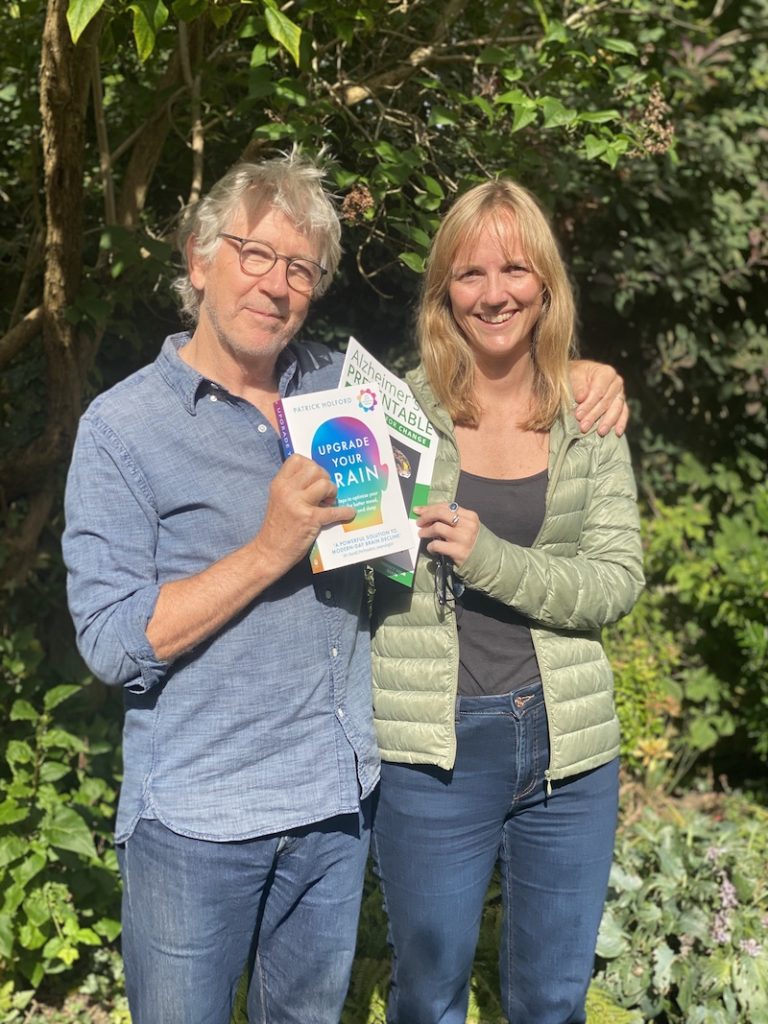
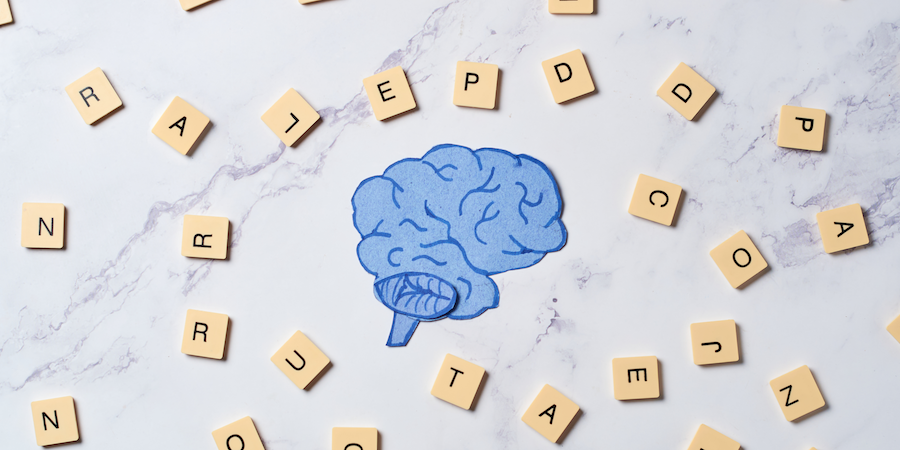
Depression, now the leading cause of disability globally, affects millions. According to the World Health Organization, it represents a significant disease burden, particularly in high-income countries (1). With a staggering 100 million antidepressant prescriptions issued annually—a 70% increase in five years—it’s clear that something is going wrong in our modern western world (1).
Thankfully, nutrition and lifestyle changes provide science-backed ways to boost our mood naturally.
—
Understanding Depression
Depression manifests through persistent feelings of hopelessness, low energy, disrupted sleep, and even physical changes such as weight loss or gain (2). The root causes can be multifactorial—psychological stress, biochemical imbalances, or nutritional deficiencies.
But here’s the good news: you can take simple, practical steps to nourish your brain, boost serotonin, and improve your mood naturally.
—
7 Ways to Boost Mood and Brain Function
—
1. Increase Your Omega-3 Fats
Your brain is 60% fat, and omega-3 DHA and EPA are critical for its structure and function. Countries with high fish consumption have lower depression rates. A study from Harvard Medical School found that EPA, specifically, has potent antidepressant effects.
A meta-analysis published in Psychopharmacology Bulletin found that higher omega-3 intake reduces depressive symptoms by 53%. Omega-3 helps build brain cell membranes and boosts serotonin receptor function, which improves mood and cognition.
What to do: Eat oily fish like salmon, sardines, and mackerel at least twice a week or supplement with high-dose omega-3 fish oil. Aim for 1,000–2,000 mg of EPA and DHA combined daily (4, 5, 6).
—
2. Optimise Your B Vitamins and Lower Homocysteine
The little-known amino acid, homocysteine, may double your risk for depression if levels are elevated. This toxic by-product accumulates when you’re deficient in B6, B12, and folic acid, impairing brain chemistry.
Studies by Professor David Smith from Oxford show that lowering homocysteine can dramatically slow brain shrinkage and improve mood. Which is why we now offer at home homocysteine test kits so you can monitor your own level and prevent disease (7,8,9).
What to do: Eat leafy greens, whole grains, and fortified foods. Test your homocysteine and aim for levels below 7 μmol/L. Supplement with a methylated B complex (20 mg B6, 500 μg B12, and 400 μg methylfolate).
—
“B vitamins are brain-makers; without them, key neurotransmitters like serotonin can’t be synthesised” – Patrick Holford, Upgrade Your Brain.
—
3. Fuel Your Brain with Serotonin Precursors
Serotonin, your “happy hormone”, is made from tryptophan, an amino acid found in protein-rich foods like fish, poultry, beans, and eggs. For some, tryptophan conversion to serotonin is impaired due to poor digestion or low stomach acid, common with age and stress.
Supplementing with 5-HTP can bypass these barriers. Clinical studies show 5-HTP compares favourably with SSRIs in treating depression (10, 11, 12, 13).
What to do: Include tryptophan-rich foods daily and consider a 5-HTP supplement (100–200 mg twice daily). Always consult your doctor if combining with antidepressants.
Maintaining stable blood sugar levels is essential for mood regulation, as uneven glucose supply to the brain can lead to irritability, fatigue, and depressive symptoms. Diets high in refined carbohydrates and sugar contribute to these fluctuations and are linked to poor mood and an increased risk of depression. A study of 3,456 adults found that individuals consuming diets rich in processed foods had a 58% greater risk of depression, whereas those eating whole foods experienced a 26% reduced risk (14, 14, 16).
Refined sugars also deplete mood-enhancing nutrients like B vitamins, essential for energy production, and divert chromium, which is vital for glucose regulation. Adopting a low glycaemic load (GL) diet, avoiding caffeine and alcohol, and focusing on whole foods, fruits, and vegetables can help stabilise blood sugar levels and improve mood.
What to do: Follow a Low-GL diet with whole foods, low-GL carbs, and protein at every meal. Avoid sugar, caffeine, and alcohol .
5. Boost Your Vitamin D Levels
The “sunshine vitamin,” vitamin D, is essential for mood regulation. Research shows a 40% lower incidence of depression in those with adequate vitamin D. Alarmingly, over 60% of the UK population is deficient during winter (17, 18, 19, 20).
What to do: Get tested and aim for levels above 75 nmol/L. Supplement with 2,000–3,000 IU daily in winter months.
—
6. Include Chromium to Combat Atypical Depression
If you suffer from atypical depression—characterised by weight gain, fatigue, and carbohydrate cravings—you might benefit from chromium. Studies show chromium supplementation can improve mood scores by up to 83% (21, 22, 23).
What to do: Include whole grains and vegetables or supplement with 600 mcg of chromium picolinate daily.
—
7. Bring on the Sunshine and Movement
Exercise and sunlight have a direct effect on serotonin levels and mood. Regular exercise boosts brain-derived neurotrophic factor (BDNF), which helps build new brain cells and connections】.
What to do: Aim for 30 minutes of exercise daily and sun exposure for 15 minutes, when safe.
—
Key Action Plan
Eat oily fish twice weekly or supplement omega-3s with at least 1,000 mg EPA and DHA.
Test and lower homocysteine with B6, B12, and folic acid supplements.
Try 5-HTP to boost serotonin naturally.
Follow a Low-GL diet to stabilise blood sugar.
Supplement vitamin D during winter. Find out more about dose here.
Add chromium for atypical depression.
Exercise regularly and get sensible sun exposure.
—
—
Food for the Brain is a not-for-profit educational and research charity that offers a free Cognitive Function Test and assesses your Dementia Risk Index to be able to advise you on how to dementia-proof your diet and lifestyle.
By completing the Cognitive Function Test you are joining our grassroots research initiative to find out what really works for preventing cognitive decline. We share our ongoing research results with you to help you make brain-friendly choices. Please support our research by becoming a Friend of Food for the Brain.
References
World Health Organization. Depression and Other Common Mental Disorders: Global Health Estimates. WHO; 2017.
Brown G, et al. Social support, self-esteem and depression. Psychol Med. 1986;16(4):813-31.
Hibbeln JR. ‘Fish consumption and major depression’. Lancet, vol 351(9110), pp. 1213 (1998)
M. Peet and R, Stokes, Omega 3 Fatty Acids in the Treatment of Psychiatric Disorders Drugs, vol 65(8), pp. 1051-9 (2005)
S Kraguljac NV, Montori VM, Pavuluri M, Chai HS, Wilson BS, Unal SS (2009) Efficacy of omega-3 Fatty acids in mood disorders – a systematic review and metaanalysis. Psychopharmacology Bulletin 42(3):39-54
Hibbeln JR. Fish consumption and major depression. Lancet. 1998;351(9110):1213.
Coppen A, Bailey J. Folic acid and affective disorders. J Affect Disord. 2000;60(2):121-30.
Taylor MJ, Carney SM, Goodwin GM, Geddes JR. Folate for depressive disorders. Cochrane Database Syst Rev. 2003;(2):CD003390.
Smith AD, Refsum H. Homocysteine, B vitamins, and cognitive impairment. Annu Rev Nutr. 2016;36:211-39.
Poldinger W et al. A comparison of 5-hydroxytryptophan and fluvoxamine. Psychopathology. 1991;24(2):53-81.
E. Turner, Serotoninalacarte: Supplementation with the serotonin precursor 5-hydroxytryptophan.’ Pharmacology&Therapeutics (2005) [article in press].
W. Poldinger et al. A functional-dimensional approach to depression: serotonin deficiency and target syndrome in a comparison of 5-hydroxytryptophan and fluvoxamine, Psychopathology vol 24(2), pp. 53-81 (1991)
Associate editor: K.A. Neve ‘Serotonin a la carte: Supplementation with the serotonin precursor 5-hydroxytryptophan’ ErickH. Turner a,c,d,*, Jennifer M. Loftis a,b,c, AaronD. Blackwell a,b,e Pharmacology & Therapeutics(2005) www.elsevier.com/locate/pharmthera
Akbaraly TN, Brunner EJ, Ferrie JE, et al. Dietary pattern and depressive symptoms in middle age. Br J Psychiatry. 2009;195:408–13.
Benton D, Owens DS, Parker PY. Blood glucose influences memory and mood in an everyday setting. Biol Psychol. 1982;14(1-2):129–35.
Christensen L. Psychological distress and diet – effects of sucrose and caffeine. J Appl Nutr. 1988;40(1):44–50.
Lansdowne AT, Provost SC (1998): Demonstrates that vitamin D3 supplementation enhances mood in healthy subjects during winter.
C. Wilkins et al. (2006): Links vitamin D deficiency to low mood and poorer cognitive performance in older adults.
A. Nanri et al. (2009): Discusses the association between vitamin D levels and depressive symptoms across seasonal changes.
R. Jorde et al. (2008): Shows that vitamin D supplementation alleviates depressive symptoms in overweight and obese individuals
Lifting Depression – The Chromium Connection by Dr Malcolm McLeod (Basic Health Publications):
J. R. Davidson et al, Effectiveness of chromium in atypical depression: a placebo-controlled trial, Biol Psychiatry, vol 53(3), pp. 261-4 (2003)
Docherty, J et al, ‘A Double-Blind, Placebo-Controlled, Exploratory Trial of Chromium Picolinate in Atypical Depression’. Journal of Psychiatric Practice. Vol 11(5), pp. 302-314, (2005)
Holford P. Upgrade Your Brain. HarperCollins; 2024.
After a lifetime dedicated to pioneering nutrition and mental health, Patrick Holford—founder of the Institute for Optimum Nutrition (ION) and the visionary behind Food for the Brain—will be stepping down as CEO in 2025 (but will remain very much involved). Over the past 40 years, Patrick’s radical and impactful work has included establishing ION, writing 47 books translated into 30 languages, and building Food for the Brain into a global force for mental health support and prevention.
To mark this milestone, we’re delighted to share this exclusive interview with Patrick Holford by Simon Martin Editor of IHCAN magazine. From humble beginnings—selling self-published books from the back of a battered Skoda—Patrick’s mission has transformed into a fast growing, global research and education charity, changing lives by promoting prevention and optimal nutrition to address the increasing prevalence of mental health challenges.
Discover Patrick’s journey, his insights, and what’s next for his enduring legacy.
—
SIMON MARTIN: Let’s start at the end, with your latest project – preventing Alzheimer’s. Did you get interested in Alzheimer’s because you’re worried about it yourself, or because you saw where things were going?
PATRICK HOLFORD: Some years ago, I realised we knew what to do to prevent all these chronic diseases, and it HAS to be prevention. And as much as I love the whole mission where I started from, creating the profession that could then theoretically work with doctors and lots of people, the issue is, “How do you do prevention on a big scale?”
I’ve pondered that for many years. And then I thought Alzheimer’s might be a very good place to start, although ten years ago, “Alzheimer’s is preventable” was a radical statement. But I figured it would become the number one fear and the number one killer and the number one health cost. Since it is, in essence, irreversible – once you’ve got holes in your brain – you’ve got to think about prevention.
I also rather loved the homocysteine research, which was pure functional medicine or optimum nutrition. In other words, we’re not all the same, sometimes you have to test. The use of nutrients to reverse a process is very clear in the world of homocysteine, and in fact arguing that case, which is also the case for B12, opens up the door for supplements, which, of course, is a bête noir for the medical establishment. They’re very happy to talk about a bit of diet and exercise, but the concept that one might actually have to take a supplement, and that it might in fact even work better than a drug, is a big paradigm shift. So I decided to focus on Alzheimer’s prevention. In truth, when you look at it, the eight drivers, as we organise the data, are just as applicable to diabetes or heart disease or anything else.
SM: I was reading the news this morning and the Daily Mail had two “health” stories. One was a “Probiotics will kill you” type headline on a complete mess of a case report where doctors had given a bacterial pill to someone who was seriously ill with a number of overlapping diagnostic labels, and he died. Then they decided to feature a new study that claims that everything from turmeric to ashwagandha can give you liver disease. I mean – it’s 2024, and they’re still at it.
So as we celebrate ION’s 40th, part of the history we should look at is how often we’ve been first with stuff, from supplements, to probiotics to junk food – or ultra-processed foods as they call them now – and orthodox medicine is still catching up. With Alzheimer’s, of course, we’re ahead again.
But let’s rewind to the start. I was upset to realise that I don’t have a picture of our first meeting, which was when I was editor of Here’s Health, so must have been around 1980. I think you were working for Green Farm at the time.
PH: My first awakening really was at Green Farm through Brian and Celia Wright, who had some very interesting ideas about nutrition.
I was studying psychology at York university, and even then I was very interested in consciousness and mental health. I didn’t really have nutrition on the map, and so I was really learning from them. When I left university, two things happened. One was I was introduced to the book by Dr Carl Pfeiffer called Mental and Elemental Nutrients…
SM: I still have a copy on my shelf. PH:…which is really brilliant. And then I was introduced to the research of Dr Abram Hoffer. I didn’t realise at the time, but his double-blind trials on high-dose niacin in the ‘50s were the first ever on a nutrient in the history of psychiatry. I’d already dabbled in various forms of psychotherapy and I was thinking of going in that direction and by whatever quirk of fate, York university was doing quite a lot of research into schizophrenia. I remember at the time saying, “Could we meet one please?” But that didn’t seem to be on the agenda.
—
Where the interest in mental health began…
SM: What do you mean – “meet one”?
PH: Could we meet someone suffering from schizophrenia. Because I had got into construct theory, which is to do with the fact that when we talk about depression, for example, what you mean by depression and what I mean are very different things. They’re constructs. So in my holidays, I was volunteering in alcohol addiction centres. I joined a group for heroin addicts who had a choice of going to prison or going into this sort of reform school. So I went to work there, and I met schizophrenics; I just wanted to know the nature of the beast, so to speak. And around that time, I bumped into Brian and Celia, who I invited to give a talk for us. We were very into neurochemistry at York. I wasn’t so interested, but it gave me a good background in neurotransmitters and all that sort of thing. So it was that perfect storm of Carl Pfeiffer, Abram Hoffer, studying schizophrenia, learning neurochemistry, that got me excited.
Somewhere around about 1980 or so, I’d set up a health food shop in High Wycombe called the Better Health Shop, and a little room in the back called the Better Health Clinic. I called myself a nutrition consultant and I had a three-month waiting list. I developed a questionnaire, which was sort of the beginning of the questionnaire that nutritionists or nutritional therapists use today. Then I had a few people approach me saying they’d like to study to do what I was doing.
Also around that time, I remember suddenly having this realisation – perhaps all these diseases, like diabetes and heart disease, mental illness and so on, maybe they’re all a function of sub- optimum nutrition!
Right then I decided to set up an institute, or a college or whatever.
—
It started with orthomolecular medicine…
SM: Where were you getting your inspiration from at that point?
PH: I was well into the whole concept of orthomolecular medicine – the right molecules – which was really the creation of Prof Linus Pauling and Abraham Hoffer. Pauling had published the seminal paper in 1968, originally on orthomolecular psychiatry.
SM: The paper that starts: “The functioning of the brain is affected by the molecular concentrations of many substances that are normally present in the brain. The optimum concentrations of these substances for a person may differ greatly from the concentrations provided by his normal diet and genetic machinery”.
PH: I didn’t really realise it at the time, but this concept is totally in parallel with Darwin. In every edition of The Origin of Species he said that there were two driving forces for evolution: one was “conditions of existence”, and the other was natural selection. Of the two, he said, conditions of existence is the more important. If you think about it logically, natural selection doesn’t kick in until the conditions of existence change.
Prof Michael Crawford made me aware of that, with the simple question of how did we become human? Given that our genome is only 1.4% different from a chimp and that brain size in chimps and gorillas hasn’t changed at all, and ours did… the logic is it had to be a change in the conditions of existence.
He pointed out that in 1900 to get into the Army you only needed to be five foot tall. The Industrial Age diet with its refined flour and sugar and all the rest of it happened to ignore protein as we moved away from “standard” eating to man-made eating. But with the discovery of the importance of protein and going to work on a good British breakfast etc, effectively we go from five foot to six foot in a matter of 50 years.
The point that he was making is that conditions of existence, when they change – epigenetics, in effect – this works very, very fast.
The power of changing the conditions of existence is extraordinary. So whether you call it orthomolecular, or optimum nutrition or functional medicine – Jeff Bland also was a student of Linus Pauling – we’re talking the same language, and what we’ve learned is that when you create that perfect “conditions of existence” – environment – and nutrition is a big part of that, it works fast, and you can see extraordinary recovery from disease processes.
In the early days, there I was with this questionnaire and I’m a Nutrition Consultant. I’ve trained in quite a few other things as well – massage, reflexology, Bach flower remedies, kinesiology and this and that, but I found the nutrition was really working, so I cut my hair, and I got a suit and a room somewhere off Harley Street.
This is pre-ION, about 1981, and I remember a woman coming in saying, “I have systemic lupus erythematosus and Sjögren disease”. I said, “How do you spell it? What is it?” I told her, “I don’t really know about your condition, but I know about optimum nutrition”. And she got better.
And then on the same day, somebody came in with post-epidemic myalgic encephalomyelitis. I said to myself, “You think you’ve got a problem? The last one had SLE and Sjögren’s!” And he got better as well! So I grew the confidence that if you create that, “conditions of existence”, things can get better.
SM: There’s a pattern here that I’ll explore later to do with both logical thinking and your ability to tap into expert advice that I think explains a lot of your success – and the success of ION.
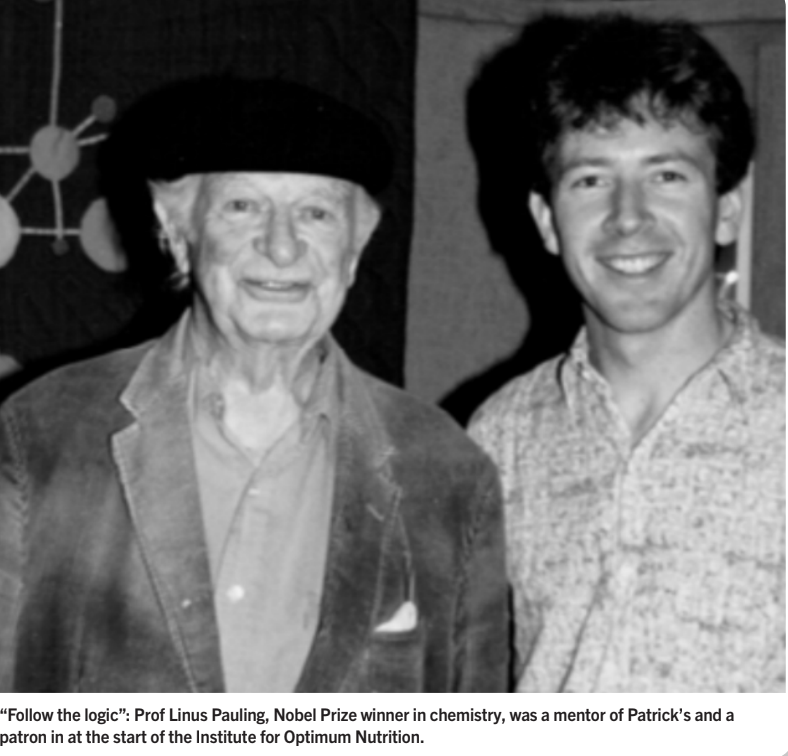
But as an example, you had double Nobel Prize winner Prof Linus Pauling on board early on?
Patrick launching COGNITION in China
—
Back in the 80’s when nutritional therapy didn’t exist…
PH: Yes, and another influential person around that time was Prof Derek Bryce-Smith at the University of Reading. He was a genius organic chemist, who effectively got lead out of petrol. I worked with him on his campaign, and he had also got into trace elements, zinc, selenium, manganese and so on, in the context of women who were having miscarriages and deformed babies and so on.
At the time, you had to go through a formal process to be able to register an institute, and Derek Bryce-Smith was one of the key signatories for that and was the first patron of the Institute for Optimum Nutrition. Prof Pauling was the second.
SM: Staying with the “origin story” for now…I well remember the 1980s, because obviously nutritional therapy as a profession didn’t exist. In the Here’s Health office we were regularly visited by Pearl Coleman, who lived nearby and was pushing us all to learn about the new field of allergy. At that time, there wasn’t a single specialist clinic in the NHS for allergy. Pearl championed Dr Richard Mackarness, who was single-handedly pioneering “clinical ecology” at Basingstoke Hospital until he was closed down.
[Mackarness, it’s worth saying, wrote Eat Fat and Grow Slim – a low-carb, keto, “Stone Age” program in, wait for it, 1958!]
The late great Leon Chaitow had just started writing for Here’s Health and was trying to introduce his naturopath-osteopath colleagues to supplements. In the magazine we railed against junk foods, promoted a wholefood diet and campaigned for organic gardening and farming. Our classified ads were the main source for people looking for a nutritional practitioner – and we vetted their qualifications. And that was the extent of what was going on with what we would now call nutritional therapy. There were just these oddball characters, with all due respect to Pearl, who were fanatical about this nutrition thing. It was very much a specialist, minority interest. So along you come and start an institute. Did you have from the start a big vision for what this would become?
PH: There was a big vision. And we had 73 students sign up for the Nutrition Consultants Diploma Course in the first year, so it didn’t start small!
Around then I had a very important meeting with Dr Stephen Davies and the journalist Geoffrey Cannon.
SM: Stephen Davies was amazing. He had a photographic memory and as a result his presentations on nutrition were mind-blowing. We did feature him and his colleague Dr Alan Stewart. They were “conventional” medics who had woken up! They came out with their book Nutritional Medicine in 1987.
PH: The essence of the conversation was, how do we make change happen? How do we bring this nutrition into existence in a significant way?
Geoffrey’s view was that nothing would change until you change the establishment, the major organisations. Stephen Davies said, “This is evidence-based medicine, and therefore it should be done by doctors”.
My view was it wasn’t going to happen like that. I thought that if we could create a profession of nutrition consultants who could work with doctors, doctors could refer to them, and then we might have a chance. So that was the function of the new profession, and I am so delighted that it’s taken off!
SM: I don’t remember you doing much marketing, but the thing just grew and grew.
PH: One thing that was important with the Institute is that rather than me teaching everything, I decided to get the best people I knew on each topic. Within a couple of years we would have, on average, five or six professors lecturing in a year. Prof Crawford came, and Dr Neil Ward, professor of analytical chemistry at the University of Surrey. The students rated every lecturer on content and delivery, and that was the basis of improving the education.
SM: And then you started writing…
—
Selling books from the back of a Skoda.
PH: Before I started ION I’d been selling supplements. I bought myself a cheap Skoda and whizzed around the land and sold Brian and Celia’s herbal and nutritional products. But when I asked if I could either buy in some shares or have a pay rise, they fired me.
I lived in a cottage in Burwash that I rented, and I didn’t have a phone, but there was a phone box. And I didn’t have a typewriter, but the neighbour had one. And the owner of the farmhouse wouldn’t let me use the address for a business, but the village greengrocer would.
Even though I’d been fired from Green Farm, they gave me a good wholesale distributor rate. So I wrote an advert ,which was incredibly successful, with the headline: “Don’t waste your money on vitamins”. And there were three action points: 1, “Read this book” – which didn’t exist; 2, “Ring the nutrition telephone service; and 3, “Buy these products”. So I thought I’d better write a book!
A friend did a drawing, and I went to a printer and said, “I’ve got £1,000. How much would it cost to print 10,000?” And he said, £3,000. And I said, “Well, if I give you £1,000 in 30 days and £1,000 in 60 days, 90 days, do we have a deal?” He said yes, so I had 10,000 books printed, jumped in my Skoda, and just drove around the UK. I’d knock on radio shows, and sometimes I’d give a talk – to six people, or maybe even 20 or 30 if I was lucky – and sold 8,000 copies. And then Thorson’s turned up and said they’d like to publish my Whole Health Manual, and they went on to sell a quarter of a million. So that provoked a lot of interest about the training, as well.
SM: Did you rename it as The Optimum Nutrition Bible, because that title gets mentioned most often in our In Practice section when we ask what book first inspired practitioners?
PH: The first one came out in 1981 and when Thorson’s republished it in ‘82 or ‘83 it did catalyse a bit of a revolution. And then in ‘85 or so I published Optimum Nutrition, and a few other books – The Fat Burner Diet was one of the early ones, one of the first on a low GI diet, and then The Optimum Nutrition Bible – which everyone remembers the most – in 1997. I wrote that when I left ION, which is when I went into a mad writing frenzy when I was released from running the Institute.
SM: So the growth of ION was really fuelled by you and your Skoda and selling books. People read the book and decided they wanted to know more.
PH: Yes, I remember getting an article in Cosmopolitan or an article here and there, and gradually the whole thing evolved – not without you know, “troubles”. There were troubles along the way. I’m sure we remember a few of them…
SM: And here we are with “the” book just translated into Chinese and about to hit a market of umpteen millions…but what’s your current book count?
PH: It’s 48 books in more than 30 languages.
SM: You always amaze me that you not only have great ideas, whether it’s ION, Food for the Brain or the Alzheimer’s campaign, but you’re incredibly productive. What’s the secret?
PH: I think it’s because I see where things are going. I’m not really a good manager, and I get bored quite easily. But when I have a strong sense of where something is going, I get focused on that. I’m very bad at the past. I got 8% in my history exam, but I did well in maths and economics.
So yes, there’s a sort of perseverance. When an idea forms in my mind that I think has got arms and legs, I just keep going. What I’ve certainly learned in relation to books, and also in life, is to totally absorb myself in a subject. And work hard. So when I’m writing a book, I’m up at 5am and I’ll always do three hours before the day begins.
I wrote The Optimum Nutrition Bible in six weeks. Not many of my books have taken more than two months. The essence is – and we saw this recently with my latest book, Upgrade Your Brain,- also the campaign – it was a purposeful, two-month campaign, just do everything – conferences, lectures, interviews, just make as much noise as you possibly can in a very short period of time to get a quantum leap. You cannot get a shift in an organisation or in a concept just by working nine to five, hoping it will steadily change. There needs to be some sort of burst.
I remember the concept of “natural highs”: I was giving a lecture at a conference in LA and met Dr Hyla Cass, associate professor of psychiatry at UCLA. I was a bit bored, and so was she. And those words dropped out of the sky. I mean literally. What? Why do we humans like to be, sometimes stimulated, sometimes chilled, sometimes concentrating, sometimes connected?
What’s the nature of those different states and how do they relate to chemistry?
We worked on that book, and out of that came supplements – Brain Food, Chill Food, Mood Food, and so on. Conceptually this was very early on and a bit radical for the health food industry. No one wanted to run with it, so I did it myself and then later they caught on. And it just amazed me that we had to wait more than a decade until the idea that you could have supplements, nutrients, and actually support your brain function, caught on.
So yes, it’s having an idea that I think has merit, and doing it and sticking with it until eventually it starts to get traction.
SM: That sounds fine, and I can understand that for the odd book and the odd project: you get an idea, you intuit that something’s going to happen with it, and you devote this burst of time to it, and just keep repeating that. But ION, 48 books and who knows how many other projects later and you’re still applying that same model. So why aren’t you a shrivelled husk of a human being by now?
PH: Well I am a bit more shrivelled! But I also I love that – and this has been so true with Food for the Brain and the charity – it’s the people that have come forward to get involved…
SM: So you get help?
PH: No question. If an idea is good.
In a sense, it’s all about raising consciousness. I should say that what’s always floated my boat is expanding my awareness, my consciousness of something. The effect of my lectures – and I think this is also true with most of the books – it’s not about the content, it’s about somehow inducing a big “Aha!” in someone that wakes them up to the idea that they are definitely the architects of their own brain’s destiny.
We’ve seen that so often in nutrition. For example, once somebody gets a cold or flu and takes a gram an hour of vitamin C, and experiences a different flight path, they never look back.
The other point in answer to that question is that I met Linus Pauling a couple of times in
the US, and had lots of interactions with him before he died. And it was a very seminal moment when he said, “Patrick, follow the logic; it’s the logic that counts”. He said to not worry about the randomised control trials – they come later. That was really important. So I trusted the logic of things, and I trusted conditions of existence, and I trusted the power of nutrients.
—
Mentored by double Nobel Prize winner & involving the great minds of our time
SM: So people are attracted to what you’re doing and they step in. But explain this. you’ve got your psychology degree and you’ve invented yourself as a nutrition consultant, and then you decide to go and connect with a double Nobel Prize winner. How do you do that? Because you seem to have a capacity to not only reach out to people, but to get them interested in what you’re doing.
PH: Well we didn’t have emails, we had to write letters. I wrote to Linus Pauling, I wrote to Abram Hoffer. I said I’d like to visit, and I jumped on a plane, I went there, and we connected. That’s how I learned. I found someone whose ideas were excellent, like Prof Michael Crawford, for example, and I wrote to them, went to meet them, and so on. So many of these scientists are humanitarians – they want their work to be shared. And so many have been phenomenally patient with me, directing my ability to accurately turn their science into something that the public can understand.
But I think they often really enjoy the questions. And they’ve enjoyed the desire to put it in the public domain, because quite a few are not that good in the public domain, but they know it’s important. So it’s not a title that exists, but it’s a communicator role. You’re also very much there. And it’s perhaps easier to put the hat on you and say “journalist”, but it amazes me how these people, these scientists, spend decades of their life in minute details, struggling to get grants, often extremely badly paid, and hoping that it will make a difference. And the old belief was, if it’s published in a journal, it will make a difference, but we now know that that is not true. So yes, it’s not difficult to reach these people, if you’re on the same track and you ask decent questions.
SM: And you get them involved, how?
PH: Well now we have emails and it’s easier.
I just read a beautiful paper from a lovely professor at the University of Maryland on two cases of severe autism, reversed – loved your report in IHCAN on that. So I dropped him an email, and I explained the concept of everything we’re doing and said, “I’d love to talk”. He got back to me and said,“I adore what you’re doing. I’ve checked it out. It’s totally in alignment, let’s talk”. So he’s on board because we’re launching COGNITION for smart kids and teens next year.
SM: It’s telling that they don’t dismiss you because you’re some kind of popular nutrition guru – they take you seriously. Would you say that’s again down to the quality of the questions you ask? I’m plugging away at this because, as you mentioned, your career has not been without some pushback, to put it mildly, and this seems to indicate a new appreciation, not necessarily for you personally, but for nutritional therapy as a serious endeavour in general.
Experts in the Alzhiemers Prevention Group
PH: Well it’s just bringing people together – they tolerate me! I do ask interesting questions sometimes, but we have these Zoom meetings, and people love them – and they disagree with each other. Recently I did a brain fat think tank and then an anti-antioxidant, anti-ageing brain think tank, and I get three scientists together, and I pose questions, and the best ones are quite “Vulcan”; they’re happy to say “I don’t know of any evidence for that” – unlike GPs, who seem to be trained to never say “I don’t know” – and they love the exchange.
It’s just about the science. It’s about the logic. It’s the old Linus Pauling line of “follow the logic”. It doesn’t really seem to be so relevant what my qualifications are as such. And you know, I’m not writing a letter to the Lancet.
I always thought professors talk to professors more, and doctors talk to doctors more, and so on. But no, it’s very rare that somebody doesn’t respond. And that’s what I also thought was so lovely about optimum nutrition, is that it isn’t a fixed thing. It can mutate, it can change as we learn more. It doesn’t have to be quite so static.
Sometimes supplements are my focus, but I think the important point is what Pauling and Hoffer did, to suggest the use of nutrients at amounts bigger than you can eat in order to reverse a disease process – that was a paradigm shift. And that’s why I can agree with many people who are big into diet and sugar and organic and this, that and the other, but it’s amazing how often people just shut down on the concept that a nutrient might be necessary to supplement.
The wonderful thing with Alzheimer’s and homocysteine and so on is, if your homocysteine is raised, you need 500mcg of B12 and it will come down. Well, you won’t do that with 10mcg. David Smith wrote a beautiful thing, which is the charity’s statement on supplements, that basically says the requirement is whatever corrects the disease.
—
Genetics is like a weak light.
SM: With nutrigenomics and DNA tests and all the rest of it, we can now individualise our own diet and supplement regime. Or do you not buy into that?
PH: I’m not dismissing it, but polymorphism is like a weak light, which in the darkness of changing nothing, you can see as increased risk.
People are scared about ApoE4. The other obvious one is MTHFR C677T, so I thought I would just look at the big papers on changing diet, supplements, omegas or B vitamins, and of course they’ve all measured whether there was ApoE4, or not, and MTHFR or not, and then I looked up the results – and the results of the interventions were no different. I only found one study where the “positive” gene test was associated with a difference. We’re not denying that MTHFR C677T, if you have it, increases your risk of dementia, schizophrenia, depression. It increases your risk, but not that much. It’s 4-6%. Everyone gets a bit messed up with absolute and relative risk, and suddenly the headline says more like 30%.
So yes, knowing the genetics is useful. But don’t get too hung up on it. Change your diet, take some supplements etc – the significance fades away.
More interesting are situations like the DHFR polymorphism, which means you really can’t use folic acid. It doesn’t work. I’m only just learning that it’s very prevalent in Southeast Asians, but not prevalent in Europeans. And some of the folic acid studies have done better in Europeans and worse in Southeast Asians.
So I think there are, you know, there are some real merits, but I still think “conditions of existence”.
—
Patrick’s own ‘conditions of existence’
SM: What about your own conditions of existence? What’s your own diet and supplement regime if you have one? Mine varies all the time…
PH: Sometimes I call myself a “pegan”, which is a pescatarian pagan vegan! I’m dairy allergic. I think a lot of people coming into nutrition will have had a health problem, and mine was terrible sinus trouble and ear trouble – embarrassing. So I learned that dairy didn’t work for me. I don’t really react to gluten. I don’t have much, but I don’t totally avoid it. And I was fascinated by the work on Kamut Korasan, with every study showing a massive reduction in inflammatory markers. Now that is highly glutinous wheat, right? So it’s not just gluten.
I didn’t eat any meat for 45 years, and now I’m not averse to some, but if I never ate meat, it wouldn’t bother me. I don’t salivate when I see a steak. But I worked out a long time ago, when I was exploring macrobiotics and then vegan, the evidence on omegas was so compelling that I did eat fish.
So I do make a conscious effort in that direction, whether it’s mackerel, or taramasalata, or salmon, but I’m quite fussy about where it comes from. I drink very little alcohol and I never had coffee until I met my lovely wife and she got me “addicted”. We grow our own vegetables and yes they’re organic, biodynamic, zero dig or whatever, but we’re working with a guy called Dan Kittredge of the Bio-Nutrient Research Institute, who has analysed thousands and thousands of plants, and the nutrient variation, for example, antioxidants in carrots, is 40-fold, and you can’t predict the antioxidant level from organic or biodynamic or zero dig.
SM: What about your supplement regime? Does that change?
PH: I always take a high-strength multi-vitamin, I always take extra vitamin C. I have these strips, because life’s too short to be rattling loads of boxes. Fortunately, the guys that make these make my 100% Health Pack. So I’ve got a high-strength multi, a gram of vitamin C, plus zinc, omegas…and those three I take twice a day, every day, getting that better utilisation over six hours. And in that pack is something called Brain Food, which is phospholipids and a few extra B vitamins. And then I take an AGE Antioxidant, which is alpha-lipoic acid and resveratrol and CoQ10 and all that good stuff.
But where it gets interesting is, we’ve now learned that the amount of vitamin D that’s optimal is whatever gets you at least above 75 nanomoles per litre, or probably 100; and now we learn very clearly that you’ve got to be about 8% on your omega-3 index…so if you’ve got the time and the money, you can check in and see what’s actually working on your body. And then when you start to look at the evidence for DHA, it’s at least 500mg per day, possibly 1000mg milligrams a day.
The other aspect of this optimisation thing – and it comes out of some of those very early concepts of genes interacting with environment – is looking at evolutionary models, such as humans not making vitamin C and so on.
They found this 40,000-year-old complete Homo sapiens remains in the Gower and worked out that at least 20% of his diet was seafood. It’s fair to assume that they were expending two or three times the calories that we do – no Ocado, no home delivery, no cars. Everything was walking, foraging, maybe hunting, collecting wood…and there’s nothing flat in Wales. So if 20% of their diet was marine food, and we imagine that we were coastal, living in estuaries, migrated out of Africa. So let’s assume that was normal, and that’s how our brains grow. We’re expending half of the calories that they were on, then 40% of my diet would have to be marine food to get what they were getting. When you work out how much phospholipids you would be getting, how much choline, how many omegas, how much B12, iodine, selenium…you’re getting to what the nutrient researchers show. So you can approach the question of optimum nutrition from a number of different directions – biochemistry and logic, evolution studies and so on.
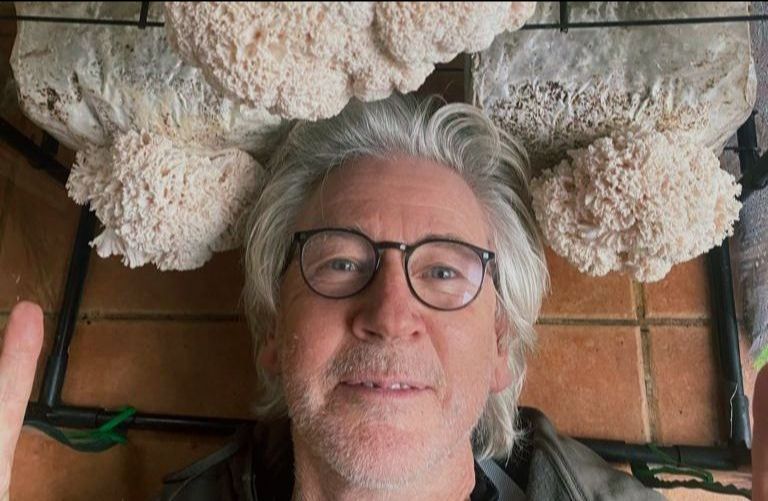
Patrick growing Lions Mane Mushroom.
SM: That is a great connection to make.
PH: I think that I’m just lucky, because I’m 66 and I’ve been studying since I was 18 or so, and a bit like you, there’s barely a day when you’re not reading some paper somewhere or learning something new. And also, because I’ve got my scientists on a network, they send me stuff.
Now you could have a 25-year-old, super bright, straight As and everything, and they have just not had the time to have absorbed all this material. That’s why I say I’m lucky. I’ve got “sensors” that ask “Does that really fit an evolutionary model? And this finding doesn’t really fit with this…”so when everything comes together, you feel very confident about it.
SM: One of the things that stops me writing more books is that I’m aware that as soon as I’ve written one, it’s out of date. You don’t seem to be bothered by that. You just do another book, I guess. Is that how you operate?
PH: The thought of going back and updating my books is a nightmare. Yes, I do it when I’m really embarrassed! I did it with my book on arthritis, and I did it with Improve your Digestion, but there’s not a lot that is “wrong”, it’s just that we discover new things. I’m looking at my book Say No to Cancer. Now, there are some seriously good books out there on cancer, but if someone’s been diagnosed with cancer, they’re in a state of fear and disempowerment. That book is actually empowering. Later on they can get into ketones and whatever, but some of the brilliant, detailed books – if you’ve got hold of that in your first two months of cancer, unless you happen to be that sort of person, you’d just be completely overwhelmed.
I guess if you’re writing books as encyclopaedias, it’s a problem, or is it something that opens up an area? So I’m not so worried about it, but you’re right. I mean, there’s so much stuff coming through, and you must feel quite overwhelmed at times. You do an incredible job making it accessible. I don’t know how you do it.
SM: Well thank you and back at you. As you know, you can be inundated with new material and some of it just “sticks” and you know it’s important and needs a follow-up. You can let the rest go. From your VERY aged perspective then, from the beginnings in the back room to ION and kick-starting a whole profession into existence, where do you think it’s going? What are we doing right? What are we doing wrong? Where would you steer us?
—
Not always the most popular opinions
PH: Funnily enough, in the time since I left ION, there are times when I’ve been flavour of the month, and times when I haven’t been…
SM: Well, that’s a very restrained frame for what the media and certain academics have put you through…
PH: I’ve taken the flack a few times, I think, for the profession. And at that time, most people flee, so you don’t generally get much support. So yes, there’s been a sort of nervousness around ION – for example, in relation to supplements, because of potential attacks or whatever. And I would just say to everyone to, as I do, always follow the logic, follow the science, and be bold and brave, because nutrition is always amazing. The power of nutrition is always amazing.
I love the way that ION has been run over the last several years. It’s really tough to run a charity, and it’s done very, very well.
My intention was simply that people would be really good at what they were doing, and if they were and got really good results, then they would get more clients. They would be successful. But there is still this disempowerment, where we look to the establishment. We want to be recognised by some authority, thus have our degree status or whatever. My personal view is that although that’s a very good thing, it’s secondary.
I believe ION was four times at the point of getting degree status without achieving it (it has now), usually because there are vested interests who do not want nutritional therapy to become mainstream. So there’s a debate as to what extent you change what you’re teaching and learning in order to get some accolade from the establishment, so to speak. And I would say, whatever happens we have to stick to our guns. We have to do what works. We have to do what the science shows. Be like those Vulcans: don’t be persuaded just by opinion.
—
Chromium, homocysteine and methylation
SM: Fads and fashions rather than fundamentals?
PH: I’ve been a little bit shocked, because I have interviewed various people qualified in nutrition for various jobs, and everyone has something to say about the microbiome right now. Yet it’s extraordinary how many know very little about homocysteine and methylation.
And then one of the questions I always ask when I’m interviewing various nutrition therapists in mental health is about the very good work on high-dose chromium being an effective antidepressant. That was shown by a brilliant psychoanalyst professor who had a patient who got better taking chromium, and not from psychoanalysis. So he set up a randomised, placebo-controlled trial. In other words, there are some learnings along the way and some things that have just been forgotten in nutritional therapy and functional medicine.
For example, you’ll find that the homocysteine-methylation thing is quite ignored in America, but not in Scandinavia, and it’s a bit more known in the UK. So you get these geographic differences. And things go into fashion, and then they go out of fashion.
An early influence: the ground-breaking book by Dr Carl Pfeiffer, famous for Pfeiffer’ Law: “For every drug that benefits a patient, there is a natural substance that can achieve the same effect”.
Founder of the Brain Bio Centre, he was one of the first physician-scientists to investigate the biochemical basis of mental disease.
“If there’s a drug that can alter the brain’s biochemistry, there’s usually a combination of nutrients that can achieve the same thing without side-effects”, he wrote.
So yes, I just say stick with the science. Stick with being highly confident in the effectiveness of optimum nutrition.
But then, I watch how it has evolved. It’s fantastic. I mean, it’s an established profession. I think BANT has done an incredible job.
You know, it’s a very active, vibrant and alive community. But one has to know that there are companies who make money because they have products, and they need new products, and they need new tests, and sometimes they have the money for the marketing and all the rest of it, which is fine, because it helps to support the whole industry in one way or another. But you must always have your BS detector turned fully on. Antennae on, not to just get sucked into the latest fad. For example, the blood sugar issue is vital, however you deal with it. The whole methylation-homocysteine thing is vital: I mean, David Smith’s paper showed homocysteine is a marker for more than 100 diseases.
SM: Yes, thanks to you we got that covered in IHCAN – it is a staggering piece of work.
PH: “It’s bigger than you think” sort of thing, right? And then fats are not just omega-3s. And vitamin D – which is a weird one, really, because we put it in the “fat-soluble vitamin” zone.
SM: Even although we should actually be treating it as a hormone…
PH: And even with vitamin D’s effect on COVID, we don’t really know why. It’s got so many potential genetic switches and all the rest of it. But no, I’ve tried to fit it in with the others. It doesn’t fit. And then there are the antioxidants and polyphenols – we finally got the glutathione index test up and running all over the place. That’s really a nice measure, because, you know, people like Dr Tom Levy say, it’s all about oxidation and antioxidants.
SM: So, back to fundamentals, and I know you see the future as “digital” – what does that mean for us?
PH: I worked out quite a few years ago that the only way to affect major change was that it had to be digital, it had to be international, and it had to change people’s behavior. It took a few years for others to buy into that, but then we did this crazy project with the cognitive function test. But almost every day we have 150 people take the test. We’re up to 450,000 people now. My goal is to have data on a million people, which makes us bigger than anything, bigger than UK Biobank, by the end of next year.
SM: So by “digital”, you mean you’ve got to use the internet, apps and tech, rather than flogging books from the back of your Skoda?
PH: Rather than just a book, yes. And I think, also, nutritional therapists have learned that only doing one-on-one consulting is not the way to go. The successful ones tend to have different routes to them – so coaching and sessions and a package that you buy into. And that comes from the whole concept of, how do I change a person’s behavior? If I see them once, and then a month later I see them again, and a month later I see them again – it’s very hard. So what’s the method that creates that behavioural shift?
For myself, I started doing three-day residential workshops called Total Health Transformation, where I saturated people completely in an environment where it wasn’t just nutrition, but if we learned something about food, we then cooked it together, and we’d eat it together.
So it’s how to wake someone up to actually do that. This is all part of ION, too, because it’s also when you realise that it’s not just what you know, but it’s knowing how you actually change behaviour.
So in the time when I was running it, we were learning a lot of psychological techniques, also marketing techniques, knowing that 80% of it was psychological and 20% was about the knowledge about nutrition.
The truth is that for 80% of people, it’s about some very simple things – the fundamentals that we mentioned: blood sugar, antioxidants, fats, methylation. Most problems can be solved with something that we could probably learn in a month or two, and it’s just those extra, difficult cases where you really have to go to a whole, other layer.
—
Future predictions
SM: You see things coming so what’s your prediction for the nutritional therapy profession? The NHS is permanently in crisis and yet many practitioners seem keen to get more involved with GPs and the whole system.
PH: My view is that the NHS-type, conventional medical system is beyond repair, and it will get worse and worse. It’s happening in every country. I also think that the pharmaceutical approach, although it still looks strong, is really, really weak. And we knew from ten years ago when Heather Stein of GSK said the only way they could sustain profits was not from blockbuster drugs, because they didn’t have any, but from vaccines.
Pharma holds up the whole broken system. And all our lovely doctors, like in the Public Health Collaboration, or all the fabulous GPs who are part of groups within the NHS trying to make change happen, say it’s like pulling teeth. It’s just so painful. So people are not getting better, so more and more people are going to look at “What’s my alternative?”, and our job is to provide that and make ourselves available in a way that is accessible, affordable and so on.
SM: What’s the best way to do that?
PH: The important thing is for us to be very good at what we’re doing. But again, I think practices need to go much more digital.
We are in a digital universe. 60% of access to everything is on a mobile device. And it’s no longer about what paper you read and what television program you watch. There’s much more influence these days through podcasts and YouTubes and social media. So it’s just simply understanding how to meet people’s needs – which they’re just not getting from their doctors.
Be available – whatever that means to you. With Zoom, for instance, we can reach people anywhere in the world, and with AI we can have instant translation, “speak” their language and understand them even if they don’t speak English.
We need to just stay on target: what is it we do that really works? What are people’s needs? How do we package what we are doing to be available to people? And people tell people.
The future is bright, because there’s no lack of supply of unhealthy people! It should be shrinking, but in most areas, it’s growing, and what treatment is available for them is less and less available. If we wind back 15 years, there were blockbuster drugs that were very sexy, and now there aren’t. So our area is getting very messy and no one wants to wait a month to see their GP and then get referred, and then have to wait again for something that’s probably not going to work anyway. Whatever they’re talking about doing with the NHS, it’s just so slow and it’s probably just not going to happen.
SM: So 1978, I’m at Here’s Health, you’re at Green Farm and what are we talking about? Get people to stop eating junk food. Fast forward 46 years and what’s the hot topic? Ultra-processed food. It’s bad for you, apparently. Who knew? It’s frustrating, isn’t it?
PH: I went to one of the Public Health Collaboration conferences, maybe three years ago, and they’d have patient cases up, and for everyone, the answer was a sort of low glycemic load and sort of keto diet. And that was the answer for everything they wanted. Very, very exciting. I was so glad to be hearing this, a bunch of fantastic doctors saying this. But the other side of this is that I was saying this in the 1980s.
SM: Exactly. And did you get credit for it? No.
PH: And the other thing is at this conference, there wasn’t a single mention of micronutrient supplements. Well, there was a talk about the need for “proper studies” where you get a drop in the HbA1C in randomised trials and meta- analyses. And I raised my hand and said, “You know, there have been 28 randomised control trials on chromium that have been meta-analysed, and lowered HbA1C by the amount you’re talking about. Is there any chance, maybe next year, we’ll chat about micronutrients?”
So more and more doctors waking up to low-carb, and in this first wave it’s also no pills or fewer drugs, which is fantastic but the medical profession is still paranoid about nutrient supplementation. And we know that what actually works is to both change the diet and supplement the right nutrients. And that is orthomolecular medicine, that is optimum nutrition, that is functional medicine.
SM: So we have doctors turning on to diet and nutrition, but they won’t do supplements, so we are still about ten years ahead and able to provide science-based recommendations that the public just won’t get anywhere else.
PH: Yes, and this paranoia towards supplements is illustrated by the Lancet Commission totally ignoring homocysteine despite all the evidence because the solution is a supplement.
It also tells you that if you have a Prof Tim Spector or Dr Chris van Tulleken, anyone who comes through has got to nutrition through a medical route. They’ve had implanted in their DNA an anti-supplement bias. And you know, they’re just not processing science. That’s the point. So we have to stick to the science, be confident in the evolution of nutrition and conditions of existence, and just get good at changing people, which means coaching to facilitate behaviour change. We have to empower people because the only person who can change you is you.
—
Actions:
Join COGNITION by becoming a FRIEND to get access to a personalised 6-month program to upgrade your brain
Food for the Brain is a not-for-profit educational and research charity that offers a free Cognitive Function Test and assesses your Dementia Risk Index to be able to advise you on how to dementia-proof your diet and lifestyle.
By completing the Cognitive Function Test you are joining our grassroots research initiative to find out what really works for preventing cognitive decline. We share our ongoing research results with you to help you make brain-friendly choices. Please support our research by becoming a Friend of Food for the Brain.
It’s been an incredible year for our small charity, which has experienced an amazing growth spurt—expanding tenfold in just two years!
Reaching and helping millions of people to dementia-proof their diet and lifestyle through over 80 seminars, webinars, TV and radio interviews and podcasts worldwide.
—
Going global with COGNITION!
Personally, I am exhausted and with my last burst of energy, I headed off to the Far East – China and Japan for the whole of November – to launch the translated Cognitive Function Test to up to 18 million people. Then I’ll collapse on a beach somewhere in Thailand before returning for Christmas!
—
New faces to the small but mighty team!
Meanwhile, we have appointed the wonderful Emma George, a naturopath and experienced project manager, as Managing Director. Emma will take over as CEO in January giving me more time to teach and reach influential groups of people to ‘Upgrade Your Brain’. Emma is supported by an amazing team of highly skilled and committed people. It’s the teamwork that makes the dream work – the shared dream of Food for the Brain, which is educating and empowering people to take control of their mental health.
—
Emma George is an accomplished leader with over 20 years of experience in organisational development, health, and wellbeing. As current Managing Director of the Food for the Brain Foundation, Emma brings her expertise in strategic planning, stakeholder engagement, and project delivery to drive Food for the Brain’s mission of promoting cognitive health through nutrition and lifestyle interventions.
Emma’s career highlights include leading national and European health projects, such as the Welsh Government’s Healthy Working Wales scheme, where she directed a team to assess and enhance workplace health initiatives across the nation. When not at work, Emma enjoys engaging with community projects, and teaching at the School of Naturopathic Nutrition, reflecting her dedication to creating a healthier future for all.
—
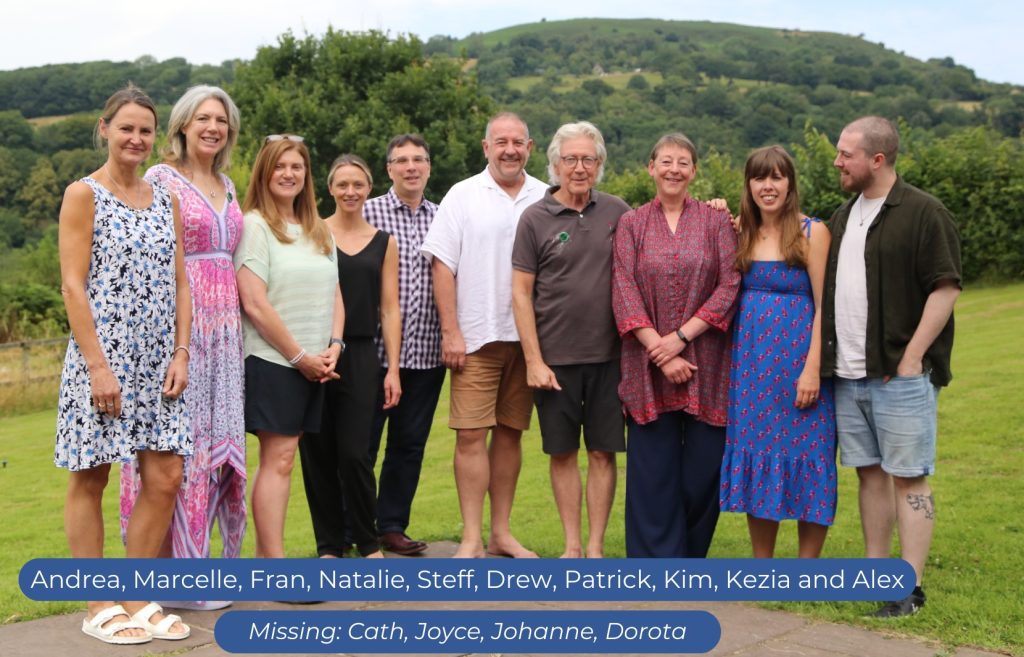
Most of the Team in Wales this Summer.
—
The largest independent COGNITION Biobank – research with no profit motive!
None of this could have happened without you, our Citizen Scientists and of course our Friends of Food for the Brain who are 2000+ strong.
It’s because of your willingness to take the test, and share your data (anonymously) that has helped create the largest independent COGNITION Biobank research database and enable real research to help people without a profit motive.
If you haven’t become a FRIEND yet then please do so here. We are completely independent so each FRIEND is helping us make a difference in the world!
—
“I became a FRIEND and joined COGNITION last September because my memory was terrible! My Dementia Risk Index has gone down from a start point of 52.35 to 37.45%! My weight was 12st 2lbs and is now 10st 11 lbs and I’ve really got a handle on keeping sugar intake very low. I have 4 green areas now and I’m very excited about getting my life back and could never have achieved it without the COGNITION Programme.” Janette, 68
—
Want to make a larger donation to help our Smart Kids Programme?
If you’d like to become involved in this radical research revolution, beyond being a FRIEND, email Fran, Head of Donations & Engagement at donations@foodforthebrain. Currently, we need funds to help finish building COGNITION for Smart Kids through the SPONSA Donna campaign.
Meanwhile, as the Festive Season approaches, we have quite a few exciting things coming your way:
What’s happening this Christmas at Food for the Brain?
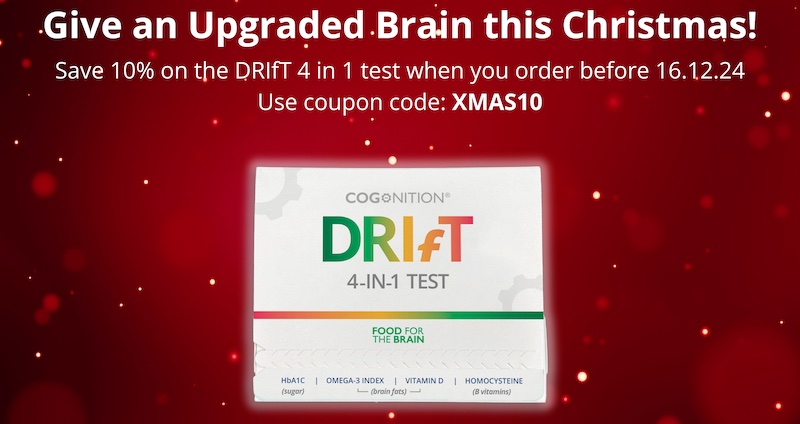
The Christmas DRIfT 4 in 1 discount! Get your family or community to become Citizen Science researchers this festive season – order the test kit here and use code XMAS10 to save 10% internationally.
Looking for a stocking filler? Then the Upgrade Your Brain Book is the perfect gift – order here.
For test kits and the book, order before 16th December for Christmas delivery
Thank you for reading!
Food for the Brain is a not-for-profit educational and research charity that offers a free Cognitive Function Test and assesses your Dementia Risk Index to be able to advise you on how to dementia-proof your diet and lifestyle.
By completing the Cognitive Function Test you are joining our grassroots research initiative to find out what really works for preventing cognitive decline. We share our ongoing research results with you to help you make brain-friendly choices. Please support our research by becoming a Friend of Food for the Brain.
(Originally posted in IHCAN magazine. Written by Patrick Holford, edited by Carol Ludlam)
What is really going on as we age? What contributes to the wrinkles, stiffer joints, slower cognitive function and other health problems?
It begins with the brain.
Your brain consumes more energy than any other organ, burning either glucose or ketones. This combustion creates oxidants that age your brain. The ability to rapidly extinguish these oxidants, which ultimately age your brain and body, is what helps you live longer with less wrinkles, more flexible joints, healthier blood vessels and organs, especially your brain, which has 400 miles of blood vessels.
—
Top level prevention factors
Keeping oxidants down is perhaps the single most important thing you can do for vascular health. Vascular dementia, for example, is strongly associated with the amount of oxidation, determined by antioxidant intake from fruit and vegetables on the one side and smoking and pollution for example, on the other. Those in the top quarter of Total Antioxidant Capacity (TAC) in their diet halve their risk, in a study of 2,716 people over age 60 (1).
Additionally, critical antioxidants such as vitamin C and vitamin E, if supplemented together, reduced the risk of developing Alzheimer’s by as much as two-thirds, whilst taking either cut risk by a quarter in a study of 4,740 elderly residents of Cache County, Utah (2). Another study shows that ‘either a high vitamin E or C intake showed a trend of attenuating risk by about 26 per cent’, according to China’s leading prevention expert Professor Jin Tai Yu of Fudan University in Shanghai, making these nutrients ‘grade 1’ top level prevention factors (3).
Vitamin C, which is water based and protects you against smoke and pollution, and vitamin E, which is fat based and protects you from burnt and fried fats, including sunburn, are in the bloodstream outside of cells. Inside cells, especially brain cells, is the most potent antioxidant of all, which is glutathione.
—
Glutathione is the Master Intracellular Antioxidant
Nutritionists have been measuring red cell glutathione (GSH) for decades as an indicator of a person’s antioxidant capacity. GSH is the most important antioxidant and free radical scavenger that is found to be decreased in the brains of people with a wide range of mental and neurological illnesses from schizophrenia (4) to dementia (5, 6).
However, the problem with just measuring glutathione is two-fold. Firstly, since it oxidises so rapidly, it has to be ‘fixed’ immediately to avoid any degradation to its oxidised form glutathione disulfide (GSSG). Testing of glutathione levels is therefore usually dependent on going to a lab for blood to be drawn and then immediately tested or fixed, to limit any oxidation. The reliability of glutathione measurements, unless done under strictly controlled conditions such as these, may be questionable due to the rapid oxidation once blood is taken.
—
The Glutathione Index (GSH/GSSG) is the best measure of antioxidant status
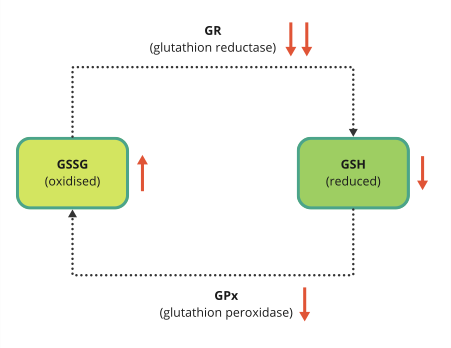
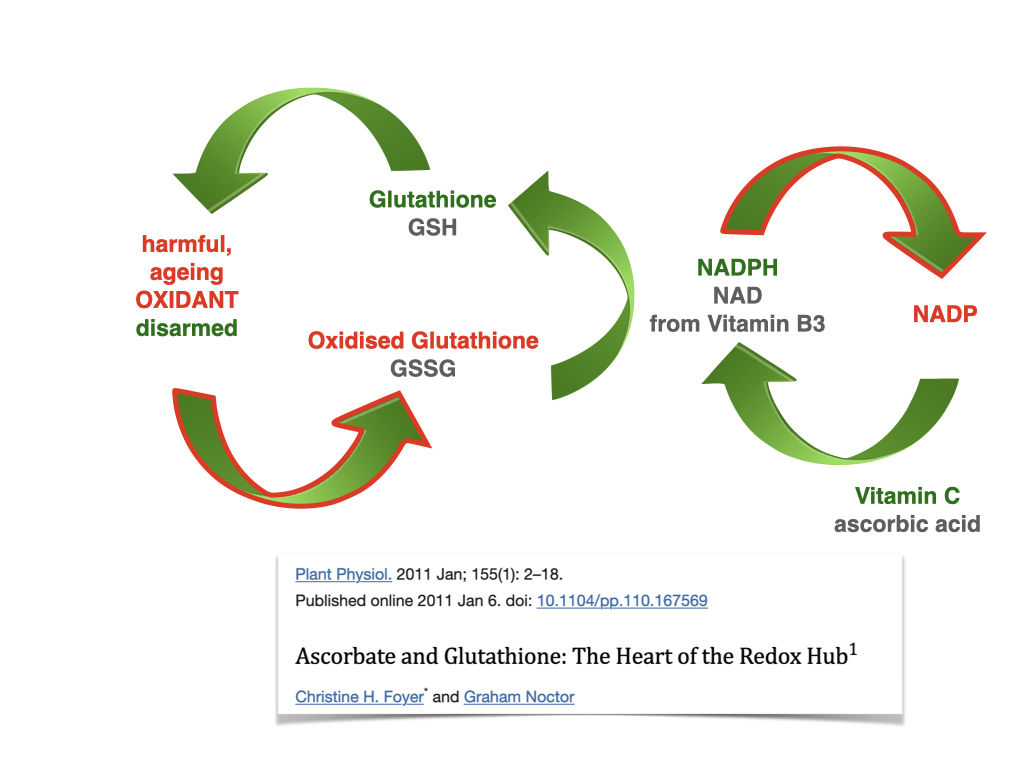
Additionally, it is the amount of ‘spent’ or oxidised glutathione (GSSG) that reflects the extent of oxidative stress a person is under. Think of glutathione as the water in the fire engine. It gets rapidly used up keeping your brain protected. The ‘spent’ or oxidised glutathione (GSSG), much like steam, then has to be cooled to reload the fire engine. This recycling is done by vitamin C and an enzyme called Glutathione Reductase (GR), returning Glutathione back to its fully loaded ‘reduced’ form. Another enzyme, Glutathione Peroxidase (GP), is involved. GR is riboflavin (vitamin B2) dependent and GP is selenium dependent.
Dr Konrad Kowalski, the Food for the Brain’s analytic chemist, explains: “Reductions in GR enzyme levels in patients with dementia are well established. GR levels alone are therefore a fairly good biomarker of dementia.” However, the mere presence of the enzyme does not guarantee its high activity. GR needs to consume NADP molecules to function properly. As shown by Irene Martinez de Toda et al 2019 data, patients with dementia have a reduction in both the enzymes (GR and GP) that recycle glutathione. Thus, in general it can be said that the glutathione metabolism (recycling) loop in those with dementia ‘spins’ much slower than in healthy patients.
“The advantage of our measurement of the Glutathione Index (GSH/GSSG) is therefore, that it shows changes in GR activity, not only due to higher/lower GR gene activity but also due to the absence of the reaction cofactor NADP.”
“As a result, dementia patients have a lower potential to dynamically fight free radicals and will have a worse GSH/GSSG, which we call the Glutathione Index (7). The worse the ratio the worse a person’s cognitive function is likely to be. It’s a bit like having a direct measure of how fast your brain is ageing. Patients with dementia have a reduction in glutathione and its ability to be recycled (8). This ratio, the Glutathione Index, is a biomarker for many diseases, including both type 1 and 2 diabetes, liver cirrhosis, multiple sclerosis and Alzheimer’s disease.” says Dr Konrad Kowalski, who has developed this test for us.
One of the biggest challenges in developing the Glutathione Index, which is a home test kit involving a pin prick of blood dripped onto a dry blood spot card, is that the conventional DBS cards didn’t provide enough stability for the rapidly oxidising GSH, so we developed a method that instantly ‘fixes’ the sample for a guaranteed 12 week stability from taking the sample.
The red arrows indicate reduced or increased activity in dementia patients
So we want people to both measure their Glutathione Index and complete our validated Cognitive Function Test along with the follow-on Dementia Risk Index questionnaire, which calculates an ‘antioxidant’ domain score.
As a result of our research where we have tracked these against the person’s blood level of Glutathione Index, enabling us to establish what an optimal level is. This means those boundaries, which we show in colours from green (good), yellow (OK), orange (not good), red (bad) will evolve and become more accurate thanks to you and people like you.
We now know that a desirable level is above 800. Below 500 is an indicator that you need to increase your intake of antioxidants from food and/or supplements, and/or reduce your intake of oxidants from smoking, pollution or fried food. Glutathione is related to the pace of aging and the activity of antioxidant enzymes which are depleted in those with cognition decline. It is also part of your DRIfT (Dementia Risk Index functional Test) score.
This is unique and vital research funded by the people for the people – Citizen Scientists.
—
—
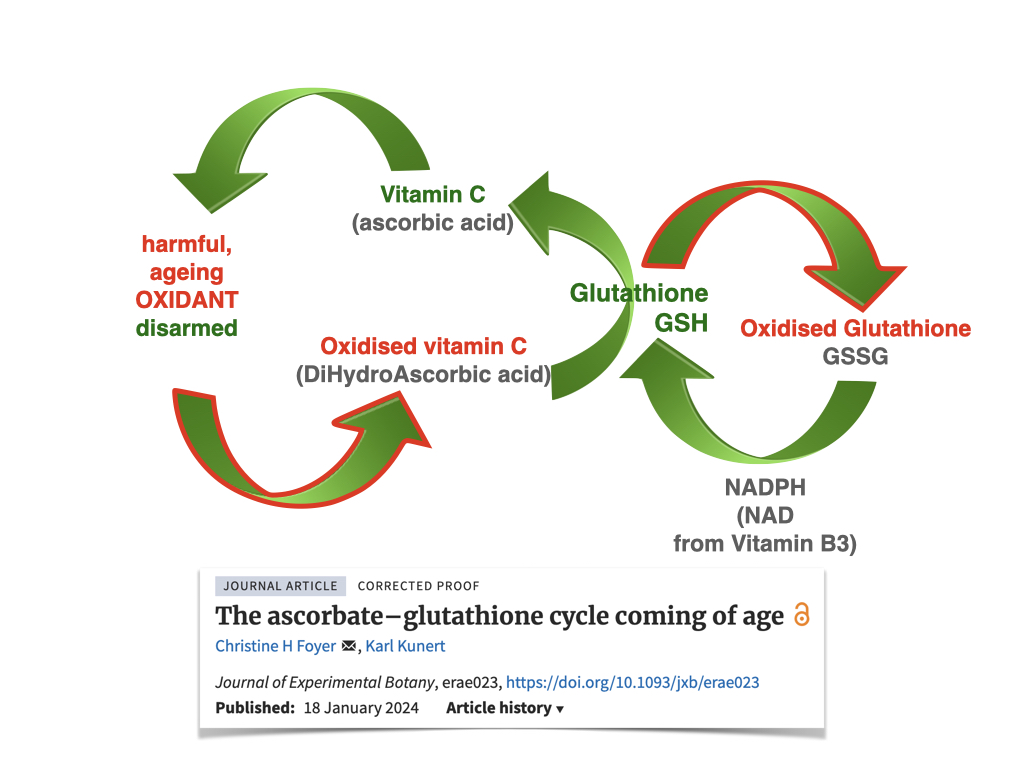
How Glutathione and vitamin C recycle each other
Vitamin C helps ‘reload’ glutathione and glutathione helps reload vitamin C as you’ll see in the figures below. This glutathione – vitamin C cycle is one of the hottest discoveries in anti-ageing science. You’ll see that NADPH, derived from niacin (vitamin B3) and its cousin NAD are involved. Co-enzyme Q10 in its reduced form ubiquinol is also involved and although not shown in this diagram, low levels are also found in those with Alzheimer’s (9).
—
Raising glutathione – the role of NAC
Nutritional therapists have been measuring red cell glutathione and supplementing glutathione or its precursor N-Acetyl-Cysteine (NAC) for decades. However oral GSH supplementation has poor bioavailability largely because it is so rapidly oxidised to GSSG as it disarms free radicals. N-Acetyl Cysteine (NAC), a precursor of glutathione, is therefore often used instead and has been shown to successfully raise plasma glutathione levels, for example, in those with schizophrenia. Anthocyanins also recycle glutathione thus sparing it if supplemented together (12).
NAC has plenty of evidence to support its use as a promoter of glutathione and mental health, thus reducing the brain’s oxidative stress. The latest 2022 review states: “N-acetyl-L-cysteine (NAC) is a compound of increasing interest in the treatment of psychiatric disorders. Primarily through its antioxidant, anti-inflammatory, and glutamate modulation activity, NAC has been investigated in the treatment of neurodevelopmental disorders, schizophrenia spectrum disorders, bipolar-related disorders, depressive disorders, anxiety disorders, obsessive compulsive-related disorders, substance-use disorders, neurocognitive disorders, and chronic pain. Currently NAC has the most evidence of having a beneficial effect as an adjuvant agent in the negative symptoms of schizophrenia, severe autism, depression, and obsessive compulsive and related disorders.” (13) For example a large RCT of 140 participants observed significant improvements on global symptomatology, and general and negative symptoms of schizophrenia in the NAC supplementation (2 g/d; in addition to anti-psychotic medication) group in comparison to the placebo group over a 24 week period (14).
According to Dr Chris Palmer, assistant professor at Harvard Medical School, “Glutathione (GSH), the brain’s primary antioxidant, plays a crucial role in maintaining redox balance (the process of maintaining the balance of reactive oxygen and nitrogen species in cells to maintain homeostasis) . Magnetic resonance studies have provided mixed results regarding GSH levels in schizophrenia patients, with some studies indicating decreased levels in chronic schizophrenia, while others found no significant differences. However, these inconsistencies may be due to variations in disease chronicity, age, and symptom severity among study participants. The findings from these studies suggest several potential therapeutic targets for schizophrenia. Addressing mitochondrial dysfunction, redox imbalance, and impaired energy metabolism could lead to more effective treatments. For instance, N-acetylcysteine (NAC), a precursor to GSH, has shown promise in increasing brain GSH levels and improving symptoms in first episode psychosis patients.”
NAC is so medically effective that it has been classified a medicine, hence not a food, and is no longer available over the counter in the US.
Our Glutathione Index test costs £69 – order it and be a part of this new exciting research, whilst learning how you can protect and upgrade your brain.
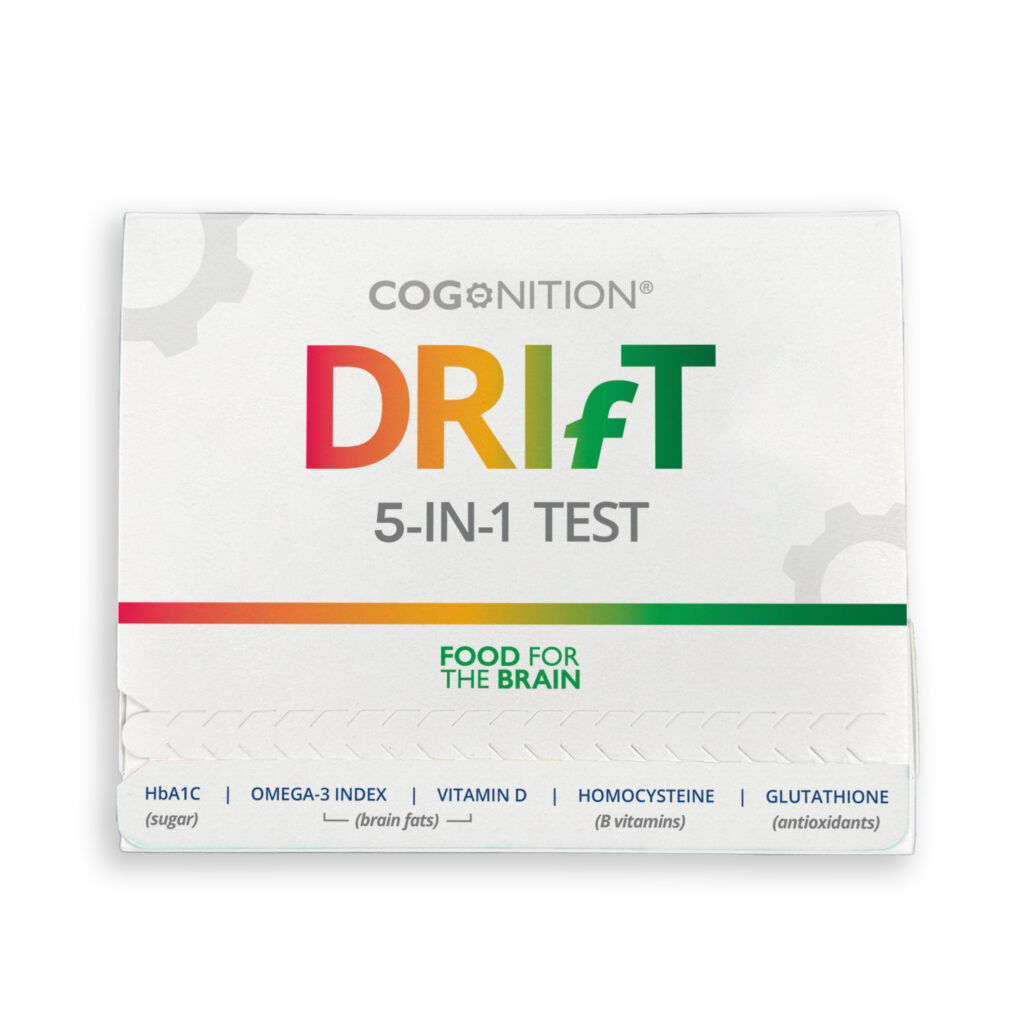
It is also available as part of their 5-in-1 DRIfT test also measuring Homocysteine, HbA1c, vitamin D and Omega-3 Index.
—
Actions
Join COGNITION by becoming a FRIEND to get access to a personalised 6-month program to upgrade your brain
Food for the Brain is a non-for-profit educational and research charity that offers a free Cognitive Function Test and assesses your Dementia Risk Index to be able to advise you on how to dementia-proof your diet and lifestyle.
By completing the Cognitive Function Test you are joining our grassroots research initiative to find out what really works for preventing cognitive decline. We share our ongoing research results with you to help you make brain-friendly choices. Please support our research by becoming a Friend of Food for the Brain.
References
1 Peng, M., et al. Dietary Total Antioxidant Capacity and Cognitive Function in Older Adults. J Nutr Health Aging (2023).
2 Basambombo LL, Carmichael PH, Côté S, Laurin D. Use of Vitamin E and C Supplements for the Prevention of Cognitive Decline. Ann Pharmacother. 2017 Feb;51(2):118-124. doi: 10.1177/1060028016673072. Epub 2016 Oct 5. PMID: 27708183.
3 Yu JT, Xu W, Tan CC, Andrieu S, Suckling J, Evangelou E, Pan A, Zhang C, Jia J, Feng L, Kua EH, Wang YJ, Wang HF, Tan MS, Li JQ, Hou XH, Wan Y, Tan L, Mok V, Tan L, Dong Q, Touchon J, Gauthier S, Aisen PS, Vellas B. Evidence-based prevention of Alzheimer’s disease: systematic review and meta-analysis of 243 observational prospective studies and 153 randomised controlled trials. J Neurol Neurosurg Psychiatry. 2020 Nov;91(11):1201-1209. doi: 10.1136/jnnp-2019-321913. Epub 2020 Jul 20. PMID: 32690803; PMCID: PMC7569385.
4 Yao JK, Leonard S, Reddy R: Altered glutathione redox state in schizophrenia. Dis Markers 2006, 22(1):83–93 ; see also Gawryluk JW, Wang J-F, Andreazza AC, Shao L, Young LT: Decreased levels of glutathione, the major brain antioxidant, in post-mortem prefrontal cortex from patients with psychiatric disorders. Int J Neuropsychopharmacol 2011, 14(01):123–130.
5 Torres LL, Quaglio NB, de Souza GT, Garcia RT, Dati LM, Moreira WL, Loureiro AP, de Souza-Talarico JN, Smid J, Porto CS, Bottino CM, Nitrini R, Barros SB, Camarini R, Marcourakis T. Peripheral oxidative stress biomarkers in mild cognitive impairment and Alzheimer’s disease. J Alzheimers Dis. 2011;26(1):59-68. doi: 10.3233/JAD-2011-110284. PMID: 21593563
6 Park SA, Byeon G, Jhoo JH, Kim HC, Lim MN, Jang JW, Bae JB, Han JW, Kim TH, Kwak KP, Kim BJ, Kim SG, Kim JL, Moon SW, Park JH, Ryu SH, Youn JC, Lee DW, Lee SB, Lee JJ, Lee DY, Kim KW. A Preliminary Study on the Potential Protective Role of the Antioxidative Stress Markers of Cognitive Impairment: Glutathione and Glutathione Reductase. Clin Psychopharmacol Neurosci. 2023 Nov 30;21(4):758-768. doi: 10.9758/cpn.23.1053. Epub 2023 Jul 14. PMID: 37859449; PMCID: PMC10591176.
7 Park SA, Byeon G, Jhoo JH, Kim HC, Lim MN, Jang JW, Bae JB, Han JW, Kim TH, Kwak KP, Kim BJ, Kim SG, Kim JL, Moon SW, Park JH, Ryu SH, Youn JC, Lee DW, Lee SB, Lee JJ, Lee DY, Kim KW. A Preliminary Study on the Potential Protective Role of the Antioxidative Stress Markers of Cognitive Impairment: Glutathione and Glutathione Reductase. Clin Psychopharmacol Neurosci. 2023 Nov 30;21(4):758-768. doi: 10.9758/cpn.23.1053. Epub 2023 Jul 14. PMID: 37859449; PMCID: PMC10591176.
8 Martínez de Toda I, Miguélez L, Vida C, Carro E, De la Fuente M. Altered Redox State in Whole Blood Cells from Patients with Mild Cognitive Impairment and Alzheimer’s Disease. J Alzheimers Dis. 2019;71(1):153-163. doi: 10.3233/JAD-190198. PMID: 31356205.
9 J. Frontiñán-Rubio et al. Molecular and Cellular Neuroscience 92 (2018
10 Witschi A, Reddy S, Stofer B, Lauterburg B: The systemic availability of oral glutathione. Eur J Clin Pharmacol 1992, 43(6):667–669.
11 Lavoie S, Murray MM, Deppen P, Knyazeva MG, Berk M, Boulat O, Bovet P, Bush AI, Conus P, Copolov D, Fornari E, Meuli R, Solida A, Vianin P, Cuénod M, Buclin T, Do KQ: Glutathione precursor, N-acetyl-cysteine, improves mismatch negativity in schizophrenia patients. Neuropsychopharmacology 2008, 33(9):2187–2199.
12 Ohlenschlager G,Treusch G, patent number: 5925620 International Classification A61K 3800 for synergistic action of anthocyanidins and glutathione
13 Bradlow RCJ, Berk M, Kalivas PW, Back SE, Kanaan RA. The Potential of N-Acetyl-L-Cysteine (NAC) in the Treatment of Psychiatric Disorders. CNS Drugs. 2022 May;36(5):451-482. doi: 10.1007/s40263-022-00907-3. Epub 2022 Mar 22. Erratum in: CNS Drugs. 2022 Apr 28;: PMID: 35316513; PMCID: PMC9095537.
14 Berk M, Copolov D, Dean O, Lu K, Jeavons S, Schapkaitz I, Anderson-Hunt M, Judd F, Katz F, Katz P, Ording-Jespersen S, Little J, Conus P, Cuenod M, Do KQ, Busha AI: N- acetyl cysteine as a glutathione precursor for schizophrenia—a double-blind, randomized, placebo-controlled trial. Biol Psychiatry 2008, 64(5):361–368.
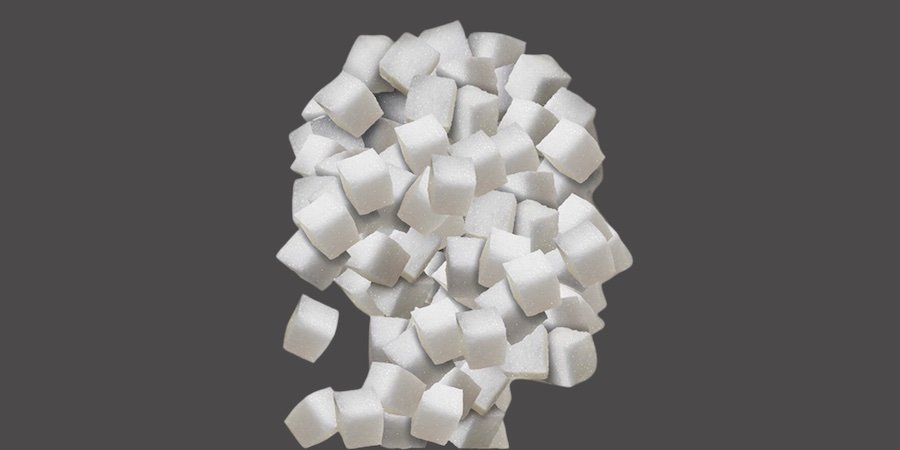
Why too much fructose is driving dementia, diabetes and brain fog
—
The fruit sugar ‘fructose’ isn’t generally considered a food that’s best avoided. After all, it comes from fruit.
Yet a radical new theory, developed by Richard Johnson, Professor of Nephrology at the University of Colorado, explains how it can trigger various damaging changes in our metabolism that make us more likely to develop chronic conditions such as diabetes, obesity and Alzheimer’s. If doctors better understood this, it could transform the new emphasis on sickness prevention that the government is promising.
—
The science of being ‘fructed’
Professor Johnson has produced what is effectively a biochemical wiring diagram of the connections which fructose turns on and off, that are making an increasing number of people sick. Fructose makes up half of white sugar and most of fructose corn syrup which is the main sweetener in fizzy drinks and ultra-processed foods as well as being the main sugar in fruit, particularly fruit juice.
For instance, the amount of fat stored in the liver increases, driving fatty liver disease, while the cell’s mitochondria, which create the body and brain’s energy molecule ATP, become less productive and blood pressure goes up. The result is that you get fatter, with more brain fog and fatigue and feel less inclined to exercise. Fructose is also a major promoter of diabetes.
Meanwhile an anti-ageing process called autophagy, which would normally clear away used up and damaged mitochondria, the cell’s energy factories, to make room for new ones, is disabled. When fructose crosses the blood-brain barrier into the brain, it is one of the factors causing the brain to form the clumps of amyloid protein found in Alzheimer’s, which is the focus of new drug treatments.
Why on earth does fructose carry out such a blitz on our bodies? Why would the body run a programme that was potentially so lethal?
“It would be wrong to think of fructose as some sort of major toxin, although it becomes neurotoxic in excess,” says Professor Johnson. “Instead, its remarkable range of effects are part of an ancient set of biological programs, which we call the ‘Survival Switch’, that work to prepare animals for hibernation, storing supplies in preparation for times of famine.” This is why fat storage increases and energy drops off producing brain fog. The trouble is we never run out of food or fructose in our modern times.
—
Eat your fruit, don’t drink it.
None of this means that we should avoid fruits, which contain only a small amount of fructose that comes with beneficial fibre that feeds our vital gut bacteria, plus various nutrients. Not so for fruit juice, devoid of fibre. A glass of orange juice is the equivalent of three oranges in terms of fructose, but without the fibre. So, eat your fruit, don’t drink it.
But this does explain why too much blood glucose from regularly eating generous amounts of sugar-laden foods and carbohydrates, is so damaging? The liver turns the excess glucose into fructose with all its knock-on effects. Other substances that can accelerate fructose production are alcohol and salt.
This rise in fructose intake and its presence in processed food makes it all too easy to start piling on the pounds, regardless of how many calories you have cut or how much further you are running. It’s a connection that very few nutritionists or GPs are aware of.
A sign of the widespread damage the Survival Switch can cause is that there are low ATP levels in the brains of people with disorders such as obesity, diabetes, fatty liver disease and Alzheimer’s. Understanding this points to new ways to cut the risks of these chronic disorders. Adenosine triphosphate (ATP) is a molecule that stores and provides energy for cells. It’s a key biomolecule that’s involved in almost all cellular processes.
A simple, but very effective solution, is to run a blood test – HbA1c – the gold standard test GPs use to screen for diabetes. HbA1c is a test that measures your average blood sugar level (glucose) over the past two to three months. A recent study of 374,021 older men with diabetes found that keeping the level of HbA1c stable at an optimal level over a period of three years cut risk of dementia by a third. Similar benefits have been found with patients with pre-diabetes (Prediabetes means that your blood sugars are higher than usual, but not high enough for you to be diagnosed with type 2 diabetes. It also means that you are at high risk of developing type 2 diabetes.) But far lower levels of HbA1c than those used to diagnose diabetes are associated with the first signs of brain shrinkage, which is the hallmark of cognitive decline, even in teenagers.
That is why we offer, as part of our ‘citizen science’ research, an at home pin-prick test of HbA1c, to find out not only who is at risk, but also how to reverse that risk. It also works alongside the free Cognitive Function Test that calculates your future Dementia Risk Index and suggests various lifestyle and nutrition changes to help reduce it, including a low fructose diet (Find out more about low fructose foods here).
We also recommend increasing omega-3 intake from oily fish, increasing B vitamins, especially B12, as well as an active lifestyle, as part of COGNITION, our personalised 6-month programme. In this programme we also dive deeper into lowering your ‘glycaemic load’ (GL), which is low in fructose, alongside periods of time of eating in a ‘ketogenic’ way by keeping sugar and carbohydrates to a minimum. The body responds by creating ketones, energy packets that can replace glucose as an energy source for the brain, helping to undo the damage.
(You get access to COGNITION when you become a FRIEND of Food for the Brain here)
‘Burning ketones can also increase the number and output of the cell’s energy factories, known as mitochondria, which are damaged by fructose,’ says Professor Robert Lustig of the University of California, author of the best-selling book Metabolical and who sits on our Scientific Advisory Board. You can read more in his detailed article here.
Both Professor Johnson and Professor Lustig are also part of the Alzheimer’s Prevention Expert Group who have written to UK dementia prevention authorities to add sugar, and specifically a high fructose diet, to the list of known risk factors.
—
The connection to Ozempic…
This low fructose approach also naturally promotes the enzyme GLP-1, targeted by the weight loss drugs Ozempic and Wegovy, but without the side-effects or rebound weight gain.
Our founder Patrick Holford says: “Today’s typical diet of burgers, carbonated drinks, fruit juice, ice cream, bread, biscuits, cakes and confectionery, plus alcohol and salt, is a dementia time-bomb. Our brains are literally being ‘fructed’. We see the same shrinkage in the same regions of the brain in teenagers with a high sugar intake that are seen in older Alzheimer’s patients. We think of the resulting dementia as type-3 diabetes.”
Food for the Brain is a non-for-profit educational and research charity that offers a free Cognitive Function Test and assesses your Dementia Risk Index to be able to advise you on how to dementia-proof your diet and lifestyle.
By completing the Cognitive Function Test you are joining our grassroots research initiative to find out what really works for preventing cognitive decline. We share our ongoing research results with you to help you make brain-friendly choices. Please support our research by becoming a Friend of Food for the Brain.
References:
Johnson RJ et al. The fructose survival hypothesis for obesity. Philos Trans R Soc Lond B Biol Sci. 2023 Sep 11;378(1885):20220230. doi: 10.1098/rstb.2022.0230
Underwood PC et al HbA1cTime in Range and Dementia JAMA Netw Open. 2024 Aug 1;7(8):e2425354. doi: 10.1001/jamanetworkopen.2024.25354
Yau PL et al Obesity and metabolic syndrome and structural brain impairments in adolescence. Pediatrics. 2012 Oct;130(4):e856-64. doi: 10.1542/peds.2012-0324
For those who felt they missed out on the uplifting and enlightening Upgrade Your Brain seminars, Patrick is coming to Wrexham, Leeds, the Yorkshire Dales and Glasgow at the end of October, giving 2 hour Upgrade Your Brain blockbuster seminars and an exclusive one day Upgrade Your Brain retreat in the Burgoyne Hotel in the beautiful Yorkshire Dales. See details and book your place here.
Translations are in full swing and Patrick is going to China and Japan to launch the project at the end of November. We are immensely grateful to Mr Ai of Sharejoy in China where Patrick has been training the staff who will help spread the word, and Dr Atsuo Yanagisawa, President of the Japanese Orthomolecular Society, for their generous support.
—
—
Meanwhile, thanks to our growing army of Ambassadors, we have launched COGNITION in Australia and New Zealand – thank you Linda, Drs Ron Erlich and Ian Brighthope for your support.
Although the blood tests are not yet available there, Alice Coulson is spreading the word in Kenya as our East African Ambassador. Asante Sana!
—
Alice Coulson and Patrick in Kenya Ron Erlich and Linda Conder
—
Not only will we be able to reach and help millions of people to dementia-proof their diet and lifestyle, it also means that our research database will become the biggest and most comprehensive in the world. This means that researchers will want to access our data, created by you as Citizen Scientists, to do their research.
This expansion of knowledge is vital to change the whole health paradigm.
To achieve all this, which requires major technical advancements, server power and investment, we are launching COGNITION International Ltd, a company wholly owned by the charity, to maximise the potential. We do need investment and can offer what are called ‘redeemable preference shares’ for ‘impact’ investors who want both a return on their investment and their money actually being used to make a difference. If you might be interested contact Fran on donations@foodforthebrain.org.
But also know that this continued rapid growth of Foodforthebrain.org, the COGNITION project, and the ongoing development of COGNITION for Smart Kids and Teens, would never have happened if you, FRIENDS of the charity, giving £50 a year, hadn’t supported us.
In the past year we have grown to 2,000 FRIENDS. If you have yet to join please support us in this way and help us reach our next goal of 3000! You can also pay £5 a month if that is easier for you.
Food for the Brain is a non-for-profit educational and research charity that offers a free Cognitive Function Test and assesses your Dementia Risk Index to be able to advise you on how to dementia-proof your diet and lifestyle.
By completing the Cognitive Function Test you are joining our grassroots research initiative to find out what really works for preventing cognitive decline. We share our ongoing research results with you to help you make brain-friendly choices. Please support our research by becoming a Friend of Food for the Brain.
Homocysteine, a toxic amino acid commonly associated with disorders of the brain and circulation, is an indicator of a lack of B vitamins resulting in faulty methylation, a process critical for brain function.
So are there links between autism and homocysteine and could this help us to optimise neurodivergence in our children?
(At Food for the Brain we are on a mission to help upgrade and support ALL brains. That is why we are creating the Smart Kids & Teens COGNITION programme. Click here to find out more.)
—
Homocysteine Levels in Autistic Children: A Significant Risk Factor
Recent studies have drawn attention to the elevated presence of homocysteine in autistic children. In a well-controlled study involving 119 autistic children compared to age and sex-matched neurotypical children, 13.4% of the autistic group exhibited homocysteine levels above 15 mcmol/L. This contrasts sharply with only 3.4% of typically developing children who showed such elevations (1). This means that an autistic child is three and a half times more likely to have raised homocysteine. These findings also suggest that approximately one in six autistic children have a significant methylation problem, a process critical to DNA repair and neurotransmitter production.
Previous studies have reported similar findings. A study in 2022 (2) reported that ‘Overall, an increased homocysteine level was associated with autistic spectrum disorder (ASD) in a linear manner and is thus a novel diagnostic biomarker for ASD. Decreased concentrations of folate and vitamin B12 were associated with poor clinical profiles of children with ASD. These findings suggest that homocysteine-lowering interventions or folate and vitamin B12 supplementation might be a viable treatment strategy for ASD.’
—
The Role of B Vitamins in mother & child
Homocysteine-lowering interventions, particularly through the supplementation of the most important B vitamins – B12, B6, and methylfolate, that are required for healthy methylation – have demonstrated effectiveness in clinical settings (3). These vitamins play a vital role in the metabolism of homocysteine, converting it back into methionine, thereby reducing its toxic buildup in the bloodstream.
Research also indicates that maternal homocysteine levels during pregnancy can influence child development. A study found that women with homocysteine levels above 9 mcmol/L during pregnancy were more likely to have children exhibiting behavioural problems by age 6, including withdrawal, anxiety, depression and social or aggressive behaviours (4).
This suggests that early intervention targeting homocysteine levels in expectant mothers or women planning a pregnancy may have long-term benefits for child development.
Autistic children often experience a range of developmental delays and behavioural symptoms, many of which have been linked to elevated homocysteine. These include delayed language and movement skills, cognitive challenges, and abnormal emotional responses. Given the substantial overlap between symptoms of ASD and the effects of high homocysteine, it is logical to explore and implement further research into this biomarker as a target for therapeutic intervention. (As we plan to do in our Smart Kids & Teens COGNITION Programme.)
—
The Case for Homocysteine Testing in Autistic Children
Given the evidence linking elevated homocysteine with autism, it makes sense to test homocysteine in all children classified as ASD. A subset will likely have raised homocysteine and benefit from B vitamin supplementation.
We offer at home testing of homocysteine which can be done from age 2+ and is available globally here.
Given the growing interest in homocysteine as a marker of brain health, it is worth understanding its wider role in cognition and neurological function. You can read more in our guide to homocysteine and brain health: .
Actions
Further reading – ‘Is Autism Genetic?‘ – read here
Further reading – ‘Autism Reversed: A case study‘ –read here
Find out more about our Smart Kids & Teens COGNITION Program here
—
Thank you for reading!
Food for the Brain is a non-for-profit educational and research charity that offers a free Cognitive Function Test and assesses your Dementia Risk Index to be able to advise you on how to dementia-proof your diet and lifestyle.
By completing the Cognitive Function Test you are joining our grassroots research initiative to find out what really works for preventing cognitive decline. We share our ongoing research results with you to help you make brain-friendly choices. Please support our research by becoming a Friend of Food for the Brain.
References
1 Gulati S, Narayan CL, Mahesan A, Kamila G, Kapoor S, Chaturvedi PK, Scaria V, Velpandian, T, Jauhari P, Chakrabarty B, Datta SKR, Pandey RM. Transmethylation and Oxidative Biomarkers in Children with Autism Spectrum Disorder: A Cross Sectional Study. J Autism Dev Disord. 2024 Sep 4. doi: 10.1007/s10803-024-06542-9. Epub ahead of print. PMID: 39230783.
2 Li B, Xu Y, Pang D, Zhao Q, Zhang L, Li M, Li W, Duan G and Zhu C (2022) Interrelation between homocysteine metabolism and the development of autism spectrum disorder in children. Front. Mol. Neurosci. 15:947513. doi: 10.3389/fnmol.2022.947513
3 Adams JB, Audhya T, Geis E, Gehn E, Fimbres V, Pollard EL, Mitchell J, Ingram J, Hellmers R, Laake D, Matthews JS, Li K, Naviaux JC, Naviaux RK, Adams RL, Coleman DM, Quig DW. Comprehensive Nutritional and Dietary Intervention for Autism Spectrum Disorder-A Randomized, Controlled 12-Month Trial. Nutrients. 2018 Mar 17;10(3):369. doi: 10.3390/nu10030369. PMID: 29562612; PMCID: PMC5872787.
4 Roigé-Castellví J, Murphy M, Fernández-Ballart J, Canals J. Moderately elevated preconception fasting plasma total homocysteine is a risk factor for psychological problems in childhood. Public Health Nutr. 2019 Jun;22(9):1615-1623. doi: 10.1017/S1368980018003610. Epub 2019 Jan 14. PMID: 30636652; PMCID: PMC10261079.
Written by Dr Victoria Sampson BDS MFDS RCS Ed Pg Dip
Did you know that similar to your gut, the mouth has its own microbiome?
Not only that, it is in fact, the second most diverse microbiome after the gut and houses approximately 700 different species of bacteria that make up 2 billion bacteria!
Unlike its relatives the gut, skin and vaginal microbiomes, the oral microbiome unfortunately has remained in the shadows, with very few even knowing they have one. What people also may not know, is how important their oral microbiome is for not only their oral health, but also their general health. When the oral microbiome is imbalanced and there are more bad bacteria than good, problems occur. In the mouth, these problems can show as tooth decay, gum disease, ulcers and bad breath to name a few. For the rest of the body, an imbalanced oral microbiome can contribute to systemic diseases such as neurological diseases, metabolic diseases, cardiovascular diseases and the list goes on.
—
Why is Alzheimer’s a leading cause of mortality
In the last twenty years we have witnessed an unexplainable rise in the diagnosis of neurological conditions and a decline in brain function in our population. Alzheimer’s Disease is a disease that is currently a leading cause of mortality and morbidity globally (1). It presents as one of the greatest medical challenges that we face this century due to its increasing prevalence worldwide and as yet, no effective treatment developed for it.
Furthermore, the cause of Alzheimer’s is believed to be multifactorial and a combination of genetic, environmental and lifestyle factors. Whilst some of the risk factors for Alzheimer’s cannot be altered such as our genetic makeup, the link between Alzheimer’s and oral health has gained significant traction. Not only can it be altered (and easily), but it also can be tested in a painless and easy way through saliva collection.
—
Inflammation: Why The Mouth is a Gateway to the Brain
One of the primary ways in which oral health affects brain function is through low grade chronic inflammation.
The oral microbiome is a delicate and beautiful balance of good and bad bacteria. If more bad bacteria are able to proliferate in the mouth, this balance can shift into what we call dysbiosis (or an imbalanced oral microbiome). Things that may cause our microbiome to shift into imbalance are things like poor oral hygiene, smoking, diet, medications we take, dry mouth and mouth breathing to name a few. Once the oral microbiome shifts into dysbiosis, this can increase our risk of local diseases such as decay and gum disease, but more importantly causes the release of inflammatory markers from the mouth to the brain.
These inflammatory markers can enter the bloodstream and cross the blood-brain barrier; a protective shield that typically prevents harmful substances from reaching the brain. Once inflammation spreads to the brain, it can contribute to the development of neurological disorders. Chronic inflammation has been linked to cognitive decline and neurodegenerative diseases such as Alzheimer’s disease, as it can damage brain cells and interfere with brain function (2).
Oral Bacteria and Brain Health
Another significant link between the mouth and the brain involves the direct effects of oral bacteria. Researchers have found that bacteria from the mouth can travel to the brain, particularly in cases of poor oral health or severe gum disease. These bacteria can enter the bloodstream through infected gums or the roots of decayed teeth, and eventually reach the brain, where they can contribute to the formation of harmful plaques.
A notable example is the bacterium Porphyromonas gingivalis, commonly found in patients with chronic gum disease. Studies have detected this bacterium in the brains of patients with Alzheimer’s disease, and it has been suggested that the bacteria’s presence may contribute to the development of amyloid plaques—a hallmark of Alzheimer’s. A 2019 study published in Science Advances (3). showed that P. gingivalis not only reaches the brain but also releases toxins known as gingipains, which can damage brain cells and accelerate cognitive decline. Another study in Taiwan performed a retrospective cohort study on 18,672 citizens and found that having gum disease for over ten years was associated with a 70% increase in the risk of developing Alzheimer’s disease (4).
If you’re still not convinced, a study published in the journal of Alzheimer’s Disease (5) further illustrated that there is a direct correlation between periodontal disease and Alzheimer’s Disease. The research looked at 6000 participants spanned over multiple age groups and followed them for up to 26 years. They performed dental examinations for gum disease as well as testing for bacteria and antibodies. The bacteria that seemed to be elevated in patients who went on to suffer Alzheimer’s disease was again, Porphyromonas gingivalis.
This discovery has sparked interest in the potential role of oral bacteria in neurodegenerative diseases. Although more research is needed to establish a definitive cause-and-effect relationship, the evidence suggests that maintaining good oral hygiene could play an important role in preventing or slowing the progression of conditions like Alzheimer’s disease. It also opens the door to saliva testing to test for bacteria such as Porphyromonas gingivalis in the microbiome and eradicating this before it can cause problems.
—
Stroke and Oral Health
The connection between oral health and the brain is also evident in the relationship between gum disease and stroke. Stroke occurs when blood flow to the brain is interrupted, leading to brain cell death and potentially severe neurological impairment. Gum disease is associated with an increased risk of stroke due to the systemic inflammation it causes and the potential for oral bacteria to contribute to the formation of blood clots.
A 2018 study published in the journal Stroke, (6 Sen, 2018) found that individuals with severe gum disease were at a higher risk of ischemic stroke, which occurs when a blood clot blocks an artery supplying blood to the brain. The study suggested that the chronic inflammation caused by gum disease may contribute to the formation of clots, which can travel to the brain and cause a stroke.
Moreover, researchers have found that treating gum disease can reduce markers of inflammation in the body, potentially lowering the risk of stroke. This highlights the importance of oral health not only for preventing gum disease but also for reducing the risk of serious neurological events like stroke.
—
The Mouth and Brain are Deeply Connected
The connection between the mouth and the brain is a reminder that the body’s systems are deeply interconnected. Poor oral health, particularly in the form of gum disease and oral infections, can have far-reaching effects on brain function and overall neurological health. Inflammation and the spread of harmful oral bacteria are two key mechanisms by which oral health can influence conditions such as Alzheimer’s disease and stroke.
As research continues to shed light on this important connection, it becomes increasingly clear that maintaining good oral hygiene is essential not only for a healthy mouth but also for a healthy brain.
For individuals looking to protect their cognitive function and reduce the risk of neurological diseases here are a few tips:
Complete the Cognitive Function Test here today so you can get a personalised plan on how to improve your overall cognition.
All the above alongside a balanced diet and regular exercise.
—
If you want to learn more about the Oral Microbiome then make sure you join us for the Oral-Gut-Brain Connection Webinar with Victoria Sampson.
Thank you for reading!
Food for the Brain is a non-for-profit educational and research charity that offers a free Cognitive Function Test and assesses your Dementia Risk Index to be able to advise you on how to dementia-proof your diet and lifestyle.
By completing the Cognitive Function Test you are joining our grassroots research initiative to find out what really works for preventing cognitive decline. We share our ongoing research results with you to help you make brain-friendly choices. Please support our research by becoming a Friend of Food for the Brain.
REFERENCES
Vos T. Estimating the global mortality from Alzheimer’s disease and other dementias: A new method and results from the Global Burden of Disease study 2019. J Alzheimers Assoc. 2020.
Kamer, A. R. (2020). Inflammation and Alzheimer’s disease: Possible role of periodontal diseases. Alzheimer’s & Dementia.
Dominy S, et al. Porphyromonas gingivalis in Alzheimer’s disease brains: Evidence for disease causation and treatment with small-molecule inhibitors. Sci Adv. 2019.
Chang-Kai C, et al. Association between chronic periodontitis and the risk of Alzheimer’s disease: a retrospective, population-based, matched-cohort study. Alzheimers Res Ther. 2017.
Beydoun M, et al. Clinical and bacterial markers of periodontitis and their association with incident all-cause and Alzheimer’s disease dementia in a large national survey. J Alzheimers Dis. 2020;57–172.
Sen E. Periodontal Disease, Regular Dental Care Use, and Incident Ischemic Stroke. Stroke. 2018.
In this article, we will explore how to get rid of brain fog and discuss practical strategies to help you regain mental clarity.
by Patrick Holford and edited by NualaMcdermott
Have you ever experienced ‘brain fog’?
Difficulty concentrating, feeling mentally sluggish, forgetful, and unable to focus or think clearly?
Increasingly, the term “brain fog” is used to describe a range of cognitive symptoms that affect mental clarity and sharpness. Although brain fog isn’t a medical diagnosis, it is often a sign that your brain isn’t functioning at its best. The encouraging news is that many of the underlying causes are modifiable, meaning there are practical steps you can take to improve your mental clarity and support long-term brain health.
Is your brain running out of energy?
Our brains require a constant supply of energy to function optimally, just as our bodies do. Typically, this energy comes from glucose. However, as we age, or in those experiencing cognitive decline, the brain can become less efficient at using glucose. This reduced ability to access energy is often linked with insulin resistance, leaving brain cells effectively “hungry“. When brain cells don’t receive enough fuel, they struggle to perform efficiently, which may contribute to symptoms such as poor concentration, mental fatigue, forgetfulness, and what many people describe as brain fog. It can also leave you craving sugary foods as your brain searches for a quick source of energy.
One way to address this is by improving the brain’s ability to use alternative fuels. A lower glycaemic load diet, and for some people, a lower carbohydrate or Hybrid Diet approach, may help encourage the production of ketones, an alternative fuel that the brain can use efficiently. One practical way to increase ketone production, without following a strict ketogenic diet, is through C8 MCT oil.
Mind the gap with C8 oil
This energy deficit can be filled by an alternative fuel: ketones, which are made from C8 oil, a type of medium-chain triglyceride (MCT). Coconut, palm, and, to a lesser extent, olive oil all contain MCTs. However, recent research has shown that almost all ketones are made from a specific fraction of these fats called C8. Unlike other fats, C8 is rapidly converted by the liver into ketones, providing an alternative energy source that the brain can readily use.
Research by Dr Melanie Fortier and Professor Stephen Cunnane from Sherbrooke University (1,2) has shown that C8 oil can dramatically boost brain energy levels, particularly in those with cognitive decline. In studies involving people with Alzheimer’s disease or mild cognitive impairment, those who consumed C8 oil experienced an impressive 230% increase in brain energy derived from ketones, leading to significant improvements in memory, language skills, and overall cognitive function.
“People with cognitive decline have an energy gap,” says Professor Cunnane. “Probably due to insulin resistance, they are not able to make use of glucose. Providing a food source, C8 oil, from which the body can readily make ketones, fills that energy gap. Brain cells come back to life, and memory and brain function improve as a result. It reminds me of those announcements on the London Underground, ‘Mind the gap.’“
By filling this energy gap with ketones, C8 oil may not only help improve mental clarity and cognitive function but also reduce sugar cravings. When the brain has a steady, reliable source of energy, it no longer sends out urgent signals for quick fixes like sugar, helping to restore balance and mental clarity.
In Professor Cunnane’s study, participants were given 30 g, approximately two tablespoons, of predominantly C8 oil each day. It is virtually tasteless and is often best taken with food, although many people simply add it to their morning coffee. If you’re new to C8 oil, it’s sensible to start with a small amount and gradually build up over several days to allow your digestive system to adapt.
Omega-3 and B vitamins – the dynamic duo
Supporting your brain’s energy supply is only part of the picture. For brain cells to communicate efficiently, repair themselves, and continue producing energy, they also need the right nutrients. Two of these important nutrients are omega-3 DHA and B vitamins, which work together to support healthy brain function.
In recent years, researchers have discovered that omega-3 and B vitamins are co-dependent, meaning they work most effectively together. This led to a study (3) in which people with mild cognitive impairment were given either folic acid (800 mcg), omega-3 DHA (800 mg), or both nutrients together for one year and compared with those receiving placebos.
The individual nutrients each showed some cognitive benefits, but the greatest improvements were seen in those taking both omega-3 DHA and folic acid together. The combination produced significant improvements in all three measures of IQ, including full, verbal, and performance IQ, demonstrating a clear advantage for people experiencing cognitive decline.
Researchers from Tianjin Medical University and Hebei Medical University in China also investigated the effects of these nutrients on mitochondria, the tiny energy factories inside every cell. They found that participants taking the nutrients had less oxidative damage to mitochondrial DNA. (3)
“The cognitive benefits might act via DNA oxidative damage and mitochondrial function,” they reported.
Healthy mitochondria are essential for keeping brain cells functioning efficiently. When mitochondrial energy production declines and oxidative stress increases, brain cells can struggle to meet their energy demands, potentially contributing to brain fog, poor concentration, and mental fatigue.
The researchers concluded that: “Interventions of folic acid (800 mcg) combined with DHA (800 mg) daily orally for 12 months can improve cognitive function in older adults with Mild Cognitive Impairment, and the combined intervention is superior to either intervention alone.“
Folate is found naturally in green leafy vegetables, while DHA is found primarily in oily fish and other marine foods. However, the amounts used in this study would be difficult to obtain through diet alone, highlighting why targeted supplementation may sometimes be appropriate. Learn about supplements that support brain function
Could your diet be contributing to brain fog?
It’s not only a lack of energy or nutrients that may contribute to brain fog. Researchers worldwide (4,5,6,7) have identified that, in some individuals, food intolerances may also contribute to symptoms including brain fog, anxiety, and depression.
The reasons are complex, but researchers are increasingly linking digestive health with brain health through what is known as the gut-brain axis.
Our gut contains more immune cells than the rest of the body combined. Inside our 10-metre digestive tract live around 100 trillion bacteria, weighing approximately 2 kg and made up of around 130 different species, collectively known as the gut microbiome.
Excessive consumption of inflammatory foods, including refined sugars, ultra-processed foods, alcohol, trans fats, and, for some individuals, gluten, may disrupt this delicate ecosystem. This can reduce populations of beneficial bacteria such as Lactobacillus and Bifidobacterium, while encouraging the excessive growth of less beneficial bacteria that promote inflammation.
Inflammatory foods may also increase the production of zonulin, a protein that affects the tight junctions between cells lining the gut wall. This can increase intestinal permeability, often referred to as “leaky gut“, allowing undigested food particles, toxins, and microbes to pass into the bloodstream, where they may trigger ongoing immune activation and inflammation.
Because the brain and gut communicate continuously through the gut-brain axis, inflammation originating in the gut may influence neurotransmitter production, immune signalling, and brain function. For some people, this may contribute to symptoms such as brain fog, poor concentration, low mood, and anxiety.
Food intolerances are only one possible contributor to brain fog, and they are unlikely to be the cause for everyone. However, if symptoms consistently worsen after eating particular foods or digestive symptoms accompany brain fog, it may be worth exploring this further with a qualified healthcare practitioner or experimenting with eliminating certain foods for short periods of time to see if there is an improvement.
Other considerations if brain fog persists
Brain fog is rarely caused by a single factor. If improving your diet and supporting your brain’s energy don’t fully resolve your symptoms, there are several other areas worth investigating.
Vitamin D
Vitamin D is an all-rounder when it comes to brain and mental health. It supports neurotransmission, helps regulate inflammation, and has important neuroprotective effects by reducing both inflammation and oxidative stress within the brain. Low vitamin D levels have also been linked with poorer cognitive performance and mood in many studies. If brain fog is an ongoing issue, checking your vitamin D status is well worth considering. Find out more about vitamin D’s role in brain health.
Homocysteine, omega-3 and B vitamins
We also know that people with depression often have much higher homocysteine levels, indicating poorer methylation, together with significantly lower levels of vitamin B12 and vitamin D. The levels of these nutrients have been shown to predict the severity of their symptoms (9).
Homocysteine is one of the most important, yet overlooked, biomarkers for long-term brain health. Elevated levels may indicate that your body isn’t recycling homocysteine efficiently, often because of suboptimal levels of folate, vitamin B12, or vitamin B6.
If brain fog or other symptoms of cognitive decline persist, testing homocysteine, together with omega-3 and vitamin D, can provide valuable insight into your nutritional status. These are all included in our DRIfT blood test.
Sleep is another essential consideration because it is during sleep that many of the brain’s repair and maintenance processes take place.
During deep sleep, the circulation of blood and cerebrospinal fluid improves, helping to remove waste products generated through normal brain metabolism. These include damaging oxidants and amyloid proteins associated with Alzheimer’s disease, both of which can begin to accumulate after even one night of sleep deprivation.
If you regularly wake feeling unrefreshed or rely on caffeine simply to function, improving sleep quality may be one of the most effective ways to reduce brain fog and restore mental clarity.
If you decide to try C8 oil, begin with a small amount, such as one teaspoon once or twice daily, and gradually increase as tolerated. Many people eventually build up to around one tablespoon twice daily. One delicious way to enjoy C8 is Patrick’s Hybrid Latte, combining unsweetened almond milk, almond butter, two tablespoons of C8 oil, one teaspoon of unsweetened cacao, and half a teaspoon of cinnamon. You can also stir C8 into smoothies, add it to meals, or simply mix it into your morning coffee
Consider a lower glycaemic load
Supporting stable blood sugar levels throughout the day may help improve both energy and mental clarity. We recommend a lower glycaemic load approach for most people because it helps provide the brain with a steadier supply of energy. If you’d like practical guidance on putting this into practice, then make sure you get access to our brain upgrade programme – COGNITION. It takes you step by step through the principles and details of low glycaemic load eating, so you learn how to build brain-friendly meals. It takes the guesswork away, and you get access to this when you become a FRIEND of Food for the Brain.
Test, don’t guess
Rather than guessing which nutrients you might need, consider measuring them. Testing your vitamin D, omega-3, and homocysteine levels can help identify nutritional imbalances that may be contributing to brain fog, allowing you to take a more targeted approach. You can learn more about these assessments and find recommended testing options on the Food for the Brain Tests page.
Take the Cognitive Function Test
Use our FREE validated Cognitive Function Test to assess your current brain health and discover practical, personalised steps you can take to support your cognition and reduce your future dementia risk.
Learn more
If you’d like to understand the science behind brain health in greater depth, Patrick Holford’s book Upgrade Your Brainbrings together over four decades of research into nutrition, lifestyle, and cognitive function, with practical strategies to help optimise your brain throughout life.
Final thoughts
Brain fog shouldn’t simply be accepted as an inevitable part of getting older or living a busy life. It is often your brain’s way of telling you that something needs attention. Whether the underlying cause is poor brain energy, unstable blood sugar, nutrient deficiencies, chronic inflammation, or poor sleep, identifying and addressing those factors can make a meaningful difference to how you think, feel, and function every day.
As more research continues to emerge, these practical steps can help set you on the path towards a sharper mind, better focus, and long-term brain health.
Food for the Brain is a non-for-profit educational and research charity that offers a free Cognitive Function Test and assesses your Dementia Risk Index to be able to advise you on how to dementia-proof your diet and lifestyle.
By completing the Cognitive Function Test you are joining our grassroots research initiative to find out what really works for preventing cognitive decline. We share our ongoing research results with you to help you make brain-friendly choices. Please support our research by becoming a Friend of Food for the Brain.
There is a reason why we don’t just talk about the benefits of omega-3, or encourage people to only focus on vitamin D – many of these nutrients work synergistically and are all needed to work together to maximise the reduction in dementia risk.
—
A few months ago, a study looked at three blood tests – homocysteine, vitamin D and omega-3 index and assigned a score of 1 = bad or 0 = good to each result. A person scoring 3 (three ‘bad’ results) had 4.6 times the risk of having dementia compared to a score of 0 (three ‘good’ results). This confirms the synergistic effect of two of our four ‘biological horsemen of the mental health apocalypse’ – brain fats (omega-3 and vitamin D) together with homocysteine-lowering B vitamins.
The researchers, led by Dr Annike van Soest in Holland say:
“The effect size we observed was substantial; a four-fold increased risk of developing dementia in individuals with combined suboptimal status of omega-3, vitamin D, and homocysteine (three ‘bad’ results). This effect size is large in comparison with other risk factors of dementia. In our sample, being a current smoker or having diabetes doubled the risk, and being a carrier of at least one APOE ε4 allele (gene variant) tripled the risk of dementia (1).”
In this study, which is the third of its kind, if homocysteine was above 8mcmol/l, that was ‘high risk’ (scoring 1) and if below this, ‘low risk’ (scoring 0). Similarly, if vitamin D was below 15 ng/ml (37.5 nmol/l) that was classified as high risk and if the omega-3 index was below 5%, then that was classified as high risk.
Interestingly, this was based on the research of risk according to blood levels. So, while it is already known that if homocysteine is above 11mcmol/l the brain is shrinking at an accelerated rate, in this study, even levels above 8 are associated with increased risk of dementia!
At Food for the Brain, we set the optimal level for homocysteine at 7 or less.
According to Professor David Smith from Oxford University whose group carried out the original study of this kind, homocysteine-lowering B vitamins slowed the rate of brain shrinkage by 73%. They also slowed the rate of cognitive decline, arresting it in a third of trial participants.
He stated:
“For too long nutrition has been relatively discounted as a factor in the causation of dementia. This study corrects that misconception and lays the foundation for prevention based upon multiple nutrients.”
A study in France (2), which didn’t include homocysteine but did include a measure of carotenoids as an indicator of ‘oxidation’ reported a fourfold increased risk if all blood tests were in the ‘high-risk’ category.
We offer a similar range of tests in our Dementia Risk Index functional Test (DRIfT) but with more sensitivity, plus adding in HbA1c as a measure of blood sugar resilience. We have also recently added a Glutathione Index test as a measure of antioxidant status.
In other words, we are looking at ‘four horsemen of the mental health apocalypse’, not just two. Additionally, instead of only having a good/bad, 0/1 scale we have a four-point scale, from 0 to 3 for each test. So, our 4 in 1 test can score within a range of 0 to 12.
On a practical level, your goal is to have all blood test levels in ‘the green’ zone, which we have set as:
– homocysteine below 7 – omega-3 index above 8% – vitamin D above 40 ng/ml or 100 nmol/l – HBA1c below 5.5%; – Glutathione Index above 800.
Tracking changes in these markers against changes in cognitive function would provide further evidence for a systems-based approach to preventing age-related cognitive decline. Whilst it might sound technical, when you test with us (and support our charity and research in the process), we help by making it clear and easy to understand.
We hope to have substantial test results soon, and to plug into NHS patient data to import more test results for vitamin D and HbA1c, along with future dementia diagnoses. This will help further develop and research the perfect DRIfT score and enhance our guidance for your future protection against cognitive decline.
Blood Tests. Order one of your at-home pin-prick blood tests here. You can find out your homocysteine, vitamin D, HbA1c, Omega-3 and Glutathione index results from your own home worldwide and also contribute to our Citizen Science Research
Become a FRIEND and support our charity and get access to COGNITION – your personalised online program to help you reclaim your brain. Become a FRIEND here
Food for the Brain is a non-for-profit educational and research charity that offers a free Cognitive Function Test and assesses your Dementia Risk Index to be able to advise you on how to dementia-proof your diet and lifestyle.
By completing the Cognitive Function Test you are joining our grassroots research initiative to find out what really works for preventing cognitive decline. We share our ongoing research results with you to help you make brain-friendly choices. Please support our research by becoming a Friend of Food for the Brain.
References
1. van Soest APM, de Groot LCPGM, Witkamp RF, van Lent DM, Seshadri S, van de Rest O. Concurrent nutrient deficiencies are associated with dementia incidence. Alzheimers Dement. 2024 Jun 12. doi: 10.1002/alz.13884. Epub ahead of print. PMID: 38865433.
2. Neuffer J, Gourru M, Thomas A, Lefèvre-Arbogast S, Foubert-Samier A, Helmer C, Delcourt C, Féart C, Samieri C. A Biological Index to Screen Multi-Micronutrient Deficiencies Associated with the Risk to Develop Dementia in Older Persons from the Community. J Alzheimers Dis. 2022;85(1):331-342. doi: 10.3233/JAD-215011. PMID: 34806604.