because prevention is better than cure.

because prevention is better than cure.

Mini Cart 0

Your cart is empty.

Mini Cart 0

Your cart is empty.

Can You Recover Your Memory and Rebuild Brain Health?

White puzzle pieces forming a human brain, symbolizing how to rebuild your brain, recover your memory, and improve brain health.

Can You Recover Your Memory and Rebuild Brain Health?

Author: Kezia Hall · First published: 30/11/2023 · Last reviewed: 08/10/2026

You walk into a room and forget why. A familiar name sits on the tip of your tongue and won’t come out. Changes like these can feel worrying, especially if dementia has touched your family. But the good news is that your brain keeps rewiring itself throughout life, and many of the things that wear memory down are within your control. 

How much you can recover depends on what’s driving the change. Whether you want to stop your memory getting worse or sharpen it, you need three things:

  • Structure: the nutrients your brain uses to build and maintain brain cells and their connections
  • Function: a reliable fuel supply
  • Utilisation: an active physical, social and intellectual life

Think of it as servicing a car. Structure is the bodywork, function is the fuel, and utilisation is actually taking it out on the road.

Can You Recover Your Memory?

Often, yes. It depends on the cause. Memory problems linked to poor sleep, low mood, stress, side effects of some medicines, or a deficiency such as low vitamin B12 or an underactive thyroid often improve once the cause is put right. Depression is the most common of these.[1] That’s why doctors are advised to rule out reversible causes before anything else.[2] If memory decline turns out to be part of a progressive condition such as Alzheimer’s, fully reversible cases are rare. One review of memory-clinic studies found potentially reversible causes in about 9% of people, but only around 0.6% actually recovered.[3] There, the aim is to slow decline and protect the brain function you still have, and that’s why prevention matters so much. The earlier you start, the more there is to protect.

Your brain keeps forming and strengthening connections at every age, a capacity called neuroplasticity. Better nutrition, regular activity, good sleep and a busy mind give it what it needs to adapt.

If your memory changes are persistent, getting worse or have no obvious explanation, see your GP first to rule out medical causes.

Can Brain Cells Recover?

Here it pays to be precise. Brain cells (neurons) that have died aren’t replaced the way skin cells are. Scientists still disagree about whether adults keep growing new neurons in the hippocampus, the brain’s memory hub. One major study found little evidence of it,[4] while another found thousands of new neurons even in people in their eighties.[5]

What isn’t in doubt is that your brain can rewire itself. Surviving neurons grow new branches and form new connections, and the ones you use get stronger. Brain regions can even grow. In one trial, a year of brisk walking enlarged the hippocampus of older adults by about 2% and improved their memory. The comparison group lost volume, as you’d expect with age.[6]

So rebuilding your brain doesn’t mean regrowing damaged tissue. It means protecting the brain cells you have, giving them the raw materials to keep their connections in good repair, and using them enough that those connections stay. For the nutrients your brain uses to build its cells, read how to keep building brain cells at any age.

What Causes Memory and Brain Function to Decline?

Memory is very subjective. One person’s sense of how good their memory is can be very different from the next person’s. Many people later in life are convinced their memory is slipping. Others choose the path of denial, even when it’s becoming obvious to those around them.

Real decline is rarely down to one thing. It’s usually several factors adding up, most of which you can change:

  • Poor building materials: too little omega-3 and too few B vitamins, which shows up as raised homocysteine
  • An unreliable fuel supply: years of consuming too much sugar and refined carbohydrate can contribute to insulin resistance and make it harder for the brain to use glucose efficiently (see how the brain gets its fuel).
  • Oxidative stress: wear and tear from free radicals outpacing your brain’s antioxidant defences
  • Low vitamin D
  • Inactivity: physical, mental and social
  • Poor sleep and chronic stress

Age and genes matter, but they set your starting point, not your destination. These are the same drivers that push up Alzheimer’s risk, which is why how to Alzheimer’s-proof yourself reads so much like the advice here. For the bigger picture, see our systems-based approach to brain health and the 8 domains of brain health. If your main problem is foggy thinking rather than forgetting, start with how to clear brain fog.

The good news is that the parts of cognition that decline on the road to dementia can be measured objectively, decades before any diagnosis. That gives you time to course-correct while there’s plenty of road ahead.

How Is Your Memory Performing?

The free, validated online Cognitive Function Test™ takes about 15-20 minutes. It measures three key areas of cognitive function: episodic memory, attention and executive function, helping to identify signs of cognitive decline and potential cognitive impairment. Afterwards, a short questionnaire shows you which parts of your diet and lifestyle need attention. You’ll need a tablet or computer, not a phone. It isn’t a diagnosis. It’s your road map.

Take the Free Cognitive Function Test

How to Support Memory and Rebuild Brain Health

1. Structure: Give Your Brain the Nutrients It Needs

B Vitamins, Omega-3 and Memory

B vitamins and omega-3 fats are a dynamic duo. Each works best when the other is in good supply.

Homocysteine is an amino acid. Your body uses the B vitamins B6, B12 and folate to break it down. When you’re short of B vitamins, homocysteine builds up, and raised homocysteine is linked to faster brain shrinkage.

Omega-3 fats, especially DHA, are built into the membranes of your brain cells. They keep those membranes fluid and help neurotransmitters, your brain’s chemical couriers, do their job.

The Oxford VITACOG trial gave homocysteine-lowering B vitamins to people with mild cognitive impairment. Their brains shrank more slowly than those of people taking a placebo, and the effect was greatest in people who started with high homocysteine.[7]

Then came the twist. The benefit depended on omega-3.Among people with good omega-3 levels, B vitamins slowed brain shrinkage by 40% compared with placebo. The effect was even more striking in those who also had raised homocysteine levels at the start, with brain shrinkage slowing by an impressive 73%. By contrast, B vitamins made no significant difference in people with low omega-3 levels.8

It works the other way round too. In the Swedish OmegAD trial, people with mild to moderate Alzheimer’s took 2.3g of omega-3 a day. Those who already had good B vitamin status (low homocysteine) did better on memory and clinical measures than those on placebo.[9]

For the full brain-shrinkage story, read omega-3 and B vitamins: nutrients that may slow brain shrinkage. For your memory, here’s what to do:

Up Your Antioxidants

The next stop on the brain upgrade road trip is to fill up on antioxidants. Think of them as your brain’s fuel filter, mopping up the free radicals that energy production leaves behind. Two key players are glutathione and melatonin.

Your body makes glutathione from NAC (N-acetyl cysteine), which belongs in your homocysteine-lowering formula. Glutathione is also recycled by anthocyanins, the pigments in blue and red foods such as blueberries. Spinach and dark chocolate help too, and onions, asparagus and eggs supply its building blocks.

  • Eat a serving of berries every day.

Melatonin is best known as the sleep hormone, but it’s also a powerful antioxidant with a possible anti-ageing role in the brain.[10] Your melatonin depends on two things:

  • your serotonin status (serotonin is made from tryptophan or 5-HTP)
  • good-quality sleep

Research has used 1–5mg of melatonin at night, particularly in people with poor sleep or cognitive impairment. In the UK, melatonin is prescription-only, so ask your GP whether it’s right for you.

Don’t Forget Niacin

Vitamin B3, in the form of niacin, has a particular link with memory.

A 25-year US study tracked the diets of adults from ages 18 to 30 and assessed their cognitive function in middle age. Higher intakes of four B vitamins, niacin (B3), folate (B9), B6 and B12, were all significantly associated with better processing speed, with niacin showing the strongest association. Niacin was also linked to better executive function.[11]

A study of older adults in Chicago found that those consuming the most niacin (vitamin B3) from food had approximately 70% lower relative risk of developing Alzheimer’s disease than those consuming the least. Higher niacin intake was also associated with slower cognitive decline.[12]

A small double-blind trial from 1985 gave healthy adults approximately 425 mg of niacin (vitamin B3) daily, more than 26 times the standard 16 mg nutrient reference value. After eight weeks, participants showed measurable improvements in short-term memory and sensory information processing compared with placebo.[13]

The first two studies show associations, not proof of cause, but they all point the same way.

NMN (nicotinamide mononucleotide), a vitamin B3 derivative involved in cellular energy production, is attracting interest in brain ageing research. In animal studies, NMN combined with melatonin improved memory and helped protect the hippocampus by supporting mitochondrial function and reducing markers of cell damage.[14] Human trials have since shown that NMN can raise NAD+ levels, but whether it improves memory or protects against dementia remains unproven. NMN is also subject to novel food authorisation in the UK and EU, with regulatory approval still being finalised as of October 2026.

2. Function: Support Brain Energy and Metabolism

Fill the Energy Gap with C8 Oil

Your brain uses about a fifth of your body’s energy, so it needs a reliable fuel supply. People with blood sugar problems, and many older people, struggle to get glucose into the brain’s energy factories, the mitochondria. The result is a brain energy gap.

Your brain has a back-up fuel: ketones, which your body makes from fat. The fastest food-based way to make them is C8 oil, a particular type of medium-chain triglyceride (MCT).

  • In older adults without dementia, a 2022 review of six trials found that four showed memory benefits from MCTs, mainly in working memory. The authors call for more research to confirm this and settle the best dose.[15]
  • It isn’t only older brains. At Liverpool Hope University, 30 healthy young adults took 12g or 18g a day of a C8/C10 blend. Aspects of their working memory and planning improved within two to three weeks.[16]

How much to take:

  • If you’re younger and healthy, start with one tablespoon of C8 oil a day.
  • Build up to two tablespoons if you’re older, already noticing some decline, or your blood sugar is raised. An HbA1c above 5.4% (36 mmol/mol) counts as raised.
  • Increase gradually to avoid an upset stomach.

For more on how ketones work, plus fasting and the Hybrid Latté, read ketones and your brain.

Top Up Vitamin D

Vitamin D is a true all-rounder for the brain. It helps calm inflammation and supports the signalling between nerve cells.

A French study followed 916 adults aged 65 and over for up to 12 years. Those with vitamin D deficiency had nearly three times the risk of developing Alzheimer’s disease compared with those with sufficient levels. Low vitamin D was also associated with faster cognitive decline.[17]

A large US study followed 12,388 adults, averaging 71 years of age, for up to 10 years. Those taking vitamin D supplements had a 40% lower adjusted rate of developing dementia compared with non-users. However, as this was an observational study, it cannot establish whether vitamin D supplementation itself prevented dementia.[18]

These findings come from observational studies, but a randomised, placebo-controlled trial involving 210 people with Alzheimer’s disease also reported encouraging results. Those given 800 IU (20 µg) of vitamin D daily for 12 months showed improvements in several cognitive test scores compared with placebo.[19]

Aim for a blood level above 75nmol/l (30ng/ml). Read vitamin D for mind, memory and mood for how much to take in winter and in summer.

3. Utilisation: Keep Your Brain Active

Structure and fuel only pay off if you take the car out on the road.

  • Learning: learning something new, especially something hard that you sometimes fail at, is one of the strongest signals you can send your brain to keep its connections.
  • Exercise: Regular physical activity supports brain health. In a randomised trial involving 120 older adults, moderate-intensity walking three times a week increased hippocampal volume by approximately 2% over 12 months, alongside improvements in spatial memory.[6] Combining aerobic activity with resistance training is a sensible approach to overall health and fitness.
  • Social contact: keeps you thinking, talking and remembering.
  • Sleep: this is when your brain files away the day’s memories.

Here’s a simple plan:

  1. Take up one new skill.
  2. Walk briskly every day and do two strength sessions a week.
  3. Spend regular time with people you enjoy.
  4. Protect your sleep.

For the science, including Professor Tommy Wood’s work on learning by failing, read why an active lifestyle is a brain essential.

Mushrooms and Your Mind: Optional Extras

Various plants and fungi have effects on memory that are worth knowing about. The evidence is earlier-stage than for the nutrients above, so think of these as optional extras on top of the foundations, not instead of them.

Lion’s Mane is a fungus that has improved aspects of memory and cognitive function in small trials:

  • In a small Japanese trial, adults aged 50 and over who took 3.2 g daily for 12 weeks showed improvements on a test of general cognitive function compared with placebo. However, improvements were not significant on two specific memory tests, and larger trials are needed to confirm the benefits.[20]
  • Another trial involving 30 people with mild cognitive impairment found improved cognitive scores after 16 weeks, although these gains diminished within four weeks of stopping supplementation.[21]
  • A small Taiwanese pilot trial involving people with mild Alzheimer’s disease also reported encouraging results. After 49 weeks of supplementation with an erinacine A-enriched Lion’s Mane preparation, participants showed improvements in some measures of cognitive function and daily living, although the findings require confirmation in larger trials.[22]

Reishi (Ganoderma lucidum) has a long history of use in traditional East Asian medicine, particularly for promoting health and longevity. Early animal research suggests potential brain benefits. In a study of mice genetically modified to model Alzheimer’s disease, Reishi polysaccharides improved aspects of learning and memory, promoted the growth of new neurons in the hippocampus and reduced amyloid deposits. However, whether these findings translate into cognitive benefits in humans remains uncertain.[23]

Ginkgo biloba, from one of the world’s oldest surviving tree lineages, has shown some benefits for memory and cognitive performance in small, short-term trials. A 30-day study in healthy adults reported improvements in working memory and information processing, while a six-week trial in older adults found improvements in certain memory tests.[24,25] However, a much larger US trial involving 3,069 older adults found that taking Ginkgo for approximately six years did not reduce the risk of developing dementia.[26]

  • Typical dose: 120–300mg of a standardised extract.
  • Caution: it slightly thins the blood, so take care if you’re on blood thinners.

Maca, ginseng, Siberian ginseng and rhodiola are traditionally used to support energy and resilience to stress, and are often described as adaptogens. Early research suggests that some may help with fatigue, mood and aspects of cognitive performance. A review of maca research, for example, identified promising effects on memory and fatigue, particularly with black maca, although much of the evidence came from animal studies.[27] More human trials are needed to establish their benefits for brain health.

Guarana is another popular stimulant, but its main active ingredient is caffeine. While it can temporarily improve alertness and concentration, regular use can lead to tolerance, meaning the same dose may have less effect over time. It can also disrupt sleep, potentially undermining the very brain function you’re trying to support.

To explore the potential benefits of medicinal mushrooms for memory, cognitive function and brain health, watch our Mushrooms and the Mind webinar, which takes a closer look at the science behind these fascinating fungi.

What Foods Support Memory and Brain Health?

There’s no single superfood that brings memory back. What works is a way of eating that gives your brain building materials, steady fuel and protection, every day, for years. Here’s how the best foods for memory fit the three-step plan. For a longer list, see our 15 brain foods.

Oily fish: omega-3 for building your brain. Salmon, mackerel, anchovies, sardines and herring (SMASH for short) provide ready-made DHA and EPA, the forms your brain uses directly.

  • Eat oily fish three times a week.
  • Choose smaller fish where you can. They’re lower down the food chain and carry less mercury.
  • If you don’t eat fish, take an algae-based omega-3. Plant sources like flax, chia and walnuts convert only poorly to DHA. See algae oil vs fish oil.

Leafy greens: folate to keep homocysteine down. Spinach, kale, chard, rocket and broccoli are rich in folate, magnesium and antioxidants. Leafy greens are among the foods most consistently linked to slower memory decline in studies of Mediterranean and MIND diets. Eat a big handful every day. Find out more in greens means brains.

Berries and colourful vegetables: antioxidant protection. Blueberries, blackberries, raspberries, strawberries, red cabbage, beetroot and peppers supply polyphenols that back up your brain’s own glutathione defences. Fresh or frozen both count. Aim for as many colours on your plate as you can.

Eggs, fish and meat: B12 and choline. Vitamin B12 comes almost only from animal foods, and low B12 is one of the most common reversible causes of memory problems in older people. It’s harder to absorb as you age, because stomach acid tends to fall. Eggs also provide choline, which your brain uses to make acetylcholine, the memory neurotransmitter. If you’re vegan or over 60, consider a B12 supplement.

Nuts and seeds: steady fuel and minerals. Walnuts, almonds, and pumpkin, sunflower, chia and flax seeds add healthy fats, fibre, magnesium and zinc. Eaten with carbohydrate, they slow the release of sugar and keep your brain’s fuel supply steady.

Beans, lentils and chickpeas: slow-release carbs. They provide folate, protein and fibre with a low glycaemic load (GL). Use them instead of refined white carbohydrates, which are linked to faster memory decline.

Extra virgin olive oil: the Mediterranean staple. It’s rich in polyphenols and is the main fat in the Mediterranean-style diets most consistently linked to healthier brain ageing. Make it your main cooking and dressing oil. To compare the options, read Mediterranean, DASH or MIND diet?

Whole, minimally processed foods: the common thread. Ultra-processed foods tend to be high in sugar and refined starch and low in everything above. The less of your food comes in a packet, the more room there is for food that actually feeds your brain.

What you cut back on matters just as much. Sugar, white flour, fruit juice and too much alcohol all work against a steady brain fuel supply. Keep them to a minimum.

When Should You Seek Help for Memory Problems?

Everyone forgets things. See your GP if your memory or thinking changes are:

  • persistent: most weeks, not just now and then
  • getting worse over months
  • unexplained: with no obvious reason such as a run of bad sleep or stress
  • noticed by other people, or getting in the way of everyday tasks like managing money, medicines, appointments or finding your way
  • sudden: if confusion or memory loss comes on suddenly, especially with weakness, slurred speech or a severe headache, get urgent medical help

Your GP can check for common causes that can be put right, such as low B12 or folate, thyroid problems, infections, side effects of medicines, depression and anxiety. If needed, they can refer you to a specialist memory service.[2] Changing your diet and lifestyle works alongside medical care, not instead of it.

How Do You Know if Your Memory Is Improving?

Memory is subjective, so the only reliable way to know is to measure it, make changes, then measure again. Take the Cognitive Function Test now and retest once a year. Each time you do, you become part of our research as a Citizen Scientist. Together, Citizen Scientists help us discover what people with high scores are doing differently from those with low scores. The more people who take part, the more we all learn.

Diana first took the Cognitive Function Test at 60. Now 70, her cognitive function has improved.

“I’ve been doing the Cognitive Function Test for about 10 years. I’m no longer worried that I’m losing my mental abilities. In fact, my memory is better, my vocabulary has improved and I’m no longer searching for that ‘right’ word – it’s springing to mind much more readily. People are even complimenting me on my great memory whereas in the past, I used to joke that I had the memory retention of a goldfish. Doing the test annually has given me confidence that ageing and Alzheimer’s are not to be feared and has played a significant role in reinforcing the lifestyle changes I’ve made.”

Diana, 70

Frequently Asked Questions

Can you recover lost memory?

Often, at least in part. It depends on the cause. Memory problems linked to poor sleep, low mood, stress, certain medicines, low B12 or thyroid problems often improve once the cause is put right. If memory decline is part of a progressive condition, the aim is to slow it and protect the function you have. Acting early makes the biggest difference. If your memory changes are persistent or getting worse, see your GP first.

Can damaged brain cells recover?

Neurons that have died aren’t replaced, and scientists still debate whether adults grow many new ones. But surviving brain cells can grow new connections and strengthen existing ones, and brain regions can change in size. In one trial, a year of walking enlarged the hippocampus, the brain’s memory hub, by about 2% in older adults. Good nutrition, activity and sleep protect the brain cells you have and keep their connections working.

Can you rebuild your memory?

You can strengthen it in three steps:

1. Give your brain the nutrients it builds with (omega-3, B vitamins and antioxidants).
2. Give it a reliable fuel supply (steady blood sugar, plus C8 oil for ketones).
3. Use it (learning, exercise and social contact).

Take the free Cognitive Function Test before and after making changes to see whether it’s working.

What foods help support memory?


– Oily fish for omega-3

– Leafy greens for folate

– Berries and colourful vegetables for antioxidants

– Eggs for B12 and choline

– Nuts, seeds and beans for steady energy and minerals

– Extra virgin olive oil as your main fat

Just as important, cut right back on sugar, refined carbohydrates and ultra-processed foods. They work against a steady fuel supply to the brain.

Which vitamins are important for memory?

The B vitamins B6, B12 and folate keep homocysteine down, and they work best alongside omega-3 fats. Vitamin D, niacin (B3) and antioxidant nutrients also play a part. Rather than guessing, test. A home blood test for homocysteine, Omega-3 Index and vitamin D shows exactly where you need support.

How can I test my memory?

Take Food for the Brain’s free online Cognitive Function Test. It takes about 15-20 minutes on a tablet or computer and gives you a score plus personalised advice on your diet and lifestyle. It isn’t a diagnosis. If you’re worried about your memory, see your GP, who can carry out a medical assessment and refer you to a memory clinic if needed.

Start by Understanding Your Brain Health

Keeping your brain healthy is a lifelong journey, and it changes with the different stages of life. Just like on a road trip, you can sometimes get lost. No single food, nutrient or supplement guarantees that lost memory will come back. What works, for many people, is bringing together the right building materials, fuel and use, and checking regularly that you’re on the right road.

The good news is that you can get back on track. Knowing where you are is the first step. Here are three things to do today to start rebuilding your brain and protecting your precious memories:

  1. Take the free Cognitive Function Test to see where you are now.
  2. Test the biology behind it with the DRIfT 5-in-1 home blood test. It measures:
    – homocysteine, which shows your need for B vitamins
    – your Omega-3 Index
    – vitamin D
    – HbA1c, a measure of blood sugar control
    – your glutathione index, a measure of antioxidant status
  3. Put one or two pieces of the advice above into action within the next seven days
References
  1. Tripathi M, Vibha D. Reversible dementias. Indian J Psychiatry. 2009;51(Suppl 1):S52–S55.
  2. National Institute for Health and Care Excellence (NICE). Dementia: assessment, management and support for people living with dementia and their carers (NG97). 2018.
  3. Clarfield AM. The decreasing prevalence of reversible dementias: an updated meta-analysis. Arch Intern Med. 2003;163(18):2219–2229.
  4. Sorrells SF, Paredes MF, Cebrian-Silla A, et al. Human hippocampal neurogenesis drops sharply in children to undetectable levels in adults. Nature. 2018;555(7696):377–381.
  5. Moreno-Jiménez EP, Flor-García M, Terreros-Roncal J, et al. Adult hippocampal neurogenesis is abundant in neurologically healthy subjects and drops sharply in patients with Alzheimer’s disease. Nature Medicine. 2019;25(4):554–560.
  6. Erickson KI, Voss MW, Prakash RS, et al. Exercise training increases size of hippocampus and improves memory. PNAS. 2011;108(7):3017–3022.
  7. Jernerén F, Elshorbagy AK, Oulhaj A, Smith SM, Refsum H, Smith AD. Brain atrophy in cognitively impaired elderly: the importance of long-chain ω-3 fatty acids and B vitamin status in a randomized controlled trial. Am J Clin Nutr. 2015;102(1):215–221.
  8. Martín Giménez VM, de Las Heras N, Lahera V, Tresguerres JAF, Reiter RJ, Manucha W. Melatonin as an anti-aging therapy for age-related cardiovascular and neurodegenerative diseases. Front Aging Neurosci. 2022;14:888292.
  9. Morris MC, Evans DA, Bienias JL, et al. Dietary niacin and the risk of incident Alzheimer’s disease and of cognitive decline. J Neurol Neurosurg Psychiatry. 2004;75(8):1093–1099.
  10. Loriaux SM, Deijen JB, Orlebeke JF, De Swart JH. The effects of nicotinic acid and xanthinol nicotinate on human memory in different categories of age. A double blind study. Psychopharmacology (Berl). 1985;87(4):390–395.
  11. Ghahremani M, Smith EE, Chen HY, Creese B, Goodarzi Z, Ismail Z. Vitamin D supplementation and incident dementia: effects of sex, APOE, and baseline cognitive status. Alzheimers Dement (Amst). 2023;15(1):e12404.
  12. Saitsu Y, Nishide A, Kikushima K, Shimizu K, Ohnuki K. Improvement of cognitive functions by oral intake of Hericium erinaceus. Biomed Res. 2019;40(4):125–131.
  13. Stough C, Clarke J, Lloyd J, Nathan PJ. Neuropsychological changes after 30-day Ginkgo biloba administration in healthy participants. Int J Neuropsychopharmacol. 2001;4(2):131–134.
  14. DeKosky ST, Williamson JD, Fitzpatrick AL, et al. Ginkgo biloba for prevention of dementia: a randomized controlled trial. JAMA. 2008;300(19):2253–2262.
  15. Gonzales GF, Villaorduña L, Gasco M, Rubio J, Gonzales C. Maca (Lepidium meyenii Walp), una revisión sobre sus propiedades biológicas [Maca (Lepidium meyenii Walp), a review of its biological properties]. Rev Peru Med Exp Salud Publica. 2014;31(1):100–110.

Further info

Your Brain Needs Supplements Beyond a ‘Well-Balanced Diet’…

By Patrick Holford

If you are eating a healthy whole food diet, do you need supplements? Surely the food you eat should be enough?

When it comes to supplements, the conventional view is based on government supported recommended intakes (RDAs, RNIs, NRVs or DRVs) designed to prevent classical symptoms of deficiency, such as scurvy in the case of vitamin C. The implication here is that if blood levels of nutrients are enough to prevent classical deficiencies then nutrient status is considered to be sufficient.  However, there is abundant evidence that even levels above those used to define ‘deficiency’, may still often be associated with adverse signs or symptoms or increased risk of diseases such as dementia. These levels therefore define a zone of ‘nutritional insufficiency’.

There is furthermore, a growing body of evidence from well-designed studies on specific mental health diseases, showing that supplements giving nutrients at levels beyond the basic ‘RDAs’, delay or reverse the disease or eliminate or ameliorate symptoms of disease, including cognitive decline. 

There are also many studies showing a steady reduction in symptoms or diseases, when blood levels of nutrients increase beyond the arbitrary cut-off levels, set to prevent classical deficiencies. Thus, neither RDAs nor normal reference ranges given for blood levels of nutrients, are ‘optimal’.

Outdated definitions

This illustrates that the definition of ‘deficiency’ is outdated. Deficiency means a lack of efficiency. If the definition of nutrient deficiency, and its counterpart, sufficiency, were to be defined as the level of a nutrient that relieves symptoms of disease or promotes its prevention, that definition is scientifically supportable. It also takes into account the unique biochemical individuality that occurs as a function of both genetics, environmental exposure, microbiomics and an individual’s ability to absorb nutrients.

While medical and advertising law prohibits the description of a nutritional supplement or food as ‘preventing, reversing or treating a disease’ this is scientifically not correct. Nutrients do prevent, reverse and treat disease.

The overarching principle of the Food for the Brain Foundation is that of scientific integrity – that is to be consistent with the prevailing science and share that growing body of knowledge in a way that enables people like you to restore, maintain and improve mental health.

What nutrients should we pay special attention to?

Four nutrients are especially significant in this regard.

Vitamin D – it is now well established that anyone living far from the Equator has to supplement vitamin D for several months (October to March in the UK and for cooler months in most of Europe, Australia, New Zealand and the US). The UK Government, in 2016, recommended that everyone should supplement during the Autumn and Winter. Almost a decade earlier, in 2007, I made the same point but was reported to the Advertising Standards Agency whose rule says “A well-balanced diet should provide the vitamins and minerals needed each day by a normal, healthy individual …”. I felt like reporting the government to the ASA!

Vitamin B12 – many people, especially people over age 50, simply do not absorb vitamin B12 well enough for food alone to be a sufficient supply. The ignorance regarding vitamin B12 is compounded by the inaccurate lower reference range for serum B12 in the UK of anything above 180pg/ml being sufficient (and the US level of 200pg/ml) being out of date and urgently in need of revision. In Europe and Japan anything below 500pg/ml is considered deficient. Against this yardstick, two in five over 60 have levels of B12 which are too low to stop accelerated brain shrinkage. 

Ignorance regarding B12, and the inability of doctors to prescribe it to those with cognitive concerns, is feeding the epidemic of dementia.

Omega-3 DHA – In the UK doctors are not allowed to prescribe omega-3 supplements for any condition, be it depression or dementia, despite all the evidence. I first wrote about omega-3 in 1981, and recommendations have gradually increased with each decade. However, there is still no official Nutrient Reference Value. The current guideline is to have 250mg of combined EPA and DHA a day but this is well below the level of DHA that confers the greatest protection from cognitive decline.

Choline – despite clear evidence of the need for choline, which makes the phospholipid phosphatidylcholine, in pregnancy for normal infant brain development, there is no recommended intake. Vegans can be assumed to be deficient unless supplementing.

I prefer to err on the side of caution, that is to provide the highest optimal level that research suggests would improve mood, memory, mental alertness and is consistent with minimising the risk of cognitive decline.

How many have developed dementia waiting for health officials to catch up?

Don’t be one of them and if you want to know more about what you can do to support your brain then make sure you:

1. Complete your DRIfT test to check your Omega-3 and Vitamin D status, alongside your HbA1c and Homocysteine markers. These are at home, pin-prick, accurate test kits available from UK, EU USA and soon Australia too!
(There is also the option of the DRIfT 5 in 1 test where you also test all of the above PLUS your antioxidant status via our unique Glutathione Index marker – find out more here.)
>> Learn about all our tests here.

2. Complete the FREE Cognitive Function Test. This validated online assessment will create a personalised set of results so you know exactly what you need to work on.
>> Do the online test here

3. Become a FRIEND. Join our mission and become one of our Citizen Scientists, you will get access to a community of like minded people in additionl to COGNITION, your 6-month interactive personalised programme to ensure you upgrade your brain.
>> Find out more here.

Test Your Cognitive Function Now green banner.
Further info

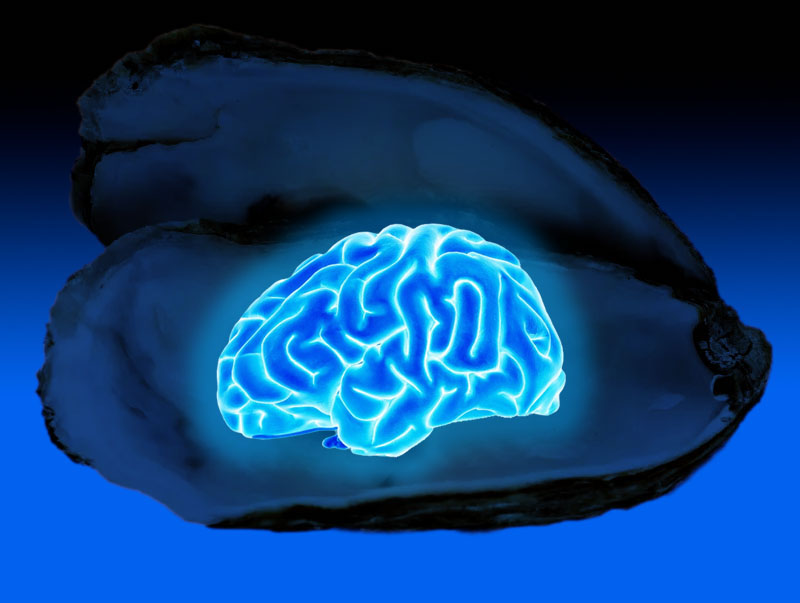
Your Brain is Our Oyster

by Patrick Holford

Shakespeare actually said “the world’s mine oyster, which I with sword will open.” 

This is, in essence, what we are doing at Food for the Brain. The pearl is your brain. 

Tragically, it is shrinking. As a species, we have lost 20% of our brain size in the last 29,000 years. As individuals, brain shrinkage causes dementia and every three seconds someone in the world is diagnosed with this unnecessary and preventable disease.

The perfect storm of factors – that are under your control

The pharmaceutical industry, supporting the medical profession to an unhealthy extent, would like to pretend that only they know what’s inside the brain and only they know how to prevent this preventable disease with a magic bullet. But there never will be a magic drug because there is nowhere in your brain where this disease is driven from. It is a ‘perfect’ storm of factors directly under your control.

At Food for the Brain, thanks to already well over 400,000 ‘citizen scientists’ who’ve taken the time, often initially for personal interest, to discover their actual cognitive function, and completed a comprehensive questionnaire. We are now testing the key biochemical processes with a home test pin prick blood test (omega-3, HbA1c(sugar), homocysteine (B vitamins) and vitamin D.

We have, with the sword of digital technology, opened the oyster to uncover the true causes – all under your control – that are driving this terrible and unnecessary shrinkage. Alzheimer’s, which is two-thirds of dementia, is a disease of ignorance that creates ignorance and leaves sufferers like empty shells upon the shore.

Size Matters

Yet, we know how to stop this. There is no magic. There is just pure science and common sense – not so common these days and too easily hijacked in the name of profit.

With your help, by spreading the word, we can realistically end next year with data on a million people who have both taken the Cognitive Function Test, which is the first fully comprehensive and validated free online test and completed the most comprehensive Dementia Risk Index questionnaire (integrated into the above test) on your diet and lifestyle organised to reveal the eight domains that are driving risk. Think of these keystones as the pearls of prevention; then adding the data of thousands of people testing the four functional tests that determine your glucose resilience, your methylation ability (that’s B vitamins and homocysteine), and your omega-3 and vitamin D status. With that we will have the largest and most comprehensive database of real information, twice the size of the UK BioBank, with which to work.

That work is to prise open exactly which combinations of diet and lifestyle changes protect your mind and which insidiously destroy it year upon year. No one’s memories or life history should be erased or fade.

Buy Blood test here button.
A Systems-Based Approach

We are a complex, adaptive system. It is the breakdown in fundamental systems that causes dementia.

Our research aims to show, for example that an ‘index’ of HbA1c, omega-3, homocysteine and vitamin D can be used to predict cognitive decline – and thus highlight key prevention steps. That, as a person’s Dementia Risk Index reduces their Cognitive Function improves or stops declining. This is systems-based science that mirrors who we are, not drug-based science that hunts for a target in order to create profit.

Then, the real mission of our charity begins: to motivate and educate, to empower and transform individuals, millions of individuals to take up their own sword, prise open the oyster and discover the pearl of optimal brain health, connection and intelligence.

Humanity is losing with IQ falling by 7 per cent a generation. On this flight path, a third of children will have mental disabilities by 2080.

I have spent my entire working life learning from bright and committed humanitarian scientists – from Professor Michael Crawford who discovered that the majority, 90% of long-chain fatty acids in the brain are omega-3 DHA ; to Professors David Smith and Helga Refsum, who found that homocysteine was an exquisite predictor of a shrinking brain and that B vitamins, with sufficient omega-3, reduce brain shrinkage in those with pre-dementia by two thirds, compared to the latest anti-amyloid drugs which accelerate shrinkage by 20%; to Dr Abram Hoffer who treated over 6,000 schizophrenics successfully with vitamins and omega-3, not with drugs and stopped seeing patients two weeks before his death, aged 92; and to his partner in crime, twice Nobel prize winner, Dr Linus Pauling, whom Einstein called the real genius, who said, in 1968 “that orthomolecular therapy, the provision for the individual person of the optimum concentrations of important normal constituents of the brain, may be the preferred treatment for many mentally ill patients.” He was the inspiration and the patron of the Institute for Optimum Nutrition, which I founded in 1984 and spawned a new professional of nutritional therapy now practising nutrition and lifestyle medicine. Before he died, as I filmed him at age 93, as sharp as a razor, he said: ‘Patrick follow the logic. It is the logic that counts.”

It is this nutrition and lifestyle medicine we wish to give away to every individual until it is the new paradigm. Until every child is taught these principles. Until every government and medical establishment is forced to support this paradigm, which is the paradigm that is the most true to who we are and capable of saving humanity from its rapid demise.

We will be successful. Our prediction, on good evidence and impeccable logic, is that Alzheimer’s may be entirely preventable in those 99% who do not have the rare causative genes and act early to optimise all diet and lifestyle factors. It is not an inevitable consequence of the ageing process. Our aim at Food for the Brain foodforthebrain.org is to show people how to vastly reduce their future risk of cognitIve decline. 

But will we be successful fast enough?

How many people continue to slip into the fog of dementia, now the number one cause of death, the greatest health care cost and the greatest fear of so many?

How many will you have known?

And how much loss of intelligence can humanity stand before the house of cards comes crumbling down?

Will you support us?

That is why we ask you, not for financial gain, but from the realisation of what is at stake, to give us your support by:

1. Taking the Cognitive Function Test, and encourage proactively everyone you know over 40 to do the same.

2. Donate to us in your will. Create or update your will for free and leave a lasting legacy – find out more here.

3. Make as big a donation as you can so we can accelerate this educational mission, which has to be underpinned by impeccable research. One million pounds, or £100 from 10,000 people, will ensure we reach millions. Three million pounds is what it costs leading UK professors to run the definitive trial of B vitamins and omega-3, which they have struggled to get funded for five years, despite just two UK Alzheimer’s charities having over £ 30 million to spend on research every year and the Uk government pledging £166 million a year, yet spending nothing on real prevention.

If you’d like to give more and need some assurance of the real return your investment will bring please contact me at patrick@foodforthebrain.org. 

We have to take the sword and prise the oyster of our brains open. The time is now.

And PS – the reason for the oyster analogy is…

…that oysters literally built the human brain. They were the easiest source along rivers, estuaries and coasts for women to collect and nourish themselves and their babies. It is likely we developed our manual dexterity opening them. 

“Lessons would have been gained from the sea birds opening oysters and diving into the water to catch fish, enticing our ancestors to investigate more than the rocks. Thus our ape ancestors may have started wading into water and becoming upright.”
(Extracts from Prof Michael C rawford’s book The Shrinking Brain)

When Henry Hudson arrived in 1609, there were some 350 square miles of oyster reefs in the waters around what is today the New York metro area – European settlers wasted no time in turning this natural resource into a powerful industry. One million: That’s roughly the number of oysters New Yorkers ate, every day, in the mollusks’ 19th-century heyday. New York was surrounded by immense natural oyster reefs. By 1880 New York was the undisputed capital of history’s greatest oyster boom. By 1880, steam power increased the oyster haul 12-fold compared to the previous sail-powered vessels. People thought there was no end to their availability and New Yorkers simply loved their large oysters, raw, fried, stewed or any way described in the cookbooks which proliferated. 

As New York grew, oyster stands became as common as hot dog stands today. A story goes that an English Earl on returning to England arrived at New York harbour too early. “What shall we do?” his American travelling friend asked. His lordship replied “Return to Broadway and have some more oysters!”

London pubs provided oysters from the Thames estuary free with the purchase of a pint of beer. In the UK, by 1990 the East-London public house owners were still placing oysters on the bar for people to have free with their beer. In New York as with London, the pollution and overfishing was starting to set the rot in progress.

Oysters are a perfect image to exemplify the need for marine nutrients to support brain health.  However, the richest source of DHA is actually caviar.

Further info

Sugar Shrinks the Brain & Messes Up Memory

Back in the decade that gave us neon shell suits, the first space shuttle, and the birth of the pop video (the unforgettable 1980s) we also believed that glucose (the sugar used by our bodies) gave us extra energy. Lucozade, a liquid form of glucose with a good dose of preservatives, artificial sweeteners and artificial colourants, was advertised as ‘energy for the human race.’ 

Yet, new studies are showing that too much glucose, and especially fructose, over time starves the brain of energy, leading to both memory loss and brain shrinkage.

These two sugars interfere with the energy factories within cells, called mitochondria, and deprive the brain of the energy it needs to function properly.

The link between diabetes and dementia is well known – those with diabetes have four times the risk of dementia. 

Haemoglobin A1c (HbA1c) is a long-term measure of glucose bound to red blood cells (haemoglobin) and is used by doctors to diagnose diabetes and monitor its therapy. HbA1c is a measure of damage produced by sugar spikes on red blood cells; a HbA1c of 6.5% or greater is diagnostic of diabetes. But long before this, in what is usually considered to be the ‘normal range’ teenagers with HbA1c above 5.4% show cognitive decline and shrinkage of the hippocampus in the central area of the brain compared to those with lower HbA1c levels (1). 

Shrinkage of the hippocampus is the hallmark of Alzheimer’s and is used to diagnose the disease. A new study shows that 40-year-old adults with so-called normal glucose levels, but at the higher end of the normal range, have increased their risk of Alzheimer’s by 15% (2). 

Furthermore, “In teenagers with raised, but normal levels of HbA1c, there is clear evidence of the same kind of memory problems and the same areas of brain shrinkage seen in patients with Alzheimer’s Disease” says Robert Lustig, Emeritus Professor of Pediatrics at University of California, San Francisco.

“Keeping your HbA1c below 5.4% with a no-added-sugar diet, and for some a low-carbohydrate diet, is one of the most direct ways you can protect your brain at any age.” says Lustig. 

“The irony is that having too much sugar over a number of years makes a person resistant to insulin. We need insulin in order to deliver glucose into our brain cells, so insulin resistance, the direct consequence of too much glucose, ends up starving the brain of energy with the consequent loss of concentration and memory.” says nutritionist and psychologist Patrick Holford, our CEO and founder.

“We are calling for people to test both their cognitive function with our free online test and measure their HbA1c with our new home pin prick blood test kit, so we can really find out when problems occur and how to prevent cognitive decline.” So far, over 400,000 people have done our Cognitive Function Test – our FREE, validated, online cognitive function test which tells you your future dementia risk and what to do to lower it.

Professor Robert Lustig thinks the problem got even worse when the food industry switched from sucrose, derived from cane, to high-fructose corn syrup, derived from corn; “High-fructose corn syrup is not more biologically evil; it’s economically evil, because it’s half the price of sucrose, so it found its way into all sorts of foods…

“The key message is to test HbA1c early if it is over 5.4% and act to bring it down by cutting right back on foods and drinks with added sugar including carbohydrate-rich foods such as bread, rice, pasta, potatoes, and especially fruit juice. Nature never provides fructose without the requisite fibre. When God made the poison, he packaged it with the antidote. Eat your fruit, don’t drink it.” says Lustig.

REFERENCES

BRAIN SHRINKAGE IN ADOLESCENTS

MIDLIFE GLUCOSE INCREASING ALZHEIMER’S DISEASE RISK

BACKGROUND ON SUGAR AND DEMENTIA

and 

Further info

Medicinal Mushrooms Help Fight Cognitive Decline & Protect Your Brain

 By Sophie Barret – Hifas da Terra & Patrick Holford

Two medicinal mushrooms are particularly relevant when it comes to optimising your brain health, here we discuss Reishi (Ganoderma Lucidum) and Lion’s Mane (Hericium erinaceus); in terms of their potency and use in both Alzheimer’s and Dementia as well as the studies and clinical research into both these significant strains.

Alzheimer’s disease is the most common form of dementia and, according to the WHO, accounts for 60-70% of cases. It is a progressive neurological disorder that involves a steady decline in thinking, behaviour and social skills that affects a person’s ability to live independently. Although age is the main risk factor for dementia, the disease is not an inevitable consequence of ageing. This type of dementia does not exclusively affect older people. Early-onset dementia (onset of symptoms before the age of 65) accounts for up to 9% of cases. Regular physical and mental exercise, avoiding cigarette smoke and alcohol, controlling weight and blood pressure, as well as following a healthy diet and premium quality supplementation can reduce the risk of Alzheimer’s or even slow down the process.

The application of Mycotherapy for Alzheimer’s focuses on the use of pure, standardised, organic extracts of Lion’s Mane (Hericium erinaceus) and Reishi (Ganoderma lucidum), the supplementation of which has been associated in clinical studies with a reduction in the likelihood of mild cognitive impairment and in vivo with anti-dementia activity in cognitive deficits.

The neurodegenerative mushroom: lion’s mane

Lion’s Mane, (Hericium erinaceus) is a medicinal mushroom with diverse pharmacological activities in the prevention of many age-associated neurological dysfunctions, including Alzheimer’s disease and Parkinson’s disease. (5). Supplementation of H. erinaceus has been shown to improve cognitive function and memory in people with mild cognitive impairment (4) and slow cognitive decline and dementia. Its extract is highly recommended in the treatment of neurodegenerative diseases.

The action of Lion’s Mane is based both on its ability to regenerate damaged nerve axons and to enhance myelinization. This is thanks to the rich content of hericenones found in Lion’s mane extract that act as a Nerve Growth Factor (NGF) enhancing agent.

European Biotech, Hifas da Terra, conducted the Neurofood study in people using a unique Lion’s Mane strain. The results showed significant improvements in participants’ attention, memory, concentration, processing speed and visuospatial skills.

The neuroprotective mushroom: reishi

Reishi has demonstrated neuroprotective capacity due to its potent antioxidant properties. Thanks to the antioxidant capacity of G. lucidum’s active biomolecules, especially terpenes such as ganoderic acid, it can improve the reduction of age-related oxidation linked to impaired cognitive function (12,13,14), alleviating neuronal damage and inhibiting apoptosis in Alzheimer’s disease (15).

Several studies and reviews have demonstrated its preventive and therapeutic effect on neuronal damage and cognitive impairment (9).

The antioxidant effect of G. lucidum, thanks to the ability of its active ingredients to scavenge free radicals, may enhance the reduction of age-related oxidation linked to cognitive function decline. (10).

What about ‘magic mushrooms’ & psychedelics ?

One of the hottest areas of brain research is the effects of various hallucinogenic compounds, notably psilocybin – a hallucinogenic substance in certain types of mushrooms, but also LSD and the Amazonian plant potion Ayahuasca, a rich source of DMT, on mental health and brain function. These compounds are tryptamines and share a quality of activating a key receptor site in the brain for serotonin, called 5-HT2 receptors.  As a group, they are all shown to be potential promoters of neuroregeneration and neuroplasticity, helping make neuron connections and perhaps new neurons. They also stimulate brain-derived neurotrophic factor (BDNF), a key brain signaller that stimulates growth. 

With many studies (13) now showing the potential of psychedelics to help those with treatment-resistant depression, drug addiction and also anxiety in terminal patients, much attention is being focussed on what they actually do in the brain. On a psychological level, breakthroughs in debilitating depression and anxiety seem to occur through the experience of patients ‘exorcising the demons’ of early traumas through psychotherapy assisted trips. But there may be more going on at a biological level. Also, studies are underway testing less heroic doses – microdoses – of these agents. It is too early to say whether they could have a helpful role in those with early cognitive decline and brain shrinking but it is certainly plausible and an area of ongoing research. It’s a case of ‘watch this space’.

In summary, the application of Mycotherapy for any type of dementia seeks to provide a neuroprotective effect, improving quality of life. It focuses also on the use of pure, standardised organic extracts of Lion’s Mane (Hericium erinaceus) and Reishi (Ganoderma lucidum), the supplementation of which has been associated in clinical studies with a reduction in the probability of suffering mild cognitive impairment (MCI) and in vivo with anti-dementia activity in cognitive deficits.

Lion’s Mane, (Hericium erinaceus) is a medicinal mushroom with a variety of pharmacological activities in preventing many age-associated neurological dysfunctions, including Alzheimer’s and Parkinson’s (1). As mentioned, supplementation of H. erinaceus (Lion’s Mane) has been shown to improve cognitive function and memory in people with mild cognitive impairment (2) and is therefore highly recommended in the integrative treatment of neurodegenerative diseases.

The action of H. erinaceus is based both on its ability to regenerate myelin and to regenerate new synapses thanks to its content of hericenones and erinacines, which act as Nerve Growth Factor (NGF) enhancing agents, both at the level of expression and secretion. This contribution of Hericium erinaceus has been shown to both prevent (5) and slow cognitive decline and dementia, as well as showing neuroprotective effects.

Several studies and reviews have also demonstrated as mentioned the neuroprotective capacity of Reishi, (Ganoderma lucidum), as well as its preventive and therapeutic effect on neuronal damage and cognitive impairment (9). While other studies have demonstrated its antioxidant effect concluding that, thanks to the ability of its active ingredients to scavenge free radicals, can enhance the reduction of age-related oxidation linked to the (10)

If you are going to consider two medicinal mushrooms for both these conditions these are the two medicinal mushrooms with the most scientific research behind them.

Want to learn more about how medicinal mushrooms can support you brain and mental health? Join us for the Mushrooms & the Mind webinar!


References

1. Li IC, Chang HH, Lin CH, et al. Prevention of Early Alzheimer’s Disease by Erinacine A-Enriched Hericium erinaceus Mycelia Pilot Double-Blind Placebo-Controlled Study. Front Aging Neurosci. 2020;12:155. Published 2020 Jun 3. doi:10.3389/fnagi.2020.00155.

2. Mori K, Inatomi S, Ouchi K, Azumi Y, Tuchida T (2009) Improving effects of the mushroom Yamabushitake (Hericium erinaceus) on mild cognitive impairment: a double-blind placebo-controlled clinical trial. Phytotherapy Research 23, 367-372.

3. Kim, Y. O., Lee, S. W., & Kim, J. S. (2014). A comprehensive review of the therapeutic effects of Hericium erinaceus in neurodegenerative disease. Journal of Mushroom, 12(2), 77-81.

4. Mori K, Obara Y, Hirota M, Azumi Y, Kinugasa S, Inatomi S, Nakahata N (2008) Nerve growth factor-inducing activity of Hericium erinaceus in 1321N1 human astrocytoma cells. Biologicaland Pharmaceutical Bulletin 31, 1727-1732.

5. Li IC, Lee LY, Tzeng TT, et al. Neurohealth Properties of Hericium erinaceus Mycelia Enriched with Erinacines. Behav Neurol. 2018;2018:5802634. Published 2018 May 21. doi:10.1155/2018/5802634.

6. Kawagishi, H., Zhuang, C., & Yunoki, R. (2008). Compounds for dementia from Hericium erinaceum. Drugs of the Future, 33(2), 149.

7. Ma BJ, Shen JW, Yu HY, Ruan Y, Wu TT, Zhao X (2010) Hericenones and erinacines: stimulators of nerve growth factor (NGF) biosynthesis in Hericium erinaceus. Mycology 1,

8. Moldavan M, Grygansky AP, Kolotushkina OV, Kirchhoff B, Skibo GG, Pedarzani P (2007) Neurotropic and trophic action of Lion’s Mane mushroom Hericium erinaceus (Bull.: Fr.) Pers. (Aphyllophoromycetideae) extracts on nerve cells in vitro. International Journal of Medicinal Mushrooms 9, 15-28.

9. Yu, N., Huang, Y., Jiang, Y., Zou, L., Liu, X., Liu, S., … & Zhu, Y. (2020). Ganoderma lucidum triterpenoids (GLTs) reduce neuronal apoptosis via inhibition of ROCK signal pathway in APP/PS1 transgenic Alzheimer’s disease mice. Oxidative medicine and cellular longevity,

10. Huang, S., Mao, J., Ding, K., Zhou, Y., Zeng, X., Yang, W., … & Pei, G. (2017). Polysaccharides from Ganoderma lucidum promote cognitive function and neural progenitor proliferation in mouse model of Alzheimer’s disease. Stem cell reports, 8(1), 84-94.

11. Klaus AS, Kozarski MS, Nikšić MP (2011) Antioxidant properties of hot water extracts from carpophore and spores of mushroom Ganoderma lucidum. Proceedings for Natural Science, Matica Srpska Novi Sad 120, 277-286.

12. ozarski MS, Klaus AS, Nikšić MP (2011) Extract from wild strain of mushroom Ganoderma lucidum as natural antioxidant. Proceedings for Natural Science, Matica Srpska Novi Sad 120, 287-295.

13. Saeger HN, Olson DE. Psychedelic-inspired approaches for treating neurodegenerative disorders. J Neurochem. 2022 Jul;162(1):109-127. doi: 10.1111/jnc.15544. Epub 2021 Dec 5. PMID: 34816433; PMCID: PMC9126991.

Further info

Is Vitamin D Deficiency Driving Dementia?

Everyone knows that vitamin D is vital for healthy bones and a stronger immune system but could low levels also be a major driver of Alzheimer’s and  age-related cognitive decline?

—

What new research is saying

New research suggests they could, and that levels of vitamin D commonly found in the UK are accelerating cognitive decline and increasing the risk of a dementia diagnosis (1). Supplementing vitamin D, especially in the winter, may reduce future dementia risk.

And it’s not just the UK. A study in France showed that those with low vitamin D levels, below 50nmol/l, had a nearly three-fold increased risk of Alzheimer’s (2). In the UK, over 60 percent of people aged 11 and over have lower levels than this (3).

Supplements also help ward off dementia, according to a large-scale study earlier this year involving over 12,000 dementia-free 70+ year olds (4). More than a third (37%) took supplements of vitamin D and had a 40% lower incidence of dementia. Professor Zahinoor Ismail, of the University of Calgary and University of Exeter, who led the research, said: “We know that vitamin D has some effects in the brain that could have implications for reducing dementia, however so far, research has yielded conflicting results. Overall, we found evidence to suggest that earlier supplementation might be particularly beneficial, before the onset of cognitive decline.”

Did you know we just launched our at-home vitamin D blood tests and MIND Vitamin D Research Project? Will you join our research project and test and track your own vitamin D with us?

—

If you’re not supplementing vitamin D in the winter they are heading for cognitive decline…

Vitamin D expert and Director of the Sunlight, Nutrition and Health Research Center in San Francisco and a member of our Scientific Advisory Board, Dr William Grant, says we’ve vastly under-estimated the importance of vitamin D on the brain and how much you need.

 “All the evidence for bone and immune health shows that you need a blood level of vitamin D above 75nmol/l to be healthy, and the same is proving true for the brain. This optimal level is impossible to achieve without supplementation in the winter. I recommend every adult and teenager supplement 3,000iu a day from October to March. The government’s recommendation of 400iu (10mcg) is not enough for optimal brain health. Supplementing 800iu (20mcg) a day for 12 months has already been shown to improve cognitive function but you need more than this to achieve anything close to an optimal level.” says Dr Grant. “If you’re not supplementing vitamin D in the winter they are heading for cognitive decline.” Yet only eight percent of UK adults take vitamin D in the winter, says the British Nutrition Foundation (6).

Under the direction of Dr Grant, we have launched a research project to test both vitamin D levels, using a home test kit, and cognitive function, with a free online Cognitive Function Test.

“We have tested over 400,000 people’s cognitive function and now we want to discover their vitamin D levels. This will establish how much vitamin D you really need to stay free from dementia” says Dr Grant.

If you’d like to take part in this research and discover your vitamin D level and cognitive function click here . The free online Cognitive Function test also works out what’s driving future dementia risk and tells you what to do about it


Did you know we just launched our at-home vitamin D blood tests and MIND Vitamin D Research Project? Will you join our research project and test and track your own vitamin D with us?

Thank you for reading!
Food for the Brain is a non-for-profit educational and research charity that offers a free Cognitive Function Test and assesses your Dementia Risk Index to be able to advise you on how to dementia-proof your diet and lifestyle.

By completing the Cognitive Function Test you are joining our grassroots research initiative to find out what really works for preventing cognitive decline. We share our ongoing research results with you to help you make brain-friendly choices.

Please support our research by becoming a Friend of Food for the Brain.

References

1 Chai B et al. Vitamin D deficiency as a risk factor for dementia and Alzheimer’s disease: an
updated meta-analysis. BMC Neurol. 2019 Nov 13;19(1):284. doi: 10.1186/s12883-019-
1500-6. PMID: 31722673; PMCID: PMC6854782.


2 Jia J et al. Effects of vitamin D supplementation on cognitive function and blood Aβ-related
biomarkers in older adults with Alzheimer’s disease: a randomised, double-blind, placebo-
controlled trial. J Neurol Neurosurg Psychiatry. 2019 Dec;90(12):1347-1352. doi:
10.1136/jnnp-2018-320199. Epub 2019 Jul 11. PMID: 31296588.


3 https://www.ncbi.nlm.nih.gov/pmc/articles/PMC7353432/pdf/nutrients-12-01868.pdf
4 Ghahremani M et al. Vitamin D supplementation and incident dementia: Effects of sex,
APOE, and baseline cognitive status. Alzheimers Dement (Amst). 2023 Mar 1;15(1):e12404.
doi: 10.1002/dad2.12404. PMID: 36874594; PMCID: PMC9976297.


5 Płudowski P et al Guidelines for Preventing and Treating Vitamin D Deficiency: A 2023
Update in Poland. Nutrients. 2023 Jan 30;15(3):695. doi: 10.3390/nu15030695. PMID:
36771403; PMCID: PMC9920487.

6 Ames BN, Grant WB, Willett WC. Does the High Prevalence of Vitamin D Deficiency in
African Americans Contribute to Health Disparities? Nutrients. 2021 Feb 3;13(2):499. doi:
10.3390/nu13020499. PMID: 33546262; PMCID: PMC7913332.


7 Engelsen O. The relationship between ultraviolet radiation exposure and vitamin D status.
Nutrients. 2010 May;2(5):482-95. doi: 10.3390/nu2050482. Epub 2010 May 4. PMID:
22254036; PMCID: PMC3257661.


8 Ekwaru JP et al The importance of body weight for the dose response relationship of oral
vitamin D supplementation and serum 25-hydroxyvitamin D in healthy volunteers. PLoS
One. 2014 Nov 5;9(11):e111265. doi: 10.1371/journal.pone.0111265. PMID: 25372709;
PMCID: PMC4220998.
9 Feart C et al.. Associations of lower vitamin D concentrations with cognitive decline and
long-term risk of dementia and Alzheimer’s disease in older adults. Alzheimers Dement.
2017 Nov;13(11):1207-1216. doi: 10.1016/j.jalz.2017.03.003. Epub 2017 May 16. PMID:
28522216.


10 https://apigateway.agilitypr.com/distributions/history/4db5dd81-e4c6-4503-b961-
ca44baed4423

Further info

Vitamin D – the Mind, Memory & Mood Essential

By Patrick Holford

Did you know the length of your shadow can tell you if you’re able to generate vitamin D from sunlight?

If your shadow is longer than your body – you can’t produce vitamin D from sunlight. If you are in winter and live in a country of higher latitude (like the UK), this is happening now!

Vitamin D is an all-rounder as far as your brain and mental health is concerned.

It helps neurotransmission and exerts anti-inflammatory and neuroprotective activities within the brain by reducing both inflammation and oxidative stress (1).  

We are all deficient in winter

Generally speaking, the lower your vitamin D, the worse your mood which makes vitamin D especially important to supplement from October to March if you live in the UK or a similar latitude, when the angle of the sun is too low and you’re also less likely to get outdoors exposing your skin to sunlight. It’s best to assume that we are all deficient in winter, unless you travel to the sun, and therefore need to supplement at least 25mcg (1000iu) although two or three times may be optimal and necessary to correct deficiency.

Vitamin D and depression

The lower your vitamin D level, the more depressed you are likely to feel. If your mood takes a dip in winter months this is a key sign that you might need more. That’s what researchers at the University of Tromso in Norway found on testing 441 volunteers who were given a test for depression and also a test for blood levels of vitamin D. The volunteers were then given Vitamin D supplements or placebo. Tested one year on, those given vitamin D, but not those given the placebos, had substantially lower depression ratings (2).

However, you don’t have to wait for a year to get a lift in your mood. An eight-week study in Australia found that some of those given vitamin D supplements had an improvement in mood in only five days (3). Another study, in Iran, gave a single vitamin D injection and reported improvement in depression when measured 3 months on (4).

Since vitamin D stores, there is no need to supplement daily. You can take a weekly dose. In the Norwegian study above they gave 20,000iu or 40,000iu weekly. Both worked and there wasn’t a big difference in the effects on mood. So, you can assume that 20,000iu weekly, or 3,000iu daily would likely be sufficient.

It’s what is in your blood that matters

However, the yardstick for what you need is really whatever gets your blood level into the optimal range.

In the study above, those given 20,000iu a week averaged a blood level of 88 nmol/l, while those given 40,000iu averaged 111nmol/l. It is now well recognised that levels above 75nmol/l (30 ng/ml) correlate with good health for many health measures, while levels above 100nmol/l (40ng/ml) might be even better in some respects. My recommendation is to test yourself and consider anything below 50 to be deficient, and above 75 to be sufficient with an optimal level being closer to 100nmol/l (40ng/ml). If you then supplement 3,000iu daily, or seven times this weekly, especially from October to March, retest yourself against these yardsticks.

It’s not JUST about vitamin D

But it isn’t just vitamin D we need – it’s sunlight.

During the summer months, if you are spending half an hour outdoors, with short sleeves, shorts or even more skin exposure, in the sunlight, even a multivitamin that provides you 800iu (a quarter of what you need in the darker months) might be sufficient.

Sunlight promotes serotonin, the happy neurotransmitter.

Having good vitamin D levels is a vital part of your brain upgrade since it helps optimise your brain’s serotonin levels. That’s because a vital enzyme called TPH, which converts the amino acid tryptophan into serotonin, is enhanced in the brain by vitamin D, and selectively shut down in the gut. So, with sufficient vitamin D you get higher brain levels of serotonin, promoting good mood, and lower serotonin levels in the gut (5), protecting against gut inflammation. 

The other way to boost your light exposure is with light therapy. Canadian researchers compared the effects of an anti-depressant (fluoxetine), placebo or 30 minutes daily of light therapy as soon as possible on waking for people with major depression. Light therapy was both superior to placebo and anti-depressants, which were also no better than placebo. I have a full spectrum light in my study, which I put on in the winter, when I’m writing in the early morning, before the sun comes up.

Vitamin D and addiction

Interestingly, vitamin D deficiency is also associated with greater opioid addiction (7), suggesting the need to up vitamin D intake to reduce cravings. There’s also something else interesting about vitamin D, sun exposure and addiction. People can become addicted to sunbeds. In relation to opioids, the lower one’s vitamin D levels, the more addictive they become. Sun exposure, which promotes higher vitamin D levels, reduces opioid addiction.

What to eat?

The best food sources of vitamin D are oily fish and eggs. A serving of salmon or mackerel is likely to give you 400iu of vitamin D. Two eggs will provide about 130iu. In some countries, not the UK, milk is fortified with vitamin D but otherwise, it is not a great source. Some mushrooms are purposely fortified with vitamin D by exposing them to UV light.

In summary, the way up from down is to eat a low GL diet, with plenty of oily fish and eggs, avoid sugar, cut back on stimulants and alcohol, and make sure your daily supplements include omega-3, B vitamins, with extra B12 if your homocysteine level is high, vitamin D, zinc, magnesium, chromium, plus the amino acids 5-HTP with is the precursor of serotonin.

Vitamin D protects your brain and memory.

Vitamin D deficiency increases the risk of Alzheimer’s (9). In a study in France involving 912 elderly patients followed for 12 years, a total of 177 dementia cases occurred. Those with low vitamin D levels had a nearly three-fold increased risk of Alzheimer’s (10). Supplementing 800iu (20mcg) a day for 12 months has also been shown to improve cognitive function (11). 

Supplements may also help ward off dementia, according to a recent, large-scale study involving over twelve thousand dementia-free 70+ year-olds in the US (12). More than a third (37%) took supplements of vitamin D. Those who did had a 40% lower incidence of dementia. Professor Zahinoor Ismail, of the University of Calgary and University of Exeter, who led the research, said: “We know that vitamin D has some effects in the brain that could have implications for reducing dementia, however so far, research has yielded conflicting results. Overall, we found evidence to suggest that earlier supplementation might be particularly beneficial, before the onset of cognitive decline.”

Vitamin D helps recovery from strokes and brain injury

Having a higher vitamin D level or supplementing vitamin D at levels above 2,000iu a day also helps people recover from strokes (13) and other forms of brain injury.

I recommend 3,000iu a day or 21,000iu a week in winter but most importantly, monitoring your vitamin D level to keep it above 75nmol/l (30 ng/ml). A level of 100nmol/l may be optimal. That is why testing is so vital as winter approaches. Test again 3 months later so you know if you’re taking enough or too much and that will give you a good gauge as spring approaches when you can probably lower your intake to 600 to 1,000iu depending on sun exposure and diet to top up to over 1,000iu.

Vitamin D is vital in pregnancy and for children

A breastfeeding mother must, at least, supplement omega-3 fish oils and ensure enough B vitamins for homocysteine to be below 7 mcmol/L, but many other nutrients are also necessary. Low vitamin D status in both the mother and newborn baby increases the likelihood of developing autistic spectrum disorder by 54% (14).

Without sufficient nutrients not only do brain cells not make the connections but the production and flow of neurotransmitters doesn’t happen optimally. Bruce Ames, Emeritus professor of Biochemistry and Molecular Biology at the University of California, thinks that “serotonin synthesis, release, and function in the brain are modulated by vitamin D and the 2 marine omega-3 fatty acids, eicosapentaenoic acid (EPA) and docosahexaenoic acid (DHA).” He says that ”insufficient levels of vitamin D, EPA, or DHA, in combination with genetic factors and at key periods during development, would lead to dysfunctional serotonin activation and function and may be one underlying mechanism that contributes to neuropsychiatric disorders and depression in children”. (15) 

A study in Northern Ireland found that half of schoolchildren were deficient in vitamin D, with a level below 50nmol/l (I recommend above 75 nmol/l). Another finds that low vitamin D levels in childhood are related to behaviour problems in adolescence (16). Is it any wonder so many children are neurodivergent?

A placebo-controlled trial giving ADHD children magnesium together with vitamin D for eight weeks showed a major reduction in emotional, conduct and peer problems and improved socialisation compared with children treated with the placebo (17).

The bottom line – we all need to supplement vitamin D

The bottom line is everyone, from children to older people, and especially anyone considering pregnancy, suffering with low mood or memory problems, must test their vitamin D, ideally, at the start of winter to guide them as to what to supplement, during winter perhaps at 3 months, and 6 months later, to learn what amount of vitamin D supplementation they need in summer and winter.

In summary, you want to get your blood level above 75nmol/l (30 ng/ml) which usually means supplementing 3,000iu from October to March for those in the Northern Hemisphere. The optimal level is, however,  likely to be above 100nmol/l (40mg/ml).  Your need for vitamin D is likely to be greater if you are overweight and have darker skin and live further North.

When spring returns, and throughout summer, 1,000iu a day may be enough depending on your sun exposure.


Thank you for reading!
Food for the Brain is a non-for-profit educational and research charity that offers a free Cognitive Function Test and assesses your Dementia Risk Index to be able to advise you on how to dementia-proof your diet and lifestyle.

By completing the Cognitive Function Test you are joining our grassroots research initiative to find out what really works for preventing cognitive decline. We share our ongoing research results with you to help you make brain-friendly choices.

Please support our research by becoming a Friend of Food for the Brain.
References

1 Jayedi A, Rashidy-Pour A, Shab-Bidar S. Vitamin D status and risk of dementia and Alzheimer’s disease: A meta-analysis of dose-response †. Nutr Neurosci. 2019 Nov;22(11):750-759. doi: 10.1080/1028415X.2018.1436639. Epub 2018 Feb 15. PMID: 29447107

2 Jorde R, Sneve M, Figenschau Y, Svartberg J, Waterloo K. Effects of vitamin D supplementation on symptoms of depression in overweight and obese subjects: randomized double blind trial. J Intern Med. 2008 Dec;264(6):599-609. doi: 10.1111/j.1365-2796.2008.02008.x. Epub 2008 Sep 10. PMID: 18793245.

3 Khoraminya N, Tehrani-Doost M, Jazayeri S, Hosseini A, Djazayery A. Therapeutic effects of vitamin D as adjunctive therapy to fluoxetine in patients with major depressive disorder. Aust N Z J Psychiatry. 2013 Mar;47(3):271-5. doi: 10.1177/0004867412465022. Epub 2012 Oct 23. PMID: 23093054. Xxxx check the some in 5 days

4 Mozaffari-Khosravi H, Nabizade L, Yassini-Ardakani SM, Hadinedoushan H, Barzegar K. The effect of 2 different single injections of high dose of vitamin D on improving the depression in depressed patients with vitamin D deficiency: a randomized clinical trial. J Clin Psychopharmacol. 2013 Jun;33(3):378-85. doi: 10.1097/JCP.0b013e31828f619a. PMID: 23609390.

5 Patrick RP, Ames BN. Vitamin D hormone regulates serotonin synthesis. Part 1: relevance for autism. FASEB J. 2014 Jun;28(6):2398-413. doi: 10.1096/fj.13-246546. Epub 2014 Feb 20. PMID: 24558199.

6 Lam RW, Levitt AJ, Levitan RD, Enns MW, Morehouse R, Michalak EE, Tam EM. The Can-SAD study: a randomized controlled trial of the effectiveness of light therapy and fluoxetine in patients with winter seasonal affective disorder. Am J Psychiatry. 2006 May;163(5):805-12. doi: 10.1176/ajp.2006.163.5.805. PMID: 16648320.Psychiary, No015

7 Kemény LV, Robinson KC, Hermann AL, Walker DM, Regan S, Yew YW, Lai YC, Theodosakis N, Rivera PD, Ding W, Yang L, Beyer T, Loh YE, Lo JA, van der Sande AAJ, Sarnie W, Kotler D, Hsiao JJ, Su MY, Kato S, Kotler J, Bilbo SD, Chopra V, Salomon MP, Shen S, Hoon DSB, Asgari MM, Wakeman SE, Nestler EJ, Fisher DE. Vitamin D deficiency exacerbates UV/endorphin and opioid addiction. Sci Adv. 2021 Jun 11;7(24):eabe4577. doi: 10.1126/sciadv.abe4577. PMID: 34117054; PMCID: PMC8195487.

8 Jayedi A, Rashidy-Pour A, Shab-Bidar S. Vitamin D status and risk of dementia and Alzheimer’s disease: A meta-analysis of dose-response †. Nutr Neurosci. 2019 Nov;22(11):750-759. doi: 10.1080/1028415X.2018.1436639. Epub 2018 Feb 15. PMID: 29447107

9 Chai B, Gao F, Wu R, Dong T, Gu C, Lin Q, Zhang Y. Vitamin D deficiency as a risk factor for dementia and Alzheimer’s disease: an updated meta-analysis. BMC Neurol. 2019 Nov 13;19(1):284. doi: 10.1186/s12883-019-1500-6. PMID: 31722673; PMCID: PMC6854782.

10 Jia J, Hu J, Huo X, Miao R, Zhang Y, Ma F. Effects of vitamin D supplementation on cognitive function and blood Aβ-related biomarkers in older adults with Alzheimer’s disease: a randomised, double-blind, placebo-controlled trial. J Neurol Neurosurg Psychiatry. 2019 Dec;90(12):1347-1352. doi: 10.1136/jnnp-2018-320199. Epub 2019 Jul 11. PMID: 31296588.

11 Feart C, Helmer C, Merle B, Herrmann FR, Annweiler C, Dartigues JF, Delcourt C, Samieri C. Associations of lower vitamin D concentrations with cognitive decline and long-term risk of dementia and Alzheimer’s disease in older adults. Alzheimers Dement. 2017 Nov;13(11):1207-1216. doi: 10.1016/j.jalz.2017.03.003. Epub 2017 May 16. PMID: 28522216.

12 Ghahremani M, Smith EE, Chen HY, Creese B, Goodarzi Z, Ismail Z. Vitamin D supplementation and incident dementia: Effects of sex, APOE, and baseline cognitive status. Alzheimers Dement (Amst). 2023 Mar 1;15(1):e12404. doi: 10.1002/dad2.12404. PMID: 36874594; PMCID: PMC9976297.

13 Marek K, Cichoń N, Saluk-Bijak J, Bijak M, Miller E. The Role of Vitamin D in Stroke Prevention and the Effects of Its Supplementation for Post-Stroke Rehabilitation: A Narrative Review. Nutrients. 2022 Jul 4;14(13):2761. doi: 10.3390/nu14132761. PMID: 35807941; PMCID: PMC9268813.

14 Wang Z, Ding R, Wang J. The Association between Vitamin D Status and Autism Spectrum Disorder (ASD): A Systematic Review and Meta-Analysis. Nutrients. 2020 Dec 29;13(1):86. doi: 10.3390/nu13010086. PMID: 33383952; PMCID: PMC7824115.

15 Patrick RP, Ames BN. Vitamin D and the omega-3 fatty acids control serotonin synthesis and action, part 2: relevance for ADHD, bipolar disorder, schizophrenia, and impulsive behavior. FASEB J. 2015 Jun;29(6):2207-22. doi: 10.1096/fj.14-268342. Epub 2015 Feb 24. PMID: 25713056.

16 Sonia L Robinson, Constanza Marín, Henry Oliveros, Mercedes Mora-Plazas, Betsy Lozoff, Eduardo Villamor, Vitamin D Deficiency in Middle Childhood Is Related to Behavior Problems in Adolescence, The Journal of Nutrition, Volume 150, Issue 1,

2020, Pages 140-148, ISSN 0022-3166, https://doi.org/10.1093/jn/nxz185.

17 Hemamy M, Pahlavani N, Amanollahi A, Islam SMS, McVicar J, Askari G, Malekahmadi M. The effect of vitamin D and magnesium supplementation on the mental health status of attention-deficit hyperactive children: a randomized controlled trial. BMC Pediatr. 2021 Apr 17;21(1):178. doi: 10.1186/s12887-021-02631-1. Erratum in: BMC Pediatr. 2021 May 12;21(1):230. PMID: 33865361; PMCID: PMC8052751.

Further info

The Shrinking Brain. Are we dumbing down?

—

Both brain size and IQ are falling in modern humans, coinciding with a big increase in mental illness.

What we eat is to blame, says Professor Michael Crawford, author of a new book ‘The Shrinking Brain’ and Sir David Attenborough is convinced he is right.

The Falling IQ

IQ scores have also been steadily falling for the past few decades. Norwegian researchers, headed by Ole Rogeberg, a senior research fellow at the Ragnar Frisch Center for Economic Research in Norway, analysed the IQ scores of Norwegian men born between 1962 and 1991 and found that scores steadily decreased among those born after 1975 (1). “Similar studies in Denmark, Britain, France, the Netherlands, Finland and Estonia have demonstrated a similar downward trend in IQ scores” says Rogeberg. “The decline is due to environmental factors,” 

This coincides with a change in Western diet away from fat, towards carbohydrates and sugar, based on the mistaken belief that it was fat, not sugar, that was causing heart disease and that we should all eat a low-fat diet. Since then, our IQ scores have been dropping by about 7 per cent per generation. 

“We are heading for an idiocracy” says Professor Crawford who is Director of the Institute of Brain Chemistry and Human Nutrition. Currently one in five of the world’s children and adolescents have a mental health condition (2).’  If this trend continues, by 2080 he predicts that more than a third of the world’s population will have a mental disability.

The World Health Organisation report says ‘there has been a 13% rise in mental health conditions. One in eight now suffers from mental illness. The incidence of depression is through the roof. Last year in the UK there were over 100 million prescriptions for antidepressants. 

Crawford is convinced it is the modern-day diet that is causing us to dumb down. “Our genome is adapted to eating the wild foods we ate during our species’ evolution. Today’s diet bears no resemblance to this.”

Key nutrients from land & sea

In his book, The Shrinking Brain, he says “Our ancestors evolved a unique 1,600cc brain evolving from our ancestral 350cc brain of the chimpanzee, despite our genome only differing by 1.5% (3). This could only have happened by providing brain-specific building nutrients from land and sea. There is incontrovertible evidence of early Homo sapiens exploiting the marine food web in coastal Africa.” In other words, we were the waterside ape who became smart, with bigger brains, by eating mussels, oysters, crabs and fish. 

Professor Crawford discovered, in 1971, that the brains of all mammals are rich in omega-3 DHA. Their brain size varied according to their dietary supply of DHA found in seafood. A dolphin, for example, has a 1,700cc brain, slightly larger than ours, while a lion has a 320cc brain about that of a chimpanzee. “The mix of wildland and aquatic foods powered by the encephalization of the brain from the 340cc of the chimp to the 1,500-1,700 of cro-magnon. DHA is not only involved in signalling but it stimulates gene expression in the brain so the rich aquatic food sources constantly, every day, would have powered the increase in brain size and function.” says Crawford.

“Today’s diet contains less than a tenth of the omega-3 fats that our ancestors ate and this is having dire consequences on mental health. Increased rates of depression, autism, ADHD and dementia are all strongly linked to lack of seafood. Increased intake from eating fish or supplementing omega-3 fish oils reduces dementia risk by 20 per cent (4). While a plant-based diet has many benefits, those who eat no fish, are especially vulnerable and must supplement omega-3 DHA, derived from algae. The only way to be sure you have enough is to get a blood test to specifically test your levels.” Says our CEO and founder Patrick Holford.  

This is why we have just launched a simple ‘do it at home’ pin-prick test that can give you a clear indication of your Omega-3 levels, which done alongside our Cognitive Function Test, can help identify what’s driving future risk and show you how to dementia-proof your diet and lifestyle. 

Canadian neuroscientist and brain expert Professor Stephen Cunnane at the University of Sherbrook in Canada agrees “A shore-based diet, i.e., fish, molluscs, crustaceans, frogs, bird’s eggs and aquatic plants, provides the richest known dietary sources of brain selective nutrients.” says Cunnane. “Change in diet away from marine foods is the likely explanation for this decrease in brain size.”  

Sir David Attenborough, a supporter of the waterside ape theory, agrees “Gathering molluscs is far easier than chasing elephants and wildebeests across the savannah.” 

Children & omega-3

Today, under 5 per cent of children achieve the basic requirement for omega-3 from seafood (5).

Professor Michael Crawford, who is a visiting professor at Imperial College’s Chelsea & Westminster campus and on our Scientific Advisory Board, was part of the team that has recently established that, if a pregnant woman lacks omega-3 DHA she produces a substitute fat, oleic acid, to fill the baby’s brain. But it doesn’t work. Levels of oleic acid in a pregnant woman’s blood predicted preterm birth which carries the highest risk of developmental brain problems and mental deficits in their offspring, as well as a risk of learning and cognitive disabilities. Low omega-3 and B vitamins in mothers increase risk for lower IQ, learning and emotional problems in children (6).

A new study shows that the higher the omega-3 index and DHA, the greater both the brain size and the cognition of older people (7). Brain size predicts cognitive abilities, which is why we have started offering these vital tests – which are both easy and affordable to do at home.

Brain size is worked out from skull capacity. Homo sapiens skulls dating back to 29,000 years ago had a brain capacity of 1,660cc. By 10,000 years ago it was around 1,500cc or 1.5 kilograms. The average brain size today is a fifth smaller, at 1,336cc. Brain size may have started to shrink from 10,000 years ago, coinciding with mankind developing more land-based agriculture and eating less marine food along rivers and coasts.

 So we are inviting you to join our ‘citizen science’ study to track the impact of diet and Omega-3 on cognitive function over time.

Our brains and mental health are suffering as a result of our dietary changes.

So if you are concerned about your levels of Omega-3 and how it might be impacting your brain, body and life – you can now test your levels with our Omega-3 hometest kit here, which is offered alongside the free Cognitive Function Test, which assesses how well your diet is supporting your brain health.

Buy Blood test here button.

Thank you for reading!
Food for the Brain is a non-for-profit educational and research charity that offers a free Cognitive Function Test and assesses your Dementia Risk Index to be able to advise you on how to dementia-proof your diet and lifestyle.

By completing the Cognitive Function Test you are joining our grassroots research initiative to find out what really works for preventing cognitive decline. We share our ongoing research results with you to help you make brain-friendly choices.

Please support our research by becoming a Friend of Food for the Brain.

Supporting Research

IQ FALLING

Bratsberg B, Rogeberg O. Flynn effect and its reversal are both environmentally caused. Proc Natl Acad Sci U S A. 2018 Jun 26;115(26):6674-6678. doi: 10.1073/pnas.1718793115. Epub 2018 Jun 11. PMID: 29891660; PMCID: PMC6042097.

DECREASE IN BRAIN SIZE

Cunnane SC, Crawford MA. Energetic and nutritional constraints on infant brain development: implications for brain expansion during human evolution. J Hum Evol. 2014 Dec;77:88-98. doi: 10.1016/j.jhevol.2014.05.001. Epub 2014 Jun 11. PMID: 24928072.

MENTAL HEALTH RISING

https://www.who.int/publications/i/item/9789240049338

OMEGA-3 PREDICTS COGNITIVE PROBLEMS IN CHILDREN

Montgomery P, Burton JR, Sewell RP, Spreckelsen TF, Richardson AJ. Low blood long chain omega-3 fatty acids in UK children are associated with poor cognitive performance and behavior: a cross-sectional analysis from the DOLAB study. PLoS One. 2013 Jun 24;8(6):e66697. doi: 10.1371/journal.pone.0066697.

OMEGA-3 PREDICTS RISK FOR DEMENTIA AND COGNITIVE DECLINE

Wei BZ, Li L, Dong CW, Tan CC; Alzheimer’s Disease Neuroimaging Initiative; Xu W. The Relationship of Omega-3 Fatty Acids with Dementia and Cognitive Decline: Evidence from Prospective Cohort Studies of Supplementation, Dietary Intake, and Blood Markers. Am J Clin Nutr. 2023 Jun;117(6):1096-1109. doi: 10.1016/j.ajcnut.2023.04.001. Epub 2023 Apr 5. PMID: 37028557; PMCID: PMC10447496.

OMEGA-3 LEVELS PREDICT BRAIN SIZE IN OLDER PEOPLE

Loong, S.; Barnes, S.; Gatto, N.M.; Chowdhury, S.; Lee, G.J. Omega-3 Fatty Acids, Cognition, and Brain Volume in Older Adults. Brain Sci.2023,13,1278. https://doi.org/ 10.3390/brainsci13091278 

References

1 Bratsberg B, Rogeberg O. Flynn effect and its reversal are both environmentally caused. Proc Natl Acad Sci U S A. 2018 Jun 26;115(26):6674-6678. doi: 10.1073/pnas.1718793115. Epub 2018 Jun 11. PMID: 29891660; PMCID: PMC6042097.

3 Cunnane SC, Crawford MA. Energetic and nutritional constraints on infant brain development: implications for brain expansion during human evolution. J Hum Evol. 2014 Dec;77:88-98. doi: 10.1016/j.jhevol.2014.05.001. Epub 2014 Jun 11. PMID: 24928072.

4 Wei BZ, Li L, Dong CW, Tan CC; Alzheimer’s Disease Neuroimaging Initiative; Xu W. The Relationship of Omega-3 Fatty Acids with Dementia and Cognitive Decline: Evidence from Prospective Cohort Studies of Supplementation, Dietary Intake, and Blood Markers. Am J Clin Nutr. 2023 Jun;117(6):1096-1109. doi: 10.1016/j.ajcnut.2023.04.001. Epub 2023 Apr 5. PMID: 37028557; PMCID: PMC10447496.

5 Kranz, S.; Jones, N.R.V.; Monsivais, P. Intake Levels of Fish in the UK Paediatric Population. Nutrients 2017, 9, 392. https://doi.org/10.3390/nu9040392

6 Montgomery P, Burton JR, Sewell RP, Spreckelsen TF, Richardson AJ. Low blood long chain omega-3 fatty acids in UK children are associated with poor cognitive performance and behavior: a cross-sectional analysis from the DOLAB study. PLoS One. 2013 Jun 24;8(6):e66697. doi: 10.1371/journal.pone.0066697. Erratum in: PLoS One. 2013;8(9); see also Veena SR, Krishnaveni GV, Srinivasan K, Wills AK, Muthayya S, Kurpad AV, Yajnik CS, Fall CH. Higher maternal plasma folate but not vitamin B-12 concentrations during pregnancy are associated with better cognitive function scores in 9- to 10- year-old children in South India. J Nutr. 2010 May;140(5):1014-22. doi: 10.3945/jn.109.118075. Epub 2010 Mar 24. PMID: 20335637; PMCID: PMC3672847; see also McNulty H, Rollins M, Cassidy T, Caffrey A, Marshall B, Dornan J, McLaughlin M, McNulty BA, Ward M, Strain JJ, Molloy AM, Lees-Murdock DJ, Walsh CP, Pentieva K. Effect of continued folic acid supplementation beyond the first trimester of pregnancy on cognitive performance in the child: a follow-up study from a randomized controlled trial (FASSTT Offspring Trial). BMC Med. 2019 Oct 31;17(1):196. doi: 10.1186/s12916-019-1432-4. PMID: 31672132; PMCID: PMC6823954.

7 Loong, S.; Barnes, S.; Gatto, N.M.; Chowdhury, S.; Lee, G.J. Omega-3 Fatty Acids, Cognition, and Brain Volume in Older Adults. Brain Sci.2023,13,1278. https://doi.org/ 10.3390/brainsci13091278 

Further info