Are You Wasting Money On Your Omega-3 Supplements?
Are You Wasting Money On Your Omega-3 Supplements?
Omega-3 supplements are becoming increasingly popular – and rightly so – as another recent UK BioBank study (1) reported a 30% lower risk of dementia in those with higher omega-3 status in their blood.
Another study (2) found a 49% reduced risk for dementia in those with the highest omega-3 DHA level (top fifth) in their red blood cells compared with those having the lowest (bottom fifth).
Oily fish and fish oil supplements contain two types of omega-3 fat, called DHA and EPA. DHA is the main fat found in the brain cells of all animals. What’s more, your omega-3 index predicts both your brain size and cognitive abilities, according to this study (3) from Loma Linda University (featured in the Blue Zones film), so you might want to check that you’re above 8%.
The Benefits Go Beyond Preventing Dementia.
A person’s omega-3 index, which is a composite score of both EPA and DHA bound into red blood cell membranes, predicts both the risk of depression (4) and poorer reading ability, lower IQ, worse memory, sleep difficulties as well as aggression and emotional instability in children – hallmarks of ADHD (5).
It also predicts the risk of heart disease (6) and developmental problems in babies, based on measures taken in women both before and during pregnancy. Pregnant women with a higher omega-3 index have a much lower likelihood of having a baby with developmental problems, according to research from Imperial College London Institute of Brain Chemistry at the Chelsea & Westminster Hospital campus.
The Missing Piece…
However, omega-3s do not act alone. To become biologically active, DHA must be attached to phospholipids – a process entirely dependent on methylation. This, in turn, requires adequate levels of B vitamins: B6, folate, and B12.
A landmark study (7) concluded that the combination of B vitamins and fatty acids improves cognitive function. This is because, during methylation, DHA attaches to a phospholipid, enabling it to be incorporated into the neuronal membrane of the brain. The process of methylation is entirely dependent on vitamins B6, B12, and folate. When omega-3 and B vitamin status are both sufficient, the brain can build new, functional neuronal membranes – literally the structural basis of thought.
So, you need both a high omega-3 status (over 8%) and adequate B vitamins to incorporate DHA into the brain. You can be confident that methylation is working properly if your homocysteine level is below 11 µmol/L. In a large omega-3 study, people with early-stage dementia were given 2.3 grams a day (equivalent to two large fish oil capsules), but only those with lower homocysteine levels benefited (7).
Having a raised homocysteine level, above 11mcmol/L, is extremely common. In the US around 40% of people over the age of 60 have elevated levels. This is often due to poor absorption of vitamin B12 and may require high-dose supplementation to normalise homocysteine. (Read more about homocysteine here.)
Why Testing is Essential
This means two things are critical for protecting your brain:
A high omega-3 index – ideally over 8%.
A low homocysteine level – ideally below 11µmol/L, with the optimal level being around 7 µmol/L
If either is lacking, the protective effect is lost. Taking fish oils without ensuring good B vitamin status will not deliver full benefit – and vice versa.
That is why testing both is essential for protecting your brain.
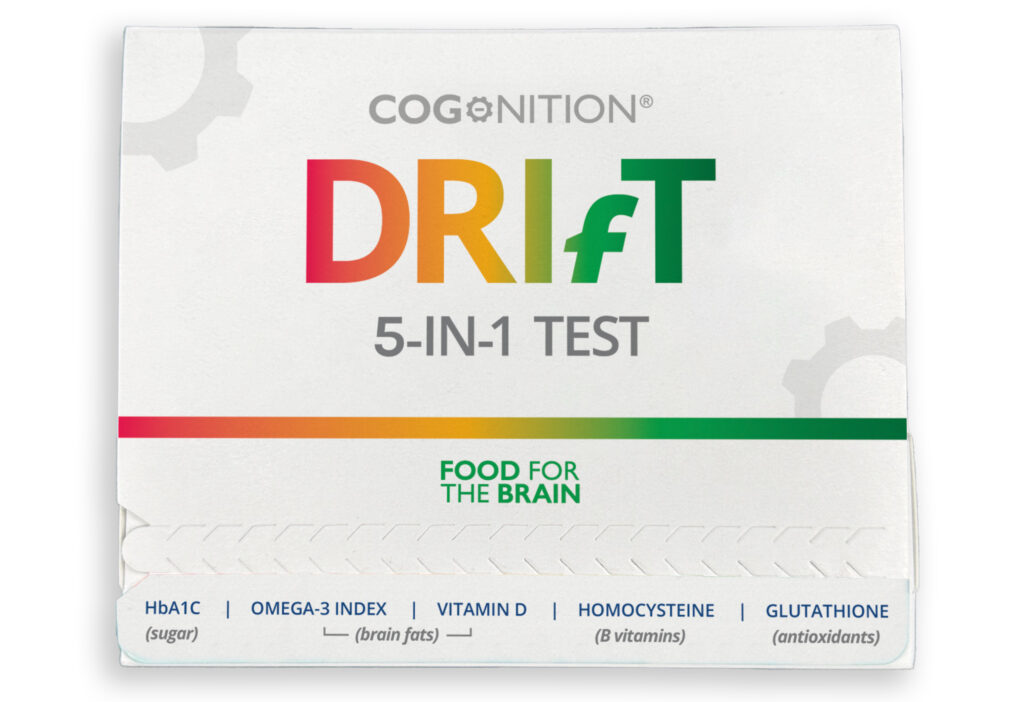
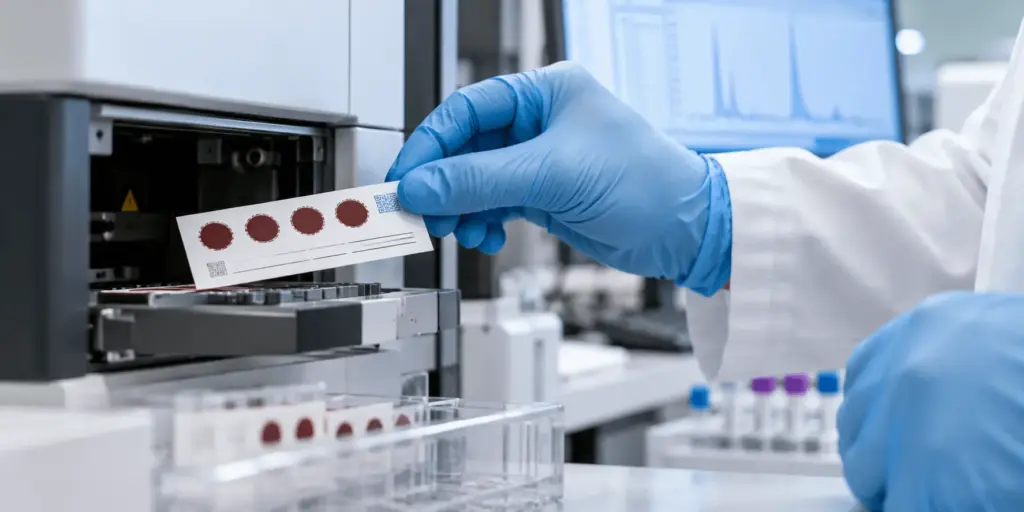
To make this simple, Food for the Brain has launched the DRIFt 5-in-1 home test – a quick pinprick blood test you can do yourself. It measures:
Omega-3 Index – how much brain-building DHA and EPA are in your cells
Homocysteine – the key methylation marker, linked to brain shrinkage
Vitamin D – vital for brain health, mood, and immunity
HbA1c – the gold-standard measure of blood sugar balance
Omega-6:3 Ratio – shows whether you’re getting the right fats for your brain
Together, these five markers account for more than half of the modifiable risk for Alzheimer’s disease and dementia.
By testing these markers, you will know exactly what to supplement and what to change in order to protect your brain. And by joining the DRIFt study, you will also become a Citizen Scientist, helping to advance dementia prevention research worldwide.
Food for the Brain is a non-for-profit educational and research charity that offers a free Cognitive Function Test and assesses your Dementia Risk Index to be able to advise you on how to dementia-proof your diet and lifestyle.
By completing the Cognitive Function Test you are joining our grassroots research initiative to find out what really works for preventing cognitive decline. We share our ongoing research results with you to help you make brain-friendly choices. Please support our research by becoming a Friend of Food for the Brain.
References
1 Sala-Vila, A.; Tintle, N.; Westra, J.; Harris, W.S. Plasma Omega-3 Fatty Acids and Risk for Incident Dementia in the UK Biobank Study: A Closer Look. Nutrients 2023, 15,4896. https://doi.org/10.3390/ nu15234896
2 Sala-Vila, A.; Satizabal, C.L.; Tintle, N.; Melo van Lent, D.; Vasan, R.S.; Beiser, A.S.; Seshadri, S.; Harris, W.S. Red Blood Cell DHA Is Inversely Associated with Risk of Incident Alzheimer’s Disease and All-Cause Dementia: Framingham Offspring Study. Nutrients 2022, 14, 2408. https://doi.org/10.3390/ nu14122408
4 Yonezawa K, Kusumoto Y, Kanchi N, Kinoshita H, Kanegae S, Yamaguchi N, Ozawa H. Recent trends in mental illness and omega-3 fatty acids. J Neural Transm (Vienna). 2020 Nov;127(11):1491-1499. doi: 10.1007/s00702-020-02212-z. Epub 2020 May 25. PMID: 32451632.
5 Montgomery P, Burton JR, Sewell RP, Spreckelsen TF, Richardson AJ. Low blood long chain omega-3 fatty acids in UK children are associated with poor cognitive performance and behavior: a cross-sectional analysis from the DOLAB study. PLoS One. 2013 Jun 24;8(6):e66697. doi: 10.1371/journal.pone.0066697. Erratum in: PLoS One. 2013;8(9).doi:10.1371/annotation/26c6b13f-b83a-4a3f-978a-c09d8ccf1ae2. PMID: 23826114; PMCID: PMC3691187; see also Raine A, Ang RP, Choy O, Hibbeln JR, Ho RM, Lim CG, Lim-Ashworth NSJ, Ling S, Liu JCJ, Ooi YP, Tan YR, Fung DSS. Omega-3 (ω-3) and social skills interventions for reactive aggression and childhood externalizing behavior problems: a randomized, stratified, double-blind, placebo-controlled, factorial trial. Psychol Med. 2019 Jan;49(2):335-344. Doi 10.1007/s11920-018-0894-y. PMID: 29623453. ; see also Liu, J., Cui, Y., Li, L. et al. The mediating role of sleep in the fish consumption – cognitive functioning relationship: a cohort study. Sci Rep 7, 17961 (2017). https://doi.org/10.1038/s41598-017-17520-w
6 Gutierrez L, Folch A, Rojas M, Cantero JL, Atienza M, Folch J, Camins A, Ruiz A, Papandreou C, Bulló M. Effects of Nutrition on Cognitive Function in Adults with or without Cognitive Impairment: A Systematic Review of Randomized Controlled Clinical Trials. Nutrients. 2021 Oct 22;13(11):3728. doi: 10.3390/nu13113728. PMID: 34835984; PMCID: PMC8621754.
7 Jernerén F, Cederholm T, Refsum H, Smith AD, Turner C, Palmblad J, Eriksdotter M, Hjorth E, Faxen-Irving G, Wahlund LO, Schultzberg M, Basun H, Freund-Levi Y. Homocysteine Status Modifies the Treatment Effect of Omega-3 Fatty Acids on Cognition in a Randomized Clinical Trial in Mild to Moderate Alzheimer’s Disease: The OmegAD Study. J Alzheimers Dis. 2019;69(1):189-197. doi: 10.3233/JAD-181148. PMID: 30958356.
Alzheimer’s is a preventable, but not reversible disease.
Less than one in a hundred cases are directly caused by genes. Prevention is entirely possible if you can identify who is at risk early enough and encourage the right diet and lifestyle changes.
This is why we have designed our new pinprick blood test which not only aims to predict your future risk for dementia but tells you how to reduce it. We now have a limited number available on pre-order as part of a global prevention research study aiming to involve a million people worldwide.
This much-awaited home-test kit measures your blood sugar, vitamin D, omega-3 and B vitamin status which account for more than half the modifiable risk for dementia. The results show how a person can reduce their risk with specific diet changes.
“By tracking a person’s blood sugar, vitamin B, D and omega-3 status against changes in cognitive function over time, in addition to lifestyle factors such as sleep and physical activity, we can learn what really helps prevent cognitive decline.” says Dr Wood, Assistant Professor at the University of Washington and the principal investigator for the prevention project.
We have already tested over 410,000 people with our free Cognitive Function Test, and hope to enrol a million people, to make this the largest Citizen Science global prevention initiative.
Subtle changes in cognition occur at least 30 years before a diagnosis, which is why we screen people online with a free Cognitive Function Test. And four simple blood tests are not only predictive but can help a person to understand how to drive down that risk. We call them the four horsemen of the mental health apocalypse because they also drive depression and ADHD. The incidence of both of these are on the increase.
(Read more about the four horsemen of the mental health apocalypse here and here).
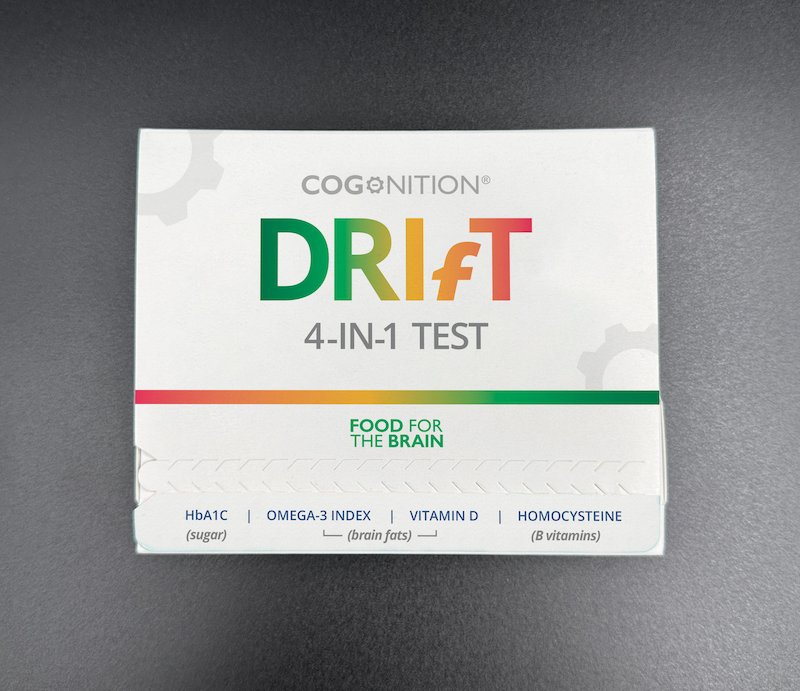
The four tests, called DRIfT (the Dementia Risk Index functional Test) is carried out using a simple home-test kit and a single pinprick of blood, adding further predictive capability, and helping guide the individual to make diet changes to reduce future risk.
—
Why these four markers?
Blood sugar (HbA1c) – Even raised blood sugar levels from age 35, but within ‘reference’ ranges, predict a 15 per cent increased risk of Alzheimer’s disease 35 years later, according to research by Boston University School of Medicine (1). This confirms other research from the University of Washington showing an 18% increased risk with raised sugar levels in older people seven years later and a 40% increased risk in those with diabetes (2). Even better than your blood sugar level, which varies across the day, is a long-term measure of blood sugar, called HbA1c, used to predict diabetes, which is what this test measures.
B vitamins (Homocysteine) – Low levels of B12, found in animal products, and folate, found in greens, raise blood levels of homocysteine. Raised homocysteine is considered a top marker for dementia risk, and is a causative driver of the disease process (3). Studies lowering homocysteine with B vitamins have more than halved the rate of age-related brain shrinkage. A Swedish study, started in 1968, found that those in the top third of homocysteine scores in their 40’s had double the risk for Alzheimer’s almost 35 years later (4). When homocysteine goes up memory gets worse and when it goes down memory gets better, according to a six-year study in Norway (5).
About half of all people over 60 have homocysteine levels above 11mcmol/l (6), which is the level associated with increased brain shrinkage. A study in Italy found that those with a homocysteine above 15mcmol/l have five times the risk of developing Alzheimer’s, compared to those with a level below 10 (7).
Last year, a study in China showed that raised homocysteine increases risk of cognitive decline by ten times (8). Homocysteine is easily lowered by supplementing vitamin B6, B12 and folate but at levels higher than achievable from diet because many older people do not absorb B12 well.
Oxford University’s health economist Dr Apostolos Tsiachristas estimates “Screening for homocysteine in people over 60 in the UK and treating those with raised levels with B vitamins could save the UK economy approximately £60 million per year.”
Omega-3 – Increased intake of omega-3, either from diet or supplements and having a higher omega-3 blood level, is associated with cutting risk for dementia by a fifth (20%), according to a study of 48 studies involving over 100,000 people (9).
Supplementing fish oils (10) cuts risk of dementia by 9%, according to research from the UK Bio Bank. Being in the top third for omega-3 blood levels, compared to the lowest third, reduced the rate of brain shrinkage in a year by more than two-thirds in those given B vitamins with mild cognitive impairment (11).
The omega-3 index, which is what the DRIfT test measures, predicts both brain size and cognitive function (12). This Oxford University research establishes that the brain needs both sufficient B vitamins and omega-3 to stay healthy.
Vitamin D – Having a higher vitamin D above 75nmol/l (25 ng/ml) cuts risk for Alzheimer’s and dementia by a third (13). In turn, those with a vitamin D level below 50nmol/l, increase their risk for Alzheimer’s and dementia by a third (14).
Six out of 10 adults in the UK (15) and three out of 10 in the US (16) have a vitamin D level below this. Taking vitamin D supplements may help ward off dementia, according to a 2023 study involving over twelve thousand dementia-free 70+ year olds in the US. Those taking vitamin D supplements had 40% lower incidence of dementia during a ten-year period. Vitamin D is essential to supplement during winter months.
These four risk factors, measured in the DRIfT test, are thought to account for over half the modifiable risk for Alzheimer’s disease and dementia. Having an active lifestyle, both physically, socially and intellectually further reduces risk substantially.
Food for the Brain is a non-for-profit educational and research charity that offers a free Cognitive Function Test and assesses your Dementia Risk Index to be able to advise you on how to dementia-proof your diet and lifestyle.
By completing the Cognitive Function Test you are joining our grassroots research initiative to find out what really works for preventing cognitive decline. We share our ongoing research results with you to help you make brain-friendly choices. Please support our research by becoming a Friend of Food for the Brain.
References
1 Zhang X, Tong T, Chang A, Ang TFA, Tao Q, Auerbach S, Devine S, Qiu WQ, Mez J, Massaro J, Lunetta KL, Au R, Farrer LA. Midlife lipid and glucose levels are associated with Alzheimer’s disease. Alzheimers Dement. 2023 Jan;19(1):181-193. doi: 10.1002/alz.12641. Epub 2022 Mar 23. PMID: 35319157; PMCID: PMC10078665.
2 P.K. Crane et al., ‘Glucose levels and risk of dementia’, New England Journal of Medicine (2013), vol 369(6):540–548.
3 Smith AD, Refsum H, Bottiglieri T, Fenech M, Hooshmand B, McCaddon A, Miller JW, Rosenberg IH, Obeid R. Homocysteine and Dementia: An International Consensus Statement. J Alzheimers Dis. 2018;62(2):561-570. doi: 10.3233/JAD-171042. PMID: 29480200; PMCID: PMC5836397.
4 Zylberstein DE, Lissner L, Bjorkelund C, Mehlig K, Thelle DS, Gustafson D, Ostling S, Waern M, Guo X, Skoog I (2011) Midlife homocysteine and late-life dementia in women. A prospective population study. Neurobiol Aging 32, 380-386
5 Nurk E, Refsum H, Tell GS, Engedal K, Vollset SE, Ueland PM, Nygaard HA, Smith AD (2005) Plasma total homocysteine and memory in the elderly: The Hordaland Homocysteine study. Ann Neurol 58, 847-857.
6 Pfeiffer CM, Osterloh JD, Kennedy-Stephenson J, Picciano MF, Yetley EA, Rader JI, Johnson CL. Trends in circulating concentrations of total homocysteine among US adolescents and adults: findings from the 1991-1994 and 1999-2004 National Health and Nutrition Examination Surveys. Clin Chem. 2008 May;54(5):801-13. doi: 10.1373/clinchem.2007.100214. Epub 2008 Mar 28. PMID: 18375482.
7 Ravaglia G, Forti P, Maioli F, Martelli M, Servadei L, Brunetti N, Porcellini E, Licastro F (2005) Homocysteine and folate as risk factors for dementia and Alzheimer disease. Am J Clin Nutr 82, 636-643.
8 Teng Z, Feng J, Liu R, Ji Y, Xu J, Jiang X, Chen H, Dong Y, Meng N, Xiao Y, Xie X and Lv P (2022) Cerebral small vessel disease mediates the association between homocysteine and cognitive function. Front. Aging Neurosci. 14:868777. doi: 10.3389/fnagi.2022.868777
9 Wei BZ, Li L, Dong CW, Tan CC; Alzheimer’s Disease Neuroimaging Initiative; Xu W. The Relationship of Omega-3 Fatty Acids with Dementia and Cognitive Decline: Evidence from Perspective Cohort Studies of Supplementation, Dietary Intake, and Blood Markers. Am J Clin Nutr. 2023 Apr 5:S0002-9165(23)46320-4. doi: 10.1016/j.ajcnut.2023.04.001. Epub ahead of print. PMID: 37028557.
10 Huang Y, Deng Y, Zhang P, Lin J, Guo D, Yang L, Liu D, Xu B, Huang C and Zhang H (2022) Associations of fish oil supplementation with incident dementia: Evidence from the UK Biobank cohort study.Front. Neurosci. 16:910977.doi: 10.3389/fnins.2022.910977
11 Jernerén F, Elshorbagy AK, Oulhaj A, Smith SM, Refsum H, Smith AD. Brain atrophy in cognitively impaired elderly: the importance of long-chain ω-3 fatty acids and B vitamin status in a randomized controlled trial. Am J Clin Nutr. 2015 Jul;102(1):215-21. doi: 10.3945/ajcn.114.103283. Epub 2015 Apr 15. PMID: 25877495.
14 Chai et al. BMC Neurology (2019) 19:284 https://doi.org/10.1186/s12883-019-1500-6
15 Calame W, Street L, Hulshof T. Vitamin D Serum Levels in the UK Population, including a Mathematical Approach to Evaluate the Impact of Vitamin D Fortified Ready-to-Eat Breakfast Cereals: Application of the NDNS Database. Nutrients. 2020 Jun 23;12(6):1868. doi: 10.3390/nu12061868. PMID: 32585847; PMCID: PMC7353432.
16 Liu X, Baylin A, Levy PD. Vitamin D deficiency and insufficiency among US adults: prevalence, predictors and clinical implications. Br J Nutr. 2018 Apr;119(8):928-936. doi: 10.1017/S0007114518000491. PMID: 29644951.
This is why we launched our highly accurate and groundbreaking at-home homocysteine test just before Christmas (and quickly sold out) because knowing this marker – your H factor – can help predict over 100 diseases. Specifically, homocysteine is an indicator of a person’s B vitamin status, and knowing this, can help reduce the risk of mental illness.
Yet it hasn’t been easily available or affordable to test this at home and is often not a marker checked by Dr’s.
But not any more!
Homocysteine & the Central Nervous System
“Homocysteine is a biomarker for over 100 diseases, but especially those of the central nervous system.” says pharmacology professor David Smith FMedSci, formerly Deputy Head of the Faculty of Medical Sciences at the University of Oxford. “It is a biomarker of impaired cognitive abilities in children, and in adults is a risk marker for stroke, dementia and Alzheimer’s, but also possibly for depression, anxiety, bipolar, schizophrenia, obsessive-compulsive disorder, Parkinson’s and multiple sclerosis. It is very much the forgotten factor, despite the research evidence being strongly positive (1). And the good news is, it is so easily corrected.”
Patrick Holford, psychologist and our CEO and founder says “A raised homocysteine level means something is going wrong with a vital process that controls how we think, feel and perceive. It’s called methylation and is dependent on B vitamins. Some people absorb B12 less well. Some just need more of the B vitamin than others and that biochemical individuality, especially if their diet is already deficient, can tip them into a mental or neurological illness.”
Depression & Homocysteine
Those suffering from depression are also more likely to have higher homocysteine levels (2, 3). Amanda-Jane is a case in point. She was suffering with chronic fatigue and low mood, so she decided to check her homocysteine level. She was shocked when she found her score was 26 mcmol/l (7 or less is considered optimal). After changing her diet and supplementing the B vitamins her sleep improved almost immediately and within four weeks, she had much more energy. Two months later she re-tested her homocysteine level and found it had dropped to 9. “I feel much better. My mood is very positive– no panic or depression. I feel buoyant, energetic and enthusiastic. I’m sleeping much better and my PMS has disappeared.” she said.
Also, every 5-point increase in homocysteine increases risk of being diagnosed with schizophrenia by a staggering 70%! (4) Yet very few sufferers are ever checked for raised homocysteine.
Homocysteine & B Vitamins
Professor Joseph Levine from the Stanley Research Centre and Beersheva Mental Health Centre in the Ben Gurion University in Israel devised a study to see what effect lowering homocysteine with B vitamins would have (5). He gave half of a group of 42 schizophrenic patients B vitamins (B6, B12 and folic acid) and the other half a placebo. Those taking the B vitamin supplements had both a dramatic reduction in their homocysteine levels and a significant improvement in their symptoms, except for one patient, who didn’t comply with the B vitamin treatment, didn’t improve and didn’t have a reduction in their homocysteine level. They were the exception that proves the rule.
Professor David Smith, writing in the Journal of Internal Medicine, together with world leading expert on homocysteine, Professor Helga Refsum from the University of Oslo, Norway, say “There are five diseases that can, at least in part, be prevented by lowering total homocysteine: neural tube defects, impaired childhood cognition, macular degeneration, primary stroke, and cognitive impairment in the elderly. We conclude from our review that total homocysteine values in adults of 10 mcmol/L or below are probably safe, but that values of 11 above may justify intervention. Homocysteine is more than a disease biomarker: it is a guide for the prevention of disease.” Not only does it predict an increased risk for a stroke, but having a lower homocysteine level, achieved by eating B12 rich foods such as fish and eggs, and folate and B6 rich foods such as whole foods, vegetables, nuts, seeds and beans, and supplementing B vitamins, helps those who’ve had a stroke recover faster (6).
We recommend anyone with a homocysteine level over 10 mcmol/L to supplement extra B vitamins, especially B6 (20mg), folate (400mcg) and B12 (500mcg). Homocysteine is a toxic amino acid that accumulates when there is a lack of B vitamins and damages your brain as well as your arteries.
Professor Smith’s research group at Oxford University has shown that giving people with pre-dementia these vitamins reduced the rate of brain shrinkage to less than half of that in those given placebos.
“Further cognitive decline virtually stopped in those taking the B vitamins.” says Smith.
Homocysteine, Pregnancy & Children’s School Grades
As many as two in five people over 60 have a raised homocysteine level. The reason why the B vitamin folic acid is recommended in pregnancy is because it lowers homocysteine. In ‘normal’ pregnancies with no complications in either mother or child, homocysteine remains below 7mcmol/L. In five out of seven studies women who have spontaneous abortions or miscarriages have a level above 15. The risk for having a pre-term baby is four times higher in women with a homocysteine level above 12 (7). A study of 81 healthy women who then became pregnant found that the children of the women whose homocysteine before conceiving was above 9 were significantly more withdrawn, anxious and depressed and had more social problems including increased aggressive behaviour (8).
“It is vital that a woman intending to become pregnant first checks her homocysteine level. Raised homocysteine, plus a lack of omega-3 fats found in fish is a major promoter of developmental problems and mental illness in children later in life.” says Holford.
A child’s homocysteine level even predicts their school grades. A study compared the sum of school grades for ten core subjects, with homocysteine levels in a group of 692 Swedish school children aged 9 to 15. Increasing homocysteine levels were strongly associated with reducing grades as was inadequate folate intake (9).
Join us in our Citizen Science Project by testing your homocysteine! The home pin prick blood test is now back in stock.
Thank you for reading!
Food for the Brain is a non-for-profit educational and research charity that offers a free Cognitive Function Test and assesses your Dementia Risk Index to be able to advise you on how to dementia-proof your diet and lifestyle.
By completing the Cognitive Function Test you are joining our grassroots research initiative to find out what really works for preventing cognitive decline. We share our ongoing research results with you to help you make brain-friendly choices.
Please support our research by becoming a Friend of Food for the Brain.
References
1 Smith AD, Refsum H. Homocysteine – from disease biomarker to disease prevention. J Intern Med. 2021 Oct;290(4):826-854. doi: 10.1111/joim.13279. Epub 2021 Apr 6. PMID: 33660358.
2 Moradi F, Lotfi K, Armin M, Clark CCT, Askari G, Rouhani MH. The association between serum homocysteine and depression: a systematic review and meta- analysis of observational studies. Eur J Clin Invest 2021: e13486.
3 Nabi H, Bochud M, Glaus J, Lasserre AM, Waeber G, Vollenweider P, Preisig M. Association of serum homocysteine with major depressive disorder: results from a large population-based study. Psychoneuroendocrinology 2013; 38: 2309-18.
5 Levine J, Stahl Z, Sela BA, Ruderman V, Shumaico O, Babushkin I, Osher Y, Bersudsky Y, Belmaker RH. Homocysteine-reducing strategies improve symptoms in chronic schizophrenic patients with hyperhomocysteinemia. Biol Psychiatry. 2006 Aug 1;60(3):265-9. doi: 10.1016/j.biopsych.2005.10.009. Epub 2006 Jan 17. PMID: 16412989.
6 Yahn GB, Leoncio J, Jadavji NM. The role of dietary supplements that modulate one-carbon metabolism on stroke outcome. Curr Opin Clin Nutr Metab Care. 2021 Jul 1;24(4):303-307. doi: 10.1097/MCO.0000000000000743. PMID: 33631772; see also
7 Dai C, Fei Y, Li J, Shi Y, Yang X. A Novel Review of Homocysteine and Pregnancy Complications. Biomed Res Int. 2021 May 6;2021:6652231. doi: 10.1155/2021/6652231. PMID: 34036101; PMCID: PMC8121575.
8 Roigé-Castellví J, Murphy M, Fernández-Ballart J, Canals J. Moderately elevated preconception fasting plasma total homocysteine is a risk factor for psychological problems in childhood. Public Health Nutr. 2019 Jun;22(9):1615-1623. doi: 10.1017/S1368980018003610. Epub 2019 Jan 14. PMID: 30636652; PMCID: PMC10261079.
9 Torbjörn K. Nilsson, Agneta Yngve, Anna K. Böttiger, Anita Hurtig-Wennlöf, Michael Sjöström; High Folate Intake Is Related to Better Academic Achievement in Swedish Adolescents. Pediatrics August 2011; 128 (2): e358–e365. 10.1542/peds.2010-1481
Few people realise the catastrophic decline in mental health that has occurred over the past 50 years.
—
‘Brain health conditions have become a global health emergency,’ according to the Federation of European Neuroscience Societies last year (1).
Globally, 15 per cent of all disability is due to brain and mental health disorders. The lifetime cost of Alzheimer’s in 2022 was estimated to be €1.2 trillion across the EU which is half the UK’s total GDP! This burden and costs exceeds that of all diseases, including cancer and heart disease. But most worrying are the trends of falling IQ at a rate of about 7 per cent a generation and the steady increase in young people with four in ten now reporting persistent feelings of sadness or hopelessness and almost a quarter (22 per cent) contemplating suicide (2).
On this flight path, by 2080, suicide may well become the leading cause of death in those under 24. Also, more than a third of children will have severe neurodevelopmental impairment, defined as significantly below the norm for IQ. That’s the conclusion of Professor Michael Crawford who discovered the essentiality of omega-3 DHA for the brain. Alarmingly, brain size, deduced from cranial capacity of skulls, has shrunk by a staggering 20 per cent over a mere 30,000 years. It took over six million years for brain size to increase from that of a chimpanzee (350cc) to a peak of 1,600 to 1,700 cc with Cro Magnon man thirty thousand years ago. Today, brain size averages 1,350cc (3). There is no question that we are devolving mentally with an endless escalation of rates of ADHD, autism, depression, anxiety, insomnia, schizophrenia, dementia and Alzheimer’s, as well as strokes, Parkinson’s and multiple sclerosis.
The big question is: why?
—
Introducing the four horsemen…
I’m proposing that there are four main biological drivers of our demise which I’m calling the four horsemen of the mental health apocalypse: a lack of brain fats, messed up methylation, loss of glucose control and excessive oxidation.
The first two – brain fats and methylation – are vital for the integral structure of neuronal membranes. The second two are vital for the function of brain cells, supplying fuel and coping with the oxidant ‘exhaust fumes’ of energy metabolism.
—
Brain fats in short supply
The dry weight of the brain is 60 per cent fat, and omega-3 DHA makes up the majority of the structural fat of neurons, followed closely by Arachidonic Acid (AA), an omega-6 fat. ALL BRAINS OF ALL ANIMALS contain predominantly these two essential brain fats. It is the available supply of these that determine whether an animal ends up with a big or small brain. The link between omega-3 DHA and brain function is beyond doubt, with study after study confirming the scientific evidence. Only last month, a study from the UK BioBank reported a 30 per cent lower risk of dementia in those with a higher omega-3 status in their blood (4). This confirmed the results of a US study (5) that found a 49 per cent reduced risk for dementia in those with the highest DHA level (top fifth) in their red blood cells versus the lowest (bottom fifth). A meta-analysis of 48 studies in the American Journal of Clinical Nutrition in 2023 (6) concludes that ‘a moderate-to-high level of evidence suggested that dietary intake of omega-3 fatty acids could lower risk of all-cause dementia or cognitive decline by about 20 per cent, especially for docosahexaenoic acid (DHA) intake’. Each 100mg increment of DHA was associated with an 8–10 per cent lower risk of dementia. And a 2023 study, by psychologists at the Linda Loma University in California and published in the journal Brain Sciences (7), reported that the higher a person’s omega-3 blood index was, the more white matter there was in their brain, and the better they performed on cognitive tests that predict less risk for dementia.
It’s compelling science. That is why my first recommendation is to always test your omega-3 index.
This is the percentage of omega-3 DHA and EPA in the membrane of red blood cells, and it is a direct reflector of the membrane levels in your brain. Red cells last for three months so this is a long-term measure of your omega-3 status. In countries such as Japan, known for a high fish diet, the omega-3 index is around 10 per cent on average. Ideally, a level of above 8 per cent is optimal. I thought I was doing well, supplementing daily 575mg of EPA and DHA combined, plus eating oily fish three times a week but I scored just under – 7.7 per cent. I’ve since upped my intake of DHA by 500 mg, to 750 mg total daily intake.
In its pure form, DHA isn’t enough, it has to become ‘phosphorylated’ to work. It’s a bit like using those glues where you have two tubes and have to mix a squeeze of one with the other for the glue to work. The ‘mixer’ in this case is the B vitamins in your body attaching the DHA to the phospholipids such as phosphatidylcholine (PC). If you have no phospholipids, or no DHA or B vitamins, the mix is not going to work. While the body can synthesise DHA, to reach the levels we need requires good quality food sources such as seafood, by far the richest source of (already) phosphorylated DHA. If fish isn’t your thing, supplementing with lecithin (granules or capsules) is a must – aim for two 1200mg capsules or 250mg of PC per day.
—
Vitamin D is a mental health essential
The other essential brain fat, which is actually a hormone, is vitamin D.
A large-scale study earlier this year, involving over twelve thousand dementia-free 70+ year olds (8), found that more than a third (37 per cent) took supplements of vitamin D and those that did had a 40 per cent lower incidence of dementia. Many nutrition professionals recommend supplementing around 3,000 iu in the winter to achieve an adequate blood level of 75 nmol/L or more, advice that is backed up by a consortium of some 35 vitamin D researchers.(9) The UK Government also recommends supplementing vitamin D, although the recommended 400iu falls far short of the amount needed for brain health. In a study in France, those with low vitamin D levels, below 50 nmol/L, had a nearly three-fold increased risk of Alzheimer’s (10) and worryingly, over sixty per cent of people in the UK have lower levels than this (11), while half are unaware of the need to supplement in the winter and only one in ten actually do (12). (Back in 2010, I was reported to the Advertising Standards Agency for suggesting that people had to supplement vitamin D in the winter because diet alone was not sufficient – how times change!)
Research continues to investigate whether having a higher blood level of vitamin D, perhaps 100 nmol/L, is even better for brain health. If you know your vitamin D level, you can help with this research by completing the Cognitive Function Test, and providing your vitamin D level. Or you can join our MIND project which includes a home test kit to measure your vitamin D level. We’ve tested 410,000 people’s cognitive function so far but need more people who know, or are willing to test their vitamin D.
Methylation and homocysteine-lowering B vitamins
Omega-3 DHA can only become active by the process of methylation, which attaches the DHA to a phospholipid and thereby enables it to be incorporated into the neuronal membrane. The process of methylation is totally dependent on vitamins B6, B12 and folate. Our methylation-ability is beautifully defined by our homocysteine level. Homocysteine rises if the biochemical pathway between the amino acid methionine converting to the methyl-donor SAMe is blocked. Without adequate vitamin B6, B12, folate or, in the liver, zinc and tri-methyl glycine (TMG), homocysteine will rise.
Lowering homocysteine with B vitamins is the greatest evidenced disease-modifying treatment, as shown in the best meta-analysis of 396 trials (13) by China’s leading Alzheimer’s prevention expert, Professor Jin-Tai Yu, whom we are honoured to have in our Scientific Advisory Board. It was also rated so by the US National Institutes of Health researchers (14).
The four horsemen of the mental health apocalypse
Homocysteine is also a biomarker for over 100 diseases including almost all mental and neurological diseases. The seminal paper by Professors David Smith and Helga Refsum on the subject is vital for all to read. For example, just one recent meta-analysis showed that both homocysteine, vitamin B12, and folic acid predict the onset and development of Parkinson’s. Homocysteine levels above 11µmol/L are a clear indicator that the brain is shrinking. Professor David Smith, another member of our Scientific Advisory Board, recommends treatment with B vitamins for anyone with a homocysteine above 10µmol/L , giving 20 mg of B6, 400 mcg of methylfolate and 500µg of B12.
Increasingly, raised homocysteine is extremely common. In America, 40 per cent of those over 60 have a homocysteine of over 11 (15). In China ‘the mean (average) homocysteine levels in adult males less than 30 years of age and greater than 60 years were higher than the upper limit of normal (15 µmol/L).’ And in the UK, two in five adults over 61 have insufficient B12 to prevent accelerated brain shrinkage (16).
Homocysteine not only predicts Alzheimer’s dementias but also vascular dementia which, combined, make up almost 90 per cent of all dementias. Raised homocysteine is a major driver of cardiovascular and cerebrovascular disease. Raised homocysteine increases the risk of cerebrovascular disease by seventeen times (17)! Joe Rogan dedicated his recent show to exactly this (18) and stressed why testing homocysteine is vital for anyone with any form of cardiovascular, neurological or mental health disease.
The trouble with homocysteine is you just don’t know if your level is raised without testing it, which is why we have create our own at-home, highly accurate test kit. While up to 20 per cent of people have a methylation gene mutation (MTHFR677TT) making them more likely to have a raised level, it’s likely that most people with raised homocysteine are just not good at absorbing vitamin B12, a condition that becomes more common with age. This is why antacid proton pump inhibitor (PPI) drugs are such bad news. They drive down B12 and four years use cranks up Alzheimer’s risk by over 33 per cent (19).
Breakthrough in homocysteine testing
It is essential to test homocysteine level for anyone over 50 and anyone with any brain or mental health or cardiovascular disorder including hypertension. Treatment with B vitamins is also essential if the level is above 10µmol/L. While a homocysteine level above 11 means increased brain shrinkage, research shows that even a homocysteine level of above 9 during pregnancy predicts more problems, specifically withdrawn behaviour, anxiety/depression, social problems and aggressive behaviour in the child by the age of six (20). Raised homocysteine is a well known predictor of miscarriage and pregnancy problems, which is why I recommend that women can best prepare for a healthy pregnancy by ensuring their homocysteine level is below 7.5 mcmol/l. Above this, the evidence points to chromosomal damage (21).
All these studies refer to plasma homocysteine, that is the level found in the clear serum part of blood (rather than the red blood cells). The difficulty with many test kits is the need to separate or spin the blood shortly after taking the sample or pass the blood through a plasma separator. Many fall short of the correlation with serum/plasma homocysteine, the gold standard of testing. Excitingly, a breakthrough with both the fixing of blood (taken using a dry blood spot) and the testing process now means that we now have an accurate and inexpensive way to test homocysteine with our home test kit. This is going to be made available all over the world, starting with the UK and EU in January 2024. The validation of this test is extremely good, with no false positives or negatives. Accuracy can be further improved if the test is taken after fasting for 12 hours with water only. Both coffee and alcohol affect homocysteine levels, as does eating a protein-rich meal.
Please, join our Citizen Science research by both testing homocysteine and completing the Cognitive Function Test here
A consensus of world experts (22) has concluded that lowering homocysteine with B vitamins is the easiest and most cost-effective prevention action, which Oxford University’s health economists estimate would save the UK £66 million per year (23).
However, it’s vital to test both homocysteine and Omega-3 levels, as they are co-dependent. Homocysteine-lowering B vitamins only work in those with sufficient omega-3, and omega-3 only works if homocysteine is low. This short film shows how this works here.
It explains why studies giving omega-3 or giving B vitamins have not consistently been effective. However, in re-analyses of three studies, B vitamins are highly effective, both in reducing the rate of brain shrinkage and improving cognition, in those with sufficient omega-3, and conversely, omega-3 is highly effective, but only in those with homocysteine below 11 mcmol/L (24).
Food for the Brain is a non-for-profit educational and research charity that offers a free Cognitive Function Test and assesses your Dementia Risk Index to be able to advise you on how to dementia-proof your diet and lifestyle.
By completing the Cognitive Function Test you are joining our grassroots research initiative to find out what really works for preventing cognitive decline. We share our ongoing research results with you to help you make brain-friendly choices.
Please support our research by becoming a Friend of Food for the Brain.
2 van Os J, Guloksuz S. Population Salutogenesis—The Future of Psychiatry? JAMA Psychiatry. Published online December 20, 2023. doi:10.1001/jamapsychiatry.2023.4582
3 Crawford M, Marsh, D ‘The Shrinking Brain’ 2023
4 Sala-Vila, A.; Tintle, N.; Westra, J.; Harris, W.S. Plasma Omega-3 Fatty Acids and Risk for Incident Dementia in the UK Biobank Study: A Closer Look. Nutrients 2023, 15,4896. https://doi.org/10.3390/ nu15234896
5 Sala-Vila, A.; Satizabal, C.L.; Tintle, N.; Melo van Lent, D.; Vasan, R.S.; Beiser, A.S.; Seshadri, S.; Harris, W.S. Red Blood Cell DHA Is Inversely Associated with Risk of Incident Alzheimer’s Disease and All-Cause Dementia: Framingham Offspring Study. Nutrients 2022, 14, 2408. https://doi.org/10.3390/ nu14122408
6 Wei BZ, Li L, Dong CW, Tan CC; Alzheimer’s Disease Neuroimaging Initiative; Xu W. The Relationship of Omega-3 Fatty Acids with Dementia and Cognitive Decline: Evidence from Prospective Cohort Studies of Supplementation, Dietary Intake, and Blood Markers. Am J Clin Nutr. 2023
8 Ghahremani M et al. Vitamin D supplementation and incident dementia: Effects of sex, APOE, and baseline cognitive status. Alzheimers Dement (Amst). 2023 Mar 1;15(1):e12404. doi: 10.1002/dad2.12404. PMID: 36874594; PMCID: PMC9976297.
9 Płudowski P et al Guidelines for Preventing and Treating Vitamin D Deficiency: A 2023 Update in Poland. Nutrients. 2023 Jan 30;15(3):695. doi: 10.3390/nu15030695. PMID: 36771403; PMCID: PMC9920487.
10 Jia J et al. Effects of vitamin D supplementation on cognitive function and blood Aβ-related biomarkers in older adults with Alzheimer’s disease: a randomised, double-blind, placebo-controlled trial. J Neurol Neurosurg Psychiatry. 2019 Dec;90(12):1347-1352. doi: 10.1136/jnnp-2018-320199. Epub 2019 Jul 11. PMID: 31296588.
13 Yu JT, Xu W, Tan CC, Andrieu S, Suckling J, Evangelou E, Pan A, Zhang C, Jia J, Feng L, Kua EH, Wang YJ, Wang HF, Tan MS, Li JQ, Hou XH, Wan Y, Tan L, Mok V, Tan L, Dong Q, Touchon J, Gauthier S, Aisen PS, Vellas B. Evidence-based prevention of Alzheimer’s disease: systematic review and meta-analysis of 243 observational prospective studies and 153 randomised controlled trials. J Neurol Neurosurg Psychiatry. 2020 Nov;91(11):1201-1209. doi: 10.1136/jnnp-2019-321913. Epub 2020 Jul 20. PMID: 32690803; PMCID: PMC7569385.
14 Beydoun MA, Beydoun HA, Gamaldo AA, Teel A, Zonderman AB, Wang Y. Epidemiologic studies of modifiable factors associated with cognition and dementia: systematic review and meta-analysis. BMC Public Health. 2014 Jun 24;14:643. doi: 10.1186/1471-2458-14-643. PMID: 24962204; PMCID: PMC4099157.
15 Pfeiffer C, Clin Chem. 2008; R. Xu, Nature Scientific Reports 2022; Vogiatzlou A, Neurology, 2008
16 Vogiatzoglou A, Refsum H, Johnston C, Smith SM, Bradley KM, de Jager C, Budge MM, Smith AD. Vitamin B12 status and rate of brain volume loss in community-dwelling elderly. Neurology. 2008 Sep 9;71(11):826-32. doi: 10.1212/01.wnl.0000325581.26991.f2. PMID: 18779510.
17 Teng Z, Feng J, Liu R, Ji Y, Xu J, Jiang X, Chen H, Dong Y, Meng N, Xiao Y, Xie X, Lv P. Cerebral small vessel disease mediates the association between homocysteine and cognitive function. Front Aging Neurosci. 2022 Jul 15;14:868777. doi: 10.3389/fnagi.2022.868777. PMID: 35912072; PMCID: PMC9335204.
18 See the Joe Rogan show https://www.youtube.com/watch?v=-oqYoNwnOs0.
19 Northuis CA, Bell EJ, Lutsey PL, George KM, Gottesman RF, Mosley TH, Whitsel EA, Lakshminarayan K. Cumulative Use of Proton Pump Inhibitors and Risk of Dementia: The Atherosclerosis Risk in Communities Study. Neurology. 2023 Oct 31;101(18):e1771-e1778. doi: 10.1212/WNL.0000000000207747. Epub 2023 Aug 9. PMID: 37558503; PMCID: PMC10634644.
20 Roigé-Castellví J, Murphy M, Fernández-Ballart J, Canals J. Moderately elevated preconception fasting plasma total homocysteine is a risk factor for psychological problems in childhood. Public Health Nutr. 2019 Jun;22(9):1615-1623. doi: 10.1017/S1368980018003610. Epub 2019 Jan 14. PMID: 30636652; PMCID: PMC10261079.
21 Fenech M, Aitken C, Rinaldi J. Folate, vitamin B12, homocysteine status and DNA damage in young Australian adults. Carcinogenesis. 1998 Jul;19(7):1163-71. doi: 10.1093/carcin/19.7.1163. PMID: 9683174.
22 Smith AD, Refsum H, Bottiglieri T, Fenech M, Hooshmand B, McCaddon A, Miller JW, Rosenberg IH, Obeid R. Homocysteine and Dementia: An International Consensus Statement. J Alzheimers Dis. 2018;62(2):561-570. doi: 10.3233/JAD-171042. PMID: 29480200; PMCID: PMC5836397.
23 Tsiachristas A, Smith AD. B-vitamins are potentially a cost-effective population health strategy to tackle dementia: Too good to be true? Alzheimers Dement (N Y). 2016 Aug 11;2(3):156-161. doi: 10.1016/j.trci.2016.07.002. PMID: 29067302; PMCID: PMC5651357.
24 Jernerén F, Elshorbagy AK, Oulhaj A, Smith SM, Refsum H, Smith AD (2015). Brain atrophy in cognitively impaired elderly: the importance of long-chain ω-3 fatty acids and B vitamin status in a randomized controlled trial. Am J Clin Nutr. 2015 Jul;102(1):215-21; see also van Soest, A.P.M., van de Rest, O., Witkamp, R.F. et al. DHA status influences effects of B-vitamin supplementation on cognitive ageing: a post-hoc analysis of the B-proof trial. Eur J Nutr 61, 3731–3739 (2022). https://doi.org/10.1007/s00394-022-02924-w; see also Jernerén F, Cederholm T, Refsum H, Smith AD, Turner C, Palmblad J, Eriksdotter M, Hjorth E, Faxen-Irving G, Wahlund LO, Schultzberg M, Basun H, Freund-Levi Y. Homocysteine Status Modifies the Treatment Effect of Omega-3 Fatty Acids on Cognition in a Randomized Clinical Trial in Mild to Moderate Alzheimer’s Disease: The OmegAD Study. J Alzheimers Dis. 2019;69(1):189-197. doi: 10.3233/JAD-181148. PMID: 30958356.
25 Lakhan, S.E., Kirchgessner, A. The emerging role of dietary fructose in obesity and cognitive decline. Nutr J 12, 114 (2013).
Boosting GABA: Natural Support for Anxiety and Low Mood This Winter
By Patrick Holford
Boost gaba naturally this winter. For many people, the darker months are when anxiety creeps up and mood dips. Shorter days, colder weather and more indoor time often leave the nervous system running on empty. Yet winter does not have to feel this way. Once you understand what is happening in your brain, you can support it with simple, effective tools that help you stay calm, steady and more resilient.
Why alcohol and cannabis feel calming: the GABA effect
How these substances create short term calm
When anxiety builds, many people instinctively reach for something to take the edge off. In one ordinary week in the UK, around 10 million tranquilliser pills are taken, 10 million cannabis joints are smoked and 120 million alcoholic drinks are consumed.
These substances all act on the same calming messenger in the brain: GABA, short for gamma aminobutyric acid. GABA is your neurological dimmer switch. It helps turn down adrenaline, settles the nervous system and makes you feel relaxed and more sociable. A drink or a joint can temporarily boost GABA and give you that familiar sense of relief.
Why the calming effect backfires
The problem comes shortly afterwards. GABA rises, then dips. Once levels fall, irritability, low mood and cravings follow, pushing people towards another drink or smoke. Alcohol also disrupts dreaming sleep which is essential for mental rejuvenation. The result is that you wake tired, flat and anxious with GABA still suppressed and the body working hard to detoxify last night’s alcohol.
Over time, alcohol raises anxiety rather than reducing it. Cannabis, used habitually, tends to lower drive and motivation while offering the same short-lived GABA response.
The good news is that you can support your GABA system in ways that build resilience rather than deplete it.
Natural ways to boost GABA and restore calm
GABA and taurine supplements
GABA is both a neurotransmitter and an amino acid. Supplementing it can help support healthy GABA activity in the brain, offering a gentle, natural way to unwind. In the UK it is regulated as a medicine so you cannot purchase it, though it remains easily available online in other countries. Several natural calming formulas include taurine and glutamine which help the body boost GABA production.
If using GABA directly, most people benefit from 250 to 500 mg once or twice a day. It is not addictive. Higher doses can cause nausea, vomiting or a rise in blood pressure, especially above 3 g a day. Taken in the evening it can also support sleep.
Taurine is structurally and functionally similar to GABA and helps settle the stress response. Despite its inclusion in energy drinks, taurine is not a stimulant. Research shows taurine supplementation slows key markers of ageing (2). It is richest in animal foods, so vegetarians may be more prone to low levels. A typical supportive dose is 500 to 1,000 mg twice daily.
B vitamins and vitamin C for steadier mood
Several B vitamins, especially vitamin B6, are tightly linked to how efficiently your body produces GABA. A recent trial found that 100 mg of B6 reduced self-reported anxiety (3). A large-scale study found women with higher vitamin B6 intake had lower depression and anxiety risk (4). Combined B vitamins also correlate with lower levels of both stress and mood disorders (5).
B6 is part of the same biochemical pathway that keeps homocysteine in check. When homocysteine rises, methylation slows and the brain becomes more vulnerable to low mood and anxiety. Keeping this pathway supported can make a meaningful difference. If you are curious about your levels, homocysteine is included in the DRIfT test.
Another review concluded that B6, magnesium and essential fatty acids can reduce anxiety and blood pressure responses to stress, particularly in women (6).
Vitamin C also plays an important role in stress resilience. It sits alongside cortisol in the adrenal cortex and rises in the bloodstream during stress. Since humans, unlike most animals, do not produce vitamin C internally, low intake can heighten vulnerability to stress. Several trials show vitamin C supplementation reduces anxiety and boosts mental vitality (7, 8). Earlier work from the 1970s showed that intakes above 400 mg reduced fatigue (9).
Calming herbs: valerian, hops and passionflower
Valerian (Valeriana officinalis) is a well-established natural relaxant used for restlessness, nervousness and insomnia. It enhances GABA receptor activity and can help boost GABA in a gentle way that supports deeper relaxation. Typical amounts are 50 to 100 mg twice daily, with double that amount before bed if sleeplessness is an issue. Valerian should not be combined with sedative medication or alcohol and not taken without medical guidance.
Hops (Humulus lupulus) has been used historically for sleep and nervous tension. It acts directly on the central nervous system and is most effective when combined with valerian or passionflower.
Passionflower (Passiflora incarnata) offers gentle calming support, promotes sleep and has no known side effects at normal doses. Around 100 to 200 mg a day is typical. It is also thought to be useful for children who struggle to settle. For those who want to avoid excessive drowsiness, hops and passionflower used without valerian may be preferable.
Magnesium to relax body and mind and to help boost GABA pathways
Magnesium supports muscle relaxation, nerve function and mood. Diets high in sugar, refined foods, calcium rich dairy, caffeine and alcohol may lead to depleted magnesium status. Too much calcium relative to magnesium can contribute to muscle tension, nervousness, insomnia and irregular heartbeat.
Magnesium also helps stabilise blood sugar and works alongside B6 and zinc in stress regulation. Several trials show that magnesium, especially combined with B6, reduces anxiety and depression within weeks (10, 11).
Most people would benefit from around 300 mg from supplements, alongside a diet rich in vegetables, nuts, seeds and whole foods. Seeds, nuts, beans and leafy greens provide very good levels.
Theanine: why tea feels calming
Tea delivers caffeine but never feels as jittery as coffee. That is because tea naturally contains L-theanine, an amino acid that increases alpha wave activity associated with relaxed alertness (13). Around 50 mg can noticeably shift the nervous system into a calmer state. Supplements that combine theanine with GABA can can boost gaba effects even further (14).
Balance blood sugar to reduce anxiety physiology
Alongside supporting neurotransmitters like GABA, keeping blood sugar steady is one of the simplest ways to reduce anxiety. When glucose drops, the body releases adrenaline and cortisol to raise it again, which can create sudden waves of anxiety, shakiness and irritability. Research shows that unstable glucose control increases stress reactivity and mood volatility, while balanced meals with protein, fibre and lower GL carbohydrates help stabilise both blood sugar and mood (15). This is particularly relevant in winter, when comfort eating, irregular routines and higher sugar intake are more common.
Support omega 3 levels for calmer mood and boost GABA function
Another key factor underpinning calmness is omega-3 status. EPA and DHA play an essential role in how flexible and responsive brain cell membranes are, which directly affects how well GABA and serotonin receptors function. Keeping omega three levels optimal helps the brain boost GABA signalling more effectively.
Several clinical studies show omega-3 supplementation can lower symptoms of anxiety and improve overall mood stability, especially in those with low baseline levels (16). Since omega-3 cannot be produced in meaningful amounts by the body, keeping levels optimal makes a measurable difference to stress resilience.
Winter is also the time when vitamin D levels typically fall, and low vitamin D has repeatedly been linked with lower mood, poorer stress tolerance and greater anxiety. A large meta analysis found that adults with low vitamin D were significantly more likely to experience depression, and supplementation helped improve mood in those who were deficient (17). Vitamin D also influences serotonin production and inflammation, two pathways that strongly affect how the brain responds to stress. Checking levels during winter and supplementing if needed is a simple step with meaningful impact.
A notes on panic attacks, lactic acid and the breath
Panic attacks can be terrifying, with palpitations, rapid breathing and a sense of impending doom. While psychological factors play a role, there can be a biochemical layer too. High levels of lactic acid can drive symptoms. When breathing becomes fast and shallow, carbon dioxide drops and lactic acid rises, which can quickly trigger an anxiety surge.
Breathing slowly into a paper bag or through cupped hands can help restore balance by raising carbon dioxide and reducing lactic acid. Keeping blood sugar stable by eating regularly also helps prevent abrupt dips that can trigger hyperventilation.
A systems based approach to boost GABA and reduce anxiety
Anxiety rarely comes from one place. Biology, psychology, sleep, nutrients, hormones, blood sugar and daily habits all interact, which is why a systems based approach often works best. Supporting several of these pathways at once helps the nervous system become steadier and more resilient, especially in winter when stress loads tend to rise. When you strengthen blood sugar balance, reduce stimulants, restore nutrient status, improve sleep and use targeted herbs, you naturally boost GABA and shift the whole stress response.
Explore the DRIfT test to join our research and check key nutritional and metabolic markers linked to mood and cognitive health.
Food for the Brain is a non-for-profit educational and research charity that offers a freeCognitive Function Testand assesses your Dementia Risk Index to be able to advise you on how to dementia-proof your diet and lifestyle.
By completing theCognitive Function Testyou are joining our grassroots research initiative to find out what really works for preventing cognitive decline. We share our ongoing research results with you to help you make brain-friendly choices.
3 Field DT, Cracknell RO, Eastwood JR, Scarfe P, Williams CM, Zheng Y, Tavassoli T. High-dose Vitamin B6 supplementation reduces anxiety and strengthens visual surround suppression. Hum Psychopharmacol. 2022 Nov;37(6):e2852. doi: 10.1002/hup.2852. Epub 2022 Jul 19. PMID: 35851507; PMCID: PMC9787829.
4 Kafeshani M, Feizi A, Esmaillzadeh A, Keshteli AH, Afshar H, Roohafza H, Adibi P. Higher vitamin B6 intake is associated with lower depression and anxiety risk in women but not in men: A large cross-sectional study. Int J Vitam Nutr Res. 2020 Oct;90(5-6):484-492. doi: 10.1024/0300-9831/a000589. Epub 2019 Jun 11. PMID: 31188081.
5 Mahdavifar B, Hosseinzadeh M, Salehi-Abargouei A, Mirzaei M, Vafa M. Dietary intake of B vitamins and their association with depression, anxiety, and stress symptoms: A cross-sectional, population-based survey. J Affect Disord. 2021 Jun 1;288:92-98. doi: 10.1016/j.jad.2021.03.055. Epub 2021 Mar 26. PMID: 33848753.
6 McCabe D, Lisy K, Lockwood C, Colbeck M. The impact of essential fatty acid, B vitamins, vitamin C, magnesium and zinc supplementation on stress levels in women: a systematic review. JBI Database System Rev Implement Rep. 2017 Feb;15(2):402-453. doi: 10.11124/JBISRIR-2016-002965. PMID: 28178022.
7 de Oliveira IJ, de Souza VV, Motta V, Da-Silva SL. Effects of Oral Vitamin C Supplementation on Anxiety in Students: A Double-Blind, Randomized, Placebo-Controlled Trial. Pak J Biol Sci. 2015 Jan;18(1):11-8. doi: 10.3923/pjbs.2015.11.18. PMID: 26353411.
8 Sim M, Hong S, Jung S, Kim JS, Goo YT, Chun WY, Shin DM. Vitamin C supplementation promotes mental vitality in healthy young adults: results from a cross-sectional analysis and a randomized, double-blind, placebo-controlled trial. Eur J Nutr. 2022 Feb;61(1):447-459. doi: 10.1007/s00394-021-02656-3. Epub 2021 Sep 2. PMID: 34476568; PMCID: PMC8783887.
9 E. Cheraskin et al., ‘Daily vitamin consumption and fatigability’, Journal of the American Geriatrics Society (1976), vol 24(3), pp. 136–137.
10 Noah L, Dye L, Bois De Fer B, Mazur A, Pickering G, Pouteau E. Effect of magnesium and vitamin B6 supplementation on mental health and quality of life in stressed healthy adults: Post-hoc analysis of a randomised controlled trial. Stress Health. 2021 Dec;37(5):1000-1009. doi: 10.1002/smi.3051. Epub 2021 May 6. PMID: 33864354; PMCID: PMC9292249.
11 Tarleton EK, Littenberg B, MacLean CD, Kennedy AG, Daley C. Role of magnesium supplementation in the treatment of depression: A randomized clinical trial. PLoS One. 2017 Jun 27;12(6):e0180067. doi: 10.1371/journal.pone.0180067. PMID: 28654669; PMCID: PMC5487054.
12 Hindmarch I et al, Psychopharmacology, 1998; see also Hindmarch I et al, Psychopharmacology, 2000
13 Nobre AC et al., a report to Unilever by the Department of Experimental Psychology, University of Oxford, 2003; see also Unno K et al, Pharmacol Biochem Behav, 2013
14 Lyon et al, Altern Med Rev, 2011
15 Benton D, Donohoe RT. The effects of nutrients on mood. Public Health Nutr. 1999 Dec;2(3A):403–9.
16 Su KP, Matsuoka Y, Pae CU. Omega 3 fatty acids in mood disorders. J Clin Psychiatry. 2003;64 Suppl 2:32–7.
17 Anglin RE, Samaan Z, Walter SD, McDonald SD. Vitamin D deficiency and depression in adults: systematic review and meta analysis. Br J Psychiatry. 2013 Feb;202:100–7.
The largest study of its kind, involving over a quarter of a million people (267,000) from the UK Bio Bank, has reported 30 per cent less risk of dementia in those with a higher omega-3 status in their blood (1).
==
One of the study authors, Professor Bill Harris from Stanford University’s Department of Medicine in South Dakota, says “There is now overwhelming evidence from no less than four studies this year that increasing your intake and blood levels of omega-3 is strongly associated with reducing future dementia risk. Ideally a person wants to get their blood omega-3 index above 8%”.
This UK study confirmed the results of a US study (2) earlier this year that found a 49 per cent reduced risk for dementia in those with the highest omega-3 DHA level (top fifth) in their red blood cells versus the lowest (bottom fifth).Oily fish and fish oil supplements contain two kinds of omega-3 fat called DHA and EPA. DHA is the main fat found in brain cells of all animals.
What’s more a meta-analysis of 48 studies in the American Journal of Clinical Nutrition in 2023 (3) also concludes that ‘a moderate-to-high level of evidence suggested that dietary intake of omega-3 fatty acids could lower risk of all-cause dementia or cognitive decline by about 20 per cent, especially for DHA intake’.
Each 100mg increment of DHA was associated with an 8–10 per cent lower risk of dementia.
—
But it also predicts the actual size of your brain.
A recent study by psychologists at the Linda Loma University in California and published in the journal Brain Sciences (4), reported that the higher a person’s omega-3 index was in their blood, the more white matter there was in their brain meaning they had more brain volume, and the better they performed on cognitive tests that predict less risk for dementia.
—
—
This is why we have launched our omega-3 campaign and offer our home test kits to measure the omega-3 index from a pinprick of blood, the measure used in this research. Alongside the blood test, you are invited to complete a free online Cognitive Function Test and a Dementia Risk Index questionnaire that not only calculates your risk but tells you what to do to lower it.
We hope to enrol hundreds of thousands of people interested in protecting their brains and willing to have a yearly pinprick blood test and assess their memory with a validated online test.
This is ‘citizen science’ with the research results shared back to everyone involved.
Less than one per cent of Alzheimer’s is caused by genes. This is a largely preventable disease and getting your omega-3 level up by eating oily fish and taking supplements is likely to cut risk by a third. We need to both research and educate people to take prevention action from their 30s.
Thank you for reading!
Food for the Brain is a non-for-profit educational and research charity that offers a freeCognitive Function Testand assesses your Dementia Risk Index to be able to advise you on how to dementia-proof your diet and lifestyle.
By completing theCognitive Function Testyou are joining our grassroots research initiative to find out what really works for preventing cognitive decline. We share our ongoing research results with you to help you make brain-friendly choices.
We want to introduce you to our Mascot, Tommy Gun.
He arrived with two other boys (Vincent and Oran) at our farm in the Black Mountains, just in time for Christmas. On the farm we are experimenting with ways of growing food using zero-dig, organic methods, to maximise nutrient content – food for the brain!
(The alpacas, by the way, keep the foxes off the chickens. Down on the farm, we are learning how to grow foods with the highest nutrient content including omega-3-rich eggs – of course organic, wild and free!)
Why Tommy Gun?
Well, largely in honour of my (Patrick’s) father-in-law who said his dementia was getting so bad he forgot he had dementia.
Tom was one of the people who started Carnaby Street with his shop Gear, and then Kids in Gear in the swinging 60’s and invented the Union Jack pop art, putting it on everyday items from mugs to tea trays. He then became the Grateful Dead’s European tour manager. Not everything consumed in those days was exactly good for the brain! His ‘son-out-law’ was Joe Strummer of the Clash (Tommy Gun is a Clash song).
—
Tommy Gun reminds us that the reason we all work so hard is to prevent another lovely person from developing this terrible and unnecessary disease.
We rely solely on donations and word of mouth, so please spread the word this festive season.
Thank you for reading! Food for the Brain is a non-for-profit educational and research charity that offers a freeCognitive Function Testand assesses your Dementia Risk Index to be able to advise you on how to dementia-proof your diet and lifestyle.
By completing theCognitive Function Testyou are joining our grassroots research initiative to find out what really works for preventing cognitive decline. We share our ongoing research results with you to help you make brain-friendly choices.
Raised Homocysteine and Disease Risk: More Than 100 Associated Conditions
Raised homocysteine has been associated with an increased risk of a remarkably wide range of diseases and adverse health outcomes. Research spanning cardiovascular disease, cognitive decline, dementia, pregnancy complications and other conditions has made homocysteine an important biomarker of nutritional and metabolic health [1].
Homocysteine is not itself a disease, and an association does not necessarily mean that elevated homocysteine directly causes every condition linked with it. However, an elevated level can provide useful information about B-vitamin status, homocysteine metabolism and wider health risk [1].
More than 100 diseases, syndromes and adverse health outcomes have been reported in association with raised total homocysteine [1]. These range from cardiovascular and cerebrovascular disease to cognitive decline, dementia, pregnancy complications and neurological disorders.
This article explores that evidence, what these associations actually mean and why homocysteine has attracted increasing attention as a potentially modifiable biomarker.
If you are new to the subject, start with our complete guide to homocysteine, which explains what homocysteine is, why levels can become elevated and why it matters.
What is homocysteine?
Homocysteine is an amino acid produced naturally when the body metabolises methionine, an amino acid obtained from dietary protein.
Normally, homocysteine is recycled or converted into other compounds through metabolic pathways that depend on nutrients including folate, vitamin B12 and vitamin B6. When these pathways do not work efficiently, homocysteine can accumulate in the blood [1].
Age, nutritional status, kidney function, genetics, certain medicines and lifestyle factors can all influence homocysteine levels [1,2,4].
What diseases are associated with high homocysteine?
More than 100 diseases, syndromes and adverse health outcomes have been reported in association with raised total homocysteine [1].
The most frequently reported associations involve cardiovascular and central nervous system conditions, although associations have also been reported across pregnancy and development, kidney disease, metabolic health, bone health and other areas [1].
Professors David Smith and Helga Refsum reviewed this extensive body of evidence in Homocysteine: from disease biomarker to disease prevention. Their review catalogued reports of associations between raised total homocysteine and more than 100 diseases, syndromes and adverse health outcomes [1].
The strength of evidence is not the same for every condition.
In some cases, raised homocysteine may be a marker of an underlying nutritional, metabolic or health problem. In others, it may contribute to biological processes involved in disease. An association therefore does not necessarily mean that homocysteine directly causes the condition [1].
For clarity, the reported associations are grouped below according to the main area of health affected.
Cardiovascular and circulatory conditions associated with raised homocysteine
Cardiovascular and cerebrovascular diseases are among the most extensively studied conditions associated with raised homocysteine. Smith and Refsum’s review identifies reported associations with myocardial infarction, coronary artery disease, hypertension, stroke, peripheral vascular disease, venous thrombosis and a wide range of other vascular outcomes [1].
Conditions and outcomes reported in association with raised total homocysteine include [1]:
Cardiovascular and Circulatory Health
Conditions Associated with Raised Homocysteine
Heart and coronary disease
Myocardial infarction
Severity of coronary artery disease
Hypertension
Restenosis and adverse outcomes following angioplasty
Atrial fibrillation
Stroke and cerebrovascular disease
Stroke
Stroke mortality
Silent brain infarction
Intracerebral arterial stenosis
Cerebral small vessel disease
Cerebral microbleeds
Disruption of the blood-brain barrier
Moyamoya disease
Arterial and vascular disease
Carotid plaque, stenosis and increased intima-media thickness
Peripheral vascular disease
Arterial aneurysm
Arterial stiffness
Impaired endothelial-mediated dilation
Vascular complications of diabetes
Thrombotic and venous disease
Venous thrombosis
Inflammatory and rare vascular disorders
Raynaud’s syndrome
Takayasu arteritis
Thromboangiitis obliterans (Buerger’s disease)
Behçet disease
Other vascular manifestations
Erectile dysfunction
Researchers have investigated several mechanisms that could help explain these associations, including effects involving vascular endothelial function and thrombosis [1]. However, observational associations do not, on their own, establish that elevated homocysteine directly causes cardiovascular disease.
This distinction becomes particularly important when intervention studies are considered.
A meta-analysis of eight randomised trials involving 37,485 participants found that B-vitamin treatment lowered homocysteine by approximately 25%, but did not significantly reduce major vascular events, major coronary events or stroke during the treatment periods studied [14].
Later evidence suggests that stroke may warrant separate consideration. A Cochrane review of 15 randomised trials involving 71,422 participants found no significant reduction in myocardial infarction or all-cause mortality with homocysteine-lowering interventions, but reported a small reduction in stroke [15].
Taken together, the evidence supports an association between raised homocysteine and cardiovascular and cerebrovascular disease, but does not support assuming that lowering homocysteine will prevent cardiovascular disease generally. The effects of intervention may differ according to the outcome, population, nutritional status and treatment context [1,14,15].
Homocysteine, brain health and cognitive decline
The brain is another area in which homocysteine has been extensively studied.
Raised homocysteine has been associated with cognitive decline, brain atrophy, dementia and Alzheimer’s disease [1,11,12].
A meta-analysis of eight cohort studies involving 8,669 participants found an association between serum homocysteine and dementia [11].
A later dose-response meta-analysis incorporating 28 prospective cohort studies found that every 5 µmol/L increase in blood homocysteine was associated with a 15% higher relative risk of Alzheimer-type dementia. Associations with all-cause dementia, vascular dementia and cognitive impairment without dementia were less conclusive [12].
Other reported brain and cognitive associations include vascular dementia and vascular cognitive impairment, post-stroke cognitive impairment, age-related cognitive decline, conversion from cognitive impairment to dementia, grey- and white-matter atrophy, cerebral small vessel disease and white-matter damage [1].
Cerebral small vessel disease has also been investigated as a possible mediator of the association between homocysteine and cognitive function [9].
What happens when homocysteine is lowered?
The VITACOG randomised controlled trial investigated whether lowering homocysteine with B vitamins could affect brain atrophy in older people with mild cognitive impairment.
Participants received folic acid, vitamin B12 and vitamin B6 or placebo for two years. B-vitamin treatment lowered homocysteine and slowed the accelerated rate of brain atrophy [13].
However, intervention evidence is not uniform. A meta-analysis combining cognitive data from 11 trials involving approximately 22,000 participants found that B-vitamin treatment lowered homocysteine but did not demonstrate a significant overall effect on individual cognitive domains or global cognitive function [16].
The effects of B-vitamin intervention may therefore depend on factors including the population studied, baseline homocysteine and nutritional status, disease stage, treatment duration and the outcome being measured [1,13,16].
For evidence specifically relating to Alzheimer’s disease and dementia, see Homocysteine and Dementia.
Mental health and neurological conditions
Raised homocysteine has also been studied in relation to a range of mental health and neurological conditions.
Smith and Refsum’s review identifies reported associations between raised total homocysteine and conditions including depression, bipolar disorder, schizophrenia, Parkinson’s disease, multiple sclerosis, amyotrophic lateral sclerosis or motor neurone disease, multiple system atrophy, migraine and autism spectrum disorder [1].
Parkinson’s disease has been examined more specifically in a systematic review and meta-analysis evaluating homocysteine alongside vitamin B12 and folate. The analysis found associations between these biomarkers and the risk and severity of Parkinson’s disease [10].
These findings do not mean that elevated homocysteine independently causes these conditions. Neurological and mental health disorders are complex and typically involve multiple genetic, biological, nutritional, environmental and lifestyle factors.
Homocysteine may therefore be a biomarker, a contributing factor or part of a wider metabolic picture, depending on the condition [1].
The evidence is strongest when interpreted condition by condition rather than treating all reported associations as equivalent.
Homocysteine and pregnancy
Homocysteine has also been studied in relation to pregnancy and fetal development.
Raised maternal homocysteine has been reported in association with pregnancy complications and outcomes including recurrent miscarriage, impaired fetal growth and small-for-gestational-age babies, neural tube defects, congenital heart defects and orofacial clefts [1,5,6].
A meta-analysis examining recurrent spontaneous abortion found higher homocysteine concentrations among women experiencing recurrent pregnancy loss, supporting an association between elevated homocysteine and recurrent spontaneous abortion [5].
A broader review of homocysteine and pregnancy complications also describes associations across a range of adverse pregnancy outcomes [6].
These findings need careful interpretation. Homocysteine metabolism is closely connected with folate, vitamin B12 and other nutritional factors, while pregnancy outcomes are influenced by many additional maternal, fetal, genetic and environmental factors [1].
An association with elevated homocysteine therefore does not establish that homocysteine directly caused a particular pregnancy outcome.
Anyone who is pregnant, planning a pregnancy or concerned about folate, vitamin B12 or homocysteine status should discuss appropriate testing and supplementation with a qualified healthcare professional.
Other conditions associated with raised homocysteine
The reported associations extend considerably further.
Health Area
Other Reported Associations with Raised Homocysteine [1]
Ageing and general health
All-cause mortality
Frailty
Telomere shortening
Metabolic and endocrine health
Metabolic syndrome
Obesity
Non-alcoholic fatty liver disease
Hypothyroidism
Gout
Kidney and respiratory health
Renal insufficiency and chronic kidney disease
Chronic obstructive pulmonary disease
Obstructive sleep apnoea
Bone and musculoskeletal health
Osteoporosis and bone disease
Inflammatory and autoimmune conditions
Inflammatory bowel disease and Crohn’s disease
Systemic lupus erythematosus
Dermatomyositis
Inflammatory responses
Skin and oral health
Psoriasis
Vitiligo
Burning mouth syndrome
Atrophic glossitis
Periodontal disease
Blood and systemic conditions
Cancer
Sickle-cell disease
Lifestyle and environmental factors
Alcohol abuse
Blood lead concentration
Sensory health
Hearing loss
Higher homocysteine has also been associated with all-cause mortality. A dose-response meta-analysis of prospective studies reported an association between homocysteine concentrations and all-cause mortality [7].
Research has additionally examined relationships between homocysteine, inflammation, telomere shortening and mortality [8].
The breadth of these associations is striking, but it should not be interpreted as evidence that homocysteine directly causes every condition listed.
A biomarker can be associated with many diseases without being their single underlying cause. Kidney function, nutritional deficiencies, ageing, lifestyle and existing health conditions can themselves influence homocysteine concentrations [1].
A raised result therefore needs to be interpreted in the context of the individual rather than viewed as a diagnosis in itself.
Why can homocysteine be associated with so many conditions?
One reason homocysteine appears across such a broad range of research is its relationship with fundamental metabolic processes.
Homocysteine sits within pathways involving folate, vitamin B12, vitamin B6, methionine and methylation [1]. Researchers have also investigated potential effects of elevated homocysteine on vascular and neurological processes [1].
However, there is an important distinction between homocysteine being:
a marker of another underlying problem
a contributor to disease processes
a causal factor whose reduction directly changes disease risk.
These roles should not be assumed to be identical across every disease [1].
This is why the more useful question is not simply whether homocysteine is “good” or “bad”. It is why a person’s homocysteine is elevated and what that result may reveal about their nutritional, metabolic and wider health.
How do you know if your homocysteine is high?
Homocysteine is measured with a blood test and is generally reported in micromoles per litre (µmol/L).
A result needs to be interpreted in context because homocysteine can vary according to factors including age, sex and nutritional status [2,4].
The only way to know your homocysteine level is to measure it.
The Food for the Brain Homocysteine Test is an at-home blood spot test that measures your homocysteine level from a fasted finger-prick sample.
By taking part, you also support Food for the Brain Foundation’s charitable research and work to help reduce the risk of cognitive decline through nutrition and lifestyle.
A raised homocysteine result is a reason to consider why the level is elevated rather than treating the number in isolation.
Factors associated with elevated homocysteine include folate and vitamin B12 status, age, kidney function and other nutritional, genetic, medical and lifestyle influences [1,2,4].
The appropriate response therefore depends on the underlying cause.
For a detailed look at nutritional, lifestyle and other factors involved, read our guide to lowering homocysteine.
Can lowering homocysteine reduce disease risk?
B vitamins can lower homocysteine, but demonstrating that an intervention lowers a biomarker is not the same as demonstrating that it prevents every disease associated with that biomarker [1,14-16].
The cardiovascular evidence illustrates this distinction clearly. Large randomised-trial analyses have not demonstrated a general reduction in major cardiovascular events despite substantial reductions in homocysteine [14], although a later Cochrane review found evidence of a small reduction in stroke [15].
A similar complexity exists in cognitive health. The VITACOG trial demonstrated slower brain atrophy in people with mild cognitive impairment receiving B vitamins [13], while a much larger meta-analysis of cognitive trial data did not find a significant overall benefit on cognitive performance [16].
Clinical effects may depend on the outcome being studied, baseline homocysteine and nutritional status, age, treatment context and other factors [1,13-16].
The evidence should therefore be considered outcome by outcome rather than assuming that lowering homocysteine automatically produces the same reduction in risk across all conditions associated with elevated levels.
At Food for the Brain, we are particularly interested in potentially modifiable nutritional and lifestyle factors associated with homocysteine and their relationship with long-term brain health.
Frequently asked questions
What diseases are associated with high homocysteine?
Raised homocysteine has been reported in association with more than 100 diseases, syndromes and adverse health outcomes. These include cardiovascular disease, stroke, cognitive decline, dementia, neurological and mental health conditions, pregnancy complications and a range of metabolic and inflammatory conditions [1]. The strength and nature of the evidence vary considerably between conditions.
Does high homocysteine cause disease?
Not necessarily. An association between high homocysteine and a disease does not automatically mean that homocysteine caused the disease. Depending on the condition, homocysteine may act as a biomarker, contribute to disease processes or form part of a more complex causal pathway [1].
Is high homocysteine associated with dementia?
Yes. Elevated homocysteine has been associated with cognitive decline, brain atrophy and dementia risk [1,11,12]. However, dementia has many contributing factors, and association alone does not establish that homocysteine is the sole or direct cause. For more detail, read Homocysteine and Dementia.
Is high homocysteine associated with heart disease and stroke?
Raised homocysteine has been associated with cardiovascular disease and stroke [1]. However, intervention evidence is more complex. Large trials have not demonstrated a general reduction in major cardiovascular events from homocysteine lowering [14], while a Cochrane review found evidence of a small reduction in stroke [15].
How do I know if my homocysteine is high?
Homocysteine is measured with a blood test. If you are considering testing, read our homocysteine testing guide. If you already have a result, use Homocysteine Levels Explained to understand how different levels may be interpreted.
The bigger picture
The association between raised homocysteine and such a broad range of diseases is one reason this biomarker continues to attract scientific interest.
An accurate conclusion is that raised homocysteine has been associated with a remarkably broad range of diseases and adverse health outcomes, with particularly substantial research around vascular and cognitive health [1,11,12].
Whether lowering homocysteine changes clinical outcomes depends on the condition, population and intervention being considered [13-16].
Homocysteine sits at the intersection of several important nutritional and metabolic processes, and an elevated level may therefore provide useful information about what is happening within the body.
Understanding your homocysteine level can be one piece of a much larger picture involving nutrition, lifestyle, cardiovascular
If you set your mind to a target, such as dementia-proofing yourself, anything is possible.
—
Drew is a perfect example.
He is the architect behind COGNITION, and his son Alex, does all our design. Drew decided he wanted to swim the channel and even though it was a daunting, huge task, he did it!
Watch this inspiring 5-minute film made by his daughter of what is an amazing achievement and know that even if taking the Cognitive Function Test or doing our at-home blood tests and working on your brain health feels scary or off-putting – anything is possible.
You can reclaim your brain…and swim the channel if you really want to!
—
We hope it inspires you to go for it, whatever it is.
—
Here at Food for the Brain, we are shooting for millions of people learning how to never get Alzheimer’s.
That’s the channel we are swimming and we appreciate your support.
2. Taking a test such as vitamin D, omega-3 and HbA1c, are not only finding out the ’truth’ about where your body and brain are at, giving you a target to aim for (that are easier than swimming the channel), but you are also helping us research what drives cognitive decline and how to prevent it.
3. We are an independent charity so rely on donations to continue our research and work. Whatever you can donate helps us move forward. Patrick and Drew, together with Professor Julia Ruckledge are now working on COGNITION for Smart Kids because, after all, the future depends on them. Donate here.
Thank you for reading!
Food for the Brain is a non-for-profit educational and research charity that offers a freeCognitive Function Testand assesses your Dementia Risk Index to be able to advise you on how to dementia-proof your diet and lifestyle.
By completing theCognitive Function Testyou are joining our grassroots research initiative to find out what really works for preventing cognitive decline. We share our ongoing research results with you to help you make brain-friendly choices.
Can You Recover Your Memory and Rebuild Brain Health?
Author: Kezia Hall · First published: 30/11/2023 · Last reviewed: 08/10/2026
You walk into a room and forget why. A familiar name sits on the tip of your tongue and won’t come out. Changes like these can feel worrying, especially if dementia has touched your family. But the good news is that your brain keeps rewiring itself throughout life, and many of the things that wear memory down are within your control.
How much you can recover depends on what’s driving the change. Whether you want to stop your memory getting worse or sharpen it, you need three things:
Structure: the nutrients your brain uses to build and maintain brain cells and their connections
Function: a reliable fuel supply
Utilisation: an active physical, social and intellectual life
Think of it as servicing a car. Structure is the bodywork, function is the fuel, and utilisation is actually taking it out on the road.
Can You Recover Your Memory?
Often, yes. It depends on the cause. Memory problems linked to poor sleep, low mood, stress, side effects of some medicines, or a deficiency such as low vitamin B12 or an underactive thyroid often improve once the cause is put right. Depression is the most common of these.[1] That’s why doctors are advised to rule out reversible causes before anything else.[2] If memory decline turns out to be part of a progressive condition such as Alzheimer’s, fully reversible cases are rare. One review of memory-clinic studies found potentially reversible causes in about 9% of people, but only around 0.6% actually recovered.[3] There, the aim is to slow decline and protect the brain function you still have, and that’s why prevention matters so much. The earlier you start, the more there is to protect.
Your brain keeps forming and strengthening connections at every age, a capacity called neuroplasticity. Better nutrition, regular activity, good sleep and a busy mind give it what it needs to adapt.
If your memory changes are persistent, getting worse or have no obvious explanation, see your GP first to rule out medical causes.
Can Brain Cells Recover?
Here it pays to be precise. Brain cells (neurons) that have died aren’t replaced the way skin cells are. Scientists still disagree about whether adults keep growing new neurons in the hippocampus, the brain’s memory hub. One major study found little evidence of it,[4] while another found thousands of new neurons even in people in their eighties.[5]
What isn’t in doubt is that your brain can rewire itself. Surviving neurons grow new branches and form new connections, and the ones you use get stronger. Brain regions can even grow. In one trial, a year of brisk walking enlarged the hippocampus of older adults by about 2% and improved their memory. The comparison group lost volume, as you’d expect with age.[6]
So rebuilding your brain doesn’t mean regrowing damaged tissue. It means protecting the brain cells you have, giving them the raw materials to keep their connections in good repair, and using them enough that those connections stay. For the nutrients your brain uses to build its cells, read how to keep building brain cells at any age.
What Causes Memory and Brain Function to Decline?
Memory is very subjective. One person’s sense of how good their memory is can be very different from the next person’s. Many people later in life are convinced their memory is slipping. Others choose the path of denial, even when it’s becoming obvious to those around them.
Real decline is rarely down to one thing. It’s usually several factors adding up, most of which you can change:
Poor building materials: too little omega-3 and too few B vitamins, which shows up as raised homocysteine
An unreliable fuel supply: years of consuming too much sugar and refined carbohydrate can contribute to insulin resistance and make it harder for the brain to use glucose efficiently (see how the brain gets its fuel).
Oxidative stress: wear and tear from free radicals outpacing your brain’s antioxidant defences
The good news is that the parts of cognition that decline on the road to dementia can be measured objectively, decades before any diagnosis. That gives you time to course-correct while there’s plenty of road ahead.
How Is Your Memory Performing?
The free, validated online Cognitive Function Test™ takes about 15-20 minutes. It measures three key areas of cognitive function: episodic memory, attention and executive function, helping to identify signs of cognitive decline and potential cognitive impairment. Afterwards, a short questionnaire shows you which parts of your diet and lifestyle need attention. You’ll need a tablet or computer, not a phone. It isn’t a diagnosis. It’s your road map.
1. Structure: Give Your Brain the Nutrients It Needs
B Vitamins, Omega-3 and Memory
B vitamins and omega-3 fats are a dynamic duo. Each works best when the other is in good supply.
Homocysteine is an amino acid. Your body uses the B vitamins B6, B12 and folate to break it down. When you’re short of B vitamins, homocysteine builds up, and raised homocysteine is linked to faster brain shrinkage.
Omega-3 fats, especially DHA, are built into the membranes of your brain cells. They keep those membranes fluid and help neurotransmitters, your brain’s chemical couriers, do their job.
The Oxford VITACOG trial gave homocysteine-lowering B vitamins to people with mild cognitive impairment. Their brains shrank more slowly than those of people taking a placebo, and the effect was greatest in people who started with high homocysteine.[7]
Then came the twist. The benefit depended on omega-3.Among people with good omega-3 levels, B vitamins slowed brain shrinkage by 40% compared with placebo. The effect was even more striking in those who also had raised homocysteine levels at the start, with brain shrinkage slowing by an impressive 73%. By contrast, B vitamins made no significant difference in people with low omega-3 levels.8
It works the other way round too. In the Swedish OmegAD trial, people with mild to moderate Alzheimer’s took 2.3g of omega-3 a day. Those who already had good B vitamin status (low homocysteine) did better on memory and clinical measures than those on placebo.[9]
The next stop on the brain upgrade road trip is to fill up on antioxidants. Think of them as your brain’s fuel filter, mopping up the free radicals that energy production leaves behind. Two key players are glutathione and melatonin.
Your body makes glutathione from NAC (N-acetyl cysteine), which belongs in your homocysteine-lowering formula. Glutathione is also recycled by anthocyanins, the pigments in blue and red foods such as blueberries. Spinach and dark chocolate help too, and onions, asparagus and eggs supply its building blocks.
Melatonin is best known as the sleep hormone, but it’s also a powerful antioxidant with a possible anti-ageing role in the brain.[10] Your melatonin depends on two things:
your serotonin status (serotonin is made from tryptophan or 5-HTP)
good-quality sleep
Research has used 1–5mg of melatonin at night, particularly in people with poor sleep or cognitive impairment. In the UK, melatonin is prescription-only, so ask your GP whether it’s right for you.
Don’t Forget Niacin
Vitamin B3, in the form of niacin, has a particular link with memory.
A 25-year US study tracked the diets of adults from ages 18 to 30 and assessed their cognitive function in middle age. Higher intakes of four B vitamins, niacin (B3), folate (B9), B6 and B12, were all significantly associated with better processing speed, with niacin showing the strongest association. Niacin was also linked to better executive function.[11]
A study of older adults in Chicago found that those consuming the most niacin (vitamin B3) from food had approximately 70% lower relative risk of developing Alzheimer’s disease than those consuming the least. Higher niacin intake was also associated with slower cognitive decline.[12]
A small double-blind trial from 1985 gave healthy adults approximately 425 mg of niacin (vitamin B3) daily, more than 26 times the standard 16 mg nutrient reference value. After eight weeks, participants showed measurable improvements in short-term memory and sensory information processing compared with placebo.[13]
The first two studies show associations, not proof of cause, but they all point the same way.
NMN (nicotinamide mononucleotide), a vitamin B3 derivative involved in cellular energy production, is attracting interest in brain ageing research. In animal studies, NMN combined with melatonin improved memory and helped protect the hippocampus by supporting mitochondrial function and reducing markers of cell damage.[14] Human trials have since shown that NMN can raise NAD+ levels, but whether it improves memory or protects against dementia remains unproven. NMN is also subject to novel food authorisation in the UK and EU, with regulatory approval still being finalised as of October 2026.
2. Function: Support Brain Energy and Metabolism
Fill the Energy Gap with C8 Oil
Your brain uses about a fifth of your body’s energy, so it needs a reliable fuel supply. People with blood sugar problems, and many older people, struggle to get glucose into the brain’s energy factories, the mitochondria. The result is a brain energy gap.
Your brain has a back-up fuel: ketones, which your body makes from fat. The fastest food-based way to make them is C8 oil, a particular type of medium-chain triglyceride (MCT).
In older adults without dementia, a 2022 review of six trials found that four showed memory benefits from MCTs, mainly in working memory. The authors call for more research to confirm this and settle the best dose.[15]
It isn’t only older brains. At Liverpool Hope University, 30 healthy young adults took 12g or 18g a day of a C8/C10 blend. Aspects of their working memory and planning improved within two to three weeks.[16]
How much to take:
If you’re younger and healthy, start with one tablespoon of C8 oil a day.
Build up to two tablespoons if you’re older, already noticing some decline, or your blood sugar is raised. An HbA1c above 5.4% (36 mmol/mol) counts as raised.
Increase gradually to avoid an upset stomach.
For more on how ketones work, plus fasting and the Hybrid Latté, read ketones and your brain.
Top Up Vitamin D
Vitamin D is a true all-rounder for the brain. It helps calm inflammation and supports the signalling between nerve cells.
A French study followed 916 adults aged 65 and over for up to 12 years. Those with vitamin D deficiency had nearly three times the risk of developing Alzheimer’s disease compared with those with sufficient levels. Low vitamin D was also associated with faster cognitive decline.[17]
A large US study followed 12,388 adults, averaging 71 years of age, for up to 10 years. Those taking vitamin D supplements had a 40% lower adjusted rate of developing dementia compared with non-users. However, as this was an observational study, it cannot establish whether vitamin D supplementation itself prevented dementia.[18]
These findings come from observational studies, but a randomised, placebo-controlled trial involving 210 people with Alzheimer’s disease also reported encouraging results. Those given 800 IU (20 µg) of vitamin D daily for 12 months showed improvements in several cognitive test scores compared with placebo.[19]
Structure and fuel only pay off if you take the car out on the road.
Learning: learning something new, especially something hard that you sometimes fail at, is one of the strongest signals you can send your brain to keep its connections.
Exercise: Regular physical activity supports brain health. In a randomised trial involving 120 older adults, moderate-intensity walking three times a week increased hippocampal volume by approximately 2% over 12 months, alongside improvements in spatial memory.[6] Combining aerobic activity with resistance training is a sensible approach to overall health and fitness.
Social contact: keeps you thinking, talking and remembering.
Sleep: this is when your brain files away the day’s memories.
Here’s a simple plan:
Take up one new skill.
Walk briskly every day and do two strength sessions a week.
Various plants and fungi have effects on memory that are worth knowing about. The evidence is earlier-stage than for the nutrients above, so think of these as optional extras on top of the foundations, not instead of them.
Lion’s Mane is a fungus that has improved aspects of memory and cognitive function in small trials:
In a small Japanese trial, adults aged 50 and over who took 3.2 g daily for 12 weeks showed improvements on a test of general cognitive function compared with placebo. However, improvements were not significant on two specific memory tests, and larger trials are needed to confirm the benefits.[20]
Another trial involving 30 people with mild cognitive impairment found improved cognitive scores after 16 weeks, although these gains diminished within four weeks of stopping supplementation.[21]
A small Taiwanese pilot trial involving people with mild Alzheimer’s disease also reported encouraging results. After 49 weeks of supplementation with an erinacine A-enriched Lion’s Mane preparation, participants showed improvements in some measures of cognitive function and daily living, although the findings require confirmation in larger trials.[22]
Reishi (Ganoderma lucidum) has a long history of use in traditional East Asian medicine, particularly for promoting health and longevity. Early animal research suggests potential brain benefits. In a study of mice genetically modified to model Alzheimer’s disease, Reishi polysaccharides improved aspects of learning and memory, promoted the growth of new neurons in the hippocampus and reduced amyloid deposits. However, whether these findings translate into cognitive benefits in humans remains uncertain.[23]
Ginkgo biloba, from one of the world’s oldest surviving tree lineages, has shown some benefits for memory and cognitive performance in small, short-term trials. A 30-day study in healthy adults reported improvements in working memory and information processing, while a six-week trial in older adults found improvements in certain memory tests.[24,25] However, a much larger US trial involving 3,069 older adults found that taking Ginkgo for approximately six years did not reduce the risk of developing dementia.[26]
Typical dose: 120–300mg of a standardised extract.
Caution: it slightly thins the blood, so take care if you’re on blood thinners.
Maca, ginseng, Siberian ginseng and rhodiola are traditionally used to support energy and resilience to stress, and are often described as adaptogens. Early research suggests that some may help with fatigue, mood and aspects of cognitive performance. A review of maca research, for example, identified promising effects on memory and fatigue, particularly with black maca, although much of the evidence came from animal studies.[27] More human trials are needed to establish their benefits for brain health.
Guarana is another popular stimulant, but its main active ingredient is caffeine. While it can temporarily improve alertness and concentration, regular use can lead to tolerance, meaning the same dose may have less effect over time. It can also disrupt sleep, potentially undermining the very brain function you’re trying to support.
To explore the potential benefits of medicinal mushrooms for memory, cognitive function and brain health, watch our Mushrooms and the Mind webinar, which takes a closer look at the science behind these fascinating fungi.
What Foods Support Memory and Brain Health?
There’s no single superfood that brings memory back. What works is a way of eating that gives your brain building materials, steady fuel and protection, every day, for years. Here’s how the best foods for memory fit the three-step plan. For a longer list, see our 15 brain foods.
Oily fish: omega-3 for building your brain. Salmon, mackerel, anchovies, sardines and herring (SMASH for short) provide ready-made DHA and EPA, the forms your brain uses directly.
Eat oily fish three times a week.
Choose smaller fish where you can. They’re lower down the food chain and carry less mercury.
If you don’t eat fish, take an algae-based omega-3. Plant sources like flax, chia and walnuts convert only poorly to DHA. See algae oil vs fish oil.
Leafy greens: folate to keep homocysteine down. Spinach, kale, chard, rocket and broccoli are rich in folate, magnesium and antioxidants. Leafy greens are among the foods most consistently linked to slower memory decline in studies of Mediterranean and MIND diets. Eat a big handful every day. Find out more in greens means brains.
Berries and colourful vegetables: antioxidant protection. Blueberries, blackberries, raspberries, strawberries, red cabbage, beetroot and peppers supply polyphenols that back up your brain’s own glutathione defences. Fresh or frozen both count. Aim for as many colours on your plate as you can.
Eggs, fish and meat: B12 and choline. Vitamin B12 comes almost only from animal foods, and low B12 is one of the most common reversible causes of memory problems in older people. It’s harder to absorb as you age, because stomach acid tends to fall. Eggs also provide choline, which your brain uses to make acetylcholine, the memory neurotransmitter. If you’re vegan or over 60, consider a B12 supplement.
Nuts and seeds: steady fuel and minerals. Walnuts, almonds, and pumpkin, sunflower, chia and flax seeds add healthy fats, fibre, magnesium and zinc. Eaten with carbohydrate, they slow the release of sugar and keep your brain’s fuel supply steady.
Beans, lentils and chickpeas: slow-release carbs. They provide folate, protein and fibre with a low glycaemic load (GL). Use them instead of refined white carbohydrates, which are linked to faster memory decline.
Extra virgin olive oil: the Mediterranean staple. It’s rich in polyphenols and is the main fat in the Mediterranean-style diets most consistently linked to healthier brain ageing. Make it your main cooking and dressing oil. To compare the options, read Mediterranean, DASH or MIND diet?
Whole, minimally processed foods: the common thread. Ultra-processed foods tend to be high in sugar and refined starch and low in everything above. The less of your food comes in a packet, the more room there is for food that actually feeds your brain.
What you cut back on matters just as much. Sugar, white flour, fruit juice and too much alcohol all work against a steady brain fuel supply. Keep them to a minimum.
When Should You Seek Help for Memory Problems?
Everyone forgets things. See your GP if your memory or thinking changes are:
persistent: most weeks, not just now and then
getting worse over months
unexplained: with no obvious reason such as a run of bad sleep or stress
noticed by other people, or getting in the way of everyday tasks like managing money, medicines, appointments or finding your way
sudden: if confusion or memory loss comes on suddenly, especially with weakness, slurred speech or a severe headache, get urgent medical help
Your GP can check for common causes that can be put right, such as low B12 or folate, thyroid problems, infections, side effects of medicines, depression and anxiety. If needed, they can refer you to a specialist memory service.[2] Changing your diet and lifestyle works alongside medical care, not instead of it.
How Do You Know if Your Memory Is Improving?
Memory is subjective, so the only reliable way to know is to measure it, make changes, then measure again. Take the Cognitive Function Test now and retest once a year. Each time you do, you become part of our research as a Citizen Scientist. Together, Citizen Scientists help us discover what people with high scores are doing differently from those with low scores. The more people who take part, the more we all learn.
Diana first took the Cognitive Function Test at 60. Now 70, her cognitive function has improved.
“I’ve been doing the Cognitive Function Test for about 10 years. I’m no longer worried that I’m losing my mental abilities. In fact, my memory is better, my vocabulary has improved and I’m no longer searching for that ‘right’ word – it’s springing to mind much more readily. People are even complimenting me on my great memory whereas in the past, I used to joke that I had the memory retention of a goldfish. Doing the test annually has given me confidence that ageing and Alzheimer’s are not to be feared and has played a significant role in reinforcing the lifestyle changes I’ve made.”
Diana, 70
Frequently Asked Questions
Can you recover lost memory?
Often, at least in part. It depends on the cause. Memory problems linked to poor sleep, low mood, stress, certain medicines, low B12 or thyroid problems often improve once the cause is put right. If memory decline is part of a progressive condition, the aim is to slow it and protect the function you have. Acting early makes the biggest difference. If your memory changes are persistent or getting worse, see your GP first.
Can damaged brain cells recover?
Neurons that have died aren’t replaced, and scientists still debate whether adults grow many new ones. But surviving brain cells can grow new connections and strengthen existing ones, and brain regions can change in size. In one trial, a year of walking enlarged the hippocampus, the brain’s memory hub, by about 2% in older adults. Good nutrition, activity and sleep protect the brain cells you have and keep their connections working.
Can you rebuild your memory?
You can strengthen it in three steps:
1. Give your brain the nutrients it builds with (omega-3, B vitamins and antioxidants). 2. Give it a reliable fuel supply (steady blood sugar, plus C8 oil for ketones). 3. Use it (learning, exercise and social contact).
– Berries and colourful vegetables for antioxidants
– Eggs for B12 and choline
– Nuts, seeds and beans for steady energy and minerals
– Extra virgin olive oil as your main fat
Just as important, cut right back on sugar, refined carbohydrates and ultra-processed foods. They work against a steady fuel supply to the brain.
Which vitamins are important for memory?
The B vitamins B6, B12 and folate keep homocysteine down, and they work best alongside omega-3 fats. Vitamin D, niacin (B3) and antioxidant nutrients also play a part. Rather than guessing, test. A home blood test for homocysteine, Omega-3 Index and vitamin D shows exactly where you need support.
How can I test my memory?
Take Food for the Brain’s free online Cognitive Function Test. It takes about 15-20 minutes on a tablet or computer and gives you a score plus personalised advice on your diet and lifestyle. It isn’t a diagnosis. If you’re worried about your memory, see your GP, who can carry out a medical assessment and refer you to a memory clinic if needed.
Start by Understanding Your Brain Health
Keeping your brain healthy is a lifelong journey, and it changes with the different stages of life. Just like on a road trip, you can sometimes get lost. No single food, nutrient or supplement guarantees that lost memory will come back. What works, for many people, is bringing together the right building materials, fuel and use, and checking regularly that you’re on the right road.
The good news is that you can get back on track. Knowing where you are is the first step. Here are three things to do today to start rebuilding your brain and protecting your precious memories:
Test the biology behind it with the DRIfT 5-in-1 home blood test. It measures: – homocysteine, which shows your need for B vitamins – your Omega-3 Index – vitamin D – HbA1c, a measure of blood sugar control – your glutathione index, a measure of antioxidant status
Put one or two pieces of the advice above into action within the next seven days
References
Tripathi M, Vibha D. Reversible dementias. Indian J Psychiatry. 2009;51(Suppl 1):S52–S55.
Food for the Brain is a non-for-profit educational and research charity that offers a freeCognitive Function Testand assesses your Dementia Risk Index to be able to advise you on how to dementia-proof your diet and lifestyle.
By completing theCognitive Function Testyou are joining our grassroots research initiative to find out what really works for preventing cognitive decline. We share our ongoing research results with you to help you make brain-friendly choices.