
Scientific Debate Archives - Food for the Brain

because prevention is better than cure.

because prevention is better than cure.

Mini Cart 0

Your cart is empty.

Mini Cart 0

Your cart is empty.

Amyloid isn’t Alzheimer’s – How NOT to Study a Disease

Amyloid isn’t Alzheimer’s – How NOT to Study a Disease

by Patrick Holford
alzheimers drugs

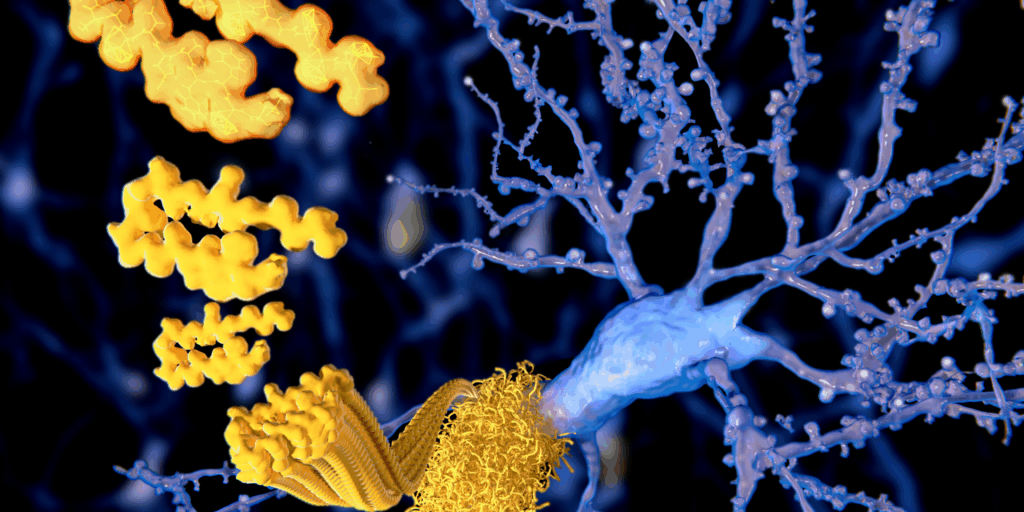
Alzheimer’s disease has, for decades, been framed primarily as a problem of amyloid plaques building up in the brain.

It is a compelling idea. It is measurable, visible on brain scans, and has shaped billions in research funding and drug development. There’s just one problem.

It doesn’t adequately explain what we see in people.

Many individuals with significant amyloid in their brains remain cognitively normal. Others develop clear dementia with little or no amyloid present (1). Treatments that successfully reduce amyloid have, at best, produced only modest effects on slowing decline, with no meaningful reversal of symptoms (2).

Amyloid is associated with Alzheimer’s disease, but association is not the same as causation.

And that distinction changes everything.

This growing tension between theory and evidence is explored in depth by neurobiologist Karl Herrup in How Not to Study a Disease, where he challenges how the field has come to define and pursue Alzheimer’s.

Some people develop increasingly severe cognitive decline as they age. This affects roughly one in ten older adults. We call this dementia. In some cases, brain scans show clear shrinkage in key regions, particularly the medial temporal lobe, which is then used to diagnose Alzheimer’s disease. So we have two observable features: a decline in cognitive function and measurable loss of brain tissue.

The question that follows is simple, but critical.

What is actually causing this process?

What causes Alzheimer’s?

Amyloid has long been positioned as the answer. Yet the evidence tells a more complicated story.

A significant proportion of older adults have amyloid plaques in their brains and remain cognitively normal. At the same time, some individuals with clear dementia show little or no amyloid pathology. Amyloid is associated with Alzheimer’s, but that is not the same as being the cause.

If amyloid were the primary driver, then reducing it should meaningfully change the course of the disease. However, interventions designed to reduce amyloid have consistently lowered amyloid burden in the brain, yet produced, at best, modest effects on slowing decline, often measured as very small changes on cognitive scales. There has been no meaningful reversal of symptoms. In some cases, safety concerns have emerged, including brain bleeding and swelling.

Recent large-scale evidence (6) now reinforces this point. A 2026 Cochrane review concluded that although anti-amyloid monoclonal antibodies can remove amyloid from the brain, this does not appear to translate into clinically meaningful effects for people with mild cognitive impairment or mild dementia due to Alzheimer’s disease, while increasing the risk of amyloid-related imaging abnormalities.

From a scientific perspective, this adds to an already substantial body of evidence suggesting that amyloid accumulation, on its own, does not explain the disease process. It may be part of the picture, but it is not the engine driving it.

And yet, the field has remained heavily focused on this single pathway.

When a hypothesis becomes a lens

Research tends to follow what is measurable, fundable, and already established. Over time, this can narrow the lens rather than expand it.

Amyloid has become that lens. As Karl Herrup argues in his book, once a hypothesis becomes dominant, it can begin to shape not just what is studied, but how results are interpreted and what gets funded next.

The result is that vast resources have been invested in understanding and modifying amyloid biology, while other avenues have received comparatively less attention. We have learned a great deal about amyloid itself, but we are not significantly closer to preventing or reversing the condition that matters most to patients, which is cognitive decline.

This is not unusual in science. Once a model becomes dominant, it shapes the direction of funding, research questions, and even how people interpret results.
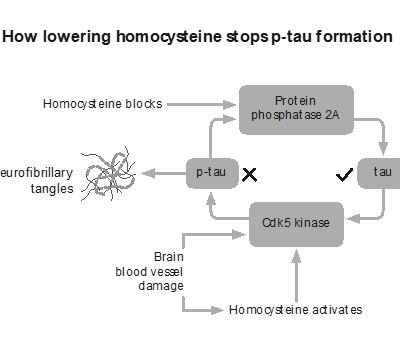
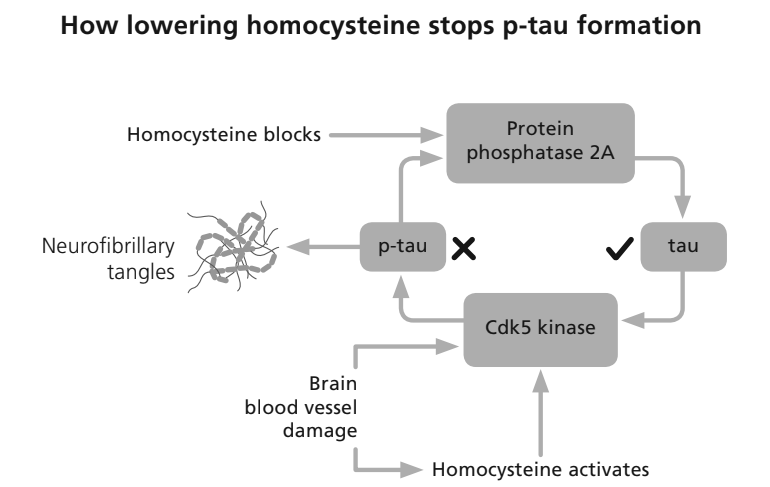
Fig. 1. How lowering homocysteine stops p-tau formation.

A similar pattern is now emerging with another biomarker, p-tau.

Tau is a normal protein that, under certain conditions, becomes altered and associated with the tangles seen in Alzheimer’s pathology. Higher levels of p-tau are linked with increased risk, but again, association does not establish causation. Many individuals have elevated levels without clinical symptoms.

As with amyloid, the risk is that a marker becomes mistaken for the mechanism.

What does influence the disease process?

This is where the picture becomes more interesting.

There are factors that sit upstream of both amyloid and tau, influencing the environment in which brain cells function or fail. One of the most studied is homocysteine, a marker of methylation and B vitamin status.

Unlike amyloid, intervention trials have shown that homocysteine influences outcomes. In the VITACOG study, lowering elevated homocysteine with targeted B vitamins significantly slowed the rate of brain atrophy in individuals with mild cognitive impairment, with corresponding effects on cognitive decline. This is much closer to what we would describe as a disease-modifying effect (3,4). It also raises questions explored in Apparently healthy but diagnosed with Alzheimer’s about whether current diagnostic models are identifying true disease drivers or simply biomarkers.

That does not mean homocysteine is the only cause. It is one piece of a larger system. But it illustrates an important point. When you influence the underlying biology of the brain, rather than a downstream marker, you begin to see meaningful change.

A systems problem, not a single cause

Alzheimer’s does not behave like a single-cause disease.

It is better understood as the result of multiple interacting processes. These include inflammation, oxidative stress, insulin resistance, mitochondrial dysfunction, and impaired methylation, among many others (5). Each of these affects how brain cells are built, maintained, and powered.

Individually, they may not be sufficient to cause disease. Together, they can create the conditions in which the brain becomes vulnerable.

This is closer to how we understand most chronic conditions. Not as a single fault, but as a convergence of pressures that eventually exceed the system’s ability to compensate. A more useful way to think about it is not as one switch flipping, but as several dials turning in the wrong direction at the same time.

Why this matters

If we continue to focus primarily on downstream markers such as amyloid or p-tau, we risk missing the broader picture.

If instead we look at the upstream drivers, the factors that influence brain structure, function, and energy supply, we open up a different set of possibilities. Not just for treatment, but for prevention.

These are not fringe ideas. They are part of a growing shift in how Alzheimer’s is being understood, questioned, and re-examined. Researchers like Karl Herrup are helping to bring that conversation into the open, challenging long-held assumptions and asking more useful questions about what truly drives the disease.

It’s a conversation that is only just beginning to reach wider audiences.

This is exactly what we’ll be exploring at Alzheimer’s Prevention: New Frontiers conference, where leading researchers and clinicians will come together to look beyond single-cause models and towards a more complete understanding of brain health and cognitive decline.

Is prevention the real solution?

The prevailing model in medicine has been to identify a single cause and target it with a treatment. That works well for some conditions. It is less suited to complex, multifactorial diseases like Alzheimer’s.

A systems-based approach asks a different question.
What combination of factors leads to decline, and how do we shift that combination in the opposite direction?

This is the approach we take at Food for the Brain. By combining cognitive testing with blood testing and lifestyle information, it becomes possible to see patterns, not just isolated variables. Over time, this allows us to understand what drives resilience as well as risk.

It is likely that we will not find a single primary cause of Alzheimer’s. What we may find is something more useful: a set of modifiable factors that, together, determine whether the brain maintains function or begins to decline.

In that sense, prevention may not just be part of the solution.

It’s the solution.

Find out more with Alzheimer’s: Prevention is the Cure book here

Learn more about our Alzheimer’s Prevention: New Frontiers Conference here.

References
  1. Jack CR Jr, Bennett DA, Blennow K, et al. NIA-AA Research Framework: Toward a biological definition of Alzheimer’s disease. Alzheimers Dement. 2018;14(4):535–562.
  2. van Dyck CH, Swanson CJ, Aisen P, et al. Lecanemab in early Alzheimer’s disease. N Engl J Med. 2023;388:9–21.
  3. de Jager CA, Oulhaj A, Jacoby R, et al. Cognitive and clinical outcomes of homocysteine-lowering B-vitamin treatment in mild cognitive impairment. Int J Geriatr Psychiatry. 2012;27(6):592–600.
  4. Livingston G, Huntley J, Sommerlad A, et al. Dementia prevention, intervention, and care: 2020 report of the Lancet Commission. Lancet. 2020;396(10248):413–446.
Further info

Homocysteine and Dementia: The Evidence They Don’t Want You to See

Imagine if a simple, well-researched nutrient protocol could prevent cognitive decline in millions of people worldwide. Imagine further that this protocol has been known for years, supported by multiple clinical trials and global experts, yet systematically ignored by the very institutions meant to protect public health. That is precisely the case when it comes to homocysteine, B vitamins, and dementia.

Last year, the UK-based Lancet Commission on Dementia Prevention, Intervention and Care released its third major report, once again omitting any mention of homocysteine as a modifiable risk factor. This was despite direct submissions of evidence and letters from leading scientists demonstrating that lowering homocysteine with B vitamins can slow brain shrinkage and cognitive decline.

Now, in response to this silence, six of the leading dementia researchers, Professors Joshua Miller (Rutgers), David Smith (Oxford), Helga Refsum (Oslo), Jin-Tai Yu (Fudan), Babak Hooshmand (Karolinska), and Andrew McCaddon (Wrexham), have published a powerful rebuttal in the Journal of Alzheimer’s Disease. Many of these experts serve in the Alzheimer’s Prevention Expert Group (APEG) at Food for the Brain.

They wrote:

“In 2018, we published an ‘International Consensus Statement on Homocysteine and Dementia’ in this journal, in which we concluded that elevated plasma total homocysteine is a modifiable risk factor for the development of cognitive decline, dementia, and Alzheimer’s disease (AD) in older persons. (1)

We further stated that intervention trials in elderly people with cognitive impairment show that homocysteine-lowering treatment with B vitamins markedly slows the rate of both wholeand regional brain atrophy, and also slows cognitive decline. We were therefore puzzled as to why the Lancet Commission on Dementia Prevention, Intervention and Care, failed to discuss the possible role of homocysteine and B vitamins in any of their three reports, including the most recent one.” (2)

A Systematic Omission

The UK-based Lancet Commission on Dementia Prevention is meant to objectively consider the evidence on dementia prevention. Yet each edition, despite being sent the relevant papers, has ignored the evidence concerning homocysteine.

Furthermore, it’s expected to uphold the standards for critical debate which allows for experts to question Published findings. That is exactly what these experts did – yet it declined to publish their letter, instead printing a rebuttal from its own Commission while refusing to let readers see the original letter. (3, 4)

The experts wrote to The Lancet again to respond to the Commission’s letter, but their second letter was also rejected. 

Thatetter has now been published in the leading Alzheimer’s journal where the authors finally have their rightful say. It includes the following:

We wish to reply to the Commission and continue the debate with the aim of reaching a common view on homocysteine, B vitamins and dementia. This is an important matter of public health.”

In other words, The Lancet published the ‘case for the defence’ for the exclusion of homocysteine without allowing readers to even read the ‘case for the prosecution’. (5)

So, what was The Lancet’s case against B vitamins? It rested on three criticisms – each of which these leading dementia researchers refute with scientific precision in their recent journal paper.

Criticism 1: Misunderstanding Who Benefited in the VITACOG Trial

The Lancet Commission questioned the relevance of the VITACOG trial, arguing that the results “do not show benefits in populations already consuming B vitamins in their food or through supplements.” But this fundamentally misrepresents the study population.

In the VITACOG trial, participants with mild cognitive impairment were given high doses of B6, B12, and folic acid for two years. The result was a 31% reduction in whole brain shrinkage and significantly slower rate of cognitive decline in those with raised homocysteine (6). In participants with levels above 11.3 μmol/L – the median – both cognitive and clinical improvements were observed. Importantly, key Alzheimer’s-related brain regions shrank seven times more slowly in these individuals (7, 8).

The Lancet Commission implied that participants were already supplementing, but that is incorrect. The study excluded anyone taking more than 300 mcg of folic acid, 3 mg of vitamin B6, or 1.5 mcg of vitamin B12 – doses lower  than those found in many common multivitamins. Only 16 to 20 percent were taking low-dose supplements, while the majority were not.. No one was excluded based on their dietary intake of B vitamins.

The experts respond:“The Commission authors’ comment is analogous to expecting additional drug treatment to provide benefits over and above the benefits being obtained in people already taking a high dose of the drug, which is why it puzzles us.”

Criticism 2: No Benefit in the Hong Kong Trial?

The Commission’s response also cited a Hong Kong trial that reported no benefit of B vitamins over two years in people with mild cognitive impairment (MCI) (9). However, this overlooks several important confounders.

Firstly, 22% of participants were taking aspirin, which the study authors themselves found to impair the effect of B vitamins. This interference has since been confirmed in further research (10).

Secondly, the authors of The Lancet response failed to consider another critical factor: omega-3 status. Numerous studies show that B vitamins only deliver cognitive benefits when omega-3 fatty acid levels are sufficient. The Hong Kong study did not measure or control for omega-3 status, which likely explains the lack of consistent benefit over the two-year period.

Thus, the absence of effect in this trial does not disprove the role of B vitamins.  The experts go on to demonstrate in their article the overwhelming body of evidence –  reported by us – that homocysteine-lowering B vitamins do not work optimally in individuals with low omega-3 status.

Criticism 3: No Benefit in the VITAL Trial in Alzheimer’s Patients?

The Lancet authors also referenced the VITAL trial, which reported no overall cognitive benefit from B vitamins in patients already diagnosed with Alzheimer’s disease (11). But again, this conclusion overlooks key details.

In a subgroup analysis, those in the early stages of Alzheimer’s disease did show significant benefit (12). The authors of the VITAL trial themselves highlighted this in their paper, suggesting that earlier intervention is more effective. This finding aligns with multiple other studies showing that B vitamin treatment is most effective in the pre-dementia stages (13).

Furthermore, participants in the VITAL trial began with an average homocysteine level of 9 μmol/L, which is below the threshold (>10–11 μmol/L) associated with brain atrophy.  It is extremely rare to find a group of people with Alzheimer’s disease that start with such a low homocysteine level.  While the B vitamins did reduce homocysteine further to 7μmol/L, there was no overall cognitive benefit observed. But this is akin to giving painkillers to people who are not in pain and then reporting no change in pain levels. At Food for the Brain, we consider a homocysteine level above 10μmol/L as in need of correction with B vitamins.

There are also concerns about conflicts of interest. The lead author, Paul Aisen, is described as “a consultant to the following pharmaceutical companies involved in the development of potential treatments for Alzheimer’s disease”. with more than a dozen firms listed. These companies would certainly favour a trial designed to fail – especially if it were widely publicised.

Additionally, when an anti-amyloid drug trial for lecanemab was published – now licensed in the US and UK – the names of Paul Aisen and Christopher Van Dyck appeared once again as lead authors. In other words, the paid pharmaceutical consultants, responsible for running the drug trial were also tasked with overseeing a trial – designed to fail – on a competing approach: lowering homocysteine with B vitamins. The conflict of interest here is both clear and concerning.

What Does the Evidence Really Say?

You can read the full expert response published in the Journal of Alzheimer’s Disease here. 

Their conclusion is clear:

“We hope that the Lancet Commission will consider the substantial existing evidence of raised homocysteine as an important risk factor for dementia and the possibility of modifying its harm by supplementation with B vitamins.”

They emphasise that the evidence for B vitamin intervention is as strong – or stronger than –  many of the risk factors the Commission did include in its 2024 report. To continue ignoring the proven impact of homocysteine, and the benefits of lowering it through B vitamins is not merely a scientific oversight –  it is a missed opportunity with major implications for medicine and public health.

Remember, prevention is better than cure, and there is so much you can do to protect your brain health

The perfect time to start? Today.

What Can You Do?

  1. Test your homocysteine (and omega-3 status) TODAY –  especially if you’re over 50 or at risk of cognitive decline. At Food for the Brain, we offer an accurate at-home test kit that reliably measures plasma homocysteine reliably. 

    You can order your single Homocysteine test here or save money and test both omega-3 index and homocysteine (plus other markers) as part of our DRIfT tests here. International shipping available.
  2. Act on your results –  if your level is above 10 μmol/L, supplementation with vitamin B6 (20 mg), methylfolate (400 µg), and vitamin B12 (500 µg) is recommended.
    Read more on supplements and homocysteine here.
  3. Support our mission – become a FRIEND of Food for the Brain! Your donation helps us advance prevention-focused brain health research and education.

    As a Friend, you’ll also gain access to:
    • Monthly group coaching
    • Your personalised brain upgrade programme: COGNITION™
  4. Share the knowledge – public awareness can change public health.
    We need a paradigm shift, and it starts with us.

References

1. Smith AD, Refsum H, Bottiglieri T, et al. Homocysteine and dementia: an international consensus statement. J Alzheimers Dis 2018; 62: 561–570.

2.Livingston G, Huntley J, Liu KY, et al. Dementia prevention, intervention, and care: 2024 report of the Lancet standing Commission. Lancet 2024; 404: 572–628.

3.Miller JW, McCaddon A, Hooshmand B, et al. The Lancet ‘Omission’: Why are  homocysteine and B vitamins missing from the Lancet Commission’s Report on Dementia Prevention, Intervention and Care? https://foodforthebrainorg/lancet-commission-letters/ (2024).

4.Livingston G, Costafreda SG, Kivimaki M, et al. B vitamins and the 2024 Lancet Commission on dementia. Lancet 2025; 405: 623.

5. Miller JW, McCaddon A, Yu J-T, Hooshmand B, Refsum H, Smith AD. Concerning the debate about homocysteine, B vitamins, and dementia. Journal of Alzheimer’s Disease. 2025;0(0). doi:10.1177/13872877251350297

6. Smith AD, Smith SM, de Jager CA, et al. Homocysteine-lowering by B vitamins slows the rate of accelerated brainatrophy in mild cognitive impairment. A randomized controlled trial. PLoS One 2010; 5: e12244.

7. de Jager CA, Oulhaj A, Jacoby R, et al. Cognitive and clinical outcomes of homocysteine-lowering B-vitamin treatment in mild cognitive impairment: a randomized controlled trial. Int J Geriatr Psychiatry 2012; 27: 592–600.

8. Douaud G, Refsum H, de Jager CA, et al. Preventing Alzheimer’s disease-related gray matter atrophy by B-vitamin treatment. Proc Natl Acad Sci U S A 2013; 110: 9523–9528.

9. Kwok T, Wu Y, Lee J, et al. A randomized placebo- controlled trial of using B vitamins to prevent cognitive decline in older mild cognitive impairment patients. ClinNutr 2020; 39: 2399–2405.

10. Wu Y, Smith AD, Refsum H, et al. Effectiveness of B vitamins and their interactions with aspirin in improving cognitive functioning in older people with mild cognitive impairment: pooled post-hoc analyses of two randomized trials. J Nutr Health Aging 2021; 25: 1154–1160.

11. Aisen PS, Schneider LS, Sano M, et al. High-dose B vitamin supplementation and cognitive decline in Alzheimer disease: a randomized controlled trial. JAMA 2008; 300: 1774–1783.

12. Smith AD and Homocysteine RH. B vitamins, and cognitive impairment. Ann Rev Nutr 2016; 36: 211–239.

13. Chen H, Liu S, Ge B, et al. Effects of folic acid and vitamin B12 supplementation on cognitive impairment and inflammation in patients with Alzheimer’s disease: a randomized, single-blinded, placebo-controlled trial. J Prev Alzheimers Dis 2021; 8: 249–256.

Further info

Can the Symptoms of Autism be Reversed? Conference report.

Can the Symptoms of Autism be Reversed? Conference report.

There is no doubt that autism diagnoses, both across the UK and US are escalating at a worrying rate.

A clear illustration of this is the recently published Scottish Schools Census, showing a year by year steady increase in the percentage of Scottish schoolchildren with a diagnosis. Last year, one in 21 schoolchildren had an autism diagnosis, of which one in 14 are boys. This represents a 43-fold increase in 20 years.

As discussed at Food for the Brain’s Smart Kids conference, research is consistently showing that serum homocysteine, which you can test with us at home here, is a reliable indicator of both folate and B12 status and with each unit increase in homocysteine pre-conceptually, the core symptoms required for an autism diagnosis go up. (1)

The majority of studies show that lack of pre-natal folic acid supplementation or low folate, increase the risk of aspects of neurodivergence. Studies on B12 are less clear however. Further studies are under way which will help determine both the optimal level of folate and B12 and whether they are synergistic, as has been found in Alzheimer’s prevention. Our view is that homocysteine should be measured and high levels lowered with appropriate diet and supplementation.

A recent study of 3,000 EU children reported that one third had B12 levels below 200pg/ml, (2) with deficiency more prevalent in vegan children. Another EU survey reports than only one in ten overweight women supplement folic acid in pregnancy. This is really concerning.

It’s the total load – not just one thing

The over-arching theme of this excellent conference was that of ‘total load’ and the interaction between predisposing genes and a nutritional deficient diet and/or toxic overload. It stressed the need to think in terms of the ‘total load’ on a child at critical stages of development, starting in pregnancy. A study of 192 twin pairs, published in the Archives of General Psychiatry, concluded that environmental factors were a greater contributor than heritability, contributing 55% of risk (3). 

Additionally, there are many gene variations which don’t cause, but do increase the risk of neurodivergence. An example is a methylation gene variant MTHFR677TT, which increases risk for both autism and Alzheimer’s. Healthy methylation requires B vitamins, especially vitamin B12 and folate, found in ‘foliage’ – vegetables and greens. A study in China in the journal ‘Frontiers in Paediatrics’(4), comparing several thousand with or without this gene variation found that having it “… was associated with the increased risk of autism. For those mothers and children who are generally susceptible to autism, prenatal folate and vitamin B12 may reduce the risk that children suffer from autism.” This is just one example of the gene-environment interplay.

smart kids confernce

The results of a survey by the Autism Research Institute of over 27,000 parents who rated different nutritional interventions they tried, rating whether their child got better or worse, reported some clear winners of diet changes and supplements. The following had 10:1 or better ratings. 

Removed milk/dairy 32:1

Removed wheat 30:1

Essential fatty acids 30:1

Removed chocolate 28:1

Removed sugar 27:1

Food allergy treatment 27:1

Feingold diet (no wheat or milk) 26:1

Zinc 24:1

Rotation diet 23;1

Candida diet 20:1

Removed eggs 20:1

Vitamin C 20:1

Vitamin A 16:1

Cod liver oil 14:1

Vitamin B6/magnesium 11:1

Specific carbohydrate diet 10:1

Life-changing’ improvement through dietary changes…

Another parent-reporting survey conducted by the UK charity Thinking Autism in 2014 (5), involving similar dietary guidance, and written up into a report by academics at Queen Mary, University of London in 2016, found that, out of 237 families who reported using various dietary interventions with their children with autism, 170 families reported either ‘life-changing’ or ‘significant’ improvements, while only 12 children were reported as having  no noticeable change.

If you are a practitioner and would like a deep dive into the Smart Kids conference, recordings are now available.

If you are a parent or are neurodivergent yourself and would like to hear from clinicians who have considerable experience in helping those with symptoms get better, the Optimising Neurodivergence webinar is now available.

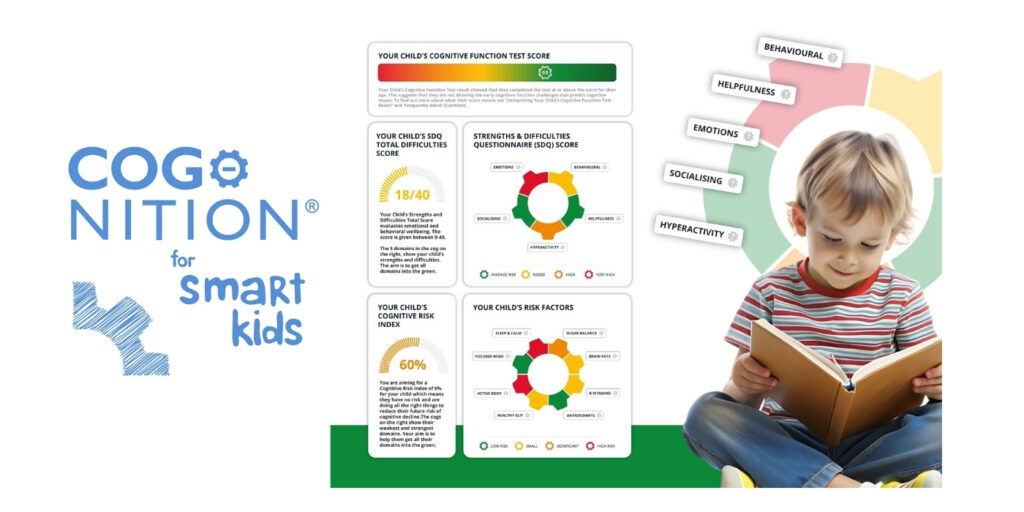
But first, do complete the COGNITION for Smart Kids test (or the COGNITION test if you are a parent or practitioner) to help both our research and help yourself at the same time. 

Here’s an example report.

smart kids cognition
Test Your Cognitive Function Now green banner.

References:

1 Roigé-Castellví J, Murphy M, Fernández-Ballart J, Canals J. Moderately elevated preconception fasting plasma total homocysteine is a risk factor for psychological problems in childhood. Public Health Nutr. 2019 Jun;22(9):1615-1623. doi: 10.1017/S1368980018003610. Epub 2019 Jan 14. PMID: 30636652; PMCID: PMC10261079.
2 Kara İS, Peker NA, Dolğun İ, Mertoğlu C. Vitamin B12 Level in Children. J Curr Pediatr. 2023 Aug;21(2):127-134. doi:10.4274/jcp.2023.75688.
3 https://pmc.ncbi.nlm.nih.gov/articles/PMC4440679/
4 https://pmc.ncbi.nlm.nih.gov/articles/PMC7987783/
5 https://www.thinkingautism.org.uk/taking-action/resources-and-publications/health-and-service-provision-for-people-with-autism/

Further info

Could ‘Statins Cut The Risk Of Dementia For All’?

By Patrick Holford

do statins increase the risk of dementia picture of tablets in hand

Recently, the Telegraph reported: “Statins can reduce the risk of dementia among those who already have low cholesterol.” The article claimed that those on statins were less likely to develop dementia – even Alzheimer’s – and that low LDL cholesterol was somehow protective.

Frankly, this is dangerous misinformation.

Why? Because it contradicts robust scientific evidence that low cholesterol – particularly below 4 mmol/l – increases the risk for dementia. That’s hardly surprising when you consider that 25% of the cholesterol in your body is in your brain. Cholesterol is a vital component of neuronal membranes – it’s not just blood fat, it’s brain fuel.

And as for statins? There’s no credible evidence that they prevent dementia. Quite the opposite: the evidence points to statins lowering brain-essential cholesterol and raising dementia risk. So I asked cholesterol expert Dr Malcolm Kendrick for his take on the study in question.

His response was blunt but justified: “This study is horseshit. Here’s why…

Dr Kendrick Key Critiques:

  1. LDL measurement was vague. It’s unclear if they even measured LDL directly- most studies use the Friedewald formula, known to be wildly inaccurate, especially with high triglycerides or low HDL.
  2. Only one measurement. LDL was recorded once at the study’s start – never again. That’s like measuring someone’s blood pressure once and claiming to predict their lifetime stroke risk.
  3. Bizarre cohort overlap. Somehow, 170,174 participants were in both high and low LDL groups? That’s statistically and biologically nonsensical.
  4. Alzheimer’s exclusion unexplained. Those with pre-existing Alzheimer’s were removed, but with no breakdown of their LDL levels – crucial missing data.
  5. Propensity score manipulation. This “retrospective matching” excluded over 350,000 people, distorting the natural associations. Diabetes and hyperlipidaemia were artificially balanced between groups, masking real-world relationships.
  6. Key confounder: statin timing. Participants were only included after being prescribed statins, meaning LDL levels were already artificially lowered. So “low LDL” here is post-drug, not natural. The entire premise collapses.

This study, like too many others published today, exemplifies what Drummond Rennie famously criticised:

There is no study too fragmented, no hypothesis too trivial, no design too warped, no analysis too self-serving for it to be published.

So what do we actually know? Here is an extract from Patrick’s new book – Alzheimers: Prevention is the Cure.

Cholesterol and the Brain – The Real Story

Your brain needs cholesterol. Low cholesterol (<4 mmol/l) is a clear risk factor for dementia. One biomarker study found that high homocysteine and low cholesterol were the best predictors of dementia risk【1】.

And what’s a common cause of low cholesterol in the elderly? Statins. These drugs have consistently failed to show benefits in preventing cognitive decline【2】.

This fits what we know genetically. The ApoE gene governs how cholesterol gets into neurons. Those with ApoE4 are less efficient at this – that’s why they’re more prone to cognitive decline.

It’s not high cholesterol itself that’s dangerous – it’s cholesterol mismanagement in the brain.

Yes, very high cholesterol (above 6.5 mmol/l) is statistically linked to increased dementia risk – but modest elevations, particularly with a healthy lifestyle, are not a problem【3】. And even that data is shaky. One meta-analysis of over a million people showed only a 14% increased dementia risk with “high” cholesterol. But the thresholds varied – some studies defined “high” as anything over 6.2 mmol/l【3】.

More importantly, people with higher cholesterol often eat more sugar, processed foods, and trans fats – all factors known to fuel inflammation and oxidative stress in the brain.

The Lancet Commission, which makes the anti-cholesterol case, even acknowledged this diet–dementia link: in a cohort of 94,184 Danes, poor diet predicted both high LDL and dementia risk【4】.

So maybe it’s not the cholesterol – it’s what comes with it.

Statins and the Hope for Vascular Dementia 

Originally, statins were hyped for vascular dementia – about 20% of all dementia cases – because of their supposed blood vessel–protective effects. But that theory has fallen flat. A Cochrane review found no benefit from statins for dementia prevention【6】.

And the best independent trial – not funded by drug companies – also found no cardiovascular benefit for statins in older adults【5】.

There’s no data supporting the notion that statins protect the brain. Yet the Lancet Commission listed “high cholesterol” as contributing 7% to dementia risk, which will no doubt spur even more statin prescriptions【4】.

The Optimum Nutrition Perspective

From an optimum nutrition standpoint, we view cholesterol differently.

If your total cholesterol is up to 6.5 mmol/l – but you have high HDL, low triglycerides, low homocysteine, and a healthy diet low in sugar and refined carbs – you’re not at risk. In fact, you’re likely protected.

One recent study showed that higher HDL in midlife predicted significantly lower future dementia risk【7】. Low HDL, not high total cholesterol, is a hallmark of metabolic syndrome – the precursor to diabetes, heart disease, and yes, dementia.

The evidence is clear: cholesterol is essential for brain health. Statins do not prevent dementia – and may contribute to cognitive decline by pushing cholesterol levels too low.

Instead of dumbing down the brain with unnecessary statins, we need to smarten up with nutrients that build brain health: omega-3 fats, phospholipids, B vitamins, and a low-sugar diet.

Doctors prescribing statins as dementia prevention are not only missing the mark – they may be making things worse.

Let’s change the narrative. Let’s put nutrition – not cholesterol fear – at the top of the brain health agenda. Find out more in Patrick’s new book – Alzheimer’s: Prevention is the Cure.

Alzheimer's prevention is the cure book by Patrick Holford image
Test Your Cognitive Function Now green banner.

References

1  Gong, Q., Xie, L., Bi, M., & Yu, L. (2021). A probability formula derived from serum indicators, age, and comorbidities as an early predictor of dementia in elderly Chinese people. Brain and Behavior 11, e2236. https://doi.org/10.1002/brb3.2236

2 Peters, R, Breitner, J, James, S, et al. Dementia risk reduction, why haven’t the pharmacological risk reduction trials worked? An in-depth exploration of seven established risk factors. Alzheimer’s Dement. 2021; 7:e12202. https://doi.org/10.1002/trc2.12202 

3 Wee J, Sukudom S, Bhat S, Marklund M, Peiris NJ, Hoyos CM, Patel S, Naismith SL, Dwivedi G, Misra A. The relationship between midlife dyslipidemia and lifetime incidence of dementia: A systematic review and meta-analysis of cohort studies. Alzheimers Dement (Amst). 2023 Mar 8;15(1):e12395. doi: 10.1002/dad2.12395. PMID: 36911359; PMCID: PMC9993469.

4  Kjeldsen EW, Thomassen JQ, Rasmussen KL, Nordestgaard BG, Tybjærg-Hansen A, Frikke-Schmidt R. Adherence to dietary guidelines and risk of dementia: a prospective cohort study of 94 184 individuals. Epidemiol Psychiatr Sci 2022; 31: e71. 

5  Han BH, Sutin D, Williamson JD, Davis BR, Piller LB, Pervin H, Pressel SL, Blaum CS; ALLHAT Collaborative Research Group. Effect of Statin Treatment vs Usual Care on Primary Cardiovascular Prevention Among Older Adults: The ALLHAT-LLT Randomized Clinical Trial. JAMA Intern Med. 2017 Jul 1;177(7):955-965. doi: 10.1001/jamainternmed.2017.1442. PMID: 28531241; PMCID: PMC5543335.

6  McGuinness B, Craig D, Bullock R, Passmore P. Statins for the prevention of dementia. Cochrane Database Syst Rev 2016;1: CD003160. 

7 Zhang X, Tong T, Chang A, Ang TFA, Tao Q, Auerbach S, Devine S, Qiu WQ, Mez J, Massaro J, Lunetta KL, Au R, Farrer LA. Midlife lipid and glucose levels are associated with Alzheimer’s disease. Alzheimers Dement. 2023 Jan;19(1):181-193. doi: 10.1002/alz.12641. Epub 2022 Mar 23. PMID: 35319157; PMCID: PMC10078665.

Further info

Can the Symptoms of Autism be Reversed?

By Patrick Holford

Something concerning is happening to our children – an increasing number are experiencing psychological and behavioural challenges, often diagnosed as autism. 

These challenges range from reduced eye contact and language delays to social difficulties, cognitive struggles, emotional meltdowns, aggression, and in some cases, depression. But what is driving this surge?

Is it down to genetics & better diagnosis?

While mainstream medicine largely attributes autism to genetics, explaining the rise as improved diagnostic recognition, a growing body of independent researchers and clinicians in the US and UK suggests otherwise. The rapid increase in cases across multiple countries cannot be solely explained by genetics, as genes do not change so quickly. In the US, autism rates have skyrocketed from 2 in 10,000 to 1 in 36 over 50 years. In the UK, official government data estimates 1 in 62 children are classified as autistic; an eightfold increase in 20 years.  Meanwhile, school census data from Scotland and Northern Ireland report even higher rates, with 1 in 20 children diagnosed. These numbers strongly indicate that environmental factors, including diet, play a key role. This also suggests that proactive steps could help reduce risk.

That is why we are launching COGNITION for Smart Kids &Teens in April with the online ‘Smart Kids’ conference. We are bringing together leading experts to examine ways to prevent and potentially mitigate the impact of autism through environmental and nutritional interventions. In addition, we also have our ‘Optimising Neurodivergence public webinar for parents, caregivers or any non-practitioners who want to learn how to support our children to reach their full potential.

New Approaches Show Encouraging Results

Dr. Chris D’Adamo, Assistant Professor at the University of Maryland School of Medicine and Director of the Centre for Integrative Medicine, has been at the forefront of research into environmental influences on autism. His recent paper, published in Personalized Medicine, estimates a 300% rise in autism cases since 2000. The study also documents a case where early intervention reversed autism symptoms by addressing modifiable lifestyle and environmental factors.

The case involved twin toddler girls exhibiting classic autistic traits;limited communication, repetitive behaviours, resistance to change and severe gastrointestinal issues. Under a comprehensive programme, led by a team of physicians, they implemented tailored interventions focused on diet, environment and lifestyle. The results were striking; within months, both girls showed dramatic improvements. Their autism severity scores dropped significantly, with one twin’s score reducing from 76 to 32 and the other from 43 to just 4. (Read more on this case here)

In the UK, Dr. Lorene Amet, a functional nutritionist and founder of The Lauriston Centre, has been applying similar integrative approaches. She has worked with hundreds of families, with remarkable success. A survey conducted with the charity Thinking Autism, assessed 220 children who followed her recommendations. 169 families reported either ‘life-changing’ or ‘very beneficial’ improvements, while only 11 children saw no noticeable change. 

Yet, despite such promising results, the NHS maintains that autism has no cure and advises against interventions such as vitamins, minerals, and dietary modifications.  The NICE guidelines currently offer no targeted nutritional strategies for autism management, leaving many parents with limited options. 

Can Autism Risk Be Reduced Before Birth?

Another key topic at the Smart Kids Conference is prevention; reducing the likelihood of autism before birth. Research led by Associate Professor Michelle Murphy of the Universitat Rovira I Virgili in Spain, has revealed a crucial link between B vitamin deficiencies in early pregnancy and a child’s likelihood of developing autism-related traits. Her studies show that children of mothers who were low in B vitamins before conception were significantly more likely to display withdrawn behaviour, anxiety, depression or aggression by age six. 

The connection between maternal nutrition and neurological development is well established. For decades, pregnant women have been advised to take folic acid to prevent neural tube defects; a policy delayed by 25 years, resulting in hundreds of thousands of avoidable birth defects. Children with autism are six times more likely to have neural tube defects, further linking B vitamin deficiencies to neurodevelopmental issues.

This aligns with earlier research from Oxford University’s Professor David Smith, one of our scientific advisors.  His work demonstrated that B vitamins lower homocysteine, a toxic amino acid linked to autism, depression, cognitive impairments in children and Alzheimer’s in adults.  Professor Murphy’s research further suggests that even mildly elevated homocysteine levels before pregnancy strongly predict neurodivergent traits in children. This underscores the importance of nutritional screening and intervention before conception.

There Is So Much That Parents Can Do…

We are inviting parents to take part in a free online assessment of their child’s cognitive, emotional, and behavioural function, alongside a diet and lifestyle questionnaire to help optimise brain health. Parents can also access a home test kit for homocysteine levels, providing valuable insight into potential nutritional deficiencies that may affect brain function.

The Smart Kids conference will provide further guidance on evidence-based interventions, bringing together researchers, clinicians, and parents seeking practical solutions to support children’s cognitive development.

“People come in assorted shapes and sizes, with brains that are unique,” says Dr Rona Tutt, OBE, a trustee of Food for the Brain and past President of the National Association of Head Teachers. “A significant minority who are neurodivergent need to be recognised, valued, and supported to maximise their strengths and overcome challenges. Understanding the factors driving the rise in neurodivergence is key to ensuring the best outcomes for future generations.”
For more information on all the events relating to Smart Kids – visit foodforthebrain.org/smartkids.

References:

1 https://www.cdc.gov/mmwr/volumes/72/ss/ss7202a1.htm?s_cid=ss7202a1_w

2 https://researchbriefings.files.parliament.uk/documents/POST-PN-0612/POST-PN-0612.pdf; see also Russell G, Stapley S, Newlove-Delgado T, Salmon A, White R, Warren F, Pearson A, Ford T. Time trends in autism diagnosis over 20 years: a UK population-based cohort study. J Child Psychol Psychiatry. 2022 Jun;63(6):674-682. doi: 10.1111/jcpp.13505

3 https://www.gov.scot/publications/pupil-census-supplementary-statistics/

4 https://www.health-ni.gov.uk/news/publication-prevalence-autism-including-aspergers-syndrome-school-age-children-northern-ireland-a nnual-report-2023

5 D’Adamo C et al., Reversal of Autism Symptoms among Dizygotic Twins through a Personalized Lifestyle and Environmental Modification Approach: A Case Report and Review of the Literature. J Pers Med. 2024 Jun 15;14(6):641. doi: 10.3390/jpm14060641

6 Survey conducted in collaboration with the charity Thinking Autism. The full survey results will be shown at the Smart Kids conference, April 24th 20025.

7 https://www.nhs.uk/conditions/autism/autism-and-everyday-life/treatments-that-are-not-recommended-for-autism/

8  https://www.nice.org.uk/guidance/cg142/chapter/Recommendations#interventions-for-autism-2

9 Roigé-Castellví J, Murphy M, Fernández-Ballart J, Canals J. Moderately elevated preconception fasting plasma total homocysteine is a risk factor for psychological problems in childhood. Public Health Nutr. 2019 Jun;22(9):1615-1623. doi: 10.1017/S1368980018003610; see also Murphy MM, Fernandez-Ballart JD, Molloy AM, Canals J. Moderately elevated maternal homocysteine at preconception is inversely associated with cognitive performance in children 4 months and 6 years after birth. Matern Child Nutr 2017;13,e12289 . doi: 10.1111/mcn.12289

10 Hasler M, Fideli ÜS, Susi A, Hisle-Gorman E. Examining the relationship between autism spectrum disorder and neural tube defects. Congenit Anom (Kyoto). 2023 Jul;63(4):100-108. doi: 10.1111/cga.12516. Epub 2023 Apr 18. PMID: 37073427.11 Smith AD, Refsum H. Homocysteine – from disease biomarker to disease prevention. J Intern Med. 2021 Oct;290(4):826-854. doi: 10.1111/joim.13279

Further info

‘Amyloid: A legacy of lies in Alzheimer’s science,’ says The New York Times

By Patrick Holford, in response to the New York Times essay here.

Recently, investigator Charles Piller exposed the fraudulent claims behind the amyloid theory of Alzheimer’s, that has caused heads to roll.

The article, based on his new book Doctored: Fraud, Arrogance, and Tragedy in the Quest to Cure Alzheimer’s, presents evidence of fraud. It reveals that Dr Masliah, the Head of the National Institute on Ageing (a division of the US National Institutes of Health) and responsible for billions in funding, had for decades included improperly manipulated images of brain tissue and other technical visuals in his research. 

With roughly 800 papers to his name, many of them considered highly influential, Dr. Masliah seemed a natural choice to steer the funding for Alzheimer’s research. He hailed the moment as the dawning of “the golden era of Alzheimer’s disease research”. The National Institutes of Health announced that it had found that Dr. Masliah engaged in research misconduct and that he no longer held his leadership position.

Marc Tessier-Lavigne, the former president of Stanford University, was known as a global leader in research on the brain’s circuitry in Alzheimer’s and other neurological conditions. He resigned in 2023 after an intrepid student journalist revealed numerous altered images in the research of his lab, in papers he co-authored. A Stanford University investigation, however, didn’t find evidence to conclude that he personally engaged in research misconduct. They did note that at various times when concerns with his papers emerged— between 2001 and 2021—Dr. Tessier-Lavigne failed to decisively and forthrightly correct mistakes in the scientific record.

Amyloid exaggerations

What isn’t being fully exposed, is just how bad the results of the anti-amyloid drug treatments are and how the drug companies who run these trials manage to squeeze a result, just enough to get a medical licence for their treatment. Everyone is aware of this exaggeration by bigging up the results. 

For example, the Alzheimer’s Society described the miniscule difference in effect of the anti-amyloid drug as follows:  ‘Lecanemab slowed down the speed at which memory and thinking skills got worse by 27%’. 

This is economical with the truth.

The British Medical Journal Editorial on the trial, in relation to a clinically meaningful effect, said it ‘fell well short, representing only around a third of what a minimum clinically important difference might look like’. Those on the drug just hit the same rock bottom about 3 months later than those on the placebo and the difference was so small that no-one is likely to notice.

No-one got better. They all got worse. Quite a few had adverse effects, with brain bleeding and swelling. More than a quarter had adverse reactions. A few died as a consequence. 

Is three months of ‘slightly less worse’ symptoms worth the suffering of adverse events by one in four participants including death (about one in 500) – and all this at vast expense? 

Expensive, ineffective and rejected by NICE

If such treatment was started before a person was put into care, at best it could mean putting them in a care home three months later, potentially saving £3,000. If treatment were given whilst in a care home it would mean three months more time in a care home, potentially costing £3,000 more. Either way, at a treatment cost likely to be in the region of £50,000 per year this is clearly not cost effective for the NHS, which is why the National Institute for Health and Care Excellence (NICE) quite rightly rejected it.

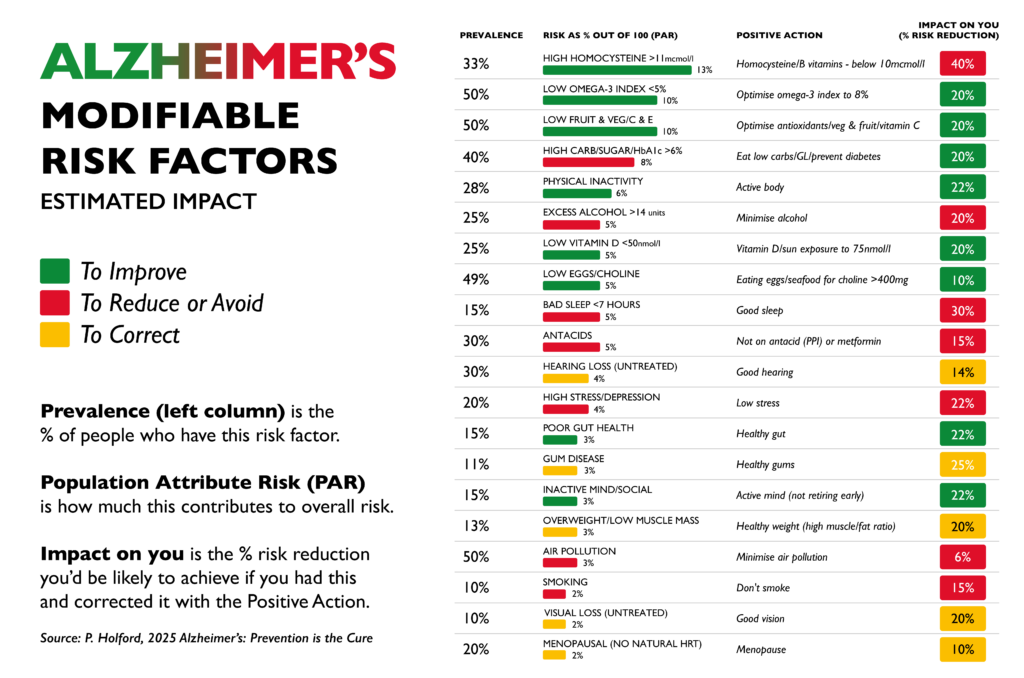
The greatest missed opportunity is that we already know how to reduce Alzheimer’s risk – through targeted diet, lifestyle and nutrient optimisation – yet far less funding and attention goes toward implementing these strategies at scale.

The power is in your hands and it’s never too late or too early to start.

Prevention is key and you can start today – so please encourage everyone you know to take the Cognitive Function test here.

Get started today:
  • Take the Cognitive Function Test: Assess your brain health today and gain personalised insights. 
  • Get personalised data on your body and join our research by ordering your DRIfT 5 in 1 test here so you can join our research and find out what your unique body needs.
  • Become a Friend & join the COGNITION Programme: Support our mission with a small monthly donation and receive tailored steps to improve your brain resilience and track your progress.
Further info

The Lancet Report Omission! World Experts Criticise Latest Alzheimer Report

The Lancet Report Omission! World Experts Criticise Latest Alzheimer Report

The recent Lancet dementia commission has ignored the best nutrition prevention evidence. (See the Lancet Commission Report here)

The Alzheimer’s Prevention Expert Group has accused the Lancet Commission of bad science for knowingly ignoring two highly effective and firmly evidence-based ways to reduce risk factors for dementia – high dose supplements of B vitamins and omega-3 fish oils as well as the impact of a low sugar diet. 

Alzheimer’s prevention  expert group

We support this group of eleven leading scientists and have called on the Lancet to revise their report, which hit the headlines in the past weeks, minimising the effectiveness of nutrition and lifestyle interventions.

(Click here to read the three letters sent to The Lancet asking for a revision in this report.)

The major benefit of B vitamins is their ability to lower levels of the damaging amino acid homocysteine, found in the brain of Alzheimer’s patients. A comprehensive Chinese review of Alzheimer’s prevention research in 2020, described homocysteine lowering as ‘the most promising intervention for Alzheimer’s disease prevention’ (1).

Last month, a review in the Journal of Prevention of Alzheimer’s Disease, listed reducing homocysteine among the top five evidence-based actions (2).  A US National Institutes of Health review attributes almost a quarter (22%) of the risk of Alzheimer’s to raised homocysteine and a further 22% to lack of seafood and omega-3 fish oils (3). 

The combination of high homocysteine, low omega-3 and vitamin D is present in the majority of those over 50 and quadruples dementia risk, according to research in Holland earlier this year, led by Professor Annick van Soest at Wageningen University (4). 

“Remarkably, a suboptimal status of all three nutrients was associated with a four-fold increased risk of dementia,” she says.  These common combined deficiencies, so easily corrected, could have a bigger impact on dementia risk than any of the 14 risk factors listed in the Lancet Commission’s report.

The Lancet Alzheimer Report Omission

Yet, for the third time since the first Lancet Commission report in 2017, and despite being sent all the evidence, the report’s scientists, headed by Professor Gill Livingston, have ignored it. 

Instead, two far less significant risk factors have been added – cholesterol and cataracts. The report claims cataract surgery would eliminate a very modest 2% of overall risk. In stark contrast, reducing high homocysteine, which affects one in two of over 65 ‘s could potentially eliminate a quarter of all risk, “saving the UK economy approximately £60 million per year,” says Oxford University health economist, Professor Apostolos Tsiachristas.

Why has important science been missed out?

Asked why she continued to deny any benefit from homocysteine lowering, Professor Gill Livingston commented: “high homocysteine only affects a small number of people and there are no trials that show that lowering it has any benefit.” 

This is simply not true.

Studies in Holland (5), Norway (6), the UK (7) and China (8), have additionally reported a synergistic effect between B vitamins and omega-3, with several times better clinical benefit than any dementia drug. A study at Oxford University showed two thirds less brain shrinkage in those with mild cognitive impairment given B vitamins with sufficient omega-3 compared to placebo and one third of trial participants were clinically dementia-free at the end of one year (9). These studies were sent to Professor Gill Livingston in 2023.

The commission has also ignored studies showing a benefit from improving omega-3 status by eating fish or taking supplements. The Lancet Report cited only one study linking higher blood levels of omega-3 fatty acids with risk for dementia which concluded that this study provided “compelling evidence for a relationship between long-chain omega-3 fatty acids levels and lower risks for dementia and related outcomes .” 

Essentially, the same conclusions were reached by at least eight other similar studies. “Why were these studies ignored?” asked Professor William Harris of the Fatty Acid Research Institute, a leading omega-3 expert in the US. “The vast majority of adults in the western world have suboptimal blood omega-3 fatty acid levels. Increased consumption of marine omega-3 is safe, simple, cheap and effective.”   

By ignoring these well established, easy to change risk factors the Lancet Commission was able to reduce the claimed preventable risk to 45%. Something that China’s leading prevention expert Professor Jin-Tai Yu of Fudan University in Shanghai strongly disputes. “It may be possible to prevent up to 80% of dementia cases if all known risk factors, including homocysteine lowering B vitamins and omega-3, found in oily fish, were targeted.” he says. 

He was co-author of a study in the journal Nature, together with Oxford University’s leading prevention expert Professor David Smith, analysing data from the UK BioBank which concluded that ‘up to 73% of dementia cases can be prevented.” However, even this may be an under-estimate as this study excluded blood test measures, says Professor David Smith. “This figure could be higher if a person’s omega-3 and B vitamin status, measured by a blood test for homocysteine, were taken into account.”

Homocysteine, omega-3 and vitamin D blood levels attribute 45% of modifiable risk to a deficiency of B vitamins and brain fats. 

The Lancet Omission – what can we do?

That is why we offer our free online Cognitive Function Test. In addition, our accurate, at home pin prick blood tests are available internationally, helping you understand your future dementia risk and what you can do to lower it.

We are ‘citizen science’ in action and gathering independent research on the effectiveness of diet, supplements and lifestyle change that anyone can join. 

Simply put – the cultural bias against nutrition, demonstrated by the Lancet Commission’s omissions, isn’t science-based. 

And it certainly isn’t helping those at risk take easy, positive actions to reduce it.

Action steps

The next steps you need to take to reduce your risk:

References:

1 Yu JT, et al. J Neurol Neurosurg Psychiatry. 2020 Nov;91(11):1201-1209
2 He S.-Y, et al. Prev Alzheimers Dis. 2024 Aug;11:917–927
3 Beydoun MA, et al. BMC Public Health. 2014 Jun 24;14:643
4 van Soest APM, et al. Am J Clin Nutr. 2021 Apr 6;113(4):801-809
5 van Soest APM, et al. Eur J Nutr. 2022 Jun;15:61 3731–3739
6 Jernerén F, et al. J Azheimers Dis. 2019;69(1):189-197
7 Oulhaj A, et al. J Alzheimers Dis. 2016;50(2):547-57
8 Li M, et al. Eur J Nutr. 2021 Jun;60(4):1795-1808
9 Jernerén F, et al. Am J Clin Nutr. 2015 Jul;102(1):215-21
10 Zhang Y, et al. Nature Human Behaviour. 2023;7:1185–1195

Further info

WHO says Vitamins B, PUFA (Omega-3) & Multivitamins Should Not Be Recommended

Do supplements really help when it comes to cognitive decline or are they money wasted down the toilet?!

We believe that the science supports the use of correct supplementation in order to reduce risk of dementia and Alzheimer’s – so what is going on and what does the research really say?

The WHO report saying supplements are ‘not recommended’

A 2018 report by the WHO states: ‘Vitamins B and E, PUFA and multi-complex supplementation should not be recommended to reduce the risk of cognitive decline and/or dementia.’ 

This 2018 WHO review makes no reference at all to the effect of B vitamins in slowing brain atrophy (1) and in improving cognition (2) in the rather large sub-group, estimated to be up to half of those over 65, with raised homocysteine. After all, why would B vitamins be expected to have an effect in those not deficient?

On closer inspection, three of the four cited studies in the WHO document are actually one meta-analysis (which is a statistical process of analysing and combining results from several similar studies). It cites only one paper which considered B vitamins (the one part-funded by Alzheimer’s Research UK) which showed a clear effect of B vitamins improving cognition in those with raised homocysteine, and one study on omega-3 DHA, which also shows clear benefit as stated in the studies summaries. Thus, it misrepresented the study that ARUK part funded on B vitamins as negative, when they had a clearly positive effect. 

The only cited B vitamin study (2) states, “The mean plasma total homocysteine was 30% lower in those treated with B vitamins relative to placebo. B vitamins stabilised executive function (CLOX) relative to placebo. There was significant benefit of B-vitamin treatment among participants with baseline homocysteine above the median in global cognition, episodic memory and semantic memory. Clinical benefit occurred in the B-vitamin group for those in the upper quartile of homocysteine at baseline in global clinical dementia rating score… In this small intervention trial, B vitamins appear to slow cognitive and clinical decline in people with mild cognitive impairment (MCI), in particular in those with elevated homocysteine.”

The only cited study on omega-3 fish oils (3) states, “The fish oil group showed significant improvement in short-term and working memory.” The 12-month change in memory was significantly better in the fish oil group. This study suggested the potential role of fish oil to improve memory function in MCI subjects.

So, even based on its own cited evidence, the benefit of both B vitamins and omega-3 fish oils is supported.

How the WHO statement then recommends the opposite, ‘Vitamins B and E, PUFA and multi-complex supplementation should not be recommended to reduce the risk of cognitive decline and/or dementia.’ beggars belief. But the real problem is not the shoddy research, from 2015, used to produce this report but that it is out of date. The WHO ‘rules’ for this report was to ignore any study that was more than 5 years old, yet the WHO authors republished this same report, with the same conclusions, in 2022, by then redundant according to its own rules!

What we’ve learned since 2018

Also, much has been learnt, and published, since 2018. There is now evidence that homocysteine lowering B vitamins are most effective in those with sufficient omega-3 status and omega-3 fish oils are most effective in those with low homocysteine. This is clinical confirmation of the known mechanism of co-dependence and illustrates why the WHO document is now out of date. We prefer published, peer-reviewed reviews such as the editorial in the American Journal of Clinical Nutrition in 2021 (4) and a meta-analysis in 2023 (5).

Additionally, since 2018, there have been at least 17 studies (6-22), including both randomised controlled trials and cohort studies which show benefit of either omega-3 fish oil supplementation, or higher intake from seafood with resultant higher omega-3 blood levels, in reducing risk for and incidence of dementia or cognitive decline.

This is another example showing why the WHO document is no longer current and relevant. Yet leading Alzheimer’s charities such as the Alzheimer’s Society and Alzheimer’s Research UK (ARUK – who part funded the highly effective B vitamin trial) still refer to this redundant report.

With regard to multivitamins, the latest meta-analysis states (7), “The meta-analysis of COSMOS substudies showed clear evidence of multivitamin-mineral benefits on global cognition and episodic memory; the magnitude of effect on global cognition was equivalent to reducing cognitive ageing by 2 years”. B vitamins, given to those with raised homocysteine, are much more effective than multivitamins given to all – and more effecctive in those with sufficient omega-3 status.

Summary

In conclusion, the 2018 WHO report is so sloppy, and out of date – by its own rules. It would be wise for WHO to withdraw this misleading report and certainly for both ARUK and the Alzheimer’s Society and any other Alzheimer’s or dementia organisations to stop referring to it in the context of omega-3, B vitamins or multivitamins, if they are to maintain credibility in being science-based.

Note: Many people are not aware that the WHO is no longer only funded by donations from the countries that it is supposed to serve but is now also privately funded, with the second largest funder being the Bill Gates Foundation, which accounts for 10% of its budget, leading to questions over influences on its agenda. 


References

1. Smith AD, Smith SM, de Jager CA, Whitbread P, Johnston C, Agacinski G, et al. Homocysteine-lowering by B vitamins slows the rate of accelerated brain atrophy in mild cognitive impairment: a randomized controlled trial. PloS one 2010;5(9):e12244.

2. de Jager CA, Oulhaj A, Jacoby R, Refsum H, Smith AD. Cognitive and clinical outcomes of homocysteine-lowering B-vitamin treatment in mild cognitive impairment: a randomized controlled trial. International journal of geriatric psychiatry 2012;27(6):592-600.

3. Lee et al 2013 – https://pubmed.ncbi.nlm.nih.gov/22932777/

4. Smith AD, Jernerén F, Refsum H. ω-3 fatty acids and their interactions. Am J Clin Nutr 2021;113(4):775-8.

5. Fairbairn P, Dyall SC, Tsofliou F. The effects of multi-nutrient formulas containing a combination of n-3 PUFA and B vitamins on cognition in the older adult: a systematic review and meta-analysis. The British journal of nutrition 2023;129(3):428-41.

6. Liu X, Zhuang P, Li Y, Wu F, Wan X, Zhang Y, et al. Association of fish oil supplementation with risk of incident dementia: A prospective study of 215,083 older adults. Clinical nutrition (Edinburgh, Scotland) 2022;41(3):589-98.

7. Vyas CM, Manson JE, Sesso HD, Cook NR, Rist PM, Weinberg A, et al. Effect of multivitamin-mineral supplementation versus placebo on cognitive function: results from the clinic subcohort of the Cocoa Supplement and Multivitamin Outcomes Study (COSMOS) randomized clinical trial and meta-analysis of 3 cognitive studies within COSMOS. Am J Clin Nutr 2024;119(3):692-701.

8. Jerneren F, Cederholm T, Refsum H, Smith AD, Turner C, Palmblad J, et al. Homocysteine Status Modifies the Treatment Effect of Omega-3 Fatty Acids on Cognition in a Randomized Clinical Trial in Mild to Moderate Alzheimer’s Disease: The OmegAD Study. Journal of Alzheimer’s disease : JAD 2019.

9. Rouch L, Virecoulon Giudici K, Cantet C, Guyonnet S, Delrieu J, Legrand P, et al. Associations of erythrocyte omega-3 fatty acids with cognition, brain imaging and biomarkers in the Alzheimer’s disease neuroimaging initiative: cross-sectional and longitudinal retrospective analyses. Am J Clin Nutr 2022;116(6):1492-506.

10. He X, Yu H, Fang J, Qi Z, Pei S, Yan B, et al. The effect of n-3 polyunsaturated fatty acid supplementation on cognitive function outcomes in the elderly depends on the baseline omega-3 index. Food & function 2023;14(21):9506-17.

11. Doughty KN, Blazek J, Leonard D, Barlow CE, DeFina LF, Omree S, et al. Omega-3 index, cardiorespiratory fitness, and cognitive function in mid-age and older adults. Prev Med Rep 2023;35:102364.

12. Loong S, Barnes S, Gatto NM, Chowdhury S, Lee GJ. Omega-3 Fatty Acids, Cognition, and Brain Volume in Older Adults. Brain Sci 2023;13(9).

13. Maltais M, Lorrain D, Léveillé P, Viens I, Vachon A, Houeto A, et al. Long-chain Omega-3 fatty acids supplementation and cognitive performance throughout adulthood: A 6-month randomized controlled trial. Prostaglandins, leukotrienes, and essential fatty acids 2022;178:102415.

14. Andriambelo B, Stiffel M, Roke K, Plourde M. New perspectives on randomized controlled trials with omega-3 fatty acid supplements and cognition: A scoping review. Ageing Res Rev 2023;85:101835.

15. Wei BZ, Li L, Dong CW, Tan CC, Xu W. The Relationship of Omega-3 Fatty Acids with Dementia and Cognitive Decline: Evidence from Prospective Cohort Studies of Supplementation, Dietary Intake, and Blood Markers. Am J Clin Nutr 2023;117(6):1096-109.

16. Grande de França NA, Díaz G, Lengelé L, Soriano G, Caspar-Bauguil S, Saint-Aubert L, et al. Associations Between Blood Nutritional Biomarkers and Cerebral Amyloid-β: Insights From the COGFRAIL Cohort Study. The journals of gerontology Series A, Biological sciences and medical sciences 2024;79(1).

17. Sasaki N, Jones LE, Carpenter DO. Fish consumption and omega-3 polyunsaturated fatty acids from diet are positively associated with cognitive function in older adults even in the presence of exposure to lead, cadmium, selenium, and methylmercury: a cross-sectional study using NHANES 2011-2014 data. Am J Clin Nutr 2024;119(2):283-93.

18. van Soest APM, van de Rest O, Witkamp RF, Cederholm T, de Groot L. DHA status influences effects of B-vitamin supplementation on cognitive ageing: a post-hoc analysis of the B-proof trial. European journal of nutrition 2022;61(7):3731-9.

19. Gao J, Fan H, Wang X, Cheng Y, Hao J, Han S, et al. Association between serum omega-3 PUFAs levels and cognitive impairment in never medically treated first-episode patients with geriatric depression: A cross-sectional study. J Affect Disord 2024;346:1-6.

20. He Y, Huang SY, Wang HF, Zhang W, Deng YT, Zhang YR, et al. Circulating polyunsaturated fatty acids, fish oil supplementation, and risk of incident dementia: a prospective cohort study of 440,750 participants. GeroScience 2023.

21. Chedid G, Malik A, Amangurbanova M, Khraishah H, Welty FK. Docosahexaenoic Acid Levels and Omega-3 Index, but Not Eicosapentaenoic Acid Levels, Are Associated With Improved Cognition in Cognitively Healthy Subjects With Coronary Artery Disease. Arteriosclerosis, thrombosis, and vascular biology 2022.

22. Duchaine CS, Fiocco AJ, Carmichael P-H, Cunnane SC, Plourde M, Lampuré A, et al. Serum ω-3 Fatty Acids and Cognitive Domains in Community-Dwelling Older Adults from the NuAge Study: Exploring the Associations with Other Fatty Acids and Sex. The Journal of nutrition 2022;152(9):2117-24.

Further info

Are Blood Tests for Alzheimer’s a “Misguided Waste of Money”?

You may have heard of a search for new tests to find those most likely to get Alzheimer’s disease? But is this misdirected?

Perhaps so, according to the Alzheimer’s Prevention Expert Group (APEG) –  a collaboration of top UK, American and Chinese academics (which we are a part of – find out more here) who consider this to be “..a misguided waste of money”. 

Controversially, their stance challenges the major thrust of charities such as Alzheimer’s Research (ARUK), which strongly supports search for a reliable test for the disease.

APEG explains that there is already a widely used way to spot failing memory and thinking skills  – hallmarks for dementia and Alzheimer’s. These include a neuropsychological test battery (NTB) and a validated Cognitive Function Test (CFT) similar to the one we provide free. Both are routinely used in memory clinics to diagnose mild cognitive impairment and support the diagnosis of dementia.

Over the last decade the charity Food for the Brain has used the Cognitive Function Test to find people at risk and advise them how to reduce their risk with simple dietary and lifestyle changes. 

Nearly half a million people to date have been tested, with someone taking the test every 2 minutes!

When does Cognitive Decline begin?

Cognitive function declines steadily from the age of 18. This means that it is possible to spot individuals whose cognitive function is dropping off faster than the average, giving time to encourage preventative actions with personalised advice on their diet and lifestyle changes.

Alzheimer’s, which makes up two-thirds of dementia cases, involves the shrinking of certain areas of the brain as neurons die off. It can be detected with a specialised brain scan several years before a diagnosis. These ‘PET’ scans can be used to diagnose Alzheimer’s and/or vascular dementia.  The trouble is that such scans are expensive and not likely performed early enough to discover those ‘at risk’. 

What about p-tau?

As well as shrinkage, another marker for Alzheimer’s is a toxic protein called p-tau. This creates clumps of tangled nerves in the brain. These can be found in the fluid that bathes the brain but again there is a problem. Detecting it can be done with a lumbar puncture, but this is a risky and expensive process and certainly not suitable to test tens of thousands of people. 

At first sight, if a blood test could identify those heading towards Alzheimer’s earlier this could be a cheaper and less invasive alternative to such scans. However, the search is likely driven by a quite different ulterior motive – to create and sell drugs – much like cholesterol and statins. What’s more it’s unlikely to be an improvement!

A recent New York Times article pointed out that such a test would result in people being diagnosed with ‘pre’ Alzheimer’s, even if they have no obvious symptoms. That’s because having the marker would be considered enough to justify a diagnosis of the disease or, at least, the prescription of a drug.

This is what happens with amyloid protein. Amyloid forms plaque in the brains of those with Alzheimer’s. The latest drugs, such as lecanemab and aducanumab, remove this. But not all those with Alzheimer’s have plaque, and people can develop dementia without plaque. What’s more none of these drugs have a clinically significant effect, and they come with the risk of severe adverse effects, including death from brain bleeding and swelling, especially in those with a history of stroke.

A very cheap and safe alternative

Perhaps the most convincing reason why the new blood marker hunt is “misguided” is that there is something very cheap and very safe that can prevent the accumulation of p-tau tangles in the brain – B vitamins.

Suppose you are not taking in enough B6, folate or B12, which becomes harder to absorb as you get older, blood levels of a toxic amino acid called homocysteine rise. This increases the level of p-tau and inhibits the brain from clearing it. According to pharmacology professor David Smith, a member of APEG and our Scientific Advisory Board: “Homocysteine is not a diagnostic marker for dementia but it is a modifiable risk factor. Raised levels of homocysteine account for some 20% of dementia cases and homocysteine testing is relatively inexpensive and available.”

Smith, who was second in charge at Oxford University’s School of Medical Sciences, ran the VITACOG trial which found that high doses of B vitamins given to people with Mild Cognitive Impairment (MCI) and high homocysteine, not only slowed the rate of brain cell death by up to 73% but also arrested cognitive decline.

He, and his APEG colleagues, favour using a Cognitive Function Test, to identify those at risk. Then, testing risk factors and biomarkers such as homocysteine to be included in the research, with funds being made available for testing blood biomarkers because this is one thing you can actually do something about. 

Other useful tests for risk factors include omega-3 and vitamin D levels, since low levels of these nutrients also increase risk; also HbA1c, the standard measure used to diagnose diabetes, since lower levels help protect the brain and high levels indicate those who need to reduce their intake of sugar and processed foods. These tests are corroborative rather than diagnostic but importantly identify prevention actions that people can take. 

We offer at home, accurate pin prick testing for Vitamin D, HbA1c, Omega-3 and Homocysteine (available in US, EU & UK) – order here to be a part of our research and to support our charitable work 

The new paradigm.

This two-step paradigm of:

1. Testing cognitive function early – you can do so here.

2. Then do further blood tests such as homocysteine, omega-3, vitamin D and HBA1c for glucose control that help guide diet and lifestyle prevention, which is available right now. Order your DRIfT test here

So keep things simple and start today!

Complete our validated Cognitive Function Test, then order your blood tests and be a part of our Citizen Science research and movement.

A green Citizen Scientist badge, with the quote "optimum nutrition is the future of medicine".
References

The VITACOG trials, evidence for homocysteine as causal and lowering it with B vitamins as disease modifying and a consensus statement regarding this evidence, in the Journal of Alzheimer’s Disease, is here: https://www.ncbi.nlm.nih.gov/pmc/articles/PMC5836397/

The validation of foodforthebrain.org’s Cognitive Function Test in the International Journal of Geriatric Psychiatry is here: https://onlinelibrary.wiley.com/doi/abs/10.1002/gps.3993

The evidence in relation to p-tau and homocysteine is here: https://foodforthebrain.org/the-p-tau-delusion/

Further info

The P-Tau Delusion

Tau is a structural protein that helps build the skeleton, much like pipes, through which nutrients and nerve signals are delivered to different parts of the brain. Our brains contain a balance of tau protein and phosphorylated-tau, abbreviated to p-tau. An abnormal accumulation of p-tau makes these tubular channels tangled and dysfunctional and triggers brain-cell death.1

Too much p-tau also messes up the mitochondria, the cells’ energy factories, potentially leading to brain fatigue. The more p-tau accumulates, the greater the risk of cognitive problems and Alzheimer’s dementia. Also, those with memory decline have been shown to have relatively more p-tau to tau protein.

The next target for dementia drugs is reducing p-tau. Consequently, drugs are being developed and tested that block the kinase enzyme and activate the phosphatase enzyme,2 which is exactly what the homocysteine-lowering B vitamins do. But so far, there are no human clinical trials reporting significant benefit.

The critical prevention question is what stops too much of the tau protein from turning into the potentially harmful p-tau in the first place and what helps restore p-tau to normal tau protein.

The answer is remarkably simple – a lack of B vitamins raises the blood levels of homocysteine, which activates an enzyme, Cdk5 kinase, which adds the bad ‘p’ to tau and blocks another enzyme, protein phosphatase A2, which removes the dangerous ‘p’.3,4 High homocysteine levels also damage the tiny blood vessels in the brain, leading to ‘mini strokes’ or transient ischemic attacks (TIAs), which further raise the levels of p-tau. Homocysteine not only raises the levels of the dangerous p-tau,5 but can also bind to tau,6 further generating the neurofibrillary tangles that then trigger brain-cell death.

So, the simplest way to stop the formation of p-tau, and neurofibrillary tangles, and keep your brain healthy, is to keep your plasma homocysteine level below 10mcmol/l. Half of those above 65 have a homocysteine level higher than this.

By now you’re surely wondering why, if these natural approaches are at least as good, if not better, than drug treatments, and without adverse effects, why this isn’t common knowledge and common practice, especially if the cost is a fraction of the drug treatments. For example, supplementing B vitamins and omega-3 fish oils might cost you £100 a year while anti-amyloid drugs are pitched at around £20,000 a year.

I’m convinced that it is exactly this last point that explains the anomaly. Naturally occurring nutrients cannot be patented; only a man-made invention, such as a drug, can be. Holding a patent means only the company making that product can sell it, and they can determine the price. The price of a drug will include a hefty margin for marketing the drug and creating all the hype to get you, the media and the medical profession to buy into it. Once the patent expires, the price plummets. The price of a leading branded statin dropped by 93 per cent, from close to £30 down to just over £2 a month,7 That’s a lot of margin for marketing. By then, the manufacturers are on to the next ‘new’ patented drug. Up to 2022 $45 billion8 has been spent so far developing the latest ineffective dementia drugs, but the real cost, including the most recent trials and marketing, could be double this. That’s a lot of money to recoup. The first stage is to develop a test that convinces you and your doctor that you ‘need’ the drug. That’s what these tests in the £10 million trial are all about. If you test high, instead of taking an ineffective drug why not do prevention? That’s what the free Cognitive Function Test at foodforthebrain.org is all about.

Extract, used with permission, from Patrick Holford’s Upgrade Your Brain (Thorsons 2024)

REFERENCES

1. Balasu S et al. Science14 Sep 2023 Vol 381, Issue 6663 pp. 1176-1182 DOI: 10.1126/science.abp9556

2. Xia, Y., Prokop, S. & Giasson, B.I. “Don’t Phos Over Tau”: recent developments in clinical biomarkers and therapies targeting tau phosphorylation in Alzheimer’s disease and other tauopathies. Mol Neurodegeneration 16, 37 (2021). https://doi.org/10.1186/s13024-021-00460-5.

3. Smith AD, Refsum H. Homocysteine, B Vitamins, and Cognitive Impairment. Annu Rev Nutr. 2016 Jul 17;36:211-39. doi: 10.1146/annurev-nutr-071715-050947. PMID: 27431367.

4. LiJ-G,ChuJ,BarreroC,MeraliS,Pratico`D.2014.Homocysteine exacerbatesβ-amyloid, tau pathology, and cognitive deficit in a mouse model of Alzheimer’s disease with plaques and tangles. Ann. Neurol. 75:851–63.

5. Shirafuji N et al Homocysteine Increases Tau Phosphorylation, Truncation and Oligomerization. Int J Mol Sci. 2018 Mar 17;19(3):891. doi: 10.3390/ijms19030891. PMID: 29562600; PMCID: PMC5877752.

6. Bossenmeyer-Pourié C et al. N-homocysteinylation of tau and MAP1 is increased in autopsy specimens of Alzheimer’s disease and vascular dementia. J Pathol. 2019 Jul;248(3):291-303. doi: 10.1002/path.5254. Epub 2019 Mar 19. PMID: 307349

8. Cummings JL, Goldman DP, Simmons-Stern NR, Ponton E. The costs of developing treatments for Alzheimer’s disease: A retrospective exploration. Alzheimers Dement. 2022 Mar;18(3):469-477. doi: 10.1002/alz.12450. Epub 2021 Sep 28. PMID: 34581499; PMCID: PMC8940715.

Further info