
Latest News & Media | Food for the Brain Foundation

because prevention is better than cure.

because prevention is better than cure.

Mini Cart 0

Your cart is empty.

Mini Cart 0

Your cart is empty.

Link between Chronic Gum Disease & Alzheimer’s

Estimated reading time: 7 mins

Periodontitis is another word for gum disease, caused by a specific bacteria called Porphyromonas gingivalis, that leads to infection of the tissue holding the teeth in place, and as a consequence, symptoms such as bleeding gums and loose teeth. 

The association between chronic gum disease and cognitive impairment has long been established, with several studies showing a strong correlation between periodontitis and Alzheimer’s disease.  In 2009, a cross sectional observational study on participants of 60 years and over, tested 2355 people for IgG antibodies to P. gingivalis. Those who had the highest levels of IgG antibodies, were more likely to have poor delayed verbal recall and impaired subtraction, compared to those with the lowest. This is significant, as we know that the presence of IgG antibodies demonstrates that the body has created an inflammatory response to the bacterium, which is strongly associated with the pathogenesis of Alzheimer’s disease. 

We already know that patients with Alzheimer’s disease exhibit neuroinflammation that is akin to a reaction to an infectious agent, like bacteria, leading to the activation of the brain’s immune cells called the microglia, as well as a cascade of cytokine production – another hallmark of inflammation. For this reason, infectious agents have been robustly studied as a key contributing factor to the development of Alzheimer’s. However, a direct causal role is yet to be established. 

“People who have suffered from gum disease for 10 years or longer are 70% more likely to develop Alzheimer’s disease…”

Despite the lack of evidence for a causative role, associations between cognitive decline and bacterial infection have continued to be established. In another more recent study, published in Alzheimer’s Research & Therapy in August 2017, where more than 25,000 people aged 50 or older participated, researchers found that people who have suffered from gum disease for 10 years or longer are 70% more likely to develop Alzheimer’s disease. This study also highlighted that in those with chronic gum disease, there was a higher prevalence of depression, traumatic brain injury and hyperlipidaemia, which may all be contributors in the development of dementia. This research suggests that there may be various factors at play, rather than just gum disease on its own.

Gingipains destroy brain cells

The bacteria responsible for the infection is not only found in those with gum disease, but has also been found at low levels in 25% of healthy individuals with no presence of oral disease. However, what more recent studies are showing is that it is the proteins called gingipains, that are released by the bacteria that are responsible for damage to nerve cells in the brain, rather than just the bacteria on its own. During experiments carried out in mice that were infected orally by P.gingivalis, scientists discovered that they later demonstrated signs of brain deterioration and infection, which are concurrent with humans showing symptoms of early-stage dementia. 

In this same study, carried out by researchers from a variety of universities, brain tissue samples from approximately 100 people with and without Alzheimer’s were analysed and tested for two different types of gingipain proteins. They also tested for the presence of gingipain DNA in both the cerebrospinal fluid and the saliva of people that had been diagnosed with Alzheimer’s. What they found was that the level of gingipains in brain tissue of those with Alzheimer’s was between 91% and 96% (for the two different proteins), in comparison to 39% and 52% in those without Alzheimer’s. Furthermore, they found gingipain DNA in 7 out of 10 cerebrospinal fluid samples in those with Alzheimer’s and 10 out of 10 for the saliva samples. 

P.gingivalis has, in addition, been shown to be extremely virulent – unlike other bacteria, studies demonstrate that broad-spectrum antibiotics rarely eradicate it and may lead to resistance to it. In addition, P.gingivalis depends on the secretion of gingipains to maintain its survival. They do this by supporting the bacteria’s colonization and the inactivation of the host’s immune defences. Whilst drugs have been developed to block the neuroinflammatory action of gingipains, trials have yet to be completed on humans to assess the efficacy of them. 

“We are working on the theory that when the brain is repeatedly exposed to bacteria and/or their debris from our gums, subsequent immune responses may lead to nerve cell death and possibly memory loss.”

Researchers from the University of Central Lancashire in the UK, report that bacteria like P.gingivalis can enter from oral cavities into the bloodstream through a variety of daily activities, such as eating, brushing teeth and chewing. However, they mention in a study published in the Journal of Alzheimer’s Disease, that the bacteria is more likely to enter the circulatory system after invasive dental treatment, which then goes on to trigger inflammation. Dr. Sim K. Singhrao, Senior Research Fellow at UCLan said: “we are working on the theory that when the brain is repeatedly exposed to bacteria and/or their debris from our gums, subsequent immune responses may lead to nerve cell death and possibly memory loss.” 

Whilst we know that having dementia can lead to difficulties maintaining daily habits like brushing teeth properly, the findings of many studies suggest that gum infections precede the diagnosis of dementia. This means that, like other modifiable risk factors such as diet, smoking, obesity and diabetes, there are things that we can do to help reduce the chance of developing Alzheimer’s disease.

How to prevent periodontal disease

Besides from the obvious dental hygiene habits like brushing teeth and the tongue after every meal to remove food and plaque, flossing and using an antibacterial mouthwash, there are also dietary measures that can be put in place to offer extra support.

For example, research shows that there is a strong association between type 2 diabetes and periodontal disease. This may be due to the fact that increased levels of glucose in the blood, due to insulin resistance, can favour the growth of certain species of bacteria such as P.gingivalis. In addition, diabetes can lead to a malfunctioning of the immune system, which leads to a decrease in antibody function and therefore more opportunity for bacterial infection. 

On that basis, it is therefore essential to avoid sugar, in all its forms, including the seemingly ‘natural’ alternatives to regular cane sugar, as well as focusing on a diet that helps to stabilise blood sugar levels.

Here are some practical dietary steps to help protect your teeth and gums from periodontal disease:

  1. Avoid sugar and any products with added sugar in them. Beware of the different names for sugar –  just because a product doesn’t contain sugar in the ingredient list, does not mean it hasn’t had an added sweetener to it. Here are some examples of sugar substitutes to be aware of and avoid:

Dextrose, Fructose, Galactose, Glucose, Lactose, Maltose, Sucrose, Beet sugar, Cane juice crystals, Coconut sugar, Corn syrup solids, Crystalline fructose, Date sugar, Dextrin, Diastatic malt, Ethyl maltol, Florida crystals, Glucose syrup solids, Grape concentrate, Maltodextrin, Agave Nectar/Syrup, Barley malt, Blackstrap molasses, Brown rice syrup, Buttered sugar/buttercream, Caramel, Carob syrup, Corn syrup, Evaporated cane juice, Fruit juice, Fruit juice concentrate, Golden syrup, High-Fructose Corn Syrup (HFCS), Honey, Invert sugar, Malt syrup, Maple syrup, Molasses, Rice syrup, Refiner’s syrup, Sorghum syrup, Treacle. 

2. Avoid fruit juices and in particular shop-bought fruit juices, which often contain fruit concentrates. Whilst fruit is a natural form of sugar, fruit juices often contain the juice of the fruit without its pulp or fibre. This means that it is very quickly converted into glucose (sugar) in the body, which leads to blood sugar imbalances and eventually insulin resistance, if consumed too frequently. 

3. Eat a diet that mainly consists of foods in their natural form, paying attention to meals that prioritise protein such as in pulses, eggs, poultry, meat and fish, along with a wide variety of vegetables and healthy fats found in nuts and seeds, avocado and extra virgin olive oil. 

4. Switch refined carbohydrates for complex carbohydrates – these are foods that are naturally high in fibre such as whole grains like brown rice, wholemeal bread, quinoa and oats, as well as starchy vegetables like beetroot, sweet potatoes, carrots, pumpkin and butternut squash.

Sign up to our mailing list

Receive educational articles and latest information on events, campaigns and research

Further info

The impact of food intolerances on mental health

Estimated reading time: 5mins

The Gut-Brain Axis

The ‘Brain-Gut Axis’ is a term used to describe the two-way communication system between our digestive tract and the brain.  A growing body of research into this axis demonstrates how much influence the gut can have over the brain and vice versa.  When we speak about reactions to foods, we most commonly understand them as immediate and often dangerous allergic responses, such as the constriction of the throat and trouble breathing, or dizziness and fainting.  It is usually easy to pinpoint the food that causes these reactions because of the immediate immune system response, caused by a type of immune cell known as IgE antibody.  In contrast to this, food intolerances are mediated by IgG antibodies and these reactions can take up to 48 hours to have an effect.  Symptoms related to IgG reactions can often be manifested as chronic issues like joint ache, IBS and depression or anxiety, which are often overlooked and not associated with what we eat.

How Bacteria Influence Communication Between the Gut and the Brain

Communication between the gut and the brain is controlled via our immune system, our endocrine system (hormones) and our central nervous system, which are all under the influence of the bacteria in our gut.  The types and amount of these bacteria, known as our gut microbiome, can be directly impacted by factors such as diet, stress, pollution and medications and the composition of the microbiome is also understood to affect one’s susceptibility to food sensitivities and intolerances.

Leaky Gut = Leaky Brain

To understand further about how food intolerances can impact our mental health, it is important to explain the relationship between our gut microbiome, the immune system and our brain in a little more detail.  The walls of our digestive tract provide a barrier between what we eat and the rest of our body and an unhealthy gut microbiome can lead to increased levels of inflammation, leaving the walls vulnerable to structural damage. Our intestinal wall is composed of cell junctions that prevent bacteria and large food molecules from entering the bloodstream, however, if these become damaged, proteins from foods that should not be circulating in our bloodstream can enter and an immune response is mounted as a reaction. This response is mediated by IgG, an antibody, that helps to protect against bacterial and viral infections as well as food antigens and is the most abundant immune cell in the body. Whilst food antigens are usually quickly cleared by an intelligent system called the reticuloendothelial system, with structural damage and a poor gut microbiome, this immune response can keep reoccurring. It is suggested that a chronic immune response such as this can have a negative impact on the brain, damaging its own structural barrier, called the Blood Brain Barrier

The Brain’s High Fortress – The Blood Brain Barrier

The Blood Brain Barrier (BBB) is similar in structure to the intestinal barrier and is usually highly selective, allowing certain required metabolic products, such as short chain fatty acids and amino acids to pass into the brain from our wider circulation but protecting the brain from potentially damaging components. When the BBB is compromised, unwanted translocation may occur such as allowing a bacterial invasion, which can alter the function of immune cells that are responsible for regulating inflammation. Chronic inflammation is associated with many mental and physical health problems, so it is therefore suggested that poor gut health can have a direct correlation to poor mental wellbeing. This is as a result of a compromised intestinal barrier and the negative impact this has on our brain’s own structural barrier (BBB), resulting in inflammation.

The Link Between Inflammation and Depression

Large scale studies have shown the association between chronic low-grade inflammation and depression. For example, in a study that examined data from 14,275 people who were interviewed between 2007 and 2012, they found that people who had depression had 46% higher levels of C-reactive protein (CRP), a marker of inflammatory disease, in their blood samples. Studies like these are paving the way towards a new understanding of the pathology of mental health conditions and how diet and stress can alter bodily systems, such as digestive function and consequently impact mental wellbeing. 

Measuring IgG antibodies in food intolerance tests has been implicated as a popular strategy to tackle symptoms related to sensitivities such as IBS, joint pain, fatigue, migraines, anxiety and depression. A recent survey on 708 people commissioned by Allergy UK, demonstrated how 81% of those with elevated IgG levels, as well as psychological symptoms, reported an improvement in their condition after following a food-specific IgG elimination diet. Taking this all into account, health professionals and those with poor mental health may want to consider the potential role of food intolerances in mental well-being and in managing common mood-related disorders, such as depression and anxiety.

How to Heal a Leaky Gut

Foods that are rich in collagen and its amino acids, like glycine and proline, are great for healing connective tissue, which is what the intestines are made up of. A traditional food, rich in these amino acids, that has made its way into our kitchens again after rediscovering its therapeutic properties is bone broth. Another example of a group of traditional foods that can be used therapeutically in building digestive health, are fermented foods such as kefir, sauerkraut and kimchi. These are abundant in probiotics, which are the ‘good’ bacteria our digestive system needs to help keep a good balance and protect the intestinal barrier from pathogens, toxins and parasites. Once these foods have been introduced on an everyday basis along with eating a healthy nutrient-dense diet and the possible use of supplements to help restore balance, it may be possible to reintroduce foods that were previously triggering an IgG response carefully, one at a time, whilst monitoring symptoms.

Sign up to our mailing list

Receive educational articles and latest information on events, campaigns and research

Further info

The role of nutritional therapy in supporting ADHD

What is ADHD?

Attention Deficit and Hyperactivity Disorder (ADHD) is a condition that relates to a collection of behavioural symptoms such as hyperactivity, impulsiveness and inattentiveness. It is most commonly diagnosed in childhood between the ages of 6 and 12 when disruptive behaviour begins to show, however, due to a growing awareness of the condition, it is also becoming common among adults. According to the thinktank Demos, the cost of undiagnosed ADHD in adults in the UK, who are unable to work or hold down a full-time job, are estimated to cost billions of pounds to the nation. They warn that too many may be going through life struggling, unable to access the support or diagnosis they need, which means there could be a huge amount of wasted talent.

The most common front-line of treatment for ADHD is medication and cognitive behavioural therapy (CBT). Prescriptions for ADHD drugs such as Ritalin, have doubled to 922,000 a year in the last decade, and whilst it offers symptom management for many, it has also been found to have significant negative side effects such as weight loss, liver toxicity, and suicidal thoughts, and in the short term may suppress pubertal growth. The aetiology of ADHD is multifactorial, meaning that there are varying influencing factors that drive the symptoms. This is perhaps why this condition has been hard to study and find effective treatment for. 

The Gut-Brain Link in ADHD

A key area that has been widely researched is the link between the microbiome (bacteria) in the gut and the brain. The hypothesis is that alterations in bacteria due to changes in our environment such as increased hygiene, increased exposure to antibiotics, refined and processed foods and stress, have led to disturbances in short-chain fatty acids (SFCAs), which are byproducts of fermentation in the gut when bacteria come into contact with indigestible fibre found in food. 

One SCFA in particular, called propionic acid, has been identified as a driver for abnormal behaviour that is related to both ADHD and the autism spectrum. This SCFA can alter metabolic and immune pathways, as well as gene expression, which can affect the functionality of the brain cells and their receptivity to neurotransmitters, as well as their ability to regenerate and regulate inflammatory responses. Certain strains of pathogenic bacteria, such as clostridia, have been implicated in producing large amounts of propionic acid. This strain of bacteria is naturally present in the gut, however, an overgrowth can occur when good bacteria levels are compromised and/or there is an acute infection. In addition, processed wheat and dairy products often contain propionic acid as a food preservative in the form of calcium propionate. 

How to Support the Gut-Brain Connection

Other SCFAs such as butyrate, are well known for having health-promoting properties, such as producing anti-inflammatory effects by being able to regulate T-cells (immune cells) in the colon, as well as helping to maintain a healthy gut barrier function. In order to increase the favourable, health-promoting SCFAs, such as butyrate, it’s important to increase the intake of vegetables, fruits and good fats such as grass-fed butter, coconut oil, nuts and seeds, olive oil and avocado. These provide food for gut bacteria to feed on, also known as prebiotic fibres. Foods such as those listed above, contain the right nourishment for gut bacteria to produce SCFAs that support health. Eating traditional foods such as fermented cabbage and other vegetables, as well as bone broth, are also rich in prebiotics and nutrients that support a healthy microbiome and digestive system. 

How Toxins and Heavy Metals Affect the Brain

Exposure to toxins and heavy metals has also been implicated in the aetiology of ADHD. Research shows that significant childhood exposure to heavy metals and chemical compounds promotes neurodevelopmental toxicity and may be one of the underlying drivers of behavioural disorders among children. 

Phthalates – How to Avoid them

For example, prenatal exposure to phthalates, which are chemical compounds that are commonly added to plastics to increase their durability and flexibility, have been linked to behavioural abnormalities, characterised by shortened attention span and impaired social interaction. Phthalates are an extensive group of chemicals, and whilst not all of them have been studied, several have shown to have negative health impacts. This class of chemicals is found abundantly and can find their way into food packaging, cosmetics and household cleaners – making them virtually impossible to avoid. However, a growing awareness about the potential negative impact on health has led to the production of phthalate-free cosmetic and personal care products, as well as cleaning products. It may, therefore, be a significant step to try to avoid these chemicals by choosing products wisely, as well as trying to buy vegetables, fruit etc that haven’t been wrapped in plastic. 

The Blood Brain Barrier and Heavy Metals

Mercury exposure is among several other heavy metals, such as lead, aluminium and cadmium, that have been implicated in the aetiology of ADHD. Childhood exposure to mercury is predominantly through the consumption of seafood, dental amalgams and vaccines containing thimerosal. The reason why mercury can be so problematic, as well as other metals, is that it is capable of breaching the blood brain barrier. This is the brain’s ‘high fortress’, an intelligent gateway system that filters through molecules that are needed in the brain such as cells, nutrients and signalling molecules, and filters out pathogens and toxins. 

Mercury, as well as other heavy metals such as lead, can accumulate in brain tissue, as well as in the spinal cord, as they are fat-soluble. This means that they can hide themselves in fat tissue, abundant in both the brain and the spine. Once there, they can induce an inflammatory process called oxidative stress, displace important nutrients for brain health, such as zinc and iron, which are essential for neurotransmitter production. 

Dietary Steps to Avoid Heavy Metal Toxicity

  • Choose the right fish

An important dietary step to avoid heavy metal toxicity is choosing seafood and fish that has reduced levels of exposure. The Seafood Watch web page is a fantastic resource that has an extensive list of fish, seafood and sushi products that are safe, as well as those that are best to stay away from. For example, choosing wild pacific caught salmon is safer than Atlantic caught salmon.

  • Enhance Glutathione Levels

The body has its own inherent detoxification pathways that are responsible for packaging and removing heavy metals safely from the system. For example, glutathione is known as the body’s ‘master antioxidant’ and aside from playing an important role in preventing free radicals from causing damage to the body’s cells, it also helps to bind to heavy metals and remove them from the body. Research shows that glutathione levels are lower than normal in those on the autism spectrum, so enhancing levels through the diet may be an effective way to prevent the accumulation of heavy metals. Consuming sulfur-rich foods such as broccoli, cabbage, onions, garlic, kale and cauliflower can boost glutathione levels, as well as milk thistle, which has unique flavonoids that also support glutathione production.

  • Invest in a water filter

Most water filters on the market only filter out bacteria, parasites and organic compounds. There is a different method to filter out heavy metals, so make sure it explicitly says it does. The reverse osmosis method seems to be the most effective and can be integrated into the kitchen tap.

  • Increase intake of butyrate (SCFA) producing foods

As mentioned above, eating foods that are rich in indigestible fibre such as vegetables and fruits, as well as eating good fats that are found in grass-fed butter, nuts and seeds, olive oil, coconut oil and avocado, provide bacteria with prebiotics that help to produce the ‘friendly’ short-chain fatty acids, such as butyrate. Avoiding processed foods that contain calcium propionate, which lead to higher levels of propionic acid – the not so friendly short-chain fatty acid – is also another key strategy to support the gut-brain link. 

Other Strategies to Keep in Mind…

There are many more steps to help support the optimal functioning of the brain and therefore encourage improved learning and development. However, another key strategy to support brain health is to increase intake of omega 3, an essential fatty acid, that is most abundantly found in oily fish such as salmon, mackerel and sardines. Be sure to choose salmon that has had less exposure to polluted water – visit the Seafood Watch web page to find the best sources. Omega 3 is vital for the brain’s function, particularly one of its components called DHA. This is a key building block for the brain and is what keeps neurons (brain cells) working well and supports proper signalling via neurotransmitters. 

Lastly, this may seem like a no-brainer, however, avoiding refined sugar and processed foods at all costs is essential for managing ADHD symptoms. These foods have a negative impact on blood sugar levels, which consequently affect mood and concentration. 

Smart Kids

If you’d like more information and support on how to improve your child’s diet, please head to our ‘Smart Kids’ resources, where you’ll find free recipes, supplement guidelines and a questionnaire which tests your child’s diet and performance, as well as giving personalised advice on simple changes that will maximise their potential.

Access resources

Sign up to our mailing list

Receive educational articles and latest information on events, campaigns and research

Further info

Supporting Vagus Nerve Function; is this the missing link to improving mental health?
What is the vagus nerve? 

The vagus nerve is a fundamental part of the autonomic nervous system, which is composed of two key branches; the parasympathetic – the branch that allows us to rest, relax, digest and recharge, and the sympathetic – the branch that is responsible for our stress response and survival by controlling functions such as the heart rate, blood sugar and cortisol, which help us get away from a threat quickly and efficiently. The vagus nerve is the parasympathetic nervous system’s primary nerve, which travels from our brain stem down into a large number of organs and tissues such as the gut, the lungs and the heart. This is why this nerve was coined ‘vagus’, which is latin for ‘wandering’, due to its far-reaching effects on so many parts of the body. 

A healthy parasympathetic nerve response, which is governed by the vagus nerve, is essential for our mental wellbeing and physical health. This is because when we are functioning from a parasympathetic ‘point of view’, we are able to repair, digest and assimilate nutrients in our food properly and regenerate. We have evolved to be in this state the majority of the time, however, due to the pressures of modern life and chronic stress, many of us are continuously in a sympathetic state, where we are constantly in a physiological ‘fight or flight’ mode. Stress is a major risk factor for all health conditions and emerging research is showing that it is also a fundamental driver of many of today’s chronic diseases, such as heart disease, diabetes and irritable bowel disease.

Why is the vagus nerve so important for mental health?

Poor mental health such as depression, anxiety, panic attacks and insomnia, are symptoms of a dysregulated nervous system, where our response to environmental stressors have, in essence, become either excessive, causing panic, anxiety, hypervigilance and aggression, or downregulated to the point where we experience symptoms of apathy, depression and sometimes even catatonia. These are all symptoms of poor vagus nerve function, which are often a result of environmental factors such as stressful situations and trauma. 

The Gut-Brain Connection

We know that the vagus nerve is connected to the gut and plays a crucial role in modulating the enteric nervous system, which is a complex network of nerves that are located in the wall of the upper intestinal tract. This is a nervous system that is able to function entirely on its own, away from the central nervous system, which is composed of the spinal cord and the brain. Scientists have labelled it the ‘second brain’ due to its independent nature and its ability to communicate with the brain, which is where the vagus nerve comes into play. The vagus nerve is essentially the ‘bridge’ between the brain and the gut, facilitating a bi-directional communication between the two organs. 
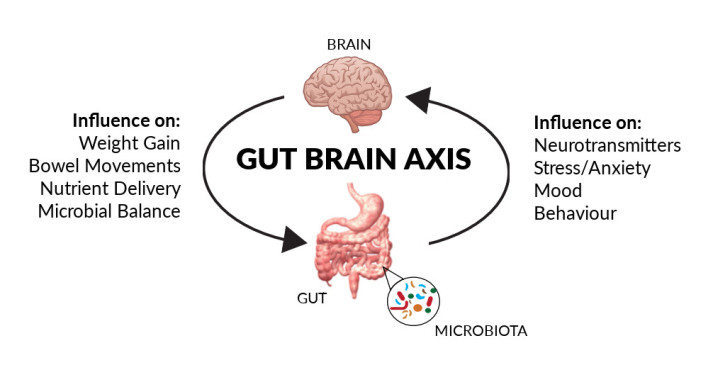
ref: https://lifeverchanging.com/2018/01/25/is-ibs-a-gut-brain-microbiome-axis-disorder/

As you can see in the diagram above, this two-way communication has a variety of functions, which not only influences the emotional wellbeing of a person, but also key physical processes such as digestion and metabolism. A crucial part of facilitating this communication and maintaining a healthy vagus nerve is the microbiome – the bacteria that live in the digestive system. In the past decade, research has exploded in this area, where scientists have begun to unearth how microorganisms such as bacteria, yeast and fungi impact the production and functioning of neurotransmitters and inflammatory processes, which modulate brain activity. 

Research shows that eighty percent of the information transmitted by the vagus nerve flows from the body to the brain (afferent nerve fibres). Whereas twenty percent of the vagus nerve is efferent, which means the signals are transmitted from the brain to the body. A clear example of this two-way communication is seen in animal studies, where researchers have found how stress inhibits the signals sent through the vagus nerve and causes gastrointestinal problems. Symptoms such as the suppression of stomach acid and digestive enzyme production, as well as increased gut permeability (leaky gut), slower bowel transit time and nutrient malabsorption are often experienced when under chronic stress. On the other hand, we also see how ‘gut instincts’ or visceral sensations, influenced by external factors such as stressful environments, alert the brain by triggering an emotional response such as fear and anxiety. 

How to support vagus nerve function

In order to support healthy vagus nerve function to optimise mental wellbeing, it is essential to not only practice lifestyle habits that stimulate vagus nerve tone, but also to take care of digestive function. 

Here are a number of ways that have been shown to help stimulate the vagus nerve and parasympathetic nerve activity:

  1. Probiotics and prebiotics 

Healthy gut bacteria help to create signalling molecules, which are communicated via the vagus nerve to the brain and keep inflammation at bay. Bacteria are also capable of creating neurotransmitters such as serotonin and dopamine. Eating fermented foods such as sauerkraut and kimchi (both fermented vegetable mixes) that are rich in beneficial bacteria, help to maintain equilibrium in the gut. In addition, eating a wide variety of vegetables and fruits can help to provide prebiotic fibres for bacteria to break down, which provides them the essential fuel they need to maintain themselves and create the metabolites that positively influence brain function. 

  1. Deep breathing

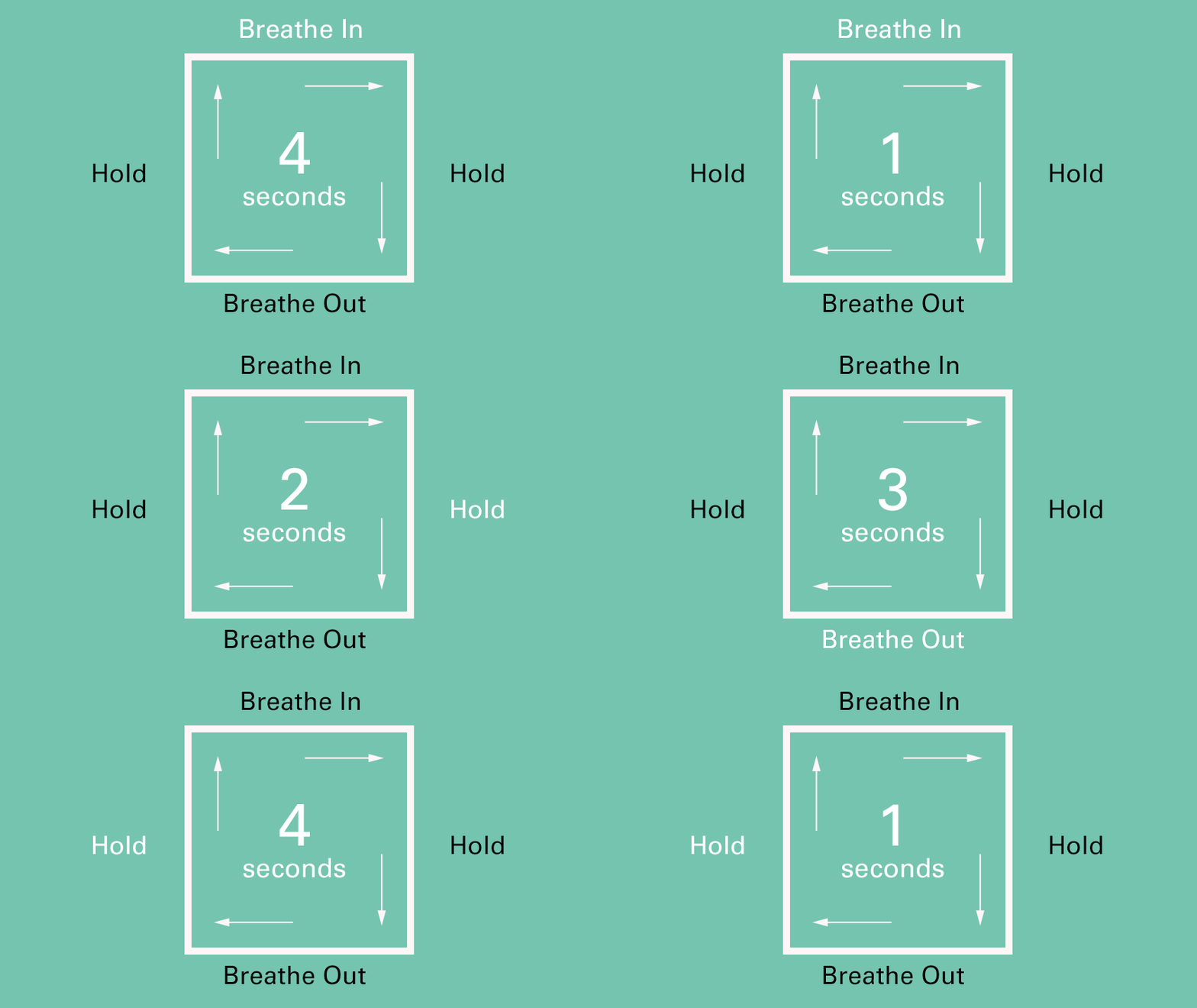
Whilst breathing is part of our autonomic nervous system (meaning that it is a process that happens automatically, without the need for us to think about it) it is also a process that we can control. Deep belly breathing, and in particular, the lengthening of the exhale, can have an immediate impact on the nervous system, stimulating the vagus nerve and therefore the parasympathetic response. One of the easiest and most accessible breathing techniques is the box breathing exercise, which can be followed below:
  1. Gargling or singing/chanting

Both gargling and singing mechanically stimulate the vagus nerve by vibrating the muscle fibres at the back of the mouth in the throat area. Due to part of the vagus nerve being located in this area, activities such as gargling can directly stimulate and fire the nerve fibres in the vagus. Practicing these activities on a daily basis can help to improve vagus nerve tone, which may have been lost due to chronic stress and trauma. 

  1. Craniosacral therapy

Craniosacral therapy directly addresses the cranial nerves (the vagus nerve is the 10th cranial nerve) and helps to shift the body out of a fight or flight state. Over time this can help to ‘rewire’ the nervous system by increasing vagal tone and allowing the balance between sympathetic and parasympathetic to reach a healthy equilibrium. 

  1. Loving kindness meditation

We know that meditation and mindfulness can be great health tools, especially due to the positive effect they can have on the nervous system. However, loving kindness meditation goes a step further by encouraging visualisation that generates ‘warm and fuzzy’ feelings of compassion and gratitude. This type of meditation is rooted in Buddhist tradition and seeks to promote four key experiences of friendliness, compassion, gratitude and equanimity. Studies have shown that practicing this type of meditation not only improves vagus nerve tone, but also significantly reduces symptoms of depression in those with PTSD and helps to increase social connection.

Here is a great guided loving kindness meditation, which you can try out:

Sign up to our mailing list

Receive educational articles and latest information on events, campaigns and research
Further info

Sleep Hacks to Improve Mental Wellbeing

Just one night of little sleep can have a significant impact on our mental wellbeing and cognitive function.  Although it may appear that our brain completely switches off whilst we’re sleeping, it is actually performing highly sophisticated tasks and is very far from being inactive. During sleep the brain replays memories from the day, sifting out what is no longer necessary, then consolidating what needs to be kept. It also regulates emotional memory in the amygdala (the emotion centre of the brain). Studies investigating sleep deprived people and those who sleep optimal amounts, demonstrate stark differences in MRI brain scanning between the two groups. Interestingly, what is most apparent is that a lack of sleep can cause a disconnect between the amygdala and the prefrontal cortex, which is the area of the brain that is associated with rational, higher-level cognitive processes that involve controlling short-sighted, reflexive behaviours, favouring problem-solving and self control. So it’s no surprise that with less than optimal sleep, we suddenly become a lot less tolerant to things that may not usually bother us and our cognitive abilities such as concentration and memory also suffer. 

Sleep disturbances are more than often concurrent with mental health conditions and can commonly precede symptoms of mood imbalances, such as depression and anxiety. In the UK, as many as two thirds (67%) of UK adults suffer from disrupted sleep and nearly a quarter (23%) manage no more than five hours a night, which could be one of the many contributing factors of increasing levels of poor mental health. Approximately 1 in 4 in the UK will experience a mental health problem every year and depression has been labelled as the second leading cause of disability globally. Considering the research showing the importance of sleep for mental health and the parallel rise of insomnia and conditions such as depression and anxiety, targeting optimal sleep with simple strategies may prove to have a significant positive impact on mental wellbeing. 

Improving sleep is in fact the biggest health ambition for a quarter (26%) of UK adults, but half (51%) admit that they don’t take any measures to help them sleep. The following 4 steps are simple and practical dietary and lifestyle strategies to help you optimise your sleep and get you started:

1. Complex Carbohydrates for Dinner

With the ever-rising trend of keto diets it’s no wonder we’re terrified of eating foods that are high in carbohydrates. However, there isn’t a one-size-fits-all when it comes to nutrition. For some who may be undergoing a significant amount of stress and insomnia, having the right type of carbohydrate can actually be beneficial and even therapeutic. Have you ever wondered why you crave carbohydrates or sugar when you’re stressed? This is because stress reduces the amount of available serotonin in the brain and carbohydrates help stimulate serotonin production, helping bring on feelings of calm and helping the body and mind relax. Serotonin is also a precursor to melatonin, the body’s hormone and neurotransmitter that induces sleep. So without enough serotonin, we simply cannot make melatonin, which will ultimately lead to problems getting to sleep. However, it’s important to note that we can’t just eat any type of carbohydrate – choosing complex, fibre-rich sources of carbohydrate foods, which provide a sustainable source of energy for the body and prevent blood sugar crashes, can help prepare the body for a better night’s sleep. 

Foods such as sweet potatoes, parsnips, beets, pumpkin, butternut squash, as well as wholegrains like brown rice and oats and pulses like chickpeas and butter beans, are all fantastic sources of slow-releasing carbohydrates. Think about including these in your evening meal along with a protein-rich food to give the brain a little serotonin boost, which will help to relax the body and optimise melatonin levels for a more restful night’s sleep. 


2. Avoid the Night-Cap 

It’s called a night-cap, but it really does little else than fool the body into slumber that is in fact very short-lived. In sleep scientist Matthew Walker’s book ‘Why we sleep’, he says how drinking is more like anesthesia than real sleep, essentially sedating the body. Whilst alcohol may get you off to sleep quicker, it actually prevents the body from entering REM sleep, a phase of deep sleep where we typically dream. This is because when the body is metabolising alcohol, the chemical by-product of this process called aldehyde is created, which is essentially what blocks REM sleep. REM sleep is important for helping to solidify memories in the brain, as well as helping the brain to make connections and identify patterns, thus helping us learn.  

So try to avoid the temptation of a night-cap or the glass of wine to help ease off the stress of the day. Instead, think about what you could have as a replacement. Perhaps a favourite warm drink or even a hot bath with some essential oils to help you relax. 


3. Try a Guided Meditation 

Even just 10-15 mins of bringing awareness to the body and the breath can help to switch on the parasympathetic nervous system, which is what helps to inhibit the stress response. When we are stressed and anxious, our body responds by creating hormones and stimulating neurotransmitters that help mobilise the body for managing life-threatening situations. Overtime, this can weaken our ability to switch off and recalibrate, which can have a negative impact on sleep. In a study where 32 patients with severe chronic insomnia engaged in meditation every evening over the course of 8 weeks, their Insomnia Severity Index (ISI) scores greatly improved (from 20.9 to 10.4). In addition, 21 out of 32 had either stopped the usage of sedative or hypnotic agents to induce sleep or greatly reduced the intake of them. This is just one study of many that have demonstrated positive effects of using different meditation tools to help support sleep. 

There are many apps and online videos to help get you started. For example, Calm and Headspace are just two fantastic apps with guided meditations specifically suited to help encourage restful sleep. Try setting aside just 10 mins before bed to help get into a regular routine. 

4. Avoid Spicy and Acidic Foods at Night

Spicy and acidic foods can, for many, lead to acid-reflux or heartburn. This may be because they have compounds like capsaicin that relax the sphincter (which separates the stomach and the oesophagus), leading to stomach acid trickling into the throat when lying down. If you find you’re susceptible to heartburn, you may want to consider avoiding these foods at night. You might also want to rule out other causes of acid reflux such as food intolerances, which can be tested via various private companies such as York Test and Biolab, if you’re based in the UK.

Sign up to our mailing list

Receive educational articles and latest information on events, campaigns and research
Further info

The link between alcohol dependency and GABA deficiency

After the festive period, many will be feeling the negative impact of alcohol and food indulgence. In an effort to allow the body to recalibrate and shake-off the resulting low energy, brain fog and low mood, taking up Dry January is often a key strategy to start the year off on a good foot. 

However, those susceptible to alcohol cravings may find that a month off the booze is harder than expected. Symptoms such as poor sleep, sugar cravings and a long-winded hangover, are just some of the experiences that people have reported. One of the most common symptoms is an increase in anxiety, perhaps due to the reduction of a very important neurotransmitter called GABA, which is stimulated by alcohol. 

What is GABA?

GABA is the body’s main inhibitory neurotransmitter, meaning that it helps the body and brain to relax and promotes feelings/sensations of calm and tiredness. It does this by preventing excitatory neurotransmitters like dopamine and noradrenaline from over-stimulating the brain and helps to slow down the heart rate and breathing, as well as relaxing muscles. 

In those who are deficient in GABA, feelings of anxiety, stress and worry can be common symptoms, leading to alcohol cravings. Alcohol targets GABA receptors and mimics the effect of this neurotransmitter, helping to relax the mind and body. 

Have you ever craved alcohol after a stressful day and used a glass of wine to help calm the nerves and decompress the mind? This is your body’s way of telling you that GABA needs to be switched on! Whilst alcohol facilitates this, unfortunately the negative side effects of chronic alcohol use far outweigh the temporary feelings of calm and relax. 

The Relationship Between GABA and Alcohol 

Alcohol can cross  the blood brain barrier incredibly quickly – the brain’s very own protective mechanism that prevents things like toxins, bacteria and unwanted hormones from entering the brain and causing damage. This is why after drinking alcohol, its effects can be felt almost instantly. 

The brain has a very intelligent way of preventing overstimulation of neurotransmitters, so that balance is maintained. For example, when alcohol intake is high, in an effort to avoid an excessive accumulation of GABA (as well as other neurotransmitters), receptor response is dampened. Meaning  that over time, you’ll need more of the substance to provide the same effect, which may lead to potential addiction and alcohol dependency . This can make Dry January almost impossible to achieve, if other ways of increasing GABA aren’t employed. 

Below is a list of safe and natural ways you can help activate GABA, which will also enhance overall health and mental wellbeing. 

4 Ways to Increase GABA Naturally… 

  1. Magnesium – nature’s relaxant

Magnesium has been shown to modulate GABA activity in the brain. It does this by acting on GABA receptors to help facilitate GABA neurotransmission and its consequent effects of relaxation. 

Magnesium also helps to relax the central nervous system, as well as the body’s muscles. It does this by helping to activate the parasympathetic nervous system – the branch of our autonomic nervous system that is responsible for helping us to relax, down-regulating cortisol output and for regenerating cells and tissues. 

We can find magnesium in foods such as avocado, nuts and seeds, legumes and some wholegrains. However, some studies have shown that supplementing with magnesium (around 300mg a day), can be very effective in reducing symptoms of anxiety. 

  1. Consider a B6 Supplement 

GABA is produced via the activity of an enzyme called glutamic acid decarboxylase (GAD) and GABA transaminase, which require vitamin B6 as a cofactor. Studies show that the B6 status of an individual has significant effects on the central production of both GABA and serotonin, neurotransmitters that control pain perception, and for preventing symptoms of depression and anxiety. Whilst B6 is found abundantly in the diet, studies show that common deficiencies of B12 and B9 (Folate), can also indicate B6 deficiency, so it’s important to take into consideration if you have a history of anemia. In addition, those who have chronic alcohol intake are also at risk of B6 deficiency. 

B6 can be found in all animal products, as well as grains, pulses, eggs and dairy. However, you may want to consider a supplement that contains all the B vitamins to help boost B6 levels temporarily.

  1. Increase Exercise

Researchers have found that vigorous bouts of exercise can increase GABA. In addition, exercise helps to switch on a regenerative substance in the brain called Brain-Derived Neurotrophic Factor (BDNF) – helping create new and healthy brain cells and increases neuroplasticity, which prevents anxiety and depression. Engaging in just a small amount of exercise on a daily basis, as well as remembering to take ‘walking’ breaks away from the desk or the sofa is enough to switch on this ‘brain-protective’ mechanism.

  1. Engage in a Mind-Body Movement 

There is a significant body of evidence that demonstrates how practices such as yoga, can help increase levels of GABA in the brain. For example, in a study comparing the effects of walking and yoga in two separate groups, MRIs that were taken following these activities demonstrated significant differences. Participants in the two control groups did these activities for one hour, three times a week, over a period of 12 weeks. The MRIs revealed a larger increase in GABA levels in a part of the brain called the thalamus amongst yoga practitioners. The yoga practitioners also reported improved mood and anxiety compared to the waking control group.  

A final word… 

These findings give us clues as to what our bodies need in order to maintain health and mental wellbeing. These simple, practical steps are easy to implement and can help reduce alcohol cravings and increase GABA in the brain. In addition, eating a balanced diet that helps to stabilise blood sugar levels, is also essential for preventing cravings. 

To help provide a sustainable source of energy, eating three meals a day which contain protein-rich foods such as poultry, fish, eggs and pulses, as well as complex carbohydrates, such as sweet potatoes, butternut squash, other root vegetables and brown rice, and a wide variety of vegetables, is essential. This helps to prevent anxiety caused by blood sugar lows and highs, which can also leave you vulnerable to craving alcohol and other substances. 

Sign up to our mailing list

Receive educational articles and latest information on events, campaigns and research
Further info

Nutritional & lifestyle changes to support SAD

SAD, which stands for Seasonal Affective Disorder, isn’t just a case of the winter blues. It is a form of major depression and can be seriously debilitating, causing symptoms such as chronic low mood, excessive sleeping, carbohydrate cravings, irritability, poor concentration, low libido and lethargy. SAD occurs most typically throughout the winter months and currently affects around 6% of the UK population, and between 2-8% of people in other countries of higher latitude such as Sweden, Canada and Denmark. 

Curiously, around 80% of sufferers are women, mostly those in their early adulthood. Scientists such as Dr Robert Levitan, professor at the University of Toronto, have speculated that this may be due to evolutionary purposes, which encourages women of reproductive age to slow down during the winter months to help preserve energy, leading to healthier pregnancies. 

Research has yet to come to a definitive conclusion as to what causes SAD, however, there are a number of underlying biochemical triggers that have been identified. 

A leading theory looks at serotonin production and how levels of this neurotransmitter in the body are significantly affected by the amount of available sunshine. Research shows that exposure to sunshine has an impact on the binding-capacity of serotonin to receptor sites in the brain, which essentially allows serotonin to work its magic, leading to feelings of contentment and happiness. 

Other research also indicates how those suffering with SAD tend to have a dysregulated production of melatonin, the hormone produced in the pineal gland in response to darkness, which induces sleep. Instead of being produced in the evening, helping the body settle for the night, studies in those that suffer with SAD show melatonin being secreted during the day, hence feeling the need to sleep all the time and lack of energy. 

There are a few other biochemical underpinnings in the pathogenesis of SAD, however, there are some key nutrition and lifestyle strategies based on these initial findings, which can help support mood throughout the winter months.  

1. Get your body clock in check 

Our body’s hormones and biological processes are majorly governed by a natural, internal circadian rhythm, which regulates our sleep-wake cycle and is programmed by daylight and night. A disrupted circadian rhythm can be caused by shift work, not enough exposure to daylight, stress, insomnia and too much exposure to blue light in the evening, which can lead to an imbalance in neurotransmitters such as serotonin and melatonin. 

This is why it is incredibly important to try and attune the body to these cycles as much as possible, by doing things like avoiding electronic screens at night and doing relaxing activities to encourage melatonin production, as well as exposing the face to daylight first thing in the morning, or if it’s dark, buying a light therapy lamp. Putting these strategies into place, can help the body recalibrate and realign to a healthy sleep-wake cycle. 


2. Check your vitamin D levels

Research shows that having sub-optimal levels of vitamin D3 can interfere with proper serotonin production. Whilst scientists don’t understand exactly how, there is a significant body of research that demonstrates a strong link between vitamin D3 levels and depression.In one particular study, scientists found that vitamin D3 helps to convert the amino acid, tryptophan, into serotonin. 

Check your vitamin D3 levels and make sure that they are above 75 nmol/L, for optimal serotonin production. 


3. Balance your blood sugar levels 

More than any other organ in the body, the brain is dependent on a constant supply of energy, which very much related to our diet. Eating foods that are high in sugar and simple carbohydrates leads to rapid fluctuations in blood sugar levels, which can have a significant impact on the brain and its neurotransmitters. Typical symptoms of imbalanced blood sugar levels are low mood, anxiety, brain fog and fatigue. 

This is why it is important to eat foods that provide the body and brain with a consistent and sustainable source of energy. This means making sure you’re eating complex carbohydrates that contain ample amounts of fibre, such as brown rice, starchy vegetables and tubers like sweet potato, butternut squash and beets, as well as eating protein-rich foods with every meal and snack. Avoiding refined grains like white bread, pastries, cakes, biscuits and white rice, as well as foods with added sugar like in processed foods, sweet yoghurts, fruit juices and cereals, is absolutely key to avoiding blood sugar imbalances. 
4. Get moving! 

According to a recent study published by JAMA Psychiatry, people are 26% less likely to become depressed with regular physical activity. It is well established that exercise can stimulate the release of endorphins such as serotonin, dopamine and norepinephrine – all of which regulate mood and prevent symptoms of depression. 

We also know that exercise stimulates the release of protective molecules such as Brain-Derived Neurotrophic Factor, which helps to trigger the growth of new brain cells. 

The key takeaway is to include some form of movement into your everyday life to help encourage the brain to produce its ‘feel-good chemicals’. Whether it’s fast paced walking or a more intensive exercise like HIIT, it is vital to be moving. 

Sign up to our mailing list

Receive educational articles and latest information on events, campaigns and research
Further info

Early Diagnosis of Alzheimer’s – Amyloid Protein vs Homocysteine Testing

Worldwide 46.8 million people have dementia. In the UK, 1 in 14 people over 65 have Alzheimer’s, the most prevalent form of dementia; and increasingly dementia sufferers are also struggling with other chronic conditions, such as diabetes and depression. Research on new strategies for earlier diagnosis is among the most active areas in Alzheimer’s science. This is as the majority of cases are diagnosed when irreversible brain damage or mental decline has already occurred. 

The amyloid protein test used for earlier diagnosis

Amyloid beta is a protein found in the brain that is involved in the pathophysiology of Alzheimer’s and cognitive decline. This 2019 study found that a blood test to measure amyloid, is 94% accurate in earlier diagnosis of Alzheimer’s disease. This is specifically when in combination with age and genetics (testing positive for the APOE4 gene) as risk factors. Whilst this is a positive development for future considerations in treating Alzheimer’s, there has been no successful amyloid-lowering drug trial to date.

In addition, it is well-known that the damaging clumps of amyloid protein can begin to develop and lead to brain atrophy decades before an individual even begins to experience symptoms of memory loss and cognitive function, so unless testing is given earlier on in life as a preventative measure, an amyloid-lowering drug when the damage has already been caused may not be very effective. 

Amyloid, a protective mechanism?

To date, the majority of research into the treatment of Alzheimer’s has been focused on the “amyloid hypothesis”. In 2018 alone, the US National Institutes of Health spent $1.9 billion on Alzheimer’s research. However, according to this study, there has been a 99% failure rate in the development of drugs that target this disease. Questions about the reliability of the amyloid protein hypothesis are being posed by scientists, after various studies discovering how amyloid plaques actually function as a type of sticky defence against bacterial invasion, lead to a different hypothesis. In one significant study, where mice that were genetically engineered to make Alzheimer’s proteins had bacteria injected into their brains, researchers found that amyloid plaques engulfed bacterial cells overnight, suggesting a protective mechanism.  

Why we cannot ignore the link between high homocysteine levels and Alzheimer’s 

According to a Consensus Statement released by an international panel of experts on dementia: Research has shown, time and time again, that having high homocysteine (Hcy) levels, and low folic acid and B12 levels in the blood correlate with an increased risk for Alzheimer’s disease.

An earlier review written by Professor David Smith in 2008, highlighted that there are a total of ‘seventy-seven cross-sectional studies on more than 34,000 subjects and 33 prospective studies on more than 12,000 subjects’…that…‘have shown associations between cognitive deficit or dementia and homocysteine and/or B vitamins.’ 

In a meta-analysis published in 2014 by BMC Public Health, raised homocysteine was considered to be one of the three strongest risk factors, along with low education and decreased physical activity.

Two further trials have clearly shown that lowering homocysteine, through the supplementation of B vitamins, reduced age-related cognitive decline in normal ageing and also slowed down both brain atrophy and cognitive decline in people with Mild Cognitive Impairment.

The efficacy of B vitamins to prevent the progression of Alzheimer’s.

In one study, 270 people over 70 with Mild Cognitive Impairment were recruited to trial the efficacy of B vitamins to prevent the progression of Alzheimer’s. MRI scans were done at recruitment and half the participants were given high doses of three B vitamins (B6, B9 and B12), half took a placebo tablet.

After 2 years, participants were scanned again and scientists found that the rate of brain atrophy in those treated with the B vitamins was on average 30% slower than those taking placebo. In addition, in those that had the highest homocysteine levels at baseline, the effect of B vitamin treatment was even more potent, helping to slow down brain atrophy by 53%. This result fits all the criteria for a disease-modifying treatment and so is especially important. There is, therefore, ample evidence to propose that lowering homocysteine by giving appropriate supplemental levels of homocysteine lowering nutrients, including B6, B12 and folic acid, would reduce risk.

In a commission published by the Lancet, 9 modifiable risk factors were outlined, clearly excluding homocysteine:  

Mid-life hearing loss – responsible for 9% of the risk Failing to complete secondary education – 8% Smoking – 5% Failing to seek early treatment for depression – 4% Physical inactivity – 3% Social isolation – 2% High blood pressure – 2%Obesity – 1% Type 2 diabetes – 1% 

Ignoring homocysteine is surprising, since a meta-analysis from the National Institute of Aging estimated that about 22% of Alzheimer’s disease may be caused by raised levels of homocysteine.

Integrating homocysteine testing and inexpensive B vitamin-based treatment into the heart of mainstream health strategies on Alzheimer’s could potentially play a vital role in the prevention of dementia, if caught early enough.

Every 3 seconds, someone in the world develops dementia and the International Alzheimer’s Society estimates that by 2050 there will be 131.5 million people living with this disease. This is not something we can ignore.

Sign up to our mailing list

Receive educational articles and latest information on events, campaigns and research
Further info

How can Niacin support Schizophrenia?

In the UK, at any one time about 220,000 people are being treated for schizophrenia by the NHS. Whilst it is a less common mental health condition, statistics show that there is a higher risk associated to suicide and greater vulnerability to physical conditions like diabetes, perhaps due to medications such as antipsychotics. Due to this, statistics show that people with schizophrenia die on average 10 – 20 years earlier than the general population.

Schizophrenia is characterised by two different groups of symptoms, which are classified as ‘positive’ and ‘negative’. Positive symptoms are the changes in behaviour and thoughts described as hallucinations (hearing voices or seeing things that others don’t), delusions and paranoia. The negative symptoms include feeling disconnected from other people, less interested in life, emotionless and sometimes disorganised thought and speech. 

The exact cause of schizophrenia is still misunderstood, with various theories pointing to a number of different biochemical imbalances, including genetic mutations that can provide the foundations for the disorder to develop. 

What causes schizophrenia?

One of the most popular theories on the cause of schizophrenia, which is widely accepted by the scientific and medical community, is the dopamine excess hypothesis, that is, too much dopamine in the brain that can cause the positive symptoms of psychosis to occur. Antipsychotics are the most commonly prescribed medications to target positive symptoms and prevent psychosis. Whilst they have proven to be critical in targeting excessive dopamine signalling in the brain, antipsychotics can also lead to health complications such as metabolic syndrome, the worsening of negative symptoms and nutrient depletion, which overall can be detrimental to a patients’ health over a long period of time. Studies show that common antipsychotics such as clozapine can lead to the depletion of selenium and l-tryptophan. Both nutrients are incredibly important to maintain health – selenium is an essential mineral, which is a precursor to glutathione, the body’s most important antioxidant and l-tryptophan is an amino acid precursor to serotonin, which is known to prevent depression and enhance mental wellbeing.

Another key theory, founded by the late Dr Abraham Hoffer and his colleagues Humphrey Osmand and John Smythies in 1954, is the adrenochrome theory. This theory initially came about after studying the symptoms caused by hallucinogenic drugs such as LSD, mescaline and amphetamines. The researchers noted these symptoms were similar to those experienced by schizophrenics including euphoria, derealisation and hallucinations, accompanied by paranoia and depression. They then discovered that the chemical structure of adrenaline was also similar to mescaline and LSD, which lead them into researching the effect of adrenochromes on the brain. 

What are adrenochromes? 

Adrenochromes are metabolites of adrenaline, the hormone and neurotransmitter that is responsible for our body’s ‘fight or flight’ response. It is believed that derivatives of adrenaline and other similar compounds such as dopaminochrome and noradrenochrome, can be neurotoxic in large quantities and cause mood-altering effects. 

The adrenochrome theory is further supported by studies that have shown how in those with schizophrenia, the enzyme glutathione s-transferase, (responsible for clearing the brain from neurotoxic compounds such as adrenochrome, dopaminochrome and noradrenochrome) is commonly defective, thus leading to an accumulation of these substances in the brain. 

What is niacin’s (B3) role in preventing symptoms of schizophrenia? 

Abraham Hoffer and his team theorised that in order to reduce the production of adrenochromes, a methyl acceptor such as B3 would be needed. Methyl acceptor is the name for nutrients, mainly in the B vitamin family, which each play an important role in a biochemical process known as methylation. This process is needed for a variety of biochemical reactions, such as building and breaking down neurotransmitters, supporting liver detox pathways and DNA repair, to name a few.  

Upon studying the pathway for adrenaline production in the brain and the cofactor nutrients supporting and inhibiting this pathway, Hoffer deduced that by giving large doses of vitamin B3, which is a methyl acceptor, this would effectively prevent the conversion of noradrenaline to adrenaline, and by limiting the amount of adrenaline, this would then prevent the build up of adrenochromes. 

In addition, B3 is also a precursor to nicotinamide adenine dinucleotide (NAD), a compound that is involved in redox reactions, which prevents oxidative stress caused by free radicals. These are unstable molecules that scavenge electrons from other molecules, causing a chain reaction that can eventually damage tissues in the body. NAD prevents the oxidation of adrenaline, which is what turns adrenaline into adrenochromes, therefore preventing the production of these neurotoxins that over time can damage the brain.


How reliable is the adrenochrome theory? 

Between the years 1953 to 1960, Hoffer researched and studied patients with schizophrenia, publishing a total of six double-blindclinical trials. In one study, conducted in 1962, 82 patients (39 in the niacin group and 43 in the placebo group) were involved and were given niacin throughout a period of 33 days. The results showed that 79.5% in the niacin group improved significantly in comparison to the placebo group, which was 41.9%. 

Despite the positive results that these 6 studies showed, other studies on patients with chronic schizophrenia who had been suffering for longer periods of time, demonstrated how B3 was not as effective. In one particular study using 32 patients, after two years of niacin use no positive effect was registered. However, Hoffer realised after performing initial studies that niacin treatment needed to be carried out for longer periods of time in those with chronic schizophrenia. 

A recent meta-analysis of the effects of vitamins and minerals on schizophrenia identified 18 clinical trials in which 832 patients on antipsychotics were involved. The analysis found that high dose B vitamins (including B3, B6 B9 and B12) were consistently effective for reducing psychiatric symptoms, in comparison to studies where low dose B vitamins were used. 

How safe is niacin treatment? 

Doses of niacin for schizophrenia are recommended between 3,000mg – 18,000mg a day in order to have a substantial effect. It should be noted, however, that niacin treatment must be monitored by a qualified health professional or doctor and should not be self-prescribed. Due to niacin’s side-effects, which are characterised by hot flushes and red skin rashes, many may choose to opt for a ‘no-flush’ version of the niacin supplement. However, studies have shown the risk of liver toxicity with high doses of the timed release and no-flush version of niacin, so this should be avoided. 

In addition, niacin on its own is rarely enough to address symptoms of schizophrenia. Each person is unique, and therefore there are many other factors which should be taken into consideration, such as digestion and inflammation. 

Sign up to our mailing list

Receive educational articles and latest information on events, campaigns and research

Further info